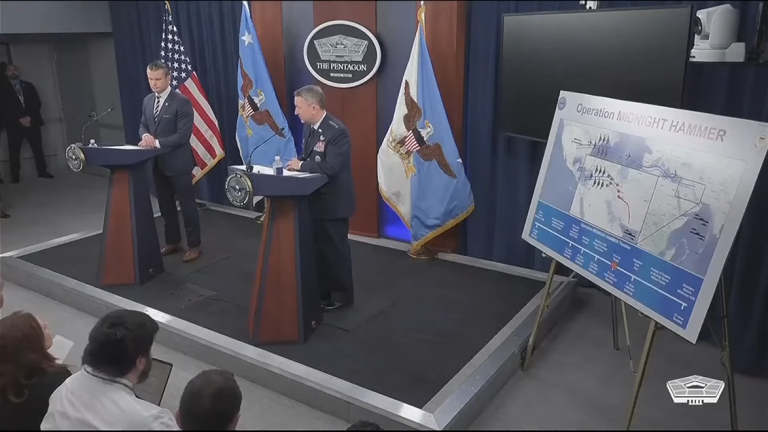
After United States launched a coordinated military strike on three of Iran’s most critical nuclear sites at Natanz, Fordow, and Arak, Secretary of Defense Pete Hegseth and Chairman of the Joint Chiefs of Staff Gen. Dan “Razin” Caine held a press conference from the Pentagon early Sunday morning to give details about the operation. They detailed how Operation Midnight Hammer was executed with precision and strategic deception, marking a significant escalation in the ongoing tensions between the United States and Iran.
“Last night, on President Trump’s orders, U.S. Central Command conducted a precision strike in the middle of the night against three nuclear facilities in Iran Fordo, Natanz and Isfahan in order to destroy or severely degrade Iran’s nuclear program,” Pete Hegseth said.
He added, “The order we received from our commander in chief was focused. It was powerful, and it was clear we devastated the Iranian nuclear program. But it’s worth noting the operation did not target Iranian troops or the Iranian people for the entirety of his time in office.” Hegseth said that the operation was “an incredible and overwhelming success.”
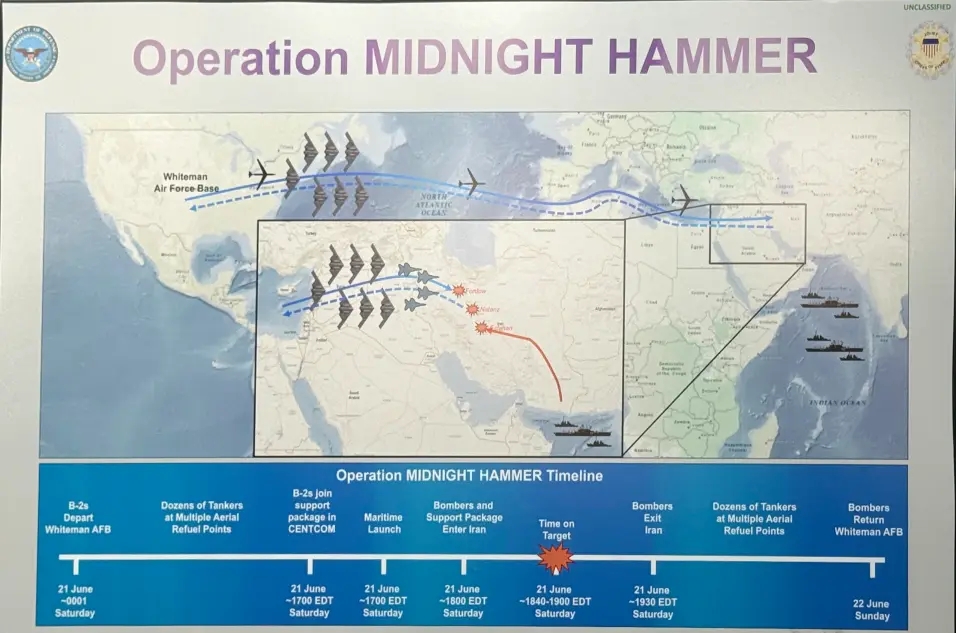
Giving details about Operation Midnight Hammer, Gen. Dan Caine said that the operation included the use of submarines, dozens of Tomahawk land attack cruise missiles, and it was the “longest B-2 spirit bomber mission since 2001.” He said that apart from dropping bunker busting bombs on Iranian nuclear sites, US also launched Tomahawk land attack cruise missiles against key surface infrastructure targets.
He said, “At approximately 5 p.m. Eastern Standard Time last night and just prior to the strike package entering Iran, a U.S. submarine in the Central Command area of responsibility launched more than two dozen Tomahawk land attack cruise missiles against key surface infrastructure targets as often as the Operation Midnight Hammer strike package entered Iranian airspace.”
The main strike was conducted by seven B-2 Spirit bombers that took from US and flew over the Atlantic. Notably, as a deceptive tactic, US also flew some B-2 bombers westwards over Pacific towards Guam.
Caine said, “On Friday midnight into Saturday morning, a large B-2 strike package comprised of bombers launched from the continental US. As part of a plan to maintain tactical surprise, a part of the package proceeded to the west and into the Pacific as a decoy, a deception effort known only to an extremely small number of planners and key leaders here in Washington and in Tampa.”
He said that the lead B-2 bomber launched two massive bunker-buster bombs at the Fordow nuclear site at 6.40 pm, and then the remaining bombers hit their targets. He added that the other targets were struck between 6.40 pm and 7.05 pm (US Eastern Time), and a total of 14 bunker-busting GBU-57 bombs were used. Therefore, the entire mission in Iran was completed in just 25 minutes.
Dozens of refuelling aircraft worked in tandem with the seven B-2 bombers to refuel them on the route. Fourth- and fifth-generation fighters, including F-22 jets, were used to clear the way for the airstrikes.
Caine added that Iran didn’t fire at the American planes, and the bombers and other jets returned home without any incident. “Iran’s fighters did not fly, and it appears that Iran’s surface to air missile systems did not see us throughout the mission. We retained the element of surprise,” he added.
Hegseth noted that this the first operational deployment of the GBU-57A/B Massive Ordnance Penetrators (MOP) — the most powerful heavy-duty bunker buster bomb known to exist. “Our initial assessment is that all of our precision munitions struck where we wanted them to strike and had the desired effect,” Hegseth said.
“It was historic, a strike that included the longest B-2 Spirit Bomber mission since 2001 and the first operational employment of the MOP, a massive ordinance penetrator,” Hegseth added.
Early on Sunday, the United States launched a coordinated military strike on three of Iran’s most critical nuclear sites—Natanz, Fordow, and Arak. The strikes came amid rising tensions in the Gulf and growing concern over Iran’s nuclear breakout timeline. Precision munitions pounded infrastructure suspected of housing advanced uranium enrichment centrifuges and heavy water reactors. The immediate goal: cripple Iran’s nuclear development before it crosses a red line.
As per reports, US used its bunker busting bomb GBU-57 Massive Ordnance Penetrator (MOP) dropped from B-2 Spirit stealth bomber to strike the underground facilities. The 13,600 kg GBU-57 can penetrate deep into the grounds to destroy Iranian nuclear facilities located under mountains. The B-2 bomber flies at 50,000 feet altitude and is practically invisible in radar due to its stealth properties.
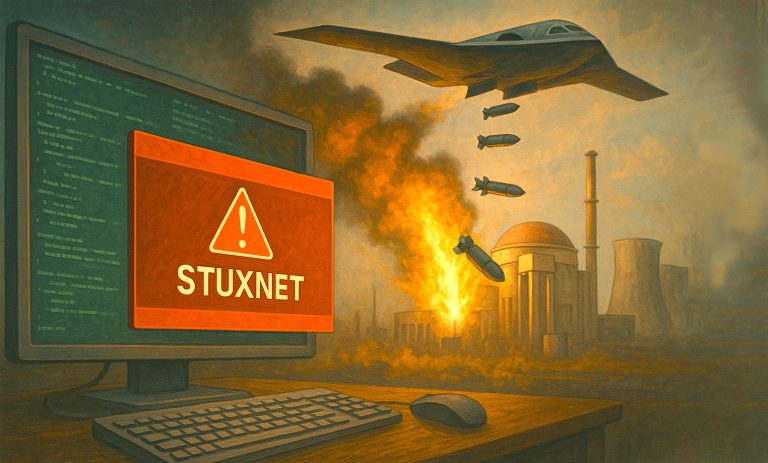
But while today’s headlines feature bombers and fighter jets, massive bombs, detailed military planning and coordination, this isn’t the first time Iran’s nuclear program has been set back by a foreign adversary. Over a decade ago, the most effective attack on Iranian nuclear establishment came not from bombs and missiles, but from a few thousand lines of code—discreet, invisible, and devastating.
No airstrikes, no bombs, just a sophisticated piece of malware that slipped silently into the heart of Iran’s enrichment facilities and blew centrifuges apart from the inside out.
This was Stuxnet—the world’s first true cyberweapon that caused physical damage to machinery. Not ordinary machinery, hi-tech equipment used in nuclear facilities.
The mission of the malware: delay Iran’s progress toward a nuclear weapon without triggering a full-blown war. Stuxnet silently damaged a lot of centrifuges at a Iranian nuclear facility even before anyone knew what was happening.
The Silent Sabotage
First discovered in 2010 but likely deployed as early as 2007, Stuxnet marked a watershed moment in cyberwarfare. It wasn’t just code—it was a precision-engineered digital weapon, designed to do physical damage to one of the most heavily guarded and secretive operations in the world: Iran’s nuclear enrichment plant at Natanz.
The worm was not designed to spy or steal, it sabotaged, manipulated critical machinery to self-destruct while feeding operators false data to mask the damage. It worked flawlessly for years before anyone even knew it existed.
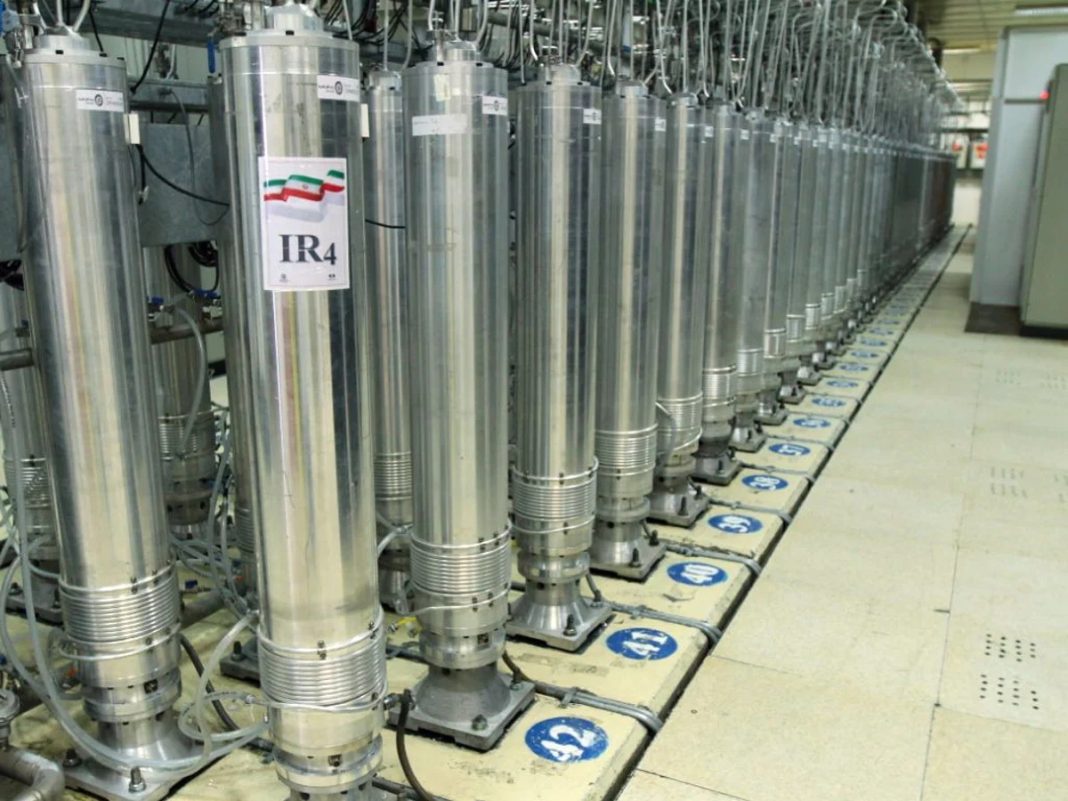
Centrifuges at Natanz facility
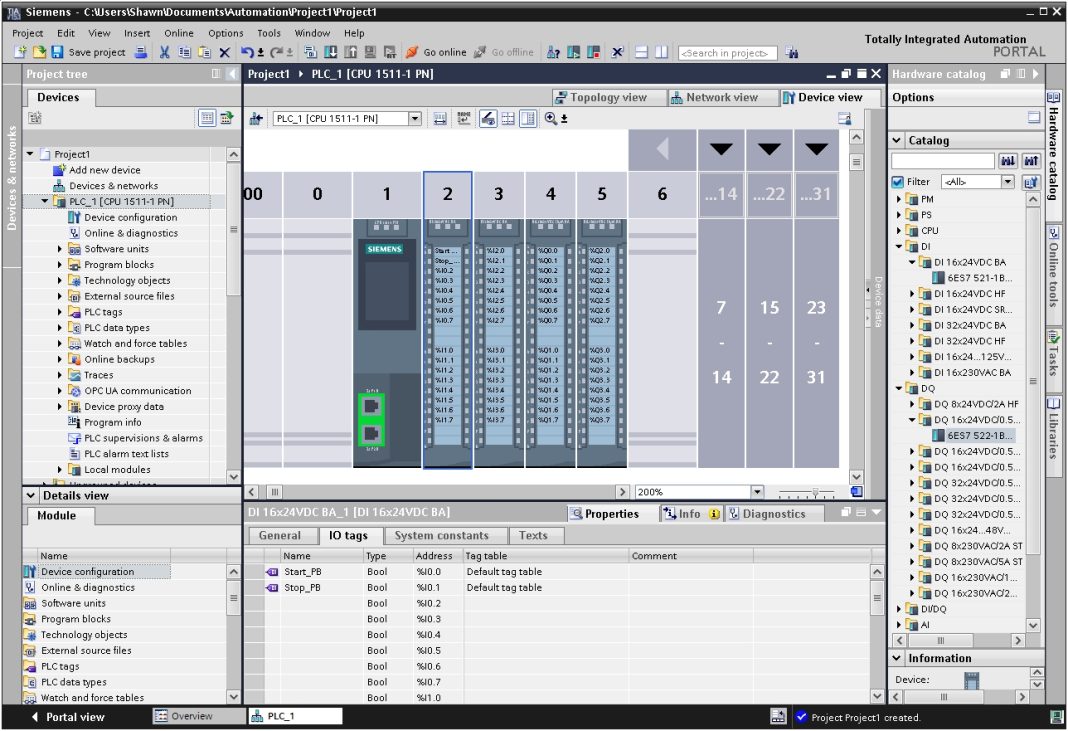
Stuxnet was designed to spread from computer from computer running Microsoft Windows, and sit there, looking for presence of some very specific equipment connected to that computer. Specifically, it sought a specific Siemens software used to control industrial centrifuges, which are also used in nuclear facilities.
Stuxnet caused the Iran’s nuclear centrifuges to spin very fast and very slow, causing substantial damage. It is estimated that one-fifth of Iran’s nuclear centrifuges were destroyed by the malware. While causing the centrifuges to spin at unusual speeds, the malware also fed false data to the system, therefore the operators didn’t spot the malfunction.
Operation Olympic Games: The Architects of Stuxnet
The creation of Stuxnet was no amateur operation. Based on leaks, investigative journalism, and cybersecurity analysis, it’s widely attributed to a joint initiative between the United States’ National Security Agency (NSA) and Israel’s Unit 8200, under the codename Operation Olympic Games.
This partnership brought together unparalleled intelligence, industrial systems expertise, and cyber capabilities. The result was a worm that exploited four zero-day vulnerabilities—unprecedented at the time—and had the ability to mask its tracks, self-update, and even delete itself after completing its mission.
When the malware was finally discovered and experts looked into it, they knew that it was a work of govt agencies, not rogue elements. The creators went to a great extent to not damage any system not linked to Iran’s nuclear programs. Stuxnet just sat idle on computers if the specific conditions were not met. Moreover, it was designed to erase itself from infected systems on 24 June 2012.
The fact that four zero-day vulnerabilities were used in one program also confirmed that it was a govt program, as real hackers will use one vulnerability at a time, to maximise gains. Stuxnet represented a level of complexity, precision, and purpose never seen before in malware.
Of the four different zero-day vulnerabilities, one was so dangerous that it simply required having an icon visible on the screen – no interaction like clicking anything was necessary.
How Stuxnet Infiltrated and Attacked
Stuxnet had three components, a worm that conducted most of the work, a link file which automated execution of propagated worm copies, and a rootkit which hid files from detection.
Stuxnet was custom-built to target Siemens Step7 software used to program Programmable Logic Controllers (PLCs). These controllers governed the speed and operation of IR-1 centrifuges, the machines that spin uranium hexafluoride gas to concentrate U-235 isotopes—essential to creating weapons-grade uranium.
But Natanz was air-gapped—not connected to the internet. Therefore, it was not possible to infect the system remotely. Therefore, Stuxnet’s designers designed it to spread via infected USB drives, exploiting removable media to breach isolated networks. Once some unsuspecting engineer inserted an infected USB drive into his work computer at the nuclear site, the worm was inside the internal network, spreading to other computers on the network.
Once inside, it scanned the system for very specific configurations: the presence of Siemens PLCs running on Windows machines, connected to Vacon and Fararo Paya frequency converters, all operating within a particular range of speeds (807 Hz and 1210 Hz). This is a much higher frequency than motors typically operate at in most industrial applications.
Siemens Step 7 software
If those conditions were met, Stuxnet activated, and introduced the infected rootkit onto the PLC and Step7 software. It then modified the code to give unexpected commands to the PLC to spin the centrifuges at various speeds. It would subtly vary the centrifuge speeds in ways that stressed the rotors, causing them to crack and fail. It also reported normal status back to operators, hiding its activities.
The worm also included a rootkit, which hides the malware on the system and masks the changes in rotational speed from monitoring systems. The malware first increased the centrifuge speeds and then lowered it, and did it repeatedly. This caused excessive vibration, causing the centrifuges to tore themselves apart. Essentially, the malware caused the centrifuges to self destruct.
Siemens PLC
It was digital sleight of hand, and it worked. According to IAEA data and U.S. intelligence estimates, Stuxnet destroyed around 1,000 of the 5,000 centrifuges Iran had in operation at Natanz.
While initially spread via USB drives, Stuxnet was designed to be updated once it reached a computer connected to internet. Two websites in Denmark and Malaysia were configured as command and control servers for the malware for this purpose. It could also sent information on infected systems back to the control centres.
Global Fallout: The Worm That Escaped
For all its surgical precision, Stuxnet eventually escaped its target environment. In mid-2010, it was detected by a Belarusian cybersecurity firm, VirusBlokAda, on a client’s computer in Iran. The code had begun spreading outside Natanz, infecting industrial systems around the globe.
It appeared in over 100,000 systems across more than 155 countries. Most of these infections were benign—Stuxnet only triggered its payload under very specific conditions—but its global presence set off alarm bells. Researchers from Symantec, Kaspersky Lab, and others began dissecting the code, uncovering its unprecedented complexity and purpose.
The worm was designed not just to infect, but to hide in plain sight, avoid detection, and even remove itself when done. It used stolen digital certificates to appear legitimate, employed advanced rootkits, and had multiple fallback strategies for persistence. Its sophistication left little doubt: this was the work of a nation-state, not a hacker.
Though Stuxnet’s payload only executed under precise conditions, its spread revealed the vulnerability of global industrial systems. Factories, power plants, and infrastructure operators across the world were suddenly faced with the unsettling realization: a worm designed for one site in Iran had infected them too. While fast spinning centrifuges are not used in most industries, they are used in some specific sectors, like gas turbines.
While most systems were unaffected functionally, some Siemens-based control systems in India, Indonesia, and even the United States experienced abnormal behaviour or had to undergo security audits and partial shutdowns to ensure safety. Therefore, even thought there were no serious physical damage, firms had to spend considerable amounts of money and resources to fix the systems.
The incident forced governments and corporations to reevaluate cybersecurity for Operational Technology (OT)—the realm of hardware and software that controls industrial equipment. For the first time, IT security wasn’t just about data—it was about life.
The Beginning, Not the End
Once detected, Stuxnet was removed from the infected machines, and the vulnarabilities that it relied on were patched. Siemens released a detection and removal tool for Stuxnet.
Stuxnet was the first, but it wasn’t the last. It inspired a new class of malware— like Duqu, Flame, Triton, and Industroyer—each one more aggressive or more dangerous. Cyberweapons have since targeted Ukrainian power grids, Saudi petrochemical plants, and American pipelines.
Malicious software targeting critical infrastructure is no longer is a subject of Hollywood movies, it is happing in the real world. And it began with an attempt to shut down Iranian nuclear enrichment program.
As tensions escalate in the Middle East, and U.S.-Iran hostilities enter a dangerous new phase, the silent war continues beneath the surface: in servers, control rooms, high-speed internet networks and perhaps still in USB ports.
Tensions have flared up dramatically in the Middle East after the United States launched targeted airstrikes on Iran’s nuclear facilities. Three of Iran’s most critical nuclear sites—Natanz, Fordow, and Arak—were bombed using bunker-busting bombs dropped from B-2 bombers. In the first act of retaliation, the Islamic Revolutionary Guard Corps (IRGC) has threatened to completely shut down the Strait of Hormuz, through which almost one-fifth of the world’s oil flows.
The statement came hours after US President Donald Trump confirmed strikes on Fordow, Natanz and Esfahan, key nuclear sites of Iran. In response, IRGC Navy Commander Brigadier General Alireza Tangsiri reportedly warned, “The Strait of Hormuz will be closed within a few hours.” However, closing the Strait of Hormuz completely is easy to say but not that easy to actually do.
What is Strait of Hormuz
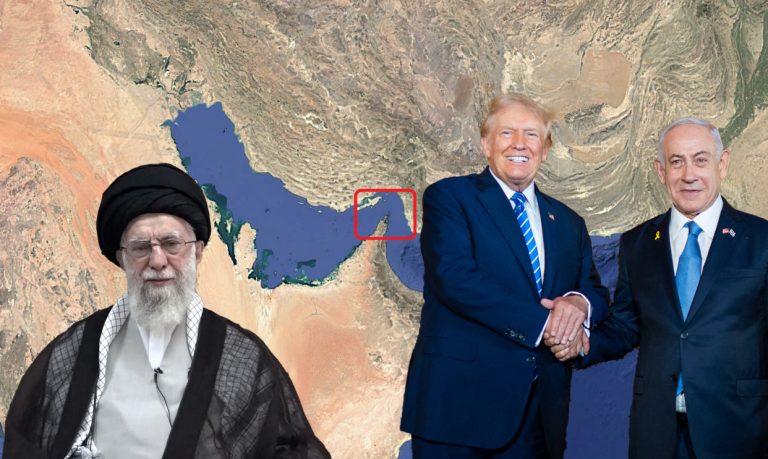
The Strait of Hormuz is a narrow channel between Iran and the Omani Musandam Peninsula. It is around 30 miles wide at the narrowest point and connects the Persian Gulf to the Gulf of Oman. The Strait of Hormuz is deep and free of maritime hazards. The depth of the Strait is greatest near the Musandam Peninsula.
Commercial traffic through the Strait moves through the designated Traffic Separation Scheme (TSS) north of the Musandam Peninsula. However, the water is deep enough to accommodate larger ships to pass through an Inshore Traffic Zone south of the Omani island of Didimar. In this area, the Strait is over 650 feet deep. But often, restrictions are imposed on smaller vessels considering peacetime situations. Before 1979, the ITZ was the main shipping channel through the Strait.
There are eight major islands in the Strait, out of which seven are controlled by Iran. There is conflict of ownership of Abu Musa, Greater Tunb and Lesser Tunb islands between Iran and the United Arab Emirates because of their strategic locations. Since the 1970s, Iran has maintained military presence on these islands. Furthermore, Iran’s navy has access to open sea from bases at Chah Bahar, Bandar Abbas and Bushehr. Because of the control on these strategic islands, Iran has strong influence in the waters of the Strait.
Can Iran actually block the Strait of Hormuz? Unlike the Suez, it’s not that simple
Iran may threaten to close the Strait of Hormuz and it looks an easy task for the Islamic nation. However, in reality, it is far more complex than it sounds. Strait of Hormuz is not like the Suez Canal that can be blocked if a ship gets grounded. the Strait of Hormuz is a vast and natural waterway over 30 kilometres wide at its narrowest point.
Iran controls only the northern half of the Strait. The southern half is under the control of Oman, which has consistently championed freedom of navigation. This bilateral geography significantly limits Iran’s capability to enforce a complete blockade without escalating into full-blown war with its neighbouring countries.
While Iran has asymmetric capabilities, including fast-attack boats, naval mines, missiles and drones, any attempt to deploy these would not go unchallenged. The US Navy’s Fifth Fleet is stationed in Bahrain and maintains a permanent presence in the region. The aim of the Fleet is to prevent such disruptions in the Strait of Hormuz.
Furthermore, there are multiple global powers other than the US that routinely patrol these waters to ensure that no single actor can dominate the passage.
Even a temporary disruption in the Strait would invite swift military and diplomatic retaliation. It would also hurt Iran’s own economic interests. Its allies like China will not be happy with the disruption in oil supply through the Strait of Hormuz.
It may also push regional adversaries to unite against Iran. Several countries on the Persian Gulf depend of the strait for marine trade, including UAE, Iraq, Saudi Arabia, Qatar, Bahrain, and Kuwait. These nations will not like the vital path to be shut down.
Thus, while Iran can certainly raise tensions and delay shipments temporarily, converting the Strait into a non-passable corridor is a far-fetched dream.
Importance of Strait of Hormuz for India
A closure or disruption in the Strait of Hormuz would spell trouble for India. Nearly 70% of its crude oil and almost 40% of its LNG imports pass through this route, with Qatar alone supplying nearly 10 million tonnes of LNG in 2024. Any blockage could severely impact energy security and prices. Additionally, India faces a diplomatic dilemma, having close ties with both Israel and Iran. With Chabahar port and the IMEC corridor already stalled due to rising tensions, India’s strategic and energy interests now hang in delicate balance amidst the worsening Israel-Iran standoff.
Notably, in 2024, India and Iran signed a 10-year pact over Chabahar, allowing India to manage the port for one decade. In 2016, during Prime Minister Narendra Modi’s visit to Iran, an agreement for Chabahar was inked. When Iran’s president, Hassan Rouhani, paid a visit to India in 2018, the prospect of expanding India’s role at the port was extensively discussed.
Risks to Iran outweigh the rewards
Even if Iran succeeds in disrupting oil traffic for some time, it may not sustain such actions for long. Iran’s own economy is supported by oil production and its sale to the world. China, which buys over three-quarters of Iran’s oil, would be affected. Beijing may exert pressure on Tehran to keep trade lanes open.
Furthermore, by closing the waterways, Iran would risk angering Oman and further straining relations with the Gulf Cooperation Council. Oman has historically advocated for maritime peace, and any hostile act may isolate Iran further in the region.
Iran’s domestic economy is fragile and cannot absorb the shock. Any disruption in oil revenue could trigger unrest among an already agitated population. The regime is grappling with protests and economic distress. Any disruption will result in uncontrollable inflation, leading to compounded internal instability.
Historical context shows restraint
Notably, even during the Iran-Iraq war in the 1980s, when both sides attacked oil tankers, the Strait of Hormuz remained open. Past conflicts have seen escalation, but never a full shutdown of the Strait. Iran has threatened to close the strait several times in the past, but never actually did it. History suggests that Tehran knows the cost of going that far.
In conclusion, while Iran may continue to rattle sabres and use the Strait as a geopolitical pressure point, the possibility of a complete closure remains remote. The Strait of Hormuz is not something that can be easily “blocked”, neither using a halted ship nor military might, certainly not without consequences that Iran may not be ready to bear.
In a tragic incident, a supporter of Yuvajana Sramika Rythu Congress Party (YSRCP) was crushed to death by the vehicle of former Andhra Pradesh chief minister Y S Jagan Mohan Reddy, during a road show on Wednesday (18TH June). The incident happened near the Lord Anjaneya temple on the National Highway in Etukuru village, Guntur district when Reddy was returning from Rentapalla village in Palnadu district after visiting the family of a former sarpanch, who committed suicide.
55-year-old Cheeli Singaiah, lost his life after being run over by Reddy’s car after he slipped and fell while trying to shower flowers on the former CM. The front right wheel of Reddy’s car ran over Singaiah’s neck, leading to his death. The horrifying incident was caught on camera and the videos showing the man being crushed by Reddy’s car are going viral on the internet
Shocking Visuals: Ex-Chief Minister of Andhra Pradesh Jagan Reddys car runs over bystander in rally. https://t.co/tXDzLJDwte
Initially, the police claimed that the victim was run over by a private vehicle which was not part of the official convoy of YSRCP. However, the videos of the incident surfaced on social media show that the victim was brutally crushed under the front wheel of a black car as Reddy was stretching out from the car window on the side of the passenger seat.
It can be seen in the video that Reddy’s car did not stop and kept moving even after the victim was crushed under it. The family of the victim has demanded an investigation into the incident.
Vehicle exceeding permitted number were present in the convoy: Police
Guntur Superintendent of Police S Satish Kumar and Guntur Range IG Sarva Shrestha Tripathi confirmed the incident. SP Kumar said that the victim was rushed to a nearby hospital by police and YSRCP supporters from where he referred to Guntur Government Hospital, where he was declared brought dead.
IG Tripathi said that vehicles exceeding the permitted number were present in Reddy’s convoy. “It’s unfortunate that the victim died in such a manner. Preliminary findings indicate that around 30 to 35 vehicles were in the convoy, even though only three were officially permitted,” said IG Tripathi. “Action will be taken after a thorough inquiry to determine how unauthorised vehicles joined the convoy,” he added. The police have launched an investigation into the matter.
YSRCP puts the blame on the state government
YSRCP leader and former state Minister Ambati Rambabu put the blame for the incident on the TDP-led state government alleging that it failed to provide proper security for the rally. “The government failed to provide the required protection during YS Jagan Mohan Reddy’s tour on one hand and tried to stop people from joining the rally. When a popular leader is on the move, the basic crowd management method of maintaining the circular rope was not ensured and his security was compromised,” Ambati Rambabu said respsonding to the tragic incident on 22nd June.
“The fabricated stories and the death of a person during YS Jagan’s Palnadu tour have been blown out of proportion and versions came out aimed at tarnishing the image of our leader. After the grand success of the tour, the police, under the instructions of higher-ups, tried to implicate YSRCP leaders in the case and backed out only after our intervention,” a statement from YSRCP reportedly stated refuting the reports claiming that Reddy’s car ran over Singaiah.
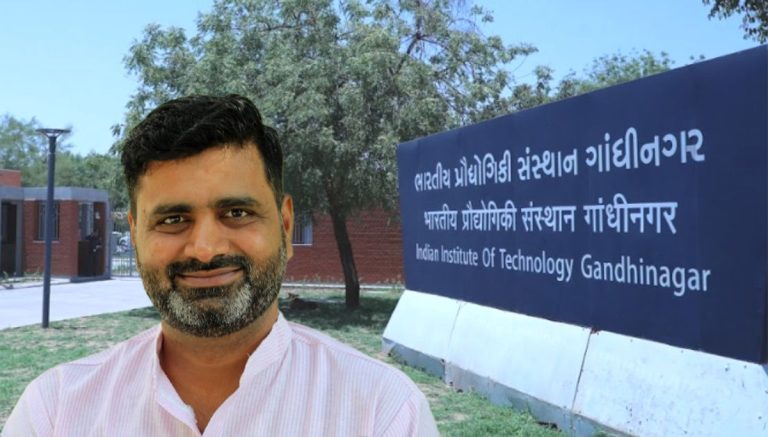
Indian Institute of Technology (IIT) in Gandhinagar, has stirred a controversy yet again as the social media posts of its member, Professor Amit Arora, Department of Material Science went viral. In some of his posts, Professor expressed support for terrorist organisation Hamas and Umar Khalid, an accused under the UAPA in connection with anti-Hindu Delhi riots. Arora also made some political posts mocking the policies of the Modi government. Following backlash over his social media posts, Arora deleted his account.
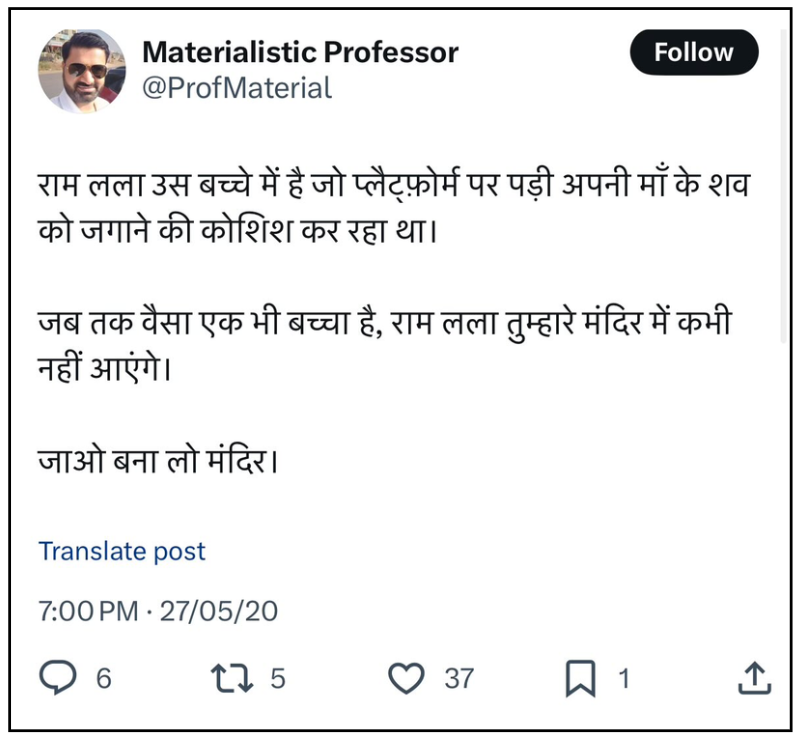
On May 27, 2020, Arora posted some comments on the Ram Temple on X. A few months before that, the Supreme Court had passed the verdict in the Ayodhya Ram Mandir dispute and the formation of the Ram Mandir trust was underway.
Amit Arora wrote in his post, “Ram Lalla is in the child who is trying to wake up his mother’s corpse lying on the platform. As long as there is even one such child, Ram Lalla will never come to your temple. Go and build a temple.” This is an example of a typical leftist mindset which always portrays Hindus as inferior by linking any social or economic problem to their temples or Gods. Such things can be in the context of religion or sect, but the leftist minds always target Hindus.
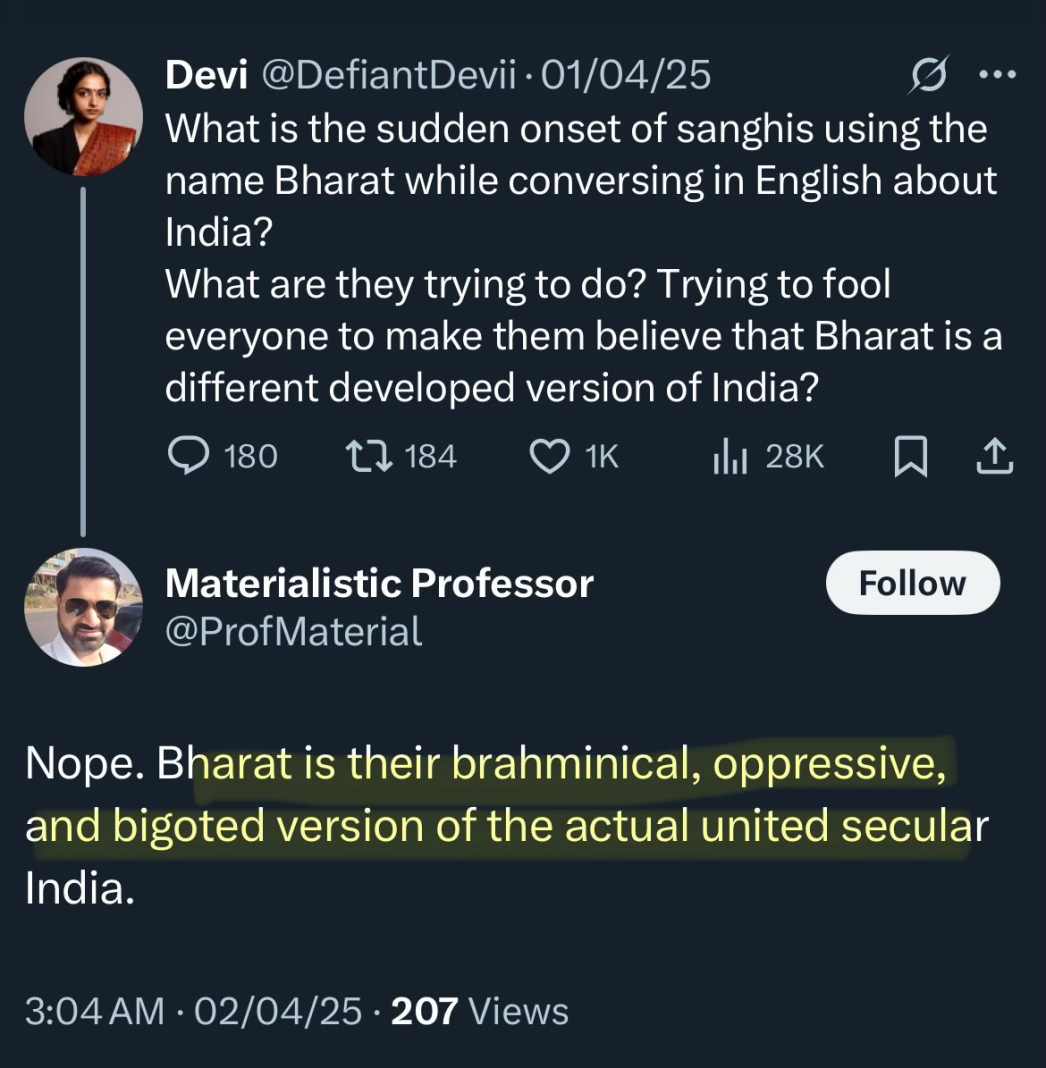
On April 2, 2025, Professor Arora commented on a post made by a leftist account on X questioning why “Sanghis” have started using the name “Bharat” in their conversations instead of “India”. “What is the sudden onset of Sanghis using the name Bharat while conversing about in English about India? What are they trying to do? Trying to fool everyone to make them believe that Bharat is a different developed version of India?” the post read.
Responding to this, Professor Arora wrote, “Nope. Bharat is their Brahmanical, oppressive, and bigoted version of the actual united secular India”.
Professor Arora has also made many comments on Prime Minister Narendra Modi, which clearly reflect his bias against the Prime Minister. In June 2024, he posted a photo on X taking a dig at PM Modi.
Meet Mr Amit Arora.
Full-time work: Material Science faculty at IIT Gandhinagar
Part-time work: Twitter troll during and after work hours.
We are paying him salary from our taxes. Can government officers use such language online? pic.twitter.com/iDJ2RSo0cY
In 2020, he posted a photo of 2014 BJP poster with a caption that read, “Nothing left to write here”. The poster said that petrol and diesel prices will be decreased after the Modi government comes to power.
In a recent post from April 25, 2025, Amit Arora wrote, quoting a post by Modi-hating Gujarati journalist Urvish Kothari, “He speaks Hindi when he goes to America and English when he goes to Bihar. His (Modi’s) style of playing is different, the drama never ends.”
Professor Arora has also reposted Ravish Kumar’s posts. He reposted a post of Twitter troll Arpit Sharma, who wrote in support of Umar Khalid that if his name was Umesh or Umang, he would have been out of jail by now. But both Arpit who posted this and the IIT Gandhinagar professor who reposted it forgot that Umar Khalid is accused of plotting anti-Hindu riots. Yet here a deliberate propaganda was spread that he is being persecuted because he is a Muslim.
Meet prof Amit Arora of IIT Gandhinagar. Instead of teaching material science to Engineering students, he is more interested in supporting terrorist Umar Khalid, making fun of Indian war time diplomacy, crying about Islamophobia and glorifying Hamas support by American students.… pic.twitter.com/3zQJt3HlJz
— Eminent Intellectual (@total_woke_) June 8, 2025
After all these posts of the professor came to light, many questions have arisen. There is a debate going on whether teachers working in educational institutions run by the central government and teaching students can make such comments on social media or can they join the gang of those who spread propaganda by promoting their ideology?
These educational institutions run on taxpayers’ money and if professors with such clearly ideological inclinations are working here, spreading their ideology in this way, then what kind of ideological environment will be created for the students studying there, is also a question. Especially for an educational institution like IIT Gandhinagar, which is already surrounded by controversies regarding these subjects.
IIT Gandhinagar is already mired in controversies
IIT Gandhinagar has recently been in the news for the wrong reasons. Few days ago, the prestigious institute stirred controversy after a social media user revealed PhD thesis topics centred on Islamic studies are being undertaken at the Humanities and Social Sciences Department (HSS).
OpIndia reported how students studying in the Department of Humanities and Social Sciences of IIT Gandhinagar had started researching Islamic topics in the name of their annual thesis project. It was difficult to tell from the thesis topics whether it was an educational institution or an Islamic research centre.
When the issue came out in public, an email sent by Professor Nishant Choksi going viral in which he threatened students with disciplinary action, penalties for revealing thesis projects and student information. Professor Choksi was also in news for his association with Adilok NGO, which is said to have a religious agenda.
Later, OpIndia reported in another report how some teachers are associated with controversial NGOs working in tribal areas, while others are active on social media and are propagating leftist ideology. No action was taken in this matter, but now more controversies related to teachers are surfacing one after the other.
In a major setback for Hindus living in Jalalpur town in Kaliachak I CD block in Malda district of West Bengal, the police have refused to grant permission for the ‘Rath Mela’ (chariot fair) that has been organised for the past 629 years.
The West Bengal police, which work under the directives of the Mamata Banerjee-led TMC government, turned down permission for the ancient Hindu festival citing ‘law and order’ issues.
The ‘Rath Mela’ is organised each year, adjacent to the Sri Mahaprabhu Mandir, for about a week’s time. It is preceded by a ‘Rath Yatra’. While the police granted permission for the ‘Rath Yatra’, the same was not extended for the Mela which is a part of the festivities.
The cops alleged that Jalalpur has been witnessing a rise in anti-social activities including murder during ‘Rath Yatra’ and as such denied permission for the chariot fair.
The vicious attempt to smear the 629-year-old fair has left the organisers shocked. They pointed out that the fair is essential to the economy of the area and hosts people irrespective of caste and religion.
Forced by circumstances, the organisers have decided to approach the District Magistrate (DM), followed by the court.
The Secretary of ‘Rath Yatra’ Committee, Gautam Mandal, informed, “The Rath Mela is being organised even before Babur and other Mughals set foot on this soil. It is 629 years old. This ancient chariot fair is being stopped for a special vote bank”
The State General Secretary of TMC, Krishnendu Narayan Chowdhury, has attempted to justify and rationalise the decision of the local police.
Local BJP leader Ajay Ganguly pointed out that the denial of permission for the ‘Rath Mela’ proved that the police were working in the interests of the TMC government.
‘Halal’ sweet shops, owned by Muslims to supply prasad for Jagannath temple in Digha
Since its inauguration in April this year, the replica of the Odisha’s Jagannath temple constructed by Mamata government in Digha, West Bengal, has consistently been at the centre of controversies, with the latest one involving the temple prasad.
The BJP has accused the West Bengal government of entrusting the task of preparing the prasad of the temple to Muslim-owned shops. BJP IT Cell Head, Amit Malviya slammed the Mamata government on Tuesday (17th June) saying that the government was “trampling on Hindu sentiments with impunity in West Bengal”. Malviya shared a document on X showing a list of names of shops that he claimed were owned by Muslims.
Malviya said that these shops owned by Muslims were involved in preparing Gaja and Pera, sweets being distributed as prasad from the Digha Jagannath temple. He pointed out while the original Jagannath temple in Puri, Odisha does not allow the entry of non-Hindus, the Mamata government was violating the sanctity of the temple by distributing prasad prepared by Muslims.
On 21st June, the United States launched coordinated military strikes on three of Iran’s top nuclear sites, Fordow, Natanz and Esfahan. It triggered a fresh wave of geopolitical tensions in the Middle East. The strikes, which were reportedly executed with high-precision munitions, “bunker busters”, left key infrastructure in ruins. President Donald Trump claimed the strike was successful, however, Iran has claimed that the infrastructure sustained minimal damage. Overall, it has definitely crippled Iran’s nuclear ambitions, at least for some time.
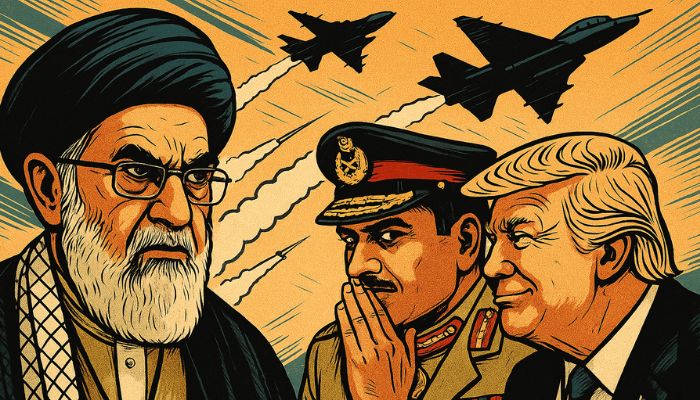
While official statements from Washington have so far not detailed the operational support received, it is being speculated that Pakistan might have played a crucial role in the strikes by giving access to its airspace to the United States. While the role of Pakistan is unclear, its history has led to speculations that it would side with the US hoping to get monetary and weapon support in the future. Not to forget, President Trump has already said the US will have trade deals with Pakistan and it might include fighter jets, drones and weapons.
Did Pakistan serve Osama Bin Laden on a silver plate to the US?
The notorious terrorist of Al-Qaeda, Osama Bin Laden, who was behind the infamous 9/11 terrorist attack in New York, was killed in Pakistan in May 2011. It is widely believed that Pakistani authorities were unaware of the US strike to kill Osama in Abbottabad. However, it is hard to believe that the Pakistani government did not provide any support to the US authorities to locate Osama, who had been hiding in Pakistan for years.
Similarly, an operation of this scale conducted by the US against Iran, a country which is in proximity to Pakistan’s west, is not easy to be done without the help of Pakistan. Notably, Pakistan’s Army Chief Asif Munir was in the US on the invitation of Trump. Something must have been said that could have pushed Pakistan to backstab Iran, an Islamic nation, and help the US to strike it. Someone might have opened Pakistan’s airspace, and it was not Allah.
Selling out the ‘brotherly’ neighbour?
If Pakistan has helped the US, it will be the biggest irony of the Islamic nation as Pakistan publicly sermonises on Islamic brotherhood but aids missions that destabilise fellow Muslim nations. Could Pakistan have sold out Ummah for a Happy Meal, “once again after Osama Bin Laden, after Afghanistan”? At this rate, even Yemen should watch its airspace.
It is possible that Pakistan’s troubled economy and fear of Indian strikes were the motivation. A few diplomatic handshakes and promises of financial aid might have sealed Islamabad’s support for the US in the strikes.
What role could Pakistan have played?
Though speculative, there are several logistical avenues through which Pakistan could have aided the US strike without overt participation. These include:
• Allowing temporary access to air corridors.
• Ground intelligence relays from shared sources in the region.
• Passive silence, failing to alert Iran about unusual US military activity.
None of these leave a direct fingerprint, but Pakistan’s silence on the matter definitely raises eyebrows.
The International Atomic Energy Agency (IAEA) has convened an emergency meeting in light of the developments taking place in West Asia, its Director-General Rafael Grossi said on Sunday.
In a post on X, Grossi said, “In light of the urgent situation in Iran, I am convening an emergency meeting of the @IAEAorg Board of Governors for tomorrow.”
In light of the urgent situation in Iran, I am convening an emergency meeting of the @IAEAorg Board of Governors for tomorrow.
— Rafael Mariano Grossi (@rafaelmgrossi) June 22, 2025
IAEA on Sunday confirmed that there has been no reported increase in off-site radiation levels following the recent strikes on three key nuclear sites in Iran, including the underground enrichment facility at Fordow.
“Following attacks on three nuclear sites in Iran — including Fordow — the IAEA can confirm that no increase in off-site radiation levels has been reported as of this time. IAEA will provide further assessments on the situation in Iran as more information becomes available,” the agency said in a statement.
The statement from the international body comes in the wake of heavy military strikes by the United States and Israel, targeting nuclear facilities in Natanz, Isfahan, and Fordow. The strikes involved Northrop Grumman-made B-2 Spirit bombers.
Iran condemned the attacks, calling them a violation of international law and vowed to continue its nuclear program.
A statement issued by AEOI confirmed that early on Sunday morning, Iran’s nuclear sites were “subjected to savage aggression–an act in violation of international laws, particularly the NPT.”
“This action, which violates international regulations, unfortunately took place under the indifference–and even complicity–of the International Atomic Energy Agency (IAEA),” it said.
Israeli Prime Minister Benjamin Netanyahu praised the military action under the leadership of Trump, stating that Trump’s bold decision to target Iranian nuclear facilities, will change history.
The conflict between Israel and Iran entered its ninth day on Saturday, with the US now joining in support of Israel.
Meanwhile, The Israeli Air Force on Sunday launched a new wave of airstrikes targeting military sites in western Iran, shortly after Iranian missile attacks injured civilians in Israel.
The conflict between Israel and Iran had started after Israel, on June 13, launched a massive airstrike on Iranian military and nuclear sites, dubbed “Operation Rising Lion.”
In response, the Islamic Revolutionary Guard Corps (IRGC) launched a large-scale drone and missile operation, ‘Operation True Promise 3’, targeting Israeli fighter jet fuel production facilities and energy supply centres.
(This news report is published from a syndicated feed. Except for the headline, the content has not been written or edited by OpIndia staff)
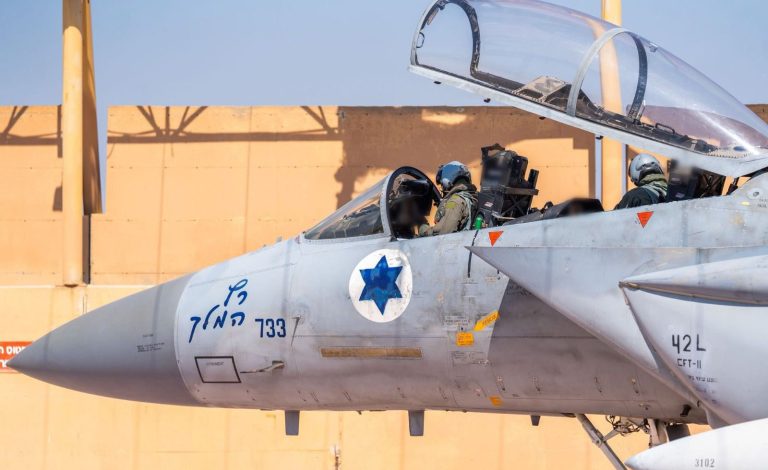
The Israeli Air Force (IAF) on Sunday launched a new wave of airstrikes targeting military sites in western Iran, shortly after Iranian missile attacks injured civilians in Israel.
In a statement, the Israel Defense Forces (IDF) said, “The IAF has begun a series of strikes toward military targets in western Iran. Additionally, this morning, the IAF struck missile launchers ready to launch toward Israeli territory, soldiers in the Iranian Armed Forces, and swiftly neutralised the launchers that launched missiles toward Israeli territory a short while ago.”
According to Israel’s state news agency TPS, missile impacts were reported in several parts of the country, including Tel Aviv, Haifa, and central Israel. Air raid alarms were heard again in northern regions, and residents were told to stay inside bomb shelters after another wave of missiles was detected.
A Times of Israel report citing IDF confirmed its latest response, saying it hit primed missile launchers in fresh strikes on western Iran.
A short while ago, ballistic missile launchers used in the attack on Israel this morning were destroyed in strikes and Iranian soldiers were “eliminated” as well, the Israeli newspaper citing the country’s military forces said.
According to a report by the Times of Israel, Israel’s national emergency service, Magen David Adom (MDA), has updated the casualty numbers from the Iranian missile strikes. “Magen David Adom raises the wounded toll of the latest Iranian ballistic missile attack to 16. A man in his 30s is moderately wounded by shrapnel, and 15 other people are lightly hurt, MDA says. Several missile impacts were reported in central Israel after sirens sounded. One missile hit Haifa, where no sirens sounded ahead of the impact.”
Israel’s Ministry of Foreign Affairs spokesperson, Oren Marmorstein, condemned the Iranian actions. “The Iranian regime is firing ballistic missiles at civilian population centres in Israel,” he said in a X post.
During the intervening hours of Saturday and Sunday, US and Israel targeted Iran’s nuclear sites in Natanz, Isfahan, and Fordow. Fardow is Iran’s main enrichment location for uranium enrichment to 60 per cent.
According to a CNN report, the US likely used six B-2 bombers to drop a dozen GBU-57 A/B “bunker buster” bombs, also known as Massive Ordnance Penetrators (MOP), on the Fordow nuclear site, which is Iran’s main location for uranium enrichment.
A US official also told CNN that a full payload of bombs was dropped on Fordow.
In his first public remarks following the strikes, President Trump warned that further action could be taken if Tehran fails to agree to a satisfactory peace settlement.
“There will be either peace or there will be tragedy for Iran, far greater than we’ve witnessed over the last eight days,” Trump said in his address to the nation from the White House on Saturday (local time).
(This news report is published from a syndicated feed. Except for the headline, the content has not been written or edited by OpIndia staff)
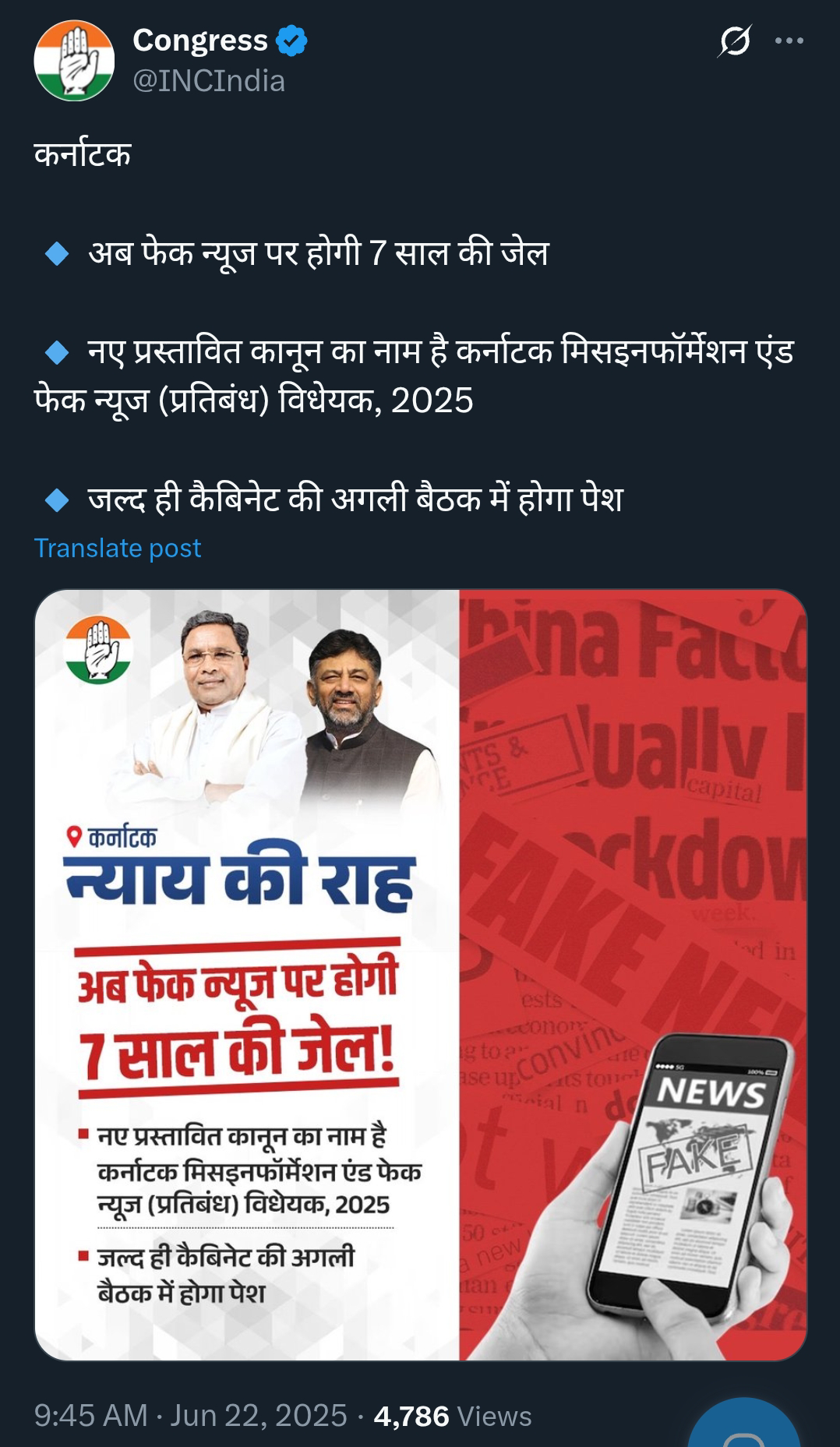
Ahead of the 50th anniversary of 21-month long emergency imposed by Indira Gandhi-led Congress government, the Karnataka government is set to introduce a law to curb speech that it considers as ‘fake news’ of ‘misinformation’.
With the bill titled Karnataka Misinformation and Fake News (Prohibition) Bill, 2025, the Siddaramaiah government aims to put the behind the bars anyone found spreading what the state government categories as false or inaccurate information on social media.
As per reports, the bill will empower the state government to start criminal proceedings against any person, found to be sharing what the government considers as false information.
Screenshot of X post of Congress (via X)
The grounds for taking criminal action as provided in the proposed bill are, threat to public health, safety, peace, or the integrity of elections.
A person found guilty under the proposed law could be granted up to 7 years’ imprisonment or fine of up to ₹10 lakh, or both.
The bill proposes a minimum sentence of 2 years, extendable up to 5 years coupled with fine. Aiding or abetting the distribution of content censored under the bill can attract up to 2 years of imprisonment.
Six member authority to block, ban any ‘false content’
Under the draft bill, a six-member social media regulatory authority called the Fake News on Social Media Regulatory Authority, will be constituted to restrict, block, and ban any content that it would consider to be false or misleading.
The authority will be given all the necessary powers to ensure that “fake news” or any “harmful content” is not promoted and distributed online.
Members of this authority will include the Minister for Kannada and Culture, to serve as the ex-officio Chairperson, one member each from the Legislative Assembly and Legislative Council, two members representing social media companies, appointed by the state and a senior IAS officer designated as the Secretary of the Authority.
Special Courts to be set up under the proposed bill
The bill confers sweeping powers on the state government to take action against not just people residing in Karnataka but also those living outside the state.
Special Court presided by a Sessions Judge will be set up under the bill to try people charged under the provisions of the bill.
The special courts can issue directions to intermediaries, publishers, broadcasters, or any other person exercising control over a communication medium distributing ‘misinformation’ to persons in Karnataka.
Congress, history of curbing free speech and the Emergency
Censoring freedom of speech forms a part of Congress party’s political legacy.
The emergency imposed by late Prime Minister Indira Gandhi, resulted in lakhs of citizens and political leaders being ailed, banning of the RSS, and imposition of pre-censorship on newspapers.
This dark chapter that narrates the worst assault on Indian democracy was written by the Congress party that often accuses Modi government of being fascist.
The proposed bill invokes the fear that it may become a tool in the hands of the Karnataka state government to be used selectively to curb speech that it does not like. On several occasions, the top leadership of the Congress Party have been found upholding or undermining freedom of speech at their own whim and fancy.
In 2018, Congress demanded a banning of the movie ‘The Accidental Prime Minister’, which based on Sanjaya Baru’s book and showed how the then Congress government was remotely controlled by Sonia Gandhi. Ironically, Congress leader Rahul Gandhi passionately promoted a movie called Udta Punja, a movie that highlighted the drug abuse problem in Punjab, and was released at a time when there was a coalition government of BJP and Shiromani Akali Dal in Punjab.
Another movie Mersel, which supposedly spread canards about demonetisation was also upheld as a beacon of freedom of speech by Rahul Gandhi. He asserted that Modi was interfering in the film. Congress party is notorious for going after journalists for showing reports that criticise Congress government.
In May 2022, Congress leader Pawan Khera filed a case against journalist Arnab Goswami after a news report was broadcast on Republic Bharat, a Hindi news channel that is part of the Republic Media Network, about the destruction of a temple in Rajgarh and a demolition drive in Alwar, Rajasthan.
The most recent example of Congress government targeting media for showing was seen in Congress-ruledTelangana where Chief Minister Anumula Revanth Reddy said that anyone using offensive language for him and his family would be stripped and paraded in public.
His statement came after Telangana police detained senior journalist Revathi Pogadadanda and her colleague Tanvi Yadav in connection with the interview of a farmer who allegedly used derogatory language to express his dissatisfaction with the government in Telangana.