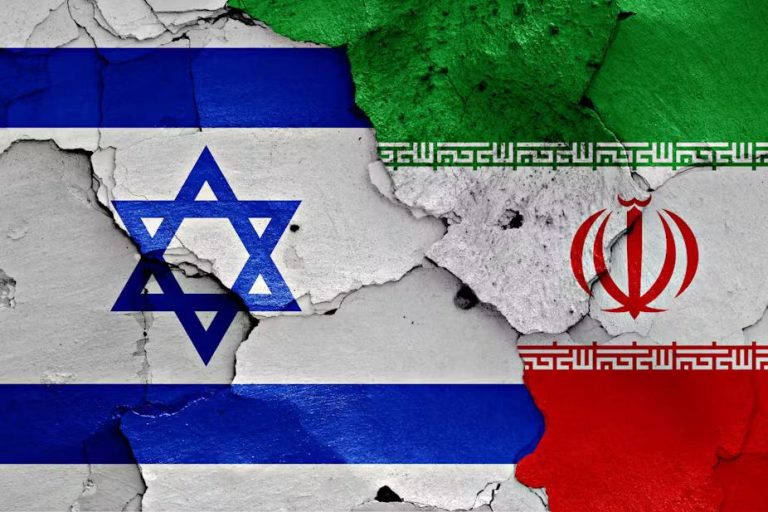
Once strategic partners in the volatile Middle East, Iran and Israel today sit on opposite ends of one of the region’s most dangerous confrontations. What began as a pragmatic partnership in the early days of Israeli statehood has now devolved into direct military clashes, proxy wars, and threats of mutual annihilation. The most recent escalation: Israel’s June 13 strikes on Iran’s nuclear and military infrastructure, and Tehran’s ballistic missile retaliation has brought decades of shadow conflict into open warfare, with terrifying implications for the region and beyond.
The latest flashpoint: Iran’s nuclear ambitions
On the morning of June 13, Israel launched a wide-scale military operation targeting Iran’s critical Natanz underground nuclear facility, multiple Islamic Revolutionary Guard Corps (IRGC) bases, and key air defense installations. The airstrikes reportedly killed several nuclear scientists and senior IRGC commanders. Israel justified the operation as a preemptive strike to cripple Iran’s allegedly advancing nuclear weapons program, which Tel Aviv has long seen as an existential threat.
Iran, meanwhile, denounced the attacks as a “massacre” that included civilian casualties and vowed swift retaliation. By evening, Iran fired dozens of ballistic missiles at Israeli air bases, targeting refueling stations for warplanes and damaging parts of central Tel Aviv, including areas close to the headquarters of the Israeli Defense Forces (IDF). Despite Israel’s advanced Iron Dome defense system, some missiles penetrated, shaking public confidence in Israel’s invincibility.
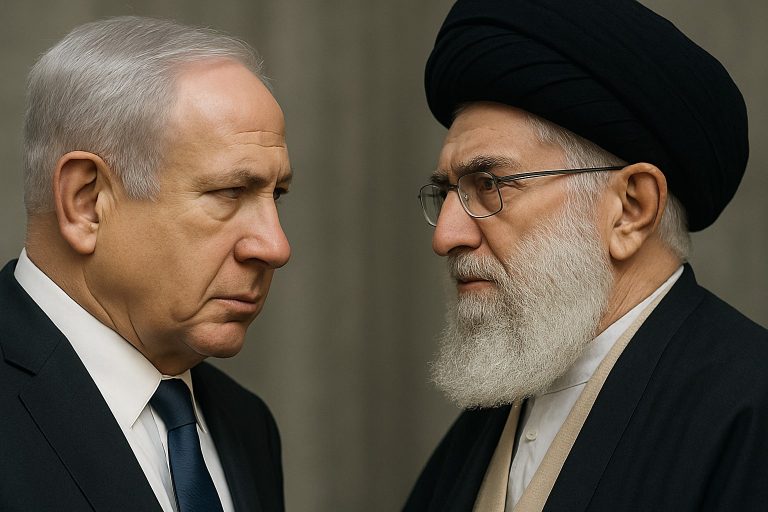
The conflict, now entering its fifth day, has shown no signs of de-escalation. Israeli Prime Minister Benjamin Netanyahu reportedly declared that the war could only end with the death of Iran’s Supreme Leader, Ayatollah Ali Khamenei — rhetoric that has shocked global observers and left the region on edge.
Once allies: The forgotten era of Iran-Israel cooperation
The current hostility is a far cry from the diplomatic warmth of the 1950s and 60s. In 1948, as most Muslim-majority nations rejected the formation of Israel, Shia-majority Iran and Turkey stood apart, choosing recognition over rejection. Under Shah Mohammad Reza Pahlavi, Iran leaned heavily into a pro-Western, anti-Soviet alignment, a position that brought it closer to both the United States and Israel.
Crude oil pipelines and energy trade sustained Israel’s economy after the Arab oil embargoes.
Arms and intelligence exchanges flourished. Israel’s Mossad and Iran’s infamous SAVAK (secret police) worked closely to counter Arab nationalism and Soviet influence.
The Shah’s Iran was one of the few Muslim nations with a resident Israeli diplomatic mission, and Israeli firms contributed to Iran’s infrastructure and agricultural development.
This period of covert friendship culminated in David Ben Gurion’s “Periphery Doctrine”, which sought alliances with non-Arab regional powers — Iran, Turkey, and Ethiopia — to isolate hostile Arab neighbors.
1979: The “Revolution” that changed everything
Everything changed in 1979.
The Islamic Revolution overthrew the Shah and replaced his pro-Western regime with a radical theocracy under Ayatollah Ruhollah Khomeini. The revolutionaries saw Israel not just as an occupying power in Palestine but as a “Little Satan”, a close ally of the “Great Satan” — the United States. The regime banned Israeli travel, severed diplomatic ties, and declared total solidarity with the Palestinian cause.
Iran’s foreign policy was reoriented around Islamic anti-Zionism and asymmetric warfare. By the 1980s, Iran began sponsoring Hezbollah in Lebanon, supplying them with training, funds, and weapons to wage a guerrilla war against Israel. This was followed by support for Hamas in Gaza, Islamic Jihad, and even the Houthis in Yemen — all part of a growing “Axis of Resistance” aimed at encircling Israel.
From proxy battles to open hostilities
For decades, Israel and Iran fought in the shadows:
Hezbollah’s 1983 suicide bombing in Beirut killed dozens of Israeli and Western personnel.
Israel retaliated with assassinations of Iranian nuclear scientists, cyber-attacks like Stuxnet, and precision airstrikes on Iranian arms convoys in Syria.
Iran responded with attacks on Israeli diplomats, cyber intrusions, and rocket strikes via Hezbollah and Hamas.
By 2023, the rivalry reached new heights. On October 7, Hamas launched a massive terror assault on Israel, prompting a brutal Israeli response in Gaza that decimated much of the Hamas leadership. Iranian proxies in Lebanon and Syria also engaged Israeli forces, prompting Tel Aviv to respond with airstrikes deeper into Iranian territory and its foreign bases.
Iran’s direct missile attacks on Israel last year marked the end of the era of indirect conflict. For the first time in decades, Iran and Israel were engaging each other head-on — no longer via proxies but with each other’s capitals in the crosshairs.
The current crisis: Diplomatic collapse and spiraling war
The latest Israeli strikes — particularly on Natanz, long seen as the crown jewel of Iran’s nuclear program — came just as Iran and the U.S. were preparing for renewed talks over uranium enrichment. Iran insists its program is peaceful; Israel views any enrichment as a red line. Tel Aviv reportedly believed that Iran was weeks away from developing a nuclear weapon, and decided it was time to act.
Iran’s response — launching ballistic missiles at Israeli cities — shattered illusions of containment.
Global reaction has been swift but largely ineffective. Western powers have urged restraint but are split on whom to blame. Arab states, many of which have normalized ties with Israel in recent years, have been conspicuously silent or cautiously neutral.
Looking Ahead: No way back?
The current crisis may be the most dangerous flashpoint in the Middle East since the 2003 Iraq War. With Israel openly seeking the elimination of Iran’s Supreme Leader and Iran vowing revenge, diplomacy is at a standstill. The conflict risks dragging in Lebanon, Syria, Iraq, and even global superpowers if it continues to spiral.
The irony is bitter: once strategic partners, Iran and Israel are now locked in a battle that could reshape the Middle East forever.
As history shows, alliances in this region are fragile, and enmity can be just as enduring. But with missiles flying, nuclear facilities under attack, and rhetoric crossing lines once unthinkable, the question isn’t whether Iran and Israel can be friends again — but whether either side will survive the war they’ve unleashed.
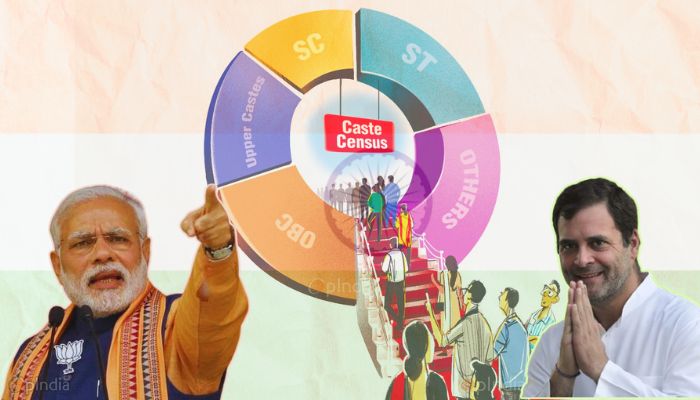
The chagrin of losing its main political issue—caste census—to its bête noire BJP, has deeply affected the Congress party’s collective sensibility. Congress, especially the party prince Rahul Gandhi, placed high bets on the caste census issue in the recent past, hoping that positioning himself as the messiah of the SCs, STs and OBCs would garner him their support, however, their main political plank disappeared before their eyes as the NDA government announced that caste census will take place along with the 2027 census.
Frustrated with this, the Congress party has started peddling falsehoods about caste enumeration in the impending Census 2027.
Congress leader Supriya Shrinate, on Monday, June 16, said that complete “absence” of the term caste census census in the government’s gazette notification issued for the 16th Census has raised questions over the mindset of the BJP on this subject. Shrinate recalled that the government had earlier promised that a caste census will be conducted by them.
“Census is a decadal exercise and it has been delayed which is why people are not able to get the benefits of government schemes. This is a routine notification. There is no mention of the caste census here, a promise that the government said would be fulfilled on April 30,” Shrinate said.
Asserting that BJP has always opposed the idea of caste-based reservations, Shrinate pointed out that Congress leader Rahul Gandhi and Mallikarjun Kharge have forced the government to conduct a caste census.
“BJP should be the last one talking about the SC/ST and OBC as they have historically been against the constitution… Pt. Nehru brought the first amendment to the constitution about reservation, but it was opposed by Dr Syama Prasad Mookerjee… RSS Chiefs opposed the reservations… This government filed an affidavit in the Supreme Court in September 2021 saying we are against the Caste Census,” she said.
Before Supriya Shrinate, Congress General Secretary in-charge communications Jairam Ramesh questioned Prime Minister Narendra Modi over “no mention” of caste census in the gazette notification for the population census by the Ministry of Home Affairs, asking, “Has the Prime Minister changed his mind?”
Modi govt has issued the notification for census
It’s a routine decadal exercise. In fact this one is delayed by almost 5 years – so what exactly is being lauded?
“Today’s gazette notification says only census will be done in late October of 2026 in Jammu and Kashmir, Uttarakhand and Himachal and the rest of the country it will be done in March 2027. It does not talk of the word caste census. So, my question is, has the Prime Minister changed his mind again? Why is there no mention of the caste census?” Jairam Ramesh said.
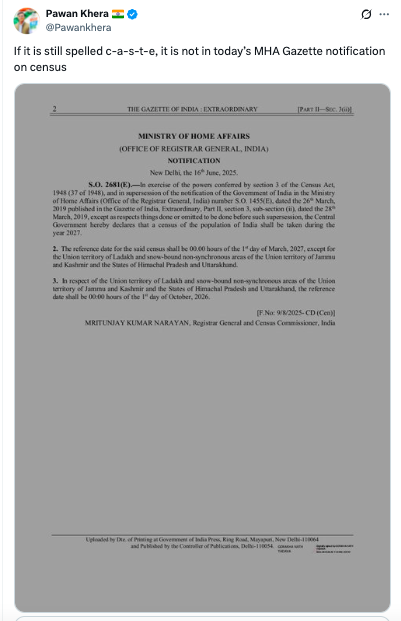
Similarly, Congress leader Pawan Khera also claimed that Census 2027 will not include caste enumeration and wrote on X, “If it is still spelled c-a-s-t-e, it is not in today’s MHA Gazette notification on census.
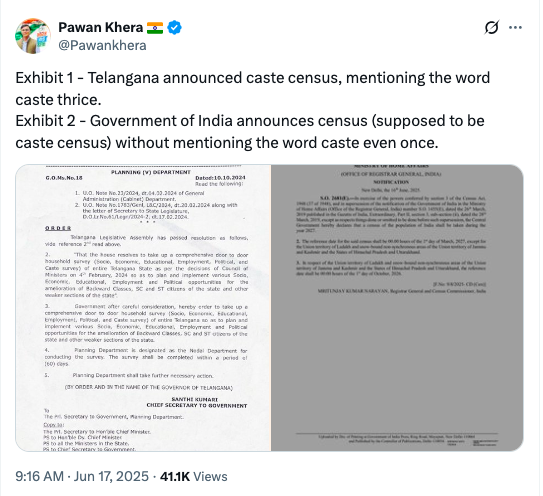
In another post, Khera lamented that the ‘caste’ was not mentioned in the gazette notification for Census 2027. He compared the notification issued by Congress government in Telangana with BJP-led Central government’s notification.
“Exhibit 1 – Telangana announced caste census, mentioning the word caste thrice. Exhibit 2 – Government of India announces census (supposed to be caste census) without mentioning the word caste even once,” Khera posted.
As Congress leader are insinuating that the Modi government is backtracking from its caste census promise, it is pertinent to find out if the Centre has indeed reneged from its promise or the Congress party is peddling lies for political traction.
Has Modi government taken a U-turn on caste census? What does the gazette notification on Census 2027 say
Contrary to the claims made by Congress leaders and their supporters on social media, the Central government has already announced that the Caste enumeration will be conducted along with Census 2027.
In a press release dated 15th June 2025, the Ministry of Home Affairs informed about preparations underway to conduct Census 2027. The press release mentioned that the census will be conducted in two phases alongside caste enumeration.
“The Census will be conducted in two phases. In phase one i.e. Houselisting Operation (HLO), the housing conditions, assets and amenities of each household will be collected. Subsequently, in second phase i.e. Population Enumeration (PE), the demographic, socio-economic, cultural and other details of every person in each household will be collected. In Census, Caste enumeration will also be done,” the press release reads.
Meanwhile, Union Home Minister Amit Shah had also announced on 15th June, that Census 2027 will also include caste enumeration as promised earlier.
“The census will include caste enumeration for the first time. As many as 34 lakh enumerators and supervisors and around 1.3 lakh census functionaries will conduct the operation with cutting-edge mobile digital gadgets,” Minister Shah said in an X post.
Reviewed the preparations for the 16th Census with senior officials.
Tomorrow, the gazette notification of the census will be issued. The census will include caste enumeration for the first time. As many as 34 lakh enumerators and supervisors and around 1.3 lakh census… pic.twitter.com/wkvJda7J4e
Just because the term “caste enumeration” is not mentioned in the gazette notification, it does not mean that caste survey will not be conducted. If Congress leaders carefully looked at the notification, it does not make any mention of the two phases under the census will be conducted. Does that mean the census will not be conducted in those two phases? No.
“In exercise of the powers conferred by section 3 of the Census Act, 1948 (37 of 1948), and in supersession of the notification of the Government of India in the Ministry of Home Affairs (Office of the Registrar General, India) number S.O. 1455(E), dated the 26th March, 2019 published in the Gazette of India, Extraordinary, Part II, section 3, sub-section (ii), dated the 28th March, 2019, except as respects things done or omitted to be done before such supersession, the Central Government hereby declares that a census of the population of India shall be taken during the year 2027,” the gazette notification issued by the Central government reads.
“The reference date for the said census shall be 00.00 hours of the 1st day of March, 2027, except for the Union territory of Ladakh and snow-bound non-synchronous areas of the Union territory of Jammu and Kashmir and the States of Himachal Pradesh and Uttarakhand. In respect of the Union territory of Ladakh and snow-bound non-synchronous areas of the Union territory of Jammu and Kashmir and the States of Himachal Pradesh and Uttarakhand, the reference date shall be 00:00 hours of the 1st day of October, 2026,” the notification adds.
However, desperate after losing the only card that got the Congress party some traction, its leaders are trying hard to project the Central government, which in just one stroke snatched away Congress’s last hope of reviving caste-based politics, as anti-SC/ST/OBC.
It must be recalled how the Congress prince Rahul Gandhi, for months, had been harping about conducting caste census to incite SC, ST and OBC Hindus.
Besides promising a caste census, the party had also assured to lift the upper limit on reservation in its 2024 election manifesto. Rahul Gandhi himself was campaigning with the slogan‘Jitni aabadi utna haq,‘ hinting at proportional representation in government jobs, admission to colleges and more. However, the world has seen how ‘jitni aabadi utna haq’ turned out to be disastrous for countries like Lebanon.
Congress’s frustration, however, is understandable as after continuous electoral failures, Rahul Gandhi found that one issue that could have propelled him at least closer to his ‘Prime Minister’ dream. But, as the BJP effectively co-opted the caste census issue, the party and its prince are making desperate attempts to retain whatever political leverage they can.
In a significant blow to the Mamata Banerjee-led West Bengal government, the Calcutta High Court has issued an interim stay on the preparation and publication of a revised list of Other Backward Classes (OBCs) in the state. The decision comes in the wake of allegations that the new inclusions are heavily skewed along religious lines, defying constitutional principles and prior judicial rulings.
A division bench of Justices Rajasekhar Mantha and Tapabrata Chakraborty passed the order on June 14, halting the process until July 31, 2025, the next date of hearing. The court has also stayed the launch of a portal by the state for submission of caste certificates intended to enable mass inclusion in the updated OBC list.
The legal challenge
The petitioners contested the Mamata Banerjee government’s attempt to reintroduce and expand the OBC list—particularly the inclusion of groups whose earlier OBC status had been struck down by the court in 2023. The Calcutta High Court had then cancelled all OBC certificates issued post-2010, citing arbitrary and religion-motivated classifications. The state’s appeal to the Supreme Court was met with a strong reminder: reservations cannot be granted on the basis of religion.
Despite this, the state moved to recompile its OBC list, asserting that it had constituted a fresh commission and followed “scientific” surveys and legal norms.
Mamata’s claim vs her government’s numbers
Chief Minister Mamata Banerjee, in a recent Assembly session, strongly denied accusations of religion-based reservation, declaring:
“A section is trying to campaign that our government is giving reservation based on religion. This is baseless… There is no question of making the OBC list on the basis of religion.”
But her own government’s data tells a different story.
Pre-2010 OBC List: 66 total classes
Muslim: 11
Non-Muslim: 55 → Muslims comprised 20% of the OBC categories
2025 Additions (Total: 76):
Part 1 (51 new classes): 46 Muslim (90%)
Part 2 (25 new classes): 21 Muslim (84%) → Overall Muslim share in new inclusions: 86%
These figures are wildly disproportionate in a state where Muslims form approximately 27% of the population. The distortion raises alarming questions about vote-bank politics masquerading as social justice.
A backdoor for religion-based quotas?
The controversy deepened after the government increased OBC reservations from 7% to 17% on June 3—just days before the High Court stay. Critics argue that this move was tailor-made to benefit the newly included Muslim groups, turning the OBC quota system into a covert vehicle for religious appeasement.
While the CM emphasized procedural compliance and “scientific” methodology, the repetition of groups struck down in earlier court rulings suggests a blatant attempt to bypass constitutional scrutiny under a new guise.
Constitutional and judicial violations
Both the Calcutta High Court and Supreme Court have made it unequivocally clear that religion cannot be a basis for affirmative action. Yet, the West Bengal government appears to be testing the limits of judicial patience, reintroducing the same groups and processes that were earlier declared unconstitutional.
This isn’t just about poor governance — it’s about deliberate defiance. The move not only undermines court orders but also erodes the legitimacy of India’s caste-based reservation system, which was designed to uplift the socially and educationally backward, not religious communities for political mileage.
Vote bank appeasement disguised as social justice?
By disproportionately filling the OBC list with Muslim groups, Mamata Banerjee’s administration risks pushing genuinely backward Hindu, SC, and ST communities further to the margins. The principle of affirmative action is being diluted, not to help the underprivileged, but to cultivate electoral loyalty ahead of the 2026 Assembly elections.
If allowed to continue, this sets a dangerous precedent — where constitutional norms are ignored, and judicial verdicts are circumvented, all in the name of politically expedient “social justice.”
Mamata Banerjee’s repeated assurances that the OBC list is “not based on religion” now ring hollow in light of hard data and repeated court interventions. The Calcutta High Court’s stay is not just a legal pause — it’s a constitutional alarm bell.
This case isn’t merely about reservations; it’s about defending the integrity of India’s legal and democratic institutions. Unless reined in, this trend could fundamentally alter the nature of affirmative action, transforming it from a tool of empowerment to a weapon of vote-bank politics.
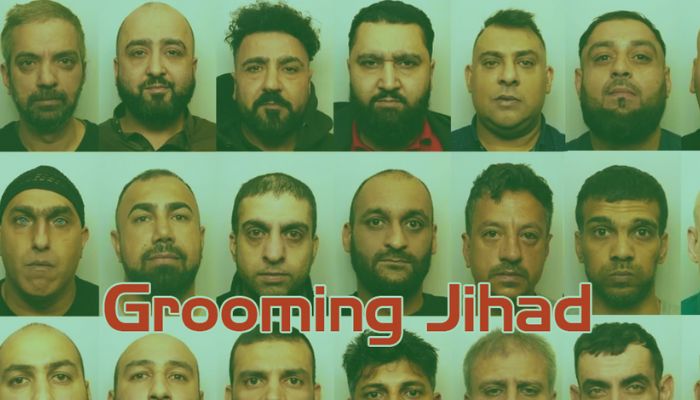
The National Audit on Group-Based Child Sexual Exploitation and Abuse has made disturbing revelations in the UK grooming gangs scandal. The 197-page report prepared by Baroness Louise Casey says that a “culture of blindness, ignorance and prejudice” allowed continued failures to investigate cases of minors being sexually abused by grooming gangs. The majority of these grooming gangs were comprised of Pakistani and ‘Asian’ men, the report says.
Notably, the issue of child sexual abuse at the hands of grooming gangs led by British Pakistani men has been a serious issue demanding attention for years. In the late 90s, young girls, a minimum of 11 were picked up, raped, beaten, sold, and even killed by grooming gangs or rape gangs for a full forty years. In Rotherham alone, it was found that 1,400 children had been sexually abused over 16 years by British Pakistani men.
In the foreword of the report itself, Lady Casey said that “group-based child sexual exploitation” is a sanitised version of the crime it is. “I want to set it out in unsanitised terms: we are talking about multiple sexual assaults committed against children by multiple men on multiple occasions; beatings and gang rapes. Girls having to have abortions, contracting sexually transmitted infections, having children removed from them at birth,” she said.
The scale and nature of grooming gang crimes in the UK and how social media became a hub of child sexual exploitation
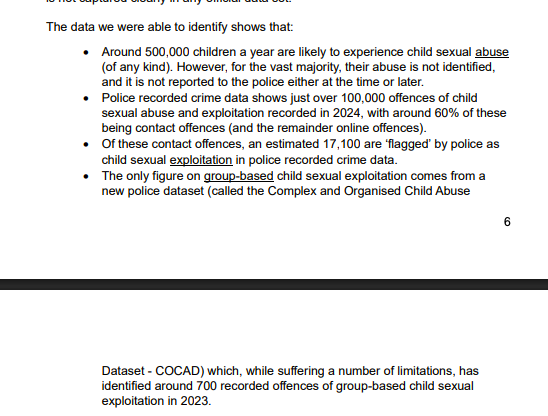
The report estimated that more than 500,000 children a year were likely to experience child sexual abuse, with police recording some 100,000 offences in 2024. Of these, an estimated 17,100 were flagged as child sexual exploitation. The only figure for gang grooming came from a new police database, totalling just 700. Lady Casey said it was “highly unlikely” that this accurately reflected the true scale of grooming gangs.
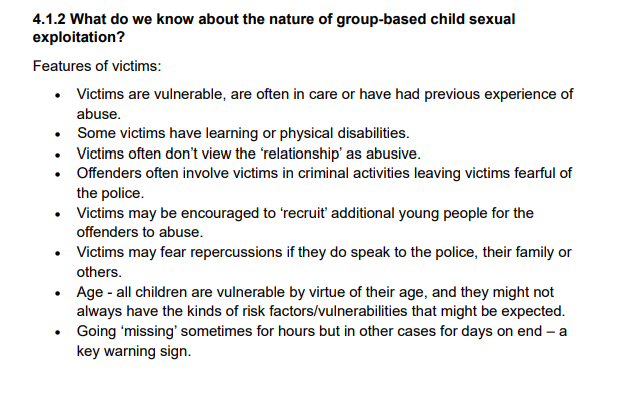
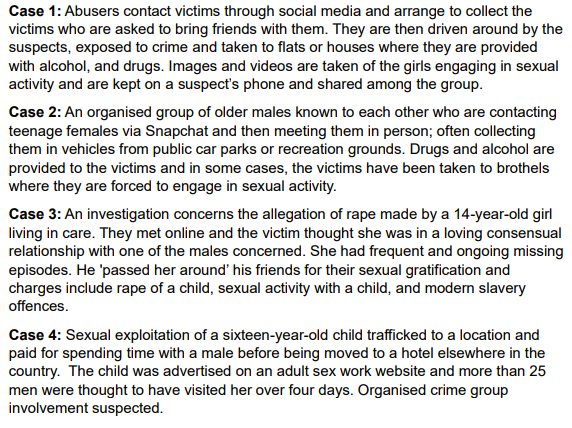
Detailing the nature of grooming gang crimes in the UK, the report says it is similar to the ones identified in well-known cases such as Rotherham. These cases often involved a man targeting a vulnerable adolescent child – often those in care, or children with learning or physical disabilities – grooming them into thinking they are their ‘boyfriend’, showering them with love and gifts and taking them out. Subsequently, they pass them to other men for sex, using drugs and alcohol to make children compliant, often turning to violence and coercion to control them.
“This model has not changed significantly over time, although the grooming process is now as likely to start online, and hotspots might have moved,” the report reads.
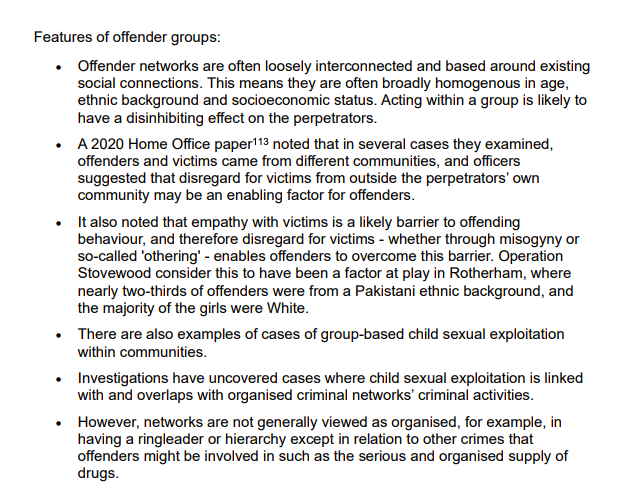
The National Audit on Group-Based Child Sexual Exploitation and Abuse report says that these grooming gangs are often loosely interconnected, based around existing social connections and so are often broadly homogenous in age, ethnic background and socioeconomic status. “Acting in a group likely has a disinhibiting effect on the perpetrators, while misogyny or ‘othering’ allows them to disregard victims,” the report states.
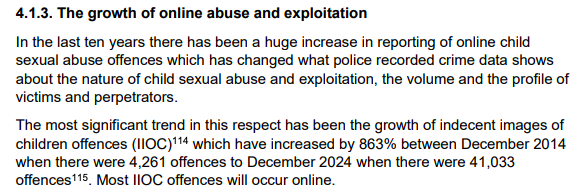
The report also adds that the nature of child sexual abuse in general has been changed by the growth of online sexual abuse offending which now accounts for 40% of all sexual abuse crime.
Disturbing numbers
As per the report, UK’s National police data confirms that the majority of victims of child sexual exploitation are girls (78% in 2023) with the most common age for victims being between 10 and 15 years old (57% in 2023). Most perpetrators are men (76% in 2023).
“The data suggests that the age profile of perpetrators varies, with 39% of suspects aged 10 to 15 and 18% aged 18 to 29 in 2023. This younger age profile is likely to be resulting from an increase in reporting of online and child-on-child offending. The ethnicity data collected for victims and perpetrators of group-based child sexual exploitation is not sufficient to allow any conclusions to be drawn at the national level,” the report reads.
The report pointed out that while the pattern of abuse remains not much changed, the methods of approaching the targets has slightly changed with social media’s mainstreaming. Where previously initial contact with the victim might have started in the shopping centre, the park or a takeaway, contact today is as likely to start on a social media platform and then lead to contact offences.
Highlighting other ways employed by the groomers, the report says that while locations for grooming and exploitation may have changed, the model is similar: frequent missing episodes, moving around of children from one place to another to be exploited, the use of drugs and alcohol to make them compliant, using hotels and AirBnBs, taking advantage of anonymous checking in and out facilities, and hot spots that attract children such as vape shops and shops selling alcohol to underage children.
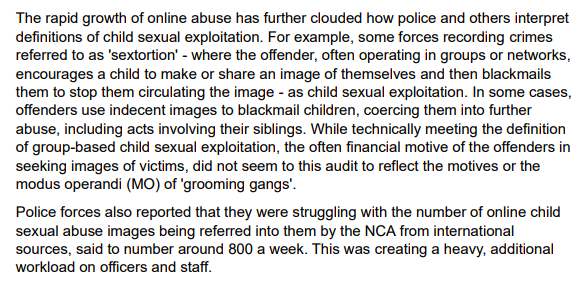
The perpetrators use obscene images of the victims for sextortion. The grooming gangs lure the minor girls into sharing images of themselves and then use those images to blackmail them by threatening to circulate those images online. This way, the victims are coerced into suffering further sexual abuse and this cycle continues for many years.
The report also highlighted the growth of obscene images of children offences (IIOC)which have increased by 863% between December 2014 when there were 4,261 offences, to December 2024 when there were 41,033 offences . It was found that most of these crimes occur on social media.
Describing features of grooming gangs, the report mentions a point requiring special attention, “A 2020 Home Office paper noted that in several cases they examined, offenders and victims came from different communities, and officers suggested that disregard for victims from outside the perpetrators’ own community may be an enabling factor for offenders.”
While the 2020 Home Office paper missed out on mentioning the names of the community, it essentially means that Muslim rape gangs, mostly of Pakistani origin, harboured disregard, rather hatred for non-Muslims and this hatred and perverted mindset of asserting religious dominance by sexually exploiting non-Muslim women, has been an enabling factor behind these crimes.
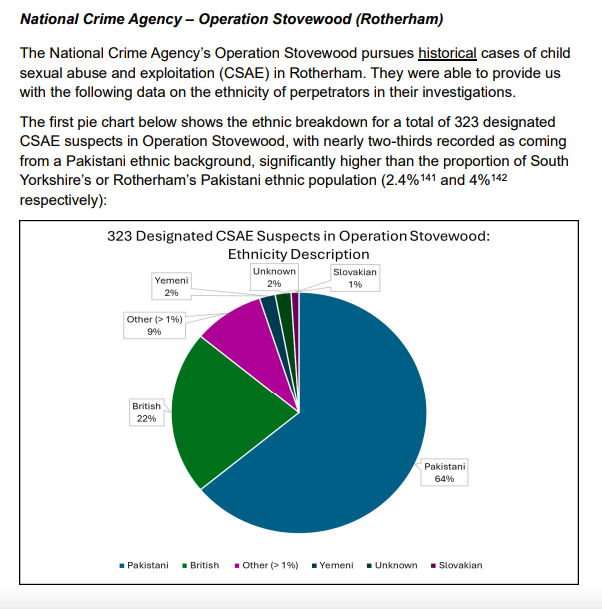
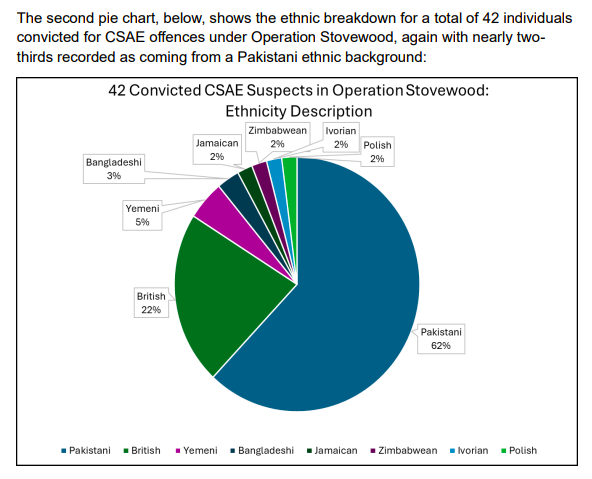
It also noted that empathy with victims is a likely barrier to offending behaviour, and therefore disregard for victims – whether through misogyny or so-called ‘othering’ – enables offenders to overcome this barrier. “Operation Stovewood consider this to have been a factor at play in Rotherham, where nearly two-thirds of offenders were from a Pakistani ethnic background, and the majority of the girls were White,” the report says.
The report mentions that Pakistani men are responsible for 64 per cent of cases of child sexual exploitation in Rotherham.
Moreover, of the total 42 individuals convicted for child sexual exploitation offences under Operation Stovewood, had 62 per cent Pakistani men.
UK’s law enforcement authorities shied away from the ethnicity of grooming jihadis
Another disturbing pattern traced in the audit was the deliberate reluctance of the authorities from recording ethnicity of the perpetrators.
“We found that the ethnicity of perpetrators is shied away from and is still not recorded for two-thirds of perpetrators, so we are unable to provide any accurate assessment from the nationally collected data,” the report reads, adding that despite limited data, it was found that most perpetrators were of Asian ethnic backgrounds.
The report found a persistent failure of the UK authorities in creating a proper data set of groomers/rapists or conducting serious case reviews in child-sexual exploitation cases, let alone acting against the perpetrators.
“There is no data published by children’s services about group-based child sexual exploitation. There has also been a decline in the number of serious case reviews about child sexual exploitation in recent years. In policing, data and intelligence for identifying and investigating child sexual exploitation is stored across multiple systems which do not communicate either within a force, between police forces or with partners. National data or analysis on group-based child sexual exploitation was not found in health services,” the report reads.
It adds that while the criminal justice data on prosecutions showed an increase, it did not differentiate between different forms of child sexual abuse or on offenders operating in groups.
In what the Casey report called a “collective failure”, the UK authorities failed to address the question about the ethnicity of grooming gangs, which although dominated political discourse, has mostly been about proving the point or downplaying the ethnicity of the perpetrators.
The report says that despite there being numerous reports, reviews and inquiries regarding “Asian or Pakistani” men grooming and sexually exploiting young White girls, the system has “consistently failed to fully acknowledge this or collect accurate data so it can be examined effectively.”
While the report says that flawed data is used repeatedly to dismiss claims about ‘Asian grooming gangs’ as sensationalised, biased or untrue, and that it does a disservice the victims, the report itself does disservice to the victims and law-abiding Asian communities in the UK when it hyphenates Pakistani men with Asian men.
Although it is a progress that the United Kingdom is finally openly the Pakistani origins of grooming gang members, and delving deeper into the ethnicity of the perpetrators, the country is yet to reach the root of menace. It is not a ethnicity problem, it is a problem of religiously-motivated perversion. This perpetuation of this perversion has been facilitated by not only the police which remained too scared to come across as racist by acting against Muslim grooming gangs and politicians who did everything they could to ensure that these Pakistani rape jihadis are never called out, their religious motivations never condemned.
It must be recalled that the Labour Party, which is currently in power in the UK, had in 2019, adopted the All-Party Parliamentary Group on British Muslims (APPG) definition of Islamophobia in 2019. This definition essentially implied that criticising Pakistani Muslim grooming gangs/rape gangs is ‘racist’ against Muslims.
Coming back to the Casey report further delves into the disgraceful victim-blaming by the authorities and society in the UK.
“On top of the avoidance of ethnicity issues, we also retain an ambivalent attitude to adolescent girls both in society and in the culture of many organisations. We too often judge them as adults (so-called ‘adultification’) especially those in local authority care, who too often are fast-tracked into ‘growing up’ before their time. Nevertheless, they cannot consent to their own abuse – they remain children. One effect of this is that children are still criminalised for offences they committed while being groomed,” the report reads.
“Blindness, ignorance, prejudice, defensiveness and even good but misdirected intentions, all play a part in a collective failure to properly deter and prosecute offenders or to protect children from harm,” it adds.
The report further found many examples of child sexual exploitation criminal cases being dropped or downgraded from rape to lesser charges where a 13 to 15 year-old had been mentioned as having been ‘in love with’ or ‘had consented to’ sex with the perpetrator.
The Casey report put out several recommendations regarding age of consent, and the approach of police toward tackling cases of child sexual abuse.
Casey’s report has prompted a national inquiry into grooming gangs. However, it must not be forgotten that the British PM Keir Starmer had earlier this year, not only rejected the demands of a national inquiry into the historical child sexual exploitation but also deemed demands for a national inquiry into Pakistani rape gangs a “far-right” position.
In her June 2025 report, Louise Casey referenced police data from the 1990s, revealing that over 4,000 children between the ages of 10 and 18 received police warnings for prostitution-related offences. It was only when the Serious Crime Act was amended in 2015, the phrase “child prostitution” was finally dropped and replaced with “child sexual exploitation.”
Police, politicians, courts and media: How everyone collectively shielded grooming gangs due to fear of offending the perennially offended
Evidently, the fears of appearing Islamophobic and racially insensitive prevented UK authorities from effectively acting against Pakistani Muslim groomers/rapists for years and the Muslim-appeasing political parties of the United Kingdom also ensured that the Muslim community remains sacrosanct to criticism even as members of this community, especially those of Pakistani origins continued to sexually abuse White and other non-Muslim girls.
It must be recalled how Sarah Champion, a Labour Party MP had to apologise for an article published in The Sun in 2017 wherein she wrote that “Britain has a problem with British Pakistani men raping and exploiting white girls”. She pointed out that the child sexual exploitations being reported in the UK involved “predominantly Pakistani men”, adding that the apprehension of getting labelled ‘racist’ was hindering the investigation by the authorities. “These people are predators, and the common denominator is their ethnic heritage.”
Champion was not only made to apologise under the pressure of Muslim appeasing politicians like Jeremy Corbyn, but also to resign from her position as the shadow minister.
In 2012, Keith Vaz, a Labour Party leader and Chair of the Home Affairs Select Committee, downplayed the grooming jihad crimes calling them not racially motivated and emphasised that the entire community should not be ‘stigmatised’. His overemphasis on not singling out the identity of the grooming gang members reflected the Labour Party’s appeasement politics and downplayed the crimes of the grooming gangs involving men of Pakistani origins.
In 2011, former Home Secretary Jack Straw attributed the cultural practices of Pakistani men to their crimes against white girls. He said that Pakistani men see white girls as “easy meat”.
A Nottingham Crown Court judge who convicted two Pakistani men who groomed and raped several minor white girls, downplayed the identity of the perpetrators by asserting that the race of both, the victims and the abusers were ‘coincidental’.
Driven by fears of misplaced sympathy, racial profiling, cultural sensitivities and desperation to take the moral high ground, the United Kingdom, its police, and politicians allowed Pakistani men to rape and exploit vulnerable girls in the country for nearly four decades and continue to evade accountability.
Gifts, attention, chimaera of love, drugs, sexual abuse, and violence: How rape jihadis ‘groomed’ their non-Muslim targets
The National Audit on Group-Based Child Sexual Exploitation and Abuse report cited the findings of the Independent Inquiry into Child Sexual Abuse (IICSA) headed by Alexis Jay, which many years ago highlighted the importance of the coercion, manipulation and deception of victims by perpetrators within the definition of child sexual exploitation.
It is through grooming that rape jihadis develop total control over their victims. “It might start by showering a child with gifts, telling the victim they want to be their boyfriend, treating them kindly, giving them attention, sharing secrets with them. In this way they isolate children from friends and family, making them more reliant on their abuser, who they might regard as their ‘boyfriend’. Drugs and alcohol might be offered to create further dependency and to offer ‘in exchange’ for sex with one or more men. Any sort of refusal by the victims to continue to endure the perpetual sexual abuse was met with violence and further coercion by the perpetrators.
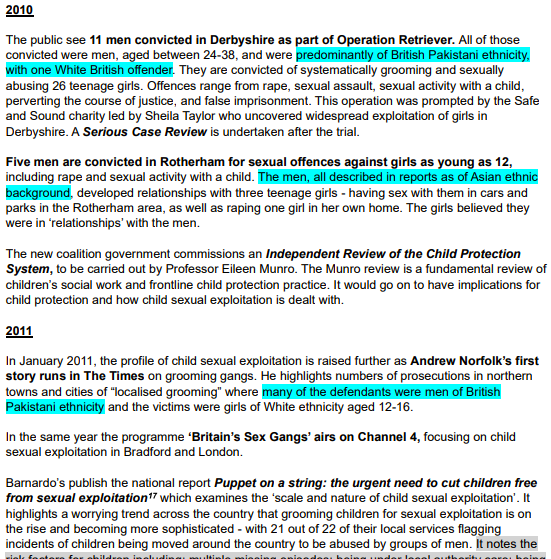
The report also gave an elaborate timeline highlighting system failures or improvements, risk and vulnerability factors of victims and perpetrator ethnicity. The timeline included the 2009 Protection of Children in England: A Progress Report, which prompted the government to set up a cross-government National
The report mentions the 2010 conviction of 10 British Pakistani and 1 White British man in Derbyshire for systematically grooming and sexually abusing 26 teenage girls, the Rotherham conviction wherein 5 ‘Asian’ men, although all these grooming gangs were largely comprised of Muslim men of Pakistani origins. It also mentions the 2012 high-profile convictions of nine ‘Asian’ men sex offences in Rochdale.
While the UK authorities over the years and now the Casey report to made very limited mentions of even the Pakistani ethnicity of the perpetrators, OpIndia has extensively reported how these grooming gangs were essentially the groupings of Pakistani Muslims who specifically targeted White and other non-Muslim girls.
The timeline also mentions the 2013 cases from Oxfordshire and Northumbria wherein the perpetrators were mostly Pakistani, Albanian, Kurdish, Bangladeshi, Turkish, Iranian, Iraqi, Eastern European between age group 27 and 44 while the victims ranged in age from 13 to 25.
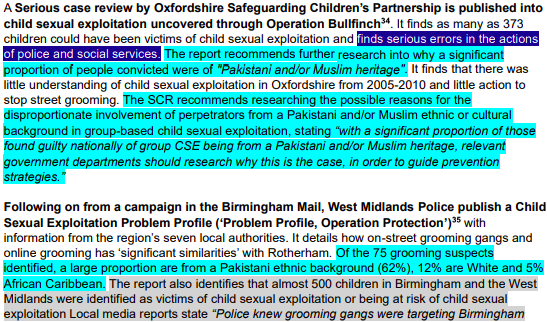
Notably, a Serious case review in 2015, in the child sexual abuse cases (as many as 373 between 2005-2010) uncovered in Operation Bulfinch in Oxfordshire, recommended research into why a significant proportion of people convicted were of “Pakistani and/or Muslim heritage.
In 2015, the Birmingham Mail, West Midlands Police published a Child Sexual Exploitation Problem Profile, which detailed the similarities in the modus operandi of the on-street and online grooming gangs there with those in Rotherham.
Alarmingly, the 2015 report found that out of the 75 grooming suspects identified, a large proportion are from a Pakistani ethnic background (62%), 12% are White and 5% African Caribbean.
The Casey report further highlighted that the local police knew exactly what was happening for many years, however, they deliberately alert the people, owing to their concerns about community tensions because of links to Pakistani men. The timeline in the Casey report mentions Operation Tendersea, Operation Lenten, Operation Sanctuary, Operation Shelter, Bradford and Keighley convictions among other cases wherein most of the perpetrators were found to be of Pakistani, Bangladeshi, Turkish, and Albanian origins, essentially Muslims. In some cases, however, the perpetrators were of a White ethnic background.
Prevalence and under-reporting of child sexual abuse and group-based child sexual exploitation
The Casey report highlighted while incidents of child sexual abuse were rampant, these cases were highly under reported. As per the audit report, estimates of reporting rates for rape or assault by penetration before age 16 suggest that only around 7% of victims and survivors inform the police at the time of the offence, with only 18% informing the police at any point. Many a times, the victims would not disclose their ordeal to anyone, let alone police. 76% of adults who experienced rape or assault by penetration as a child did not tell anyone about their experience at the time. The victims chose to stay silent out of fear not being believed, and fear of humiliation and embarrassment.
While the report found numerous flaws in police data pertaining to child sexual abuse and group-based child sexual exploitation cases, it stated that in 2023, there were 4,228 group-based contact child sexual abuse offences across England and Wales, of which 719 reported offences (17% of all group-based child sexual abuse offences) were classified as child sexual exploitation.
Police complicity, crackdown on victim families, lenient sentences
Beginning in the 1980s in the town of Telford, vulnerable girls as young as 11 were picked up, raped, beaten, sold, and even killed by grooming gangs or rape gangs for a full forty years. The young girls, mostly white, were tossed from one rapist to another, most of whom were of British Pakistani origins. Three girls were murdered and two others died in tragedies linked to the scandal. As many as 1,000 girls suffered in a town of 170,000 people. In Telford, these Pakistani grooming gangs were literally running a rape house while they made the victims believe they were in love by buying them alcohol, cigarettes, doing their mobile top-ups, buying gifts etc.
A similar racket was unfolding in Rotherham wherein around 1,500 girls were raped, abused, sold, and bought by men of Pakistani descent in a town of 260,000 people. Many victims were gang-raped and the abuse went on unabated from 1997 to 2013. In Rochdale, the horror began in 2002. At least 47 young girls were subjected to abuse. Such has been the (Non) response of administrative and legal authorities that the grooming gangs continue to walk freely on the streets of “Great Britain”.
Sexual abuse scandals were widely uncovered in a series of locations in the UK, including Huddersfield, Rotherham, Rochdale, Oxford, Bristol, Peterborough, and Newcastle. Nearly 19,000 adolescents in England are estimated to have been sexually groomed based on government numbers. Despite multiple reports and inquiries, investigative operations like Stovewood, Tourway, the true scale of sexual exploitation by the grooming gangs is not known.
These ‘grooming’ crimes continue to haunt the United Kingdom as the National Society for the Prevention of Cruelty to Children (NSPCC) reported in 2023 that there has been an 82% increase in online grooming offences against youngsters over the past five years.
The issue of Pakistani-origin men-led grooming gangs raping vulnerable white and other non-Muslim girls first became widely known in towns like Rotherham, Rochdale, and Telford. According to the 2014 Jay Report on Rotherham, almost 1,400 children were sexually exploited over 16 years, predominantly by men of Pakistani descent. The pervasive inaction by the authorities can be attributed to concerns of triggering racism against Pakistani immigrants. To put it in simple words, the UK authorities were reluctant to act and adopted a silence and denial approach against the grooming/rape gangs believing that acting against the Pakistani-origin rapists would reinforce ‘negative stereotypes’ about the ‘minority’ community.
In many cases, instead of arresting the rapists, the police ended up arresting the victims and their families. This was commonly due to a ‘misreading’ of the situation, a failure to probe the grooming part and in most cases a deliberate cover-up, with young victims being treated as offenders for small violations while still in contact with their abusers. This demonstrates an intentional diversion in the approach to child safety, spurred by an obsessive avoidance of racial profiling. Fear of being perceived as racially ‘insensitive’ appears to have taken precedence over safeguarding young girls, culminating in a serious miscarriage of justice.
For many years, the grooming gangs in the UK were shielded by the media and pro-Islamist politicians by passing them off as “Asian” or “South Asian grooming gangs”. While the audit report by Louise Casey does highlight that the grooming gangs are largely comprised of Pakistani Muslims, it fails to even touch upon the religious drivers of these crimes.
In the early days of June 2025, history did not just repeat itself—it did something more. After decades of shadow warfare, strategic proxies, cyber intrusions, and targeted assassinations, Israel and Iran have finally entered what can now be unambiguously termed as a state of war. The operations that have unfolded over the past 5 days, dubbed ‘Operation Rising Lion’ by Israel and ‘True Promise 3’ by Iran, have already reshaped the regional order—and potentially, the global one.
What we are witnessing is not just a flare-up. It is a paradigm shift.
A war years in the making
For years, Iran and Israel have been caught in a cold war of high stakes, played out in Syria, Lebanon, Iraq, and even cyberspace. The strikes, sabotage, and assassinations—of nuclear scientists, IRGC commanders, and Israeli diplomats—have long been preludes to a larger showdown. However, today, that simmering hostility has boiled over into a full-scale war.
Israel’s first wave of strikes, reportedly hitting 170 targets and over 720 military infrastructure across Iran within first 3 days of the operation, is nothing short of astounding. Consider the logistical and strategic mastery required to hit targets 1,600 kilometres away from home. These are numbers not just for battlefield headlines but for military textbooks.
This is modern warfare executed with historic precision.
From containment to regime change
Initially, the public rationale from Israel was predictable—cripple Iran’s nuclear infrastructure. However, very quickly, the goals have evolved. Today, it is no longer only about nuclear containment. Elimination of Ayatollah Khamenei and regime change in Iran have been added as goals of the operation. A goal once whispered in corridors of Tel Aviv is now manifesting through guided munitions and decapitation strikes.
Just as Operation Iraqi Freedom started with weapons of mass destruction and ended with Saddam Hussein dangling from a rope, and just as Libya transitioned from no-fly zones to the lynching of Gaddafi, Iran now faces a similar arc. What began with nuclear bunkers is now aimed at Supreme Leader Ayatollah Khamenei’s regime itself.
Israel’s doctrine of strategic decapitation
Israel does not fight drawn-out wars. It does not aim to occupy lands or engage in endless battles. It targets systems. It eliminates leadership, disrupts command chains, and induces paralysis into the heart of enemy operations.
Within 72 hours of the conflict, over 20 senior IRGC commanders and nuclear scientists were eliminated. Iran’s Missile Commander Mohammad Bagheri and Intel Chief Gholam-Reza Marhabi were among the dead. These are not just names. They are institutional memories—repositories of decades of experience and strategy. With them gone, Iran is not just losing the battle; it is losing continuity, doctrine, and initiative.
Strategic setback, not just tactical losses
The psychological dimension of this war cannot be undermine. After neutralizing Iran’s air defense systems, energy infrastructure, and chain of command, Israel is now conducting psychological warfare on the Iranian population. The strikes are designed not just to destroy military and nuclear infrastructure but to instil fear, uncertainty, and hopelessness. Moreover, it is working. People in Tehran are leaving their homes due to this psychological fear of being hit by Israel.
While Iran fails to give a meaningful response, Israel not only retains its air superiority but also controls the narrative. Perception warfare is a battleground in itself, and Israel, supported by the US, UK, and France, dominates it with clarity and consistency.
The wider geostrategic implications
Beyond Israel and Iran, there is a silent third party absorbing the consequences: China. Iran has been a key player in Beijing’s Belt and Road Initiative (BRI) in West Asia, with significant infrastructure and energy investments. The crippling of Iran’s energy network and regional influence is, indirectly, a blow to China’s strategic ambitions.
Could this war be, in part, an effort to undermine China’s rising footprint in West Asia? It is plausible. Just as the Cold War saw regional conflicts serve superpower agendas, this new multipolar world sees economic corridors becoming battlegrounds.
What if Iran survives? or falls?
The war seems to be approaching a six-day climax—mirroring the 1967 Six-Day War, but this time with a nuclear undercurrent. If Iran’s regime collapses, we might witness the most significant reshaping of West Asia since the Arab Spring. Ironically, a peaceful region might emerge—not because grievances were resolved, but because no other state or group would have the means to challenge Israel.
However, there is another possibility: a nuclear Iran. Should Netanyahu fail to dismantle Iran’s nuclear capacity fully—and if the regime somehow survives—Tehran might conclude that the only way to avoid future annihilation is by rushing to acquire the bomb. In this case, deterrence would be restored, albeit in a much more volatile form.
Moreover, here is the paradox: Peace may come either through regime collapse or nuclear deterrence. There seems to be no middle ground.
Why Israel Can Get Away With It
Israel’s boldness is not without reason. It has unmatched air power, a strong domestic defense system (Iron Dome, David’s Sling), nuclear capability, and the unwavering support of Washington and its NATO allies. Despite some damage within its borders, Israeli infrastructure remains intact and resilient.
In contrast, Iran today stands isolated. Russia, embroiled in its own battles in Ukraine, has no bandwidth. China watches silently. The Arab world, while publicly condemning, is privately relieved to see Iran weakened. And Hezbollah and Assad? They have already been neutralized during Israel’s long-term campaign to eliminate regional deterrence.
The new face of modern war
What we are seeing is the emergence of a new warfare doctrine, one where conflict is short, targeted, and system-shattering. Wars are no longer about trenches and timelines—they are about disabling leadership, infrastructure, and psychological resilience.
This is not retaliation. This is strategic collapse—disassembling a nation’s ability to wage war or even govern itself.
When analysts and historians reflect on these events in the coming years, Operation Rising Lion may be remembered not just as a turning point in the Iran-Israel rivalry but as the moment a regional superpower rewrote the rules of warfare.
Moreover, for the Iranian people, caught between a regime they did not choose and a war they cannot stop, history once again shows its indifference to individual lives in the face of geopolitical tectonics.
Anmol Kumar is Assistant Editor at Defence and Security Alert Magazine
50 years ago, on 25th June 1975, then Prime Minister Indira Gandhi imposed Emergency in India. Gandhi faced the heat of the Allahabad High Court’s verdict that declared her election invalid due to electoral malpractices. To avoid losing the position of the PM, Gandhi imposed a national Emergency under Article 352 of the Constitution. Then President Fakhruddin Ali Ahmed proclaimed it, citing “internal disturbances” as the reason. The Emergency, which lasted for 21 months, was marred with the torture and imprisonment of political leaders across the country.
The press was muzzled, fundamental rights no longer existed, courts had become impotent, and thousands of citizens were jailed without charge under the draconian MISA. Among them were leaders of the Opposition such as Atal Bihari Vajpayee, LK Advani and George Fernandes. They were paraded in shackles. People were tortured and died in police custody. Women were chained during childbirth and citizens were forced into mass sterilisations under Sanjay Gandhi’s coercive population control drive.
Indira Gandhi’s inner circle, which included Sanjay Gandhi, Kamal Nath and Ambika Soni, had more influence than Parliament itself. Parliament was just a rubber stamp and the media, in the words of LK Advani, “was asked to bend but chose to crawl.” Several citizens became handicapped for life due to police brutality. It turned the country into a police state where dissent was seen as a crime and loyalty to the ruling regime became a compulsion.
Once tortured by Congress, now aligned with it for political gain despite its continued authoritarian streak
Fifty years have passed, but the dictatorial tendencies have not faded wherever Congress is in power. One of the most recent examples includes the Congress government in Karnataka targeting Hindu activist Chakravarthy Sulibele based on the recommendations of the Karnataka State Minorities Commission. The DG&IGP’s office has also asked police stations to provide information on cases against him. Speaking at an event, Sulibele called it a diversionary tactic from the RCB event stampede. Another example is the expulsion of Digvijaya Singh’s brother, Lakshman Singh, from the party for six years after he publicly criticised Rahul Gandhi and Robert Vadra.
There are several leaders who were in the Opposition at the time of the Emergency and were jailed and tortured by the police. One of the finest examples is RJD chief Lalu Prasad Yadav, who was thrown into jail by the then Congress government. The atrocities faced by Yadav marred his memories so deeply that he named his daughter Misa (Misa Bharti) after the MISA Act, under which he was arrested and imprisoned.
However, RJD now sides with the Congress. In fact, in September 2023, Rahul Gandhi visited Yadav’s residence, where he was served mutton prepared by Yadav himself.
Chokalinga Chittubabu: DMK leader who was tortured to death because he tried to save now Congress ally MK Stalin in prison
Lalu is not the only leader who was imprisoned by Congress but now stands with it for political gains. Another such leader was Dravida Munnetra Kazhagam’s (DMK) President and Chief Minister of Tamil Nadu, MK Stalin.
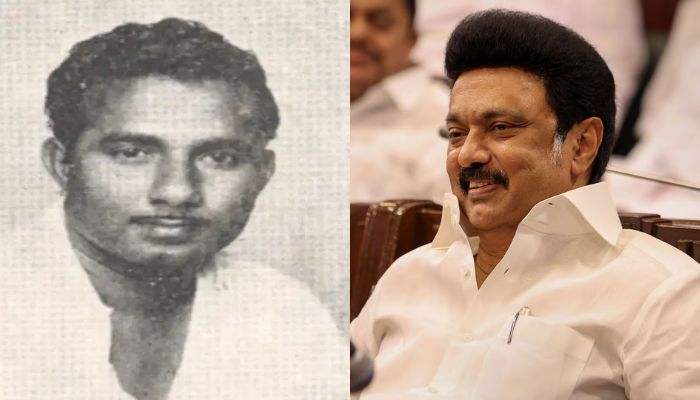
Stalin was born on 1st March 1953 and was only 23 years old when he was arrested in 1976. In the first part of his autobiography in Tamil, Ungalil Oruvan (One Among You), Stalin described jail time as a ‘torture camp’. On 31st January 1976, the DMK government led by Stalin’s father Karunanidhi was dismissed. Hours later, police arrived at their Gopalapuram residence looking for him. At that time, he had gone to the nearby town of Mathuranthakam.
Police officers told Karunanidhi they wanted to search the house to make sure Stalin was not there. Karunanidhi did not oppose the search and told them Stalin would be back the next day. He ‘offered’ himself to be arrested in place of Stalin.
On 1st February 1976, Stalin came back and found his mother Dayalu Ammal and wife Durga weeping. Karunanidhi asked him to be prepared for all kinds of sacrifices in public life and told him that police were looking for him. He informed the police that Stalin was back and asked them to take him. Stalin was arrested under the Maintenance of Internal Security Act (MISA).
The prison was enough to break his courage due to police brutality. However, it was DMK party leaders who were jailed alongside him who saved him and took the beating themselves.
In 2009, when he went for a tour of the prison with his family, he recalled how Chittibabu sacrificed his life while saving him from police brutality. According to Karunanidhi, it was ill treatment in prison that pushed Stalin to join politics.
In July 2019, Stalin attended a marriage function in the family of DMK’s veteran leader Arcot N Veerasamy. He recalled how Veerasamy and former Lok Sabha MP Chokalinga Chittibabu saved him in prison. He recalled that it was the sheer presence and moral courage infused by Veerasamy and Chittibabu that made him stay alive in jail. Chittibabu died in prison because of the police brutality he faced for saving Stalin.
In May 2023, while dedicating a bridge named after Chittibabu, Stalin expressed gratitude to Chittibabu, as he was the one who saved him from the police brutality by taking the beating on his behalf.
Chokalinga Chittibabu, also known as Mayor Chittibabu, was an Indian politician and a DMK leader. He served as a DMK MP in Lok Sabha. Chittibabu had won Lok Sabha elections in 1967 and 1971. Born on 4th January 1937, he was arrested under MISA during the Emergency after the DMK government was dismissed in 1976. Chittibabu died of injuries due to police brutality suffered while attempting to save Stalin in Madras Central Prison.
The betrayal of memory: DMK’s alliance with the very hand that struck it
Five decades have passed since the Emergency was imposed. Yet, the wounds it left on Indian democracy remain fresh in history. One of the scars that the Emergency left was the death of Chittibabu, a DMK leader and former Lok Sabha MP, who succumbed to injuries sustained while protecting young MK Stalin from police brutality. He did not die in an accident or in a natural calamity. He died at the hands of Congress-led tyranny.
However, the same DMK, now drunk on power and entitlement, stands shoulder to shoulder with the Indian National Congress, the same party that crushed its government, imprisoned its leaders and caused the death of its own. The Congress did not just jail Stalin and other DMK leaders, it broke families and murdered democracy, claiming “internal disturbances”. Sadly, for electoral convenience, DMK finds comfort in the arms of the very same Congress party.
One wonders, what would Chittibabu have thought of this alliance? Would the man who sacrificed his life shielding Stalin approve of him supporting the Congress today? Dedicating a bridge to Chittibabu’s memory is not enough unless the DMK stops supporting the Congress party. It seems that in a desperate thirst for power at the Centre, the DMK has left its spine somewhere in the ruins of Gopalapuram’s past, full of torture.
India must not forget that the Emergency was not accidental but deliberate. It remains a permanent black mark on the Congress Party’s legacy. It is a reminder that when power goes unchecked, even the Constitution can be rendered meaningless.
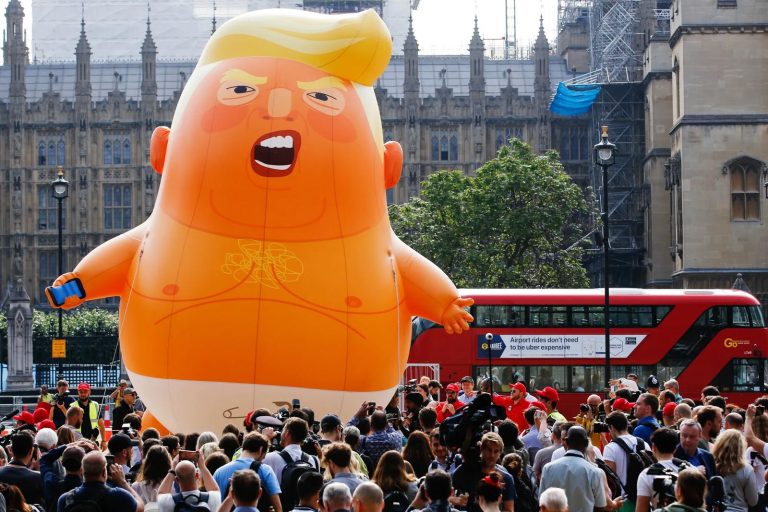
US President Donald Trump, the man, the myth, the marketer-in-chief of make-believe victories. For someone who claimed he could stop wars before breakfast and close trade deals during lunch, one would assume he had, at the very least, a vague idea of how diplomacy works. But alas, his grandstanding has consistently proven to be about as effective as the Chinese air defence systems deployed by Pakistan.
Just as BrahMos missiles tore through the Pakistani sky, hitting their targets with ruthless precision while Chinese air defence systems dozed off like a bored watchman—unaware, unprepared, and utterly useless—Trump’s showboating too has followed the same pattern: jarringly advertised, spectacularly ineffective, and ultimately blind to reality.
Starting with his pièce de résistance: Russia-Ukraine conflict. During the campaign trail, Trump thundered that he would end the war “in 24 hours,” even going to the extent of claiming that the war would never have happened if he were the President.
Fast forward a few months, and reality, the war continues to grind on and there is no end in site, at least in the foreseeable future. Reports now suggest Trump may be quietly tiptoeing away from the mess he once promised to clean up. A man who marketed himself as the geopolitical troubleshooter now seems to be scampering away from troubles. Or perhaps, he never intended to do shoot the trouble in the first place.
Then came his tariff crusade, where he imagined he could scare the world into submission with import taxes and swagger. He slapped tariffs left and right like a man possessed, convinced that trade wars were “good and easy to win.” But reality hit hard—markets bled, Americans became jittery, anxiety swept over allies, prices rose, and economists sounded the alarm.
Eventually, after markets shuddered and his advisors subtly backed away, Trump performed his signature move: the humiliating climbdown disguised as a “huge victory.” Cue the China trade deal—the very country he vowed to pummel into economic submission. Naturally, he painted this retreat as a triumph, because in Trumpistan, every loss is an opportunity waiting to be marketed as an “alternative win.”
In South Asia, Trump didn’t miss a beat in hijacking credit for the India-Pakistan ceasefire. When India’s airstrikes crippled Pakistan’s terror infrastructure and exposed its hollow defense, it was Pakistan that came crawling for peace. But Trump, ever the opportunist, puffed up his chest and claimed the US had brokered calm. Reality check: the only thing America mediated was the live broadcast of his delusions.
And then there’s the Israel-Hamas conflict. When war erupted again in Gaza, Trump offered about as much substance as a motivational poster. He could neither rein in Israel’s offensive nor pressure Hamas to halt its provocations. Instead of presenting meaningful options to reduce civilian suffering or facilitate dialogue, Trump defaulted to his usual mode: tweeting tough, doing little, and declaring imaginary victories. Gaza burned, hospitals overflowed, and innocents suffered; all while Trump flailed to appear relevant. His inaction was so profound, one could almost believe he thought “Middle East peace” was just another branding opportunity. The people of Gaza got no relief, no roadmap, and certainly no peace, just another war in a growing list of global fires Trump claimed he alone could extinguish.
But this wasn’t the end of US President’s blustering.
As the world lurches from one crisis to another, most recently with the Israel-Iran war, Trump’s hollow promises of getting things “solved” had only become starker. Israel attacked and nearly decimated all of Iran’s military chain of command, besides destroying its nuclear sites, which has predictably prompted a stern response from Tehran, throwing the Middle East in a period of uncertain turmoil and at the brink of a wider conflict. Meanwhile, Trump has remained on the sidelines—not engaging in meaningful endeavours to defuse tensions, but furiously posting on social media, reminding Iran’s Islamic regime of the “consequences” he had once warned about for rejecting his so-called “deal.”
In the end, Trump’s foreign policy doctrine appears to be equal parts swagger, self-delusion, and a dash of narcissism. He’s the guy who turns up after the fireworks, claims he lit them, and insists they wouldn’t have exploded without his blessing.
Donald Trump is, as the popular saying goes, all hat and no cattle, though in his case, even the hat looks suspiciously borrowed.
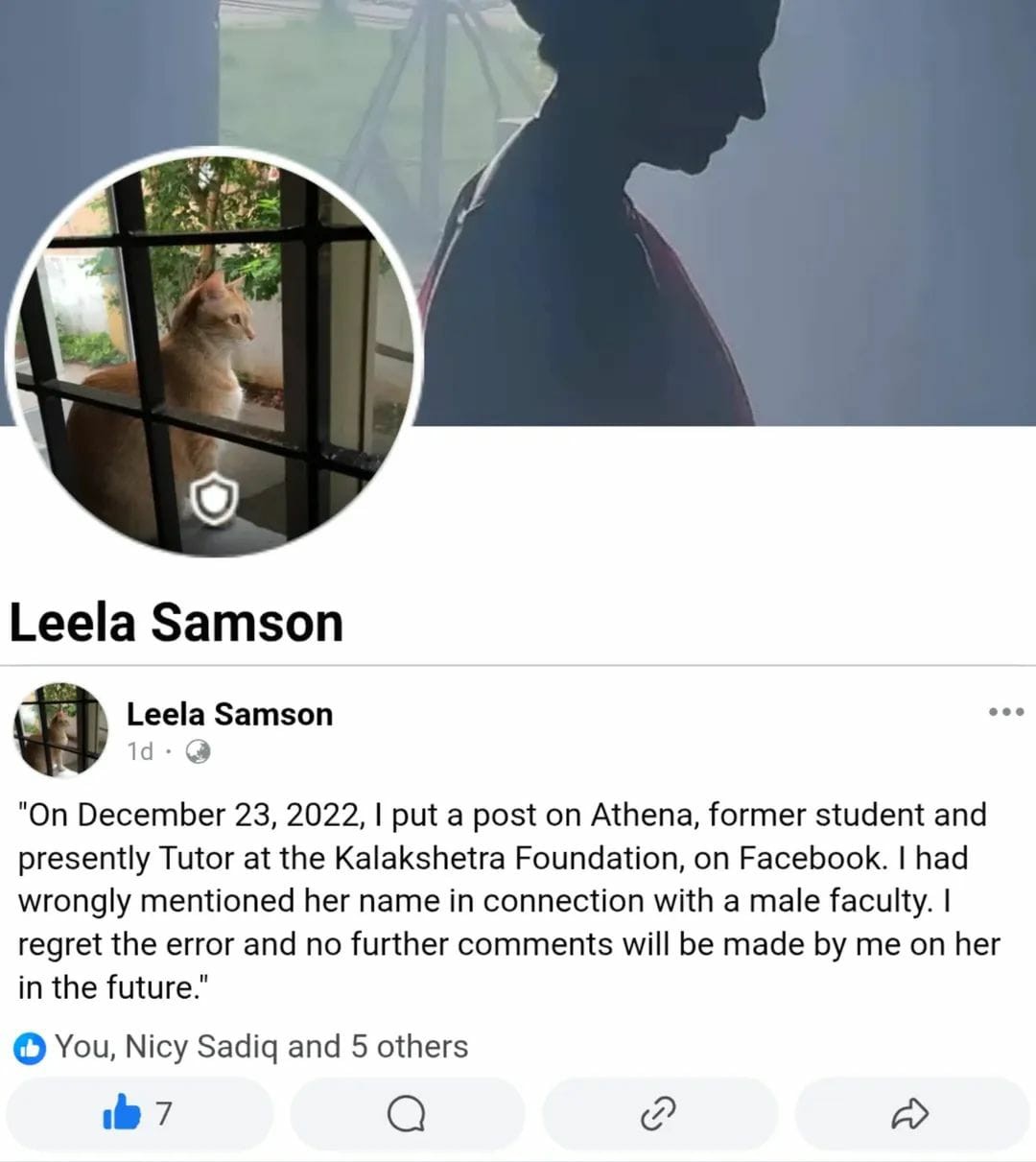
The former director of Chennai-based ‘The Kalakshetra Foundation’, Leela Samson, has posted an apology after defaming a student of the esteemed institute more than 2 years ago.
Samson served at the ‘The Kalakshetra Foundation’ between 2005-2012. In December 2022, she stirred the hornet’s nest by accusing a student named Athena Sadiq of being the ‘mistress’ of a teacher (Hari Padman), who was facing allegations of sexual harassment.
In a Facebook post on Sunday (15th June), Leela Samson stated, “On December 23, 2022, I put a post on Athena, former student and presently Tutor at the Kalakshetra Foundation, on Facebook. I had wrongly mentioned her name in connection with a male faculty. I regret the error and no further comments will be made by me on her in the future.“
Screengrab of the Facebook post by Leela Samson
Reaction of the victim
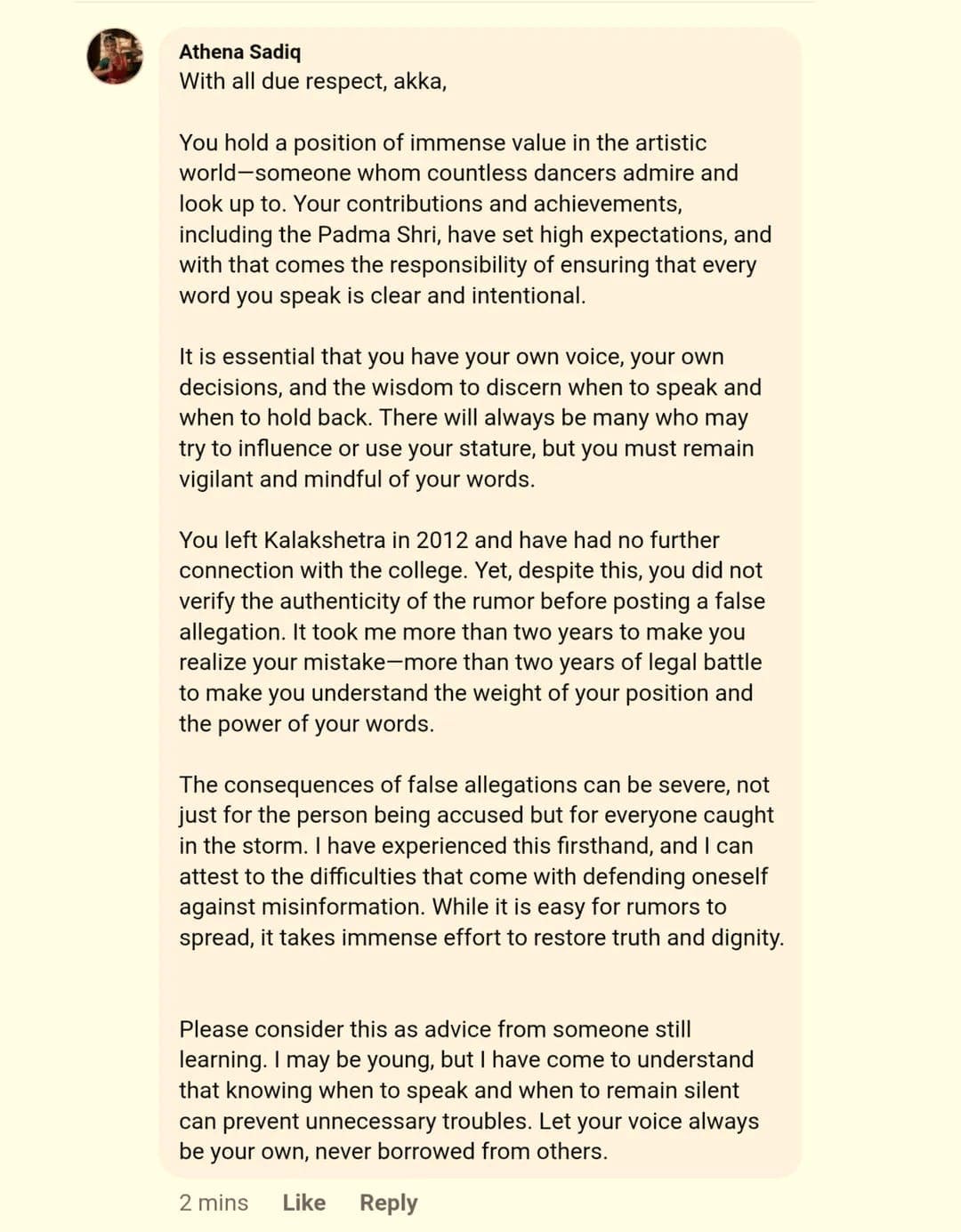
Athena Sadiq (who was defamed in 2022 by the ex-Director of The Kalakshetra Foundation) responded to Samson’s post, highlighting the need for her to be cautious of the words uttered in the public domain.
“You left Kalakshetra in 2012 and have had no further connection with the college. Yet, despite this, you did not verify the authenticity of the rumor before posting a false allegation. It took me more than two years to make you realize your mistake-more than two years of legal battle to make you understand the weight of your position and the power of your words,” she stated.
“The consequences of false allegations can be severe, not just for the person being accused but for everyone caught in the storm. I have experienced this firsthand, and I can attest to the difficulties that come with defending oneself against misinformation. While it is easy for rumours to spread, it takes immense effort to restore truth and dignity,” Athena Sadiq added.
Screengrab of the comment posted by Athena Sadiq
After having realised that Leela Samson reduced the visibility of her apology post, Athena Sadiq posted on Facebook –
“To those who actively shared, commented, and reacted to the post two and a half years back, without verifying the authenticity of the allegations-many voices spoke loudly then, but where are those voices now?
Leela Akka has now limited comments and restricted the post to a smaller circle. Does this change the willingness to engage?
Silence in the face of truth weighs heavily. I am not asking for blame or conflict-only a small show of support from those who once stood at the forefront of this discussion. That, in itself, would mean a great deal.”
The Background of the Controversy
Athena Sadiq had previously sued Leela Samson in August 2023 for spreading rumours, which led to her defamation and character assassination.
In December 2022, Samson had alleged that a teacher at the Rukmani College of Fine Arts (an institution run by Kalakshetra Foundation) had been harassing and molesting students for over 10 years.
The teacher was identified as Hari Padman, who has since been sacked, arrested and granted bail in connection to the sexual harassment case.
According to a report by ‘The Commune Mag’, Athena Sadiq (whose name was not published at the time) was a dance intern at the Rukmini Devi College of Fine Arts. She had been associated with the esteemed institute for over 7 years until then.
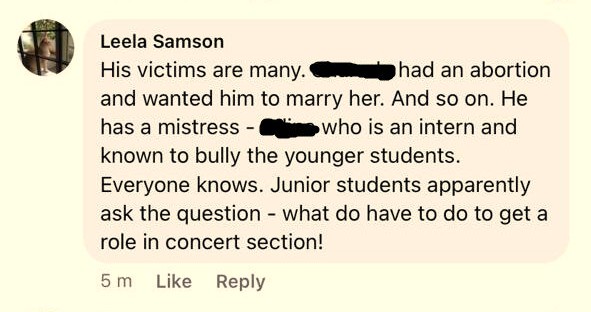
Screengrab of the Facebook comment by Leela Samson
In one of the comments, Leela Samson wrote, “He (Hari Padman) has a mistress – Athena who is an intern and known to bully the younger students. Everyone knows. Junior students apparently ask the question – what do have to do to get a role in the concert section!“
Following social media upheaval over the controversy, Leela Samson deleted her original post accusing Hari Padman of being a ‘sexual predator’ and Athena Sadiq of being his ‘mistress.’
In her police complaint, Athena Sadiq stated, “Before mentioning my name in the Facebook post, it would have been prudent and proper for Ms. Leela Samson to have checked with me about the veracity or genuineness of the rumours she was supposedly hearing about me. The same was not done. There was not even a shred of truth to the allegations mentioned in the comment.”
The complaint was closed by the police after Leela Samson claimed that ‘mistress’ translated to the Tamil word ‘ejamaani’ which translated to ‘feudal landlady’. She had rationalised her distasteful remarks by claiming that Athena Sadiq tutored the son of the accused Hari Padman.
The Kalashetra Foundation’s Internal Complaints Committee, as per Commune Mag, conducted an inquiry into the Facebook comments of Leela Samson but found not truth to the allegations of any relationship between the victim and the accused teacher.
More than 2 years later, on Sunday (15th June), Samson finally apologised to Athena for her unfounded claims.
Past controversies of Leela Samson
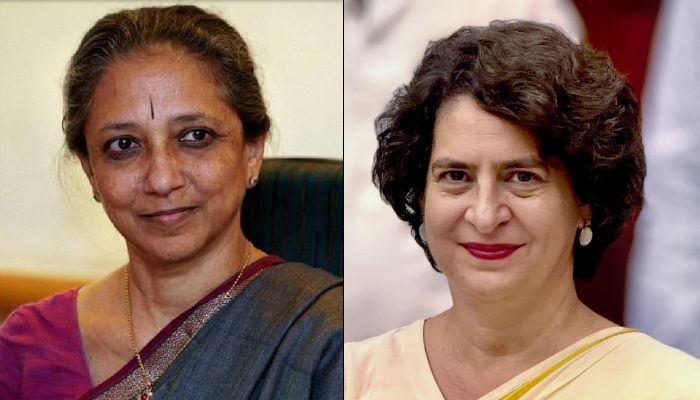
OpIndia had reported on Leela Samson more than a decade ago in January 2015. We pointed out how the former Director of ‘The Kalakshetra Foundation’ was the ex-dance teacher of Congress leader Priyanka Gandhi Vadra.
We highlighted how she was forced to resign from Kalakshetra for flouting the upper age limit meant for the position of a Director.
The Gandhi family loyalist had come under the scanner for financial irregularities and at least 16 irregular appointments.
During her stint with the Central Board of Film Certification (CBFC) as ex-chairperson, she objected to films that exposed Islamic fundamentalism or hurt sentiments of the Christian community.
Interestingly, Samson defended the release of the movie ‘PK’ by claiming, “Every film may hurt religious sentiments of somebody or the other. We can’t remove scenes unnecessarily because there is something called creative endeavour where people present things in their own way.”
She had removed the ‘dancing Ganesha’ from the logo of the Kalakshetra Foundation and ordered the removal of all Ganesha Idols from the premises.
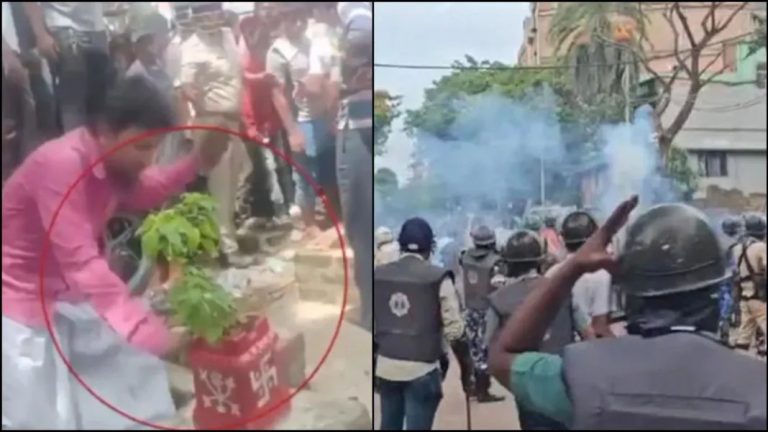
On June 11, 2025, a Muslim mob targeted Hindus in Maheshtala, Kolkata. Muslims were angry over planting of a Tulsi plant outside a temple. During this time, they also attacked and vandalized the temple. They selectively targeted shops and houses of Hindus in the area. The police have filed 7 FIRs in this case.
As per a Dainik Bhaskar report, Hindus shared that Muslims were not allowing the construction of Tulsi manch in front of the Shiva temple. Rubai Ghosh shared that a fruit seller named Junaid has grabbed the land in front of the temple. Ghosh said that not a single Muslim opened his shop on June 11, and they all gathered in thousands in the area.
Another Hindu in the area, Vijendra Goswami, said that this mob started pelting stones and started violence. They also targeted the police along with the Hindus. The Muslim mob even tried to break the Shiva temple and looted all the goods kept in the shops nearby. Hindus say that their vehicles were also damaged in the violence.
Aurobindo Balo, who was injured in this violence by the Muslim mob, said that the mob was led by Junaid, a fruit seller, while his wife Rani was instigating the mob. Hindus living nearby shared that instead of trying to resolve the issue through dialogue, the Muslim mob resorted to violence and kept targeting their shops.
Aurobindo Balo said that Junaid’s wife spread the rumour of being forced to chant Jai Shri Ram. He said that at that time 2-3 thousand people had gathered and the police could not do anything during the violence. Meanwhile, Muslims have claimed that Junaid was asked to chant Jai Shri Ram and the violence happened due to the Tulsi plant.
The police have registered 7 FIRs in this case. The police have arrested 41 people. Junaid has also been arrested. The police is also investigating the role of other Muslims in the area. The police have also arrested some Hindus in the case.
It is worth noting that on June 11, 2025, a Muslim mob resorted to violence in Maheshtala, Kolkata. The target of this violence was a Shiva temple which was vandalised. More than 60 people were injured in the violence, including policemen. The video of the violence also surfaced online. BJP has demanded action against the culprits from the state government.
The story of Indian healthcare before 2014 was one of crisis on almost every front: funding was patchy, inefficiencies accumulated, and treatment often felt like a long, arduous journey that few rural residents had even started. The scale of the crisis was staggering, with government spending teetering between 0.9% and 1.2% of GDP, a figure so low that by 2007, the World Bank ranked India 184th out of 191 countries. Private out-of-pocket payments covered nearly four-fifths of total health costs, a burden so heavy that families routinely borrowed money, sold off small parcels of land, or chose silence over treatment. A 2004-05 survey found that 28% of rural patients turned back at the clinic door because they could not afford the fee, and the annual tally of households sliding into poverty due to medical bills was estimated at fifty to sixty million.
Picture the countryside, where the disparity was stark. Roughly three-quarters of qualified doctors clustered in cities, leaving villages to scramble for care in makeshift clinics and poorly lit pharmacies. There were only 12 trained providers for every 10,000 people, about half of what the WHO deems acceptable, and in many districts, unlicensed quacks handled seventy-five per cent of primary visits.
The bricks-and-mortar side of public health was almost as wobbly. Data from the mid-2010s suggested that barely two-thirds of Primary Health Centres were open on a typical workday, and one-third of Community Health Centres lacked the mandated staff, including doctors and nurses. Even when a PHC was staffed, essential supplies such as vaccines, glucose strips, or clean syringes disappeared with alarming regularity; as a result, nurses often prescribed medicines that patients could not obtain from the local shop.
Why did previous Central governments shy away from healthcare?
India’s healthcare crisis before 2014 wasn’t just the result of poor infrastructure or lack of funding. It stemmed from a more profound, systemic neglect that ran through the core of the policy and governance structure. The most significant structural flaw was that healthcare was treated as a “state subject” under the Constitution, which meant the central government often shied away from direct responsibility. This led to uneven priorities, policy paralysis, and wide interstate disparities in both spending and service delivery. The Centre had the funds and constitutional responsibility for national programmes, but the execution rested with overburdened and often corrupt state governments. Coordination between them was poor, and political will was usually missing.
The system existed on pen and paper, and the files were stored in dusty cabinets that nobody opened until necessary. There were no digital rails to hold things together—central dashboards, statewide insurance logs, a central disease ledger, or even a simple immunisation tracker. Public hospitals maintain individual logbooks located by the reception desk, so moving a chart from one ward to the next is akin to playing snail-paced charade. Primary clinics, district hospitals, and specialist wards often fail to communicate effectively, resulting in patients having to recount the same story repeatedly.
In the big cities, the waiting rooms were crowded, but the price tags were steep. Corporate chains have refined their marketing so thoroughly that many people assume top-tier care is what healthcare entails. Out in the villages, oxygen tanks and CT scans were the stuff of science fiction, so most people stopped at the nearest chemist and gambled on whatever remedy sounded least silly. Quacks on scooters, BHMS grads or full-blown improvisers in faded white coats often fill the gap.
Everything about the safety net was woven for people who already had a cushion, leaving the rest to juggle symptoms and unpaid bills. Speed, scale, and fairness lined up on paper, but consistently fell short in real life. For millions, the choice boiled down to empty pockets today or empty bellies tomorrow, and neither option felt like a victory. Ultimately, India’s pre-2014 healthcare system failed because it lacked vision, urgency, accountability, and national ownership. Without a coherent and centralised strategy, it was a system doomed to collapse under its contradictions.
What changed after 2014, when Modi came to power?
The period following 2014 marked a significant and permanent shift in India’s healthcare policy. Instead of piecemeal welfare schemes, India established a coherent, integrated system with sustained, long-term ambitions that encompassed out-of-hospital and community healthcare, clinical care, and public health. Healthcare was no longer treated as a fringe issue; instead, it was returned to its rightful place as a cornerstone of national development, economic security, and social equity. The restructuring of India’s healthcare system was not simply a matter of constructing hospitals or dispensing drugs; it was a systematic change that brought with it a new vision for health. This new vision focused on preventive care, technological advancements, and equitable access to healthcare, and it was implemented nationwide.
Ayushman Bharat: From slogan to systemic shift
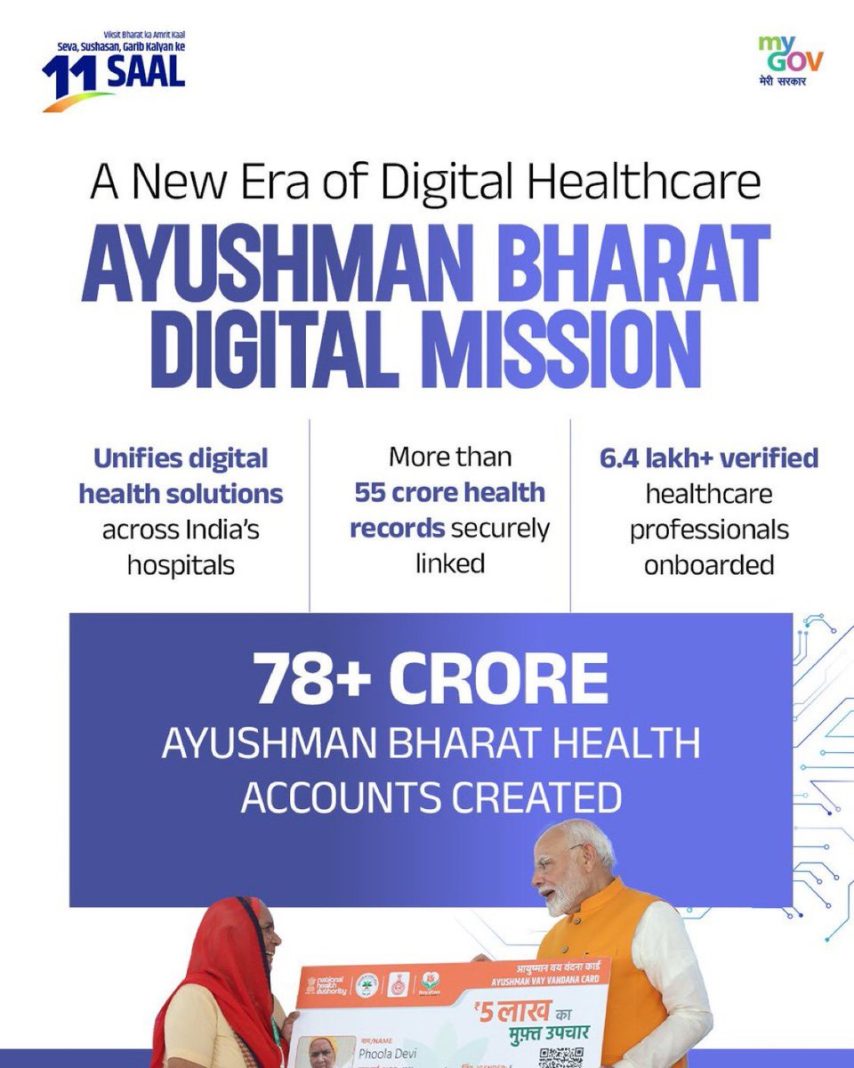
In 2018, the Indian government launched Ayushman Bharat, comprising two landmark initiatives that have transformed the healthcare landscape in India. PM-JAY (Pradhan Mantri Jan Arogya Yojana) and Health and Wellness Centres (HWCs). PM-JAY became the world’s most extensive government-funded health insurance system, covering up to ₹5 lakh annually and over 50 crore Indians, primarily poor and vulnerable populations. It provided coverage for secondary and tertiary care and established a chain of thousands of hospitals, both public and private, that were empanelled into this system. For the rural family who had previously avoided hospitals due to prohibitive costs, PM-JAY became the affordable safety net.
At the same time, Health and Wellness Centres (HWCs) were addressing the stale, old base of India’s healthcare, primary care. HWCs provided a free source of treatments for day-to-day diseases, diagnostics, medications, maternal and child care, and referral networks. By 2025, over 1.7 lakh HWCs were operationalised, many in tribal and rural areas that were previously hard to reach, creating access to primary care at a minimum decent and mostly professional level at the first point of contact.
Over the past 11 years, India has witnessed an unprecedented digital revolution under the visionary leadership of Hon'ble Prime Minister Shri @narendramodi ji. This transformation has not only connected millions but also bridged the digital divide, ensuring that technology… pic.twitter.com/4Ep93Ks6DG
Digitally Disruptive: Ayushman Bharat Digital Mission (ABDM)
The bar on a turn of transformation was set higher with the launch of ABDM in 2021, which was a digitally enabled infrastructure for health services. Citizens can now locate their own Health IDs, which will allow them to securely manage and share their health records across multiple platforms and with various stakeholders, thereby reducing the risk of lost prescriptions and accidental disconnection. Hospitals, clinics, lab reports, and pharmacies were all critical components of a national healthcare network that enabled teleconsultations, AI-based diagnostics, and facilitated referrals. For the first time, continuity of care was a reality, even for patients in difficult-to-reach or remote districts. The connection of the ABDM platform also helped to plug significant leakages in the system and reduced possibilities for corruption that emerged through erroneous funding arrangements and fake claims.
Today, the Ayushman Bharat Digital Mission links more than 55 crore health records and has onboarded over 6.4 lakh verified health professionals on a single platform.
Beyond the expansion supported by a massive budgetary increase, specifically a jump from ₹37,000 crore in 2013–14 to ₹89,000 crore in 2023–24. There was also a significant increase in the number of new medical colleges to help alleviate the shortage of medical doctors, especially in the poorest states. Several new AIIMS were established in states such as Bihar, Chhattisgarh, and Assam, providing tertiary care access to populations that had previously been neglected due to their geographic location.
Through their budgetary decisions and various Production-Linked Incentive (PLI) schemes aimed at promoting the indigenous manufacturing of devices, APIs, and health tech equipment, the Indian government has demonstrated a serious interest in strengthening India’s medical manufacturing ecosystem.
Telemedicine & Mental Health
India’s adoption of telemedicine was significantly accelerated, especially during the COVID-19 pandemic. The eSanjeevani platform has facilitated over 10 crore (100 million) consultations during this period, in collaboration with urban doctors engaged by rural patients via video consultations. Whereas traditional medical delivery systems have left the area of mental health unattended, the government launched an effort to address mental health with Tele-MANAS, a 24/7 telephone helpline for anyone managing the impacts of anxiety, depression, and stress, particularly during COVID-19. Publicly funded special initiatives extended telemedicine services to areas including women’s health, adolescent health, and geriatric health, each signalling a more comprehensive approach to health.
COVID-19 Response: Digital Precision and Scale
India’s response to COVID-19 was remarkable when compared to many countries, characterised by incredible speed, scalability, and data-driven decision-making. India’s CoWIN digital platform was the essential backbone of the world’s most extensive vaccination programme: CoWIN tracked more than 2.2 billion doses in real-time and registered over 111 crore users. ICU beds across states, oxygen plants across states, and isolation centres were quickly scaled up, and remote consultations were made speedy and convenient through eSanjeevani to reduce the burden on hospitals that were overwhelmed. Digital tracking of the pandemic facilitated the containment of outbreaks. Overall, India’s process involved considerable coordination, yet also demonstrated that India can excel under pressure.
For its leadership role, India not only kept its people safe from disease, but it also protected the world from COVID-19. As a demonstration of ‘Vaccine Maitri,’ India directed more than 130 million doses of vaccines to over 100 countries around the world.