Home Blog Page 538

Attack on Saif Ali Khan: Doctors say he suffered a major thoracic spinal cord injury, lodged knife removed after surgery

0

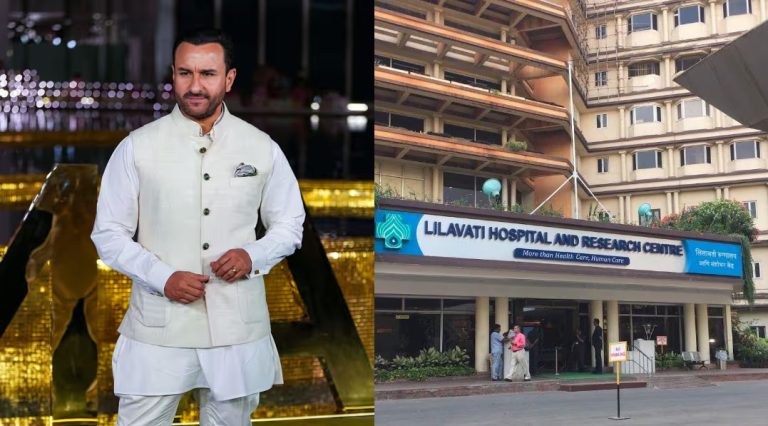
Bollywood star Saif Ali Khan is being treated at Lilavati Hospital after he allegedly got attacked by an intruder at his residence in Mumbai in the early hours of Thursday. The ‘Hum Tum’ star underwent surgery and is now “completely stable”.

Dr Nitin Dange of Lilavati Hospital spoke with the media and shared Saif’s health update, revealing the actor sustained a thoracic spinal cord injury.

“Saif Ali Khan was admitted to the hospital at 2 am with alleged history of assault by some unknown person. He sustained a major injury to the thoracic spinal cord due to a lodged knife in the spine. A surgery was performed to remove the knife and repair leaking spinal fluid,” the doctor informed.

Saif also got deep wounds on his left hand and neck, as per the doctor.

“Two other deep wounds on his left hand and one other on his neck were repaired by the plastic surgery team. He is completely stable now. He is recovering well and out of danger now,” Dr Dange added.

Earlier, Saif’s team also issued a statement stating that the actor is out of danger and is currently recovering.

“Saif Ali Khan has come out of surgery and is out of danger. He is currently in recovery and the doctors are monitoring his progress. All family members are safe and the police is investigating the incident,” the statement read.

“We would like to thank Dr Niraj Uttamani, Dr Nitin Dange, Dr Leena Jain and the team at Lilavati Hospital. Thank you to all his fans and well-wishers for their prayers and thoughts during this time,” Saif Ali Khan’s team added.

Dixit Gedam, DCP Zone 9 of Mumbai Police, who is part of the team investigating an attack on Actor Saif Ali Khan said that one of the accused has been identified.

“It has been discovered that the accused used the fire escape to enter their house. So far, the investigation suggests that it was an attempted burglary. We are making every effort to arrest the accused as soon as possible. Once he is arrested, we will be able to disclose further details,” he said.

“One accused has been identified. He used the staircase to enter, and teams are in the field to arrest him. There are 10 detection teams working in different directions,” DCP Gedam added.

The shocking incident unfolded at Saif Ali Khan’s residence in the ‘Satguru Sharan’ building in Bandra, after an intruder allegedly confronted Khan’s maid. When Saif attempted to intervene and de-escalate the situation, the confrontation turned physical. The actor sustained injuries during the scuffle and was rushed to Lilavati Hospital for treatment.

After learning about the unfortunate incident, several members of the film industry expressed concern regarding actor’s health. Filmmaker Siddharth Anand and his wife visited the hospital to keep a check on the actor.


(This news report is published from a syndicated feed. Except for the headline, the content has not been written or edited by OpIndia staff)

After Tahir Hussain, another Delhi riots accused given ticket by AIMIM, Shifa-ur-Rehman files nomination under police protection: Who is he and why is he in jail

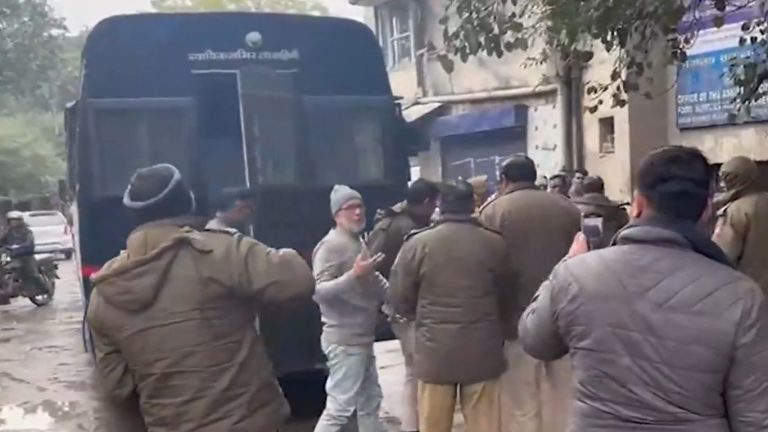
Delhi riots accused and president of Alumni Association of Jamia Alumni Islamia (AAJMI), Shifa-ur-Rehman was taken amid tight security to file his nomination for the Okhla Assembly constituency on Thursday. Rehman will contest the upcoming Delhi Assembly elections from Majlis-e-Ittehad-ul-Muslimeen (AIMIM). The elections are set to be held on February 5.

Rehman has reportedly applied for a four-week interim bail at Karkardooma court to contest the elections. In his bail application, Rehman drew a parallel with former Delhi Chief Minister Arvind Kejriwal who was granted bail in the Delhi Liquor Excise Policy Scam. He pleaded that like Kejriwal, he should also be granted bail on the ground that he too is not a convict and is not a threat to society.

“Even though there are serious allegations against Kejriwal, he was never convicted and does not have any criminal history. He was not seen as a threat to society”, he said in his bail application. “I have a deep sense of serving society and am committed to working for its betterment. Politics is the ideal platform to address the needs of the people”, he told the court.

Who is Shifa-ur-Rehman

Shifa-ur-Rehman was arrested by the Special Cell of the Delhi police in April 2020 in relation to Delhi Anti-Hindu riots under the provisions of the Unlawful Activities Prevention Act (UAPA). Rehman was arrested after CCTV footage revealed his presence in the riot-hit areas of North East Delhi. Ample evidence, including call records and WhatsApp messages, was found by the police against him indicating his involvement in inciting mobs during the riots.

The Delhi Police said that Rehman had received funds from the members of AAJMI based in Middle Eastern countries. He is also accused of coordinating anti-CAA/NPR protests across various sites in Delhi and giving hate speeches. AAJMI is a group of alumni of the Jamia Millia Islamia University in Delhi.

Earlier Delhi Anti-Hindu riots accused Tahir Hussain was granted parole

Another Delhi Anti-Hindu riots accused and former Aam Aadmi Party Councillor, Tahir Hussain had also sought interim bail from the court to contest the upcoming Delhi Assembly elections. Hussain is an AIMIM candidate from the Mustafabad assembly constituency. His bail plea was rejected by the Delhi High Court on January 14. However, he was allowed custody parole on certain conditions to file his nomination.

Tahir Hussain had said in a disclosure statement that he chose his own house as a launchpad for the riots. Given that his house was a high-rise building and was under construction at that time, it was easy to collect stones and bricks without raising any suspicion. Besides,  he and his co-conspirators had started collecting stones, bricks, and other ammunition, well in advance so that they could teach those, who were in support of the CAA, a lesson when the time was right. To that end, 2 to 3 days before the riots broke out, he had also got his licensed pistol released from the police station.

No security at Saif Ali Khan’s apartment? Netizens refuse to believe ‘burglary’ claim: Suspect Bishnoi gang involvement to movie promotion behind attack

Bollywood Actor Saif Ali Khan on Thursday, 16th January was attacked with a knife by an individual in an alleged ‘burglary attempt’ inside his posh Bandra apartment. The actor got stabbed around 6 times in his spine and neck after which he was admitted to the Leelavati Hospital, Mumbai. The said incident reportedly happened at 2:30 am on Thursday when the 54-year-old actor was asleep along with his family members.

As per the reports, the maid working for the family was also attacked after a scuffle occurred in the apartment. The police began an investigation into the case and stated that no CCTV footage checked by the authorities showed the attacker entering the building before midnight.

This indicates that the attacker may have hidden somewhere inside the apartment prior to the attack.

“An unidentified person intruded in the residence of Actor Saif Ali Khan. The actor and the intruder had a scuffle. The actor is injured and is being treated. The investigation is going on,” the police said.

Meanwhile, the family of the actor has also released a statement saying that the attack was part of an attempted burglary at Khan’s residence. “He is currently in the hospital undergoing surgery. We request the media and fans to be patient. It is a police matter. we will keep you updated on the given situation,” they said.

The statement by the actor’s family has sparked confusion among the fans, with netizens questioning how the residence of an ultra-rich celebrity couple can have such lapses in security. The netizens meanwhile also refused to believe the ‘burglary attempt’ claimed by the family saying that there must be more to the story than meets the eye.

“This was not a robbery.. this was MOST LIKELY an extortion or vasooli attempt by the underworld. No way a person got THAT close and that too ALONE. An altercation ensued which led to the stabbing. You can’t rule out a crime when you have stab wounds so it was filed as robbery,” said one of the handles on X.

Another user stated that the building where Khan resides is quite tall and secure and that the place looks actually impossible to penetrate, considering it is a posh locality in Bandra where the richest of the rich in the city live. “The building where Saif Ali Khan has his residence. Located in Bandra – the actor owns 4 floors. Not a Security Expert – but having known the building well, got the feel it’s a very tough place to penetrate,” he said.

Some social media users started to weave political motives behind the attack, indicating that the actor’s recent meeting with PM Modi may have something to do with it. In December 2024, Khan met PM Modi and spoke to him in detail about his career, family, and children. Khan also later lauded the PM saying that he was very attentive and that it was a wonderful experience meeting the leader.

“Everything was going well in Saif Ali Khan’s life, then he met Narendra Modi. Rest is history,” another user said.

The netizens further continued to question the security arrangements at Khan’s residence and claimed that if this big actor could not be protected, how common man be protected by the state? Meanwhile, several refused to buy the burglary event claimed by the family.

Some even stated that Khan’s upcoming film was named ‘Jewel Thief’ and that this claimed robbery event could be a low-key promotional tactic to promote the film. “Saif’s upcoming movie is Jewel Thief, which is a robbery movie. I hope this is not a marketing stunt, otherwise, it’s a very low way of promotion!” he said.

BJP’s Prashant Umrao also claimed that the attack did not look like a burglary event as the CCTV showed no entry or exit of suspected individuals.

It is crucial to note that the attack happened at around 2.30 am on Thursday, 16th January after which the actor was shifted to the Leelavati Hospital. Amid this, the opposition has slammed the Devendra Fadnavis-led government for failing to protect the actor. The actor has suffered severe injuries near the spine.

Shiv Sena (UBT) MP Priyanka Chaturvedi attacked the BJP government and said, “What a shame that Mumbai sees another high-profile attempt on life, the attack on Saif Ali Khan yet again raises questions on Mumbai Police and the Home Minister. This is after a series of incidents that show there is a deliberate attempt to undermine Mumbai by targeting big names.”

She indicated that this was a major attack on the Bollywood person after the murder of veteran politician Baba Siddique and firing outside Salman Khan’s home. “Baba Siddique ji’s family is still awaiting justice after his shocking murder. Salman Khan was forced to live in a bulletproof house. Now it is Saif Ali Khan All in Bandra. An area that has the highest concentration of celebrities, is supposed to have adequate security. If celebrities are not safe then who in Mumbai is? Wishing Saif Ali Khan a speedy recovery,” she added.

The police in the given case have stated that the investigations are underway and questions like the number of attackers, the reason for the attack and the CCTV footage showing no imprints of the attacker are all yet to be ascertained.

Actor Salman Khan is under protection due to threats by the Lawrence Bishnoi gang. Recently, the police investigation had indicated that the motive behind NCP leader Baba Siddiqui’s murder was his proximity to Salman Khan. The Bishnoi gang had vowed to avenge the killing of the blackbuck by Salman Khan in the late 1990s. The Bishnoi community considers blackbucks sacred and raised them as their own children.

Another notable fact is that Saif Ali Khan also starred in the movie Hum Sath Sath Hain and was named in the blackbuck poaching case. His name was also featured in the complaint filed by the Bishnoi community in October 1998 regarding the blackbuck poaching incident.

Orissa HC commutes death sentence of a mob that brutally tortured a woman and her parents to death over ‘witchcraft’ allegations

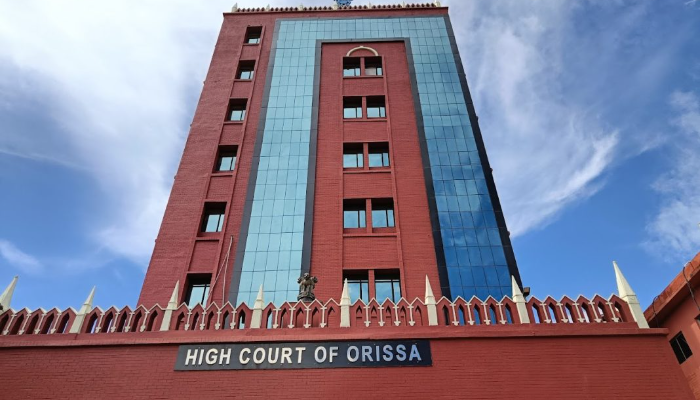
On 15th January, the death sentence handed down to nine individuals by the Sessions Judge in Rayagada for the 2016 murder of three family members on suspicion of witchcraft was commuted by the Orissa High Court. The decision was pronounced by a Division Bench of Justices Sangam Kumar Sahoo and Radha Krishna Pattanaik. The court stated that the reformation of the convicts could not be ruled while reducing the sentence to imprisonment until the end of natural life.

“We should not forget that the criminal, however ruthless he might be, is nevertheless a human being and is entitled to a life of dignity notwithstanding his crime. It is for the prosecution and the Court to determine whether such a person, notwithstanding his crime, can be reformed and rehabilitated,” the bench observed and highlighted that the informant is the only eyewitness to a portion of the crime after reviewing the available evidence.

The counsel representing the appellant contended that her testimony should be treated suspiciously since she is an “interested witness” and a close relative of the victims. However, the court was not persuaded and countered, “We are not inclined to accept such submission as ‘related’ is not equivalent to ‘interested.’ The witness may be called interested only when he or she has derived some benefit from the result of a litigation in the decree in a civil case, or in seeing an accused person punished. A witness, who is a natural one and is the only possible eye witness in the circumstances of a case, cannot be said to be interested.”

Furthermore, it clarified that because the informant was the only person to see the incident, it does not necessarily mean that her evidence should be disregarded or that her sincerity should be questioned. “Neither the legislature (Section 134, Evidence Act, 1872) nor the judiciary mandates that there must be particular number of witnesses to record an order of conviction against the accused. Our legal system has always laid emphasis on value, weight and quality of evidence rather than on quantity, multiplicity or plurality of witnesses. It is, therefore, open to a competent court to fully and completely rely on a solitary witness and record conviction,” the bench conveyed.

The court was also persuaded by the informant’s explanation of the delay in filing the FIR (First Information Report) and mentioned, “Since it was a small village consisting of only 25 houses and she was staying in the house of the Samiti member, she can be said to be under the close watch of not only the appellants but also the Samiti member who appears to have closeness with the appellants. We are of the view that the explanation furnished by P.W.1 regarding delay in lodging the F.I.R. is quite satisfactory and plausible.”

The appellants urged that the informant had merely observed part of what transpired within the cowshed but did not know what subsequently happened to the deceased as their remains were never found. Nonethless, the court rested its verdict on other judgments of the Supreme Court holding that corpus delicti or dead corpses need not in all cases be recovered to convict and relied upon multiple judgments for the same.

Considering the foregoing precedents, the court further observed that once it is apparent that the deceased persons were removed from the cowshed one after another and that the informant was later made aware of the fact that they were murdered, above all, they were not seen alive thereafter, it falls upon the appellants to account, under Section 106, how they met their demise.

Besides the aforementioned, the court shed light on the actions of the appellants which included asking the informant to take a bath in a spring after killing human beings as they could not return home without cleaning themselves but also made an extrajudicial confession about committing the horrific murder. The bench determined it to be pertinent based on Section 8 of the Evidence Act.

Therefore, the appellants were convicted of offenses under Sections 342 (wrongful confinement), 364 (kidnapping or abducting with intent to murder), 365 (kidnapping or abducting with intent to confine someone secretly and wrongfully), 201 (causing evidence to disappear), 506 (criminal intimidation), and 302 (murder) of the Indian Penal Code (IPC).

The bench headed by Justice Sahoo alsp stated that the trial court had ordered posting of the case for a hearing on the question of sentence on 21st October 2021, after issuing the order of conviction against the appellants. After hearing the prosecution and defence counsel, the trial court held the crime to be “rarest of rare” and awarded the severe punishment of death. The court added, “It is thus clear that the learned trial court after convicting the appellants has not given adequate opportunity to them to produce the mitigating circumstances in their favour nor it tried to collect the same nor discussed what the mitigating circumstances are available in favour of the appellants, but merely stated that the aggravating circumstances were outweighing the mitigating circumstances.”

The bench had earlier directed the Superintendent of Prison where the appellants were lodged for more than eight years to collect comprehensive data, including reports on their past, psychiatric state and post-conviction behavior, among other pertinent documents that would indicate mitigating factors. The Senior Superintendent of Circle Jail, Koraput, had filed an affidavit in pursuance of the above decision which included social reports of each appellant, health reports comprising of details about their mental health, and their behavior and conduct while behind bars, which were all considered to be satisfactory.

According to reports given by the jail superintendent, they behaved well during their imprisonment. They were polite, very disciplined, maintained order in the operations of the jail, and conducted themselves well with personnel and other inmates. During the entire period of confinement, no adverse reports were found, per the records. “It cannot be said that there is no possibility of the appellants being reformed and rehabilitated foreclosing the alternative option of a lesser sentence and making imposition of death sentence imperative or in other words, life imprisonment would be completely inadequate and would not meet the ends of justice,” the court conveyed while considering the report of the authority and weighing the aggravating and mitigating circumstances.

It declared, “In view of the foregoing discussions and giving our anxious consideration to the facts and circumstances of the case, and striking a balance between the aggravating and mitigating circumstances, we are of the humble view that the death penalty would be disproportionate and unwarranted. Life imprisonment would be a more appropriate sentence.” As a result, the death sentences were converted to life in prison. It was stated that they would not be eligible for the benefits of commutation or remission under Sections 432 and 433 of the CrPC (Code of Criminal Procedure).

The bench added, “We are of the view that public opinion or the society’s expectation may be to confirm the death sentence awarded to the appellants since it is a case of triple murder and two of the deceased were ladies, but it must be remembered that such opinion or expectation is neither an objective circumstance relating to crime, nor the criminal, and therefore, we therefore are inclined to convert the sentence imposed on the appellant from death to life. However, taking into consideration the gruesome murder of two of his siblings and one nephew, we are of the view that the appellant deserves rigorous life sentence.”

According to Schedule-II of the Odisha Victim Compensation Scheme, the court granted a compensation amount of Rs. 10,00,000 for each death before rendering its decision. This amounts to a total of Rs. 30,00,000 which will be distributed equally among the informant, her sister and her brothers.

“The superstitions of witch-hunting are still alive in some parts of rural areas of our country mainly on account of lack of education and it leads to innocent individuals, often women, fall prey to the practice, publicly targeted, face persecution, torture and even gruesome murders on unfounded accusations of practicing witchcraft,” the court also expressed while addressing the matter.

Background of the case

On 16th September 2016, the informant, Melita Sabar, lodged an FIR against the appellants and a juvenile offender for killing her parents Asina Sabar and Amabaya Sabar along with her older sister, Ashamani Sabar, on the evening of 9th September. According to the complaint, she rushed to the scene when she heard that her parents and elder sister were tied and being tortured in a cowshed. She was also tied her to a stump after arriving there.

She added that the appellants had beaten her mother, father and older sister while accusing them of using sorcery to kill a few of the other villagers and also abused them. The appellants blamed them for continuous fever and ill-health of other locals. Shee disclosed that one of the appellants produced a syringe loaded with pesticides, stuck the needle into her older sister’s mouth, cheek, and eyes as well as threatened to kill her if she refused to tell the truth. Her parents were being brutally attacked by the other nine appellants with sticks.

The three individuals, who were already in a moribund state, were then attacked by the appellants as they led the corpses, one by one, to a cemetery as the severe assault had left them dead. She was ordered by the appellants to keep the information confiential. They also warned her of serious repercussions if she told the authorities about the gruesome incident. She learned that the appellants had exhumed the bodies and burned them, on 15th September.

Afterward, a charge sheet was filed against the appellants and Sections 302, 201, 342, and 506 read with Section 34 of the IPC and Section 4 of the Odisha Prevention of Witch Hunting Act, 2013 were invoked following the completion of the probe that followed the submission of the case.

More similar rulings by Indian courts

Notably, high courts have often delivered such sentences in cases of similar nature. The Telangana High Court changed a rape and murder conviction from death to life in prison in last December. 62-year-old Gaffar Ali was sentenced by the Sangareddy POCSO (Protection of Children from Sexual Offences) Special Court for the rape and murder of a 5-year-old girl after which he filed an appeal with the high court.

The prosecution established that on the day of the incident, the girl was last seen with Ghaffar Ali. Testimony and the postmortem report confirmed that he gave her a cold drink before the crime. She died of shock caused by the abuse, the report unveiled. The injuries to the cheek, eye, neck, and genital parts of the child were also highlighted. These were reportedly inflicted when he gagged her mouth during the rape. Forensic findings and CCTV footage were other evidence supporting the prosecution case.

However, the court declared, “While the evidence unequivocally proves the crime, absence of specific aggravating factors such as a deliberate intent to murder and Ghaffar Ali’s lack of a prior criminal history, led to the reduction in sentence.” The court, though commuting the death sentence, stated that Ali would not be released on any form of parole during the first 15 years of his imprisonment. Pardon, remission, or parole had all been categorically ruled out by the judgment.

Chhattisgarh High Court commuted sentences in two separate cases

“These are the incriminating circumstances, but there is no evidence on record that the appellant cannot be reformed or rehabilitated as at the time of the offense he was aged about 29 years and he is a member of the Other Backward Class (OBC), thereby he belongs to the backward community and his chances of being reformed or rehabilitated cannot be ruled out,” the Chhattisgarh High Court pronounced in December of last year, while overturning the capital punishment awarded to Dipak Baghel for committing rape and murder of a 7-year-old girl in the year 2021.

The court deemed him guilty of rape and murder after considering all available evidence, DNA reports and testimony of the victim’s family. “Thus, after appreciating the entire ocular and medical evidence on record, we do not find any illegality in appreciation of oral, medical, and circumstantial evidence or arriving at a conclusion as to the guilt of the appellant by the trial Court warranting interference by this court and we accordingly hereby confirm the conviction of the appellant recorded under Section 302 of the IPC.”

However, it also addressed the arguments regarding the capital punishment stating that the trial court was wrong in the imposition of the death penalty on the appellant on the same day. “The trial court has not taken into consideration the probability of the appellant being reformed and rehabilitated and has only taken into consideration the crime and the manner in which it was committed and has not given the effective opportunity of hearing on the question of sentence to the appellant. No evidence was brought on record on behalf of the prosecution to prove to the court that the appellant cannot be reformed or rehabilitated, by producing material about his conduct in jail, and no opportunity of hearing was given to the appellant to produce evidence in that respect.”

In December 2024, the same court commuted the death sentence given to a 34-year-old man by the lower court, following his conviction for killing his wife and three little children to life in prison. “Capital punishment can only be awarded in very exceptional and rarest of the rare cases, which is lacking in the present case. Accordingly, the death sentence awarded to the appellant is commuted to imprisonment for life, with a directive that the life sentence must extend to imprisonment for the remainder of the appellant’s natural life,” it stated.

Umend Kenwat strangled his wife, Sukrita Kewat, along with their three children, Khushi Kenwat (5), Lisa Kenwat (3) and Pawan Kenwat (18 months), using a rope because he had some reservations about her character. He then attempted to hang himself, but the rope broke and he fell after which he went to the police station to report the incident.
The court identified the suspicion of the character of his wife as a mitigating element for the killings of his wife and three young kids. He attempted to take his own life, too. All the evidence presented in this case were regarded circumstantial.

The court stated, “Though it shocks the conscience of society at large, yet, in the facts and circumstances of the case, considering the young age of the appellant, upon thoughtful consideration, we are of the view that the extreme sentence of the death penalty is not warranted. This case does not qualify as the ‘rarest of rare,’ where the imposition of the death penalty is justified. In our opinion, life imprisonment is adequate to meet the ends of justice. Accordingly, we direct the commutation of the death sentence to life imprisonment. Furthermore, we direct that the life sentence must extend to imprisonment for the remainder of the appellant’s natural life.”

Supreme Court upheld Bombay High Court’s order commuting death penalty to life

Due to an excessive delay in their execution, the Bombay High Court decided to commute the death sentence of two convicts in the 2007 Wipro BPO employee (22) gang rape and murder to “life term for a period of 35 years.” The decision was then maintained by the Supreme Court of India in December 2024. On 21st June 2019, the high court ruled that the execution of Purushottam Borate and Pradeep Kokade shall be postponed until further directives.

“We find that the delay in executing the death penalty in the present case was undue, inordinate and unreasonable. We find that there has been undue and unexplained delay by both the state and central government in processing the mercy petitions,” the high court stated. It further added, Here we have to consider a case of two convicts who have to be hanged. When the protection of Article 21 of the Constitution of India (Right to life and personal liberty) is at stake then the Executive, Court of Law or the Governor and President of India stand at the same pedestal.”

“Thus, delay by any arm of the state or the central government would be against the fundamental rights of the convicts. It is clear that the actual execution of the death penalty is at the hands of the state government. The state government has to fix a date and obtain death warrant,” the court highlighted and expressed that merely writing letters to the sessions court asking for a date to be set for the execution of the death penalty does not amount to compliance. “In such a situation, we commute the death penalty to life term for a period of 35 years considering the time already spent by the petitioners in jail,” the court concluded.

Madhya Pradesh High Court commuted death sentence

Last November, the Madhya Pradesh High Court commuted the death sentence of a man convicted of raping and killing a 12-year-old girl to life imprisonment. It had noted that while a life sentence lead to retribution, the death penalty was “unique in its absolute rejection of the potential of convict to rehabilitate and reform.” On 10th July 2019, Vishal Bhamore was found guilty over a month later, after a girl went missing while going to purchase gutka for her father from a nearby grocery shop in her neighborhood. A missing persons report submitted on 9th June.

The next day, her body was discovered in a nearby drain, whose further medical reports revealed that she was raped. The court pointed out that the Supreme Court had decided that, to apply the death penalty, a case must first obviously fall under the “rarest of rare,” and second, the alternative of life in prison must be undeniably barred. “In life sentences, there is a possibility of achieving deterrence, rehabilitation and retribution in different degrees. But the same does not hold true for the death penalty. It is unique in its absolute rejection of the potential of convicts to rehabilitate and reform. It extinguishes life and thereby terminates the being, therefore, puts an end to anything to do with the life. This is the big difference between two punishments,” it voiced.

The court further added, “We find that there is no criminal history of the appellant. The learned trial court has not taken this aspect into consideration. It has only said that since such offences are on rise against minor daughters, which are indicative of a perverted mind, then with a view to save the dreams of minor children, conclusive punishment is required to be given to such convicts.”

It is important to remember that the above-cited cases only represent the outer shell of an even larger issue, as Indian courts have made numerous such judgments in many grave and critical cases.


Electrification work for the Mumbai-Ahmedabad Bullet Train corridor begins, over 20,000 ‘Made in India’ masts to be installed

The electrification work for the Mumbai-Ahmedabad Bullet Train corridor has begun, with the first two steel masts erected on the viaduct at a height of 14m from the ground level in between Surat- Bilimora Bullet Train Stations in Gujarat.

As per the official statement of National High-Speed Rail Corporation Ltd., in total, over 20,000 masts, ranging from 9.5 to 14.5 meters in height, will be installed along the corridor. These masts will support the Overhead Equipment (OHE) system, including overhead wires, earthing systems, fittings, and associated accessories, forming the complete 2×25 kV overhead traction system for the MAHSR corridor suitable to run the Bullet train.

Promoting the ‘Make in India’ policy, these OHE masts conforming to Japanese standard design and specifications are manufactured in India and would support the overhead traction system for high-speed trains.

On January 13, the construction of a 210-meter-long pre-stressed concrete (PSC) bridge, part of the Mumbai-Ahmedabad Bullet Train Project, was completed over National Highway-48 at Dabhan village near Nadiad in Kheda district of Gujarat.

Completed on January 9, 2025, this bridge is situated between the Anand and Ahmedabad bullet train stations. The bridge has been constructed using the Balanced Cantilever Method, which is used for larger spans, according to National High-Speed Rail Corporation Ltd.

It comprises 72 precast segments and features four spans with configurations of 40 meters + 65 meters + 65 meters + 40 meters.

Several advancements have been achieved in various components of the high-speed rail project. A total of 253 kilometre of viaduct work has been completed, along with 290 kilometre of girder casting and 358 kilometre of pier construction.

Bridges over 13 rivers and five steel bridges have been completed.

Noise barriers have been installed over approximately 112 kilometre and track construction has commenced at multiple locations in Gujarat.

A 21-kilometer tunnel between Bandra Kurla Complex (BKC) and Thane in Maharashtra is currently under construction.

In Palghar district, Maharashtra, seven mountain tunnels are being developed using the New Austrian Tunneling Method (NATM). One mountain tunnel has been completed in Valsad district, Gujarat.

The Mumbai-Ahmedabad High Speed Rail (MAHSR) project passes through high growth rate states of Gujarat and Maharashtra connecting business centres of Mumbai, Surat, Vadodara and Ahmedabad. The project Economic Internal Rate of Return (EIRR) as per feasibility study conducted by JICA was estimated to be 11.8 per cent.


(This news report is published from a syndicated feed. Except for the headline, the content has not been written or edited by OpIndia staff)

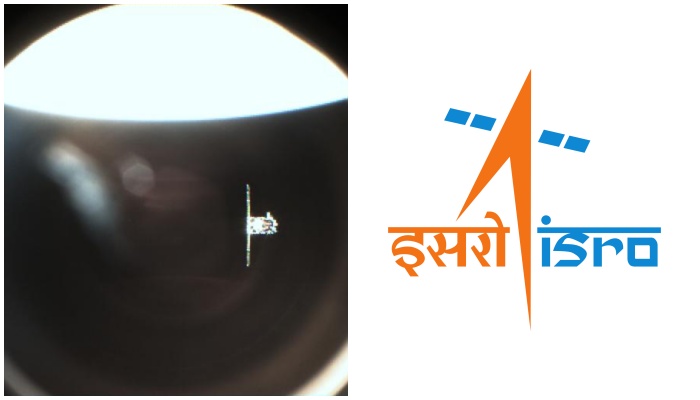
ISRO’s SpaDeX mission successful: PM Modi congratulates scientists on making India 4th country to achieve space docking

Prime Minister Narendra Modi on Thursday morning extended his wishes as the Indian Space Research Organisation (ISRO) achieved a historic feat by successfully concluding the docking process of two satellites. He said that the success of the Space Docking Experiment (SpaDeX) project was a stepping stone for future space missions.

“Congratulations to our scientists at ISRO and the entire space fraternity for the successful demonstration of space docking of satellites. It is a significant stepping stone for India’s ambitious space missions in the years to come,” PM Modi posted on X.

ISRO on Thursday morning announced that the much-awaited satellite docking has been concluded, with India becoming the fourth country to do the same. “India became the 4th country to achieve successful Space Docking. Congratulations to the entire team! Congratulations to India,” ISRO posted on X.

SpaDeX docking process completed manoeuvring from 15 meters to 3 metres hold point with precision, leading to successful spacecraft capture.

“SpaDeX Docking Update: Docking Success Spacecraft docking successfully completed! A historic moment. Let’s walk through the SpaDeX docking process: Manoeuvre from 15m to 3m hold point completed. Docking was initiated with precision, leading to successful spacecraft capture. Retraction was completed smoothly, followed by rigidisation for stability. Docking successfully completed,” ISRO announced, adding, “Post docking, control of two satellites as a single object is successful. Undocking and power transfer checks to follow in coming days.”

Union Minister Jitendra Singh said this paves the way for the smooth conduct of ambitious future missions including the Bharatiya Antriksha Station and Chandrayaan 4.

“Congrats #ISRO. Finally made it. SPADEX has accomplished the unbelievable… docking complete… and it is all indigenous ‘Bharatiya Docking System’. This paves the way for smooth conduct of ambitious future missions including the Bharatiya Antriksha Station and Chandrayaan 4 & Gaganyaan. PM Sh@narendramodi’s continuous patronage keeps the spirits soaring… here at Bengaluru,” the Union Minister of State (MoS) for Earth Sciences posted on X.

Earlier, SpaDeX project director N Surendran said that this experiment would prove fruitful for future assignments like the Bharatiya Antariksha Station and the Chandrayaan-4 mission since the docking mechanism was becoming necessary.


(This news report is published from a syndicated feed. Except for the headline, the content has not been written or edited by OpIndia staff)

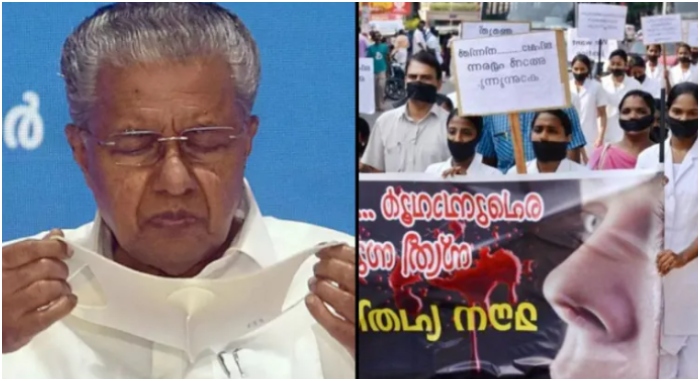
Kerala model of Leftists is no less than ‘Jungle Raj’ for women: 29000 children became victims of sexual harassment, rape increased by 62%

Novel concerns have emerged regarding the safety of children in the state of Kerala which is usually lauded for its social development initiatives by the leftist liberals. An alarming increase in the cases of sexual assault on children has been reported from the state, painting the ruling government in a grim picture.

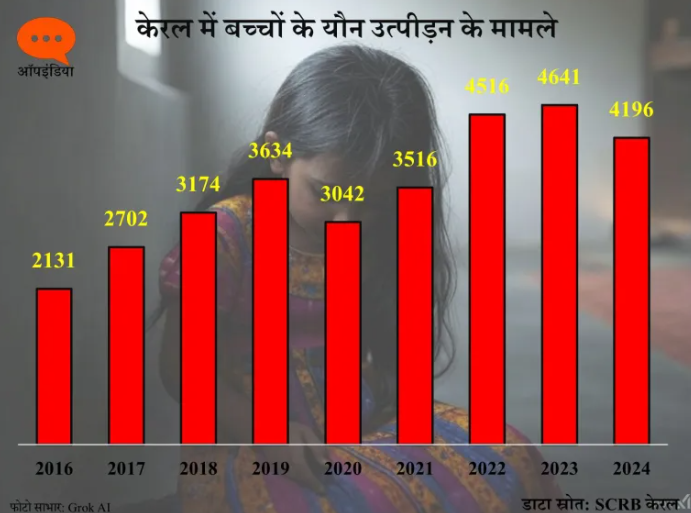
Official statistics obtained reveal a stark reality stating that between 2016 and 2024, over 29,000 cases of child sexual abuse have been registered in Kerala. The number of molestation cases is even higher. Additionally, cases registered under the Protection of Children from Sexual Offences (POCSO) Act have seen a dramatic rise, from 2,131 in 2016 to over 4,100 in just the first eleven months of 2024. The statistics estimate that the number can surpass the mark of 4500, raising troubling concerns.

Notably, the nature of the crimes reported in the data is quite distressing. Recently, a horrific case had come to the fore from the state involving a Dalit girl. The girl was raped by more than 60 individuals in the past 5 years. Among many such reported incidents, the accused persons are either family members or relatives, further highlighting the concerns for the safety of children even at their homes.

In one case, a 13-year-old daughter was repeatedly raped by her father, resulting in pregnancy. The case turned shocking later as it was learned that the mother of the girl initially supported the accused in assaulting the girl and then also helped her husband escape from the legalities of the case. The victim underwent an abortion but suffered massive trauma. The accused meanwhile was awarded two life sentences and a monetary fine.

Apart from families, the children are also sexually assaulted in educational institutions including schools, colleges, and tuition classes. Further, it has come to the fore that in these cases not only girls are the victims but also boys are. One such case reported in July 2023 showed how a minor girl was kidnapped, raped, and murdered by a migrant worker.

As per the reports, other crimes against the children have also increased. In the period between 2016 to 2024, the crimes against children rose from 2879 to 4727. These crimes involve kidnapping and abduction, although recent numbers that have emerged showcase a slight decline.

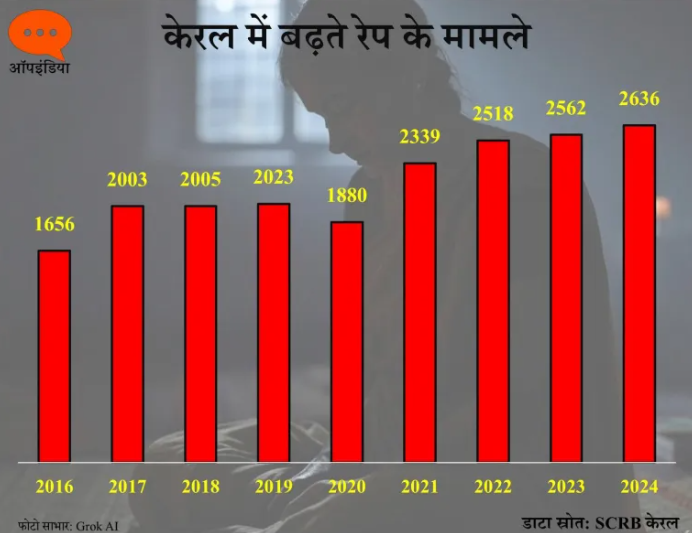
Notably, the safety of women in the state of Kerala is also being questioned as the incidents of rape against women in the period between 2016 and 2024 have risen by 62%. The number of cases has increased from 1656 to 2636. Cases of assault from the Malayalam film industry have also emerged with recent reports exposing widespread sexual exploitation of women at the hands of directors, actors, and producers.

The Justice Hema Committee Report published last year in September revealed horrid tales of sexual abuse, illegal bans, discrimination, drug and alcohol abuse, wage disparity, and inhuman working conditions, especially for women. According to the report, the Cinema industry is male-dominated and has become an exclusive Boys’ Club.

The report emphasized that women were being asked to make certain “adjustments” and “compromises” – euphemisms for sexual favors – to secure or retain opportunities. It added, that these two words are very familiar among women working in Malayalam cinema, who “are asked to make themselves available for sex on demand”.

In the given case, the Kerala Commission for Protection of Child Rights (KESCPCR) confirmed that the cases of assault against children had increased but stated satisfaction with improved reporting mechanisms and mandatory reporting practices of such cases. The commission further said that the number of cases could increase if cases of children running away from home and family disputes are included.

The situation in Kerala presents a complex and deeply concerning picture. While some argue that increased reporting accounts for the rise in cases, others point to a systemic failure in protecting children and ensuring justice. Regardless of the interpretation, the sheer number of reported incidents demands urgent attention and comprehensive action to address the root causes of this disturbing trend.

Hindenburg Research, short seller that attacked India’s Adani Group, announces shut down just days before Trump’s swearing-in

In a dramatic turn of events, Nathan Anderson, the founder of the controversial US-based short-seller Hindenburg Research announced on 15th January that he would disband the firm. The short-seller’s dubious report had caused a significant fall in the shares of various Adani Group companies in 2023.

In a personal note published by Nathan Anderson on Hindenburg Research’s website on Wednesday, he said that the toll of the “rather intense, and at times, all-encompassing” nature of the work was behind his decision to disband the firm founded in 2017.

“It has also been rather intense, and at times, all-encompassing. I often wake up from my dreams because I’ve thought of a new investigative thread to pull on in my sleep, or an edit that clarifies a point I didn’t realize I was troubled by during the day. Or from the general pressure of it all. We are not fearless—we just have faith in the truth and hope it leads us down the right path,” Anderson wrote adding that there have been days of bizarre, hilarious and ridiculous stories.

On having a specific reason to disband Hindenburg Research, Anderson said: “There is not one specific thing—no particular threat, no health issue, and no big personal issue.”

“The intensity and focus has come at the cost of missing a lot of the rest of the world and the people I care about. I now view Hindenburg as a chapter in my life, not a central thing that defines me,” he added.

Boasting the supposed impact Hindenburg Research reports created, Nathan Anderson wrote, “…More than I imagined was possible at the outset. Nearly 100 individuals have been charged civilly or criminally by regulators at least in part through our work, including billionaires and oligarchs. We shook some empires that we felt needed shaking.”

The Hindenburg Research founder also announced that over the next six months, he would work on a series of materials and videos to open-source every aspect of the firm’s model and how they conduct investigations.

Hindenburg Research’s attacks on Adani

In January 2023, Hindenburg published a report accusing the Adani Group of financial irregularities, leading to a significant drop in the company’s stock price. The group at the time had rubbished these claims.

The Hindenburg report alleged stock manipulation and fraud by the conglomerate. The case is related to the allegations (part of a report by Hindenburg Research) that Adani had inflated its share prices. After these allegations were published, there was a sharp fall in the shares of various Adani group companies’ stocks.

In January 2024, the Supreme Court refused to transfer the probe into the allegations of stock price manipulation by the Adani group to an SIT and had directed market regulator SEBI to complete its probe into two pending cases within three months. By June 2024, Adani group companies’ share prices recovered to their pre-Hindenburg report prices.

On 10th August 2024, Hindenburg Research posted a cryptic message on X saying, “Something big soon India”.

The same day, they released a report that claimed that SEBI chief Madhabi Puri Buch and her husband Dhaval Buch had investments in an offshore firm used in the Adani money siphoning case. The report also alleged that the SEBI chairperson’s involvement showed a lack of transparency in the market regulator when it came to investigating the Adani group.

The next day on 11th August, SEBI chief Madhabi Buch and her husband released a joint statement, calling the report baseless and saying that their financial records were an open book. In a detailed joint statement issued later in the day by Madhabi Buch and husband Dhaval Buch rejected all allegations of Hindenburg as baseless.

In September 2024, Hindenburg Research claimed that Swiss authorities had frozen more than USD 310 million in funds across several Swiss bank accounts over money laundering allegations against Adani Group. The Adani conglomerate strongly rejected the claims made by Hindenburg Research.

It is notable here that Hindenburg’s claims were used by Indian Opposition parties to target the Modi government suggesting the political motives behind the targeting the Adani Group and Indian stock markets ahead of the general elections in 2024. The speculations became confirmation soon when George Soros himself declared that the Adani issue would be raised in the Indian Parliament and Modi would have to answer, indicating that the incident was another of the larger efforts he supports to attack ‘nationalistic governments’ around the world.

Breon Peace’s resignation, Hindenburg Research disbandment ahead of Trump administration’s inauguration

Interestingly, Nathan Anderson’s announcement to disband Hindenburg Research comes just days after US Attorney for the Eastern District of New York Breon Peace, who brought fraud and bribery charges against Adani Group chairman Gautam Adani and seven other executives, announced his resignation.

OpIndia reported about Breon Peace’s links with Hungarian billionaire and regime change specialist George Soros. Breon Peace’s spouse Jacqueline Jones-Peace is the Director of Development & Senior Attorney at Equal Justice Initiative, which is based in Montgomery, Alabama. The non-profit and human rights organisation was founded by Bryan Stevenson who also serves as its Executive Director. However, the interesting part is that he is also a member of the Open Society Foundations US Programs board, which establishes an evident relationship between the Peace couple and George Soros.

The timing of Hindenburg Research’s sudden shutdown has raised many questions. Not to forget, the decision has come right after Rep Lance Gooden, a member of the House Judiciary Committee, wrote to Attorney General Merrick Garland on 14th January 2025 and demanded that all the documents and records related to the Justice Department’s decision to probe Adani Group.

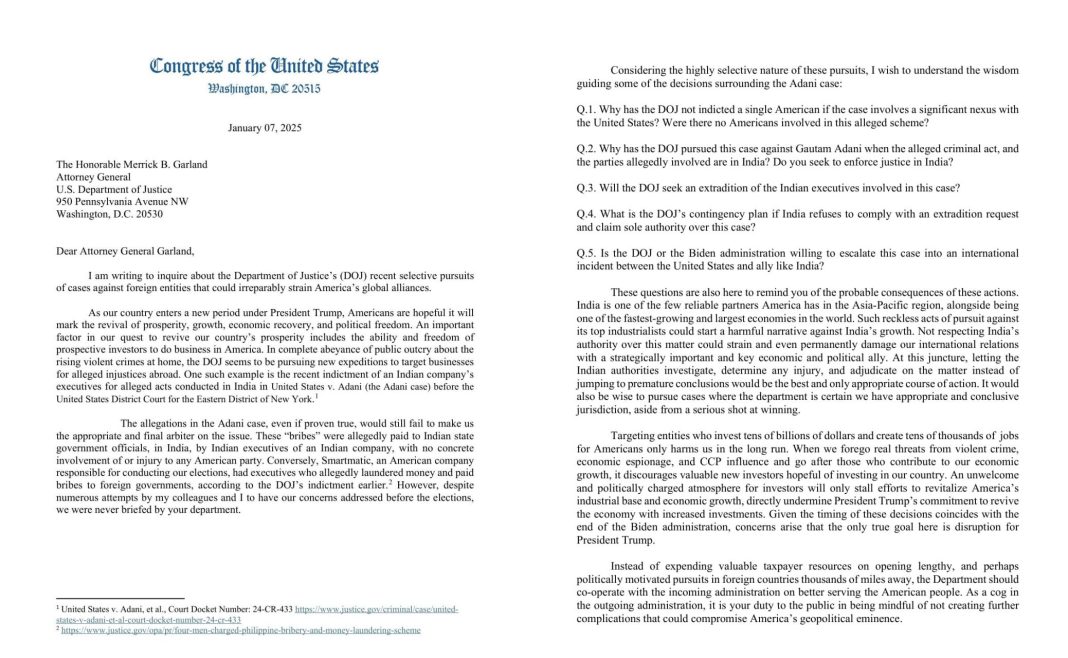
Before this, the Republican leader also raised concerns over Adani Group’s controversial indictment. In his letter to Garland on 7th January, Lance Gooden wrote, “The indictment alleged acts conducted entirely within India, involving Indian citizens and officials, with no apparent injury to U.S. interests.”

He added that even if the allegations are proven true, US could not be the final arbiter in this case since there was no concrete involvement of any American party in the alleged payment of bribes.

“The allegations in the Adani case, even if proven true, would still fail to make us the appropriate and final arbiter on the issue. These ‘bribes’ were allegedly paid to Indian State government officials, in India, by Indian executives of an Indian company, with no concrete involvement of or injury to any American party. Conversely, Smartmatic, an American company responsible for conducting our elections, had executives who allegedly laundered money and paid bribes to foreign governments, according to the Department of Justice’s indictment earlier. However, despite numerous attempts by my colleagues and I to have our concerns addressed before the elections, we were never briefed by your department,” Gooden contended.

Pointing at the selective nature of the US Justice Department’s action against Gautam Adani and his companies, the Republican leader said, “Why has the Department of Justice not indicted a single American if the case involves a significant nexus with the U.S.? Were there no Americans involved in this alleged scheme? Why has the Department of Justice pursued this case against Gautam Adani when the alleged criminal act, and the parties allegedly involved are in India? Do you seek to enforce justice in India?”

Amidst the Republican leaders questioning the Biden Administration’s biased conduct against the Adani Group, the Biden administration appointed US Attorney Breon Peace’s resignation and now the Hindenburg Research disbandment just four days before US President-elect Donald Trump’s swearing-in ceremony raises serious concerns over the timing of these incidents.

Bangladesh: Adivasi students protesting against removal of the word ‘Adivasi’ from texbooks attacked by Islamic students group, several injured

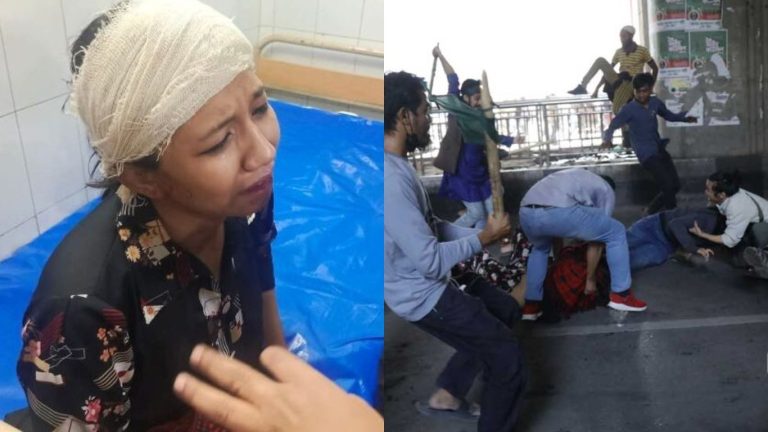
Several students belonging to the Adivasi community were brutally attacked by members of a group of Bengali Muslims called Students for Sovereignty in Motijheel area of Dhaka in Bangladesh on Wednesday. According to reports, the students from the minority Adivasi community were protesting in front of the National Curriculum and Textbook Board (NCTB) against the removal of graffiti with the word ‘Adivasi’ in school textbooks. On the other hand, the other group was supporting the removal.

As per reports, the Adivasi students belonging to Songkhubda Adivasi Chhatra Janata group had organised a protest outside the NCTB to oppose the removal of the word ‘Adivasi’ from the back cover of the 9th and 10th grade Bangla Grammar and Composition Textbook on January. The word Adivasi was used on the back cover of the textbook with a picture depicting a tree with five leaves, each inscribed with a term for a religious or ethnic community in Bangladesh including Muslim, Hindu, Christian, Buddhist and Adivasi. Next to the picture was a message that read, ‘Tearing leaves is prohibited’.

The picture was removed from the online version of the book after the Islamic Chhatra Shibir students from the ‘Students for Sovereignty’ group surrounded the NCTB premises on January 12.

The Adivasi students under the banner ‘Agitated Adivasi Students’ gathered near the Raju Memorial Sculpture at Dhaka University on Wednesday morning, from where they marched towards the NCTB office to hold a protest. However, the members of ‘Students for Sovereignty’ reached the NCTB office in advance to stop the protesters. Anticipating trouble, the police arrived, and when the Adivasi group arrived, the cops tried to keep the two groups separated.

But a clash broke out between them. Police tried to move the two groups farther from each other. But eventually, the ‘Students for Sovereignty’ group overpowered the police, and attacked the Adivasi students. The attackers were armed with sticks. Several Adivasi students sustained serious injuries during the attack. Subsequently, the Adivasi students were reportedly chased away by the other group. ‘Students for Sovereignty’ group remained in front of the office, armed with sticks.

“The Adivasi protestors have left the area after being chased off by the students. Now the situation has returned to normal. The students are staying on one side of the road”, said Motijheel Inspector Mohainmenul Islam.

According to reports, 11 students have been injured in the attacks. Two students sustained grievous injuries and were admitted to Dhaka Medical College Hospital. Rupaya Shresta Tacnchongya, Ishaba Renyoung Mro, Dhanajetra, Juwel Mark, Shaili, and Tani Charing are among the injured students. The attackers have reportedly been identified as Mohammed Abu Sadiq Qayem, President of the Islamic Chhatra Shibir in Dhaka University, S M Farhad, Secretary and Mohammed Yakub Majumdar, Joint Convenor of the Students for Sovereignty.

Muhammad Ziaul Haque Zia , Convenor of the Students for Sovereignty, described the word ‘Adivasi’ as seditious. “Our demands have only been partially met by removing the graffiti featuring an imagery of united India with the seditious term ‘Adivasi’ from the cover of the textbook. But we also demanded the removal of Rakhal Raha alias Sajjad, who was on the revision committee, and the formation of an investigation committee to identify those involved in this”, he told bdnews24.

Tejang Chakma, Deputy Director of the Rights and Risks Analysis Group (RRAG) said that the group would seek the UN intervention in the matter. “The RRAG shall take up the issue with the United Nations, diplomatic community and the interim government to arrest the culprits. The real face of Dr Mohammad Yunus is coming out and Adivasi students cannot even protest in capital Dhaka with safety”, said Chakma.

US: FDA bans food color Red Dye No 3 from foods over cancer risk 35 years after it was banned in cosmetics

0

The U.S. Food and Drug Administration (FDA) has announced a ban on Red Dye No. 3, a synthetic food colouring widely used in candy, baked goods, and over-the-counter medications. The decision follows mounting evidence linking the dye to potential health risks, including its classification as a carcinogen in animal studies.

The FDA gave the decision granting a 2022 petition filed by several food safety and health advocates urging to ban the food dye used for its bright red hue. The agency said that some studies have found that the dye caused cancer in lab rats, and now it has been removed from the list of approved colour additives in foods, dietary supplements and oral medicines.

“Evidence shows cancer in laboratory male rats exposed to high levels of FD&C Red No.3. Importantly, the way that FD&C Red No. 3 causes cancer in male rats does not occur in humans,” said Jim Jones, the FDA’s deputy commissioner for human foods. 

Red Dye No. 3, also known as erythrosine, has been used in the food and pharmaceutical industries for decades, chosen for its vibrant hue. However, the dye has been under scrutiny since the 1990s, when the FDA prohibited its use in cosmetics after studies indicated a potential link to thyroid tumors in laboratory animals. Despite these findings, the dye remained approved for food and drug applications, sparking criticism from consumer advocacy groups and health experts.

The FDA’s latest decision comes after years of lobbying by health organizations and a growing body of research questioning the safety of artificial food dyes.

The FDA has set a six-month grace period for manufacturers to comply with the ban, though enforcement will begin immediately for new product approvals. Food manufacturers will have to remove the dye from their products by January 2027, while makers of oral medicines have until January 2028 to do the same.

The agency has also committed to reviewing the safety of other artificial food dyes still in use, including Yellow No. 5 and Blue No. 1, signaling a broader shift toward stricter regulation of food additives.

The FDA decision is expected to be challenged in court by food manufacturers, because so far there is no evidence that the dye causes cancer in humans.