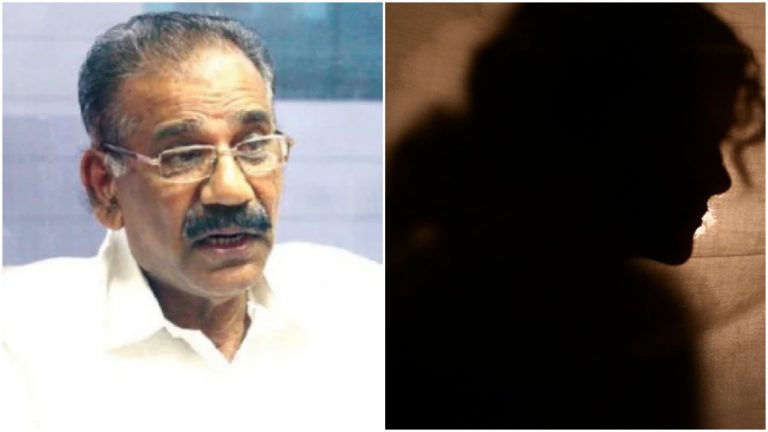
Kerala Minister and NCP leader AK Saseendran stoked a massive controversy after asking a sexual harassment victim to agree to a compromise and ‘settle’ the case involving a party member.
According to the reports, Kerala Forest Minister Ak Saseendran is in a soup after an audiotape surfaced on Wednesday in which he was heard asking the complainant’s father, who is also an office-bearer of the NCP, to “solve” the sexual harassment case in a “nice manner”.
The victim woman, a member of BJP Yuva Morcha, accused NCP leader Padmakaran of making sexual advances by grabbing her hands and uttering lewd remarks. The victim had also said that her fake Facebook profile was created, and she was slandered through WhatsApp messages.
In the conversation, Saseendran was reportedly heard saying to the father, “There is some small case against our party people”. To which, the complainant’s father then said that his daughter is now a member of the BJP. “How should I solve it? They are BJP people,” he was heard saying.
“If it comes as a controversy, it is bad. You know how to solve it well. Don’t you know?” the minister replied.
Saseendran admits that he had made that call to the victim’s family
The victim’s had filed a complaint before the police on June 28, however, Kerala police did not register any case against the accused. Following that, AK Saseendran called the victim’s father, asking to settle the case amicably.
Meanwhile, following the outrage, Saseendran accepted that he intervened to solve a complaint against the fellow NCP leader, however, he claimed that he did not know about the molestation angle.
“When there was a complaint against party activists, I spoke to one of the party functionaries. At the time, he said it was his daughter, and so I asked him to solve it in a nice manner. I used the same word. He then asked me how, for which I responded, ‘you know that well’,” Kerala Forest Minister AK Saseendran said.
Opposition parties demand resignation, Chief Minister Pinarayi Vijayan backs Kerala minister
Meanwhile, the opposition parties in Kerala have demanded AK Saseendran’s resignation.
BJP’s Kerala unit president K Surendran slammed the Forest Minister AK Saseendran for exerting pressure to suppress a molestation case. “He (AK Sassendran) even called the victim’s father and told him to ‘settle the case in a good way.’ Ministers like him is a disgrace to our democracy. He should resign.”
Forest Minister Mr.A.K.Saseendran has exerted pressure to suppress a molestation case filed against a local NCP leader. He even called the victim’s father and told him to ‘settle the case in a good way.’ Ministers like him is a disgrace to our democracy. He should resign.
In a tweet, the Congress party said, “Minister AK Sasindran has violated his oath of office by asking the girl’s father to settle the case. The Left government has transformed Kerala into a land of compromise on smuggling, murder and oppression of women”.
സ്ത്രീപീഡന കേസ് ഒത്തുതീർപ്പ് ആക്കണമെന്ന് പെൺകുട്ടിയുടെ പിതാവിനോട് ആവശ്യപ്പെട്ട് മന്ത്രി ശ്രീ എ.കെ ശശീന്ദ്രൻ സത്യപ്രതിജ്ഞ ലംഘനം നടത്തിയിരിക്കുകയാണ്. കള്ളക്കടത്തും കൊലപാതകത്തിനും ഒപ്പം സ്ത്രീപീഡനങ്ങളും ഒത്തുതീർപ്പ് ആക്കുന്ന നാടാക്കി ഇടതുപക്ഷ സർക്കാർ കേരളത്തെ മാറ്റി. pic.twitter.com/VLsI9cBZao
Congress MLA PC Vishnunath moved a notice of adjournment motion in the Kerala assembly asking for AK Saseendran’s resignation and said that the minister has violated the oath of office by intervening in settling sexual harassment complaints.
However, Kerala Chief Minister came to AK Saseendran’s rescue by defending the Forest Minister claiming that he inquired on issues between two NCP leaders in Kollam.
“The complainant is the daughter of an NCP leader. It is learned that the accused is another NCP worker. The minister himself has made it clear to the public that the dispute between them was being inquired by the minister, as an NCP leader,” the Chief Minister said.
The Chief Minister said the state police chief would investigating as far as the delay in registering the case on the alleged sexual harassment complaint is concerned.
It is notable here that Saseendran had faced massive condemnation and criticism in 2017 after an audio recording of his vulgar phone conversation with a woman had gone viral. He had resigned from the minister’s post but was reinstated by the party later.
Winner of television reality shows like MTVRoadies 5.0 and Big Boss, Ashutosh Kaushik has moved the Delhi High Court to invoke ‘Right to be forgotten.’ In an unusual petition, the former actor has sought removal of all the content from Google related to certain incidents “erroneously committed” in his past.
Accepting the plea, the Delhi High Court has ordered the Centre and Google to file their response. A notice has been sent to the ministry of information and broadcasting, Google LLC, Press Council of India and Electronic Media Monitoring Centre by Justice Rekha Palli.
As per reports, the aforementioned are required to respond to the petitioner’s invocation of the “Right to privacy and to be forgotten” within four weeks. The matter has been listed for further hearing in December.
Controversies around Ashutosh Kaushik
Kaushik had gained immense popularity after winning the MTV Roadies season 05 and subsequently Salman Khan starrer Bigg Boss. However, his fame was short-lived as he was embroiled in matters of drink and drive and hooliganism.
In 2009, Kaushik was arrested for allegedly driving in an inebriated state and for not wearing a helmet. He once again made the headlines in 2013 for being involved in an altercation at a cafe in Mumbai.
Kaushik had managed to bag some roles in TV serials and movies between 2012 and 2016. However, Kaushik’s plea argued that despite his success, he suffered “deep agony” and suffered “utmost psychological pain for his diminutive acts, which were erroneously committed a decade ago as recorded videos, photos, articles of the same are available on various search engines/online platforms.”
Ashutosh Kaushik’s plea
Kaushik’s advocate Amit George argued that whenever the former’s name is searched on the internet, photos and videos relating to his past life pop up in various search engines including Google. To disallow further jeopardization of the petitioner’s reputation, he urged the court to order the removal of all such material including posts, videos and photos.
Other advocates representing the petitioner highlighted, “Right to be forgotten reflects the claim of an individual to have certain data deleted so that third persons can no longer trace them.”
“Thus, the right to be forgotten entitles individuals to have information, videos or photographs about themselves deleted from certain internet records so that search engines cannot find them,” the petition added.
Kaushik who seemed haunted by the decade-old memories, in his petition stressed on the fact that people should not be indefinitely reminded of their past mistakes.
“Even when information is lawfully in the public domain or originally shared by the individual with his or her consent, people have a right to make mistakes without being haunted by them indefinitely,” read the plea.
The petition referred to Article 21 of the Constitution of India that guarantees its citizens “Right to life”, which in turn includes “Right to privacy and live with dignity.”
However, it is imperative to note that the Right to be forgotten’ is not yet a law in India as informed by Senior advocate Arvind Nigam, representing Google.
What is ‘Right to be forgotten’?
The ‘Right to be forgotten’ allows for a person to seek the removal of his personal information from the internet database if the information in question is of no use or relevance.
This right is upheld in various countries like the UK and by organizations such as the EU.
As per reports, while ‘Right to be forgotten’ is not yet a law in itself in India, the Personal Data Protection Bill 2019 allows a petitioner to make use of this right and restrict or prevent the continuing disclosure of their personal data with certain conditions.
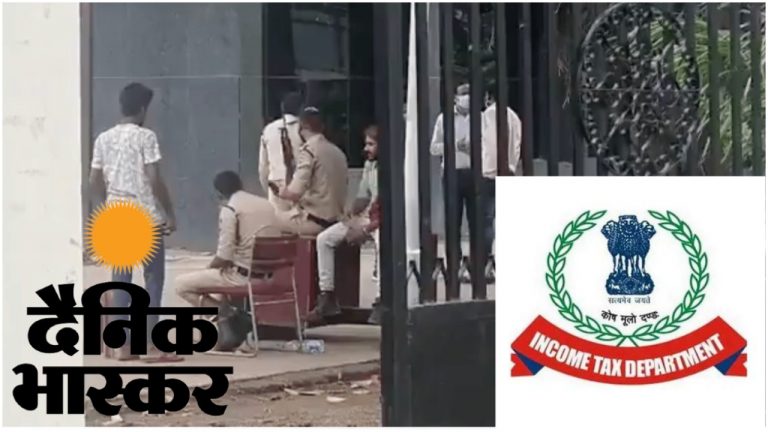
Amid allegations of “manipulating” stories and “making editorial decisions” during the Income Tax raids at Dainik Bhaskar on Thursday morning, the Income Tax Department has categorically stated that no such action was carried out by its officials during the raid.
In a press release on Thursday, the Income Tax Department rejected allegations that its officials had “suggested changes” in news stories when they conducted raids at multiple offices of the Dainik Bhaskar media group on charges of tax evasion.
In a series of tweets, the department said that its teams only looked into financial documents during the searches.
“Certain allegations have appeared in some sections of media that IT Dept officials were suggesting changes in stories & taking editorial decisions during their search on offices of a certain publication”. The IT department said that these allegations are absolutely false.
Certain allegations have appeared in some sections of media that ITDept officials were suggesting changes in stories &taking editorial decisions during their search on offices of a certain publication.These allegations are absolutely false &are categorically denied by ITDept(1/3)
The Income Tax department also said that they followed the protocol and the investigation team “only looked into the group’s financial transactions related to tax evasion”.
In keeping with the Department’s protocol, the Investigation team only looked into the financial transactions of the group related to tax evasion.(2/3)
Further, the department said that Om Gaur, the national editor of Dainik Bhaskar, is based in Lucknow, and their office in the city was not at all searched by the Income Tax team.
“Sh Om Gaur was not even questioned. The allegations being made have no basis and, in fact, seem to be highly motivated,” the Income Tax Department said.
Shri Om Gaur is based in Lucknow as per his interview to media. It is emphasised that Lucknow office of the publication was not searched by the Income Tax team. Sh Om Gaur was not even questioned. The allegations being made have no basis & in fact seem to be highly motivated(3/3)
The clarification comes amidst the multiple raids carried out by the Income Tax Department on the offices of media group Dainik Bhaskar in several locations across the country over alleged tax evasion.
What ‘Om Gaur’ had claimed to NDTV
Following the raids, Dainik Bhaskar Group Editor Om Gaur, speaking to the NDTV’s news anchor Saket Upadhyay, had claimed that the Income Tax officials went to the Group’s digital department and informed the employees that whatever stories they will publish on their digital platform shall go only after their approval.
What exactly was the Income Tax team doing when they raided the Dainik Bhaskar office? They were suggesting changes in their web stories and taking editorial calls. Stunning revelation by the natl editor of the newspaper Mr Om Gaur. ? pic.twitter.com/8hoVRDjLLl
Meanwhile, the IT Department has denied the allegations of questioning Gaur. The department also said the claims have no basis, and they seem to be “highly motivated”.
IT Raids against Dainik Bhaskar Group
On Thursday, Income Tax Department carried out raids at media house Dainik Bhaskar’s offices across multiple locations.
The Income Tax Department conducted raids in as many as 40 locations, including Bhopal, Jaipur, Ahmedabad. As per sources, the raids started at around 4:30 AM on Thursday after it received a tip-off of alleged tax evasion by the group.
The IT department said that the group has more than 100 companies, including holding and subsidiary companies. The flagship company is DB Corp Ltd, which publishes the news daily Dainik Bhaskar. Besides media, the group is involved in various sectors such as power, textiles and real estate, with a group turnover of more than Rs 6,000 crore per annum.
Headquartered in Madhya Pradesh, Dainik Bhaskar is one of the leading dailies with over 60 editions in multiple languages.
On July 22, while dictating the order on the petition filed by the MD of Twitter Communications India Private Ltd (TCIPL), the Karnataka High Court said that the doctored video that was the base of the FIR against the petitioner was taken up by some of the accused with the sole intention of bringing communal disharmony. Former acting MD of Twitter India, Manish Maheshwari, had filed the petition challenging the notice issued to him under Section 41A of the Code of Criminal Procedure against him.
Karnataka High Court to begin dictating its order in the petition filed by the MD of Twitter Communications India Private Ltd(TCIPL), challenging the notice issued to him under Section 41A of the Code of Criminal Procedure in the Ghaziabad FIR.@TwitterIndia
The High Court noted that though Manish was holding the designation of MD, the company had not appointed him as Managing Director, nor he was ever a director in the company. The court also noted that he had been dismissed from his duties by the company. However, the court also stated that as representative of Twitter India, he was bound to cooperate in the investigation.
The court noted that the FIR was registered in the case where a video was shared by the several accused on social media platform Twitter in which a man beard was allegedly chopped off. “In fact, the assailants were a mix of both the Hindu-Muslim community; thus, there was no coercion to chant either Jai Shree Ram or Vande Mataram as they were unhappy with his amulets distributed by him,” said the court.
HC: The background of the allegation is an instance of an incident whose beard was allegedly chopped off. The physical occurrence of the incident was video graphed and the same came to be uploaded on social media platform. Popularly known as twitter.
The court added, “That the doctored video was immediately taken up by some of the accused with the sole intention of bringing communal disharmony. That accused-1,2,3,5,6,7 have retweeted the tweet knowing fully well that it is a false news.” The court further said that though Ghaziabad police refuted the claims of communal angle in the case, the accused who had posted and retweeted the video did not take it down even after clarification by the Ghaziabad police and it resulted in further tension.
HC: Apart from the said accused the said tweet has been retweeted by several others also due to which the false news and doctored video has spread on a large scale. Leading to religious tension. Despite clarification issued by Ghaziabad police neither doctored video nor tweet
The court noted that a notice was issued to Manish Maheshwari under section 160 CrPC, to which he replied on June 18. As he failed to appear for investigation, the impugned notice dated June 21 was issued against him. A notice under Section 41A was sent to the petitioner. Though the advocate of Maheshwari challenged the notice, it was stated in Public that he was MD of Twitter India. “Thus petitioner is a representative of Twitter India, and he is bound in law to cooperate in the investigation,” the court said.
The court further said that the notice, that is, the petitioner, failed to take any action even after Ghaziabad Police asserted that it was fake news, “despite it being under the authority of notice to stop fake news.”
HC: He would submit that sub sec 1 of 41A is not a guarantee against the arrest of the petitioner. Sub section 3 empowers police officer to arrest such a person though for reason to be recorded and if police officer is of opinion that he needs to be arrested.
The court said in its order that Maheshwari not only has to cooperate in the investigation if the Police feel there is a need to arrest him, but they can also arrest Maheshwari for further investigation and questioning.
The Ghaziabad doctored video case
On June 14, Alt News co-founder Mohammed Zubair took to Twitter to claim that an elderly Muslim man, Abdul Samad Saifi, in Ghaziabad, was assaulted and forced to chant ‘Jai Shri Ram’. The incident took place in Loni in Ghaziabad in Uttar Pradesh. Soon, left-liberals like Rana Ayyub, Swara Bhaskar, Arfa Khanum Sherwani, The Wire, and several others used the video to spread communal disharmony. In a tweet, Ghaziabad police informed that three accused had been arrested in the case. According to the Police, the incident took place about ten days ago, on June 5, 2021. The Police said the allegations of communal angle and forced to chant “Jai Shri Ram” were false. UP Police filed a case against several fake-mongers, after which a few of them deleted the tweets. Twitter was also named in the case as one of the accused.
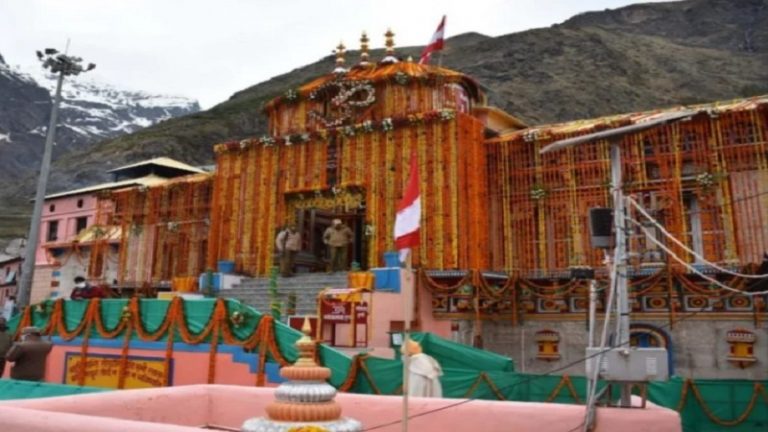
After the news of 15 labourers offering Namaz at Badrinath Dham in the holy town on the occasion of the Bakri Eid on July 21 (Wednesday) started doing the rounds on social media, the members of Vishwa Hindu Parishad (VHP) and Bajrang Dal met Uttarakhand Cabinet Minister Satpal Maharaj on Wednesday and submitted a memorandum, demanding a probe into the same. Meanwhile, Chamoli police which began investigating the matter, refuted the allegations, asserting that nothing of that sort had happened.
Chamoli police released a press note on its official Twitter handle yesterday itself, urging people to refrain from believing such unverified claims circulating on various social media platforms. The press note read that the Muslim labourers engaged in building a parking lot close to the temple offered Namaz inside their closed rooms without using loudspeakers and without the presence of any cleric or Maulvi. They also followed the Covid protocol of wearing masks and maintaining social distancing, it added.
कृपया अफवाहों से बचें बिना सत्यता को जाने कोई भी खबर साझा ना करें।
It is pertinent to note here that a report by Dainik Jagran published on July 21 claimed that a complaint was registered against the 15 labourers for flouting Covid norms. Chamoli police, however, clarified that the offering of the Namaz was a private affair, and the workers had adhered to all covid protocols while doing the same. Though the police confirmed carrying out an investigation, there was no mention of any case being registered against the labourers. Chamoli police said that in case, during the investigation, it is revealed that Covid protocols were flouted, then appropriate action would be taken under the Disaster Management Act.
In 2018, the central government had approved a project called “Astha Path” to face-lift the temple premises in the holy town of Badrinath. Yesterday, Hindus were enraged after social media posts started doing the rounds alleging that a group of Muslim labourers, who were appointed by the contractor to construct a parking area for this project, offered Namaz in the Badrinath Dham temple on the occasion of Bakri Eid.
Following the outrage, Hindu outfits submitted a memorandum to the Uttarakhand cabinet minister raising objections to Muslims performing Namaz in the holy town of Hindus. They expressed displeasure saying that when Hindus devotees are not being allowed to visit the holy shrine due to the COVID-19 pandemic, then how can Muslims be allowed to offer Namaz, that too at a place which is considered extremely sacred by the Hindus.
However, soon the Chamoli police issued clarifications, calling the social media posts false. Today, again Chamoli police shared an audio clip in which the Superintendent of Police, Chamoli, Shri Yashwant Singh Chouhan stated that the police have not found any evidence to substantiate the claims which did the rounds on social media. Confirming that the Namaz was not read in a public place, Chouhan said: “Chamoli police request all of you, please do not share any misleading news without verifying the facts”.
पुलिस अधीक्षक चमोली श्री यशवंत सिंह चौहान महोदय द्वारा श्री बद्रीनाथ धाम के सम्बन्ध में वायरल सूचना के सम्बन्ध में दी गयी विस्तृत जानकारी।
चमोली पुलिस का आप सभी से निवेदन कृपया बिना तत्थयों की पुष्टि किये कोई भी भ्रामक खबर साझा ना करें। pic.twitter.com/9dCgOzpW5X
Badrinath is considered one of the holiest places in the Hindu religion. One of the 108 Divya Desams, the Badrinath temple is part of Char Dham also referred to as “the four abodes”, consisting of the pilgrimage circuit of Yamunotri, Gangotri, Badrinath and Kedarnath. It is also a part of the Chota Char Dham, comprising of the pilgrimage circuit of Badrinath, Rameswaram, Dwarka and Puri. Badrinath temple was re-established by Adi Shankracharya in the 8th century as part of his mission to enliven Hinduism. According to Hindu scripture, it is believed that visiting these sites helps in achieving moksha (salvation).
Meanwhile, it was reported how Kerala had seen a spike in the number of Covid cases due to the easing of Covid-19 restrictions in the state ahead of the Eid-ul-Adha or Bakri Eid. As restrictions were removed ahead of the Eid celebrations, Kerala has recorded the highest number of fresh cases surpassing the two-month average.
Ever since 16 left-leaning media houses in the world reported about an alleged list of 50,000 people under surveillance using the Pegasus software, the opposition in India is using the same to attack the Modi govt. The Wire was one of the media partners of ‘Project Pegasus’, run by France based Forbidden Stories and Amnesty International. It had claimed that several Indian journalists were under surveillance using the Israeli software which is only sol to government agencies.
Media reports have also claimed that several world leaders including French President Emmanuel Macron and Pakistan PM Imran Khan appears in the list of 50,000 names which were allegedly being spied on using the Pegasus software made by Israel based NSO group. Rahul Gandhi’s name also allegedly appeared in the list. The list was provided to the media houses by Forbidden Stories, which claimed that it was ‘leaked’. Amnesty International is the collaborator of Forbidden Stories, which said that the Amnesty International’s Security Lab had did forensic tests on some of the phones belonging to people on the list.
Although this has been used by left-leaning media worldwide to claim that several countries are using the Pegasus program to spy on journalists, political opponents and others, there are several unanswered questions in the story. The statements used by Amnesty International and the text of the articles by Forbidden Stories also raises these questions.
Potential target
Yesterday, an Israeli media house reported that Amnesty International Israel has issued a statement saying that the list of 50,000 numbers is not directly linked to NSO. They said that the list contains people who are marked as targets for surveillance by NSO customers, which means governments and agencies using the Pegasus software. The group also said that they found evidence of intrusion by the software on 37 phones after their forensic study.
Today Amnesty International issued another statement, saying the statement of Amnesty International Israel in Hebrew was misinterpreted and mistranslated. However, it still does not say that the list came from NSO, and that 50,000 people were indeed under surveillance.
The statement issued by Amnesty says, “Amnesty International categorically stands by the findings of the Pegasus Project, and that the data is irrefutably linked to potential targets of NSO Group’s Pegasus spyware. The false rumours being pushed on social media are intended to distract from the widespread unlawful targeting of journalists, activists and others that the Pegasus Project has revealed.”
The statement says ‘potential targets’ of the Pegasus software, which means there is no evidence that everyone in the list was under surveillance. It is puzzling why Amnesty issued this statement, as this does not make any sense, and it actually does not refute the reports on its earlier statement. If the list contains ‘potential targets’ for snooping, which means they were not under surveillance. Therefore, there was no misinterpretation of its Hebrew statement.
In fact, Forbidden Stories is also ambiguous about the 50,000 numbers on the list, as they also do not say all of them were targeted. In the “About The Pegasus Project” page on their website, they write that more than 50,000 phone numbers were selected for surveillance by the customers of the NSO Group.
They say they have accessed the records of phone numbers selected by NSO clients in more than 50 countries since 2016. NSO clients here refers to governments and government agencies using the software, as it is sold to such customers only. Nowhere does Forbidden Stories say that all of 50,000 were under surveillance using the software, they only say they were ‘selected’ for surveillance by various governments. According to them, more than 50,000 numbers are from more than 45 countries, and at least 10 countries were entering numbers into a ‘system’ for surveillance.
However, the original report by The Guardian on the ‘expose’ itself says that the presence of a number in the data does not mean there was an attempt to infect the phone. It also says that the presence of a phone number in the data does not reveal whether a device was infected with Pegasus or subject to an attempted hack.
Therefore, Forbidden Stories, Amnesty and their media partners confirm that there is no evidence that 50,000 people were under surveillance using Pegasus, and it was only a list of ‘potential targets’ prepared by various governments. This raises a question, how they obtained this list if they are only potential targets and not real targets.
As Amnesty themselves have clarified, the list didn’t originate at NSO. And that seems to be correct, as it is a list of alleged potential targets by different governments, the respective government agencies will have the list, not NSO. The Guardian report itself quotes NSO saying that it “does not operate the systems that it sells to vetted government customers, and does not have access to the data of its customers’ targets”.
It is a valid argument, when government intelligence agencies purchase such surveillance software, they operate it on their own, and definitely will not share the data of their targets to anyone, not even to the vendor of the software. That is true with any enterprise software, for example, banks may use database programs made by Oracle, but Oracle will not have access to the database of individual banks.
Common system?
Therefore, it is a big mystery that the group was able to access a list from several countries located in different continents. The Guardian Report on the ‘expose’ says ten governments, which use the software, were entering the numbers into a ‘system’, from where it was purportedly leaked. But that is a highly improbable scenario. Why different countries like Azerbaijan, Bahrain, Kazakhstan, Mexico, Morocco, Rwanda, Saudi Arabia, Hungary, India and the UAE will be entering sensitive information into a common ‘system’, it defies logic and common sense.
If the list of 50,000 number only contained potential targets and not actual targets, there is no reason why different governments will enter those numbers in a single ‘system’. The intelligence agencies of individual countries will be storing such sensitive data in their own internal systems, separated from the internet. It can be said with confident that India can run such a surveillance program on its own, and does not need to use a system also used by countries from Middle East, Europe, Africa and the Americas.
NSO also says that the data could be from general data availably easily, like HLR Lookup services. HLR or Home Location Register contains information about customers of a GSM mobile network, and it is essential to connect the phones with the networks.
Therefore, the list of 50,000 numbers can be from any random list generated automatically by telecom infrastructure around the world, and not necessarily prepared by countries to spy on them.
Forbidden Stories and Amnesty International are yet to reveal the source of their list. They say its genuine, they say customers of Pegasus had prepared it, but does not say from where it was leaked. They also do not say how they were able to obtain the list from different governments all across the world.
Forensic analysis and anomaly in numbers
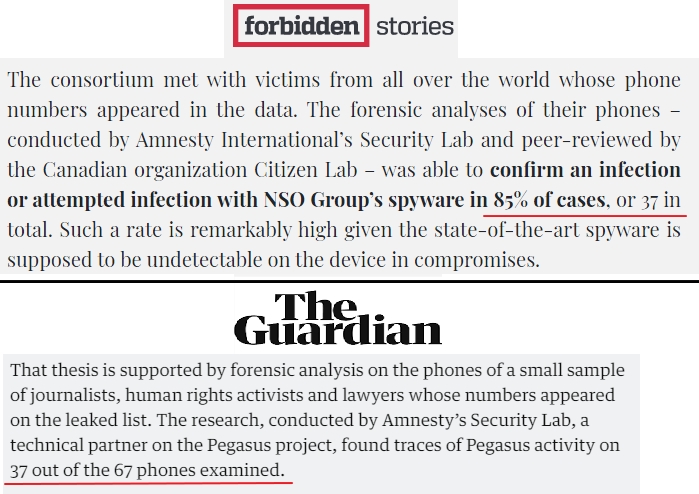
Amnesty International’s Security Lab allegedly did forensic study of 67 phones from the list of over 50,000 numbers, and found traces of the Pegasus software on 37 of them. Now, this ‘forensic test’ also raises questions.
67 is a very small number for a list of over 50,000. It means only around 0.01% of the numbers were physically checked. Although it is correct that they may not be able to check the phones of politicians and businessmen, they could have accessed more phones from others like journalists and academicians on the alleged list.
There is also a huge anomaly between reports by Guardian and Wire and the article by Forbidden Stories on number of phones checked for attack by Pegasus. The media reports say that 67 phones were analysed and 37 were found to be targeted, which means 55% of the examined phones had traces of the software. On the other hand, the Forbidden Stories does not say how many phones were checked, but says that 37 were infected or attempted to infect. However, it says that this number confirm infection or attempted infection with NSO Group’s spyware in 85% of cases.
This is a big anomaly, because 37 is 55% or 67, not 85%. If we go by the article, it would mean 43 phones were examined. That would mean, even lesser number of phones were analysed by Amnesty to validate the claims.
Another issued that needs to be noted that is that ‘forensic analysis’ was done by Amnesty International, and this was peer-reviewed and confirmed by Canadian organization Citizen Lab, which is funded by George Soros. Both these organisations are far left-wing organisation, with huge bias against conservatists across the world.
All these issues show that there are big holes in the allegations of spying on people using the Pegasus software by various governments. There are no proof that over 50,000 people are under surveillance because they are only ‘potential targets’ allegedly selected by the govts for surveillance. The alleged forensic study also raises questions because of the organisations involved and the very small number of phones examined by them.
The micro-blogging site Twitter has now updated its Terms of Service (TOS) and Privacy Policy that is expected to come into force on August 19.
Twitter users have already been notified in the app, asking them to accept the new privacy policy. In the new privacy policy, Twitter intends to provide some clarity on some of its new products and regarding the usage of the data which it collects from users.
According to the reports, the users will not have an option to opt-out of the privacy policy. Once the policy comes to force, users must adhere to the stated Terms of Service (ToS) to continue using Twitter.
Twitter to record audio transcriptions of conversations held on Spaces, to review them for violations
Interestingly, one of the new updates rolled out by Twitter is related to its social audio product Twitter Spaces. Twitter Spaces – a social audio space is meant to enable voice-based conversations among its users. The company has now explained how it uses this data.
In its new privacy policy, the micro-blogging site stated that it produces audio transcriptions of the conversations taking place on Spaces, which is then reviewed for potential Twitter rules violations. It further said that that all conversations on Spaces are currently public, so the data is not private anyway.
“Our Privacy Policy now shares more details about what participating in or hosting a Space means for your data. We analyse data from Spaces to provide audio transcriptions, to review for potential violations of the Twitter Rules, and to make improvements to the way the feature works. As a reminder, all Spaces are currently public, so your presence in a Space and anything you broadcast when you use Twitter Spaces is also public,” the company said in a blog post on Tuesday.
The audio transcriptions recordings by Twitter may now create privacy issues for users, who fear that the platform may misuse their data.
Twitter releases new update concerning Twitter Blue, Payment services
Another major update in the policy is regarding Twitter Blue, the company’s first-ever exclusive subscription offering that is currently available only in Canada and Australia. In addition, the social media giant is also updating some of the new payments service features.
The update explains how autoplay video settings work and the nature of data that is shared with partners and third parties.
“Twitter does not sell your personal data. We’ve updated our Privacy Policy to make this clear and also clarified how we protect your data when it is transferred outside the country you reside in,” the firm said in the blog post.
Rajasthan Youth Congress President and Dungarpur MLA made derogatory remarks while addressing a crowd during a protest organized by the party against the “snoopgate” allegations on the Modi government. Ganesh Ghogra was caught on camera saying, “It is time to beat Prime Minister Modi and (uses an abusive word) Home Minister Amit Shah with shoes.”
The senior Congress leader said, “The inflation and prices of fuel which are at an all-time high have made the life of a common man miserable. Our personal talks are also being taped (tapped). Such misdeeds can only be done by Modiji and (Amit Shah).”
As per reports, while the Youth Congress leader was using such words, senior Congress leader RPCC chief Govind Singh Dotasara was present.
It is imperative to note that Rajasthan is one of the states that charge the highest rates of VAT on fuel prices as per data submitted by the Ministry of Petroleum and Natural Gas to Parliament on July 19. This further causes the fuel rates to inflate said the report.
Congress organizes protest in multiple states
The Indian National Congress making the most of the evidence-less ‘Pegasus snoopgate’ controversy, has been building up outrage to attack the government.
After Congress youth workers went shirtless in Delhi to protest against the Modi government, Bengaluru Congress workers gathered outside Vidhana Soudha to stage a demonstration.
Sharing images of the protest Karnataka Pradesh Congress Committee president DK Shivakumar Tweeted, “Our democracy has been repeatedly assaulted by BJP Govt, with latest being #Pegasus spying attack, showing how morally bankrupt this govt is! Protested against the same at Mahatma Gandhi’s Statue at Vidhana Soudha before laying siege at Governor house, alongside Congress leaders.”
Our democracy has been repeatedly assaulted by BJP Govt, with latest being #Pegasus spying attack, showing how morally bankrupt this govt is! Protested against the same at Mahatma Gandhi’s Statue at Vidhana Soudha before laying siege at Governor house, alongside Congress leaders. pic.twitter.com/rS9we2GWLe
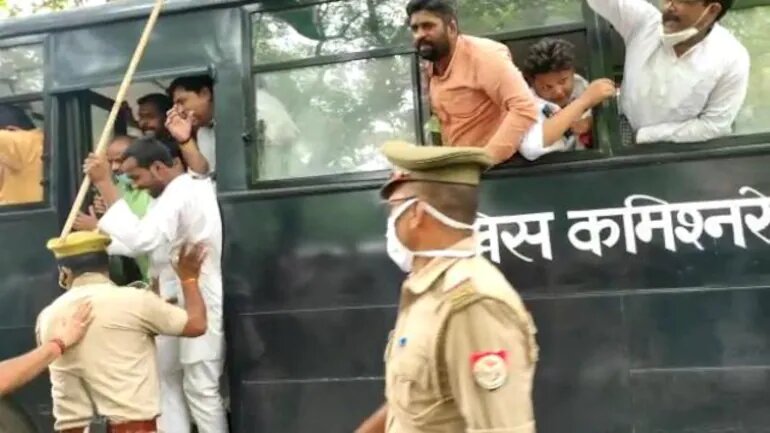
In Uttar Pradesh UP Congress chief Ajay Kumar Lallu and several other leaders were arrested following a clash between party workers and the UP police in Lucknow on Thursday.
Congress leaders and party workers were detained following clashes with the Uttar Pradesh Police in Lucknow on Thursday. (Image Source: India Today)
The Congress unit was on its way to the Governor’s House to submit a memorandum on the phone tapping row when a clash broke out.
On the night of July 20 (Tuesday), an ex-Pakistani diplomats daughter was found brutally murdered at her residence in Islamabad, Pakistan. The 27-year-old Noor Mukadam, daughter of former Pakistani diplomat to South Korea and Kazakhstan, Shaukat Ali Mukadam was shot then stabbed and mercilessly beheaded with a sharp instrument.
“She was first shot and then slaughtered,” the investigating officer said, according to Samaa TV. Another person was also injured in the attack.
Youth beheads ex Pakistani diplomat’s daughter over break up
According to Pakistan police, Noor Mukadam’s friend has been arrested in connection with the murder. Reports suggest that the youth named Zahir Jaffar had brutally murdered the girl after she broke up with him. He could not handle the refusal and killed her, said the police, adding that he was arrested on the spot and taken to the police station.
Jaffar, who is reportedly the son of the chief executive officer of a leading construction company in Islamabad, is a drug addict and is suffering from some psychological issues.
Initial reports suggest that the deceased had visited Jaffar’s house on Tuesday. She was not in contact with her father since the morning.
Pakistan Foreign Office spokesperson Zahid Hafeez Chaudhri condemned the incident and expressed his condolences.
Deeply saddened by the murder of the daughter of a senior colleague and former Ambassador of Pakistan. Heartfelt condolences to the bereaved family, and I hope the perpetrator of this heinous crime will be brought to justice.#JusticeForNoor
“Deeply saddened by the murder of the daughter of a senior colleague and former ambassador of Pakistan. Heartfelt condolences to the bereaved family and I hope the perpetrator of this heinous crime will be brought to justice,” the spokesperson wrote on Twitter, adding the hashtag #JusticeForNoor.
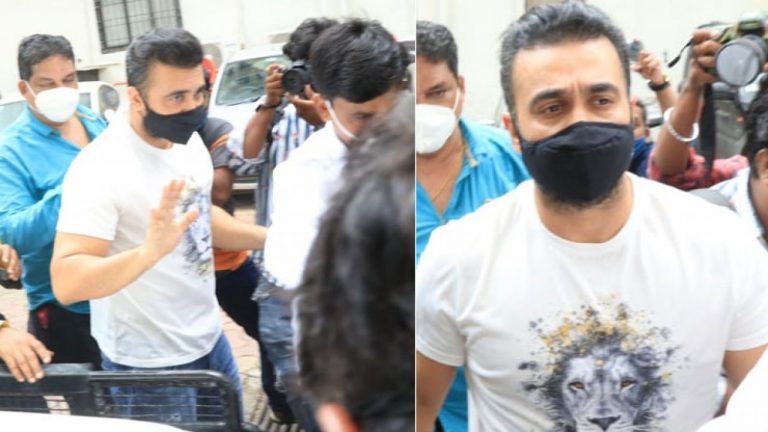
Bollywood actor Shilpa Shetty’s husband Raj Kundra, who is in police custody for the creation and publishing of pornographic material over mobile apps, had been reportedly evading arrest in the case by allegedly paying a bribe to the tune of Rs 25 lakhs to officers in the Mumbai crime branch. Another accused in the same case has said this to media.
According to a report by Mid-Day, one Arvind Srivastava alias Yash Thakur, an absconding accused who was named as the porn racket’s kingpin in March, had emailed a complaint to the Anti-Corruption Bureau (ACB) in the same month, alleging that Kundra paid a bribe of Rs 25 lakh to Crime Branch sleuths to avoid getting arrested in the case.
The ACB had forwarded the purported e-mail by Thakur to the Mumbai Police commissioner’s office in the month of April but the Mumbai police had refused to comment on the matter. Kundra was arrested by Mumbai’s crime branch only on July 19th, 2021.
According to the report, the complainant Arvind Srivastava alias Yash Thakur had attached screenshots of a WhatsApp conversation regarding the alleged bribe. The chat, however, nowhere mentioned Raj Kundra’s name, said an ACB officer familiar with the case.
“The ACB investigates only if there is demand for money and it can lay a trap. Since, in this case, the money had already exchanged hands, as alleged, the complaint was forwarded to the concerned department (Mumbai police) to initiate an action,” a senior-level ACB officer said on condition of anonymity.
According to the Mid-Day report, the e-mail also mentioned that a police officer had demanded Yash Thakur’s company Fliz Movies, previously named Nuefliks to pay up a similar sum.
Yash Thakur’s company was named by police in March for involvement in porn racket
It is pertinent to note here that Fliz Movies or Nuefliks is a US-based firm owned by Arvind Srivastava alias Yash Thakur. According to reports, Mumbai police had named Fliz Movies or Nuefliks in the porn racket in the month of March. It had then seized two bank accounts of this US-based firm having about Rs 4.50 crore cumulatively. These accounts were opened in Kanpur and Indore branches.
During interrogation, Raj Kundra and 6 other arrested accused, including Kundra’s aide Ryan Thorpe, a producer-director Rowa Khan alias Yasmeen, photographer Monu Sharma, creative director Pratibha Nalawade, and two actors, Arish Shaikh and Bhanu Thaku, reportedly told the police that after making a pornographic film, they would send it to Arvind Srivastava, who has also financed some of the films. The films were uploaded on Nuefliks, HotHit and Hotshots apps.
Raj Kundra ran his pornography business via WhatsApp groups: Mid-day report
The Mumbai Crime Branch on Wednesday revealed that Raj Kundra ran his pornography business via well established WhatsApp groups named HS-account, HS-operation and HS-take down. According to Mid-Day, the Crime Branch revealed that Kundra assigned tasks to employees on each of these three groups and also had a legal team in place.
According to reports, the Mumbai crime branch has recovered at least 70 videos shot by Raj Kundra’s former PA Umesh Kamat with the help of different production houses.
Mumbai police freeze close to Rs 7.21 crore in bank accounts of people involved in the porn racket
Meanwhile, the Crime Branch cops have seized Raj Kundra’s servers and have also frozen close to Rs 7.21 crore in different people’s bank accounts.
‘Adult content but cannot be classified as porn’: lawyer defends Raj Kundra
Raj Kundra’s lawyer, meanwhile, has come out in the former’s defence saying that it is incorrect to label the adult film content as porn as there was no “actual intercourse” shown in the videos. He stated that it can be defined as vulgar content but not pornographic.
Raj Kundra has been sent to police custody till July 23.