

Fearing action from the government under the newly enacted Insolvency and Bankruptcy Code (IBC) for failing to repay their dues, 2100 companies have cleared dues worth Rs. 83000 crores, Times of India has reported. The majority of these dues have been cleared after the amendment of the IBC, however, it’s only a temporary relief as NPAs exceed Rs 7.31 lakh crores.
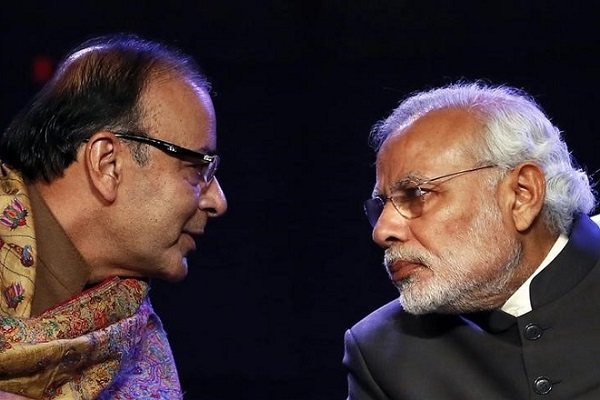
“The real success is the pressure on loan defaulters to clear dues. The borrowing and lending culture is changing because of IBC,” the report mentions an unnamed source as saying. The IBC will boost Arun Jaitley’s legacy as the Finance Minister of India who helped reform the debt-ridden Indian Banking system. Bankruptcy Board chief MS Sahoo told news agency PTI, “We have seen several instances where the corporate debtors have paid the default amount after trigger application is filed before the adjudicating authority but before its admission. Some of them pay up as soon as they receive a notice from an operational creditor.”
The Ordinance that sought to amend the IBC, which was approved by President Kovind last year, was introduced with the objective of preventing willful defaulters from bidding for stressed assets. The idea behind the Ordinance was to “put in place safeguards to prevent unscrupulous, undesirable persons from misusing or vitiating the provisions of the Code”. The move was praised even by Narendra Modi’s usual detractors, such as Stanley Pignal at the Economist, who said, “In the business section we focus on the bankruptcy code. It used to be Indian tycoons could borrow as much as they wanted & default with no fear of losing “their” companies. No more. The impact is potentially far-reaching. Early days but encouraging stuff.”
R Jagannathan, Editorial Director at Swarajya, wrote in praise of the government’s move following Tata Steel’s bid for Bhushan Steel, “A combination of good assets and bad balance sheets, which sent these companies to bankruptcy, has been rescued by a small turn in the commodity cycle and excellent performance by the bankruptcy courts, which have refused to delay settlements despite efforts to do so. This suggests that the system is turning a deaf ear to crony capitalists who usually get away with murder by using systemic delays. This is a qualitative change in the fight against crony capitalism.” Signs that IBC was starting to bear fruit became obvious when Tata Steel formally acquired control of Bhushan Steel at about Rs. 35,200 crores, which is nearly two-thirds of the money owed to lenders. And although the Banks have taken more than a 37% haircut, they can now classify the assets as standard, reducing their bad-loan burden. Furthermore, the Modi government is confident that it will be able to recover more than 1 lakh crore via the IBC.


