

Wednesday, March 11, 2026
HomeNews ReportsDelhi Police Special Cell comes to rescue of NDTV employee M Atharuddin for plasma...

Delhi Police Special Cell comes to rescue of NDTV employee M Atharuddin for plasma therapy

Plasma therapy is a medical procedure where blood of a recovered patient is used to create antibodies in patients who are currently infected with the disease.

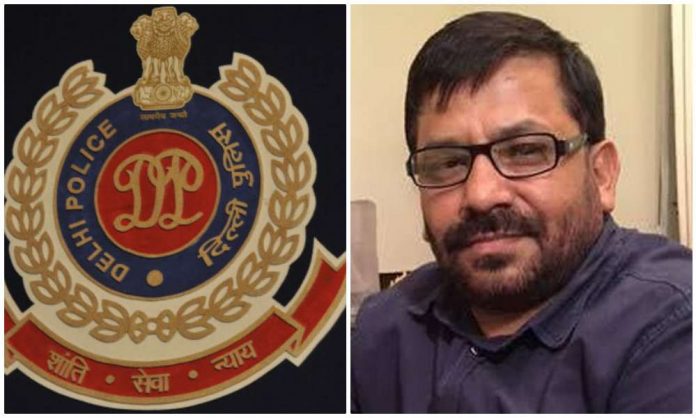
Delhi Police Special Cell on Monday came to rescue of NDTV employee M Atharuddin alias Munne Bharti who is currently undergoing treatment for Chinese coronavirus and needed plasma. Atharuddin had put out a tweet in the morning requesting urgent plasma donation.

Journalist Rahul Pandita amplified his tweet and appealed for donation. To that, Delhi Police Special Cell rose to the occasion and said that they have sent across someone from their unit as plasma donor.

Plasma therapy is a medical procedure where blood of a recovered patient is used to create antibodies in patients who are currently infected with the disease.

Join OpIndia's official WhatsApp channel

  Support Us  

For likes of 'The Wire' who consider 'nationalism' a bad word, there is never paucity of funds. They have a well-oiled international ecosystem that keeps their business running. We need your support to fight them. Please contribute whatever you can afford

OpIndia Staff
OpIndia Staffhttps://www.opindia.com
Staff reporter at OpIndia

Related Articles

Trending now

India’s Sheshnag-150 and Project KAL: Readying for drone warfare through indigenous weapons

India has two active strategic fronts against China and Pakistan. India's operational landscape is complex, with high-altitude mountains, deserts, and densely populated border areas. In this kind of terrain, unmanned systems are highly useful because they enable continuous surveillance, rapid intelligence gathering, and precise strikes without risking pilots or large troop deployments.

Ignored warnings, now pleading for evacuation: The self-inflicted crisis of Indian students in war-torn Iran

Despite the advisories, Indian students chose to stay put. In fact, the MEA confirmed that even after a full-fledged war broke out, many students refused the Indian embassy’s offer for assistance.
- Advertisement -