Home Blog Page 2881

“Goods should move quickly like a cheetah”: PM Modi launches National Logistics Policy, says it will give speed to India’s development journey

Prime Minister Narendra Modi launched the National Logistics Policy at Vigyan Bhawan in New Delhi today.

The policy is aimed at promoting a seamless movement of goods in the country and enhancing the competitiveness of the industry. It is expected to focus on areas such as process re-engineering, digitisation, and multi-modal transport. The policy will streamline rules and address supply-side constraints, besides providing a roadmap to reduce fuel costs and lower logistics costs.

Under this policy, the government will create a single point of reference for all logistics and trade facilitation matters. The govt expects to reduce costs in the logistics sector by 10% in the next 5 years. The draft logistic policy was released in 2019 by the Commerce Ministry, but its implementation was delayed due to the Covid-19 pandemic.

Referring to the eight cheetahs brought to India from Namibia, the PM said the National Logistics Policy launched today will give speed to India’s development journey.

The background

The need for a national logistics policy was felt since the logistics cost in India is high as compared to other developed economies. It is imperative to reduce the logistics cost in India for improving the competitiveness of Indian goods both in domestic as well as export markets. Reduced logistics cost improves efficiency cutting across various sectors of the economy, encouraging value addition and enterprise.

Since 2014, the government has put significant emphasis on improving both, Ease of Doing Business and Ease of Living. National Logistics Policy, a comprehensive effort to address issues of high cost and inefficiency by laying down an overarching interdisciplinary, cross-sectoral and multi-jurisdictional framework for the development of the entire logistics ecosystem, is yet another step in this direction. The policy is an endeavour to improve the competitiveness of Indian goods, enhance economic growth and increase employment opportunities.

It has been the vision of the PM to develop world-class modern infrastructure through the integration of all stakeholders in holistic planning and implementation so that efficiency and synergy are achieved in the execution of the project. The PM GatiShakti – National Master Plan for muti-modal connectivity – launched by the Prime Minister last year, was a pioneering step in this direction. PM GatiShakti will get further boost and complementarity with the launch of the National Logistics Policy.

What the PM said during the launch

Speaking on the occasion, the Prime Minister called the launch of the National Logistics Policy a significant step in fulfilling the ‘Pran’ of India being a developed country. “To ensure quick last mile delivery, end transport-related challenges, save time and money of the manufacturers, prevent wastage of the agro-products, concerted efforts were made and one of the manifestations of those efforts is today’s National Logistics Policy”, he said. The resulting improvement in coordination will lead to the desired speed in the sector.

PM Modi noted that in India, which has become the 5th largest economy in the world, things are changing rapidly. Referring to this morning’s release of Cheetah, the Prime Minister said we all want that luggage should move quickly like a cheetah.

The Prime Minister said “the echo of Make in India and India becoming self-reliant is everywhere. India is setting big export targets and is also fulfilling them. The notion that India is emerging as a manufacturing hub, is stabilizing in the mind of the world. If we study the PLI scheme we will find that the world has accepted it.”

In such a situation, the Prime Minister said, the National Logistics Policy will bring new energy to all sectors. He said that policy is a beginning and policy plus performance is equal to progress. When parameters, roadmap and timeline for performance come together then policy plus performance equal to progress emerges, he elaborated. “Today’s India prepares the ground before bringing any policy, only then a policy can be implemented successfully. National Logistics Policy has not come out of the blue and there are 8 years of hard work behind it. There are policy changes, major decisions, and, if I talk about myself, it has my 22 years of governance experience behind it”, he said.
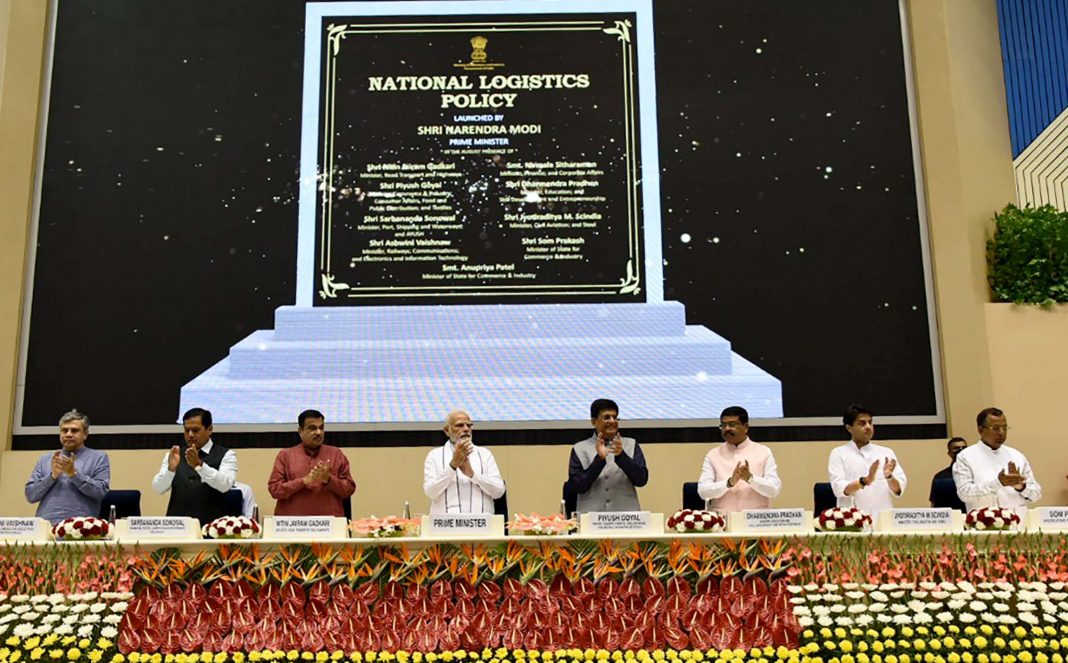
Launch of National Logistics Policy

PM Narendra Modi reiterated that schemes like Sagarmala, Bharatmala, expedited the work of Dedicated Freight Corridors to improve logistics connectivity for systematic infrastructure development. Shri Modi pointed out that the total capacity of Indian ports has increased significantly and the average turn-around time of container vessels has come down from 44 hours to 26 hours. For promoting export, 40 air cargo terminals have been constructed. 30 airports have been provided cold-storage facilities. 35 multimodal hubs are coming up in the country. “Through waterways, we can do eco-friendly and cost-effective transportation, for this many new waterways are also being built in the country”, the Prime Minister added. He also mentioned Kisan Rail and Kisan Udan experiments during the Corona time. Today 60 airports have the facility of Krishi Udan. 

Stressing the need to adopt technology to strengthen the logistic sector, the Prime Minister said that the government has worked towards initiatives like paperless EXIM trade process through e-sanchit, faceless assessment for customs, provisions for e-way bills, FASTag etc. that have greatly increased the efficiency of the logistics sector. He also underlined the importance of a unified tax system like GST in smoothening the issues of the logistics sector. Change in drone policy and connecting it with the PLI scheme is promoting the use of drones in the logistics sector. “Only after doing so much, we have come out with a National Logistics Policy, ” he explained. “From 13-14 per cent logistics cost, we should all aim to bring it to single-digit as soon as possible. This, in a way, is a low-hanging fruit, if we have to become globally competitive”, the Prime Minister emphasised.

The Prime Minister said that Unified Logistics Interface Platform ULIP will bring all the digital services related to the transportation sector into a single portal, freeing the exporters from a host of very long and cumbersome processes.  Similarly, under the policy a new digital platform Ease of logistics Services -E-Logs has also been started. “Through this portal, industry associations can directly take up any such matters which are causing problems in their operations and performance with the government agencies. A complete system has also been put in place for the speedy resolution of such cases”, he said.

PM Modi pointed out that the PM Gatishakti National Master Plan will be supporting the National Logistics Policy in all earnest. The Prime Minister also expressed happiness while mentioning the support that states and union territories have provided and that almost all the departments have started working together. “A huge data of information related to different infrastructure projects of state governments has been prepared. Today, data from the central and state governments in about 1500  layers are coming on the PM Gatishakti portal”, the Prime Minister informed. “Gatishakti and National Logistics Policy together are now taking the country towards a new work culture. The talent that will come out of the recently approved Gatishakti University will also help it a lot”, he added.

The Prime Minister said that today, the world is looking at India as a ‘democratic superpower’. He highlighted the ‘extraordinary talent ecosystem’ of India that has impressed the field experts who praise the ‘determination’ and ‘progress’ of India. The Prime Minister said “today the world’s attitude towards India is changing. Today the world is evaluating India very positively, it is keeping a lot of expectations from India”.

He further remarked that the resilience shown by India and the Indian economy in the midst of a global crisis has filled the world with new confidence. “The reforms that India has done in the last years, the policies implemented are unprecedented. That is why the faith of the world has increased in us”, the Prime Minister said. He urged the nation to fully live up to the trust of the world. “This is our responsibility, we all have a responsibility. The National Logistics Policy, launched today, will help the country a lot in this”, he added. 

The PM urged competitive behaviour in Indians and said “India, which is determined to become developed, now has to compete more with developed countries, so everything should be competitive.” He continued “be it service sector, manufacturing sector, automobiles, electronics, we have to set big goals in every sector and achieve them”, the Prime Minister remarked. The Prime Minister also pointed out the increasing attraction of the world toward products that are made in India. “Be it India’s agricultural products, India’s mobile or India’s BrahMos missile, they are discussed in the world today.” The Prime Minister also mentioned the Made in India covid vaccines and medicines that helped in saving millions of lives across the globe.

PM Modi underlined that for the products manufactured in India to dominate the world market, it is crucial to have a strong support system. “The National Logistics Policy will greatly help us modernize this support system”, he said. Shri Modi also pointed out that the issues related to logistics are reduced and when the country’s exports increase, small industries and the people working in them benefit the most. “Strengthening of the logistics sector will not only make the life of common man easier but will also help in increasing the respect of labour and workers”, the Prime Minister added.

In concluding his address, the Prime Minister said “The National Logistics Policy has immense potential for the development of infrastructure, for expansion of business and increasing employment opportunities. We have to realize these possibilities together” the Prime Minister said.

Representatives of Logistics sector, Shri R Dinesh, Managing Director, TVS Supply Chain Solutions; Shri Ramesh Aggrawal, CEO, Agarwal Packers and Movers; Shri Amitabh Saha, Founder and CEO of XpressBees Logistics also expressed their views on the occasion.

Union Minister of Commerce & Industry, Piyush Goyal, Union Minister of Road, Transport & Highways, Nitin Gadkari, Union Minister of Civil Aviation, Jyodiraditya Scindia, Union Minister of Railways, Ashwini Vaishnav, Union Minister of Port, Shipping and Waterways, Sarbanada Sonowal, Union Minister of Education, Dharmendra Pradhan, and Union Minister of State for Commerce and Industry, Som Prakash were those present on the occasion.
Cheetahs return to India: The attempt to reintroduce the big cat 7 decades after they went extinct in the country

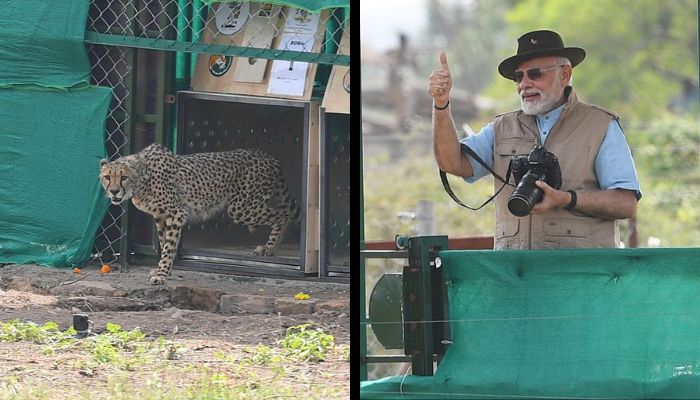
On Saturday (September 17), Prime Minister Narendra Modi released 3 cheetahs from their wooden crates into the quarantine enclosures of Kuno National Park in Madhya Pradesh. A total of 8 felines were brought from Namibia under a Memorandum of Understanding (MoU) signed in January this year.

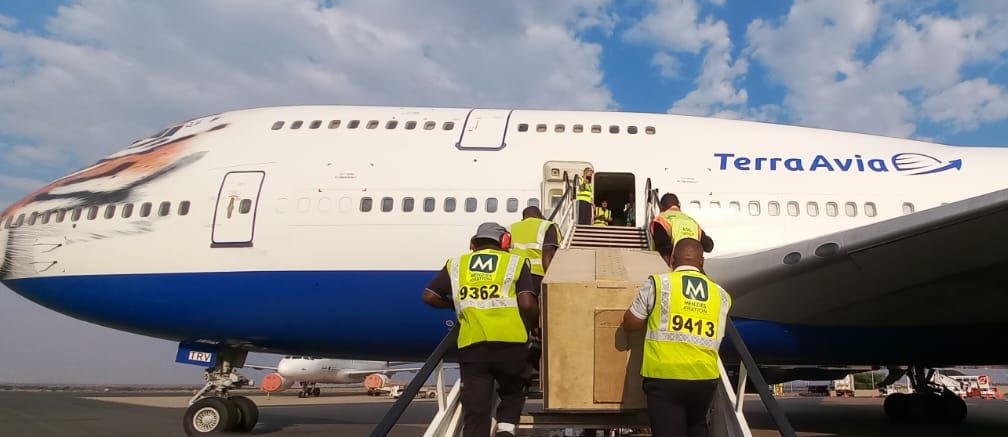
A special Boeing aircraft of Terra Avia, a Molodova-based airline, ferried the cheetahs from Namibia to Gwalior in India on Saturday (September 17) morning. Following the 10-hour-long journey, the felines were brought to Kuno via Air Force helicopter.

Reportedly, the Cheetahs remained without food throughout the course of the journey. They were provided with food following their release to quarantine enclosures at the Kuno National Park.

In a viral social media video, PM Modi was seen operating a lever and opening the gates of a closed wooden crate that housed a cheetah. The Indian Prime Minister was also seen capturing images of a feline using his camera.

Thereafter, other cheetahs were released into their respective enclosures. The in situ conservation site is spread across 344 square km. In total, 5 female and 3 male big cats have been brought from the African nation to reintroduce the animal species in India after it was officially declared extinct in 1952.

Madhya Pradesh Chief Minister Shivraj Singh Chouhan lauded the decision and informed that the historic step will increase tourism in the State. It is believed that the introduction of the big cats will help restore grassland ecosystems, open forests, and biodiversity. Moreover, it will increase water security, soil moisture conservation and carbon sequestration.

The inter-continental translocation project was carried out under ‘Project Cheetah’ of the Indian government in accordance with the guidelines of the International Union for Conservation of Nature (IUCN).

Reportedly, the big cats that were relocated from Nambia are aged between 2 and 5.5 years. They have been temporarily housed in quarantine enclosures and fitted with satellite collars.

A month later, they will be shifted to open forest areas of Kuno National park. A large contingent of security personnel has been deployed to prevent the poaching of the big cats. As per reports, a dedicated team will monitor each cheetah 24/7.

In 2020, the Supreme Court gave a green signal to introduce African cheetahs at carefully chosen locations in India on an experimental basis. According to Project Cheetah chief SP Yadav, Kuno was chosen due to the presence of large grasslands, small hills and forests. Earlier in 2012, the Supreme Court had blocked an attempt to bring Cheetahs to India due to a violation of norms. The then UPA govt had attempted to bring Cheetahs from Namibia, but a petition was filed against it because the Ministry of Environment and Forests went ahead with the project without the required approval from National Board for Wildlife.

In March 2020, it had come to light that the extinct Indian cheetah bore genetic similarities with its Southeast African counterpart. “The study has provided first scientific evidence to begin with reintroduction process of African Cheetah into India,” tweeted scientist Niraj Rai.

While speaking about the historic feat, Prime Minister Narendra Modi said, “People will have to show patience & wait for a few months to see these #Cheetahs in Kuno National Park. These Cheetahs have come as guests, unaware of this area.”

“For them to be able to make Kuno National Park their home, we’ll have to give these Cheetahs a few months’ time. Following international guidelines, India is trying its best to settle these cheetahs. We must not let our efforts fail,” he added.

The Congress party has meanwhile courted controversy by trying to hog credit for Project Cheetah. Despite its failed bid in 2013, it is now trying its best to eclipse the achievement of the incumbent BJP government. Had the Manmohan Singh govt followed proper procedures, the Supreme Court would not have stayed the effort.

Cheetahs have been looked upon as prized possessions by royals and elites of India. Owing to their continued packing, hunting and habitat loss, the felines were declared extinct in 1952.

The iconic picture of Maharaja Ramanuj Pratap Singh Deo is believed to be the last recorded cheetahs in India in the late 1940s. The big cats continue to be listed as vulnerable by IUCN and only 7000 of them are alive today in African savannas.

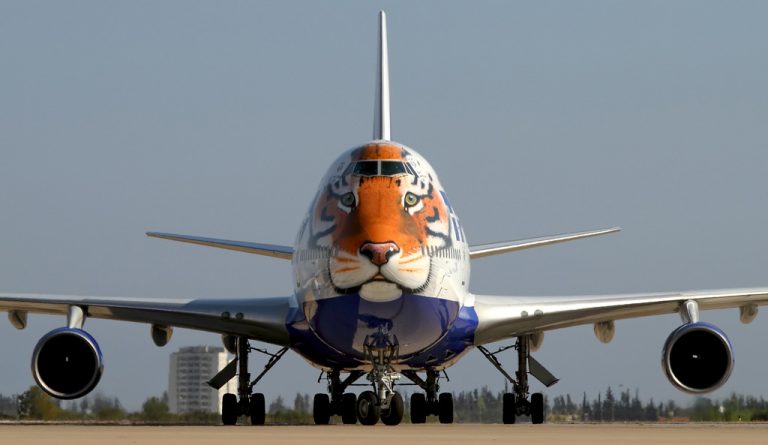
Fact-check: An aircraft was not specially painted to bring 8 cheetahs to India, read details about the Boeing 747 with Siberian tiger face

A special Boeing 747 jet landed at Gwalior Airport in Madhya Pradesh on Saturday morning, carrying 8 cheetahs from Namibia. The big cats have been brought from Africa as part of the Cheetah reintroduction program, and were released in the Kuno National Park in Madhya Pradesh today by PM Narendra Modi. But while reporting the translocation, several media houses published misleading information, when they claimed that the plane was painted with a face of a tiger especially for this occasion.

When the special plane landed at the Namibian capital of Windhoek to pick up the cheetahs, the images of the aircraft went viral. The face of a tiger was seen painted on the nose of the Boeing 747, and the media reports said that the plane has been specially painted with the face of the tiger for the special operation of translocating the cheetahs from one continent to another. But this was completely wrong information.

Talking about the customisation of the plane, India Today wrote, “The B747 has been painted with the face of a tiger, signifying the importance of the flight mission.” The Hindu said that “it has been painted with the image of a tiger”, apart from the modification of the cabin. India TV also made the same claim. Hindustan Times went ahead and claimed that it was a cheetah face painted on the plane.

Several other media reports made the same claim, that the plane has been specially painted with a face of a tiger for the occasion. However, some others reported that the plane has a tiger face painted on its nose, but didn’t say it has been specially painted for the translocation of the cheetahs.

The fact check

All these reports claiming that the tiger face was painted for a single flight are wong, and the plane was not specially painted with a tiger face for the cheetah transfer to India. The fact is, the tiger face on the nose of the Boeing 747 plane is there for the last several years. And either coincidently or by design, a plane with a tiger face on its nose was used for the transfer of the cheetahs from Namibia to India.

The first clue that it was not painted for the cheetah transfer is in the image itself, as it is a tiger face. If it was specially painted for the cheetah transfer, they would have painted a cheetah face on it.

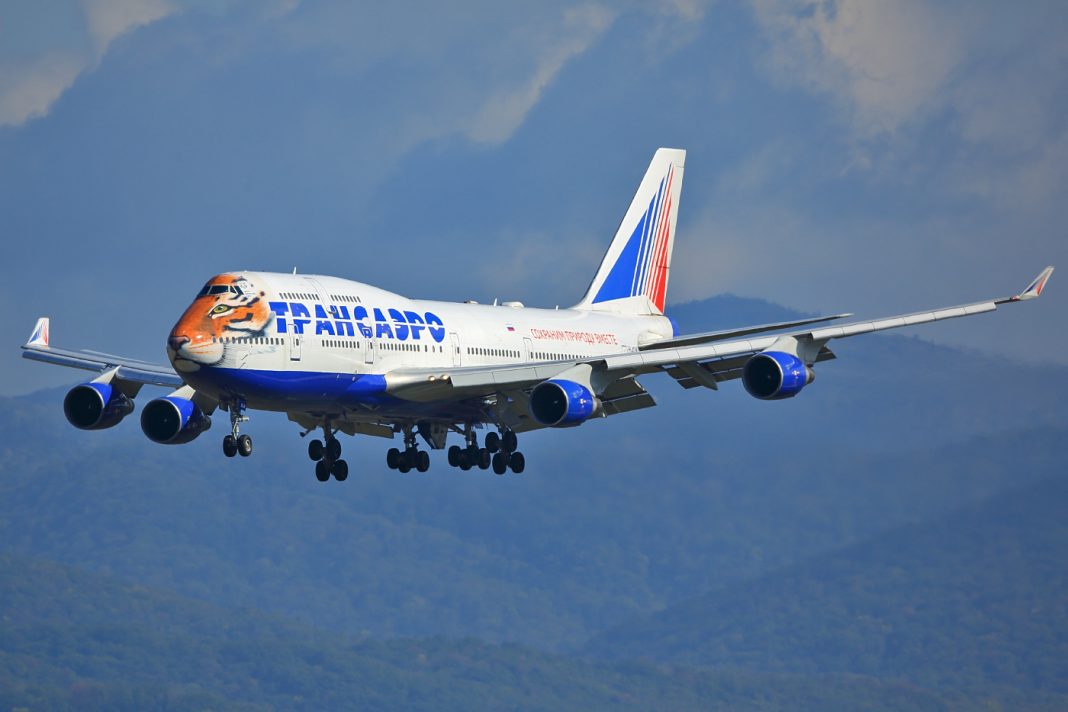
The tiger face was painted on the nose of the aircraft in 2015, by Russian airline Transaero, which owned the plane at that time. It is a Siberian (or Amur) Tiger face, and it was painted to create awareness about the need to protect the tigers and the environment as a whole. The tiger face livery was a joint venture between Amur Tiger Centre and Transaero Airlines. Set up by the Russian Geographic Society at the initiative of President Vladimir Putin, the Amur Tiger Centre works on the preservation and research of the Amur tiger population in Russia.

Transaero Boeing 747 with tiger face on the nose

The tiger livery on the nose of the plane was unveiled by Transaero Airlines at the Moscow Vnukovo airport in June 2015. The rest of the aircraft retained the standard livery of the airline, featuring the word Transaero on the fuselage and a red-blue design on the tailfin.

However, Transaero went bankrupt in 2015 itself, and the Boeing 747 was sent for storage at Teruel Airport in Spain in October 2015. In 2021, the plane was purchased by Sharjah-based Aquiline International, but it was not used and remained in storage. Then in March this year, Terra Avia of the European country Moldova leased the jumbo jet from Aquiline, and it finally left the storage after seven years.

The Boeing 747-400 was originally owned by Singapore Airlines in 2001, and it reached Transaero in 2012.

After leasing it, Terra Avia replaced the Transaero logo on the plane with its own but retained the special tiger face on the nose and the blue paint on the belly. In the photos of the aircraft during the transfer of the cheetahs, the Terra Avia logo can be seen on the aircraft. Terra Avia offers its planes on rental, including this Boeing 747-400.

The Boeing 747 with tiger face in Terra Avia livery

Therefore, the aircraft was not painted with the tiger face for the operation, it was already there for the last seven years. But the aircraft did undergo significant modification for the operation. The interior of the plane was modified, and all economy class seats were removed to place the cages of the cheetahs.

It is not known whether this particular plane was chosen for the tiger nose, or it was just a coincidence. But most likely it was a coincidence, as not too many jumbo passenger jets are available from where the seats can be removed for a single flight.

In general, animals are transported by cargo planes, or in the cargo section of passenger planes. But that was not an option for the travel of the cheetahs. Veterinary experts travelled with the cheetahs, along with others associated with the project. The veterinary staff needed to keep monitoring the animals during the long transcontinental flight, and therefore both the cheetahs and the people needed to be in the passenger cabin. That is why the cheetahs were placed in the economy section by removing the seats, while the people accompanying them occupied the first-class and business-class seats. This would not have been possible in a cargo plane, or if the cheetahs were placed in the cargo hold of a passenger flight.

All kinds of precautionary measures were taken during the flight, including carrying a full set of spare wheels. In case the aircraft suffered wheel damage during take-off, they would have replaced them in the sky to avoid landing without wheels. Roman Trandafilov, the CEO of Aquiline which owns the plane said that the aircraft had underdone major maintenance a few weeks ago. The aircraft was arranged by Dubai-based Action Aviation for the Cheetah translocation project, which collaborated with the govt of India in the initiative.

Other planes with big cat faces

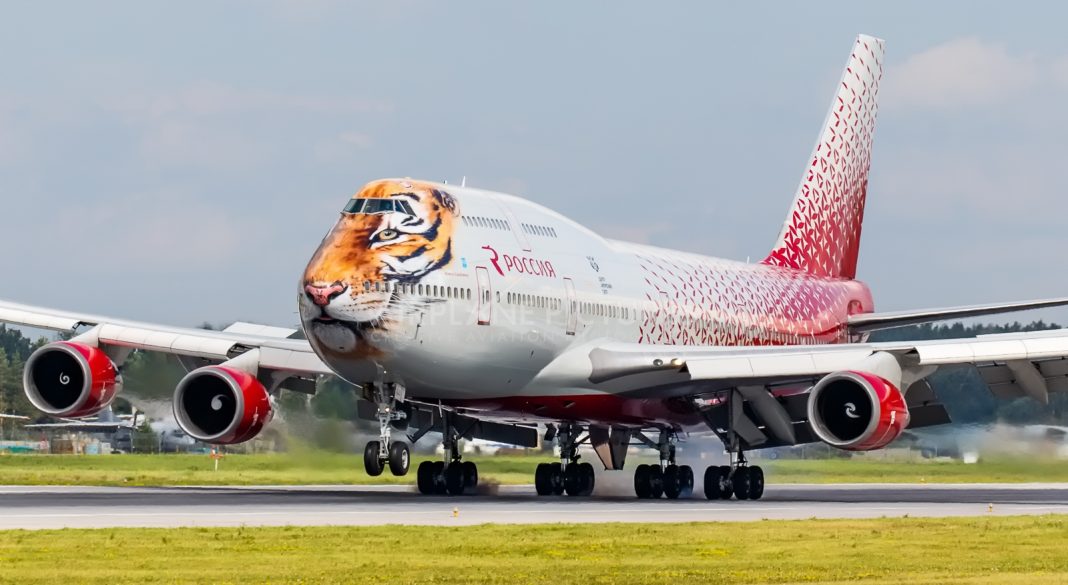
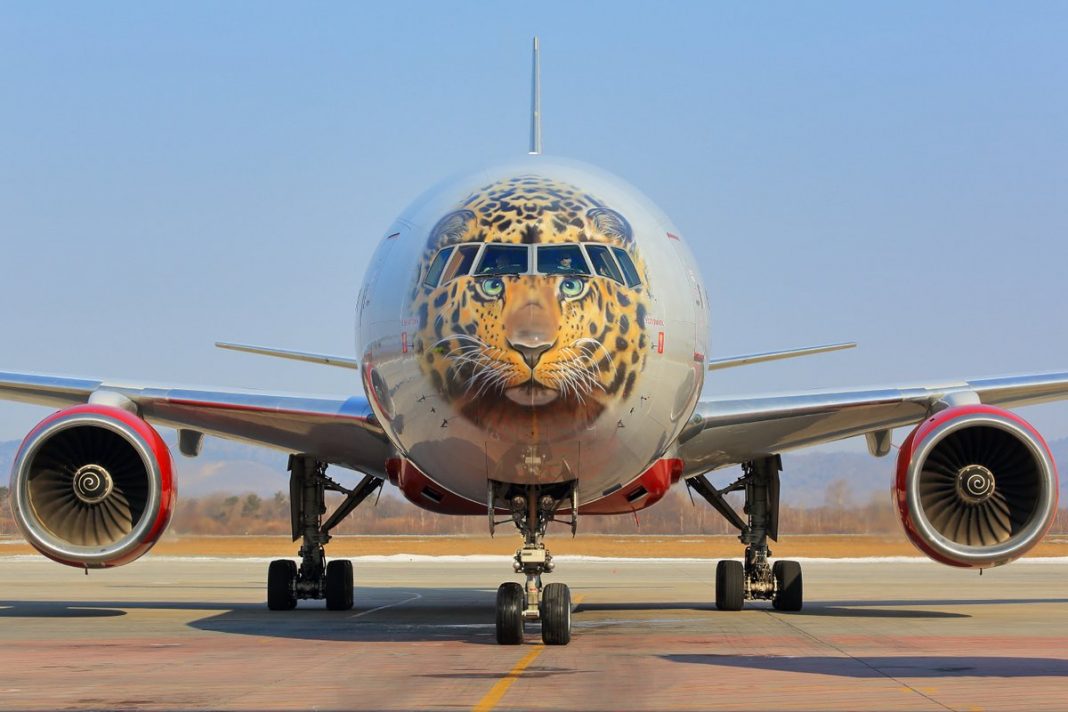
As the Transaero plane with the tiger face didn’t fly much as it was put in storage after a few months, later another Boeing 747’s nose was painted with the same Tiger face. In 2016, the tiger face was painted on the nose of a Boeing 747-400 belonging to Rossiya Airlines, which is a part of Russia’s flag carrier Aeroflot. Along with that, the face of an Amur Leopard was also painted on a Boeing 777 of the Rossiya Airlines.

Rossiya Boeing 747 with tiger face
Rossiya Boeing 777 with leopard face

All the big cat faces were painted on the nose of the planes by hand, using a pre-designed sketch. A 2016 video shows the painting process of the Rossiya Boeing 747, including the tiger face on the nose.

Amanatullah Khan remanded to 4 days of ACB custody in the Delhi Waqf Board corruption case

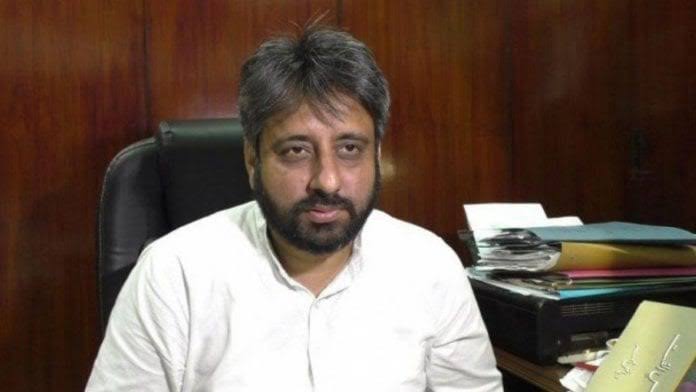
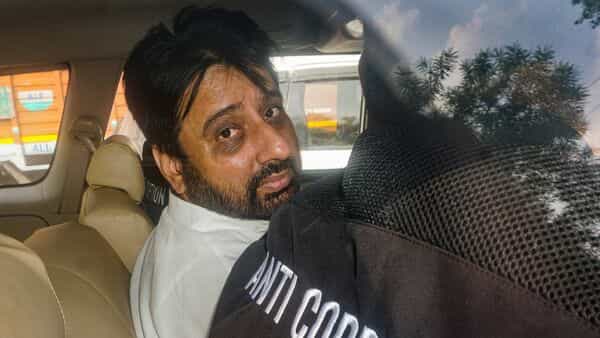
A special court in Delhi on Saturday sent AAP MLA Amanatullah Khan to four days in custody of the Anti-Corruption Branch (ACB) in connection with the Delhi Waqf Board corruption case. The development came after ACB’s disclosure in court that Khan received Rs 4 crore in ill-gotten money.

The ACB moved a 14-day police custody remand before Special Judge Vikas Dhull, submitting that the agency needs Khan’s custody to question him thoroughly and ”confront” him on how he received the money.

The agency had recovered a dairy which allegedly listed many monetary transactions. Relying on the content of the diary, the agency stated that Khan had received the ill-gotten money. It pointed out the entry that said Khan had received Rs 4 crores in cash. The application then further added that the transactions were also recorded in Bihar, Gujarat, Telangana and Uttrakhand.

The agency also contended that the ACB was manhandled when they were undertaking a raid in connection with the case, and also played a video in court to support their arguments that Khan, if released from custody, would be a threat to law enforcement officers and witnesses in this case.

The Delhi Anti-Corruption Branch on Friday arrested AAP MLA Amanatullah Khan in connection with the Delhi Waqf Board corruption case after recovering incriminating material and evidence against him during the raids conducted earlier yesterday.

On Friday, Anti-Corruption Branch raided multiple locations, including the home of Aam Aadmi Party (AAP) MLA Amanatullah Khan. During the raid by the ACB, an unlicensed Beretta pistol was recovered from Hamid Ali Khan, the alleged close aide of Khan. During the raids, officials also recovered Rs 24 lakhs.

Punjab: Two Sikh groups fight over the post of presidency in a Gurudwara in Faridkot, caught on video

0

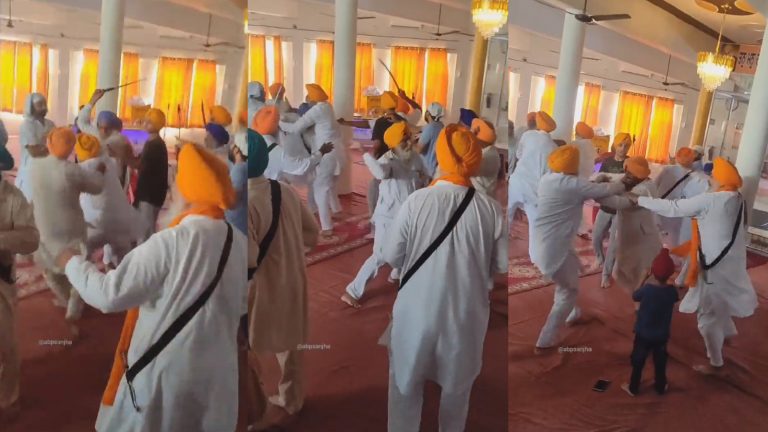
Violence erupted in a Gurudwara in Faridkot, Punjab, after two groups clashed with each other for the post of the presidency of the management of Gurudwara. Reportedly, the fight broke out in the German colony’s Gurudwara Sahib in Faridkot. Both sides engaged in a fight and attacked each other with swords.

Sikhs made up both sides of the conflict, and they all engaged in violent combat, snatching each other’s turbans and even pulling decorative swords. While several ladies and children were present in the Gurudwara, both sides were abusing one another. A visitor woman has been reportedly injured in the incident.

According to sources, a heated argument evolved into a brawl during talks for the election of the head, when there was a conflict between the existing Gurdwara Sahib committee and the members of the prior committee. According to police, an FIR has been filed in the case against nine persons, and three have been apprehended thus far.

West Bengal: Crude bomb rocks an Urdu medium school in Titagarh, probe ordered

0

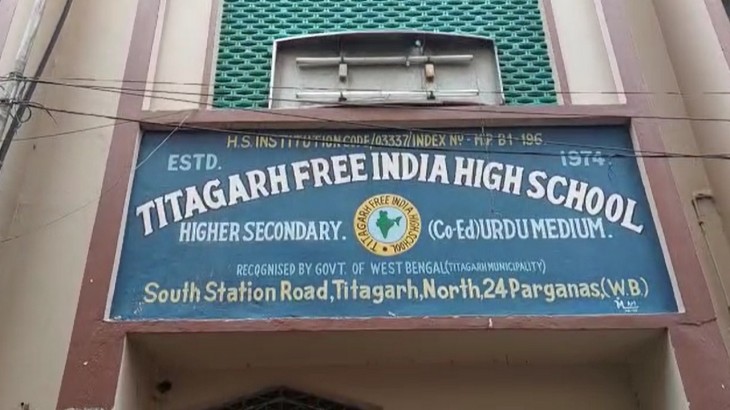
On Saturday, a bomb exploded during a session at an Urdu medium school in Titagarh, West Bengal’s North 24 Parganas district. The incident occurred on Saturday, September 17, 2022, at about 11 a.m. at Free India High School. The crude bomb exploded on the terrace of the school when the classes were going on. The explosion triggered panic among students and teachers.

According to reports, The explosion blew a section of the school’s roof off. The police were promptly informed. Titagarh police arrived on the scene and retrieved dispersed debris from the blast.

Aashish Mourya, DC, Central Zone Barrackpore, stated that no one is injured in the incident and an investigation has been initiated.

“There was a bomb blast. Nobody was hurt. The probe is underway. CCTV footage will be examined, and residents will be questioned. If necessary, forensic teams would be called,” Aashish Mourya added.

“When I walked to the school, I noticed a bomb exploded on the stairs,” claimed Zaleel Akhtar, vice-president of Titagarh Municipality. The bomb appears to have been thrown from an adjacent structure,” he added.

School teacher Khalid Tayyab said, “The blast was very loud. We were in the staff room at the time. We initially assumed that a bomb had exploded outside, and we noticed smoke coming out of the school. Then we got to the terrace and saw that the debris was all over the place. A serious accident may have occurred if the explosion occurred during the lunch break.

Such instances have occurred in Titagarh before, but this is the first instance of a bomb explosion in a school.

Lakhimpur Kheri: 18-year-old girl dies after Salim and Asif barge into her house, attack her after failing to rape

0

A shocking incident has come to the fore in the Lakhimpur Kheri district of Uttar Pradesh where two men allegedly barged into the house of an 18-year-old girl and attempted to rape her before attacking her with a sharp instrument and gravely injuring her. The girl died 4 days later while undergoing treatment in a hospital.

The matter pertains to the Musepur village of Bhira Kotwali area of ​​Lakhimpur Kheri. The victim’s family allege that on September 12, while their 18-year-old daughter was alone at home, Salimuddin alias Salim and Asif, two local men, entered the house and attempted to rape her. However, the girl resisted the rape attempt. Failing in their attempt, they attacked the girl with a sharp object and fled the scene.

The mother stated that immediately after the incident, she went to the police station and filed a complaint. According to the complaint, the accused attempted to rape and molest her daughter. However, the police simply filed an FIR under minor provisions, with no mention of rape or assault. According to reports, the culprits were arrested by the police but they were sent to jail under section 151 of the IPC, which relates to the minor offence of knowingly joining or continuing in an assembly of five or more persons after it has been commanded to disperse.

After the girl died on September 16, her family members brought her corpse home from the hospital. When the police came to know about her death, they rushed to her home to retrieve her body for a post-mortem examination. However, the family refused to hand up the body. The SHO of the local police station, including the ADM and Additional SP, spent a long time clarifying everything to the victim’s family before they handed over the body. The body of the girl was sent to the district headquarters in Lakhimpur Kheri for a post-mortem examination by police.

Following the incident, police forces have been deployed in the area. Top police officials have also arrived in the area to ensure that situation does not worsen. In relation to the entire incident, SP Sanjeev Suman stated that there was a fight on September 12th. “The family members filed the complaint. The girl has now died. The charges in the case are being strengthened. The entire incident will be investigated,” he stated.

Rape and murder of two Dalit girls in Lakhimpur Kheri

The brutal rape and murder of the two Dalit minor girls, aged 15 and 17, by six men this week sent tremors through the state. The crime took place on Wednesday when two suspects called Sohail and Junaid brutally raped the two Dalit girls after dragging them to a sugarcane field.

Later, the girls were killed and hung by their dupattas from a tree. According to reports, other suspects assisted the pair in hanging the girls from the tree and erasing the evidence. Six people were detained by the Uttar Pradesh Police in connection with the case namely Junaid, Sohail, Arif, Hafiz, Karimuddin, and Chhotu (Gautam).

Anti-Corruption Branch’s ACP attacked by AAP MLA Amanatullah Khan’s supporters during raids over Delhi Waqf Board scam

0

Delhi Police has registered three separate FIRs against the supporters of AAP MLA Amanatullah Khan for attacking an ACP of the ACB, and for possessing illegal weapons and live cartridges. Two FIRs have been registered against his aides Hamid Ali & Kausar Imam Siddique, and a 3rd for obstructing the raid party of ACB in the discharge of government work.

ACB informed the Rouse Avenue Court during the hearing on the matter that their ACP was attacked by Amanatullah Khan’s relatives and supporters at the time of the raid.

The court was also shown photographic and video evidence of the attack. An FIR related to this incident has been lodged at Jamia Nagar Police Station in Delhi. AAP MLA’s lawyer Rahul Mehra argued that Amanatullah Khan was not present there at the time of the attack so he is not responsible for it.

In the video, Amanatullah’s supporters can be clearly seen manhandling and intimidating the ACB official who had gone there to conduct the raid.

On Friday, the Anti Corruption Branch arrested AAP MLA Amanatullah Khan in connection with the Delhi Waqf Board corruption case after recovering incriminating material and evidence against him during the raids conducted earlier in the day.

Anti-Corruption Branch raided multiple locations, including the home of Amanatullah Khan. During the raid by the ACB, an unlicensed Beretta pistol was recovered from Hamid Ali Khan, the alleged close aide of Khan. During the raids, officials also recovered Rs 12 lakh. The raids on Khan are related to unauthorized appointments to the Waqf Board and misuse of Waqf properties for personal gains.

Amanatullah’s business partner Hamid Ali was also arrested by South East Delhi Police under Arms Act. A pistol, some bullets & Rs 12 Lakhs cash were recovered from Hamid Ali’s residence.

Facebook spied on private messages of conservatives who questioned the 2020 elections and reported them to the FBI

More evidence of Facebook colliding with the Biden administration to target political opposition has emerged. In the latest expose, it has been learned that Facebook spied on its conservative American users and reported those to the FBI who had expressed doubt about the controversial 2020 presidential elections.

According to sources in the Department of Justice, Facebook spied on private messages sent using its messenger service, and red-flagged those containing messages against the Biden administration, or those that questioned the election. Facebook continued with the illegal spying for the past 19 months, and then transmitted them to the domestic terrorism operational unit at FBI headquarters in Washington, DC, in a redacted form.

Facebook intercepted the private messages and sent them to the FBI without any subpoena, which is required in such interventions. “It was done outside the legal process and without probable cause,” a source in the department told the media. The source further said, “Facebook provides the FBI with private conversations which are protected by the First Amendment without any subpoena.”

These illegally obtained messages were used by the FBI as ‘leads’ to obtain subpoenas from the judicial offices for further probe against the targeted people, which included requests to officially obtain private conversions from Facebook. As soon as the subpoena was requested, Facebook sent back gigabytes of data and photos. It was ready to go as Facebook had already collected all the data. They were just waiting for that legal process so they could send it, the source in the justice department said.

But the FBI found nothing criminal against the targeted people in the subsequent investigation, and the entire operation that lasted 19 months was a waste of time. “They were gun-toting, red-blooded Americans angry after the election and shooting off their mouths and talking about staging protests. There was nothing criminal, nothing about violence or massacring or assassinating anyone,” the source said.

Reportedly the Facebook users who were targeted in this illegal operation by Facebook and the FBI were all conservative right-wing individuals. “They were looking for conservative right-wing individuals. None were Antifa types,” the source said.

According to the source, the initial messages sent to the FBI from Facebook were redacted containing only the most egregious comments. But when the complete messages were revealed after obtaining the subpoenas, it was found that those comments were taken out of context and they didn’t threaten any violence. The targeted Facebook users had photos of themselves shooting guns, which is not a crime in the USA itself, and had complained about the 2020 elections.

Meta spokesperson Erica Sackin said that the claims against the company are wrong, but did admit that Facebook had collaborated with the FBI. She said that Facebook’s interactions with the FBI were designed to “protect people from harm.” In an earlier statement, she had called the allegations ‘false’, but later issued a second statement calling them ‘wrong’. She said that there is zero evidence to support that Facebook spied on private messages and flagged those who made anti-govt comments or questioned the 2020 election.

On the other hand, the FBI neither confirmed nor denied the allegations. Responding to questions on the issue, the FBI chose to focus on “foreign malign influence actors”, and acknowledged that it maintains close relationship with social media platforms for ‘quick exchange of threat information’.

Facebook had given private messages of a teen about alleged abortion to police

Last month, Facebook handed over private messages of a teenage girl in Nebraska to the police which helped the police to book the girl and her mother for an illegal abortion of the girl. The maximum limit for abortion is 20 weeks, and allegedly the 17-year-old girl had discussed the abortion of her 23-week-old pregnancy with her mother over Facebook. Based on the messages handed over by Facebook to the police, the girl and her mother were booked under anti-abortion laws.

Facebook helping police to prosecute a girl for ‘illegal’ abortion is ironic, because the Left-liberal social media platform has been a vocal supporter of abortion rights, and is critical of the Supreme Court for overturning the Roe v. Wade that had given the right to abortion to women. Meta even has said that it will reimburse the cost of its employees who travel to other states for health care and reproductive services, which includes abortion.

Facebook is able to access private messages on its platform because end-to-end encryption is an optional feature. Users can opt for end-to-end encryption, but as most people are not aware of it, they don’t enable it. After the huge backlash Facebook faced after the Nebraska girl incident, the company said that it is testing end-to-end encryption as the default setting in Messenger chats.

OpIndia Impact: Security enhanced in border areas, Madrasas examined; authorities back in action after exclusive ground reportage on UP-Nepal border

OpIndia has published a series of several ground reports on the growing Muslim population on the Nepal-India border and the difficulties that arise as a result. The rapid Islamisation of these districts concerns not just national security but also has ramifications on the lives of Hindus living there. Many of these complaints have since been taken seriously by the government and administration, and action has been ordered.

The intent behind madrasas in Shravasti to be examined

On September 6, 2022, Opindia reported increased Islamic activity in the Shravasti district of UP. We not only highlighted the rising Mazars and dargahs around Buddhist and Jain temples in the report, but we also included information on Mazars and madrasas in other parts of the Shravasti district.

According to recent media reports, the Shravasti district administration has now decided to investigate the ‘motive’ behind the madrasas established in the district. The District Minorities Officer has made this notification. The SDM, BSA, and the District Minority Officer are also part of the team formed to survey these madrasas.

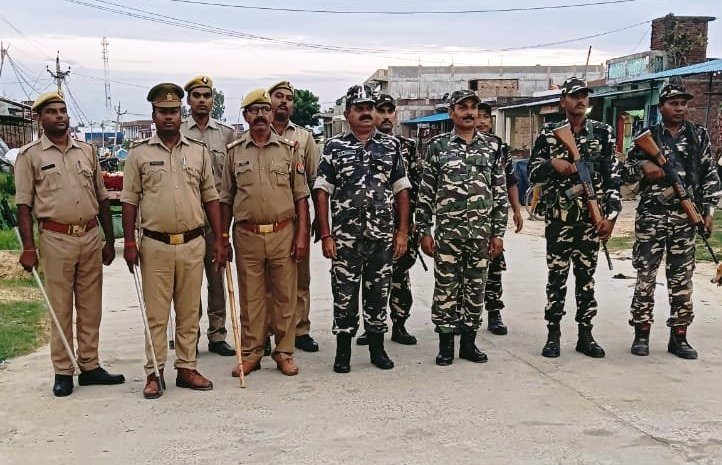
Separate reports were published on September 8 and September 10, 2022, in the Shravasti district, detailing the increasing Mazars, dargahs, and developments taking place in the district. Following the publication of these reports, the Shravasti Police visited the areas bordering Indo-Nepal on September 16, 2022. The police have described it as a patrol conducted in the interest of law and order.

Investigation of Madrasas on the Sonauli border

A team examining madrasas arrived at Madrasa Arabiya Ahle Sunnat Misbahul Uloom of hamlet Sukrauli near Sonauli region of Maharajganj district on the Indo-Nepal border, according to media sources. They examined the educational quality, discovering that several subjects were not taught and the youngsters studying were performing below the average level.

Increase in Police patrolling along the entire Nepal border including the Jarwa border

OpIndia’s report number 10 from September 12, 2022, highlighted the Jarawa border with Nepal in the Balrampur area. The mosques, Mazars, and madrasas of several locations encountered along the route from Balrampur to Jarwa were documented in this report.

On September 13, 2022, the day after our report was released, the Balrampur Police and the Paramilitary SSB patrolled the Jarwa border together. This information was posted by Balrampur Police through their official Twitter handle.

In addition, OpIndia published other reports on various days on Islamic activities in the Balrampur district. Following the publishing of these reports, the Balrampur Police and the Sashastra Seema Bal (SSB) had a special meeting to discuss the issue of vigilance near the Nepal border on September 14, 2022.

Protection to Hindu priest battling illegal occupants

The seventh report in the series was published on September 9, 2022. Along with the illegal occupation of Hindu temples, the protection of Mahant Mahendra Das Ji Maharaj of Hanuman Garhi was discussed in this report. Taking note of this news, Balrampur Police stated that any court order will be obeyed in the region. In addition, the police confirmed that if any deserving person requests security, it will be provided.

Increased Police vigil on Siddharthnagar Border

OpIndia reported in a news initially published in Hindi on 5 September 2022 that various criminals and smugglers had been apprehended on the Siddharthnagar-Nepal border from time to time. This analysis also revealed which sorts of smugglers are attempting to capitalise on the slightest possibility.

According to the most recent information, Siddharthnagar Police, in collaboration with the SSB, has boosted vigilance near the Nepal border. Under ‘Operation Kavach,’ Siddharthnagar Police, in coordination with the SSB, is keeping surveillance on the borders.

Not just in these districts, but also in districts bordering Nepal, such as Pilibhit, Lakhimpur, and Maharajganj, the police have boosted patrols and watch on the borders.

Other media agencies on ground in the area

OpIndia released the first news in the series on September 3, 2022, with the hashtag #NepalUPBorderIslamisation. Following the broadcast of this news, numerous other media organisations began publishing news about the Nepal frontier. Some media outlets have also dispatched correspondents, who are now providing ground updates from the site.

The first report in this series can be read here in Hindi: कभी था हिंदू बहुल गाँव, अब स्वस्तिक चिह्न वाले घर पर 786 का निशान: भारत के उस पार भी डेमोग्राफी चेंज, नेपाल में घुसते ही मस्जिद, मदरसा और इस्लाम – OpIndia Ground Report

The same report can be read here in English: Demographic change hits other side of the border too, Mosques and Madarasas mushroom in former Hindu dominated areas in Nepal: Ground report

The second report in this series can be read here in Hindi:  घरों पर चाँद-तारे वाले हरे झंडे, मस्जिद-मदरसे, कारोबार में भी दखल: मुस्लिम आबादी बढ़ने के साथ ही नेपाल में कपिलवस्तु के ‘कृष्णा नगर’ पर गाढ़ा हुआ इस्लामी रंग – OpIndia Ground Report

The same report can be read here in English: Islamic flags flying atop houses and mosques, madarsas influencing businesses: The creeping Islamisation of Nepal’s Krishnanagar

The third report in this series can be read here in Hindi:  नेपाल में लव जिहाद: बढ़ती मुस्लिम आबादी और नेपाली लड़कियों से निकाह के खेल में ‘दिल्ली कनेक्शन’, तस्कर-गिरोह भारतीय सीमा पर खतरा – OpIndia Ground Report

The same report can be read here in English: Rising cases of love jihad in Nepal and its Delhi connection, smuggling plaguing India’s border with Nepal: Ground report

The fourth report in this series can be read here in Hindi: बौद्ध आस्था के केंद्र हों या तालाब… हर जगह मजार: श्रावस्ती में घरों की छत पर लहरा रहे इस्लामी झंडे, OpIndia Ground Report

The same report can be read here in English: Steady rise in mazars and madarsas adjoining Buddhist places of worship in UP’s Shravasti near Indo-Nepal border: Ground report

The fifth report in this series can be read here in Hindi: महाराणा प्रताप के साथ लड़ी थारू जनजाति बहुल गाँव में 3 मस्जिद, 1 मदरसा: भारत-नेपाल सीमा पर बढ़ती मुस्लिम आबादी का ये है ‘पैटर्न’ – OpIndia Ground Report

The same report can be read here in English: Rising number of mosques, madarsa along Indo-Nepal border: Ground report on Islamisation of village of Tharu tribe that fought along Maharana Pratap

The sixth report in this series can be read here in Hindi: बौद्ध-जैन मंदिरों के बीच दरगाह बनाई, जिस मजार को पुलिस ने किया ध्वस्त… वो फिर चकमकाई: नेपाल सीमा पर बढ़ती मुस्लिम आबादी – OpIndia Ground Report

The same report can be read here in English: Dargah and mazar built around Buddhist and Jain temple premises, illegal mazar once demolished surfaces again: UP’s Shravasti near Nepal border

The seventh report in this series can be read here in Hindi: हनुमान गढ़ी की जमीन पर कब्जा, झारखंडी मंदिर सरोवर में ताजिया: नेपाल सीमा पर बढ़ती मुस्लिम आबादी, असर UP के बलरामपुर में – OpIndia Ground Report

The same report can be read here in English: Muslim encroachment of temple land, Karbala built in temple compound, and more: Ground report on Islamisation underway along the UP-Nepal border

The eight report in this series can he read here in Hindi: पुरातत्व विभाग से संरक्षित जो जगह, वहाँ वक्फ की दरगाह-मजार: नेपाल सीमा पर बढ़ती मुस्लिम आबादी, मुसीबत में बौद्ध धर्मस्थल – OpIndia Ground Report

The same can be read here in English: Mazars built at places protected by Archaeological Department along India-Nepal border, Buddhist shrines in trouble- OpIndia Ground Report

The ninth report in this series can he read here in Hindi: 2 मीनारों वाली मस्जिदें लोकल, 1 मीनार वाली अरबी पैसे से… लगभग हर गाँव में मदरसे: नेपाल बॉर्डर के मौलाना ने बताया इसमें कमीशन का खेल – OpIndia Ground Report

The same can be read in English here: Mosque with two minarets funded locally, another one funded by Saudi Arabia, Maulana at Nepal border speaks about construction mafia, foreign fundings and more

The tenth report in this series can he read here in Hindi: SSB बेस कैंप हो या सड़क, गाँव हो या खेत-सुनसान… हर जगह मस्जिद-मदरसे-मजार: UP के बलरामपुर से नेपाल के जरवा बॉर्डर तक OpIndia Ground Report

The same can be read in English here: From SSB base camp to deserted fields, Madarsas and Mazars cropping up everywhere between UP’s Balrampur and Jarwa border in Nepal: Ground Report

The eleventh report in this series can be read here in Hindi: हिंदू बच्चों का खतना, मंदिर में शादी के बाद लव जिहाद और आबादी असंतुलन के साथ बढ़ते पॉक्सो मामले: नेपाल बॉर्डर पर बलरामपुर जिले में OpIndia Ground Report

The same can be read here in English: Circumcision of Hindu children, love jihad, increased POCSO cases and more: Ground report from UP’s Balrampur district along Indo-Nepal border

The twelfth report in this series can be read here in Hindi: गाँवों में अरबी-उर्दू लिखे हुए नल, UAE के नाम की मुहर: ज्यादा दाम देकर जमीनें खरीद रहे नेपाली मुस्लिम – OpIndia Ground Report

The same can be read here in English: Muslims buying Hindu land at higher price, building ‘Saudi-style’ mosques, installations with details inscribed in Urdu and Arabic- Ground report from UP-Nepal border areas

The thirteenth report in this series can be read here in Hindi: नए बने ओवरब्रिज के नीचे मज़ार-कर्बला, सड़क किनारे मस्जिद-मदरसे-दरगाह: नेपाल के बढ़नी बॉर्डर हाइवे पर ‘हरा रंग’ हावी – OpIndia Ground Report

The fourteenth report in this series can be read here in Hindi: ‘4 और 14 वाली नीति से एकतरफा बढ़ रही आबादी… उस गाँव में मस्जिद बनाने की कोशिश, जहाँ नहीं एक भी मुस्लिम’ : UP-नेपाल बॉर्डर से OpIndia Ground Report