Home Blog Page 4492

Ajmer: Catholic Priest attacks a senior Bishop over sexual harassment charges, suspended from duties

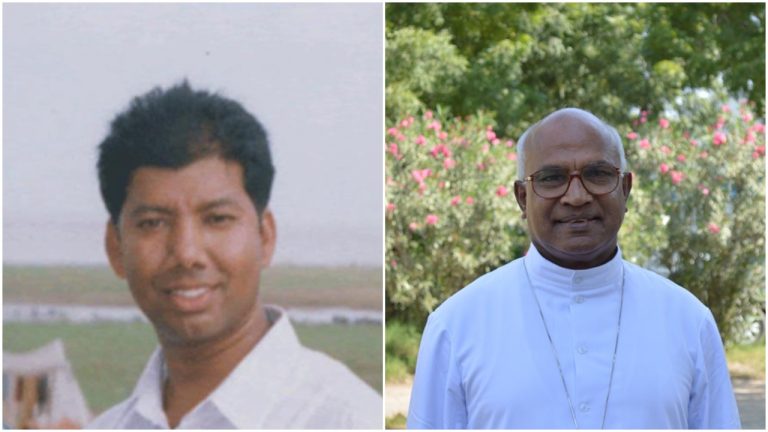
A Catholic priest, who is currently facing grave allegations of sexual abuse, has physically attacked an elderly bishop in Ajmer, Rajasthan.

According to a report by the news website Matter, a Catholic priest identified as Father Varghese Palappallil was suspended from his priestly duties after he physically attacked Bishop Pius Thomas D’Souza over a complaint of sexual harassment against him.

As per Bishop D’Souza, Father Varghese, a native of Kottayam and a diocesan priest with the Catholic Diocese of Ajmer, confronted him on March 7 when he was having his lunch.

“Since he is a priest of the diocese, I waited, and he came and sat close to me,” narrated the bishop, adding, “Without losing time, the priest began to argue about his case on a sexual allegation from a married woman. I explained to him that I have nothing to do with the case as it is pending in Rome, being dealt with according to the procedure of Canon Law, and I am not against him”.

The Bishop further alleged that Father Varghese began physically attacking him. The priest allegedly punched the Bishop near the eyes, which caused his spectacles to fall. As he bent to pick them up, Father Varghese allegedly hit him with another “blow” on his neck.

“With unbearable pain, I kept sitting on my chair. Father Varghese was forcing me to give him an appointment immediately,” Bishop D’Souza recounted, adding that he tried to calm down the priest and advised him to wait until the sexual harassment case against him is over.

However, Father Varghese again attacked the Bishop in the chest and raised a chair in an attempt to harm him further when another priest intervened. “He attacked me as if he had pre-planned it,” the Bishop alleged.

Father Varghese suspended for attacking Bishop

Following the attack, Father Varghese has been suspended from his duties till the charges are cleared. In a letter to Father Varghese Palappallil, Bishop Pius Thomas D’Souza of Ajmer cited the second section of Canon law 1370 to state his priest assaulter that his action has incurred “Latae Sententiae Interdict and suspension” from all priestly duties and priestly ministry.

The Catholic Church enforces a “latae sententiae penalty” automatically on those attacking its authorities such as a bishop.

The letter has been sent to all bishops in India, major superiors of religious congregations working in the northern Indian diocese, deans in the diocese, bishops of the Agra region and Father Martin Anto, parish priest of the diocese’s Vallabhnagar church.

The suspension includes staying on all priestly duties and priestly ministry, the celebration of Eucharist, sacraments and sacramentals, along with receiving sacramentals in the Church, from the moment the assault happened. The instances of the Church invoking ‘Latae Sententiae’ against a priest are rare.

Interestingly, Father Varghese, who has charges of sexual harassment levelled against him by a woman who belonged to the Catholic diocese of Ajmer, faced no disciplinary action. However, he was immediately suspended after he was accused of assaulting a senior Bishop.

Father Cosmos Shekawath, the Vicar General of the Ajmer diocese, said that the diocese has so far not initiated any action against Father Varghese in the sexual harassment case, as “the internal inquiry into the allegations raised by a lady who is currently residing in the UK is ongoing.” 
Over 4.76 lakh cattle seized by BSF along international border with Bangladesh in last five years

0

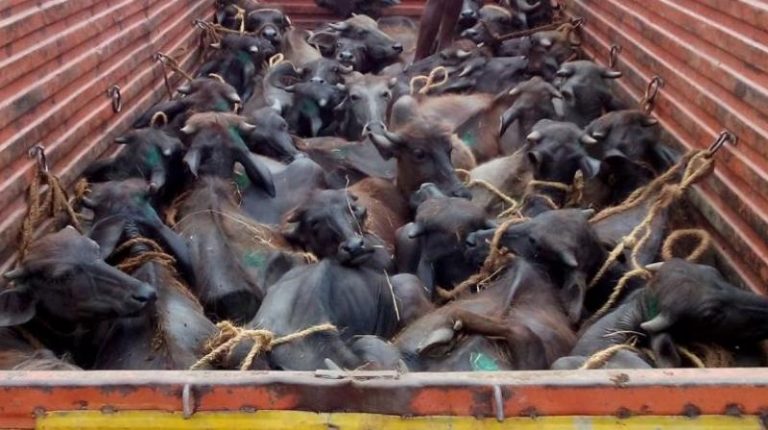
Union Minister of State for Home Nityanand Rai said on Wednesday that over 4.76 lakh cattle meant to be smuggled to Bangladesh were seized by the Border Security Forces (BSF) along the Indo-Bangladesh border.

According to reports, 1,68,801 cattle were seized along the border in 2016, 1,19,299 in 2017, 63,716 in 2018, 77,410 in 2019 and 46,809 in 2020. The figures show a steep decline from nearly 1.7 lakh in 2016 to barely 47,000 in 2020.

Nityanand Rai said that the BSF had taken effective measures to curb cattle smuggling along the border including round-the-clock patrolling, laying nakas, establishing observation posts and strengthening the existing defences of Border Outposts.

Cattle smuggling remains a concern along the international border with Bangladesh and steps have been taken to curb the menace in recent years. Recently, three BSF personnel were dismissed for their involvement in cattle smuggling.

According to reports, Special Director General of BSF Pankaj Kumar Singh informed that apart from the three dismissed BSF personnel, about a dozen other personnel have been transferred since September last year in connection with the trans-border cattle smuggling case.

Nityanand Rai said that whenever the involvement of BSF personnel in the smuggling comes to light, appropriate disciplinary action is taken following investigation by the forces.

Even before Waseem Rizvi petitioned for removing 26 verses from Quran, a petition to ban the Quran altogether was filed 36 years ago: Read Details

Syed Waseem Rizvi, the ex-chairman of the UP Shia Central Waqf Board, has recently stirred the hornet’s nest by filing a petition in the Supreme Court seeking the removal of 26 verses from the Quran. In his petition, Rizvi has argued that the Quran contains “some verses that are used to promote terrorism, violence, jihad.” This had led to a series of threats, with a Muslim cleric even offering a bounty of ₹20,000 for anyone who brings Rizvi’s head.

While such a petition might seem unusual today, it was 36 years ago when advocate Chandmal Chopra and one Sital Singh moved the Calcutta High Court seeking a ban on the Quran altogether. An application was filed on March 29, 1985, under Article 226 (power of the High Court to issue some writs) of the Indian Constitution, asking the Calcutta High Court to direct the government to ‘forfeit’ every copy of the ‘Holy book’.

The petition argued that every copy of the Quran is ‘liable to be forfeited’ under Code of Criminal Procedure (CrPC) Section 95 (Power to declare certain publications forfeited) when read with Indian Penal Code (IPC) Sections 153A (Promoting enmity between different groups on grounds of religion) and 295A (Deliberate and malicious acts, intended to outrage reli­gious feelings). The petition had argued that Muslims have been exploiting the laws so far to ban books critical of Islam. He added, “so far it had been the privilege of the Peoples of the Book to ban and burn the sacred literature of the Pagans.”

Calcutta High Court entertained the petition

Chandmal Chopra and Sital Singh cited direct verses from the Quran, calling for violence against the ‘infidels’. “When the sacred months are over, slay the idol-worshippers, wherever you find them. Arrest them, besiege them and lie in ambush everywhere for them,” they quoted one verse from the ‘Holy book’. Another verse, cited by them, read, “Believers! make war on the infidels who dwell around you. Let them find harshness in you’. The matter initially came up before Justice Khastgir J of the Calcutta High Court.

Far from dismissing the application, as one would expect today, the learned Judge had entertained the application. She also issued notice to the contending parties. “Everything seems insane and absurd. No mortal on earth can challenge the holy scripture and no court in the world has any authority over it,” senior advocate had Alhaj C.F. Ali remarked. Soon, over 70 advocates passed an ‘official resolution’ urging other lawyers to boycott the court of Justice Khastgir J.

Muslim groups opposed the historic petition

Radical Islamist organisations, such as Jamait-e-Islami and Kerala Muslim Association of Calcutta set up a ‘Quran Defence Committee‘ to strengthen the movement. However, they decided to not become a respondent in the case, for ‘fear’ of law and order turmoil (at the hands of common Muslims). The CPI(M)-ruled West Bengal government took a firm stand against the petition and its admission in the Calcutta High Court. In its affidavit, it said, “the court has no jurisdiction to pronounce a judgement on the Koran, the holy scripture of the Muslims the world over, each and every word of which, according to Islamic belief, is unalterable”.

Congress and CPI(M) up in arms

The government claimed that it was filed with malafide intent and that such a petition has never been filed in Indian history. The Congress-led-Union government also sided with the Left and opposed the plea. With mounting political pressure, Justice Khastgir dropped it from her list and sent it to the Court of Justice Satish Chandra. On the advice of state Advocate-General S.K. Acharyya, the matter was transferred to the Bench of Justice Bimal Chandra Basak, who dismissed the petition on May 17, 1985.

Review petition and the arguments

Advocate Chandmal Chopra noted several ‘errors’ in the Court’s verdict and thus filed another application on June 18 of that year, seeking a review of the judgement. Justice Basak, in his earlier judgement, had noted that the Quran had divine origin and had no earthly source. He had also proclaimed that the Court cannot entertain matters related to the ‘Holy book’ and that it did not insult other religions.

Chopra, in his review petition, had argued that the observations made by the Judge are against the basic tenets of secularism and therefore unconstitutional. He had also pointed out that the verdict claimed that Quran did not insult other religions, despite the verses quoted in the writ petition (calling for violence against infidels) suggested otherwise.

In his review petition, he said, “A book, even if it be a book held sacred by any community living in India, loses the protection of Sec 295 of the Indian Penal Code if its publication amounts to offences under Section 295-A of the Indian Penal Code and should have been held accordingly.” However, Justice Bimal Chandra Basak again dismissed the petition on June 21, 1985, highlighting the time-barred nature of the petition and without going into the merits of the case.

The publication of Calcutta Quran Petition book and aftermath

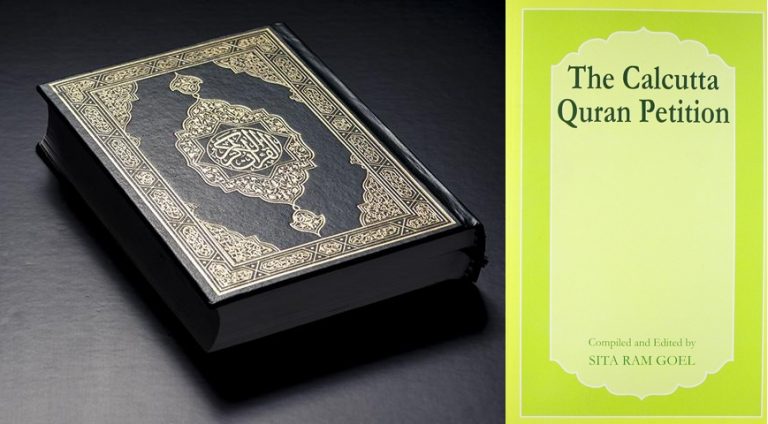
Following the dismissal of the petition, historian Sita Ram Goel along with Chandraal Chopra published the book named ‘The Calcutta Quran petition’ in 1986. The book highlights the saga of Muslim appeasement and the vote-bank politics of pseudo secularism. After the book was published, Hindu Raksha Dal President Indra Sain Sharma and Secretary Rajkumar Arya were arrested. They had published 24 Ayats of the Quran under the caption, ‘Why riots take place in the country?’

They had argued, “These Ayats command the believers (Musalmans) to fight against followers of other faiths’ and that ‘so long as the Ayats are not removed from the Quran, riots in the country cannot be prevented.” However, they were soon released on the orders of the Metropolitan Magistrate of Delhi Justice Z S Lohat. While Waseem Rizvi faces threats to his life for citing ‘violent verses in the Quran’, it was the heroics of Chandmal Chopra that set the precedent.

Sachin Vaze sent to NIA custody till 25th March

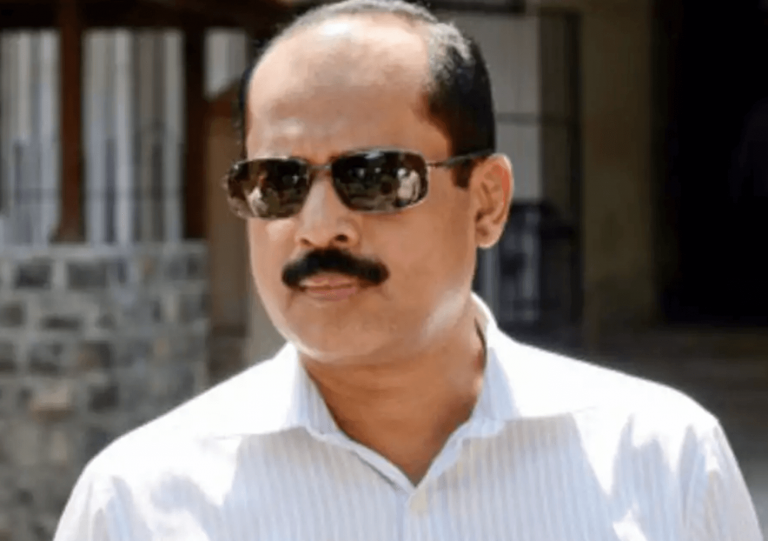
Mumbai top cop Sachin Vaze has been sent to the National Investigation Agency (NIA) custody till 25th March. Vaze is currently under investigation in the Antilia bomb case where explosive-laden car was found parked outside Reliance Group’s Mukesh Ambani residence. He was arrested by the NIA after hours of interrogation on Saturday night. A Thane court had dismissed his interim bail plea stating that custodial interrogation is necessary.

Vaze has admitted that he was involved in the Antilla Bomb Scare case, ABP News has reported. The report says that sources have claimed that Sachin Vaze was a very small part of the plan and the Shiv Sena leaders he named played a bigger role.

Earlier today, a white Innova, which was found tailing the explosive-laden Scorpio was recovered from Mumbai Police commissionerate office. The Scorpio car owner, Mansukh Hiren, was later found dead under mysterious circumstances. He was reportedly in touch with Vaze. Hiren’s wife has accused Vaze of murdering her husband.

While Sanjay Raut praises Sachin Vaze as ‘honest’ and ‘capable’, latter names Shiv Sena leaders in Antilia explosives case

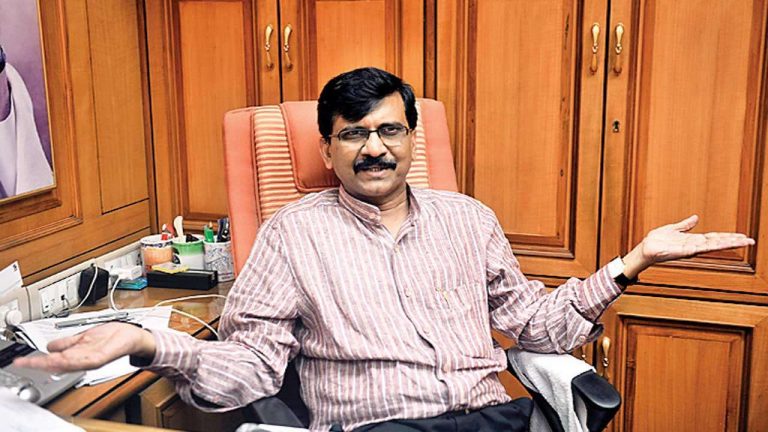
While Shiv Sena leader Sanjay Raut is busy hailing Mumbai Police, in particular, Sachin Vaze, the latter has reportedly named Shiv Sena leaders in the Antilia explosives case.

Earlier today, Raut claimed that Sachin Vaze is a very honest and capable officer. “He has been arrested in connection with gelatin sticks that were found. One suspicious death also occurred. It’s Mumbai Police’s responsibility to investigate the matter. No central team was needed,” he claimed.

Raut further claimed that while he respects the central agencies, Mumbai Police could have also got the job done. He also accused the central agencies of creating instability in the state and putting pressure on Mumbai Police and administration.

The statement comes at a time when Vaze, a former Shiv Sena leader himself, had allegedly named Shiv Sena leaders in the gelatin case. Vaze had reportedly said that he was just the ‘tip of the iceberg’ and policemen and Shiv Sena leaders had a bigger role.

Earlier today, it was reported that the white Innova car, which was found tailing the explosive-laden Scorpio which was found outside Mukesh Ambani’s residence, was recovered from Mumbai Police Commissionerate office. The car, which belongs to the Mumbai Police, was being used by Vaze himself. Further, it was revealed that the numberplate of Innova did not have any official records. Which means, it is quite likely the numberplate was fake.

Vaze was arrested by the NIA on Saturday night.

West Bengal: BJP fields Union Minister Babul Supriyo from Tollygunge, likely to contest against Mamata Banerjee

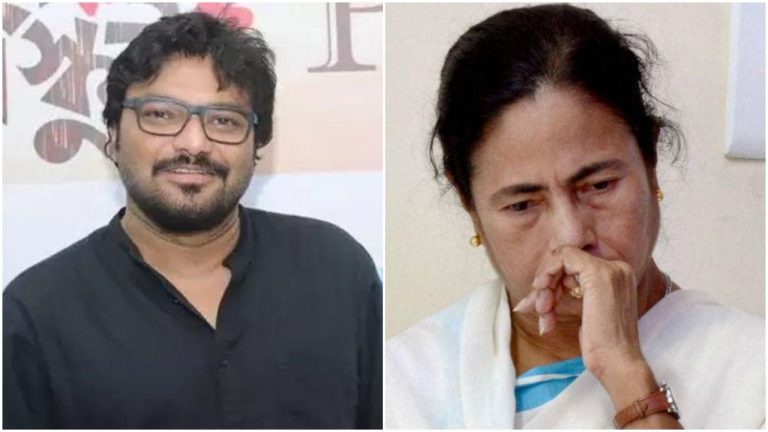
Minister of State for Environment, Forest and Climate Change Babul Supriyo is set to contest from the high-profile Tollygunge constituency in South Kolkata in the upcoming West Bengal assembly polls.

According to the reports, Babul Supriyo, currently a Member of Lok Sabha from the Asansol Lok Sabha constituency, will be contesting from the Tollygunge constituency. It was earlier reported that West Bengal Chief Minister Mamata Banerjee might also contest from Tollygunge, in addition to the Nandigram constituency.

There were reports that Mamata Banerjee is likely to contest from a second seat and may file her nomination from Tollygunge as well. Mamata Banerjee, who has already filed her nomination from Nandigram on Wednesday, is looking for a safe second seat as the party is not positive about her victory against Suvendu Adhikari in Nandigram.

Top TMC sources have confirmed to Sunday Guardian that Mamata Banerjee is considering to contest from Tollygunge after suffering an injury, making it tough for her to campaign aggressively in Nandigram. Interestingly, Mamata Banerjee, who announced the TMC candidates’ list for the first phase of the assembly elections on March 5, indicated that she could later consider contesting from a second seat – Tollygunge.

“Mamata Banerjee is currently injured. Her leg is bandaged, which will restrict her movement for some days. This will also restrict her campaigning in Nandigram. She does not want to take any chances, which is why Tollygunge is being considered as the second seat from where Didi is likely to contest,” a source from TMC said to Sunday Guardian.

With the BJP announcing that Babul Supriyo would contest from Tollygunge, it will be an interesting battle between the BJP and TMC, if at all Mamata Banerjee decided to contest from Tollygunge as well. Currently, the seat is held by TMC MLA Arup, Biswas, who has won three times from the constituency.

Swapan Das Gupta to contest from Tarakeshwar, Actor Yash Das Gupta gets BJP ticket

In addition to Supriyo, the BJP has fielded some interesting candidates for the West Bengal elections. Journalist-turned-politician Swapan Das Gupta, who is currently a nominated Rajya Sabha member, has been fielded from the Tarakeswar Assembly seat. BJP MP Nisith Pramanik has been fielded from the Dinhat constituency.

Meanwhile, Hooghly MP Locket Chatterjee will also fight the assembly elections from Chunchura. Bengal actor Yash Das Gupta. who had joined BJP recently, will contest from Chanditala. Yash Das Gupta is a very close friend of TMC MP and actor Nusrat Jahan. BJP has also fielded economist Ashok Lahiri from Alipirduar.

The Election Commission had announced that West Bengal will go to the polls in 8 phases. The elections to 294 assembly seats in the state will start from March 27 till April 29. The counting of votes will be held on May 2.

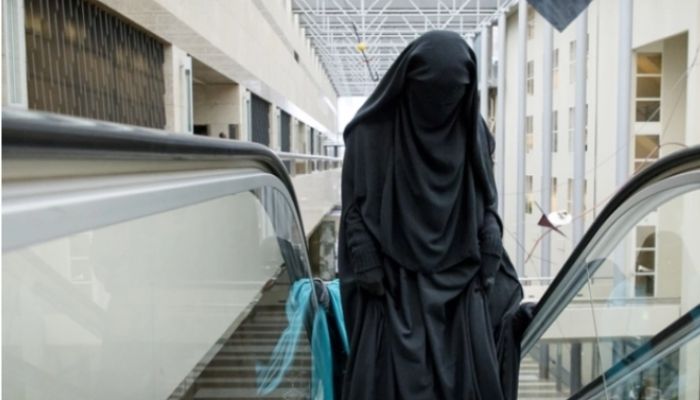
Sri Lanka announces ban on burqa, to shut down over 1000 Islamic schools in the country

In a major development on Friday (March 12), the government of Sri Lanka has decided to crack down on the wearing of the burqa and the functioning of unregistered Islamic schools (madrassas) in the country.

As per reports, Public Security Minister Sarath Weerasekara signed an order that sought Cabinet approval to ban Burqas. His signed order is now awaiting the approval of Parliament. On Saturday, Weerasekara emphasised, “The burqa has a direct impact on national security…In our early days, we had a lot of Muslim friends, but Muslim women and girls never wore the burqa. It is a sign of religious extremism that came about recently. We will definitely ban it.”

The move comes two years after the burqa was temporarily banned in the aftermath of the deadly bombings in 2 Roman Catholic churches, 1 Protestant church and 3 hotels in Sri Lanka, on the occasion of Easter. The terror attacks, executed by two Islamist outfits, claimed 260 innocent lives. Sri Lankan officials have informed that the ban on burqa, which is likely to be permanent this time, will be implemented soon.

Sri Lankan government to shut down unregistered Madrassa

He also informed that the Sri Lankan government will close down more than 1000 madrassas in the country that are operating without any valid registration and do not adhere to the national education policy. “Nobody can open a school and teach whatever you want to the children. It must be as per the government laid down education policy,” he added. The Public Security Minister emphasised that the unregistered Madrassas taught only Quran and Arabic language and that it was ‘bad for the students.

Muslim Council of Sri Lanka suggests that wearing face cover is a ‘right’

While speaking about the development, Muslim Council Vice-President Hilmi Ahmed said that if the government was facing issues to identify people due to their face cover, then, such individuals can remove face cover for identification. He further said that every individual has the right to wear a face cover. “That has to be seen from a rights point of view, and not just a religious point of view,” he added.

Ahmed also claimed that all Madrassas, with the exception of 5% schools, have registered with the government. Interestingly, he welcomed the decision of the government to crack down on such madrassas that do not adhere to the governmental rules. It must be mentioned that Muslims constitute 9% of the total population in the country.

Switzerland: People vote to ban burqa or niqab in public spaces

On March 7, during the referendum, 51% of the voters in Switzerland cast their vote favouring banning people from covering their faces completely in shops, restaurants and streets. However, full facial veils will be allowed inside places of worship and for ‘native customs’. 

The final results on Sunday showed that out of 26 cantons in the country, just six rejected the initiative. The turnaround was a little over 50% which is above average. Justice Minister Karin Keller-Sutter said that only a fraction of the Muslim women population wears such veils in Switzerland. The proposal was introduced by the right-wing Swiss People’s Party (SVP). They campaigned for the proposals with slogans like “Stop Extremism.”

White Innova belonging to Mumbai Crime Branch that tailed explosive-laden Scorpio appears to have fake number plate: Reports

In a fresh disclosure in the Antilia bomb scare case, the white Innova car that the NIA officials recovered from the Mumbai Police Commissionerate office on Saturday reportedly carried a fake number plate. The white Innova was suspected to be used, in addition to the Scorpio, to plant the bombs outside Mukesh Ambani’s residence in Mumbai on February 25. In CCTV footages, the Innova car was seeing following the Scorpio car, but after that day it had disappeared from the roads.

On Saturday, in a shocking development in the Antilia bomb scare case, the National Investigative Agency officials had recovered the white Innova car from the Mumbai Police Commissionerate office.

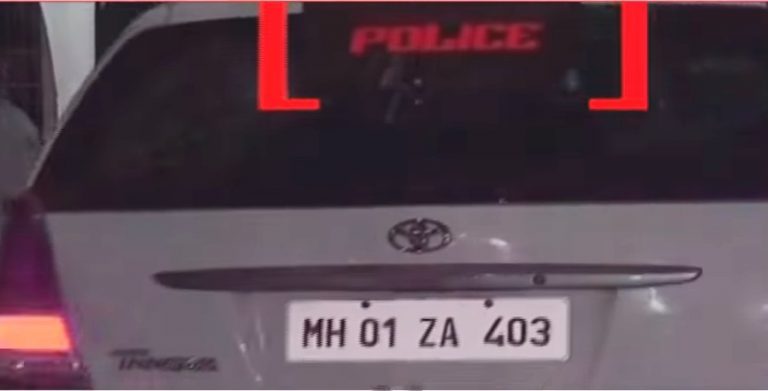
The NIA officials traced the white Innova to the Mumbai Police Commissioner’s Param Bir Singh’s office, where the suspicious car was parked. As they looked into it, they found that the white Innova suspected to be used along with the explosive-laden Scorpio car had “Police” written on its rear windshield. This means that the car was being used by Mumbai Police.

Reportedly, the Innova car was later brought to the NIA office on Saturday night. During the investigation, the NIA officials have found that the white Innova belonged to the CIU unit of the Mumbai Police and was used by Sachin Vaze. The NIA has accused Vaze of possessing explosives.

The Innova had carried an RTO’s registration number – ”MH 01 ZA 403”. According to a TV9 report, the number plate that was attached to the Innova car at the times of its seizure has found to be fake. A report by Times Now also says that number plate is fake, quoting NIA officials.

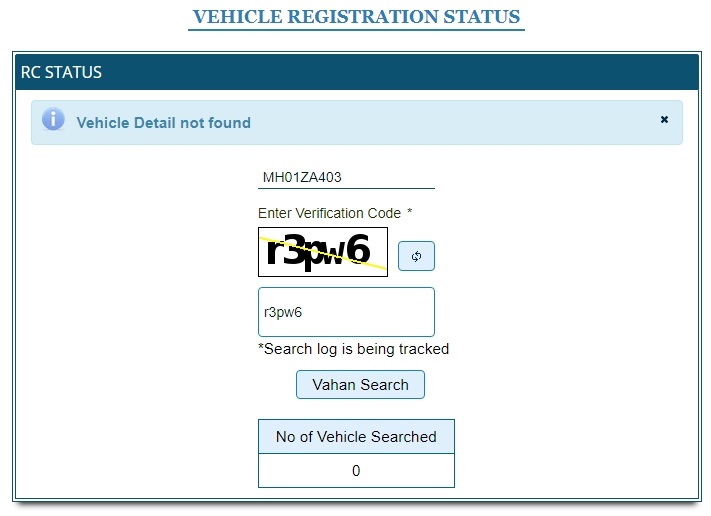
We try to search for the details of the registration number seen on the car on the national vehicle registration number enquiry portal of the Road Transport and Highway ministry, but we could not trace any information related to the car. The portal gave the message ‘Vehicle Detail not found’. The same message was displayed when searched for the number MH01ZA0403, adding 0 before the last 403. This means that the official records of the registered vehicles does not have any data related to this registration number.

Vahan portal has no record for the specific registration number plate that was attached to the white Innova.

It is also noteworthy that the images of the registration plate attached to the vehicle suggests that it is not a High Security Registration Plate (HSRP). It is on old plate which lacks the security features available with HRSP plates.

Though it is being reported that the car belonged to the Mumbai Police’s Crime Branch, it is not clear about its original registration number.

Scorpio also carried fake number plate, owner died mysteriously

Incidentally, the explosive-laden Scorpio found outside Reliance Group’s chief Mukesh Ambani’s residence had also carried a fake registration number. It was earlier reported that Mumbai top cop Sachin Vaze used the same Scorpio car to escort Alibagh Police in the Arnab case.

Two cars – an Innova (white colour) and a Scorpio (green colour) were allegedly used to plant the bombs outside Mukesh Ambani’s residence in Mumbai on February 25. The police had traced the Scorpio to Mansukh Hiren, an auto part dealer in Thane. However, a few days later, Hiren’s dead body was found in a creek. While initially it was claimed to be suicide, further investigation revealed that it is possibly a murder.

Following the shocking disclosure regarding Mumbai Police alleged links to white Innova car, several questions are being raised to the Mumbai Police chief Param Bir Singh. The NIA officials are expected to question several Mumbai police cops and Shiv Sena leaders in connection with the Antilia bomb scare case. It is reported that Vaze has disclosed some high-profile names in connection to the incident.

Govt of India pulls up Wall Street Journal for spreading fake news regarding jailing Facebook, WhatsApp and Twitter employees

The Government of India has pulled up the Wall Street Journal for falsely reporting that the government has threatened employees of Facebook, WhatsApp and Twitter with jail term.

WSJ article from 5th March

On 5th March 2021, citing sources, WSJ had reported that the Indian government has threatened employees of Facebook, its WhatsApp unit as well as Twitter with jail term as it ‘seeks to quash political protests and gain far-reaching powers over discourse on foreign-owned tech platforms’. The report claimed that the ‘warning’ came as direct response to the tech giants’ reluctance to taking down of data published on their platform which fuelled the violence in wake of ‘farmer’ protests.

“At least some of the written warnings cite specific, India-based employees at risk of arrest if the companies don’t comply, according to some of the people,” the report claimed.

However, in a sternly worded email, a copy of which is accessed by OpIndia, Ajay Prakash Sawhney, Secretary, Ministry of Electronics & Information Technology (MeitY), said that the above article was not only factually incorrect but misleading. He said that none of the government communications, either written or oral, have ever threatened employees of these social media platforms with jail term.

“Therefore, with deep regret I wish to say that the conjecture of the Wall Street Journal is bereft of any fact and an attempt to defame the world’s largest open Internet economy which is thriving on account of innovative spirit of Indians and universal, easy and affordable availability of Internet,” the email said.

WSJ in its article claimed that the query sent to MeitY regarding the above allegations of threats of jail term remained unanswered. However, MeitY said that to the February 22, 2021 query by Newley Purnell, one of the co-authors of the above mentioned article, the government had sent a detailed response to Wall Street Journal.

The government had then replied that while there is no proposal to ban Twitter in India, it has been conveyed in the Parliament that the social media platforms are obliged to follow the laws of India and the Constitution of India, just as other businesses in India have to. “If social media platform is abused by a few to foment terrorism, violence, causes of terrorism, child pornography and a whole range of illegal activities then the social media platforms will have to be responsible,” the government had said.

The government had reiterated that social media users can criticise the government of India as well as Prime Minister of India but cannot promote violence, rampant communal divide and stoke the flames of terrorism.

“If Capitol Hill- the seat of American democracy was defiled by protestors then Social media platforms supported the Police action and prevented the protestors from using social media for communicating their views. However, in case of India there is a palpable double standard. When violent protestors attacked the Red Fort in Delhi- a symbol of India’s pride where all the Prime Ministers unfurl the National Flag on the Independence Day (15th August), then no action was taken by social media platforms including Twitter and the aggressors got coverage of their views and their consistent violent attacks on Policemen was ignored. This double standard is plainly unacceptable,” the government had said.

The government had said that India has third largest startup ecosystem in the world and if entrepreneurs are starting platforms like Koo, it only shows the rising technology potential of India.

However, in its article dated February 23, 2021, titled “Twitter’s High Hopes for India Waver Under Government’s Heavy Hand”, WSJ had only mentioned few lines from the response despite MEITY’s insistence that the views of the ministry be prominently highlighted. “Selectively mentioning only a very small part of the response is not only against the professional journalistic ethics but also raises several doubts about fair and balanced news reporting,” the government said.

Without mincing words, the government of India said that the recent guidelines only require the social media platforms to put in place a robust grievance redressal mechanism for the users. “The Government welcomes criticism and dissent. However, of late, repeated instances of abuse of social media to foment hate, discord and violence by terrorist groups from outside India and circulation of morphed images of women, revenge porn posing threat to the safety of users especially women users have become grave concerns,” the government expressed concerns over misuse of various social media platforms.

Calling out these platforms’ double standards on their reaction to incidents of violence in India and abroad, the MEITY said, “If vandalism and mayhem takes place at the Capitol Hill in Washington, social media platforms supports police action in containing that violence and rightly so. But when there is a violent attack on Red Fort in New Delhi- the pride of India’s freedom where Prime Ministers hoist the national flag on Independence Day, then some social media platforms give voice to the aggressors. This is unacceptable.”

The government put on record serious displeasure on the lopsided and fictional reportage by Wall Street Journal on this issue. “Falsely attributing to the Government the rumours of Jail term to employees of social media platforms when there is no such move, is nothing but fearmongering by the newspaper and hence deeply regrettable,” the government said. The government also expressed hope that going forward, WSJ would give adequate space to the response by the government so that the readers and other stakeholders get complete perspective.

UN-affiliated group that demanded the release of chopper scam accused Christian Michel now wants Indian govt to ‘remedy’ Safoora Zargar arrest

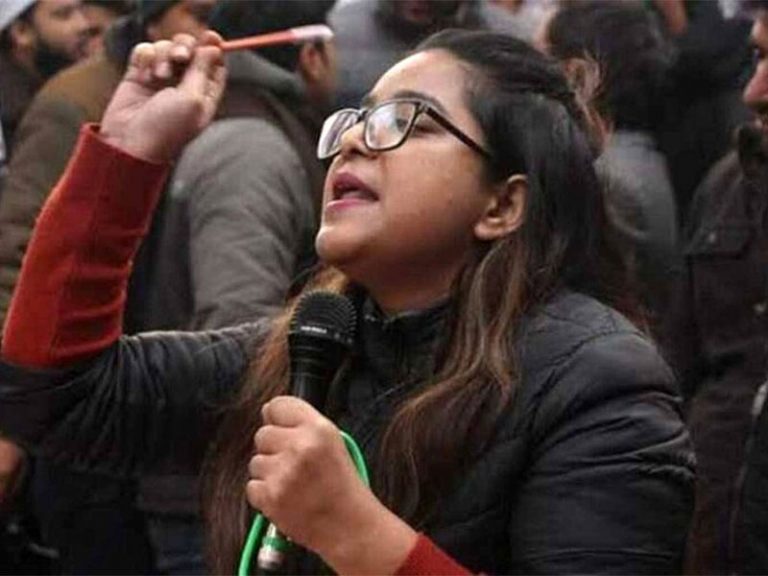
A United Nations-affiliated group Working Group on Arbitrary Detention (WGAD) has concluded that the arrest of Delhi anti-Hindu riots accused Safoora Zargar in February 2020 was arbitrary in nature. The group demanded that she should be provided compensation and other reparations by the Government.

WGAD, which operates under the office of the United Nations high commissioner for Human Rights, released its findings in Geneva on March 12. In its report, the group claimed that Zargar’s detention was arbitrary, and it went against both the Universal Declaration of Human Rights and the International Covenant on Civil and Political Rights.

It claimed that, taking into account all the circumstances of the case, the appropriate remedy would be “to accord Zargar an enforceable right to compensation and other reparations, in accordance with international law.” The group further added that the Government of India should take steps to “remedy the situation of Ms Zargar without delay and bring it into conformity with the relevant international norms”, including those of the Universal Declaration of Human Rights and the Covenant.

The group in its report [PDF] alleged that she was ‘targetted’ by the Government for having anti-government views on Citizen (Amendment) Act 2019. As the Government of India did not reply to its allegations, the group referred her case to the UN Special Rapporteur on the situation of human rights defenders, promotion and protection of the right to freedom of opinion and expression, and the promotion and protection of human rights and fundamental freedoms while countering terrorism for further action.

Arrest of Safoora Zargar

Zargar, a student activist and MPhil student of Jamia Millia Islamia, was arrested in April 2020 for her alleged role in instigating violence in northeast Delhi, in which 53 people died, and 400 others were injured. She claimed that she was only part of the protests but denied the allegations made by the police. Her bail applications were rejected several times based on the fact that she was charged under serious sections.

When her lawyers filed a bail application claiming she should be released as she was pregnant, the police replied that around 39 deliveries took place in jail in the last decade, and it cannot be the group for granting bail. She was later granted bail in June 2020 on Humanitarian grounds. The court asked her not to leave Delhi without the court’s permission and to remain in touch with the investigating officer once every 15 days via phone. 

Safoora Zargar and the victim card

Zargar has been playing victimhood since she came out on bail. In a recent interview with The Quint, she said, “The most difficult part of it was the isolation, the confinement. I was held in a separate cell… When I was taken to jail, I was kept in a separate ward, in a fag end of the jail that had huge walls and barbed wires…It was very scary…I thought this is the end.” She also claimed that she feared miscarriage and made up her mind for the worse.

One may fall for the victim card she had played, followed by the one-sided decision made by the non-judicial group under UNHC, but her alleged role in the riots cannot be denied. Several videos had surfaced in which she was seen giving provocative speeches during Anti-CAA protests. Furthermore, she was named in Chargesheet number 59 that indicated a larger conspiracy behind the riots and had named the likes of Zargar and Umar Khalid as co-conspirators.

In the charge sheet, the police named her for allegedly instigated a Muslim mob near Chand Bagh area that attacked Delhi police personnel leading to the death of police constable Ratan Lal.

WGAD was recently slammed by the Ministry of External Affairs

In February 2021, WGAD had demanded that the Indian Government should release the VVIP chopper AgustaWestland scam accused Christian Michel with immediate effect. Anurag Srivastava, Spokesperson Ministry of External Affairs, slammed the group for its decision and said that the demands made by the group were based on “limited information, biased allegations from an unidentified source and on an inaccurate understanding of India’s criminal justice system.”

MEA further said that the Working Group is not a judicial body, and therefore, its opinions are not legally binding on the Member States. “The Working Group should be aware that India has robust grievance redressal mechanisms against allegations of violations of human rights in a vibrant and independent judiciary and a ‘category A’ National Human Rights Commission compliant with the Paris Principles,” MEA added.

Rejecting the opinion, MEA added, “The allegations which form the basis of the opinion rendered by the Working Group are contrary to facts. The Government of India, therefore, rejects the opinion rendered by the Working Group.”