Home Blog Page 567

Sajid-Javed brutally killed two kids, now attempts underway to delay the case: Badaun Victims’ father says he will go to High Court for justice

On March 19, 2024, in Uttar Pradesh’s Badaun district, two minor brothers, Ayush and Ahaan, were brutally murdered after being stabbed with knives. Their younger brother, 10-year-old Yuvraj, was injured in the same attack. The accused were two brothers, Sajid and Javed, who operated a salon near the victims’ home.

Following the incident, the main accused, Sajid, was killed in a police encounter, while his brother Javed was arrested. OpIndia spoke to Vinod Kumar Singh, the father of the deceased children, to understand the ordeal faced by their family after that.

While talking to OpIndia, Vinod Singh expressed satisfaction with the police investigation and their actions. According to the police charge sheet, Sajid had planned the murder as part of a superstitious belief involving exorcism and child sacrifice. Both Sajid and Javed were implicated in the crime. Vinod revealed that Sajid was convinced that he would have a child only after sacrificing another child and that would bring happiness in his life. However, the Maulvi who influenced Sajid was not arrested despite having been charged in the FIR.

Vinod shared that he had often helped Sajid and his brother financially during their difficult times. On the day of the incident, Sajid visited Vinod’s house to ask for monetary help of Rs 5,000. Vinod and his wife agreed to lend him the money but they never imagined that the person they were helping would destroy their family like this.

Day of the incident

Recalling the tragic day, Vinod said Sajid came to his house and behaved normally, raising no suspicions. Javed accompanied him but he was carrying a knife. Ayush had just returned from school at that time and was sitting at the cosmetics shop looked after by Vinod’s wife. Sajid then took Ayush to the terrace under the pretext of taking a walk. In the meantime, Javed also joined them.

Sajid and Javed, on the terrace, attacked Ayush with knives. Meanwhile, Yuvraj, the younger brother of the deceased two boys was sent out on the pretext of buying gutkha. Later, Ahaan, Ayush’s brother, went up to the terrace, where both brothers were murdered within just ten minutes.

As Sajid and Javed descended from the terrace after murdering Ayush and Ahaan, Yuvraj who was sent to buy guthka, returned. Sajid tried to kill Yuvraj with a knife, but the boy managed to escape, screaming for help. Hearing his cries, the family members reached the terrace to see what had happened. However, the two accused had fled by then.

False allegations against the woman

Vinod Singh shared that after the murder of his sons, some individuals tried to tarnish his wife’s reputation with baseless rumors. Allegations of an illicit relationship between his wife and Sajid were circulated. Denouncing those claims as completely false, Vinod stated, “If my wife was guilty, Sajid would have targeted me, not my children.” He urged people through OpIndia to ignore such unfounded rumors.

Ongoing court proceedings

Vinod stated further that the court hearings in the case are currently underway. The prosecution has presented four witnesses so far which are Vinod Singh, his wife, his mother, and his injured son, Yuvraj. Three testimonies have already been recorded and Yuvraj has been scheduled to provide his statement on the next court date.

“Additional testimonies, including those of police officers and government staff, are yet to take place. After the prosecution concludes presenting evidence, the defense may bring witnesses to testify on behalf of Sajid and Javed,” Vinod said.

Conspiracy to delay the case

While talking to OpIndia, Vinod said that a Hindu lawyer is representing the accused, which he says deeply saddens him. After the brutal murder of his children, lawyers had initially resolved not to defend the accused. However, this lawyer is now assisting the accused persons in the case, which saddens him.

“Javed’s lawyer frequently employs legal tactics to delay proceedings. These include filing applications for extended dates and requesting additional time to submit documents. Frustrated by the delays, I am planning to approach the Allahabad High Court to demand the swift resolution of the case. We want a directive for the lower court to deliver a verdict within a set time frame,” he said.

He also pointed out that Javed’s lawyer is a senior advocate with several Muslim junior lawyers working under him, some of whom are allegedly connected to Sajid’s in-laws. Vinod suspects these junior lawyers are contributing to the delays in the case. Despite these challenges, Vinod lauded the then SHO Gaurav Vishnoi who took swift action against the murderers at that time. He commended Vishnoi for staying connected with his family even after being transferred, treating them like one of his own.

Lack of regret from the accused and their family

Vinod expressed his anguish over the lack of guilt or regret shown by the accused and their family. “Javed regularly attends court but never displays any regret for his actions. Similarly, Javed’s mother, who is often present in court, has never expressed any remorse. Neither Javed nor his family feels even the slightest sorrow or shame for the tragedy they caused,” Vinod said.

“No one has called or visited us in the last six months. We feel isolated. This is not just my tragedy but the tragedy of the entire Hindu community,” Vinod added.

After the murders of Ayush and Ahaan, the family received Rs 2 lakh in financial aid under the Prime Minister’s Scheme as part of government assistance. However, Vinod expressed disappointment that the other promises made by the administration and political leaders are yet to be fulfilled. “We hoped that some meaningful actions would be taken to ease our pain, but nothing of the sort has happened,” he lamented.

Vinod revealed the deep emotional toll the tragedy has taken on his family. Although they are trying to return to normalcy, the memories of Ayush and Ahaan linger in every corner of their home. Their surviving son, Yuvraj, is now in class 5 and has resumed school, but the family remains deeply affected. “We avoid staying in the house because of the constant reminders of our loss,” Vinod said.

The family moved into their current house three years ago after selling their previous home in another part of Badaun. Reflecting on their situation, Vinod said, “If we still had our old house, we would have moved back there after the incident.” The tragedy has also taken a toll on the health of the children’s grandmother and mother, further adding to the family’s hardships.

Closure of businesses

Before the tragedy, Vinod’s wife contributed to the family’s income by running a small cosmetic salon from home. However, the parlor has remained closed since the murder of their children, leaving the family’s financial burden solely on Vinod, who works as a water tank builder. Following the incident, Sajid and Javed’s salon has been permanently shut down, and no Muslim-owned shops now operate in the neighborhood. A Hindu entrepreneur has since opened a new salon in the space previously occupied by Sajid and Javed.

The day after the murders, police shot the main accused, Sajid, in an encounter. According to reports, Sajid had fired at the police, prompting them to act in self-defense. On March 21, 2024, the police arrested the co-accused, Javed, who had been absconding, from Bareilly. The trial is currently underway in the district court of Badaun. Vinod Singh meanwhile also expressed frustration over the slow progress of the case, saying, “We are waiting for justice, but the system’s relax attitude has only added to our suffering.”

Troubles keep mounting for Boeing: South Korea plans to inspect every Boeing aircraft after the deadly crash that killed 179 people

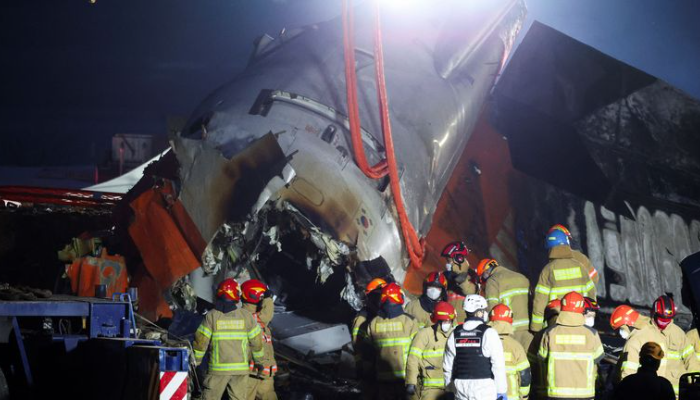
South Korean officials, on 30th December, announced that they would do an emergency safety inspections of all Boeing 737-800 planes flown by the nation’s carriers as they try to figure out what caused the plane crash that killed 179 people.

A Jeju air flight 7C2216 belly-landed and skidded off the end of the runway at Muan International Airport, crashing into a wall and exploding, killing all 175 passengers on board and four of the six crew members while two crew members were pulled out alive. They were arriving from Bangkok.

Choi Sang-mok, the acting president of South Korea, presided over a task force meeting to perform an urgent evaluation of the nation’s aircraft operation systems. Notably, he also serves as the finance minister and deputy prime minister.

“The essence of a responsible response would be renovating the aviation safety systems on the whole to prevent recurrences of similar incidents and building a safer Republic of South Korea,” Choi Sang-mok stated.

“Even before the final results are out, we ask that officials transparently disclose the accident investigation process and promptly inform the bereaved families. As soon as the accident recovery is conducted, the transport ministry is requested to conduct an emergency safety inspection of the entire aircraft operation system to prevent recurrence of aircraft accidents,” Song-mok added.

A Boeing 737-800 aircraft operated by the South Korean low-cost carrier Jeju Air aborted its initial landing attempt for reasons that remain unclear. Its pilot then sent out a distress signal after receiving a bird strike warning from the ground control center during its second landing attempt. The aircraft crashed into a concrete fence, overshot the runway, exploded into a flame, and landed without its front landing gear deployed. It made a belly down, slipping into the slope at the end of the landing strip after touching down roughly 1,200 meters (1,310 yards) along the 2,800-meter (3,062-yard) runway.

The Boeing 737-800 is a “proven airplane” that is part of a distinct class of aircraft than the Boeing 737 Max jetliner, which was connected to catastrophic crashes in 2018 and 2019, according to Alan Price, a former top pilot at Delta Air Lines and current consultant. However, the South Korean Transport Ministry announced that it would conduct safety checks on all 101 Boeing 737-800 aircraft flown by the nation’s airlines in addition to a more thorough examination of safety regulations at Jeju Air, which is in charge of 39 of those aircraft.

Representatives from Boeing and the US National Transportation Safety Board are scheduled to arrive in South Korea on 30th December to take part in the inquiry, per senior ministry official Joo Jong-wan. Additionally, ministry officials stated that they will probe whether the localizer at the Muan airport, a concrete fence that houses a network of antennae intended to safely direct planes during landings, should have been constructed with lighter materials that would shatter more readily when struck. Other domestic airports in the country, such as those on Jeju Island and in the southern cities of Yeosu and Pohang, are using similar lighter buildings.

Authorities are also investigating if the pilot and air traffic controllers had a communication breakdown prior to the deadly collision. A ministry official expressed, “Our current understanding is that, at some point during the go-around process, communication became somewhat ineffective or was interrupted ahead of the landing and impact.”  

According to fire and transportation officials, investigators are looking into the crash’s potential causes, including bird strikes, whether any of the aircraft’s control systems were turned off, and the pilots’ apparent rush to try a landing shortly after announcing an emergency. There are still many unanswered questions, according to experts, such as why the aircraft, which was propelled by two CFM 56-7B26 engines, seemed to be moving so quickly and why, as it skidded down the runway and struck a concrete embankment, its landing gear did not appear to be down.

The crashed aircraft’s flight data and cockpit audio recorders were sent to a research facility at Gimpo airport for examination. The Korean people are concerned about the ability of the administration to manage the issue in the wake of the political unrest that followed the declaration of martial law by now-impeached President Yoon. Due to their apparent involvement in the martial law drama, the police chief was detained and the safety minister resigned. Concerns were also heightened by the absence of important individuals in charge of disaster management.

The National Transportation Safety Board (NTSB) of the United States, where the aircraft was developed and constructed, will automatically be involved in the crash investigation, which will be led by South Korea in accordance with international aviation regulations.

Meanwhile, a landing gear issue forced a Jeju Air Boeing 737-800 to return to Seoul’s Gimpo International Airport on 30th December morning. Jeju Air management support office head Song Kyung-hoon informed, “Shortly after takeoff, a signal indicating a landing gear issue was detected on the aircraft’s monitoring system. At 6.57 am, the captain communicated with ground control, and after taking additional measures, the landing gear returned to normal operation. However, the decision was made to return to the airport for a thorough inspection of the aircraft.”

Trouble mounting for Boeing

This year, Boeing’s troubles began when an unusable cabin door of a Boeing 737 Max 9 aircraft fell off in midair on 5th January, generating a stir in the aviation community. The event raised concerns about safety of Boeing aircrafts. However, no one on the Alaska Airlines flight was seriously hurt. Boeing’s CEO acknowledged that the aircraft manufacturer was at fault. Following the incident, the United States grounded 171 Boeing 737 Max 9 aircraft.

Dave Calhoun, the president and CEO of Boeing, stated that the company was “acknowledging our mistake”. The 27 kilogram (60 lb) door “plug” that dropped from the airplane was meant to open an emergency exit that was installed in the aircraft but that Alaska Airlines did not require. According to investigators, it was discovered that the airline had restricted the aircraft after receiving pressurization warnings in the days prior to the event.

Boeing also lost billions of dollars after a worker strike that stopped production at two of its largest factories, in addition to struggling to handle a safety and quality control issue. Its space program has also encountered difficulties. Additionally, 32 employees of Boeing, the world’s second-largest aerospace manufacturing corporation, had protested to regulatory bodies about potential retaliation against anyone who voiced safety concerns about the company. Two of them died, and the third stated that he had to live in constant fear.

Joshua Dean, a quality auditor for Spirit AeroSystems, a Boeing supplier, passed away. A few weeks before his passing, Dean visited a hospital due to breathing difficulties, despite leading a healthy lifestyle. He died due to a bacterial infection and pneumonia. Regarding “serious and gross misconduct by senior quality management of the 737 production line” at Spirit, Dean had lodged a complaint with the Federal Aviation Administration (FAA).

John Barnett, 62, a former Boeing employee who turned whistleblower, was discovered dead in the United States a few days after testifying against the company’s leadership. According to Barnett, there are “serious problems with the oxygen system” and “under pressure workers deliberately fit sub-standard parts to aircraft on the production” with Boeing.

“In some cases, sub-standard parts had even been removed from scrap bins and fitted to planes that were being built to prevent delays on the production line,” he disclosed. He began working as a quality manager at the North Charleston plant in 2010.

Meanwhile, a former inspector at Spirit AeroSystems, a supplier to Boeing, whose repeated warnings of quality and safety issues were disregarded, went public after his coworker, whistleblower Joshua Dean, died. Santiago Paredes expressed, “But, you know, I’m always looking behind my mirror to make sure nobody’s car’s following me.” 

“I’m not saying that I’m scared, but at the same time, I can’t put a blind eye to the reality of what could be. I have to prepare myself for that. I’m picking up the mantle of where he left off and I have to carry on and see it through,” he further added.

651 Christian families revert to Hinduism in Chhattisgarh

0

In Chhattisgarh’s Sakti, 651 Christian families reverted to Hindu Dharma who had earlier converted to Christianity for some or other reasons. BJP leader Prabal Pratap Singh Judev got these families back to their original faith. His family has been involved in this work for two generations and have brought thousands of families back to Sanatan Dharma.

Prabal Pratap Singh Judev washed the feet of these families in this huge Hindu conference organized in Sakti, Chhattisgarh. Many Hindu saints including Sadhvi Pragya participated in this program. Hindu workers who were lured to become Christians also participated here.

Prabhal Pratap Singh Judev said in this program, “Sanatan culture faces the biggest threat from pseudo-Hindus. These crypto-Christians live in our Hindu society, promote fraudulent religious conversion and work like sleeper cells. It is very important to expose them and take strict action against them.”

On this day, 118 years ago, the Muslim League was formed: How it came to be and how, after partition, a faction stayed back in India to fulfil Jinnah’s dream

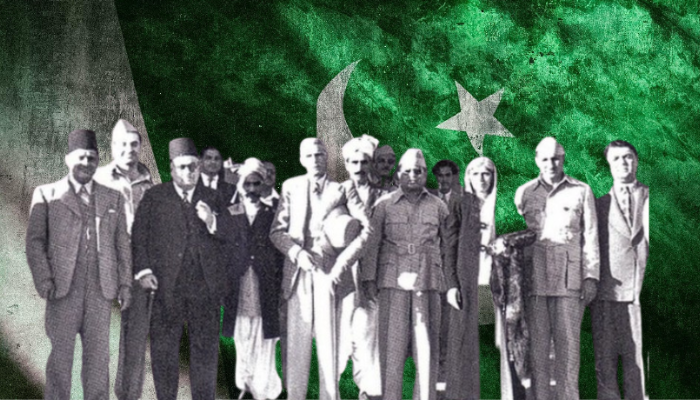
On 30th December 1906, 118 years ago, a pivotal historical event transpired that ultimately led to a profound tragedy, resulting in the division of a nation along religious lines. Today, the All India Muslim League was established as a political alternative to the Indian National Congress for Muslims, during the annual Muhammadan Educational Conference in Dhaka. It claimed to advocate for the interests of Indian Muslims within a predominantly Hindu society.

However, the organization’s ulterior motives soon became evident as their communal aspirations began to surface in the name of minority rights. Notably, the father of Pakistan, Muhammad Ali Jinnah who had previously been affiliated with the Congress, was elected as the party’s president in 1916. At the time of its formation, it was contended that Muslims in British India needed political participation, particularly in response to the significant Hindu resistance to the partition of Bengal in 1905, which was endorsed by the Indian National Congress.

The British decision to partition Bengal had profound and lasting consequences. It exacerbated communal tensions and gave an excuse to Islamists to pursue a political platform under the pretext of articulating their grievances. Although the decision was annulled in 1911, it created enduring divisions between both Hindus and Muslims.

Muslim League, which initially claimed to look after the welfare of Muslims, soon positioned itself as a collaborative partner with the British authorities, motivated largely by personal benefits. Its initial resolutions aimed at obtaining separate electorates and enhanced political representation for Muslims for which it joined hands with the British to secure political concessions. The introduction of separate electorates for Muslims was conceded as early as 1906 to facilitate their ability to elect representatives that could shape the political framework to their liking.

It also signed the landmark Lucknow Pact in 1916 with the Congress, emphasizing collective efforts and supporting shared constitutional reforms that were rooted in promoting a temporary alliance between Hindus and Muslims, creating a united front against colonial rule. During the 1930s, the league demanded increased autonomy and reforms, mirroring its rising political ambitions of the time. It also backed self-governance and the protection of Muslim interests within a unified India. However, the party began to unveil its true colours soon after.

Anti-Hindu poet Muhammad Iqbal, popularly known as Allama Iqbal, announced the idea of a separate state for Muslim-majority provinces in India in his presidential address at the 1930 annual session of the All-India Muslim League in Allahabad. The Muslim League suffered a major setback which further fueled its divisive agenda as the party was unable to form a government in any province, including the Muslim-majority regions of Punjab and Bengal, after the implementation of the Government of India Act of 1935 as the Indian National Congress achieved success in seven provinces.

The Lahore Resolution, later known as the Pakistan Resolution of 1940, called for the creation of an independent Muslim state in the northwestern and eastern parts of the country, which laid the groundwork for the eventual formation of Pakistan. It was passed by the largest congregation of league delegates a mere day after Jinnah articulated to his supporters that “the problem of India is not of an inter-communal but manifestly of an international character.”

Therefore, it decided that any future British constitutional plan for India would not be “acceptable to the Muslims” unless it was created in a way that would group the Muslim-majority “areas” of India’s “North-Western and Eastern Zones” to constitute ‘independent states’ in which the constituent units shall be autonomous and sovereign.” The idea was repeatedly amplified by the Muslim leaders and gained popularity among their co-religionists across India. Afterwards, the provincial elections conducted in British India in January 1946 to members of the legislative councils of the Indian provinces further reinforced the prevailing sentiment.

Similar to the 1937 elections, the Congress party won 90% of the general non-Muslim seats, while the league dominated the Muslim seats with a significant 87% in the provinces. Among the 1,585 seats, the Congress party claimed 923, while the Muslim League captured 425 seats including Punjab and Sindh, after contesting 429 Muslim constituencies. The latter secured 113 of the 119 Muslim seats in Bengal’s 250-seat assembly. Six more Muslim lawmakers from other parties were also elected.

The election outcome substantiated the All India Muslim League’s claim to represent all Muslims in India, paving the way for the foundation of a separate country which culminated in the birth of Pakistan in 1947 after multiple deadlocks, negotiations and unbridled violence, with tacit support of the British.

Direct Action Day: Bloodshed perpetrated by Muslim League

The provincial elections in India in 1946 represented a significant turning point in the country’s history. These elections took place in the aftermath of World War II and just before the partition of India in 1947. The electoral process was governed by a system of separate electorates, which effectively segregated the voting constituencies for Muslims and Hindus. It intensified the religious conflicts that already existed among Indians, especially those inspired by Islam’s exclusivity.

Husyen Shaheed Suhrawardy of the Muslim League was appointed Bengal’s prime minister on 23rd April 1946 and violence broke out against Hindus in Bengal on 16th August of the same year. Muslims held him in high regard, but Hindus detested him and even partially blamed him for the 1943 Bengal famine, which killed an estimated three million people (he was the Minister for Civil Supply at the time). He was also notorious for making incendiary remarks.

The massacre, which was supported by the state, unfolded over three to four days and neither Mohandas Karamchand Gandhi nor Pandit Jawaharlal Nehru took the initiative to visit the city to console the suffering Hindus or to address the appalling crimes inflicted upon them during this calamitous pogrom. Notably, the unrest was not abruptly triggered. The Muslim League’s electoral manifesto, which was released prior to the actual voting, was essentially a declaration of war. It was titled, “Let Us Go To War” and even disregarded the notion of one India and denigrated “Akhanad Bharat.”

“Pakistan means complete independence. They are fools, dreamers, visionaries or hypocrites who think that Pakistan can be achieved without the greatest imaginable struggle and sacrifice. It must be known clearly to every soldier of Pakistan that the way to Pakistan is harder than the way to the cavalry. Our poets and literators, artists and artisans, youths and students, landlords and peasants, ulama and laymen must answer the clarion call of the great leader of Muslim India, sink all their differences, forget the past, and pull all their resources for the winter struggle, the general election of Legislatures,” the manifesto read.

Furthermore, the Muslim League did not view Congress as a powerful political rival, as unbelievable as that may appear. It dismissed it as merely another opponent claiming to speak for all Indians, including Muslims. However, the Muslim League’s manifesto made reference to dealing with Imperial British Power shortly following the elections since it was so confident that Muslims would be united on religious lines.

The victory of the league instigated an unparalleled reign of terror known as the “Direct Acton Day” against the Hindu community in Bengal, given that a state governed by Muslims accommodates no infidels. It resulted in over 4000 deaths and at least 100,000 people became homeless in Kolkata within 72 hours. The book “1946: The Great Calcutta Killings and Noakhali Genocide” by Dinesh Chandra Sinha and Ashok Dasgupta offers a detailed exploration of this matter. It disclosed:

The League leaders, intoxicated by the victory at the polls, now became openly bellicose. At the convention of the league legislators, “Ismail Chundrigar of Bombay said the British had no right to hand over the Muslims to a subject people over whom they had ruled for 500 years. Mohammed Ismail of Madras declared that the Muslims of India had waged a Jihad, a holy war. Shaukat Hayat Khan (a Minister in Khizr Hayat Khan’s war-time Cabinet, later dismissed) said if Muslims were ‘given a chance’, they would ‘show a rehearsal now when the British army is still there.’ Sir Feroze Khan Noon thundered that if they were driven to fight a central government or Hindu raj, then the havoc which the Muslims would play would put to shame what Chengiz Khan or Halaku did.”

Importantly, on 29th July 1946, the “Direct Action Day” resolution was approved by the All-India Muslim League after the cabinet mission was subtly rejected by Congress. It declared:

“Whereas the League has today resolved to reject the proposal embodied in the statement of the Cabinet Delegation and the Viceroy of May 16, 1946, due to the intransigence of the Congress on the one hand and with the breach of faith with the Muslims by the British Government on the other; and whereas Muslim India has exhausted without success all efforts to find a peaceful solution of the Indian problems by compromise and constitutional means; whereas the Congress is bent upon setting up a caste Hindu Raj in India with the connivance of the British; and whereas recent events have shown that power politics and not justice and fair play are the deciding factors in Indian affairs; whereas it has become abundantly clear that the Muslims of India would not sit content with anything less than the immediate establishment of an independent and full sovereign State of Pakistan and would resist any attempt to impose any constitution, long terms or short term, of the setting up of an Indian Government at the Centre without the approval and consent of the Muslim League, the Council of the All-India Muslim League is convinced that the time has now come for the Muslim Nation to resort to direct action to achieve Pakistan and assert their just rights and to vindicate their honour and to get rid of the present slavery under the British and the contemplated future of caste Hindu domination. The Council calls upon the Muslim nation to stand as a man behind their sole representative organisation, the All-India Muslim League and be ready for every sacrifice.”

The legacy of the All India Muslim League continues to plague India

Not every individual who aspired to establish a presence in Pakistan ultimately relocated to the country, thereby realizing the Muslim League’s slogan, “Lad ke liya hai Pakistan. Hans ke lenge Hindustan (We took Pakistan with a fight. We will take Hindustan with a smile). Their descendants, both ideological and otherwise have since perpetuated this divisive ideology, which continues to unfold to this day.

The Islamists and Urban Naxals, commonly known as the Tukde Tukde Gang, have been promoting a specific narrative over the past several years, that India has never existed as a unified entity, but rather as a conglomeration of various nations under one umbrella. Unfortunately, the same has even been propagated by Rahul Gandhi. The presence of Jinnah’s portrait on the walls of the Students Union office at Aligarh Muslim University, along with the determination to maintain its display, conveys a similar tale.

Moreover, the strong advocacy for the rights of Rohingya Muslims and the riots protesting against the Citizenship Amendment Act (CAA) stem from the same ideology that perceives India merely as a territory to exploit and dominate, rather than as a homeland. Likewise, Islamists in India find it difficult to accept that Hindutva is a mainstream political ideology today. Consequently, they consistently assert their victimhood over even the slightest inconveniences, including slogans such as “Bharat Mata ki Jai” and “Vande Mataram,” which they deem to be in violations of their faith.

The desire to balkanise India to sever its strategic corridor (chicken neck), alongside calls for the ‘liberation’ of Kashmir, and the intent to instigate widespread violence during President Donald Trump’s visit to the national capital to undermine the nation’s global stature, serve as additional manifestations of a concealed and persistent effort that frequently manifests in violence against Hindus and anti-India activities.

The assaults on religious Hindu processions, chants of “Sar Tan Se Juda” in response to any perceived act of blasphemy and the subsequent demonstrations in a blatant exhibition of street and authority are also a product of the same. The refusal to allow Hindus to reclaim their religious places, along with the unauthorized occupation of government and other properties, constitutes an effort to position Hindus as second-class citizens while asserting an audacious sense of superiority over them.

“15-minute ke liye police hata do (remove police for 15 minutes and we will kill all Hindus),” “humne tumpe hazar saal hukumat ki hai (we have ruled over Hindus for thousands of years)” and similar statements by Muslim leaders and politicians insulting Hinduism and its adherents have become a common feature of political discourse in the country. On the other hand, beheadings and issuing death threats to those who dare to retaliate have also become a norm. The case of former Bharatiya Janata Party’s spokesperson Nupur Sharma serves as a prime example.

Additionally, attributing all achievements, from architectural marvels to food dishes such as biryani to the Mughals, as if they had brought wealth and resources from their own countries instead of exploiting India to maintain their opulence and authority, is another Islamist tactic to erode the self-worth of Hindus, suggesting that their ancestors made no contributions and they have merely thrived on the benevolence of Muslim rulers.

The Muslim League garnered 86.7% of the Muslim votes in the Muslim constituencies of that era, many of which remain part of present-day India. Akin to present extremists in India, Muslims in undivided India were unwilling to coexist in a Hindu-majority and Hindu-dominated nation following the end of British rule.

A significant portion of Muslims who remained in the country after partition did so either due to an inability to mobilize effectively or to pursue an unfulfilled agenda, all while benefiting from the advantages of a functioning democratic system. More importantly, Pakistan does not only represent a geographical location but also a mindset that embraces Muslim separatism and animosity towards Hindus coupled with a deep disregard for the motherland and values associated with it.

This also elucidates why certain regions in India are perceived as “Muslim areas,” where entering is similar to unlawfully crossing into Pakistan and even the authorities must implement stringent precautions and deploy substantial security forces when accessing these neighbourhoods to carry out court orders or taken action on illegal activities there.

There is a deep-seated resistance to the progress of India and Hindus as a unified entity, advancing with a millennia-old pluralistic civilizational identity that promotes harmony and rejects hatred, while also refusing to tolerate any vested interests that threaten its society.


Odisha: Two Christian women tied to a pole and assaulted by villagers, FIR says they were trying to convert tribals to Christianity – All we know so far

0

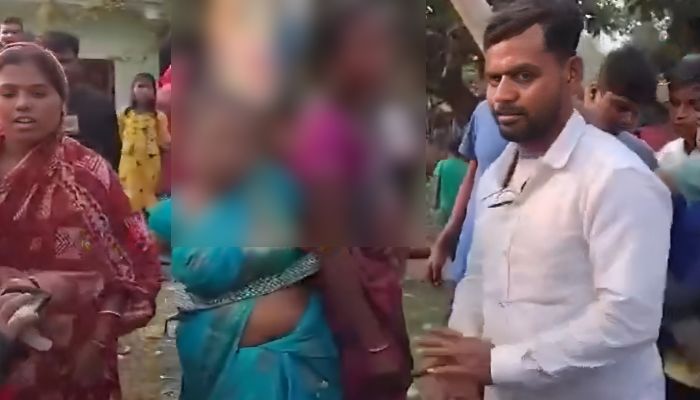
On 27th December, Odisha Police in Balasore district filed two cross-FIRs after a video went viral on social media showing two tribal women tied to a pole. It has been reported that the women were Christian tribals and were allegedly involved in religious conversion.

Viral Video on social media

The video of the incident was shared by Congress leader from Odisha, Amiya Pandav, on the social media platform X. In the video, the women were seen surrounded by a group of people. One of them was accusing the women of forcibly converting tribals to Christianity. The identity of the individual making the accusations is yet to be confirmed.

Counter complaints filed

According to media reports, two FIRs have been filed regarding the case at Nilagiri Police Station, Balasore. In the first FIR, the two women have been booked under Section 4 of the Odisha Freedom of Religion Act, 1967, and sections of the Bharatiya Nyaya Sanhita (BNS), including Section 299 (deliberate and malicious insult of a religion), Section 3(5) (joint criminal liability), and Section 351(2) (criminal intimidation). The FIR has been registered on the complaint of Badal Kumar Panda from the Nilagiri area.

The second FIR has been registered on the complaint of the man who alleged that the women tied to the pole were his relatives and neighbours. He accused the group of villagers of abusing the women over their caste and assaulting them. In his complaint, he further accused the group of villagers of outraging the women’s modesty by dragging and tying them to a pillar.

10-15 individuals have been booked under sections of the Scheduled Castes and Scheduled Tribes (Prevention of Atrocities) Act, 1989, and the BNS.

Odisha Police statement in the matter

In a statement, Balasore Superintendent of Police (SP) Raj Prasad said, “A counter case has been filed; there was an allegation of forced conversion. A senior-level officer is investigating the matter. So far, three people have been arrested and produced before the court. We are taking stringent action and ensuring that there is no law-and-order situation in the area.” He added that the women were beaten up by a mob over allegations that they were attempting religious conversions of some tribal families.

Politics over the incident

The incident has attracted reactions from politicians as well. National Secretary of the Indian National Trade Union Congress (INTUC), Manas Choudhary, condemned the incident and described it as a “shocking and inhumane” act. He wrote in a post on X, “Shocking and Inhumane Acts Against Tribal Christian Women in Nilgiri, Balasore. On Christmas Day, tribal Christian women were reportedly tied to a tree and disfigured by members of a so-called Hindu organisation in Nilgiri, Balasore, the home constituency of BJP MP PC Sarangi.”

He added, “Such horrific and targeted attacks on minorities in Odisha are deeply alarming and unacceptable. This incident is not just a violation of human rights but a stain on the secular fabric of our state and nation. The growing danger to minorities in Odisha demands immediate attention and action from the government, judiciary, and civil society. We stand in solidarity with the victims and demand strict action against the perpetrators. Let us ensure that Odisha remains a place where every community feels safe and respected.”

As of now, three people have been arrested for assaulting the women. On the other hand, a notice has been issued to the women requiring them to appear at the police station to participate in the investigation. Further investigations in both cases are underway.

Sambhal: Investigation reveals that suspected mastermind of violence, Sharik Satha, works for Dawood Ibrahim

On 30th December, it was revealed that the suspected mastermind of Sambhal violence, Sharik Satha, is a member of Dawood Ibrahim’s gang. The connection between Satha and Dawood has been established based on inputs from intelligence agencies.

Furthermore, according to an India TV report, the Special Investigation Team (SIT) looking into Sambhal violence suspects that individuals linked to ISI and Al-Qaeda, residing in the Deepa Sarai and Nakhasa areas of Sambhal, supplied weapons and funding for the violence. These revelations have established a direct link between Sambhal violence and terrorists.

Speaking to the media, Sambhal Superintendent of Police Krishna Bishnoi said that it is still unclear who was behind the violence. The police are yet to reach any definitive conclusion. Investigations into the matter are underway to determine the cause of the violence and identify those responsible for planning it. So far, 50 individuals involved in the violence have been arrested. Furthermore, the police have identified 91 accused in the case who remain at large. The police are preparing to announce rewards for information leading to the arrest of the absconding individuals.

Returning to Sharik, reports suggest that he has over 50 cases registered against him in various states. A few years ago, he reportedly fled to Dubai. Police believe that he not only provided funding for the Sambhal violence that took place on 24th November but also supplied weapons used by his operatives to carry out the attack. The intelligence unit in Sambhal has identified five more suspected terrorists with links to the area. Two key names that have surfaced during the investigation are Shahid Akhtar and Usman Hussain, who are suspected of facilitating the delivery of weapons and funding for the violence.

Court-ordered survey at Jama Masjid in Sambhal and violence that erupted on 24th November

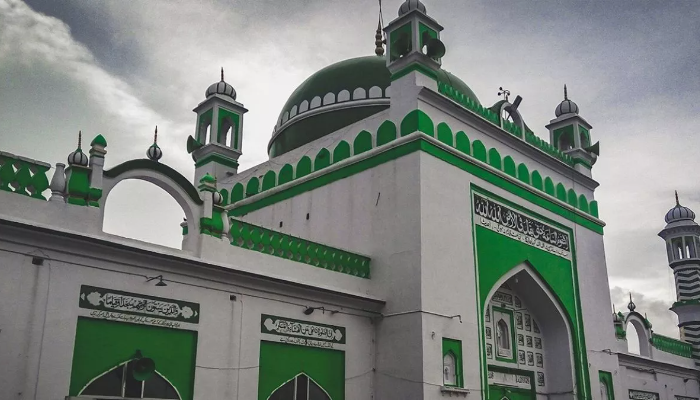
On 19th November, a court-mandated survey was conducted at Jama Masjid in Sambhal, Uttar Pradesh. The court ordered the survey in response to a petition filed by Supreme Court Advocate Vishnu Shankar Jain, and seven co-plaintiffs, asserting that the mosque occupies the site of a temple dedicated to Bhagwan Kalki. The site in question is a protected monument under the Ancient Monuments Preservation Act of 1904. A heavy police force was deployed in the area to ensure the survey proceeded peacefully.

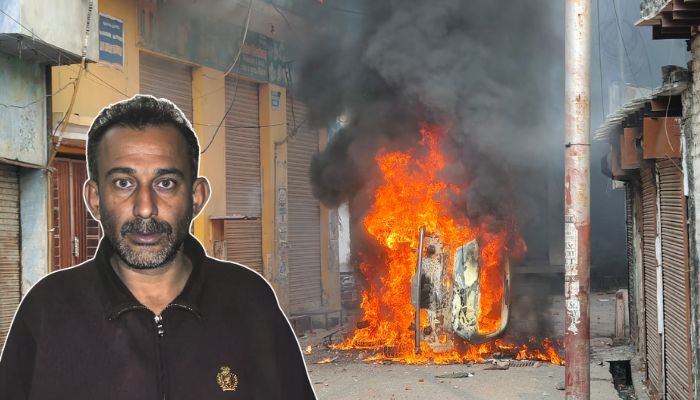
However, on 24th November, during the second round of court-mandated survey at Jama Masjid, Islamist mobsters gathered outside the mosque and engaged in violence. They pelted stones at police, opened fire at police personnel and set ablaze vehicles and shops. At least 20 police personnel were injured during violence and four mobsters were killed in the mayhem, likely from illegal guns carried by rioters.

The Supreme Court of India stayed the hearing in the District Court, Sambhal, in response to plea filed by the Muslim side. Furthermore, the survey report submitted by the Advocate Commissioner has been ordered to be sealed and not to be opened till an order is passed by the High Court in the matter. Next hearing in the matter will be in January 2025. A judicial committee was formed by CM Yogi Adityanath to investigate the cause of the violence.

OpIndia’s detailed report on petition filed at the court can be checked here.

Missing Kerala student Santra Saju’s body found in Scotland river, formal identification awaiting, details

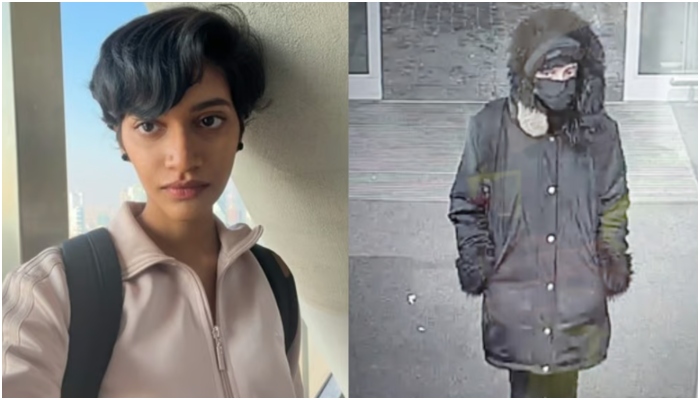
On Monday, 30th December, an ongoing search for an Indian girl in Scotland came to an end. The Scottish police recovered the dead body of the 22-year-old girl hailing from Kerala, India from a river in Scotland. The girl had gone missing in the past month and the police had been looking for her since then. However, the search ended as the police found her corpse in the water near Newbridge.

As per the initial reports, the girl belonged to Kerala and was studying at the Heriot-Watt University in Edinburgh, the capital of Scotland. She was last seen on December 6th at Asda supermarket store in Almondvale, Livingston. The police released an official statement in the case and said that while the girl has been found and her family has been informed about the same, her formal identification is pending.

The girl has been identified as Santra Saju from Kerala. The police said that they recovered the body over the weekend from the river near Newbridge which is a village near Edinburgh.

“Around 11. 55am on Friday, December 27, 2024, police were made aware of a body found in the water near to Newbridge. Formal identification has still to take place however the family of Santra Saju, 22, has been informed. The death is not believed to be suspicious” Police Scotland said.

Reports suggest that a missing person’s complaint was filed after 6th December based on which the police launched an investigation. She was last seen wearing a black jacket with a fur-lined hood, beige furry earmuffs, and a black facemask. The police also made several inquiries and encouraged the civilians to provide any information about the girl, if any.

“We now know that Santra picked up a black and white shopper-style bag from an address in Burnvale on Friday evening, but she did not have it when she entered the supermarket,” Inspector Alison Lawrie from Corstorphine Police Station said in an appeal statement then.

“The bag is distinctive and someone may remember seeing her carrying it. We are continuing to review CCTV footage and have released images of Santra from the supermarket in the hope that someone recognizes her. Extensive inquiries are being carried out in an effort to trace her,” she added.

The family and the friends of the girl said that her disappearance was out of character and that they were worried about her.

Sambhal: UP Police arrest 50 people for violence during Jama Masjid survey

0

The Uttar Pradesh police have arrested 50 people in connection with the violence near the Jama Masjid area in Sambhal district on November 24, officials said.

Sambhal Superintendent (SP) Krishnan Kumar Bishnoi said that 50 people have been arrested and the search is on for 91 people connected with the violence.

He further added that some individuals are yet to be identified.

“50 people have been arrested so far in the violence that took place in Sambhal on November 24. The search is on for another 91 people. Some people are yet to be identified, ” said SP Bishnoi.

“The investigation is being carried out from all angles–the cause of the incident and the people behind it. The police have not concluded yet,” he added.

This development comes after recent violence in the area, during an Archaeological Survey of India (ASI) survey of a Mughal-era mosque last month, which led to four deaths and injuries among police and locals.

Meanwhile, Sambhal Assistant Superintendent of Police (ASP) Shrish Chandra said that the construction work of the police post near Jama Masjid in Sambhal is being done at a fast pace and will be ready in a few days.

Speaking to ANI, ASP Chandra said, “The construction of the post is currently in progress. It will be established as soon as possible. So that the force staying here can stay comfortably.”

“The construction of the post is being expedited due to the urgent need for accommodation, as a large number of forces are currently living outdoors in the cold. Since there are no nearby facilities, the work is being completed at a fast pace. The post will be ready in a few days,” ASP Chandra said.

Work is currently underway to build a police post in the vacant ground near Jama Masjid in Uttar Pradesh’s Sambhal. The Rapid Action Force (RAF) has been deployed near the construction site to ensure security.

(This news report is published from a syndicated feed. Except for the headline, the content has not been written or edited by OpIndia staff)

Adani Enterprises to exit food venture Adani Wilmar, raise $2 billion for investment in core infrastructure

0

Adani Enterprises (AEL) has fully exited its joint venture with Adani Wilmar by selling its 13% stake to comply with minimum public shareholding requirements, according to a media statement released by the business group. The divestment will generate over $2 billion, which AEL plans to reinvest into its core infrastructure platforms.

Adani Enterprises, Adani Commodities LLP (ACL), and Wilmar International’s subsidiary Lence reached an agreement where Lence will acquire the 31.06% stake in Adani Wilmar previously held by ACL, the statement noted.

Adani Enterprises is selling about 13% of its stake in Adani Wilmar to meet regulatory requirements. Following these transactions, AEL will fully exit its approximate 44% stake in Adani Wilmar, with Wilmar International taking up to 31%. Adani’s nominee directors will step down from Adani Wilmar’s board, and shareholders will consider renaming the company.

Funds raised from divestment will be used by Adani Enterprise to augment investments in core infrastructure sectors like energy, utilities, transport, logistics, and other related industries. AEL stated that it would continue investing in infrastructure to strengthen its position as India’s largest publicly listed platform incubator, focusing on key areas supporting India’s economic growth.

AEL and Wilmar, as the founding shareholders of Adani Wilmar, have collaboratively established India’s largest Food FMCG company, earning the trust of millions of Indian households. Adani Wilmar is strategically positioned to leverage its extensive scale of operations, robust distribution network, and vast retail presence across India. The company boasts 100% urban market coverage, a presence in over 30,600 rural towns, and exports to more than 30 countries worldwide.

Caste census may have taken over the political discourse, but here is why we need an announcement of Skill Census in Union Budget 2025

India’s demographic transition will see it emerge as the most populous nation in the working age group by 2030. However, while the overall unemployment rate is only 4.1% that year (PLFS 2022-23), youth unemployment remains a serious issue at above 12%. The situation is further enervated by the low share of 4.7% of the total workforce having been trained (NSDC 2023). A National Skill Census in the Union Budget 2025 might help realize this gap and thereby stimulate India’s growth in terms of skills.

While caste-based census issues have taken most of the political discourse, Karnataka 2023, along with Haryana and Maharashtra 2024, have found their voters focusing more on jobs, development, and safety. The MSME is rising to the challenges with schemes like “Approaches for MSME Development 2024” and a new Executive Development Programme aimed at reducing the skill gap and enhancing productivity. The India Skills Report 2024 emphasizes how the skill will determine global competitiveness and inclusive growth, especially with AI steering the future of work in the MSME sector. 

Skill Mapping Initiative By Yogi Adityanath Government

As of 2020, the Uttar Pradesh government has mapped skills within the migrant worker population of about 2.35 million, identifying a skills matrix to facilitate fit job placements for those returning home. The survey incorporated the mapping of 94 categories of laborers, to match workers with MSME organizations. The survey was done through telephonic surveys. In such amicable terms with the major industry bodies like the Indian Industry Association and the Confederation of Indian Industry (CII), jobs were promised for about 11.5 lakh workers, with 2.5 lakh by the real estate sector and 7 lakh positions provided by other sectors. 

India-UK Collaboration: 

In May 2021, the Migration and Mobility Partnership Agreement (MMPA) was signed by India and the UK to facilitate the legal movement of students and professionals. By 2024, cooperation was focused on scaffolding skills and mutual recognition. An important initiative was connecting India’s National Career Service portal with the job platform of the UK. 

India-UAE Collaboration: 

India and the UAE launched a pilot project to align India’s skill development programs with UAE job requirements. The NSDC partnered with the UAE’s Ministry of Human Resources and Emiratisation to standardize qualifications and certifications for a more seamless process of workforce integration. 

The Pilot Project of Andhra Pradesh

In October 2024, the Andhra Pradesh government initiated India’s first-ever Skill Census, which began in the Mangalagiri constituency and Thullur mandal. The initiative was aimed at analysing skill sets across 163,421 families to promote employment opportunities and bridge gaps between industry and workforce skills. The data gathering efforts were led by some 675 enumerators with an app called ‘Naipunyam,’ targeting individuals aged 18-40.

What hampered the pilot run of the Naipunyam app was, among other things, data collection. To gather the information, the enumerators were supposed to make candidates login with authentication through OTP, but many candidates refused to cooperate and provide their OTPs to the enumerators, thereby slowing down the process. 

Main Loopholes Identified:

  1. Lack of Real-Time Data: Existing skill mapping systems often rely on outdated or static data, limiting their ability to adapt to rapidly changing market demands.
  2. Insufficient Industry Collaboration: Limited involvement of industries in designing skill training programs results in a mismatch between training outcomes and market requirements.
  3. Regional Imbalances: States like Andhra Pradesh and Uttar Pradesh have made progress, but many regions lack adequate infrastructure for skilling programs, creating disparities.
  4. Inadequate Tracking Mechanisms: Most initiatives fail to monitor the long-term impact of skilling efforts on employability and career progression.
  5. Underrepresentation of Marginalized Groups: Women, persons with disabilities, and other disadvantaged groups often face barriers to accessing skill development programs.

Stakeholders: A Collaborative Approach

The scale and complexity of a National Skill Census demand a concerted effort involving key stakeholders. The Ministry of Skill Development and Entrepreneurship (MSDE), NITI Aayog, and state skill development missions must spearhead this initiative, supported by industry associations such as CII and FICCI. Educational institutions, vocational training centres, and international organizations like UNESCO and the World Bank can provide technical expertise and funding. 

The Roadmap to Implementation

To ensure its success, the Skill Census must be strategically planned and executed over three years at an estimated cost of ₹3,000-5,000 crore.

  1. Institutional FrameworkEstablish a Skill India Commission under the MSDE to oversee the census, which should be conducted biennially. A robust survey structure incorporating demographic data, skill categories, and employment trends is crucial.
  2. Technological BackboneDevelop a digital platform akin to Singapore’s SkillsFuture portal, incorporating AI for real-time analytics, multilingual support, and offline accessibility to cater to rural populations. Enumerators must be trained to ensure data accuracy and security compliance.
  3. Phased RolloutBegin with pilot testing in states like Maharashtra, Bihar, and Kerala to address operational challenges. A phased rollout across states and Union Territories will ensure manageability and adaptability.
  4. Industry Alignment: Collaborate with industries to design skilling programs that address market demands, taking cues from Australia’s Job Outlook tool to match skills with labor market trends.
  5. Monitoring and Evaluation: Establish an independent monitoring body for real-time progress tracking and impact assessments, ensuring transparency and adaptability in the process.

India’s demographic dividend is not a perpetual boon—it is a fleeting opportunity. Without urgent and decisive action, the country risks squandering its potential, perpetuating cycles of unemployment and underemployment. A National Skill Census is not just a policy option; it is an economic and moral imperative.

The time to act is now. Policymakers, industries, and civil society must rally together to ensure that India’s youth are not merely participants in the workforce but architects of a prosperous future.