Home Blog Page 720

MK Gandhi was against cow slaughter and supported cow protection, but with a shade of Muslim appeasement

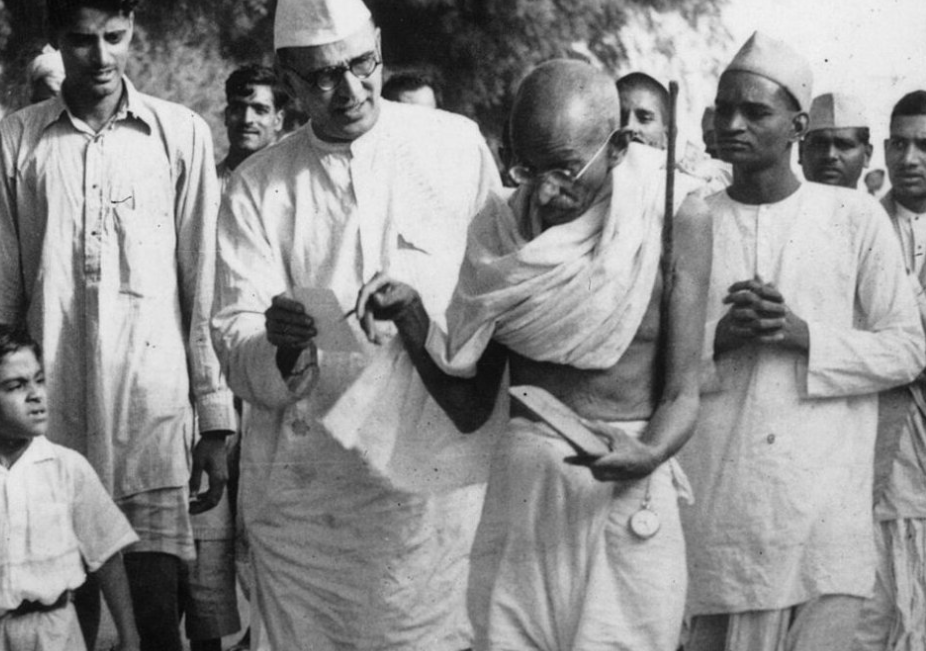
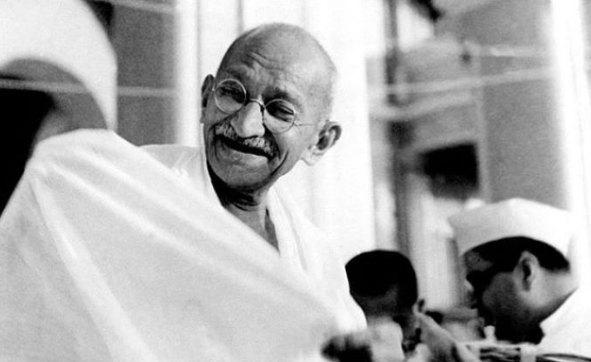
Understanding MK Gandhi today entails more than simply engaging with his written works. Researchers from several disciplines have been trying to gain an extensive understanding of MK Gandhi by reading his writings and activities together for decades. The effort to develop an integrated idea of Gandhi is still ongoing on several issues, be it politics, economics, Muslim appeasement, or even cow protection, but truly it’s difficult because behind the popular narrative that has been fed to generations of Indians about the so-called ‘father of the nation’, there lies a complex character whose actions and thoughts seem problematic from certain viewpoints.

Cow protection debates emerge regularly in Indian politics, and whenever they do, people debating over the issue try to strengthen their respective arguments by inappropriately quoting Mohandas Karamchand Gandhi. Supporters typically refer to Gandhi’s statements about the cow whereas opponents point to Gandhi’s efforts to honour the beliefs of a certain percentage of the population, notably Muslims, who usually engage in cow slaughter and the consumption of beef. Here, it can clearly be said that Gandhi has always been against the idea of cow slaughter but he has never respected the sentiments of the Hindu community who kept on demanding a ban on cow slaughter. He believed it was wrong to force anyone to stop slaughtering the cows.

Gandhi championed cow protection but claimed ‘forcing’ Muslims against consuming cow meat would be wrong

In July 1947, lakhs of Hindus had signed a petition in the form of postcards, telegrams, and letters demanding a ban on cow slaughter. The letter was presented to Gandhi by Dr Rajendra Prasad. Responding to the same, Gandhi observed that cows were sacred and needed to be protected at any cost. However, he stated that he could not force any particular community to stop slaughtering the cows or not consume beef. “How can I force anyone not to slaughter cows unless he is himself so disposed? It is not as if there were only Hindus in the Indian Union. There are Muslims, Parsis, Christians, and other religious groups here,” he was quoted as saying.
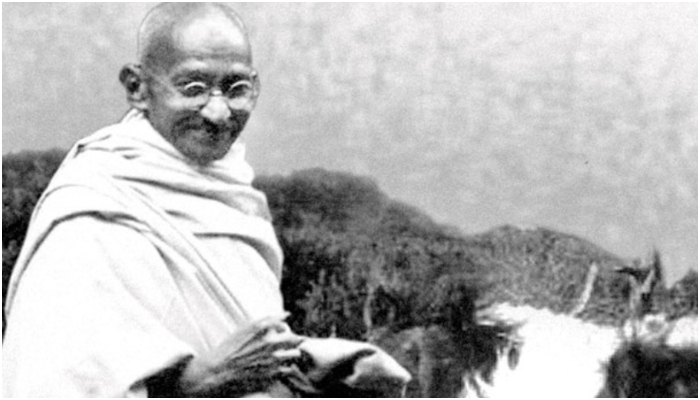
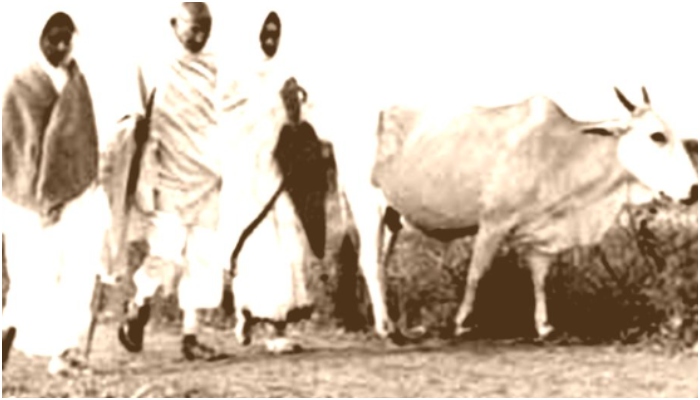
At times, he asked Hindus to look after the cows. Not only this, he asked them to undertake ‘Goseva’, and worship them. But when it came to supporting their demands to impose cow slaughter at the hands of specific communities, Gandhi stated that ‘forcing’ others to stop cow slaughter would be wrong.

The father of the nation, as Gandhi is known by an ever-shrinking bunch of his supporters, allegedly believed in the principle of community togetherness and the idea of peace, and ahimsa. He believed that every person living in the country of India had the right to follow his/her religion and the freedom to choose their respective way of life. Stating his personal beliefs about cow slaughter, he, in many of his articles stated that he did not believe in the idea of cow slaughter but could not interfere with the freedom of choice possessed by a few specific community members. He believed that though the slaughtering of cows was never even explicitly requited by Islam, it was wise of him to not force anyone who believed that it was part of their religious practice.

Gandhi asked Hindus to practice Gauseva but opined cow slaughter could never be stopped by law

Further, though Gandhi believed that he could not democratically ask the Muslims to stop slaughtering cows, he believed that he could convince them to stop it. Gandhi was certain that he could persuade the country’s Muslims to stop slaughtering cows as he believed that murdering a cow was equivalent to killing a fellow countryman.

“Muslims were under no religious obligation to slaughter a cow. The Koran so far as I have been able to understand it, declares it to be a sin to take the life of any living being without cause. I want to develop the capacity to convince the Musalmans that to kill the cow is practically to kill their fellow countrymen and friends, the Hindus. The Koran says that there can be no heaven for one who sheds the blood of an innocent neighbour,” Gandhi maintained while he wrote in one of his many speeches.
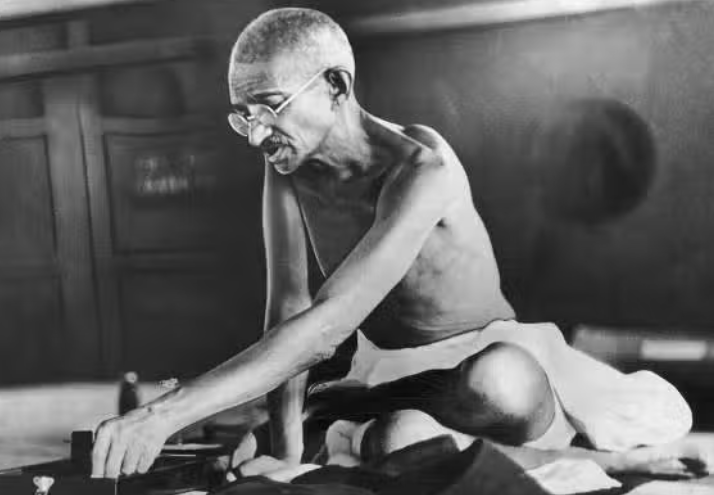
He believed that cow slaughter could never be stopped by law. Knowledge, education, and the spirit of kindliness towards her alone could put an end to it. “It will not be possible to save those animals that are a burden on the land or, perhaps, even man if he is a burden,” he once said. He equated the importance of the life of a cow to that of a human and said that he would never kill a human being for the protection of a cow or would never kill a cow for saving a human life, be it ever so precious.

While keeping this opinion he asked Hindus to protect cows. Writing in Young India in 1921, Gandhi said the protection of cows was at the very centre of Hinduism. “The central fact of Hinduism is cow protection. Cow protection to me is one of the most wonderful phenomena in human evolution. It takes the human being beyond this species. The cow to me means the entire sub-human world. Man through the cow is enjoined to realize his identity with all that lives. Why the cow was selected for apotheosis is obvious to me. The cow was in India the best companion. She was the giver of plenty. Not only did she give milk, but she also made agriculture possible,” he said.

He added that cow protection was a gift from Hinduism to the world and Hinduism would endure as long as Hindus would stand to preserve the cow. “Hindus will be assessed not by their tilaks, not by the exact singing of mantras, not by their pilgrimages, and not by the most punctilious observance of caste standards, but by their ability to defend the cow,” he added.

Was Gandhi ok with Muslims slaughtering cows?

Gandhi meanwhile also presented his thoughts in the economic sense maintaining that slaughtering cows would lead to the creation of a ‘soulless economy’. He observed that dry cows, who give less or no milk and are of no productive use would be slaughtered often by people but even such acts causing disrespect to ‘Mother Cow’ should not be happening in India. “My religion teaches me that I should by personal conduct instil into the minds of those who might hold different views, the conviction that cow-killing is a sin and that, therefore, it ought to be abandoned,” he said in Young India in 1925.

He also stated a few measures that he thought would make cow slaughter impossible in India. He opined that in the open market, the state should outbid every other buyer to purchase all cattle offered for sale. The state should operate dairies in all major towns to ensure an affordable supply of milk. He asked the state to run tanneries to use the hides, bones, and other remains of all dead cattle in its custody and said that it should offer to buy back any privately owned dead cattle on the open market.
He further stated that the state should maintain model livestock and farms, as well as teach individuals how to breed and care for cattle. He wanted the state to also create broad provisions for pasture land and import the top experts in the world to teach people about cattle science.

“The foregoing scheme presupposes the State upkeep of all old, maimed, and diseased cattle. This no doubt constitutes a heavy burden, but it is a burden which all States, but above all a Hindu State, should gladly bear,” he clearly emphasized.

While putting the onus of Gau Raksha (cow protection) on Hindus and the government of India, Gandhi’s views were quite different when it came to the Muslim population. In 1927, during the annual session of the Congress held at Madras, Gandhi agreed to a draft proposal to bring Hindu-Muslim unity, however, he failed to go through the draft in detail that gave general permission to Muslims to slaughter cows. The issue of the protection of cows was eventually ignored to bring about Hindu-Muslim unity in the nation.

Later responding to the matter, Gandhi stated that he remembered the grave mistake committed by him in the night. “I have committed a grave error. I did not read the draft properly. But in the night I suddenly remembered that that draft gave the Mussulmans general permission to slaughter cows and the question of cow-protection was conveniently ignored! How can I bear this? If they slaughter cows, we cannot stop them by force, it is true, but we can at least win their trust by loving service and explaining our point of view to them, can’t we? As for me, not even to win Swaraj will I renounce my principle of cow protection! Go and tell these people that I do not accept that settlement! No matter what the consequences, I will not be a party to cow slaughter!” he conveniently added up.

Conclusion: Gandhi was never clear on what he exactly had to convey

Gandhi has always allegedly favoured the Muslims given the community served as an important power bloc, often in collusion with the British rulers in the then contemporary politics. Gandhi’s first getaway into politics in South Africa and India was a strong collaboration with Muslim businessmen from the Bombay Presidency, as well as hard-line Islamist leaders such as the Ali brothers and Abdul Bari. Whereas, wealthy caste Hindus, particularly Gujarati and Marwari merchants, provided Gandhi with financial support. Cow protection was their preferred cause (as it was for many other Hindu communities, particularly those in the Hindi belt).

Gandhi accommodated upper caste Hindus by using word symbolism to promote cow protection, consistently asserting it to be the most holy responsibility of Hindus. However, in terms of tangible acts, he catered to the group that appeared to be higher up in his power hierarchy – the Muslims – by maintaining the status quo in their favour. He emphasized that Hindus could only plead to Muslims to cease cow slaughter and that they should not bargain or use force to protect cows; he rejected legal bans on cow protection, even where Hindus were in the majority, without Muslim assent.
Given this, it can be stated that Gandhi’s ‘liberal’ and ‘plural’ values took over his Hindu mind which believed cow protection to be the biggest service Hindus could ever adopt. Gandhi failed to stand by Hindus who demanded a ban on the slaughter of cows at the hands of Muslims while he believed that slaughtering the cows was one of the biggest sins anybody ever could commit. He favored Muslims saying that slaughtering cow was their choice of lifestyle but also stated on the other hand that it was nowhere mentioned in the Quran that cow slaughter was an obligation to follow Islam.

There are a few questions to raise here- Gandhi believed in the principle of ahimsa (non violence), so how could he allow his countrymen (Muslims) to practice cow slaughter? He never allowed it, but then he even never advocated for a ban or stopped them from slaughtering cows. Why? Isn’t this a little bit strange and difficult to digest? How could he not stop his loving countrymen (Muslims) from practising ahimsa in the form of cow slaughter, as the former personally believed that murdering a cow was equal to murdering a human life? How could he ask Hindus to protect cows in the name of religion and not stand by them when they demanded a ban on slaughter practised by other communities in the name of religion?

People have selectively been quoting Gandhi to support their respective arguments on the issue of cow slaughter, but they need to understand that the person whom the nation refers to as a ‘father’ was hardly firm and clear on what he exactly had to convey. By reading his views, one comes to thinking that Gandhi’s personal version of Ahimsa was mostly about avoiding conflict with a lot of appeasement of the violent side added to it.

This is not to criticize Gandhi or laud him for whatever he did, of course, people supporting him will praise him for standing by Muslims and people who don’t like him might end up criticizing him for not taking a firm stand for cow protection or standing by Hindus for that matter. This is just to state facts and to accept the idea that even a personality elevated to near-divine status in the popular narrative can be susceptible to flaws.

Israel declares UN chief Antonio Guterres persona non grata, bans him from entering the country

Israel on Wednesday declared UN chief Antonio Guterres “persona non grata”, banning him from entering the country. The decision was taken by the Israeli foreign ministry for failing to unequivocally condemn Iran’s missile attack on Israel yesterday.

Foreign minister Israel Katz announced on social media that he has declared Guterres a “persona non grata” in Israel. He said, Today, I have declared UN Secretary-General @antonioguterres persona non grata in Israel and banned him from entering the country.” Katz added, “Anyone who cannot unequivocally condemn Iran’s heinous attack on Israel, as almost every country in the world has done, does not deserve to step foot on Israeli soil.”

The foreign minister added in his tweet, “This is a Secretary-General who has yet to denounce the massacre and sexual atrocities committed by Hamas murderers on October 7, nor has he led any efforts to declare them a terrorist organization. A Secretary-General who gives backing to terrorists, rapists, and murderers from Hamas, Hezbollah, the Houthis, and now Iran—the mothership of global terror—will be remembered as a stain on the history of the UN. Israel will continue to defend its citizens and uphold its national dignity, with or without António Guterres.”

After Iran launched almost 200 missiles targeting Israel, UN chief Antonio Guterres condemned the “broadening of the Middle East conflict, with escalation after escalation.” He added, “This must stop.  We absolutely need a ceasefire” without referring to Iran firing ballistic missiles towards Israel.

As reported earlier, on 1st October, Iran launched several ballistic missiles targeting Israel as the Middle-East conflict worsens. The Israeli civilians had rushed to bomb shelters after sirens went off in the entire country following the large-scale ballistic missile launches by Iran.

As per the latest reports, 181 missiles were launched by Iran in the strike. Israel Defense Forces said that it intercepted “a large number” of them using the Iron Dome missile defence system. US forces also helped in shooting down many of the missiles.

However, due to the large number of missiles launched at the same time, the system was overwhelmed and many missiles hit locations in Israel, especially in central and southern Israel. As all the residents were rushed to bomb shelters, there were no significant casualties in the attack.

Earlier, on Monday, Israel launched “targeted ground raids” at Iran-backed proxy Hezbollah’s targets across several villages of southern Lebanon. This came just days after Hezbollah Chief Hasan Nasrallah was killed by Israel Defense Forces in an attack on his bunker. Israeli Ground attacks in Lebanon were backed by airstrikes and artillery launches in places close to Israel’s northern border.

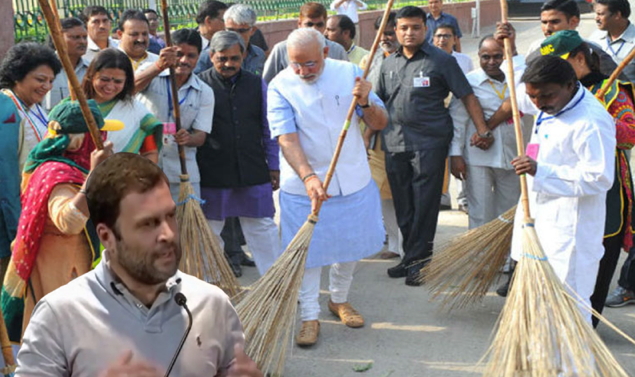
10 years of Swachh Bharat Abhiyan: Throwback to the times when Rahul Gandhi was left red-faced after students told him ‘Swachh Bharat’ was working

On October 2, 2024, India celebrated the 10th anniversary of the momentous Swachh Bharat Mission launched by PM Modi, which created an awareness of civic duties among citizens and expedited the country’s toilet coverage to 100 per cent from less than 40 per cent.

At an event in Delhi, PM Modi celebrated the completion of 10 years of the Swachh Bharat Mission and urged state governments and citizens to continue striving for cleanliness as it is not a day’s job but an unending pursuit. “The mission for cleanliness is not one day’s, it is a life-long tradition. We have to take it forward for generations…This is something we should do every day,” he said.

Sharing his address during the event on X, formerly known as Twitter, PM Modi tweeted, “As we mark #10YearsOfSwachhBharat, I salute the unwavering spirit of 140 crore Indians for making cleanliness a ‘Jan Andolan’.”

PM Modi emphasised the significant public support the movement has gained over the past decade, stating that it has become a personal mission for every citizen. On the occasion of the 10th anniversary of Swachh Bharat, the Prime Minister commended the efforts of safaimitras, religious figures, athletes, celebrities, NGOs, and the media in turning Swachh Bharat into a major public initiative. He also acknowledged the contributions of both current and former Presidents and Vice Presidents of India, who participated in Shramdaan, inspiring the nation.

The Prime Minister highlighted various cleanliness activities happening across villages, cities, and neighbourhoods, noting the active involvement of state ministers and leaders. He mentioned that millions have participated in the Swachhta hi Seva campaign during this edition of Swachhta Pakhwada, with over 27 lakh programs organized in just 15 days, engaging 28 crore people. He underlined the importance of ongoing efforts to maintain cleanliness in India and expressed his appreciation to all citizens.

Several eminent personalities, from the field of politics to Bollywood, sports to business, lavished praises on PM Modi and his vision of the Swachh Bharat Mission to impart lessons of cleanliness and including it in policy-making, which further provided impetus to expanding sanitation coverage across the country and sensitising people towards the importance of keeping their surroundings clean and hygienic.

From the Director General of WHO, Dr Tedros Ghebreyesus to World Bank President Ajay Banga, to the President of Asian Development Bank Masatsugu Asakawa to spiritual leader Sri Sri Ravishankar, several notable personalities lauded PM Modi on the occasion of the 10th anniversary of the Swachh Bharat Mission.

However, not everyone understood the impact the Swachh Bharat Mission could have on a country like India, where hygiene and cleanliness, for a long time, were regarded as government duties and not personal obligations. For those steeped in petty politics, waiting to criticise their rivals regardless of objectively assessing their decisions, the Swachh Bharat Mission gave them yet another opportunity to attack the Prime Minister.

Rahul Gandhi, the senior Congress leader who has made ‘caste census’ his recent catchphrase and who routinely whips up anti-government sentiments among the poor and the marginalised by demonising the business leaders, had declared the Swachh Bharat Mission a failure as early as November 2015, 13 months since its launch. However, he had eggs on his face when the students he was addressing emphatically responded to him, saying Swachh Bharat Mission was a runaway success.

During a Q&A session at the renowned Mount Carmel College for women, Gandhi posed the question to the audience about whether the Clean India campaign had been successful. The response from the all-women audience was an enthusiastic “Yes.”

Criticising the Modi government, he remarked, “I hear a lot of discussion. Are we really serious? Is cleaning your country a strategic national government program? Because it doesn’t seem to be working, does it?”

The Congress leader expected an emphatic “No” in response, but instead, he was met with the reply, “It is.”

Caught off-guard, he asked, “You really think it’s working?” This time, the response was an even louder “Yes” than “No.” He quickly regained composure and remarked, “Alright, but I don’t see Swachh Bharat working that well.”

This incident not only exposes Rahul Gandhi as a politician with poor ground connections but also reveals his arrogance that restricted his ability to acknowledge his political rival’s decision had resonated with the public. It serves as a lesson for leaders like Mr Gandhi—to not attack their opponents just for the heck of it and appreciate policy decisions by them that are bound to help the nation.

Even as Gandhi seeks to fashion himself as the leader of the poor and lower castes, partly to break the Hindu consolidation PM Modi forged when he came to power in 2014 and dent BJP’s vote share, it is worth noting that he couldn’t appreciate a decision that has since aided the most vulnerable sections of the society—those who were exposed to diseases and ailments because of no access to toilets.

Those who were poor and didn’t have toilets had previous Congress governments to blame for their predicament since Congress-led governments ruled the nation for decades, and yet, today, Congress leader Mr Gandhi is trying to appeal to the baser instincts of the very same people his governments had disregarded for years, hoping to leverage them to turn his political fortunes.

Nevertheless, the Swachh Bharat Mission has successfully transformed India from a country where over one-third of villages practised open defecation in 2014 to achieving near-total Open Defecation Free (ODF) status, with over 6.4 crore toilets built. It has also broadened its scope to include solid and liquid waste management, garbage segregation, and plastic waste reduction. Studies suggest that this initiative may have saved 60,000-70,000 infant lives each year, contributing to a significant drop in infant and under-five mortality rates. By 2022, 95% of villages had waste management systems in place, though challenges remain, especially in larger states, in meeting the 2030 sustainable development goal.

Plagued with nighmares, son became ill: Thief writes apology letter and returns 100-year-old Radha Krisha idol he stole from temple in Uttar Pradesh

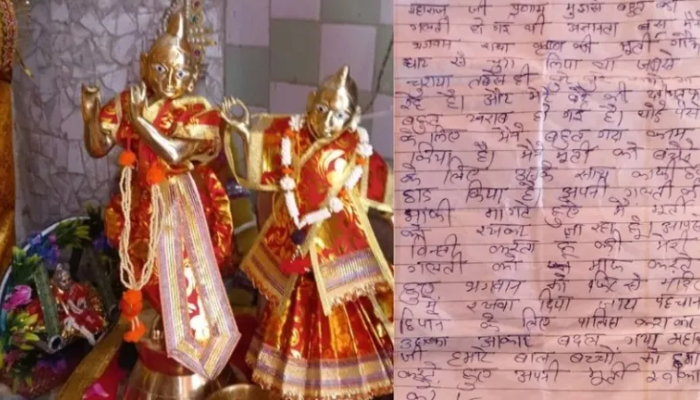
A thief who stole a Radha Krisha idol from a temple in the Prayagraj district of Uttar Pradesh returned it on 1st October. He also left an apology letter which stated that he had been beset with misfortune ever since he took the idol. The deity was then reinstalled in the temple with due rituals by the priest. Mahant (priest) Jayaram Das told OpIndia that the idol had been left by the robber in a jute sack close to the ashram’s entrance. People spotted the idol in front of the ashram located on the Handia-Kokhraj service road at around 11:30 am.

According to media reports, the case pertained to the Nawabganj police station area of ​​​​Prayagraj district where Khasla Ashram is located in the Gaughat area. “Locals on Tuesday evening spotted a man running after leaving a sack outside the ashram road and became doubtful and frightened over the unclaimed sack. When they mustered the courage to open it, they found the idol of Radha Krishna and further informed the priest of the temple as well as the police,” stated Nawabganj inspector Anil Kumar Mishra.

A nearly 100-year-old idol of Radha-Krishna made of ashtadhatu (octo-alloy comprising gold, silver, copper, lead, zinc, tin, iron, and mercury) is housed in the sanctum sanctorum of the temple built in the ashram. On 23rd September 2024, someone took away the idol after which Mahant Jayaram Das of the temple complained to the authorities who registered a case and started searching for the thief.

The thief remained at large for over a week. The mahant, devastated by the incident, stopped eating and other disciples of the ashram also became depressed. Meanwhile, the thief put the idol near the temple along with an apology letter addressed to the mahant and quietly went away. He didn’t reveal his identity but wrote that his action was due to ignorance and unveiled, “I have made a huge mistake. I am having bad dreams and have not been able to sleep, eat, and live peacefully since I stole the idol.”

He sent his greetings to the mahant and mentioned, “My son and wife have also become seriously ill. I have done a very bad thing for a little money. I have tampered with the idol with the intention to sell it. Moreover, I am fed up with the scary dreams and am returning your ‘amaanat’. I am apologising for my mistake and leaving the idol. I request you to pardon me for my error and restore the Lord’s place in the temple. Please accept your idol and forgive our children.” The identity of the perpetrator remained unknown.

He even had the idol polished as he attempted to sell it. The reappearance of the idol has created a happy atmosphere at the ashram. The idol is being re-installed at its rightful position after performing jalabhishek (ritual bathing with water) and other sacred religious rites. The police have also been informed about the development and further legal action is underway. Speaking to OpIndia, Jayaram Das said that he is the Mahant of Siddha Mandir and he had prayed to God for justice after the theft.

A similar case came to light in Mangaluru, Karnataka in January 2021 where a condom was put in the donation box of Swami Koragajja temple. The police could not find the accused, but one day two men, Abdul Raheem and Taufiq reached the temple and went to the priests. They confessed to the crime of urinating and dumping condoms in the donation box, along with another man named Nawaz.

They informed that after that act, both of them started vomiting blood and experienced bloody dysentery. After the sacrilege, Nawaz became insane and died by banging his head on the wall of his house. His last words were that Lord Koragajja was furious at them. Taufiq and Raheem begged for mercy from the temple priest by holding their ears.

West Bengal: NIA raids 11 locations over revival of banned CPI (Maoist) organisation, recover incriminating documents, 6 people arrested

0

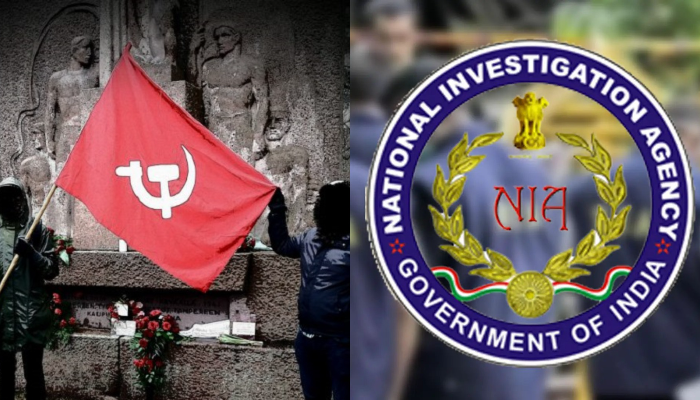
On 1st October, the National Investigation Agency (NIA) conducted raids at at least 11 locations in West Bengal over funding of Maoist groups. The operation was reportedly carried out at Sodepur and Jagaddal in North 24 Parganas, Asansol in West Burdwan and Netaji Nagar in Kolkata along with Howrah and Nadia. Special Task Force (STF) of West Bengal police also accompanied the officials. The conspiracy revolved around the revival of the banned Communist Party of India (Maoist) in the Eastern Regional Bureau region.

The national agency released an official statement which read, “The National Investigation Agency (NIA) on Tuesday searched multiple locations in various districts of West Bengal in a case involving a CPI (Maoist) conspiracy to revive its presence in the Eastern Regional Bureau area. NIA teams conducted elaborate searches at the houses of suspects at a total of 11 locations in South 24 Pargana, Asansol, Howrah, Nadia and Kolkata districts of the state. The suspects were overground workers of CPI (Maoist) and were believed to have assisted the organisation’s commanders in carrying out Naxal activities.”

Several incriminating documents, electronics, handwritten letters, periodicals and pamphlets were seized as a result of the searches. The press release further added, “The case RC-01/2022/NIA/RNC relates to a conspiracy by the Polit Bureau/ Central Committee members, cadres and sympathisers of the banned terrorist organisation. The conspiracy is aimed at reviving, expanding and propagating the ideology of CPI (Maoist) in Jharkhand, Bihar, Chhattisgarh and other states in the northern and eastern regions of India.”

Two women and their associates were the main subjects of the investigation, according to media reports. “These two women sent funds to Maoist groups in Chhattisgarh, Jharkhand and Bihar. The raids were to find their exact roles in the Maoist organisation,” a source unveiled.

Investigators raided the house of an alleged human rights activist in Disergar, close to the Sitala shrine of Kulti in West Burdwan at 5:55 am. The woman spent the last 15 to 16 years residing in the area. According to locals, she was employed by a workers’ rights organization. The NIA team took possession of computer hard drives, an Android phone and some other papers following the four-hour operation. The officials raided the home of another woman in Panihati. They also looked for the home of a researcher in Asansol who had communicated with the two women.

An NIA official disclosed, “During the searches, we seized a trove of incriminating evidence, including documents, electronic devices, pamphlets, magazines, and handwritten letters. These materials are believed to provide crucial insights into the Maoist conspiracy and its network in the region.” The officer further mentioned, “As the investigation progresses, there are chances of further arrests and revelations in this case.”

Six people have been arrested in this case, which was filed at the NIA Police Station Ranchi in April 2022 under various sections of the Indian Penal Code and Unlawful Activities (Prevention) Act. Those accused include Prashant Bose and Pramod Mishra of the CPI (Maoist) Polit Bureau and Sabyasachi Goswami of the Central Committee. “Thirteen top CPI (Maoist) leaders were named in the FIR along with others. Further investigations are continuing in the case,” the press release added. The searches took place as part of an inquiry into the conspiracy hatched by members of the Central Committee, cadres, and Maoist supporters of the Polit Bureau.

Only person killed in Iranian missile attack against Israel was a Palestinian, Iron Dome and Bomb Shelters protect Israelis from nearly 200 missiles

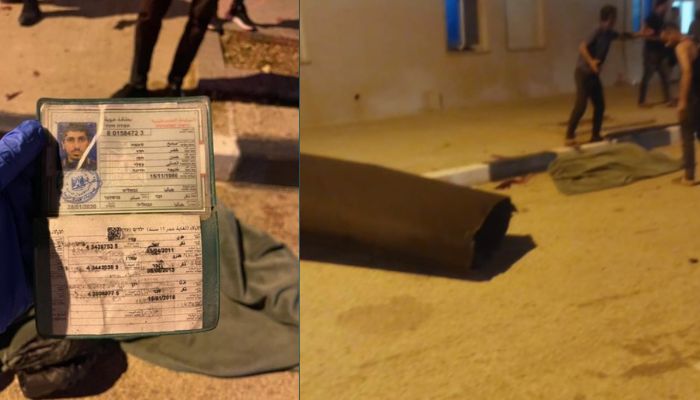
During the Iranian missile attack on Israel yesterday, a Palestinian man was killed in the West Bank town of Nu’eima near Jericho after the falling fuselage of an intercepted missile hit him. Sameh Asli, a 37-year-old Palestinian from Jabalia in Gaza, has so been the only documented fatality from Iran’s attack on Israel.

In a statement, the Palestinian Civil Defense said: “fatality in Jericho and material damage caused by the falling rocket and shrapnel.”

Further confirming the identity of the deceased Jericho governor Hussein Hamayel said: “A Palestinian worker in Jericho was killed when pieces of a rocket fell from the sky and hit him.”

In addition, 4 Palestinians have been reported injured by shrapnel from the same rocket. Reports say that Sameh Al-Asali, a father of three, was one of hundreds of Gazan labourers with Israeli work permits who became stranded in Israel on the 7th of October during the Hamas onslaught against Israel and sought refuge in the West Bank.

As per the visuals emerging on social media, a meter-long missile piece close to al-Asali’s body is seen lying on the ground and covered by a sheet.

A video recorded the moment the Palestinian man was killed instantaneously by wayward shrapnel from one of the Iranian rockets fired into Israel on Tuesday. The video shows the man strolling around on a street in Nu’eima village, as an enormous chunk of an Iranian missile fell from the sky. The piece of shrapnel crashed directly on top of Sameh al-Asali resulting in his instant death.

Meanwhile, the Israeli emergency services said that just two persons were slightly injured by shrapnel in Tel Aviv during the Iranian missile attack, while several more were treated for minor injuries.

As reported earlier, on 1st October, Iran launched several ballistic missiles targeting Israel as the Middle-East conflict worsens. The Israeli civilians had rushed to bomb shelters after sirens went off in the entire country following the large-scale ballistic missile launches by Iran. As per the latest reports, 181 missiles were launched by Iran in the strike. Israel Defense Forces said that it intercepted “a large number” of them using the Iron Dome missile defence system. US forces also helped in shooting down many of the missiles.

However, due to the large number of missiles launched at the same time, the system was overwhelmed and many missiles hit locations in Israel, especially in central and southern Israel. As all the residents were rushed to bomb shelters, there were no significant casualties in the attack.

Earlier, on Monday, Israel launched “targeted ground raids” at Iran-backed proxy Hezbollah’s targets across several villages of southern Lebanon. This came just days after Hezbollah Chief Hasan Nasrallah was killed by Israel Defense Forces in an attack on his bunker. Israeli Ground attacks in Lebanon were backed by airstrikes and artillery launches in places close to Israel’s northern border.

‘Iran made a big mistake’:As Netanyahu pormises severe retaliation, and US extends support, major war looms over Western Asia

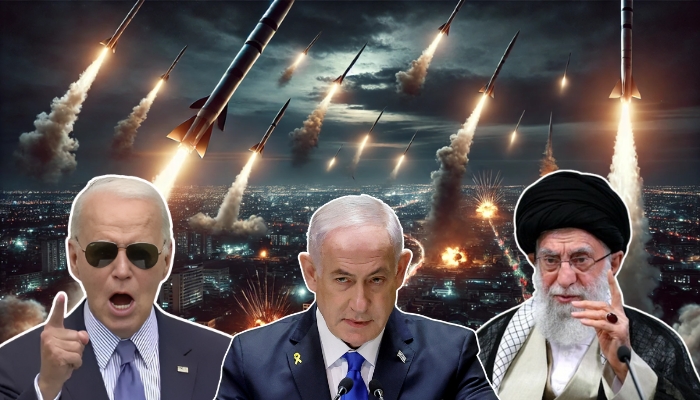
On 1st October (local time), Iran launched over 180 ballistic missiles targeting various regions across Israel, claiming it was a retaliation to the attacks on the Lebanese terrorist organisation Hezbollah and the assassination of its chief, Hassan Nasrallah. Air raid sirens were heard all across Israel, and Israeli Defence Forces (IDF) scrambled to intercept the incoming missiles with the support of United States forces stationed in the Mediterranean. In a statement, Israeli officials called the missile attack by Iran a ‘severe provocation’.

IDF spokesperson, Rear Admiral Daniel Hagari, described the attack as a ‘severe and dangerous escalation’. He said, “Iran launched a large-scale attack of over 180 ballistic missiles directly from Iranian soil at the State of Israel. There were a small number of hits in the centre of Israel and some other hits in southern Israel. The majority of the incoming missiles were intercepted by Israel and a defensive coalition led by the United States.”

He further warned that such aggression will result in serious repercussions for Iran. He said, “Iran’s attack is a severe and dangerous escalation. There will be consequences… Our defensive and offensive capabilities are at the highest levels of readiness. Our operational plans are ready. We will respond wherever, whenever, and however we choose, in accordance with the directive of the government of Israel.”

Iran made a big mistake, said PM Netanyahu

The Prime Minister of Israel, Benjamin Netanyahu, released a statement shortly after the missile attack. He issued a stark warning to Tehran. Describing the attack as a strategic failure for Iran, he affirmed that there will be a decisive response from Israel. In a post on X, PM Netanyahu said, “Iran made a big mistake tonight—and it will pay for it.”

A Security Cabinet meeting was convened late Tuesday, chaired by PM Netanyahu. During the meeting, he reiterated Israel’s policy of retaliation against any aggressor. He said, “Whoever attacks us, we attack them. The regime in Tehran does not understand our determination to defend ourselves and to exact a price from our enemies… They will. We will keep to the rule we have determined: Whoever attacks us—we attack them.”

PM Netanyahu highlighted the failure of the Iranian strike due to the advanced defence systems put in place by Israel. He said, “This evening, Iran again attacked Israel with hundreds of missiles. This attack failed. It was thwarted thanks to Israel’s air defence array, which is the most advanced in the world.” He further extended his appreciation to the IDF for their effective response. He also expressed gratitude to the United States, saying, “I thank the US for its support in our defensive effort.”

US pledges full support for Israel

Soon after the attack, the United States affirmed its commitment to the security of Israel. Calling the Iranian attack a “significant escalation”, National Security Adviser Jake Sullivan pledged that the US would ensure Iran faces serious consequences for its actions. He added that President Joe Biden was closely monitoring the situation.

US President Joe Biden also issued a brief statement following the attack. He said, “Make no mistake—the United States is fully, fully, fully supportive of Israel.” Biden pointed to the successful interception of the majority of the Iranian missiles as a testament to the coordinated defensive efforts of Israel and the United States. He added, “The outcome of Iran’s strike was a testament to intensive planning [between] the United States and Israel to anticipate and defend against a brazen attack.”

Speaking on the matter, Defence Secretary Lloyd Austin praised the coordinated effort between Israeli and US forces. He said, “I spoke with Israeli Minister of Defence Yoav Gallant today following this outrageous act of aggression by Iran against Israel.” He further highlighted the role of US warships in intercepting several missiles targeting Israel. He stated that the US would “never hesitate to protect our forces and interests in the Middle East.”

Secretary of State Antony Blinken also issued a statement reinforcing that the defence partnership between the US and Israel had been effective in thwarting the attack. He said, “Israel, with the active support of the United States and other partners, effectively defeated this attack. We demonstrated, once again, our commitment to Israel’s defence.”

Iran issues warning, claims attack was ‘legitimate response’

Reacting to Israel’s vow to retaliate against the Iranian missile attack, Tehran issued a warning to Israel and defended the missile attack by calling it a “rational and legitimate response” to Israeli actions. Iran’s Permanent Mission to the United Nations issued a statement claiming the strike was in retaliation for Israel’s continued airstrikes on Hezbollah targets in Lebanon, the Iranian-backed terrorist group.

The Supreme Leader of Iran, Ali Khamenei, issued a statement on social media celebrating the attack and called it a “Victory from God.” He posted an illustration of an underground weapons cache with the caption, “Victory from God and a near conquest…” He further warned Israel of more strikes in the future. He said, “The strikes of the resistance front on the worn-out and decaying body of the Zionist regime will be more striking.”

While issuing a warning to Israel, Iran’s UN ambassador, Amir Saeid Iravani, stated that if Israel retaliates, Iran’s response would be “swift and decisive.” He added, “Iran’s actions are a direct response to the illegal assassinations of its leaders, and Israel’s continued war crimes in Lebanon, Gaza, and Syria.”

US intelligence alerted Israel ahead of the attack

As per reports, the US had warned Israel ahead of the attack as Washington had detected signs of an imminent Iranian attack. The warning was issued hours before the missiles were launched. Reportedly, the American forces were prepared to provide assistance. Two US destroyers in the Mediterranean, the USS Bulkeley and USS Cole, played a key role in intercepting some of the incoming missiles alongside ‘Iron Dome’, the Israeli air defence network.

Pentagon Press Secretary Maj Gen Pat Ryder provided details of the US response in a statement, saying, “The USS Bulkeley and USS Cole fired about a dozen interceptors at inbound ballistic missiles.” The majority of the missiles were intercepted by Iron Dome. Ryder stressed that the US role in providing intelligence was critical to mitigate the impact of the Iranian attack.

Tensions rise in the region

The latest attack on Israel came against the backdrop of Israeli forces conducting operations against the terrorist organisation Hezbollah, which is backed by Iran. Netanyahu warned that Iran could face the same fate as Gaza and Lebanon, where Israeli airstrikes have intensified over recent weeks. “This is true wherever we fight the axis of evil. It is true in Judea and Samaria. It is true in Gaza, Lebanon, Yemen, and Syria; and it is also true in Iran,” he said.

The United Nations Security Council has scheduled an emergency meeting to address the escalating tensions in the area.

‘Murdered his mother, chopped off her organs’: Bombay HC upholds death sentence of man who cut his own mother into pieces, put her heart in a plate and ribs in a bottle

On Tuesday (1st October), the Bombay High Court upheld the conviction and death sentence of a Makadwala Vasahat, Kolhapur resident Sunil Rama Kuchkoravi who murdered his 60-year-old mother and mutilated her body. The culprit was awarded a death sentence in 2021. The Additional Sessions Judge had then convicted Sunil of the offence punishable under Section 302 of the IPC and sentenced him to be hanged till death. A fine of Rs.25,000/- was also imposed and in default, he was directed to undergo rigorous imprisonment for six months.

A division bench of the high court, comprising Justice Revati Mohite Dere and Justice PK Chavan, heard Sunil’s appeal against the Kolhapur Sessions Court’s death sentence verdict.

Notably, the body of the convict’s 60-year-old mother was found in the house, with her internal organs, including the liver, heart, ribs, and intestines, dispersed around the floor. Furthermore, the heart was placed on a plate in the kitchen, and the ribs were found in an oil bottle with chilli powder and salt. An 8-year-old girl residing in front of the victim’s house had first noticed the dead body lying in a pool of blood. The girl rushed to inform the convict’s brother Raju about it.

“Raju rushed to the spot of incident only to witness the horrendous crime, wherein his mother was lying on the floor naked, in a pool of blood and her body parts i.e. liver, intestine, heart, rib and breast were eviscerated outside. Trail of blood was found flowing till the adjoining house of the convict. He also noticed two knives and one Sattur (Chopper) stained with blood, lying on the spot. By that time, the police arrived at the scene of occurrence,” the court order states adding that Raju and other locals grabbed the convict and turned him over to the police.

Moreover, the convict’s Bermuda shorts, clothes, hands, and mouth were all smeared with blood. The prosecution said that the convict’s motivation for killing his mother was her refusal to give him her pension money, which he needed to support his alcohol addiction. The deceased victim used to receive Rs 4000 monthly pension of her husband. 

As per the prosecution, the Convict was accustomed to consuming liquor. He used to harass his wife. The wife could not tolerate harassment at the hands of the convict and, therefore, she deserted him with three daughters and a son and came to Mumbai.  Since the convict was alone, his mother provided him food and shelter. However, the convict used to beat his mother over not giving him the pension money.

Court highlights extreme barbarism and brutality, calls the convict a danger to other prisoners

The top court stated in its judgement that even if the convict were sentenced to life in prison, he would still represent a threat to his fellow inmates.

“Apart from the extreme brutality, cruelty and barbarism with which the convict had murdered his mother in a cold blooded manner, one cannot deny that his conduct was akin to cannibalism and, therefore, he could be a potential threat and danger to the inmates in the jail, in case, the sentence of life imprisonment is awarded. A person who could commit such a heinous crime by killing his mother, can do so with anyone else, including his own family. His social integration, therefore, is unquestionably foreclosed,” the court said.

The court also noted that the convict showed no signs of remorse when he appeared before the court via video conferencing. “During interaction with the convict through Video Conferencing, we do not find any remorse, penitence or repentance on his face. Normally, a deep regret should have come from him by a deep sense of guilt. He just feigned innocence contending that he does not remember anything,” the court order states.

Furthermore, the judgement stated that showing mercy to the man would be an abuse of the concept of mercy and a mockery of the criminal justice system.

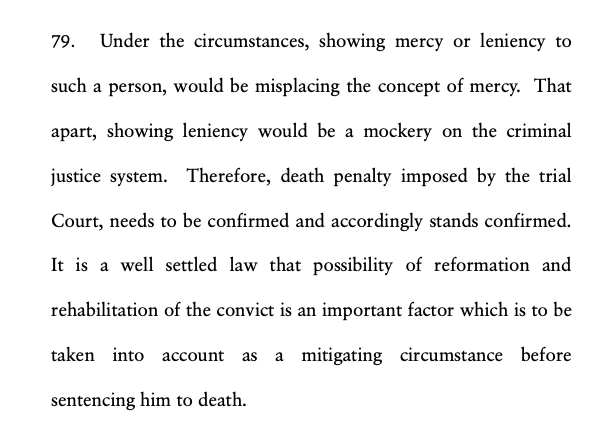
Excerpt from the relevant court order

“Under the circumstances, showing mercy or leniency to such a person, would be misplacing the concept of mercy. That apart, showing leniency would be a mockery on the criminal justice system. Therefore, death penalty imposed by the trial Court, needs to be confirmed and accordingly stands confirmed. It is a well settled law that possibility of reformation and rehabilitation of the convict is an important factor which is to be taken into account as a mitigating circumstance before sentencing him to death,” the court said.

Pakistani family living illegally in India with fake Hindu identities: How ‘Sufi’ Mehdi Foundation facilitated illegal immigration, organised fake docs and paid the family

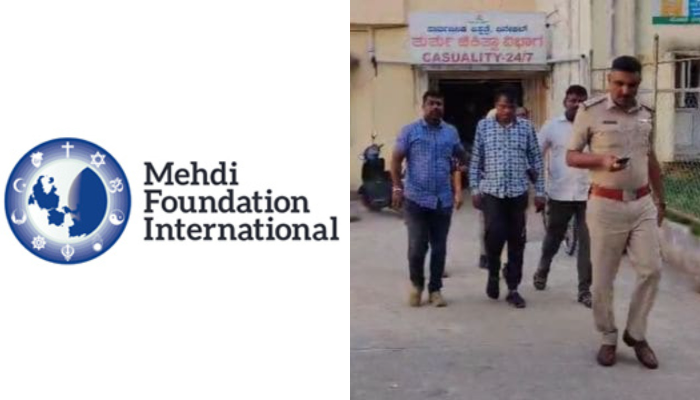
A 48-year-old Pakistan preacher named Rashid Ali Siddiqui, his wife Ayesha (38) and her parents Hanif Mohammed (73) and Rubina (61) were arrested on the outskirts of Bengaluru by the authorities on 29th September. They acquired fraudulent documents and adopted Hindu names. The accused had been living in Rajapura village under the aliases Shankar Sharma, Asha Rani, Ram Babu Sharma and Rani Sharma, respectively.

They came to Delhi in 2014 and then moved to Bengaluru in 2018. The family lived in Bangladesh’s Dhaka previously. Notably, the name of a Sufi organisation “Mehdi Foundation International” surfaced as the racket was exposed.

Siddiqui had fled to Bangladesh from Pakistan after Sufis were being hounded in the country. He served as a preacher in Bangladesh and the Mehdi Foundation covered his expenses there. He then encountered similar attacks in Bangladesh in 2014 after which he contacted a man named Parvez from the foundation who assisted him and his family to move to India illegally.

They reportedly procure duplicate Aadhaar cards, passports and driving licences under a new identity as the ‘Sharma’ family. He delivered sermons on behalf of the Mehdi Foundation in Delhi.

Essentially, the Islamic preacher living illegally in India under a Hindu identity was facilitated by the Mehdi Foundation. The Foundation was also instrumental in obtaining illegal documents for the Pakistani family.

Siddiqui and his family then shifted to Bengaluru at the request of two locals, Wasim and Altaf when they asked him to preach in the city. He met the two in Nepal in 2018. He received payment from the Mehdi Foundation for his Islamic preaching on Alra TV, while Altaf handled the rent of his house.

Moreover, “Mehdi Foundation International Jashan-e-Younus” was displayed on the wall of Siddiqui’s residence.

What is Mehdi Foundation International?

Mehdi/Messiah Foundation International (MFI) formerly known as RAGS International was established by a Pakistani “spiritual” leader and author Ra Riaz Gohar Shahi who is a fifth-generation descendant of the Sufi Baba Gohar Ali Shah, in 1980. The organisation claims to be a syncretic culmination of prophecies in Christianity, Islam, Judaism and the Dharmic religions.

The founder of the foundation which facilitates illegal infiltration and arranges fake documents, Shahi, is portrayed as the messianic figure referred to as Mehdi, Messiah and Kalki Avatar in addition to the generic “Awaited One” prophesied by different faiths.

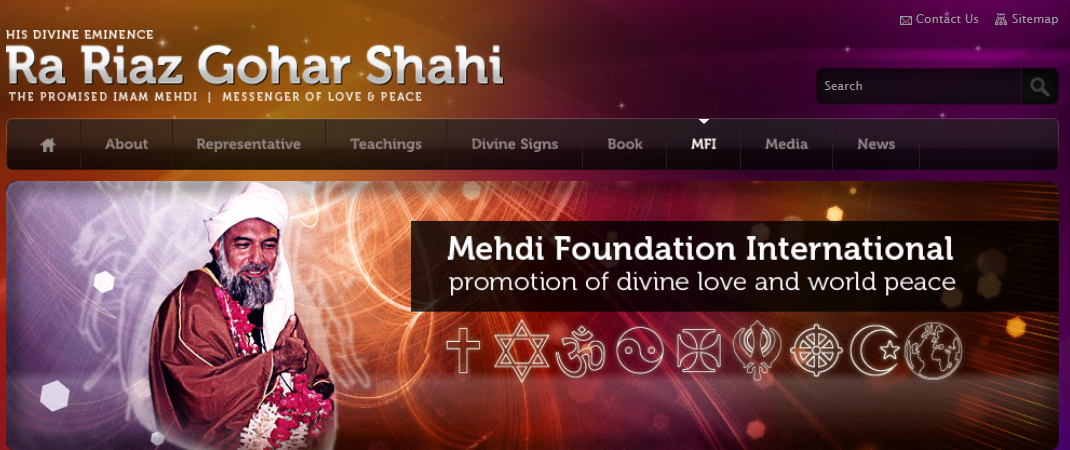
MFI was officially co-founded by Younus AlGohar, who met Shahi in 1983 and became his disciple, in 2022. He is the current head of the organisation. It also has a sister organisation named Kalki Avatar Foundation. Younus AlGohar apparently preaches religious harmony and peace and advocates against religious fanaticism. The website’s home page displays “Mehdi Foundation International: promotion of divine love and universal peace” and features symbols of several religions along with an image of Riaz Gohar Shahi.

“Mehdi/Messiah Foundation International and its sister organisation, Kalki Avatar Foundation, are interfaith, non-religious, spiritual organisations. Previously known as RAGS International (founded by His Divine Eminence Ra Riaz Gohar Shahi in 1980), MFI was formally established in 2002 by His Holiness Younus AlGohar under the guidance of His Divine Eminence,” the official website reads.

It states that members of the organisation come from a variety of religious backgrounds and “the bond of divine love and miraculous Doctrine of His Divine Eminence Lord Ra Riaz Gohar Shahi” is the resolute link between them which cuts across all religious and cultural barriers and unites the people. The website alleges that people from all walks of life work to create “widespread divine love and global peace” under the direction and guidance of the organisation.

The organisation describes itself as “a cool breeze” and “a candle of love amid stormy hatred and a torch of spirituality in the wilderness of materialism”. It further adds, “It does not surprise us when people become puzzled to see our members propagating divine love, respecting humanity, embracing the Jews, the Muslims, the Christians, the Hindus, the Sikhs and all other religions to be their spiritual brethren, but that is the Miraculous Goharian Doctrine.”

While the organisation claims that it does not associate with any religion, the organization promotes Sufism to “deradicalise” Muslims. It is crucial to keep in mind that Sufism has a very dark history in India. The most significant instance is the shocking rape case that occurred in Ajmer in 1992 in which caretakers of the renowned dargah (shrine) were involved.

The organisation was first established in London which is also its headquarters and has grown to include centres in Canada, USA, South Korea, Sri Lanka, Japan, Australia, India, Greece, Thailand, Bangladesh and Nepal among other countries. Furthermore, there’s another website by the name of mehdifoundation.com which is accessible in multiple languages including Hindi and Urdu. It also promotes similar tropes as the one by the organisation.

MFI also runs a channel named Alra TV with nearly 1.5 million subscribers on YouTube and more than 96 thousand followers on Facebook. Notably, the channel also employed Rashid Ali Siddiqui as a preacher. Interestingly, on one hand, the organisation boasts of being secular and against extremism and on the other it seems to have a soft spot for Islamic tyrant Tipu Sultan who ruled over Mysore (Mysuru) and was responsible for the massacre of the people of the Hindu community.

Mehdi Foundation International Mysore posted a photograph of a yellow shirt with “Alra TV Youtube Spiritual Channel” displayed on it, in a 2019 Facebook post and wrote, “Alra TV Yellow t-shirts of MFI Mysore, Tipu Tigers,” in its caption with a smiling emoticon, insinuating the admiration for the Islamic zealot.

Notably, AlGohar was found guilty of benefit fraud in 2013. He pleaded guilty to 11 out of 12 charges of dishonesty under the Social Security Administration Act 1992 and was ordered to pay a £6000 fine and perform 240 hours of community service.

Opposition to Mehdi Foundation International

The organisation has faced massive opposition and protests in multiple Muslim countries including Pakistan. Gohar Shahi and Younus AlGohar were the targets of numerous attempts on their life, one of which involved throwing a petrol bomb into AlGohar’s Manchester home, where the former stayed while on tour in the United Kingdom. In 2001, Shahi vanished from the public eye. Anjuman Serfaroshan-e-Islam, Shahi’s second organization, was reportedly shut down and outlawed in Pakistan in 2011.

Shahi claimed to have had a meeting with Jesus Christ in 1997. According to MFI, Shahi asserts to be the Messiah, the Mahdi, and the Kalki Avatar which is a major factor behind MFI’s opposition as such statements are considered blasphemy in the Abrahamic religions, especially Islam.

Mehdi Foundation International’s president (international), Amjad Gohar, who is a Pakistani national is currently seeking asylum in the United Kingdom. There are almost twelve blasphemy charges against him. “The teachings of religious harmony and peace are now not acceptable in Pakistan society as the clerics consider it as blasphemy. What we preach is very similar to the idea of India where it accepts and respects all religions,” he stated in an interview with The Indian Express.

“I have come to know about the arrests and we do not support those who break the law. But also, one has to understand that the members have fled Pakistan only when it became very hard for them to survive. I would request the Indian government not to deport them to Pakistan as they would be killed. They should allow them to live in India or help them till they find a country to stay,” he claimed while responding to the arrest of Rashid Ali Siddiqui and his family.

Conclusion

Mehdi Foundation International may profess to promote Sufism and religious tolerance, but it is impossible to ignore the reality that its members allowed a Pakistani family to enter India illegally, posing a serious threat to the security of the already vulnerable country which has been suffering terrorist attacks by the neighbouring Islamic Republic for decades. The organisation’s members not only enabled the Pakistanis to infiltrate India but even created fake documents and identities for them to stay in the country for a decade.

Interestingly, while the organisation claims to be syncretic, there seems to be no apparent evidence that they have supported Hindus from Pakistan, who are at the receiving end of true intolerance and have been ethnically cleansed for decades.

One has to wonder how many similar rackets are facilitated by the members of this organisation and others like MFI. These are important issues that need to be considered and addressed, and such criminal components need to be treated strictly by the law to ensure the safety and protection of the nation.

Muslim lawyers slammed by court for demanding FIR against CM Shinde for sharing stage with Ramgiri Maharaj, govt says 67 FIRs filed against seer: Here is what happened

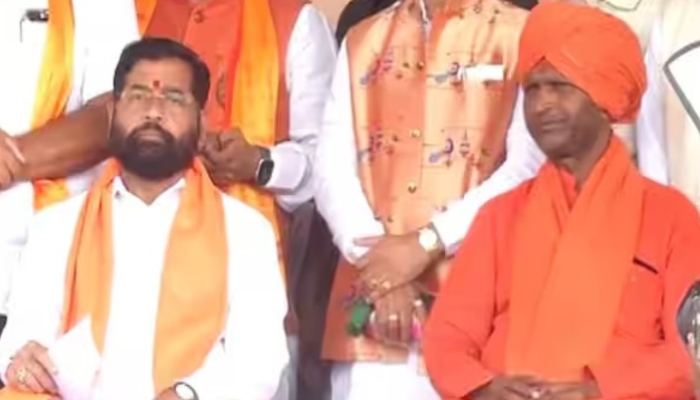
On Monday, September 30, the Bombay High Court came down heavily at some Muslim advocates who approached the court with a plea demanding an FIR against Maharashtra CM Eknath Shinde for sharing the stage with Hindu saint Ramgiri Maharaj. The judges ruled that no FIR would be filed against Eknath Shinde for sharing a stage with Ramgiri Maharaj, stating that there must be evidence of malafide intent for such action. They also cautioned the Muslim lawyer to avoid politicising the issue.

The remarks came after the Maharashtra government informed the Bombay High Court that a total of 67 FIRs had been registered against Ramgiri Maharaj for allegedly making derogatory remarks about Prophet Muhammad during an event held in Nashik district, Maharashtra, in August this year. Advocate General Dr Birendra Saraf, appearing for the Maharashtra government further told the court that the alleged ‘blasphemous’ content, which was shared online, is being taken down by the cyber crime police.

He submitted this while opposing a petition which sought the registration of an FIR against Maharashtra Chief Minister Eknath Shinde for sharing a stage with Ramgiri Maharaj after FIRs were registered against him.

The petition seeking the FIR against Maharashtra CM Eknath Shinde was filed by advocate Mohammad Wasi Sayed and others, who claimed that since 2014, there has been “a significant increase in communal incidents, with state and Union governments allegedly preserving and promoting systematic Islamophobic practices, leading to mob lynchings, riots, and the marginalization of Muslims.”

Advocate Ejaz Naqvi, representing the petitioners, further argued that rather than taking action against Ramgiri Maharaj, Chief Minister Shinde appeared on stage with him and made a public statement affirming that saints would be protected in the state.

After hearing arguments from both sides, the Bombay High Court bench, comprising Justices Revati Mohite-Dere and Prithviraj Chavan, observed that petitions concerning the removal of the seer’s videos and the registration of FIRs for the alleged hate speech are already under consideration.

‘You are making the issue political’: Bombay HC slams Muslim lawyers for demanding FIR against CM Shinde for sharing stage with Ramgiri Maharaj

“We can’t stop them from giving speeches, but the police are taking action and registering FIRs wherever they can. Just because they (Eknath Shinde and Ramgiri) are sharing a stage, it does not mean that FIR should be registered. You have to show malafides. If there is a breach, there are FIRs being registered. You (Naqvi) are making the issue political. When you digress from the core issue, then this is what happens. Your core issue is to take down videos,” the bench said.

Saraf also opposed the plea, stating that FIRs against Ramgiri Maharaj had already been registered, with a total of 67 FIRs filed as of September 19.

The bench remarked, “One cannot initiate proceedings like this,” emphasizing that the Chief Minister’s name should be removed from the list of respondents in the petition. Agreeing with this, the bench warned that costs could be imposed on the petitioners if not addressed.

The court directed advocate Naqvi to revise his prayers and remove all respondents except the cyber police and local police officials. The bench stated, “Police have a mechanism. They will deal with this.”

The petition is scheduled for further hearing on October 17.

When protestors including minors had raised ‘Sar tan se juda’ slogans against the Hindu seer

It may be recalled how in August this year, the alleged ‘blasphemous’ comments made by Ramgiri Maharaj triggered widespread outrage within the Islamist community, sparking massive protests across Maharashtra and other parts of the country. Protestors demanded the beheading of the Hindu saint, with several videos of these violent demonstrations going viral on social media. In these videos, protestors can be seen chanting slogans like ‘Sar Tan Se Juda’ (beheading), further escalating tensions. In fact, even minors were seen shouting slogans for the beheading of Ramgiri Maharaj.

Protests happened in Chhatrapati Sambhajinagar, Nashik, Pune, Thane, Mumbai, Chhatarpur, etc. However, the one that happened in the Mumbra region of Thane was taken cognizance of by the NCPCR as several minor children could be seen raising beheading slogans against the Hindu saint.