Home Blog Page 4332

Manoj Das the storyteller: Alive forever, in a million smiles and a million memories

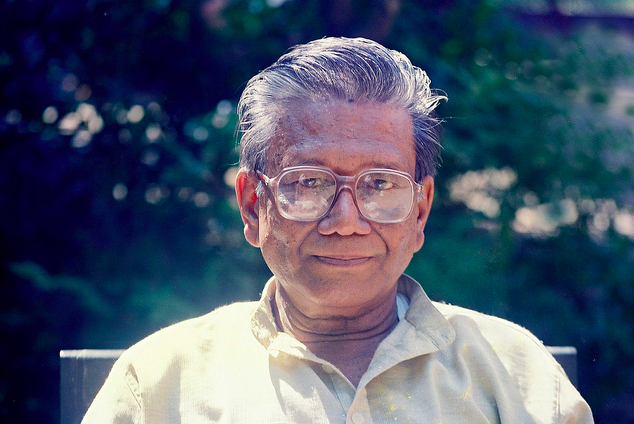
On 27 April 2021, Manoj Das said farewell to the material world. One of the most celebrated and gifted authors of modern times, the favourite of generations of Odia readers, finally breathed his last after a prolonged illness due to old age. He was 88 and for most of that 88 years, he has created magic, absolute magic with his pen.

Manoj Das was born in a small coastal village named Sankhari in the Balasore district of Odisha. The village, the Talasari beach, the Subarnarekha river and the Chandaneswar Temple nearby all played a crucial part in his formative years, and they all feature multiple times in his stories and memoirs. He was born on 27 February 1934 and after his higher education, he had worked briefly as a lecturer in Cuttack before joining the Aurobindo Ashram where he spent most of his life as a lifelong disciple of Shri Aurobindo’s philosophy and as a lecturer of English at the Puducherry University. He had many honours before his name, Sahitya Academy Award, The Saraswati Samman, Padmashri and Padma Bhushan.

None of the above actually matters, not to his readers. For he is one of the rare authors who transcend time, position, awards and recognition. He was a creator of extraordinary magic. He has woven tales of human emotions, experience, sorrows and joys with such finesse that for his readers, it doesn’t matter whether he is at Puducherry or in heaven because he is always there in the pure happiness of a brilliant, perfect story that brings fond memories. For me, and for many like me, Manoj Das will always be in the winds of the beach, in the trees around the villages, in the berry bushes of his childhood, in the old buildings of his stories, and in the countless stories that continue to enthral us with their impeccable word flow, mesmerizing plots and simple, clean humour.

Leagues ahead of his contemporaries

Manoj Das’ stories were perhaps best described by Ruskin Bond. Speaking at a literary festival in Bhubaneswar once, Bond had told that Manoj Das is the best storyteller in India when it comes to describing Indian village life, even better than RK Narayan.

We use the term ‘blessed by Maa Saraswati’ for extraordinary writers and artists. But I think many Odias readers will agree that in Manoj Das’ case, it was not just blessings. It is as if Maa Saraswati herself wrote with his pen. The purity of language, the freshness of his plots, the simplicity of his characters, the extensive shades of human nature, and myriad experiences of life not only delight the reader, they transport them back through the pages to the very set up, to feel every bit of the emotions felt by the characters and to live every moment immortalised in those stories.

Simples lives, extraordinary stories

Manoj Das wrote dozens of novels, short stories, travelogues, essays, and memoirs. In all his writing, the one thing that is common is the purity of language and the narration that just makes it all….. ‘alive’. Though he is more recognised for his English writings, we Odias don’t see him as an English writer. Odias are fortunate because we get to read the real Manoj Das, the stories, the words and the sentences where he poured down his heart, leaving a magic trail of his extraordinary gift for generations to come.

No English translation can absorb how the protagonist Bhanu Singh felt in the story ‘Bibastra’ (naked). In that story, the protagonist, the simple caretaker of an old palace owned by an erstwhile royal family suddenly gets a letter from his employer, informing him that he must prepare for a good welcome and comfortable stay for some of the old queen’s “foreign” friends, who are apparently “nudists’. The poor man undergoes a near-nervous breakdown, going through all the 5 stages of grief: denial, anger, bargaining, depression, acceptance, to finally come to terms with the fact that to ‘properly’ welcome the ‘nudists’, he must be naked himself.

Just when he was about to slip into despair, Bhanu Singh has an epiphany, an encounter with the local deity in the beach side temple that was recently looted by vandals. In a cool night on that coastal village, Singh realises that everything in god’s creation is, in fact, “bibastra”. From the blue sky to the endless sea, to the temple deity whose clothes were stolen, when all of them are ‘Bibastra’, why would he, a mere mortal, be afraid of sheding his garments.

In ‘Bhutuni: Eka Bidaya’ (The she-ghost: A farewell), there is an entire village that loves and cares for the ghost of a young girl that is said to live in an old bungalow. As if she was one of their own daughters. The villagers have ‘adopted’ the she-ghost and have come to empathise with her, for the pain and violence she had to endure in her life, and for the ‘kindness’, she had shown to them. So much is the love of the villagers for the ghost that they even oppose the government when the authorities plan to demolish the old bungalow. The authorities do not budge, and finally, the villagers decide to find a new home for the ghost, a tree. On the day of her scheduled ‘departure’ with the guidance of a famous Tantrik, the entire village weeps, as if their own daughter is being driven away harshly.

In countless such characters, situations, and setups, Manoj Das transports the readers into his own wonderland, where his words are woven into intricate fabrics of folklore, beliefs, hopes and ambitions, losses and victories, achievements, and heartbreaks. Tales where his flawless sentences work like notes of a heavenly melody, taking the reader with them in a reading journey that is, inside the minds of the writer and reader both, as colorful as the beautiful landscapes he describes.

Contrasts, characters and tropes

The stories of Manoj Das are remarkable not just for the vastness of the types of characters he chooses, but for the sheer courage of him as a storyteller. His stories are not bound by the usual tropes of love, loss, romance, and revenge that most writers dabble in. He tells stories of an old woman who was believed to have been taken by a giant crocodile, who, as per folklore, had made her his wife (Kimbhirini). He tells the story of Lakshmi, a little girl who speaks with the god (Lakshmi Ra Abhisara). He tells the story of a reluctant young man who, due to unavoidable circumstances, is forced to become a revered Guru or Godman, though in reality he possesses no spiritual powers. (Akasha Ra Isara). There is a fearful, timid history teacher who eventually comes to believe that he was the mighty horse that took emperor Prithviraj Chouhan to countless battles, and gains enough confidence to scare off a gigantic bodybuilder twice his own size (Pruthvirajanka Ghoda). These are just a handful of examples of the hundreds of worlds he created for us.

Manoj Das’ writings often also feature the theme of contrasts, where seemingly opposite characters and circumstances are flawlessly blended into a picture of brilliant shades. In his stories, a brave, selfless patriot who withstood the rigors of the cellular jail in Andamans is found belittled and ridiculed by post-independence Gandhian ‘Netas’ (Ota). An old man in his last moments learns that the love of his youth was not one-sided after all, as the girl he had loved had written him a reply, affirming her feelings for him. The poor old man’s ghost is then seen searching for that torn-away letter that was thrown away decades ago by an intermediary near a bridge (Janharatira Setu).

He is the storyteller who has never shied away from bringing together the material world with the spiritual, the natural with the supernatural, reality with the lore, and living with the spirits.

Conclusion

This article is not an obituary. Before I sat down to write it, I had a long discussion with fellow reader and friend Sambit, and we talked about how ‘timeless’ Manoj Das’ stories are. I was introduced to them by my father, when he brought home the ‘Sachitra Bijaya’ magazine. A large part of my childhood and adolescence has been about Manoj Das’ stories.

As Sambit and I discussed, one thing was certain in my mind. It is impossible to write an article about Manoj Das’ stories and do them justice. It is never going to be complete, it is never going to be enough. How do you hold the sea storm inside your palms? How can one contain the sunlight in a little lamp? How can mere mortals write down and list the immortal infinity of countless creations inside the finite restrictions of an article? How does something as insignificant, and as regular as death binds a writer who is alive in a thousand stories?

There indeed is no need for an obituary. A writer of Manoj Das’s stature can only be celebrated for the genius of his creations, not mourned. Never. It does not really matter whether he lived in Sankhari, or in Aurobindo Ashram. It does not matter where his material body took its last breath. Manoj Das will be alive in a million smiles, and a million memories.
ISIS-inspired bomber who detonated pipe bomb in crowded New York subway tunnel sentenced to life in prison

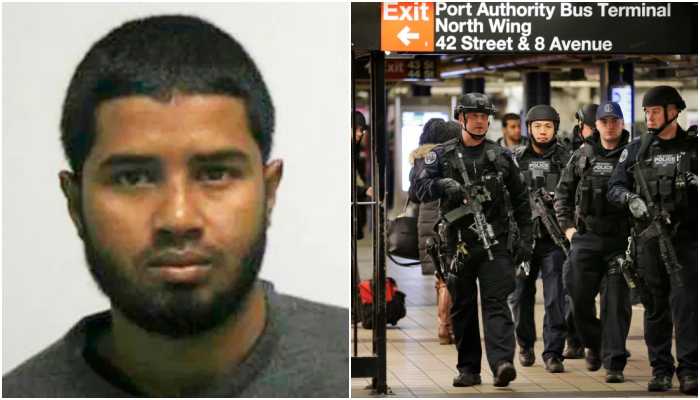
Akayed Ullah, a Bangladeshi immigrant who detonated a pipe bomb in 2017 in the name of ISIS, has now been sentenced to life in prison. Ullah had only managed to seriously injure himself and injure some other people in his bombing attempt, in what was called nothing short of a miracle at the time. On April 22, Ullah was sentenced to life imprisonment by a federal judge who rejected his request for mercy.

“This was a calculated, premeditated decision to kill as many people as you could,” the judge, Richard J. Sullivan, said, “all in the name of an organization that is dedicated to spreading terror.”

The fact that Mr. Ullah had failed to execute his plan did not make him any less culpable or his intent less sinister, the judge said. “This is about as serious a crime as there is,” Judge Sullivan added.

One of the bomber’s victims, David Wall, also wrote letters to the judge about his persisting anxiety problems because of the bomb blast.

“At times, I leave the subway system abruptly because my heart is racing and I just can’t breathe,” he wrote. “Never am I relaxed on mass transit anymore. My eyes constantly rove around my fellow passengers looking for a person carrying a bomb.”

Ullah was convicted of his charges in 2018 which included using a weapon of mass destruction, bombing a public transportation system, and providing material support to a foreign terrorist organization, ISIS. The bombing was the first attempted suicide attack in New York City since 9/11.

“Ullah’s motive was clear and unambiguous: a deeply held ideological hatred for America,” said Audrey Strauss, the U.S. attorney in Manhattan.

According to a letter Strauss sent to the judge, Ullah was deeply radicalized, chillingly warning his correctional officer just two weeks after his failed bombing, “You started this war, we will finish it. More is coming, you’ll see.”

After the attack, law enforcement had searched Ullah’s apartment pursuant to a search warrant.  Agents recovered, among other things, Ullah’s passport, which contained the handwritten statement, “O AMERICA, DIE IN YOUR RAGE.”  Less than two weeks before carrying out the attack, Ullah had watched and drawn inspiration from a particular ISIS propaganda video that proclaimed, “die in your rage, America,” with an image of the U.S. Congress in the background.

Ex J&K Governor and saviour of Kashmiri Pandits, Jagmohan Malhotra, passes away

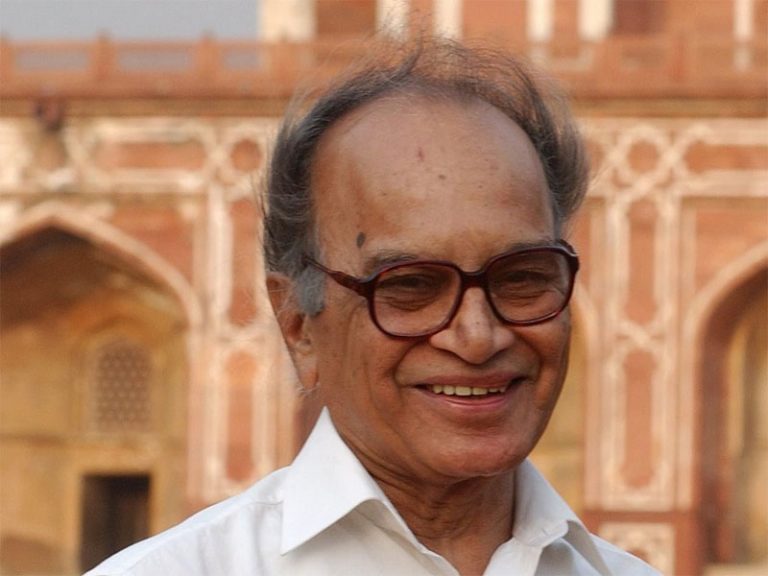
On May 3, former Jammu and Kashmir Governor Jagmohan passed away after a brief illness in Delhi. He was 93 years old. A message from his family was posted on his Twitter account saying, “With profound grief, we  inform about the sad demise of Sh Jagmohan. Former Union Minister , Former Governor Jammu & Kashmir.”

He was the governor of J&K when the Kashmiri Pandits suffered ethnic cleansing at the hands of Islamic fundamentalists and were forced to flee their homes in 1990s. His timely intervention helped save the lives of lakhs of KPs who would have otherwise been wiped out by armed terrorists in the valley. For this, he was also known as the ‘saviour of Kashmiri Pandits’. Later, he also served in Atal Bihari Vajpayee’s government as Union Minister for Urban Development and Tourism.

India pays respect

Prime Minister Narendra Modi called his death a monumental loss for the nation. He said, “Jagmohan Ji’s demise is a monumental loss for our nation. He was an exemplary administrator and a renowned scholar. He always worked towards the betterment of India. His ministerial tenure was marked by innovative policymaking. Condolences to his family and admirers. Om Shanti.”

Film Maker and Kashmir Exodus survivor Ashoke Pandit said, “The saviour of #KashmiriHindus Aadarniya Jagmohan Ji (Ex-Governor of J&K) is no more. You were our saviour who protected our dignity and honour & thus will always remain in our hearts. Heartfelt Condolences to the family. ॐ शान्ति!”

Journalist Aditya Raj Kaul also mourned the demise of Jagmohan Malhotra.

Abrogation of Article 370

Almost a month after the abrogation of Article 370 in 2019, Home Minister Amit Shah, BJP’s JP Nadda and Dharmendra Pradhan went to meet Jagmohan in the course of BJP’s ‘Sampark Abhiyan’, which is undertaken to connect with prominent society members on the government of India’s landmark decision to abrogate Article 370.

Kashmiri Pandit exodus

In the late 80s and early 90s, provocative slogans like “We want Kashmir, without the men but with KP women” and others were raised by the instigators against the KPs to instill fear among them. This consequently forced them to flee the ancestral land where they had been living for centuries. Kashmiri Pandits were accosted by these jihadis, their homes ransacked and their women raped and men murdered.

The militant cadres of Pakistani based terror groups, JKLF, Hizbul and members of local militia actively participated in hunting down the Kashmiri Pandit residents in the Valley as large sections of local population extended their support to the Jihadis targeting the KPs. A systematic attempt to effect demographic change in the valley was in progress as Kashmiri Pandits were ruthlessly eliminated from the very land they belonged.

Amidst such an agonising turmoil, it was the Governor of Jammu and Kashmir, Jagmohan Malhotra’s timely intervention that saved lives of lakhs of Kashmiri Pandits by rescuing them from the Valley besieged by zealots baying for their blood to the safer places in other parts of India. Jagmohan is hailed by many Kashmiri Pandits for evacuating them and their remaining family members from the Valley that was gradually descending into the clutches of Islamic militancy.

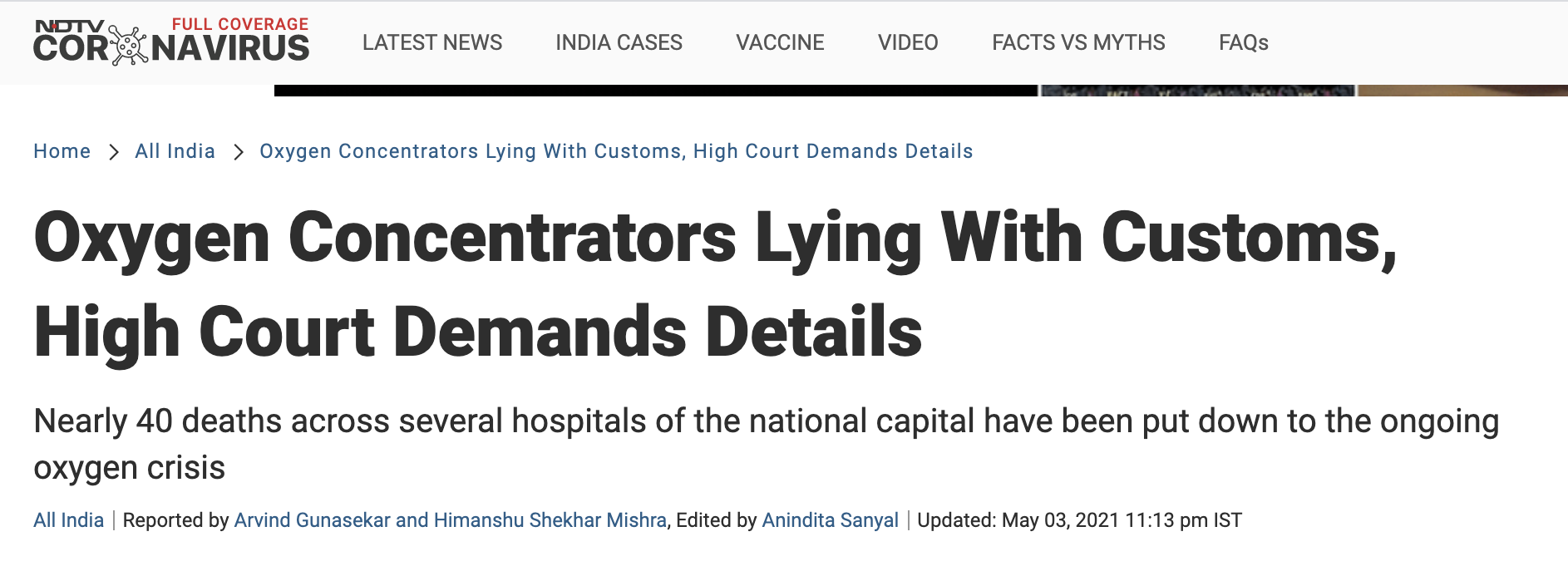
Are 3,000 oxygen concentrators stuck in Customs as per viral social media claims? Here are the facts

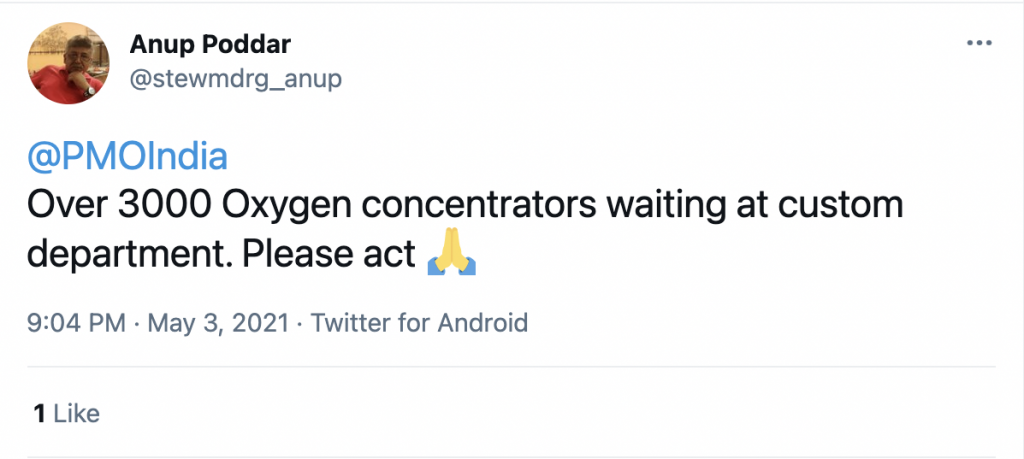
Recently, social media posts had gone viral claiming that about 3,000 oxygen concentrators received as ‘aid’ from various organisations are stuck because of customs clearance. Max Hospital’s lawyer Krishnan Venugopal had also reportedly told the Delhi High Court that 3,000 oxygen concentrators belonging to the hospital were stuck at the customs.

‘Oxygen concentrators lying with customs’

Various social media users also made such claims.

Oxygen concentrators awaiting customs clearance tweet

However, the Central Board of Indirect Taxes and Customs has clarified that the news of 3,000 oxygen concentrators awaiting Custom clearance is false.

The CBIC clarified that no such consignment is pending with the Customs authorities. CBIC said that after the social media was flooded with such news, the department rechecked with field formations and confirmed that there are no such consignment is lying with the Customs.

“However, since a photograph has also been put up on Twitter, if anybody has information as to where it is lying, the same may be informed to us and we will take immediate action,” the Board said.

The image shared by NDTV purported to be of the said oxygen concentrators was actually of the 300 oxygen concentrators received from Hong Kong which are already cleared.

The above image used by NDTV was tweeted by news agency ANI on 30th April 2021.

ANI tweet

As mentioned, the 300 oxygen concentrators and other medical equipments had arrived from Hong Kong on 30th April 2021 which were cleared for Customs soon after. CBIC again appealed to everyone that if they have any information of any such oxygen concentrators stuck in Customs, to bring to their notice.

NDTV journalist justifies political violence against ABVP karyakartas by TMC goons, claims ‘Twitter account compromised’

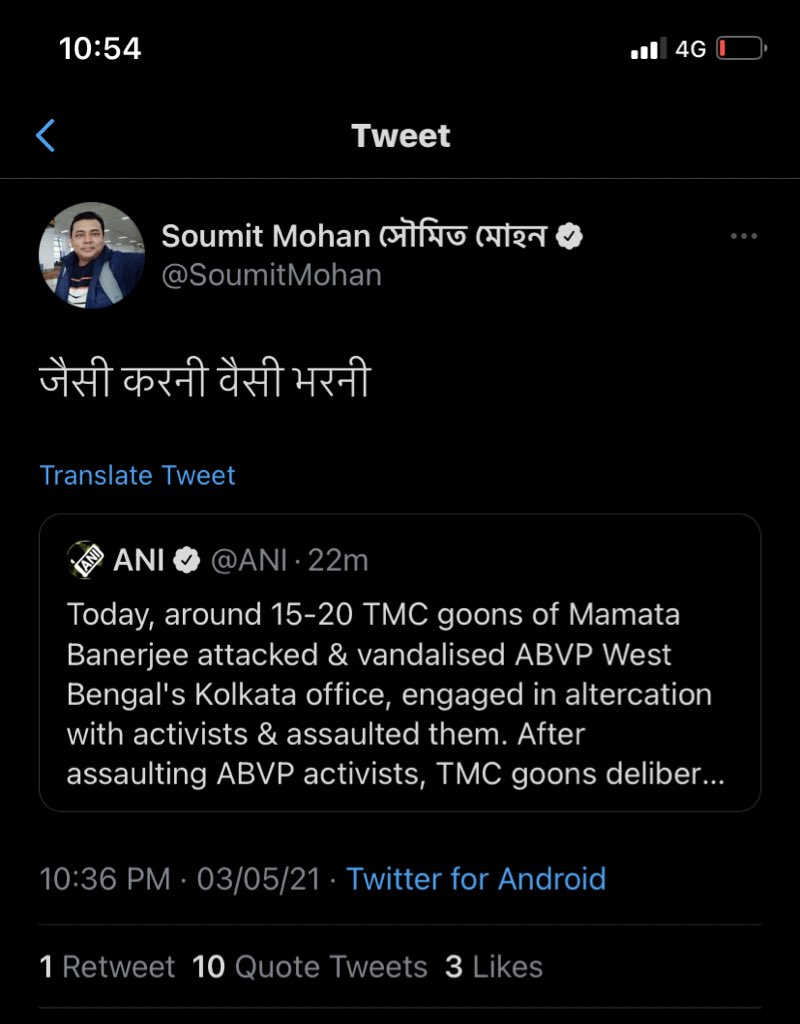
NDTV journalist Soumit Mohan on Monday justified political violence unleashed on ABVP karyakartas allegedly by TMC goons.

Soumit Mohan’s tweet

Mohan, a journalist with NDTV, quoted a news item which stated ABVP activists were allegedly attacked by TMC goons who also vandalised ABVP West Bengal’s Kolkata office. As per ABVP, the TMC goons also deliberately vandalised statues of Lord Hanuman and Goddess Kali.

As per his Twitter bio, he is a journalist associated with NDTV.

Soumit Mohan’s Twitter bio

Quoting this tweet, Mohan said, ‘jaisi karni, waisi bharni’ (as you sow, so shall you reap).

On May 2, 2021, the ruling party TMC managed to retain West Bengal while BJP won 77 seats. Mamata Banerjee, West Bengal Chief Minister and TMC chief, however, lost Nandigram to BJP’s Suvendu Adhikari. Subsequently, numerous incidents of violence have been reported from West Bengal. Numerous BJP workers have been brutally assaulted and some even murdered.

NDTV’s Soumit Mohan has since deleted his tweet, but has not apologised for justifying violence.

Update:

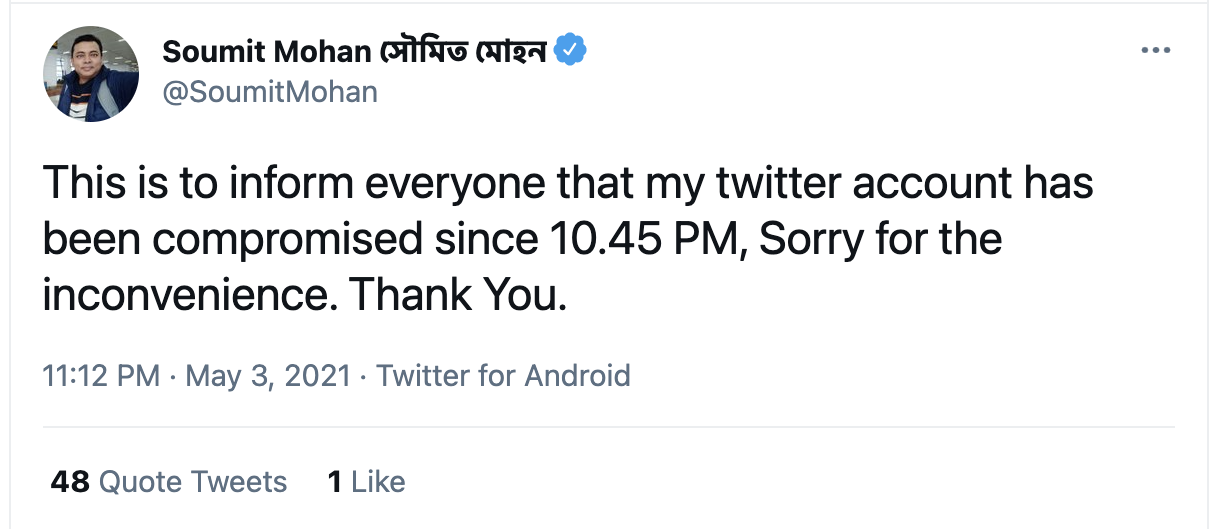
Mohan has claimed that his Twitter account was compromised since 10:45 PM.

Soumit Mohan’s tweet

However, his tweet justifying political violence against the ABVP karyakartas came at 10:36 PM.

Update 2:

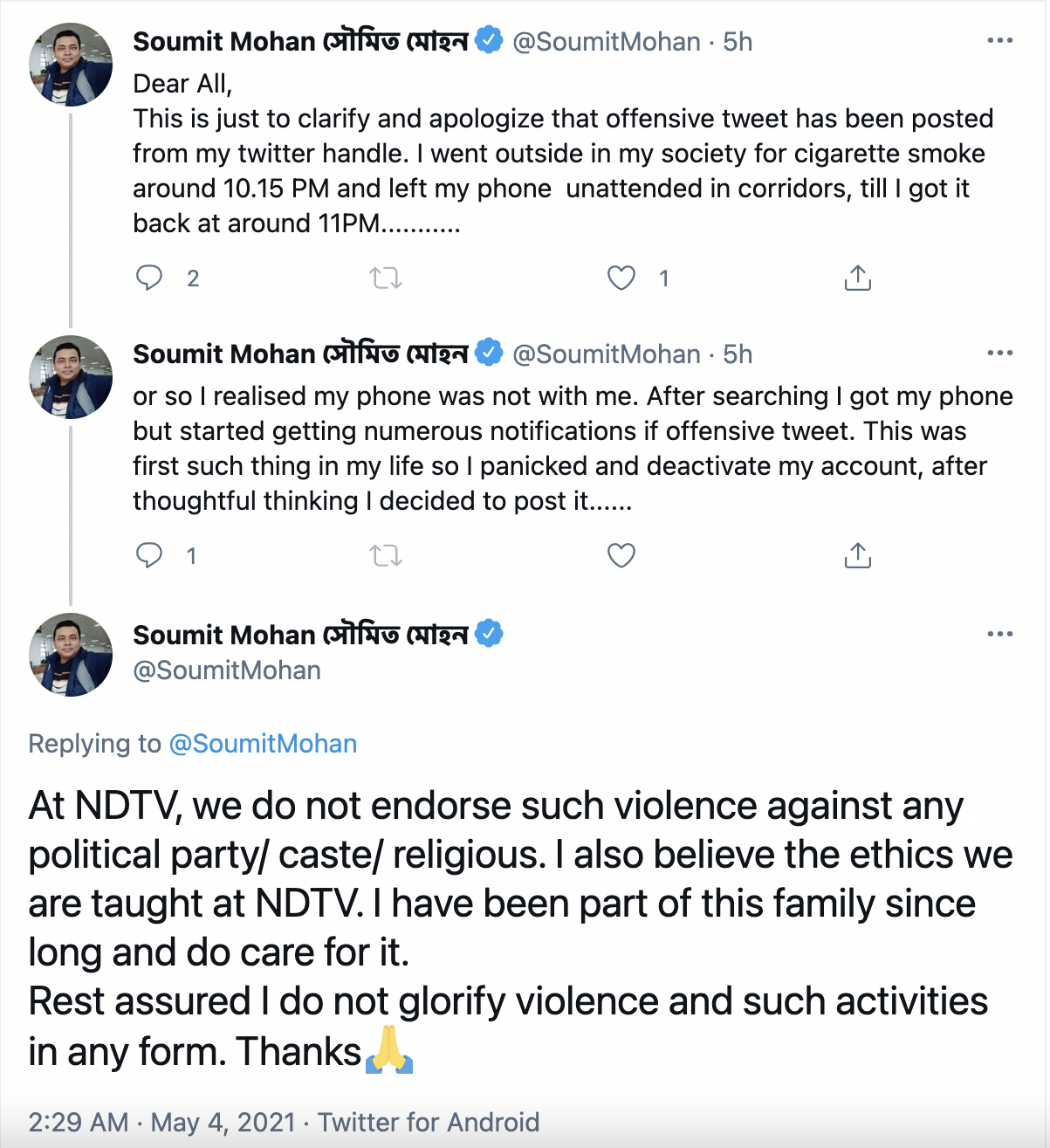
Few hours later, Soumit claimed that his phone was not with him when the tweet justifying violence was posted from his account.

Soumit’s clarification tweet

Soumit claimed that he had stepped out of his society for smoking a cigarette at around 10:15 PM and left his phone unattended in the corridor. He returned at 11 PM which is when he realised his phone was not with him. He claimed that after he found his phone, it was abuzz with notifications on the tweet justifying violence on ABVP office. He claimed that NDTV they do not endorse violence against any political party, caste or religion.

Antifa arsonist gets four years in prison for burning Minneapolis police station

An Antifa rioter, who threw a Molotov cocktail inside a Minneapolis police station in an attempt to burn it down, has now been convicted to four years in prison. Dylan Shakespeare Robinson, aged 23, was also ordered to pay $12 million in restitution for the damage caused to the Minneapolis police station during rioting which occurred on May 28, 2020. The riot was one of the many riots and protests in the aftermath of George Floyd’s death.

According to court documents, Robinson went to the police station in question where a crowd of hundreds had gathered. At one point, the crowd began shouting, “Burn it down, burn it down.” Soon after, a fence that was designed to keep trespassers out was torn down. Robinson, along with other co-conspirators, breached the fence and entered the building. Robinson, assisted by an unidentified co-conspirator, lit an object held by the other person who threw it toward the police station building with an intent to arson.

All of this was caught on video, with Robinson fleeing to Colorado in order to avoid arrest. However, in December, Robinson pled guilty to the charge of conspiracy to commit arson.

“Mr. Robinson chose to depart from lawful protest and instead engaged in violence and destruction,” Acting US Attorney Anders Folk said. “The arson at the Minneapolis Police Department’s Third Precinct put lives at risk and contributed to widespread lawlessness in Minneapolis.”

Robinson also boasted about his Molotov cocktails skills on Snapchat, saying, “These guys have never made a Molotov … Rookies,” according to the criminal complaint. The three other co-conspirators have also pleaded guilty to one count each of conspiracy to commit arson. However, they are all awaiting sentencing.

Last month, ex-Minneapolis police officer Derek Chauvin was convicted for the death of George Floyd. He faces up to 40 years in prison.

‘Hell hath no fury like a woman scorned’: Netizens accuse ex-Armyman of celebrating post-election violence in West Bengal

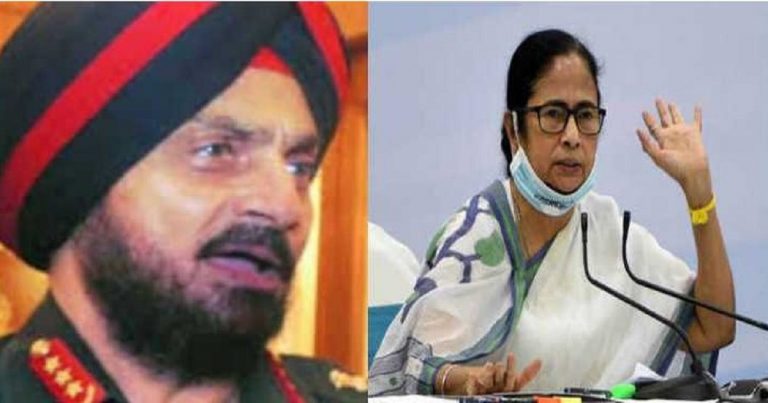
Retired Lt. Gen H.S. Panag, father of actress Gul Panag, tweeted out a message on Monday, seemingly in response to the post-election violence in Bengal. With violence from TMC goons at a fever pitch, causing Mamata Banerjee herself to comment about it, Panag wrote, “Hell hath no fury like a woman scorned”. This was interpreted by many Netizens as support for the current situation in Bengal, which is marred with post-election violence.

Twitter users did not shy away from showing their displeasure towards H.S. Panag’s tweet, with many replies calling him out. However, it is of note that whilst some condemned Panag, there were many that agreed with him.

Netizen Varun sarcastically replied to Panag’s tweet, writing, “Yes Sir, we can witness the way in which homes are being burned down and people are being killed,” referring to the violent situation in Bengal.

Retired Group Captain and Fighter Pilot MJ Augustine Vinod replied, “You’re right general, absolutely right. Fury is unleashed on the roads.” accompanied by a video depicting violence and mayhem in Bengal.

Panag first meekly replies to this tweet, writing, “If you stop being a juvenile we can interact,” before another reply, this time calling for the imposition of Article 356 of the Constitution. “

“Impose 356! For that you need guts. Which are lacking in the ill educated and crude powers that be!”, wrote Panag on Twitter.

However, Netizens continued to point out Panag’s double standards, with a user expressing their displeasure at Panag for not tweeting about the deaths of BJP workers in West Bengal at the hands of TMC goons.

Another Twitter user shared the story of his Aunt who lives in the town of Bagnan in the Howrah district. The Aunt’s family, which are neither BJP voters or supporters, got their house vandalized by TMC goons because of the assumption that Hindus voted for BJP.

TMC victory in West Bengal triggers a horrifying spate of violence as TMC goons go on a rampage against their political opponents

Soon after the Trinamool Congress (TMC) surpassed the BJP in Vidhan Sabha elections, the goons of the ruling dispensation unleashed violence against their political opponents. One worker, Avijit Sarkar, was murdered soon after he posted a video on Facebook speaking about the attack at his home.

Multiples videos have also come forward that show that a spate of looting, arson and violence has erupted in the state. The MHA has also asked the state government to submit a report on the post-poll violence targeting political opponents.

Home Ministry asks Mamata Banerjee government in West Bengal to submit report on post-election violence targeting opposition political workers

As violence sweeps West Bengal following the victory of TMC in the state assembly elections, the Ministry of Home Affairs (MHA) has asked the Mamata Banerjee-led state government for a report on post-election violence targeting opposition political workers in the state.

The Ministry asked the West Bengal state government for a report in the wake of several news reports that highlighted several instances of violence being meted out on opposition political workers and leaders.

West Bengal Governor summons top cops over incidents of violence

Alarmed at the deteriorating law and order situation in the state, the Governor of West Bengal, Jagdeep Dhankhar, summoned top police official over incidents of violence being reported from several districts in the state. He asked the police officials to take urgent action to restore law and order.

“Perturbed and worried at several reports of violence, arson and killings from various parts of State. Party offices, houses & shops being attacked. The situation is alarming. Prompt action called for @HomeBengal @WBPolice @CPKolkata have conferred @MamataOfficial for urgent action,” Dhankhar tweeted on Monday.

“Have been constrained to urgently summon DGP @WBPolice in the wake alarming law and order in the State,” the Governor further tweeted.

West Bengal in the grips of a horrifying spate of violence as TMC emerge victorious in the assembly polls

Violent swept West Bengal following the declaration of election results in which TMC emerged as the single largest party, winning over 200 seats to retain power in the state.

Soon after the Trinamool Congress (TMC) surpassed the BJP in Vidhan Sabha elections, the goons of the ruling dispensation unleashed violence against their political opponents. While the TMC had secured 213 seats, the BJP managed to win 77 constituencies. There have been multiple incidents of violence inflicted by TMC goons from several places across the state.

On Sunday (May 2), a BJP worker named Avijit Sarkar took to Facebook to narrate the harrowing tale of violence that he was subjected to by the TMC goons. The video was uploaded just hours before he was lynched to death by the miscreants. “I don’t know how to come live (on Facebook). They hurled bombs right in front of my eyes and vandalised my house and the party office. My only mistake is that I am a BJP worker.,” he recounted.

Opindia has learnt that Avijit Sarkar was beaten to death after uploading the two testimonials on Facebook. Following the victory of the Trinamool Congress, several BJP workers and supporters had expressed fear that Mamata Banerjee’s return to power might jeopardise their livelihood and existence.

On Monday (May 3), News18 journalist Payal Mehta had shared the CCTV footage of another deadly attack unleashed by the TMC goons. In visuals caught on camera, the violent mob attacked the house of a BJP worker on Sunday evening in the Kasba locality of South Kolkata. At about 15 seconds into the video, a Trinamool Congress flag could be spotted. The goons initially tried to kick open the door of the house.

The TMC workers also gheraoed a BJP office in Arambagh and attacked it. The office was vandalised and subsequently burnt to the ground.

The BJP has accused that five of its workers and supporters have been killed since Sunday and a few hundred party offices and houses of BJP workers vandalised and ransacked across the state as the counting progressed and trends hinted towards TMC victory. In her defence, Banerjee alleged that BJP was using pictures of old riots to claim that they were attacked.

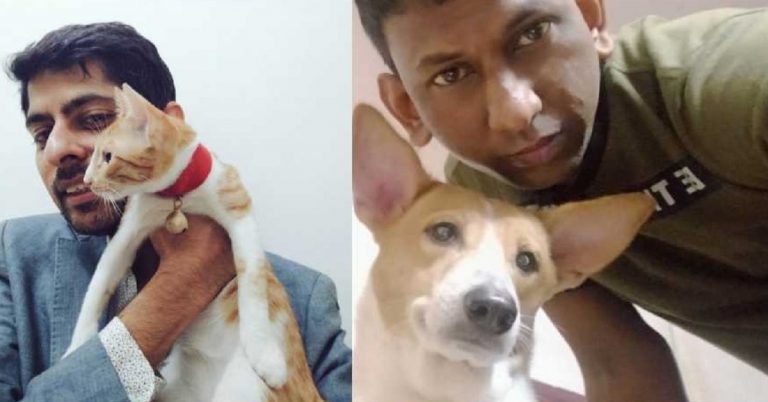
Avijit Sarkar, a kind hearted man who loved stray dogs, is the kind of man whose murder is justified and whitewashed by the ‘Woke’ for being fascist

There is a great Dance of Democracy underway currently in West Bengal. As horrifying as it is, there is a certain air of inevitability about the whole affair that is equally disturbing as the raging violence itself. Not even 24 hours have passed since Trinamool Congress won the assembly election in the state and already, multiple BJP workers have reportedly been murdered.

One of the most depressing news in recent times, even amidst a raging pandemic, is surely the murder of Avijit Sarkar in Ward no. 30 at Beleghata in Kolkata. Sarkar held TMC leaders Paresh Paul and Swapan Samandar responsible for the attack. Sarkar himself was an ordinary citizen, not that violence against anyone is justified. But the brutality with which he was murdered beggars faith in humanity.

His death is symbolic of the culture of political violence that has festered in the state for decades. An ordinary person cannot hope to participate in the festival of Democracy without his life being threatened. His murder is a slap on the face of everyone who pretends that TMC’s victory is some great victory of Democracy. Sarkar’s murder is further confirmation of the dangerous consequences of dehumanising political opponents.

“They killed my puppies,” he said in a video he uploaded on Facebook moments before his death. “I had brought her from Sealdah. She had given birth to some puppies. They slaughtered the puppies mercilessly.” There was an attack on his house and the NGO he ran. And all he could think of at that moment, when his own life was under threat, was that the mob has slaughtered his puppies.

As pet owners would be well aware, pets are family. Any injury to them and their guardians feel it themselves. Avijit Sarkar was no different. He broke down into tears while narrating how his puppies had been slaughtered. “Are they even human… I don’t mind if anyone supports any political party or wins the election. But they are destroying my house, and NGO office,” he concluded.

All of this is merely a consequence of the dehumanization of people associated with the BJP that we have witnessed in recent times. BJP workers, even voters, are branded fascists, ‘genocide enablers’ and bigots. And consequently, such crimes against humanity are justified.

These are actual discussions that transpire in liberal circles. “Should we help Sanghis fight Covid-19?”, “Will you help a Sanghi patient of Covid-19?”, “Is violence against fascists justified?” These are actual debates that happen in liberal circles of social media. We can safely speculate the kind of conversations that occur behind closed doors. And yet, such people claim to be morally superior to a kind hearted man as Sarkar.

Avijit Sarkar was an ordinary karyakarta of the party that opposed Mamata Banerjee. From his videos, it is evident that he is not the big bad monster the media, the opposition parties and the ‘intellectual’ elite have portrayed ‘Sanghis’ to be.

He was just an ordinary man working for a political party and taking care of his puppies. And the monsters murdered his puppies as well before proceeding to lynch him to death. How does the ‘intellectual’ elite tolerate such reckless hate?

Were the dogs ‘fascist’ too? Were the puppies ‘fascist’? One of the early signs of psychopathy is violence towards animals. And there is sufficient reason to believe that those who murdered him are absolute psychopaths.

The inevitable consequence of the narrative of hate that opposition parties and the media hype up is the mob lynching of innocent karyakartas such as Sarkar. The ‘Woke’ brigade, that constantly portrays BJP workers as monster, would conveniently ignore such attacks against BJP workers.

It is natural because in their hearts, they feel it is justified. Probably, they do not even consider them human. But Avijit Sarkar was just as human as anyone else, and he certainly had more kindness in his heart than most in the ‘Woke ‘ camp.

As unfortunate as it was, the incident was one of many that transpired in West Bengal immediately after the election. Even so, there are some who are still calling Mamata Banerjee’s victory a defeat of ruthlessness in politics.

There is an age old saying. You cannot awaken those who are not asleep. ‘Eminent intellectual’ Varun Grover is surely aware of the tyrannical regime that Mamata Banerjee has managed to create in West Bengal. He is surely aware of the state’s history of political violence.

And yet, he feels no embarrassment at all in calling TMC’s victory a defeat for hatred. He has not spoken at all about the murder of Avijit Sarkar, or the dozens of BJP workers who have been murdered in the state.

Who is the fascist here? A person who exercised his democratic right to work for a political party of his choice and just took care of his dogs or someone who feels it is justified to murder him for it? Who is the better person here? A kind person who took care of stray dogs or the ‘Woke’ celebrities who maintain a careful silence over his murder due to personal agenda?

The sad reality is that most opposition parties, those that form the ‘intellectual’ elite and the media genuinely believe that murder of BJP karyakartas is justified. They genuinely believe that even their pets deserve to be murdered. Nothing else explains their continued silence over the same.

Firecrackers should not be burst during Diwali because it hurts animals apparently but killing the pets of a BJP karyakarta before murdering him is perfectly fair game. Even in his dying moments, Sarkar was more devastated by the killing of his puppies. And here we have individuals such as Grover who pretend to be morally superior to him by the virtue of their words alone and not actions.

Such monstrosity has festered in West Bengal for decades because for far too long, violence against political opponents have been justified by the media, politicians and the ‘intellectual’ elite themselves. The ruling class of West Bengal must introspect, and introspect hard. One cannot build a prosperous state on top of a mountain of corpses.

Bullied by liberals, Pat Cummins reallocates his contribution from PM CARES to UNICEF Australia

Australian cricketer Pat Cummins has announced that he has relocated his donation to UNICEF Australia from the PM CARES fund. Earlier, he had announced that he was donating to the PM CARES fund to aid India’s efforts towards combating the Covid-19 pandemic.

Pat Cummins said, “I ended up allocating my donation to UNICEF Australia’s India COVID-19 Crisis Appeal. If you’re able to, please join many others in supporting this here.” Although he did not say that the bullying by liberals influenced his decision, it does appear to have had some effect.

“I know my donation isn’t much in the grand scheme of things, but I hope it will make a difference to someone,” Pat Cummins had said while announcing his decision. Liberals were outraged by his decision to donate to the PM CARES fund and said that he should have donated somewhere else instead.

Arjun Namboothiri, an ESPN journalist based in Bengaluru, had alleged that the PM Cares Fund is somehow “mismanaged”. A self-identified Congress supporter informed Pat Cummins that his generosity is “immensely appreciated” but he has given it to the “wrong hands”. Then the person baselessly claimed that the PM Cares Fund is “mainly used for winning elections”.

Apart from them, there were numerous others, including those verified handles, that made baseless allegations while imploring the cricketer to donate somewhere else.