Home Blog Page 4716

What happens to someone’s Gmail, Facebook and other social media accounts after they die? Here are the answers

Our lives revolve around our social media accounts and online presence. Believe it or not, it is part of our legacy that we will leave behind when we leave this world. In the time of the Covid-19 pandemic, one thing that I learnt is that everything is uncertain. There is no reason to think that you will be alive a few days from now. Covid-19 took so many lives and destroyed so many families that were not prepared for it at all.

Some days back, I read about someone who has lost three family members to Covid, and two were in the hospital fighting for their lives. Amid all this uncertainty, what if I die tomorrow of Covid-19? What will happen to my social media accounts, Gmail account and other important aspects of my online presence?

Will it fade away slowly like memories, or will it stay there to haunt my family and friends forever? I needed some answers, and it forced me to look around with a heavy heart and a dreadful thought that I need to do something to provide access to someone to either turn my accounts into memories or just delete them forever, whatever they like.

I am already working on removing my footprint from online platforms as I think there should be some personal side of every person and we do not need to share every single thing on the social media platforms. For example, I don’t share my personal photographs. In this way, it will not matter to my existence or non-existence if no one takes control of my account after I die.

However, what about those who share every single aspect of their lives over the internet? Their accounts that are spreading happiness can become a haunting place for their family and friends, reminding them that someone was there who left early. Someone who made them smile and laugh. That will be painful for the people here and for the soul on the other side. Without stretching the philosophy any further, let’s see what option you can opt for to give access to all your accounts to someone when you die, of Covid or otherwise.

Facebook’s Legacy Accounts

Facebook provides you with two options. You can either request Facebook to delete your account when you die, or you can give information to someone who can have limited access to your account when you die.

First of all, let’s learn about Legacy settings.

First, log in to your Facebook account and click on the down arrow on the top left side of the screen.

Now click on Settings & Privacy, followed by Settings.
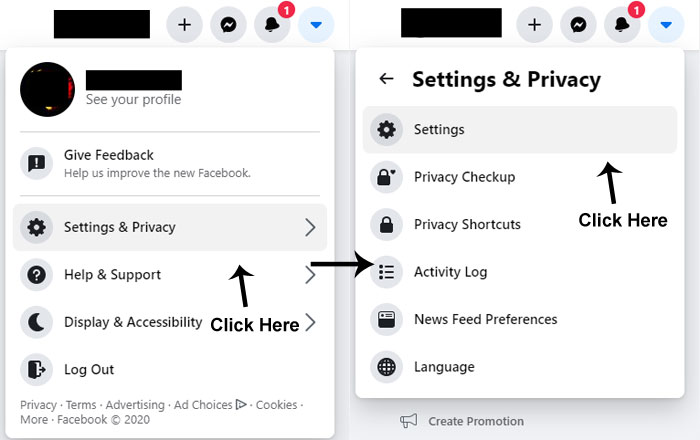
How to go to settings on Facebook

Now on this page, you will see an option that says “Memorialization Settings.” Click on Edit.
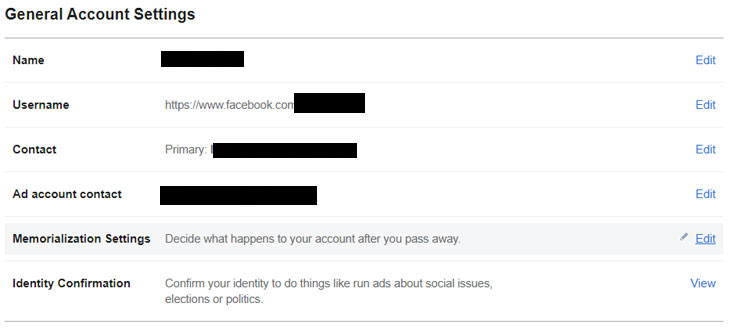
Click on Edit in front of Memorialization Settings

A section will appear where you can assign Legacy Contact. Please note that the person has to be on your friend’s list on Facebook to become your Legacy Contact. As you type any letters of the name of the person you want to choose, the form will show the account.
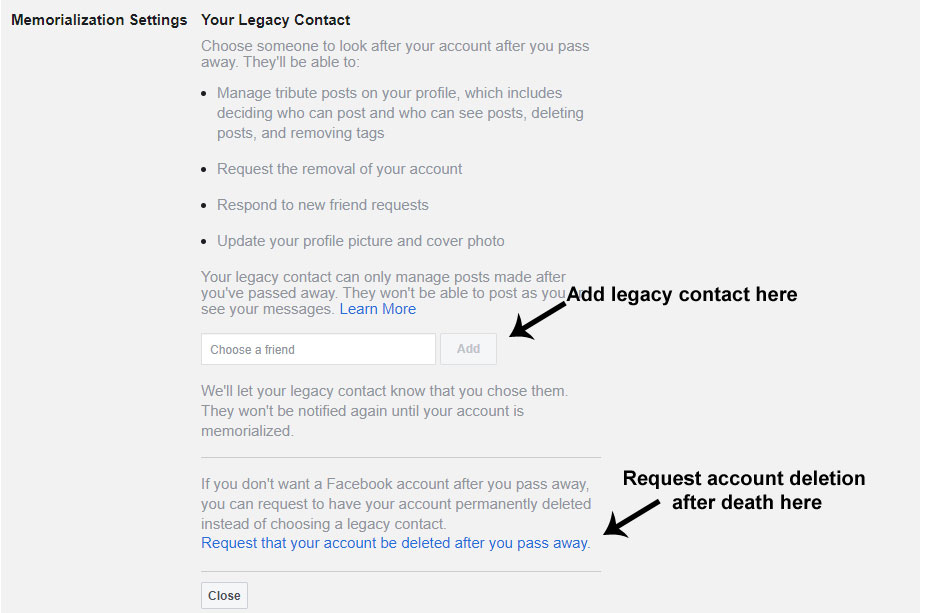
Choose the option as per your choice

Choose the account of your choice and click on Add. A message window will pop-up that will let you send a message to the person that you have chosen him or her as your Legacy account. You can either send the message or click on Not Now to exit the message window.
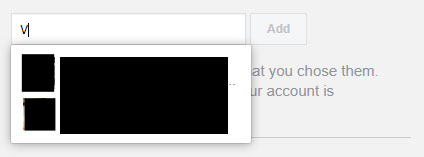
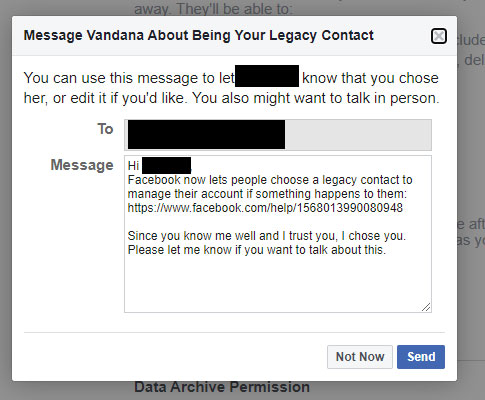
Choose the person as Legacy Account from your friend list
The message that the person whom you have chosen as Legacy Account will receive

Please note that the Legacy Account will gain access only after submitting the required information about your death. The access will be limited. Here are a few things that the Legacy Account will be able to do:

  • Manage tribute posts on your profile, which includes deciding who can post and who can see posts, deleting posts, and removing tags
  • Request the removal of your account
  • Respond to new friend requests
  • Update your profile picture and cover photo

Now the question comes what if you want your account to be deleted once you have died. Please follow the steps here to do that.

In the Memorialization Settings, you will see an option that reads, “Request that your account be deleted after you pass away.” When you click on this option, a message will appear that ask you to confirm your request. Once Facebook has enough information and proof that you have died, the account will be removed forever.
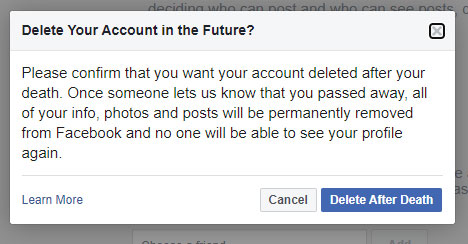
Choose this option of you want your account to be deleted after your death

Now the question arises what if you haven’t chosen any of these and your family members want the account to be gone forever in case of your death or if you are medically incapacitated. There is an option to memorize or delete the account. One of your family members can go to this link and fill out the required information in the form. Facebook requires a Full Name, contact email ID, Full name of the person’s profile and the URL of the profile. Then, the person has to select if they want to memorialize the account or delete it.
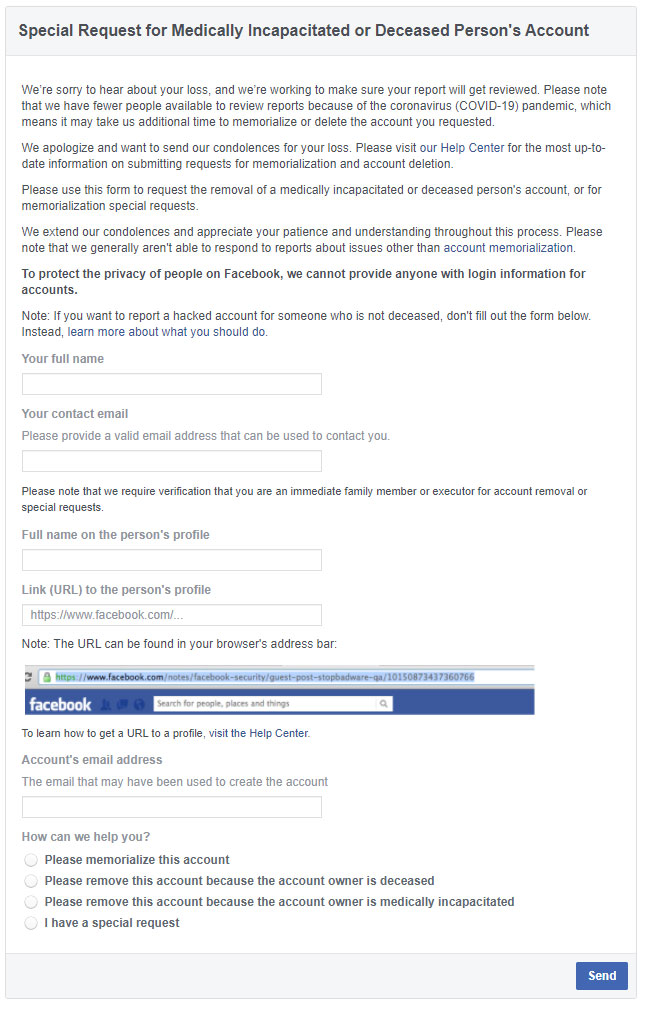
Form to be filled if you are a person related to the deceased or medically incapacitated person

Please note that Facebook will need your Death Certificate to process the request. In case your death certificate is not available, other documents that can be submitted include Power of Attorney, Birth Certificate, Last will and Testament, Estate Letter and proof of death that can be Obituary or Memorial Card. Facebook will ask for documents when the person clicks on any options like “please memorialize the account” or “please delete the account,” etc.

Instagram account after death

Just like Facebook, Instagram too has two options. You can either memorialize the account or get it deleted. Unlike Facebook, you do not need to add Legacy contact on Instagram. After your death, someone from your family can either get the account memorialized or deleted.

When someone’s account is memorialized, the word “Remembering” is added under the deceased person’s profile photo. Please note that no one can log in to a memorialized account. For example, if you visit the account of late actor Sushant Singh Rajput or legendary Basketball player Kobe Bryant, you will notice the feature.
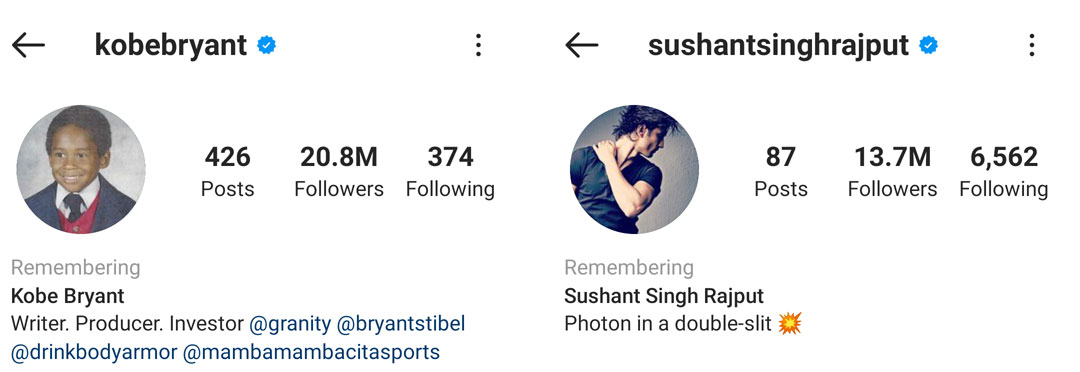
Memorialized accounts of Kobe Bryant and Sushant Singh Rajput

The feature was introduced in 2020. Earlier, Instagram used to accept deletion requests only. After Covid-19 pandemic happened, the demand for a feature to memorialize Instagram account spiked and Instagram rushed to roll out the feature in April 2020. Sadly, this feature has been extensively used for the people who died of Covid-19.

How to get the Instagram account of a deceased memorialized:

Please visit this link.

The form will ask your name, email address, the full name of the deceased person and the username of the deceased person.

As a proof of death, you can either provide a link to obituary or news article announcing the death or you can upload death certificate.

You also need to fill out the date of death, and if it is unknown, approximate date of death will be required.

To know more what happens when an account is memorialized, check this link.

Form to be filled to get Instagram account of a deceased person memorialized

How to get the Instagram account of a deceased person deleted:

Please visit this link.

A form will appear to ask your name, email address, the full name of the deceased person and the username of the deceased person along with other documentation.

The form is pretty much the same as the one where the account is memorialized. There is one difference, though. In case you want the account to be deleted, Instagram will verify that you are an immediate family member. In this case, you can upload a death certificate, the deceased person’s birth certificate, or proof of authority.

Instagram only provide this facility for the deceased persons and not for the medically incapacitated persons.

Form to be filled to get Instagram account of a deceased person removed

Twitter has a quick and simple process

The microblogging platform Twitter has kept the process as simple as it can be. Twitter has a policy of deactivating the account of a deceased or medically incapacitated person after receiving a request from a family member. Twitter clearly says in its policy here that it won’t provide anyone access to your account. The policy reads, “In the event of the death of a Twitter user, we can work with a person authorized to act on behalf of the estate, or with a verified immediate family member of the deceased to have an account deactivated.” It further adds, “We are unable to provide account access to anyone regardless of their relationship to the deceased.”

To request deactivation of the Twitter account of a deceased or medically incapacitated person, please visit this link. Choose “I want to request the deactivation of a deceased or incapacitated person’s account.”
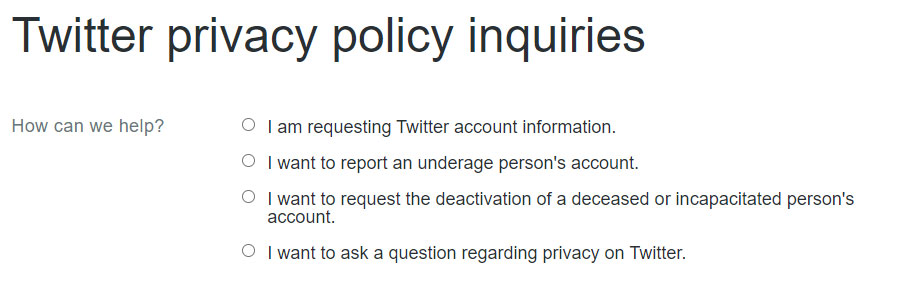
Choose the third option that says “I want to request the deactivation of a deceased or incapacitated person’s account”

Here you will find a form as shown in the image below. Fill out the relevant details. First choose if the person has died or if the person is medically incapacitated.
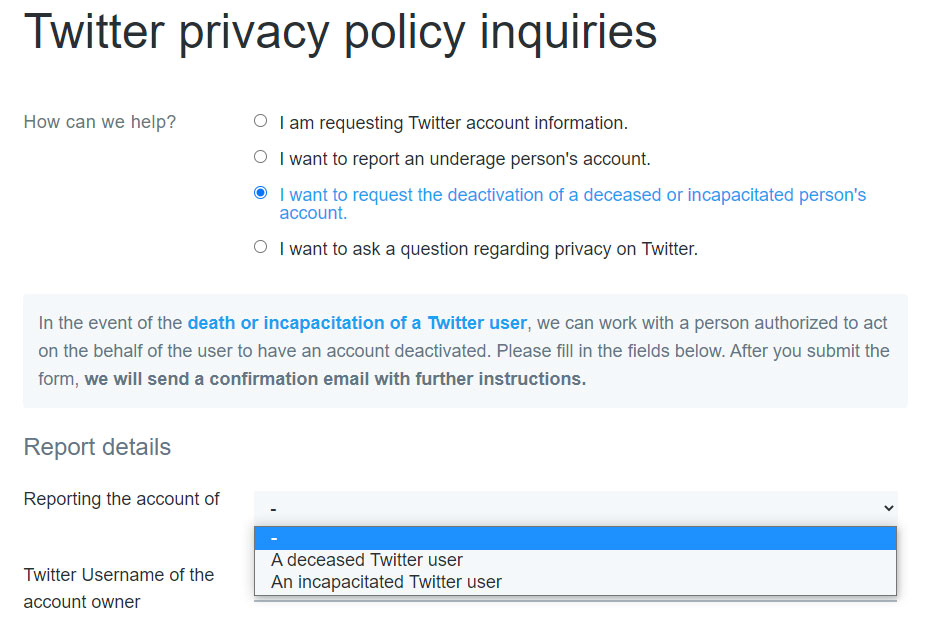
Choose if you are submitting request for a deceased person of incapacitated person

the username of the person, full name of the person, your relationship with the user (family member, authorized person etc.), your name and email ID. Once submitted, Twitter will review the application and send you further instructions. The company may ask proof of death, proof of relationship etc. to complete the deactivation process.
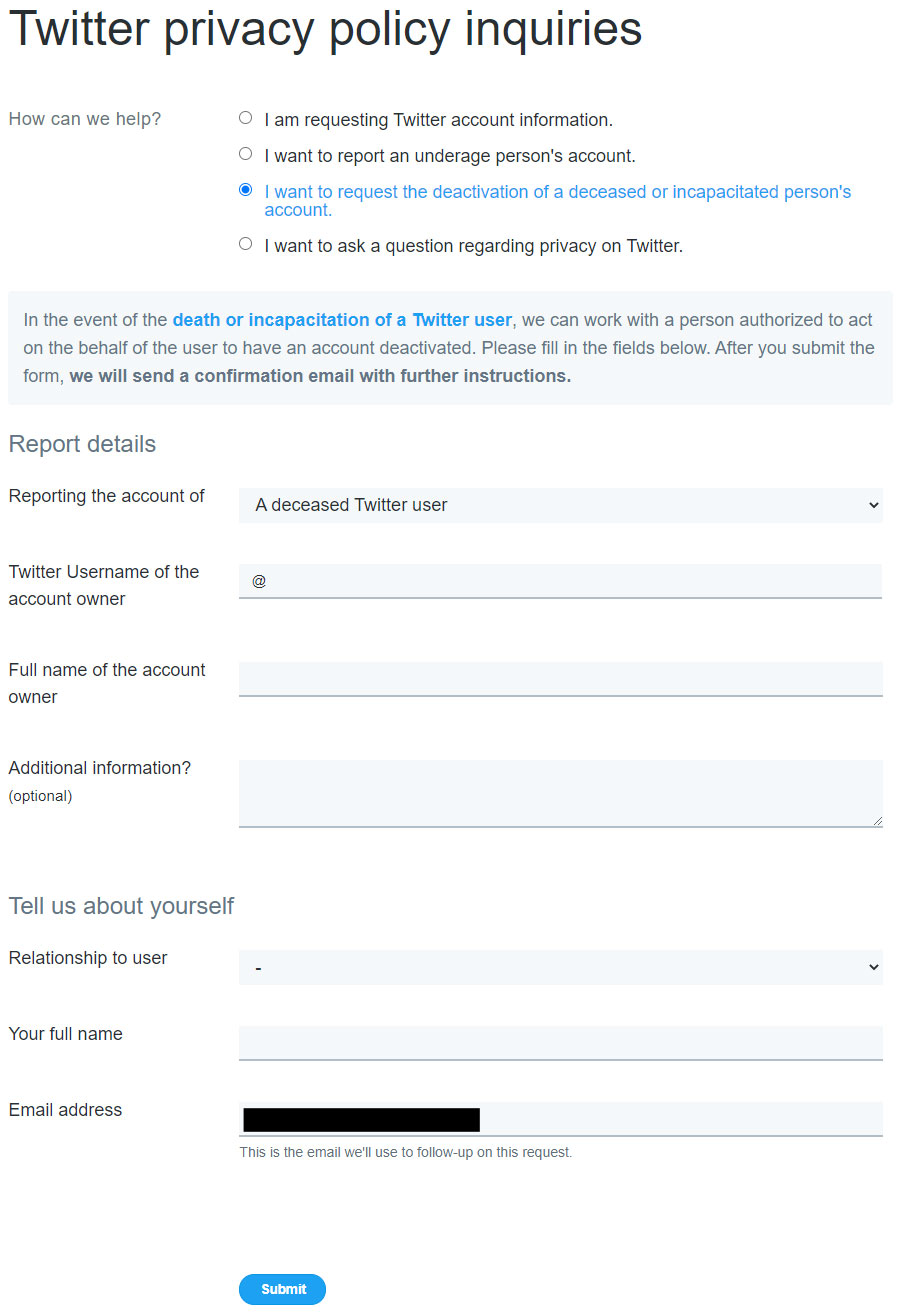
Fill the required information and submit the form

Let’s talk about Google

Towards the end, including Google in the list, is necessary. Everything you do is mostly connected to Google, and after your death, this account has to go for good with all your secrets, the darkest secrets. Okay, let’s not get too dramatic and see what options we have for our beloved Google account.

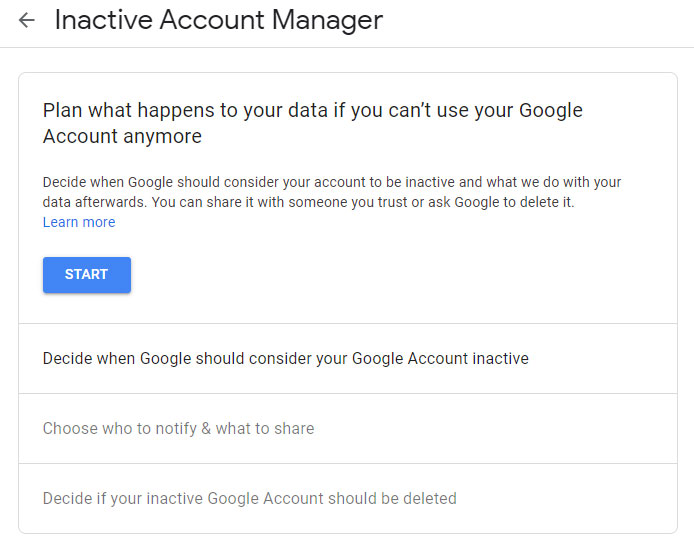
Go to this link. You will see a page like in the image below.
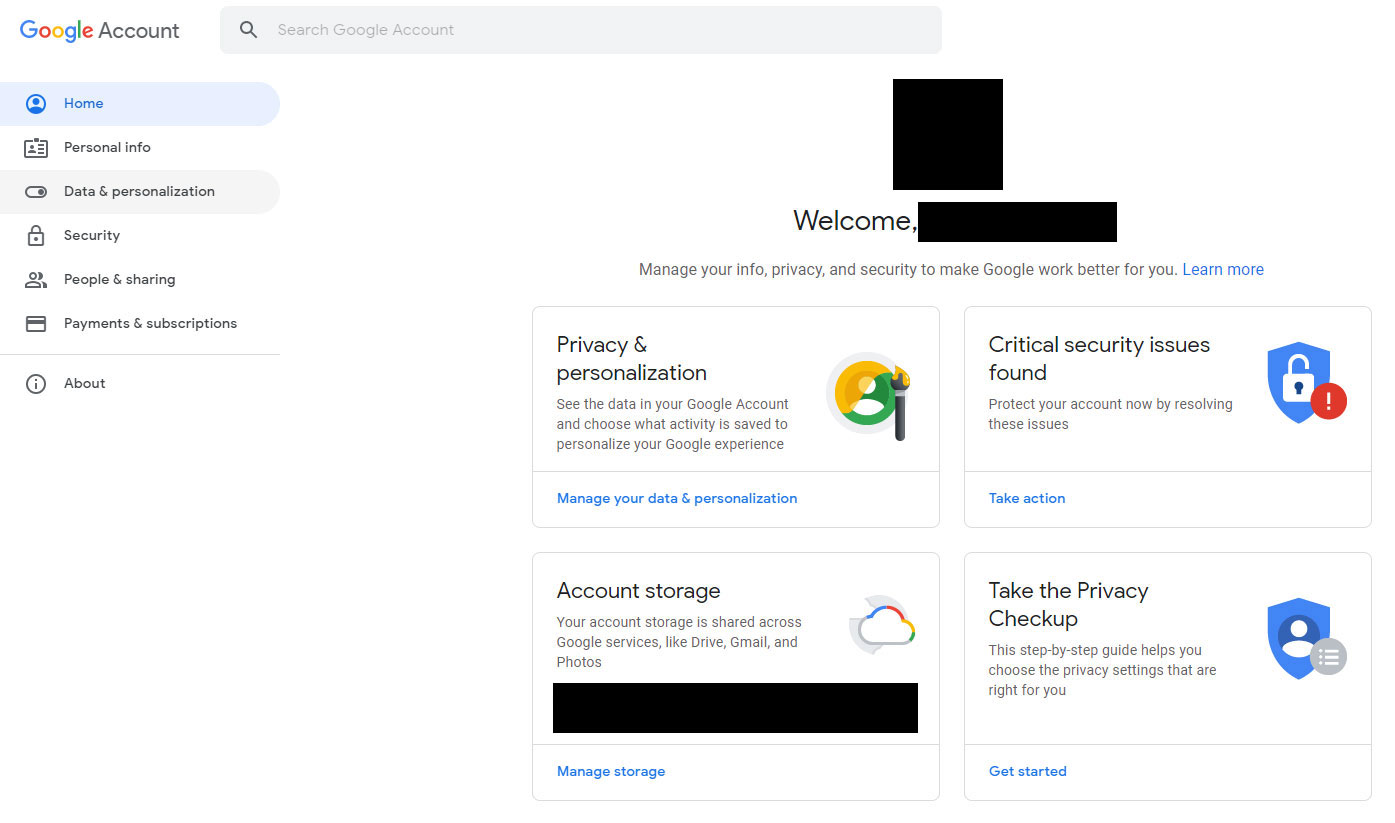
Click on Data & Personalization in the left menu

Now scroll down and look for an option that reads “Make a plan for your account.” Click on it.
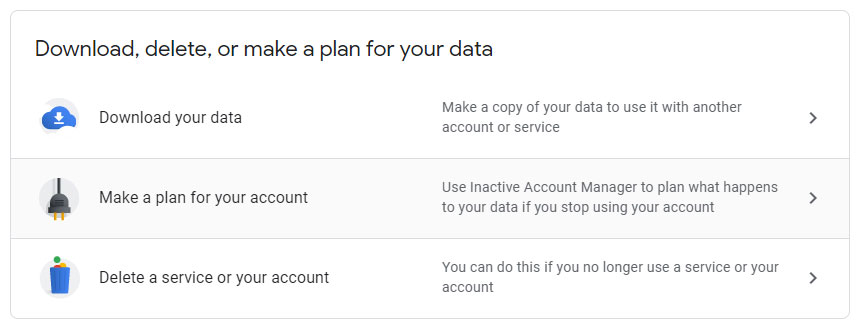
Click on “Make a plan for your account”

In the next page, click on “Start”.

Click on Start

If you have connected your phone number to the Google account, you can click on Next otherwise add a phone number.
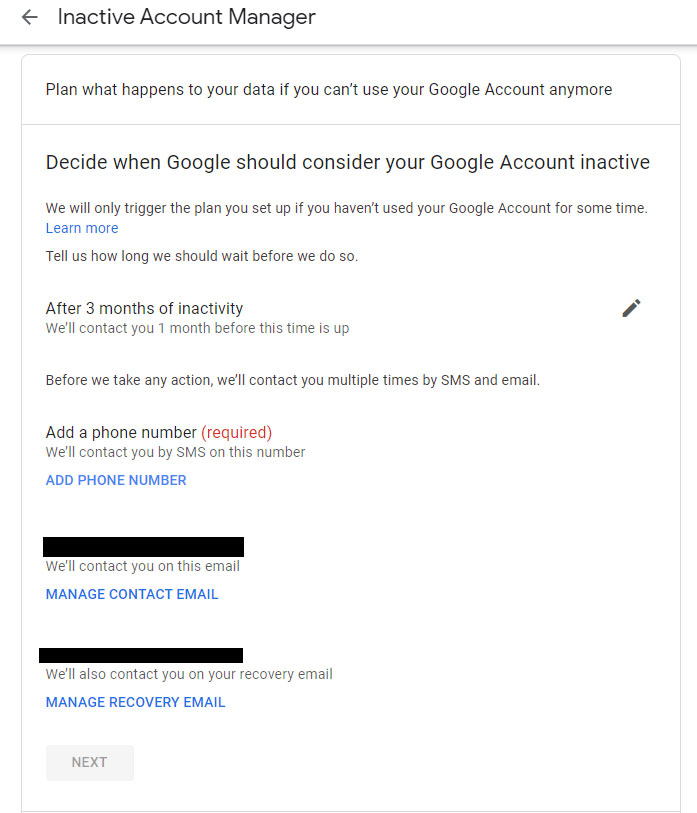
Add your phone number of manage your email accounts

If there are phone numbers linked to your account, it will show link this. Choose the relevant one.
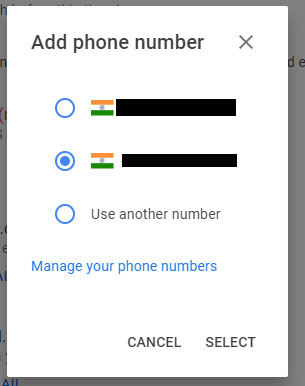
Choose the number for verification purposes

In the next step, you can choose a person to notify that your account has been inactive by clicking on Add Person (you can add up to ten people), or you can skip to next part.
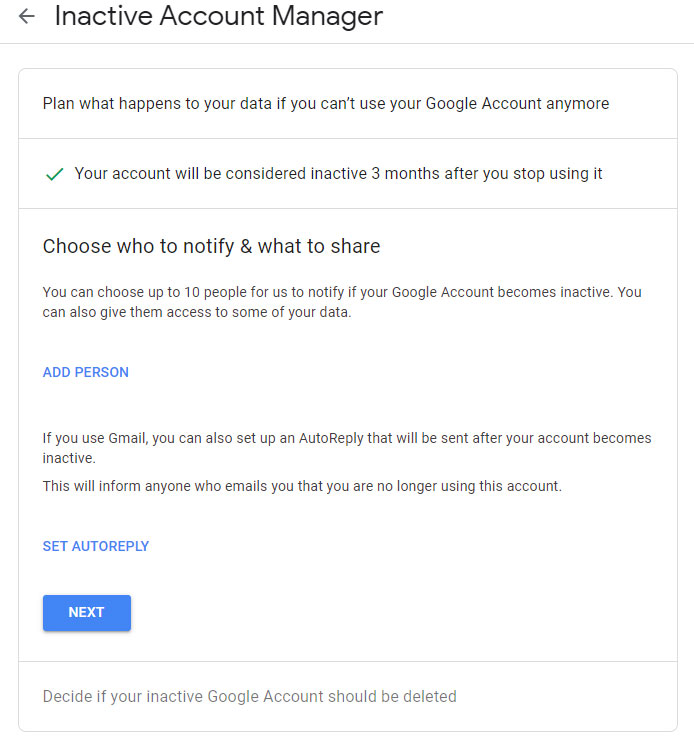
Add required information

If you choose a person to notify, in the next step, you will be able to choose what all you want to share with that person from the list.
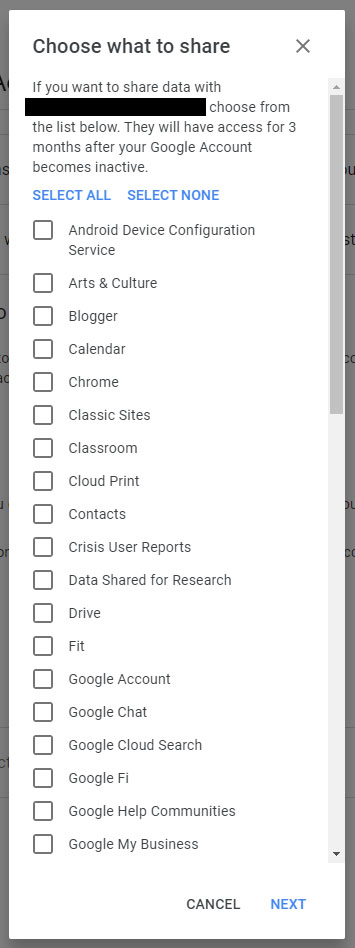
Choose what all you want to share with the person(s) you have chosen

You can also add a custom message to be sent to people who send you email after your account goes inactive. In this option, you can choose if you want to send the reply to all or to those who are in your contact list.
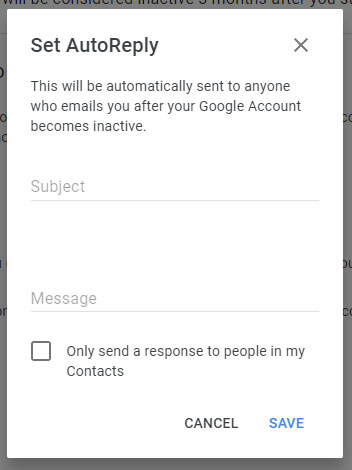
Add an auto reply that you want to send to those who contact you after your account becomes inactive

In case you want your account to be gone forever, click on the “Yes, delete my inactive Google Account.”
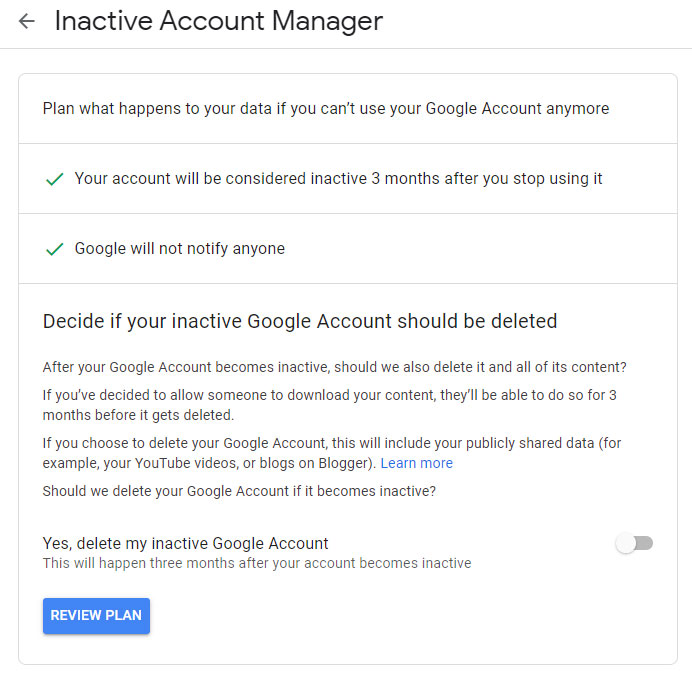
Review the plan in next step

Now review the plan and then Confirm Plan.
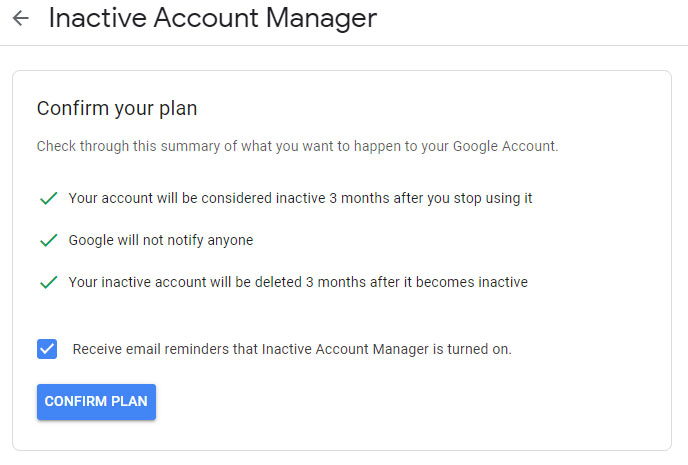
Once reviewed, confirm the plan

What if you did not plan for your Google Account?

In case you haven’t planned, or someone from your family hasn’t planned and died, here is what can be done. Go to this link. Now choose from the three options mentioned. With every request, a different form will appear. For example, if you are asking for deletion of the account, it will ask you the name of the deceased person, email address, your name, your email address, your relationship with the person and so on. Google required death certificate of deceased, your ID proof, and any additional documents if needed.
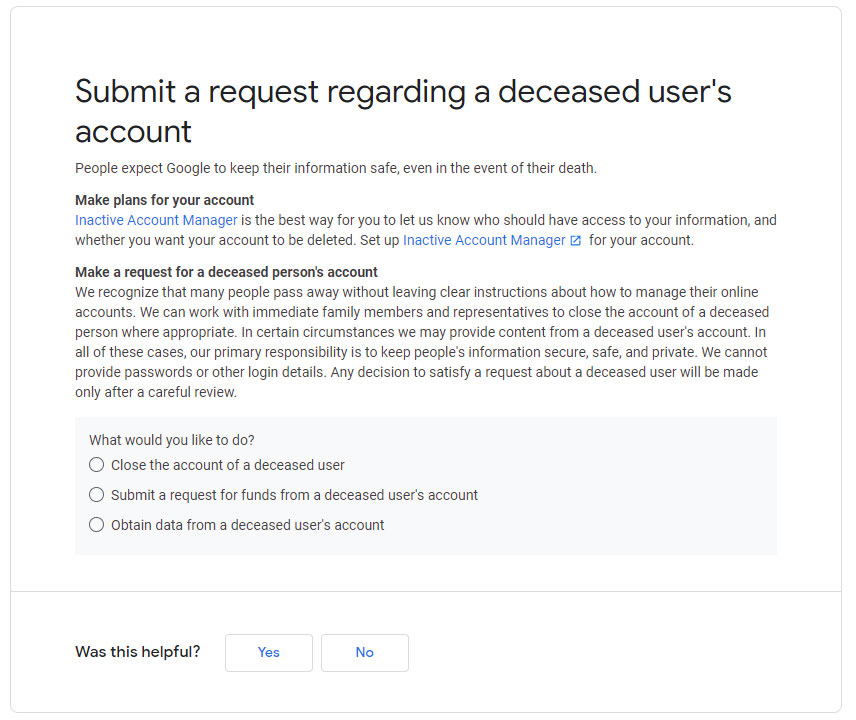
Choose what you want to do with the account of the deceased

In case the deceased person had an Adsense account or Wallet, you can ask Google to transfer the funds to your account. In this case, Google will require all personal details of the deceased person, your details (as the legal representative) and court-certified letters testamentary.
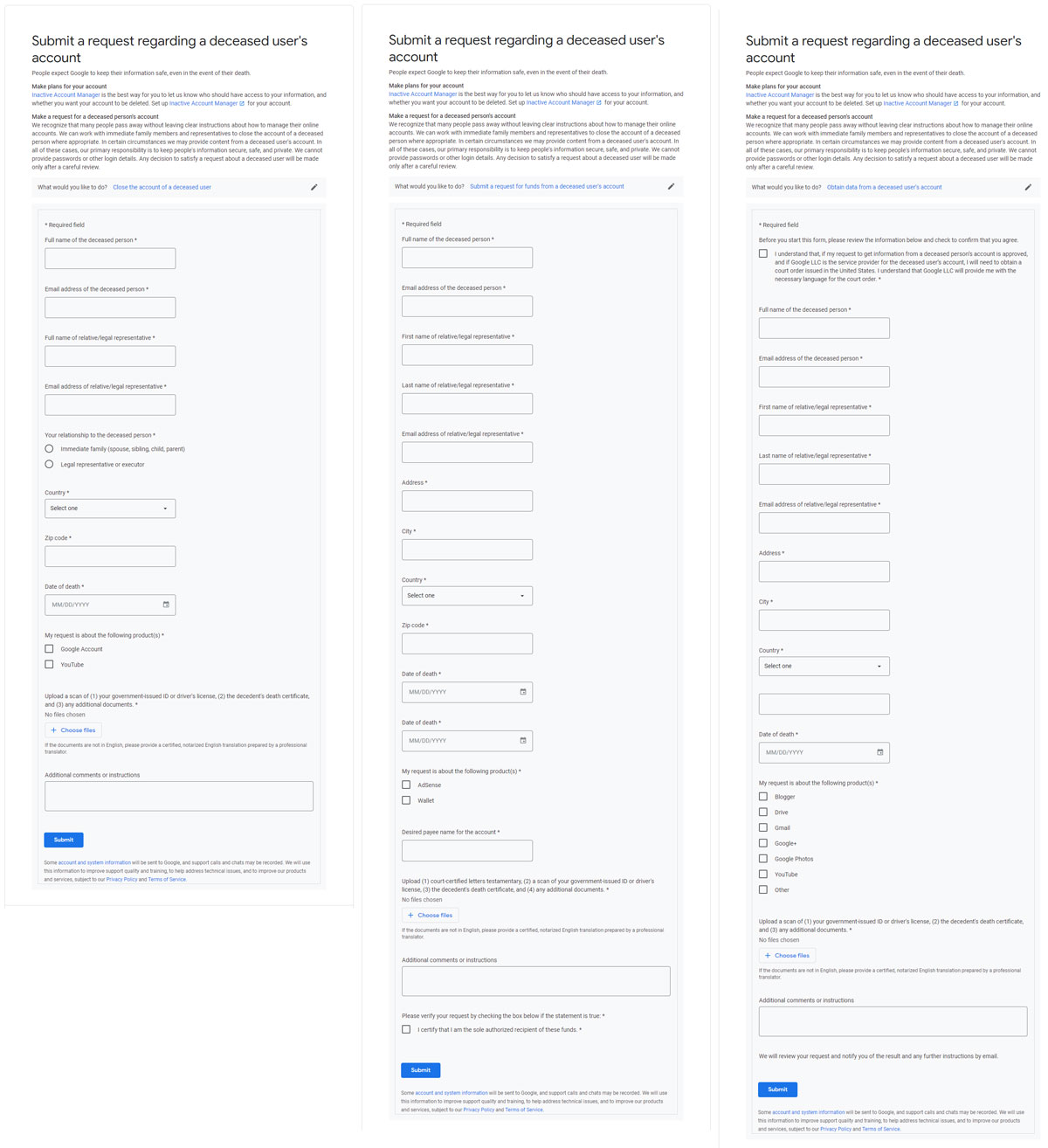
Forms based on your request

In case you want to obtain data from a deceased person account, first, you have to agree to their terms, then provide all details along with the list of services you want data from such as Blogger, Drive, Gmail etc. Google will also need your ID proof, death certificate of the deceased and any additional documents.

Please note that Google holds the right to approve and reject your request.

It sounds grim to plan what happens to your email accounts and social media accounts after you die. But think about it once. You have shared a lot on these platforms. There are countless emails in your account(s). Hundreds of followers, friends, likes, DMs and whatnot, everything will just stay there haunting someone by reminding them of you. Some memories should vanish from the face of the earth not for the sake of your darkest secrets but for the sake of your existence that may haunt someone you love. So, go through the options and start planning for your death today. At least in this way you can have some control over the accounts after your death.

Say hello to 2021! May the new year brings happiness in your life.
‘NCP weakening Congress like termites in Maharashtra’: Mumbai Congress fears mass migration from party, writes to Sonia Gandhi

It has only been a year and there are visible cracks appearing in the Maha Aghadi Government in Maharashtra. The Mumbai Congress has reportedly written to the party president Sonia Gandhi complaining about how the party is being sidelined in the Maharashtra MVA government led by Shiv Sena chief Uddhav Thackeray.

“Nationalist Congress Party (NCP) is weakening the Congress party like termites weaken wood”, Mumbai Congress general secretary Vishwabandhu Rai who is considered close to Sanjay Nirupam, has said in the letter to Sonia Gandhi.

Congress remains to be a mere ally in the Maha Vikas Aghadi government in Maharashtra

Hinting that the role of the Congress in the Shiv Sena-NCP-Congress alliance government in the state of Maharashtra has been that of a mere bystander, Vishwabandhu Rai stated in his letter that Congress has remained an ally in the one year of Maha Aghadi government in Maharashtra, while Shiv Sena and NCP are seen in the role of running the government.

“A large number of Congress ministers in Maharashtra government are not getting any work of the organisation at the grassroots level while the general public and party workers do not know the department of its party’s ministers,” read the letter. “Our allies are hurting our party by making thoughtful strategy and are engaged in advancing their own party. We are failing to stop this,” Rai told Sonia Gandhi.

Some necessary concrete steps are needed to prevent migration from the party: Mumbai Congress to Sonia Gandhi

Alleging that no concrete steps are being taken to fulfil the promises made by the Congress party in its 2019 Election manifesto, Rai furthered: “Some necessary concrete steps are needed to prevent migration from the party. It is also necessary to instruct the Shiv Sena and Nationalist Congress Party to follow the coalition ‘dharma’.”

For the unversed, it was almost a year back in November 2019, when Shiv Sena made the first overture of stitching together an unlikely alliance with ideologically disparate political parties of NCP and Congress, only to keep BJP at bay and acquire the CM’s chair. However, in this one year, many Congress leaders have expressed their dismay over this unusual alliance.

Sonia Gandhi sceptical about the alliance in Maharashtra: Congress leader Balasaheb Thorat

Congress leader Balasaheb Thorat had said that Shiv Sena initiated the alliance with Congress in Maharashtra to keep BJP out of power. He also claimed that interim President Sonia Gandhi wasn’t particularly inclined to have an alliance with Shiv Sena in Maharashtra but when the likelihood of another BJP regime in the state was weighed against the coalition government between the two parties, she acceded.

Congress snubs Shiv Sena, asks them to back off

Recently also when Shiv Sena leader Sanjay Raut exhorted the UPA parties to come together against the Modi government, Congress had snubbed the Shiv Sena, stating that the party was not a part of the United Progressive Alliance (UPA) and its association with the Shiv Sena was limited only to Maharashtra.

From West Bengal to Maharashtra, Kerala, Delhi etc: Here are the do’s and don’ts in various states on New Years eve

The year 2020 has been quite a washout owing to the Coronavirus outbreak. Like every other festival, this year, the new years’ eve celebrations will also not be the same. Though the numbers of daily COVID cases in India are on a decline, the concerns of the new mutant strain of novel coronavirus in the UK, which has reached India, has forced state governments to take unprecedented precautionary measures. Several Indian states have re-imposed fresh Covid-19 restrictions ahead of the New Year Celebrations in the country.

Here are the states that have renewed restrictions ahead of new year celebrations:

Delhi: Ahead of the 2021 new year’s eve celebrations, Delhi Disaster Management Authority on Thursday imposed a night curfew in the national capital. The authority issued a circular stating that not more than five persons will be allowed to assemble at public places. Also, no new year celebration events or gatherings are permitted at public places from 11 pm on December 31 to 6 am on January 1 and 11 pm on January 1 to 6 am on January 2.

The Delhi Police has said public events or terrace parties will not be allowed on New Year’s Eve. No events or large gatherings will be allowed without permission and those who break the law will face penalty.

Anticipating a large crowd on New Year’s Eve, the Delhi Metro authorities have decided to shut the Rajiv Chowk metro station after 9 pm. The entry of passengers will be allowed till the departure of the last train. 

Covid guidelines for the Ghaziabad, Noida, Faridabad and Gurgaon may vary according to the state jurisdiction. In Noida, for example, the district administration has said that not more than 100 people will not be allowed at a venue for a new year’s party. Hotels, clubs and restaurant owners will have to get prior permission from the relevant authorities. The police and local civic bodies have to be told how many guests are expected.

Maharashtra: The state has announced a seven-hour night curfew across all cities and municipal corporation areas. The 11 pm to 6 am curfew which has been in place since December 22 will continue till January 5, 2021. As per night curfew restrictions – restaurants, pubs and other recreational establishments will have to down their shutters by 11 pm sharp. Strict actions will be taken against restaurants and establishments that fail to shut shop by 11 pm on 31st December 2020.

“This is not a normal new year which is why we cannot have normal celebrations. The curfew is being imposed to ensure that such violations are not repeated,” Brihanmumbai Municipal Corporation (BMC) commissioner Iqbal Singh Chahal said.

However, owing to the night curfew, people might celebrate before 11 pm, but after that strict action will be taken against people who violate the prohibitory orders, the official said.

The Maharashtra state government has appealed that children below the age of 10 years and elderly citizens older than 60 years of age must avoid venturing out of the home on New Year’s eve.

About 35,000 Mumbai Police personnel will be keeping vigil on the law and order situation in Mumbai. No violations of COVID-19 norms will be allowed. No parties will be allowed to be held on terraces and boats, organisers will be punished for violations, said the Maharashtra state government.

Speaking about the availability of public transport, the Maharashtra govt has stated that though there will be no restrictions on public transport, if you hire a taxi, ola or uber, there can be four people in the vehicle including the driver. However, unlike in past years, there will be no special trains buses after midnight to help people get home.

Delivery of food by platforms like Swiggy and Zomato as well as directly from restaurants will be allowed.

Bengaluru (Karnataka): The Karnataka government has issued fresh guidelines according to which the night curfew will be in force between 11 pm and 5 am from December 31st till January 1. It has stated that gathering of not more than four people will be allowed at public places or open spaces. However, families can have their own new years eve arrangements but no public events will be allowed. Building societies and clubs have been ordered to not allow assembly of more than 4 people and no public celebration.

Further, hotels, malls, restaurants, clubs may carry on the regular activity but no special events like DJ, parties, events, shows, programmes, musical nights, performances will be allowed.

No rush at hotels, restaurants allowed, only advance booking with e-tokens to be allowed. 

Kolkata (West Bengal): In compliance with the Calcutta High Court orders, Kolkata Police have taken measures to ensure that all COVID-19 safety protocols are maintained and there is no large gathering for celebrating the New Year eve. Security has been beefed up in and around the city to avoid any untoward incident on that day.

Hyderabad (Telangana): Hyderabad has also issued guidelines amid fears of the new coronavirus variant. It has stated that any new years eve celebration event should be organised between 8 pm on December 31 to 1 am on January 1. No celebration would be allowed beyond the stipulated time. The Outer Ring Road (ORR) will be closed from 10 pm on December 31 to 5 am of January 1, except for passengers bound to and from the airport.

Police have warned all hotels, resorts and farmhouses against violation of protocols saying that strict action would be taken against violators. Cyberabad police commissioner VC Sajjanar has issued warnings that no new year events should be organised without prior permission of the police.

Tamil Nadu: The state government issued an order banning new years eve celebrations on beaches, hotels, clubs and resorts on the night of December 31 and January 1, 2021. There will be no entry to the beaches on these days. According to the govt orders, no midnight revelries would be allowed on beach roads, restaurants, hotels, clubs, resorts including beach resorts, and similar places on New Year’s eve and the following day, an official statement read.

Rajasthan: According to orders passed by the state Home Department, curfew will be imposed in Rajasthan from 8 pm on December 31 to 6 am on January 1. Markets in the state will also be closed at 7 pm on New Year’s eve. The state government has decided that ‘Diwali-like’ restrictions will be put in place during new year eve and it will be applicable in all municipal councils.

Uttarakhand: Dehradun, the state capital has banned public celebrations like parties at hotels, bars and restaurants on December 31, 2020, and January 1, 2021. The state government has said that violation of the ban will be punishable under the Disaster Management Act, 2005, the Epidemic Diseases Act and other relevant sections of the IPC.

Mangaluru: Mangaluru Police Commissioner has issued prohibitory orders from 6 pm on December 31 to 6 am on January 1. Gathering of 5 or more people and celebration of the new year in public has been prohibited. Hotels, malls, restaurants, clubs, pubs, etc shall not organise any special events.

Kerala: The Kerala government has issued an order prohibiting all public gatherings during New Year celebrations and directed that all celebrations in the state on December 31st (Thursday) should cease by 10 pm.

India’s overall COVID-19 cases tally and the death toll was pushed to 10,267,283 and 148,774 respectively, according to worldometer. Five new cases of the UK strain of coronavirus have been detected, which takes the total number of such patients to 25. All 25 patients have been kept in isolation at designated health facilities.

Bihar’s female voter is the unsung ‘Person of the Year’, let us give her the respect she has earned: Here is how

A day after the results of Bihar Assembly polls, a much-flustered intellectual declared: “Elections are no longer the most happening things in our democracy.” He continued his rant in columns that he wrote, explaining that Bihar’s election has been emptied of political significance. A few weeks later, this anti-democracy activist resurfaced in our living rooms, through our television sets. This time, he was supposedly the face of 60 crore Indians who depend on farming. Half of India’s population, who have apparently outsourced their political agency to him. Someone who is a psephologist, a political “scientist” or something meaningless of that sort.

As 2020 comes to an end, think about what we are watching on our television screens. A supposed “farmers” protest with approximately 10,000 people, almost all of them from one region, with a supposed mandate from half of India’s 1.2 billion population.

What are we not talking about? We have already forgotten about Bihar. The voice of this one anti-democracy activist is being heard louder than 10 crore voters of that state. Why? Surely something is rotten about our media and political class.

If we look back, the NDA’s victory in Bihar elections was the most remarkable event in Indian politics this year. Not just the win, but how they achieved it. The BJP had everything going against it. Fifteen years of anti-incumbency. A pandemic and a recession that was conveniently blamed on the ruling government by the opposition. If problems of migrant workers were going to hurt the BJP, they would hurt most of all in Bihar.

The ecosystem tried its best. They started out by demanding that the Jungle Raj of Lalu Yadav should be written off from India’s collective memory. And that Lalu Yadav’s son, who has inherited the RJD from his father, should be allowed to start from a clean slate. Some sycophants went as far as to write scholarly articles claiming that RJD’s fifteen years were not jungle raj at all. According to their “studies,” Bihar under Lalu was actually the best-governed state in Northern India! Even Tejashwi Yadav himself did not make such a bold claim. Instead, he tried to play down his father’s legacy. But the “scholars” would not let him. More loyal than the king, of course.

The ecosystem nearly got their wish. But then, something happened. As the election progressed, word began to spread that the party of jungle raj was coming back. Women voters came out in droves. By Phase-III, female voter turnout exceeded male turnout by an astounding 11%. The NDA swept this phase and shut the RJD out of power.

The yuvraj of jungle raj will have to wait. At least for now.

There was no leader behind this mobilization. This was grassroots action by women of India’s poorest state. This was democracy at its finest. There had been articles in major newspapers mocking the women of Bihar. They had dismissed the women of Bihar as too illiterate and poor to have minds of their own. But the women of Bihar showed that a lack of gender studies degrees is not the same thing as a lack of intelligence. The women of Bihar stood up, took their fate into their own hands and decided who should form the government. This should have been feminism at its finest if there was ever such a thing.

This amazing political mobilization should have been the talk of the town. But no! Instead, they have given the floor to a handful of professional protesters because the latter make more noise. On the day of the Bihar results, one of these professionals had the temerity to say that the state has delivered only an outcome, not a mandate! One anti-democracy activist gets to speak over the women of all of Bihar. The shame! And the irony of calling this “liberalism.”

Have you ever thought about why we have elections? Because if we didn’t, only the powerful and well-connected would rule. Only those who make the most noise would be heard. We have elections so that even the weakest person in India can express themselves freely and without fear. And that is why the shiny NGO types are badmouthing elections. Because they don’t want everyone to be heard.

And yet, as the year comes to a close, we are obsessing about the talking points of professional protesters. We are playing into their hands. Why? Why are handing over our media space and mind space to anti-democracy activists?

The female voter of Bihar is person of the year. Let us give her the respect she has earned.

Study by IIT Gandhinagar and Archaeological Department reveals the existence of a three-level structure beneath Somnath temple

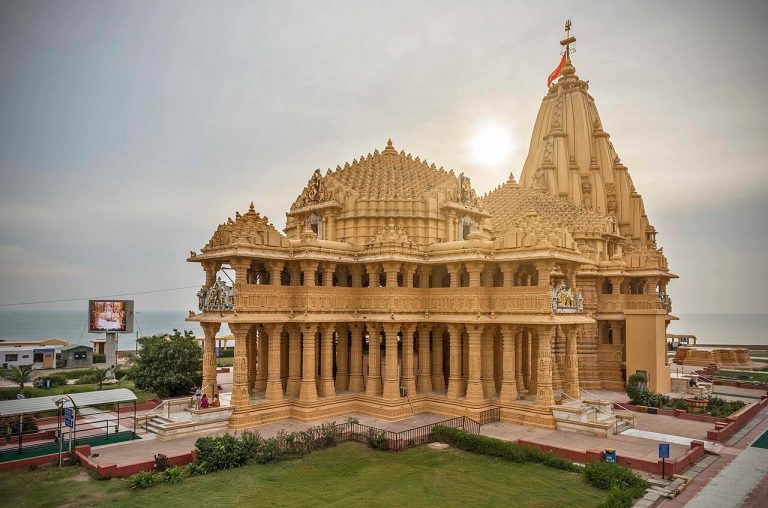
In a Ground-penetrating radar (GPR) investigation carried out by IIT Gandhinagar and the Archaeological Department on the instructions of Prime Minister Narendra Modi, it has been revealed that there are three historical structures beneath the Somnath temple in Gujarat. The investigation was carried out by IIT Gandhinagar along with four of its associate institutions. In 2017, the Prime Minister, who is a trustee if the Somnath temple, had asked the Archaeological Department to conduct this investigation in a meeting held in the national capital.

L shaped structure beneath the temple

In a 32-page long report prepared by the Archaeological Department, it is stated that there is an L shaped structure beneath the Somnath temple. The investigation was conducted by experts using the latest technologies and machines worth Rs 5 crore. The GPR investigation revealed that about 12 meters into the ground, there was a structure with an entrance gate.

The study has revealed a 3-story structure below the ground in the area. The different levels of the structure are at the depth of 2.5 meters, 5 meters and 7.3 meters from the ground level. A second structure also has need detected below the ground at the location where the security check point for the visitors of the temple is located.

The report also states that there are Buddhist caves beneath the areas surrounding the Statue of Unity which is located at a distance from Digvijay Dwar of the temple. The report has been handed over to the temple trust.

Somnath temples was demolished several times by Muslim invaders

It is said that there was a temple at the place that was reconstructed many times after it was demolished several times by Muslim invaders. In the seventh century, Maitrak kings of Vallabhi had reconstructed the temple. It was demolished by Arabian Governor of Sindh named Junaid. Later Pratihara king Nagabhatta rebuilt the temple for the third time in 815 AD. On the ruins of this temple, Malwa king Bhoj and King Bhimdev of Gujarat built it again for the fourth time. The temple was constructed for the fifth time in the year 1169 by King Kumar Pal of Gujarat.

Mughal emperor Aurangzeb had demolished the temple in 1706. Thereafter the temple was reconstructed in 1951 after the then Home Minister Saradar Vallabhbhai Patel ordered the construction of the temple in 1947 following the merger of Junagarh in India.

Reservation for govt school students: Is the Odisha govt admitting that they have created a new backward class in the state?

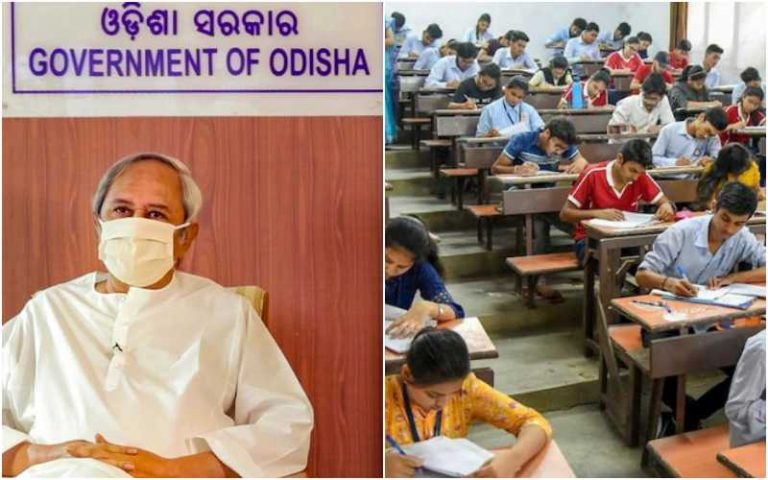
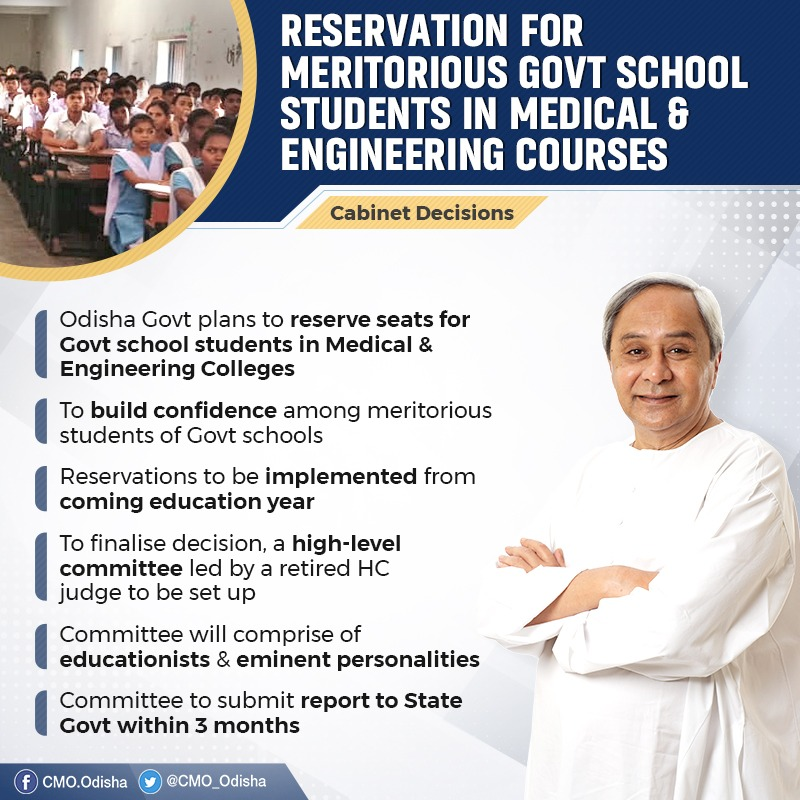
The Government of Odisha has recently passed a cabinet decision to bring reservation in medical and engineering courses for students from government schools in the state.

infographic shared by Odisha government

As per the Naveen Patnaik government’s decision, a high-level committee headed by a retired HC judge, comprising educationist and eminent personalities will be set up to chalk out the details and submit its report within 3 months. It will recommend the percentage of seats to be reserved, inclusion/exclusion of creamy layer(if any) and other details about who can be the beneficiaries.

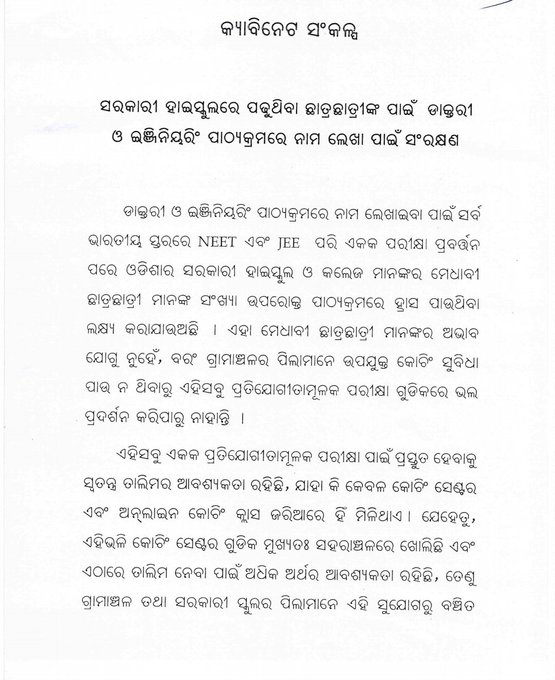
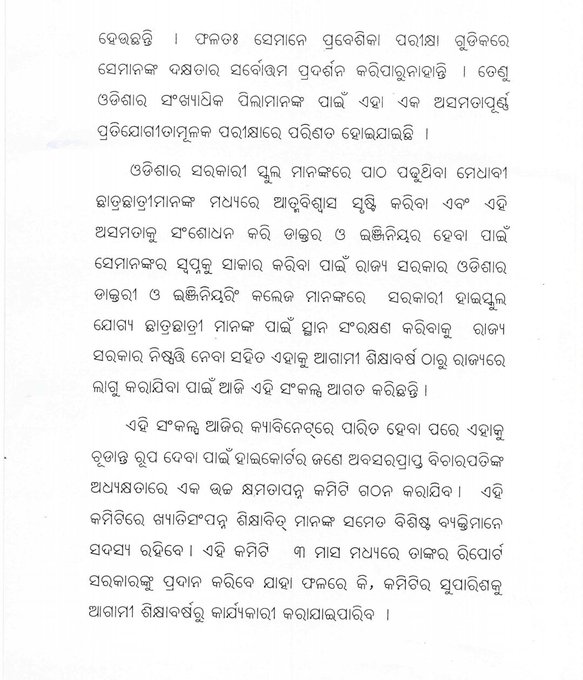
Announcement by the Odisha government regarding seat reservation

For our non Odia readers, here is a rough translation of the cabinet decision.

“It has been observed that there has been a steady decrease in the number of state government school students enrolled for medical/Engineering courses after all-India entrance exams like NEET and JEE were started. This is not due to lack of merit but due to lack of access to quality coaching.

These competitive exams need specialised coaching, which can only be imparted through coaching centres or online coaching classes. These coaching centres are primarily located in urban areas. Students from rural areas and govt schools do not have access to these centres.

Therefore the competitive exams are bringing in inequality among students. To bridge this gap, inspire confidence and to provide a level playing field to these meritorious students from government schools, the state cabinet has decided to give reservations in engineering and medical entrance exams.”

It was hailed as one of the greatest schemes to bridge the gap between the rich and poor by the pro-BJD media and political sphere. Hashtags were trended by BJD MLAs/MPs. But if you haven’t realized how deeply flawed this is, read along.

The problem and the solution

You are a telecom service provider. Your service quality is not on par with competitors. Your subscriber base is falling. What do you do?

Improve your service quality? 

But this would require setting up new BTS, towers, strengthening your fibre network, installing quality switches, routers and so on. Quite some work, isn’t it? Now let’s add a rider. You are a state-owned service provider and enjoy unlimited regulatory power. You bring in a new regulation that stipulates that every day, between noon to 3, private operators have to switch off their network. This 3 hours window will be exclusively reserved for the state-owned provider. You force people to subscribe to your service without improving your service quality.

This is what essentially the Odisha government is doing. By the government’s own admission, the problem is access to better coaching and learning facilities. The solution should be to improve the quality of coaching. But the solution the government is offering is to reserve seats in competitive exams.

Government’s admission of failure?

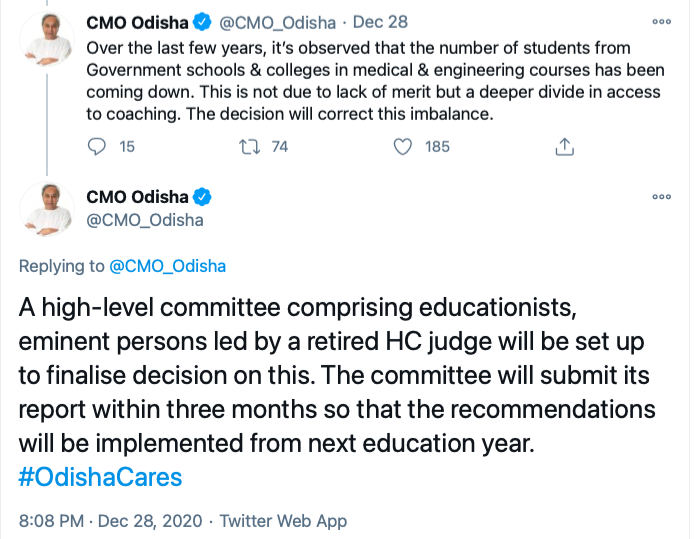
In its explanation for the need of the reservation, the Odisha government has said this:

Tweet by CMO Odisha

“This is not due to lack of merit but a deeper divide in access to coaching”.

This is the fifth term of  Naveen Patnaik’s rule in Odisha. What he is telling us is, government schools have failed. Government education is not up to the mark even after 21 years of his rule. And he can’t improve it either. In these 21 years, he has in fact created a new backward class. But, because he can’t uplift them, he will give them a reservation. Rarely we have seen such honest admission of failure.

Reservation cannot be a solution

What is the primary aim of reservation? To provide a level playing field to backward classes so that they can be brought into the mainstream.

How do you assess the success of such a scheme? The most objective assessment would be, how many backward classes have been uplifted by such schemes. And the answer is ZERO.

Article 341 lays down the law regarding the identification of races, tribes and castes as SC/ST. Part 2 of the same article empowers the government to include or exclude castes from the list of SC/ST. However, post-1950, not a single caste has been removed from the list of SC or ST. To summarise, reservation has not been able to uplift a single caste from SC/ST.

Does caste based discrimination exists? Yes, it does. Can reservation be a solution to this? Data in last 70 years tell us, reservation has failed to bridge this inequality and uplift backward classes. Hence, reservation as a policy, to provide level playing field, has failed.

Reservation for Economically Backward Classes

This idea has been gaining a lot of traction, at least on social media. It may sound righteous and hence difficult to counter. But it is deeply flawed too.

The genesis of reservation is to undo the historical wrong. Lower castes were and in some cases, still are denied a level playing field. And this denial comes from a socially imposed disability on them. Because, the society has imposed disability, it becomes society’s responsibility to compensate for it. Hence, society must give more than equal share of resources to such classes.

EWS are also disadvantaged like backward classes in terms of access to resources, education for example. However, is this disability imposed by society? There is no theory which backs this assertion. Therefore, it doesn’t make sense for society to compensate from their share.

So should govt leave poor people at their own fate? Of course not. There should be schemes like scholarships, mid-day meal, focussed coaching for confidence-building measures. But to take away someone else’s share sounds totally unfair. Does it sound like wealth redistribution? Do you now see what’s wrong?

What About poor students from non-government schools

Let’s take the government’s proposal at face value. The intention is to “build confidence among meritorious students” who are not able to access quality coaching like students of privates schools do. What about meritorious students who are not from government schools but still belong to the economically weaker section(EWS), and live in rural areas?

There are a total of 1000 Saraswati Shishu Vidya Mandirs in Odisha, run by RSS, which have 420,956 students under its tutelage being taught by 12,000 teachers. Up to 2010, SSVM students topped the matriculation exams for 4 consecutive years, post which the government stopped publishing this data. In fact, 55 out of the top 100 and 18 out of top 30 were from SSVMs. What about these meritorious students? They too are from EWS and hence don’t have access to quality coaching like other government school students. They chose SSVM because they thought SSVMs are better than government schools. Why deny reservation to them? Are they not poor? Or are they not meritorious enough?

This is a lazy solution to a genuine problem. Socialism debate apart, in our country, healthcare and education are two fields where the government must continue to play a significant role. However, moves like this will do irreparable damage. No successive government will try to improve the quality of education in govt schools as they have found an alternative but an ineffective and lazy solution. The bigger problem is, no political party worth its salt will ever challenge it in court or roll it back. The moment you attach “pro-poor” to a scheme, it becomes sacrosanct.

One can just hope against hope that better sense prevails and the Naveen government stops this disastrous move before the cabinet decision becomes law.

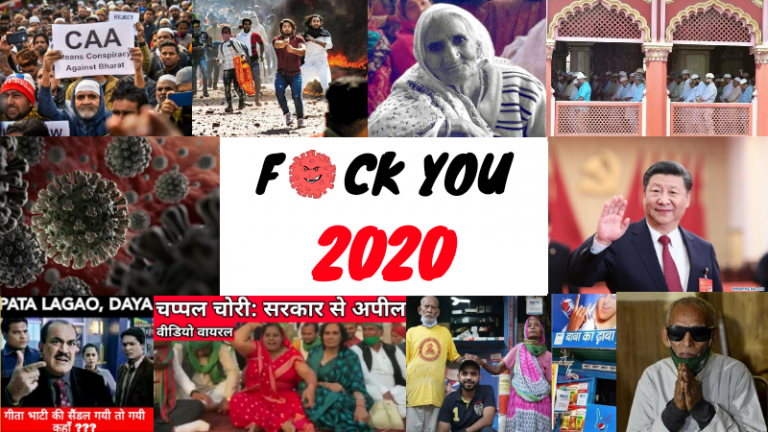
F*ck you, 2020

F*ck you, 2020.

This year was the year I see snowfall for the first time. This year was the year I visit Varanasi. This year was also the year I wanted to get a stamp of at least one European country on my passport.

But thanks to you, none of that has happened.

The first two months of the year were spent anticipating riots. A bunch of people gathering together, asserting their religious identity over imaginary fear of ‘being stripped off of their citizenship’, accusing everyone who tries to explain them otherwise as ‘Islamophobe’ and a ‘hater’ – what could go wrong? Especially when the same bunch of people had been threatening roadblocks and setting buses on fire and pelting stones just for fun at cops trying to bring in some law and order. What really could go wrong.

Elections in the national capital were to take place. Delhi Chief Minister claimed he had ‘no power’ on Delhi Police. He, of course, had enough powers a year later to ‘deny’ permission to Delhi Police to let grounds be used as protesting sites for Punjab farmers. Delhi Chief Minister, you are a despicable human being.

What is it with these bunch of people and setting public property like buses, trains on fire.

And then, just like that, one fine day, ‘spontaneously’ mob gathers and starts rioting. Politicians make fake calls to cops knowing fully well that the police vans will not be able to reach in time because of the rioting idiots blocking roads. This works as his alibi as he lends out his roof to hurl petrol bombs and such stuff to unsuspecting neighbours.

Intelligence Bureau officer is killed, his body recovered from the drain. Another constable is killed by a mob while a police officer barely manages to escape the mob. Why is mob angry? No one knows. The CAA never affected Indians, still, a particular community took it upon themselves that they’ll be sent to detention camps.

As if the Islamists giving calls for Khilafat and chanting ‘La Ilaha Ilallah’ while torching the national capital wasn’t enough, China unleashed a friggin virus on all of humanity. As Pakistani cricketer Shoaib Akhtar expressed in disgust, so many animals to eat, did they really have to eat the damned bat!

And just when we were coming to terms with this new virus no one had heard of and is most likely made in a shiny lab somewhere in China, Tablighi Jamaatis are discovered from the Nizamuddin Markaz. That was one of the first superspreader events in India. Earlier such superspreader event was the Tablighi Jamaat in Malaysia. So many of these Jamaatis were foreigners and were on a visa violation.

Of course people got mad at them. Not for gathering but for hiding. For spitting on healthcare workers. For lying about their visits. For defecating in the hospitals where they are being treated, just because they could. Those who call them out for their general aversion for all thing decent, you get called an Islamophobe.

Oh and the later gatherings during festivals and political rallies? Yes – all covidiots. All sorts of political and religious gatherings should have been avoided. Just because Tablighis were called out for spitting on unsuspecting doctors and healthcare workers, should you compare them to others celebrating festivals without resorting to display of disgusting behaviour? Apples and oranges.

Half the time went reading about those spitting machines and other half saying how religious and political gatherings of non-spitters is not cool either. But, not the same thing.

And things got so politically correct that you can no longer call them out for their reckless behaviour. To avoid ‘stigmatisation’, Delhi started reporting all contact traced positive cases as ‘single source’. They got flak for it also. No, not quarantine but ‘single source’ should have been word of the year.

The nightmarish lockdown and the sheer cluelessness regarding the future. There was nowhere to go, no one to meet, nothing to do. Every day you see doom prediction and read about jobs, lives lost. People having no money, no job. So many lives ruined.

It was heartbreaking.

The migrant crisis happened. In the middle of nation-wide lockdown, the migrant workers who had gone to other states to earn a living were stuck. With no money, no work and no help from the state governments they were staying in like Delhi, Maharashtra and Punjab, thousands of them started walking towards their home states, mostly Bihar and Uttar Pradesh on foot.

Political parties did not shy away from earning brownie points and adding to chaos either. There were reports that migrant workers in Delhi were informed through loudspeakers that Delhi govt run buses will drop them off at the UP border where the UP govt buses will take them home. This when there were travel restrictions across the country. Delhi government-run by Aam Aadmi Party and chief minister Arvind Kejriwal left the UP-Bihar migrant workers on their own. And then AAP has the audacity to go fight elections in UP after abandoning them when they needed them the most.

Amidst all this, came Sonu Sood. He went from arranging transport for migrant workers to helping people with books for studies to ‘winning’ a UN award that he never did to now writing a book.

Speaking of fake awards from the UN, did you read this one time when ‘UN-NGO’ hailed Mamata Banerjee’s work in countering coronavirus pandemic in her ‘kingdom’? Well, yes. That ‘NGO’ is not really linked to the UN (United Nations) that we know. OpIndia team dug through the Internet wearing the Sherlock hat to figure out the drone-boy-esque dubious NGO. 

You guys do know about drone boy Prathap, right? Yea, so the 22-year-old boy from Karnataka who made drones out of mixies and grinders? Yep, that didn’t happen. This was ‘India on Diwali night as captured from space’ level hoax which everyone lapped up till my colleague here Raju slayed it and how. Raju slayed droneboy and how!

There were locust attacks, earthquakes, wild fires. The world was coming to an end it seemed. And then there was the ‘fear’ of Donald Trump being reelected as the President of the United States.

A former church, which was a museum, is now turned into a mosque again in a country far away. A teacher is beheaded in the streets of another country because he showed a satirical cartoon of a religious figure. While most are shocked, ‘liberals’ across the world, instead of calling out the radicalisation of the person who beheaded a person, were busy giving lessons on how one should not ‘offend’ the others.

Like, seriously. It was as if it was the man’s own fault he was beheaded. A word against the hardliners of this particular religion gets you labelled as ‘communal’.

And then the unlock happened. There was hope that things will get better. That if things are not normal today, they will get normal eventually.

All festivals were cancelled. But then, there was hope. Some of the most brilliant minds were working on a vaccine. Which if not today, will be here tomorrow, everyone believed.

And then we saw the dark side of the Internet. As a 90s kid, who grew up as an introverted, shy person, the Internet has been my only constant friend. A bunch of school kids in elite schools of the national capital were discussing rape fantasies on social media.

Normally one would dismiss such talks as raging hormones, but not when there are detailed planning of ‘gang-raping’ their classmates is concerned. Especially not when one of the girls pretends to be a boy suggesting that she gets gang-raped. Kids, why don’t you focus on studies like most of us did when we were your age.

To make matters worse, in another, unrelated case, a class 12 boy Manav committed suicide. A girl had accused him of molestation. He started receiving threats and under pressure, jumped to his death. He was made a rapist overnight. The horrifying side of social media where people would rather believe the worst than giving someone benefit of the doubt.

A young, promising life lost. A family ruined.

And just when we had agreed that the Internet is a horrible place, suddenly, a wild Baba Ka Dhaba phenomenon appeared. A video of one old couple in south Delhi went viral on social media. Lockdown had hit them hard and they had no money.

SUDDENLY INTERNET SAMARITANS ASSEMBLED.

Everyone suddenly decided to go eat at that particular Baba Ka Dhaba. Not at the old-dude run food lorry down the road but that Baba Ka Dhaba in Malviya Nagar needs our money SO WE MUST GO. Baba Dhaba got so overwhelmed he shut his shop that day. There were marketing stickers of mobile phones and mobile payment apps that sprung up overnight.

Baba Dhaba got cataract operation for free.

Baba Dhaba suddenly was a meme.

AND THEN HE SUED THE DUDE WHO MADE HIM FAMOUS.

AND THEN DUDE SUED HIM BACK!!

AND BABA DHABA GOT DEATH THREATS!!!

AND NOW BABA DHABA OWNS A RESTAURANT!!!!

WHAT JUST HAPPENED!!!!!

At least the pandemic came as a blessing in disguise for some.

Speaking of blessing in disguise, how can one forget how Rahul Gandhi and his sister along with every other politician worth their salt politicised murder of the Dalit girl in Hathras.

Whether the girl was raped, not raped, whether she was in a relationship with the man who allegedly raped and then strangulated her or whatever becomes secondary when you see that a woman was strangulated and a life was lost. From Congress leaders to communist leaders to some random woman who posed as a ‘bhabhi’ of the girl and turned out to be a completely random woman, everyone came to win political brownie points.

Things turned ugly pretty quick. But in a week, all the media and political circus surround the murder of the young girl died down as people moved on to a new news cycle.

But it just showed us one more example on how the elected representatives, who claim to be fighting for you, are in reality fighting only for the limelight. 2020 was a year when our faith that politicians lack humanity was restored.

Meanwhile, as things were getting normal in rest of the country, Modi decided to fasten the normalcy process. Hence he brought in three new laws which catapulted normalcy like nothing else.

PROTESTS WERE BACK!

Farmers wanted to protest for the same thing the government was giving but they were still protesting. Suddenly the demands they had from the government over the years became ‘kaala kanoon’ (black law) because Modi did it. A conversation between a friend and I went something like this:

Friend: Modi hates farmers also now.

Me: What happened?

Friend: The anti-farmer laws? It is because of the farmers that you have food on your plate.

Me: Well, I thank the farmers for doing their bit in helping me eat, but I also kind of pay for the food I eat. Not that I am getting anything for free.

Friend: So, farmers should give you food for free?

Me: No. In fact, I should be giving a fair price for the produce and the quality of the food produced by them.

Friend: That.. is nice.

Me: That is also what PM Modi has done with the new laws.

Friend: No, he has done for Ambani and Adani.

Me: How?

Friend: They will buy grains and exploit farmers.

Me: Farmers then can choose not to sell it to Ambani and Adani.

Friend: But APMC are going.

Me: Who said?

Friend: You are a bhakt.

And well, that’s how the conversation ended. APMC or even MSP, the minimum support price at which government procures food grains from farmers is not going anywhere. But the ‘farmers’ are protesting against the laws which are doing exactly what they are demanding.

Either they are misguided or they are politically motivated.

And amongst all this, farmer leader Geeta Bhati had her chappals stolen by Prime Minister Narendra Modi. A video where Bhati accused PM Modi of having her chappals stolen so that she cannot participate in the protests further had gone viral.

This summed up farmer protests. Anyone who thought that annadata Geeta Bhati’s demands were unrealistic is an IT cell worker and an andhbhakt. He is a monster who does not deserve the next meal on his plate.

So, F*ck you, 2020 for unleashing riots and virus upon us. F*ck you, 2020 for shutting down schools, colleges, offices, lives of people. F*ck you, 2020 for reaffirming that only non-Hindus can assert their religious identities in India. Even if the other religion is the world’s second most followed religion in the world, they will continue to be the ‘minority’, and anyone calling out their extremism or radicalisation is a hater. F*ck you for showing how politics across the world has to be politically correct only if it pertains to one particular religion.

And most of all, f*ck you for depriving farmer leader Geeta Bhati of her chappals.

F*ck you.

PS: F*ck you 2021 already for the friggin mutated coronavirus. F*ck you.

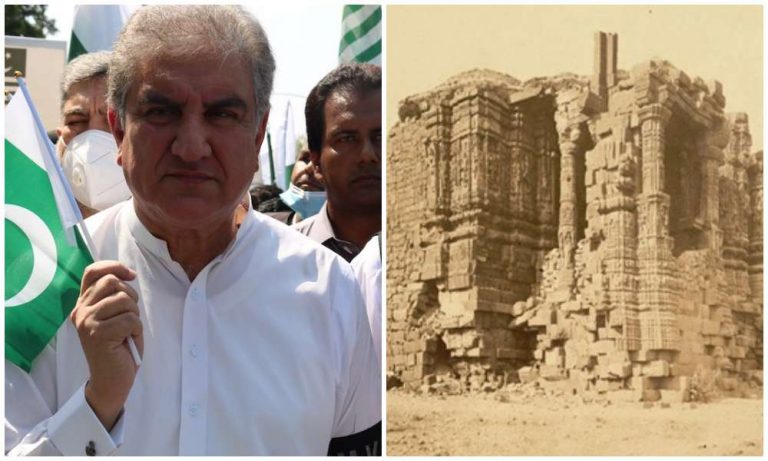
When Pakistan foreign minister Shah Mehmood Qureshi vowed to destroy Somnath temple in India

As Pakistani destroy Hindu temples and continue to persecute religious minorities, a video of Pakistan’s Minister of Foreign Affairs vowing to destroy Somnath temple has gone viral.

In the video, Qureshi can be heard saying how Shah Mehmood, like Mahmud Ghaznavi, has come out to destroy the Somnath temple. Crowd can be heard cheering for his vow in the background. This video appears at least a decade old. The exact time of this speech of Qureshi cannot be verified.

Mahmud of Ghazni and Somnath temple

Mahmud of Ghazni was the 10th-century Muslim invader of Turkic dynasty of Ghaznavids who looted and plundered the Somnath temple in Gujarat. He also broke the Jyotirlinga and also believed to have killed thousands of devotees who were trying to protect the temple.

Attracted by India’s wealth, he is believed to have attacked and looted India 17 times. Other than Somnath temple, he is believed to have destroyed temples at Kangra, Mathura and Jwalamukhi. Because of this, he had earned himself the nickname ‘idol breaker’.

Haryana: Arrested Khalistani terrorists linked to SFJ, wanted to attack Shiv Sena leaders in Punjab. Details

0

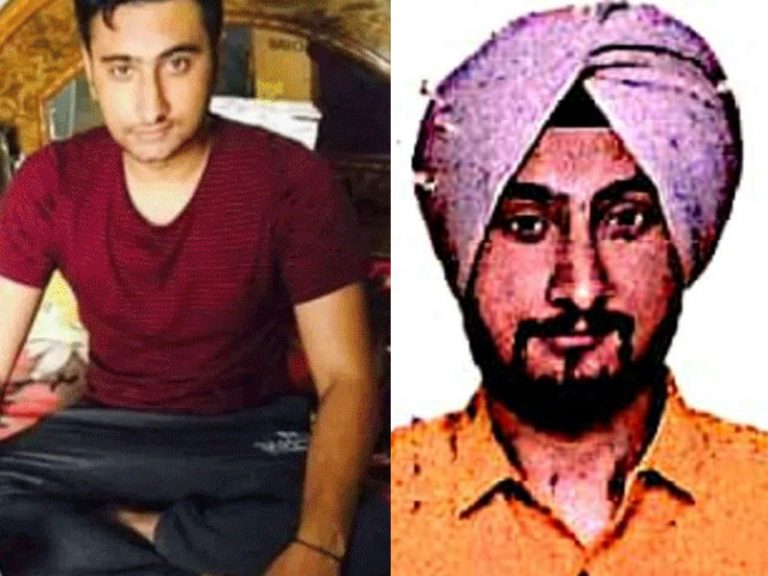
The Haryana police have arrested two armed Khalistani terrorists working for ‘Sikhs for Justice’ (SJF) near Karnal, Haryana recently.

According to the reports, the arrested Khalistani terrorists, during the interrogation have revealed that they were in touch will US-based Gurmeet Singh. They said that Khalistani Singh had transferred lakhs of rupees in their accounts via MoneyGram.

During questioning, the accused also revealed that Gurmeet had ordered them to purchase arms and murder two persons who allegedly spoke against Sikhism. As per a report in Jagran, the two arrested Khalistanis are named as one Tejprakash alias Kaka and one Akashdeep Singh alias Sonu from Ludhiana. The Haryana STF has recovered weapons and live cartridges from them.

According to Haryana Police, the two Khalistani terrorists were arrested when they were returning after purchasing the arms. During interrogation, the arrested men revealed that they had planned to attack two Shiv Sena leaders in Punjab named Sudhir Suri and Gursharanmand. They had been in contact with SFJ’s Gurmeet Singh via Facebook. Gurmeet Singh had allegedly recruited them for their radical views. He had also sent them money via MoneyGram to purchase arms. The men have been booked under sections 10,13 of UAPA, sections 25-54and 59 of the Arms Act and section 120 B of IPC.

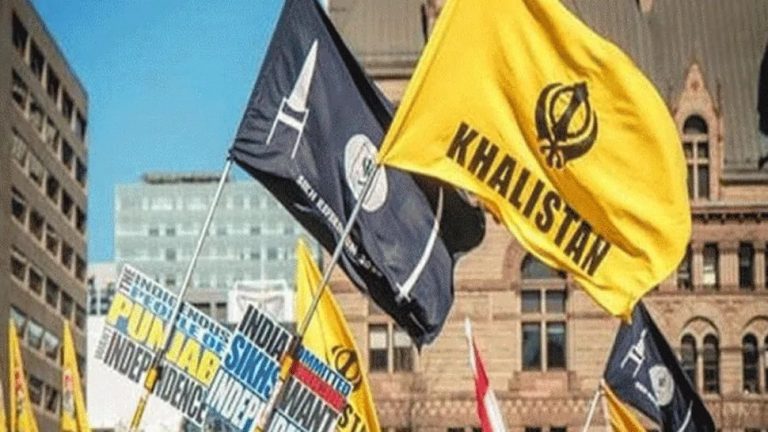
The arrest of two SFJ terrorists comes at a time when the banned Khalistani-terror outfit have tried to hijack the so-called farmers protests against the three farm laws passed by the Modi government.

Khalistan elements and Sikhs for Justice are hijacking the farmer protests

It was earlier reported how the farmer protests are being hijacked by several Khalistani elements, posing a great risk for the security apparatus of the country.

A few Khalistani terror sympathisers disguised as farmers were caught gloating over the assassination of the former Indian Prime Minister Indira Gandhi, who also threatened PM Modi with a similar fate if their demands went unfulfilled. The protests, apparently carried out by the farmers, were taken control by the Khalistani supporters, who raised pro-Khalistani slogans hailing the face of Khalistani movement – Jarnail Singh Bhindranwale.

Further, questions are also being raised over the alleged involvement of SFJ in instigating Punjab farmers to protest against the Modi government under the pretext that the three farm bills are ‘anti-farmer’ in nature. The shady role of the SFJ was being analysed as more and more details are emerging that points towards the possible interference of pro-Khalistan elements to hijack these farmer protest. 

It is important to note that the Khalistan organisation SFJ, funded by Pakistan, had earlier declared a grant of $1 million for farmers in Punjab and Haryana in lieu of their support for Khalistan.

Khalistani terrorist Sukh Bikriwal connected to Pakistan’s ISI arrested at IGI Airport

0

On December 31, Punjab’s most wanted gangster and Khalistani terrorist Sukh Bikriwal has been arrested at Indira Gandhi International Airport by Delhi Police Special Cell. He was deported from Dubai on Thursday. With this arrest, it is believed that some major revelations related to target killings in Punjab and links to Khalistani terrorists will follow.

Bikriwal’s involvement in target killings in Punjab

On December 7, Delhi Police had averted major terror attack in Delhi by arrested five terrorists including two Khalistanis. During interrogation, they revealed involvement in the murder of Shaurya Chakra winner Balwinder Sandhu of Punjab. They told police that Khalistani terrorist Sukh Bikriwal had used them to kill Sandhu at the behest of Pakistani intelligence agency ISI. It is believed that Sukh was involved in 2016 jailbreaking incident in Nabha Punjab. After the incident, Sukh had fled to Dubai.

Indian agencies raided Sukh’s residence in Dubai

Based on the information provided by the arrested terrorists, the Indian agencies in Dubai were able to locate his residence. The agencies detained him on December 8. Bikriwal was also involved in the attack on several other Hindu leaders in Punjab including Shiv Sena leader Honey Mahajan. A neighbour of Mahajan died in the incident, but Mahajan survived. Bikariwal was acting as a bridge between ISI and Khalistani terrorists while sitting in Dubai.