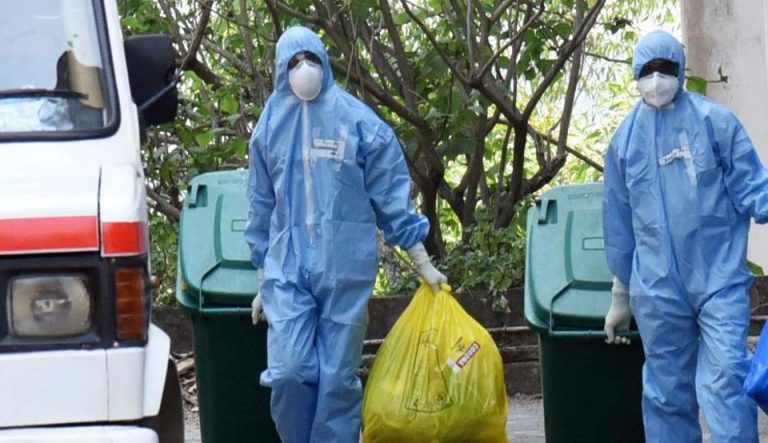
An Irish national, suspected to be carrying the coronavirus, had absconded from SCB Medical College and Hospital in Odisha’s Cuttack late on Thursday. The affected person was admitted and was kept in the isolation ward as he was suspected to have been infected with COVID-19.
As per latest reports, the Irish national was later found in a private hotel in Bhubaneswar.
According to the reports, the Ireland national reportedly had high fever running when he landed in Bhubaneswar International Airport and was immediately taken to the hospital for a mandatory thermal scanner screening after officials suspected him of carrying the virus. He was taken to SCB for in-detail testing from where he is said to be missing.
The hospital has lodged a case against the Irish national at the local Mangalapur police station, said emergency official B Maharana of the SCB Medical College. Maharana has stated that the patient went missing after the hospital decided to keep him in the isolation ward.
As per reports, the Irish man was accompanied by another person. In the meanwhile, a couple from UP who had arrived at Paradip port in a Singapore ship and were suspected of infection have tested negative. Odisha authorities have sent another blood sample of a Dubai returned man from Sonepur district. The results are yet to be received.
In a similar incident, a patient from Kerala who was under watch for coronavirus in the isolation ward of the Ernakulam Government Medical College had fled the hospital on March 2. The 25-year-old man, who had arrived at the Kochi International Airport from Thailand, was kept in an isolation ward as he had symptoms of the virus.
However, the patient ran away from the ward without the knowledge of the nurses in the isolation ward. Later, the authorities traced him to Muppathadam near Kochi and directed him to follow the quarantine guidelines. Later in the day, the patient returned to the hospital.
The number of people infected with coronavirus disease (COVID-19) has gone up to 30 in India. Apart from three patients, all of them are in hospitals in the National Capital Region (NCR). Two patients are in Jaipur while the other one is quarantined in Hyderabad.
Coronavirus is a deadly respiratory disease which has killed more than 3,110 and so far more than 97,0000 cases are reported globally, according to the World Health Organisation.
The transmission of the virus takes place when someone who is infected comes in contact with another person. According to medical experts, coughing, sneezing or even shaking hands with an infected person can cause exposure.
The outbreak of coronavirus disease (COVID-19) was first reported from Wuhan, China, on 31 December 2019. Outside China, 1848 cases were reported in 48 countries. 80 per cent of those cases are from just three countries: the Republic of Korea, the Islamic Republic of Iran and Italy.
As per latest reports, Capital Hospital director Ashok Patnaik has stated that the report of escapade is wrong. He has told media persons that the concerned Irish national was was unwilling to get admitted into SCB Medical College and has returned to Bhubaneswar.
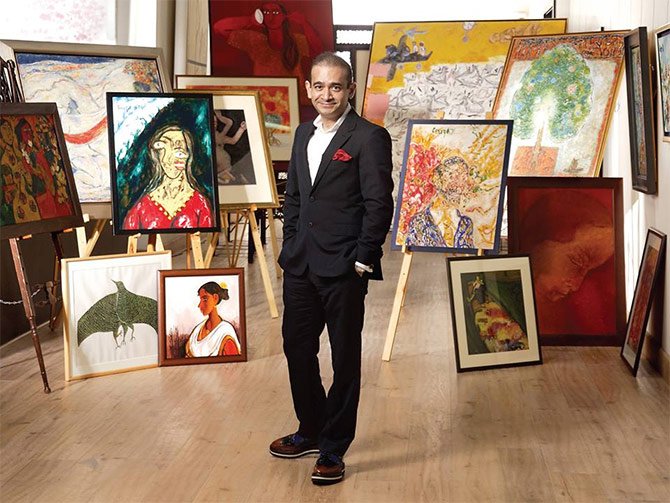
The Enforcement Directorate on Thursday auctioned luxury cars, sculptures and personal objects of value including watches and designer handbags, belonging to fugitive businessman Nirav Modi and his wife Ami Modi, fetching Rs 53.45 crores.
As per a report in The Hindu, a total of 112 luxury items in 40 lots including 15 artworks, a 2010 Rolls Royce Ghost and a selection of limited-edition luxury handbags, watches went under the hammer on Thursday in Mumbai.
The 1935 Amrita Sher-Gil painting, titled, ‘Boys With Lemons’ fetched the highest price of Rs 15.68 crore. Another painting by MF Husain titled ‘Battle of Ganga and Jamuna: Mahabharata 12’ fetched Rs 13.44 crore. Raja Ravi Varma’s Untitled artwork was sold for Rs 2.8 crore at the auction.
Among the bids were VS Gaitonde’s Untitled, which was auctioned for Rs 9.52 crore, and Manjit Bawa’s Untitled, dated 1992, sold at Rs 6.16 crore. Apart from paintings, Nirav Modi’s Rolls-Royce Ghost was sold for Rs 1.68 crore. Luxury watch Girard-Perregaux wristwatch got sold for Rs 95.2 lakh, Audemars Grande Complication wristwatch for Rs 78.4 lakh and Patek Philippe’s gold-diamond wristwatch fetched another Rs 72.8 lakh for the ED.
The sale also featured several branded handbags, including the iconic Birkin and Kelly lines by luxury goods manufacturer Hermès. A Hermes Kelly Blue Atoll bag tripled its estimate to sell for Rs 17.9 lakh.
Besides Thursday’s live auction, another 80 lots, including handbags and wristwatches, were auctioned online by Saffronart and raised Rs 2.04 crore.
The auction conducted by Saffronart was a complete success, raising Rs 53.45 crore for the enforcement directorate (ED). It is the first time a professional auction house had been appointed by the ED to conduct an auction of seized assets in the country.
The auction, sanctioned by court order, is part of efforts by the government to sell assets confiscated in criminal cases with the proceeds used to repay the debts to the banks. The Mumbai-based auctioneers Saffronart was selected to host the sales on behalf of the Enforcement Directorate.
Fugitive businessman and prime accused in the Rs 14,000 crore PNB scam, Nirav Modi is currently lodged in the Wandsworth jail in southwest London and has been denied bail on four occasions. Modi had been arrested in London on March 20, 17 months after he fled India.
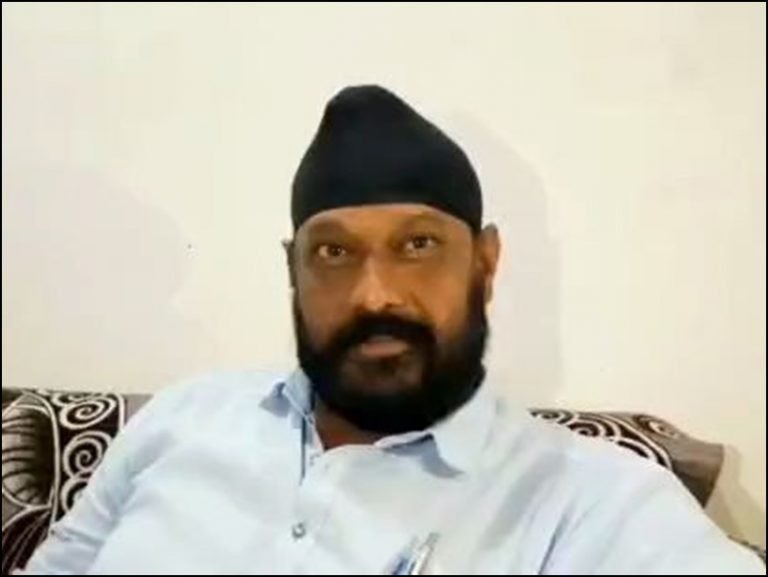
In a setback to Kamal Nath-led Congress government in Madhya Pradesh, Congress MLA Hardeep Singh Dang has reportedly sent his resignation to state assembly Speaker NP Prajapati on Thursday.
According to reports, Hardeep Singh Dang, a legislator from Suwasra assembly seat in Mandasur, was among the four disgruntled MLAs who were allegedly in touch with the BJP in an effort to bring down the Congress government in the Madhya Pradesh.
Madhya Pradesh Assembly Speaker, NP Prajapati: I have received the news of Hardeep Singh Dang’s resignation. He has not tendered his resignation to me in person. When he submits his resignation to me, I will consider it as per the rules & take necessary action. (file pic) https://t.co/mnHKrOizfepic.twitter.com/KplyfWy8Pp
The other disgruntled Congress legislators are Bisahulal Singh, Raghuraj Kansana and Independent MLA Thakur Surendra Singh. The family of Bisahulal Singh on Thursday had even lodged a missing person’s complaint in Bhopal.
In his resignation letter written to Speaker Prajapati, Hardeep Dang said despite getting the people’s mandate for a second time, he is constantly being ignored by the party. “None of the ministers are ready to work as they are part of a corrupt government,” his letter read.
In the resignation letter scripted on Dang’s official letterhead, the MLA alleged gross apathy and negligence in his own government and said he had been unable to work for his constituency since the Congress came to power. He claimed that ministers were not listening to him and his workers were required to make rounds of Bhopal to get even small work done.
However, the speaker has said he is yet to receive the resignation letter sent by Dang. “He has not tendered his resignation to me in person. When he submits the same to me, I will consider it as per the rules and take necessary action,” Speaker Prajapati said.
Reacting to Dang’s resignation, Chief Minister Kamal Nath said, “I have received information about Hardeep Singh Dang’s resignation. I have not yet received any letter from him or discussed the matter in person. Until I meet him personally, making comments over it will not be appropriate.”
Reportedly, Hardeep Dang is the only Sikh in the MP assembly and was expecting a ministerial berth as he belonged to a minority community. In fact, Dang was the only Congress MLA elected from Mandsaur district in the 2018 state assembly elections.
Earlier, the panic-stricken Congress leadership had accused the BJP of ‘kidnapping’ its MLAs and had alleged that their MLAs were taken to either Bengaluru or Chikmagalur in Karnataka. The Congress claimed that the BJP had ‘abducted’ 14 MLAs to bring down its government in Madhya Pradesh.
However, the BJP denied the Congress’ allegation that the saffron party was trying to poach its MLAs to bring down the Kamal Nath government.
The Kamal Nath government has 120 MLAs – four over the majority mark of 116 in the 230-member assembly. Of them, 114 are from the Congress, two from the BSP, one from the Samajwadi Party and four independents. The BJP has 107 MLAs and two seats are currently vacant.
Days after Islamist mobs ran riots in Delhi, engaging in arson, vandalism, stone-pelting, brutally massacring innocent Hindus and damaging public properties running in Lakhs, the Shaheen Bagh protestors, who have been occupying the protest site in Delhi for almost 3 months, causing grave inconvenience to the lakhs of daily commuters, seem to have vacated the protest site now.
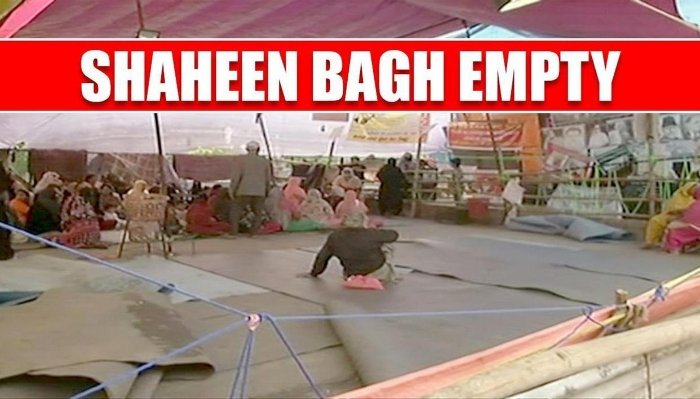
According to a report by The Republic TV, the protesters at Shaheen Bagh seem to have deserted the protest site on Thursday as only a handful turned up for what they claimed their democratic right to protest against the government’s move to bring in the CAA.
It is being believed that the main reason behind this sudden development in the fact that the media partners who had thronged the venue regularly earlier have stopped visiting the place now.
One protestor who remained there, while speaking to Republic TV, said that a Hindi news channel that used to send up to seven anchors to the protest isn’t sending even a single reporter anymore. What’s more disturbing is that their regular serving of food at the venue, the Biryani specifically, has also been disrupted.
The area which was once a witness to an enormous gathering of Islamist fundamentalists shouting anti-India, anti-government and Azaadi slogans was on Thursday visited by only a handful people, exceedingly outnumbered by the security personnel deployed there to ensure their safety. Republic said that there were 500 security personnel for just 25 protestors at Shaheen Bagh.
Since December 15, 2019, protesters gathered at Shaheen Bagh and blocked one of the arterial roads in Delhi against the Citizenship Amendment Act. The protest site was accused of being an independent enclave where participation of people was regulated based on their political inclinations and past predispositions. It also witnessed anti-India and pro-Azaadi slogans being chanted by the demonstrators.
The protests at Shaheen Bagh is fuelled by Islamic supremacy beside causing unprecedented traffic woes for daily commuters have also led to job losses.
According to reports, at least 250 retail stores and commercial outlets have been shut for the past three months, owing to the protests at Shaheen Bagh against the Citizenship Amendment Act (CAA) and the National Register of Citizens (NRC). This has affected approximately 3000 workers and resulted in a loss of ₹150 crores worth of business transactions.
The Supreme Court had appointed “interlocutors” to resolve the deadlock, however, it was reported that the Shaheen Bagh protestors had put up seven conditions to the Supreme Court-appointed interlocutors to decide on vacating the protest site, which they have illegally occupied since December 15, 2019.
On one side these protests raged on, while on the other side Delhi was gripped by anti-Hindu riots as Islamist mobs had taken over the streets of Delhi. What started as protests against the Citizenship Amendment Act, which expedites citizenship to persecuted minorities of neighbouring Islamic Nations, turned into full scare anti-Hindu riots soon.
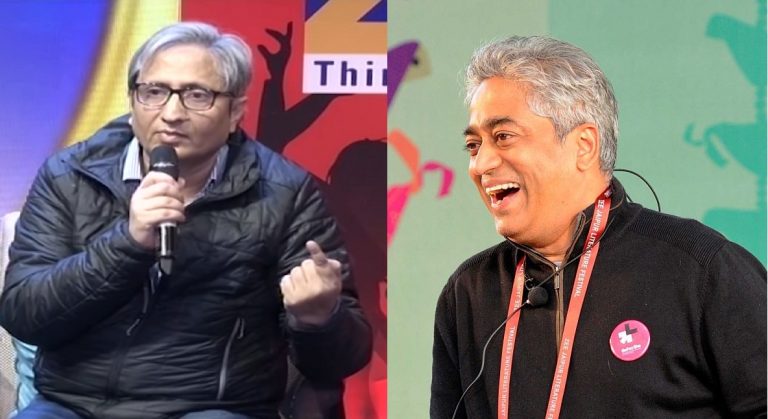
‘Eminent journalist’ Ravish Kumar has called fellow ’eminent journalist’ Rajdeep Sardesai a dukaandaar (shopkeeper) and a balancer. He made the comment during an interview to Sandeep Chaudhary of News24 at the Isomes Manthan. Ravish Kumar called Rajdeep Sardesai a shopkeeper in response to a question from Manak Gupta, the executive editor of News24.
Manak Gupta asked Ravish Kumar, “Aren’t you too negative? For instance, Rajdeep had come yesterday…”. Even before Manak Gupta could complete his question, Ravish Kumar interrupted him and said, “Manak, I am not a shopkeeper.” He continued, “The person you have mentioned, I am not a balance-vadi. It is a fact that the media is organizing the murder of democracy. This is not a matter of Sakaratmak or Nakaratmak…”.
“If you don’t call a murder a murder, what else would you call it?” He asked.
When Manak said that not only Rajdeep, but many other journalists also feel that for the split of media into two sections, both sides are responsible, Ravish disagreed with him. He said, “this is completely wrong, there is no balance. If 90% of media becomes one side then one should not run this shop that people from both sides have separated”.
Ravish accused Rajdeep Sardesai, and most of the media, of trying to do ‘balancing’ when there is none.
It may be noted that both Ravish Kumar and Rajdeep Sardesai were once colleagues at NDTV. While Ravish remained in NDTV, currently heading its Hindi channel, Rajdeep had moved on to CNN-IBN, and later joined the India Today channel. Rajdeep Sardesai was the Managing Editor of both NDTV 24X7 and NDTV India, means Ravish Kumar had worked under him at that time.
The NDTV journalist has not been having a good time lately. He was mocked by people on social media after the Delhi Police arrested the Delhi shooter Mohammed Shahrukh who Ravish Kumar claimed could have been one ‘Anurag Mishra’ in his show.
Days after ‘journalist’ Ravish Kumar spread misinformation stating that the February 24 shooter who fired at Delhi Police personnel was not Mohammad Shahrukh but a Hindu man named ‘Anurag Mishra’, the victim of the Ravish’s fake campaign – Anurag Mishra started receiving a lot of threats online.
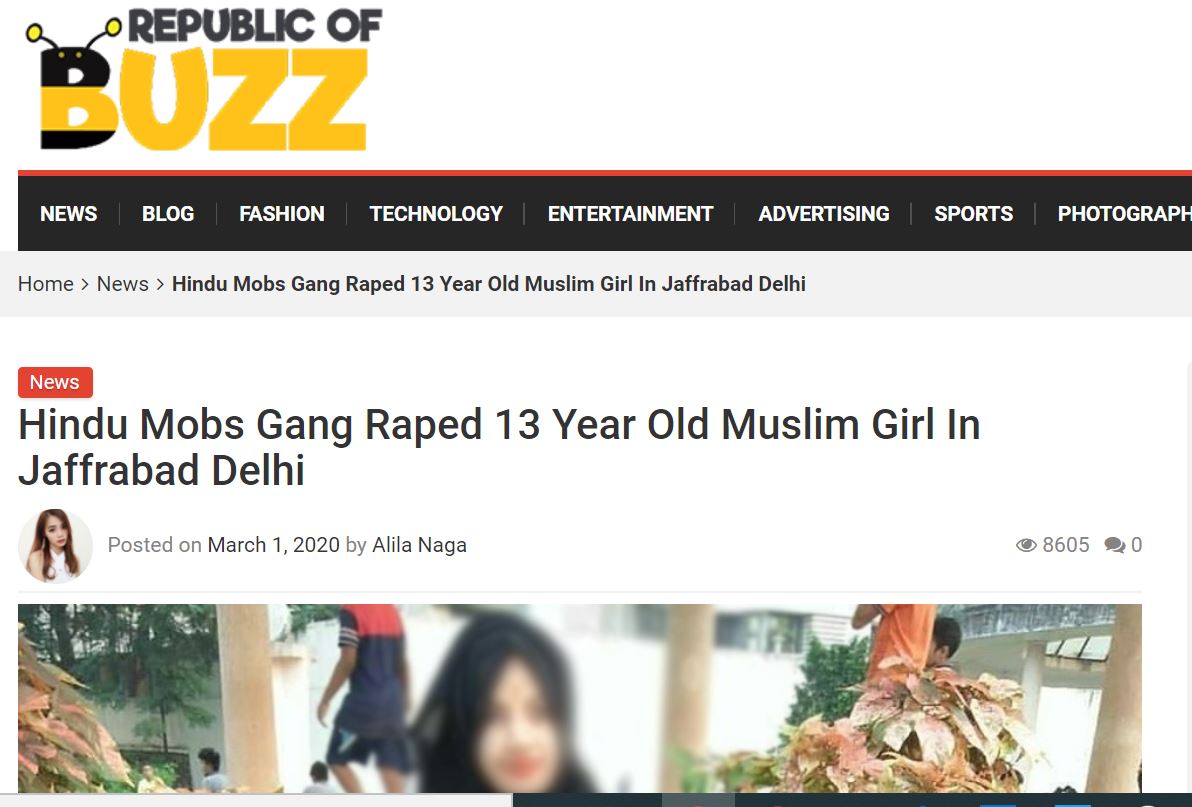
A Pakistani propaganda website ‘Republic of Buzz’ published an article on March 1, 2020, claiming that a Muslim teenage girl named Deeba from Jafrabad area of North-East Delhi was raped by Hindu mobs during the recent anti-Hindu riots in the national capital. This news was widely shared on social media.
The article was titled: ‘Hindu Mobs Gang Raped 13 Year Old Muslim Girl In Jaffrabad Delhi’.
The report by the Pakistani propaganda portal ‘Republic of Buzz’
The article claimed that the charged Hindu mob stormed into Deeba’s residential colony, torching homes and rounding up Muslims. It further read that as Deeba tried to escape, members of the mob chased her throughout the streets, and took her to an abandoned cottage nearby.
It writes how the 13-year-old was gang-raped by at-least seven Hindu men who also forced her for oral sex and sodomy. She kept screaming but no one came for the rescue, the report claimed.
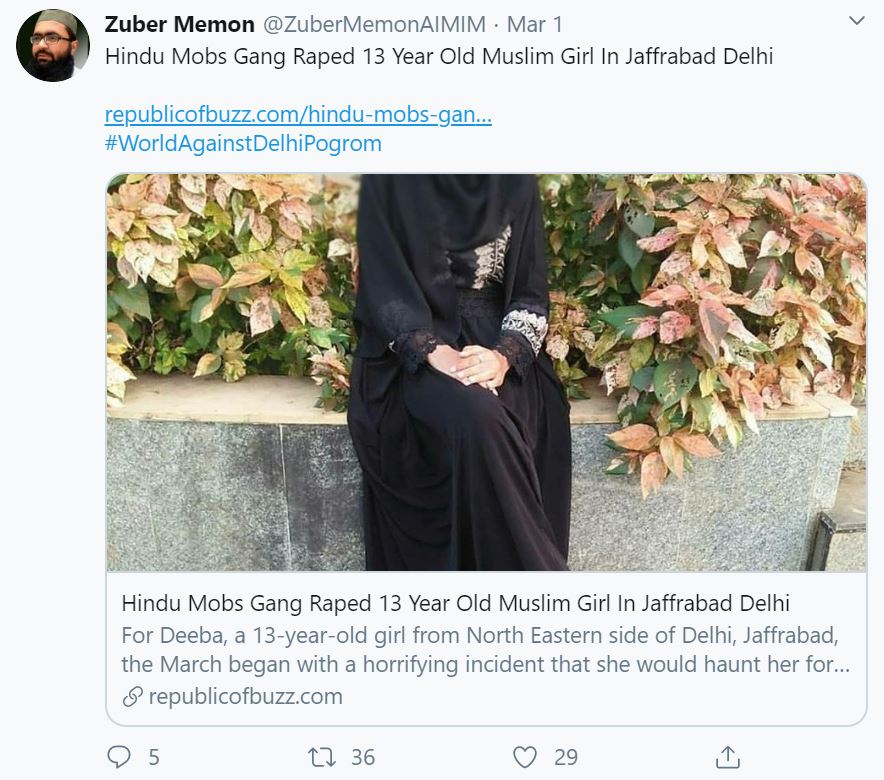
This report immediately started going viral on Twitter with many Twitter users sharing the dubious report making similar assertions. Amongst many was Asaduddin Owaisi’s AIMIM member Zuber Memon, who tweeted the report on that day itself.
Asaduddin Owaisi’s AIMIM member Zuber Memon shared the report on his Twitter handle
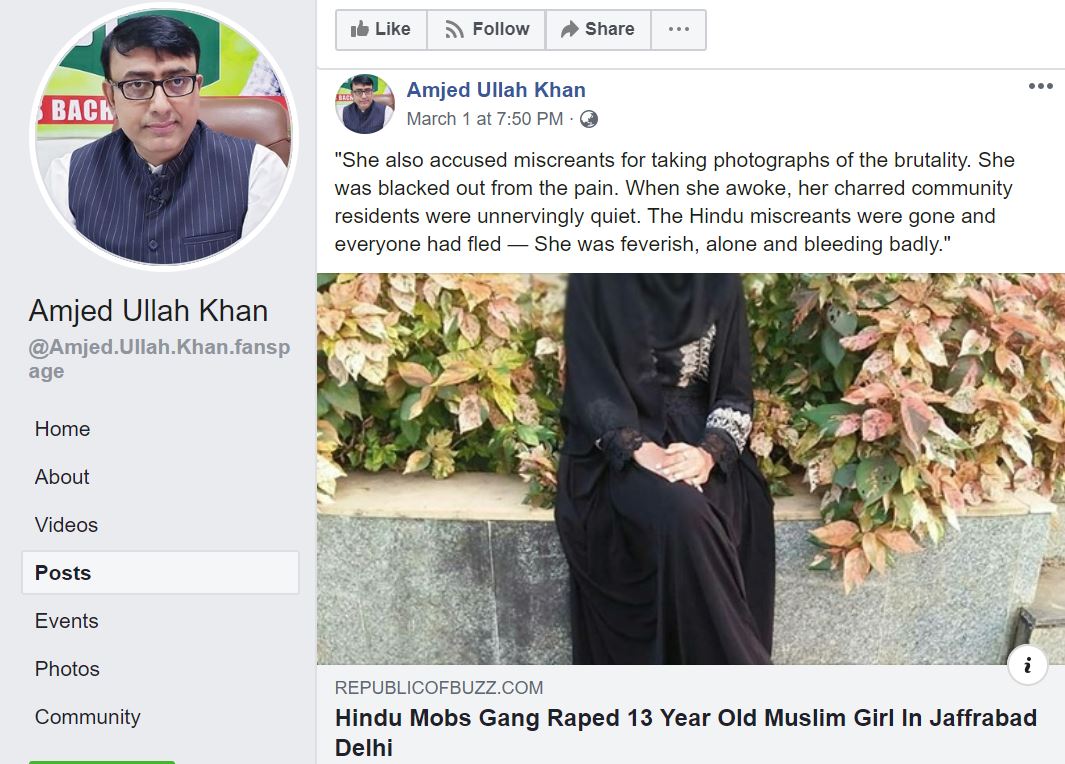
The spokesperson of Telangana-based political party MBT, Amjed Ullah Khan also shared the news on his Facebook page.
Amjed Ullah Khan, a spokesperson of Telangana-based political party MBT shared the report through his Facebook page
But these claims made by ‘Republic of Buzz’ is completely false and baseless. No Muslim girl was raped by Hindu mobs in Delhi’s Jafrabad.
A Google search with key phrases from the article does not lead to any results. No credible report could be found to substantiate these claims.
In fact, SHO Jafrabad, Satyadev, also clarified that no such incident has been reported in the area. “This is fake news. Had such an incident occurred, it would have come to our attention,” he said.
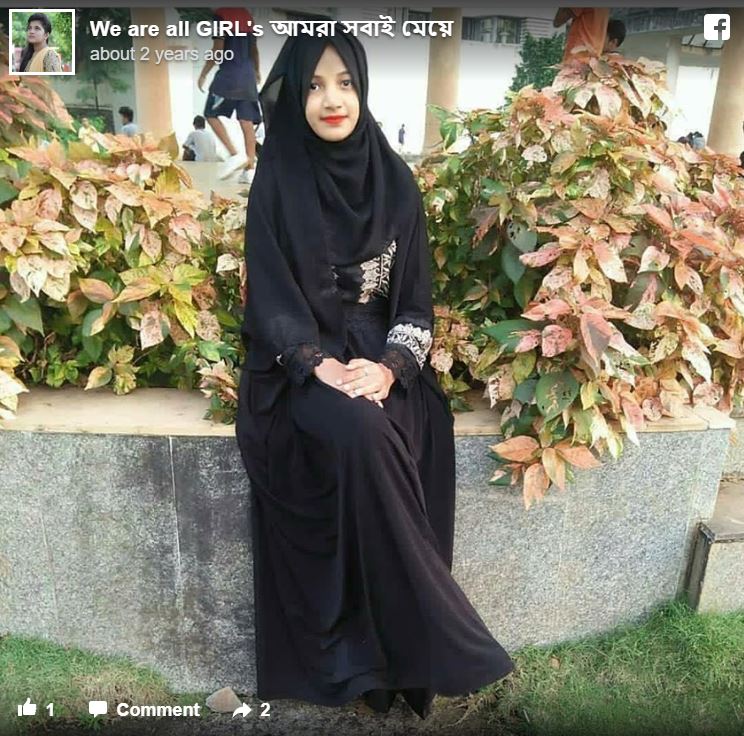
A reverse-image search on the face-blurred photo in the report leads to the original image (with face visible) posted on a Facebook page called ‘We are all GIRL’s আমরা সবাই মেয়ে’. The page, presumably operating from Bangladesh has several photos of different women in Hijab.
The original image was posted on January 28, 2018.
On shifting through Republic of Buzz’s Facebook page one can see that it is a shoddy website that regularly runs Anti-India and Anti-Hindu propaganda through unverified reports.
The website, in fact, routinely shares such distasteful articles. One of its most popular pieces is ‘77% Hindu women cheat due to small penises of their Hindu partners’.
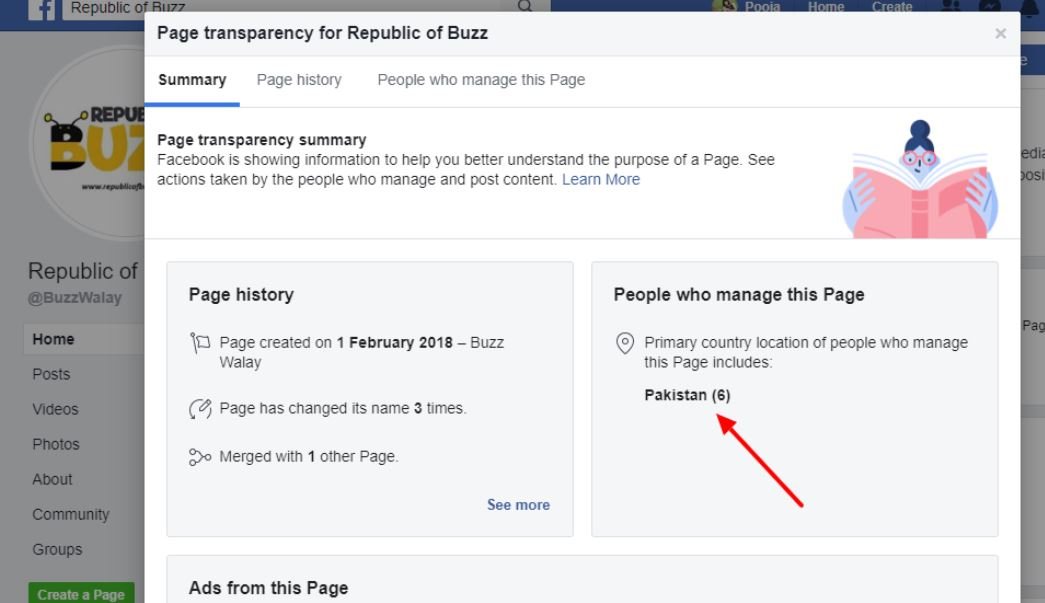
The ‘page transparency’ details of the website’s Facebook page reveals that it is managed by six individuals from Pakistan.
Interestingly, the original Twitter handle of republicofbuzz.com was suspended and it now functions under @buzzrepublic. The channel belongs to one Pakistani user Fahad Kahut who describes himself as a ‘filmmaker’ and now runs his handle under the username @KahutFahad. The Facebook page of ‘Republic of Buzz’ also routinely shares his posts. Its YouTube channel is also full of videos spewing hate against India. Most of the reports on the website are centred around the current events in Pakistan.
Further, the Facebook page of the author Alila Chopy Naga, who wrote the report about ‘Muslim girl gang-raped by Hindus’, mentions her as a Naga separatist. Her page also has several unverified and defamatory posts about India and the Indian Army.
Therefore it will be safe to say that the article claiming that a 13-year-old Muslim girl was gang-raped by a Hindu mob in Jafrabad, published by ‘Republic of Buzz’, written by the alleged Naga-separatist, Alila Chopy Naga, is a shoddy attempt to defame the Hindus and is not even close to being true.
India on Thursday once again lashed out at international bodies and foreign leaders for making ‘irresponsible’ comments on Citizenship Amendment Act(CAA) and the Communal riots in New Delhi.
The US Commission on International Religious Freedom (USCIRF) and UN human rights chief Michelle Bachelet were one of them who tried to malign the country by justifying the Anti Citizenship Amendment Act protests and the aftermath violence in New Delhi.
Leaders of the countries such as Turkey, Iran, and Malaysia too criticized India on these issues even after India had described their past remarks on these matters as interference in the country’s internal matters.
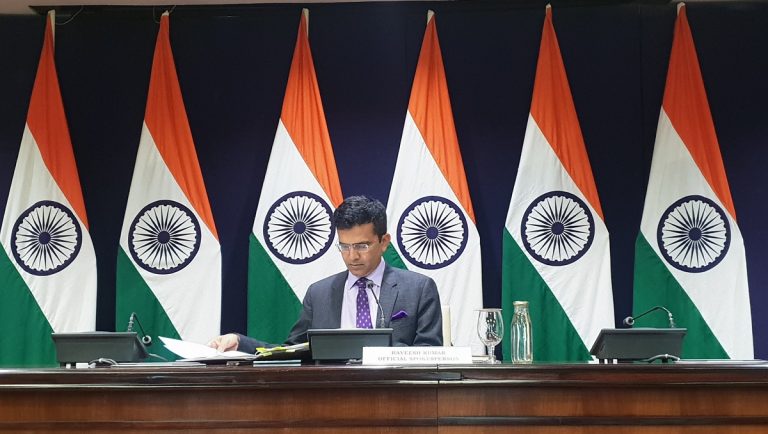
Ministry of External Affairs spokesperson, Raveesh Kumar told a news briefing, “We have seen certain comments made on the recent incidents of violence in Delhi. At this stage, we would like to highlight that the situation is fast returning to normal. At this sensitive time, we would urge people not to make any irresponsible comments and not to be influenced by the selective and unsubstantiated narrative on the matter.
Kumar asserted that law enforcement agencies were on the ground to restore confidence and ensure that law and order are maintained. He said, “Senior officials have visited the place of violence, peace committees have been formed and other steps have been taken in this direction.”
On the remark of Turkish President Recep Tayyip Erdogan, who described the violence in the national capital as a “massacre”, Kumar said the comments “are factually inaccurate and are driven by his political agenda. We do not expect such irresponsible statements from a head of state.”
Despite being summoned by the External Affairs Ministry on Tuesday and a strong protest lodged over Javad Zarif’s criticism of the violence in New Delhi, Iran’s supreme leader Ayatollah Ali Khamenei tweeted on the issue on Thursday. Khamenei tweeted: “The hearts of Muslims all over the world are grieving over the massacre of Muslims in India. The government of India should confront extremist Hindus & their parties & stop the massacre of Muslims in order to prevent India’s isolation from the world of Islam.”
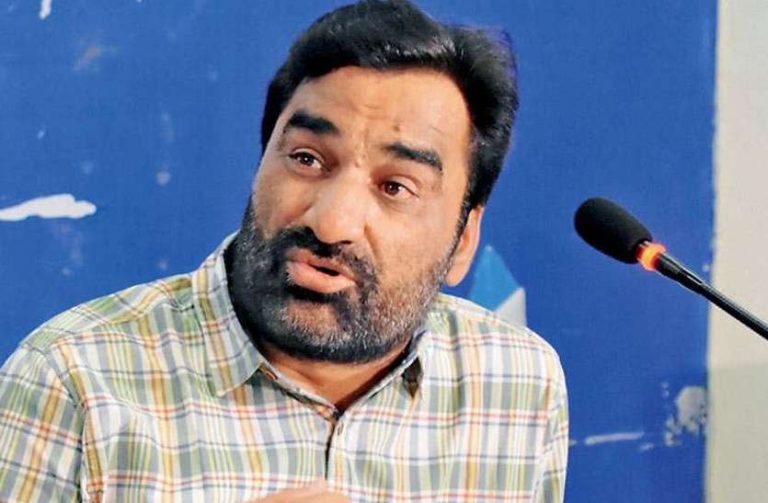
Hanuman Beniwal, the MP from Rashatriya Loktrantik Party, created a major uproar in Parliament today by his controversial remarks linking Gandhis with coronavirus during a discussion in Lok Sabha today. Participating in a debate on coronavirus outbreak in the lower house, Beniwal noted that majority of coronavirus infected persons have come from Italy, and that’s why the Gandhi family should be screened for possible infection.
Addressing the Lok sabha, Hanuman Beniwal thanked the health minister Dr. Harshvardhan for effective control of the outbreak, after which he added that among the 29 patients of coronavirus, most of them have come from Italy. He added, ‘now I want to say that, as Adhir Ranjan Chowdhary earlier said that Rahul Gandhi was first to ask about it, therefore the family including Sonia Gandhi must be probed whether the infection is being spread from their home or they are infected by the coronavirus’.
“Get Sonia Gandhi, Rahul Gandhi, Priyanka Gandhi examined, to confirm that they are not infected with corona” he urged amid the loud protests from Congress MPs and the chair of the house asking him to stop.
Chairperson Rajendra Agarwal was visibly agitated with such unparliamentary language used by the MP. He stopped Beniwal from speaking further, ordered that the comments will not go into the records of Lok Sabha. “What are you doing”, “What is this”, Agarwal told him, and immediately adjourned the house till 2 pm after the opposition members started protesting and shouting slogans.
Hanuman Beniwal, Rashtriya Loktantrik Party MP (NDA): Italy is badly affected with #Coronavirus so I requested the govt that Congress chief Sonia Gandhi, Rahul & Priyanka Gandhi be tested for Coronavirus, since they have recently come back from Italy. pic.twitter.com/8ggoBtuHNt
Hanuman Beniwal made the same comments after coming out of the parliament while talking to media. “Italy is badly affected with Coronavirus so I requested the govt that Congress chief Sonia Gandhi, Rahul Gandhi and Priyanka Gandhi be tested for Coronavirus, since they have recently come back from Italy”, he said.
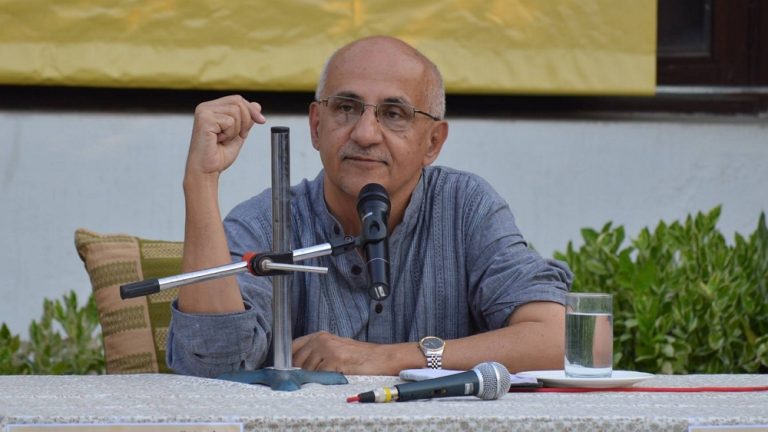
Controversial left-wing ‘Activist’ Harsh Mander has landed himself in a spot of bother after a video where he can be seen inciting Muslim mobs against the Indian State and judiciary went viral on social media. Mander said that henceforth, decisions pertaining to matters of the state shall not be delivered by the Supreme Court or the Parliament but will be made in the streets. Since then, the Supreme Court has refused to hear Harsh Mander’s petition until he clarifies his ‘justice on the streets’ speech.
The Delhi Police, too, has filed an affidavit against Harsh Mander in the Supreme Court accusing him not only of inciting violence but also bringing disrepute to the Judiciary and have sought contempt of court proceedings against him. The Police have also requested the Judiciary to dismiss the petitions filed by Harsh Mander and enforce exemplary costs on him.
In yet another video that has gone viral, the ‘activist’ has accused the Supreme Court of failing India’s minorities. It is, of course, obvious that when Harsh Mander says ‘minorities’, he does not mean Jains, Buddhists, Sikhs or Parsis. Meanwhile, he has fled to the United States of America while the Supreme Court spends its precious time on the petitions he filed. Harsh Mander had filed a petition in the Supreme Court demanding the arrest of BJP leaders for ‘inciting’ the communal riots in Delhi.
Harsh Mander is the Chairman of George Soros’s Open Society Foundation’s Human Rights Initiative Advisory Board. As readers would be aware, George Soros had recently announced that he will commit $1 Billion towards fighting ‘nationalism’ and ‘nationalists’ and had chosen Prime Minister Modi as a prime target. Under such circumstances, it is worth looking into the antecedents of Harsh Mander.
Who is Harsh Mander?
Harsh Mander had worked in the Indian Administrative Service (IAS) for almost two decades and quit the services ‘in protest’ against the ‘state-sponsored riots’ in Gujarat 2002. Since he left the IAS, Harsh Mander has spent quite a colourful life in ‘civil society’ organizations. Among his many contributions, he has worked as the country director of ActionAid India. However, he is most famous for his service in Sonia Gandhi’s National Advisory Council (NAC) that drafted the anti-Hindu Communal Violence Bill.
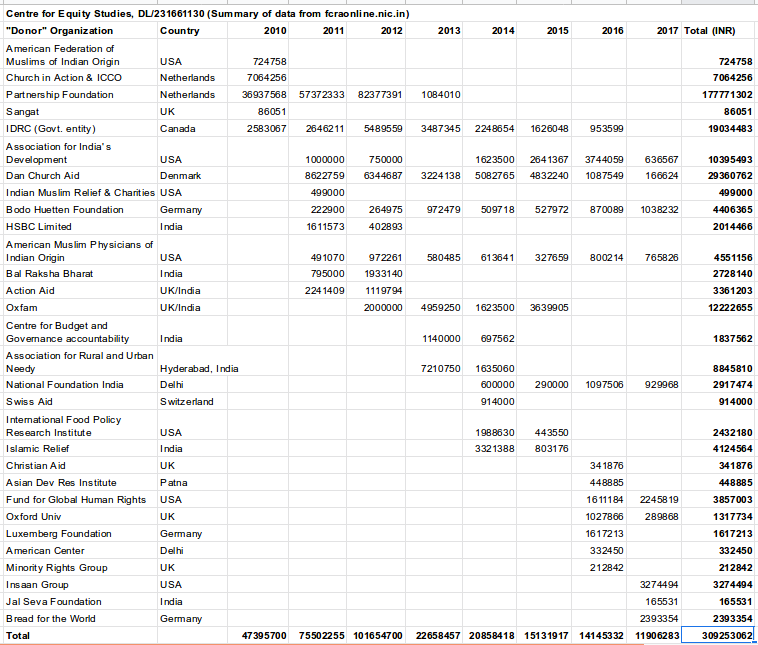
Presently, Harsh Mander is the Director of the Centre for Equity Studies (CES). It has received funds from Christian Evangelical Organizations and he has openly batted for religious conversions in the past. Apart from Christian organizations, the CES has received funds to the tune of Rs. 30 crores between 2010 and March 31st, 2018. The donors include Action Aid, Oxfam and Bread for the World (Bread).
Source: @by2kaafi
Bread has also donated to HRLN and another NGO that published a report calling the Amarnath Yatra a ‘militarized pilgrimage‘ in collaboration with a Kashmiri separatist organization. The Kashmiri separatist organization, in turn, is associated with the CDRO, an umbrella organization with intimate links to ‘Urban Naxals’. It is pertinent to mention that Harsh Mander was represented in Court by Colin Gonsalves, the founder of the Human Rights Law Network (HRLN).
In the past, Harsh Mander’s article designed to fuel the victimhood complex among Muslims was shared by the Prime Minister of Pakistan, Imran Khan. He had written in the article published in 2018, “Muslims are today’s castaways, political orphans with no home, for virtually every political party. This despite India being home to a tenth of the world’s Muslims, around 180 million people, making it the largest Muslim country after Indonesia and Pakistan. There has never been a harder time to be a Muslim in India, not since the stormy months that followed India’s Partition.”
Judicial Interventions by Harsh Mander
Harsh Mander is also a known Ishrat apologist, the female LeT operative who was killed in an encounter along with three others by Crime Branch Officials in Gujarat. He was also one of the individuals who had signed a mercy petition for the Mumbai Attack Terrorist Yakub Memon, was among the 203 persons who had signed the mercy petition for Pakistani terrorist Ajmal Kasab, and had signed the mercy petition for Afzal Guru also. Apart from such antics, his judicial interventions have been many. Last year, Harsh Mander had filed a petition in the Supreme Court seeking the recusal of then Chief Justice of India Ranjan Gogoi from hearing a case relating to the condition of detention camps and deportation of illegal immigrants from Assam.
Harsh Mander was also one of the forty ‘activists’ who had filed a review petition in the Court against the Ayodhya Verdict that has paved the way for a Bhavya Ram Mandir at Ayodhya. He is also part of the coterie has also filed a petition against the Citizenship Amendment Act. It is important to remember here that Harsh Mander did all of this while being associated with foreign-funded NGOs.
Harsh Mander role in the CAA unrest
Harsh Mander with his organization ‘Karwaan-e-Mohabbat’ published a report on the violence at the Aligarh Muslim University that absolved the students of all sins and peddled numerous lies against the Uttar Pradesh Police. Later, of course, the entire report turned out to be a massive fraud. Harsh Mander had also promised to register himself as a Muslim if the CAB was passed but OpIndia has not been able to confirm yet if he has gone through with his promise after the CAB became CAA. He has also spread great lies about the NRC in the past and the foreign tribunals in Assam.
Earlier, Mander was part of a coterie that had penned a letter against the CAB. Harsh Mander and his NGO Karwan-e-Mohabbat have been very active at the protests in Shaheen Bagh, the anti-CAA protests masterminded by the notorious Radical Muslim Sharjeel Imam. Even more intriguingly, Harsh Mander spoke on the ‘importance of solidarity’ and “how we can practice civil-disobedience in today’s India”. Karwan-e-Mohabbat had also urged people to join the protests at Shaheen Bagh. And now, a lot more in this regard has surfaced as has been already mentioned earlier in the report.
Other Ventures
Harsh Mander is also the founder of the campaign Aman Biradari, “for secularism, peace and justice”, which often works in association with the CES. In addition to this, he has taught courses in numerous highly esteemed colleges and universities including the Jamia Milia Islamia. His other NGO venture, Karwan-e-Mohabbat, had used the ‘lynching’ of a man to peddle the narrative of rising hate crimes in the country. Harsh Mander had waxed great eloquence about rising intolerance, however, the man had later returned to his home safe and sound.
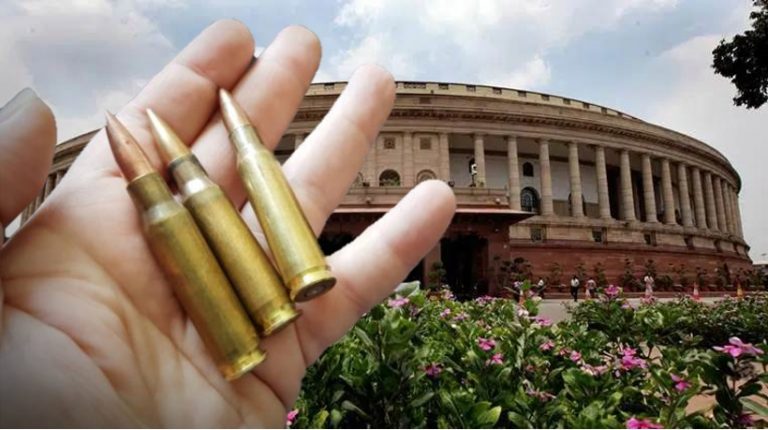
Delhi police have now released Akhtar Khan, the man who was detained as he tried to enter the Parliament, which is in session, through Gate-8 today with three live bullets in his pocket. He was released after police verification.
Delhi Police: Akhtar Khan, who was held by security personnel while he was entering Parliament in possession of 3 live rounds in his pocket, today, has been released after verification. https://t.co/9q2keUW7XR
Upon being apprehended by the security personnel, he claimed the bullets are for his licensed gun and he had forgotten to take out them from his pocket. The security personnel had handed him over to the Delhi police.
“One person, Akhtar Khan, was entering Parliament through Gate-8 today. He had 3 live rounds in his pocket which were detected by security personnel. He said that he said he had forgotten to take out the live rounds before entering. He was later handed over to the police and is being interrogated,” the Delhi Police said. Later in the day, Delhi Police let him after verifying his background.
This came at the time when Delhi has been gripped in violence after anti-CAA Islamic rioters ran amok, indulging in stone-pelting, vandalism, arson in the anti-Hindu riots that erupted in North East Delhi earlier this week.
Amongst several others, a Delhi police constable has lost his life in the riots that have ensued in the national capital in wake of the protests against the Citizenship Amendment Act. Another DCP has been injured during clashes in Delhi’s Gokulpuri. An IB official, Ankit Sharma, was brutally murdered and his dead body was thrown in a drain.