

Sun Tzu, the great Chinese general once stated, “The line between disorder and order lies in logistics”. His words were as significant for the medieval battles as it is for contemporary wars. A war is won by not a nation’s ability to send men to the frontlines but by its ability to provide those men with essentials such as ammunition, foods. Numbers won’t matter if the magazines are empty.
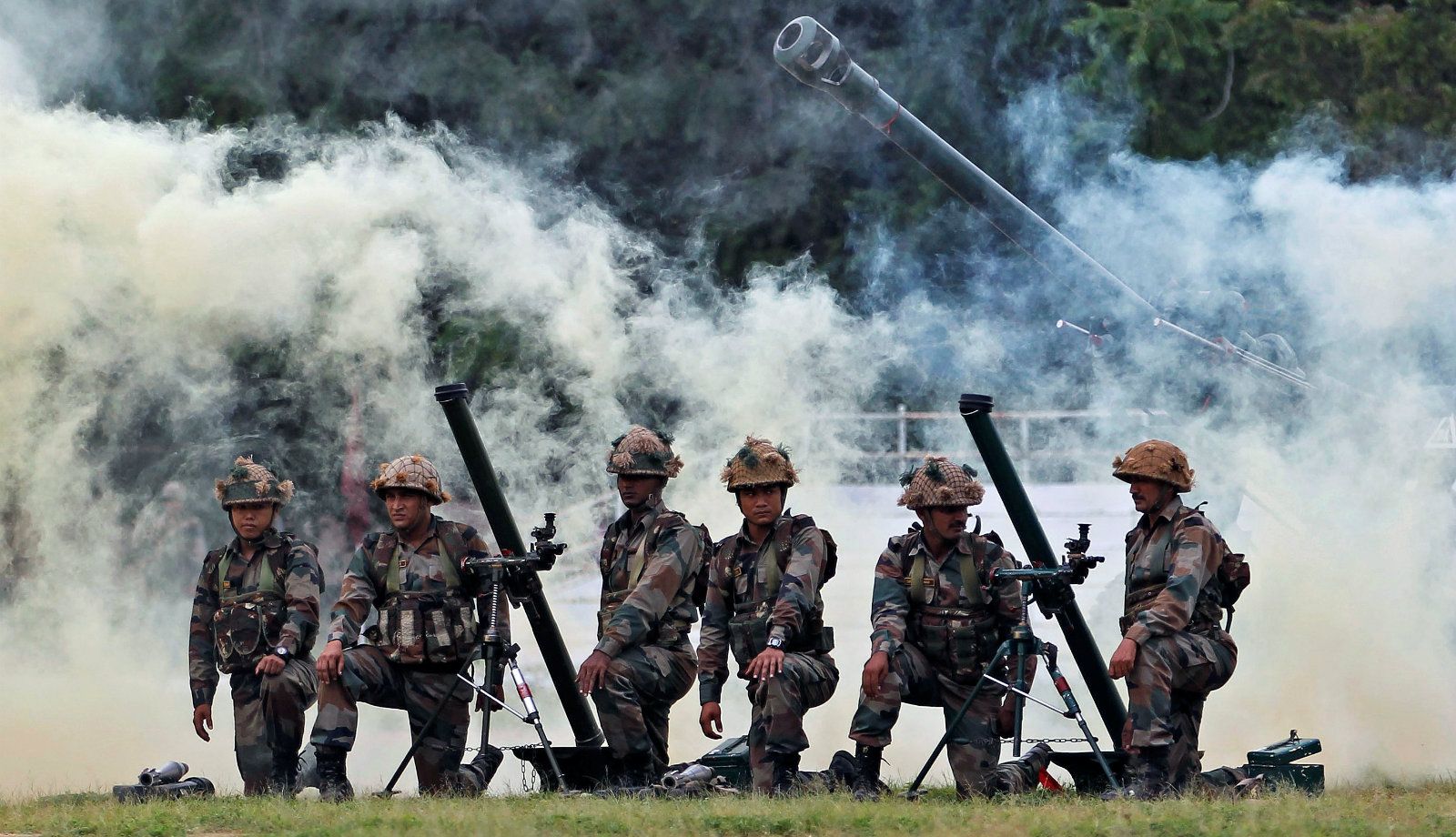
If reports are to be believed, India, it seems, is waking up to this revelation made by the Chinese general. After years of deliberations, it has finally gone ahead with a mega 150 Billion INR project to indigenously produce ammunition for critical weapons and tanks. No nation can rely on foreign imports in times of need even hours delay in procurement can have devastating consequences. India’s decision to indigenously produce ammunition will also address the issue of dwindling stockpile of the Indian army.
The thumb rule followed by the defence establishment throughout the world is to have enough stockpile of ammunition to last 2 weeks of continuous fighting but for India and its critical geographical location demands a deviation from such standardization. This closely guarded project also aims to create an inventory for all major weapons to enable the forces to fight a 30-day hot war, on the long run it aims to cut back on dependency on imports.
According to news agency PTI, official sources mentioned the involvement of 11 private firms in this ambitious project. The top brass of Army and the Defence Ministry will be monitoring the inclusion and role of these private firms in this project. According to PTI, a senior government official involved in the project said, “The overall cost of the project has been pegged at Rs 150 billion and we have set a specific target for the next 10 years in terms of the volume of ammunition to be produced.”
Initially, the production of ammunition for a range of weapons like a range of rockets, air defence systems, artillery guns, infantry combat vehicles, grenade launchers, and various other field weapons would be produced under ‘strict guidelines’.
Army Chief Bipin Rawat since taking charge has been pushing for a fast track procurement programme for the second largest standing army in the world. In July last year, the Comptroller and Auditor General of India (CAG), in a report tabled in Parliament, said a stock of only 61 types of ammunition out of 152 varieties was available and that too enough for sustaining a 10-day war.
The incumbent government with this decision has heeded to the calls made by the army, has already finalized one of the biggest procurement plans for infantry modernization in a deal worth of 400 Billion INR. Last year the government had empowered the army to directly procure ammunition and spares for 10 types of weapon systems and equipment after an internal review found that the optimum level of ‘’war stores’’ are not being maintained.


