Home Blog Page 4375

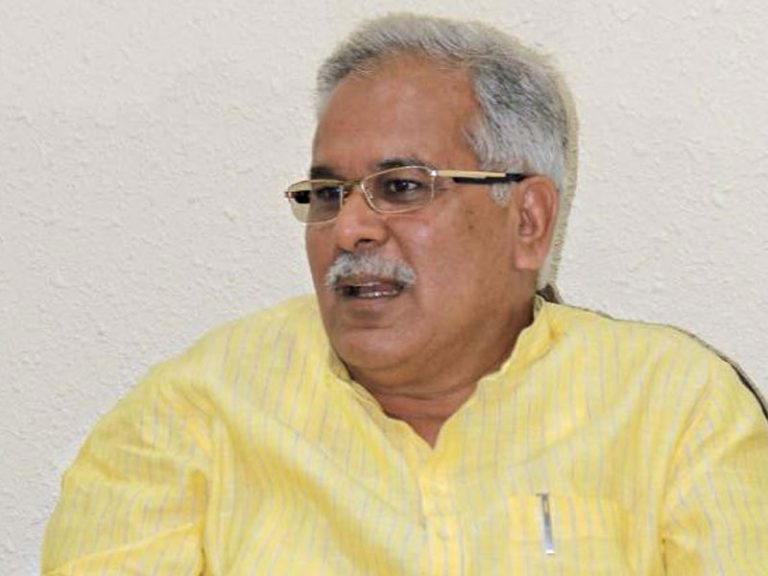
Bhupesh Baghel, who was busy with Assam elections, blames the Centre for second wave of Covid

Bhupesh Baghel, Chief Minister of Chhattisgarh, has blamed the Modi Government for the second wave of infection. In an interview with Indian Express, Baghel said, “The Indian government could not even advise, provide a guideline for the second wave.” However, Baghel forgot that according to the Section 6 of the List II of the Seventh Schedule (Article 246) of the Constitution of India, public health and sanitation, hospitals and dispensaries is state subject.

Covid-19 testing and positive rate in Chhattisgarh

According to the Unique Identification Authority of India (UIDAI), Chhattisgarh’s estimated population stands at 2.94 crores. In his interview, Baghel claimed that they are taking 1,800 samples per 10 lakh every day that stands at 0.18% per 10 lakh. On April 19, Chhattisgarh tested 48,673 people that stands close to 0.16% per million 10 lakh. Though he is correct that the state is testing more per 10 lakh compared to some other states, the positive rate in Chhattisgarh is alarmingly high at 28%, which has been almost consistent in the last one week. The national average is around 15.5%.
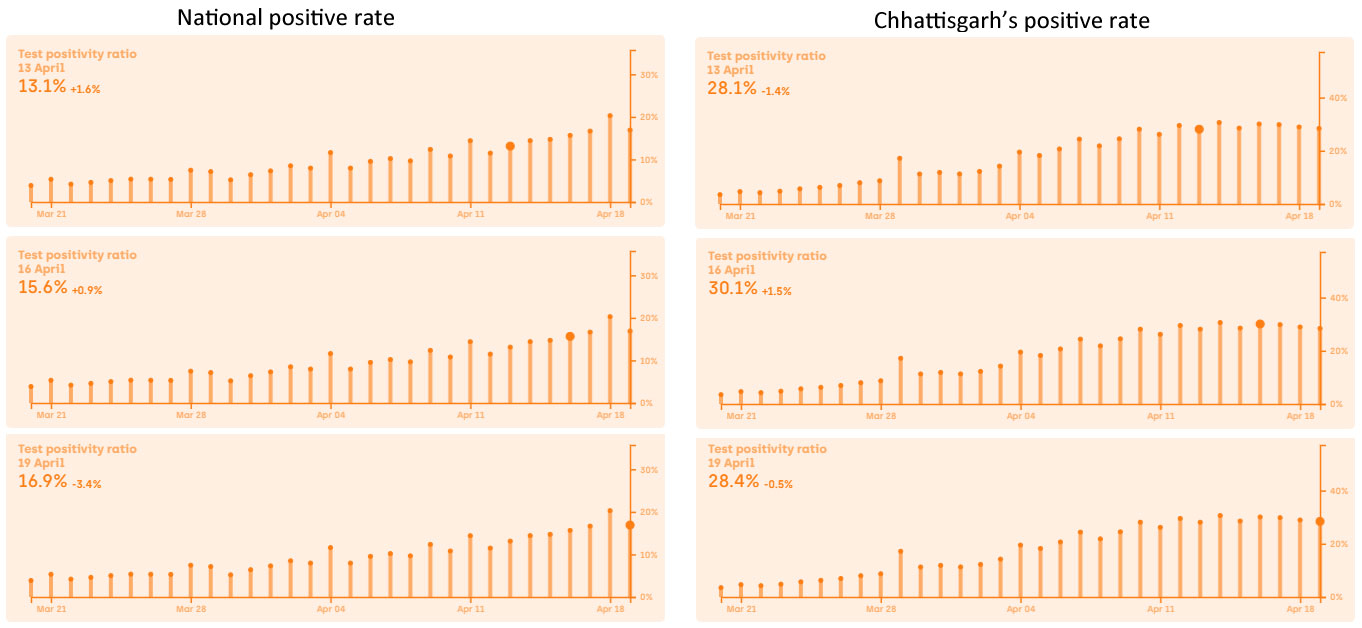
National Positive Rate | Chhattisgarh Positive Rate (Source: covid19india.org)

Baghel targets Union Minister Piyush Goyal over oxygen supply

During his interview, Baghel targeted Piyush Goyal for asking state governments to keep demand for medical oxygen under control. He was talking about the interview of Goyal with news agency ANI on April 18. It has to be noted that when Goyal said that demand-side management is as important as supply-side management, he was not asking the states to use less oxygen than needed, but he was asking to stop the wastage of oxygen.

In his interview, Goyal said that his ministry was getting reports of unnecessary usage of oxygen on patients where it was not required as per the guidelines. Also, some reports suggested that medical oxygen was wasted in some hospitals. He had urged the state governments to keep a check on the wastage so that the patients in need do not have to wait for the oxygen. Notably, in the last few weeks, India has ramped up the oxygen supply across the country and took several steps to improve the supply chain.

A sharp decline in vaccination

In the last few days, Chhattisgarh has seen a sharp decline in the number of vaccinations administered. Since April 13, the state has vaccinated less than one lakh people in the state. On average, the state was administering over 1.90 lakh Covid-19 vaccines in the week before April 13.
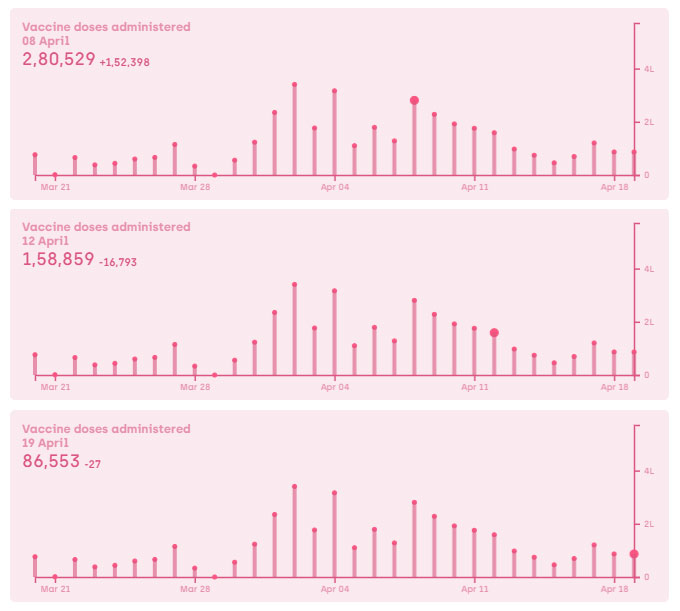
Vaccination program has seen sharp decline in the state (Source: covid19india.org)

It is notable here that Chhattisgarh is one of the worst affected states in India in terms of active cases. Reports of an overwhelmed medical infrastructure have been doing rounds in the state. Recently there were viral social media videos where dead bodies of covid patients were being taken with the help of garbage vans in the state.

Baghel and Assam election campaigning

CM Baghel was busy doing election rallies in Assam for Congress candidates while the state was experiencing a sudden surge in the number of Covid cases. Notably, he was also missing from the state when CRPF personnel were attacked by Naxals. By April 13, Chhattisgarh was reporting over 15,000 cases per day which have remained almost consistent to date. Unfortunately, the death rate is consistently around 1.2% which is nearly double the national average.
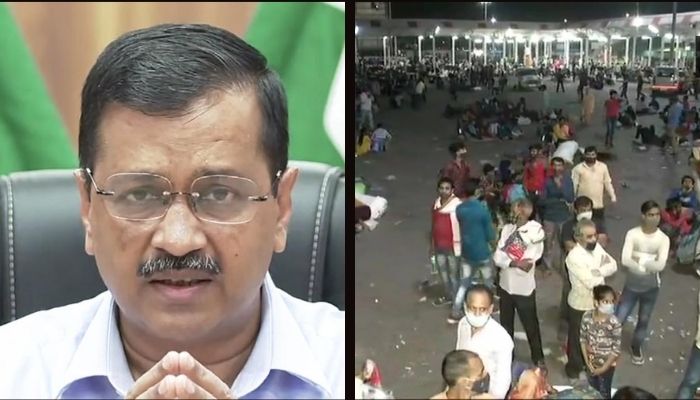
Covid crisis: Migrant workers cite lack of trust in govt, loss of livelihood as Delhi announces lockdown, exodus begins

On Monday (April 20), migrant workers in the National Capital slammed the Delhi Chief Minister Arvind Kejriwal for their mass exodus to their native villages. The development came hours after the Delhi government imposed a lockdown in the State/Union territory for a period of 6 days, starting from 10 pm yesterday to 5 am on April 26.

Following his announcement, a large gathering of migrant workers was spotted at the Anand Vihar Bus Terminal. They were seen waiting for buses to return to their hometowns, keeping in mind the inconvenience caused during the first nationwide lockdown in March last year. The police failed to manage the crowd where migrants were seen flouting social distancing guidelines.

While speaking on the matter, migrant labourers lamented, “We’re daily wagers, CM should have given us some time before announcing it. It takes us Rs 200 to reach home, but they’re charging Rs 3,000-4,000 now, how will we go home?”

Migrant workers slam Arvind Kejriwal government, head back to their native villages amidst lockdown

While speaking to India Today, a 7-year-old son of a migrant worker named Shankar emphasised, “Due to lockdown, my father lost his job and he beat my mother out of frustration. He’s a labourer in a company. If the lockdown gets extended, our lives are going to be miserable in Delhi. Last time we had to starve for days. So that is why my mother and I are leaving for Bihar, we don’t want a repeat of last year.”

The India Today report quoted another worker named Ramesh Kumar, who informed that he had been waiting for the bus for a ride back home with his wife and 3 kids. “I am a daily-wage earner. I do painting and small fixing works at construction sites. Now my owner told me that he can not employ me until the situation gets better. We know that the lockdown will get extended like last time, but this time we are not going to wait in Delhi for the government to leave us to die,” he said.

“We don’t trust any of the governments anymore. I am leaving for Gonda in UP with my family. I am not scared of Covid, I’m scared that my kids will die of hunger if the situation doesn’t get better in Delhi. So leaving is the best option right now,” Kumar further added. Another migrant worker, Murari lamented that he had no job in Delhi. He informed that his earnings fell by a drastic margin ever since the outbreak of the Coronavirus pandemic in the country.

“Somehow I came back to Delhi in February thinking that the worst is over and I will start a new job. But with another lockdown and the situation in hospitals, there are no hopes left. And in a situation like this, I would want to die in front of my family back home, not alone here. Because that would be the only option left if I stay back,” Murari concluded.

Arvind Kejriwal cites ‘short duration’ to justify the lockdown

Meanwhile, the Arvind Kejriwal-led-Delhi government had requested the daily wage migrant labourers to stay in Delhi instead. In his defence, he cited that the lockdown is of shorter duration and that the government will take care of their needs. As of December 19, Delhi has recorded a total of 74,941 active cases and 12,121 fatalities.

Surveillance, brainwashing and CCP propaganda: Australian Uyghur woman reveals as China puts her husband in jail

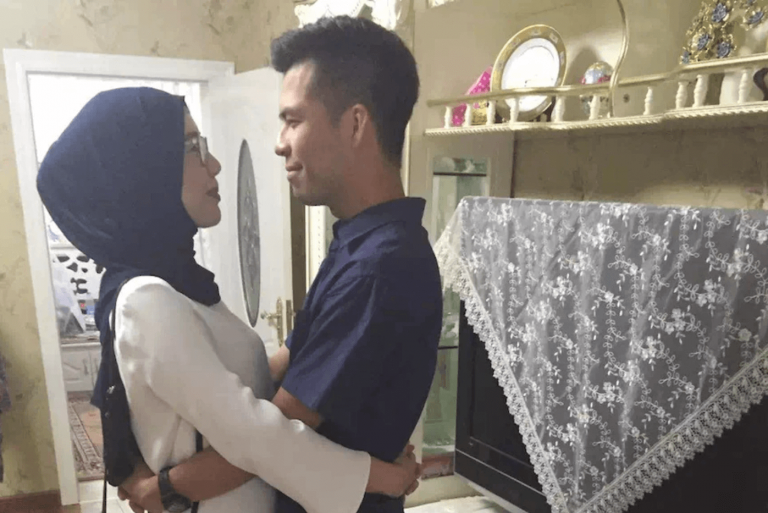
Twenty-six year old Mehray Mezensof met her husband, Mirzat Taher in 2016 when she visited Xinjiang, China, for the first time. She fell in love with him at first sight and decided to spend the rest of her life with him. Mezensof and Taher are both Uyghurs.

Mezensof’s parents emigrated to Australia 35 years ago. While Mezensof was born and brought up in Australia, Taher now is an Australian permanent resident.

An ABC News report says that couple got married in Urumqi, Xinjiang’s capital city and Taher’s Australian visa was approved on 1st April 2017. It was around same time the Chinese government had started cracking down on the Uyghur Muslims. Xinjiang Uyghur Autonomous region is home to over 11 million Uyghur Muslims. Over a million Uyghurs are believed to be detained after being targeted and indoctrinated by the Chinese authorities.

They booked their flights for Melbourne, Australia for April 12, 2017. However, on April 10, 2017, the police paid them a visit and asked Taher if he has visited a foreign country. Taher had earlier been to Turkey for a year and worked. Soon, he was taken off to the police station. He did not return home.

Taher was sent to detention camp

After the questioning, Taher was sent to a concentration camp where he spent his 10 months.

On 22nd May 2019, he was unexpectedly released. A few weeks later, the couple reunited at Uruqmi airport. Taher revealed he was brainwashed and was made to learn about the Chinese Communist Party and was asked to read books and memorise speeches. After releasing him, he was also kept under strong surveillance.

As Mezensof’s visa was expiring, the couple was unable to retrieve Taher’s passport from Chinese authority. Mezensof’s visa extension application was rejected and she had to go back to Australia without her husband towards end of 2019.

That is when the Chinese coronavirus pandemic hit.

Coronavirus and concentration camps

Mezensof could not go back to China owing to travel restrictions due to the coronavirus pandemic that originated in China’s Wuhan. The couple kept in touch through phone and video calls.

On May 19, 2020, Taher stopped responding to her messages. Panicked, Mezensof later found out that he was again taken away by the police. He was allegedly detained and sent to concentration camp where he was kept till 30th August 2020.

Taher was granted Australia’s permanent residency shortly before his release.

However, just weeks later, he was detained a third time.

Hami Police in Xinjiang issued arrest notice for Taher on 23rd October 2020. He was arrested over allegations of  “organising, leading and participating in terrorist organisation” and was detained in Yizhou District’s detention centre in Hami, south-east of the capital city Urumqi.

Sentenced to 25 years in prison

In January 2021, a court in Hami heard Taher’s case. Two weeks back, in April, he was sentenced to 25 years in prison. Mezensof says her husband is sent to jail by Chinese Communist Party because he spent a year in Turkey. He is convicted of separatism. He is accused of participating in political activities to try and establish an independent country.

Mezensof dismisses it and claims he went to Turkey on a holiday and since he liked it so much there, he decided to extend his stay and live and work there for a year. She says neither she nor Taher’s family have received any written court document about her husband’s conviction.

ABC has reached out to Chinese officials but they have not yet responded. Taher’s name also does not appear on China’s Judicial Process Information website relating to legal cases. In 2017, Turkish authorities had issued a clearance for Taher that he had no criminal record. Apparently, China has a list of 26 ‘sensitive countries’ which includes Turkey and those Uyghur Muslims who have been to or are associated with these countries, are always on the radar.

For now, 30-year-old Taher is sentenced to 25 years in jail in China while his 26-year-old wife waits for him in Australia.

IIT Kanpur Professor predicts COVID-19 to peak in May, dismisses claims of Kumbh and poll rallies being responsible for spread

The second wave of Coronavirus is wreaking havoc in India. The State and central government are trying to do whatever it takes to control the resurgence. Amidst the gloomy Covid situation, IIT Kanpur Professor and Padmashree awardee Maninder Agarwal’s predictions will definately come as a breather for the people of the country.

Speaking to Hindi Daily Dainik Bhaskar, Prof Agarwal has predicted that the second wave of the infection could peak in the first week of the month of May, following which the infections may see a steep decline by the end of May.

Prof. Agrawal in the IIT’s Department of Computer Science and Engineering and the recipient of the first Infosys Prize for Mathematics and the Shanti Swarup Bhatnagar Award in Mathematical Sciences in 2003. He was involved with the national ‘super model’ initiative.

The IIT professor and his team have studied the average COVID-19 cases being reported in different states of the country in the last 7 days. By applying his mathematical model, SUTRA, to predict the trajectory of the current surge in infections, the professor said: “We will cross the peak (during April 15-20) and then there will be very a sharp drop over the next 15-20 days.”

According to his research, the coronavirus cases in Maharashtra has already peaked while in states like Uttar Pradesh, Gujarat, Delhi, Rajasthan and West Bengal, the cases might peak anytime between 20th to 30th April. He predicted that in Uttar Pradesh the number of active cases in a day might go up to 35,000. Delhi at one point may touch 30,000, West Bengal- 11,000, Rajasthan- 10,000 and Bihar might hit the 9,000 mark, predicted the professor.

“There is some uncertainty in predicting the peak value of daily new infections because of the sharp rise. Currently, it is coming to one lakh infections per day, but this can go up or down. But the timing remains the same between April 15-20,” he added.

In the interview, Manindra Agrawal spoke about the impact of the election rallies and the Kumbh event on the surging number of COVID-19 cases in the country.

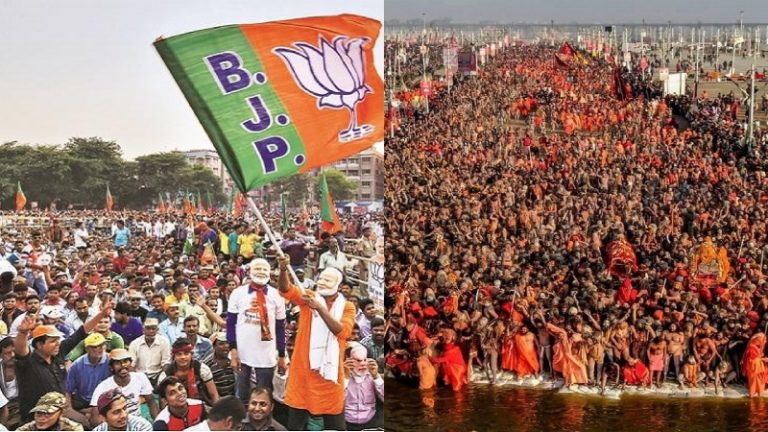
Leftist media and opposition parties have been rallying behind the claims that the Kumbh Mela in Uttrakhand is the primary reason for the resurgence of the Covid cases in India. Prof. Manindra Agrawal from the Indian Institute of Technology (IIT) Kanpur has dispelled this rumour by confirming that the Kumbh or the poll rallies for that matter, might have had a little impact on the second wave of the infection in India.

Agarwal said that both these events might have added to the daily caseload but was definitely not the reason behind the second wave of infection.

The professor questioned those who were holding these events responsible for the surge of the pathogen in India, that if election rallies and Kumbh is the reason behind the rising cases, then why are Maharashtra and Delhi witnessing this kind of a surge.

The IIT Kanpur professor said that since the election rallies and the Kumbh are held in open spaces, there are few chances of it spreading the virus.

Asked about the possible explanation of the second wave, Agrawal said there were two reasons or possibly the combination of the two, that might explain what changed in February which could make it for the sharp rise. He said that it could be due to gatherings linked to the opening up of schools, colleges and other working areas where people became comparatively more careless, and the fact that there are some mutations that are spreading faster.

Leftist media houses and opposition blame Kumbh Mela for the second wave of covid in India

It becomes imperative to note here that many media houses and political opponents have blamed the 2021 Uttarakhand Kumbh event for the second wave of coronavirus in India. Mumbai mayor Kishori Pednekar had slammed the organisation of Kumbh Mela, stating that those returning from the Kumbh Mela will distribute the coronavirus as ‘prasad’. Leftist media houses like India Today and The Logical Indian had also resorted to peddling a similar lie.

Kumbh wrapped up by April 17

On Thursday (April 15), the Panchayati Niranjani Akhada had announced that the Kumbh Mela would concluded by April 17. The decision came at the backdrop of rising cases of Coronavirus in Haridwar.

It must be mentioned that the itinerary of Kumbh Mela includes 4 ‘shahi snan’ and 9 ‘Ganga snan.’ The fourth ‘shahi snan’ will be conducted on April 27. Reportedly, a total of 2,167 people were diagnosed with Coronavirus in the past 5 days.  This is despite the fact that a Covid-19 negative RT-PCR report, not more than 72 hours prior to arrival, was made mandatory for attending the festival. The turnout of devotees was also less compared to the preceding years.

Government of India opens COVID-19 vaccine for everyone above 18 years of age: All you need to know

On April 19, the Government of India announced the Phase 3 Strategy of Covid-19 vaccination. As per the government’s press release, every citizen of India above the age of 18 will be eligible for the vaccine through ‘other than the Government of India channel’ that includes state government and private vaccination providers. During the meeting chaired by Prime Minister Narendra Modi, several important decisions were taken related to pricing, procurement, eligibility and administration of the vaccine.

The government has allowed all stakeholders to customise the vaccination program in respective states based on the local needs. The vaccine manufacturers have been asked to scale up their production, and the Government of India will provide an incentive for the same. The union government will also take steps to attract new national and international players in the market.

Everyone above 18 eligible for the vaccine

In the meeting, the Government of India allowed everyone above the age of 18 to get the Covid-19 vaccine from May 1. PM Modi said that the government has been working hard for over a year to ensure that maximum numbers of Indians are able to get the vaccine in the shortest possible time. He further added that India is vaccinating its citizens at a record pace and it will be further enhanced in the coming time.

Phase-3 to liberalise vaccine program

The government said that in phase-3 of the vaccination program, the National Vaccine Strategy aims at liberalised vaccine pricing and scaling up vaccine coverage. It would require vaccine production and its availability to pace up across the country.

The government will provide support for the manufacturers to ramp up the production and will invite new players at the domestic and international level. “It would also make pricing, procurement, eligibility and administration of vaccines open and flexible, allowing all stakeholders the flexibility to customise to local needs and dynamics,” the government said.

Here are the main elements of the Liberalised and Accelerated Phase 3 Strategy of the National Covid-19 Vaccination program that would come in effect from May 1, 2021.

  1. Vaccine manufacturers would supply 50% of their monthly Central Drugs Laboratory (CDL) released doses to Govt. of India and would be free to supply the remaining 50% doses to State Govts and in the open market (hereinafter referred to as other than Govt. of India channel).
  2. Manufacturers would transparently make an advance declaration of the price for 50% supply that would be available to State Govts and in the open market before May 1 2021. Based on this price, State governments, private hospitals, industrial establishments etc., would be able to procure vaccine doses from the manufacturers. Private Hospitals would have to procure their supplies of Covid-19 vaccine exclusively from the 50% supply earmarked for other than Govt. of India channel. Private Vaccination providers shall transparently declare their self-set vaccination price. The eligibility through this channel would be opened up to all adults, i.e. everyone above the age of 18.
  3. Vaccination shall continue as before in Govt. of India vaccination centres, provided free of cost to the eligible population as defined earlier, i.e. Health Care Workers (HCWs), Front Line Workers (FLWs) and all people above 45 years of age.
  4. All vaccination (through Govt. of India and Other than Govt. of India channel) would be part of the National Vaccination Programme and mandated to follow all protocol such as being captured on CoWIN platform, linked to AEFI reporting and all other prescribed norms. Stocks and price per vaccination applicable in all vaccination centres will also have to be reported in real-time.
  5. The division of vaccine supply 50% to Govt. of India and 50% to other than Govt. of India channel would be applicable uniformly across for all vaccines manufactured in the country. However, the Government of India will allow the imported fully ready to use vaccines to be entirely utilised in the other than Govt. of India channel.
  6. Govt. of India, from its share, will allocate vaccines to States/UTs based on the criteria of extent of infection (number of active Covid cases) & performance (speed of administration). Wastage of vaccine will also be considered in this criteria and will affect the criteria negatively. Based on the above criteria, State-wise quota would be decided and communicated to the States adequately in advance.
  7. The second dose of all existing priority groups, i.e. HCWs, FLWs and population above 45 years, wherever it has become due, would be given priority, for which a specific and focused strategy would be communicated to all stakeholders.
  8. This policy would come into effect from May 1 2021 and will be reviewed from time to time.

How to register for the vaccine?

You can register with the Arogya Setu app or Co-Win website. At the time of registration, you will be able to choose from the available slots. As the government is going to allow states and open market sale of the vaccine, more instructions on how you can get the vaccine are expected from the central and state government.

Please note that the eligibility for the vaccination program through the government of India channel will remain the same. If you are between the age of 18 and 45, you have to either get vaccinated under the vaccine program by State Government or through private vaccination providers.

What documents are required for the registration of eligible beneficiary?

Any of the below-mentioned ID with Photo may be produced at the time of registration:

  • Aadhaar/Driving License/Voter ID/PAN Card/Passport/ Job Card/Pension Document
  • Health Insurance Smart Card issued under the scheme of Ministry of Labour
  • Mahatma Gandhi National Rural Employment Guarantee Act (MGNREGA)
  • Official identity cards issued to MPs/MLAs/MLCs
  • Passbooks issued by Bank/Post Office
  • Service ID Card issued by Central/State Govt/Public Limited Companies

Who all cannot get vaccinated?

The Health Ministry had stated before that the vaccine cannot be given to three categories that include anyone with a history of allergic reaction to a previous dose of Covid-19 vaccine, allergic reaction to vaccines or injectable therapies, pharmaceutical products, and food items and pregnant and lactating women, and women who are not sure of their pregnancy. When the Covid-19 vaccine was first launched in India in Jan 2021, the Ministry of Health and Family Welfare asked pregnant women not to take the vaccine as no pregnant women were part of any trials so far. The Ministry had said, “Pregnant & Lactating women have not been part of any COVID-19 vaccine clinical trial so far. Therefore, women who are pregnant or not sure of their pregnancy; and lactating women should not receive COVID-19 vaccine at this time.”

Kerala Muslim woman stabbed by sister and brother-in-law after marrying a Hindu youth: Read details

In another case of religious intolerance, the relatives of a Muslim woman, hailing from Kerala, have reportedly hacked the former for marrying a Hindu youth, after getting romantically involved with him. The incident took place when the Muslim girl went to visit her parents at Kalanjoor in the Pathanamthitta district of Kerala. She was reportedly attacked by her own sister and brother-in-law, who were displeased by the interfaith marriage.

The Muslim woman from Kerala, who injured her arms in the attack was admitted to a hospital in Ranni. The police have registered a case against the accused duo and confirmed that they would record the victim’s statement soon. The police are yet to ascertain whether the assault was for property or is it a case of an ‘honour attack’.

According to the police, the couple had fallen in love and married each other on the 8th of last month. The duo was living at the Hindu youth’s place which was close to the girl’s parent’s house. On the day of the incident, the girl had gone to pay a visit to her parents. Her sister and brother-in-law were also present there. According to reports, an altercation between them regarding the distribution of their maternal property led to the assault.

Reportedly, the victim’s sister resented sharing the ancestral property with her sister. She fought with her sister and in a fit of rage, attacked her with a sharp weapon, leaving her badly injured.

The police has opined that though there were no ‘significant objections’ to the marriage, the events that followed seems to suggest otherwise.

As Commonwealth Games Village turns into a Covid-19 facility, here is the chronology of the 2010 Congress scam

On Sunday (April 18), Delhi Chief Minister announced that a Coronavirus treatment facility will be set up at the Commonwealth Games Village. He informed, “Commonwealth Games Village and some schools too will be turned into Covid centres and the Covid facility at Radha Soami Satsang Beas will be reopened. As of April 19, Delhi has reported 74,941 total active cases and 12,121 fatalities.

As per reports, the new Covid-19 centre at the Commonwealth Games Stadium will have 465 beds, out of which 215 have oxygen supply. The facility can extend its capacity to up to 600 beds. Moreover, a team of 50 doctors and 100 nurses will take care of the infected patients (ranging from moderate to mild symptoms) that are referred from the Jai Prakash Narayan Hospital. However, patients were severe symptoms will be treated at the hospitals. The Coronavirus treatment facility will be operated jointly by the Delhi government and an NGO named Doctors for You.

But just a decade earlier, the Commonwealth Games Village was at the epicentre of a massive controversy. A major financial scam was unearthed by the Central Vigilance Commission (CVC), after the conclusion of the October 2010 Commonwealth Games. The scam created a public outcry and paved the way for the exit of the Congress party from the power corridors in the run-up to the 2014 Lok Sabha elections. Here is the chronology of the infamous tale of corruption.

High-level committee was tasked to investigate allegations of coruuption

While the Commonwealth Games was underway in 2010, allegations of corruption and mismanagement arose against the Organising Committee. After the conclusion of the event, the Union government had therefore appointed a high-level committee. It comprising of ex-Auditor General VK Shungloo, and asked it to file a report within 3 months to the Prime Minister’s Office. The committee was tasked to look into all aspects of the organisation and conduct of the event.

Congress politician at the helm of the scam

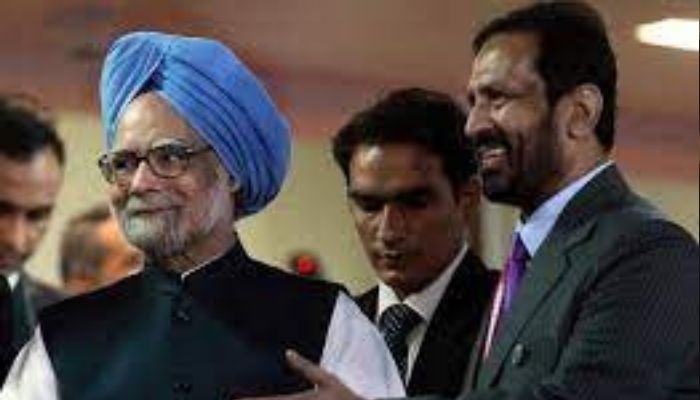
Besides the high-level committee, the Centre directed the Central Vigilance Committee (CVC), IT Department, CBI, and Enforcement Directorate to conduct an independent investigation. During the probe, it was found that a Congress politician by the name of Suresh Kalmadi was at the helm of the financial scam. Kalmadi, a member of the Organising Committee, had procured Timing-Scoring-Result (TSR) systems from a Swedish company called Swiss Timing.

He had paid ₹141 crores to the firm to buy the TRS systems, which was ₹95 crores more expensive than what was offered by the other bidder named MSL Spain. Although the bidding took place on November 4, 2009, Kalmadi had awarded the contract to Swiss Timing on October 12 of that year itself. Reportedly, he along his aide VK Verma eliminated the competition in return for kickbacks.

The Arrest of Suresh Kalmadi; first charge sheet filed in May 2011

Suresh Kalmadi was arrested by the Central Bureau of Investigation (CBI) on April 25, 2011, for his role in the Timing-Scoring-Result (TSR) case. on May 20, 2011, a chargesheet was filed against him and 8 others including Verma and Organising Committee Secretary General Lalit Bhanot for criminal conspiracy, forging documents and passing them off as genuine. The charges were added under the Prevention of Corruption Act, 1988 and Indian Penal Code Sections 120B, Sections 420, 467, 468, and 471. He served a total of 10 months in jail, before securing bail.

50 cases in CWG scam still pending, RTI revealed in 2020

According to an RTI filed by the Indian Express in 2020, over 50 cases of payment disputes related to the Commonwealth Game scam still remain pending. The Indian government had informed that about ₹6.92 crores had been paid by it to the arbitrators as of March 31, 2020. Citing sources, Indian Express reported that close to ₹700 crores worth of contract disputes are yet to be settled.

Furthermore, the RTI said that the 50 cases involved 33 vendors, authorities and individuals. Some of the firms include Swiss Timing (contracts worth ₹135.27 crore), Nussli India (₹140 crores) and Electronics Corporation of India (₹346 crores). It must be mentioned the Comptroller and Auditor General (CAG) of India had reported that the budget of the CWG had increased from ₹297 crores in 2003 to ₹18,532.31 crore in October 2010.

The Government in its RIT reply informed, “Payments are made to the concerned Party(ies) as and when due based on Arbitration awards/Court orders… Interests are paid, if any, to the concerned Party(ies) as and when due based on Arbitration awards/Court orders.”

Former Indian PM Manmohan Singh tests positive for COVID-19, admitted to AIIMS

0

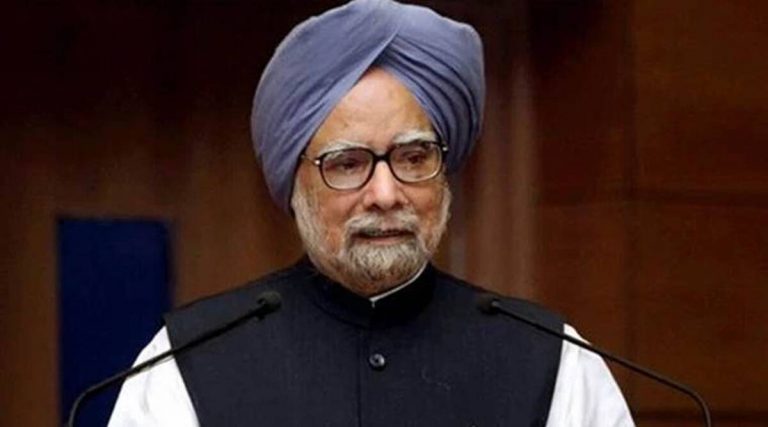
The former prime minister Manmohan Singh was on Monday hospitalised at AIIMS after testing positive for the coronavirus. The 88-year-old leader has been admitted to AIIMS Trauma Centre in Delhi, news agency ANI reported. 

Singh, who served as the 13th prime minister of India in the decade between 2004 to 2014, had recently written a letter to Prime Minister Modi and suggested five measures to combat the COVID-19 crisis, including measures to ramp up the vaccinations and increasing the supply of essential drugs.

Manmohan Singh writes letter to the centre suggesting measures to combat the COVID-19 crisis

“The key to our fight against COVID-19 must be ramping up the vaccination effort. We must resist the temptation to look at the absolute numbers being vaccinated, and focus instead on the percentage of the population vaccinated,” he said in his letter.

Pointing out that India had vaccinated only a small percentage of the population, Singh stated that with the right policy design, “we can do much better and very quickly”. “There are many things we must do to fight the epidemic but a big part of this effort must be ramping up the vaccination programme,” he said besides making other suggestions.

Dr Harsh Vardhan responds to former PM Manmohan Singh’s letter

Singh, who served as the 13th prime minister of India in the decade between 2004 to 2014, had recently written a letter to Prime Minister Modi and suggested five measures to combat the COVID-19 crisis, including measures to ramp up the vaccinations and increasing the supply of essential drugs. In his response, Dr Harsh Vardhan pointed out the manner in which his own party members have conducted themselves over the same.

The Union Health Minister also emphasized the conduct of Manmohan Singh’s party men who have spread falsehood regarding the efficacy of the vaccines and contributed to vaccine hesitancy. He said, “A sitting Chief Minister of your party created a dubious world record of sorts by being the only head of government directly inciting people against an indigenously developed vaccine. Some Congress leaders even shamed the vaccines in public but took their doses in private, quietly.”

The Health Minister also raised his objection towards using different metrics to measure the success of the vaccination drive and the severity of the second wave of the Covid-19 pandemic. “The emphasis you have laid on vaccination as an important tool to fight COVID-19 is well taken, which is exactly why India launched the world’s biggest vaccination drive and also became the fastest in the world to reach the milestones of 10, II and 12 crores administered doses,” Dr Harsh Vardhan said.

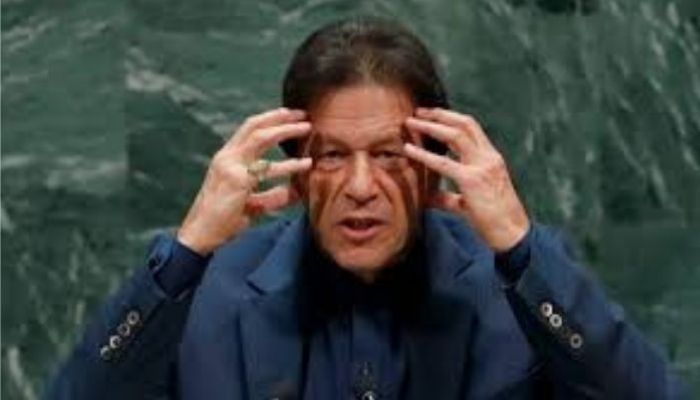
Imran Khan says ‘Inshallah, there will come a time that in Western countries, people will fear insulting Prophet’, but says rioting hurting Pakistan

Speaking at a ceremony in Islamabad, Pakistan PM Imran Khan addressed the recent violence by workers and activists of Tehreek-i-Labbaik Pakistan (TLP) which enveloped Pakistan throughout last week.

“ln our country it is a great misfortune that many times our political parties and religious parties use Islam wrongly and use it such that they deal damage to their own country,” said Imran Khan. “The others (countries) don’t care, we only end up hurting our own people and country.”, Khan added.

“We don’t harm the country where the (blasphemy) crime happens, we are harming ourselves”, Khan said later in his speech.

“Inshallah, there will come a time that even in Western countries, people will fear making the mistake the insult the Prophet. A worldwide campaign is needed to achieve this. Nobody in the West, where the mistakes (blasphemy) happen, will care about Pakistanis rioting, we’re only hurting ourselves.” Imran Khan further clarified.

These comments from Imran Khan come after violent protests broke out in several cities of Pakistan because security forces arrested Tehreek-i-Labbaik Pakistan (TLP) leader Saad Hussain Rizvi. TLP is a radical Islamist party that was founded in 2015 to prevent any changes to the existing blasphemy law in the country. 

In their charter of demands, TLP directed the ouster of the French ambassador within 3 months. They demanded the release of arrested members of the TLP and said that no further cases should be registered against the party’s workers. TLP also demanded that Pakistan would not appoint its ambassador to France, else they would continue their sit-in protests. 

In a video message on Sunday (April 11), TLP leader Saad Hussain Rizvi urged his followers to protest and hit the roads against the government if demands are not fulfilled. This call for a countrywide protest led to his arrest at around 2 pm on Wahdat Road in Lahore. Following his arrest, a large mob of his supporters blocked the Grand Trunk Road at several junctions.

On April 16, the Imran Khan-led Pakistan government took the decision to shut down social media websites and messaging applications like WhatsApp, Facebook, Instagram, and Twitter throughout Pakistan from 11 AM to 3 PM, according to Pakistani media sources. Meanwhile, the French embassy in Pakistan advised all French citizens and companies in the country to temporarily leave Pakistan which is staring at a violent civil war. This move comes in the wake of violent anti-France Islamist protests led by the Tehreek-i-Labbaik Pakistan (TLP) affecting several parts of the country.

Allahabad HC imposes restrictions in five cities till April 26, Govt of UP refuses complete lockdown as suggested by court: Details

On April 19, the Allahabad High Court issued a list of strict restrictions in five UP cities – Prayagraj, Lucknow, Varanasi, Kanpur Nagar, and Gorakhpur till April 26. A bench comprising of Justice Ajit Kumar and Justice Siddhartha Varma were not pleased with the surge in Covid-19 cases. The court said that the Chief Minister of the state is in isolation and called it a difficult situation for the state. ACS Information, Navneet Sehgal said, “UP Government will not impose a complete lockdown in the cities but impose strict restrictions. The UP Government is submitting its reply before the Court on its observations.”

What the Allahabad Court had said

In its order [PDF], the court said, “We find from the scenario that emerges from the Government Hospitals that admission of patients to ICUs are largely being done on the recommendation of VIPs. Even supply of the life-saving antiviral drug, namely Remdesivire is being provided only on the recommendation of VIPs. Even the Chief Minister of the State is in isolation in Lucknow.”

The pandemic is teasing the system – Allahabad High Court

The court said, “It appears that the pandemic is teasing the system in a situation where patients have outnumbered the hospital beds, and people are just running from pillar to post and in this process attendants of patients are not only getting infected, but others in public are also getting infected, and a complete chain has got formed.”

The court further added that the lack of development in medical infrastructure is visible as the public health system is not able to meet the challenges, and people are dying while waiting for proper medication. “Those in the helm of affairs of governance are to be blamed for the present chaotic health problems and more so when there is a democracy which means a government of the people, by the people and for the people,” the court said.

The court said that it understands there is a political compulsion that is prohibiting the state from imposing a complete lockdown. Thus, the court had to step in. “We can’t shirk away from our constitutional duty to save innocent people from the pandemic which is spreading due to the negligence of a few,” the court said.

The state is increasing beds, but they might not be sufficient

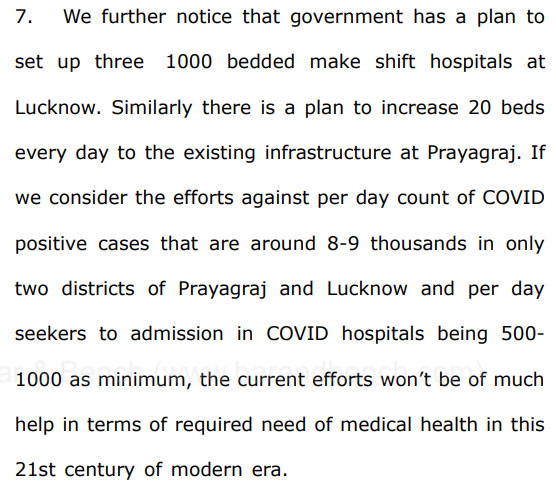
The court noticed that the state government is working extensively in increasing the number of ICU beds and establishing make-shift Covid centres. But considering the population in the state, the court feared that these beds might not be sufficient even if only 10% of the population gets infected.

Excerpt from order issued by Allahabad High Court

Restrictions imposed by the court

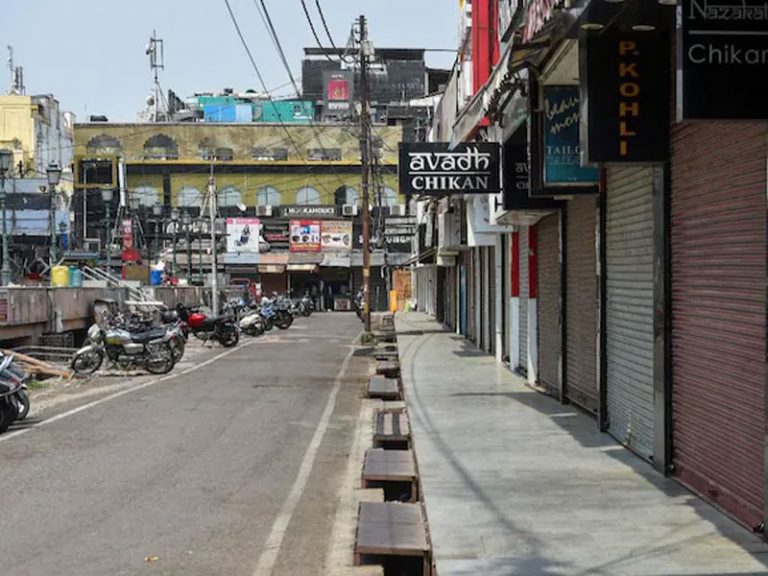
The court has directed the state authorities to impose strict restrictions in the cities of Prayagraj, Lucknow, Varanasi, Kanpur and Gorakhpur till April 26.

  • During the lockdown, government or private establishments except for financial institutions and financial departments, medical and health services, industrial and scientific establishments, essential services including municipal functions, and public transport, shall remain closed.
  • The shopping complexes, grocery shops, commercial shops and malls where there are more than three workers, excluding medical shops, shall remain closed.
  • All hotels, restaurants and small eating points on thelas shall remain closed.
  • Educational institutes and other institutes institutions relating to other disciplines and activities, be it government, semi-government or private, shall remain closed, including for their teachers and instructors and other staff.
  • No social functions or gatherings allowed in these five cities. If there is already a marriage fixed in this period, permission from the District Magistrate of the concerned district needs to be taken. Only 25 persons will be allowed to attend the marriage.
  • Religious establishments to remain closed and religious activities in public suspended till April 26.
  • All hawkers, including milk vendors, fruits and vegetable vendors etc., shall go off-road by 11 AM.
  • Every day containment zones to be notified in two leading Hindi and English newspapers having wide circulation in the districts of Prayagraj, Lucknow, Varanasi, Kanpur Nagar/ Dehat and Gorakhpur.
  • Public movements on roads to be restricted. Movement to be allowed only for medical help and emergencies.

The court further said, “In this order, if we have not imposed a lockdown, it does not mean that we do not believe in it. We are still of the view that if we want to break the chain, a lockdown for a duration of at least two weeks is a must,” and urged the state to consider imposing a complete lockdown in the whole state two weeks.