Home Blog Page 4983

‘Sushant Singh Rajput was a characterless man overwhelmed with frustration and depression’: Shiv Sena mouthpiece Saamana

Leaning on the leaked AIIMS report which concluded that actor Sushant Singh Rajput’s death was a suicide and not a murder, Shiv Sena mouthpiece Saamana has published a fierce article criticising those who had raised aspersions over Mumbai Police’s investigation of the case. However, in doing so, it had called the late actor a “characterless man”.

The editorial published in Saamana claimed that Sushant Singh Rajput was overwhelmed with “frustration” and “depression”, which led him to give up his life. “The investigation by the CBI revealed that Sushant Singh Rajput was a characterless man, suffering from acute levels of frustration and depression,” the article said.

Taking a dig at the detractors who had questioned Mumbai Police’s probe in the case and had demanded CBI probe, the Saamana piece asserted that the rapidity with which the case was transferred to CBI demonstrated some individuals, news organisations and central government’s zeal to tarnish the image of Maharashtra and Mumbai Police.

“Within 24 hours of the arrival of the CBI in Mumbai, Sushant Singh’s drug addiction came to the fore,” the editorial added alleging that Rajput’s reputation took a beating after the premier investigation agency took over the case from Mumbai Police.

“If there was a legal system to prosecute Sushant after his death, Sushant would have been prosecuted for drug use in the ‘drugs’ case,” Shiv Sena mouthpiece said.

Saamana takes a swipe at Kangana Ranaut and former DGP Gupteshwar Pandey following AIIMS report

Criticising actor Kangana Ranaut, who had likened Mumbai to Pakistan Occupied Kashmir and railed against the Mumbai Police for allowing the secessionist elements to paint Azaadi graffitis on the streets of the city, the Saamana editorial questioned the actor’s silence over the Hathras incident and asked whether the alleged rapists in Hathras were Kangana’s siblings.

Even former Bihar DGP Gupteshwar Pandey, who had raised doubts over the Mumbai Police’s investigation in the Sushant Singh Rajput’s case, came under the attack of the Shiv Sena mouthpiece. Citing the AIIMS report, Saamana article wondered how would Gupteshwar Pandey atone for slandering Mumbai Police for the last 100 days.

AIIMS panel re-evaluating Sushant Singh Rajput’s post-mortem report rules out murder

Saamana’s searing article was predicated on the media report based on leaked AIIMS’ panel re-evaluation of the post-mortem report of Sushant Singh Rajput. Dr Gupta, who led the panel, reportedly concluded that based on the autopsy report of the actor, his death was due to suicide and not murder. The report highlighted that there were no injuries on the body other than of hanging and no marks of struggle/scuffle on the body and clothes of the late actor.

Refuting the allegations that Sushant Singh might have been strangulated to death, Dr Gupta told Times Now, “No conclusion or conclusion opinion of homicide or suicide could be made by seeing ligature marks and scene of occurrence. It’s difficult for doctors and next to impossible for general people, needed solely internal link discretion and forensic interpretation.”
Samajwadi Party leader and former MLC Mulayam Singh Yadav passes away

0

Veteran Samajwadi Party leader Mulayam Singh Yadav and former MLC Mulayam Singh Yadav passed away. His last rites were performed on Sunday, October 4, 2020. He was 92.

Yadav was unwell since some time. He had been recently discharged from a hospital in Kanpur, Uttar Pradesh He has been elected as an MLC for three terms. He was believed to be a close aide of Samajwadi Party patriarch Mulayam Singh Yadav.

CBI raids 14 locations related to Congress leader DK Shivakumar in connection to corruption cases

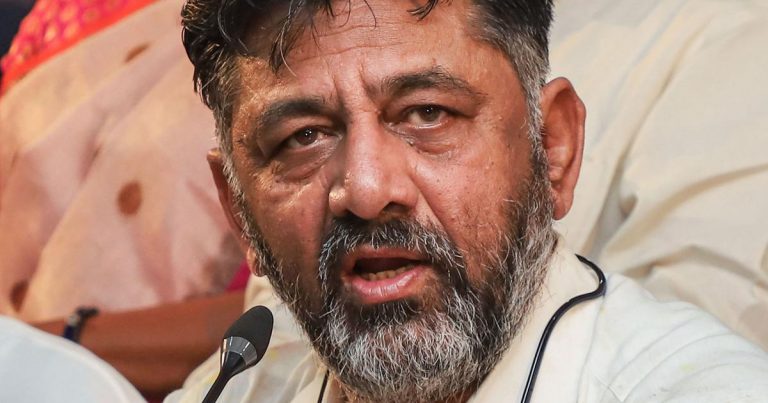
The Central Bureau of Investigation (CBI) has been conducting raids at 14 locations in Bengaluru and Mumbai linked with Congress leader DK Shivakumar, his brother and Bengaluru Rural MP DK Suresh and his close associate Iqbal Hussain in connection with the alleged corruption and disproportionate assets cases against him.

As per reports, the CBI has raided 9 locations in Karnataka, 4 premises in Delhi and one location in Mumbai.

According to reports, the Enforcement Directorate had shared details in connection with a money laundering case concerning DK Shivakumar and other Congress leaders with the CBI after which the latter launched raids at 14 locations related to the senior Congress leaders and their aides. One of the residences being raided is that of Iqbal Hussain, a close aide of Shivakumar.

The reports suggest that the CBI first raided the Congress leader’s residence located in Doddallahalli village in Kanankapura constituency at 6 in the morning. Kanankapura constituency is represented by Shivakumar in the state assembly.

As per reports, the CBI team raided Shivakumar’s Sadashivanagar residence in Bengaluru, DK Suresh’ properties in Kanakapura and Bengaluru, and several other locations. The raids started at 6 am on October 5. Congress leaders, including former CM Siddaramaiah and spokesperson Randeep Surjewala have criticised the raids.

Congress leader DK Shivakumar was jailed for siphoning money through hawala channels

The former Karnataka energy minister DK Shivakumar was arrested by the Enforcement Directorate on September 3, 2019, and lodged in the Tihar jail. The Congress minister was accused of funnelling money to a tune of crores through hawala channels.

Under the Prevention of Money Laundering Act (PMLA), Shivakumar was charged with tax evasion and ‘hawala’ transactions worth crores of rupees.

The alleged money laundering by DK Shivakumar came to light after raids by the tax officials on August 2, 2017, on Shivakumar’s four flats in New Delhi, which led to the seizure of unaccounted cash worth Rs. 8.59 crore without evidence of its source of income.

The tax agencies had filed cases against Shivakumar and four other persons associated with him under Sections 277 and 278 of the Income Tax Act, 1961 and Sections 120(B), 193 and 199 of the Indian Penal Code (IPC).

On the basis of the charge sheet filed by the I-T officials, the ED had booked a money laundering and hawala transaction case in September last year.

Besides, the department had also summoned Shivakumar’s daughter on September 10, 2019, in a money laundering case involving her father after the Income Tax department had found certain cross-border transactions which DK Shivakumar and his daughter couldn’t provide a satisfactory explanation to.

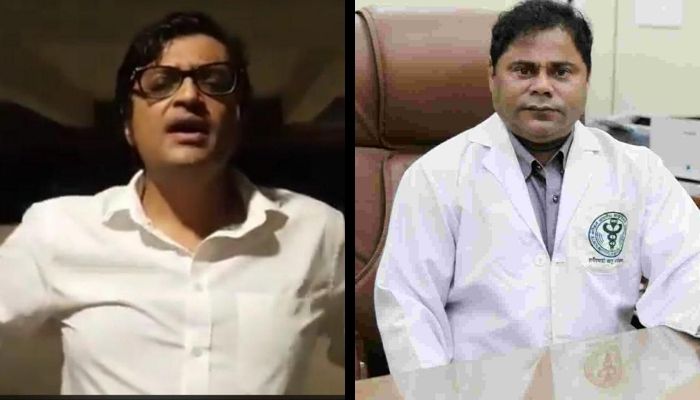
Sushant Singh Rajput death case: Republic TV releases audio tapes of AIIMS’ Dr Sudhir Gupta which contradict his current stand

In a new twist in Sushant Singh Rajput death case, two days after AIIMS doctor Dr Sudhir Gupta claimed that the medical team investigating the case ruled out the ‘murder angle’, Republic Tv released an audiotape that puts him in the dock.

In audio tapes released by the channel on Monday, Dr Sudhir had a conversation with Republic TV journalist in August wherein he had also unmasked role and lapses of investigation done by Mumbai Police.

Dr Sudhir Gupta told Republic TV that the evidence was contaminated

Dr Sudhir had emphasised how he managed to keep the crime scene intact during the Sunanda Pushkar case and prevented people from even stepping into the room, where she was found dead. He had also raised questions about the ‘hurried’ autopsy report, which was prepared by the Cooper hospital doctors. He had questioned as to why the time of death was missing in the post-mortem report. While hinting at the ‘loopholes’ in autopsy and the ‘contamination’ of the crime scene, he concluded on August 22 that the evidence was not ‘suitable’ to perform further ‘forensic examination with sanctity.’

Crime scene contaminated, claimed the AIIMS doctor

However, Dr Sudhir’s statement to the Republic TV, during a telephonic conversation, on August 22 highlighted that the crime scene, in the Sushant Singh Rajput case, was contaminated. He had said that contrary to the usual police investigation, Mumbai Police did not keep the crime scene ‘intact’. Expressing ‘surprise’ over the contamination of the crime scene, he had insinuated that it was the ‘destruction of evidence’.

AIIMS doctor had questioned the Mumbai Police investigation

Dr Sudhir also raised questions over the conduct of the Mumbai police. “The police is not the final investigator. They have to keep all the evidence until the case is closed. They need to submit all evidence on approval from the Judiciary”, he was heard as saying. Dr Sudhir Gupta also inquired as to how did the police conclude that Sushant Singh Rajput was dead and why was he taken to the mortuary instead of the hospital emergency ward.

He had also informed that the Central Bureau of Investigation (CBI) had written a letter to the AIIMS Medical Board on August 21, asking them to form a team and investigate the medical reports and forensic evidence in the Sushant Singh Rajput case. His earlier statement to Republic Tv casts aspersions about his recent analysis of the evidence in the case. Republic Tv questioned, “If the evidence preserved for the investigation was ‘unsuitable’, then, how did Dr Sudhir Gupta ruled out the murder theory?”

Dr Sudhir Gupta’s flip-flop

As per recent selectively leaked media reports, Dr Sudhir, who was tasked to examine the post-mortem and viscera reports of the deceased actor, concluded that it was a case of suicide. “Sushant’s death is a case of suicide. Murder completely ruled out,” Dr Sudhir Gupta claimed on October 3 as per certain media reports. The secret media leak came as a shocker to many.

Sushant Singh Rajput death

Bollywood actor Sushant Singh Rajput was found dead in his apartment building on 14th June 2020. While initial reports suggested death by suicide, family members later alleged foul play. Following that, the CBI was asked to take over the investigation. Initial investigations revealed that Rajput’s girlfriend, Rhea Chakraborty may have been involved in drug abuse along with other Bollywood actors and actresses.

Wahabi extremism rising in West Bengal, jobless youngsters being recruited for ‘Jihad’: Report

0

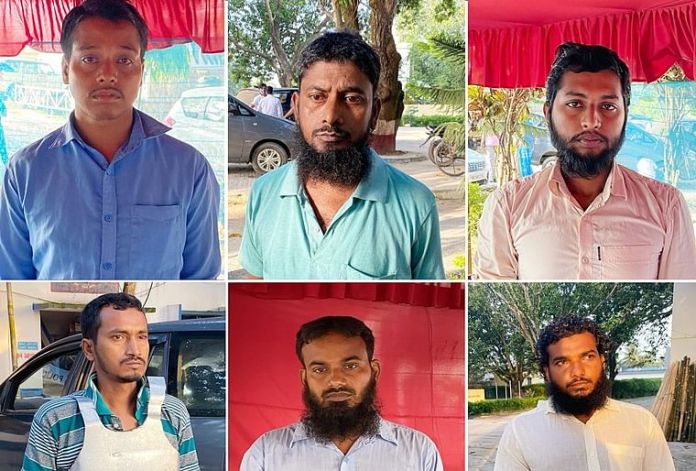
Last month, the National Investigation Agency (NIA) had arrested seven suspected terrorists in Murshidabad, West Bengal, allegedly associated with the Al-Qaeda terrorist group. According to the Sunday Guardian, these arrests have opened new doors for the investigation agency to look into how deep this nexus has rooted itself among the local youths and radicalizing them, especially along with the state’s border districts.

According to the investigation agencies, many small organizations have popped up across the state in the last few years. They are recruiting young people and radicalizing them to prepare them for Jihad. They are teaching them the principles of Wahhabism.

Shocking revelations by arrested terrorists

The suspected terrorists arrested by the NIA revealed that they were planning to attack important locations and kill innocents. As per the reports, they have attended anti-CAA protests and mobilized masses to hit the streets.

NIA found jihadi literature, digital devices, sharp weapons, etc. in their possession. The Sunday Guardian quoted its source in NIA who said, “We are also learning about how these people were working to recruit new entrants into their group; also, if there are any kind of training camps present in Bengal, who their leader is and how many people are involved in this.”

Media reports had cited citing NIA sources that 6 the arrested terrorists had stationed themselves in Murshidabad last year during the anti-CAA violence in December. They had reportedly mobilised the masses for the large scale violence, arson, rioting and looting that had taken place in the area under the garb of anti-CAA protests.

Change in demographics, unemployment, and the idea of radicalization

In the past few years, the demographic change in the border districts of West Bengal has raised concerns about national security. Investigation agencies believe that several fundamentalists and Wahhabi clerics have crossed the India-Bangladesh border using porous borders. They are working with the local Muslim population on the Indian side and preparing them for the “holy war.”

NIA has arrested six Al-Qaeda terrorists among several fundamentalists who were working in Bengal. They have also arrested members of the Jamaat-ul-Mujahideen Bangladesh (JMB) from different locations across the country. It is believed that the Sheikh Hasina government was targeting the fundamentalist clerics in Bangladesh. The clerics hence crossed the border to find a safe location to stay in Bengal.

According to the investigation agencies, because of the unemployment in the rural areas of West Bengal, it has become easier for the fundamentalist clerics to stay and propagate their teachings of Wahhabism among youth. They have come across printed material, WhatsApp forwards, banners, and more that are being circulated in the local population. These posters, messages, etc, encourage youth to join the “noble cause” of spreading the Islamic rule in India.

Declassified CIA document from 2011 reveals the depth of Soviet penetration in Indian media

The success of Vivek Agnihotri-directed movie ‘Tashkent Files’ has aroused the interest of Indian youth in the field of espionage during the cold war between USSR and USA. The second world war led to the dismantling of the British empire, and almost all countries were split between two ideologies- Communism and Capitalism; each backed by the Soviets and Americans respectively. India, in particular, was seen as the playground for International espionage between the espionage agencies of the two superpowers- KGB and CIA.

The Mitrokhin Archives, which contains information about Soviet misadventures in India that got leaked by former KGB spy Vasili Mitrokhin on his defection to the United Kingdom, showed the dirty history of the Congress party and how they almost sold the country to Soviets for financial incentives. The archives particularly spoke about the way Soviets had infiltrated into the politics of the country, but didn’t go much into detail about public misinformation campaigns of the KGB to swing Indian public opinion in its favour.

However, the CIA declassified a document titled ‘The Soviets in India: Moscow’s Major Penetration Program’ in 2011, two decades after the fall of USSR; which revealed the depth of KGB infiltration in India’s media circles. 

According to the document, the Soviets operated the media penetration program from the press section of its embassy in New Delhi, where they infiltrated deep into journalist circles by offering financial incentives to them. Initially, the Soviets banked on CPI-owned magazines and mouthpieces to spread Communist beliefs to the public, but then decided to scale up their operations by moving onto larger news outlets.

In 1984, the Soviets engineered its affiliation with the left-leaning Indian Federation of Working Journalists (IFWJ) through its political connections and began to ‘lobby’ with (or more appropriately, ‘prey on’) journalists from top media houses. The Soviets created a network of journalists and media houses that already were influenced by Leftism to peddle Communist propaganda in Indian media. The CIA document further alleges that these networks and propaganda campaigns were planned by the CPSU’s central committee and Novosti (a USSR press agency), though carried out by the KGB and Soviet Embassy press department.

To sway Indian public opinion in favour of nuclear disarmament in January 1985, the Soviets used the CPI and WPC to engineer the participation of pro-communist scientists and academicians from top universities in passing a resolution favouring nuclear disarmament at the Indian Science Conference in Lucknow. The resolutions passed in the conference were used as a source by media houses under Soviet payroll like The Blitz. 

The declassified document alleges that almost 3,000 propaganda articles were planted in leading English dailies such as Hindustan Times and Times of India to flare up anti-USA sentiments in India, the details of the articles as mentioned in the document are-

Hindustan Times:

12 May 1984- “There is existence of Khalistan terrorist training camps in Canada, with support from Western governments of USA, UK and Canada.”

August 1984- “Sikh Separatist leaders Ganga Singh Dhillon and Jagjit Singh Chauhan on the payroll of US Defense Intelligence Agency (USDIA).”

Times of India:

14 September 1984- “Pakistan is CIA base for recruiting guerillas.”

The Hindu, Madras edition:

November 1984- “CIA has set up centers in Pakistan for subverting the Afghanistan and Indian governments.”

Shortly after Indira Gandhi’s assassination on 31st October 1984, the Soviets began their propaganda campaign, with Radio Moscow declaring that the Khalistani assassins got their “ideological inspiration” from the CIA, and accused the Americans of assassinating Third World leaders who didn’t succumb to capitalism. Soon after, various Indian news agencies joined the chorus, including The Patriot, The Daily, Hindustan Times, National Herald and the CPI-owned Hindi newspaper ‘Janayug’.

The Press Trust of India (PTI) was also a major part of the campaign, with the document alleging that several managers of the news service agency were on the payroll of the Soviets. The Soviets used the PTI to plant articles that were molded in a way to promote communism in Indian newspapers; the CIA document says that a car with a Soviet diplomatic license plate was regularly seen at the PTI headquarters, and was jokingly referred to as ‘Press TASS’ by Soviet officials.

The objective of USSR’s propaganda campaigns were to arouse Leftist feelings in the public, but failed to gain much traction due to the mindset not favouring such ideologies. However, despite failing to achieve its objective, the USSR unknowingly exposed the greed of Indian journalists and media houses of that time, who agreed to sell their dignity and national integrity to the Soviets despite knowing about the consequences of their actions.

Christian missionary group ‘Scripture Union’ employee accused of sending inappropriate messages to school girls, chat messages go viral

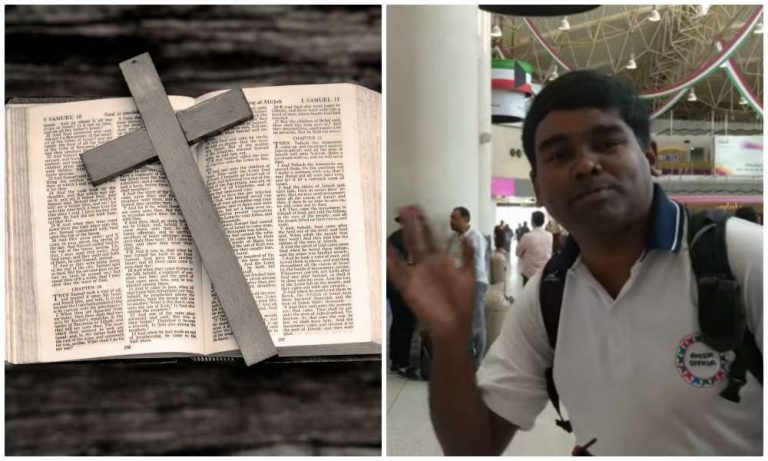
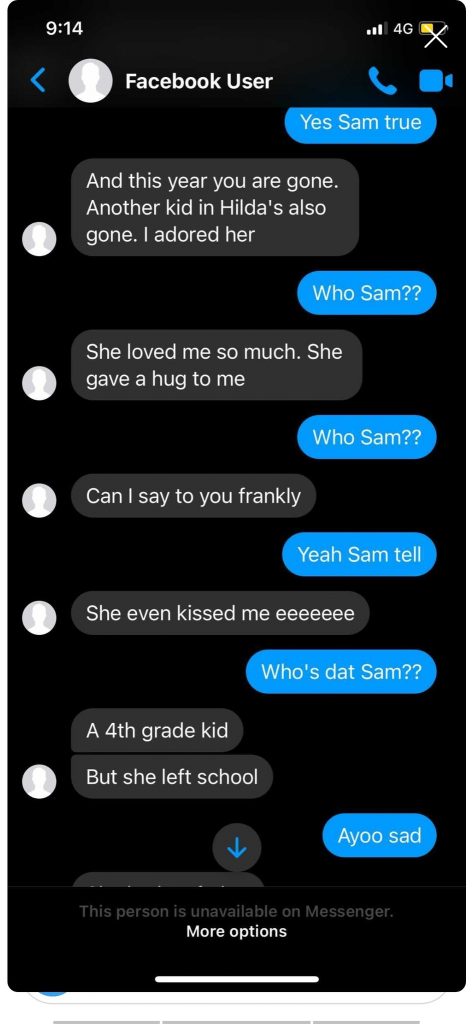
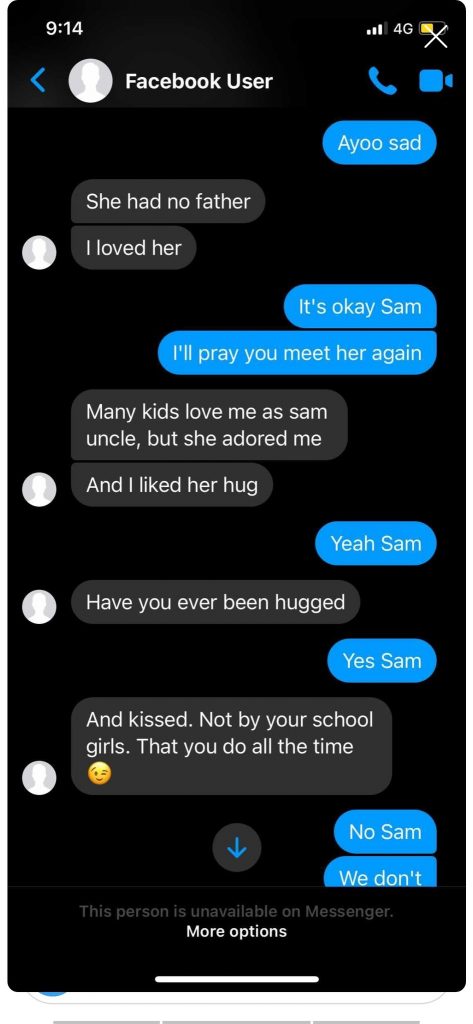
Christian evangelical organisation ‘Scripture Union’ (SU) employee Sam Jaisunder has been accused of sending inappropriate messages to underage girls in schools. In a series of tweets, Twitter user Joel Giftson alleged that Jaisunder would insist on video calls with the minor girls and even ask them to meet alone while expressing desire to ‘cuddle’ them.

Accusing ‘Scripture Union’ of being the most paedophilic organisation, he stated that this inappropriate messaging by Jaisunder has been going on since at least 2016.

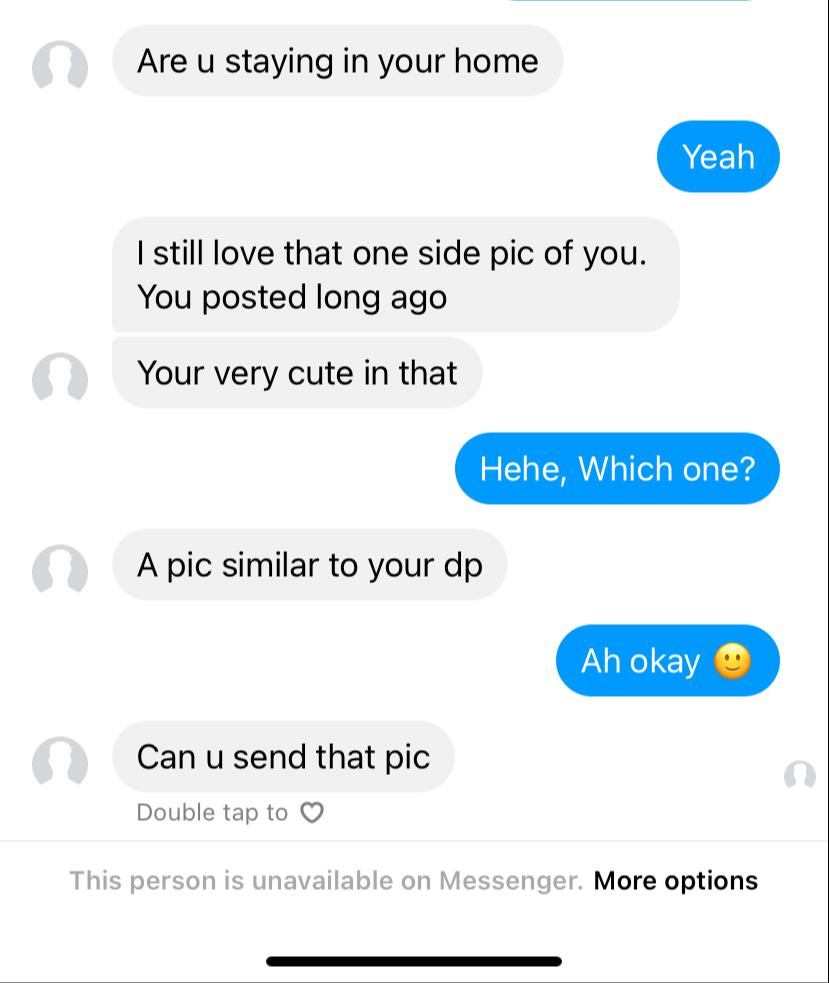
One can see Sam asking young girls to send their pictures.

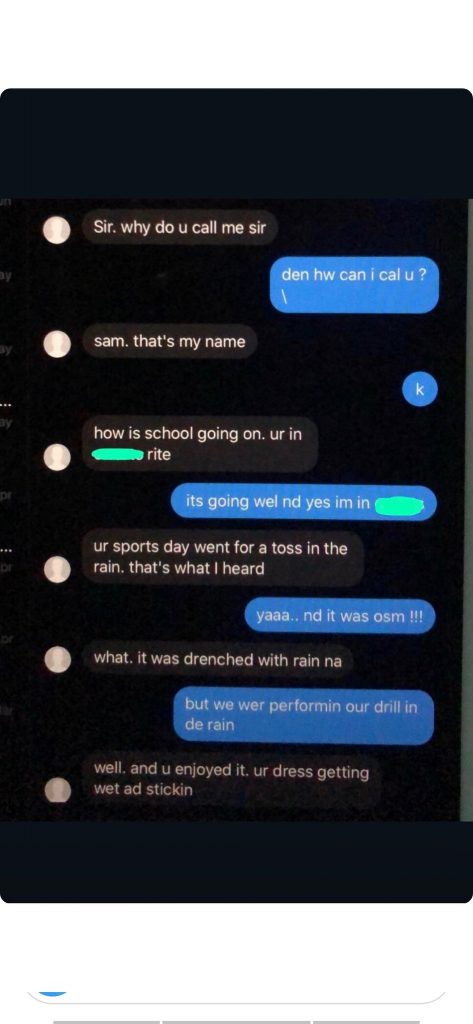
Sam using inappropriate language with young girls.

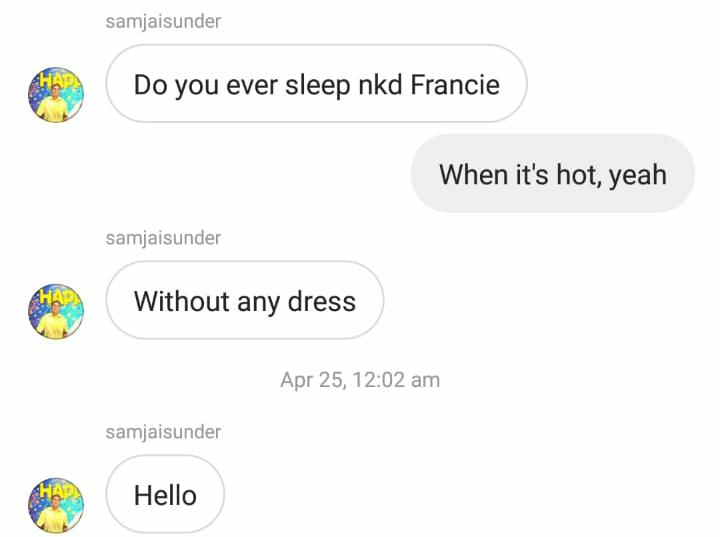
Sam asking a young girl if she sleeps naked.

As one can see, he is asking a young girl if she sleeps naked. In another chat, he can be seen asking for pictures of young girls which he can save on his phone.

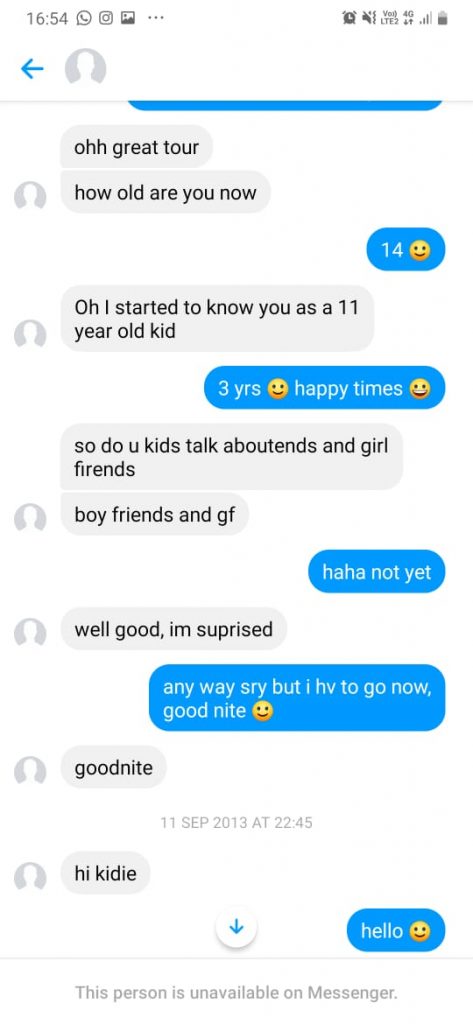
In one of the chats, Sam is asking a young girl Franci if she hugs boys of her class. In another he asks a 14 year old girl if she and her friends talk about boyfriends and girlfriends. The chat appear to be from September 2013, at least seven years back.

In other chats, he asks the same girl Franci if she has hugged or kissed anyone. When she says no, he asks her if she would like to.

Giftson shared many more screenshots where girls had shared inappropriate message. As per Gifton, Sam has now deactivated his social media profiles out of embarrassment after these screenshots went viral.

In the undated chat screenshots it can be seen Jaisunder telling a school girl how another school girl had kissed him and he had liked it.

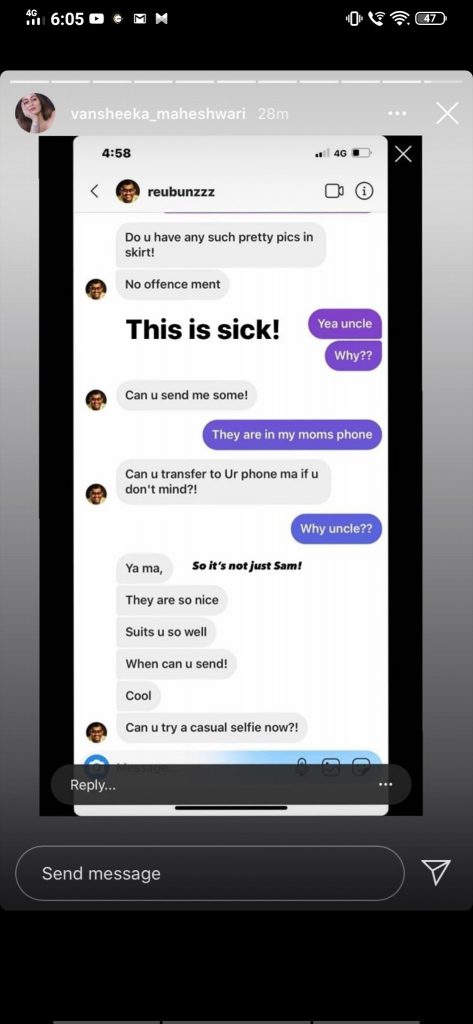
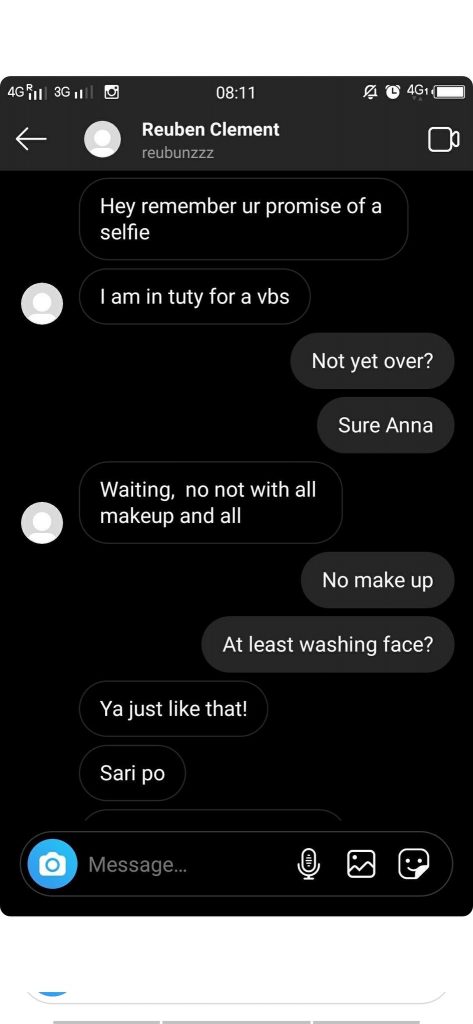
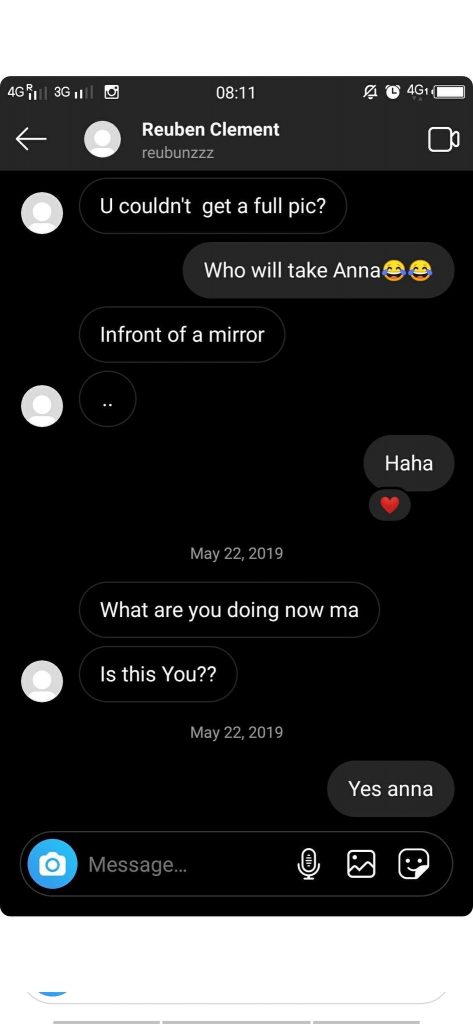
Most of the girls, he said, had deleted the chats. He also named another SU employee Reuben who was found sending inappropriate texts to underage girls.

Inappropriate messages by Reuben

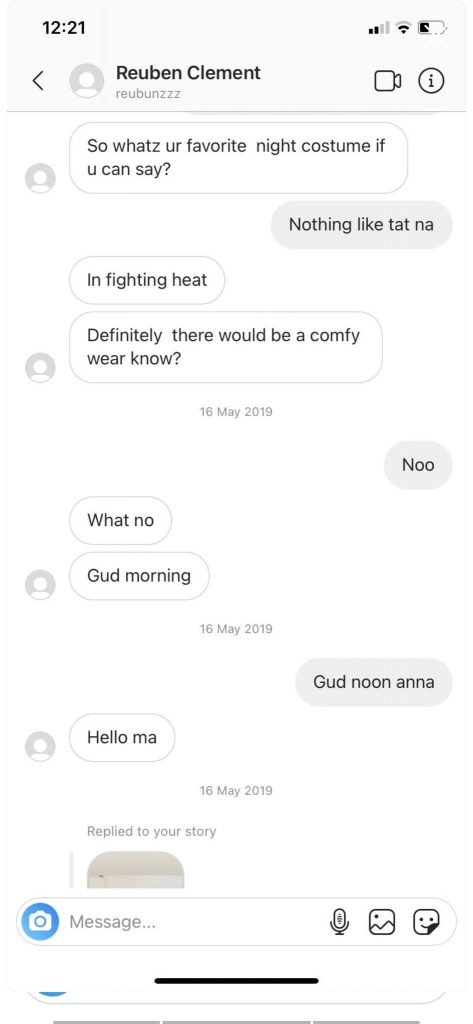
One more SU employee Reuben Clement allegedly sent inappropriate messages to young girls like asking what they are wearing while sleeping.

In the above messages, one can see Reuben Clement messaging young girls and asking them to send their pictures.

As per Giftson, Scripture Union has already come out in support of Sam Jaisunder and asked the girls to not make an issue out of it.

Scripture Union

Started in 1867, Scripture Union is an international Christian evangelical organisation which works closely with schools to get children to read the Bible.

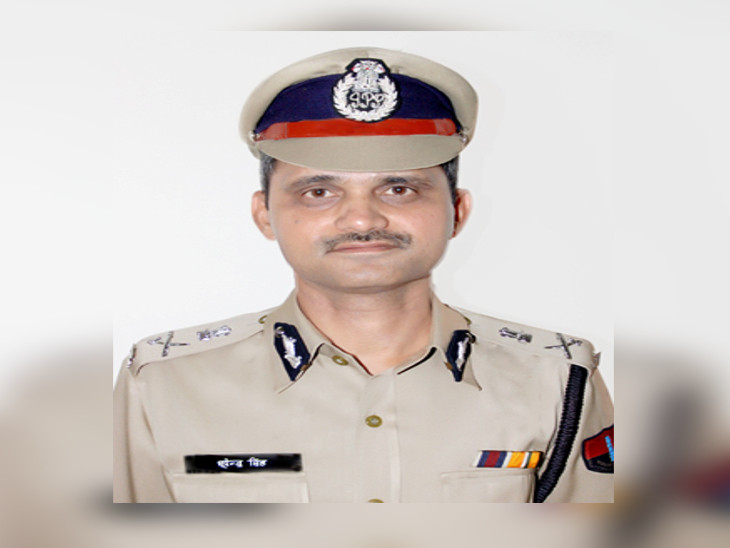
Rajasthan DGP blames ‘internet’ and ‘curiosity’ in youth for rising rape cases in the country, Congress-ruled state tops the list

Recently, the Rajasthan Director General of Police (DGP) Bhupendra Yadav has stirred a controversy by blaming the ‘internet and curiosity’ in youths for the rising rape cases in the country. His comments come at the backdrop of several rape cases that have been come to light in the past few days.

Yadav stated, “I have observed an increase in the number of rape cases in North India. There are special reasons behind it such as a rising population of the young generation, unemployment and imitating pornographic activities available on the internet.” He also claimed that since the law does not permit individuals below 18 years to have a physical relationship, it, therefore, invokes curiosity among the youth and thus resulting in rapes.

The Rajasthan DGP has alleged that there is an increase in the number of cases where young boys and girls have ‘friendship’ and often ‘flee’ together. Yadav further added that the youth, especially the girls, need to be taught about confidence-building and ‘ways to avoid’ such incidents.

Rajasthan tops the list in rape cases in India

As per the latest National Crime Records Bureau (NCRB) data, Rajasthan ranks first among the States with the highest number of recorded rape cases. In 2019 alone, the State witnessed a total of 5,997 cases. Rajasthan has seen a consistent rise in rape cases, with the State recording 3,305 cases in 2017 and 4,335 cases in 2018. The rate of increase in rape cases between 2018 and 2019 has almost doubled to 4.2%, up from 2.4% between 2017 and 2018. At the same time, Jaipur has garnered the second spot in the list of most unsafe cities for women in India with 517 rape cases is 2019 alone.

Recent rape cases in Rajasthan

On September 30, it was reported that two minor girls, aged 13 and 15, from Baran in Rajasthan, were taken to Kota, Jaipur and Ajmer and were raped for three days. The two sisters had reportedly admitted on camera that the two boys had abducted them, drugged them and raped for days. On Friday, the naked corpse of a girl has been discovered at a hospital in the Banswara district of Rajasthan. The family of the victim had claimed that she was poisoned and raped. In another shocking incident, a woman was gang-raped by two men in Siswali in Baran district of Rajasthan. The girl was abducted by two men on July 1, kept her hostage, regularly raped and assaulted her. She was rescued a month later.

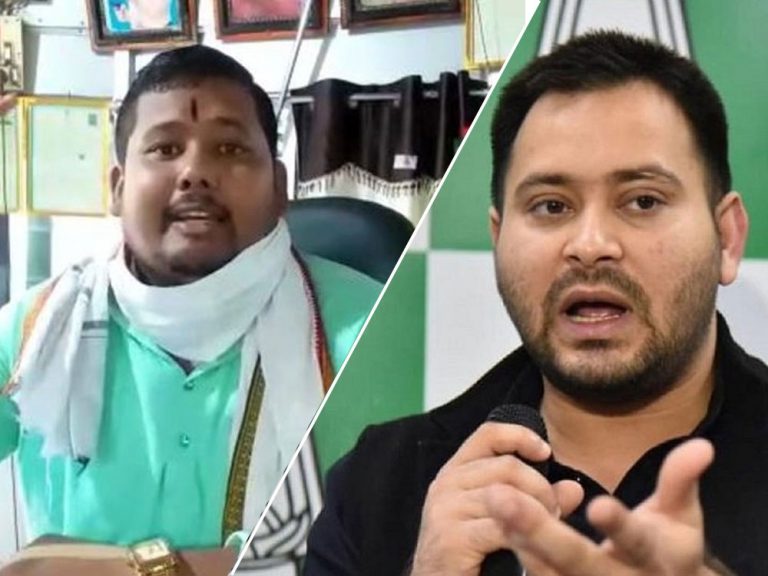
Bihar: Dalit Leader Shakti Malik, who accused Tejashwi Yadav of demanding Rs 50 Lakhs for a party ticket shot dead

With Bihar elections around the corner, gun violence has started to find its grip in Bihar. 37-year-old Dalit leader Shakti Malik was shot dead at his residence in Purnea district, Bihar, on Sunday.

His wife, Khushboo Devi, has alleged that his husband’s death was a political killing. She said, “My husband was feeding our child in the courtyard this morning when 3 masked goons made their way inside the house and shot him dead. They ran away in no time.” Malik was all set to contest Assembly elections as an independent candidate after his expulsion from RJD.

Multiple videos have surfaced after Shakti was killed. He was seen accusing RJD leader and Lalu Prasad Yadav’s son Tejashwi Prasad Yadav for demanding Rs.50 lakh as a donation for party tickets to contest poll from Raniganj seat. He had alleged if he continues with his work in the constituency, he will be silenced. The videos have gone viral.

JDU targets opposition RJD

The ruling party JD(U), has issued a statement in which they have said that the true colors of the leader of the opposition are in front of the nation. JDU shared a video on its official Twitter account in which Tejashwi was seen instructing his party workers to emphasize the caste-identity of the victim in Hathras case. JDU wrote,” Today, a Dalit youth, Shakti ji was killed. A few days ago, he had accused Tejashwi of asking for Rs 50 lakh for the ticket and threatening him. The crown prince of RJD will have to answer.”

Rajiv Ranjan Prasad, JD(U) spokesman, said, “We have been raising the issue of dynastic politics, corruption, Tejashwi’s inexperience especially in dealing with alliance politics but the latest allegations have completely exposed him.” He said that the allegations against RJD that they take money for tickets are not new.

The country made pistol found

At the place of the incident, the police have found a country-made pistol and an empty cartridge. Superintendent of Police Vishal Sharma and Deputy Superintendent of Police (DSP) Anand Pandey visited the spot for investigation. Pandey said, “Three men shot dead Shakti Malik at his residence this morning. A case has been registered and further investigation is underway.”

FIR registered

Bihar Police has registered an FIR against six RJD leaders, including Tejashwi Yadav, Tej Pratap Yadav, Anil Kumar Sadhu Paswan and Kalo Paswan. The police are investigating the case.

West Bengal: BJP leader Manish Shukla shot dead in front of police station, governor summons ACS (Home) and DGP due to worsening law & order situation

In another incident of attack on BJP leaders in West Bengal, lawyer and BJP councillor from Titagarh Manish Shukla was shot dead by unknown assailants. The incident happened at around 8.30 pm on Sunday evening near Titagarh police station in Brackpore area.

According to reports, Shukla had attended a party event at Howrah earlier in the day, and after the event he had gone to the party office located near Titagarh police station. Moments after he entered the office, bike borne assailants fired at him. According to eyewitnesses, Shukla was shot from very close range.

Manish Shukla was hit by several bullets fired by the attackers who were wearing helmets. The assailants sped off after shooting at the BJP leader, party worker Gobinda was also injured when had rushed to save him. Shukla was rushed to a private hospital nearby, where he was declared brought dead.  

Soon after the incident, locals and BJP workers came out in protest. Alleging that ruling party was behind the attack, BJP workers gheraoed the police station, and blocked the road. A large contingent of police in riot gear was deployed in the area to control the protests.

BJP vice president in West Bengal Arjun Singh directly blamed Trinamool Congress for the attack. He tweeted, “TMC, their leaders and police everyone will face the consequence of this mistake and misdeed.”

National General secretary of BJP Kailash Vijayvargiya said that political violence in West Bengal is not stopping, and today again BJP worker Manish Shukla was killed by TMC goons. The incident happened outside Titagarh police station in Barackpore, but as always police kept its eyes closed.

Vijayvargiya also demanded CBI probe in the case. He also said that the role of police in the case also should be probed, saying they don’t trust the state police.

Following the incident, West Bengal governor Jagdeep Dhankhar informed on Twitter that he has summoned the Additional Chief Secretary in Home department and the DGP of West Bengal police at 10 am tomorrow. He informed that officials have been summoned in the wake of worsening law and order situation leading to dastardly killing of Manish Shukla.

The state BJP has called for a 12-hour bandh in the state tomorrow in protest against the assassination. A team of central BJP leaders including Kailash Vijayvargiya will visit the state tomorrow to join the protests.