Home Blog Page 5833

Karnataka: Police detain 8 people for trying to hoist ‘Uttara Karnataka flag’ in Belagavi

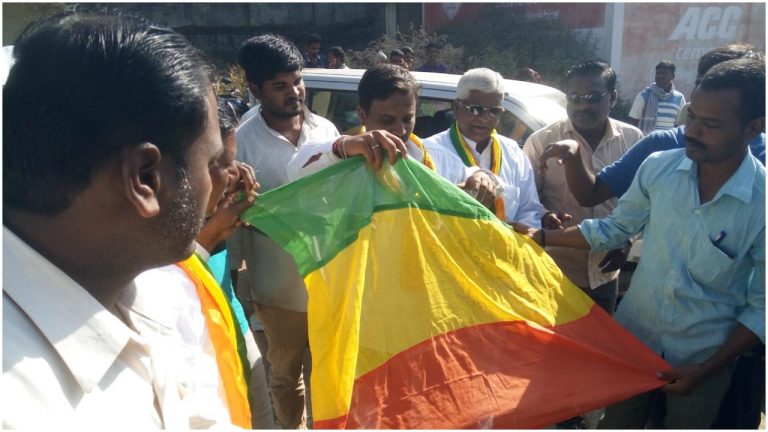
The Karnataka police on Wednesday detained eight people for trying to hoist ‘Uttara Karnataka flag’ in Hirebagewadi, Belagavi, reports ANI.

Reportedly, few protestors tried to host in a village near Hirebagewadi in Belagavi district. However, the police soon arrived at the spot and stopped these protestors from hoisting flags demanding a separate Uttara Karnataka state.

Separate State Struggle Committee Chairman Adeva Itagi and Secretary Srikanth Madhubaramannarawa have been arrested by the Belagavi police.

The illegal hoisting of the Uttar Karnataka flag comes at a time when tensions are high between Karnataka and neighbouring Maharashtra over the border issue with protests taking place on both sides leading to the cancellation of bus services between the two states.

The decades-old dispute over Belagavi escalated in the city on Sunday after protestors burnt an effigy of Maharashtra Chief Minister Uddhav Thackeray, following which Shiv Sena workers had launched a protest near the Kolhapur bus stand on Sunday and burnt an effigy of Karnataka Chief Minister BS Yediyurappa.

The long-standing border dispute between the two states is pending before the Supreme Court for several years. Maharashtra continues to claim over 865 villages along the border including the Belgaum city, which are currently part of Karnataka. Successive governments in Maharashtra have demanded their inclusion within the state. However, Karnataka has contested these claims.

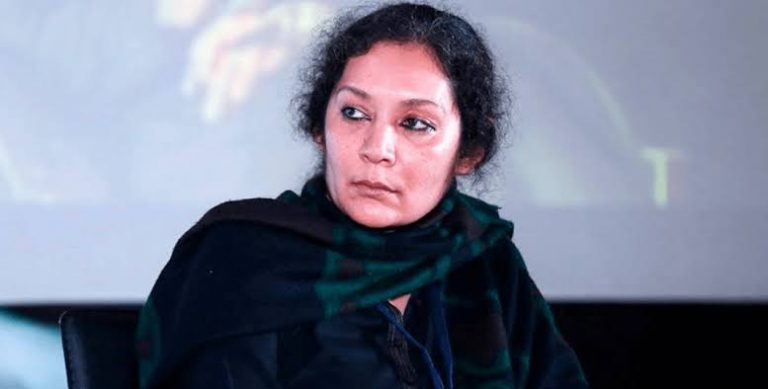
Habitual fake news peddler Saba Naqvi shares a photoshopped image to allege that ABVP protested against the CAA

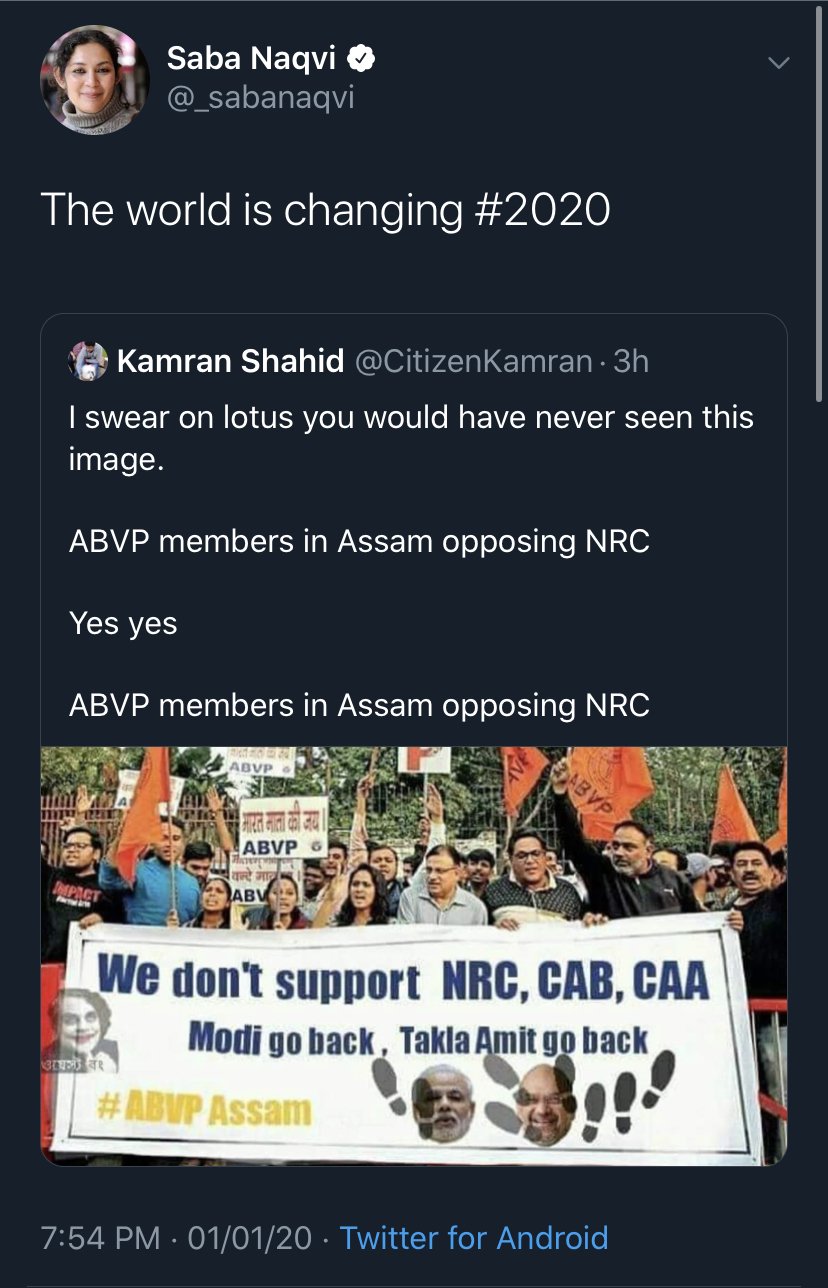
Mythomaniac Saba Naqvi was today once again caught peddling a lie when she was called out for sharing a photoshopped image of ABVP members protesting against the enactment of the Citizenship Amendment Act.

Saba, by quoting a tweet containing the misleading picture, alluded that ABVP, the right wing students’ organisation, was protesting against the CAA legislation brought in by the BJP-led government, and it shows that the world is changing. The photoshopped image displayed ABVP members with the banner reading “We don’t support NRC, CAB, CAA”. The banner also used demeaning language for the Union Home Minister Amit Shah which read “Modi go back, Takla Shah go back (Baldie Shah go back)” and had pictures of PM Modi and Amit Shah with shoe marks imprinted on them. The banner read #ABVPAssam to assert that the Assam unit of the ABVP had carried out the protest against the CAA.

However, Saba’s lie was promptly outed by the National Social Media Convener of the ABVP,  Varada Marathe, who took a swipe at the incorrigible fake news peddler by saying “The world is indeed changing, Miss Naqvi. But when will you change and stop sharing photoshopped images?” Varada had also quoted her past tweet in which she had shared the original version of the image.


As can be seen from the above tweet, the original version of the photo had ABVP members with saffron flags and banners reading “We support CAA (Citizenship Amendment Act)”. An image of the ABVP supporters holding banner in support of the CAA was deliberately photoshopped to portray that the ABVP is not on the same page as the BJP regarding the legislation of the CAA.

Furthermore, the image does not belong to the Assam unit of the ABVP as projected in the photoshopped image shared by Saba. It belongs to the JNU unit of the ABVP and was from December 18 when the ABVP members of the JNU in Delhi, along with a section of teachers came out on streets to extend their support for the Citizenship Amendment Act.

‘Journalist’ Saba Naqvi, who has often been found peddling fake news on her social media page was earlier exposed for promoting fake news carried by the Caravan daily. Saba Naqvi had shared a report published by the Caravan, which alleged that a Muslim driver was tied up and cruelly beaten up for refusing to chant “Jai Shri Ram”. As it turned out, the news was a hoax. But, instead of humbly apologising for her error, Saba resorted to pontification to mask her brazen Hinduphobia.

In 2018, she had shared old fake news from 2015 where she asserted that a Dalit man was murdered for entering a temple in Uttar Pradesh. The news, firstly, was from 2015 when Akhilesh Yadav was Chief Minister. Secondly, the man was murdered by a drunk and not because he entered the temple. However, this did not deter Saba from exploiting the caste fault-lines by trying to pit Dalits against Hindus.

Anti-CAA riots: Police seek ban on PFI as 25 members arrested for involvement in criminal activities during the protests

0

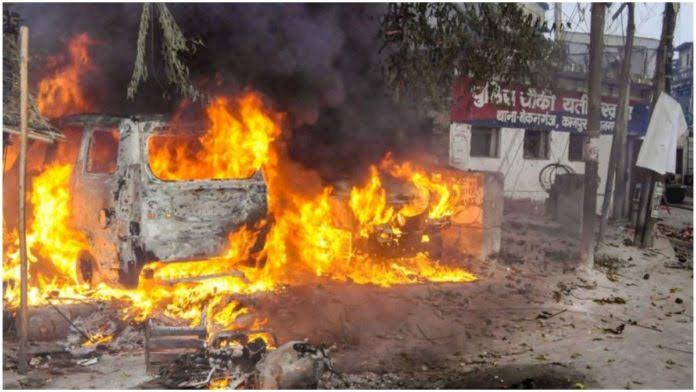
The Uttar Pradesh police have arrested 25 members of the Islamic fundamentalist outfit-Popular Front of India for their involvement in different criminal activities during the protests held against the Citizenship Amendment Act throughout the state.


On the other hand, DGP Uttar Pradesh, OP Singh has written a letter to the Home Ministry asking them to enforce a ban on Popular Front of India (PFI). The letter mentions that PFI was found involved in the various violent activities that took place in the state on December 19 during the protest against the enactment of the Citizenship Amendment Act.


Taking cognisance of the situation, the Union Law Minister Ravi Shankar Prasad has said that the role of PFI in instigating violence throughout the state is coming forward and claimed that there have been multiple allegations of PFI having connection with the Students Islamic Movement of India (SIMI).

Claiming that PFI is acting at the behest of Pakistan’s ISI, the UP minister Mohsin Raza said that those who were involved with the Students Islamic Movement of India (SIMI), after its ban made a new organisation-Popular Front of India. He alleged that PFI aims to radicalise youth and push them into extremism. Furthermore, he said that the functioning of the Muslim Personal Board should also be investigated.

Earlier, three people associated with the radical Islamic organisation PFI, including UP state head Waseem, were arrested by the Uttar Pradesh police for orchestrating violence by spreading misinformation through social media platforms. Singh had then said that the violence in AMU on December 15 was largely instigated by WhatsApp messages and Twitter posts stating that some Jamia Millia Islamia students were killed in police firing on December 15 in Delhi.

The state intelligence assessment report regarding violent demonstrations in Uttar Pradesh against the CAA revealed that the outrage was spontaneous, however, the accompanying violence was largely organized. The report also disclosed Simi’s alleged new offshoot- Popular Front of India (PFI)’s role in in mobilizing, arson, firing and bombing communally sensitive areas of the state. According to the intelligence reports, AMU has become a new stronghold of the PFI, which saw widespread violence on December 15 under the pretext of ‘peaceful demonstrations’ against the CAA.


Amit Shah learning Bengali to achieve the ‘mission 250’ goal in 2021 West Bengal Assembly Elections: Reports

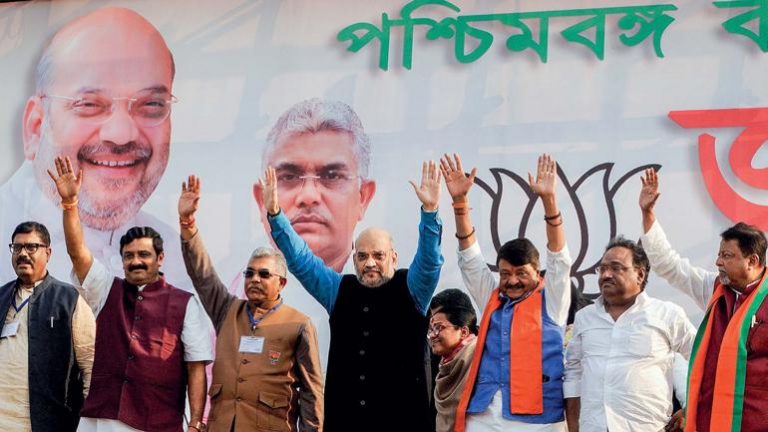
Amit Shah is learning Bengali ahead of the Assembly Elections in West Bengal in 2021, reports have claimed. He is doing so in order to ensure that Mamata Banerjee and the opposition parties cannot turn ‘Bengali Pride’ into an issue during the polls. Amit Shah was labelled an ‘outsider’ by the West Bengal Chief Minister earlier and it’s a strategy that has been adopted by other regional parties as well. As per reports, Amit Shah has fixed ‘Mission 250’ for the West Bengal elections in 2021.

If reports are to be believed, Amit Shah wants to learn Bengali so that communication doesn’t become an issue going forward. He wishes to address the public in Bengali so that he can establish a better connect with the people. To that end, he has also appointed an experienced teacher.

A senior BJP functionary was quoted by The Sunday Guardian as saying, “The people of Bengal are very emotional about their rich cultural heritage and literature. Chief Minister Mamata Banerjee has been exploiting this sentiment to the hilt. This time, the BJP wants to leave no stones unturned. Therefore, Amit Shah himself has decided to learn Bengali. He is also learning about Bengal’s culture and literature so that he can speak about it during the election campaign in the state.”

“Bengal is culturally rich and Bengali has always been a crucial factor for Bengalis. If our party president converses in Bengali, it will obviously dent the TMC’s attempt to malign the BJP’s image as a party of Hindi speaking people. Moreover, the BJP in West Bengal doesn’t have a prominent Bengali face to lead the party as of now and state elections are fought on local issues. Therefore, the use of the local language by the central leadership will help in convincing people that the BJP is not a party of the Hindi heartland, but a party of our own Bengalis. After all, Shyama Prasad Mukherjee is one of the ideologues of the party,” a BJP leader from West Bengal told The Sunday Guardian.

The BJP has witnessed a remarkable rise in popularity in the state in recent times. In the 2019 General Elections, the party had won 18 seats, an increase of 16 seats from its tally of 2 in 2014. The 2021 Assembly Elections in the state the BJP will believe that it has a very good chance of winning. Shah’s efforts to learn Bangla appears to be part of the BJP’s all-out effort to win the state in 2021.

Maharasthra: Rift appears among senior Congress leaders over portfolio allocation

Within two days after the expansion of the cabinet in Maharasthra, a rift has cropped up in the Congress camp as senior leaders of the party are unhappy over allocation of portfolios, reports Times Now.


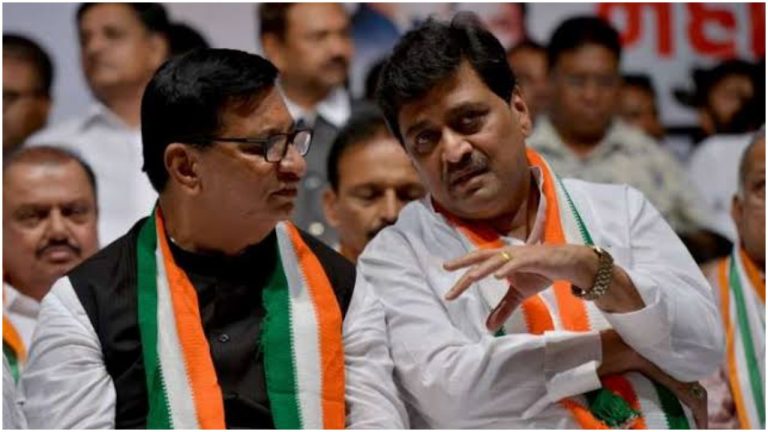
According to reports, a rift broke out within the party over the cabinet minister selection and portfolio of those ministers. Senior Congress party leader Ashok Chavan has reportedly demanded powerful ministeries of either Revenue or Public Works Department in the new cabinet causing a conflict with Balasaheb Thorat, who currently holds Revenue portfolio. Senior Shiv Sena leader Eknath Shinde has been allocated with the PWD ministry along with the Home department. When CM Uddhav Thackeray had taken over as CM of Maharashtra, he had inducted only 6 ministers. As a result, all of them hold several portfolios, most of which will be distributed among the new ministers now.

On Monday, there were also reports that a disagreement had occurred between factions of Congress over the inclusion of ministers in the Uddhav Thackeray-led government. It is reported that senior party leaders, including former Chief Ministers Prithviraj Chavan, Sushil Kumar Shinde, and leader Amin Patel, were purportedly disappointed over missing out on being ministers in the new Maharashtra coalition government.

The rift is not just limited to the Congress party but there is also some dissatisfaction among leaders of Shiv Sena regarding the allocation of portfolios in the government.

Even senior Shiv Sena leader Sanjay Raut, one of the prominent faces of the party during the recent power tussle in Maharashtra, had skipped the oath-taking ceremony of state cabinet ministers on Monday, fuelling speculation of internal bickering.

Shiv Sena mouthpiece Saamana also published an article alleging that the Maharashtra cabinet expansion has caused discontent among the party ranks who lost on the ministerial berths to accommodate the Independent legislators from Sena quota.

Validating the dissatisfaction brewing among some members of the Shiv Sena, the Saamana editorial asserted that “Original Shiv Sainiks lost ministerial berth due to induction of three independent legislators through Sena quota”. The executive editor of Saamana is firebrand politician Sanjay Raut, who is considered as a chief architect of the alliance stitched up between the Shiv Sena, Congress and the NCP.

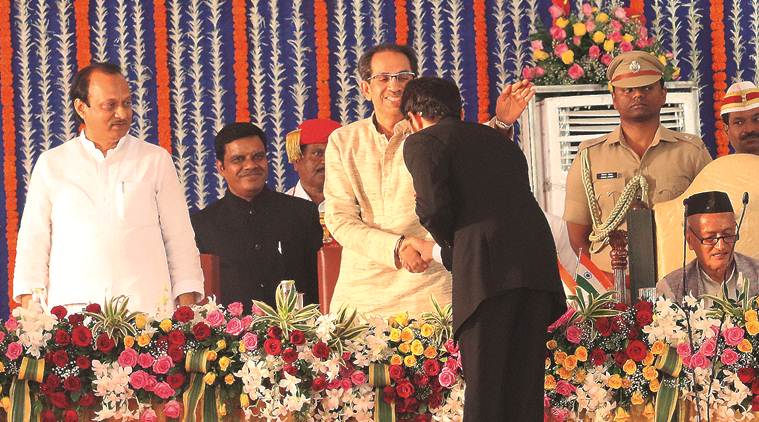
On Sunday, 36 Maha Vikas Aghadi leaders took oath as ministers in the newly-formed Uddhav Thackeray-led Maharashtra government during the state Cabinet expansion ceremony. Out of the 36 ministers, 26 were sworn-in as cabinet minister while 10 were inducted as ministers of state.

Ajit Pawar, Dhananjay Munde, Anil Deshmukh, Hassan Mushrif, Ashok Chavan, Jitendra Awhad, and Amit Deshmukh were the prominent leaders who took oath on Sunday.

Cricketer Hardik Pandya announces engagement with girlfriend actress Natasa Stankovic, see pics

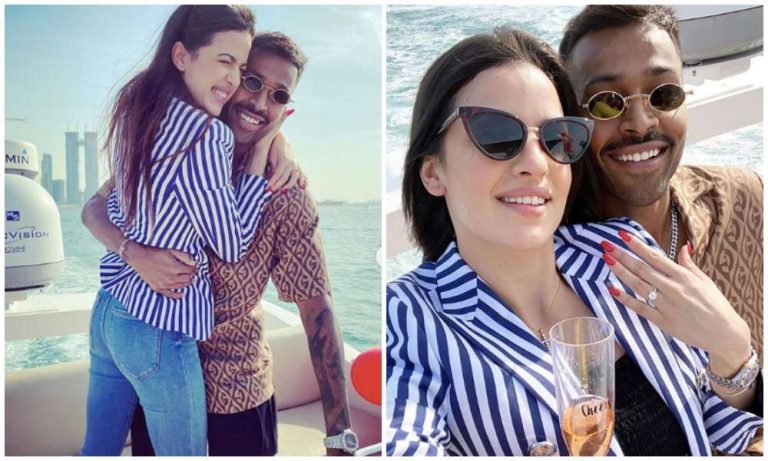
Cricketer Hardik Pandya today took to Instagram to announce his engagement with his actor-girlfriend Natasa Stankovic.

Sharing pictures with the popular Bollywood classic ‘Main tera, tu meri, jaane saara Hindustan’, Pandya let his fans know of his engagement.

Natasa Stankovic is a Serbia-born actress who did her Bollywood debut in Prakash Jha’s Satyagraha. She has also appeared in reality show Bigg Boss hosted by Salman Khan. She too took to Instagram to share pictures with her fiance.

View this post on Instagram

Forever yes ??❤️ @hardikpandya93

A post shared by Nataša Stanković✨ (@natasastankovic__) on

On cricketing front, Pandya is currently recovering from a back injury and has missed out on the Twenty20 International (T20I) and One-Day International (ODI) series against Bangladesh and the West Indies. He will also not be part of India’s upcoming home series against Sri Lanka and Australia. The Board of Control for Cricket in India (BCCI) has named him in India A’s squad for the New Zealand tour.

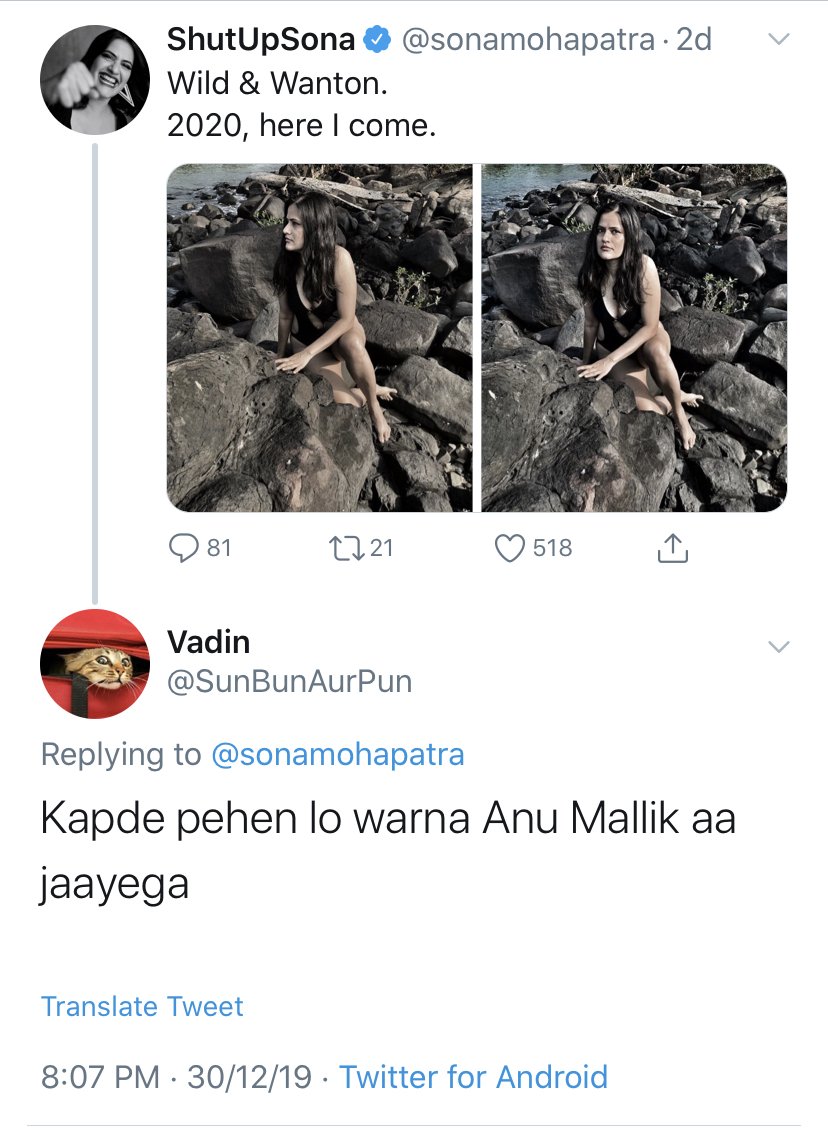
“Kapde pehen lo”: Singer Sona Mohapatra slut-shamed for posting her pictures in bikini on Instagram

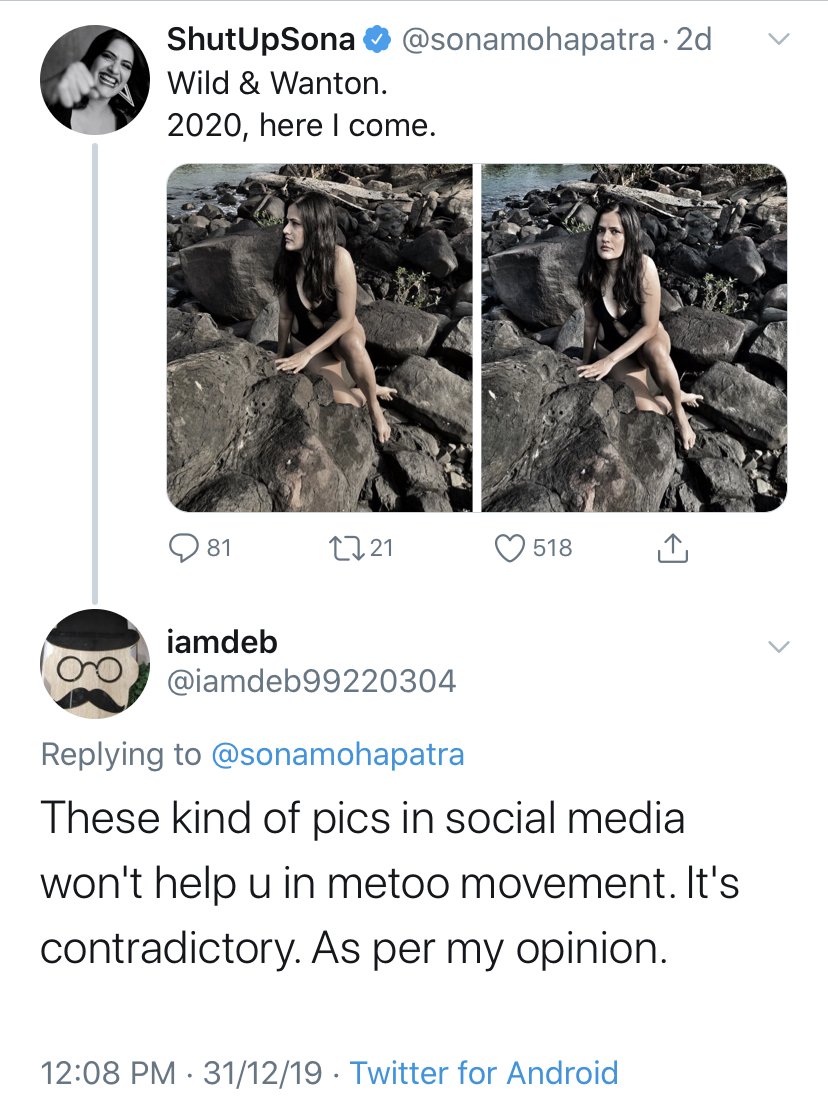
Singer Sona Mohapatra, known for her brazenness, yesterday took to Twitter to upload her bikini photos, after a group of Internet users slut-shamed her for what she wore. Slamming the naysayers, Sona posted a series of tweets, making a powerful statement that she is not the one who gets intimidated from critical comments made by the users.


“I shared some last evening and people wrote in saying ‘wearing slut clothes and then saying #MeToo?!’ Some felt let down, “Thought you were a serious person?!” Many sent (hearts and fire emojis). I refuse to fit in to any box, just like I refuse to suck in my well-earned belly. 2020 here I come!” Mohapatra tweeted.

Earlier, Mohapatra had uploaded her pictures in bikini which elicited unsavoury messages from her followers who criticised her for posting her “semi-nude” pictures online while being a #MeToo crusader. A set of users replied on her bikini photos as contradictory to the ‘MeToo’ campaign she is associated with and censured her for uploading the pictures.


Sona Mohapatra slut-shammed by netizens for posing in a bikini

While many others trivialised the allegations of harassment raised by Mohapatra against Anu Malik by cautioning her that Malik will approach her after watching her images.

Sona Mohapatra slut-shammed by netizens for posing in a bikini

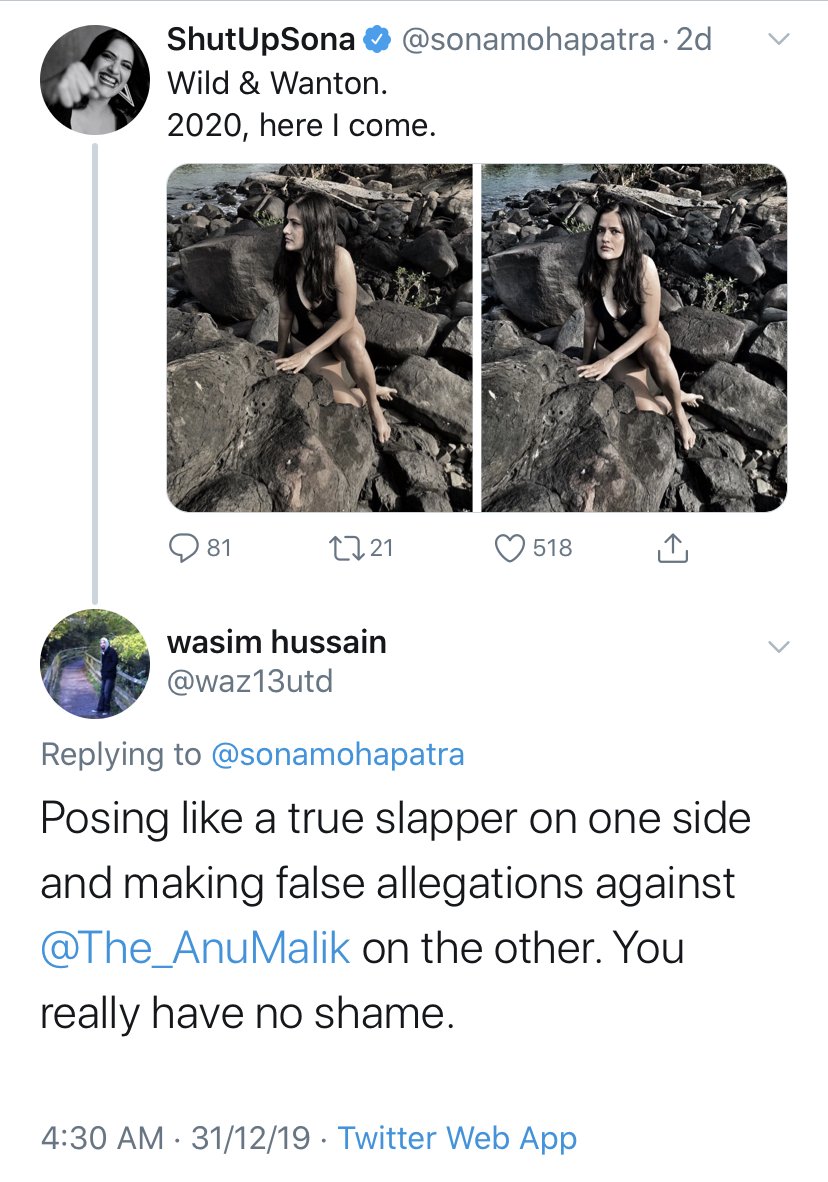
Another Twitter user said that Mohapatra has posed like a “promiscuous woman” on one side, while she had levelled false allegations of harassment against Anu Malik.

Sona Mohapatra slut-shammed by netizens for posing in a bikini

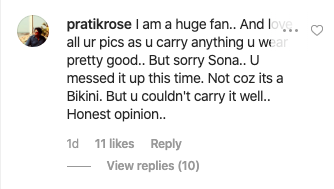
Similar comments were also posted on her Instagram post.

Comment on Sona Mohapatra’s Instagram post

Instagram user pratikrose likes to give honest opinion on bodies of women.

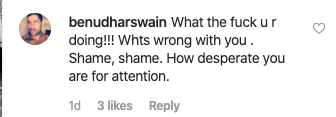
Comment on Sona Mohapatra’s Instagram post

Instagram user benudharswain thought Mohapatra posting her pictures are desperate cries for attention.

Comment on Sona Mohapatra’s Instagram post

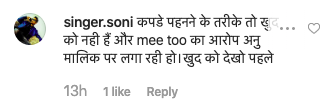
Similarly, one user singer.soni is of the opinion that because she posted a photo in bikini, how could she accuse musician Anu Malik of sexual harassment.

However, undeterred by the mind-numbing misogyny, Mohapatra lambasted the critiques by educating them on the concept of ‘consent’ and how clothes or lack of them does not justify anyone attacking a woman.


She also added that people should dispel any belief of she being an intense, thinking, serious, loving & therefore shackled only by khadi or fully-covered clothes. “Your Sanskari’pan or idea of ‘worthy woman’ is not mine, no apologies from me therefore,” she tweeted.

In 2018, while the MeToo campaign took the country by storm, Singer Sona Mohapatra had levelled serious allegations of harassment against the popular music director Anu Malik. Mohapatra had alleged that Malik called her “Maal” in front of her husband Ram Sampath and would giver her random calls at uncordial hours and talk incessantly about random things. Mohapatra also alleged that one Sunam Sridhar had to leave the country after facing continuous harassment from Malik.

Contestants of first women’s bodybuilding competition in Bangladesh asked cover up bodies to respect religious sentiments

0

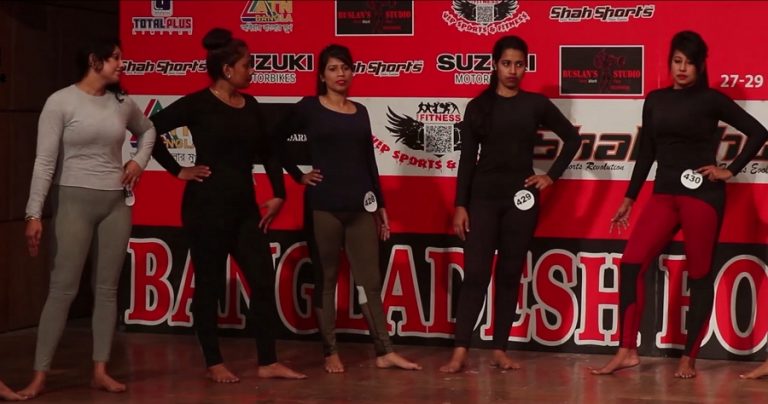
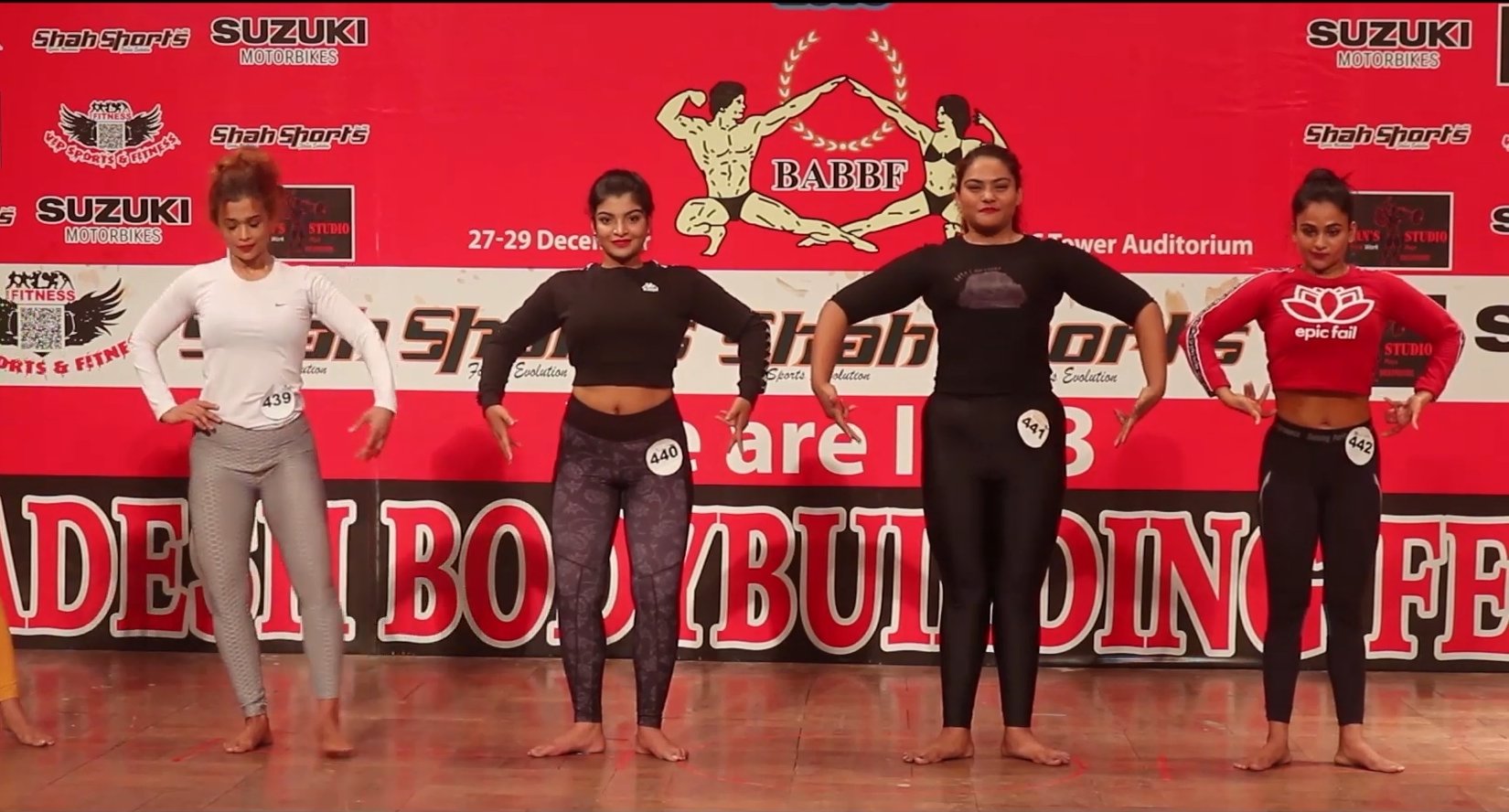
In the first women’s bodybuilding competition held in Bangladesh, women contestants were seen with most of their muscles covered to avoid any untoward controversy in the conservative Muslim nation of Bangladesh.

While wearing bikinis at such events is the usual norm at such international events to show the muscles, which is the sole criteria to select the winners, the Bangladeshi contestants wore body-hugging attires and tight leggings during the three-day event in Dhaka that concluded on Sunday.

One of the participants, Awhona Rahman, 29, expressed her happiness over the completion of the event. “We were already informed that there would be proper attire and the outfit provided was in line keeping with the Bangladeshi sentiments. It never occurred to me that I might be subjected to criticism for showing my body. My brother runs a fitness centre and he encouraged me to participate in this contest,” she said.

Nazrul Islam, the Bangladesh Bodybuilding Federation general secretary claimed that the response to the landmark women’s competition which has been aimed to encourage health and fitness among the women in the country has been phenomenal.

“We were very particular about the dress code because of our religious and social culture. We selected long sleeve crop tops and leggings for the girls,” he said.

Islam further added that the success of the event would help in creating jobs for women in a large number of gymnasiums where women now have memberships.

An overwhelming majority of Bangladesh is adherent of Islam which has a primordial set of rules ordained for women. Pursuant to such conservatism, the Bangladesh Bodybuilding Federation kept a modest dress-code for the women participants in a country where they are often forced to remain under the veil. The women in Bangladesh are now breaking the proverbial glass ceiling and having a growing impact in sports such as cricket, football and archery. The bodybuilding federation, however, does not want to impede this growth by courting needless controversy.

‘Original Shiv Sainiks’ ignored to accommodate Independent candidates: Shiv Sena mouthpiece Saamana on Maharashtra cabinet expansion

0

Shiv Sena mouthpiece Saamana has published an article alleging that the Maharashtra cabinet expansion has caused discontent among the party ranks who lost on the ministerial berths to accommodate the Independent legislators from Sena quota.

Validating the dissatisfaction brewing among some members of the Shiv Sena, the Saamana editorial asserted that “Original Shiv Sainiks lost ministerial berth due to induction of three independent legislators through Sena quota”.

The executive editor of Saamana is firebrand politician Sanjay Raut, who is considered as a chief architect of the alliance stitched up between the Shiv Sena, Congress and the NCP. He was reportedly unhappy with the Maharashtra cabinet expansion over the exclusion of his brother, Vikhroli MLA Sunil Raut, in the cabinet and did not attend Monday’s swearing-in function at Vidhan Bhawan.

A total of 36 ministers sworn-in as ministers in the Maharashtra cabinet expansion. Other prominent leaders who are included in the cabinet are- Ajit Pawar, Dhananjay Munde, Anil Deshmukh, Hassan Mushrif, Ashok Chavan, Jitendra Awhad, and Amit Deshmukh.

In the editorial piece that was published on Tuesday, the Shiv Sena mouthpiece said that former ministers Diwakar Raote, Ramdas Kadam, Tanaji Sawant, Deepak Kesarkar and Ravindra Waikar were denied a second chance to the ministerial berths in the cabinet to include three independents-Bachhu Kadu, Shankarao Gadhak and Rajendra Yedravkar.

According to the sources, Ramdas Kadam, who was a minister in the previous BJP-Sena government, is currently mulling on tendering his resignation after he was denied a ministerial berth in the cabinet.

Though the editorial piece clarified that the ministerial positions in the cabinet were decided based on the number of legislators each party had in the state assembly, it stated that the party’s sole legislator from Kolhapur, Prakash Abitkar, lost the position in the cabinet because of the party’s commitment to offering independent legislators positions in the cabinet from its share of seats.

The rumblings against the Maharashtra cabinet expansion is gradually gathering steam as Sena’s 5-time MP Bhavna Gawli from Yavatmal-Washim (Vidarbha) openly expressed her displeasure over the selection of Sanjay Rathod as a cabinet minister. According to her, more deserving candidates from the region have been ignored by the party. “The party should have included either Sanjay Raimulkar or Gopi Kishan Bajoria in the cabinet from Vidarbha West instead of Sanjay Rathod. All of us, including MP Prataprao Jadhav, submitted a written memorandum to party chief Uddhavji Thackeray. However, the party inducted him against our wishes and we are not happy with it,” Gawli said.

Phasing out single use plastics: Ban or eliminate? Need for alternative solutions to address multiple concerns

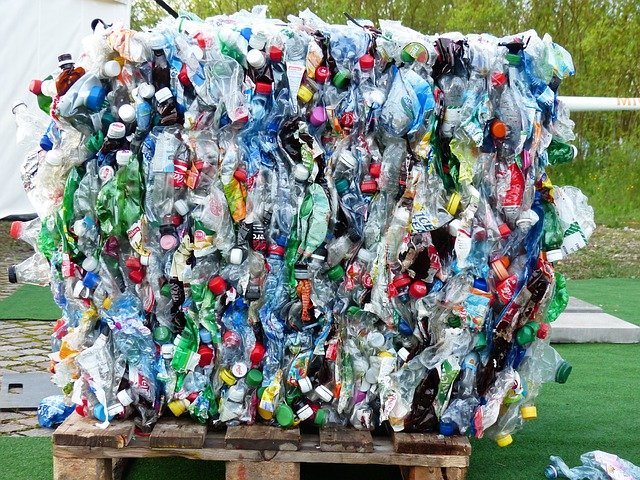
Since the time Prime Minister of India, Narendra Modi, announced on 2 October 2019 to phase out Single-Use Plastics (SUPs) by 2022, there has been much speculation as well as deliberations across industries. The main reason for the worry on an outright ban on SUPs is escalating economic costs and job losses for people involved in the sector. According to one estimate, a complete elimination of SUPs would result in the unemployment of 4.5 lakhs people engaged in the sector and 10000 units will be on the verge of closure. Therefore, concerned industries have urged the government to issue clear guidelines on phasing out SUPs by 2022. Given the multiple concerns emanating from SUPs, here are some of the steps need to be undertaken by the government to address them.

SUPs: Ban or Elimination?

According to the United Nations, any plastic made out from polymers of High Density Polyethylene (HDPE), Low Density Polyethylene (LDPE), Polyethylene Terephthalate (PET), Polystyrene (PS), Polycarbonate, Polypropylene (PP), and Expanded Polystyrene (EPS) is SUPs. In simple language, SUPs refer to those plastics which are used in disposable packaging such as bottles, grocery bags, plates, cutlery, and straws. The main reason resulting in a worldwide campaign for its elimination is plastic pollution caused by the unprecedented large volume of plastic waste that is being generated every day. According to a report by the United Nations Environment Programme (UNEP) more than 60 countries have introduced bans and levies to curb SUPs waste. It also estimated that one to 5 trillion plastic bags are consumed worldwide each year. Five trillion is almost 10 million plastic bags per minute.

Most of the plastic waste of the world is generated in Asia. In India, there are an estimated 50,000 plastic manufacturing units in the country. On an annual basis, India produces about 15 million tonnes of plastic waste. Out of this about only one-fourth is recycled on account of lack of proper functioning waste management system. The remaining plastic is either burnt leading to air pollution or end up in landfills or leads to clogging of drains/sewers. About 43 per cent of India’s plastic is used in packaging and most of it are SUPs.

Considering the pervasive use of SUPs and the concerns associated with it, one of the major challenges is to whether to ban or eliminate it?

Finding Alternative Solutions

To address the growing concerns, the Indian government has undertaken certain initiatives offering pragmatic solutions. In the most recent times, the Indian government banned non-compostable plastic bags below 50 microns under its Plastic Waste Management Rules in 2016. Additionally, several states and cities have also passed local regulations, ranging from stricter regulations to total bans.

Through available technology the government has started using plastic to build roads capable of withstanding future monsoon damage, and at the same time facilitated to solve the problem of disposal of non-recyclable plastic. Reiterating the use of SUPs, the World Economic Forum (WEF) has supported the construction of such roads for greater durability against extreme weather conditions, cost effectiveness and pothole resistance. Given that one kilometer of road can be made with one tonne of plastics, India has constructed more than one lakh kilometers of roads using plastic waste in atleast 11 states, including, Maharashtra, Madhya Pradesh and Tamil Nadu among others.

In addition, a growing number of governments at the state and local levels has been taking actions to address the challenge of SUPs through imposition of bans or introduction of regulations. Several states such as Himachal Pradesh, Karnataka, Haryana, Maharashtra, Punjab, Kerala, Sikkim, Delhi and West Bengal, to mention a few, have introduced bans on manufacturing, production, distribution, use and storage of plastic carry bags and other single use plastic materials. However, there are wide variations in such bans across states.

Roadmap for Addressing Multiple Concerns

Taking the environmental impacts into consideration, imposing a ban on SUPs, combined with adoption of better waste management models like the segregation of wastes or proper division of wastes, can go a long way in achieving the targeted goals in different parts of the country. As has been already mentioned, cumulative actions by different states can help sensitize masses and go a long way in formulating deliverable action-plans and drive innovation at the national level. However, there is a need to build on these best practices from across states by assessing the effectiveness of such bans and levies to develop a set of standard and uniform regulation that can be applicable across the country.

Considering the negative impact of an immediate all-out ban on SUPs for both industries and employment, both short term and long-term solutions needs to be considered in India. As such, a step-wise plan to deal with the challenge of SUPs would be more meaningful. In this direction, the government must engage a broad range of stakeholders in the decision-making process to address major concerns of industries such as the financial losses as well as job losses. During the gradual phase-out period, an organized system for management of plastic waste, with stricter regulations, needs to be established to prevent widespread littering. In doing so, the government needs to further improve waste management practices, including separation of degradable and non-degradable waste as well as their proper disposal. In order to develop alternative materials to replace SUPs, the government must also consider providing financial support for more research and development. Considering the amount of environmental problems created by SUPs, there is an urgent need to address the multiple issues at hand and translate the commitment in a timely manner.