Home Blog Page 2725

TMC leader Saket Gokhale compares Shraddha Walkar’s murder to the Bilkis Bano case to win political brownie points

On Thursday morning Trinamool Congress (TMC) leader Saket Gokhale who is also under scanner for his involvement in an alleged crowdfunding scam made a bizarre comparison between the horrific Shraddha Walkar murder case that sent shockwaves across the country with the 2002 Bilkis Bano case. 

“Think of the brutality that monster Aftab Poonawalla committed. Now, remember: the convicts in the Bilkis Bano case committed the SAME brutality when they raped her & killed her family (including a 2-year-old baby). These monsters were released by Modi govt. on “leniency”. WHY?” Gokhale tweeted. 

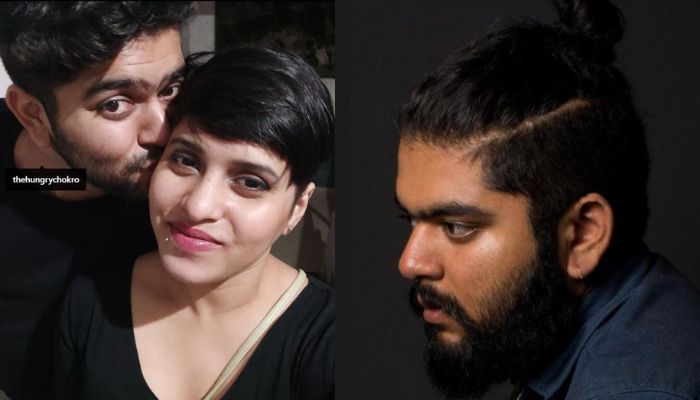
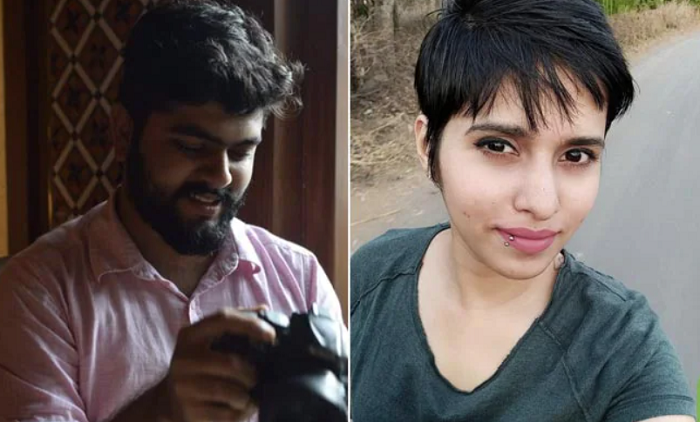
Notably, Aftab Amin Poonawala killed his live-in partner Shraddha Walkar on May 18, chopped her body into 35 pieces, and disposed of them in 18 different locations. Aftab told police that he and Shraddha got into an argument, and he strangulated her. Later, he chopped her dead body into 35 pieces. He brought a new fridge to store the pieces. Aftab left his apartment with one piece of the dead body wrapped in plastic daily and disposed of it off in a forest area. Reportedly, the accused stayed in the same room where he had murdered Shraddha and used to look at her that he had chopped off and kept in the refrigerator. 

In the Bilkis Bano gangrape case, Bilkis Bano who was 21 years old and five months pregnant when she was gang-raped while fleeing the Godhra train burning incident. Her three-year-old daughter was one of the seven people killed. The case was handed over to the CBI, and the trial was moved to a Maharashtra court by the Supreme Court.

On January 21, 2008, a special CBI court in Mumbai sentenced the 11 to life imprisonment on charges of gang-raping Bilkis Bano and murdering seven members of her family. The Bombay High Court and the Supreme Court later upheld their convictions. On August 15, the 11 men convicted in the case were released from the Godhra jail under the Gujarat government’s remission policy.

While Bilkis Bano rape case is horrifying, comparing it to Shraddha Walkar murder case is an insult to both the women. To say how both women underwent same atrocity undermines what both women went through individually. Walkar was strangled and her body then chopped off and parts preserved in refrigerator and disposed of over days in jungle in Delhi. As of now there is no report of sexual assault committed on her. Bano, on the other hand, has been a victim of rape, has witnessed murder of her own child in front of her eyes. Bano has also lived her trauma for past 20 years as a survivor. To compare both the brutalities and draw parallels is horrifying and an injustice to both the women. This pitting one atrocity against another is an unfortunate comparison and a disservice for the women who deserve justice.

Karnataka: 108 members of Bajrang Dal submit PIL in HC, seek Jamia Masjid erected on the site of a Hanuman temple be vacated

On Wednesday, November 17, members of the Bajrang Dal in Karnataka filed a petition with the High Court, requesting that the Jamia Masjid in Srirangapatna, Mandya district, be vacated. The members of the Hindu outfit have alleged that there are proofs that the mosque was once a Hindu temple.

The PIL stated, “There are traces of Hindu gods and temple structure in the Jamia Mosque of historical Srirangapatna town in Mandya district. Hence, the mosque should be vacated immediately and also, Hindu devotees should be allowed to take bath in the Kalyani (sacred water body) located in the premises of the mosque.”

Bajrang Dal activists have also asked that the mosque be resurveyed along the lines of the disputed structure of Gyanvapi mosque, which stands on top of the original Kashi Vishwanath temple.

According to reports, the PIL was filed by 108 Hanuman devotees including the State president of Bajrang Sene, B Manjunath. Speaking about the decision, B Manjunath said, “108 is an auspicious number for Hindus, which is why we are filing that many petitions.”

He added that the Bajrang Dal activists have also provided evidence of the Mysore Gazetteer, the presence of Hindu architecture in the mosque and inscriptions on Hindu idols, the sacred water body located in the premises of the mosque, and references of British officers to the court to substantiate claims that the Jamia Masjid in Srirangapatna was erected on the site of a Hanuman temple during Tipu Sultan’s reign.

Activists claim Jamia Masjid built on Hanuman Temple, seek permission to worship inside the mosque

Notably, in May this year, some activists petitioned the Deputy Commissioner of Mandya for permission to worship the Anjaneya idol in the Jamia Masjid in Srirangapatna, Karnataka. According to the proponents, the structure was previously a temple that had been converted into a mosque. They asked that they be allowed to do pooja in the mosque.

The Narendra Modi Vichar Manch had claimed the Jamia Masjid in Srirangapatna was erected on the site of a Hanuman temple during Tipu Sultan’s reign. CT Manjunath, Manch state secretary, was part of the group that met with the deputy commissioner of Mandya district on Saturday and presented a memorandum allowing Hindus to perform pooja inside the Jamia Masjid, popularly known as Masjid-i-Ala.

The mosque is located within the Srirangapatna Fort, which was erected under the Vijayanagar Empire and afterwards taken over by Tipu Sultan. He constructed the mosque near his palace. The mosque was constructed in the early 1780s and is now a historic monument managed by the Archaeological Survey of India (ASI). It also operates a madrassa.

The Hindu outfit’s demands related to the Jamia Masjid in Srirangapatna gained traction and momentum after a Shivling was reportedly unearthed inside the wuzukhana of the Gyanvapi mosque during the court-ordered survey of the disputed structure adjacent to the Kashi Vishwanath temple in Varanasi. After the Shivling was found during the survey, Civil Judge (Senior Division) Ravi Kumar Diwakar ordered the disputed Gyanvapi building to be sealed.

On the day Aftab murdered Shraddha, they were fighting over household expenses: How Aftab was caught in his own lies during interrogation

0

On Thursday, the Delhi Police investigating the Shraddha Walkar murder case revealed that accused Aftab who murdered his live-in partner and then chopped her into 35 pieces had fought with her over household expenses. Aftab and Shraddha from Maharashtra had been living in a rented apartment in Delhi.

The duo shifted to Delhi on May 15, three days before Aftab strangled the woman to death. The Police indicated that the duo was not in a healthy relationship and used to fight a lot. On May 18 also, the duo engaged in a fight over who’d pay for household expenses that led to Aftab murdering Shraddha in a very brutal manner.

Aftab confessed to the Delhi Police during interrogation that they had shifted from Mumbai to Delhi and had stayed in a hotel initially. Then the duo rented an apartment and soon engaged in a quarrel over shifting the household material from Mumbai to Delhi and also over maintaining the household expenses in Delhi. Aftab said that this was not the first time that they had engaged in a fight and that they had been fighting frequently over several other issues.

The Police also confirmed that the accused murdered the woman between 8 pm to 10 pm and chopped her body into 35 pieces. He later stored the severed body parts in a refrigerator and disposed of the pieces in Delhi’s Mehrauli forest over the next 18 days. As reported earlier, the accused had kept Shraddha’s dead body in the same apartment after the murder until the next day when he especially bought a knife and refrigerator to chop and cold store her body parts.

Delhi Police caught Aftab lying during interrogation

Aftab made all possible attempts to make Shraddha’s friends and relatives believe that she was fine, active, and alive after he murdered the woman. He paid all her credit card dues and also engaged in fake conversations with her friends through Instagram for a month or two. Later, Shraddha’s father and her friends began searching for her after they failed to get social media updates from her account.

Shraddha’s father also lodged a missing report after which the Delhi Police began an investigation in the case. Initially, accused Aftab tried to mislead the police investigation as he said that Shraddha had left the apartment on May 22 after they had a massive fight. He also said that she had just taken her cell phone with her and that all her other belongings were still at the apartment.

According to the Police, the accused Aftab was speaking lies and that itself helped the Delhi Police to crack down on the six-month-old murder case. Aftab was called for interrogation on October 26 during which he reiterated that Shraddha had left the apartment on May 22. It was later discovered that she had been murdered 4 days ago.

Based on Aftab’s interrogation, the Delhi Police tracked Shraddha’s phone location and found out that her phone was in the Mehrauli area of Delhi where the duo had rented an apartment to stay together. The Police also discovered that Rs 54,000 had been transferred from Shraddha Walkar’s account to Aftab Poonawala’s bank account using the banking app on her phone between May 22 and 26. This raised concerns because the accused had told the cops that he hadn’t spoken to her since she departed on May 22.

He was detained again earlier this month after he informed the authorities that he had made the bank transactions because he knew her passwords. He also said that he’d been paying her credit card bills, so bank authorities wouldn’t go to her Mumbai house. The Police detained him and asked one crucial question which exposed the accused- “If she had left him on May 22, how was her phone location still in Mehrauli?” Aftab Poonawala then broke down and narrated the entire story.

Shraddha Walkar murder case

On November 14, the Delhi Police solved the six-month-old murder case of Shraddha Walkar and arrested Aftab Poonawala for murdering her, and then chopping her into 35 pieces to dispose of her body. Aftab executed the murder on May 18 and stored her body parts in the refrigerator. He then disposed of the body pieces in Delhi’s Mehrauli forest during the next 18 days.

The accused was arrested based on the complaint filed by Shraddha’s father on November 10. He stated in the complaint that the accused and the deceased had rented an apartment in Delhi and were staying in an unhealthy live-in relationship, which was also abusive. He said that he had always opposed their relationship as Aftab is a Muslim.

The girl, a resident of Palghar was adamant about continuing her relationship with accused Aftab and shifted to Delhi with him. Three days after they shifted to Delhi, they engaged in a quarrel and Aftab happened to kill Shraddha. He confessed his crime on November 14 and stated that they used to fight a lot. He said that he murdered Shraddha on May 18 as she was forcing him to get married to her.

The accused has been arrested and a case under IPC section 302 (murder) and 201 (causing disappearance of evidence of an offense committed) have been registered. Further investigations into the case are underway.

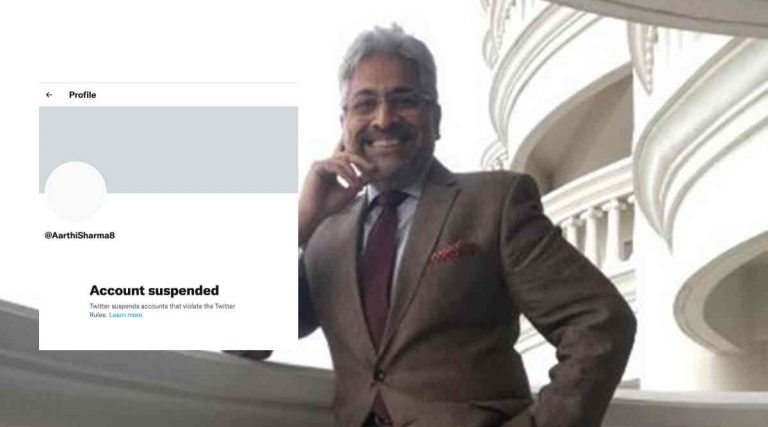
Twitter account ‘Aarthi Sharma’, the ‘Tek Fog whistleblower’ for The Wire stories, stands suspended

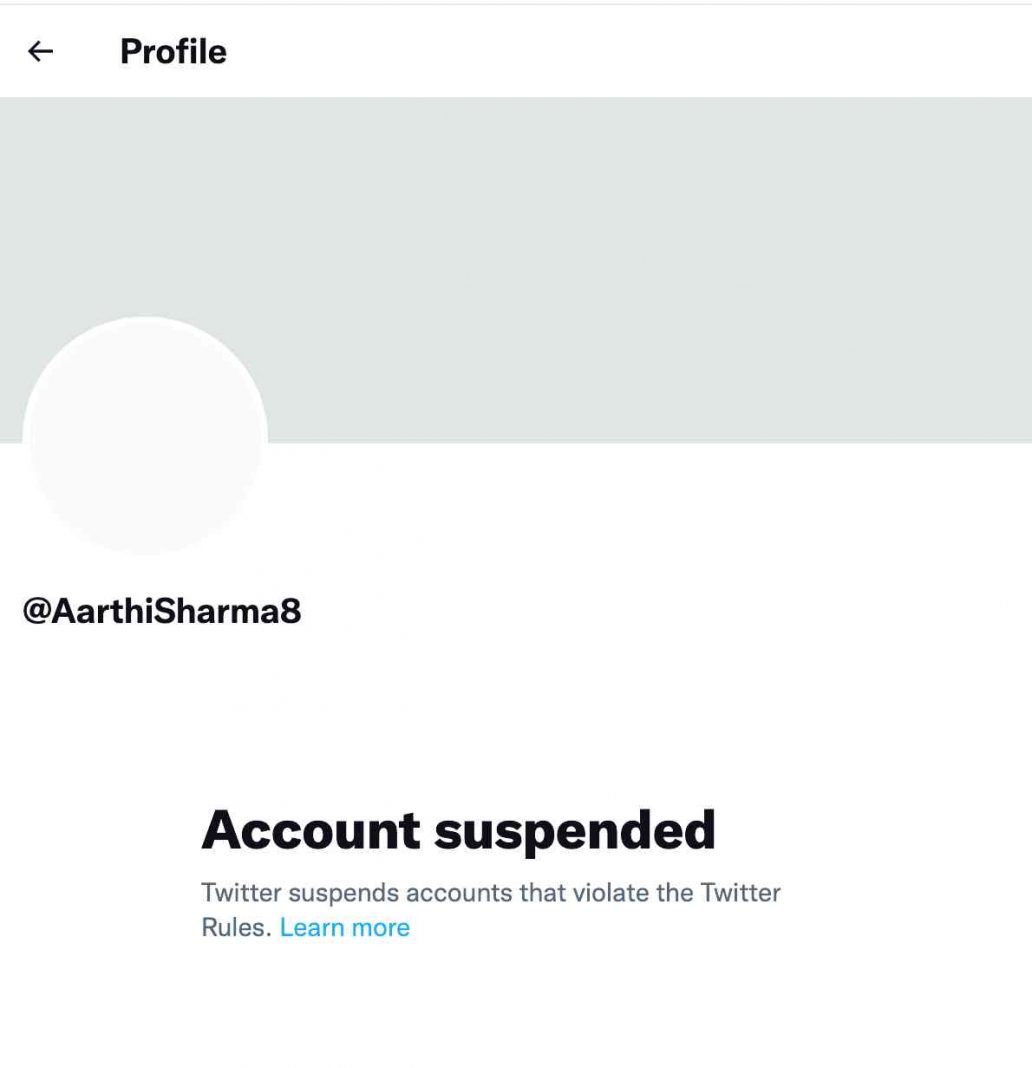
‘Aarthi Sharma’ Twitter account who formed the basis of ’20 month long investigation’ carried out by The Wire to conjure up ‘Tek Fog’ the super app with incredible powers which it claimed was created by the BJP to harass women and political opponents now stands suspended.

Aarthi Sharma Twitter account suspended

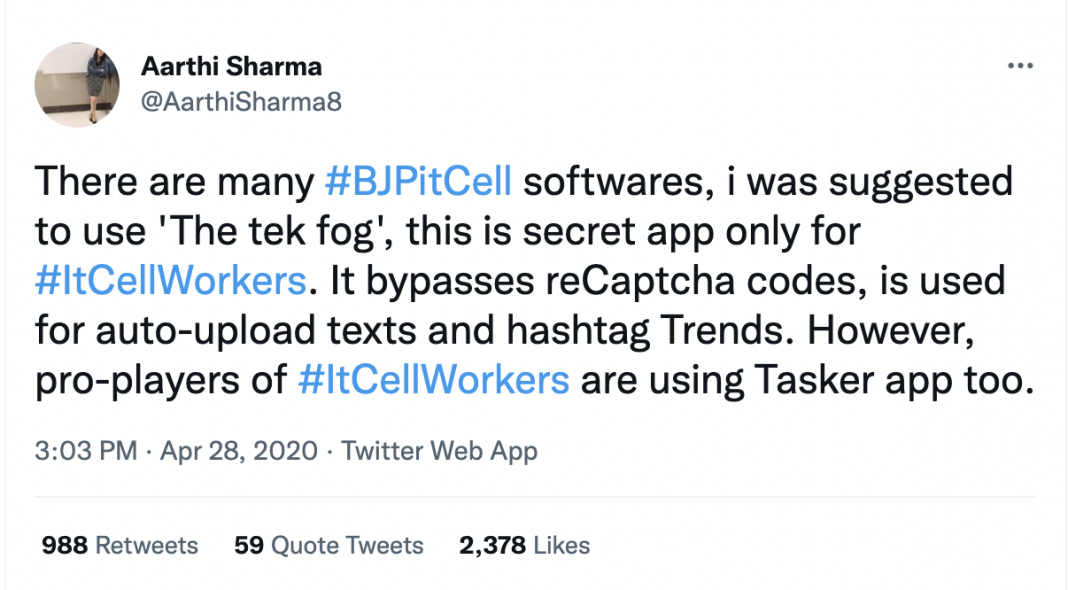
‘Aarthi Sharma’ Twitter account was created in April 2020 at the beginning of COVID pandemic where the user claimed they were disgruntled BJP IT Cell worker and were paid ‘Rs 2’ per tweet to harass women journalists and other political opponents. This ‘Aarthi Sharma’ was also the one to first and only time mention ‘Tek Fog’, a super app it accused the BJP of having created to harass women and journalists.

‘Aarthi Sharma’s Tek Fog app tweet

The obscure account was created in April 2022 and had only 121 tweets till July 31, 2020 when it became inactive. It was inactive till now when it suddenly got ‘suspended’. On April 24, 2020, ‘Aarthi Sharma’ invoked BJP IT Cel head Amit Malviya as an ‘all powerful individual’.

Aarthi Sharma’s tweet on Amit Malviya

‘Aarthi Sharma’ was now officially the BJP whistleblower. When she invoked ‘Tek Fog’, many journalists had reached out to the account for more details, but the account never shared anything publicly.

In January 2022, The Wire published first of its two-part series on ‘Tek Fog’, the mysterious app first talked about by ‘Aarthi Sharma’. The Wire even credited ‘Aarthi Sharma’ as being a whistleblower and claimed they interacted with this individual for over a year and a half to gather all evidences against the BJP IT Cell and Malviya.

The entire article was based on the ‘proofs’ provided by ‘Aarthi Sharma’ but ‘Aarthi Sharma’ did not give any access to ‘Tek Fog’ to The Wire writers, Devesh Kumar and Ayushman Kaul. Even back then, the BJP denied having employed either any ‘Aarthi Sharma’ or existence of ‘Tek Fog’.

The Wire report claimed that the Tek Fog app is linked to ShareChat, but ShareChat has denied any link with the purported app. In a response from the company added to the report later, Sharechat said that they are not aware of the Tek Fog app. ShareChat had repeatedly denied being part of any such nexus as claimed in The Wire report.

Based on the claims of Aarthi Sharma, The Wire started ‘investigation’ and claimed that they obtained some information from some a source they didn’t reveal. But if one reads the report, it can be found that Wire published the claims despite the fact that they could not verify the claims, and they just blindly reported what their ‘source’ gave them. You can read in detail our analysis on the absurdities of The Wire here.

The team that was involved in the ‘Tek Fog’ expose, comprising of Ayushman Kaul and Devesh Kumar, was also associated with the Meta story published by The Wire which eventually turned out to be based on completely fabricated documents. In Meta story, The Wire had accused BJP’s Amit Malviya of having super powers conferred by Meta, Facebook’s parent company, of getting any post removed at will within seconds. Doubling down on allegations, The Wire had rejected Meta’s clarification that the source documents they based their story on were fabricated. The articles were later taken down when those ‘experts’ who were used by The Wire to claim their sources were authentic, said that they did not made the claims The Wire had attributed to them.

Following the Meta controversy, The Wire also took down its Tek Fog articles and their videos from YouTube where they had made these fantastical claims. Till now, The Wire has not apologised to those it had wrongly accused of being vindictive and evil. Devang Dave, accused by The Wire as being brains behind the Tek Fog has decided to take legal action against the publishers.

Meanwhile, turns out the profile picture used by ‘Aarthi Sharma’ was of another girl who currently lives in Australia. The image was used without her consent. Ironically, the Twitter account that was being hailed as ‘whistleblower’ for ‘BJP harasses women journalists’ used a profile picture of another woman without her consent. So much for ethics, really.

Now, the ‘source’ on whose basis The Wire had written the entire Tek Fog fake news has had their account ‘suspended’ on Twitter.

West Bengal: TMC MLA tells party workers to ensure that illegal Bangladeshi immigrants supporting TMC are placed on the voters’ list

A Trinamool Congress (TMC) MLA has stoked controversy by urging party workers to make sure that only those Bangladeshi immigrants who support the ruling TMC in West Bengal shall be placed on the voters’ list. 

Notably, like other states of the country, West Bengal is also revising the draft electoral roll.

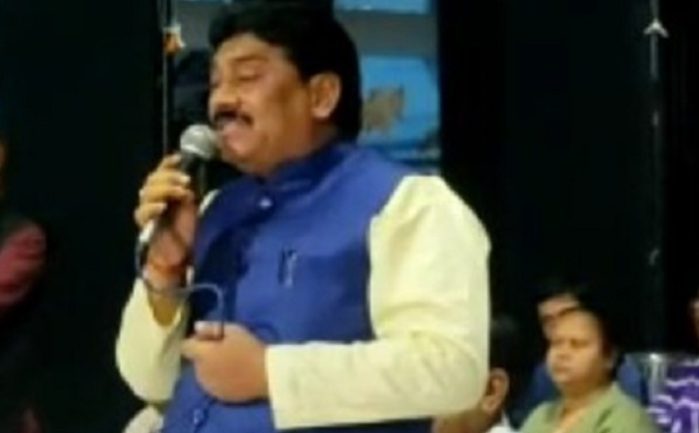
In a purported video that is doing rounds on social media, TMC leader and Bardhaman Dakshin MLA Khokan Das can be heard saying, “Many new people are coming, they all are from Bangladesh. Many of them vote for BJP due to their Hindu sentiments. Make sure that only those who support our party get placed on the voters’ list.”

The TMC MLA on Tuesday (November 15) was addressing a public gathering in Bardhaman when he made these comments. 

When questioned about his controversial comments, the TMC MLA told the media, “Illegal Bangladeshi immigrants are making their way into our area every day. My message to TMC workers was to ensure that their names should not be on the voter’s list.” 

BJP’s Bardhaman district spokesperson Soumyaraj Mukhopadhyay reacting to the TMC MLA’s comments said that the MLA should inform the both Central and state government about the influx of illegal Bangladeshi immigrants instead of doing party politics. “That is why we will implement Citizenship Amendment Act (CAA),” he stated.

Citizenship Amendment Act (CAA)

The Citizenship Amendment Act is a law passed by the Indian Parliament that is directed toward providing citizenship rights to people who belong to persecuted minority religion groups in the neighbouring Islamic countries of Pakistan, Bangladesh, and Afghanistan. The Act also reduces the minimum term required to stay in India before applying for citizenship by naturalization to five years instead of 11 years. Thus, the law applies to Hindus, Jains, Buddhists, Sikhs, Zoroastrians, and Christians from the specified neighbouring Islamic countries.

This Amendment adds proviso in section 2, in sub-section (1), in clause (b) in the Citizenship Act, 1955. The Proviso reads as “Provided that any person belonging to Hindu, Sikh, Buddhist, Jain, Parsi or Christian community from Afghanistan, Bangladesh or Pakistan, who entered into India on or before the 31st day of December 2014 and who has been exempted by the Central Government by or under clause (c) of sub-section (2) of section 3 of the Passport (Entry into India) Act, 1920 or from the application of the provisions of the Foreigners Act, 1946 or any rule or order made thereunder, shall not be treated as an illegal migrant for the purposes of this Act.”

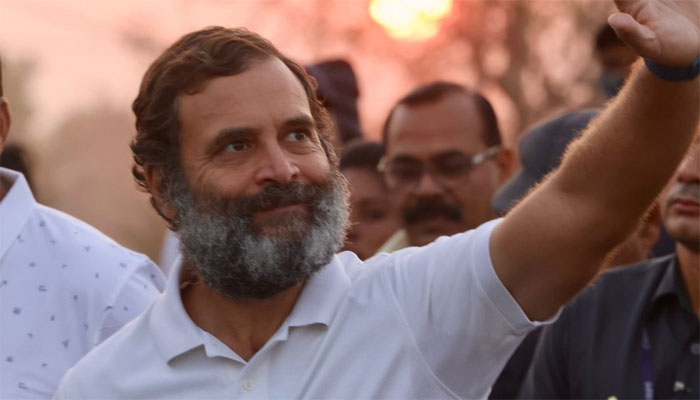
Watch: Nepal’s national anthem plays during Rahul Gandhi’s Bharat Jodo Yatra when he asks for ‘Rashtriya Geet’

On November 16, a shockingly funny incident happened during Rahul Gandhi’s Bharat Jodo Yatra when the Nepalese National Anthem was played instead of Indian National Anthem. Furthermore, Rahul Gandhi and other leaders on the stage kept calling it National Song while the National Anthem, ‘Jana Gana Mana,’ was supposed to be played.

The series of events that led to the goof-ups

On Wednesday evening, Rahul Gandhi reached Washim, Maharashtra, where he gave an almost 30-minute speech. Without going into details about what he said, after the speech, he announced that ‘Rashtriya Geet’ would be played, and the Congress leader managing the stage echoed him.

The music started, and everyone stood in position to sing along to the ‘Rashtriya Geet’. However, to everyone’s ‘shock’, the person responsible for playing the song played the Nepalese National Anthem. Everyone looked in the direction from where it was being played and signalled to stop it. They again asked to play ‘Rashtriya Geet’.

But the anthem that played was again ‘Sayun Thunga Phulka Hami’, the national anthem of Nepal.

Interestingly, while they repeatedly asked to play ‘Rashtriya Geet’ or the National Song ‘Vande Mataram’, it appears they actually meant to play ‘Rashtra Gaan’ or the National Anthem, that is ‘Jana Gana Mana’.

After a lot of confusion, and awkward fumbling, the person playing the songs finally started Jana Gana Mana, but turned out, instead of the first para that is India’s national anthem, they had played the full version of the Bharata Bhagya Bidhata song.

All over again, nervous supporters around Rahul Gandhi were seen asking the song to be stopped.

Difference between Rashtra Gaan and Rashtriya Geet

Rashtra Gaan, or the National Anthem, was originally composed as Bharata Bhagya Bidhata by Rabindranath Tagore. The song’s first stanza was adopted as the National Anthem on January 24, 1950, by the Constituent Assembly of India.

Bankim Chandra Chatterjee originally wrote Rashtriya Geet, or the National Song, in the 1870s. The first two stanzas of the song were adapted as the National Song in October 1937. It was adapted as the National Song of the Republic of India on the same day as National Anthem, i.e. on January 24, 1950. The first President of India, Rajendra Prasad, noted that Vande Mataram should be honoured equally with the National Anthem.

Assam: 42-year-old Hajarat Ali tried to rape a minor girl in her sleep, killed her after she started screaming

0

A man in Dhekiajuli in Assam has been arrested for the murder of a minor girl. The man identified as 42-year-old Hajarat Ali killed the 14-year-old girl after failing in his attempt to rape her in her sleep. The girl was studying in high school in the area.

The girl was found dead in her bed on Tuesday morning in her house at Bhakuamari in Alisinga under the Dhekiajuli police station in Sonitpur district. Only she and her father were living in the house during this time, as the rest of the family was not present. The father and the daughter went to bed after dinner on Monday night. On Tuesday, the father went to a nearby mosque for namaz at around 4 AM in the morning.

When he returned home after namaz, he was shocked to discover that his daughter was lying dead in her bed. The police were informed immediately. A team of police led by ASP Madhurima Das and the forensic team visited the crime scene after the complaint was received, and snipper dogs were deployed.

While the Forensic team collected evidence, the snipper dog pointed towards Hajarat Ali who lives in the same neighbourhood. During questioning, police found the behaviour of Hajarat Ali suspicious. Therefore, he was taken to the police station for further questioning on the same day. During this interrogation, Hajarat Ali ultimately confessed that he killed the girl.

He said that he entered the house taking the advantage of her being alone with the intention to rape her. But while attempting the same, the girl woke up and started screaming. In fear of getting caught, he strangulated her, leading to her death.

The Officer-in-Charge of the Dhekiajuli Police Station said, “The girl was sleeping at her house in Bhakuamari village. Hajarat Ali, taking advantage of the absence of the other family members, entered the house, and attempted to rape the girl. When she woke up, and started screaming, out of fear Ali strangled her to death.”

Following this confession, police arrested Hajarat Ali.

The accused repeated the confession in front of media. He said, ‘I went there to do a bad deed, but she screamed, and therefore I strangled her neck.’ When asked why he attempted to rape a minor girl despite being her neighbour, he said that he has committed a grave mistake. He said that incident happened at around 5.30 am in the morning.

The body of the girl has been sent to Tezpur Medical College and Hospital for post-mortem, which will be video recorded.

Delhi Police has major hurdles to cross in Shraddha murder case, Aftab’s confession and Narco test not enough: Read

The Shraddha Murder case has shaken the nation to the core. The details of how Shraddha Walkar was brutally murdered and chopped into 35 pieces by her boyfriend Aftab Amin Poonawala are gruesome to the core. Aftab is currently in Delhi Police’s custody and the court has permitted them to get his narco test done. Though the confession of Aftab already exists, the Delhi Police’s job is far from complete.

The foremost challenge before the Delhi Police is to collect evidence in a murder case that took place more than six months ago. The evidence collected by the police will be a determining factor in earning a conviction in a court of law.

On November 15, Delhi Police went to Mehrauli forests with Aftab to collect evidence. During interrogation, he informed the police that after killing Shraddha on May 18, 2022, he chopped the dead body into 35 pieces and threw them one by one in the forest. It took him around 18 days to complete the task. Reportedly, the police have recovered at least 10 body parts from the forest. However, it is yet to confirm if any of those belong to Shraddha or not. Forensic tests and DNA tests are being conducted to confirm the identify the parts recovered in the forest.

Murder cases have a history of vanishing from the headlines and we often do not learn if the accused managed to get relief from the court. One of the biggest reasons behind the accused getting relief is the lack of evidence. If the police fail to collect sufficient evidence, the accused person’s counsel may use it to get relief from the court. OpIndia talked to former police officials and lawyers to understand the challenges that Delhi Police faces in the Shraddha murder case.

Narco test is not a valid evidence

Supreme Court lawyer Ajay Gautam, while speaking to OpIndia, said that the narco test is conducted by the police to confirm the facts related to the crimes. However, it does not hold a stand in court. He said in many cases the criminals have escaped tests like Narco and Lie Detector in the past using their physical ability. However, he believes that even if he successfully evades the narco test, there is no guarantee that the court will consider him innocent. Citing the infamous Nithari case, he said the Narco test did not yield any favourable results but the sentence was pronounced based on other evidence.

Electronic evidence and evidence collected from the spot are important

Speaking to OpIndia, Retired Delhi Police ACP Ved Bhushan said Aftab continued to run his social media accounts and Shraddha’s accounts after murdering her. It is also proof of the crime. There will be a DNA test conducted on the remains of the dead body. If it matches the victim’s father’s DNA, it will become crucial evidence. He further added apart from evidence found at Aftab’s house, his phone call details will also provide important information in the case. Furthermore, CCTV footage and evidence collected from the place where he brought the fridge and saw are also important.

A single strain of hair can become the last nail in the coffin

Ajay Gautam added that the punishment is almost certain in the case even if a strain of hair belonging to Shraddha is recovered. He said though Aftab has wiped out the evidence from the crime scene, the forensics will find some evidence. He also emphasised the importance of DNA tests in the case.

Rarest of the rare cases

Former ACP Ved Bhushan called the case the rarest of rare. He said there were cases like Naina Sahni Tandoor Case, Nithari Case, Sheena Bora and others that were not common crimes. Similarly, this case will be considered the rarest of rare cases and it will be an aspect of the hearing.

What if the weapon used in the crime is not found

According to Advocate Ajay Gautam, if the police fail to recover the weapon, the saw, used in the crime to cut Shraddha’s body into pieces, it will not make any difference. He said before awarding the punishment, the court will look into the motive of the murder. Regular arguments, instances of beating the victim and relationships with other girls are some of the aspects that would add to the motive of the crime allegedly committed by Aftab. Furthermore, he used Shraddha’s social media handles and bank accounts which will help prove him guilty.

Speaking to OpIndia, Retired Deputy SP of Uttar Pradesh Police Vivekanand Tiwari said that when the weapon used in the crime is not recovered, the police have to present a strong and satisfactory reason for the same in the court.

The absence of eyewitnesses

Jai Gautam said there is a possibility that Aftab’s counsel may put up an argument that no eyewitness is present in the case. However, giving the example of rape cases, he said that such arguments will not hold any base in the court. Furthermore, technical evidence is also important in such cases.

Circumstantial evidence holds the upper hand compared to eyewitness

Speaking to OpIndia, for DSP of UP Police Avinash Gautam said the circumstantial evidence is more effective than eyewitness testimony. He said the location of Shraddha’s mobile continued to be at Aftab’s flat after her death, proving they were in contact and lived together.

90 days obligation

Former DSP Vivekanand Tiwari of UP Police added that in such cases, the police must submit the charge sheet within 90 days. If it does not happen, it will be considered a big failure of the police and in such cases, the accused may get released on a bail bond, he added.

‘Dude, I have news’: Shraddha’s message to her friend on the day she was murdered

0

One after the other, shocking details in the Shraddha Walkar murder case are emerging.  On the day Shraddha Walkar was murdered by her Muslim live-in partner Aftab Amin Poonawala, that is May 18, her phone sent a text message to her friend on Instagram. 

In a chat from the day she was murdered, Shraddha texted her friend, “Dude, I’ve got the news. I got super busy with something,” Republic reported. 

In reply to her message, Shraddha’s friend asked, “What’s the news.” Shraddha, however, did not reply. On September 24, her friend dropped a message again asking Shraddha’s whereabouts. “Where the hell are you? Are you safe,” she asked.

The question here remains unanswered as to what was the ‘news’ Shraddha wanted to share with her friend.

As per the Republic’s report, another friend of Shraddha inquired about Shraddha’s whereabouts and also tried to call Aftab but got no response.

During questioning by the police Aftab told the police that he kept Shraddha’s Instagram account updated till June after killing her, he did so in his attempt “to preempt doubts about her well-being and keep her alive in the eyes of her family and friends.”

Notably, on Wednesday (November 16), the family of accused Aftab Amin Poonawala fled to an unknown location. The reports about the same were confirmed by the Manikpur Police (Palghar).

The police said that Aftab’s family has moved to an unknown location without informing the police. ”When the Manikpur police took Aftab’s statement after summoning him to Vasai, his family moved to an unknown location. Aftab’s family is also not in contact with Manikpur police,” the police said.

Police suspect that the parents of Aftab knew about his deeds. “That’s why they shifted in haste without informing the police. The accused’s family moved only after the first summons issued by the Manikpur police,” ANI reported quoting sources. 

Meanwhile, Delhi Police has collected DNA samples of victim Shraddha Walkar’s father, Vikas Madan Walker. The motive behind taking the DNA samples of Shraddha’s father as Delhi Police said is “to match the blood sample of the dumped body parts of Shraddha.”

The DNA sample of Shraddha’s father has been sent to the forensic lab to determine whether the bones recovered from the forest were of Shraddha or those of an animal.

Shraddha’s father has demanded a probe into the ‘Love Jihad’ angle and the death penalty for the accused perpetrator.

Notably,  Aftab Amin Poonawala had tried to dupe Delhi and Mumbai Police during the initial phase of the investigation. Aftab attempted to cover up the murder of Shraddha by removing all material evidence; however, he somehow left digital evidence, which the police used to ascertain the truth of the case and expose the lies told by Aftab. 

The police obtained the bank statement of both Shraddha and Aftab, which showed a transaction of Rs 54,000 from Shraddha’s net banking account app to Aftab’s account on May 26. The said transaction exposed Aftab’s lies, in which he previously stated that Shraddha was unreachable after May 22 and that he was not in contact with her.

Upon tracing, the location of the May 26 bank transaction turned out to be the Mehrauli police station area, which made police question Aftab if Shraddha took her phone while leaving, and how can its location be traced to his flat. To this Aftab had no answer, and ultimately he confessed to his crime after further questioning by police.

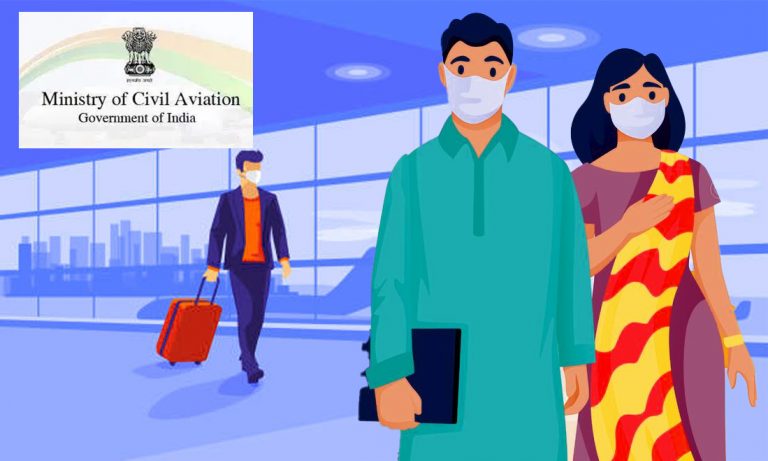
Mask no more mandatory on domestic and international flights, but preferable: Civil Aviation Ministry

On Wednesday, the civil aviation ministry stated that the use of face masks is no more mandatory for passengers travelling by air, as the incidents of Covid-19 infections have been going down in the country. The ministry has also removed the provision of imposing fines or penalties for not wearing masks during a flight. However, the ministry advised the travellers to wear them preferably as a precautionary measure.

Till now, the usage of face masks is mandatory during flying, a rule implemented in May 2020 as per guidelines issued to combat the pandemic. The ministry stated in a statement to scheduled airlines that the newest decision was made in accordance with the government’s strategy of a graded approach to COVID-19 management response. The decision was taken in consultation with the union ministry of health and family welfare.

“The in-flight announcements henceforth may only mention that in view of the threat posed by COVID-19, all passengers should preferably use mask/face covers,” the statement read.

It further said that any particular reference to fines or penalties should not be included in the in-flight announcements. According to the most recent official data, the total number of active coronavirus cases in the country accounted for just 0.02 percent of overall infections, and the recovery rate improved to 98.79 percent.

The number of persons who have recovered from the COVID disease has risen to 4,41,28,580 and the case fatality rate has been recorded at 1.19 percent.