Microblogging site Twitter, which has locked horns with the Indian government over the new IT rules, has now appointed Vinay Prakash as the Resident Grievance Officer.
Twitter Grievance Officer
Twitter, on Thursday, had informed Delhi High Court that it will need eight weeks to appoint chief compliance officer. Vinay Prakash, Twitter’s Resident Grievance Officer in India, can be contacted on the email id: [email protected].
Twitter had previously appointed Dharmendra Chatur as its interim resident grievance officer for India as required by the IT rules. However, Chatur stepped down last month.
Twitter vs Indian Government
Tech giant Twitter and the Indian government have been fighting a bitter battle over the recently passed IT Rules that made it mandatory for the social media platforms to have compliance officers residing in India so that the concerns can be addressed quickly. Twitter has been accused of abusing its position for long and acting against the laws that have irked the Indian government multiple times.
Despite multiple warnings and notices, Twitter had failed to comply with the new IT rules. As a result, it lost its legal protection as an intermediary in India. Several cases have been filed against the company in different states over the content posted on the platform.
It is notable here that other tech companies like Facebook and Google had already complied with the new IT rule.
On Wednesday (July 7), as many as 60 Hindus were mass converted to Islam in the Sindh province of Pakistan.
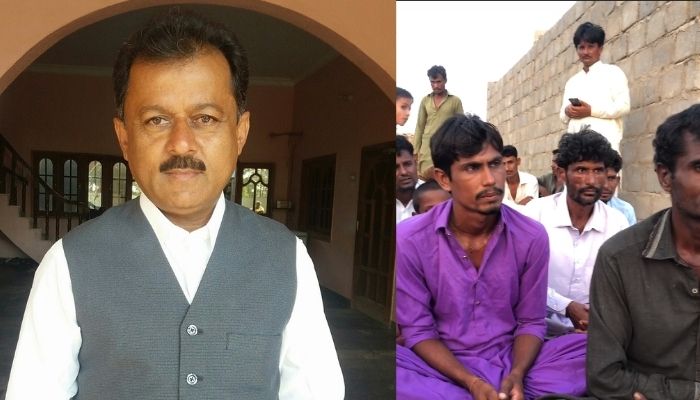
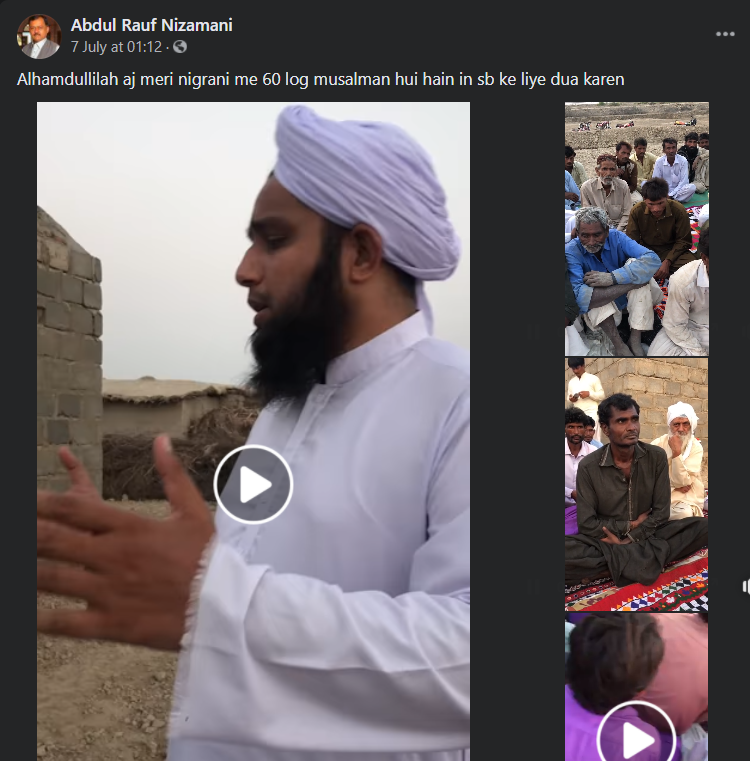
A man, identified as one Abdul Rauf Nizamani, has been the facilitator of the mass conversion process. In a Facebook post, the accused rejoiced, “Alhamdullilah aj meri nigrani me 60 log musalman hui hain inke liye dua karen (Today, 60 people accepted Islam under my watch. Please pray for them.”
Screengrab of the visuals from the mass conversion
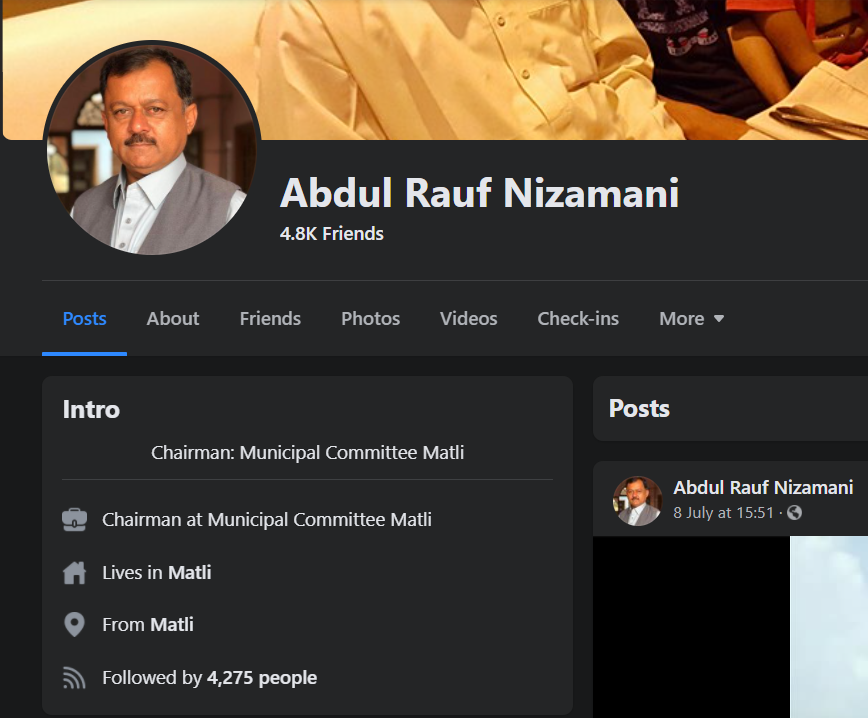
According to the Facebook profile of Abdul Rauf Nizamani, he is the Chairman of the Municipal Committee in Matli in Sindh of Pakistan. The accused boasts of a whopping 4,275 followers on his personal profile.
Screengrab of the Facebook profile of the accused.
In a video posted by him, an Islamic cleric could be seen making the 60-odd Hindus chant Kalma (Islamic oath of allegiance) and ensuring their full-fledged conversion.
Video courtesy: Youtube/OpIndia
In a subsequent video, the said Islamic cleric could be seen claiming that it was their recitation of the first-ever Namaz. “The only objective in the life of a Muslim is to make Allah happy. Only then, the purpose of your life will be fulfilled. Only the lives of those, approved by Allah, move forward,” the cleric could be seen speaking to the new converts.
13-year-old Hindu girl abducted, forcefully converted to Islam
Sindh province in Pakistan has been the hotbed of forced religious conversion.
Earlier in March, a 13-year-old Hindu girl named Kavita Oad from Kandhkot area of Sindh was reportedly abducted and then forcibly converted to Islam. A video of the incident went viral online and was shared by Pakistani journalist Naila Inayat on Twitter.
In the video, the minor girl was seen sitting on the ground with a mob surrounding her and conducting the conversion ceremony. According to Inayat, the conversion ceremony was facilitated by notorious cleric Mian Mithoo of the Bharchundi mosque. Mithoo is a hardline cleric and politician and is notorious for systematically carrying out kidnappings and forced conversions of poor Hindu girls.
As per the information shared by Sukhdev Hemnani, Vice-President of Pakistan Peoples Party (PPP) on Twitter, informed that he was following up the case with local officials. He said that the documents had proved that the girl was just 13 and he was getting the help of lawyers to file a case in court.
The Uttar Pradesh government, led by Yogi Adityanath, is earning huge praises worldwide for its effective management of Covid-19. The measures taken by Chief Minister Yogi Adityanath to effectively curb the second wave of coronavirus in Uttar Pradesh, the most populous state of the country with a population of over 24 crores, have become a benchmark for the rest of the world in terms of effectively handling the Chinese pandemic.
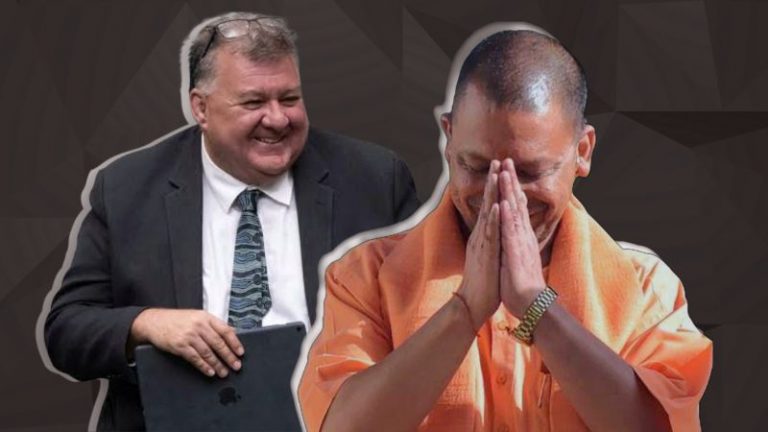
Craig Kelly, an Australian Member of Parliament, taking notice of the success of the Uttar Pradesh government in containing the pandemic, lauded the effective leadership of Chief Minister Yogi Adityanath in crushing the wave.
In his tweet, the Australian MP praised the Uttar Pradesh model saying that the state administration effectively provided ‘Ivermectin’ – an oral treatment normally used to treat lice and other parasitic infections, to save the lives of its critical Covid-19 patients. In fact, the Australian MP went on to show his admiration for the Uttar Pradesh model of Covid-19 management, asking Chief Minister Yogi Adityanath to take over leadership in Australia so that he can release Ivermectin and sort out the mess that state premiers in Australia have created.
The Indian state of Uttar Pradesh ????????
Any chance they could loan us their Chief Minister Yogi Adityanath to release the Ivermectin sort out the mess our hopelessly incompetent State Premiers have created  https://t.co/H6xUwUe8GU
During the second wave of the pandemic, the Uttar Pradesh government had said that it was the first state to introduce a large-scale “prophylactic and therapeutic” use of Ivermectin. Furthermore, the UP government had added that the drug helped the state maintain a lower fatality and positivity rate than other states.
The state Health Department had introduced Ivermectin as a preventive measure for people who came in contact with Covid patients, health workers, and the treatment of the patients themselves. With such pro-active measures, both in the first wave and second wave of the pandemic, Uttar Pradesh emerged as the most successful state in the entire country to effectively curb the Chinese pandemic.
Recognising the same, the Australian MP Craig Kelly hailed the pre-emptive steps taken by Yogi Adiyanath and his administration in his tweet, symbolically asking Yogi Adityanath to take the administration in Australia.
Australia has had little over 31,000 total coronavirus cases of which about 589 are estimated to be active cases. 910 people have lost their lives to the pandemic.
Uttar Pradesh model gets praise from Australian MP
However, interestingly, this is not the first time that MP Kelly has shown his admiration towards the Uttar Pradesh government over its ability to handle the pandemic despite such a massive population.
A few weeks back, Craig Kelly had lauded the UP Model of Covid management, referring to the effective leadership of Chief Minister Yogi Adityanath in “crushing the curve”.
Indian state of Uttar Pradesh Pop : 230 million Smashed ‘scary’ Delta variant with ?Ivermectin Today’s new daily cases : 182
UK ?? Pop : 67 million Rejected ?Ivermectin, worshipped the ? Today’s new daily cases : 20,479
The Australian federal independent Member of Parliament, Craig Kelly, had praised the state of Uttar Pradesh for successfully “smashing” the “scary” Delta variant of novel coronavirus through his novel interventions. He said that Uttar Pradesh, with a population of 23 crores, curbed the second wave of Covid-19 through the use of Ivermectin. In contrast, the United Kingdom, with a population of just 6.7 crores, rejected the usage of Ivermectin.
Kelly put out data to prove why the usage of Ivermectin was a productive way to curb the pandemic. According to Kelly, Uttar Pradesh used Ivermectin effectively and reported just 182 cases on June 30, while the United Kingdom had reported nearly 20,500 cases, suggesting that with the usage of Ivermectin, the Uttar Pradesh government had kept the fresh infections in check.
A few months before that, Craig Kelly, one of the firsts to analyse the success of the Uttar Pradesh model of Covid-19 management, had expressed his disappointment over the media’s reluctance to tell the truth about Uttar Pradesh’s story of handling the Covid-19 pandemic.
The Indian State of Uttar Pradesh is crushing covid – but the world’s media and W.H.O refuse to tell the truth of how they are doing it. https://t.co/5UFZBDZ6xn
In his tweet, Kelly had said, “The Indian State of Uttar Pradesh is crushing covid – but the world’s media and W.H.O refuse to tell the truth of how they are doing it”.
The success of the UP Covid-19 model is attributed to not only the effective leadership of Chief Minister Yogi Adityanath but also the timely intervention of health authorities to detect, trace and isolate the Covid-19 patients, and providing required health care and treatment to the patients, especially in the rural populace. Uttar Pradesh model has also won laurels from several expert bodies such as World Health Organisation (WHO) and NITI Aayog, who have asked other states to replicate the mechanism.
Uttar Pradesh Model – Test, Trace and Treatment
One of the major reasons for Uttar Pradesh’s success in handling the pandemic is its leadership. The Uttar Pradesh Chief Minister Yogi Adityanath seems to be determined to fight the Covid-19 pandemic in the state, and the dedicated, multi-pronged approach of the Uttar Pradesh government to tackle the epidemic has yielded exemplary results in the state.
Chief Minister Yogi Adityanath, who is himself is on the front lines, have ensured that the government has created enough medical facilities to overcome the crisis. Yogi Aditayanath, who recently recovered from Covid-19, is personally visiting hospitals and villages to review the healthcare facilities and passing necessary orders.
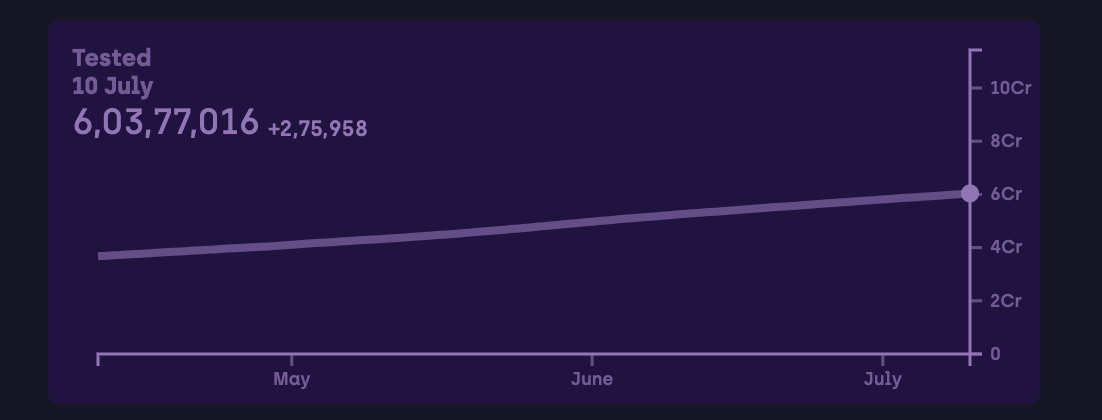
The Uttar Pradesh government has followed the ‘3T’ formula of tracing, testing and treatment aggressively to tackle the rise in cases in both urban and rural areas. As a result, Uttar Pradesh also became the first state in the country to carry out as many as 3 lakhs Covid tests in a single day. The Uttar Pradesh government has conducted more than 6.05 crore tests since the start of the pandemic, which is the highest in the country.
Testing data of Uttar Pradesh/ Image Source: Covid19India.org
Aggressive testing has been the mainstay of UP’s Covid-19 combat strategy. As per data from the Indian Council of Medical Research (ICMR), Uttar Pradesh accounts for almost 14% of the total tests done in the country.
Uttar Pradesh govt anticipated the second wave, created infrastructure to tackle the pandemic
In anticipation of the second wave, the Chief Minister had instructed officials to be prepared, and arrangements were made to continue aggressive testing to identify hotspots at the earliest. Based on tracing and testing, micro-containment zones were set up to nip the problem in the bud.
Interestingly, despite aggressive testing, Uttar Pradesh has recorded a low number of fresh cases compared to any other state.
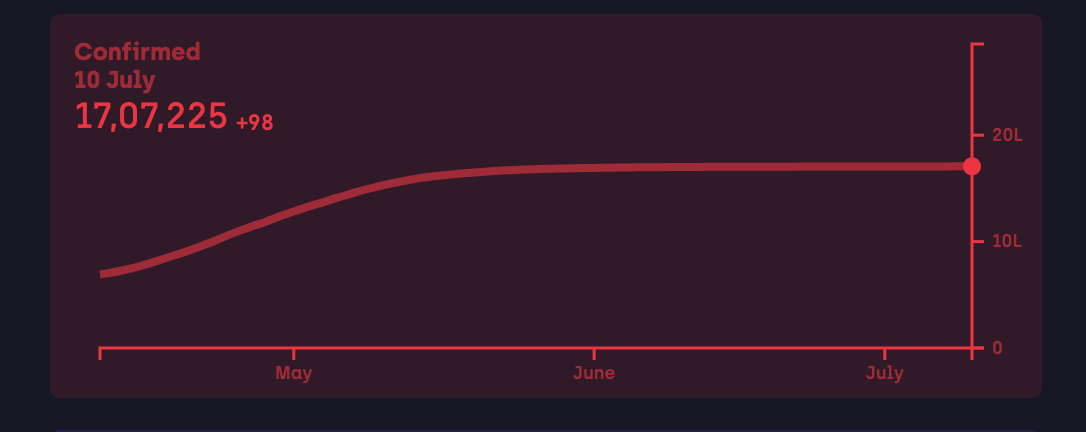
Uttar Pradesh has seen only a marginal increase in the cases in the second wave. On Saturday, Uttar Pradesh recorded just 98 new cases taking took the overall tally to 17,07,225 cases. It is important to note that UP is the country’s most populous state, with more than 24 crore people living in 75 districts.
Image Source: Covid19India.org
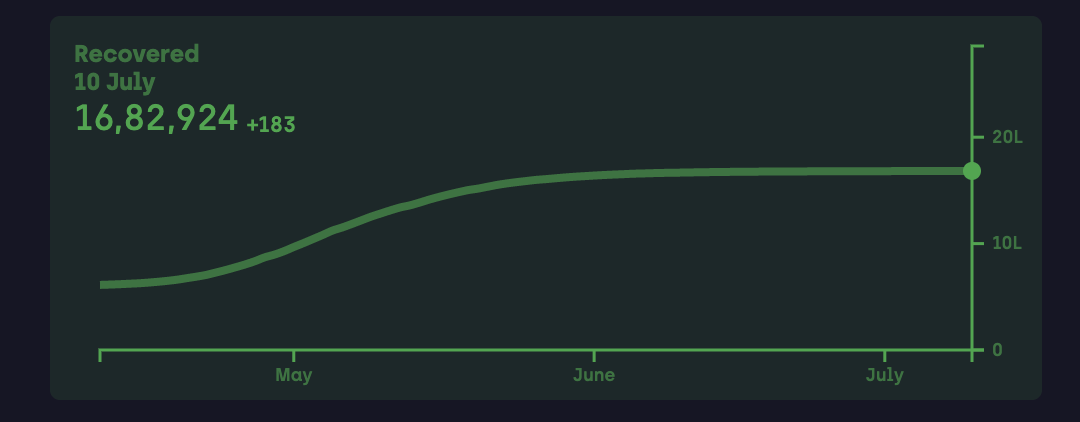
Considering its huge population, the fresh cases recorded in the state is one of the lowest in the country. More than 16,82,924 patients have recovered in the past 24 hours.
Image Source: Covid19India.org
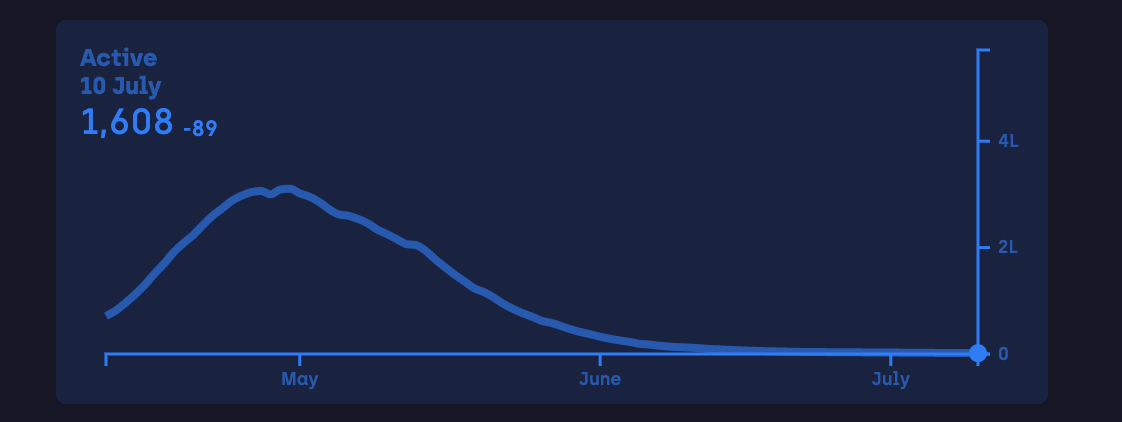
The state is now left with under 2,000 active cases. Only 1,608 active cases in Uttar Pradesh till Saturday, of which the majority of them are under home isolation.
Image Source: Covid19India.org
The intervention by the state government has led to faster recoveries, outnumbering fresh cases in the last nearly three weeks, and the case positivity rate has dropped to 0.002 per cent. The positivity rate was around 19 per cent during the peak. The successful strategy of Uttar Pradesh to trace, test and treat, followed by efficient lockdown, have helped in flattening the Covid curve in the state.
In addition, the government is also providing free ration to nearly 15 crore people of the state and Rs 1,000 as financial aid to lakhs of daily wage earners whose livelihoods have been hit by the pandemic. Besides, the government is also providing free Covid vaccines to all.
Recently, UP CM Yogi Adityanath had instructed his state administration to be prepared for a third wave of the pandemic and ramp up the health infrastructure including constructing oxygen plants.
It is no wonder that the world has started to notice the success of Uttar Pradesh in handling the Chinese pandemic.
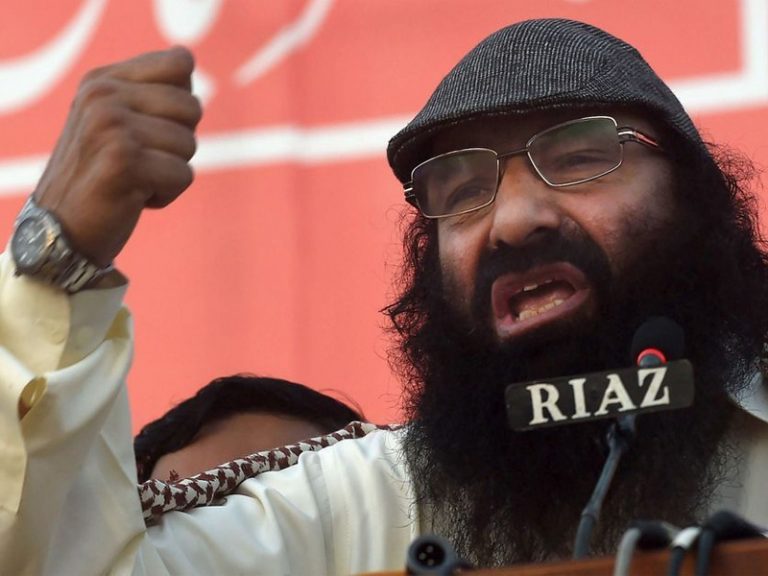
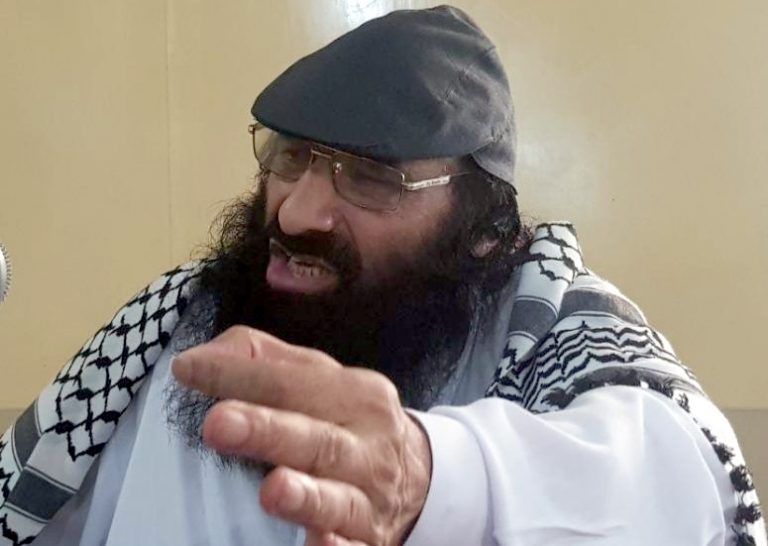
On July 10, the Jammu and Kashmir administration dismissed eleven of its employees for alleged links to terrorist organisations. The list included Syed Shakeel Yousuf and Sayed Shahid Yousuf, who are sons of terror organisation Hizbul Mujahideen’s chief Syed Salahuddin. The dismissed employees were working in different departments and institutes, including Jammu and Kashmir Police, Sher-I-Kashmir Institute of Medical Sciences (SKIMS), education, skill development, agriculture and power and health.
11 J&K govt employees sacked for terror links includes two teachers from Anantnag found involved in anti-national activities and two police constables who supported provided inside information to the terrorists: Sources
One of Hizbul’s chief’s sons was employed at SKIMS, and the other was working for the education department. As per the officials, National Investigation Agency (NIA) had tracked terror funding links to the two brothers. They were also involved in raising, recovering, collecting and transferring funds via non-banking transactions for their father’s terrorist activities. Notably, in June 2018, NIA had arrested Syed Shahid, and in August 2018, Syed Shakeel was arrested for receiving funding.
Sons of most wanted terrorist and founder of the terror outfit, Hizbul Mujahideen founder Syed Salahudin among those dismissed from service by J&K govt. Sons, Syed Ahmad Shakeel and Shahid Yousuf were also involved in terror funding: Sources
Most of the Salahuddin children have been appointed on government jobs allegedly via backdoor channels. Interestingly, most of the appointments took place when Mufti Mohammad Sayeed was heading the state. One of the sons of terror chief Syed Salahuddin, Abdul Wahid, holds an MBBS degree. Initially, he had got admission to a private medical college but was later migrated to Government Medical College, which was a violation of the rules. Another son, Syed Majid Yousuf, is working at Entrepreneurship Development Institute (EDI) and was allegedly appointed using the backdoor channels.
The other nine who were dismissed included four from Anantnag, three from Bugan and one from Baramulla, Srinagar, Kupwara and Pulwama. All eleven were dismissed as per the provisions provided under Article 311 of the constitution. Those who have been sacked can only seek relief from the High Court. According to Article 311 that provides protection to civil servants from dismissal without inquiry, there is a provision where if the President or the Governor is satisfied that the dismissal is in the interest of the security of the State, there is no need to hold such inquiry.
Out of the 11 employees dismissed, 4 are from Anantnag, 3 from Budgam, 1 each from Baramulla, Srinagar, Pulwama and Kupwara. Out of these, 4 were working in the Education Dept, 2 in J&K Police & 1 each in Agriculture, Skill Development, Power, SKIMS and Health depts: Sources
Hindustan Times quoted officials saying, “The designated committee in the Union territory, which scrutinises such cases, in its third and fourth meeting, recommended the dismissal of three and eight employees, respectively, from government service.” They added that one of the eleven was found to be an On Ground Worker for Lashkar-e-Taiba, while the other two were found to be involved in anti-national activities, including participating, supporting and propagating the secessionist ideology of the Jamat-Islami (JeI) and Dukhtaran-e-Millat (DeM). The two constables who have been dismissed were allegedly providing logistic support and confidential information to the terrorist organisations.
One constable, identified as Abdul Rashid Shigan, had executed attacks on security forces and currently lodged in jail. Another employee identified as Naaz Mohammad Allaie had links to terrorist organisations. He also provided space to two terrorists at his residence. Two employees of the education department, identified as Jabbar Ahmad Paray and Nisar Ahmad Tantray, were providing support to terrorist organisations for spreading the secessionist agenda and were Jamat-e-Islami ideologists.
One inspector of the power department identified as Shaheen Ahmad Lone was detained after he was found travelling with two terrorists on the Srinagar-Jammu National Highway and carrying arms, ammunition and explosives in January 2020.
P.S. Sarith, an accused in the Kerala gold smuggling case who is imprisoned in the Central Prison in Thiruvananthapuram, has alleged that he is being tortured in the jail by cops and forced to name BJP and Congress leaders in the case. He made the allegations during his deposition before a special NIA court in Kochi on Saturday.
After his statement before the court, the NIA court ordered the Kerala Police chief Anil Kant to ensure that Sarith is not ill-treated in the prison. Sarith told the court that three officials including the jail superintendent are tormenting him by not allowing him to even sleep and waking him up in the middle of the night. He repeated the same to the journalists after the hearing in the court.
He P.S. Sarith said that the cops are forcing him to name prominent leaders of the Bharatiya Janata Party and the Congress in the case. He alleged that three policemen, including the Poojappura Central Prison Superintendent, are constantly torturing him in the jail.
On the other hand, the jail superintendent has submitted a counter allegation that Sarith and another accused Ramees KT are not following prison rules. He told the NIA special court that Rameez was found using illegal substances in his cell on July 5.
Reacting to the statements made by Sarith before the court, Kerala BJP president K. Surendran said that it is unacceptable the way things are happening with the knowledge of Chief Minister Pinarayi Vijayan, who is engaged in heinous acts against the Congress and the BJP leaders in the gold smuggling case.
After the allegations made by the accused, the Customs department is considering if the accused in the case can be shifted to a jail outside the state.
Sarith is a former employee of the UAE Consulate in UAE, and it is alleged that he was smuggling gold using the diplomatic baggage of the consulate. Another former Consulate staff Swapna Suresh and her associate Sandip Nair are also arrested by the NIA in connection with the high-profile case.
Verified accounts of journalists on Twitter, which have been hacked, are being used to hack more Twitter accounts through phishing attacks. These verified accounts pretend to be members of the Twitter Support team, and tricks Twitter users to reveal their login credentials by threatening to suspend their account. Many people have been victims of this attack, while several others have received the messages but ignored them.
On Saturday, Tenzing Lamsang, the editor of The Bhutanese, informed that there was a phishing attack on his Twitter account just after he had provided his Twitter login credentials to some in a Twitter Support team through Direct Messaging (DM). He said that he received an alert that there was a suspicious attempt to log in to his Twitter account by someone in Mumbai.
Tenzing informed that he had received a DM from a Twitter account named @pencilpusher24 informing that there has been a copyright violation, and he needs to take action to resolve the issue. The message said, “Copyright infringement was detected in one of the tweets on your account. If you think copyright infringement is wrong, you need to provide feedback. Otherwise, your account will be suspended within 48 hours. You can give feedback at the link below. Thank you for your understanding.”
The strangest thing. I got a notification that somebody from Mumbai tried to login or hack into my account a few minutes ago.
Coincidently, Tenzing Lamsang had used a poster of a movie of Dilip Kumar in a condolence message he had posted after the demise of the veteran actor. Therefore, he assumed that the poster had triggered the copyright issue, and believed the message to be genuine. He had even deleted that tweet. The message contained a link to page, which asked for the Twitter username and Password, where the journalist provided his Login Credentials.
He said that the user @pencilpusher24 told him that this was the only way to prevent his account from being suspended. And within minutes of providing the details, the hacking attempt took place. However, due to security features of Twitter, he got an alert as the login attempt was flagged as suspicious.
After that he found out that he was a victim of a phishing attack. Several people pointed out that the login page was fake, as it was a Google Sites page. Google Sites is a free page creation tool, where the attacker had perhaps used Google Forms to mimic the Twitter login page. Any login page for Twitter will be on the Twitter website, not a third-party free site like Google Sites.
Many others also received this same warning message with the link, but they didn’t enter their Twitter login details. This included columnist Harini Calamur, entrepreneur and political commentator Tehseen Poonawalla, IAS officer turned politician Shah Faesal and others.
— Tehseen Poonawalla Official ?? (@tehseenp) July 10, 2021
@TwitterSupport I have got this DM from @pencilpusher24 asking for my feedback on some copy right violations. It is asking for my log in password. Is this real?
All these messages came from @pencilpusher24, a verified Twitter account that is protected. This account belongs to Gaurav Sarkar, a journalist with Mid-Day. He has informed that his account has been hacked and the same is used for the phishing attempts.
After hacking the account, the account name was changed to ‘Support Team’, however it has been changed again and now it only has a dot. The hacker has hacked accounts of several others too, and used those accounts to send the same direct message to other Twitter users in an attempt to get the login credentials.
Hello @TwitterIndia,accounts of 2 journalists Gaurav Sarkar (@pencilpusher24) & Vivek Gupta (@imvivekgupta) have also been hacked. The hacker is sending DMs to others & trying to hack othr accounts. @TwitterSupport plz deactivate these 2 handles & restore them with original users
The account of Hindustan Times Journalist Vijay Kumar Yadav was also hacked, and similar messages were sent from the account. The account was restored later today. Yadav informed that the account of News18 journalist Vivek Gupta also has been hacked, this account is also protected now.
Even though several persons have informed Twitter about the incident, the accounts of Gaurav Sarkar and Vivek Gupta still remains protected, which means they are still in the control of the hackers.
In a major step taken towards crippling the terror link-funding activities in the valley, the Jammu and Kashmir administration has sacked the two sons of terror outfit Hizbul Mujahideen chief Syed Salahuddin, from their government jobs. The termination of the duo came along with that of 9 other government employees, including two cops, with links to terror funding and other terror support activities. According to officials, the decision was taken in the interest of the nation as per the Constitutional Provision.
Reports mention that the designated committee in Union Territory of Jammu and Kashmir, responsible for scrutinizing and recommending cases under Article 311(2)(c) of the Constitution, in its 2nd and 4th meeting, recommended 3 and 8 cases respectively, for their dismissal from the government service.
The two sons of the most-wanted terrorist and founder of the outfit Hizbul Mujahideen Syed Salahuddin, Syed Ahmad Shakeel and Shahid Yousuf were removed from their jobs after they were found to be involved in terror funding. The NIA had reportedly tracked terror funding trails of both sons of Syed Salahuddin. The agency said that Syed Ahmad Shakeel and Shahid Yousuf were found to be involved in raising, receiving, collecting, and transferring funds through Hawala transactions for terror activities of Hizbul Mujahideen.
Syed Ahmad Shakeel, the second son of Mohammed Yusuf Shah alias Syed Salahuddin worked as a lab technician at the Sher-e-Kashmir Institute of Medical Sciences (SKIMS), Soura. Meanwhile, Shahid Yousuf, the elder son of the Hizbul chief, was working in the agriculture department of the Jammu and Kashmir government.
In 2015 the then RA&W chief claimed Farooq Abdullah had obliged Syed Salahuddin with the admission of his son in medicals
It is pertinent to note here, that in 2015, the then RA&W chief AS Dulat had claimed that the Hizbul chief Syed Salahuddin had called up an IB officer in Srinagar to secure a medical seat for his son. He also claimed that the then CM of Jammu and Kashmir, Farooq Abdullah had obliged him. Dulat’s claims were, however, refuted by Mohammed Yusuf Shah, who had in an interview to Hindustan Times said: “Dulat’s allegations are distortions of the true story floated to malign my father’s image” He had claimed that he had ranked 92 in the merit list and that neither his father called up anyone nor his family members met former chief minister Farooq Abdullah ever for his college admission.
Sons of Hizbul chief Syed Salahuddin arrested by NIA in 2018
For the uninitiated, in 2018, NIA had arrested Syed Shakeel Ahmad Shah from his residence at Rambagh in Srinagar, for his involvement in a terror funding case. This move had come 10 months after NIA arrested his younger brother, Syed Shahid Yousuf in the same case.
9 others sacked from their government jobs
Besides the two sons of the Hizbul chief, the Jammu and Kashmir authorities sacked another government employee with terror links, Naaz Muhammad Allaie, an Orderly of the Health Department was found to be the over-ground worker of Hizbul Mujahideen and said to be having a history of direct involvement in terrorist activities. Naaz was reportedly also harbouring two dreaded terrorists at his residence.
Moreover, two employees of the Education Department namely Jabbar Ahmad Paray and Nisar Ahmad Tantray, who were terror outfits Jamat-e-Islami and Dukhtaran-e-Millat ideologists, were also sacked.
Shaheen Ahmad Lone, an Inspector of the Power Department was also found involved in smuggling and transporting arms for the Hizbul Mujahideen. He was found travelling with two terrorists on Srinagar-Jammu National Highway carrying arms, ammunition and explosives in January last year. Shaheen Ahmad Lone was terminated from his job.
Two constables of Jammu Kashmir Police, who have supported terrorism from within the police department and provided inside information to the terrorists and also logistic support, were also terminated from their duties. According to sources, one constable, Abdul Rashid Shigan, had himself executed attacks on the security forces.
There is a lot of discussion around the draft population control bill proposed by the Law Commission in Uttar Pradesh. The draft, titled The Uttar Pradesh Population (Control, Stabilization and Welfare) Bill, 2021 contains numerous provisions to provide incentives for people to have only two children, or even more, for a single.
In a separate article, we have discussed the issues with the individual provisions of the draft. Here, we shall discuss the challenges to the implementation of the law and the extent to which it is likely to achieve its stated objectives.
Why most resistance is likely to come from the Muslim population
It can be said for certain that the draft if implemented into law will face severe challenges from a significant section of the population. And upon its announcement, it is pretty clear where the challenge will come from.
Zainab Sikander Siddiqui, Islamist apologist columnist for The Print, has said that the Uniform Civil Code and the population control bill is the basis on which BJP will try to win 2022. While she does not state it explicitly, the hints are clear that she believes the draft is directed at the Muslim community, since she if of the fervent disposition that every move of the party is directed against Muslims, even though that is clearly not the case.
Uniform Civil Code and Population Control Bill. The two talismans that will be used by BJP for winning Uttar Pradesh 2022.
— Zainab Sikander Siddiqui (@zainabsikander) July 10, 2021
Mohsin Raza, the MoS for Minority Welfare Muslim Waqf and Hajj in UP, also said, “If we have two children it is easier for us to make them doctors or engineers, but if we have 8, then there are possibilities that they will grow up to only become labourers or make punctures at the cycle shop.”
Studies have well documented the fact that Muslim women tend to have more children than their Hindu counterparts, all other factors considered. According to available data, the total fertility rate (TFR) of the Muslim community in Uttar Pradesh, that is the number of children per women, was 3.10 in 2015-16 and for Hindus, the number was 2.67. Thus, it is an observable fact that Muslims tend to have larger families.
Thus, it is likely to be face resistance the most from members of the Muslim community.
Challenges towards implementation
The biggest challenge towards implementation is the fact that people who believe it is their religious mandate to procreate will not be hindered by government disincentives towards the same. Thus, those who want to have more than two children will continue to have the same.
This mentality is more prevalent among the Muslim community as the religious sanction to procreate is sanctified by Islamic tenets and clerics. Therefore, the proposed draft if implemented will further tilt the scales of demographic balance towards them and give cause for demographic instability.
Moreover, the TFR among Muslims in Uttar Pradesh is on the decline as well. Under such circumstances, political action might instigate a fair section of them to turn more religious and have more children fueled not just by religious mandates but political cause as well.
It should not be considered beyond the realm of possibilities that having more children may become a symbol of political protest. Under such circumstances, the draft if turned into law will act counterintuitively against its intended purposes.
The same factors are unlikely to operate among the Hindu masses. Thus, it is very likely that the impact will be borne primarily by the Hindu community with birth rates plummeting faster than it currently is with the same remaining fairly stagnant for the Muslim community after opposing factors canceling themselves out.
If that is indeed the case, then the proposed draft might lead directly to demographic instability.
Will State Government leave those who have more children to suffer?
The proposed draft also envisions that those who have more than two children will not receive benefits of government welfare schemes. Thus, it means that the state government will have to deny welfare schemes to people who need them the most. The optics of it will be disastrous.
Every study indicates that poorer people have more children than wealthier sections of society. Thus, if state government denies them welfare, then they will have to suffer the brunt of media propaganda against them and it is really extremely difficult to defend against images of poor people suffering because the government would deny them welfare because of the number of babies they have.
Allegations will also follow that they are targeting Muslims on purpose and while the state government may deny them as much as they want but the images of the people in misery will stick. And if the images are of a Hindu community or from specific castes which have popular leaders in other parties, the optics will be even more disastrous. As such, it is inconceivable that all welfare schemes for those with more than two children will be stopped.
A can of worms will be opened by the draft if it is implemented into law, a can of worms that democratically elected governments would generally like to avoid.
Lack of permanence may foil its chances of success
A significant chunk of the populace which believes they must procreate for divine grace might evaluate all options and consider having babies anyway because in a democracy, no law is really permanent.
Thus, members of the Muslim community who want to have more than two babies may choose to have them anyway because no law is permanent. Governments will change one day and it is very likely that when a different party comes to power, they will repeal the law if the draft is implemented and consequently, the incentives and disincentives associated with the same.
Given the transitory nature of democratic governments, Islamic fundamentalists will undoubtedly prefer to endure than to submit. And due to the demographic advantage they will possess going forward, it is likely that before long, they will be in a position to reverse the proposed law.
Thus, there will be no real long term benefits but plenty of adverse consequences due to the demographic imbalance it will engineer.
The case of the blasphemy law
The ‘blasphemy law’ in the Indian Penal Code, section 295A, prohibits speech that could incite communal passion. Consequently, there is punishment associated with the same. But does anyone believe that they will be able to criticise Islam in the same manner as they slander Hinduism if the law is repealed?
Obviously not, because criticism of Islam carries the not-so-subtle threat of violence from Jihadists and fundamentalists. Thus, even if section 295A were to be repealed, it would only embolden Hinduphobes and have no impact on anything else.
Murder and incitement to murder and violence carries the greatest disincentives with strict punishment envisaged in the Indian Penal Code, however, when anyone criticises Islam, threats to commit violence and even murders are committed.
Take the example of Kamlesh Tiwari for example, the disincentives against committing murder did not prevent Jihadists from murdering him. Similarly, if people believe that procreation is religious mandate, they will produce children regardless of the sanctions against it.
Mohsin Raza, the MoS for Minority Welfare Muslim Waqf and Hajj of the state in the Uttar Pradesh government led by Yogi Adityanath has come out in support of the proposed draft of the Uttar Pradesh Population (Control, Stabilization and Welfare) Bill, 2021. The draft has been prepared by the Uttar Pradesh Law Commission, and it has sought public opinion on it. Batting in support of the Yogi Government’s proposed population control bill, Raza stated that the bill does not intend to target the Muslim community, as being peddled by many opposition leaders. Regardless of one’s religion or caste, the bill has been introduced with the aim to take the country forward.
“If we have two children it is easier for us to make them doctors or engineers”, MoS Mohsin Raza
Minister Mohsin Raza emphasised that it will be simpler for Muslims to provide a decent education and shape the future of two offsprings, as compared to many. “If we have two children it is easier for us to make them doctors or engineers, but if we have 8, then there are possibilities that they will grow up to only become labourers or make punctures at the cycle shops”, said the minister, explaining the benefits of the proposed bill.
“We aim to advance our people. We want to see them progress from topis to ties”, added Mohsin Raza, slamming Congress and the Samajwadi Party in the state for indulging in petty caste and religion-based politics. “Congress and the Samajwadi Party do not have the support of the masses so they want to divide the people on the basis of caste and religion”, said MoS Mohsin Raza. He said that the Yogi Adityanath government has sought the opinion of the public on the Population Bill draft and only after considering the public opinion, the commission will hand it (UP Population Bill) over to the State Government. The government might also withdraw it if the majority are not in favour of the bill, added Raza.
Yogi Govt’spopulation control bill draft
The proposed draft of the Uttar Pradesh Population (Control, Stabilization and Welfare) Bill, 2021 was presented to the public with requests for suggestions and recommendations from the public by the UP Law Commission. The proposed bill, if implemented into law, will provide benefits to those who have only up to two children.
According to reports, soon after the Uttar Pradesh Chief Minister Yogi Adityanath participated in a presentation on a proposed population policy, people turned up in large numbers in front of the Ghaziabad Collector’s office, asking for the implementation of the bill and demanding provisions for strict actions against those, who have more than 2 children. As per reports, the crowd was led by the Jansankhya Samadhaan Foundation.
Opposition parties criticise Yogi Govt for the population bill, says wants to polarize society on the basis of religion
Meanwhile, the Congress party hit out at the Yogi Adityanath government for the proposed bill saying that the BJP government is indulging in communal politics before the upcoming Assembly elections. Congress leader PL Punia opined that the Yogi government should have discussed it with various public representatives and NGOs before proposing the bill. Poonia alleged that this draft has been proposed keeping in view the upcoming state Assembly elections slated to be held next year. Through this bill, BJP is trying to polarize society on the basis of religion, said the Congress leader.
Moreover, Samajwadi Party spokesperson Anurag Bhadoria hit out at the BJP-led UP state government and said that the Yogi Adityanath-led government did nothing in the last 4.5 years. Bhadoria said, “Now that the elections have come near, the UP state government has come up with fake promises.” They will not tell what they have done in the past 4.5 years, he added.
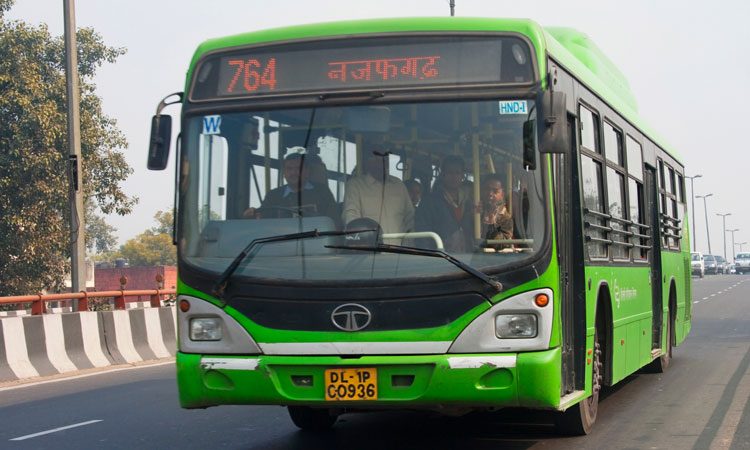
On Saturday (July 10), a three-member committee constituted by the Lt Governor of Delhi directed the Delhi Transport Corporation (DTC) to scrap the Annual Maintenance Contract (AMC) awarded for low-floor buses due to ‘procedural lapses’. The committee was constituted by Lt. Governor Anil Baijal on June 16 to probe the alleged scam in the procurement and AMCs of the new fleet of buses.
The DTC had floated separate tenders for the purchase and AMC for the buses. Although the initial plan was to award a ₹4265 crore contract for AMC for 1250 buses, the number was reduced to 1000 buses. The maintenance contract of ₹3412 crores was kept for 1000 buses for a 12-year period. While the purchase order was given to JBM auto and Tata Motors on a 7:3 ratio, it was expected that a large number of companies will bid for maintenance contracts. However, the committee found that the tender conditions ensured that there were not many bidders for the AMC contract.
The committee noted, “While separate bids for purchase and AMC can be justified with a view to get greater competition and a larger number of bids, the efforts made to get more bids is not apparent.” In its report, the committee said that the tender for AMC was ‘too restrictive’ and the rates were ‘far higher’ than the previous contracts floated by the Delhi Transport Corporation. Due to the restrictive nature of the eligibility criteria for AMC, the objective behind splitting the tender failed. The report added, “The process of discounting for a longer duration contract was not undertaken and only a total cost evaluation was done.”
Committee found eligibility criteria for AMC as restrictive, and rates as high
The committee highlighted that DTC could only procure low-floor CNG buses due to the orders of the Judiciary. It added that there are a few manufacturers of such buses in the market. The committee emphasised, “If these deviations had become necessary, DTC should have ensured that they did some kind of reasonableness test of the rates for AMC, especially since the rates were far higher than what they had in earlier contracts. To say that they did not have the expertise is not a good enough response.”
The report concluded, “The committee, prima facie, did not come across any material to impute criminal misconduct attributable to any public official. There were only procedural lapses apparently arising out of a bonafide decision-making process. However, a greater effort for understanding the market and a greater degree of due diligence in assessing the reasonableness of bids was required compared to what seems to have been demonstrated.” The committee comprises IAS OP Agarwal, Principal Secretary (Vigilance) KR Meena, and Principal Secretary (Transport) Ashish Kundra.
AMC kicks in before 3-year warranty’s expiry
The DTC had proposed in a meeting on November 27 last year that the AMC would kick in, just before the expiry of the 3-year-warranty period. As per the minutes of the meeting, the warranty period will expire on completion of 3 years or 2.10 lac kms (whichever is the earliest). Accordingly, it was made clear that the AMC rates of the bidders covered only major/ sub-major assemblies and not the cost of consumables required for day-to-day maintenance. However, for the first 3 years, the company would be responsible for any replacement/repair of failed equipment free of charge.
It must be pointed out that the 3-member committee found no ‘major infirmity’ in the procurement part of the tendering process for 1000 buses. Following the purchase, the total fleet of DTC buses will reach up to 4,760 from 3760.