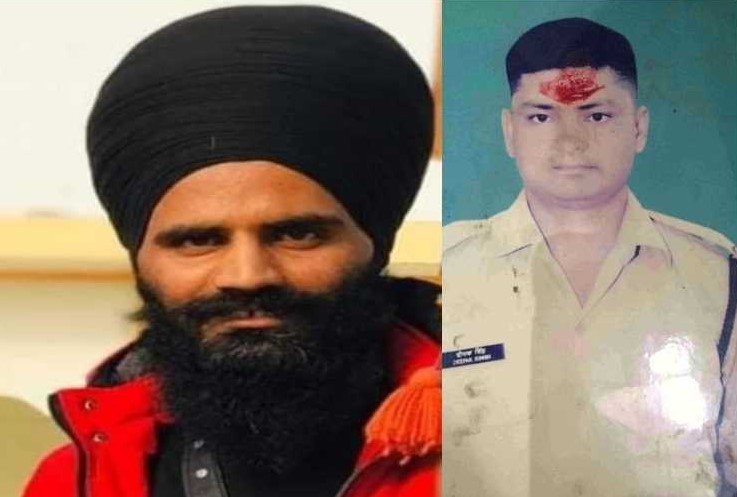
An Army man was lynched to death at a Gurudwara in Gurdaspur, Punjab. Deepak Singh was on his way home from Arunachal Pradesh, where he was posted. Now, a campaign has been launched to defend the accused in the murder of Singh.
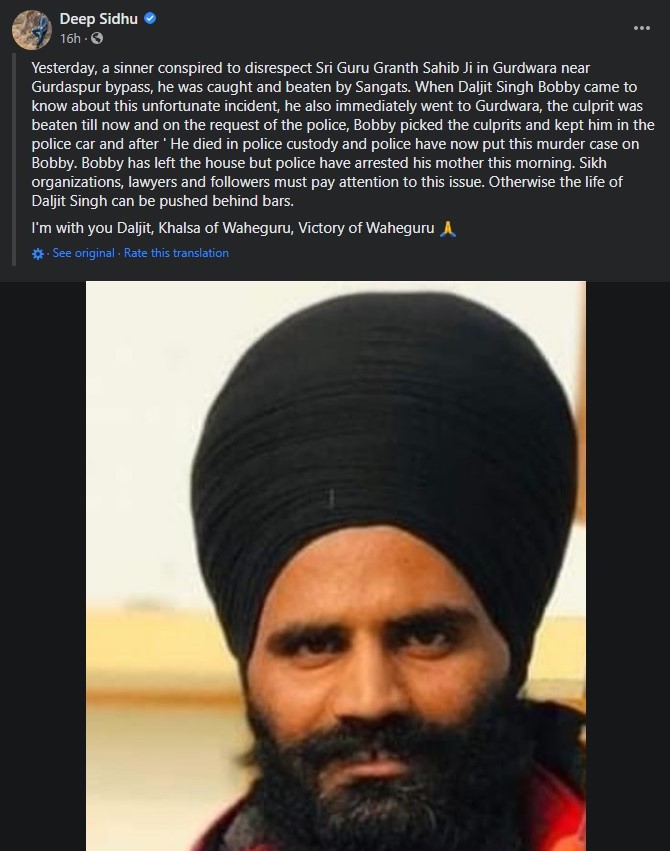
Deep Sidhu, a Khalistan sympathiser and accused in the Republic Day Riots, is leading the whitewashing effort. Deep Sidhu implied that the accused Daljit Singh is being falsely implicated by the Police in the matter. He calls Singh a sinner and claims that he died in the custody of the police.
As per reports, the Police somehow managed to rescue the deceased from the mob and took him to the hospital where he died. However, Sidhu appears to invert the issue on its head. He also urges Sikh organisations to take cognizance of the matter.
Source: Facebook
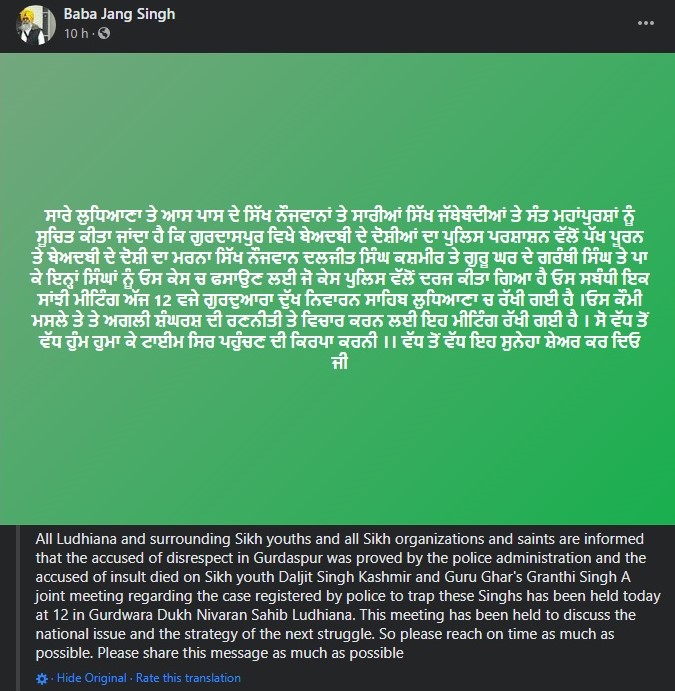
Individuals are also accusing Deepak Singh of committing blasphemy in order to defend the accused. One of them says that when such blasphemers are handed over to the police, then others ask why was he handed over, why was he not punished and killed but now that a ‘blasphemer’ had been beaten up and he died, a case has been filed against the (Gurudwara) committee.
He says that Daljit Singh was not present when it happened but even if he were, it was his duty to stand with the committee. He says that Deepak came to commit blasphemy and he did commit blasphemy and he goes to the extent of saying that if the person died after being beaten due to blasphemy, then it was justice.
The individual also claims that the mother of the accused has been picked up by the Police. He asks whether mothers and sisters should be taken to the police station if blasphemers are killed. Other posts show that meetings are being organised in order to defend the accused.
Source: Facebook
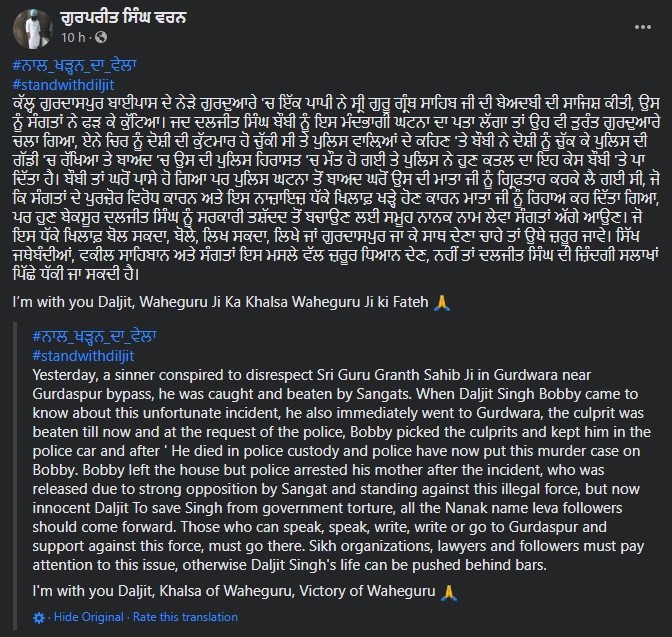
Another post calls Deepak Singh a ‘sinner’ and claims that Daljit Singh is being falsely implicated in the matter. The post calls for Sikhs to support the accused as well.
Source: Facebook
The mob lynching of Army man Deepak Singh
Deepak Singh was lynched to death by a mob at a Gurudwara in Gurdaspur, Punjab on suspicion of theft in the intervening night between the 1st and 2nd of July. According to reports, the incident occurred at the Gurudwara at Tibri Road in Gurdaspur and the mob was led by the manager of the Guruduwara.
Deepak Singh mistakenly got off at the Kahnuwan Chowk. According to reports, his father said that Deepak called him late at night and told him that he was beaten on the suspicion of theft. At this time, the call was cut off and subsequently, his phone was switched off. He had gone to the Gurudwara at around 11 pm in the night to drink water.
Reportedly, the Police somehow managed to rescue Deepak from the situation and admitted him to a hospital. However, he passed away there. According to the father, his son was murdered by Gurjeet Singh and Dalbir Singh among others.
The election for the Zila Panchayat Presidents posts in 53 districts of Uttar Pradesh concluded at 3 pm Saturday (July 3) and the counting of votes began right after that. The elections were scheduled to be held in 75 districts but since chairpersons of 22 Zila panchayats of the state were declared elected unopposed on Tuesday, polls were conducted in the remaining districts on Saturday. According to reports, the Bhartiya Janta Party has swept the polls winning 65 out of the total 75 seats, while Akhilesh Yadav’s Samajwadi Party bagged only 6 seats.
Of the 22 seats where there were no contests, the ruling Bharatiya Janata Party (BJP) won in 21, while the Samajwadi Party grabbed one seat in Etawah. And now, in the remaining seats too, BJP grabbed 44 seats making it the clear winner of the Zila Panchayat Presidents poll.
Interestingly, the Muzaffarnagar seat, which is the hometown of Rakesh Tikait- the BKU leader who has masterminded the agitation against the BJP government’s three farm laws in order to kickstart his fancied political career, has also been bagged by BJP. The total members here are 43, out of which 22 were needed to win and according to reports, BJP’s Veerpal Nirwal, contesting against Samajwadi Party’s (SP) and Rashtriya Lok Dal’s (RLD) joint candidate Satyendra Balyan, got 30 votes in his favour while the latter managed to bag only 4. Moreover, districts like Hathras and Badaun have also been bagged by BJP.
Incidentally, Samajwadi Party (SP) and Rashtriya Lok Dal (RLD) joint candidate Satyendra Balyan belongs to the same Baliyan Khap (clan) headed by Rakesh Tikait’s elder brother Naresh Tikait.
Taking to Twitter, the party congratulated all the candidates for the historic win.
The panchayat polls for district panchayat chiefs are not held on a party basis but candidates enjoy the tacit support of various parties. Zila panchayat chairpersons are elected from among the elected members of Zila panchayats of various districts.
Prior to UP Zila Panchayat Presidents election, video of ex-SP MP touching feet of voters to seek votes for his nephew goes viral
Meanwhile, UP BJP spokesperson Rakesh Tripathi shared a video today where former Samajwadi Party MP from Chandauli Ramkishun Yadav can be seen falling at the feet of voters (elected members of zila panchayat) to allegedly seek votes for his nephew.
पिछले चुनाव में “सर पर पैर” रख देने वाले इस चुनाव में “पैरों पर सर” रखकर गिड़गिड़ा रहे हैं।
चन्दौली में जिला पंचायत अध्यक्ष के चुनाव के ठीक पहले शुक्रवार की रात चन्दौली के @samajwadiparty से पूर्व सांसद रामकिशुन यादव जिला पंचायत सदस्यों के आगे पैरों में गिरते दिख रहे हैं pic.twitter.com/GGyvwv772S
Taking a dig at the ex-SP MP, Tripathi Tweeted in Hindi: “पिछले चुनाव में “सर पर पैर” रख देने वाले इस चुनाव में “पैरों पर सर” रखकर गिड़गिड़ा रहे हैं। चन्दौली में जिला पंचायत अध्यक्ष के चुनाव के ठीक पहले शुक्रवार की रात चन्दौली के @samajwadiparty से पूर्व सांसद रामकिशुन यादव जिला पंचायत सदस्यों के आगे पैरों में गिरते दिख रहे हैं”, roughly translated as: “Those (SP) who fled in the last elections (2017 and 2019) were seen falling at the feet of voters and begging for votes. This took place on Friday night.”
After the video went viral, SP MLC Ashutosh Sinha said in Yadav’s defence that he only touched the feet of independent voters.
“Tej Narayan Yadav is the nephew of Ramkishun Yadav. Tej Narayan is supported by the SP for the post of zila panchayat chairperson,” he was quoted by PTI as saying.
The results of the UP Zila panchayat elections is especially significant since it is being considered to be a barometer to check public mood before the crucial upcoming Assembly polls, slated to be held in month of February to March 2022.
On Saturday (July 3), a Delhi court extended the interim protection of gangster-turned-activist Lakha Sidhana in connection to his role in the violence in Delhi on Republic Day (January 26) this year.
While hearing the case, Additional Sessions Judge Kamini Lau said, “We do not want Jail Bharo Andolan to start. These are political issues. If they (protesters) wanted to highlight the issue, are they wrong? I will not intervene in things where fundamental rights are involved.” As such, the Court extended the accused’s interim protection from July 3 to July 20. He had directed the police to not arrest the accused and told Sidhana to join the probe against him.
During the hearing, when the prosecution said that the accused is a former gangster, advocate Jasdeep S Dhillon, one of the advocates of Sidhana, accepted that he was a gangster, but added that he has turned an activist now. “He is an activist who was a gangster. He is a farmer,” the lawyer said.
Adv. Dhillon for Sidhana: He is an activist who was a gangster. He is a farmer. His village is in Bhatinda.
Court: Why did he come to Delhi to do all these things. How old is he?
The Gangster’s lawyer also claimed that Lakha was not named in any case. However, the prosecution denied that saying that he is named in as many as 20 cases, and the FIRs against him relates to murder, robbery etc. The public prosecutor Pankaj Bhatia said that he was a gangster and is nowhere related to farming. He added that the gangster wants to get entry into politics. Bhatia said that Lakha had reached Red Fort and he had broken the barricades, which is seen in videos.
However, the court questioned the need of custodial interrogation in the case, and said that it will ask the accused to cooperate in the probe. “There is no purpose of giving interrogation when there is nothing,” the court added.
According to public prosecutor Pankaj Bhatia, Sidhana was one of the main conspirators of the Red Fort violence and desecration of the Indian tricolour. The accused had then filed an application for anticipatory bail in the Tis Hazari Court in Delhi. He was represented by advocates Jasdeep Dhillon and Jaspreet Singh Rai. Sidhana claimed that he had no role in the violence. The police have registered 20 cases against the accused on charges of assault on police, murder, and robbery. The Tis Hazari Court had granted him interim protection from arrest until July 3.
Earlier, an FIR was lodged by the Delhi Police Crime Branch (Central Delhi) for violence in Red Fort under Indian Penal Code Sections 147, 148, 149, 186, 152, 353, 332, 307, 308, 395, 397, 427, and 188. Besides, charges were also framed under the Arms Act (Sections 25, 27, 54, and 59) 1959 and Prevention of Damage to Public Property Act (Section 3),1984. The police had awarded ₹1 lac as reward for sharing details about the accused’s whereabouts.
Red Fort Violence and Desecration of the Indian flag
Banned terrorist organization SFJ, had announced that they would give 250,000 USD (roughly 1.8 crore Rs) to anyone who hoisted the Khalistani flag on Red Fort or India Gate. A Sikh flag was hoisted on the Red Fort on January 26, 2021, by the so-called protesting farmers during the tractor rally. In the visuals of the incident that emerged later, it was seen that a man was climbing on the pole, there were several flags held by gathering protestors.
One of the protestors had handed over an Indian Tricolour to the climber, but the climber instantly threw it away. Eventually, the protestors passed on a Sikh flag to the man and he took it to place on top of the flag pole. There were two flags hoisted on the pole, one was the Sikh one, and the second one was the Kisan Union one. Around 200 artists of the Republic Day parade were stranded since 12:00 PM near Red Fort. They were rescued by Delhi Police late evening.
On Saturday, Aamir Khan and Kiran Rao, who have been together for 15 years, announced their separation setting the social media abuzz. The couple issued a joint statement on Saturday revealing that they had been planning the separation for a long time, and while they would go their separate ways, they would continue to be co-parent their son, Azad.
As Aamir Khan announced his separation, social media began to speculate about the reasons for his divorce with Kiran Rao. Netizens highlighted how Aamir Khan had a difficult love life, which was mired with controversies, especially with regards to his extra-marital affairs.
Here is a look at Aamir Khan’s controversial personal that involves two marriages and several other ‘rumoured’ affairs:
Aamir Khan’s tough relationship with Reena Dutta
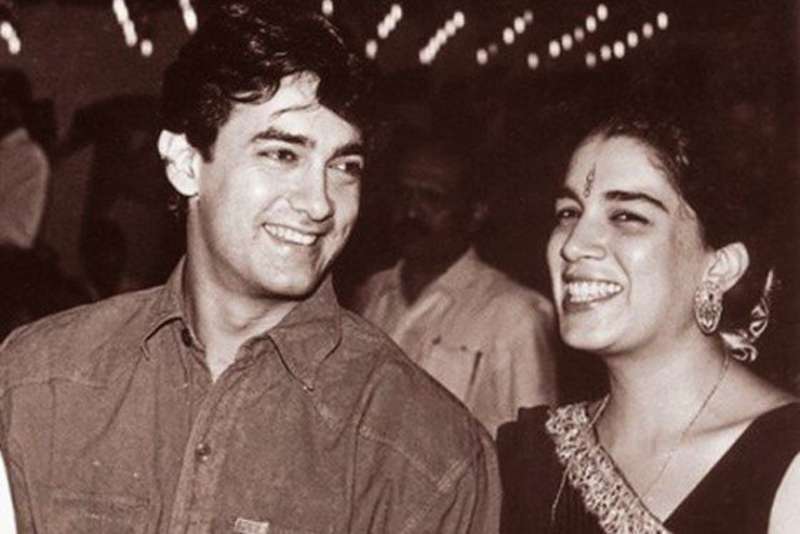
Reena Dutta is the first wife of Aamir Khan. Reena Dutta, who was Khan’s neighbour, in fact, had rejected Aamir Khan’s proposal at first. However, love blossomed between the two, and the couple began their relationship in the early 80s. They both have appeared together in a song of Aamir Khan’s movie ‘Qayamat Se Qayamat Tak’.
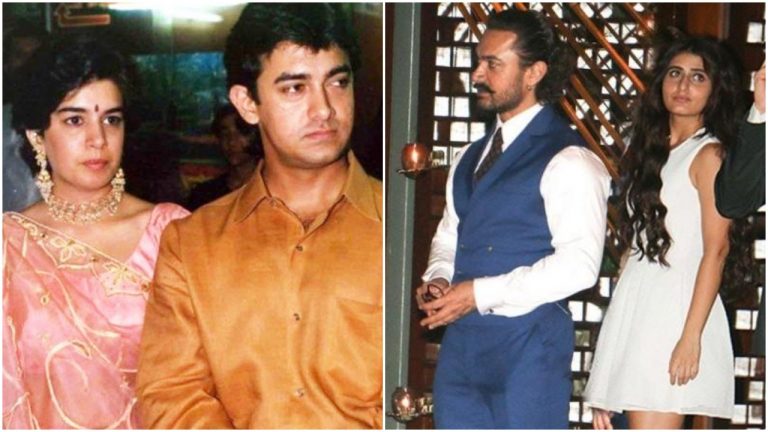
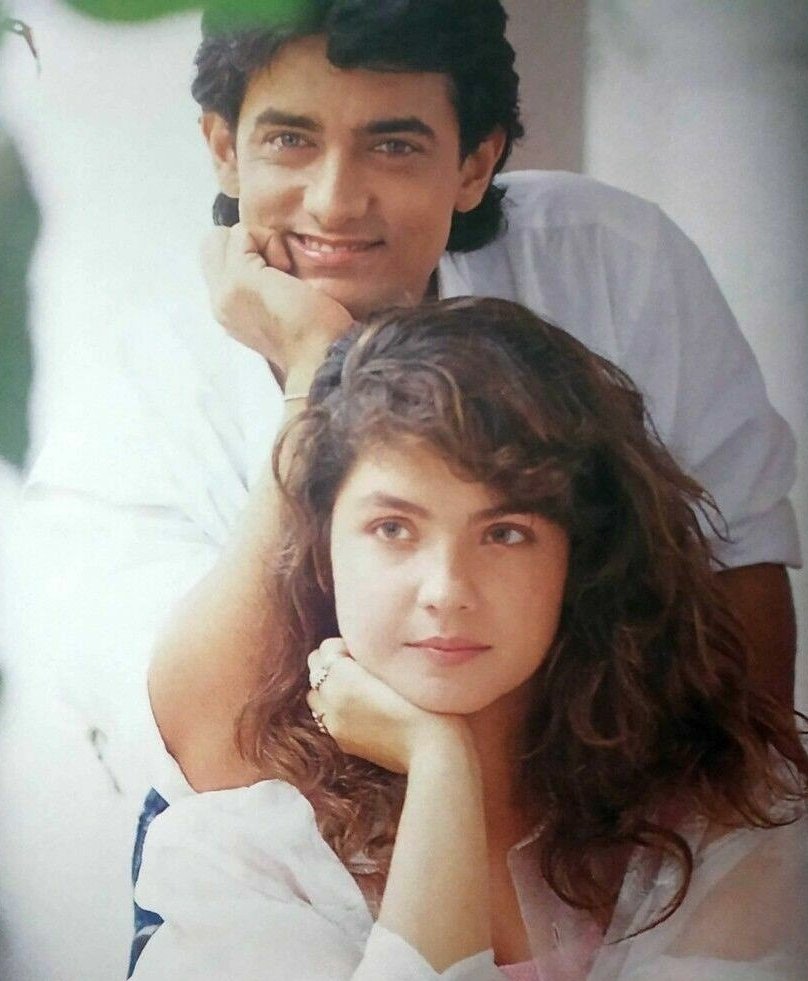
Aamir Khan with his former wife Reena Dutta/ Image Source: Masala
On April 18, 1986, the couple got married, and together they have two kids also – Junaid and Ira. But their marriage did not last and they divorced with mutual consent. In December 2002, the Bollywood star filed for divorce, and Reena took custody of both children.
Aamir had spoken about his complicated marriage with Reena on a TV show and had revealed that their divorce was “traumatic” for both him and Reena.
Aamir Khan’s rumoured affair with Pooja Bhatt
Amidst his troubled marriage with Reena Dutta, Aamir Khan was also rumoured to have been in a short-lived affair with actress Pooja Bhatt. The alleged secret affair between the two had bloomed when they worked together for the movie ‘Dil Hai Ki Maanta Nahi’.
However, both actors never confirmed the relationship. Still, there were rumours that they both were in the relationship despite Aamir Khan’s marriage to Reena Dutta. However, later on, both reportedly parted ways due to some differences.
Did Aamir Khan father a child with Jessica Hines?
Aamir Khan was reportedly involved with a British journalist named Jessica Hines.
It is speculated that Aamir and Jessica fell in love with each other on the sets of ‘Ghulam’. Hines was in India to work on an autobiography on megastar Amitabh Bachchan titled “The Big B: Bollywood, Bachchan and Me”. Aamir Khan came in contact with Hines at an event and began dating each other.
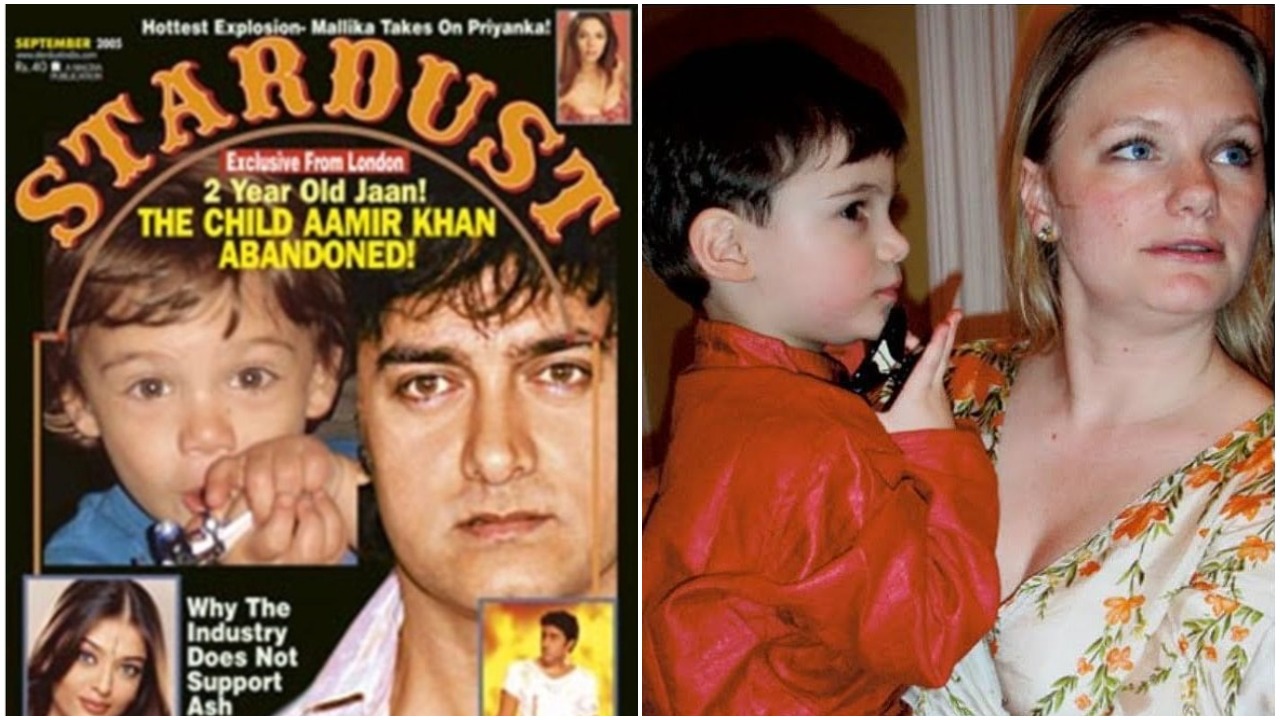
Jessica Hines with his son Jaan (R)/ Image Source: FPJ
They were reportedly in a live-in relationship during the making of the film. If reports are to believed, Jessica Hines got pregnant with Aamir’s child during their relationship.
As Aamir wanted Hines to either abort the child or end their relationship, the British journalist chose the latter. Hines reportedly welcomed a baby boy in 2003, whom she named Jaan.
Rumoured marriage with Preity Zinta:
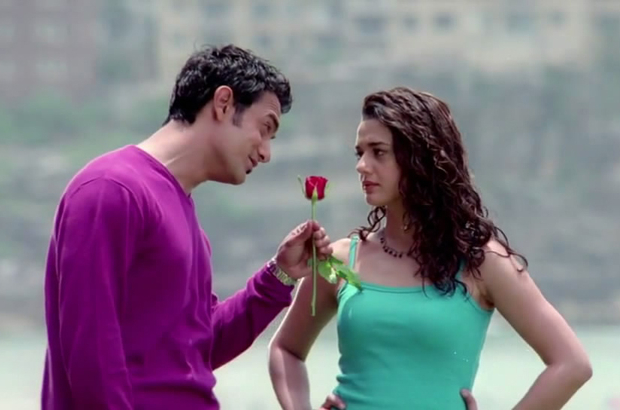
Back in 2001, after the release of the Aamir Khan-starrer movie ‘Dil Chahta Hai‘, there was gossip surrounding Aamir Khan’s newfound love for co-star Preity Zinta. Both the actors, who co-incidentally were couples on screen, had reportedly begun dating each other as Aamir Khan’s marriage had almost reached the stages of separation.
After Aamir Khan formally divorced Reena Dutta, it is said Aamir Khan was almost at the cusp of marrying Preity Zinta. There are rumours in Bollywood circles that Preity Zinta is the reason behind Aamir Khan’s separation from Dutta. There were reports that the duo had secretly gotten married and hid it from the public.
Image Source: Hungama
Years later, Preity had clarified about the ‘secret wedding’, claiming, “Aamir is a very dear friend. We had a great working relationship in Dil Chahta Hai. When things were not going properly in his personal life, I was the nearest candidate because the last film he did was with me. So, suddenly, I became Mrs Aamir Khan. I had to go around saying, ‘Not married!'” she had said.
Amidst rumours, Aamir Khan marries Kiran Rao
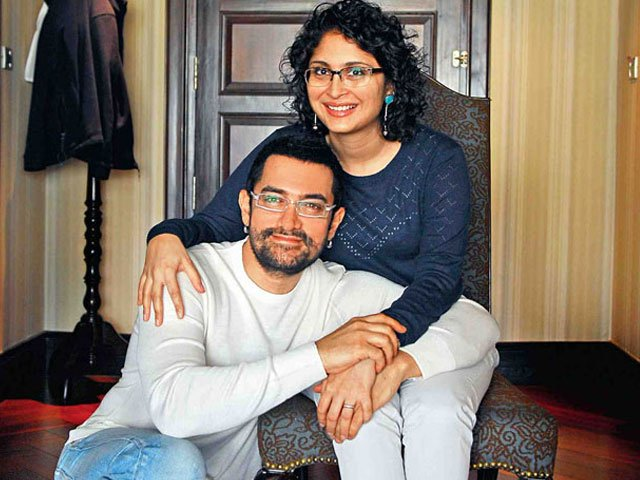
Three years later, on 28 December 2005, Aamir Khan married Kiran Rao, who had worked as assistant director on the sets of Khan’s movie Lagaan. They fell in love during the shooting and got married. This was Aamir Khan’s second marriage.
Six years after their marriage, on 5 December 2011, the couple announced the birth of their son, Azad Rao Khan, through a surrogate mother.
Aamir Khan with his former wife Kiran Rao/ Image Source: News18
Aamir Khan had recalled the time he met Kiran on the sets of Lagaan, Aamir had said she was one of the assistant directors, but at that time, they did not have any serious relationship. After his separation from Reena Dutta, Aamir Khan met Kiran again, who realised that talking to Kiran made him happy.
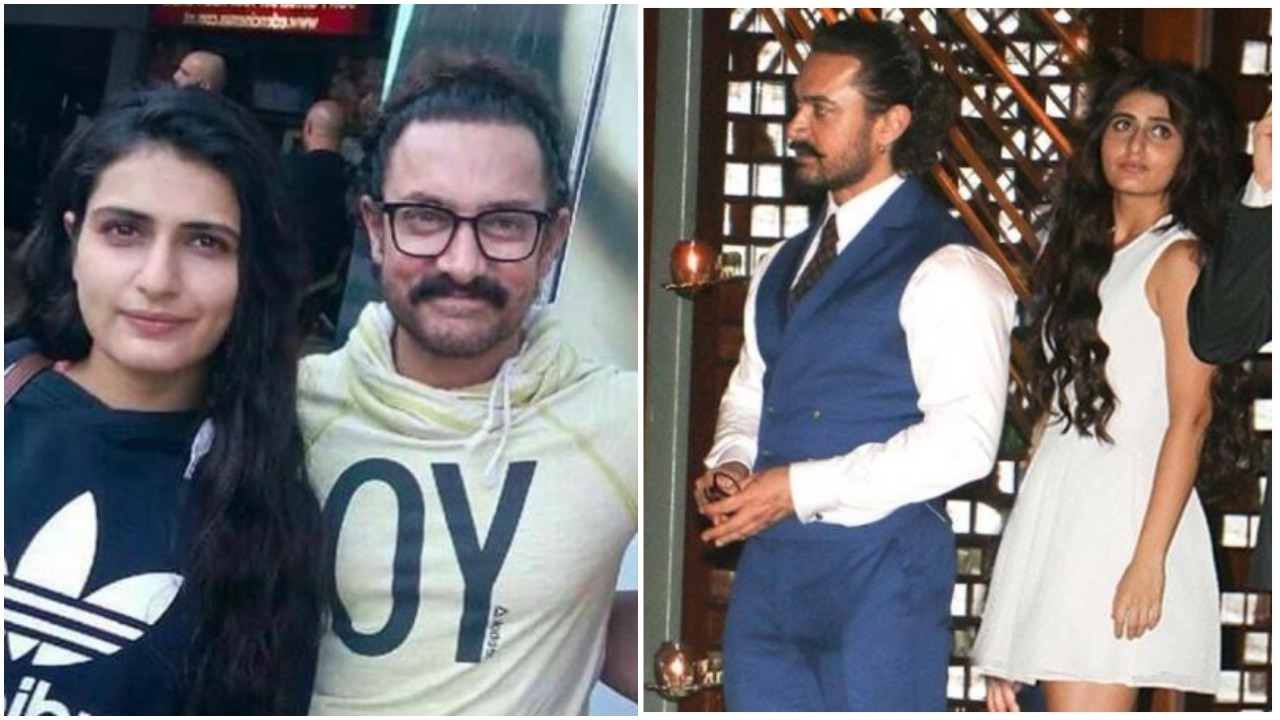
Aamir Khan rumoured to be dating Fatima Shaikh, the actress who played his daughter role in the movie Dangal
In 2016, the rumours of Aamir Khan dating his Dangal co-star Fatima Sana Shaikh’s started doing the rounds. The duo was spotted together several times, walking hand in hand. Incidentally, Fathima Shaikh, who had adorned the role of his daughter in the sports drama ‘Dangal‘, was seen roaming around with Aamir.
Aamir Khan and Fatima were spotted together at several parties and events, sparking rumours that there is definitely something brewing between the two. These rumours got intensified when Aamir Khan pitched Fatima’s name to Aditya Chopra to cast her in another big-budget movie ‘Thugs of Hindostan’ starringAmitabh Bachchan and Katrina Kaif.
Aamir Khan and Fatima Sana Shaikh/ Image Source: IBT
According to Bollywood insiders, Aamir’s special attention to Fatima’s and over-enthusiasm towards the actress had even irked Katrina Kaif, creating a cold war between Katrina and Fatima on the sets. The affair gossip was so strong that it had to reach Aamir’s wife, Kiran Rao.
If reports are to be believed, Kiran Rao was furious after being informed about the rumoured affair between Aamir Khan and Fathima Sana Sheikh. There are also rumours that Fatima was the one who created a wedge between Aamir and his wife, Kiran Rao.
Following Aamir Khan’s divorce from Kiran Rao, social media users are speculating that Aamir Khan may formally speak about his alleged relationship with the Dangal actress.
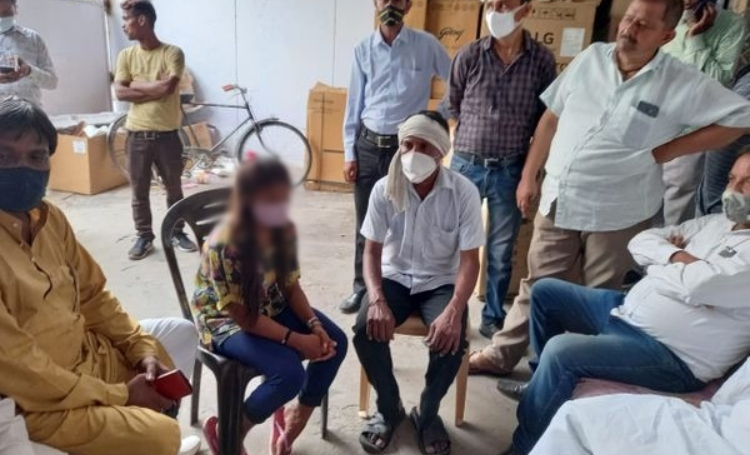
As per reports, yet another minor Hindu girl became the victim of Grooming Jihad in Agra, Uttar Pradesh. A man identified as Qasim Qureshi reportedly lured a 16-year-old girl by identifying himself as Vicky Yadav. He brainwashed thereafter converted and married the minor victim, who is now pregnant.
Media reports suggest that the victim went missing on June 15. When she did not return for 15-days, her father approached BJP leader Rahul Chauhan, a resident of Khandari. Rahul Chauhan, in turn, apprised BJP MLA Purushottam Khandelwal about the incident. Khandelwal, then helped the father of the victim to lodge a complaint in Agra’s Hari Parwat police station, accusing Qasim of abduction, forced conversion and rape of his minor daughter. Based on the complaint lodged by the victim’s father, police registered an FIR under the POCSO and Uttar Pradesh’s stringent anti-conversion law against Qasim and his family members.
Hindi Daily Dainik Bhaskar reports that Qasim Qureshi, with the help of his sister Shabnam Qureshi, introduced herself as Sonam to the teenager’s family befriended the victim. The brother-sister duo later took the victim with them on June 15. Thereafter she was converted and married to Qasim Quresh. The accused also made a false Aadhar card in the name of the victim to portray her as an adult.
Family of the victim alleged accused and his family brainwashed their minor daughter
The father of the teenage girl told the police that the accused worked in the same factory in Agra’s Hariparwat area as him. For this reason, he frequented his house along with his sister. The accused had introduced himself as Vicky Yadav and his sister as Sonam to the girl’s family. The victim’s father alleged that Vicky Yadav befriended his daughter and convinced her to go with him on June 15. When the victim returned on July 1, she told her family that she was converted and married to Qasim. It was found that her name had been changed. She also confirmed that she was pregnant.
The relatives of the teenager told the police that the accused and his family members have brainwashed the victim to such an extent that she is hellbent on going back to Qasim Qureshi. She is not ready to listen to anyone. But, since she is a minor, her will is not admissible in the court of law.
The infuriated father then filed a complaint against Qasim Qureshi, his father Raisuddin, sister Sonam aka Shabnam Qureshi, mother Rukhsar and brothers Shakeel and Kamil for conspiring against his daughter and aiding the accused in the criminal act.
Agra police books Qasim Qureshi under the POCSO Act and the UP Prohibition of Unlawful Religious Conversion Act
SP City Rohan Pramod said that on the basis of the complaint, a case has been registered under the POCSO Act and the UP Prohibition of Unlawful Religious Conversion Act. Family members of the accused youth Qasim Qureshi, namely his father Raisuddin, sister Sonam Qureshi, Mother Rukhsar and brothers Shakeel and Kamil have been taken into custody for criminal conspiracy and the search is on for the accused youth.
The victim has been sent for medical after which her statement will be recorded, confirmed SP City Rohan Pramod.
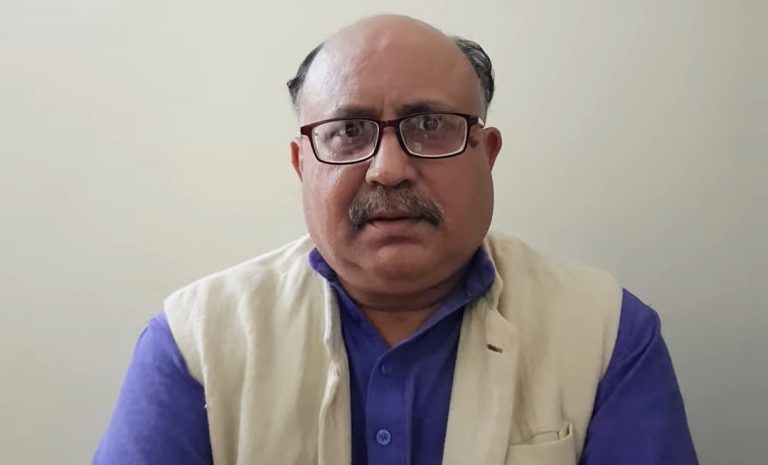
The Enforcement Directorate has arrested freelance journalist Rajeev Sharma, who is accused of supplying confidential and sensitive information to Chinese intelligence officers in exchange for remuneration. A statement issued by ED said that Sharma was arrested on July 1 under the Prevention of Money Laundering Act. Sharma was present before a court, and he was sent to ED custody for 7 days.
ED has arrested Rajeev Sharma, a freelance journalist under PMLA on the charges of supplying confidential and sensitive information to Chinese Intelligence officers, in exchange for remuneration pic.twitter.com/qauHIsVIv2
Rajeev Sharma was earlier arrested by Delhi police in September last year in connection with a case under the Official Secrets Act after classified defence documents were found with him. The ED statement said that it had initiated an investigation on the basis of the FIR and charge sheet filed by Delhi Police against Rajeev Sharma under the provisions of the Indian Penal Code, 1860 and the Official Secrets Act, 1923.
During the investigation, it was revealed that Rajeev Sharma had supplied confidential and sensitive information to Chinese intelligence officers, in exchange for remuneration, thereby compromising the security and national interests of India. The probe had found that cash for payments to Sharma and other unknown persons was being generated through hawala means by Mahipalpur based shell companies that were run by Chinese nationals namely Zhang Cheng alias Suraj, Zhang Lixia alias Usha and Quing Shi along with a Nepali national Sher Singh alias Raj Bohara.
ED states that apart from cash, huge transactions were made with various Chinese companies and some other trading companies in India which are being examined. These Chinese companies were acting as a conduit for the Chinese Intelligence agencies to provide remuneration for persons like Rajeev Sharma indulged in espionage on behalf of China. ED also stated that Rajeev Sharma had also received money through benami bank accounts.
Rajeev was arrested by the special cell of the Delhi Police on 14 September 2020. The freelance journalist had earlier worked with United News of India, The Tribune, Free Press Journal, Saakaal and others as a journalist. As a journalist, Rajeev Sharma was covering defence and foreign affairs for around two decades. He had written several columns for Chinese newspaper Global Times, the mouthpiece of the Communist Party of China for the last several years. He had also written columns with left-wing publications such as The Quint, DailyO etc.
After the arrest, Rajeev Sharma was granted bail by the Delhi High Court in December last year. He was given bail as the charge sheet was not filed withing 60 days.
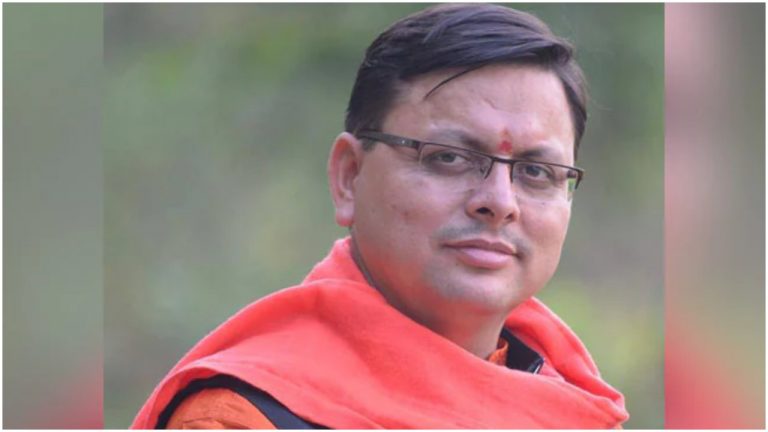
Pushkar Singh Dhami has been elected as the new Chief Minister of Uttrakhand after incumbent CM Tirath Singh Rawat resigned from the post earlier today.
According to the reports, the Bharatiya Janata Party MLAs proposed Pushkar Singh Dhami’s name in the legislature party meeting held in Dehradun on Saturday.
Dhami, who is considered close to Union Defence Minister Rajnath Singh, was declared as the next CM of the state today after the 57 Uttarakhand BJP MLAs met at the party headquarters in the capital Dehradun.
The 45-year-old, a two-time MLA, represents the Khatima constituency. Earlier, he was an Officer on Special Duty to former Uttarakhand Chief Minister Bhagat Singh Koshiyari. It is reported that Dhami will take the oath on Saturday itself.
The Uttarakhand BJP legislature party met on Saturday afternoon to elect its new leader, a day after Tirath Singh Rawat resigned as chief minister after a less than four-month stint.
Tirath Singh Rawat resigns as Uttarakhand CM amidst constitutional crisis
In a surprise move on Friday night, Uttarakhand Chief Minister Tirath Singh Rawat submitted his resignation to state governor Baby Rani Maurya nearly four months after assuming the top post in the Himalayan state.
Earlier, Tirath Singh Rawat had met BJP party leadership amidst the speculations over leadership change in Uttarakhand. His resignation comes amidst a lack of clarity over the Election Commission announcing by-elections in Haldwani and Gangotra – the two vacant seats.
Tirath Singh Rawat, a BJP MP, needs to be elected as an MLA in the next two months. However, observers in the BJP feel that EC may not order a by-poll for the vacant seats in Uttarakhand due to the Covid-19 pandemic, and also the term of Uttarakhand Assembly is scheduled to come to an end in March, which is just nine months away.
To avoid the constitutional crisis, Tirath Singh Rawat has stepped down from his post as Chief Minister. Interestingly, the names of senior BJP leaders – Satpal Maharaj, Banshidar Bhagat, Harak Singh Rawat and Dhan Singh Rawat were doing the rounds as probable replacements for Rawat. However, the election of Pushkar Singh Dhami has surprised the political watchers in the state.
Uttarakhand is due for its next Assembly election in less than a year.
On Friday, the Congress party demanded that the Modi government should comment on the allegations of a scam in the purchase of Covaxin by Brazil, which has been levelled by Brazilian opposition parties against president Jair Bolsonaro. The Congress party said that although Bharat Biotech is a private company, the Covid-19 vaccine was developed in collaboration with ICMR, and as public money was used in it, the govt should not remain silent on the issue.
पहला आरोप है कि कोवैक्सीन का दाम अप्रत्याशित रूप से बढ़ाया गया। मुनाफ़ाखोरी का आरोप लग रहा है।
तथाकथित रिपोर्ट्स के मुताबिक भारत बायोटेक ने पहले प्रति डोज $1.34 में कॉन्ट्रैक्ट किया था।
Congress spokesperson Supriya Shrinate said, “Taxpayers’ money was put into this and which is why we have a right to question: what has happened with that money and why is the government conspicuously silent on it?” She claimed that as ICMR is slated to get 5% from the sale of the vaccine, the govt agency is making a loss due to the ‘scam’, as she claimed that Bharat Biotech was selling the vaccine to a different company at a lower price, which was in turn supplying the vaccine to Brazil at the ‘high’ price of $15 per dose.
The deal to supply 20 million doses of Covaxin has been cancelled by the Brazil govt, after an opposition senator filed a complaint against president Bolsonaro alleging corruption in the deal. It was alleged that the president turned a blind eye to the allegations of wrongdoing in the deal, and subsequently the federal investigators have launched a probe in the deal.
However, a perusal of the available facts does not suggest any scam in the deal, and it seems a part of the effort of the Brazilian opposition to impeach the president to remove him from the post.
The allegations
In February this year, Brazil government had signed a deal with Bharat Biotech to purchase 20 million doses of Covaxin at a price of $324 million, at the rate of approx. $15 per dose.
The left-wing opposition parties also have been alleging that the price of $15 per dose is highest in the world, even higher than the Pfizer vaccine price. They have been claiming that the original price of the vaccine is $1.34, and it was jacked up to $15 when the deal was signed in February 2021.
The deal was cancelled after Brazilian Congressman Luiz Miranda claimed that he had warned the president about possible scam in the deal, but he was ignored. In testimony given to the Parliamentary Inquiry Commission (CPI) on June 25, Luiz Miranda said that he was tipped off about the ‘scam’ by his brother Luis Ricardo Miranda, a former health ministry official, who was in charge of signing deals with vaccine-manufacturers.
Luis reportedly said that he was pressurised to sign the deal despite irregularities in it.
Luis also said that a Singapore based company Madison Biotech had sent an invoice of $45 million to the Brazilian govt for 3 million doses, at the rate of $15 per dose. He said that it was irregular, as Madison was not mentioned in the contract, which was signed by Bharat Biotech, the Brazil govt and Precisa Medicamentos, the representative of Bharat Biotech in Brazil.
The left wing opposition parties have been using this allegations to attack the government, which forced the govt to cancel the deal and order an enquiry.
The reality
The Congress party repeated the claim of Brazilian opposition parties that while the price of Covaxin is $1.34, it is being sold to Brazil at $15, therefore, there is a scam in the deal. But the fact is, this claim is absolutely wrong. There is no proof that actual price of Covaxin is $1.34 or ₹100. The vaccine is being supplied to the Indian govt at a highly subsidised price of ₹150, but the company says it is a non-competitive price and not sustainable in the long run. The company is selling the vaccine to private hospitals in India at the rate of ₹1200 per dose, which is around $16, more than the price charged from Brazil.
In April, Bharat Biotech had announced that the export price of Covaxin will be $15-$20, which means the price charged from Brazil is lowest in the range. A statement issued by the company on June 30 on the allegations says, “the pricing of COVAXIN® has been clearly established between $15-20 per dose for supplies to Governments outside India. The pricing for Brazil has also been indicated at $ 15 per dose.”
The allegations of the scam are based on the wrong claim that original price of Covaxin is $1.34, which is even less than the subsidised price for Indian govt, and Bharat Biotech is not selling the vaccine at that price to anyone else, including state governments and private hospitals in India. The price of $15 for Brazil is in line with the price for Indian private hospitals. If the Congress party and the opposition party expects the vaccine to be available for Brazil at ₹100 per dose, clearly they are wrong.
Brazil govt has denied that the country is paying more for the vaccine. Onyx Lorenzoni, the Secretary-General of the Presidency, said that the vaccine is not overprice, and those made the allegations do not know how to count. He also said that no vaccine has been purchase, no payment has been made, so there is no question of any scam. He also said that one of the documents presented by Luis Miranda was fake.
Precisa Medicamentos has also said that the price fixed by Bharat Biotech for Brazil is same as the price charged from 13 other countries which are using Covaxin. They said that the price was fixed by Bharat Biotech, and there was no scam in it.
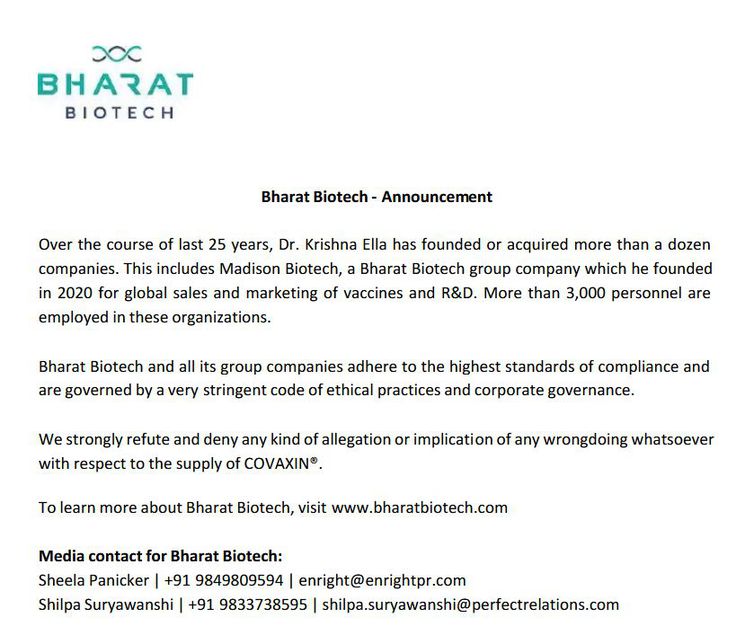
Now coming to the Singapore based company Madison, contrary to the allegations of the opposition parties in India and Brazil, the company is actually part of Bharat Biotech. A statement issued by Bharat Biotech informs that Madison Biotech was founded in 2020 by Bharat Biotech founder Dr Krishna Ella, and it is a Bharat Biotech group company.
Statement of Bharat Biotech on Madison
The company informs that Madison Biotech acts as a global sales and marketing arm for Bharat Biotech. “Dr. Ella and his wife Mrs. Ella founded Bharat Biotech in 1996 with a mission to drive innovation and large-scale manufacturing in the field of human vaccines. Since then, Dr. Ella has also founded or acquired 13 other organizations. This includes Madison Biotech, which he founded in 2020 for the purpose of external R&D and sales and marketing of vaccines,” the statement by Bharat Biotech said.
“We wish to dispel any notion or implication of any wrongdoing whatsoever, as all these are affiliate companies founded / acquired and operated by Dr. Krishna Ella,” The company also added.
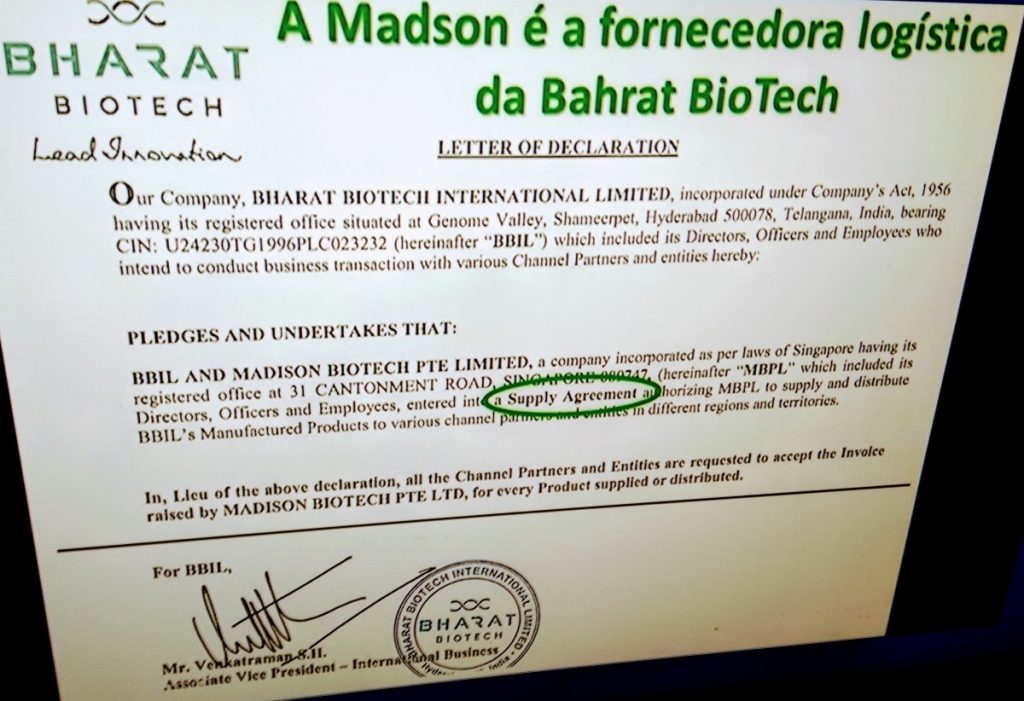
Brazil government has confirmed that the invoices were sent by Madison as it is authorised to do so by Bharat Biotech. The government displayed a letter from Bharat Biotech in the media, which said that Bharat Biotech has entered into a supply agreement with Madison Biotech to supply and distribute various products of Bharat Biotech in different regions and territories.
Bharat Biotech letter displayed on TV by Brazil govt (Source: The Wire)
The letter specifically adds that all the channel partners and entities are requested to accept invoices raised by Madison Biotech Pte Ltd for the products supplied.
Responding to the allegations by the left parties in the opposition, president Bolsonaro said that no payment has been to Bharat Biotech, as the country has not received any vaccine from the company, so there is no question of financial irregularities in the deal. The company has also confirmed that they have not received any payment from Brazil.
Although the deal was signed in February, Covaxin was approved by the health authorities in the country only in June. As a result, no batch of vaccines was shipped to the country by Bharat Biotech before the deal was cancelled by the Brazil government.
From the above, it can be concluded that the alleged scam in the Covaxin deal for Brazil does not exist, as the price is similar to the export price announced by the company, and the Singapore-based company is a group company of Bharat Biotech, not a shell company. It shows that the Congress party is collaborating with the left parties in Brazil to attack the right-wing governments in both the countries.
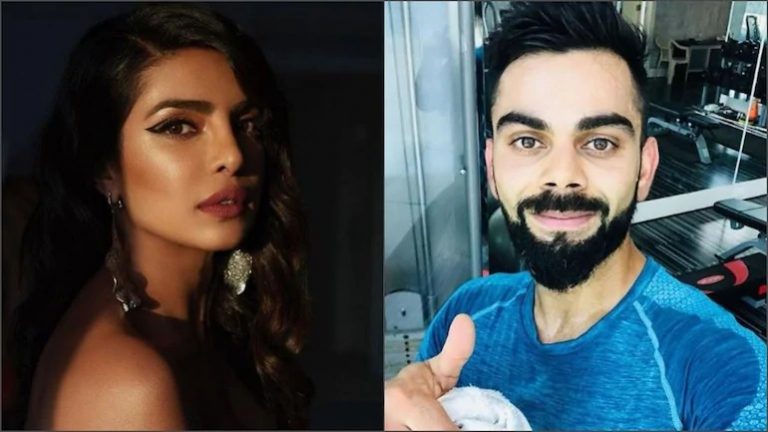
Priyanka Chopra Jonas is paid Rs. 3 crore for every promotional post she makes on Instagram, the Hopper Instagram Richlist for 2021 says. The Bollywood superstar who has since left for the United States of America acquired the 27th spot in the list this year.
Priyanka Chopra had landed the 19th spot last year on the list that ranks celebrities annually on the basis of the money they are paid for every promotional post on Instagram. Football great Cristiano Ronaldo topped the list Rs. 11 crores per promotional post on the social media platform.
Apart from the actress, cricketer Virat Kohli was the only other Indian in the list. The captain of the Indian cricket team was placed at the 19th spot with Rs. 5 crore payment for promotional posts.
Argentinian footballing legend Lionel Messi was at the 7th spot with him charging Rs. 8.7 crore for every promotional post. Other celebrities to feature on the Hopper Instagram Richlist include Dwayne ‘The Rock’ Johnson (2nd), Ariana Grande (3rd), Kylie Jenner (4th), Selena Gomez (5th) and Kim Kardashian (6th).
Beyonce (8th), Justin Bieber (9th) and Barcelona star Neymar (16th) also feature in the list.
Recently, celebrity Rihanna was in the docks after she tweeted ‘why are we not talking about this’ in order to garner support for the ‘farmer protests’. She landed in a huge controversy due to it. There were suspicions that Rihanna made the tweet from he account in lieu of payment. According to the list, Rihanna herself charges Rs. 4.5 crores for every promotional post on the platform.
In case anyone wishes to have Priyanka Chopra or Virat Kohli to post in favour of their campaign on Instagram, well, they now know the amount of money they will have to flush out.
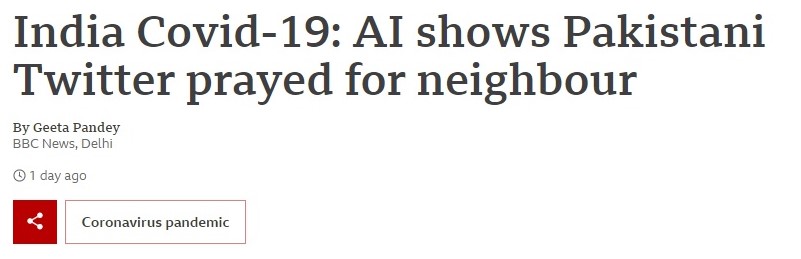
The BBC and its penchant for painting a tolerant picture of Pakistan while denigrating India is well documented. On Friday, the British public broadcaster discovered a novel method to once again propagandize in Pakistan’s favour, albeit rather subtly.
An artificial intelligence (AI) based study by researchers at Carnegie Mellon University apparently discovered that an overwhelming number of tweets by Pakistanis between the 21st of April and the 4th of May were “positive”.
The BBC headline of the report
For convenience, the researchers looked at 3 hashtags #IndiaNeedsOxygen, #PakistanStandsWithIndia and #EndiaSaySorryToKashmir and then passed the tweets from Pakistan through what they call a “hope speech classifier”. It apparently a language processing tool that helps detect ‘positive comments’.
Ashiqur Khudabukhsh, the one who led the study, said, “Our research showed that there’s a universality in how people express emotions. If you search randomly, you’ll find positive tweets a little over 44% of the time. Our method throws up positive tweets 83% of the time.”
According to the BBC report, the study found that “tweets containing supportive hashtags originating in Pakistan heavily outnumbered those containing non-supportive hashtags and also had substantially more likes and retweets.”
Sophisticated nonsense is still nonsense
Needless to say, the methodology, at least the manner in which it was described in the BBC report, is shoddy to say the least and it is bizarre to reach such far reaching conclusions from such a faulty premise.
First of all, there’s the selection bias in terms of the hashtags that were chosen. There is nothing to indicate that they are representative of all the tweets made by Pakistanis during the same period. Furthermore, two of them are preordained to throw up more positive results as compared to one which was preordained to have adverse comments.
The ‘study’, if it can even be called that, does not say how many hashtags trended on Twitter during the same period. For instance, there could be 4 or 5 anti-India hashtags that trended in the top 10 during the same period. But since only one featured in the top 3 section, only one of them was eventually selected for the study.
Furthermore, if multiple hashtags were used to trend anti-India content, then it is only inevitable that each hashtag individually is likely to contain fewer negative comments in absolute numbers than the one hashtag that was used to trend positive comments.
It is likely that multiple hashtags were used to trend positive comments as well but the study makes no mention as to how many hashtags were trended in total and how many of them fell into each category. In short, the ‘study’ makes no effort to determine whether the top-3 hashtags are representative of the total number of tweets made by Pakistanis during the time frame in question.
Researcher bias and sample bias is evident
On the basis of the above reasoning, it can be said for certain that researcher bias crept into the ‘study’. Of course, it is far more likely that the researchers tailored their ‘study’ in such a way that they reached their desired conclusion.
The sample was biased too since the ‘study’ makes no effort to clarify whether the tweets they had chosen were representative of all the tweets made by Pakistanis during the same period. The so-called ‘study’ can be safely dumped in the junkyard of ‘pop-Science’.
Such ‘studies’ will obviously not be taken seriously by any researcher worth their salt. But it is the BBC we are talking about, so quite obviously, they wholeheartedly bought into the feel-good nonsense that was sold to them.
BBC has its personal history of publishing nonsensical ‘research’
During the run-up to the 2019 Lok Sabha elections, the BBC published research what could only be described as garbage in order to claim that nationalism was the driving factor behind fake news in India. The study had several structural design flaws, the most glaring being that it was qualitative research the findings of which could not be normalised for the whole population.
During their research, they also failed to take into account the entire set of topics on which fake news is abundant and limited its scope to only politics. Then they used heavily biased sources for their source of fake news which inevitably biased their entire study.
Ultimately, the BBC had to pull down their study after OpIndia published several articles punching several holes into. It seems the broadcaster has not learnt its lessons and is now back to promoting nonsensical research by others to peddle nonsense that they find politically convenient.
What do the Pakistanis really think?
While the BBC did produce a few tweets that showed sympathy towards India during the second wave, it is only natural that such tweets will always be available. As for the retweets and likes on them, the ‘study’ they cited does not mention whether the majority of them came from Indians or Pakistanis themselves.
Similarly, OpIndia could find a torrent of tweets where Pakistanis can be found mocking India’s plight during the Covid-19 crisis. And it would not prove anything the other way for the same reason that BBC producing a few positive tweets does not proving anything either.
But what we can make a safe bet on is the policy of the state of Pakistan against India. And it is a known fact that while western countries, especially the USA, continue to treat Pakistan as their trusted ally, its human rights abuses against its Hindu minority continues unabated.
At the same time, while it is true that India and Pakistan have signed a ceasefire agreement recently, hostilities between the two countries continue and our neighbour is still waging a proxy war against us.
Thus, all such talk of Pakistanis harbouring a goodwill towards India is meaningless when the proxy war continues. Furthermore, there is sufficient indication even from social media platforms that Pakistanis do not really have profound love for Indians.
The objective of the BBC
The real objective here on the part of the BBC is to turn reality on its head. The public broadcaster wishes to give the impression that India and Indians are the reason why there is no peace between the two countries when Pakistanis harbour immense love for their neighbour.
Western media has no love lost for India and it is only natural that they seek to blame India for everything under the Sun. The latest ‘study’ that was promoted by the BBC is another effort towards that end.