

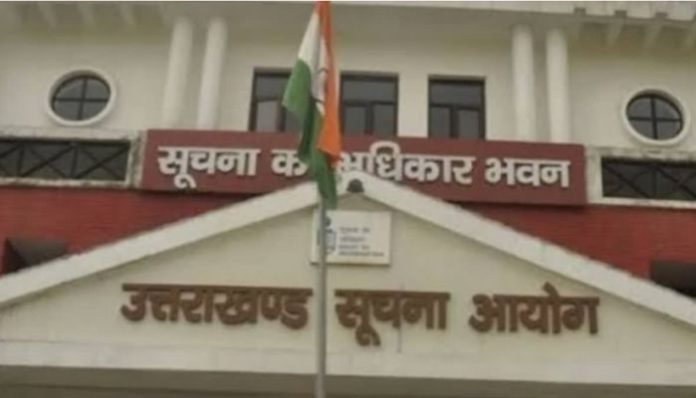
In Uttarakhand, the State Information Commission has included the Waqf Board under the Right to Information Act (RTI Act). With this, mosques, dargahs and madrasas will now have to give all the information about income and properties.
Information about the status of Waqf properties worth billions of rupees in the state, their income-expenditure and how the process of work is being conducted will now be made public. Around 2,200 waqf properties are registered with the Uttarakhand Waqf Board.
According to the Waqf Act of 1995 (amended in 2013), the Uttarakhand Waqf Board is responsible for overseeing the Waqf properties. However, there has been a consistent lack of transparency in the system. As a result, the management of Waqf properties has avoided appointing public information officers. Following the recent directive, this practice will no longer be continued.
The issue of waqf properties being exempt from the Right to Information Act was brought to light following an RTI application submitted by advocate Danish Siddiqui, a resident of Nagar Panchayat Piran Kaliyar. In July 2022, Siddiqui requested information from the Uttarakhand Waqf Board regarding various activities at the Piran Kaliyar Dargah.
In response, he was informed that there was no designated public information authority in Piran Kaliyar, thus preventing the release of information on the matter. As the situation persisted beyond the initial departmental appellate officer level, the case was eventually escalated to the Information Commission.
During the appeal proceedings, State Information Commissioner Yogesh Bhatt sought a comprehensive explanation from the officials of the waqf board, emphasising the need for clarification on aspects such as the Waqf Act and the extent of control over waqf properties. Subsequently, it was established that all waqf properties are indeed under the purview of the board, and the chief executive officer is authorised to conduct inspections, and assessments, and obtain any necessary documents related to waqf properties. It was concluded that all waqf properties were under government authority.
Information Commissioner Yogesh Bhatt also solicited responses from both former and current chief executive officers in relation to the case. Subsequently, directives were issued to bring the administration of the Piran Kaliyar Dargah within the ambit of the RTI Act. As a result, a Public Information Officer has been assigned to this role.
Furthermore, mandates have been put in place to enforce the RTI Act across all other Waqf administrations. The Information Commission has mandated the formulation of a manual in accordance with Section 4 of the Right to Information Act within a span of six months. Additionally, there has been a call to establish a legal framework for the dissemination of information.


