Home Blog Page 174

Delhi’s first cloud-seeding trial: Can artificial rain wash away the smog?

In a historic first, Delhi on Tuesday carried out a cloud-seeding operation to induce artificial rain, a bold scientific intervention aimed at cleansing the capital’s toxic air. As the smog-choked city gasps under severe pollution levels each winter, this marks a decisive shift toward technology-driven environmental management.

A first for Delhi and possibly for India’s urban future

The operation, conducted across Burari, Mayur Vihar, and Karol Bagh, involved specialized aircraft releasing silver iodide and salt-based flares into moisture-laden clouds. These particles serve as condensation nuclei, encouraging cloud droplets to merge and eventually fall as rain.

Officials confirmed that the first phase of the experiment concluded successfully, with a second sortie planned later in the evening, subject to atmospheric conditions. The project was carried out jointly by the Delhi government and IIT Kanpur, whose scientists provided the technical backbone for the mission.

Delhi Chief Minister Rekha Gupta, while hailing the initiative, emphasized its experimental nature: “This is new for all of us. We’ve been exploring every possible measure to tackle pollution, and cloud seeding is part of that effort. If it succeeds, this could become a game changer for Delhiites.”

Inside the operation: How the skies were seeded

According to Delhi Minister Manjinder Singh Sirsa, the mission involved a Cessna aircraft operated by IIT Kanpur, which flew in from Meerut and covered multiple locations including Khekra, Burari, North Karol Bagh, and Mayur Vihar.

Each of the eight flares fired weighed about 2–2.5 kilograms, burning for approximately two minutes each. The process lasted around half an hour, with humidity levels ranging between 15–20%. Winds were blowing northward, suggesting that the seeded clouds could drift toward Outer Delhi, potentially expanding the rainfall zone.

The aircraft later returned to Meerut, while meteorologists from the India Meteorological Department (IMD) monitored conditions to determine the likelihood and timing of rainfall, which could occur anywhere between 15 minutes to four hours post-seeding.

The science behind cloud seeding

Cloud seeding isn’t new to meteorology; it has been successfully implemented in China, the UAE, and parts of the US to augment rainfall, reduce drought impact, and even clear haze during major events.

In simple terms, substances like silver iodide, sodium chloride, or potassium chloride are dispersed into clouds, helping water vapor condense into droplets large enough to fall as rain.

While the science is well-established, success rates vary depending on humidity, temperature, and wind speed, factors that are notoriously unpredictable in Delhi’s post-monsoon climate.

Why this could be a game changer for Delhi

Delhi’s annual “airpocalypse” when PM2.5 levels soar to 10–15 times the safe limit has turned into a recurring environmental and public health crisis. Construction dust, vehicular emissions, stubble burning, and weather inversions combine to trap pollutants close to the ground, creating a toxic haze.

If cloud seeding works even partially, it could temporarily settle airborne pollutants, providing immediate relief from smog. It could also serve as an emergency pollution mitigation measure during severe AQI spikes. Besides, data-driven insights for long-term atmospheric management could inspire similar interventions in other polluted cities like Mumbai, Lucknow, or Patna.

Environmental experts caution, however, that artificial rain cannot replace systemic measures such as cleaner fuel transitions, waste management reforms, or crop residue control. Yet, as a rapid-response mechanism, it could complement Delhi’s broader pollution-control strategy.

The IIT Kanpur edge

IIT Kanpur’s research team, led by atmospheric scientists, has conducted successful cloud-seeding trials in Maharashtra and Uttar Pradesh. Their involvement ensured that Delhi’s experiment was based on precise meteorological modelling rather than guesswork.

The institute will now analyze rainfall data, particulate matter reduction, and wind movement to assess the quantitative impact of the trial. If the results prove encouraging, Delhi could schedule regular cloud-seeding sorties during peak pollution months, November and December, each year.

A glimpse into the future

Whether or not Delhi witnesses immediate rainfall, this initiative signals a paradigm shift. For the first time, technology, policy, and climate science have converged to tackle the city’s environmental emergency in real time.

As Chief Minister Gupta aptly put it, “This experiment represents hope, hope that we can innovate our way out of the pollution crisis.”

If the clouds do open up over Delhi in the coming hours, it won’t just be rain, it will be a symbol of India’s willingness to experiment, adapt, and lead in the fight against climate and environmental challenges.

Delhi has turned to the skies to fix what’s wrong on the ground. And if this rain falls, it might just wash away not only the dust but decades of helplessness in the face of winter smog.

‘Assam already has SC-monitored NRC going on’: ECI clarifies on exclusion of Assam from current SIR plan, but Leftists have already started their agenda of misleading claims

The Election Commission of India has announced that a Special Intensive Revision of the electoral roll will be conducted in in 12 states and Union Territories in the next phase. The ECI has announced the schedule for the SIR exercise. The states covered in the upcoming SIR include poll-bound states like West Bengal. However, Assam, which is going to the polls in 2026, is not covered in the 12 states.

While an SIR in Bihar and West Bengal gave heartburn to leftists and the extended anti-BJP ecosystem, the same lot is now rattled over the ECI’s decision not to conduct an SIR in Assam.

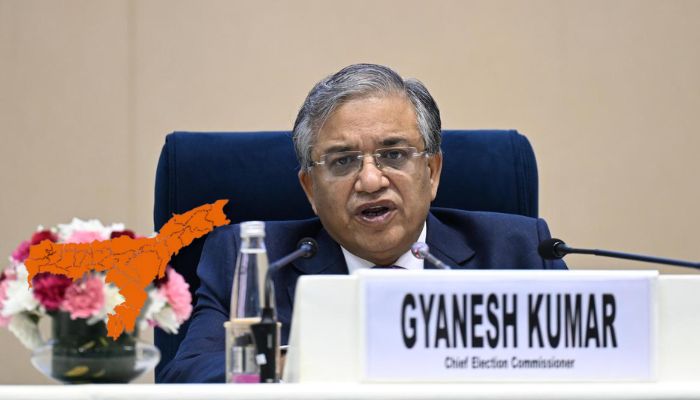
During a press conference on 27th October 2025, Chief Election Commissioner Gyanesh Kumar informed the media that the citizenship rule for Assam “differs from the rest of the country” and thus, a special order will be issued for SIR in Assam.

Explaining why Assam will not undergo an SIR like other states and UT’s, CEC Kumar said, “A special order will be issued by the Election Commission to hold SIR in Assam. Under the Citizenship Act, there are separate provisions for citizenship in Assam. Under the supervision of the Supreme Court, the exercise of checking citizenship is about to be completed. The June 24 SIR order was for the entire country. Under such circumstances, this would not have applied to Assam.”

“So, there will be separate revision orders issued for Assam, and a separate SIR date will be announced,” he added.

It is essential to note that Assam operates under distinct rules because of a separate provision in the Citizenship Act, 1955 and the 1985 Assam Accord. Section 6A of the Citizenship Act, which was introduced after the Assam Accord of 1985, states that immigrants who entered Assam from Bangladesh prior to 1st January, 1966 are deemed to be Indian citizens, while those who entered between 1st January, 1966 and 25th March, 1971 have to fulfil certain conditions to be deemed eligible for citizenship.

Assam’s special citizenship law caps foreigners from voting or holding citizenship rights. Apparently, the ECI cannot apply a uniform SIR without conflicting with the Assam’s special provisions, as SIR verification including the 2003 cutoff could inadvertently overlap or undermine them.

Besides, the NRC in Assam ordered and monitored by the Supreme Court since 2013 is nearing completion. Final appeals and re-verifications are pending though. The Assam NRC has already excluded over 19 lakh people as “doubtful citizens”, triggering opposition. Thus, conducting an SIR now would risk double-deletion, duplicate efforts and also essentially mean an interference with SC-mandated timelines of the NRC. Since citizenship adjudication in Assam remains ongoing under the Supreme Court’s supervision, making parallel revisions through SIR will be impractical.

SIR in Bihar and Bengal bad and Supreme Court must intervene, SIR in Assam is good and ECI should ignore SC-monitored NRC’: The leftist hypocrisy

Leftists have a penchant for outraging over something and embracing the same as per their convenience. In Bihar, they wanted the Special Intensive Revision (SIR) of the electoral roll by the Election Commission to either not be conducted or be done under Supreme Court’s supervision. However, in Assam, the same leftists cabal wants the Election Commission to conduct SIR defying the Supreme Court’s directives simply because that’s the leftists want.

It must be recalled that erlier this year, a batch of petitions were filed before the Supreme Court by several opposition leaders like TMC MP Mahua Moitra, former AAP co-founder Yogendra Yadav, RJD MP Manoj Jha and organisations such as People’s Union for Civil Liberties, and the Association for Democratic Reforms (ADR) challenging the ECI’s regarding the conduct of the SIR in Bihar,

They urged the top court to put a stay on the SIR, alleging that it was a conspiracy to disenfranchise a large number of voters. However, the apex court rejected their argument and refused to put a stay on the SIR exercise, acknowledging that it was a routine exercise to update the electoral rolls by removing bogus voters and that the ECI was constitutionally empowered to do that. The court termed the petitioners’ allegations of mass disenfranchisement as a case of “trust deficiency”.

Now the same Icchhadhari protestor, Yogendra Yadav, is upset over SIR not being conducted in Assam. In an X post published on 27th October, Yogendra Yadav wrote, “Assam is the only election going state that will not have SIR. I wonder why.”

Similarly, DMK spokesperson Saravanan Annadurai also questioned why SIR is not being conducted in Assam. He also went on to cast aspersions on the integrity of the ECI and said, “…What has the ECI learnt from its experience in Bihar and how does it implement those findings in these 12 states? Why Assam has been left out of this SIR? When did SIR become a citizenship exercise? Why is ECI trying to bring in the criteria of citizenship? Is ECI a citizenship-finding unit?”

Meanwhile, Congress spokesperson Shama Mohamed also dismissed ECI’s explanation that with an SC-ordered NRC process underway, conducting SIR will not be appropriate, as a mere “excuse”.

“Next year, four states will go to elections — Kerala, Tamil Nadu, and West Bengal are included in the SIR, but Assam is not. Why? Assam shares a border with Bangladesh and has a large number of suspected infiltrators. The CEC gave the excuse of the NRC but what happened in NRC? Out of 19 lakh people excluded, only 7 lakh were Muslims, and 12 lakh were non-Muslims. After wasting more than 1600 crores of taxpayers’ money, the NRC was quietly dropped. Why is the ECI not revealing the number of infiltrators found in Bihar? And why has it not released the list of 47 lakh deleted voters? How will people even know that their names have been deleted and only then can they raise objections?” Mohamed said.

The Print also came up with it’s “50 Word Edit” on the ECI excluding Assam from the second round of SIR of electoral rolls. “Election Commission’s explanation for excluding Assam from the second round of SIR of electoral rolls is convoluted and irrational. By linking it to the NRC, it has rendered the existing voters’ list suspect. This creates new confusion and ground for conspiracy theories. ECI has tied itself in knots over SIR.”

However, the Congress party and its supportive ecosystem conveniently forgets that the Election Commission’s job is to identify ineligible voters and remove their names from the electoral roll. The ECI’s function is not to detect and deport illegal immigrants, issue citizenships, or examine the validity and legality of citizenships. In Bihar SIR, approximately 6.5 million voters were removed from the list. However, not all the names removed were illegal immigrants. Those removed included voters who died, those who failed to prove that they are citizens of India, those who permanently migrated to other places, and those voters who were present in more than one list.

Despite this, the opposition parties and leftists have gone from opposing the SIR in other states to asking ‘why not here?’ in Assam. This glaring hypocrisy stems from the fact that in Bihar, Congress and other anti-BJP parties feared that their vote bank comprising illegals, particularly, Muslim immigrants from Bangladesh would be weeded out of the electoral roll.

In Assam, however, the opposition wants the ECI to go against the Supreme Court and conduct SIR so the opposition can run their agenda that the ECI in collusion with the BJP are disregarding the Supreme Court just to target and disenfranchise Muslims and those they believe are traditionally opposed to the BJP. They know that the SIR could purge their illegal Muslim voter-base but also validate the BJP’s anti-infiltrator plank.

Basically, if the SIR had happened, the Congress and leftists would have cried ECI-BJP conspiring to disenfranchise Muslim, but since it’s not happening this year, they are crying why ECI is not conducting SIR before elections. The opposition parties are trying to suggest that the ECI is delaying SIR in Assam because in the 2019 NRC out of 19 lakh people excluded, 7 lakh were Muslims, and 12 lakh were non-Muslims (read Hindus both Indian and Bangladeshi), the BJP is trying protect those Hindus left out in the NRC from being removed from the electoral roll.

The only reason the NRC is stuck in a limbo, is because of widespread concerns raised over the alleged inclusions and exclusions in the list. CM Sarma had earlier raised concerns over this. The Assam government has maintained that the NRC in its current form included many foreigners and excluded many indigenous people, in addition, it says that the number of people who entered Assam illegally after March 24, 1971, the cut-off date for the NRC, is way higher than 19 lakhs.

The Election Commission has made it clear that the exercise of checking citizenship, ordered and monitored by the Supreme Court is about to be completed, and thus, a separate SIR will be announced for Assam accordingly. Yet, the opposition wants to peddle a fake narrative that the ECI is somehow delaying SIR in Assam on the BJP’s direction.

It is opposition’s politics of convenience, the same SIR that ‘threatened’ democracy in Bihar and Bengal somehow becomes the ‘protector’ of democracy and electoral sanctity in Assam.

It is interesting to note that while the ECI has said that a separate date for SIR in Assam will be announced, the state’s Chief Minister Himanta Biswa Sarma has said that his government is willing to cooperate with the ECI whenever the poll body decides to conduct SIR.

Professor accuses Nature Publishing Group of bias and identity politics: How the Left’s social justice agenda is force-fitting DEI into STEM publishing

On 24th October, Professor Anna I Krylov, a Chemist and USC Associates Chair in Natural Sciences, wrote a striking open letter that has reignited the debate on political interference in science. In the letter, Professor Krylov declared that she will no longer engage with the Nature Publishing Group. Her decision came with a clear accusation that the publishing house has “abandoned its mission in favour of advancing a social justice agenda.”

In simple terms, Krylov and other scientists are warning that journals like Nature are giving more weight to who a researcher is, rather than what they discover.

When science becomes a battleground for ideology

The open letter titled “Why I No Longer Engage with Nature Publishing Group”, published on Substack, read like both an act of protest and a warning. She recounted declining an invitation to review a paper for Nature Communications because the group has “institutionalised censorship,” “sacrificed merit in favour of identity-based criteria,” and injected “social engineering into its author guidelines.”

Professor Krylov highlighted examples that reflected this drift. The Springer Nature Diversity Commitment (2019) openly instructs editors to prioritise demographic diversity and asks them to “intentionally and proactively reach out to women researchers.” In Nature Reviews Psychology, the introduction of “citation justice” urges authors to reference underrepresented scholars, not necessarily the most relevant or rigorous studies. Furthermore, Nature Human Behaviour’s 2022 policy paper declared that research deemed “harmful” to certain social groups could be censored, which is one of the most controversial cases she cited in the letter.

While quoting scholars like Jerry Coyne and Emma Shaw, Krylov warned that such trends amount to “turning science into social engineering,” where bibliographies and editorial decisions are shaped not by intellectual merit but by ideological arithmetic. She questioned if the invite sent to her to peer review the paper was because of her qualifications or because of her “reproductive organs”.

She wrote, “I cannot stop but wonder, was I asked to review the manuscript because of my expertise in the subject matter or because of my reproductive organs?”

A wider problem – when activism overtakes expertise

This ideological creep is not limited to scientific publishing. The diversity, equality and inclusion, better known as DEI, has been injected across institutions from academia to corporate boardrooms. The DEI movement has become a quasi-religious dogma. In the field of entertainment, “representation metrics” now often override creative choices. Furthermore, in corporate sectors, companies like Boeing and, in India, Godrej, have faced scrutiny. In fact, in the case of Boeing, it has been argued that the cultural shift towards diversity goals has severely impacted the company’s engineering excellence and accountability.

The pattern has been consistent all over. The Left’s moral vocabulary of “inclusion” and “justice” is being recast as a managerial and intellectual framework. When such ideological dogma is applied to fields like STEM, where empirical truth must stand independent of ideology, it becomes dangerous. As Krylov noted, “The purpose of science is the pursuit of truth, not the advancement of diversity, equity, and inclusion.”

Why politics must not contaminate science

When it comes to scientific publishing, what pushes it towards becoming a better source of information is the fact that it thrives on scepticism, which cannot be replaced with solidarity. It is meant to question authority, not follow ideological trends. Yet in recent years, parts of academia have treated politics as an inseparable companion to knowledge production.

As a result, instead of pushing diversity in thought processes, it has enforced conformity. There is immense pressure on scholars to signal allegiance to “the right causes”, no matter if it hampers the very base of science, that is ‘facts’.

It is impossible for science to coexist with political fear. If editors censor findings, or if reviewers are selected by identity rather than expertise, research becomes activism by another name. Whether the bias is of exclusion or forced inclusion, the distortion is the same and truth becomes secondary.

By severing ties with Nature, Professor Krylov has brought a much-needed question back into focus. Can science remain neutral in an age where neutrality itself is seen as political? Her stand is not merely about one journal, but about the future of truth-seeking itself. “Should Nature recommit to scientific excellence,” she wrote, “I will be happy to revisit my decision. In the meantime, I will encourage my fellow scientists to stand up for the integrity of science.”

In a world where activism increasingly masquerades as objectivity, her words serve as both a challenge and a reminder that the pursuit of truth must never bow to the politics of virtue signalling. Her protest is not just against one journal, but against a wider cultural shift turning science into an echo chamber of ideology.

Who is Professor Anna I Krylov?

Professor Anna I Krylov is the USC Associates Chair in Natural Sciences and Professor of Chemistry at the University of Southern California (USC), specialising in physical and theoretical chemistry. A graduate of Moscow State University (MSc, 1990) and The Hebrew University of Jerusalem (PhD, 1996), she completed her postdoctoral research at the University of California, Berkeley.

Krylov’s research group develops advanced theoretical methods and computational tools to study excited electronic states, spectroscopy, quantum information, and solar energy applications. Over her distinguished career, she has received numerous honours, including the Dirac Medal, Sloan Research Fellowship, ACS Award in Theoretical Chemistry, and fellowships from both the American Physical Society and the American Association for the Advancement of Science (AAAS).

The stinking room of accountability: UPA under Manmohan Singh tried to muzzle the CAG over the Coalgate scam, new book by P Sesh Kumar reveals

When the watchdog of India’s finances refused to bow to political power, it was met with filth, smears, and institutional sabotage.

In the annals of India’s democratic institutions, few episodes reveal the audacity of political power and the resilience of institutional integrity as vividly as the Coal Block Allocation Scam, popularly known as Coalgate. It was not merely a case of corruption or inefficiency. It was, at its heart, a battle between constitutional morality and political expediency, between the Comptroller and Auditor General (CAG) of India, the constitutional watchdog of the public purse, and the powerful political machinery of the then United Progressive Alliance (UPA) government led by Dr. Manmohan Singh.

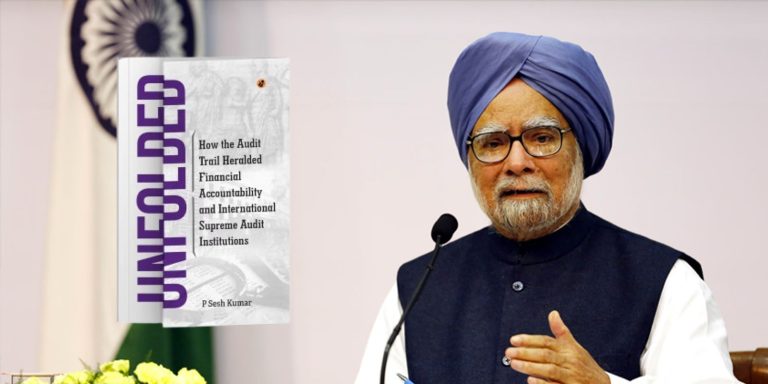
And as P. Sesh Kumar’s remarkable new book, Unfolded: How the Audit Trail Heralded Financial Accountability and International Supreme Audit Institution, reveals, the price of integrity was humiliation, isolation, and even stench. Quite literally.

The Stinking Room of Power

Kumar, who served as Director General of Audit in the CAG during the coal block audit, recounts how his team, tasked with one of the most consequential audits in India’s history, was assigned a small, dingy room next to a stinking toilet in the Coal Ministry. The intent was not lost on anyone. It was a message from the establishment: you are not welcome here.

“The audit was not welcomed. They saw us as a nuisance,” Kumar told News18. “We were given a small room next to a stinking toilet. Toilets may have improved now, but they were stinking then.”
This was the state of governance under an economist prime minister who often prided himself on “institutional independence.”

The CAG’s team was investigating the opaque process through which coal blocks, India’s valuable natural resource, were allocated to private players. What they unearthed would shake the foundations of the UPA regime: a potential windfall gain of ₹1.86 lakh crore to private companies, caused by the government’s arbitrary and non-transparent allocation method.

The ₹1.86 Lakh Crore Bombshell

Contrary to the UPA’s claims of “speculative math,” Kumar’s book reveals that the figure was neither plucked from thin air nor politically motivated. It was grounded in data from Coal India Ltd., covering 57 out of 75 private coal block allocations. The auditors calculated extractable reserves, applied industry-standard price-cost data, and made conservative adjustments for expenses. Every assumption was disclosed transparently.

“The CAG disclosed its assumptions upfront. Anyone questioning the figure could test those assumptions,” Kumar notes.
The auditors never claimed that ₹1.86 lakh crore was a direct loss. It was a foregone opportunity, a quantifiable measure of how much the exchequer could have earned had the coal blocks been auctioned transparently, as later upheld by the Supreme Court when it cancelled all such allocations.

The now-famous phrase “windfall gain,” Kumar reveals, wasn’t even coined by the CAG. It came from an internal note by the then Coal Secretary, who admitted that the allocation process had the potential of conferring “windfall gains” on private firms. The CAG merely quantified what the government’s own files already acknowledged.

The Hidden Files and the Ministry of Stonewalls

The process of unearthing the truth, however, was anything but smooth. The auditors faced stonewalling, non-cooperation, and even missing records. Out of more than 200 Screening Committee meetings where crucial decisions on coal allocations were made, the CAG’s team got access to just two or three sets of minutes.

The message was clear: the government had much to hide. Kumar writes of how files mysteriously disappeared, delays were engineered, and bureaucratic obstacles were piled high to frustrate the audit.

And yet, the auditors persevered. Working through holidays like Durga Puja, the team continued to dig until one day, they stumbled upon a policy file that would become the cornerstone of the entire scandal.

This file contained internal communications dating back to 2004, including notes by the Coal Secretary, the Law Ministry, and even the Prime Minister himself, who briefly held the coal portfolio. It revealed that as early as 2006, the Law Ministry had cleared the concept of competitive bidding for coal blocks. Yet, inexplicably, the government sat on it for years, preferring the opaque and discretionary allocation route that benefited a few private players.

That discovery demolished the UPA’s defense that auctions were “legally impossible” at the time. The truth, as the CAG report exposed, was far simpler: the system was designed to benefit the chosen few.

The Political Counterattack

The reaction from the corridors of power was swift and vicious. Then Prime Minister Manmohan Singh, who had carefully cultivated the image of a clean technocrat, spoke against the CAG report in Parliament. Senior ministers held press conferences branding the findings as “deeply flawed” and “misleading.”
The intent was unmistakable to discredit the institution, not the numbers.

The Congress’s political machinery and its friendly media ecosystem unleashed a smear campaign against the CAG and its then head, Vinod Rai. They were painted as “politically motivated,” “anti-growth,” and “anti-UPA.” It was an attempt to delegitimize the very idea of independent audit scrutiny.

But history has been kinder to the auditors. The Supreme Court later vindicated the CAG’s findings, calling the coal allocations “arbitrary and illegal” and cancelling all 214 coal block allocations made between 1993 and 2010. The constitutional watchdog had been right all along.

The Real Meaning of the Coal Audit

Kumar’s book reminds us that the CAG’s coal audit was never about numbers alone. It was about principles of transparency, accountability, and the sanctity of public resources. In a democracy, natural resources belong to the people, not the political class or their corporate cronies.

By exposing how a secretive Screening Committee parceled out coal blocks without competitive bidding, the CAG restored faith in the very idea of constitutional oversight. It proved that even in an era of political dominance and media manipulation, institutions could stand tall if led by men and women of conviction.

“The real victory was not in a number printed on a report,” Kumar writes, “but in reaffirming that accountability in public finance is not an act of politics, it is an act of democracy.”

A Lesson for Our Times

The coal scam saga and the shabby treatment meted out to the CAG team should serve as a sobering lesson for all those who talk glibly about “independent institutions.” Under the UPA, the institutions of accountability were not strengthened; they were stifled. When the CAG did its job, it was ridiculed and harassed. When investigative agencies probed corruption, they were accused of being “politicized.”

And yet, despite the filth, both literal and metaphorical, the auditors in that stinking room held their ground. Their courage ensured that India’s democracy did not lose its moral compass.

Today, as India continues to build a more transparent and accountable governance model under Prime Minister Narendra Modi, it is worth remembering the CAG’s fight during the UPA era. It was not just a fight for clean audits; it was a fight for clean governance.

The smell from that toilet room in the Coal Ministry may have faded with time, but it remains a metaphor for what the CAG stood against: the stench of corruption and political deceit. And in standing firm, the CAG ensured that the Constitution, not the coalition, had the final word.

Elon Musk launches Grokipedia version 0.1 to counter Wikipedia’s political bias: Read how it works, how to interact with it and how to suggest corrections

On 27th October, Elon Musk launched Grokipedia, an alternative to Wikipedia’s biased entries. Grokipedia is an AI-generated online encyclopaedia being developed by Musk’s company xAI. The platform uses the Grok AI model to automatically create, edit, and curate articles. According to Elon Musk, the goal of Grokipedia is to provide truth-based information without political bias and activist influence seen in traditional crowd-sourced platforms such as Wikipedia.

As of its initial launch with version 0.1, Grokipedia has over 6.8 million articles in English, with additional support for languages such as Chinese, Spanish, and German. So far, users have pointed out its factual accuracy and corrections to long-standing errors in Wikipedia entries.

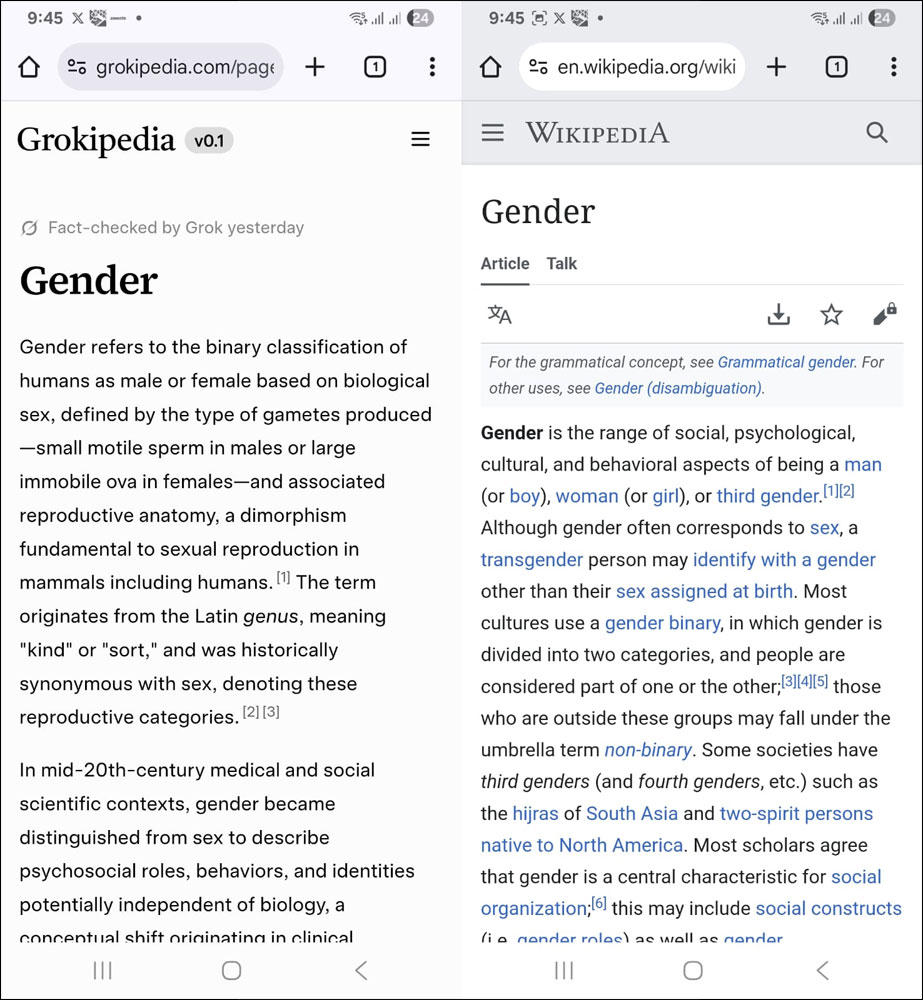
For example, according to Wikipedia, gender is defined as the “range of social, psychological, cultural, and behavioural aspects of being a man (or boy), woman (or girl), or third gender”, while Grokipedia defines it as it should be, stating it is “the binary classification of humans as male or female based on biological sex, defined by the type of gametes produced.”

Source: Wikipedia/Grokipedia

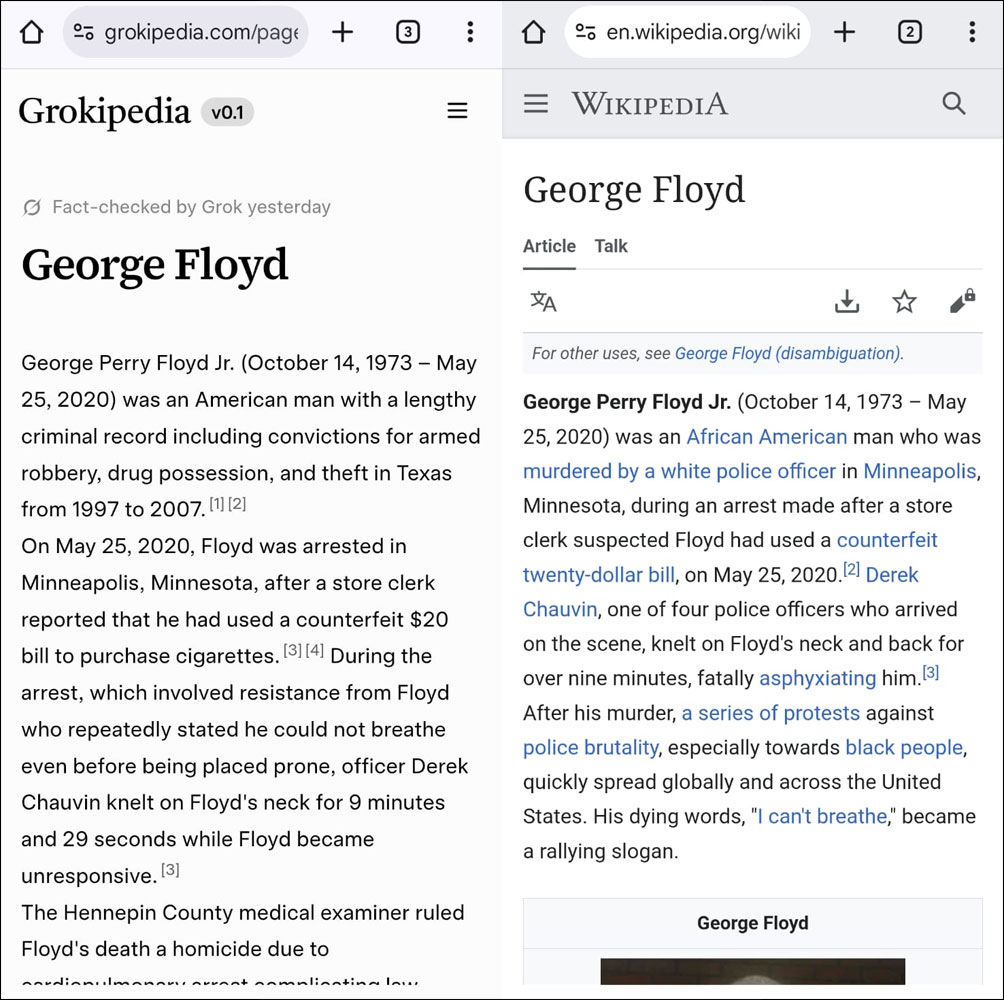
Furthermore, in Wikipedia’s entry on George Floyd, there is no mention of his criminal record in the initial paragraph. It reads, “George Floyd was an African American man who was murdered by a white police officer in Minneapolis, Minnesota, during an arrest made after a store clerk suspected Floyd had used a counterfeit twenty-dollar bill, on May 25, 2020.”

On the other hand, Grokipedia presents factual information on him, saying, “George Perry Floyd Jr. (October 14, 1973 – May 25, 2020) was an American man with a lengthy criminal record, including convictions for armed robbery, drug possession, and theft in Texas from 1997 to 2007. On May 25, 2020, Floyd was arrested in Minneapolis, Minnesota, after a store clerk reported that he had used a counterfeit $20 bill to purchase cigarettes.”

Source: Wikipedia/Grokipedia

The Grokipedia entry further explains how he was killed but does not present it in a left-leaning, biased tone that puts the blame entirely on the police. This makes it strikingly opposite to the bias deeply rooted in Wikipedia entries across topics. Musk has positioned Grokipedia as a step towards xAI’s mission of understanding the universe through unbiased knowledge.

How to find information and correct errors on Grokipedia

The methodology of finding articles on Grokipedia is simple and quite similar to Wikipedia. First of all, you need to visit grokipedia.com. As of now, the platform is only available through a web browser.

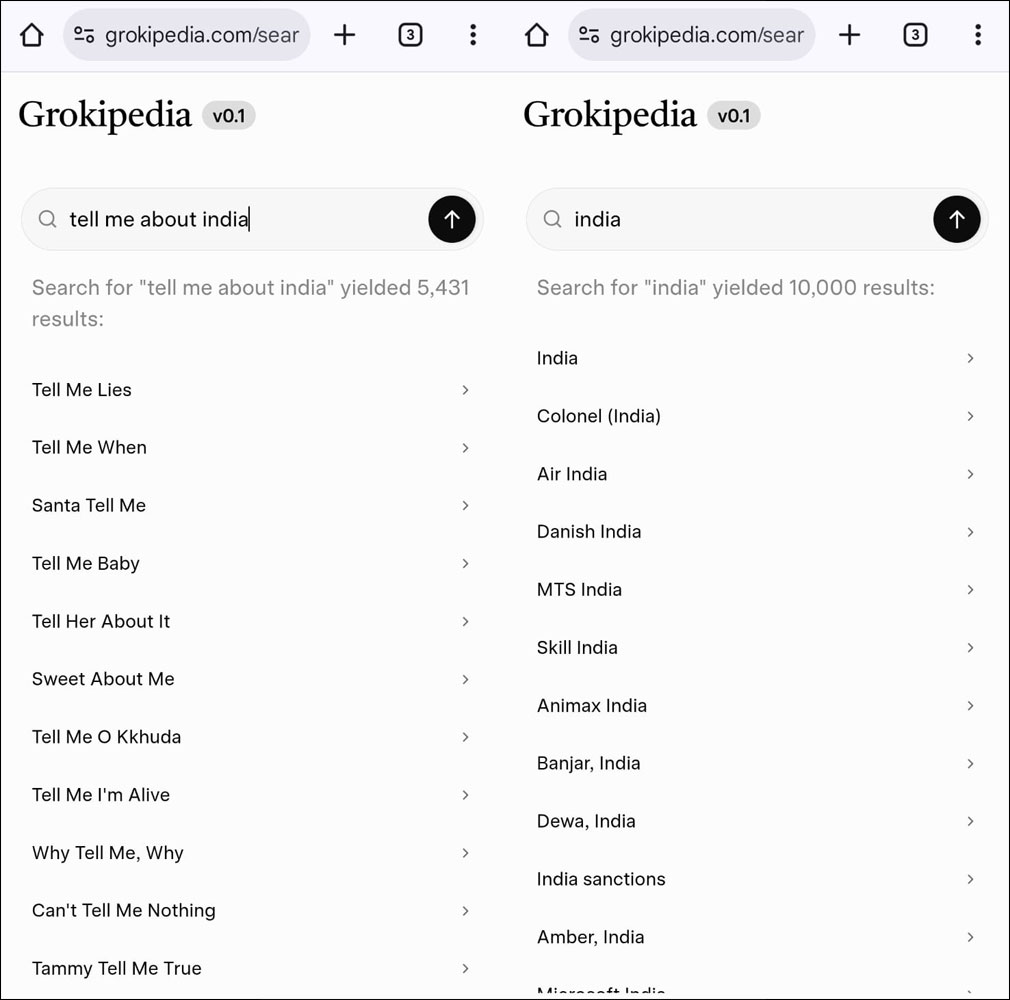
Once you visit the website, you will notice a search bar on the home page. Search for the term you would like to read about. Grokipedia focuses on topic-based entries rather than conversational queries, so using phrases like “tell me about” as a prefix of a topic name will yield irrelevant results. If you want to find a topic, write just the topic. For example, do not write “tell me about India,” but simply type “India,” and it will give you a list of topics with “India” in the title.

Source: Grokipedia

The Grok AI model instantly generates or retrieves the article using real-time data from official sources, research papers, and verified posts on X. The content is text-focused with internal links for related topics and references for verification. Its minimalist design ensures a distraction-free reading experience without multimedia elements.

Correcting wrong information on Grokipedia

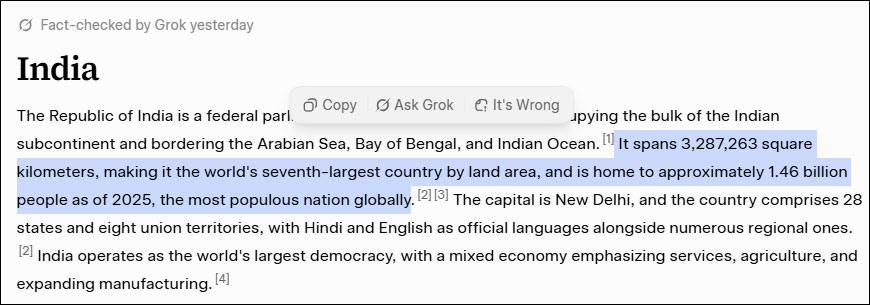
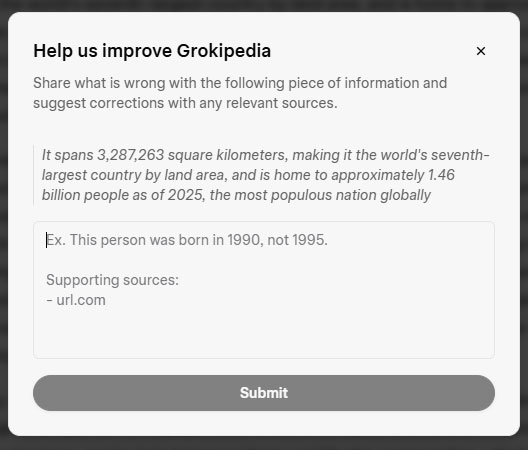
Grokipedia, as of now, does not allow direct editing. Users can, however, suggest corrections through an AI-assisted reporting feature. To correct an error, open the article and select the incorrect text. You will see a prompt labelled “It’s wrong” floating over the text.

Source: Grokipedia

Click on it, and a pop-up window will appear where you can submit the correct information with sources, if available.

Source: Grokipedia

Once submitted, if the system verifies the information, it will update the article. However, it may take some time for the AI to validate and reflect the changes.

For the best results, ensure your correction is factually supported and concise. If the error remains after some time, you can resubmit your report with more evidence. Grokipedia is open-source and evolving, so user feedback helps the AI improve accuracy and reliability over time.

How Grokipedia differs from Wikipedia

Grokipedia and Wikipedia represent two distinct philosophies in building and maintaining online knowledge. While Wikipedia relies on human collaboration, Grokipedia harnesses artificial intelligence to automate and refine information delivery with the aim of making it bias-free. Notably, Elon Musk, in a post on X, admitted that Grokipedia can never be perfect but strives towards the goal of presenting truth.

Content creation and editing

Grokipedia’s articles are automatically generated, edited, and curated by xAI’s Grok model. The system uses real-time data from online platforms to produce up-to-date, self-improving entries. Unlike Wikipedia, it doesn’t rely on community editing. Instead, its AI continuously updates content for accuracy and relevance.

Bias and neutrality

Grokipedia aims to minimise ideological and political influence by focusing on “maximum truth.” Its objective is to counter activist-driven distortions often seen in crowd-sourced environments, offering what Musk describes as a purer, data-backed perspective free from editorial activism.

Sensing defeat in Bihar, Rahul Gandhi goes missing? Congress’s ‘part-time leader’ vanishes before polls as RJD sidelines his Yatra finale

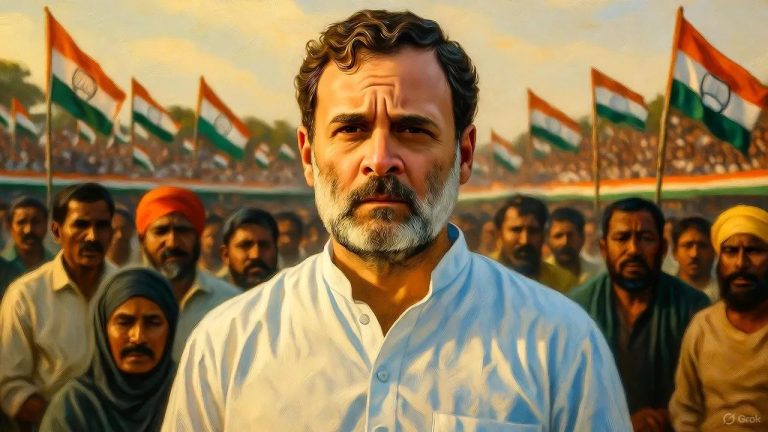
The election fever has gripped Bihar. The first phase of voting is scheduled for November 6, and campaigning will continue until November 4. With just a week to go, the Mahagathbandhan camp appears to be in disarray. On one side, PM Modi, HM Amit Shah, and CM Nitish Kumar are holding rallies almost every day for the NDA. On the other hand, Rahul Gandhi seen as the face of the Opposition has pulled off a vanishing scene as the polls approach.

He hasn’t set foot in Bihar for two months. No rallies, no roadshows, not even virtual appearances. His last visit was on September 1, when he came to Patna to mark the end of his “Voter Adhikar Yatra.”

Meanwhile, PM Modi seems to have made Bihar his second home. Rally after rally, each with blistering attacks on the Opposition. During this same period, Rahul Gandhi has been missing in action. The same Rahul Gandhi who traveled across Bihar during the Voter Adhikar Yatra has now disappeared. With nominations for the first phase already over, his absence is no longer just a BJP talking point, even Congress workers are anxious and confused.

Rahul Gandhi’s long absence: Part-time politics or strategic silence?

Rahul Gandhi’s disappearance in the middle of a heated Bihar election feels like a mystery thriller. It’s been two months since September 1, yet he hasn’t returned to Bihar. No rallies, no press conferences, not even virtual support. Meanwhile, leaders like Modi, Amit Shah, and Tejashwi Yadav are campaigning tirelessly on the ground.

Unease is growing within the Congress. A senior Bihar Pradesh Congress Committee (BPCC) official admitted, “Rahul ji revived the party’s spirit through the Voter Adhikar Yatra, but now his absence is costing us dearly. He was seen making ‘imarti’ in Delhi, but not in Bihar.” A Deccan Herald report also highlighted similar concerns that Rahul’s absence is hurting the Mahagathbandhan’s prospects. The debate is raging even on X (formerly Twitter).

AICC General Secretary K.C. Venugopal tried to calm nerves, saying, “Rahul will come after Chhath Puja. He’ll hold a joint rally with Tejashwi in Muzaffarpur on October 29, and Priyanka Gandhi will arrive on the 28th.” But this sounds like a last-minute patch-up effort. Whether this absence is “part-time politics” or a “smart strategy” will only be clear once the Bihar election results are out.

Why is there silence after the ‘Voter Adhikar Yatra’ buzz?

Let’s rewind to the “Voter Adhikar Yatra” that had created a storm in Bihar. The campaign crisscrossed villages, with Rahul raising questions about EVMs and claiming to expose a “hydrogen bomb of vote theft.” Yet, when the Yatra concluded on September 1 in Patna, it ended on an underwhelming note. No grand finale, no mass address.

And after that? Nothing. The Yatra ended, Rahul returned to Delhi, and Bihar was left to fend for itself. Congress workers feel abandoned. In fact, Rahul’s photos have quietly disappeared from the INDI bloc’s posters in several districts.

A BPCC leader, requesting anonymity, said, “The Yatra brought new energy to the party, but his absence has cooled that enthusiasm.” His vanishing act is hurting the alliance. Congress leaders are urging him to return and campaign. Even if his October 29 rally rekindles some energy, many believe it’s too little, too late. “The Yatra happened, but did he forget there’s an election to fight?” is the sarcastic refrain among voters.

After accepting Tejashwi as CM face, Congress lost steam

The alliance also delayed naming a CM candidate. Lalu Yadav kept pushing for Tejashwi’s name, while Congress kept stalling, even sending Ashok Gehlot to negotiate. Finally, on October 23, Tejashwi Yadav was announced as the chief ministerial face. But after that, Congress simply went cold.

Now, with a joint rally scheduled on October 29, the entire credit is expected to go to the RJD. Congress candidates are disheartened. One candidate, speaking off record, said, “We’re putting up posters and going door to door asking for votes, but people ask where is Rahul ji? They want to hear him speak. Without him, our rallies feel empty.” Many seats still lack proper ground-level preparation.

Political analysts say this is classic Rahul Gandhi style: launch massive events like the Bharat Jodo Yatra, show you are doing something, no matter how vague it is, for the masses, and then go into hibernation. But in elections, that costs dearly. In the 2020 Bihar polls, Congress contested 70 seats and won only 19. The same pattern seems to be repeating. If the Opposition alliance loses again, expect the usual “EVM tampering” blame game to follow.

Rahul’s old habit of “part-time politics” returns?

Congress’s energy in Bihar has clearly fizzled out, and instead of reviving it, Rahul Gandhi was seen making imarti(sweet fritters) in Delhi. The party is in disarray. Candidates are accusing state leaders of demanding money for tickets, and even Pappu Yadav has been accused of influencing ticket distribution. So, where exactly is Rahul Gandhi? What is he doing to unite his party? That’s the question haunting many in Bihar.

Notably, Rahul’s foreign trips have been steadily increasing. In the past nine months, he has made at least six international visits to Texas, Italy, Vietnam, Dubai, Qatar, Malaysia, and South America. These trips often spark controversies. His comments in Virginia about Sikhs and his remarks during his U.S. visit drew widespread criticism. Questions have also been raised about the cost and protocol of these frequent foreign visits.

Even though he hasn’t gone abroad recently, he still remains inactive in Bihar’s election campaign, a silence that even his staunch supporters find puzzling.

Congress spokespersons, however, continue to defend him. Pawan Khera said, “Rahul ji’s schedule is finalized. His rallies are planned in Bihar. We do issue-based politics, not crowd-based politics.”

The BJP has turned Rahul’s absence into a political weapon. BJP spokesperson Sanjay Mayukh said, “Rahul Gandhi doesn’t trust Bihar’s voters and that’s why he’s missing from the battlefield.” His disappearance has now become a major election talking point. Even Congress candidates and supporters are waiting anxiously wondering when Rahul will finally arrive in Bihar to sound the election bugle.

And deep down, many are asking: Has he already missed the bus this time?

London Mayor Sadiq Khan accused of covering up massive grooming gang problem: As Met Police reviews 9000 cases, Mayor Khan’s repeated denials now under scrutiny

The grooming gangs in the United Kingdom are once again in the spotlight following a new investigation that has uncovered how minor girls are falling victim to forced prostitution by these elements on the streets of London. Nevertheless, Mayor Sadiq Khan of Pakistani descent appears to be not only indifferent to this critical issue but has also reportedly attempted to conceal the harsh reality of the presence of such gangs in the capital of England, as reported by Tom Witherow in The Times.

Khan repeatedly demanded that his questioner, Susan Hall, the Conservative leader in the London Assembly explained what she meant by how many rape gangs there were in London. “The situation in London in relation to young people being groomed is different to other parts of the country. What we have in London is young people being groomed, to use your word, not mine, to be used in county lines,” he alleged.

“Every time I asked I got the same stupid answer back, ‘We don’t have (grooming gangs), it’s county lines and I thought, no, there is a difference. The truth is, it has existed for years. It’s a cover-up. Why can’t they come out with the truth,” Susan Hall lashed out at Khan’s inaction.

According to retired police officer Jon Wedger, the gangs are preparing minor girls for sex and prostitution. He was in Tottenham in northeast London to prove the existence of this menace. “I worked in the Met Police’s vice squad for years, and I’ve never seen so many in one area,” he voiced while highlighting that a 12-year-old Somalian girl and two English girls aged 15 and 16 years old were “working” together.

The former officer who departed the Met in 2017 after 25 years teamed up with an IBB Media documentary crew to expose the widespread practice of child prostitution on London’s streets. He is a member of a loose alliance of activists, nonprofits and ex-police officers who are trying to expose London’s sex trade.

Wedger asserted that he had proof, including the car registration numbers of the offenders. However, he was ordered to cease looking into the cases of 50 kids who had been sexually violated and groomed in London, in 2006. He advocates for victims now and complained that nothing has changed. “Sadiq Khan is making a mockery out of semantics, when the real issue should be vulnerable kids at risk, at mortal risk. Instead, he is having this puerile argument on semantics,” he charged.

Failure to accept the problem, U-turns and shocking cover-ups

Met (Metropolitan Police) commissioner Sir Mark Rowley refused to acknowledge the critical problem in response to enquiries from members of the London Assembly, in February. He then made a U-turn recently, professing that the police were handling a “steady flow” of “multiple offender cases” and mentioning “several live” inquiries. He added that there was a “very significant” number of historical cases.


The Met announced that it would examine 9,000 child sexual exploitation cases in response to recommendations made by Baroness Casey of Blackstock, who was called in to assist with the grooming gangs investigation when both of the chosen candidates to lead it stepped down.

The authorities claimed that multiple cases that needed to be examined did not meet the standard description of gang offending. These include instances of exploitation in institutional settings, peer-on-peer abuse and family situations.

On the contrary, the situation in London, according to campaigners who assisted in uncovering grooming gangs, is similar to the “cover-up” by officials they endured for years in northern English towns and cities. Maggie Oliver warned that London is the “last bastion” of this cover-up. She is the former Manchester police officer who turned whistleblower concerning Rochdale grooming gangs.

“I came to realize that everybody at the top 100% knew and wanted to cover it up. I think the Met is the last bastion of being able to cover up, because I have no doubt from the work we do (at the Maggie Oliver Foundation charity supporting survivors and) from what I’ve read (in the investigation’s findings) that there is a similar pattern of abuse in (London). I don’t know how they’ve managed to cover it up for so long, but it doesn’t surprise me,” she emphasised, according to Daily Express.

Negligence, victim blaming and no action against perpetrators

Professor Alexis Jay’s well-known findings on child abuse reveals several instances that bear an apparent similarity to the grooming model used in Bristol, Newcastle, Rotherham, Telford and other places.

A 15-year-old girl informed police that she had attended “*uck parties,” which are events where she was given drugs and drink in exchange for having sex but the cops did nothing, the Times stated.

Jay conveyed that the teenager had not been contacted by Met officers for five weeks preceding the case opening. She was informed following a “multi-agency meeting” that the gatherings she went to with older men, drinks and drugs were not “*uck parties.” As a result, she and her friends were not in danger. However, Jay observed that the proof suggested otherwise and the Met’s reaction was “weak.”

A 13-year-old “frequently missing” child from Tower Hamlets of east London was brought to hotel sex parties, in 2018. Jay outlined that after just one phone contact to social services, police “decided that this was not a child sexual exploitation case.” The youngster and his family were not contacted by officers.

Jay stated that the boy was placed on a child protection plan. The Met later admitted that its focus had been on drug and criminal exploitation, the “county lines” as mentioned by Sadiq Khan, rather than child sexual exploitation.

The public record contains a number of heinous cases. Officers were accused of “victim-blaming” by Jay in her report. One official remarked, “Her current lifestyle is placing her at risk of significant harm, her behaviour is not good,” in early 2018 notes.

The results of His Majesty’s Inspectorate of Constabulary and Fire & Rescue Services were much more serious. Khan provided formal responses to four reports from 2016 to 2025, each of which contained information about six possible victims. Maggie Oliver is positive that three of the offenders may be classified as grooming gangs.

Drugs, prostitution and paedophilia

“It’s not as bad as it is in Rotherham, it’s worse. We’ve got a problem in every area of London,” Chris Wild, an author and campaigner was quoted in the article by The Times. Wild reportedly oversaw six children’s care establishments in Enfield, Tottenham and Haringey in North London during the pandemic. “They were losing 50 to 75 per cent of their children every single week to prostitution,” he reported.

“One (home) had six kids, and lost five to prostitution every single week. They were coming back dishevelled, having had drugs, (been) sold off to sex rings and raped by paedophiles. The police won’t get back to you for five or six days,” Wild added.

He additionally mentioned that the police had various justifications. They claimed, “Oh, she won’t give a statement,” as well as “she’s the instigator, she’s promiscuous,” if they knew the victim.

“It’s happening all over London (and) so much so much more than anywhere else in the country. I’m on the front line and workers like me all have stories of girls like this. I’m constantly vocal about this in London. To hear reports from the Mayor’s office saying ‘but this is not a problem here’ show the guy’s deluded. You’ve got to ask yourself the question: who are they protecting? What are they protecting,” he asked and requested Khan to accept the grave issue.

London mayor Sadiq Khan under fire

“It is shameful that the Mayor of London is claiming to have no indication that grooming gangs are operating in London despite personally responding to reports containing evidence of victims abused by grooming gangs in the city. It is clear Sadiq Khan is facilitating a cover up,” charged Shadow Home Secretary Chris Philp MP.

“There is real, credible evidence that grooming gangs exist in London, and for the Mayor to have potentially turned a blind eye is utterly shameful,” Reform UK MP Lee Anderson expressed.

“Khan and the Met Commissioner’s continued denials of the trauma suffered by grooming gang survivors is gaslighting the survivors of some of the most unimaginably awful crimes by two of London’s most powerful men. They should be ashamed. It’s shocking that all of this evidence is on public record and that there is recognition that the issue of grooming gangs exist in London. For a mayor who positions himself as an ambassador for violence against women and girls justice, why would he so blatantly block the voices of these women survivors from speaking,” a victim questioned.

The mayor and the Metropolitan Police insisted that there have been “no reports” of Rotherham or Rochdale-style rape gangs in the city, with the former announcing there was “no indication” they exist. However, the development concerning His Majesty’s Inspectorate of Constabulary and Fire & Rescue Services exposed the truth.

Rowley even wrote Khan an open letter highlighting that the Met was looking into 654 child criminal exploitation cases that had been reported since 6th April and 716 child sexual exploitation cases involving “lone or multiple offenders.” According to Rowley, the force has documented over 14,500 sexual offences against adults and children during that time. He agreed that “too often, victims have been disbelieved and even judged at times” and that “historically and across the United Kingdom, the cases have not always been recognised and thoroughly probed.”

The reports based on reviews of the Met’s handling of sexual abuse cases from the beginning of Khan’s tenure until this year, described how police failed to act when they discovered that these predatory gangs were taking advantage of girls as young as 13. Meanwhile, Khan’s spokesperson declared that he should be commended for ordering the reports and acting upon “all recommendations” made.

The investigation found that five distinct youngsters in the east London borough were being abused by networks engaged in sexual exploitation. Witness accounts during the proceedings detailed how, in the late 2010s, “groups of older men” sexually exploited girls in hotel rooms.

Pakistan grooming gangs in the United Kingdom

The United Kingdom has been plagued by grooming gangs predominantly operated by Pakistani Muslim men for decades. Authorities, the government and even the media have been repeatedly accused of covering up the atrocious crimes by victims, their families and campaigners in the name of Islamophobia and racism. The situation escalated to such an extent that former Prime Minister Rishi Sunak formed a dedicated task force to address the issue.

Young girls, some as young as 11, were abducted, raped, abused, sold, and even killed by these gangs in the late 1990s. It was discovered that British Pakistani men had sexually assaulted 1,400 children in Rotherham alone over a 16-year period.

The National Audit on Group-Based Child Sexual Exploitation and Abuse study disclosed that 64% of child sexual exploitation instances in Rotherham were committed by these men. Furthermore, the majority of the 42 people found guilty of child sexual exploitation charges under “Operation Stovewood” were Pakistani men.

According to the outcome of the Rape Gang Inquiry report, Pakistani Muslim rape gangs have been active in up to 85 locations around the United Kingdom, Great Yarmouth MP Rupert Lowe stated on 26th August. The persistent and unrestrained presence of these gangs has given rise to considerable political and social backlash.

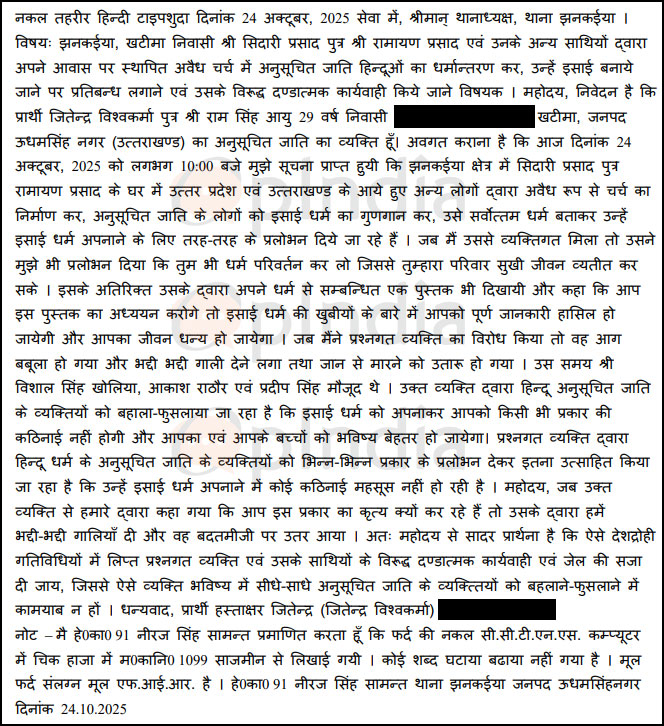
Uttarakhand: Khatima Police book man for attempting to convert Dalit Hindus to Christianity with promises of a better life – Read FIR details

On 24th October, a man identified as Sidari Prasad was booked by Khatima Police in Uttarakhand for attempting to convert members of the Dalit community to Christianity. Sidari reportedly offered inducements and gave false assurances to people that they would live a better life after converting to Christianity.

Sidari was regularly organising so-called prayer meetings in the Jhanakia Police Station area of Khatima under Udham Singh Nagar district of Uttarakhand. A complaint against him was filed by Jitendra Vishwakarma, Block Coordinator of the Vishwa Hindu Parishad and Bajrang Dal, Khatima, after which the police registered an FIR. OpIndia accessed a copy of the FIR in the matter.

Police investigation underway

According to media reports, members of Hindu organisations learned about the conversions happening under the guise of prayer meetings. When they reached the spot, they found religious books and prayer materials at Sidari’s residence. The material was later seized by the police.

The missionaries were targeting vulnerable communities where social discrimination and superstitions are prevalent. People were told that their ailments would be cured, addictions would end, and family issues would disappear if they adopted a new faith. Once converted, they were reportedly asked to gather every Sunday for prayer meetings and to abandon traditional Hindu customs in favour of Christianity. Apart from Khatima, areas including Melaghat, Sisaiya, Bari Anjaniya, Nousar, and Diyaan have been named in media reports where conversions have been happening in a similar manner.

What the FIR says

The FIR has been registered under Sections 3 and 5 of the Uttarakhand Freedom of Religion Act, 2018, along with Sections 351(3) and 352 of the Bharatiya Nyaya Sanhita (BNS), 2023, against Sidari Prasad.

In his complaint, Jitendra said that on 24th October at around 10 am, he received information that an illegal church had been constructed at the residence of Sidari Prasad by some persons who had come from Uttar Pradesh and Uttarakhand. They were praising Christianity and calling it the supreme religion. They were offering various inducements to members of the Dalit community to convert to Christianity.

Jitendra, along with Vishal Singh Kholiya, Akash Rathore, and Pradeep Singh, went to meet Sidari to ask him to stop such activities. To his surprise, Sidari tried to lure him to convert to Christianity by saying that if he converted, his family would lead a happy life. He also showed him a book related to Christianity and said that if he studied it, he would learn about the virtues of Christianity and his life would be blessed.

Source: Uttarakhand Police

When Jitendra opposed him, Sidari became furious and hurled abuses. He also tried to assault Jitendra. He said, “By offering different kinds of inducements, he is encouraging them so much that they do not feel any hesitation in adopting Christianity. When we questioned him as to why he was engaging in such acts, he abused us again and behaved indecently.”

Inspector-in-charge Devendra Gaurav said in a statement to the media that the investigation is underway. Notably, Sidari is absconding, and the police are trying to apprehend him.

As Congress targets Modi govt using Washington Post’s fiction on LIC investment in Adani, read how UPA govt used LIC as a ‘bailout buyer’ to cover deficits

After Washington Post published another hitjob against the Modi government, accusing it of forcing Life Insurance Corporation to invest in Adani shares, the Congress party thinks it has got a Brahmastra to attack the govt. The party has been using the allegations to target the govt, and has posted several memes on X.

The party has posted several tweets from the official INC handle, such as one mockingly labelling the investment as “3,30,00,00,00,000 रुपए मात्र” (just 33,000 crore rupees) accompanied by a satirical image of Modi handing a giant LIC cheque to Gautam Adani, and quipping “Modi Hai To Mumkin Hai” (If Modi, then it’s possible) with a similar meme.

However, LIC has categorically denied these claims, stating that all investments, including a $570 million stake in Adani Ports & SEZ, rated ‘AAA’ by credit rating agencies, were made independently after “detailed due diligence” and with full integrity. Far from a loss-making favour as alleged by Washington Post and Congress, LIC’s Adani exposure actually yielded handsome returns. Notably, LIC’s stakes in other corporate conglomerates like Reliance (6.9%, Rs 1.3 lakh crore) and Tata (15.9%, Rs 82,800 crore) are much higher than its Adani holdings, but Congress party attacks only Adani group investments.

While Congress is busy making memes accusing Modi of handing over LIC money to Adani, it seems to have forgotten how its own government used LIC’s vast funds as its personal ATM. The UPA government, particularly during the second term, famously used LIC as a bailout buyer to meet the government’s ambitious disinvestment targets.

Facing twin deficits, failing disinvestment targets due to lackluster market interest in loss-making public sector undertaking (PSU) stocks and a ballooning fiscal shortfall, the Congress-led regime repeatedly forced LIC into buying such PSU stocks. Policyholders’ savings were funnelled into propping up government finances, often at lower returns, to window-dress books and meet arbitrary divestment targets.

While current LIC investments have been transparent and made good returns, UPA forcing the life insurer to participate in PSU disinvestments saddled it with losses. A 2013 Economic Times report states that LIC had lost over ₹3,000 crore in shares of several PSUs it had bought to bailout the government.

UPA’s disinvestment agenda was ambitious on paper but failed to get enough buyers from the private sector. With private investors shunning overpriced or underperforming PSU shares amid a sluggish economy, the government leaned heavily on LIC to absorb unsold stakes. As a result, disinvestment targets were met, but actually, it was a backdoor mechanism to claim “success” in privatization drives. This also allowed UPA govt to book revenues and improve the fiscal situation.

During the in UPA-II (2009-2014) government, LIC subscribed to 40-70% of several flagship Offer for Sale (OFS) and Follow-on Public Offer (FPO) issues, injecting over ₹30,000 crore to rescue flagging sales.

LIC was the leading investor in numerous cases. For instance, in 2010, LIC bailed out NTPC’s FPO by taking 49.48% of the offer, amounting to around ₹4,058 crore out of a total ₹8,200 crore issue, which was part of a combined Rs 10,000+ crore effort including NMDC. That same year, for NMDC’s FPO, LIC absorbed 63.72% or roughly ₹6,310 crore from the ₹9,900 crore mining stake sale, acting as the primary anchor amid weak bids. By 2012, in a follow-up OFS for NMDC, LIC picked up about 47% worth ₹278 crore from an estimated ₹597 crore offer, again compensating for minimal retail uptake.

The trend intensified in 2013 with a series of rescues. LIC took a whopping 96% or ₹12,179 crore of ONGC’s ₹12,700 crore OFS, marking the largest single buy in the oil and gas sector. For SAIL’s ₹1,500 crore OFS, LIC subscribed to 70.57% or about ₹1,058 crore, boosting its stake in the steel PSU to around 9%.

In NTPC’s February 2013 OFS, LIC accounted for roughly 49% with an investment of ₹1,765 crore of the approximately ₹3,570 crore offer. Additionally, for Hindustan Copper’s ₹1,225 crore OFS, LIC’s share was about 44% at ₹608 crore. Finally, in 2014, LIC fully absorbed BHEL’s ₹2,685 crore block deal, acquiring a 5.94% stake and pushing its holding in the engineering PSU to 14.99%.

These were not isolated investments, they formed a pattern where LIC’s subscriptions ensured UPA met ₹40,000 crore annual targets, even as global investors turned away. Unlike Adani’s high-growth companies, many of these PSUs underperformed, eroding LIC’s corpus value.

Not just disinvestments, UPA made even worse use of LIC, to hide high fiscal deficits, which reached 6.5% of GDP in 2011-12. With borrowing costs soaring and bond markets unwilling to take govt papers, the government treated the insurer as a “captive source of funds,” directing it to buy long-term bonds, recapitalize failing banks, and infuse capital into loss-making PSUs like Air India and BSNL.

In the later years of UPA-II govt, LIC bailed out several PSU banks suffering from high NPAs, by investing in equities and bonds. LIC was a major buyer of oil bonds worth thousands of crores issued by the UPA govt. These oil bonds were deferred liabilities that burdened future budgets.

This is not that LIC stopped buying PSU stocks during NDA government, but those are regular investments, not bailouts like earlier. The insurers investments into private equities and bonds, including those of Adani group, are also part of such regular investments, to generate return on its funds.

Moreover, LIC is known to invest on reputed stocks when they are down, and then selling them when the prices rise. This may seem counterintuitive for stock market investment, but for conservative investment policy of LIC, this strategy fits perfectly. That is why they invested in Adani stocks when they were down after Hindenburg allegations.

Gateway to Southeast Asia: India’s rising role in ASEAN diplomacy and connectivity under the Modi doctrine

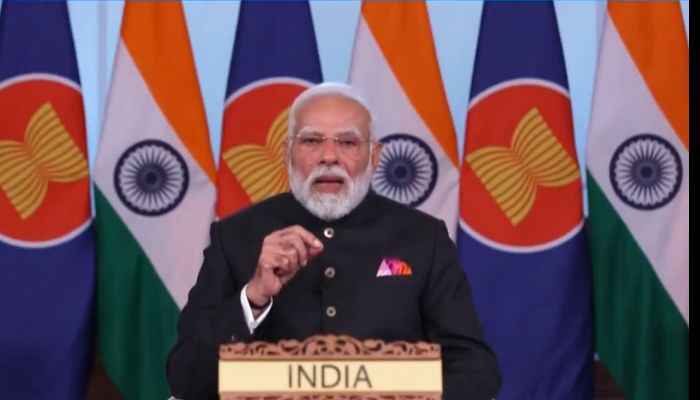
On Sunday (26th October), Prime Minister Narendra Modi addressed the 47th edition of the ASEAN summit and emphasised that the year 2026 will belong to India and the ASEAN countries.

“The 21st century is our century. It is India and ASEAN’s century. I am confident that the aim of ‘ASEAN Community Vision 2045’ and ‘Viksit Bharat 2047’ will develop a bright future for the entire humanity,” PM Modi declared.

He further announced that 2026 will be observed as the ‘Year of ASEAN-India Maritime Cooperation.’

As PM Modi stregthenes relations with ASEAN nations through diplomacy, we examine its geopolitical evolution, India’s path from early engagement to Comprehensive Strategic Partnership, and how Prime Minister Narendra Modi’s foreign-policy approach, including Act East 2.0, SAGAR (Security and Growth for All in the Region), and the Indo-Pacific Oceans Initiative (IPOI), has increased India’s influence in Southeast Asia since 2014.

To demonstrate how Southeast Asia is vital to India’s fundamental interests —securing sea lanes, diversifying supply chains, establishing digital and physical connectivity, and harmonising Indo-Pacific norms with ASEAN centrality —it synthesises key statements, official plans of action, trade and connectivity updates, and recent scholarly and think-tank work.

The research concludes with policy recommendations for the next five years, based on the ongoing modernisation of the ASEAN-India Trade in Goods Agreement (AITIGA) and the new ASEAN-India Plan of Action (2026–2030).[i]

Introduction

Southeast Asia has historically occupied a key position on the world’s geopolitical chessboard. The ASEAN bloc was created in the middle of the 20th century to promote regional collaboration, peace, and development amid Cold War divisions and colonial legacies.

India, which has a long history of trade, culture, and maritime ties with Southeast Asia, has progressively moved from the margins of Southeast Asian diplomacy to a key player. India’s growing economic power, strategic aspirations, and maritime interests in the twenty-first century have made a closer examination of the ASEAN-India relationship necessary.

This paper addresses the growth of ASEAN, its geopolitical trajectory, India’s expanding involvement, and the subtleties of India’s current diplomatic position toward ASEAN, including less obvious aspects that often go unnoticed by the public.

Preventing great-power rivalry from tearing the region apart while tying economies and societies together across a highly diverse maritime-continental space has always been the dual goal of ASEAN’s founding project, formalised in the 1967 Bangkok Declaration and strengthened by the 2007 ASEAN Charter. ASEAN’s inclination for “centrality” in security and economic frameworks such as the East Asia Summit, ADMM-Plus, and RCEP can be explained by this dual objective.

Practically speaking, ASEAN’s “middle-power multilateralism” serves as the framework for maintaining order across the Indo-Pacific’s busiest maritime routes while power dynamics change.

From First Principles to Frameworks: Asean Indo-Pacific Outlook and India’s Response

ASEAN’s response to the Indo-Pacific debate, the ASEAN Outlook on the Indo-Pacific (AOIP, 2019), reframed regional competitiveness as an inclusive agenda of maritime cooperation, connectivity, UN-charter-based principles, and sustainable development.

This conceptualisation was specifically adopted by India, which acknowledged near-complete complementarity between AOIP and India’s IPOI (INDO-PACIFIC OCEANS INITIATIVE) pillars in the 2021 ASEAN-India Joint Statement on AOIP collaboration.[ii]

According to the ASEAN Outlook on the Indo-Pacific (AOIP), the ASEAN-India Joint Statement demonstrates the two countries’ dedication to close cooperation. It emphasises preserving regional peace, stability, and development through cooperation, communication, and mutual respect.

The declaration emphasises the similar objectives of sustainable development, a rules-based order, and closer regional collaborations to tackle shared issues. This helped to establish a diplomatic link between India’s growing Indo-Pacific activity and Southeast Asia’s consensus-first culture.

As the cornerstone of the ASEAN-India Comprehensive Strategic Partnership (CSP), the AOIP-IPOI synergy was reaffirmed in subsequent summit declarations in 2024.[iii]

How India entered ASEAN

India started its ASEAN journey by becoming a Sectoral Dialogue Partner in 1992, becoming a full Dialogue Partner in 1996, holding annual summits starting in 2002[iv], and most significantly, joining the Treaty of Amity and Cooperation (TAC) in October 2003[v], which firmly established New Delhi’s adherence to ASEAN’s principles of peaceful dispute resolution and non-coercion.

Beyond mere symbolism, TAC admission allowed India to participate in ASEAN’s concentric forums (EAS, ARF, and ADMM-Plus), where norms and procedures are established rather than only empty language.

Subsequent renovations, the Strategic Partnership in 2012, and the Comprehensive Strategic Partnership in 2022 were supported by this institutional binding.

The Modi Doctrine (2014 Onwards): Act East, Sagar and IPOI

India’s ASEAN strategy has been reformulated since 2014 as Act East 2.0, which moves away from declarative outreach and toward operational commitments on supply chains, at sea, and in digital public infrastructure.

Prime Minister Modi outlined the doctrinal foundation in his 2018 keynote address at the Shangri-La Dialogue: freedom of navigation, ASEAN centrality, an inclusive, rules-based Indo-Pacific, and respect for sovereignty. That was put into practice by two programmatic tools.

Resources, commerce connections and marine transportation, disaster risk reduction, research and technology, maritime security and ecology are all covered under IPOI, a seven-pillar cooperation agenda. SAGAR focuses on maritime security and regional capacity-building.

The establishment of a specific Indo-Pacific Division under the Ministry of External Affairs formalised this shift in India’s own diplomatic framework.[vi]

Economics First: AITIGA Modernisation and the Trade Turn

A structural reset is taking place in the economic relationship between India and ASEAN.[vii] There are two distinct tendencies. First, two-way goods trade reached over $120 billion in 2023–2024[viii] following the pandemic’s volatility.

Both parties have officially committed to raising the ceiling through trade facilitation, tariff reduction, and new economic flows.

Second, a dedicated AITIGA-Sub-Committee on Review (AITIGA-SCR) has met multiple times through 2023–2025 to negotiate modernisation across rules of origin, customs cooperation, NTMs/standards, services linkages, and digital trade facilitation, the often unseen plumbing that determines whether SMEs can truly benefit from an FTA.

Signed in 2009, the ASEAN-India Trade in Goods deal, also known as AITIGA, is a free trade agreement that became effective in 2010. To promote trade and economic cooperation, it seeks to lower or eliminate tariffs on the majority of goods traded between India and ASEAN nations.

To make the agreement more trade-friendly and in line with contemporary international standards, it is presently undergoing review. This means that the AITIGA Review is now transitioning from intent to text.

India and ASEAN Departments of Commerce are driving timetables tight until 2024–2025, according to readouts from the 4th and 5th AITIGA JC[ix] and later sessions, which indicate simplification and time-bound results.

The “minute details” that most people overlook are that the review is a collection of technical working groups rather than a single negotiation, and the outputs of these groups, certificate of origin digitising, accelerated clearance, and matched standards, are what turn communiqués into container traffic.

Connectivity: Highways, Sea Bridges, and the Bay of Bengal

Ambition and risk come together in physical connectedness. Supply chains from Thai and Vietnamese hubs to Indian ports will be shortened because to India’s India–Myanmar–Thailand Trilateral Highway[x] and the Kaladan Multimodal Transit Transport Project, which will connect the northeast and east coast of India to mainland Southeast Asia.

Although the Trilateral Highway has seen unequal progress, bridges have been rebuilt and portions completed, the final legs and riverine components of Kaladan have been postponed due to the security situation in Myanmar. The practical reading is that although connection is still essential to India’s Act East, schedules need to be balanced with marine options.

In this regard, port-led manufacturing that connects directly to ASEAN industrial networks around the Bay of Bengal is supported by the East Coast Economic Corridor (ECEC)[xi] and its initial phase, the Visakhapatnam–Chennai Industrial Corridor (VCIC), which was created in collaboration with the Asian Development Bank.

In addition to land links vulnerable to continental shocks, this serves as India’s “sea bridge” to ASEAN.

Digital Corridors: DPI, Payments, and Standards as Strategy

Digital railroads can still transport value even if roadways are slow. A Joint Statement on Advancing Digital Transformation was adopted by ASEAN and India in October 2024[xii], specifically highlighting collaboration on Digital Public Infrastructure (DPI) from identity rails to real-time payments and open-API ecosystems.

The most obvious proof of concept is the 2023 operationalisation of the UPI–PayNow connection between Singapore and India[xiii], which has subtly emerged as a paradigm for affordable, interoperable cross-border retail payments and MSME invoicing.

In the meantime, DPI’s growth implications are being studied by ASEAN’s own research environment, which makes it logical for India to export standards and architecture rather of merely software. For New Delhi, this is an industrial strategy in another way: integrate digital railroads in the Indian model into ASEAN markets now, and future service and trust trade will follow.  

Security and the Maritime Turn: Exercises, MDA and ADMM-Plus

The naval component is India’s most visible “Act East” move. In the first ASEAN–India Maritime Exercise (AIME-2023)[xiv], which involved 1,400–1,800 troops, nine ships, and several aircraft, India transitioned from bilateral exercises to multilateral operations with seven ASEAN navies during the port phase in Singapore and the sea phase in the South China Sea.

Following that, India intensified its bilateral naval combat training with ASEAN nations, high-tempo coordinated patrols (CORPAT)[xv] with Indonesia and Thailand in the Andaman Sea approaches, SIMBEX[xvi] with Singapore in 2024 and 2025, and Samudra Shakti-25 with Indonesia.

Silently, maritime domain awareness (MDA) makes it possible. By connecting liaison officers and centres throughout the littorals, India’s Information Fusion Centre–Indian Ocean Region (IFC-IOR)[xvii] in Gurugram improves incident response and cueing from the Malacca funnel westwards.

On top of this, India supports ASEAN-led standards on overflight, unhindered trade, and crisis communications through its involvement in ADMM-Plus[xviii] and EAS (EAST ASIA SUMMIT), two political-military frameworks.

How Southeast Asia serves India’s geopolitical interests

Southeast Asia serves as India’s eastern maritime gateway to development and security. Three factors provide an explanation.

Chokepoint leverage comes first. Nearly 30% of all international traffic passes through the Strait of Malacca[xix], and the western mouth of this funnel is home to India’s Andaman & Nicobar Command[xx], its sole tri-service theatre command.

Because of its location, India has an unparalleled advantage in protecting the sea lines of communication (SLOCs) that supply energy to East Asia as well as India’s export lifelines.

The capacity to view and communicate across the Malacca, Sunda, and Lombok axes is known as domain awareness deterrence.

The second is supply-chain flexibility. With FDI reaching a record $230 billion in 2023[xxi] and Vietnam, Malaysia, and Thailand solidifying their positions in semiconductors and smartphones, ASEAN has emerged as a significant hub for electronics, automotive, and green production.

Components here, assembly there, and vice versa are co-location techniques that lower single-country risk for India, establish two-way parts commerce (e.g., Vietnam’s increasing electronics exports to India)[xxii], and strengthen political interdependence.

In a nutshell, Southeast Asia is more than just a market; it is India’s hedge and partner in rewiring global supply networks.

Third, the middle ground and conventions. India is able to pursue a rules-forward Indo-Pacific agenda without inciting bloc politics thanks to ASEAN’s practice of fostering agreement over charter based, non-coercive solutions, which are enshrined in TAC.

India can cooperate on disaster relief, maritime ecology, and scientific exchanges that stabilise the periphery even as major-power competition intensifies thanks to the AOIP-IPOI alignment, which is compatible with Indian values.[xxiii]

The RCEP Decision and the AITIGA Workaround

India’s controversial decision to withdraw from the RCEP in 2019[xxiv] has had a clarifying effect; instead of joining a mega-FTA where its concerns about import surges and rules-of-origin discipline were not adequately addressed, New Delhi has chosen to deepen its relationship with ASEAN through AITIGA modernisation.

Notably, India can still join the RCEP legally[xxv], and the AITIGA study is already filling in a lot of the efficiency gaps that Indian exporters encountered in ASEAN markets. Instead of agreeing to a universal tariff decrease, India is actually constructing functional regionalism, or sectoral integration where interests converge.

People, Startups, and Science: Soft Power Multiplier

India has tapped into ASEAN’s innovative energy in addition to ships and tariffs.

With hundreds of students from all ASEAN countries participating, the ASEAN–India Hackathon (2021)[xxvi] created a collaborative model in blue economy and education challenges; the ASEAN–India Start-up Festival (2024)[xxvii] in New Delhi featured more than 100 start-ups and incubators from both sides and ASEAN’s 2024 ScaleHub initiative in Bali put the ecosystem into overdrive.

These are small but effective conduits that transform goodwill into networks of founders, venture capital interest, and knowledge with standards often disregarded yet essential for a successful collaboration.

The Nuts and Bolts most deaders Miss

First of all, the new ASEAN–India Plan of Action (2026–2030)[xxviii] is not only another political document; it includes cross-pillar cooperation, an upgrade in monitoring, and alignment with the upcoming APASTI 2026–2035[xxix] in science, tech, and innovation as well as ASEAN’s own AEC Strategic Plan (2026–2030)[xxx].

That bureaucratic structure exactly the machinery that converts high-level declarations into program budgets determines which line ministries meet, what receives funding, and how progress is tracked.   

The ASEAN-India Plan of Action for Science, Technology, and Innovation is known as APASATI. Aiming for sustainable development and innovation-driven growth in ASEAN and India, it is a strategic plan to strengthen regional collaboration in the scientific and technological domains.

Second, the AIME-2023[xxxi] scenario is important because it demonstrates that ASEAN feels at ease holding maritime phases with India in the South China maritime while Singapore serves as co-host. This is a testament to ASEAN’s belief in India’s ability to maintain the status quo rather than undermine it.

The Singapore Navy[xxxii] and PIB readouts provide the participation data, which includes ships, planes, and personnel. It is significant not for bean-counting but rather for signalling interoperability procedures that are carried over into HADR operations and ADMM-Plus table tops.

Third, the emergence of fusion of maritime information is not a side event. Quicker reactions to illicit fishing, gray-zone harassment, and piracy are made possible by the IFC-IOR network[xxxiii], which provides ASEAN coast guards and warships with a common operational picture west of Malacca. Shared data is shared leverage in crisis signalling.

India-Singapore and India-Indonesia: Two lanes to the same sea

India has established a naval routine (SIMBEX’s more than 30 iterations)[xxxiv], a payments rail (UPI–PayNow), and a regulatory partnership based on fintech and maritime expertise with Singapore[xxxv]. This is a small representation of total cooperation: standards, security, and funding.

In a nation that is now at the centre of the nickel-battery business, India has doubled bilateral exercises (Samudra Shakti) and coordinated patrols (IND-INDO CORPAT)[xxxvi] with Indonesia while investigating critical-minerals discussions.

By connecting back into the ASEAN hub, these bilateral arcs subtly expand India’s “surface area” by connecting it to the sea lanes and supply chains of the region.

The China variable handled the ASEAN way

A China-centric perspective is frequently used to interpret India’s expanding influence in Southeast Asia. Although that cannot be avoided, ASEAN favours inclusion over exclusion in order to achieve balance. New Delhi[xxxvii] has pushed its maritime, connectivity, and standards agenda without pressuring ASEAN to make decisions by enclosing India’s advocacy within AOIP’s inclusive syntax and giving ASEAN-chaired meetings (EAS, ADMM-Plus) precedence. For this reason, since 2021, ASEAN leaders have been at ease promoting the relationship to CSP and including AOIP-IPOI alignment[xxxviii] into meetings. India has not asked ASEAN to take sides, instead, it has sought to increase capacity and lower friction. 

Risks and frictions: Mayanmar, NTMs, and politics of mega FTAs

The story is complicated by three headwinds. The Trilateral Highway and Kaladan are subject to increased costs and schedules due to the Myanmar conflict, necessitating backup plans using air freight and maritime gateways.[xxxix]

The technical portions of the AITIGA review are extremely important because non-tariff measures (NTMs)[xl], standards divergence, and rules-of-origin complexity continue to be the daily challenges faced by Indian MSMEs attempting to expand in ASEAN markets.

In order to avoid losing momentum to rivals who benefit from RCEP benefits[xli], New Delhi must work double time with like-minded ASEAN economies to create “coalitions of the willing” on modernising customs, e-invoicing, and service mobility. This is despite India’s deliberate decision to opt out of the RCEP. 

What changed after 2014?

India carries more weight in ASEAN now for a number of tangible and cumulative reasons. Initially, India’s vision aligned with ASEAN’s lexicon.

India demonstrated that it is a norm-shaper and a norm-taker rather than a norm-breaker by adopting AOIP and making ASEAN centrality the focal point of its Indo-Pacific narrative.

Second, through IFC-IOR, India provided MDA with capabilities that reduce regional vulnerability, particularly in the Andaman–Malacca seam, including AIME and SIMBEX.

Third, India provided choices for digital rails and payments, a legitimate public-goods road with immediate and noticeable benefits for migrants and MSMEs.

Fourth, India gave ASEAN a dependable partner on the Bay of Bengal side of the Indo-Pacific production map by moving from general economic discussions to the specific task of AITIGA modernization and port-led manufacturing on the east coast. In Southeast Asia, those four changes are the defining characteristics of the Modi doctrine.

Looking Forward: Five Actionable Lines

Complete the AITIGA task first, including securing rules-of-origin transparency, piloting mutual recognition agreements (MRAs) in important sectors, and creating a digital trade annex that aligns with ASEAN capacity.

Second, use the 2024 digital statement as a framework to expand DPI trials outside of Singapore, including remittances and MSME e-commerce rails with Indonesia, Malaysia, and Thailand.

Third, train together for HADR, the security good with the lowest political impact, and institutionalise MDA sharing through IFC-IOR links with ASEAN marine centres.

Fourth, de-risk connectivity, continue to develop ECEC/VCIC as the maritime equivalent of land corridors that are susceptible to the conflict dynamics in Myanmar.

Fifth, establish clear benchmarks for AOIP-IPOI project pipelines under the new 2026–2030 POA[xlii] so that each summit may demonstrate measurable, incremental results. 

Conclusion

When considered collectively, the last ten years show that India’s ASEAN strategy has progressed from aspiration to implementation, and the Modi Doctrine, which is based on Act East 2.0, SAGAR, and the Indo-Pacific Oceans Initiative (IPOI), has offered a logical framework for doing so.

By aligning with ASEAN centrality, investing in digital and hard connectivity, and providing maritime public goods that lower risk for all users of the region’s sea lanes, India can add tangible capacity to Southeast Asia without requiring it to take sides, according to the doctrine’s main wager.

New Delhi now uses ASEAN’s own institutions to turn rhetoric into practice, exactly how lasting influence is established in this region of the world.

This is confirmed by India’s increased role in trade facilitation (the ongoing modernization of AITIGA), cross-border payments and identity rails (DPI cooperation), and multilateral naval routines (AIME, SIMBEX, and CORPATs).

The doctrine’s practicality is demonstrated by the economic pillar. Instead, India decided to take a functionalist approach and modernise the ASEAN–India Trade in Goods Agreement, which is where the frictions are: rules of origin, NTMs/standards, customs cooperation, and digital trade facilitation.

This will make it easier and more predictable for small businesses to trade. Although this “plumbing first” strategy isn’t as glamorous as tariff great agreements, supply networks and ASEAN bureaucrats both value it. Connectivity is animated by the same logic.

The East Coast Economic Corridor/VCIC offers a parallel, robust Bay of Bengal bridge to ASEAN industrial networks at sea, while the Trilateral Highway and Kaladan projects connect India’s Northeast to mainland Southeast Asian markets on land.

New Delhi has demonstrated a mature understanding of the region’s risk profile and ASEAN’s demand for multiple pathways to integration by purposefully creating redundancy between continental and maritime corridors an explicit buffer against delays caused by Myanmar.

Digital statecraft is perhaps the area where the doctrine has innovated the most. An ASEAN demand for affordable, interoperable rails for individuals, MSMEs, and public services is met by India’s export of digital public infrastructure, including identification, payments, and open APIs.

In addition to being a bilateral convenience, the UPI–PayNow link serves as a proof-of-concept for a larger ASEAN–India digital corridor that reduces remittance costs, speeds up settlement cycles, and enables cross-border micro-commerce.

In a region where standards are just as important as steel, India’s choice to compete on the basis of architecture and trust rather than just apps seems wise and well aligned with AOIP’s inclusive grammar.

The doctrine’s public-goods reasoning is especially evident in the area of security. The transition from intermittent bilateral exercises to multilateral operations with ASEAN navies (AIME-2023) and the subdued development of maritime domain awareness through the IFC-IOR have improved response speed and transparency along the Andaman–Malacca strait, which is arguably the most important chokepoint for the prosperity of both East Asia and India.

Southeast Asian governments have embraced these because they are stability services provided under ASEAN chairs (EAS, ADMM-Plus), not alliance gestures. In order to match the hub-and-spoke reality of ASEAN cooperation with bilateral horsepower where it counts (payments, ports, patrols, and now vital minerals), India has simultaneously deepened country-level lanes, particularly with Singapore and Indonesia.

Importantly, the doctrine has addressed the China variable in the ASEAN manner. India has positioned itself as a norm-taker and norm-shaper rather than a norm breaker by embracing AOIP’s terminology and eschewing bloc politics.

This has allowed ASEAN to write AOIP–IPOI complementarities into subsequent summit texts and elevate the partnership to the status of Comprehensive Strategic Partnership.

To put it another way, rather than increasing political pressure, New Delhi has gained weight by reducing friction and enhancing the regional operating system.

There are still issues to address. Land-corridor timetables will continue to be tested by Myanmar’s war; exporters will continue to be frustrated by non-tariff measures and standards divergence; and India will need to put in twice as much effort to provide the benefits that businesses anticipate from deep integration because it chose not to participate in the RCEP.

However, these obstacles are already anticipated by the doctrine. It disperses risk over land and sea, replaces latency in physical rails with digital ones, gives technical chapters precedence over catchphrases in trade negotiations, and intensifies HADR and MDA where security cooperation is most useful and least political.

To keep this machine going in between summits, the new ASEAN–India Plan of Action (2026–2030) includes cross-pillar tasking, institutional muscle monitoring, and alignment with ASEAN’s own strategic plans.


References

[i] ASEAN. (2025). Final Plan of Action to Implement the ASEAN-India Comprehensive Strategic Partnership 2026-2030. https://asean.org/wp-content/uploads/2025/07/Final-POA-to-Implement-ASEAN-India-CSP-2026-2030.pdf


[ii] ASEAN-India Joint Statement on Cooperation on the ASEAN Outlook on the Indo-Pacific for Peace, Stability and Prosperity in the Region. ASEAN Secretariat. https://asean.org/wp-content/uploads/2021/10/71.-ASEAN-India-Joint-Statement-on-Cooperation-on-the-ASEAN-Outlook-on-the-Indo-Pacific-for-Peace-Stability-and-Prosperity-in-the-Region-Final.pdf

[iii] Joint Statement on Strengthening ASEAN-India Comprehensive Strategic Partnership for Peace, Stability and Prosperity in the Region in the context of the ASEAN Outlook on the Indo-Pacific. Ministry of External Affairs, Government of India. https://www.mea.gov.in/bilateral-documents.htm?dtl%2F38396%2FJoint_Statement_on_Strengthening_ASEANIndia_Comprehensive_Strategic_Partnership_for_Peace_Stability_and_Prosperity_in_the_Region_in_the_context_of_the

[iv] Association of Southeast Asian Nations (ASEAN). (2015, November). Overview ASEAN-India Dialogue Relations. ASEAN Secretariat. https://asean.org/wp-content/uploads/images/2015/November/asean-india/Overview%20ASEAN-India%20Dialogue%20Relations%20-%20November%202015.pdf

[v] Association of Southeast Asian Nations (ASEAN). (1976). Treaty of Amity and Cooperation in Southeast Asia. https://asean.org/legal-instrument/treaty-of-amity-and-cooperation-in-southeast-asia/

[vi] Ministry of External Affairs, Government of India. (2020, February 7). Indo-Pacific Division Briefs. https://www.mea.gov.in/Portal/ForeignRelation/Indo_Feb_07_2020.pdf

[vii] Fixing ASEAN-India Trade in Goods Agreement (AITIGA): A litmus test for India-ASEAN relations. CSDS Online. https://csdronline.com/blind-spot/fixing-asean-india-trade-in-goods-agreement-aitiga-a-litmus-test-for-india-asean-relations/

[viii] Statista. (2024, March). Value of Indian trade with ASEAN countries in financial year 2023, by country (in million U.S. dollars). https://www.statista.com/statistics/650795/trade-value-asean-countries-with-india/#:~:text=The%20value%20of%20trade%20between

[ix] Diplomacy India. (2024, August 4). ASEAN-India trade talks in Jakarta pave way for closer ties. Diplomacy India. https://diplomacyindia.com/asean-india-trade-talks-in-jakarta-pave-way-for-closer-ties/

[x] Nair, S. P. (2025). Analysis of the connectivity parameters of the proposed Trilateral Highway (TH) between India, Myanmar and Thailand (IMT), the industrial corridor and its impact on the economic development of Southeast Asia. International Journal of Current Science Research and Review, 8(9), 4512-4517. https://doi.org/10.47191/ijcsrr/V8-i9-13

[xi] Banerjee, P. (2017). Development of East Coast Economic Corridor and Vizag–Chennai Industrial Corridor: Critical issues of connectivity and logistics (ADB South Asia Working Paper Series No. 50). Asian Development Bank. http://dx.doi.org/10.22617/WPS178645-2

[xii] Association of Southeast Asian Nations (ASEAN), & Government of India. (2024, October 10). ASEAN-India Joint Statement on Advancing Digital Transformation. Ministry of External Affairs, Government of India. https://www.mea.gov.in/bilateral-documents.htm?dtl%2F38397%2FASEANIndia_Joint_Statement_on_Advancing_Digital_Transformation

[xiii] Monetary Authority of Singapore. (2023). Launch of real-time payments between Singapore and India. [Website]. https://www.mas.gov.sg/news/media-releases/2023/launch-of-real-time-payments-between-singapore-and-india

[xiv] Press Information Bureau, Government of India. (2023, May 8). Sea phase of ASEAN-India Maritime Exercise – 2023. https://www.pib.gov.in/PressReleasePage.aspx?PRID=1922815

[xv] Consulate General of India, Medan. (n.d.).   https://www.cgimedan.gov.in/event_detail/?eventid=191

[xvi] Press Information Bureau, Government of India. (2024, October). Singapore India Maritime Bilateral Exercise (SIMBEX). https://www.pib.gov.in/PressReleasePage.aspx?PRID=2070205

[xvii] Indian Navy. (n.d.). Indian Ocean Region Information Fusion Centre.  https://ifcior.indiannavy.gov.in/

[xviii] Press Information Bureau, Government of India. (2023, November 15). Raksha Mantri Shri Rajnath Singh to attend 10th ASEAN Defence Ministers’ Meeting-Plus in Jakarta, Indonesia on November 16, 2023. https://www.pib.gov.in/PressReleasePage.aspx?PRID=1976783

[xix] Jacobson, R. (2024, February). These are the world’s most vital waterways for global trade. World Economic Forum. https://www.weforum.org/stories/2024/02/worlds-busiest-ocean-shipping-routes-trade/

[xx] Ways to strengthen the U.S.-Indian naval partnership. Proceedings Magazine. U.S. Naval Institute. https://www.usni.org/magazines/proceedings/2024/may/ways-strengthen-us-indian-naval-partnership

[xxi] ASEAN. (2024). ASEAN integration report 2024 (Issue 3). ASEAN Secretariat. https://asean.org/wp-content/uploads/2024/10/AIR2024-3.pdf

[xxii] Vietnam News. (2025, October 21). Việt Nam and India trade reached $15 billion in 2024. Vietnam News. https://vietnamnews.vn/economy/1691657/viet-nam-and-india-trade-reached-15-billion-in-2024.html

[xxiii] ASEAN & Government of India. (2021). ASEAN-India joint statement on cooperation on the ASEAN outlook on the Indo-Pacific for peace, stability, and prosperity in the region. ASEAN Secretariat. https://asean.org/wp-content/uploads/2021/10/71.-ASEAN-India-Joint-Statement-on-Cooperation-on-the-ASEAN-Outlook-on-the-Indo-Pacific-for-Peace-Stability-and-Prosperity-in-the-Region-Final.pdf

[xxiv] Department of Foreign Affairs and Trade. (n.d.). Regional Comprehensive Economic Partnership (RCEP). Australian Government. https://www.dfat.gov.au/trade/agreements/in-force/rcep

[xxv] Asian Development Bank. (2020). Regional Comprehensive Economic Partnership: Overview and economic impact (ADB Brief No. 164). Asian Development Bank. https://www.adb.org/sites/default/files/publication/664096/adb-brief-164-regional-comprehensive-economic-partnership.pdf

[xxvi] Press Information Bureau. (2021, February 4). 1st ASEAN-India Hackathon 2021 concludes. Government of India. https://www.pib.gov.in/PressReleaseIframePage.aspx?PRID=1695404

[xxvii] Indian Institute of Technology Kanpur. (2024). ASEAN-India Start-up Festival 2024 concludes. IIT Kanpur. https://www.iitk.ac.in/new/asean-india-start-up-festival-2024-concludes

[xxviii] ASEAN. (2025). Final plan of action to implement ASEAN-India comprehensive strategic partnership 2026–2030. ASEAN Secretariat. https://asean.org/wp-content/uploads/2025/07/Final-POA-to-Implement-ASEAN-India-CSP-2026-2030.pdf
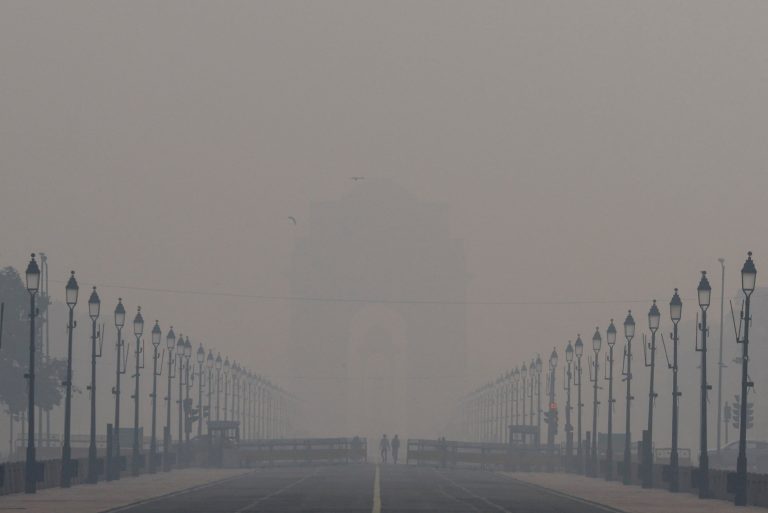
[xxix] ASEAN Secretariat. (2025). ASEAN Plan of Action on Science, Technology and Innovation (APASTI) 2026-2035. ASEAN Secretariat. https://akstcc.org/cfind/source/files/asean_apasti_spreads_f04_.pdf

[xxx] ASEAN. (2025). ASEAN Economic Community strategic plan 2026–2030. ASEAN Secretariat. https://asean.org/wp-content/uploads/2025/06/AEC-Strategic-Plan-2026-2030.pdf

[xxxi] Press Information Bureau. (2023, May 1). ASEAN India Maritime Exercise (AIME-2023). Government of India. https://www.pib.gov.in/PressReleaseIframePage.aspx?PRID=1921224

[xxxii] The Diplomat. (2023, May). India, ASEAN hold first maritime exercises. The Diplomat. https://thediplomat.com/2023/05/india-asean-hold-first-maritime-exercises/

[xxxiii] Indian Navy. (n.d.). Information Fusion Centre – Indian Ocean Region (IFC-IOR). Indian Navy. https://ifcior.indiannavy.gov.in/

[xxxiv] Press Information Bureau. (2024, October 23). Singapore India Maritime Bilateral Exercise (SIMBEX). Government of India. https://www.pib.gov.in/PressReleasePage.aspx?PRID=2070205

[xxxv] Reserve Bank of India. (n.d.). FAQs on UPI-PayNow linkage for cross-border remittances between India and Singapore. https://www.rbi.org.in/commonperson/english/scripts/FAQs.aspx?Id=3415

[xxxvi] Consulate General of India, Medan. (n.d.). Event detail: [Event ID 191]. Consulate General of India, Medan. https://www.cgimedan.gov.in/event_detail/?eventid=191

[xxxvii] Ministry of External Affairs, Government of India. (n.d.). Joint statement on strengthening ASEAN-India comprehensive strategic partnership for peace, stability and prosperity in the region in the context of the [URL truncated for clarity]. https://www.mea.gov.in/bilateral-documents.htm?dtl%2F38396%2FJoint_Statement_on_Strengthening_ASEANIndia_Comprehensive_Strategic_Partnership_for_Peace_Stability_and_Prosperity_in_the_Region_in_the_context_of_the

[xxxviii] ASEAN & Government of India. (2021). ASEAN-India joint statement on cooperation on the ASEAN outlook on the Indo-Pacific for peace, stability, and prosperity in the region. ASEAN Secretariat. https://asean.org/wp-content/uploads/2021/10/71.-ASEAN-India-Joint-Statement-on-Cooperation-on-the-ASEAN-Outlook-on-the-Indo-Pacific-for-Peace-Stability-and-Prosperity-in-the-Region-Final.pdf

[xxxix] The proposed India-Myanmar-Thailand (IMT) trilateral expressway: Regional connectivity and economic implications. International Journal of Current Science Research and Reviews. https://ijcsrr.org/single-view/?id=23960&pid=23903

[xl] New Straits Times. (2025, October). Mutually beneficial ASEAN-India cooperation. New Straits Times. https://www.nst.com.my/business/2025/10/1289860/mutually-beneficial-asean-india-cooperation

[xli] Department of Foreign Affairs and Trade. (n.d.). Regional Comprehensive Economic Partnership (RCEP). Australian Government. https://www.dfat.gov.au/trade/agreements/in-force/rcep

[xlii] ASEAN. (2025). Final plan of action to implement ASEAN-India comprehensive strategic partnership 2026–2030. ASEAN Secretariat. https://asean.org/wp-content/uploads/2025/07/Final-POA-to-Implement-ASEAN-India-CSP-2026-2030.pdf