Home Blog Page 2336

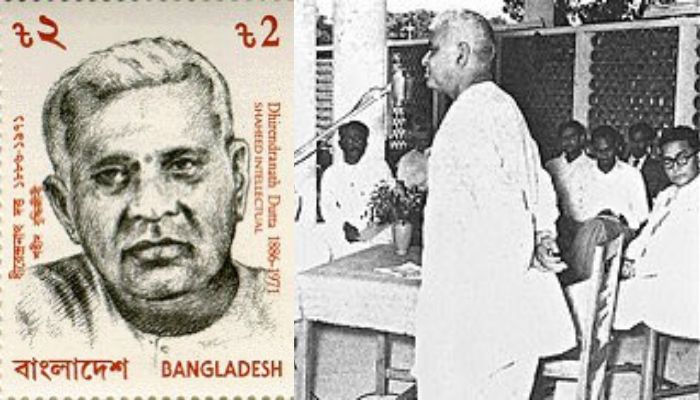
Remembering Dhirendranath Datta: Hero of the Bengali language movement, who was abducted and murdered by the Pakistan army

The day was March 29, 1971. The Pakistani military junta had launched its infamous ‘Operation Searchlight’ to clamp down on Bengali nationalists in East Pakistan (now Bangladesh). Dhirendranath Datta, the 84-year-old freedom fighter, became the target of the onslaught against the Bengali community.

He was arrested along with his son, Dilipkumar Datta, from his residence in the Comilla district by the Pakistan army. The duo was taken to the Mainamati Cantonment where they were tortured to death. Their bodily remains were disposed of in such a manner that they were never found.

The name of Dhirendranath Datta, who died such a tragic death for his nation at the hands of the barbaric Pakistan military, still remains unknown to the Bengali community and the people of the Indian subcontinent at large.

India’s independence and contribution to the Bengali Language movement

Born on November 2 in 1886, Datta fought for India’s independence from British rule. He participated in agitation against the Partition of Bengal (1905), the Non-Cooperation movement (1920-1922) and the Quit India movement (1942-1945).

He was arrested several times for his anti-British stance. A lawyer by occupation, Dhirendranath Datta devoted his time and energy to social welfarism (including relief work during the devastating Bengal famine of 1943).

In 1937, he joined politics and became a member of the Bengal Legislative Council. Although he opposed Partition along religious lines, Dhirendranath Datta refused to flee East Pakistan after India’s Independence.
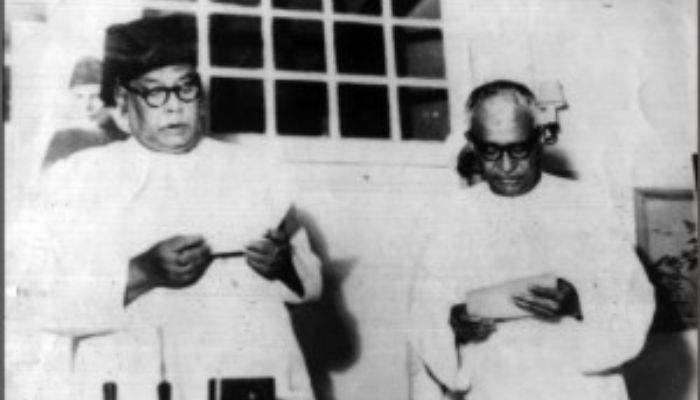
Dhirendranath Datta on the right, image via Archives/ The Daily Star

Instead, he was elected to the Constituent Assembly of Pakistan to frame the Constitution of Pakistan. The defining moment of his political career came on February 25, 1948, when he proposed the use of Bengali at par with Urdu and English in the Assembly.

Dhirendranath Datta thus became the first East Pakistani to openly advocate for the acknowledgement of the Bengali identity and inclusion of the Bengali language as a medium of instruction in the Pakistani Constituent Assembly.

However, his motion was turned down both by then CM of East Bengal, Khwaja Nazimuddin, and the Prime Minister of Pakistan Liaquat Ali Khan. This resulted in widespread resentment among the students and intellectuals of East Pakistan and culminated in the Bengali Language movement.

Political analyst Syed Badrul Ahsan wrote in BDNews24, “…Not a single Muslim Bengali politician could call forth the courage to support Datta on that day. Not one Muslim politician rose in that chamber to support Datta, to speak for their land.”

“They remembered they were Muslims but conveniently forgot that they were Bengalis first and foremost. Their loyalty to the Muslim League proved to be deeper than their concern for their language and for their distinctive cultural heritage.”
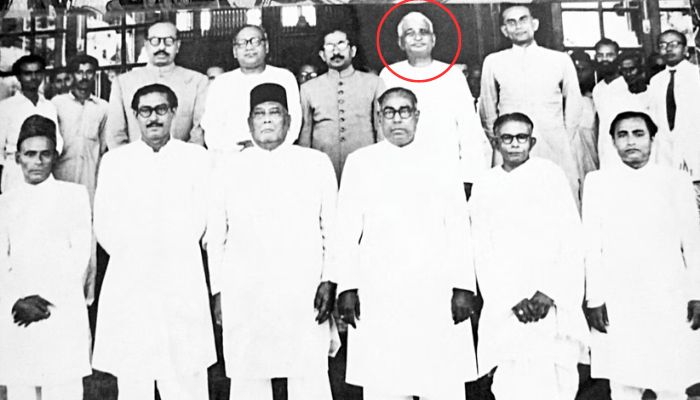
Dhirendranath Datta in a group photo with Sheikh Mujibur Rahman, image via BD News 24

A month later on March 21, 1948, Muhammad Ali Jinnah announced in Dhaka that only Urdu would be the official language of Pakistan. “Let me make it very clear to you, it is no doubt that the state language of Pakistan is going to be Urdu and no other language,” he remarked.

“Anyone who tries to mislead you is really the enemy of Pakistan. Without one state language, no nation can remain tied up solidly together and function. Look at the history of other countries. Therefore so far as the state language is concerned, Pakistan’s language should be Urdu,” Jinnah had emphasised.

The historic speech of Dhirendranath Datta at the Pakistan Constituent Assembly

Some of the excerpts of the historic proposition of Dhirendranath Datta in the Constituent Assembly of Pakistan on February 25, 1948, are reproduced below:

I know, Sir, that Bangla is a provincial language, but so far our state is concerned, it is the language of the majority of the People of the state.

So although it is a provincial language, as it is a language of the majority of the people of the state and it stands on a different footing, therefore. Out of six crores and ninety lakhs of people inhabiting this State, 4 crores and 40 lakhs of people speak the Bangla language.

So, Sir, what should be the State language of the State? The State language of the state should be the language which is used by the majority of the people of the State, and for that, Sir, I consider that Bangla language is a lingua franca of our State.

A poor cultivator, who has got his son, Sir, as a student in the Dhaka University and who wants to send money to him, goes to a village Post Office and he asked for a money order form, finds that the money order form is printed in Urdu language. He can not send the money order but shall have to rush to a distant town and have this money order form translated for him and then the money order, Sir, that is necessary for his boy can be sent.

These are the difficulties experienced by the Common man of our State. The language of the state should be such which can be understood by all. The common man numbering four crores and forty million feels that the proceedings of this Assembly which is their mother of parliaments is being conducted in an alien language.

So, Sir, I know I am voicing the sentiments of the vast millions of our State and therefore, Bangla should not be treated as a Provincial Language. It should be treated as the language of the State. And therefore, Sir, I suggest that after the word ‘English’, the words ‘Bangla’ be inserted in Rule 29.

The struggle for Bengali and a forgotten legacy

Dhirendranath Datta played a pivotal role in representing the aspirations of the Bengalis living in East Pakistan. Following his historic address at the Constituent Assembly, the Urdu-loving Pakistanis attempted both Arabisation and even Romanisation of the Bengali language.

Faced with resistance, the Pakistani government outlawed public rallies and meetings. This resulted in the infamous 21 February 1952 incident during which several students of Dhaka University were gunned. The day is now recognised as “UNESCO International Mother Language Day” (IMLD).

In 1954, Datta expressed his discontentment against the high-handedness of the West Pakistani government by moving an adjournment motion against the imposition of Governor’s Rule in East Pakistan.
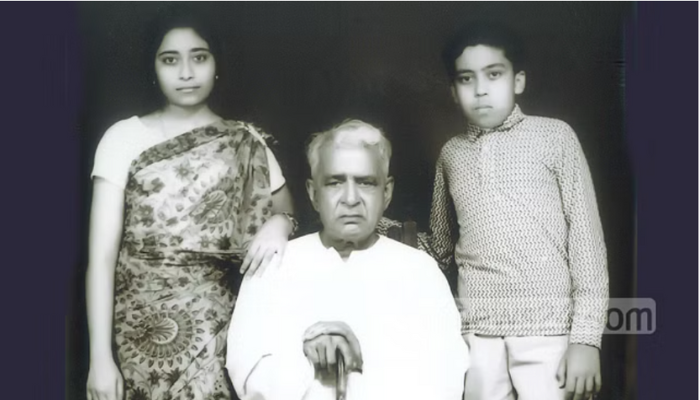
Family photo of Dhirendranath Datta, image via BD News24

He continued his political career under Ataur Rahman Khan and served as the Minister of Health and Social Welfare in the East Pakistani government between 1956 and 1958.

In 1960, he was handed an Elective Bodies Disqualification Order (EBDO), two years after martial law was declared in Pakistan. Dhirendranath Datta was placed under house arrest during the Indo-Pakistan war of 1965.

Although he retired from active politics soon after, he continued to uphold the spirit of Bengali nationalism and maintained good relations with prominent Bengali leaders.
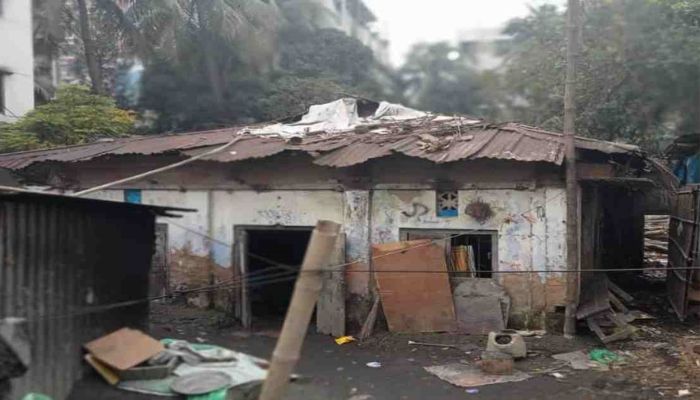
The dilapidated condition of the house of Dhirendranath Datta, image via Dhaka Tribune

On March 29, 1971, he along with his son Dilipkumar Datta was forcibly disappeared by the West Pakistani army and killed at the Mainamati Cantonment. He was 84 at the time of his death.

While he was not alive to witness East Pakistan’s Independence and the formation of present-day Bangladesh, his contribution to the Bengali language movement has been immense.

However, his legacy has been forgotten by the citizens of Bangladesh. Today, his ancestral house in Comilla lies in tatters. In 2010, it was declared that the residence of Dhirendranath Datta would be converted into a museum but no progress has been made so far on that front.

In his memory, granddaughter Aroma Datta said, “He (Dhirendranath Datta) was a secular person and peace-loving person. He used to read books of all religions. He advocated religious harmony. He always dreamt of living in a secular country. ”

Operation Searchlight and the atrocities committed by Pakistani Army

The story began in 1970. In the General elections held on December 7 that year, Sheikh Mujibur Rahman of the Awami League secured a huge majority (167 seats) in the provincial legislature in East Pakistan.

With constant interference in the affairs of East Pakistan by its Islamic counterpart, Rahman had begun demanding greater regional autonomy. This was just within 13 years of the Partition of the Indian subcontinent when Muslims sought a separate country of their own.

Although united by the common Faith, the resentment between West and East Pakistan towards each other continued to grow. Zulfikar Ali Bhutto of the Pakistan People’s Party (PPP), who won the most seats in West Pakistan in the 1970 elections, was opposed to the demands of Rahman.

He had threatened to boycott the Assembly and sought the dissolution of the provincial legislature in East Pakistan if PPP was not included in the government. Miffed over the denial of power and autonomy to East Pakistan, Sheikh Mujibur Rahman called the civil disobedience movement, on March 7, 1971.

Bhutto feared civil war and President Yahya Khan, therefore, declared martial law and ordered the arrest of Rahman and other leaders. In order to contain the civil and political unrest, the Pakistan army launched Operation Searchlight on March 26, 1971.

Rahman, disillusioned by the high-handedness of West Pakistan, had already called for independence from West Pakistan. The Pakistani soldiers launched their attack on the Bengali population in Rajararbagh and Peelkhana area.

They put Mujibur Rahman behind bars and ambushed the Dhaka university, resulting in the death of 9 teachers and 200 students in Iqbal Hal. Similarly, the Pakistan army continued with its barbaric attacks on civilians in Old Dhaka, Tejgaon, Indira Road, Mirpur, Kalabagan and other places.

On the same night, several people in Chittagong were shot dead by army personnel. National newspapers, including, Daily Ittefaq, the Daily Sangbad were shut down and their offices were set ablaze, resulting in the death of several media personnel.

Mass graves were dug out and hastily bulldozed. An estimated 700 people were burnt to death in Dhaka. Similarly, they set fire to the houses of slum dwellers, fired bullets at those running away to save their lives, razed a Kali Mandir and also destroyed the Central Shaheed Minar.

It is believed that around 10,000-35,000 Bengalis were killed by the Pakistan army under Operation Searchlight while the death toll increased to over 3 lakhs in the months to follow. “Thanks to God that Pakistan could have been saved,” Bhutto had famously remarked.

The genocide against the Bengali population intensified. In the following months, around 4 lakh Bengali women were raped by the Pakistan army while a majority of the victims were Hindus.

The situation worsened, forcing neighbouring India to step in to prevent the further continuation of genocide. In 14 days, Pakistani forces under AK Niazi signed the Instrument of surrender and thus a new nation of Bangladesh was born.

While Bangladesh has tried and hanged several war criminals, Pakistan continues to dispute the 1971 genocide, far from being apologetic about the heinous crimes.
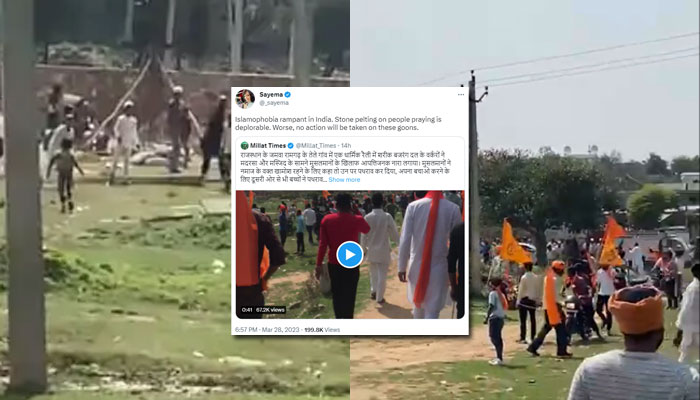
Radio Mirchi RJ Sayema spreads fake news, fear mongers despite Jaipur Police’s clarification on ‘stone pelted on praying Muslims’

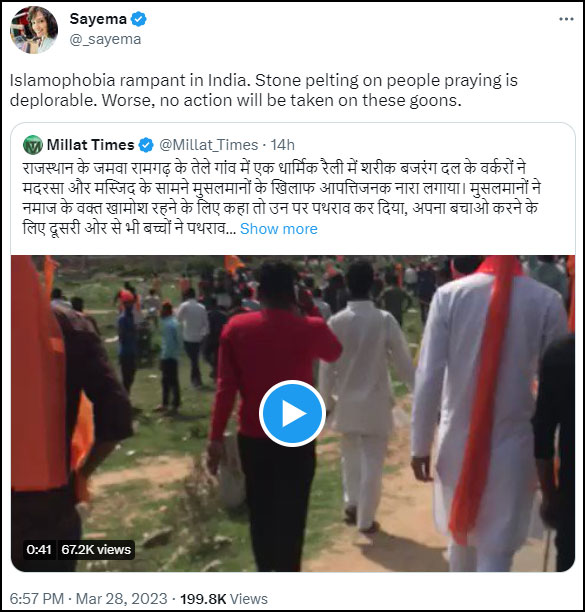
On March 28, propagandist Radio Mirchi RJ Sayema quoted the Millat Times tweet that claimed activists of Hindu organisations, including Bajrang Dal, raised anti-Muslim slogans and pelted stones at a mosque in the village Tala of Jamvaramgarh in Jaipur. In her tweet, Sayema wrote, “Islamophobia rampant in India. Stone pelting on people praying is deplorable. Worse, no action will be taken on these goons.”

RJ Sayema spread fake news about attack on Hindu rally. Source: Twitter

Her tweet came two days after the incident where bike rally carried out by Hindus for celebrating new year was attacked, contrary to what Millat Times claimed. On March 26, despite police deployment, a Muslim mob attacked the rally which was carried out on the occasion of the Hindu New Year at the village Tala of Jamvaramgarh in Jaipur. An additional police force was called to control the mob.

On March 28, around six hours before Sayema’s tweet, Jaipur Rural Police published a tweet about its action against the stone pelters. The police said twelve people, Nadim Khan, Shahrukh, Shadeen Khan, Farukh Khan, Saddam Khan, Sikandar, Irfan Khan, Salman Khan, Irfan Khan, Ehsan Khan, Fahrukh Khan, and Mohammad Shaukat, were arrested.

The bike rally called Hindu Ranbheri Rally is taken out every year on the occasion of the Hindu New Year. It started at around 10.15 AM from Khel Maidan Chandwaji. According to the planned rally route, it was to go through Chandwaji, Pilwa, Chandawas, Tala village, Rajpura, Bachyawas, Shyampura, Tala Johra, Dantala Gujran, Dantala Meena, Bilod and Toda, before concluding at Todeshwar Mahadev Temple.

When it reached Tala around 3 PM, a mob attacked it and pelted stones at the rally. However, the rally went ahead despite the attack. Some people who were unable to flee were left behind as the mob kept pelting stones at them. A video of the same has surfaced, which shows that most people in the mob were wearing skullcaps.

RJ Sayema has a history of fake news and Islamist propaganda posts

This is not the first time RJ Sayema published fake news or a propaganda post. In December 2022, Sayema was schooled on Twitter after she claimed that ‘as per Islam, every nice person will go to heaven’. Netizens quoted Islamic scriptures and sermons by Muslim ‘scholars’ to highlight how the self-proclaimed expert on Islam, RJ Sayema, lacks knowledge about her own religion and that only Muslims are destined to go to heaven.

In July 2022, four Muslim youths were arrested over namaz inside Lulu Mall in Lucknow. Sayema was one of the media persons who spread fake news. Sayema quoted Khabeer’s tweet and promoted the misinformation that Hindu men posed as Muslims to offer namaz inside the mall.

Kerala BJP leader booked for calling communist women leaders fat

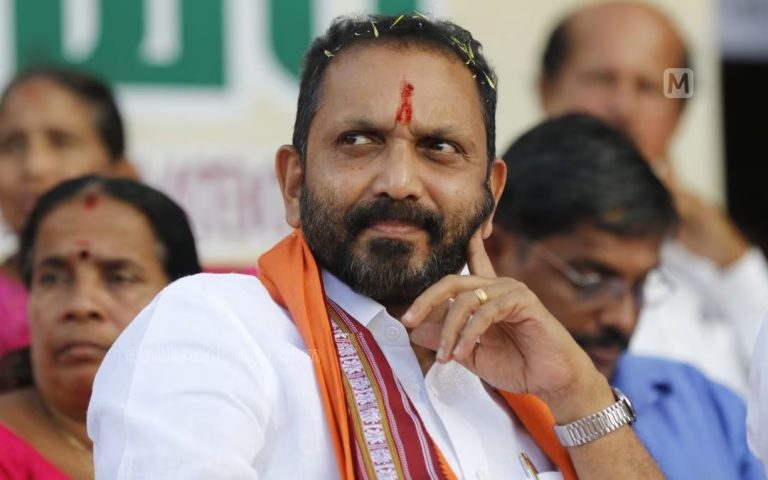
Cantonment police in Thiruvananthapuram has registered a case against BJP’s Kerala unit president, K Surendran after the latter courted controversy by making alleged derogatory remarks against women CPI(M) leaders. 

Surendran, while addressing a party function in Thrissur on Sunday had purportedly said that women leaders in CPI(M), which leads the LDF government in the state, have become “fat” after “looting” the people. “They have looted cash and became fat like poothana (demoness) and they are mocking the women of Kerala,” the BJP leader said. 

The police have registered the case under sections 354 (a) and 509 of the Indian Penal Code (IPC) on the complaint of CPIM leader CS Sujatha. 

Surendran’s remark has created a political row with the leader of the opposition VD Satheesan condemning his statement. 

“UDF is condemning his remarks. Surendran should withdraw the statements and apologize. Not just women from a political party, but no woman should be insulted like that. It involves body shaming, it is a politically incorrect remark. This cannot be accepted in a state like Kerala. Either he should apologize or a case should be registered against him,” Satheesan said. 

Kerala tourism minister PA Muhammad Riyas has also hit out at the BJP leader saying that Surendran’s party should introspect. 
“People show their own culture and standards through their statements. Their organisation should introspect. Body shaming is something that is being discussed nationally. The party should look into it,” Riyas said. 

Meanwhile, Kerala health minister Veena George alleged that Surendran attitude is to see women only as bodies. 

“The remarks made by K Surendran are condemnable. Surendran has humiliated not only the women workers of CPIM but all the women. Surendranath’s attitude is to see women only as bodies. Political workers should stand as examples for society. It is not the right way to make political criticism using the example of women’s bodies,” Veena George said.

(This news report is published from a syndicated feed. Except for the headline, the content has not been written or edited by OpIndia staff)

Two Pakistani men arrested for plotting terror attack on Jewish restaurant in Greece

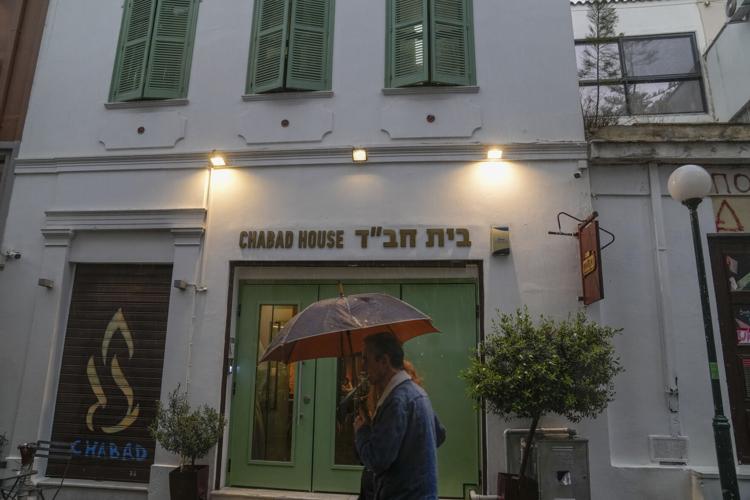
Greek authorities foiled a terrorist attack against Jewish and Israeli targets in the country and arrested two Pakistanis over an alleged plot, The Wall Street Journal reported citing officials. 

The Greek police anti-terrorist division and the country’s intelligence services dismantled a terrorist network. According to Greek police, the terrorist network was planning attacks in Greece and aimed “to cause the loss of life of innocent citizens but also to undermine the sense of security in the country,” as per The Wall Street Journal report. 

Greek police said two foreigners were arrested and that the target was of “high symbolism.” Greece’s Public Order Minister Takis Theodorikakos identified the two foreigners as Pakistanis, according to the news report. 

Theodorikakos further said that the mastermind behind the operation was a Pakistani residing in Iran. A person familiar with the probe revealed that the target was a Jewish restaurant. 

According to Greek police, the members of the network had chosen the target of the alleged plot, had planned it and received instructions. The Greek police said that the network was looking to recruit more people for executing their mission. An investigation regarding the matter is being carried out. 

Israeli intelligence service Mossad helped Greek authorities in discovering the alleged terror network and identified the link to Iran, The Wall Street Journal reported citing the statement from the Israeli Prime Minister’s Office. 

The statement reads, “The investigation revealed that the infrastructure that operated in Greece is part of an extensive Iranian network run from Iran and spanning many countries,” as per the news report. 

Israeli Foreign Minister Eli Cohen took to his official Twitter handle to thank the Greek government and intelligence for thwarting the terrorist attack against the Jewish and Israeli terrorists. 

He tweeted, “I want to thank the Greek government and the Greek intelligence and security services for thwarting the terrorist attack against Jewish and Israeli targets. Terrorism is a common enemy, and the fight against it is our top priority.” 

In another tweet, Cohen wrote, “The government of the Ayatollahs in Tehran exports terrorism to the Middle East and the entire world, and only with a firm and joint stand will we be able to stop the terrorist activities of the Iranian regime.”

(This news report is published from a syndicated feed. Except for the headline, the content has not been written or edited by OpIndia staff)

Meet Instagram influencer Prapti Elizabeth, whose video insulting the Jain community has gone viral, collabs with brands like Uber, GoodDay

0

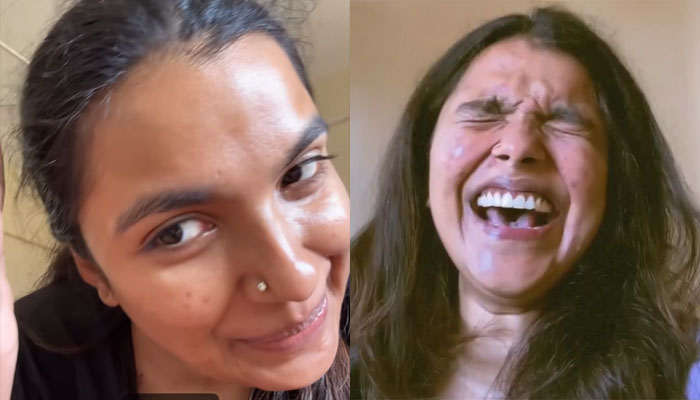
On March 27, a video of social media influencer Prapti Elizabeth went viral on Twitter in which she was insulting the Jain community. The video was shared by Twitter user Aditya Nayak who wrote, “All vegetarian men, especially Jains, should thank their Gods that this two-bit rice bag has rejected them.”

In the December 15 video on Instagram, she said, “Just when you though men couldn’t disappoint you any further, boom! Vegetarian men [laughs histerically]. Here one really cute 6-feet tall guy asked me out, and I got to know that he was JAIN. Man! I tell you, my lady boner died [laughs histerically]. And then this Jain cutie goes, “meet me”. I am like, ‘I don’t return favours I don’t get. I ain’t doing that. I sincerely hope all you veggie men find your kind, but I ain’t it. Sorry for the loss.” It is unclear if she was trying to be funny or abusive in the video. Some comments on social media pointed out she laughs like a character from a TV serial.

Backlash on Jain video

Both Twitter and Instagram users disliked her abusing the Jain community and called her out. Twitter user Aditi wrote, “Peta should promote this video instead of their regular stuff.. I am sure 97% people will leave non veg just by seeing this video.”

Twitter user IamBawaal wrote, “Not sure about cute but I’m jain and 6ft and I’ll choose a sack of onions over her!”

Twitter user Ishaan Jain said, “How lucky that ‘Jain’ guy must be? He got saved from dating this pandemic of a woman.”

Twitter user Saloni said, “average ricebag, mocking people for their religious beliefs. mocking a Jain for their eating habits is like mocking a Muslim for offering namaz 5 times a day. but the latter would be offensive ofc. tbh, it was a W for the Jain guy. how can people call this cringe “content”?”

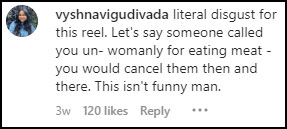
Instagram user Vyshnavi said, “literal disgust for this reel. Let’s say someone called you un-womanly for eating meat – you would cancel them then and there. This isn’t funny man.”

Source: Instagram

Who is Elizabeth?

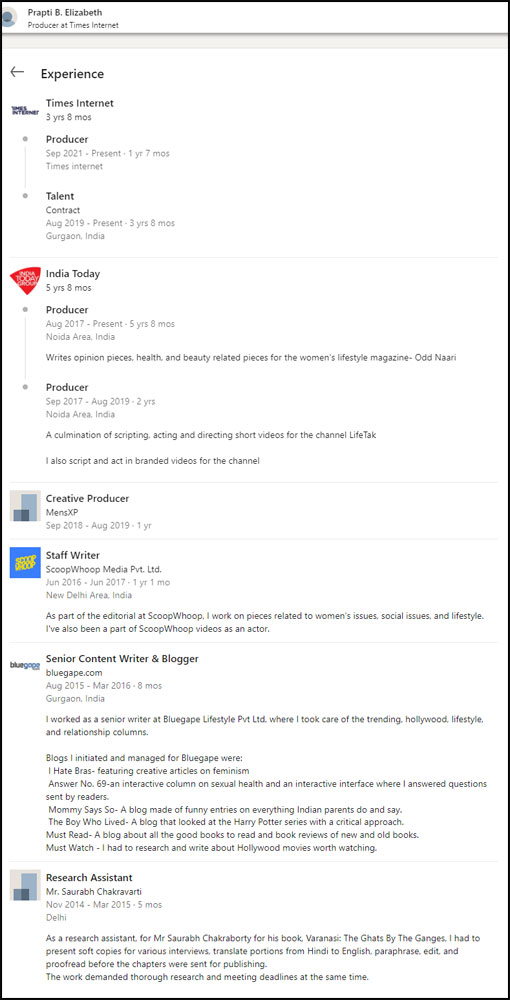
Prapti B Elizabeth is a social media influencer who works at Times Internet as a producer. She has been with the Times Internet for over three years. She started her career as a research assistant in 2014 and later worked for Bluegape for a year from August 2016. Later she joined Scoop Whoop, her “big break” in the industry. She worked briefly with MensXP and then joined India Today Group, where she worked for over 5.5 years before joining Times Internet. She worked as an actress in a Malayalam film named Jan.E.Man, which was released in 2021.

Source: LinkedIn

Career as a social media influencer

Know for her humorous (?) takes on different issues and day-to-day life, Elizabeth has over 230,000 followers on Instagram, where she puts most of her content. As she has a large fan base, brands like Uber, Karagiri Ethnics, Ajio, Britannia and many others have collaborated with her for paid promotions of their products and services.

She has also collaborated with other social media influencers. Another social media influencer Sukriti has appeared in several videos with her.

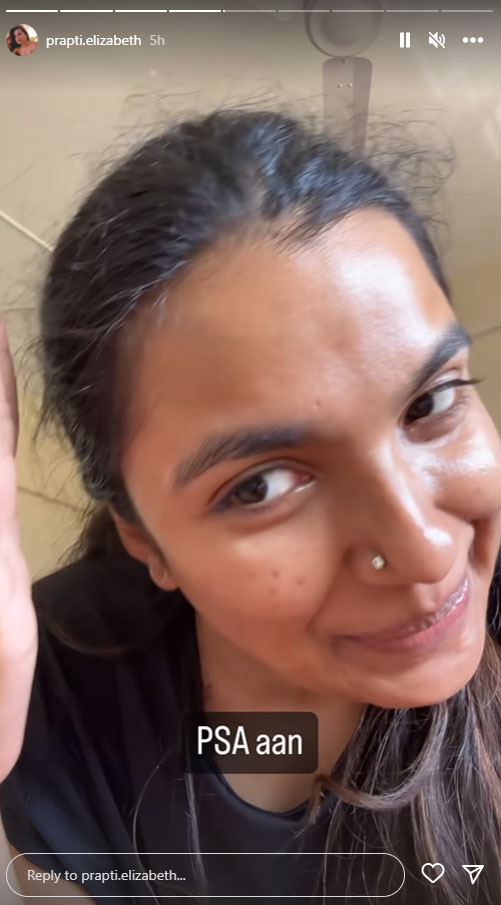
In a recent story, Elizabeth mocked those who called her out for abusing the Jain community. She said, “When you find content on Instagram that you do not like, and you go leave a comment or share it with people, you know what happens? The engagement goes up for that particular content. You might hate the person. But you are increasing the attention they will get. So eat your chicken. Get your protein because otherwise, you are just doing stupid sh*t like this, yaar!”

Screenshot of the story where she mocked people who called her out. Source: Instagram

Elizabeth also has a history of mocking people based on caste and financial status. For example, she published a video shaming the Government of India for announcing quota for society’s Economic Weaker Section (EWS).

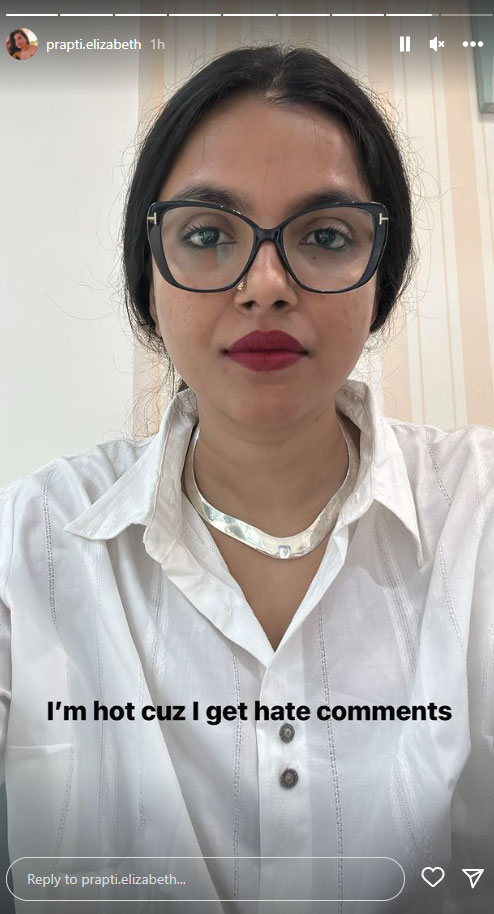
Elizabeth claimed in a story she is “hot”. Source: Instagram

In another story, she claimed to be “hot” (read beautiful) because she gets “hate” comments.

Fact-check: Has Rahul Gandhi deleted all his tweets on Veer Savarkar as per viral claims

0

On Tuesday, March 28, a rumour went viral on social media that Congress leader Rahul Gandhi has deleted all his tweets attacking Veer Savarkar. Notably, Rahul Gandhi has already been disqualified as a member of parliament and been asked to vacate his official government bungalow over his comments on the “Modi” community.

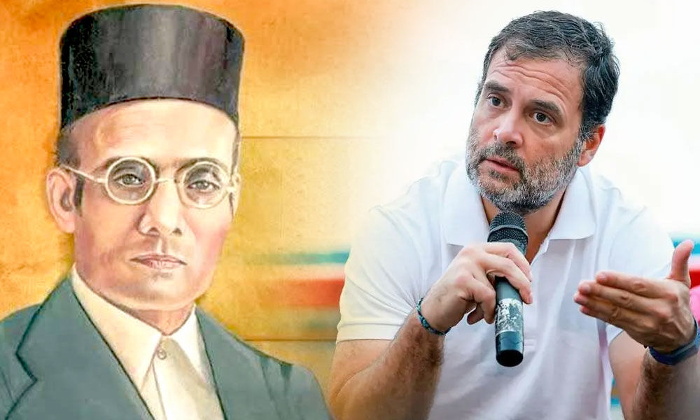
Following his conviction and sentencing in the case where he defamed “Modi” surname, Rahul Gandhi said that he will not apologise as he is a Gandhi, and not a Savarkar, taking a dig at Indian freedom fighter Veer Savarkar.

After Rahul Gandhi’s needless attack at Veer Savarkar, his grandson threatened Rahul Gandhi with a lawsuit if he doesn’t apologise for his comments on Savarkar. Following that statement from Savarkar’s grandson, news went viral on social media that Rahul Gandhi has deleted all his tweets on Veer Savarkar.

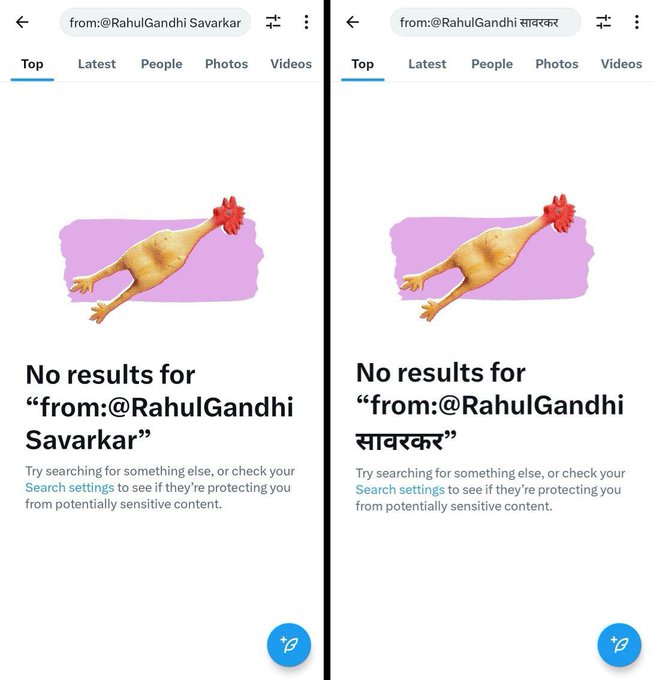
Several prominent social media handles shared that Rahul Gandhi has deleted all his tweets mentioning Veer Savarkar.

In fact, the images shown below went viral online as several social media users took these to imply that Rahul Gandhi has indeed deleted all his tweets on Savarkar.

However, when OpIndia checked online through Social Blade, we found out that Rahul Gandhi has not deleted any tweet in the last two days, the period when online claims say he deleted his tweets on Savarkar. Even if you check the cached tweets of Rahul Gandhi’s Twitter account, you can not find anything on Veer Savarkar that has been deleted from his Twitter account.

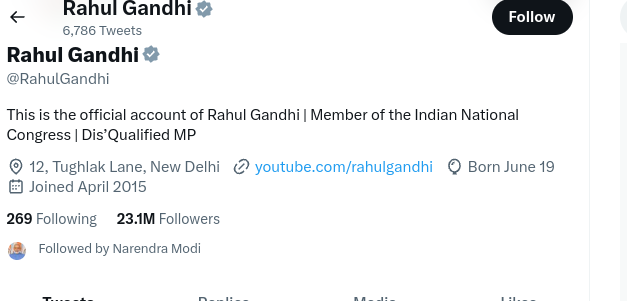
However, when OpIndia checked stats on SocialBlade – a website that archives and documents data related to popular social media accounts – we found out that Rahul Gandhi has not deleted any tweet in the last two days, the period when online claims say he deleted his tweets on Savarkar. As one can see in the screenshot below, there is no change in the total number of tweets on 28th March. When OpIndia checked the total number of tweets by Rahul Gandhi at time of publishing this report, it was 6786, which is the same as recorded by SocialBlade, confirming that Rahul Gandhi hasn’t deleted any tweet at the time of publishing this report.

screenshot of Rahul Gandhi’s Twitter account

Not just SocialBlade, OpIndia checked in Google Cache too if Rahul Gandhi might have tweeted anything about Savarkar in the past, but no such cache pages appeared. Thus one can safely concluded that Rahul Gandhi hadn’t tweeted anything about Savarkar in past, and that’s why people are unable to find such tweets, which has led them to assume that Rahul Gandhi has deleted those tweets.

In fact, you can’t find any single tweet from Rahul Gandhi’s Twitter account on Veer Savarkar at all, whether deleted or not.

From all the evidence available, it seems like Rahul Gandhi hasn’t deleted any tweet on Veer Savarkar, what is more likely is that he never even tweeted on Veer Savarkar, and that is why people can’t find any results now through their searches.

Rahul Gandhi’s maternal great-grandfather Jawaharlal Nehru signing a “mercy bond”

On September 22, 1923, India’s first Prime Minister, and Rahul Gandhi’s great-grandfather Jawaharlal Nehru, was arrested alongside K Santanam and AT Gidwani for defying British orders and entering the then princely State of Nabha. The British police had arrested several Akalis, who had launched a demonstration in Jaitu in Nabha, on September 14 of that year. They had demanded the reinstatement of Raja Ripdudaman Singh in the Princely State, after he was exiled by the British to Dehradun.

On learning about the incident, Nehru, Santanam, and Gidwani boarded a train to Muktsar and then rode on horseback along with the Akalis to Jaitu. They were immediately handcuffed and lodged in a small cell at the Jaitu police station. The trio was then shifted to Nabha on September 22 morning and locked in district jail. Despite the police offering Nehru immediate release if he deserted his plans of ‘Satyagraha’, a defiant Nehru did not budge. He was arrested soon after.

It was here that the Satyagrahi in Nehru began to wear out. According to Santanam, the cell was small and the roof was covered in mud. No arrangements were made for new clothing, or shower. Nehru poignantly recounted the experience in his Autobiography where he said, “All this time, till the forenoon of next day, when we were finally delivered up at Nabha Gaol, the joint handcuff and the heavy chain kept us company. Neither of us could move at all without the other’s cooperation. To be handcuffed to another day and for a whole night and part of a day is not an experience I would like to repeat.”

A desperate Motilal Nehru had to reach out to the Viceroy to learn about the whereabouts of his son Jawaharlal Nehru. “…The authorities of the Nabha jail suddenly changed their attitude and arrangements were made for our bathing. Our clothes were given to us and friends from outside were allowed to send fruits and other eatables,” Santanam had recalled the change after Motilal Nehru’s intervention.

Motilal Nehru then deputed lawyer K D Malviya, who later became a Cabinet Minister after India’s independence. And surprisingly, Nehru’s sentence was suspended on the same evening. In the words of Professor Chaman Lal, he said, “Nehru was released from the Nabha jail only after he signed a bond that he would never enter the princely state again.” The former Prime Minister knew the case could be later used against him on a later date and therefore wanted to permanently quash it.

39 killed, 29 injured, as fire engulfs a government-run migration facility in Northern Mexico

0

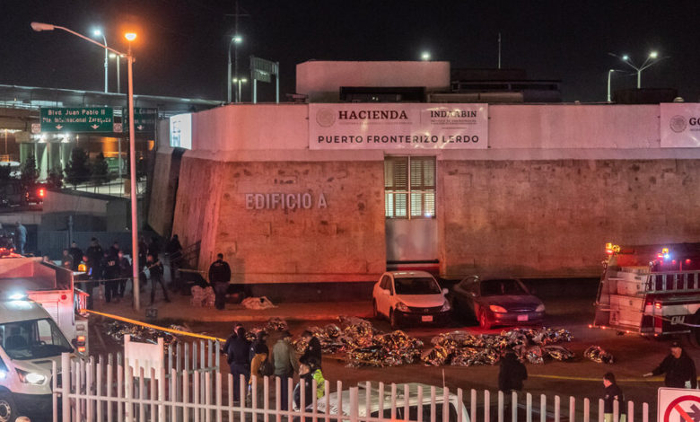
At least 39 people were killed and 29 others were injured in a fire that broke out at a government-run migration facility in northern Mexico on Monday night, authorities said, The New York Times reported.

The fire broke out at the National Migration Institute in Ciudad Juarez, a border city across from El Paso, Texas, shortly before 10 pm in the facility’s accommodation area, read a statement by the institute, according to The New York Times. Officials did not immediately respond to a request for comment.

They, however, said that they had lodged a complaint so that government authorities can open an investigation, read the statement further.

Television footage showed a swarm of police cars, ambulances and other emergency vehicles in the area.

According to several news outlets, personnel from the institute had been cracking down on migrants in the city earlier in the day, and there had been tension at the institute between migrants and the staff.

Ciudad Juarez is one of the border communities in Mexico where migrants from Cuba, Central America and elsewhere wait as they try to enter the United States.

In December, the United States Supreme Court said that pandemic-era health measures that restricted migration at the southern border would remain in place for now. That measure, known as Title 42, has allowed migrants who might otherwise qualify for asylum to be swiftly expelled at the border, according to The New York Times.

The court’s ruling delayed the potential for a large increase in unlawful crossings into the U.S. from Mexico. But the measure is scheduled to expire in early May. 

(This news report is published from a syndicated feed. Except for the headline, the content has not been written or edited by OpIndia staff)

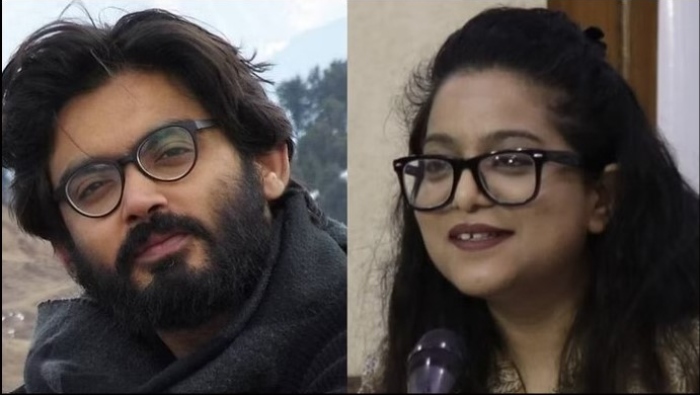
As Delhi HC frames charges against Sharjeel Imam and Safoora Zargar, here is how the ‘liberals’ had gone all out to defend them

Earlier in the day, the Delhi High Court partially overturned the trial court’s February order to discharge 9 of the 11 accused, including Sharjeel Imam and Safoor Zargar, in a case related to the violence that took place at Jamia Millia Islamia in December 2019.

Partially reversing the trial court order, the bench of Justice Swarana Kanta Sharma charged accused Mohd Qasim, Mahmood Anwar, Shazar Raza, Umair Ahmed, Mohd Bilal Nadeem, Sharjeel Imam, Safoora Zargar, and Chanda Yadav under different sections related to rioting and unlawful assembly.

While pronouncing the verdict, the judge said the right to peaceful assembly is subject to reasonable restrictions and that acts of violence or ‘violent speeches’ are not protected.

Notably, besides the 2019 Jamia violence case, Sharjeel Imam is charged under the stringent UAPA in the conspiracy case related to the February 2020 Delhi anti-Hindu riots. He is also facing other cases for the speeches he gave during the anti-CAA protests, including instigating Islamists to cut off North Eastern region from the rest of the country by blocking the ‘chicken’s neck’ in North Bengal.

Meanwhile, Safoora Zargar was booked under the Unlawful Activities (Prevention) Act for her alleged role in the conspiracy that led to the Delhi Riots in February 2020. She was arrested in April 2020. The Delhi Police had claimed that she was part of the conspiracy to “destroy, destabilize and disintegrate the Government of India to compel to withdraw the Citizenship Amendment Act (CAA) and the alleged National Register of Citizens.” The Delhi High Court granted bail to Safoora Zargar in the Delhi Riots case in June 2020 on humanitarian grounds.

Despite all the serious charges levelled against Sharjeel Imam and Safoora Zargar, they are no less than ‘heroes’ for the assorted bunch of liberal ideologues and leftist portals who, since their arrests, have tried their best to exonerate them from all allegations and paint them as victims of the growing ‘Islamophobia’ in India.

The adulation of these leftist liberals for their foot soldiers is so strong that they have gone so far as to pass off the seditious speeches by Sharjeel Imam, a former JNU student and columnist for the leftist propaganda website The Wire, as ‘freedom of speech’ and gone on to question the sanctity of motherhood held by Indians while criticising the Indian political class and judiciary for Safoora’s incarceration.

Today, as the Delhi HC overturns clean-chit to Sharjeel Imam and Safoora Zargar, let us recall how this motley crew of ‘liberals’ rallied behind the two after their arrest and portrayed them as India’s heroes.

The defence presented for Sharjeel Imam- the blue-eyed boy of the liberal ideologues and leftist portals

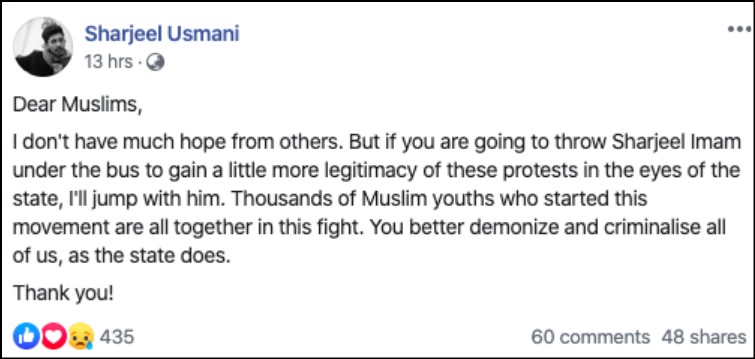
A day after Shaheen Bagh mastermind Sharjeel Imam was booked under the UAPA for his seditious statement where he urged Indian Muslims to cut off Northeast from India, Newslaundry campus columnist Sharjeel Usmani took to social media to stand by leftist propaganda website The Wire columnist Sharjeel Imam for his seditious comments.

Source: Twitter

Taking to Facebook, Usmani questioned how is ‘chakkajam’ (roadblock) seditious. He conveniently missed out on mentioning how Sharjeel Imam wanted to cut out Northeast India. Sharjeel Usmani decided to paint cutting off the chicken neck, or the Siliguri corridor, which connects the seven northeastern states to the rest of India, as a mere chakkajam when it has been known to be an enemy project to do so for decades.

Sharjeel Usmani further took to Facebook to declare his love for Sharjeel Imam. “If you throw Sharjeel Imam under the bus to gain a little more legitimacy of these protests in the eyes of the state, I’ll jump with him,” he said.

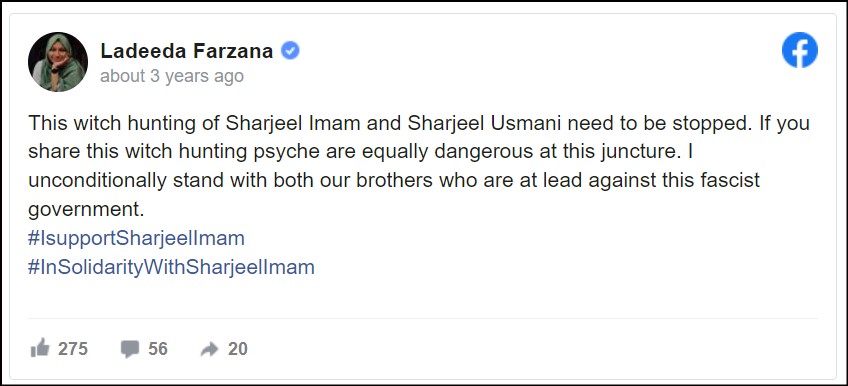
Afreen Fatima, a JNU student and JNUSU Councillor, too, took to Facebook to stand by Imam. Referring to him as her ‘leader’, Fatima said that media trials, false cases and hate campaigns will not silence ‘our brother’.

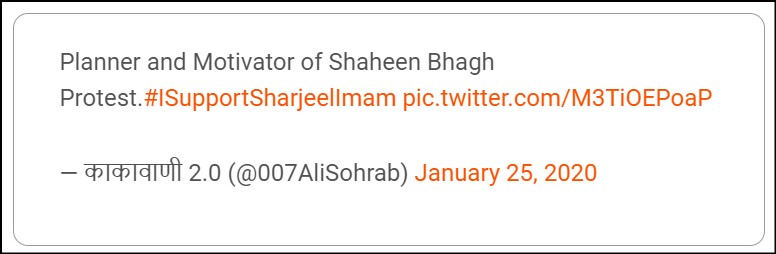
‘Political activist’ Ali Sohrab, who used to earlier refer to himself as a journalist and was arrested for his hateful comments on slain Hindu leader Kamlesh Tiwari, also expressed his solidarity.

Jamia ‘Sheroes’ had also chimed in and supported Sharjeel Imam.

Source: Twitter

The Quint’s journalist Aditya Menon, infamously known for passing off an image from Syria as from Kashmir had also attempted to rationalise Shaheen Bagh mastermind Sharjeel Imam’s secessionist and violent remarks by equating them with the ISI propaganda of blockades imposed in Kashmir by Hindu organisations in 2008.

Watering down Imam’s dangerously secessionist speech, Menon argued that the former JNU student had simply asked for a “chakka jam or a blockade of the highways and railways leading to Assam”. However, in his pursuit to defend Imam, Menon cunningly drew a parallel with the Amarnath agitation in 2008 when Hindu organisations had allegedly blocked the Jammu-Srinagar highway. Menon stated that if that wasn’t considered sedition, then Imam’s call to block the roads and railways leading to Assam should not be considered separatist either.

“To all the “liberals” baying for Sharjeel Imam’s arrest under “sedition” – you’re no different from the Sangh. If you believe that a stupid speech is a sedition, there is ZERO difference between you & the fascists. I hope u r happy now. When they come for you, do remember this,” TMC leader Saket Gokhale, recently arrested by ED in a crowdfunding case, tweeted in 2020 showing solidarity with Imam.

‘Journalist’ Rana Ayyub, who has been accused of financial fraud, had also posted a tweet in support of ‘scholar’ Sharjeel Imam trying her best to portray him as a hero and a victim of hate due to his religious identity.

Arfa Khanum Sherwani of The Wire also tweeted in 2020, showing solidarity with Sharjeel Imam and with the likes of him who had lobbied against the Citizenship Amendment Act and incited Muslims to wage a war against India.

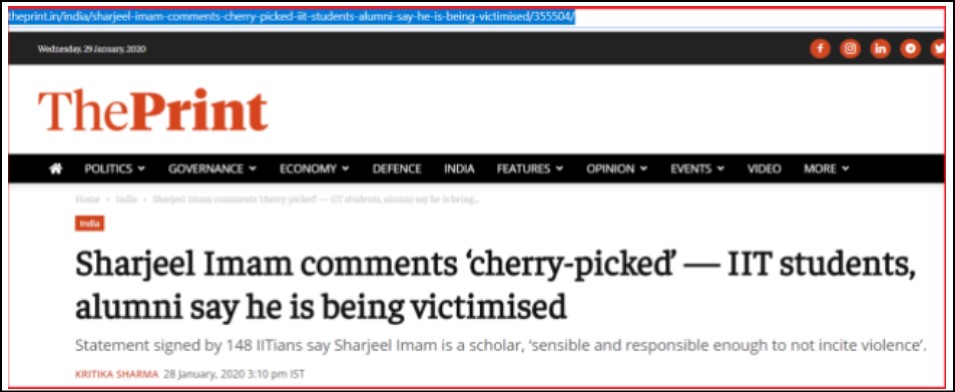
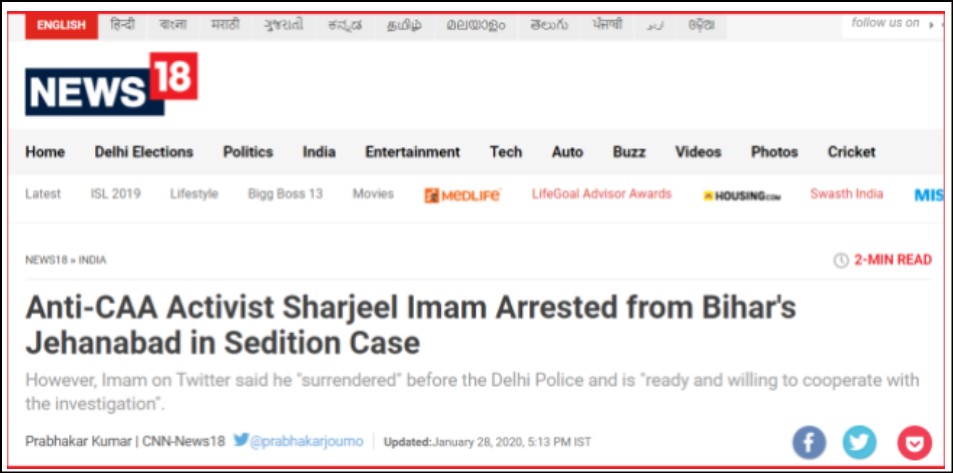
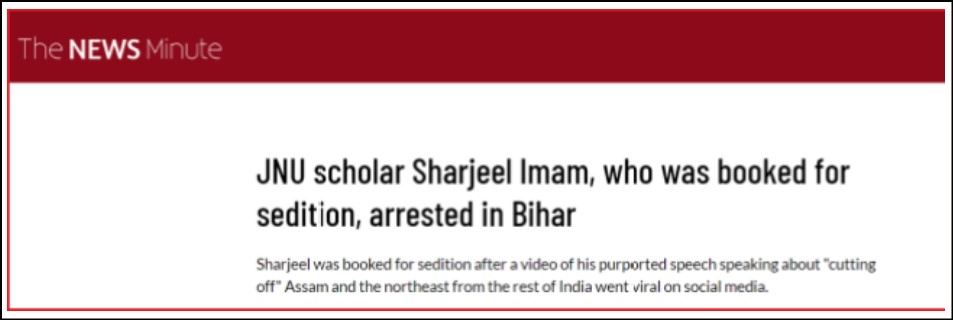
Not just these ‘liberals’ but the leftist media had also worked overtime to paint Sharjeel Imam as a hero by attributing reverent phrases like ‘activist’ and ‘scholar’ to him.

Source: News 18
Source: The News Minute

How Safoora Zargar was painted as a victim by the leftist brigade

Like Sharjeel Imam, Safoora Zargar also received unconditional support from the leftist brigade and their friendly media, despite knowing that she was arrested under the Unlawful Activities (Prevention) Act for arranging a flash protest at Jafrabad Metro Station in Delhi on February 22, 2020, that later culminated into full-scale communal riots, leaving 53 killed and countless others injured.

Following her arrest, Safoora Zargar and her legal aides tried to pull out the ‘pregnancy’ card as grounds for seeking bail, which the court refused. Deflated by the courts’ refusal to grant Safoora bail, the liberal intelligentsia had a hard time stomaching the reality of the law having caught up with one of their foot soldiers and went on an overdrive to defend Safoora.

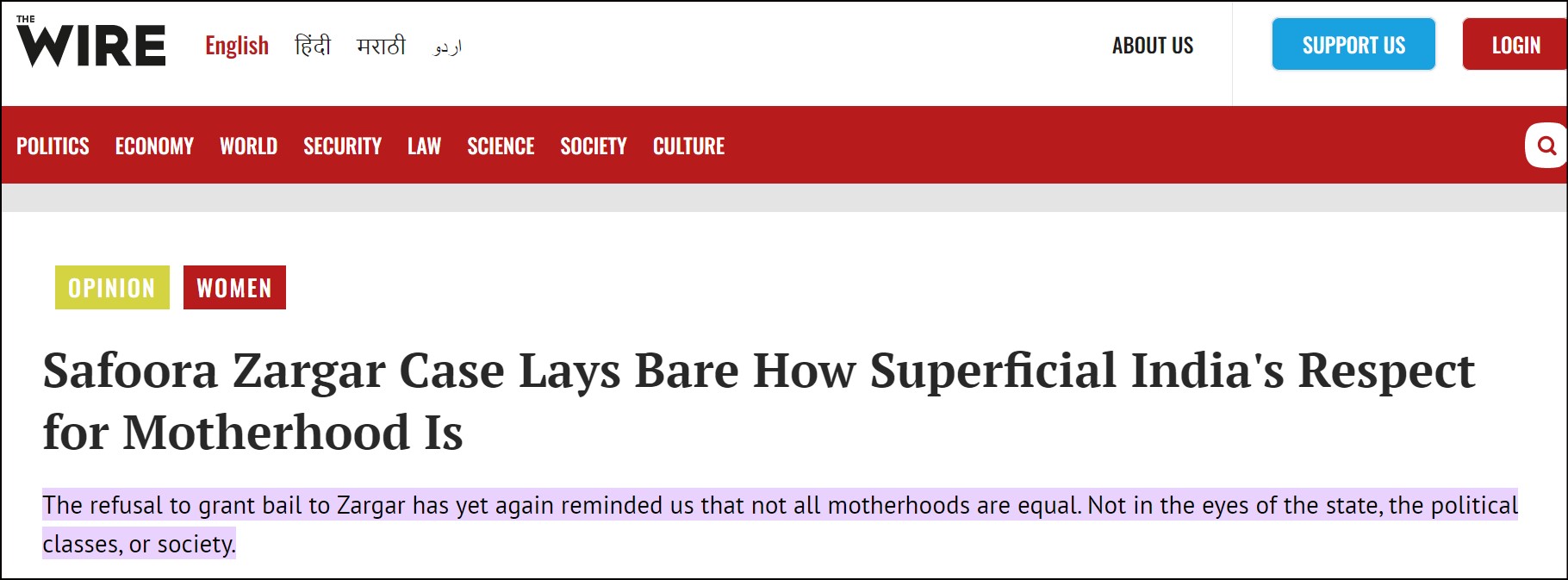
The leftist propaganda website ‘The Wire’ published an article titled- ‘Safoora Zargar Case Lays Bare How Superficial India’s Respect for Motherhood Is’ which called into question the sanctity of motherhood held by Indians while criticising the Indian political class and judiciary for the continued incarceration of Safoora who is 21-weeks into her pregnancy.

Article published by the Wire on June9, 2020

Zargar, while leading an anti-CAA protest at Jafrabad Metro station on February 22, was well-aware and conscious of the fact that she was pregnant and on her path to attaining motherhood, yet her pregnancy had become a focal point of liberal discourse to paint her as a hapless woman squaring up against a repressive regime bent on punishing her. 

Not just these leftist media portals but several members of the liberal coterie, including ‘journalist’ Sagarika Ghose, Radio Mirchi RJ Sayema, ‘Journalist’ Arfa Khanum Sherwani, who does not leave an opportunity to play her Muslim victimhood card, had descended on the microblogging site Twitter to show solidarity with Safoora using the ‘pregnancy card’ while demanding her bail.

Jamia ‘Sheroes’ had also chimed in and supported Safoora Zargar.

Basically, for these assorted bunch of liberal ideologues, the criminality or innocence of Sharjeel Imam or for that matter Safoora Zargar was never the concern. All they cared about is safeguarding the top liberal mandarins who are equally, if not less, culpable of inciting violent anti-CAA protests.

Delhi Police deny permission for Ram Navami procession in Jahangirpuri, where Islamists attacked the Hanuman Jayanti procession in 2022

On Monday (March 27), the Office of the Police Commissioner (north-west Delhi) denied permission for carrying out an idol procession during Ram Navami in the Jahangirpuri area of Delhi.

A Hindu devotee had requested permission to organise the annual event but it was turned down by the police, citing the law and order situation.

“I am directed to inform you that your request for Shree Ram Bhagwan Pratima Yatra on the occasion of Ramnavami Mahotsav on 30.03.23 has been considered by the competent authority but could not be acceded to from a law and order point of view,” the police said in a statement.

“Hello @DelhiPolice, why did you deny the permission for Ramnavmi Possession in Jahangirpuri, Delhi? If there’s a security threat, why do we have police? You’re getting a salary for just issuing such guidelines or to ensure the safety of common people?” inquired popular Twitter user ‘Mr Sinha’

Opindia reached out to the Station House Office (SHO) of the Jahangirpuri police station, who confirmed the authenticity of the letter. It is not known whether the Jahangirpuri violence orchestrated by Islamists during Hanuman Jayanti in 2022 had any bearing on the decision of the police.

Violence at Jahangirpuri during Hanuman Jayanti in 2022

On April 16 last year, a Hanuman Jayanti procession was attacked by Islamists in the Jahangirpuri area of Delhi. The procession was moving peacefully but was stopped by one Ansar Sheikh and his accomplice near the Jama Masjid.

They initiated an argument, which quickly escalated into stone-pelting, resulting in a stampede in the procession. According to the FIR, the police attempted to take control of the situation, but Islamists disregarded the orders and set vehicles on fire.

They also pelted stones and glass bottles at the Hindu devotees. Later, a video of an Islamist named Sonu Chikna, firing shots at the procession, went viral on social media.

Hindus take out a rally in Australia after the Laxmi Narayan temple in Brisbane got attacked by Khalistanis

In a show of solidarity and support, Hindus in Brisbane took to the streets to stand in solidarity with the Laxmi Narayan temple that was recently attacked by Khalistani extremists. The rally, which was held on Sunday, 26 March, saw a large turnout of people from the Hindu community, who were outraged by the attack on their religious institution.

“Salute to the over 1000 Australian Hindus hailing from Andhra Pradesh, Bihar, New Delhi, Fiji, Gujarat, Haryana, Karnataka, Kerala, Punjab, Maharashtra, Telangana, Uttar Pradesh & elsewhere who participated in the Australian Hindus Harmony Rally in Brisbane on 26 March.” said the Australian Hindu Media.

The rally took place on the streets of Brisbane, with participants denouncing the attack on their temple. Most of the participants were dressed in traditional Hindu attire, and the atmosphere was one of unity and strength.

The attack on the temple took place earlier this month, and it was carried out by a group of Khalistani extremists who vandalized the temple and caused extensive damage to the property. The attack was condemned by various Hindu organizations, but the response of the law enforcement agencies was not up to the mark.

This rally by Hindus comes in wake of a number of attacks on Hindu temples in Australia. The issue was underscored by PM Modi as well during his conversation with his Australian counterpart Anthony Albanese.

Several reports appeared on social media showing Indian Australians who were carrying the Indian tricolour being attacked by Khalistanis with swords.

Recently the Indian Consulate in Brisbane, Australia, was also attacked by Khalistani extremists.

Attacks on Hindu Temples in Australia in recent times

BAPS Shri Swaminarayan Mandir in the Melbourne suburb of Mill Park was defaced with graffiti earlier in January 2023.

The ISKCON Hare Krishna Temple in Albert Park, which serves as the hub for Melbourne’s Bhakti Yoga Movement, was also defaced with anti-Hindu slogans the same month.

In the most recent incident, the Shree Laxmi Narayan Temple in Brisbane was vandalized at the beginning of March