Home Blog Page 52

US sinks Iranian warship in the Indian Ocean: How Congress and the Islamo-left ecosystem are exploiting the incident to target PM Modi and drag India into a foreign conflict

The conflict between the United States-Israel Alliance and Iran has been rapidly growing without any indication of subsiding, especially following the assassination of Supreme Leader Ayatollah Ali Khamenei and other senior officials of the Islamic Republic. This crisis has resulted in significant security instability in the Middle East with a high potential to extend beyond the region. An American submarine has downed an Iranian warship with a torpedo in international waters near the southern coast of Sri Lanka in a fresh escalation.

On 4th March (Wednesday), the United States Defence Secretary Pete Hegseth described it as the “first such attack on an enemy since World War II,” during a Pentagon briefing. He declared, “Like in that war, back when we were still the war department, we are fighting to win.” The ship was also referred to as a “military target” and the action was termed as “quite death.”

According to the Sri Lankan navy, the event transpired merely outside the nation’s territorial waters, leading to the recovery of 87 bodies and the rescue of 32 personnel. The ship descended from its southern coastline by around 40 kilometres (25 miles). A search and rescue effort was ongoing.

The authorities informed that the frigate IRIS, also known as IRINS (Islamic Republic of Iran Ship or Islamic Republic of Iran Naval Ship) Dena, situated approximately 40 nautical miles (75 kilometres) off Galle, sent out a distress signal between 6 and 7 am (00:30 to 01:30 Greenwich Mean Time or GMT), reported Al Jazeera.

Sri Lankan officials mentioned that there were roughly 180 crew members on board the vessel. The Iranian frigate was on its way back from participating in the 2026 International Fleet Review at Vishakapatnam. The naval exercise took place in the Bay of Bengal from 18th to 25th February.

Sri Lanka’s Foreign Minister Vijitha Herath addressed the Parliament and stated the government dispatched ships and air force aircraft on a rescue effort after the navy received information that the ship was in difficulty. A spokesman for the Sri Lankan navy mentioned that no other planes or ships were seen in the vicinity of the sinking site.

Commander Buddhika Sampath conveyed that boats which arrived at the spot witnessed just an oil slick and expressed, “We found people floating in the water and rescued them. Afterwards, we found upon inquiring that they belonged to the Iranian ship.” The remains were wrapped in white sheets and transported by rescuers in a truck to the Karapitiya hospital in Galle, where they were taken to the mortuary.

The warship’s commander and a few senior officers managed to stay alive and told the Sri Lankan navy that they were hit by a submarine, unveiled insiders cited by Reuters.

The Department of War confirmed that a Soleimani-class corvette had also been destroyed in the Strait of Hormuz close to Iran’s shores in a separate move by the United States. The Pentagon has established the destruction of the Iranian navy among its primary objectives of the conflict which commenced on 28th February (Saturday).

Washington has been methodically eliminating Tehran’s warships in the Middle East. Joint Chiefs chairman General Dan Caine announced that more than 20 ships have been attacked. The US Central Command has vowed to continue the charge until Iran’s navy is obliterated.

MEA, PIB fact-checks bogus claims

The dissemination of details concerning the strike triggered a surge in rumour-mongering as bogus statements began to circulate, seeking to undermine the global image of India and the Modi government. However, Ministry of External Affairs intervened and strongly rejected the claims as “fake and false,” adding, “We caution you against such baseless and fabricated comments.”

The response came after US Army Colonel Douglas Macgregor insisted that his nation was employing Indian naval bases in its war with Iran.

Press Information Bureau (PIB) also fact-checked the remarked and asked people to “stay alert” along with “always verify information from official sources before sharing.”

“All of our bases have been destroyed. Our harbour installations are destroyed. We are actually having to fall back on India and Indian ports, which is less than ideal. That is what the navy says. And I guess. I think Iran, much to our disappointment, is stirring very, very well. The question is how long can we keep this up,” he alleged during an interview on One America News Network.

According to a segment on the channel, American naval ships were operating out of Indian naval facilities, including ports in Kochi and Mumbai. It talked about a secret strategic alliance in the Persian Gulf in the name of anonymous “military sources,” without offering any proof.

Congress, Islamo-leftist ecosystem want PM Modi to take sides, join the raging battle

India has maintained a long-standing foreign policy of multialignment and neutrality which balances its strategic ties with world powers while avoiding direct engagement in wars that do not directly jeopardise its national interests. Nevertheless, Congress and the Islamo-leftist coalition seized the opportunity to try to drag India by denouncing the Modi government for not interfering in the foreign dispute.

Rahul Gandhi outlined that India’s oil imports are at risk as over 40% of its imports use the Strait of Hormuz and the situation is even more dire for LPG (Liquefied Petroleum Gas) and LNG (Liquefied Natural Gas).

“The conflict has reached our backyard with an Iranian warship sunk in the Indian Ocean. Yet the prime minister has said nothing. At a moment like this, we need a steady hand at the wheel,” he stated while claiming that the latter is “compromised” and “has surrendered our strategic autonomy.” The fabricated narrative has been persistently promoted by the party in a latest effort to remove the ruling government.

The sentiment was reiterated by another leader of the Indian National Congress, Pawan Khera, who questioned, “Does India have no influence left in its own neighbourhood? Or has that space also been quietly ceded to Washington and Tel Aviv?” This was retweeted by Arfa Khanum Sherwani, the chief propagandist of “The Wire.”

Rajdeep Sardesai commented that the ship had conducted a naval program with the Indian navy close to the nation’s coastline only days ago, in the presence of President Droupadi Murmu before it was targeted by the US. “The ship was not engaged in any war-like activity when attacked. We don’t have any legal responsibility but moral responsibility surely. Will we tell the Americans that they have crossed a line here,” he asked.

Jawhar Sircar, former Rajya Sabha MP and member of the All India Trinamool Congress (AITC or TMC) posted an “The Indian Express” article written by C Uday Bhaskar, father of flop actress and full time propagandist Swara Bhaskar, to challenge India’s silence on the issue.

A member of this cabal went so far as to cry that the episode was “the biggest breach of trust in the history of friendships.” He then dramatically added, “A proper stab in the back. India will never be able to live it down.”

A person shared that the United States would not have had the audacity to take such an action within “India’s sphere of influence” under any prior government, including Congress, Bharatiya Janata Party or even Third Front. “That’s where we are today. I doubt Modi govt will react in any way,” he charged.

Another account alleged that the instance revealed India’s “ugly face,” insinuating that the government should have successfully prevented the strike because Iran was taking part in a naval drill in the country.

Congress and its leaders, alongside the Islamists and their liberal allies, have consistently lashed out at India and the Modi government for their reluctance to take a stance or engage in the issue. They have invoked moral duty, influence and various other arguments to pressure and even discredit the government on an international scale.

The intense push to entangle India in an unrelated struggle with other powers

The prospect of war resulting from such aggressive standoffs between nations is detrimental to all and has adverse global consequences, akin to the significant threat hanging over energy trade routes with the shutdown of the Strait of Hormuz. Therefore, numerous countries have called for peace and restraint in response to the critical circumstances.

India too has appealed for peace and stated, “We are deeply concerned at the recent developments between Iran and Israel. India urges both sides to avoid any escalatory steps. Existing channels of dialogue and diplomacy should be utilised to work towards a de-escalation of the situation and resolving underlying issues.”

However, compelling New Delhi to take a position is not only politically sinister but might also pose a threat to its long-term strategic interests. Moreover, the allegations regarding India’s diminishing control are equally hollow as the ship was attacked in international waters which do not fall under the jurisdiction of the Modi government. The IRIS Dena sank outside the Exclusive Economic Zone (EEZ) of India.

This was a component of a series of actions by the United States, which aimed to eradicate Iran’s navy and was not connected to India. However, there is a deliberate intention to characterise it as a blot on the nation’s reputation, rather than another unfortunate aspect of the rivalry between the two foes.

Congress, which is even accused of colluding with figures like George Soros to undermine the current government has initiated a cacophony of criticism against PM Modi, disregarding the fact that he should prioritise his nation’s safety and interests rather than act to seek unnecessary accolades.

India has consistently adhered to its non-alignment policy and maintained a sovereign approach in relation to such affairs. It did not yield to the immense American pressure to align with Ukraine in the clash with Russia and urged both nations to end their hostilities. The centre has been particularly cautious during these critical times, given its friendly relations with both Israel and Iran as well as the United States. Who benefits if India is viewed as making a decision and forsaking its non-alignment stand?

Furthermore, the emotional appeals of justice and moral standing have no place in national interest or diplomacy, which is calculated and requires a careful balance. The government cannot abandon its extensive policies to appease ideological, political or religious zealots at home.

Does not every right-thinking and powerful nation conduct itself in this manner without the need for validation? Is Iran not striving for its best interests by blocking the Strait of Hormuz, thereby stopping the energy supply of massive economies like India? Notably, the Modi government has pointed out that there are enough fuel and crude oil stockpiles to last 6 to 8 weeks and it in a “reasonably comfortable” place to prevent shortages.

Conclusion

The repeated plots by these elements to pull India into every violent contest abroad, regardless of the legitimacy of their allegations or pronouncements, unveil a profoundly disturbing trend. They are eager to damage the country’s international reputation solely to discredit the Modi government. Their ambition for power and disdain for him have made the nation and its interests trivial in their larger scheme of things.

BJP slams Congress for pushing India to support Iran, says foreign policy must remain balanced: Read why India can’t blindly side with Iran

The debate over India’s stance on the escalating tensions in West Asia intensified on Thursday, 5th March, after the Bharatiya Janata Party (BJP) strongly criticised the Indian National Congress (INC) for demanding that India “blindly side with Iran.”

India cannot afford to take impulsive decisions in a region where millions of its citizens live and work. BJP’s statement is a reflection of their opinion that the safety of Indian citizens and the smooth functioning of critical global energy routes should remain a top priority for the Indian government.

BJP IT cell chief, Amit Malviya, shared a post on X on Thursday, 5th March, saying, “India’s foreign policy must be guided by national interest and the safety of its citizens, not by the compulsions of Congress’s outdated ideological reflexes.”

He also said that even China, which is Iran’s strongest economic ally in the world, is taking a distant and cautious stand in the current crisis.

Changing global power dynamics after the Cold War

The current geopolitical scenario has its roots in the global developments and changes that took place after the end of the Cold War. On 9th November 1989, the fall of the Berlin Wall marked the end of Soviet-backed East Germany and its merger with West Germany, which was supported by the United States and NATO.

The fall of the Berlin Wall was not just the reunion of a divided nation, but also marked the end of the decades-long rivalry between the Soviet Union and the West.

After the fall of the Soviet Union, the world order, which was previously dominated by two superpowers, came to an end. For the first time since the Second World War, political strategists and thinkers started discussing and debating the new power structures of the world. Some of them believed that the world would turn into a multipolar world, while others believed that there would be another power in the world, which could compete and even threaten the United States.

In the 2010s, when China’s economy crossed the $10 trillion mark, many political strategists and thinkers believed that China was destined to replace the Soviet Union in balancing the power of the United States. However, recent events have raised doubts about whether China is willing to play that role.

Venezuela episode raises questions about China’s influence

Another example is the situation in Venezuela.

Under the leadership of Nicolas Maduro, China became one of the biggest economic partners of Venezuela. According to a report published by Reuters, China was buying around 500,000 barrels of oil from Venezuela on a daily basis in 2025.

Moreover, Chinese companies have invested heavily in the oil industry of Venezuela, and this investment has been reported to exceed $2 billion. A significant part of this engagement was not just buying oil from Venezuela but also selling military equipment to the country.

According to the Washington-based think tank CSIS and its China Power project, China sold almost 600 million dollars’ worth of arms to Venezuela from 2015 to 2025, including armoured vehicles, training planes, missiles, and helicopters.

Despite these deep economic and strategic ties, China’s response was limited when the United States launched an operation in January 2026, resulting in the removal of Maduro and the establishment of a new government in Venezuela.

Beijing issued a formal statement criticising the move at the United Nations Security Council, but beyond diplomatic remarks, it took no concrete action. Even China’s economic interests suffered, with the oil it received from Venezuela reportedly dropping by nearly 50%.

Notably, Chinese leadership avoided strong direct criticism and did not take steps such as economic retaliation or strategic intervention.

Iran crisis shows a similar pattern

A similar pattern has been visible in the case of Iran.

For years, China has been one of Iran’s major allies. It has purchased a significant portion of crude oil from Iran and has signed a 25-year strategic partnership agreement with it.

Iran is also an important part of China’s Belt and Road Initiative. Chinese companies have invested billions of dollars in infrastructure projects in Iran, including its metro system in the capital city, Tehran.

Despite these deep economic ties, China’s reaction to the latest conflict involving Iran has remained cautious. When Iranian leadership and key facilities were under attack in the latest round of conflict between the US and Israel, China’s response was limited, largely to diplomatic statements.

Chinese officials made their usual rhetoric about “respecting sovereignty and upholding the UN charter,” but no political, economic, or military aid was forthcoming.

Why India cannot blindly align with Iran

These developments highlight an important lesson in international relations: countries ultimately act in their own national interest.

Even China, which spent years diplomatically shielding Iran and purchasing large quantities of its oil, appears to be distancing itself when the situation becomes risky.

In contrast, the Indian National Congress have been demanding that India openly support Iran and confront the United States and Israel.

Such suggestions are unrealistic and dangerous. The Gulf region is critical for India’s economy, energy security, and the safety of its diaspora. Millions of Indians live and work in the region, and India depends heavily on oil shipments that pass through strategic routes like the Strait of Hormuz.

If tensions escalate and shipping routes are disrupted, India could face serious economic consequences.

Nepal holds elections months after regime change ‘Gen-Z protests’ with the same parties: The uprising, the chaos, and the meaninglessness of the agitation

Months after a Gen-Z protest in Nepal toppled the corruption-accused communist government, the country held elections for the House of Representatives (HoR) on the 5th of March. These are the first general elections since youth-led protests brought down the Prime Minister K.P. Sharma Oli-led communist government in September 2025.

Nepal Gen-Z protests that toppled the Oli government

In September 2025, Nepal witnessed an unprecedented street protest by the country’s youth. The Nepali Gen-Z hit the streets after the Oli government banned 26 social media apps, including Facebook, WhatsApp and X. While the government argued that the move was aimed at controlling misinformation and hate speech, the issue was not as simple as they wanted it to seem. The Nepali Gen-Z mobilised via social media against systemic issues, including elite corruption, youth unemployment, and inequality.

As social media played a key role in the exchange of anti-government ideas and information, an abrupt ban was seen as the Oli government’s move to stifle dissenting voices. The Nepali youth were outraged, and the initial peaceful demonstrations took a violent turn due to police brutality. It was reported that on the first day of the protest, 5th September 2025 alone, 19 protesters were killed by the police. It also emerged that non-Gen-Z elements had infiltrated the protests with agendas of their own, hijacking the Gen-Z protests and turning them into violent chaos.

It was only after the Nepal Army stepped in to enforce curfews and restore order that violence could be brought under control.

Meanwhile, the Nepali Gen-Z picked the country’s interim Prime Minister in a first-of-its-kind Discord poll, wherein former Chief Justice Sushila Karki emerged as the most popular choice. Karki was not only recommended by Gen-Z but also backed by the Army.

Karki was mandated to investigate the protest violence, implement reforms, and organise fresh elections. Thus, the Parliament was dissolved, and fresh elections were scheduled for 5th March 2026.

How is Nepal’s economy, political stability and law and order faring

Nepal recorded an overall economic loss of around $586 million to Nepal’s $42 billion economy in the aftermath of the September 2025 protests. For the fiscal year 2026, Nepal’s real GDP growth is expected to slow to between 2.1% and 3.0% following a stronger estimated 4.3%–4.6% growth in FY2025. The slump is triggered by public unrest, political instability and weak consumption post-Gen-Z revolution. Although remittances and tourism revival give hope, protest damage costs, youth unemployment at 20%, low Foreign Direct Investment, and depleting investor confidence exacerbate the economic situation in Nepal.

In February this year, Nepal’s Interim Industry Minister Anil Kumar Sinha had highlighted the economic impact of the September 2025 protests, stating that the unrest on 23rd and 24th September 2025 inflicted about NPR 81 billion in indirect economic losses on businesses, in addition to the immediate NPR 34 billion in physical damage.

On the political stability front, Nepal has not been a stranger to political instability since 1990, although the September 2025 Gen-Z uprising was relatively unique. The country has seen 32 changes in political leadership in 35 years. The March 5 elections are expected to usher Nepal into an era of political stability and economic healing, even as the ‘traditional’ political challenges persist.

Gen-Z wanted to bring a revolutionary change in Nepal’s political leadership, ends up getting a confined choice of traditional parties

One of the biggest areas of discontent among the Gen-Z protestors in Nepal was the alleged corruption, surging unemployment, and nepotism. Fed up with corrupt conventional choices, the Nepali youth wanted to not only oust the communist government from power but also pick a fresh face with a clean background. As the interim Prime Minister of Nepal, Sushila Karki, filled the power vacuum, she also began facing pressure from all political parties and youth groups to resign.

Eight months after the streets of Nepal saw the country’s youth outrage, the election dynamics indicate that the entire Gen-Z protests turned out to be as meaningless as it gets. Even before the election results are officially declared, it appears that the Gen Z revolution’s demands for accountability and generational change in Nepal will not translate into a new political order but only a repackaged reversion to the status quo.

Corruption, unemployment and economic slowdown were among the major concerns raised by Nepali Gen-Z before, during and after the September uprising. These remain the core issues of the ongoing general elections as well. However, given the presence, prevalence and popularity of the traditional political parties, a dramatic change in how these parties, if voted to power, will effect the dramatic change Gen-Z yearns for.

Driven by circumstantial compulsions, these political parties will definitely promise change in approach; however, scepticism persists over their ability to rebuild trust between the people and the political parties.

Ironically, while the entire Gen-Z movement centred on ousting the corrupt Communist government from power, the Communist Party of Nepal (UML), led by former Prime Minister KP Sharma Oli, remains a strong force.

Another conventional political outfit, the Nepali Congress, is also a major contender for power. The party nominated its new leader, Gagan Thapa, in place of former Prime Minister Sher Bahadur Deuba, although Deuba remains powerful within the party.

Meanwhile, the Rashtriya Swatantra Party (RSP) led by  35-year-old Balendra Shah, popularly known as Balen, is also gaining traction. In fact, Balen was touted as a popular prime ministerial choice when an interim leader was to be picked in September 2025. The former Kathmandu mayor is contesting from Jhapa 5, which has traditionally been Oli’s stronghold. Shah is seen as the RSP’s prime ministerial face and represents a younger leadership style.

It must be recalled that Balen Shah, a rapper-turned-politician and Kathmandu mayor, was accused of inciting Nepal’s youth and mobilising them against the government. From speeches to social media posts, Shah remained a vociferous player in the mobilisation of Gen-Z against the Oli government. Other than Balen Shah, 36-year-old Sudan Gurung, founder of Hami Nepal, also played a prominent role in organising the GenZ protests, rallying under-28 youth nationwide. On Instagram, he posted “How to Protest” videos, advocating “peaceful” resistance while also suggesting aggression if necessary. OpIndia had highlighted Hami Nepal’s foreign funding last year.

The Nepali Communist Party, under the leadership of former Maoist leader Prachanda, is also in the contest and continues to hold influence.

More than 915,000 new young voters registered post-protests, indicating the excitement and yearning among the Nepali youth to not only partake in the democratic process but also bring a change in the country’s polity. However, the popularity of conventional political parties does not seemingly promise a youth-savvy change.

The intention here is not to discredit the Nepali Gen-Z revolution nor to dismiss their cause. The September 2025 uprising was essentially a rejection of Nepal’s entrenched elite, unemployment, corruption and deliberate neglect of the youth’s mounting disappointment over the government’s failure to address these issues.  

Yet, the elections appear to be rendering the September uprising hollow, as traditional parties, Nepali Congress, Maoist Centre, and even ex-PM Oli’s CPN-UML, long accused of the very nepotism and corruption that sparked the protests, are contesting and remain favourites in many polls. These parties to continue to have established networks and rural strongholds.

When demands for Sushila Karki’s resignation intensified in January this year, Karki said that Nepal would not become another Bangladesh. Although her remarks were in the context of not letting Bangladesh-like political chaos devour Nepal, the country’s poll trajectory shows that Nepal has unintentionally pulled a Bangladesh.

In Bangladesh, the youth protested against Prime Minister Sheikh Hasina, accusing her government of election rigging, corruption and brutalising protestors; however, after ousting Hasina, a new leadership did not emerge.

The Islamist interim government led by Muhammad Yunus, unbanned Jamaat-e-Islami, meanwhile, the Bangladesh Nationalist Party, a top rival of Hasina’s Awami League, became the favourite choice. Elections were held in Bangladesh earlier this year, wherein the BNP, despite its own corruption baggage, emerged victorious. This was essentially the dilution of the supposed Gen-Z revolution’s core agenda of political transformation.

Despite many similarities, there is a core difference between post-protest regime change in Nepal and Bangladesh. Unlike Bangladesh, wherein the ousted leader’s political party, Awami League, was banned from contesting elections, the interim government in Nepal did not ban the ousted PM Oli’s political party. This is when there was such anger against Oli that Oli’s private residence in the Balkot area of Bhaktapur was set on fire by protestors on 9th September 2025.

It is being said that RSP’s Balen Shah is emerging as popular; if the votes splinter and the situation comes down to forming coalitions, old parties will regain influence. If none of the parties gain clear majority for the 275-member legislature, Oli’s party has a chance at regaining power through alliances. If somehow the Oli-led CPN-UML regains power, the Gen-Z uprising in Nepal will officially be rendered meaningless and prove that street veto does not guarantee lasting systemic change in democracies with well-established and thick-skinned traditional political giants.

It will be painful for the Nepali youth, particularly those who participated in the 2025 protests, when the same elements they fought hard to remove from power make a comeback. The September 2025 uprising and its mishandling by the government caused economic damage, deaths, chaos, and a political vacuum that would eventually be filled, most likely by traditional political parties, fully or via alliances. Nepal’s case serves as a cautionary tale for India, wherein the opposition parties, particularly the Congress party, have consistently been trying to instigate the Gen-Z here to pull off a Bangladesh and Nepal-like ‘revolution’ against the Modi government. The Indian youth, however, must stay away from such cataclysmic tactics that serve only the interests of opportunistic forces within the country and the foreign adversaries.

From ‘Vote Chori’ bogey to ‘PM is Compromised’ drama, the opposition has been trying win over the Indian Gen-Z and incite a violent regime change; however, the eventual outcomes in Nepal and Bangladesh demonstrate that such actions only bring chaos, deaths, undermine national security, and disrupt the growth trajectory.

Air India refutes claims that its aircraft flew over Iran: Read why flight tracking websites may show wrong and erratic flight paths over the warzone

As the war in middle east against Iran continues, the airspace over Iran and other neighbouring countries has been closed for civilian aircraft. As the sky has become an aerial minefield with swarms of drones, missiles and fighter planes flying in the region, it is certainly not safe for air travel over the place. Amid this situation, a screenshot of a flight tracking site has gone viral on social media, claiming that an Air India flight flew over Iran.

The claim spread after screenshots from popular flight-tracking platform Flightradar24 began circulating widely, showing Air India Flight AI121 from Delhi to Frankfurt flying directly over central Iran on March 4. One viral post, shared by Instagram user @mrdadhiwalaofficial and shared by many users on X, captioned the image with a cheeky remark about Air India’s “aura”.

The screenshot with the lone Air India flight over empty Iranian airspace circled in red was shared by many users with comments like “Looks pilot had Mountain Dew”.

The screenshot is genuine, and it raises a concern about why Air India will choose to fly over restricted airspace, as Iran’s airspace has been partially or fully closed since late February 2026, following escalations in the Israel-Iran conflict that prompted emergency advisories from global aviation authorities. Several flights on the routes were forced to return or divert on February 28 after the war started.

However, the fact is that no passenger flight flew over Iran after the airspace was closed, and Air India has also clarified that the Delhi-Frankfurt flight on 4th March didn’t fly over Iran. In an official statement posted on X on March 5, the airline’s newsroom labelled the claims “Fake News,” asserting that “Air India does not operate flights over any restricted airspace.” Air India said that the claims circulating on social media are incorrect and do not reflect the carrier’s actual flight operations or safety protocols.

The statement added, “Flight routes are planned using real‑time intelligence, global advisories, and continuous monitoring to ensure every journey remains safe, compliant, and reliable. These operational decisions underline Air India’s firm commitment to prioritising the safety and security of passengers and crew above everything else.”

Air India also posted an image showing the route taken by AI121 Frankfurt to Delhi flight, which shows that it flew over Saudi Arabia, Oman and the Arabian Sea, completely bypassing the warzone in and around Iran.

However, this does not mean that the screenshots shared on social media are wrong. This is because flight tracking websites like Flightradar24 are not able to show the correct position of the flight in and around the warzone.

In fact, Flightradar24 had already addressed the issue on March 2, days before the AI121 screenshot went viral. They explained that strong GPS interference in the region is affecting some flights. This included erratic flight paths and perfect circles for some slight paths shown on its portal.

GPS spoofing is a wartime tactic where fake GPS satellite signals are transmitted to mislead navigation systems of enemies, causing the drones, missiles and fighter aircraft to lose their GPS navigation. The GPS spoofing does not block GPS signals, instead, fake signal with wrong location data is transmitted, tricking a device in a wrong location into believing that it is at the correct location. Fake GPS signals can be transmitted from fixed and mobile ground stations, ships, Electronic warfare aircraft, specialised drones etc.

As GPS spoofing is being deployed in the warzone in the Middle East, civilian aircraft flying in and around the region are also being affected. And as flight tracking portals like Flightradar24 use GPS data transmitted by the transponders of the aircraft, it is showing the wrong location and flight path for some flights in the region.

This is the reason why the Air India flight appeared to be flying over Iran. Several such irregular flight paths were seen on Flightradar24, showing the extensive impact of GPS spoofing. Mostly, flights over the UAE can be seen showing such unnatural paths, as its airports have resumed partial operations.

Flightradar24 added that they try to mitigate the effects of spoofing, and linked to a blog on how it uses multilateration (MLAT) technology, which cross-references ground receivers to correct distorted data.

Notably, pilots don’t depend on only GPS for navigation; they rely on inertial navigation and air traffic control radar as backups. Therefore, GPS spoofing does not pose an operational hazard; it only confuses people using GPS signals to track the flights.

It is important to note that the US military runs the Global Positioning System and allows its civilian use for free. But it uses encrypted military signals for military operations, which can’t be spoofed easily. This means that while the US can spoof GPS signals, its own missiles and drones are immune to it, as they use the secure, encrypted signals, which are also much more accurate than civilian signals. The US allows some of its partners to use the encrypted signals during military operations.

As the US can block access to GPS, several countries have developed their own satellite navigation systems. This includes Russia’s GLONASS, China’s BeiDou Navigation Satellite System, the European Union’s Galileo and India’s NavIC.

Punjab: Anti-Ambedkarite Hindu Valmiki activist alleges assault by fundamentalist group during Holi in Mohali’s Matour village; Here is what we know so far

0

On 4th March, anti-Ambedkarite activist Rajesh Valmiki Chouhan alleged that he was assaulted by a group of around 15-16 men whom he described as fundamentalists in Matour village market near a mosque in Sector 70 of SAS Nagar, Punjab, during Holi celebrations. Chouhan shared videos of his ordeal on social media. He claimed that he was attacked after he objected to migrants from Uttar Pradesh and Bihar being beaten on the road by the fundamentalists.

Rajesh Valmiki Chouhan belongs to the Valmiki community (Dalits). He often raises his voice against Ambedkarites who abuse Hinduism, Hindu deities and rituals.

Rajesh Valmiki Chouhan recounts alleged assault

Speaking to OpIndia, Rajesh said that the incident occurred around noon when he was returning home from his brother’s house. According to him, he saw a group of men creating chaos on the road and allegedly assaulting migrants from UP and Bihar who were celebrating Holi and returning to their homes.

Rajesh alleged that the group was carrying sticks, rods and lathis, and that one of the men, dressed as a Sikh, was carrying a spear. He said that when he questioned them and objected to the assault, stating that people were simply celebrating their festival and that such actions were against the law and the Constitution, the situation escalated.

According to Rajesh, one of the men snatched his mobile phone from his pocket and accused him of recording a video. He further claimed that the attackers said that students from Uttar Pradesh and Bihar come to the area, create nuisance and drink alcohol.

Rajesh said he responded by telling them that if there was any issue, they should explain it to those people properly and that the police and administration exist to deal with such matters. He alleged that the group ignored him, took the cash he was carrying and removed the silver chain from his neck. Rajesh claimed that he was then beaten with sticks and rods by multiple individuals.

He also alleged that one of the attackers attempted to thrust a spear into his stomach but was stopped by another person present at the scene. Rajesh further claimed that when his wife arrived and tried to intervene, she too was assaulted with sticks.

Injured man alleges police refused to register complaint

Rajesh said that after the alleged assault, he was unable to walk properly and had severe injuries to his hand. According to him, his wife took him to the Matour police station in Sector 71. However, he alleged that the police did not register his complaint and asked him to go home, rest and apply ointment. He further said the police asked him to first get a medical certificate.

He further claimed that he later sought medical help after consulting a local doctor who advised him to get admitted to a hospital and obtain medical documentation of his injuries. Rajesh said that a medical slip was prepared at the hospital, but he had to purchase medicine from his own pocket as no medicine was provided initially.

He also alleged that although he had an Ayushman card, the hospital refused to accept it and asked for cash payment for the prescribed X-ray.

Police refute claims of not accepting complaint

Speaking to OpIndia, SHO Rupinder Singh of Mataur Police Station refuted the claims that police denied receiving Rajesh’s complaint. He said there are CCTV cameras across the city and that if someone approaches the police to file a complaint, they act on it.

As the war in Middle East disrupts energy supply, focus shifts to Strategic Petroleum Reserves: Read what they are and how India prepares for oil crisis

The precarious situation in the Middle East, stemming from the fierce face-off between the United States and Israel on one side and Iran on the other, has created a critical security challenge there. Moreover, it has also triggered a stunning ripple effect, evolving into a potential risk to disrupt global fuel trade.

Five of the top ten oil-producing nations, Saudi Arabia, the United Arab Emirates (UAE), Iraq, Iran and Kuwait, are located in the region, which produced 31% of the world’s oil in 2024. 38% of the global oil exports also came from West Asia in that year.

On 2nd March (Monday), Qatar stopped producing liquefied natural gas at the biggest export unit worldwide after a drone attack by Iran. It has also been declared that refineries in other Gulf countries, including Saudi Arabia and Iraq, are going to cease operations. Oil and petrol prices have risen after the shutdown of the Strait of Hormuz, which transports 20% of the world’s oil supply from the Gulf. The majority, approximately 50%, of India’s gas and oil supplies pass through the crucial chokepoint.

How is India addressing the crisis

The Modi government has declared that it has fuel and crude oil reserves for six to eight weeks and is in a “reasonably comfortable” position to avoid any shortage of major fuels like petrol, diesel and liquefied petroleum gas (LPG) in the near future, despite an impending threat to the essential energy supply.

A source quoted by The Hindu stated, “India is in a reasonably comfortable position as far as crude oil is concerned. It has crude oil in reserve for 25 days, alongside energy products (petrol, diesel and LPG) for 25 days as well.” The person highlighted that this does not incorporate the resources from the Special Petroleum Reserves (SPR) designated for emergencies, which takes the country’s crude oil sufficiency beyond 25 days.

Around half of the crude oil stocks would be regularly renewed as the imports from non-Hormuz regions continue unabated. This inventory comprises oil aboard tankers in transit as well as in the storage tanks and pipes of refiners. The stockpiles will also change as refineries continually process crude, create fuels and import more oil from areas outside of West Asia, extending the coverage.

The Ministry of Petroleum and Natural Gas (MoPNG) has also concluded several meetings with Indian companies in the past 48 hours to assess the situation and develop backup plans, including alternate crude oil supply regions, as part of its ongoing monitoring of the changing circumstances.

“Other options besides the Strait of Hormuz are there, including cape of good hope which will increase insurance and freight costs,” disclosed an insider, reported Moneycontrol. India’s safety net is limited in terms of liquefied natural gas (LNG) because it is much harder to stockpile compared to crude oil and other petroleum products. Qatar, the largest provider of LNG to the country has closed its production after Iran assaulted its facilities.

According to a MoPNG official cited by The Indian Express, the government does not anticipate any significant impact on the country’s LNG supplies despite a brief pause of a week or 10 days. However, other options, such as modifications at local levels, might be considered if the closure continues past that point. Indian oil and gas corporations are actively searching for more LNG cargoes from other markets in addition to actively looking for alternative supplies of crude oil and LPG.

Increased sourcing from Russia, the US, West Africa, and Latin America are opportunities for diversification. India could be able to access Russian cargoes that are available in the Arabian Sea and Indian Ocean regions, including volumes in floating storage.

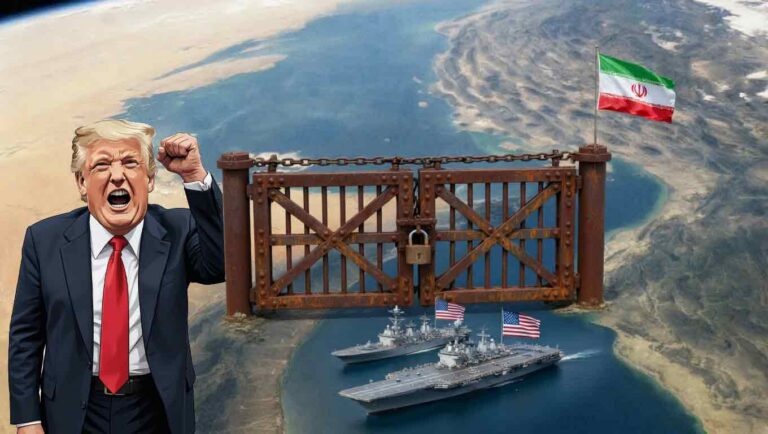
Iran claims complete control of the Strait of Hormuz

The strategically significant Strait of Hormuz, a narrow waterway that is employed for about one-fifth of the world’s oil and LNG supplies, has been at the centre of this issue. It is one of the key energy chokepoints globally and connects the Persian Gulf and the Gulf of Oman.

Insurers discontinued coverage for ships operating in the region after Iranian media broadcast that Tehran would open fire on any ship trying to cross the strait. Hence, freight and insurance prices have increased while tankers and cargo ships have started to reroute.

Guards Navy official Mohammad Akbarzadeh even announced, “Currently, the Strait of Hormuz is under the complete control of the Islamic Republic’s Navy,” in a formal release on Fars news agency. He warned that any vessel trying to sail through the area could encounter possible damage from missiles or stray drones, risking its safety.

According to President Donald Trump, he instructed the United States Development Finance Corporation (DFC) to offer guarantees and political risk insurance to assure the financial stability of all marine trade, including petroleum shipments passing through the Gulf.

“Effective immediately, I have ordered the United States Development Finance Corporation (DFC) to provide, at a very reasonable price, political risk insurance and guarantees for the Financial Security of all Maritime Trade, especially energy, travelling through the Gulf. This will be available to all Shipping Lines,” he wrote on Truth Social on 3rd March (Tuesday).

“If necessary, the United States Navy will begin escorting tankers through the Strait of Hormuz as soon as possible. No matter what, the United States will ensure the free flow of energy to the world,” Trump emphasised, adding that the country’s “economic and military might is the greatest on earth” alongside “more actions to come.”

Strategic Petroleum Reserves and their storage

Every industrialised economy is built on the foundation of energy security. A steady and dependable supply of crude oil is necessary for a nation whose energy needs are expanding swiftly. Strategic Petroleum Reserves (SPR), is an innovative step intended to protect the country’s energy flow and enable uninterrupted operations across core sectors to enhance its preparedness and ensure sustainability during unanticipated disruptions.

These are highly secure, specialised storage establishments developed to store crude oil for use in an emergency. They serve as a buffer, protecting the energy supply chain from temporary disruptions driven by outside variables like delays in transit, natural disasters or alterations in international markets.

The majority of SPRs are housed in man-made, deep underground caverns with low environmental impact, low cost and maximum security. These structures often fall into one of two categories: hard rock caverns, which are excavated underground chambers and are common in India, or salt caverns, which are found in the United States and are formed by dissolving salt domes.

Image via drishtiias.com

Salt caverns take shape through the method of solution mining, which entails pumping water into geological formations containing substantial salt reserves to dissolve the salt. Crude oil can be stored in the area once the brine, water containing dissolved saltis removed from the deposit.

The procedure is less complicated, faster and less expensive than creating rock caverns in which large storage chambers are made by manually removing and digging rock. These are built by drilling, blasting and removing rock strata. Their ceilings and walls act as organic barriers to store the oil.

Salt cavern-based oil vaults are for rapid oil injection and extraction and are naturally well-sealed. According to a report by the Massachusetts Institute’s Environmental Solutions Initiative, this makes them a more desirable option than storing oil in other geological formations.

Image via Mint

The largest emergency oil storage facility in the world, the Strategic Petroleum Reserves of the United States, is dependent only on salt cavern-based structures. Rajasthan is believed to be the best place in India to build such reserves due to its profusion of salt deposits.

Strategic Petroleum Reserves of India

The practice is not exclusive to any country and has been widely accepted to promote long-term energy resilience, continuous operation and supply stability. The crisis in the Middle East involving OPEC (Organisation of the Petroleum Exporting Countries) member Iran and its detrimental impact on energy trade has further pointed out the importance of maintaining these stockpiles.

The Indian Strategic Petroleum Reserves Limited (ISPRL), a specific institution under the Ministry of Petroleum and Natural Gas, is in charge of managing the nation’s SPR network. The country has a 5.3 million ton crude oil reserve capacity spread over three locations: Vishakhapatnam (1.33 MMT), Mangaluru (1.5 Million Metric Ton or MMT) and Padur (2.5 MMT), all of which were constructed as components of the Strategic Petroleum Reserve (SPR) program’s phase I. Their aggregate capacity is 39.1 million barrels of crude oil.

On 9th February, Union Minister for Petroleum and Natural Gas Hardeep Singh Puri told the Rajya Sabha that in the event of a geopolitical shock, the nation’s strategic petroleum reserves could fulfil energy needs for 74 days. However, the number was extended to 90 days by the Indian Energy Agency.

Image via drishtiias.com

The purpose of these carefully positioned rock caves is to provide effective logistics, security and functional adaptability in close proximity to coastal refineries. In July 2021, the government authorised the installation of two more commercial-cum-strategic petroleum reserve centres with a combined storage capacity of 6.5 MMT at Chandikhol (4 MMT) in Odisha and Padur (2.5 MMT) in Karnataka through a Public-Private Partnership. This the second phase of development and is scheduled to be run via Public Private Partnership (PPP).

How the United States used its Strategic Petroleum Reserves

The largest emergency oil stockpile in the world is the United States, which is often used during critical times to regulate fuel prices for customers. The reserves have 415.4 million barrels of primarily sour crude with a high sulphur content that several refineries are prepared to process, reported Reuters. It is saved underground in hollowed-out salt caves on the gulf coasts of Louisiana and Texas. They can contain roughly 714 million barrels.

The facilities were utilised by Washington amid the war in Ukarine which started in 2022, attack by Yemen’s Houthi terrorists on Saudi Arabia in 2019, when the Libyan civil war broke out in 2011 and in 1990–1991 following the Iraqi invasion of Kuwait in “Opeartion Desert Storm.” The Trump administration is not talking about the sale of oil from these reserves, however, they would prove beneficial if the need arises.

What is the significance of Strategic Petroleum Reserves

The obstruction at the Strait of Hormuz is the latest in a series of restrictions on maritime trade routes that have previously resulted in trouble. The same situation arose in 2023 when Yemen-based Houthi militia attacked international shipping lanes. Two Houthi anti-ship ballistic missiles were fired into international trade routes in the Southern Red Sea from locations under Houthi control on 23rd December of that year.

They struck many ships travelling to and from Israel in the Red Sea and the Indian Ocean in response to the dispute in Gaza. Their threat to global maritime security looms as container shipping companies were compelled to abandon plans to return to the shorter Red Sea or Suez Canal route because of the violent confrontations between Isreal an Iran. The Suez Canal links the Mediterranean Sea to the Red Sea.

The sensitive global trade routes have grown even more susceptible to threats as diplomatic relations between different nations deteriorate, provoking open hostilities and strikes on each other. These halts can paralyse countries like India, which cannot afford to have its energy supplies compromised.

Thus, Strategic Petroleum Reserves are vital to ensure that oil flow remains uninterrupted despite the numerous upheavals endured by the supply chains. They are not just important for national security or economic health but also act as a lifeline in vulnerable times, particularly for nations that are heavily dependent on oil for their survival and development.

US-Iran war: X’s crackdown on AI-generated war videos, product head Nikita Beir introduces 90-day monetisation ban; Learn how disinformation spreads and gets monetised

On 3rd March, Elon Musk-owned social media platform X announced a 90-day-long suspension from its Creator Revenue Sharing programme for creators posting videos generated using artificial intelligence (AI) of armed conflicts without disclosing that the content was synthetically created.

The policy was announced by head of product Nikita Bier. In a social media post on X, he said that the decision was necessary because modern artificial intelligence tools make it extremely easy to fabricate convincing war footage.

He said, “During times of war, it is critical that people have access to authentic information on the ground. With today’s AI technologies, it is trivial to create content that can mislead people.”

Under the new rule, creators must clearly label AI-generated videos depicting armed conflicts. In case they fail to do so, they will lose eligibility to earn revenue from their posts for 90 days. Repeat offenders may be permanently banned from the monetisation programme.

X will identify the violations using a combination of technical detection tools, metadata analysis and the platform’s crowd-sourced fact-checking system, Community Notes. Notably, the policy is specifically focused on AI-generated war footage. The decision reflects concerns that such videos can spread rapidly during conflicts and distort public understanding of events.

Policy announced amid escalating Middle East conflict

The announcement came at a time when the Middle East is witnessing a rapidly escalating conflict involving the United States, Israel and Iran. Israel and the US struck Iran’s nuclear and military establishments. In those initial strikes, the Supreme Leader of Iran, Ali Khamenei, and several top leaders were killed.

Iran retaliated and launched missile attacks targeting locations across the region, including areas hosting US military installations in countries such as Qatar, Saudi Arabia, and the United Arab Emirates. Several locations in Israel, including its capital Tel Aviv, have also been targeted during the escalation.

One of the major developments in the conflict has been claims of the destruction of the US AN-FPS 132 long-range radar system in Qatar, a strategic surveillance installation valued at over one billion dollars.

In such an environment, images and videos circulating online play a crucial role in shaping public understanding of what is happening on the ground. However, the same conditions also create fertile ground for manipulated or artificial visuals.

‘Gaza journalist’ account questioned

The scale of the problem became evident when a viral video claiming to show Iranian rockets striking Tel Aviv began circulating on the platform. The Community Notes attached to the post highlighted several inconsistencies suggesting the footage was artificially generated.

Source: X

It was pointed out that the missile speed appeared unrealistic, the explosion sound occurred before it should have at that distance, and smoke behaviour did not match real-world physics. The video was shared by an account claiming to be a journalist from northern Gaza, Ahmed Hamzan. He claimed to be a war reporter.

Nikita Bier responded to the post where the video was shared with a simple question mark, publicly questioning the credibility of the account’s identity as a journalist.

Pakistani account network posting AI war videos

The scale of the problem became evident from the fact that X recently uncovered a co-ordinated network spreading AI-generated war videos. According to Bier, the platform identified 31 accounts that were being operated by a single person located in Pakistan. These accounts were reportedly hacked profiles whose usernames were changed around 27th February to variations of “Iran War Monitor”.

By controlling multiple accounts simultaneously, the operator was able to distribute the AI-generated videos across several profiles, which created the impression that multiple independent sources were sharing the same videos.

Such coordinated amplification can significantly increase the credibility of misleading content because audiences often interpret repeated posts from different accounts as confirmation of authenticity.

Why sensational war footage spreads rapidly

Academic research has consistently shown that sensational content spreads faster on social media platforms. In his 2024 paper titled “Going Viral: Sharing of Misinformation by Social Media Influencers”, Mulcahy, Buntain and colleagues found that high-visibility accounts and influencers often play a major role in amplifying misleading information. Such content goes viral because dramatic content generates engagement and shares.

When videos depict explosions, missile strikes or destruction, they trigger strong emotional reactions among viewers. Such content is therefore more likely to be shared widely, even before its authenticity is verified.

The rise of artificial intelligence tools has made this problem significantly more complex because realistic war footage can now be generated using software rather than recorded on the ground.

The attention economy and the business of disinformation

Researchers have argued that the spread of sensational content online is not accidental but closely tied to the economic structure of social media platforms.

In his 2023 paper titled “Disinformation on Digital Media Platforms: A Market Shaping Approach”, researcher Carlos Diaz Ruiz explained that digital platforms operate within an attention economy, where content that attracts more engagement becomes more valuable.

Algorithms reward posts that generate views, comments and shares, pushing such content to larger audiences. As a result, creators often learn that controversial or emotionally charged content performs better than cautious or nuanced reporting. This structure can create powerful incentives to produce sensational narratives.

Monetisation and the incentive to go viral

The economic incentives become even stronger when viral content is linked directly to revenue. X’s Creator Revenue Sharing programme allows eligible users to earn a portion of advertising revenue generated by engagement on their posts.

However, such systems can unintentionally encourage sensational or misleading content because creators may prioritise posts that attract the most attention.

Research on digital misinformation ecosystems has documented how engagement-based monetisation can encourage actors to produce provocative or misleading material because high engagement translates directly into financial reward.

This is precisely the incentive structure X’s new rule attempts to address. By removing revenue eligibility for creators who post undisclosed AI war videos, the platform aims to reduce the financial motivation behind such content.

AI-generated war videos and the risk of digital propaganda

AI tools have become extremely good at creating life-like videos and photos, which has significantly affected the ability to differentiate between real and fake visuals.

Scenes depicting missile launches, explosions and city skylines can now be created in minutes using artificial intelligence models. To a casual viewer watching a short clip on a smartphone screen, such footage can appear indistinguishable from real battlefield recordings.

When these visuals are combined with coordinated posting strategies and sensational captions, they can dominate online conversations before verification mechanisms catch up.

Such content can easily become a form of digital propaganda which shapes perceptions of conflicts and influences public opinion.

Conclusion

X’s decision to suspend monetisation for creators posting undisclosed AI-generated war videos shows that there is growing concern about the role of synthetic media in modern information warfare.

The discovery of a Pakistan-based operator running 31 accounts posting AI war footage demonstrates how easily coordinated networks can exploit social media ecosystems.

X is targeting the financial incentives behind misleading AI war videos. It is an attempt to slow down the spread of AI-generated videos. Though it is unclear if such measures will be enough to counter the growing wave of AI-driven disinformation. However, it is clear that the digital battlefield has become almost as influential as the physical one in shaping global perception of war.

Yogendra Yadav brings irrelevant US analogies to criticise Assam delimitation exercise: Read how his op-ed totally ignores the State’s demographic realities and history

Yogendra Yadav’s recent column in The Indian Express, dated March 4, on Assam’s delimitation exercise, reflects a deeply flawed understanding of the state’s socio-political realities. Yadav oversimplifies a complicated constitutional procedure and overlooks the real demographic issues that have influenced the state’s politics for decades by trying to create the word “Himaling” and comparing Assam’s delimitation process to “gerrymandering in the American model”.

At the very outset, it is important to clarify a fundamental point: delimitation in India is not carried out by political leaders or ruling parties. It is conducted by the Delimitation Commission, an independent quasi-judicial authority headed by a retired judge of the Supreme Court of India and functioning in consultation with the Election Commission of India. The Commission’s orders have the force of law and cannot be challenged in court. The process is guided by constitutional provisions, census data, and established legal principles.

To attribute the outcome of such a statutory and insulated process to Chief Minister Himanta Biswa Sarma is, therefore, misleading and intellectually dishonest. It suggests either a lack of understanding of India’s constitutional architecture or a deliberate attempt to frame a political narrative. Blaming an elected leader for decisions taken by an independent constitutional body weakens the credibility of the critique itself.

More importantly, Yadav’s commentary sidesteps the central issue that has shaped Assam’s politics for over half a century, demographic transformation driven by illegal migration. Any serious discussion about electoral boundaries in Assam must acknowledge this historical reality. For decades, indigenous communities have expressed concerns about the erosion of their cultural, linguistic, and political identity. These concerns are not inventions of contemporary politics; they have been part of mass movements, public debates, and official negotiations.

The landmark Assam Accord itself stands as testimony to the fact that demographic imbalance was recognised at the highest political level. The Accord was not signed in a vacuum, it was the outcome of years of agitation and sacrifice, rooted in the fear that unchecked migration would fundamentally alter the state’s socio-political character. Ignoring this context while evaluating delimitation is akin to discussing symptoms without acknowledging the disease.

Delimitation, by design, seeks to ensure equitable representation based on population changes. In a state where demographic shifts have been politically and socially consequential, redrawing constituencies will inevitably reflect those changes. However, ensuring that indigenous communities retain meaningful representation in their historical homeland is not “communal gerrymandering.” It is a legitimate democratic concern about political voice and survival.

Yadav’s attempt to frame the exercise as an Indian equivalent of partisan American redistricting imports a foreign analogy that does not fit the Indian constitutional framework. In the United States, gerrymandering is often executed by state legislatures with overt partisan intent. In India, the Delimitation Commission operates independently of day-to-day political control. Equating the two systems creates more heat than light.

The phrase “Himaling” may be rhetorically clever, but rhetoric cannot substitute for ground realities. Assam’s political discourse is deeply intertwined with anxieties about land, language, and identity sentiments often encapsulated in the expression “jati, mati, bheti.” These are not divisive slogans but articulations of a collective historical memory shaped by waves of migration, insurgency, and prolonged instability. To dismiss these concerns as communal politics is to overlook the lived experience of millions.

Criticism is an essential component of democracy, and no public policy should be beyond scrutiny. However, responsible criticism must be anchored in context. A mainland academic lens that views Assam purely through ideological binaries risks flattening its complex history into simplistic narratives. Electoral boundaries in Assam are not merely lines on a map; they are intertwined with questions of belonging, representation, and cultural continuity.

It would have been more constructive had Yadav engaged deeply with the demographic data, the constitutional safeguards governing delimitation, and the historical backdrop of the Assam movement. Instead, by personalising the issue and suggesting executive manipulation, he shifts the debate from institutional processes to partisan insinuation.

The delimitation exercise in Assam is part of a lawful democratic process rooted in constitutional design. Disagreeing with its outcomes is legitimate, portraying it as a conspiracy orchestrated by a single political leader is not. Such framing diminishes the seriousness of public discourse and obscures the genuine challenges facing the state.

Assam’s story cannot be understood through borrowed metaphors or distant ideological templates. It demands engagement with its history, its agreements, and its anxieties. Only then can the debate over delimitation move from rhetorical labeling to meaningful democratic dialogue.

From secret allies to arch enemies: The forgotten history of Israel–Iran cooperation against Saddam’s Iraq

Today, Iran and Israel are exchanging direct attacks and threats of full-scale war. On Tuesday, 3rd March, Iran launched around 200 missiles, including hypersonic missiles, at Israel, raising the tensions in the Middle East to unprecedented levels. Israel has threatened that it will make Iran “pay” for the attack. Just a few days ago, on 1st March, various Iranian media outlets confirmed that the Supreme Leader of Iran, Ayatollah Ali Hosseini Khamenei, had been killed in the coordinated US-Israeli strikes that started on 28th February.

With this backdrop of open hostility, it may sound unbelievable that Israel and Iran were once secret partners. However, if we go back a few decades, it will be easy to recall that both Israel and Iran were working together as secret allies, targeting a common enemy, Iraq.

A common enemy: Saddam’s Iraq

In the 1960s and 1970s, long before Iran became an Islamic Republic, it was ruled by the Shah, Mohammad Reza Pahlavi. At that time, Iran had friendly ties with the West and maintained close, though mostly quiet, relations with Israel.

Both countries saw Iraq as a major threat. Israel was surrounded by hostile Arab regimes. Iran, under the Shah, feared Iraq’s rising Arab nationalist leadership and its ambitions in the region. Iraq’s push for dominance, especially under Saddam Hussein, worried both Tehran and Jerusalem.

This shared concern laid the foundation for deep cooperation. Israeli intelligence agency Mossad and Iran’s secret police SAVAK worked together to support Kurdish insurgents inside Iraq. The idea was simple: weaken Baghdad from within.

By 1958, Israel, Iran, and Turkey had formed a secret intelligence-sharing alliance known as “Trident.” The logic, as analyst Trita Parsi has explained, was that Israel needed alliances with non-Arab states on the “periphery” of the Middle East. Iran was the most important of them, not just because of its military strength, but also because it had oil, which Arab states refused to sell to Israel.

The Islamic Revolution changes everything

Everything changed in 1979 with the Islamic Revolution led by Ruhollah Khomeini. The Shah fled, and Iran transformed from a Western-leaning monarchy into a Sharia-based Islamic Republic. Khameini openly called the United States the “Great Satan” and Israel the “Little Satan.”

Publicly, Iran became fiercely anti-Israel. But geopolitics often works differently behind the scenes.

Just 18 months after the revolution, Iraq invaded Iran in September 1980. The Iran-Iraq War had begun. Saddam Hussein hoped to take advantage of Iran’s internal chaos and settle old territorial disputes, especially over the Shatt al-Arab waterway. The war would last eight brutal years and kill hundreds of thousands.

Despite their ideological hostility, Iran and Israel again found themselves facing the same enemy, Saddam’s Iraq.

Secret arms, quiet deals

Iran’s military was heavily dependent on American-made equipment purchased during the Shah’s time. But after the 1979 hostage crisis, when Iranian students held over 50 Americans captive for 444 days, the US imposed strict sanctions.

That left Iran desperate for spare parts and weapons. Israel stepped in.

In 1980, Israel secretly supplied Iran with spare parts for F-4 Phantom fighter jets, including 250 retreaded tyres. Without them, much of Iran’s air force would have remained grounded. Arms shipments continued through Europe, often via third countries.

From Israel’s perspective, preventing an Iraqi victory was crucial. Saddam’s regime was seen as a greater immediate threat. Weakening Iraq by helping Iran made strategic sense. There was also another concern, the safety of around 60,000 Jews still living in Iran. Keeping back-channel ties was seen as a way to protect them and allow emigration.

Even Khomeini, despite his harsh rhetoric, reportedly approved arms deals when told the weapons were Israeli. When a general pointed out the seller’s identity, Khomeini is said to have responded: “If you find these weapons, do you have to ask who the seller is?”

The Iran-Contra affair

The secret relationship became global news in the mid-1980s during the Iran-Contra affair. Senior officials in US President Ronald Reagan’s administration secretly facilitated arms sales to Iran, partly through Israeli channels, in exchange for the release of American hostages held by Hezbollah in Lebanon. Some of the money was illegally diverted to fund the Contra rebels in Nicaragua.

The scandal damaged the Reagan administration’s credibility and exposed the complex web of covert dealings linking Washington, Jerusalem, and Tehran. But despite the controversy, arms transfers continued during much of the Iran-Iraq War.

From tactical partners to arch enemies

When the Iran-Iraq War ended in 1988, the fragile, secret alignment between Israel and Iran began to fade. After Khomeini died in 1989, Khamenei took over and continued a hardline anti-Israel stance.

By the 1990s, the geopolitical environment had shifted. Iraq was weakened after the Gulf War. The Soviet Union had collapsed. The strategic reasons that once pushed Israel and Iran together no longer existed.

Instead, Iran increasingly positioned itself as Israel’s main regional rival. It backed Hezbollah in Lebanon and Hamas in Gaza, groups that fought direct wars with Israel in 2006 and 2008. Iranian leaders regularly used rhetoric calling for Israel’s destruction.

2026: On the brink of war

Fast forward to today, and the hostility is open and direct. Iran’s nuclear programme, aggressively pursued under Khamenei despite US warnings, deepened tensions. Over the past year, Iran has also faced widespread anti-government protests across all 31 provinces due to economic instability and political repression. The regime’s crackdown on protestors drew global criticism and added to Washington’s pressure.

This volatile mix of domestic unrest, nuclear escalation, and regional proxy conflicts led to the recent coordinated US-Israeli strikes that killed Khamenei. In response, Iran launched massive missile attacks on Israel.

Israel is already fighting Iran-backed groups, Hamas in Gaza, Hezbollah in Lebanon, and the Houthis in Yemen. These groups form what Iran calls its “Axis of Resistance.”

Today, the two countries are closer to all-out war than ever before.

Yet history shows that geopolitics is rarely permanent. Decades ago, Israel and Iran worked hand in hand to counter Iraq. Their partnership was built not on ideology, but on shared strategic needs.

Now, with missiles flying and leaders issuing threats, that chapter feels almost unimaginable. But it is a reminder that in the Middle East, alliances can shift, and yesterday’s secret partners can become today’s arch enemies.

Does India also have military bases abroad? Here’s where they are and how many exist

Israel, supported by the United States, eliminated Iran’s Supreme Leader Ayatollah Ali Khamenei and other high-ranking officials on 28th February (Saturday), following a meticulously planned and precise operation. Afterwards, the enraged Islamic Republic launched a barrage of attacks aimed at the military facilities of the Western power dispersed throughout the region in retaliatory strikes.

The rising tensions between the two sides have highlighted the network of American bases in the Middle East intended to protect its interests and reinforce its dominance. Likewise, other nations have also created a similar presence in multiple parts of the world to safeguard their strategic and national interests, deter foes, secure global trade routes and even project power by engaging in expeditionary warfare to have an impact on international events.

They might serve as staging sites or offer logistical, communications and intelligence support, depending on their size and infrastructure. Hence, world powers have set up these buildings abroad as a result of numerous conflicts throughout modern history to facilitate their military and political goals.

Interestingly, the only shared aspect between a friend and an enemy is their proximity to you. Therefore, these installations are essential not just for providing assistance to alliances but also for countering the latter and are constructed as part of diplomatic and defence ties for a strategic edge over a geographic area.

Image via ssbcrackexams.com

India has also formed a web of similar complexes in friendly states through strategic partnerships to expand its military capabilities and challenge its rivals. Furthermore, these are employed to train and equip the hosts in addition to using them for their own benefit. Thus, both parties have benefited greatly from them.

Overseas Indian military bases: Tajikistan

Farkhor Air Base was India’s first global military presence. It was built between the late 1990s and early 2000s and situated 130 kilometres southeast of Dushanbe, close to the Afghan border. It had a military hospital that catered to Afghan Northern Alliance fighters, a repair unit, and even helicopters. It functioned as a vital and strategic logistics hub that supported the alliance and kept an eye on regional security.

India had access to Central Asia and strategic influence over Pakistan due to its proximity (about 20 kilometres) to Afghanistan’s Wakhan Corridor. Pervez Musharraf, then president of Pakistan, had expressed concerns to the Tajik government in 2003, voicing that Indian planes could reach his country in a matter of minutes via the base.

Farkhor was later replaced by the Ayni base, constructed in 2008. There was no permanent fighter aircraft stationed, and it was never utilised for combat operations. India had placed Mi17 helicopters to support Tajikistani forces.

Image via Jagran Josh

According to other reports, it had begun using a small number of Su-30MKI since 2014. The Indian Air Force and the Tajik Air Force operated the facility together. Notably, India utilised both military and civilian aircraft to evacuate citizens and officials from Afghanistan during the fall of Kabul in 2021. However, India withdrew from it last year and ceased its active engagement.

Mauritius

8 coastal surveillance radar systems, including North Agalega Island, have been erected by India in Mauritius. The island, which is in the Indian Ocean, had been leased to the Indian Army for the development of strategic assets as part of the Indo-Mauritius Military Cooperation. It currently functions as an outpost for India. The bases are under construction on the Agalega Island.

Image via Jagran Josh

It has a radar system for coastal monitoring, as well as an extended runway for aircraft. It helps the rapid detection of ship movements in the ocean. This has strengthened India’s cooperation with Mauritius and its marine security.

It is important to note that New Delhi is always making investments to improve its operational skills, and the Integrated Coastal Surveillance System (ICSS) is a coastal surveillance system that swiftly finds out, locates and observes marine activity in the Indian Ocean to protect its coastline, maintain regional security and support allied fleets.

Oman

Oman is the first Gulf country to officially forge defence connections with India, which has four military establishments there: one air base and three naval bases. There is an Indian listening station at Ras al Hadd. These stations are set close to enemy lines to use sound to detect movement and intercept important electronic communications.

India is even granted berthing privileges at the naval vessel in Muscat. This implies that they have unrestricted access to the facilities at the installation as well as the authority to enter and exit the same. Duqm, the port town of Oman on the Arabian Sea in the northeast, is home to an air force base and a naval base. The announcement was made by India in February 2018.

The INS (Indian Naval Ship) Mumbai had earlier used the area as a port. Omar ports are used by the Indian Navy to combat piracy in the Gulf of Aden.

Maldives

The process of integrating the Maldives into India’s safety net commenced after it approached New Delhi in 2009. The country feared that terrorists would take control of its island resorts due to a lack of military resources and surveillance capabilities.

10 Coastal Surveillance Radar (CSR) stations are run by the Indian Navy in the atoll nation. The Indian Coastal Radar System has been connected with the Maldivian Coastal Radar Range. A central control room in India’s Coastal Command gets a seamless radar image once the two ranges are connected.

The Indian Navy constantly watches the waterways of the Muslim island’s neighbours to protect it. India’s Coastal Surveillance Radar station also guards against the threat of piracy in the nearby waterways. enhances local security and aids in protecting local shipping. India and the Maldives use this facility to work together on maritime security.

Iran

India assumed control of Chabahar Port, the only oceanic port, which is in southeast Iran on the Gulf of Oman, in December 2018. The two nations had signed a $2 billion rail cooperation agreement in January of that year. A $600 million memorandum of understanding for Iran to purchase goods wagons and locomotives from India was part of the deal.

Image via IMPRI Impact and Policy Research Institute

The port isn’t really a military installation, but it gives India the required shipping and logistical accessibility. It enables New Delhi to deliver products to Afghanistan and Central Asia without passing through Pakistan. Hence, the Indian government regularly contributes to the port’s construction and upkeep.

Seychelles 

An agreement to build and run a joint military installation on Assumption Island of Seychelles was reached in 2015 between India and the archipelago nation. It is primarily aimed at thwarting Beijing’s String of Pearls strategy. A coast surveillance radar system constructed with help from New Delhi went into service a year later. The Seychelles has four other ICSS in addition to the two on the principal island. India gave Seychelles a Dornier aircraft and a $100 million credit line.

Bhutan

New Delhi runs an Indian Military Training Team (IMTRAT) in Bhutan. It was built in Haa Dzong, in the western part of the country, during 1961-62. Indian Army staff train the Royal Bhutan Army and the Royal Bodyguard there. The team helps Bhutan improve its defence abilities. It is the oldest training team sent by India to a friendly foreign nation.

Sri Lanka

India acquired control of Sri Lanka’s Hambantota Air Base in 2018 for regional stability, to aid in the monitoring of shipping lanes and respond to catastrophes. India can use the base to foil the strategic actions of other countries. This might be transformed into a fully functional facility, which could be leveraged to fight any possible threats from China.

India has also leased Colombo Port and is investing in its advancement. Six Coastal Surveillance Radar (CSR) stations are run by the Indian Navy in the neighbouring nation.

Madagascar

India established a Coastal Surveillance Radar (CSR) station in Madagascar in 2007. It serves as a place for gathering intelligence and tracking marine communications and ship movements. The position assists India in monitoring activity in the Mozambique Channel and the southwest Indian Ocean. It had been India’s first electronic surveillance station abroad.

Mozambique

Mozambique, a country in southeast Africa, and India have a robust military working partnership. During the 2003 World Economic Forum and African Union meeting, the Indian Navy was in charge of the country’s maritime security.

Nepal

The Indian Air Force has an airport in Surkhet to defend against aerial threats and train Nepalese soldiers in high-altitude warfare, hand-to-hand combat and weapons.

Singapore

On 29th November 2017, Singapore inked a naval cooperation deal with India in an effort to thwart Chinese expansionism in the Strait of Malacca. India has established its military footprint there owing to the arrangement. It is officially known as RSS Singapura-Changi Naval Base, which is at one end of the bustling Strait of Malacca.

It is very important because more than 70% of China’s trade passes via this route. The accord has allowed Indian Navy ships to use it for logistical support, including refuelling. They can also dock and obtain supplies. The base bolstered security along core sea routes and enhanced India’s position.

United States of America

India and the United States signed the Logistics Exchange Memorandum of Agreement (LEMOA) on 29th August 2016. According to this pact, the military of both countries can use each other’s bases for resupplying or carrying out repairs. It does not make the provision of logistical support binding on either side and requires individual clearance for each request.

Now, India is able to access many military facilities spread over 85 countries and territories pertaining to the United States of America. Thus, bases in Australia, Japan, Singapore, South Korea, Djibouti, Kuwait, Philippines, Seychelles, Thailand and the United Arab Emirates would be crucial in confronting China and Pakistan.

Japan

Japan and India have inked a logistics deal to allow the armed forces of both countries to closely coordinate supplies and services. As a result of this deal, India has access to Japan’s military installation in Djibouti to oppose China’s base there.

India has signed reciprocal military logistics deals with other like-minded nations to broaden its strategic and naval operational reach throughout the Indian Ocean Region (IOR) and beyond. Several nations, including South Korea, Australia and France, have formalised mutual logistical support agreements (MLSAs) with the country. This is in the wake of China’s aggressive Indo-Pacific expansionist moves.

Conclusion

India has continually participated in defence cooperation with friendly foreign nations as an element of its national security strategy. The process of building and preserving trust in the interests of mutual security includes visits, meetings, exchanges, exercises, port calls and training facilitation.

India also fostered relations with the strategically positioned island nations in the Indian Ocean region. The installation of military bases in these strategic areas is beneficial and necessary for safeguarding India’s military and commercial interests. This is particularly relevant concerning China’s foreign military base expansion agenda.