Home Blog Page 78

Lucknow emerges as India’s Solar energy leader by securing top position in rooftop solar installation: Read how Uttar Pradesh is contributing to the country’s energy transformation

Uttar Pradesh’s capital, Lucknow, has emerged as the solar capital of the country with its outstanding performance in rooftop solar installation. The district has acquired the top position with the maximum number of solar installations in the country. The achievement is remarkable as Lucknow has surpassed districts like Surat and Nagpur, which until now had been unchallenged leaders in the field of solar energy.

Let us take a look at how Lucknow’s solar success story is reflected in numbers. According to the latest data (at the time of publishing of the article), 1,52,605 applications were for solar installations, out of which 1,08,205 have already been installed across 1,10,967 households. Lucknow is followed by Nagpur, which received 1,42,683 applications for solar installations while completing 92,708 installations across 1,01,741 households. Surat stood third with 1,26,765 applications received for solar installations, out of which 87,967 installations were completed across 1,43, 587 households.

Image via https://consumer.pmsuryaghar.gov.in

Not just Lucknow, the entire state is leading India’s energy transformation and providing a major push for the country’s clean energy goals and renewable energy initiatives. At the recently organised PM Surya Ghar Award Ceremony in New Delhi, Uttar Pradesh stood out, securing the top position across various categories related to solar energy implementation.

Uttar Pradesh received several awards under Prime Minister Narendra Modi’s ambitious PM Surya Ghar: Muft Bijli Yojana. The awards were presented to mark the progress and achievements of states under the rooftop solar programme in categories, including Maximum consumer applications, Maximum rooftop solar installations, Maximum DISCOM inspections, Vendor registrations, and Overall excellence in implementing PM Surya Ghar initiatives.

As per the list of awards released by the Ministry of New and Renewable Energy (MNRE), the state secured the top spot in the country during Solar Energy Month (May 2026) in the high-level consumer base category. The Yogi government-ruled state also outshone other states in crucial categories such as ‘Maximum Consumer Applications’. ‘Highest Number of Solar Installations’ and ‘Maximum Vendor Registration’.

In addition to that, Uttar Pradesh ranked second in the category of DISCOM inspections. The state has secured its place among the leading states in the country’s solar energy journey, with over 5.64 lakh rooftop solar installations. The achievement has been a result of the coordinated efforts of the central and state governments, as well as public participation. Furthermore, the Yogi government is also developing Bundelkhand into a solar energy hub to ensure the effective utilisation of vast tracts of vacant land across the region.

As per the data provided by the Uttar Pradesh New and Renewable Energy Development Agency (UPNEDA), the state accounts for more than 20 per cent of the national monthly total of 3.16 lakh installations. UPNEDA is the nodal agency that executes the state’s solar programs and supports the implementation of the Uttar Pradesh Solar Energy Policy 2022. The figures indicate that Uttar Pradesh is the fastest-growing solar market in the country and ranks third cumulatively behind Gujarat and Maharashtra.

The success is a result of the decentralised implementation and centralised monitoring model adopted by the Yogi government in Uttar Pradesh. Effective coordination at the district level, the active participation of DISCOMs, and extensive public awareness campaigns have played a key role in the state’s achievement.

PM Surya Ghar: Muft Bijli Yojana

The PM Surya Ghar: Muft Bijli Yojana is the world’s largest domestic rooftop solar initiative, launched by the Government of India in its 2024-25 budget. The ambitious central government project aims to transform India’s energy landscape by making Indian households energy self-reliant while also meeting the country’s sustainable development goals.

The initiative intends to provide solar power for about 1 crore households across the country by March 2027 with an investment of over ₹75,000 crore. Besides, the households will be provided with 300 units of free electricity every month. To encourage people to opt for rooftop solar installations, the initiative offers financial assistance clubbed with simplified implementation mechanisms. The scheme incentivises rooftop solar installations and makes renewable energy more affordable and accessible by offering a subsidy of up to 40 per cent to households.

The scheme has far-reaching outcomes relating to energy generation and consumption, not only for individual households but for the entire country. With increased use of solar energy, the scheme is expected to save the government an estimated ₹75,000 crore annually in electricity costs. This will help in achieving India’s global clean and green energy goals while contributing to a more sustainable and environmentally friendly energy scheme in India. With enhanced use of solar energy in Indian households, India’s carbon emissions are also expected to drop, thus reducing the country’s carbon footprint.

The PM Surya Ghar: Muft Bijli Yojana will also contribute to employment generation in the country. The scheme is expected to create approximately 17 lakh direct jobs across various sectors, including manufacturing, logistics, supply chain, sales, installation, operations and maintenance (O&M), and other services, thereby boosting employment and economic growth in the country.

How PM Surya Ghar: Muft Bijli Yojana aligns with India’s clean energy goals

The PM Surya Ghar: Muft Bijli Yojana aligns with India’s aim of expanding non-fossil electricity capacity to 500 GW by 2030 and reaching net-zero emissions by 2070. India plans to ensure that 50% of installed power capacity comes from clean sources and the carbon intensity of the economy is reduced by 45% from 2005 levels. The initiative directly supports India’s clean energy mission by facilitating the generation of clean energy through rooftop solar installations.
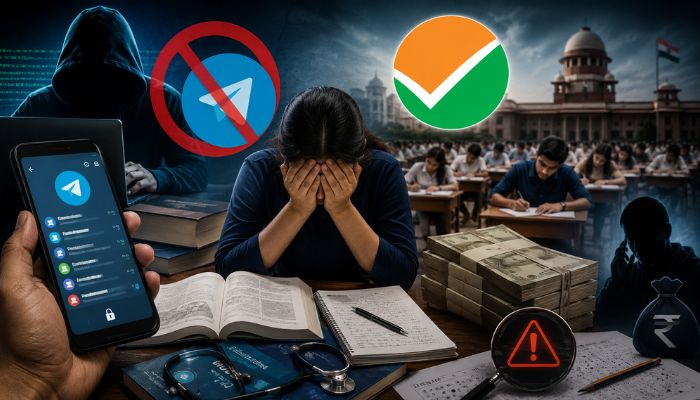
Why India temporarily blocked Telegram ahead of the NEET re-test: Inside the fraud networks, cybersecurity gaps, and the accountability crisis plaguing NEET

Just days before the NEET-UG 2026 re-examination scheduled for 21st June, the Central government took an unprecedented step that immediately sparked nationwide debate. Acting on a request from the National Testing Agency (NTA), the Centre temporarily blocked access to the messaging platform Telegram across India until 22nd June. The move was aimed at preventing cheating rackets from exploiting the platform to spread fake question papers and scam anxious NEET candidates.

The restriction marked the first time that a messaging application of Telegram’s scale had been blocked in India by the Ministry of Electronics and Information Technology, even if only for a limited period. Within hours of the government’s order, several telecom operators had already disabled access to the service. Telegram’s app listing also disappeared from both Google’s Play Store and Apple’s App Store in India.

The NTA described the action as a response to the “organised use of the platform by cheating rackets to defraud candidates appearing for the NEET (UG) 2026 re-examination scheduled on 21st June 2026.”

The agency maintained that the measure was temporary, targeted and necessary to protect students from fraud at a time when confidence in the examination process was already under severe strain following allegations of paper leaks and irregularities in the original examination conducted on 3rd May.

Telegram founder Pavel Durov rants against the ban

Telegram founder Pavel Durov publicly criticised the Indian government’s move, arguing that the ban punished millions of innocent users rather than the fraudsters responsible for the scams.

In a statement, Durov said the blocking affected more than 15 crore ordinary Telegram users across India. “The leaks just moved to other apps,” Durov remarked, suggesting that shutting down Telegram would not eliminate the problem.

He also defended the platform’s recent efforts to tackle exam-related fraud. According to Durov, Telegram had already removed hundreds of channels that were sharing leaked examination material and running scams targeting Indian students.

“Over the past few weeks, we removed hundreds of channels sharing leaked exam materials and related scams in India. We’re also making the ‘edited’ label more visible to prevent backdating scams,” he said. Calling the temporary restriction a mistake, Durov added, “We’ve done a lot to fix the problem, even though the source is not Telegram.”

NTA defends the decision, says students must be protected

As criticism mounted, NTA Director General Abhishek Singh strongly defended the government’s decision.

Speaking to ANI, Singh said the platform had become a major tool for fraudsters who were exploiting students’ fears and anxieties by selling fake question papers and false promises of guaranteed success. “We had to take this drastic step because the platform was continuously being misused by scamsters and fraudsters who were sharing fake question papers as genuine papers and trying to fool students and parents into paying for them,” Singh said.

He acknowledged that some people might consider the move excessive but argued that protecting the interests of more than 22 lakh students justified tough action.

“It may appear to be a sledgehammer, but when it is in the interest of the students, when it is in the interest of the careers of our 22 lakh young minds, every step will be taken,” he said. Singh also revealed that investigators had found some channels operating from countries that were “not the best friends of India.” While he admitted that certain operators could continue functioning through VPNs or overseas networks, he argued that restricting access would still cut off their audience and reduce the effectiveness of the fraud.

The NTA further stated that nearly 200 such channels had already been identified and blocked. According to the agency, maintaining students’ trust in the fairness of the examination process was just as important as preventing cheating itself. “Not every student will qualify. We do not want students who fail to believe that they lost because someone else had access to a leaked paper. They should have confidence that the examination is based purely on merit,” Singh said.

Inside the Telegram racket: Fake papers, edited messages, and crores in fraud

According to the NTA, an organised network of fraudsters had been operating through Telegram channels for weeks before the re-examination.

These channels targeted worried students by claiming to have advanced access to the NEET question paper. Candidates were asked to pay anywhere between Rs 14,000 and Rs 25,000, while some channels reportedly demanded amounts running into several lakh rupees. In extreme cases, fraudsters were asking for as much as Rs 10 lakh for what they claimed was a genuine examination paper.

The NTA repeatedly emphasised that no paper leak existed and that these channels were simply exploiting students and parents.

“Channels demanding Rs 14,000 to Rs 25,000 – some even Rs 10 lakh – are claiming they’ll send you the re-exam paper. They won’t. There is no leaked paper for the re-exam,” the agency warned.

The scam did not stop at financial fraud. Students were often asked to share their admit cards, mobile numbers and personal details. Once obtained, these details were used to target more candidates and expand the scam network.

A particularly controversial feature involved Telegram’s message-editing function. According to the NTA, channel administrators could edit older messages while retaining the original timestamp. Fraudsters exploited this feature by uploading a question paper after the examination and then editing a previously posted message to make it appear as though the paper had been shared days earlier.

The resulting screenshots and videos were circulated online as “proof” of paper leaks, creating panic among students and further damaging trust in the examination process. “On Telegram, whoever runs a channel can edit any old message and change what’s inside it while the date on the message stays the same,” the NTA explained.

This tactic allowed scammers to manufacture fake evidence of leaks long after exams had already concluded.

The refund scam added another layer to the crisis 

The Telegram racket was not the only fraud troubling the NEET ecosystem.

In another shocking revelation, Ahmedabad Police arrested a 19-year-old man from Bihar named Naveen Yadav for diverting refund amounts meant for NEET candidates into his own bank account.

According to investigators, Yadav exploited weak passwords and security vulnerabilities within the NEET portal. He used brute-force methods to gain access to student accounts and then altered banking details linked to those profiles. Officials said he targeted more than 350 students and successfully compromised around 150 accounts. Refund amounts of Rs 1,700 per student were subsequently transferred to his own account.

The case exposed serious concerns about cybersecurity safeguards surrounding one of India’s most important examinations. Investigators later traced the money trail with assistance from the NTA, leading to Yadav’s arrest in Bihar.

Following the incident, the NTA reportedly strengthened security measures and improved authentication systems within the portal.

Technical vulnerabilities raise fresh questions.

Even as authorities battled fraudsters, another controversy emerged from an unexpected source.

Sixteen-year-old Dubai-based student and ethical hacker Rylen Anil stunned many when he revealed that he had discovered significant vulnerabilities in the digital systems supporting both NEET and JEE Advanced.

Anil said it took him only a few hours to identify serious flaws. “It took me about three to four hours to get into both platforms. Once I did that, I reported the vulnerabilities to CERT-In, then posted about it on X,” he explained.

His findings revealed multiple security concerns. In the case of JEE Advanced, a cloud-storage misconfiguration exposed more than 179,000 result records and over 187,000 admit-card files. The NEET system, meanwhile, reportedly suffered from weak credentials on an administrative portal. “Through bypassing these vulnerabilities, I could see not only the sensitive information of students, but also their parents’,” Anil said.

Importantly, Anil did not misuse the data. Instead, he reported the vulnerabilities to CERT-In and shared limited technical details publicly after redacting personal information.

His actions received appreciation rather than criticism.

The NTA and technical teams associated with the examination systems contacted him, thanked him for his responsible disclosure and worked quickly to fix the vulnerabilities. IIT Roorkee publicly acknowledged the issue and confirmed that emergency corrective measures had been implemented. “So far, the response has been appreciative. They are now trying to resolve the issues,” Anil said.

When lakhs of middle-class families put their future on one examination  

The NEET controversy is not merely about Telegram channels, cyber fraud or technical glitches. At its heart lies something much bigger: the hopes, sacrifices and anxieties of millions of Indian families.

Across middle-class India, a familiar sentence echoes every year: “Bas ek seat mil jaye”, just one seat.

For many parents, a medical seat is not simply an educational opportunity. It represents financial security, social mobility and the fulfilment of years of sacrifice. Families routinely spend lakhs of rupees on coaching institutes, test series, hostel fees, study material and mentoring programmes. Some parents save for years. Others take loans. Many cut back on personal expenses to fund their children’s preparation.

The competition is brutal. Around 22 lakh students appear for NEET every year, but only a fraction ultimately secure MBBS seats. Government medical seats are even fewer. This intense pressure has created a massive ecosystem where desperation often becomes a business opportunity.

Fraudsters exploit fear. Scamsters sell fake papers. Coaching centres market impossible dreams. And every controversy chips away at students’ confidence in the system. Perhaps the most tragic aspect is that honest students end up paying the price.

A student who spends years preparing should never have to wonder whether someone else received an unfair advantage. A parent investing precious savings should never have to fear that a scammer will exploit their anxiety. And young people chasing their dreams should never have to navigate a maze of paper leak rumours, cyber fraud and technical failures.

The NTA’s actions against Telegram, its crackdown on fake paper networks, and its efforts to improve cybersecurity reflect an attempt to restore confidence. But restoring trust requires more than temporary bans and arrests.

Students deserve examination systems that are secure, transparent and reliable from the beginning. Parents deserve assurance that merit, not manipulation, determines success. And a country that asks so much from its young people must ensure that the path to opportunity is protected from both criminals and institutional lapses.

For millions preparing for NEET, that is the real issue. The debate is no longer just about Telegram or paper leaks. It is about trust. And trust, once broken, takes much longer to rebuild than any examination schedule.

AI video of Muslim model becomes a global story, while years of abuse and Love Jihad cases involving Hindu women are whitewashed: The Islamo-Leftist playbook

Indian society is a paradox where some victims are victims, but some are more victims than others. For years, Hindu women have been targeted by organised Islamist rape gangs, individual love jihadis, and subjected to online sexual objectification. Yet, their misery has consistently been dismissed by the left liberal cabal as ‘conspiracy theory’, ‘hoax’, and even ‘Islamophobia’. However, any real communal or non-religiously driven case of harassment of Muslim women is portrayed as a large-scale targeting of Muslim women by Hindu men.

Al Jazeera, the Qatari state-sponsored Islamist propaganda outlet, published an article on 15th June 2026, in which the brown sepoy Jyoti Thakur framed the alleged incident of the circulation of an AI-generated obscene video of Kashmiri Indian Muslim model Samereen Ayoub as massive weaponisation of Artificial Intelligence for online sexual harassment of Muslim women by Hindu men.

“The trend to sexualise images and videos of Muslim women is unfolding alongside India’s growing engagement in global conversations on AI governance, including a high-level AI Impact Summit held earlier this year in New Delhi that focused on innovation and regulatory frameworks,” Al Jazeera article headlined, ‘Looked so real’: How AI is being weaponised against India’s Muslim women’, reads.

Al Jazeera cited Samreen Ayoub as “one of several Muslim women who have experienced what researchers described as a pattern that is becoming increasingly visible: the use of AI to generate sexualised imagery and propaganda.”

The Qatari Islamist propaganda outlet cited a dubious report by the Centre for the Study of Organised Hate to claim that Muslim women are being subjected to religiously driven online sexual harassment in India. The CSOH report claimed to have analysed 1,326 publicly available AI-generated images and videos collected from 297 public accounts on X, Facebook and Instagram from May 2023 to May 2025. It concluded that sexualised depictions of Muslim women generated the highest engagement.

However, neither CSOH nor Al Jazeera cared to delve into the online quagmire of sexual objectification of Hindu women and the rape fantasy world built by Muslims across various social media platforms. While the Islamo-leftist media cabal is alarmed over alleged creation and circulation of sexualised depictions of Muslim women, Hindu women have been facing love jihad in real life, and online, Muslim men have, for over a decade, been morphing their photos, with interfaith rape fantasies, portraying them as religious sex slaves of Muslim men.

Yet, Al Jazeera, CSOH and other such Islamo-leftist rags do not even attempt to trace and highlight this Islamist pattern of perversion. Rather, these morally corrupt Islamists and their Dhimmi lackeys dismiss love jihad as a hoax, joke about it, and refuse to even acknowledge the prevalence of sexual objectification of Hindu women by Muslim men on social media platforms.

In recent times, Discord has emerged as a new hellhole of Muslim rape fantasies against Hindu women.

A large network has been created on this platform, wherein non-Muslim, mainly Hindu girls, are systematically targeted, trapped, and brainwashed into sending nudes with degrading messages like “I LOVE MUSLIM”, “I AM HINDU SL*T”, and “Fu#K HINDUS” written on their bodies.

It is noticeable that while in some cases the victims are real, in many, in fact, most cases, it is Muslim men creating IDs with Hindu female names and recycling images and videos from porn sites, pictures of film and television actresses. They create images showing Hindu women wearing explicit religious markers like Sindoor, Mangalsutra, Bindi, Om tattoos or lockets, in intimate positions with Muslim men wearing Islamic skullcaps.

The online Muslim perverts pick images and videos of those actresses who have portrayed Hindu Goddesses in TV dramas based on the Mahabharat, Puranas or Ramayana, with their religious-sexual degradation-laden captions.

From Starplus Mahabharat’s Draupadi, portrayed by Pooja Sharma, Devon Ke Dev: Mahadev’s Parvati, portrayed by Sonarika Bhadoria, RadhaKrishn’s Radha, Mallika Singh, to spiritual orators Jaya Kishori and Devi Chitralekha, Muslim rape jihadis make obscene edits of these women with highly offensive sexually explicit captions peddling interfaith sexual fantasies.

This online perversion of Muslim men targeting extends to Reddit, Tumblr, Facebook, Instagram, and X (formerly Twitter) as well.

On X, the Muslim perverts created hashtags like ‘Hslut4Mstud’, ‘hslut’ and ‘mstud’. Under these tags, they publish content sexually objectifying Hindu women. There are thousands of active accounts run by Muslim men with the sole objective of propagating rape fantasies against Kafir women, portraying Muslim men as superior, Hindu men as ‘impotent’, and Hindu women as ‘lustful’ for Muslim men.

In fact, OpIndia was the first media outlet to report how Muslim men misuse images of random Hindu girls, female celebrities, and even BJP workers and leaders, for peddling their anti-Hindu rape fantasies.

Back in 2021, OpIndia had reported that Reddit, as a platform, has been an underbelly for vile and bigoted propaganda as well as anti-Hindu grooming jihad. Pornographic content has regularly been shared on Reddit with the intention of normalising and glorifying the Muslim predatory mindset against Hindu women as a ‘cool’ statement. The pornographic images often show Hindu women lusting for Muslim men.

There is a two-faceted goal here: to trap real Hindu women and instil the perverted ‘Hindu slut for Muslim men’ thought, and defame and mock the Hindu community.

Disturbingly, the Indian Islamo-leftists not only deliberately turn a blind eye to the online sexual objectification of Hindu women by Muslim men, but also share the delusion that somehow Muslim men are more attractive and sexually potent than Hindu men, which is why Hindu women fall for what is described as ‘love jihad’. For years, Islamist perverts have been using various social media platforms to publish sexually objectifying content targeting Hindu women, and have even managed to brainwash and victimise several women. However, neither any Indian ‘liberal-progressive’ nor any foreign Islamist entity like Al Jazeera or CSOH ever raised their voice for Hindu women.

Earlier this year, Islamo-leftist rag The Wire’s Arfa Khanum Sherwani and ex-JNU professor Nivedita Menon sat on a podcast to mock and deride the Hindu victims of Love Jihad. The duo gleefully agreed to their concoction that Muslim men somehow possess superior attractiveness or charisma that Hindu women find irresistible. Islamo-leftists framed the concept of Love Jihad as simply an “expression of helplessness” by Hindu men. 

Islamo-leftists often claim that the ‘Hindu right-wing’ claiming that Hindu women are being brainwashed by Muslim men amounts to raising questions over the intelligence and judgment of Hindu women, blatantly ruling out even the possibility, rather, the existence itself of the concept of ‘brainwashing’. However, when well-educated Muslim men cite Islamic texts to justify their pivot to terrorism, the same lot says the terrorists don’t follow ‘real Islam’, they were ‘brainwashed and radicalised by extremist elements’.

There have been thousands of cases of Love Jihad, both at individual levels and those involving full-fledged Muslim rape gangs like the ones exposed in Rajasthan’s Beawar, Ajmer, and in Uttar Pradesh. From Kerala to Uttar Pradesh, to United Kingdom, there have been cases of Muslims weaponizing rape as a means of conquest of Kafir women, and humiliating non-Muslims and their faith, and yet none of the ‘secular’ media outlets and ‘organised hate’ researchers ever study the Muslim ‘Maal-e-Ghanimat’ perversion against Hindu women that finds manifestations in the form of rape jihad and online sexual objectification.

Forget researching, acknowledging, and reporting, the ‘secular-liberal’ cabal downplays and even whitewashes Islamically-motivated anti-Hindu crimes. Not too long ago, Islamists were casting aspersions on the integrity of Hindu women who accused their six Muslim colleagues at a BPO unit of Tata Consultancy Services (TCS) in Nashik, of workplace harassment, constant insulting commentary on Hinduism, sexual abuse, coercion to convert to Islam, offer namaz and eat beef. She claimed that Hindu women who filed a complaint against their Muslim colleagues were lying and created a ‘drama’ out of hate, to ensure that the Muslim men become “unemployable”.

When a Hindu boy, Surya Chauhan, was slaughtered by Muslim neighbours on Bakrid this year, the local Muslims quickly concocted a falsehood that Surya was harassing his Muslim murderer’s sister to justify the killing of the Hindu boy.  Islamists, both hardcore and pretentious moderates, join hands to normalise the killing of Hindus by Islamists by manufacturing fake excuses.

The Al Jazeera article mentioned the 2021-2022 Bulli Bai and Sulli Deal controversy to establish that, somehow, Muslim women are being sexually objectified and harassed consistently by Hindu nationalist men on a massive scale. In this case, it was a bunch of teenagers taking publicly available pictures of some Muslim women and putting them on an app, which was hosted on GitHub, for ‘auction’. The blatant misuse of publicly available images was indeed condemnable; however, there were essentially no real auctions and no real victims of sexual harassment. And yet, the controversy dominated national and international headlines for weeks because the supposed ‘victims’ were Muslim women while the ‘perpetrators’ were Hindu boys.

Both before and during the AI-era, Muslim men have been portraying Hindu women in religious attire in sexually suggestive scenarios, however, since victims were Hindu women and perpetrators Muslim men, nobody thought of it as an issue big enough to highlighted as “weaponisation of social media and online editing tools against India’s Hindu women,” but a few alleged cases, and whole ‘Muslim women under attack bogey’ is ready. Reason? As I mentioned at the beginning of this article, some victims are victims, but some are more victims than others.

Was Bhagwant Mann’s video leak an internal sabotage to clear the path for Arvind Kejriwal in Punjab?

The clergy at Akal Takht, the highest temporal authority of the Sikh faith, declared Punjab Chief Minister Bhagwant Singh Mann a “Khalsa Panth Virodhi (opposed to the Sikh Panth)” and a “Guru Dokhi (one who disrespects the Guru).” He had appeared before the religious body and was questioned about objectionable comments about Sikh devotees.

He was also questioned in relation to a widely shared video that featured his look-alike sprinkling alcohol on pictures of Sikh gurus. On 29th June (Monday), all Sikh MLAs across the political parties and cabinet ministers have been summoned before the Akal Takht over an anti-sacrilege law approved by the state.

Forensic examinations verified the video’s authenticity after Mann’s denial of the charge and assertion that it was AI-generated. Aam Aadmi Party (AAP) later claimed that the footage was genuine, but analysis found no evidence that the individual in the video was Mann. The chief minister also contended that the man did not resemble him in terms of height or physique and added, “I revere Sri Akal Takht Sahib as ‘supreme’, but some at religious posts peddle false propaganda for their political masters.”

A potential political conspiracy

Meanwhile, the development has raised numerous suspicions, including the possibility of internal sabotage aimed at fulfilling the long-held ambition of AAP’s national convenor and former Delhi Chief Minister Arvind Kejriwal to take charge of affairs in Punjab. In 2022, as the assembly elections approached in the state, famous poet Kumar Vishwas, a founding member of the party who later parted ways with it, charged that Kejriwal was willing to jeopardise India’s sovereignty and integrity in his eagerness to control the region.

He stated that the latter either wanted to be the chief minister of Punjab or the prime minister of an independent Khalistan. He also accused Kejriwal of aiding separatist elements and even meeting with them during the 2017 assembly elections in the border state. The video went viral on social media, and its circulation was first prohibited by the Election Commission, but the ban was eventually lifted.

The government had to provide “Y” category protection to Vishwas after assessing the threat based on intelligence inputs, after he made the allegations. Moreover, the Punjab Chief Minister Charanjit Singh Channi sent a letter reportedly written in Gurmukhi by the banned outfit “Sikhs for Justice (SFJ)” endorsing the AAP to Union Home Minister Amit Shah. He also attached a personal note highlighting that the situation was “serious” and endangered the nation’s security and integrity.

SFJ chief Gurpatwant Singh Pannun conveyed that a meeting was organised with Kejriwal in New York’s Gurdwara Richmond Hills in 2014, and he vowed to release 1993 Delhi blast convict Devinder Pal Singh Bhullar in exchange for financial aid. He alleged that Khalistani groups funded $16 million to AAP, after which Delhi Lieutenant Governor VK Saxena even recommended a National Investigation Agency (NIA) probe in the matter.

When Sisodia asked people to vote for Kejriwal in Punjab

Notably, accounts about Kejriwal’s switch to Punjab also surfaced during that year’s election campaign, particularly when Manish Sisodia, the chief minister of Delhi at the time, asked voters to “cast your vote presuming that you are voting to make Kejriwal chief minister. Your vote will be in his name.”

He also assured that the latter would oversee the execution of all commitments made by the party to the citizens of the region. Kejriwal had denied the “rumours”, arguing that as the chief minister of Delhi, he had been entrusted with a responsibility by the people there, while talking to The Times of India. Hence, he cannot assume the same role in Punjab. However, he supported Sisodia and stressed there was nothing wrong with his statement.

Furthermore, the AAP supremo consistently hailed the “Delhi model” and his government in the union territory for electoral success in the Punjab assembly elections of 2022. “This is a revolution. First, this revolution happened in Delhi, then in Punja,b and it will now happen all over the country,” he had expressed.

Kejriwal was also lauded after AAP won 958 of the 1,977 wards across 8 Municipal Corporations, 75 Municipal Councils and 19 Nagar Panchayats in the state last month. The party’s impressive performance in the 2024 civic body polls was similarly attributed to him. AAP has won 55 per cent of the wards in Punjab in the elections held in 977 wards. The credit goes to Arvind Kejriwal’s clean politics. We believe in winning people’s hearts and not conducting politics by pushing people,” mentioned Aman Arora, president of AAP Punjab unit.

The pursuit of Kejriwal’s mounting political aims

Kejiwal grabbed the spotlight in the Indian political scene during the 2011 anti-corruption movement, known as India Against Corruption, which was spearheaded by social activist Anna Hazare. He was portrayed as a strategist and organiser of the campaign and was often seen with Hazare during press conferences. However, Kejiwal’s political ambitions surpassed his loyalty to his “father and guru”, resulting in a split to create his own party, which was met with strong disapproval.

Hazare wished to uphold the sanctity of the mass movement, refused to contest any polls and maintained distance from partisan politics. Thus, he refused to join hands with his prime associate. On the contrary, Kejriwal desired to have political influence and created AAP, which managed to pull off a miracle by winning 28 seats in the 2013 Delhi legislative assembly election, which fortified his intent. AAP recorded 67 seats in 2015 and 62 seats in the 2020 polls in equally remarkable feats. AAP was elected to govern Punjab after winning more than 90 out of 117 seats in 2022.

However, Kejriwal had a rude awakening when the party could only secure 22 seats as the Bharatiya Janata Party (BJP) swept to power in the national capital in 2025. AAP also struggled to make an impact in other parts of the nation despite dedicated efforts in states like Gujarat and Goa. Thus, the party that sought to take over India is now left with power in only one region. Kejriwal has been repeatedly accused of being the real actor behind the scenes, relegating Mann to the position of a “puppet chief minister.” Nevertheless, the reality is that the former has no executive authority.

What could be the reality?

The assembly elections in the state are just a few months away, and thus, the timing of the ongoing controversy surrounding Mann has attracted considerable attention. It is no secret that any politician viewed as disrespectful towards Sikhism or the feelings of its adherents will struggle to win over people. It would be challenging to endorse a chief minister who has been confronted with grave violations concerning religion and is condemned by the apex Sikh entity.

AAP might be very popular among voters, but this incident has undoubtedly tarnished Mann’s reputation, dented his political standing and hindered his route to the Punjab Civil Secretariat in Chandigarh. However, Kejriwal, who is not implicated in any such issues, could emerge as a suitable alternative in the state. Additionally, Mann, who is under fire after the leaked clip, is the sole obstacle standing between the chief minister’s chair and the AAP head.

In politics, initial appearances are rarely the whole story, and this could certainly be true for Punjab. Ultimately, time will reveal the reality. Until then, speculation abounds,s and no potential scenario regarding Kejriwal and the only state remaining under his party’s control can be dismissed.

Rs 7.5 crore or Rs 200 crore? What is the alleged Ayodhya Ram Mandir donation scam? From cash counting to SIT probe, all you need to know

In early June 2026, a controversy erupted over alleged embezzlement of funds and valuables from daily chadhava or donations at the Shri Ram Janmabhoomi Temple in Uttar Pradesh’s Ayodhya. While the Shri Ram Janmabhoomi Teerth Kshetra Trust, which manages the temple, has denied any mismanagement, over 50 employees linked to the temple management have come under scrutiny.

Donations, 50 employees and embezzlement: Inside the alleged Rs 200 crore Ram Mandir chadhava scam

Consecrated in January 2024, the Ayodhya Ram Mandir attracts lakhs of devotees every year. These devotees donate cash, gold, silver, and ornaments through hundi boxes installed inside the temple. The Shri Ram Janmabhoomi Teerth Kshetra Trust handles collection, counting, accounting, and utilisation for the temple’s management and related activities.

For daily cash handling, the temple trust deploys its staff along with those hired via private agencies. These employees are tasked with counting notes, preparing bundles, and maintaining records. There are handling processes for ornaments, etc. According to the Temple Trust, regular internal audits are conducted to maintain transparency.

The allegations of ‘chadhava chori’ or chadhava scam at Ayodhya Ram Mandir were first highlighted by local media. The matter gained political traction on 7th June 2026 after Samajwadi Party supremo and former Uttar Pradesh Chief Minister Akhilesh Yadav cited media reports of crores in unaccounted donations and called for judicial intervention. Alarming claims emerged about alleged discrepancies in donation collections, sudden wealth accumulation by several low-paid counting staff, and possible missing funds.

“This is an extremely sensitive piece of news for devotees of Lord Ram across the entire world: crores of rupees in offerings to the ‘Ram Mandir’ have been found missing. This is an utterly shameful situation for the temple trust. No one is coming forward to offer any explanation. There is a demand for the court to take suo motu cognisance, as this is directly linked to the deep faith in Lord Ram held by the entire Sanatan society at a global level. The government’s silence is suspicious,” Akhilesh Yadav posted on X on 7th June.

Two days later, Akhilesh Yadav shot a series of questions regarding what he described as “Chadhava Chori Kaand”.

It has been alleged that cores of rupees from daily cash offerings or chadhava were siphoned by temple management insiders. While initially it was claimed that the alleged unaccounted donations ranged from Rs 5 to 7.5 crores, media reports now claim that the missing funds exceed the Rs 200 crore estimates.

Reports claim that since around 2020-21, some cash-counting staff hired through a private agency recorded lower amounts in vouchers than actually collected.

Moreover, there have been alleged discrepancies in the record of donated ornaments. Over ten chest boxes of gold, silver, and jewellery were allegedly removed without conducting proper accounting.

Dharmsena founder Santosh Dubey has claimed that 1,250 Ram stones or Ram Shila, made of gold, silver, diamonds, rubies, and eight metals, which were brought to Ayodhya in 1989 after being worshipped from villages, cities, and the country and abroad, have now “disappeared.”

While the venerated clay shilas or stones remain at Karsevakpuram, the metal stones are allegedly missing. Dharamsena founder Santosh Dubey has highlighted that the Shri Ram Janmabhoomi Temple Trust’s general secretary, Champat Rai, was also responsible for the care of the gold and silver stones.

Speaking to Dainik Bhaskar, Dubey made a sensational claim that theft of temple-related precious stones and other objects had been ongoing since 1989. He explicitly named Champat Rai and said, “Champat Rai played a role in this. It is claimed that Paramahamsa Ramchandra Das fell ill from this shock and died two years later. Dr Ram Vilas Vedanti was unable to speak out due to fear. This clearly shows that the theft of gold and silver donated in the name of the Shri Ram Temple began not today, but as early as 1989.”

Allegedly, CCTV footage covering periods of several months, from cash-counting areas, has been deleted, further raising suspicion of a cover-up.

Named in the media as the whistleblower of the alleged Ram Mandir Chadhava/donation scam, Mahipal Singh, who claims to be the Shri Ram Temple’s former accounts-in-charge, alleged that the theft of temple donations has been ongoing for quite some time. He claimed to have reported the matter to Champat Rai and other Trust members; however, he claimed that Champat Rai removed him from his post the very next day. Singh also claimed that CCTV footage from the temple premises dating back eight months was deleted.

What further intensified suspicions of an alleged donation embezzlement was the disproportionate assets of temple staffers. Some of the low-paid staff members allegedly acquired huge properties, expensive vehicles, and businesses far beyond their known income of Rs 18,000 to Rs 20,000. Two of the temple employees under police investigation are reported to have recently bought land worth Rs 1.5 crore, while the other had purchased a plot worth Rs 40 lakh.

There are also claims of deliberate mishandling, cover-up, ignored complaints, and involvement of temple staff, including cash-counting staff, supervisors, and some others in the financial chain, including bank teams.

Overall, around 50 employees, cash counters, temple Trust staff, and bank/audit personnel have come under police investigation.

How donations are collected and counted at Ayodhya Shri Ram Mandir

For collecting the offerings made in the ‘Daan Patra’ or donation boxes, the Shri Ram Janmabhoomi Teerth Kshetra Trust has installed four hundi boxes at specific locations in front of the Ram temple and along the entire darshan route. Devotees arriving at the temple deposit desired amounts in these donation boxes daily.

The Ram Mandir Trust has authorised the State Bank of India to count cash. The SBI has outsourced the counting job to a private agency. Since its consecration on 22nd January 2024, Ram Mandir has received massive donations from Ram Bhakts around the world. On the first few days of its public opening, the temple received around Rs 11 crore in donations, averaging nearly Rs 1 crore per day.

As per the annual report released in September 2025, the temple Trust reported annual earnings of nearly Rs 327 crore during FY 2024-25. While donation offerings contributed Rs 153 crore, interest income accounted for Rs 173 crore.

It is notable here that the Ram Janmabhoomi Temple has consistently attracted Hindus from around the world, reporting a record number of devotee footfalls every year since its opening in 2024.

Champat Rai denies chadhava chori allegations, UP government forms SIT

Reacting to the allegations regarding missing Rs 7 crore, Shri Ram Janmabhoomi Teerth Kshetra Trust General Secretary Champat Rai has categorically rejected these claims. He maintains that there have been no irregularities in fund management and no missing amounts have been detected during the internal audit.

Uttar Pradesh Chief Minister Yogi Adityanath has formed a three-member Special Investigation Team (SIT) to look into claims that a part of the donations received at the Ram Mandir in Ayodhya cannot be accounted for.

“The trust sought a thorough inquiry, calling it necessary to check misinformation and bring out the truth, alleging that attempts were being made to tarnish the image of the Ram temple and hurt the faith of millions of devotees,” the state government said.

The SIT has been directed to submit a preliminary report within seven days, while a detailed final report is expected within 15 days. According to official sources, the panel includes Lucknow Divisional Commissioner Vijay Vishwas Pant, Inspector General Kiran S, and Finance Department Special Secretary Neel Ratan.

The decision to set up the SIT was taken after the Shri Ram Janmabhoomi Teerth Kshetra Trust approached Chief Minister Yogi Adityanath and requested an independent inquiry. The trust said an official investigation was needed to establish the facts and clear up what it described as misleading claims regarding temple donations.

The issue gained attention after leaders of the Samajwadi Party raised questions about the money collected through donation boxes at the Ram Mandir. Former Samajwadi Party MLA Pawan Pandey claimed that an amount between ₹5 crore and ₹7.5 crore was missing from the donations received by the temple.

Recently, the UP Police SIT arrested cash-counting staff member Lavkush Mishra, following the recovery of unexplained cash and suspicious property purchases. Mishra was arrested after police recovered Rs 10 lakh from his house. Some of the cash stash was hidden under cow dung. The investigators initiated action against Lavkush Mishra after an internal audit and noticed his suspicious conduct during a CCTV footage analysis.

While the Trust denies its direct involvement in any wrongdoing, BJP veterans like Vinay Katiyar have demanded a thorough investigation, stern action against the ‘chanda chors’, and also stated that the donation theft is a betrayal of decades of devotion.

Meanwhile, a public interest litigation has been moved before the Lucknow Bench of the Allahabad High Court. The PIL seeks a CBI-led, court-monitored probe into the alleged fiscal irregularities in Shri Ram Mandir donations. Advocate Mohit Ashok has demanded a time-bound investigation into the alleged misappropriation of Ram Mandir donations, including cash and gold or silver offerings.

Amidst the probe, allegations, counter-allegations, politics, and PILs, BJP leader Rajneesh Singh has written to Prime Minister Narendra Modi, seeking public disclosure of the Shri Ram Janmabhoomi Trust’s finances, assets, donations, expenditures, bank accounts and land transactions.

Rahul Gandhi is not concerned about students, but trying to fuel his failed politics: Read how he tried to sabotage the NEET controversy, Kota trip and more

A national outcry erupted after two massive, interconnected crises shook the Indian education system. NEET (UG) examination which was held on 3rd May for aspirants desiring admission to undergraduate medical and dental courses had to be entirely cancelled after allegations of paper leak.

A handwritten “guess paper” with about 410 questions, including a series of 281 questions, was disseminated among students through Telegram groups, WhatsApp and coaching networks, especially in Sikar of Rajasthan, Uttarakhand’s Dehradun and other coaching hotspots prior to the exam date. There were nearly 120-140 questions, mostly from Biology and Chemistry that matched the exam paper exactly or extremely closely.

A few weeks after the row, discrepancies were discovered in the evaluation of the Central Board of Secondary Education (CBSE) Class 12 answer sheets conducted via the first-ever On-Screen Marking (OSM) system alongside mismatched digital answer books, blurred scanning quality, technical obstructions, security vulnerabilities and other similar complaints.

The government encountered criticism and took proactive measures to address the submissions, initiating actions to prevent such occurrences in the future. The grievances were acknowledged and addressed. Likewise, a Central Bureau of Investigation (CBI) inquiry was ordered in relation to the medical entrance exam. Multiple arrests were made as action was taken against the accused. Indian Air Force (IAF) aircraft and helicopters were used to deliver test papers.

Strict accountability was imposed by the Supreme Court, which instructed the National Testing Agency (NTA) to create systemic protections throughout the entire examination procedure. An expert committee headed by former ISRO chief K. Radhakrishnan was also formed to look into the lapses, and 21st June had been set for re-examination.

Furthermore, the Parliamentary Standing Committee on Education, Women, Children, Youth and Sports was scheduled to discuss the issues pertaining to the education system, including NEET (UG) paper leak, reforms in examination and assessment practices of CBSE.

A one-person team led by S Radha Chauhan, Chairperson of the Capacity Building Commission was founded by the centre to review procurement-related irregularities related to OSM system. The committee has one month to turn in its report. CBSE Chairman Rahul Singh and Secretary Himanshu Gupta had been ousted, and cybersecurity agencies have been recruited to keep an eye out for any assaults on the re-evaluation website.

Rahul Gandhi seizes the opportunity to politicise the matter

While steps were being taken to help the students and alleviate their concerns, the opposition decided to take advantage of this critical situation to advance its political narrative. Rahul Gandhi claimed that CBSE awarded the contract to a dubious company, Coempt Eduteck Private Limited, in Hyderabad which handled the on-screen marking process and declared, “This isn’t a mistake, it’s a deliberate conspiracy.”

The charge was referred to as “erroneous, misleading and not based on facts,” by the board which emphasised that the contract was only granted in accordance with government procurement regulations. However, the Leader of the Opposition in the Lok Sabha maintained his stance and doubled down on the assertion. He has perfected the art of peddling agenda for his political interests, and he is employing the same tactics in the current circumstances.

The Gandhi scion recently met with Sarthak Sidhant, a 12th grade student from Ranchi and his partner Nisarga Adhikary, who revealed the supposed anomalies in the CBSE’s OSM tender mechanism. However, the conversation that should have adhered to the relevant topic soon shifted into a session for attacking the government.

“Sarthak and his partner Nisarga did what the country’s big media houses and investigative journalists couldn’t. They exposed the collusion between CBSE and Coempt to the nation. Modi wants our youth to keep making reels, keep frying pakoras, not raise enquiries and not open their eyes,” the parliamentarian wrote on social media.

Gandhi further announced, “However, these kids asked questions, and they found the answers too. The country’s 18-year-old kid outpaced the CBI – this victory of the youth is truly the government’s defeat. This is India’s real youth power – curious, aware, informed. And remember, the country’s future won’t fall for any deception.”

He asked why the “decision-makers” in the country did not identify the “loophole in the system” as an 18-year-old Sarthak had and failed to prioritise providing a fair platform for students. He then insisted that framework of Indian education “systematically attempts to stifle curiosity and discourages questioning.”

Gandhi then contended that Sarthak had to carry out the work of an investigative journalist. He remarked that the latter are hired, paid and have numerous years of experience, yet did not execute their duties. The Rae Bareli MP even accused that the lives of thousands of students have been ruined.

It is noteworthy that Sarthak gave a presentation before the aforementioned Parliamentary Standing Committee which looked into the difficulties owing to the OSM system. CBSE officials also assured that the challenges related to the re-evaluation portal had been fixed and students had sufficient time to enter applications using the site.

Gandhi held a similar meeting with Class 12 student Vedant Shrivastava, whose post went viral after he got the wrong answer sheet from CBSE. The former invoked “George Soros and deep state” in an attempt to mock these labels. However, he has repeatedly faced grave allegations regarding his connections with the anti-India Hungarian American billionaire.

The matters brought forth by the students demand careful consideration and prompt remedies. However, Gandhi’s goal seems to be turning their troubles into a political smear campaign against the central government to collect brownie points rather than providing any viable relief. He has regularly demonstrated a tendency to leverage these instances for his own benefit.

A campaign is launched in Kota

Gandhi is going to launch a campaign against the BJP government in the ensuing weeks and months. On 17th June (Wednesday), a demonstration called “The echo of students (Chhatron Ki Goonj)” will commence in Kota of Rajasthan, with plans to engage students in many locations.

The former Indian National Congress chief will board the Jan Shatabdi Express from the Hazrat Nizamuddin station in Delhi to land at his destination. The following conventions will take place on 10th July in Prayagraj, 11th July in Patna and 14th July in Delhi “bringing together students, aspirants, youth organisations, educators and all those directly affected by examination scandals.”

Congress General Secretary (Organisation) and Lok Sabha MP KC Venugopal stressed that the party would reinforce Gandhi’s call to mobilise students through widespread outreach by the NSUI (National Students Union of India), Youth Congress, PCCs (Pradesh Congress Committees), DCCs (District Congress Committees) and local units nationally as part of this mission. On 15th June (Monday), the latter held meetings with leaders of the NSUI and the Youth Congress.

Venugopal outlined, “Physical and digital invitations, campus outreach, interactions at coaching centres, universities, schools, and youth hubs, social media campaigns, live screenings, and direct engagement with students will be undertaken on a massive scale.”

He added that the movement will highlight Gandhi’s earlier demands, including decentralisation of NEET, elimination of exam fees, tough legal action against those responsible for paper leak rackets and responsibility at the highest levels of government along with the removal of the Union Education Minister Dharmendra Pradhan.

The announcement’s timing aligns with the Cockroach Janta Party’s protests demanding the resignation of Pradhan. The grand old party clearly does not want to relinquish the narrative to this fresh online entity. The intent is evidently far removed from any concern for students and is more focused on strengthening the party’s position for electoral success. The selection of Kota popularly known as the “Coaching Capital of India” for this agitation further illustrates the objectives that underpin this endeavour of Congress.

Conclusion

Gandhi has consistently dragged the education sector and students to target the Modi government. He argued that the National Education Policy 2020 was enacted without consulting teachers and students. He also accused that the NEET (UG) was tailored for affluent students and was more of a “commercial exam” instead of “professional.” He has been exposed many times yet spares no effort in manipulating the future of the country for his political ambitions.

Gandhi has even infused caste politics and his resistance to Hindutva into educational institutions, in a desperate bid to turn the temple of learning into his political arena. Moreover, he has made unauthorised visits to universities and disrupted the students in his attempts to sway them towards his party, as the underlying aim of all his actions is rooted in self-interest.

He interacts with these young individuals because they are either adults or on the verge of adulthood, portraying his party as a champion of their rights and interests while slamming the policies of BJP as harmful. Therefore, it is clear that Gandhi’s current antics are also derived from the same strategy. He perceives the ongoing upheaval as a chance for him to save his declining political prospects.

It is indisputable that the hardships experienced by students must be put to an end and accountability needs to be enforced. However, politicising it might offer some relief to the ambitions of a struggling Congress but will not serve the interests of the affected community.

Maulana Izhar-Ul-Haq, Faraz, Naeem and Shakir arrested: Inside the ATS crackdown on multi-state ‘Lone Wolf’ radicalisation module linked to Pakistan

What began with a covert arrest in the congested lanes of Old Bhopal has rapidly expanded into a multi-state counter-terror investigation, leading security agencies from Madhya Pradesh to Uttar Pradesh, Rajasthan and Bihar. Investigators now believe they may have uncovered a radicalisation network that operated largely online, with suspected links to handlers based across the border.

The latest breakthrough came on Monday when a joint team of the Madhya Pradesh Anti-Terrorism Squad (ATS) and Bihar ATS arrested Maulana Izhar-Ul-Haq from Bihar’s Madhubani district. The arrest has added a new dimension to the probe, with investigators suspecting that the madrasa teacher may have played a central role in the network.

Authorities claim Izhar-Ul-Haq, a resident of Nautol Sarisabpali village under Pandaul police station limits, was more than just another member of the group under investigation. ATS officials suspect he acted as the “Amir”, the ideological guide and coordinator responsible for identifying, mentoring and influencing recruits across multiple states.

According to investigators, Izhar maintained communication with overseas handlers and was tasked with expanding the network’s reach, rebuilding dormant cells and facilitating coordination among individuals who were often separated by hundreds of kilometres and, in many cases, had never met in person.

The arrest was carried out under tight secrecy. Soon after he was taken into custody, a local court granted ATS teams a 72-hour transit remand, allowing them to shift him to Madhya Pradesh for sustained interrogation.

Officials believe his questioning could provide critical insights into how the network functioned. Investigators are particularly keen to understand the methods used to identify vulnerable individuals, the process through which recruits were influenced, and the role played by online platforms in spreading extremist ideology.

What triggered the investigation?

The investigation first gained momentum on June 12 when the Madhya Pradesh ATS arrested Mohd Faraz, 35, during a covert operation near Nanhe Bee’s Mosque in Bhopal’s Qazi Camp area.

Faraz, who worked at a doctor’s clinic, soon emerged as the focal point of the investigation. Officials allege that he had been consuming extremist content disseminated through encrypted digital channels and had become increasingly influenced by radical propaganda.

During the examination of his electronic devices, investigators reportedly recovered digital literature and other material that raised security concerns. Agencies also began probing whether Faraz was operating independently or as part of a larger network extending beyond state boundaries.

The investigation intensified further after intelligence inputs suggested that Faraz was preparing to travel to Afghanistan for specialised training. Officials also discovered that he had reportedly been undergoing martial arts training, a development investigators considered significant while assessing his activities.

Naeem Abdullah Qureshi’s role under scanner

The probe soon led investigators to Uttar Pradesh.

A day after Faraz’s arrest, ATS teams detained Naeem Abdullah Qureshi, 38, from Nanauta in Saharanpur district. According to investigators, Naeem and Faraz had studied together at a madrasa in Deoband, and officials suspect their association played a role in connecting Faraz to the network.

Security agencies are examining information suggesting that Naeem shared photographs and videos of locations in Uttar Pradesh with contacts believed to be operating from Pakistan. The purpose and significance of those exchanges remain under investigation.

Officials have also established that Naeem travelled to Bhopal on at least one or two occasions and had personally met Faraz, despite investigators claiming that most members of the network remained connected only through digital platforms.

Mohammad Shakir Mev Arrested in Rajasthan

The investigation widened further when ATS teams, working alongside Rajasthan Police, arrested Mohammad Shakir Mev, 34, from Alwar district near the Rajasthan-Haryana border.

By this stage, investigators had begun viewing the case as a potentially organised module rather than a collection of isolated individuals. The subsequent arrest of Izhar-Ul-Haq has strengthened suspicions that the network may have had a structured leadership hierarchy.

Digital evidence becomes key focus

Much of the investigation now revolves around digital forensic analysis. Officials claim that mobile phones and electronic devices recovered from the accused contain evidence of encrypted communications, extremist propaganda and interactions with individuals located outside India.

Investigators are examining suspected links to phone numbers based in Pakistan and Afghanistan, along with activity across messaging platforms and closed online groups.

According to ATS sources, forensic examination of Faraz’s mobile phone has yielded important leads. Investigators suspect he used specialised applications to communicate with foreign contacts while avoiding conventional surveillance methods.

Officials further claim that Faraz had been assigned the operational alias “Khalid Saifullah”, a name associated with a slain Pakistani Lashkar-e-Taiba operative accused in multiple attacks in India. Investigators are examining whether the use of the alias was intended to create ideological appeal among recruits.

‘Lone Wolf’ radicalisation strategy

Security agencies increasingly believe the network may have been promoting a “lone wolf” model of radicalisation, a strategy in which individuals are influenced online, guided remotely and encouraged to act independently rather than as part of a traditional terror cell.

Investigators claim members of the network were exposed to extremist videos, propaganda material and content glorifying armed jihad. Agencies are also examining allegations that photographs and videos from locations in India were shared with overseas contacts.

Officials say such models present unique challenges for law enforcement because individuals often operate independently, maintain limited physical contact with one another and leave fewer traces of organisational activity.

Questions investigators are seeking to answer

Despite the series of arrests, investigators say several crucial questions remain unresolved.

Who was directing the network from abroad? How extensive was its reach within India? How many individuals may have come into contact with the module? And were any of the accused close to translating ideology into action?

With Maulana Izhar-Ul-Haq, Mohd Faraz, Naeem Abdullah Qureshi and Mohammad Shakir Mev now under the scanner, security agencies believe the coming days could prove decisive in determining the scale and structure of what they describe as a pan-India radicalisation network that operated largely out of public view.

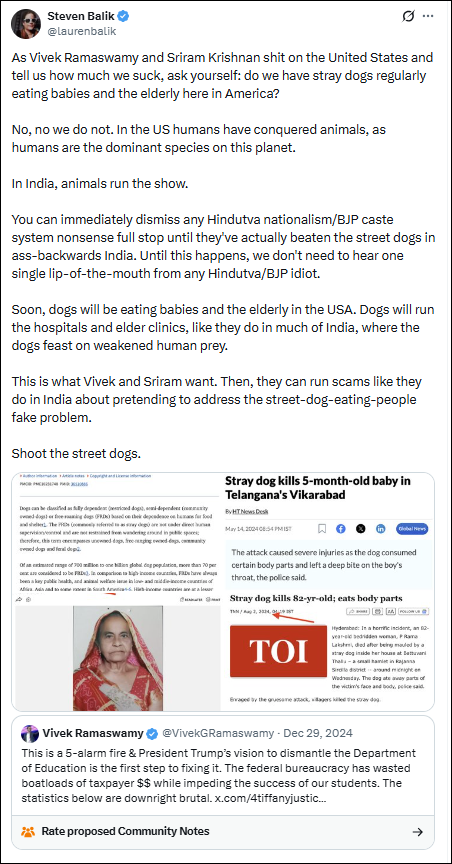
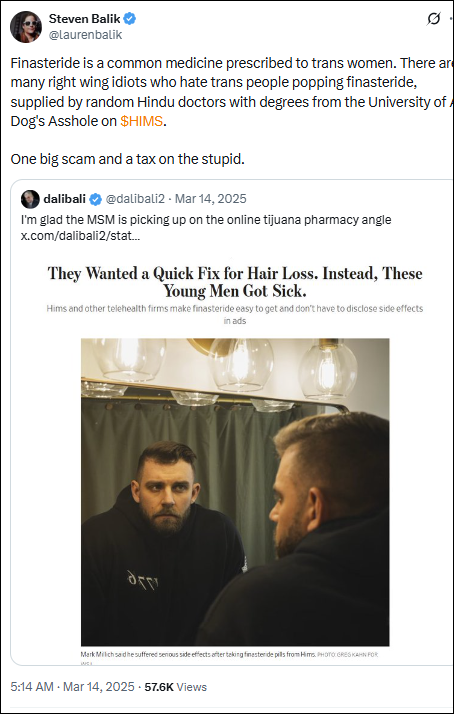
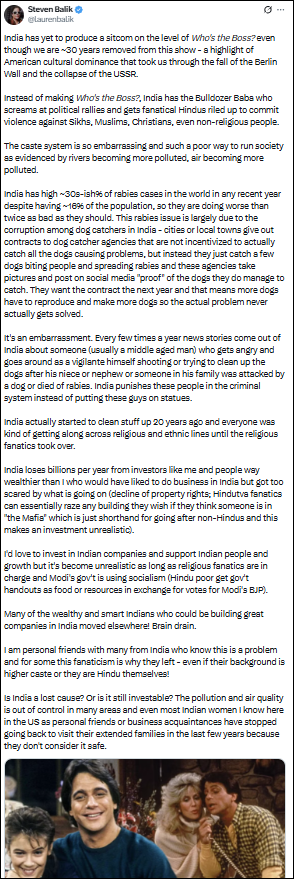
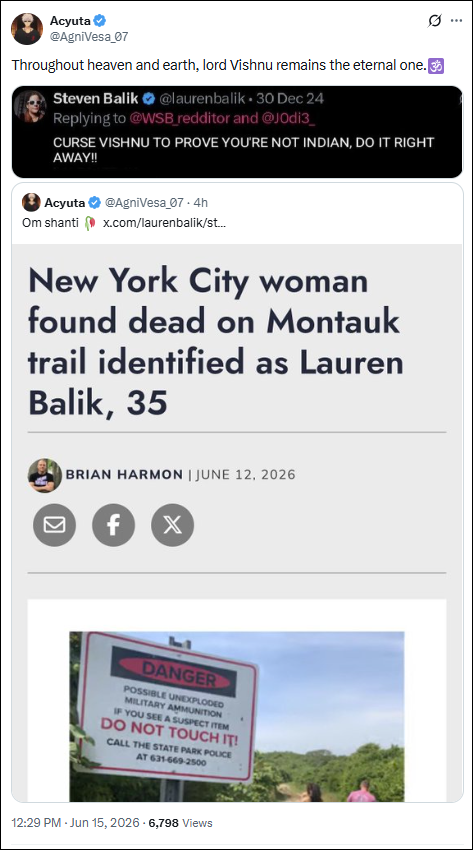
Analyst Lauren Balik found dead in New York: From vilifying Hindus and Hindutva to asking users to curse Lord Vishnu, a look at her anti-India propaganda

Lauren Balik, a New York City-based equities analyst, short seller, and notorious Hinduphobe, was reported dead on 11th June 2026. Hikers found Balik’s dead body on a trail in Camp Hero State Park in New York’s Montauk. The local police arrived at the scene, and it was confirmed that the deceased was Lauren Balik. The cause of her death remains unclear, and no foul play has been suspected so far.

“On June 11, 2026, at approximately 1:42 p.m., the New York State Bureau of Criminal Investigation responded to Montauk Point East Overlook, Camp Hero State Park, Montauk, New York, for reports of a deceased body. Upon arrival, Investigators located a deceased body, later identified as Lauren Balik, age 35, of New York City. This investigation is still ongoing,” the NY Police said.

As the news of the demise of Lauren Balik surfaced online, many people brought up Balik’s old hateful and Hinduphobic X posts.

From mocking Nikita Bier to peddling anti-Hindu hate: Who was Steven Charles, aka Lauren Balik

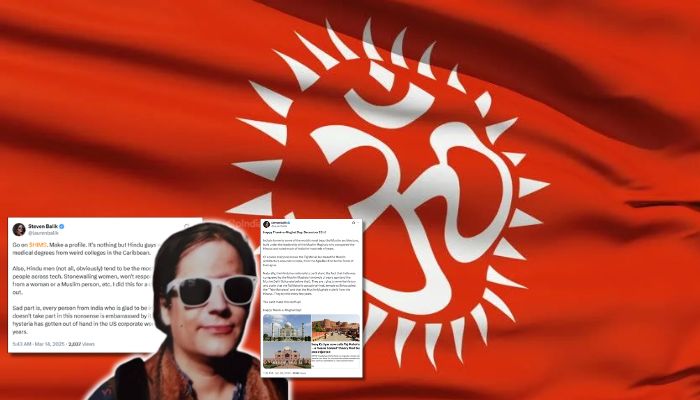
Born in 1990, Lauren Balik worked as a data professional, short seller, equities analyst, Substack writer, and conspiracy theorist. She also ran an X account with over 33,000 followers. Balik publicly presented as Lauren Balik (female), although her birth/legal name was Steven Charles Balik (male). Local media reports hint at a possible detransition in the days before Balik’s death.

Steven Balik, aka Lauren Balik, was embroiled in many controversies online.

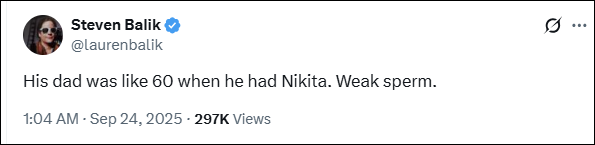
In September 2025, Lauren Balik published an X post mocking X’s product head Nikita Bier’s dead father. She wrote, “His dad was like 60 when he had Nikita. Weak sperm.”

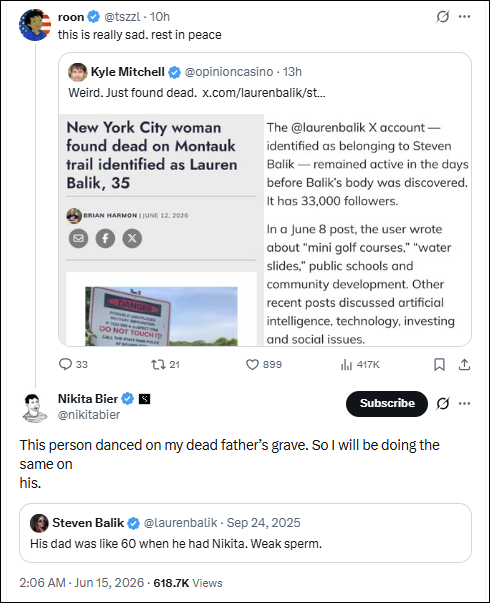
Fast forward to 15th June 2026, Nikita Bier announced that he will be ‘dancing’ on Lauren Balik’s grave. “This person danced on my dead father’s grave. So I will be doing the same on his,” Bier wrote.

In response to a reply, Bier recalled how Steven/Lauren Balik peddled a conspiracy theory that Nikita Bier was a Mossad agent, and said, “Let me abundantly clear: This person started a conspiracy theory that I was a Mossad agent, triggering a wave of mentally ill people sending death threats and showing up at my house. Not every passing is worthy of mourning.”

Steven, aka Lauren Balik, peddled conspiracy theories and hatred against Indian Americans, particularly Hindus, and Hindutva.

Balik’s X profile is replete with replies, quote-posts and standalone commentary on immigration policy, H1-B visas, and targeted Indian diaspora in the US.

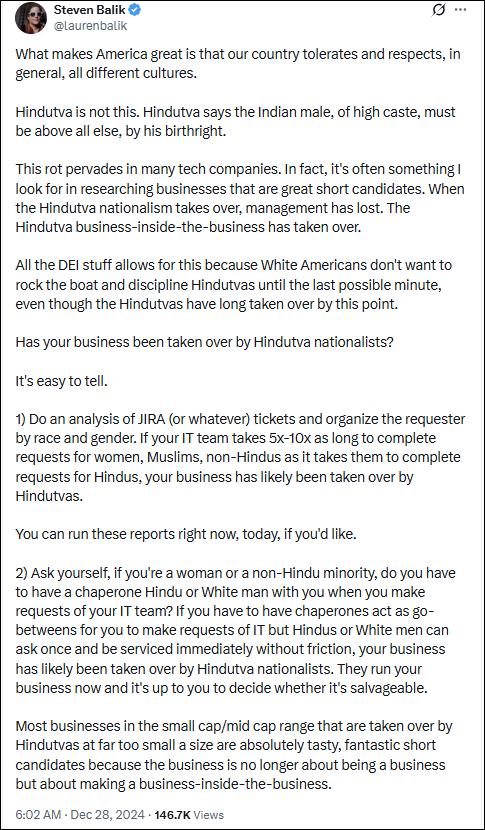
In December 2024, Steven Balik published an X post, in which she claimed that “Hindutva says the Indian male, of high caste, must be above all else, by his birthright.”

“What makes America great is that our country tolerates and respects, in general, all different cultures. Hindutva is not this. Hindutva says the Indian male, of high caste, must be above all else, by his birthright. This rot pervades many tech companies. In fact, it’s often something I look for in researching businesses that are great short-term candidates,” she wrote.

She further claimed that Hindutva nationalists were importing upper-caste Hindu male supremacy into the US IT companies, leading to inefficiency, favouritism, discrimination against women, non-Hindus, especially Muslims.

“When Hindutva nationalism takes over, management has lost. The Hindutva business-inside-the-business has taken over. All the DEI stuff allows for this because White Americans don’t want to rock the boat and discipline Hindutvas until the last possible minute, even though the Hindutvas have long taken over by this point. Has your business been taken over by Hindutva nationalists? It’s easy to tell. 1) Analyse JIRA (or whatever) tickets and organise the requester by race and gender. If your IT team takes 5x-10x as long to complete requests for women, Muslims, and non-Hindus as it takes them to complete requests for Hindus, your business has likely been taken over by Hindutvas,” Balik added.

“Ask yourself, if you’re a woman or a non-Hindu minority, do you have to have a chaperone, a Hindu or White man, with you when you make requests of your IT team? If you have to have chaperones act as go-betweens for you to make requests of IT, but Hindus or White men can ask once and be serviced immediately without friction, your business has likely been taken over by Hindutva nationalists. They run your business now, and it’s up to you to decide whether it’s salvageable. Most businesses in the small-cap/mid-cap range that are taken over by Hindutvas at far too small a size are absolutely tasty, fantastic short candidates because the business is no longer about being a business but about making a business-inside-the-business,” Balik continued.

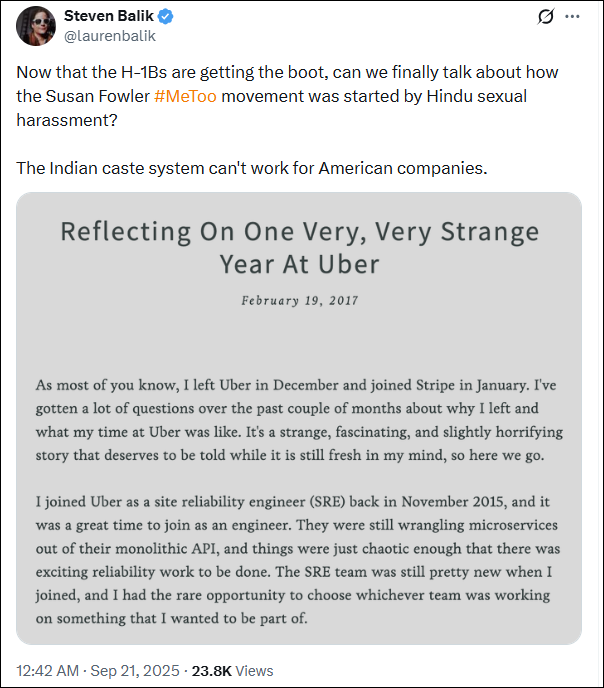
In September 2025, Steven, aka Lauren Balik, concocted a ‘Hindu sexual harassment’ bogey and wrote, “Now that the H-1Bs are getting the boot, can we finally talk about how the Susan Fowler #MeToo movement was started by Hindu sexual harassment? The Indian caste system can’t work for American companies.”

It is essential to note that there was no religiously motivated ‘Hindu sexual harassment’ angle in Susan Fowler’s 2017 Uber harassment case.

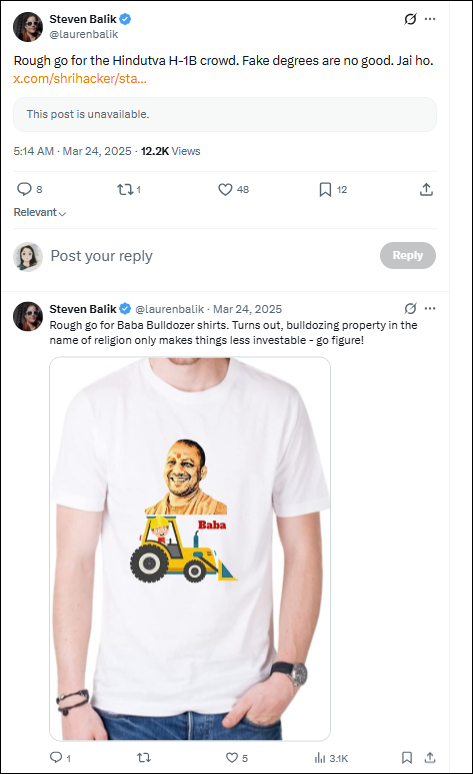
In March 2025, when Indians were at the receiving end of an online hate campaign by the MAGA base in the context of H1-B visas, Lauren Balik had gleefully supported and contributed to the online vitriol. She even peddled the classic Muslim victimhood bogey that in India’s BJP-ruled Uttar Pradesh, houses were being bulldozed based on religion.

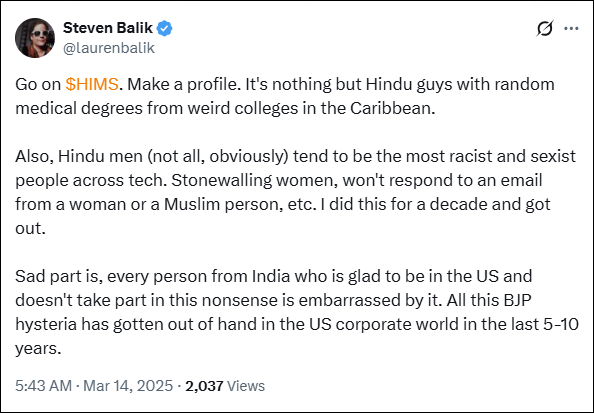
In March 2025, Steven Balik published a post wherein she declared Hindu men as sexist and racist across tech. She claimed that Hindu men resort to stonewalling women and hold discriminatory views about Muslims.

“Go on, $HIMS. Make a profile. It’s nothing but Hindu guys with random medical degrees from weird colleges in the Caribbean. Also, Hindu men (not all, obviously) tend to be the most racist and sexist people across tech. Stonewalling women won’t respond to an email from a woman or a Muslim person, etc. I did this for a decade and got out. The sad part is, every person from India who is glad to be in the US and doesn’t take part in this nonsense is embarrassed by it. All this BJP hysteria has gotten out of hand in the US corporate world in the last 5-10 years,” Balik wrote.

Steven, aka Lauren Balik, has also published several posts indulging in caste, cultural, and racist mockery.

She also peddled lies about Hindu American doctors.

Besides, Balik happened to have stronger opinions about Indian politics than one would expect from foreigners. She peddled propaganda against Uttar Pradesh Chief Minister Yogi Adityanath. In one such post, she claimed that “India has the Bulldozer Baba who screams at political rallies and gets fanatical Hindus riled up to commit violence against Sikhs, Muslims, Christians, even non-religious people.”

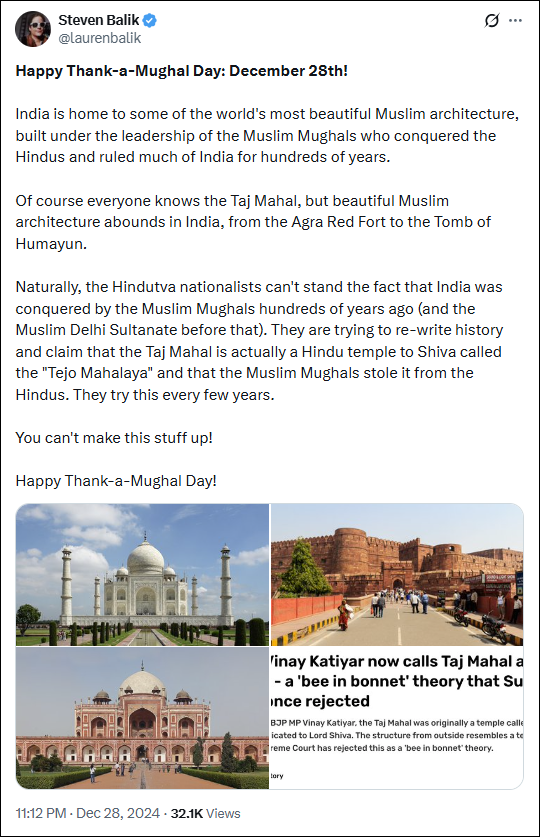
In December 2024, Balik wanted Indians, especially Hindus, to celebrate a “Thank-a-Mughal Day”, saying that Islamic fanatic invaders enriched India architecturally. Although Balik did not mention anything about the killings, rapes, and brutalities inflicted on Hindus, Sikhs, and other local communities out of sheer hatred for Kafirs.

“Happy Thank-a-Mughal Day: December 28th! India is home to some of the world’s most beautiful Muslim architecture, built under the leadership of the Muslim Mughals, who conquered the Hindus and ruled much of India for hundreds of years. Of course, everyone knows the Taj Mahal, but beautiful Muslim architecture abounds in India, from the Agra Red Fort to the Tomb of Humayun. Naturally, the Hindutva nationalists can’t stand the fact that India was conquered by the Muslim Mughals hundreds of years ago (and the Muslim Delhi Sultanate before that). They are trying to rewrite history and claim that the Taj Mahal is actually a Hindu temple to Shiva called the “Tejo Mahalaya” and that the Muslim Mughals stole it from the Hindus. They try this every few years. You can’t make this stuff up! Happy Thank-a-Mughal Day!”

In many of her quotes and replies, Lauren labelled Sriram Krishnan, a top White House adviser on artificial intelligence, and Republican leader Vivek Ramaswamy as “BJP idiots”.

Some X users have shared a screenshot of one of Lauren Balik’s replies, wherein she allegedly asked someone to ‘curse’ Lord Vishnu to prove he’s not an Indian. Although we did not come across such a reply during our search. Apparently, either the reply was deleted, or the screenshot circulating online is not accurate.

Steven Lauren Balik consistently peddled propaganda about Hindutva, caste, immigration of Indians to America, and villainised Hindus, especially in the tech and health sectors. With her death, Lauren Balik’s anti-Hindu and anti-India commentary is getting renewed attention on social media.

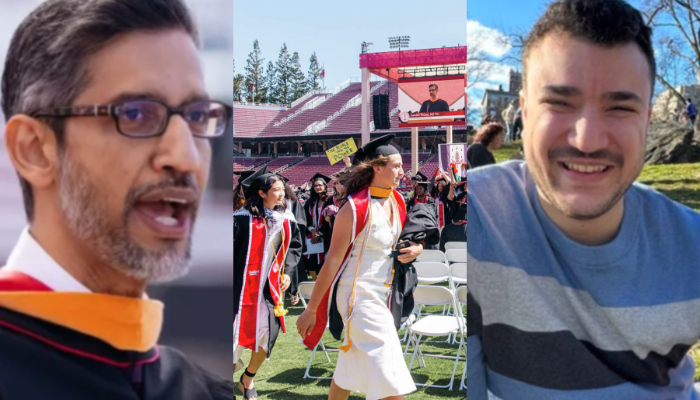
Who is Mahmoud Khalil, the radical Palestinian activist who instigated Stanford students to walk out when Sundar Pichai addressed them

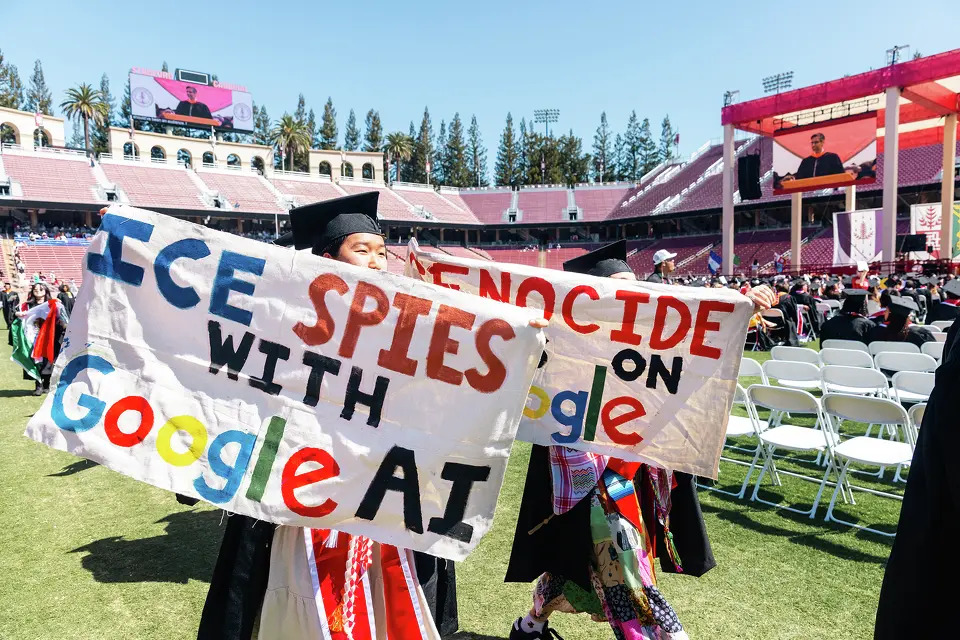
On 14th June (Sunday) Stanford University’s 2026 graduation ceremony was interrupted after a group of students started a protest when Google Chief Executive Officer (CEO) Sundar Pichai was giving his keynote speech as the commencemnt speaker. He entered the stage as approximately 200 students left their seats, blew whistles, chanted slogans as well as waved banners and Palestinian flags.

Image via SFGATE

Many were also spotted donning traditional scarves called keffiyehs which are tied to Hamas. Pichai, an alumnus of the institution, was introduced and the students wearing their graduation hats and gowns began to depart while several could be heard booing as his address proceeded.

The demonstrators denounced the tech giant’s connections to the Israeli government, especially Project Nimbus. It is a $1.2 trillion cloud computing agreement between Google, Amazon and Israel which took place in 2021. The walkout was publicised weeks ago by Stanford Students for Justice in Palestine, accusing that the project promotes the Jewish state’s operations amid the war in Gaza.

It was alleged that under Pichai’s leadership “Google profited from and enabled ICE’s (United States Immigration and Customs Enforcement) kidnappings of our neighbours and the genocide in Gaza by providing cloud computing services and AI software to ICE and IDF (Israel Defense Forces).”

The students contended that “they refuse to glorify the corporations which fuel this violence.” They referred to Google as “evil” and announced that they “will not allow their technology to be used for war and profits.” However, Pichai didn’t bring up the subject and even stayed away from discussing artificial intelligence.

The students had organised their own “People’s Commencement” for the second consecutive year. The main speaker for the latest event was Islamist Palestinian activist Mahmoud Khalil. On the other hand, the Google chief who urged the attendees to “choose optimism” was well-received as the stories he shared were greeted with applause and laughter following the brief disruption.

Mahmoud Khalil: The anti-Israel extremist

Mahmoud Khalil, born in Syria, is an infamous Algerian Palestinian propagandist who grabbed attention when “Intifada” shouting individuals occupied New York’s prominent Columbia University in 2024 to rally against Israel. He emerged as a spokesperson and negotiator during this “Gaza Solidarity Encampment” and larger agitation, reported BBC.

The move intended to press the institution to formally insist on an end to Israel’s campaign in Gaza and to divest from Israel, particularly from businesses whose goods, services or infrastructure had been utilised in the military action there. At the time, Khalil was a graduate student at the Ivy League school. ICE apprehended him on 8th March of last year.

The Trump administration attempted to deport the 30-year-old, and he spent three months in an immigration detention in Louisiana. However, a judge eventually ordered his release on 20th June. President Donald Trump had pledged to crack down on students embroiled in similar conduct.

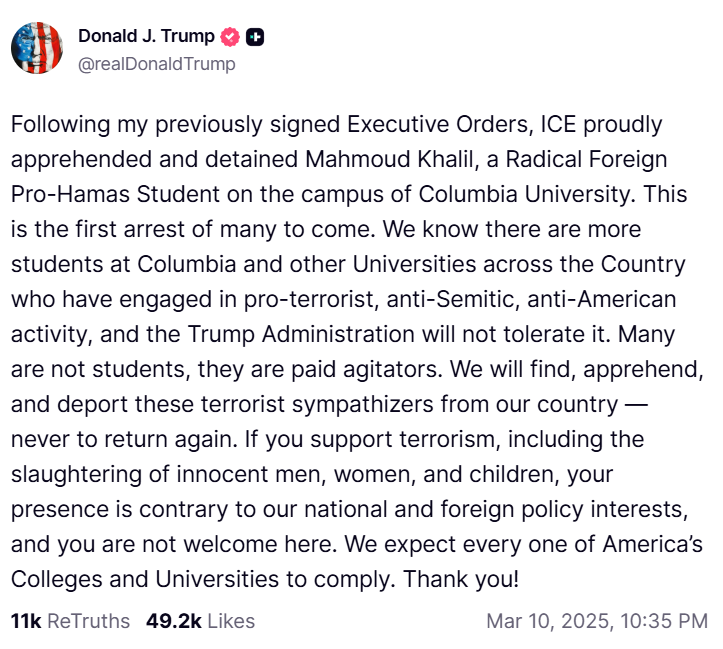
He charged that Khalil and other pro-Palestinian voices endorsed Hamas, which is classified as a terrorist group by Washington. Trump termed him as “a radical foreign pro-Hamas student” who was involved in “pro-terrorist, anti-Semitic, anti-American activity” which would not be tolerated. The action was hailed as “the first of many to come” as the former argued that such persons need to be repatriated.

“Many are not students, they are paid agitators. We will find, apprehend, and deport these terrorist sympathisers from our country — never to return again. If you support terrorism, including the slaughtering of innocent men, women, and children, your presence is contrary to our national and foreign policy interests, and you are not welcome here. We expect every one of America’s Colleges and Universities to comply,” he added.

Khalil worked for the Syrian American non-profit Jusoor after graduating from Lebanese American University with a degree in computer science. His profile on the Society for International Development website disclosed that he oversaw the Syria Chevening Programme for the British Embassy in Beirut, which provided scholarships for study in the United Kingdom. He later left the position. 

After relocating to the US in 2022, Khalil enrolled in Columbia University’s School of International and Public Affairs to obtain a master’s degree. He married an American citizen and had a child with her.

Circulating Hamas literature, failure to provide important information and more: Serious charges against Khalil

Khalil was a mediator between protestors and university management amid the face-off in Columbia University. He has been accused of leading Columbia University Apartheid Divest (Cuad), which wanted a truce in Gaza and the institution to sever its financial links to Israel, among other demands. However, Khalil refuted the allegations and asserted to be acting just as a spokesperson and mediator during the conflict.

The Department of Homeland Security pointed out that Khalil was “leading activities aligned to Hamas” upon his arrest which was part of an effort to carry out Trump’s executive order that forbade antisemitism. He was accused by the White House of planning gatherings where pro-Hamas literature was handed out as his lawyers denied these statements.

Jewish students at the varsity expressed that the protests turned antisemitic and they experienced unease and unsafety on campus. Columbia Jewish Alumni Association likewise stated that Khalil “spent over a year abusing the privileges this country and Columbia gave him.” The university lost $400 million in funding due to “continued inaction in the face of persistent harassment of Jewish students,” per the Trump administration.

Khalil was temporarily suspended from the university during the unrest as police stormed the campus after a building was taken over by the marchers. He insisted, however, that he was merely a negotiator with Columbia officials and he had refrained from joining the encampment out of concern that it might have an impact on his student visa. Interestingly, there is also ambiguity regarding the time he obtained his green card, which provides him with permanent residency.

Immigration agents nabbed Khalil on two charges. Marco Rubio, the secretary of state, declared that his presence in the country could trigger “potentially serious adverse foreign policy consequences” by citing a rare section of the Immigration and Nationality Act. However, US District Judge Michael Farbiarz pronounced that the attempt to detain and deport the Muslim man was unconstitutional.

The Trump administration then mentioned that the action was taken due to his failure to supply details about his 2024 application for authorised permanent residency. Although Khalil was granted bail, White House emphasised that the judge lacked the authority and underscored that they would file an appeal against the decision.

Furthermore, a lawsuit regarding the 7th of October 2023 terror attack unveiled that multiple anti-Israel groups in the US had prior knowledge of the massacre perpetrated by Hamas. It was submitted by 6 relatives of victims held captive by the jihadi outfit against numerous student organisations and Khalil for “aiding and abetting the continuing acts of international terrorism” perpetuated by Hamas.

Mr Donald Trump, the Strait of Hormuz was open and toll-free before you started the war against Iran, so what victory exactly are you celebrating?

The US government has announced the successful agreement with Iran on a peace deal, with the usual dose of self-praise and bravado by Donald Trump. The White House posted the announcement by Trump, declaring “The deal with the Islamic Republic of Iran is now complete. Congratulations to all”.

His post on Truth Social was the usual style, full of bravado and self-glorification bordering on narcissism that the world is used to by now. 

Trump’s post on Truth Social

“The deal with the Islamic Republic of Iran is now complete. Congratulations to all. I hereby fully authorize the toll-free opening of the Strait of Hormuz, and simultaneously herewith, authorize the immediate removal of the United States Naval blockade. Ships of the world, start your engines. Let the oil flow.”

Trump’s statement reads as if the Strait of Hormuz was closed by some evil powers who were demanding a heavy, impossible toll, and the US President sent his Navy to defeat the evil powers and open the Strait, going to war for the global good like a fairy tale king.

For a person who has observed the developments of the conflict carefully, this alsmost reads like a crass joke. Who is he congratulating? What victory is he so happy about? Because, in his desperation to post anything tha looked like winning, Trump seems to have forgotten an important fact. The Strait was already open, peaceful, functional and toll-free before the war was started by the US and Israeli forces against Iran.

That truth is stark and known, regardless of what Trump posts on his personal social media, ironically named ’Truth Social’. The Strait was open, peaceful, and was handling 25% of the Global oil and LNG trade before Trump started bombing Iran on February 28.

Iran had only closed and mined it ‘in response’ to U.S. and Israeli strikes. The “crisis” that Trump is claiming to have solved is one HE created. 

What was the point of this war?

Before the war endangered commercial shipping in the world’s most energy-focused trade route, tankers moved smoothly through the Strait with no tolls imposed on routine traffic. After the U.S. and Israel started bombing, Iran retaliated by shutting it down, attacking vessels, and the U.S. imposed its own blockade.

That ‘blockade’ itself was a joke. US was effectively countering an alleged blockade by claiming to be blockading the hell out of the blockade that was never blockaded in the first place before they came to bomb Iran. 

Oil and gas prices spiked, global supplies through the entire route were disrupted through the Gulf to India, Singapore, Thailand, China, Japan and beyond. Now the deal claims to restore pre-war conditions, toll-free access again, after months of disruption.

Trump wants the world to believe that this is some kind of victory that he has scored. But he is not foooling anyone. This is not a win, this is a desperate cleanup for a mess that the US has created.

Who actually won, who benefited the most from the war?

One word: Russia. 

The Russian Federation was the biggest gainer in this war in purely economical and even some strategic terms. The energy supply disruption from the Gulf nations caused Russia to pocket a massive windfall, because Arab oil was blocked in the Strait, and President Putin had a lot of oil to sell. 

The Hormuz closure drove oil prices sharply higher, boosting Moscow’s export revenues by billions of dollars. The US had to waive its own sanctions on Russian oil because they created a supply crisis in the Strait of Hormuz. Some estimates say Russian earnings may have been several tens of billions of dollars. Higher Urals crude prices, combined with temporary US sanctions easing on Russian oil, gave Putin an economic gift that helped sustain operations elsewhere. 

In February, Russia’s discounted Urals crude was selling at $45 per barrel. In mid-March, thanks to the USA, it was selling at $90 per barrel. That’s just the Urals crude; since the Iran war disrupted LNG supplies from the Gulf too, Russia gained additionally from LNG sales. In March 2026 alone, Russia’s oil exports were reported to have surged by $9.3 billion month-on-month.

Reuters reported that Russia’s oil and gas revenues were already up by 39% compared to 2025 as of May this year. 

Trump wanted Regime change in Iran, but all he did was replace one Khamenei with another  

The Iranian theocratic regime that the US beats drums about stays intact. Some say it even strengthened in key ways. US strikes killed Supreme Leader Ali Khamenei, but his son Mojtaba Khamenei was declared the successor, and is stated to be even more of a hardliner, and has better ties with the IRGC than his deceased father.

Mojtaba’s succession marked a dynastic-style transition the regime had long avoided, yet it consolidated power around security forces and suppressed opposition. No collapse, no fundamental change happened. Officially, Iran is still ruled by a theocratic regime.

Iran ends up ‘gaining’ as the deal details suggest

The deal that has reportedly been agreed upon between the US and Iran seems to be giving some much-needed breathing space to Iran. Iran’s assets are to be unfrozen, with a potential release of up to $24 billion in credit lines and cash transfers, as per reports by Iranian state media Mehr News. Iran even gets a 60-day window for nuclear talks with potential room for negotiation and a temporary sanction waiver on oil sales. Latest reports say US is going to release $12 billion of Iran’s frozen assets before the final signing of the deal.

Basically, the regime that Trump failed to change will get a revenue flow.

Additionally, the Iranian state media is reporting that the deal includes a $300 billion reconstruction plan sponsored by US and its allies, apart from withdrawal of US forces from the region.

How much the USA lost?

The US seems to have learned nothing at all from the 20-year-old lesson called Afghanistan. Another expensive war on faraway shores that killed their soldiers and destroyed billions of dollars in military assets while their leaders kept thumping chests and claiming victory in outcomes that are basically ‘back to square one’.

The direct military losses are estimated at $25-35 billion, with costs climbing with replenishment.

Military hardware is where the US loss is most serious. Dozens of drones, including MQ-9 Reapers, F-15s, refuelers, ultra-expensive radars like the THAAD systems that will take years to rebuild, along with the damaged bases across the Gulf region, are a reminder of US taxpayer dollars that have been sunk in another pointless war.

US soldiers have lost their lives in the conflict, dozens haven been wounded and and broader economic ripple effects on US, and its allies are yet to reveal their full impact. Apparently, it was all for a deal that largely resets the board to where it was before the fighting started.

The bottom line is, Donald Trump is tauting the de-escalation and falling oil prices as some sort of vindication for his “peace through strength” and “America First” slogans, but the enriched uranium stockpile that Iran reportedly had, remains an issue deferred to future talks. The Iranian regime survived under new management. Russia has earned billions, and America is bearing the bill, in blood, ultra-expensive assets, and a depleted treasury.

The entire thing looks like a crass joke, on the American public and also on the whole world. A pointless, destructive loop that created a problem through escalation, claimed hundreds of innocent civilian lives and caused economic hardships for billions of people around the world through the disruption of critical supply routes.

The Strait that was open and toll-free before is hopefully going to be open and toll-free again, and hopefully, the crude, violent and thoroughly pointless war that the Trump administration imposed on the rest of the world would come to an end soon, with a global bully congratulating itself like a clown. 

Another fact is that similar alleged ‘peace deal’ agreements have been declared before, Israel has objected before, and the talks have collapsed before. Unless an actual deal has been signed and sealed and US forces are back in their own waters, a lot can still happen. Conflicting statements, claims and counterclaims are already flying, and Israel has already objected, again.