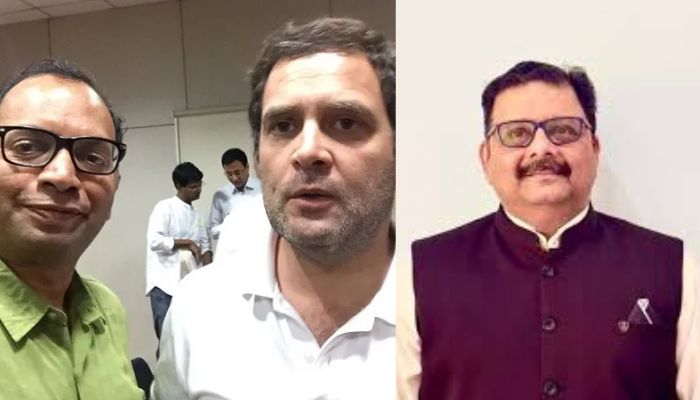
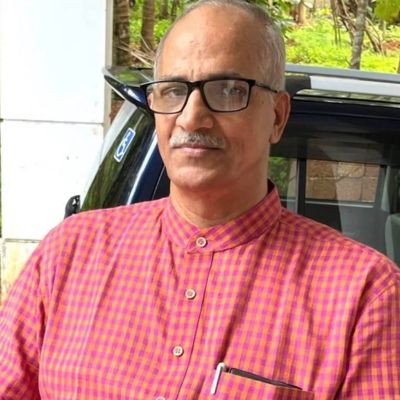
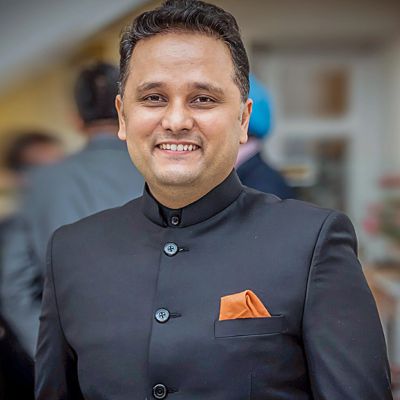
On 13th July 2025, Congress sympathiser-cum-troll Suryanarayan Ganesh resorted to mocking Sanjay Lazar, author and survivor of the 1985 Air Kanishka bombing. Lazar, who lost his family members including parents and sister in the Khalistani terror attack decades ago, wrote an X post sharing his article regarding the June 2025 Ahmedabad Air India 171 Boeing Dreamliner tragedy that claimed around 240 lives.
What started as a usual social media exchange over Lazar tagging several activists and journalists in his post, Congress supporter Suryanarayan Ganesh claimed that Lazar made money off Kanishka ‘disaster’. The pro-Congress troll accused Sanjay Lazar of exploiting the Ahmedabad Air crash as a career opportunity by peddling conspiracy theories.
“You are the one who wrote and sold books to make money off Kanishka disaster, now you see this one as another career opportunity by spewing conspiracy bullshit that flies against evidence seen so far,” Ganesh wrote.
However, the Congress supporter’s vile comment did not go unanswered as Sanjay Lazar not only called out Suryanarayan Ganesh for mocking him without knowing much about his career, but also pointed out how the previous Congress government refused to do anything ensure justice to the victims of Air Kanishka bombing.
In case you missed how a veteran INC troll talks to @sjlazars, who lost both parents & sister in the Air India Kanishka bombing. pic.twitter.com/Ywpz1iDodL
“Are you dumb ? I lost my entire family in Kanishka, orphaned as a teenager, you moron. I gave up my job 5 years early to take up this activism. “Made money publishing books!” FYI I self-published the books at my cost and literally gave them below print cost,” Sanjay Lazar retorted.
Are you dumb ? I lost my entire family in Kanishka , orphaned as a teenager, you moron
I gave up my job 5 years early to take up this activism.
“Made money publishing books!”
FYI I self-published the books at my cost and literally gave them below print cost.
“I have fought for justice for my family, for 40 years in various Canadian courts on my own, because moronic congress governments refused to intervene, from Rajiv Gandhi to Zail singh to Narasimha Rao and Manmohan singh ! I met them all plus many UPA ministers who are around even today. Even today, I travel the world at my cost to speak about terrorism & dangers of Khalistani terror. I’ve spent 38 years in aviation and this is my life. It would do you well to google before vomitting your bile,” he added.
Air Kanishka bombing
On 23rd June 1985, Air India Flight 182, named Kanishka, disintegrated mid-air off the coast of Ireland after a bomb exploded in its cargo hold. There were 329 people on board, including the passengers and crew members, who were killed. Out of these, 268 were Canadians. Khalistani terrorists were behind the attack that still remains the worst terrorist attack in Canadian history.
Around one hour before the Kanishka bombing, a related suitcase bomb destined for another Air India flight blew up at Japan’s Narita Airport, killing two baggage handlers. Khalistani terrorists were behind both the blasts.
Following the Kanishka bombing, Canadian authorities completely mishandled the investigation and let everyone except one accused go free.
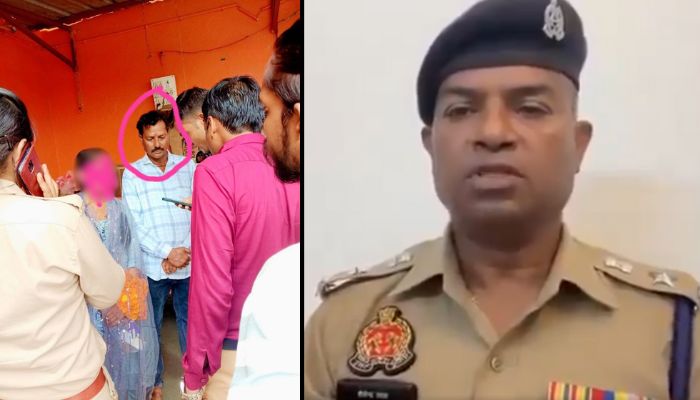
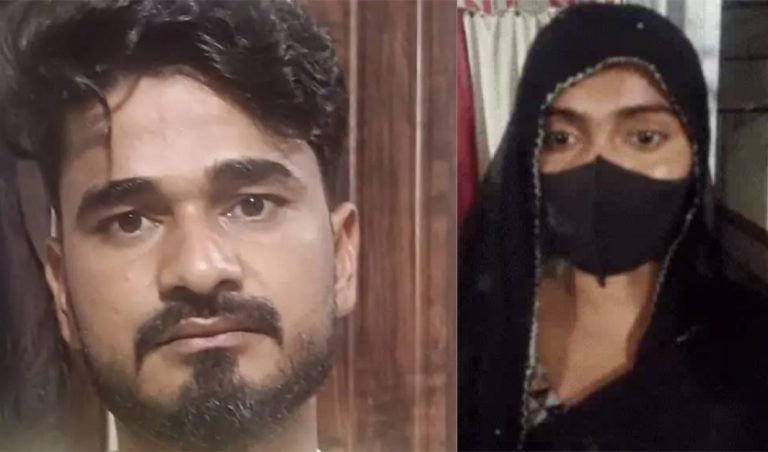
A shocking case has come to light from the Belha Devi temple in Pratapgarh district of Uttar Pradesh, where a Muslim man was caught trying to marry a young woman by hiding his real identity. The accused, 45-year-old Matloob Ahmed, was arrested on the spot after the temple priest grew suspicious.
The incident happened on Saturday (12th July), around 11:30 am, when the temple’s head priest, Mangal Prasad, was doing his routine inspection. He noticed a middle-aged man and a young woman, around 20 years old, exchanging garlands at the temple ghat. The clear age gap between them made him suspicious, so he asked them some questions.
Matloob Ahmed had applied sandalwood paste on his forehead
The woman said she was from the Malaka area of Prayagraj, and the man claimed to be her neighbour. However, when the priest checked his Aadhaar card, he found out the man’s real name was Matloob Ahmed, not Rajiv as he had told the girl. He had even applied sandalwood paste on his forehead to appear Hindu. The priest immediately informed the police.
FIR has been registered
The Bhuliyapur police outpost team, including women constables, rushed to the spot and brought both of them to the Kotwali police station. Based on the priest’s complaint, an FIR was registered against Matloob under Sections 299 (fraud) and 287 (negligent conduct) of the Bharatiya Nyaya Sanhita (BNS).
आज दिनांक 12.07.2025 को थाना कोतवाली नगर अतंर्गत माॅ बेल्हा देवी धाम में प्रयागराज से आये 01 पुरुष व 01 महिला द्वारा प्रेम विवाह किये जाने की सूचना पर स्थानीय पुलिस द्वारा की जा रही कार्यवाही के सम्बन्ध में अपर पुलिस अधीक्षक पूर्वी श्री शैलेन्द्र लाल की बाइट। pic.twitter.com/Pn2b8JfXvh
During interrogation, it came to light that Matloob had already been married twice and works as a roadside puncture repairman in Prayagraj. He had been in touch with the woman for about a year and chose this remote temple for the marriage to avoid being caught.
The woman told the police that Matloob had introduced himself as Rajiv and promised to marry her according to Hindu customs. She also claimed he intended to force her to convert after marriage. Police handed her over to her family and said further investigation is underway.
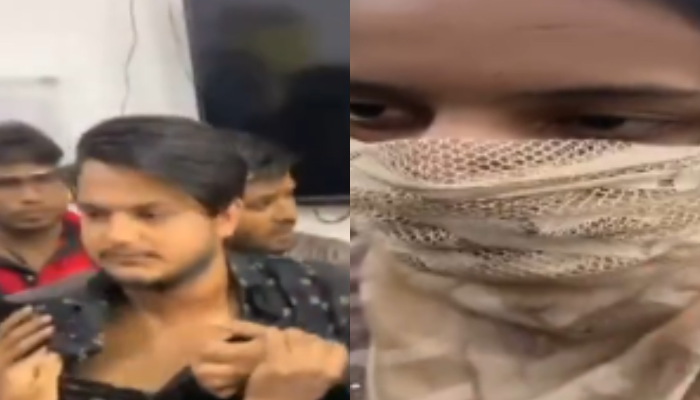
A young Hindu woman employed was lured, harassed and repeatedly forced to convert to Islam by her manager in Ujjain, Madhya Pradesh, reported News18. The man, identified as Safdar, was turned over to the authorities by members of the Bajrang Dal. A case has now been filed against him.
A young man in a black shirt can be seen being detained by a policeman during an altercation in an office, in the footage. Several angry individuals grabbed his shirt as the cop and others tried to placate the heated situation. The incident led to chaos and arguments following the charges. The perpetrator works at Realme’s office,Sunshine Tower, Teen Batti Square in Ujjain.
The victim disclosed, “He stated that he would provide me with an offer and when I inquired, he claimed that he would raise my salary to Rs 10,000 if I maintained a relationship with him. He then claimed that he would even offer me additional funds from his own pocket if I desired more. I informed him that I was not concerned if it took longer to increase my salary. I wanted to focus on my job and did not wish to follow his recommendations.”
She had reportedly been working at the place for the last month and a half. The Muslim youth would often make lewd comments about her and sought to trap her by promising a salary increase. He had even hacked into her mobile phone, allowing him to access her private information, chat logs and call records, among other things.
He even pressured her to accompany him to hotel to form physical relationship. The woman had recently stopped going to work because she was extremely distressed due to the ongoing harassment.
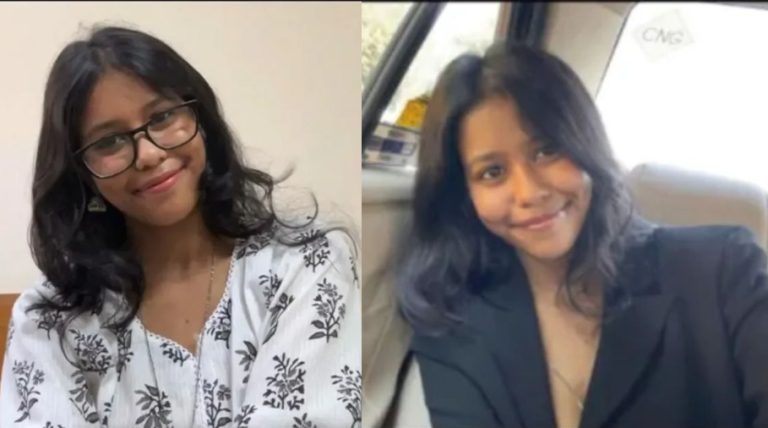
Days after 19-year-old Sneha Debnath, a student at Atma Ram Sanatan Dharma College in Delhi University, went missing, her body has been recovered from a river under the Geeta Colony flyover on Sunday. The body was discovered following an extensive search operation by the Delhi Police and the National Disaster Response Force (NDRF).
#UPDATE | Delhi | A female body has been located by the police team under the Geeta colony flyover in the river. The age of the deceased girl is confirmed to be 19 years: Delhi Police
The age of the deceased girl is confirmed to be 19 years, and not 24 years as told by the… https://t.co/oUqu8NQL6E
Sneha had been reported missing since July 7, sparking a widespread search and intense concern from her family and authorities. Sneha, originally from Sabroom, Tripura, was last in contact with her family early on July 7. In her final call to her mother, she mentioned she was heading to Sarai Rohilla Railway Station with a friend named Pitunia to drop her.
However, Pitunia later confirmed she never met Sneha that morning, deepening the mystery surrounding her disappearance. The family traced the driver of cab booked by Sneha that morning, who revealed that he had dropped Sneha near Delhi’s Signature Bridge, a location notorious for safety concerns and lack of CCTV cameras, severely hampering the investigation.
The search intensified with the involvement of NDRF, conducting operations over a seven-kilometer radius, but initially yielded no results for days.
Sneha’s family noted she had not withdrawn any money in the past four months and left without any belongings, except her phone, which was later found switched off. She had a small balance in her bank account, which remained unchanged. This raised alarming questions about her state of mind and circumstances leading to her disappearance.
A distressing development came to light when a note, written in Sneha’s handwriting, was discovered in her Delhi residence. The note read, “I just feel like a failure and burden and it was getting unbearable to live like this. I had decided to end my life by jumping from Signature Bridge. There is no foul play involved; it was my decision.”
The Delhi Police have stated that the investigation is ongoing, with no foul play suspected at this stage, but they are exploring all angles to understand the full circumstances of her death.
Students of Sir Salimullah Medical College Hospital in Dhaka, popularly known as Mitford Hospital, declared an indefinite shutdown on Sunday, protesting the lack of security on campus following the lynching of scrap trader Lal Chand (also known as Sohag) near the hospital premises on Wednesday. They made the announcement during a protest rally on the medical college ground.
“Patients should not feel unsafe while seeking treatment, and we should not attend classes in fear,” a student said, warning that the shutdown would persist unless demands—including banning outsiders, clearing makeshift shops, enhanced Ansar presence, and improved security—were met.
On 9 July 2025, around 6:00 pm, the 39-year-old scrap trader Lal Chand (alias Sohag) was brutally attacked outside Gate No. 3 of Mitford Hospital. CCTV footage and witness accounts show that assailants used bricks, concrete blocks, iron rods, sticks, and stones to beat him. His head and body were crushed, he was stripped naked, and some attackers were seen stomping on his body even after he fell unconscious and died. The attackers reportedly celebrated afterwards by dancing around the body.
The murder is believed to have been fuelled by a business dispute and attempts to extort Tk 2 lakh per month from him, which he had refused, according to the victim’s family.
Victim mistakenly identified as Hindu
Notably, several Indian media reports claimed that Lal Chand was Hindu. Headlines in reports of NDTV, India Today and several other media houses said that he was a Hindu. But actually, he was Muslim, and his mortal remains were buried his mother’s grave in a family graveyard in Islampur village. Moreover, the names of his family members reported by Bangladeshi media reveal that he was a Muslim.
His father was Ayub Ali, who died in a lightning strike when Sohag was seven months old. His mother is Aleya Begum, who moved to Dhaka with her children to earn a livelihood, after her husband’s death.
Lal Chand’s sister is Sajeda Begum, and his wife is Lucky Begum, while the name of his one uncle is Md Montu Mia. His two children are named Sohan and Sohana, and he had named his shop Sohana Metal.
It is now known why Lal Chand was identified as Hindu by several media reports. Perhaps, it was assumed that Lal Chand is a Hindu name.
Gang killed Lal Chand for not paying monthly amount
Both the sister and the wife said that a criminal gang had been extorting Tk 2 lakh monthly from the shop for years. But Sohag had refused to make the payment. On Wednesday, the gang members lured him out of his home, detained him, and then lynched him near the hospital gate.
Sohag’s sister Sajeda Begum said, “My brother ran his business for 10-15 years. The gang demanded Tk 2 lakh every month and even tried to seize his business. When he refused, they called him out, beat him, and stoned him to death.” Similarly, his wife Lucky Begum said, “They couldn’t tolerate my husband’s success. They demanded Tk 2 lakh monthly, and when he refused, they killed him.” She demanded capital punishment for the culprits.
Similarly, Bithi Akter, Lal Chand’s niece, stated, “The accused had asked my uncle to give them Tk 2 lakh and a portion of his income every month. My uncle did not agree, and for this, they killed him so brutally”. She also alleged that some of the accused are members of Jubo Dal, the youth wing of the Bangladesh Nationalist Party (BNP).
Some suspects belong to various wings of BNP
A total of five suspects have been arrested in the case so far, Mahmudul Hasan Mohin (41), named the prime suspect, Tarek Rahman Robin (22), Alamgir (28) Monir alias Lomba Monir (32), and Titon Gazi (32). A pistol was recovered from Robin.
A murder case, listing 19 named accused and 15-20 unidentified individuals, was filed at Kotwali Police Station by Lal Chand’s sister Monjuara Begum.
Some of the accused are members of various wings of Bangladesh Nationalist Party. BNP has expelled five people involved in the crime from Jubo Dal, Swechchhasebak Dal, and Chhatra Dal.
Initial investigations suggest the motive of the brutal murder was fierce competition and territorial conflict over the scrap trade syndicate operating around Rajani Bose Lane in Old Dhaka.
The union government has announced a significant policy shift by easing Sulphur emission norms for coal-fired power plants. In a move described by officials as a “delicate balance between costs, climate and compliance,” the decision is expected to lower electricity tariffs by 25–30 paise per unit for consumers.
The union govt has issued a gazette notification restricting the previous universal mandate from 2015 that required all coal plants to install flue-gas desulphurisation (FGD) systems. These systems remove Sulphur dioxide (SO₂) from exhaust gases emitted by coal-fired thermal power plants.
As per modified rules, only plants within a 10-kilometre radius of cities with populations exceeding one million are required to install FGDs. This means nearly 79% of India’s coal power capacity—those in less sensitive zones—will be exempt from this requirement. Plants located in critically polluted or non-attainment cities will be assessed individually.
The notification cited findings from the Central Pollution Control Board (CPCB), which noted that the existing control measures contributs to higher carbon dioxide emissions. “This is not a rollback. It is a recalibration based on evidence,” a senior government official explained. “Our approach is now targeted, efficient and climate-conscious.”
The policy has been revised based on detailed studies conducted by institutions such as IIT Delhi, CSIR-NEERI, and the National Institute of Advanced Studies (NIAS). These studies showed that ambient Sulphur Dioxide concentrations across most Indian cities fall well below the National Ambient Air Quality Standards (NAAQS) limit of 80 micrograms per cubic meter, and it typically ranged between 3 and 20 micrograms.
Indian coal, which has a relatively low Sulphur content of under 0.5%, along with the presence of tall stacks and favourable atmospheric conditions, aids in the effective dispersion of SO₂. As per experts, these factors reduce the need for widespread FGD installations.
One key concern addressed by the studies is the unintended environmental impact of retrofitting FGDs nationwide. The NIAS projected that such an effort would add 69 million tonnes of CO₂ between 2025 and 2030 due to increased mining of limestone, its transport, and additional energy consumption.
Industry leaders have praised the new framework. “This is a rational, science-based move that avoids unnecessary costs and focuses regulation where it is most needed,” said a senior executive at a major public-sector utility. “More importantly, it will help keep electricity affordable.”
The financial implications of mandatory retrofitting had raised alarms within the power sector. Earlier estimates placed the cost of FGD installations at over ₹2.5 lakh crore, or ₹1.2 crore per megawatt, with each unit requiring up to 45 days of downtime. Power producers warned that this could disrupt grid stability, especially during peak demand seasons.
Officials emphasised that environmental protection remains a priority, but must be approached with practicality. “This is a smarter lens, not a weakening of standards,” one official reiterated.
The government plans to submit an affidavit to the Supreme Court in the ongoing MC Mehta vs Union of India case, outlining the scientific basis and expected benefits of the revised FGD norms, which have been under judicial review.
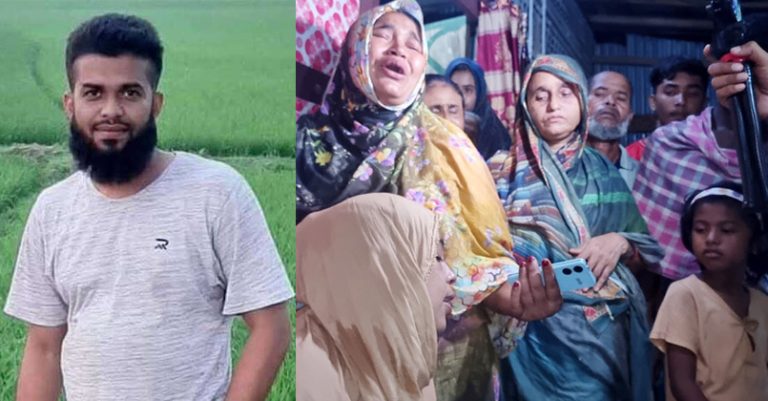
A woman from Mauaima area of Prayagraj in Uttar Pradesh has accused her husband of hiding his religious identity to marry her and later forcing her and their four-year-old daughter to convert to Islam. The matter came to light after she approached the local police with her family, leading to protests by members of the Vishwa Hindu Parishad (VHP).
Both met through social media
According to the woman, she met the man on social media in 2021. He introduced himself as Azad Singh, a Hindu from Kiranw village, and even showed her an Aadhaar card with that name. The two developed a relationship, and eventually, she eloped with him. They got married, and though her father filed a kidnapping complaint at the time, police didn’t take action since both were adults.
Later, the woman said that the man took her to Chandigarh. It was only after moving there that she found out his real name is Ejaz and that he is a Muslim. Soon after, Ejaz left for Saudi Arabia to work as a driver, and she returned to her parents’ home. During this time, she gave birth to their daughter, who is now four years old.
I was never Hindu: Ejaz
About 20 days ago, Ejaz returned from Saudi and met her. That’s when things turned ugly. The woman said Ejaz confessed that he was never Hindu and said that if she wanted to stay with him, she would have to convert to Islam. He told her to perform namaz daily and renamed her ‘Ania Bano’. When she refused, he also beat her and threatened to kill her if she or their daughter didn’t convert.
Scared and confused, she told everything to her family, who then took her to the police station. VHP workers also reached the station and demanded strict action. A case has now been registered against Ejaz.
Her father said, “He lied to my daughter to marry her with a fake identity, and now he’s threatening her life to force a religious conversion.”
The case has sparked protests in the area, with Vishwa Hindu Parishad (VHP), demanding that strict legal action be taken.
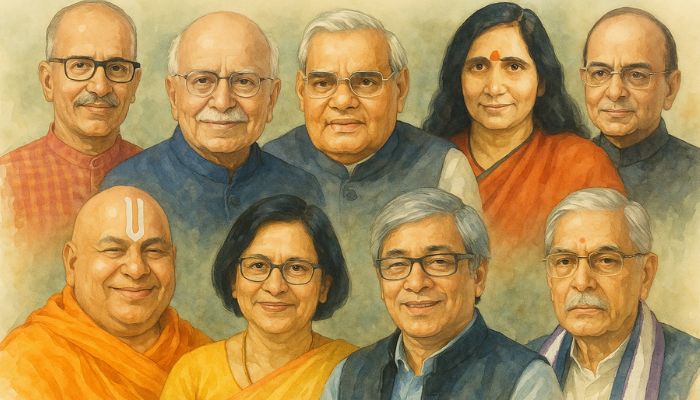
In the past decade, India’s recognition system has evolved significantly. Prominent figures are being honoured not just through civilian awards but also through key appointments, such as those to the Rajya Sabha. Since Prime Minister Narendra Modi came to power in 2014, these honours have increasingly been conferred upon individuals who promote India’s cultural, spiritual, and civilisational heritage.
From veteran politicians to historians, activists, and spiritual leaders, the face of these awards and appointments has shifted dramatically. Figures like Meenakshi Jain and Sadanandan Master, who were recently nominated to the Rajya Sabha by the President of India, Droupadi Murmu, reflect the changing landscape of national honours. It highlights the growing emphasis on contributions to India’s heritage and cultural identity. Here is a list of individuals who have worked extensively in the fields of public service, academics, and cultural work and were rightly awarded by the Government of India for their contributions.
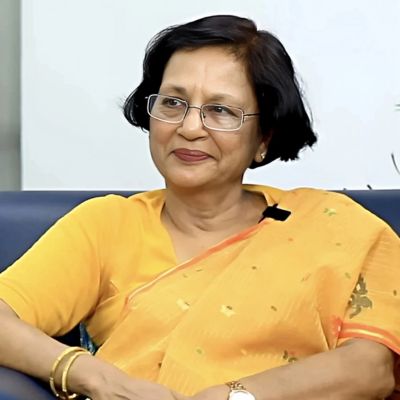
Meenakshi Jain
Image: Wiki
Born in 1964, Meenakshi Jain is an Indian historian and political scientist. She has been recently nominated by the President of India for the Rajya Sabha. She served as an associate professor of history at Delhi University’s Gargi College.
Jain is known for her work on medieval and modern Indian history. She wrote a school textbook Medieval India and books on colonial-era topics, including the practice of Sati.
Her notable works, including Rama and Ayodhya (2013) and The Battle for Rama (2017), provided historical evidence supporting the Ram Temple’s existence, countering leftist distortions. In 2020, she was awarded the Padma Shri for her contributions to literature and education.
C Sadanandan Master
Source: Amar Ujala
Born in 1964, C Sadanandan, affectionately known as Maash, is a schoolteacher from Kerala whose life exemplifies resilience. In 1994, at the age of 30, he survived a brutal attack by CPI(M) goons who severed both his legs in a politically motivated assault.
Despite the traumatic experience, he returned to teaching in 1999. Later, he became an active member of the BJP. His ideological shift from communism to RSS values came in 1984 when he was influenced by reading about cultural nationalism.
In 2025, he was nominated to the Rajya Sabha by President Droupadi Murmu, recognising his contributions to education, social work, and his remarkable journey of personal and ideological transformation.
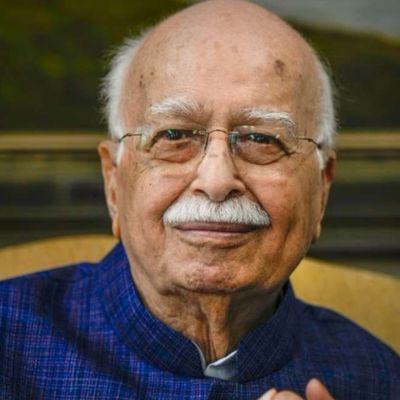
Lal Krishna Advani
Image: Hindu Tone
Lal Krishna Advani was born in 1927. He is a veteran Indian statesman and founding leader of the Bharatiya Janata Party (BJP). LK Advani served as Home Minister of India between 1998 and 2004 and as Deputy Prime Minister between 2002 and 2004. He was instrumental in popularising the BJP on the national stage.
LK Advani is best known for his role in the Ram Janmabhoomi movement. His rath yatra brought Hindus together to raise the demand for a Bhavya Ram Mandir in Ayodhya, replacing the disputed structure then-known as Babri Masjid.
Advani has served for many years as a member of Parliament. He was BJP’s first President and served as Leader of Opposition for many years. Recognising his public service, LK Advani was awarded the Padma Vibhushan in 2015. His lengthy career and organisational skill are widely acknowledged as having strengthened his party’s role in Indian politics.
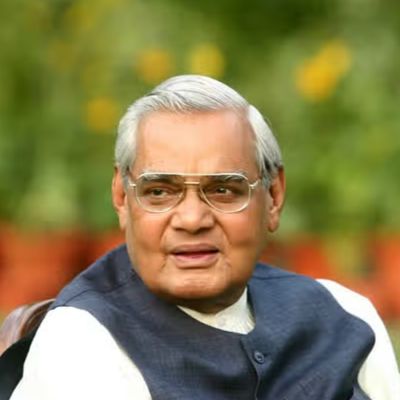
Atal Bihari Vajpayee
Image: First post
Atal Bihari Vajpayee was born in 1924. He was a poet, writer, and statesman who served three times as Prime Minister of India. He led the first non-Congress government to complete a full term between 1999-2004. Vajpayee was co-founder of the BJP and a respected orator. He is remembered for his charismatic leadership, diplomatic initiatives, and nuclear tests at Pokhran.
Vajpayee was a published Hindi poet and author of several books. He also played a vital role in the Ram Janmabhoomi movement alongside Advani. In honour of his contributions to the nation, Vajpayee was awarded the Bharat Ratna, India’s highest civilian award, in 2015. Previously, he received the Padma Vibhushan in 1992. He passed away in 2018.
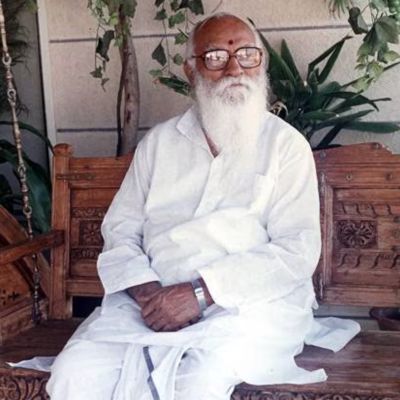
Nanaji Deshmukh
Image: The indian express
Nanaji Deshmukh was an Indian social activist and politician known for his work in rural development and education. He was the founder of the Deendayal Research Institute in 1969 and later established Chitrakoot Gramoday Vishwavidyalaya, India’s first rural university.
These institutions played a vital role in transforming scores of villages in Uttar Pradesh and Madhya Pradesh, improving agriculture, cottage industry, healthcare, and education at the grassroots.
Deshmukh was a longtime associate of the RSS and leader of the Bharatiya Jana Sangh. He was known for his simple lifestyle and emphasis on self-reliance. He was honoured with the Padma Vibhushan in 1999 and after his death in 2010, he posthumously received the Bharat Ratna in 2019 for his dedicated social service.
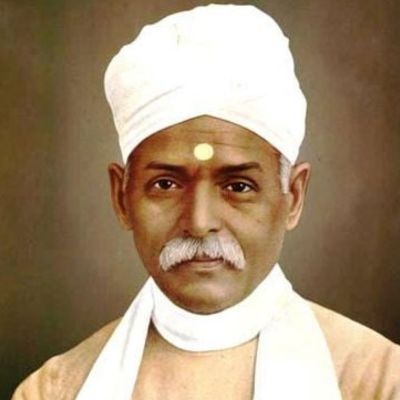
Madan Mohan Malaviya
Image: Hindu Janajagruti Samiti
Pandit Madan Mohan Malaviya was born in 1861. He was an eminent educator, lawyer, and leader in the Indian independence movement. He is celebrated as the founder of Banaras Hindu University in 1916. He championed higher education for Indians. Malaviya also served four times as the President of the Indian National Congress and worked on issues like Hindu-Muslim unity and social reforms.
Malaviya was a prolific writer and nationalist. He launched newspapers, including the Hindustan Times, and worked to spread education in Hindi. In 2015, the Government of India recognised his lifetime contributions to education and nation-building, and he was posthumously awarded the Bharat Ratna. Malaviya passed away in 1946.
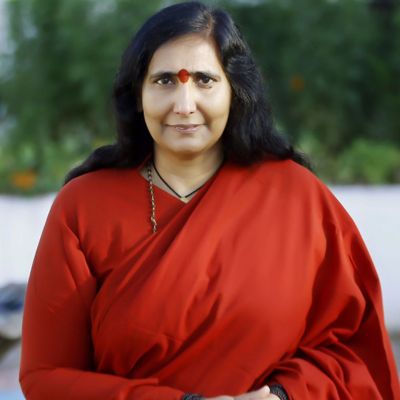
Sadhvi Rithambara
Image: X
Born in 1963, Sadhvi Rithambara is a Hindu monk and activist. She is best known for her role in the Ram Janmabhoomi movement of the late 1980s and 1990s. She founded and led the Durga Vahini, the women’s wing of the Vishwa Hindu Parishad (VHP), and became a prominent speaker advocating for Hindu nationalist causes.
In recent years, she has been active in social and religious work. In 2025, she was awarded the Padma Bhushan, recognising her social and religious work. She is an amazing orator and organiser within her movement.
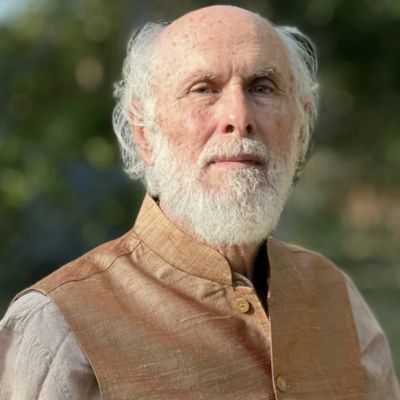
David Frawley (Vamadeva Shastri)
Image: American Institute of Vedic Studies
David Frawley, also known as Pandit Vamadeva Shastri, was born in 1950. He is an American author and teacher of Hinduism and Vedic Studies. He has written many books on subjects such as the Vedas, Ayurveda, yoga, and astrology, introducing Western readers to traditional Indian knowledge systems. In 2015, the Government of India awarded him the Padma Bhushan for his contributions to the understanding of Vedic and Sanskritic culture.
Devendra Swarup
Image: Jagran
Born in 1926, Devendra Swarup was an Indian journalist, historian, and social worker. He was closely associated with the Rashtriya Swayamsevak Sangh (RSS). He served as editor of the RSS weekly Panchjanya for many years and later became a senior fellow at the Deendayal Research Institute.
He wrote over 15 books and numerous articles on history, politics, education, and social issues. He also lectured widely on cultural and ideological subjects. In 2019, the Government of India recognised his lifetime of scholarship and service to Indian historical studies and posthumously awarded him the Padma Shri.
Bibek Debroy
Image: Free Press journal
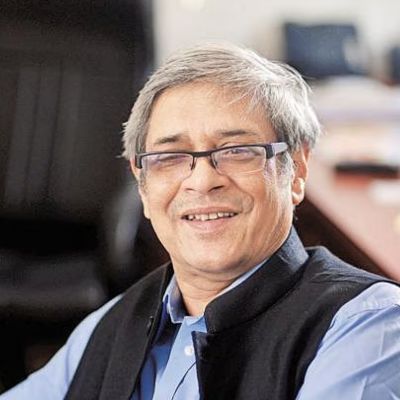
Bibek Debroy was born in 1955. He was a distinguished Indian economist and author. Debroy served as Chairman of the Economic Advisory Council to the Prime Minister between 2015 and 2019. Later, he served as a full-time member of the government’s NITI Aayog, shaping economic policy.
Debroy was a prolific writer, having translated many ancient Indian texts, including the Ramayana and Mahabharata. He authored books on economics, history, and literature. He was also known for his academic career and commentary on economic reforms. For his contributions to economics and literature, Debroy was awarded the Padma Shri in 2015. He received the Padma Bhushan posthumously in 2025.
Sadhguru Jaggi Vasudev
Image: The Tribune
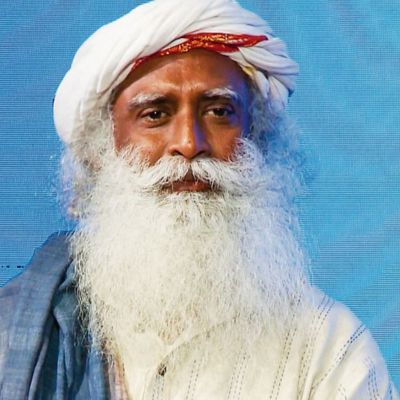
Jaggi Vasudev, also known as Sadhguru, was born in 1957. He is an Indian yogi and spiritual leader who founded the Isha Foundation. He is a popular author and public speaker. Sadhguru teaches yoga and meditation and has initiated large-scale social and environmental projects such as “Project Greenhands” and the “Cauvery Calling” campaign aimed at tree-planting and river rejuvenation.
Through Isha’s programmes, he has gained a worldwide following. In 2017, the Government of India awarded him the Padma Vibhushan for his contributions to spirituality and humanitarian activities.
Sri Sri Ravi Shankar
Image: Art of Living
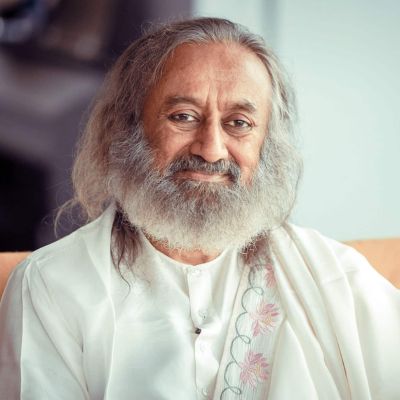
Sri Sri Ravi Shankar was born in 1956. He is a spiritual leader and humanitarian. He is best known as the founder of the Art of Living Foundation, which was established in 1981. He promotes a breathing technique called “Sudarshan Kriya” to reduce stress and has led interfaith dialogues and peace initiatives across the world.
Under his leadership, the Art of Living runs numerous educational and relief projects around the globe. In 2016, the Government of India recognised his social and spiritual work and conferred the Padma Vibhushan.
Swami Dayanand Saraswati
Image: Swami Dayananda Ashram
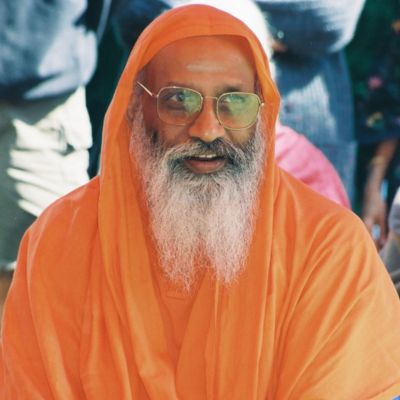
Swami Dayananda Saraswati was born in 1930. He was a respected Hindu monk and scholar. He was the founder of the Arsha Vidya Gurukulam (Advaitic Vedanta Centres) in India and the United States. He was noted for his mastery of Sanskrit and Advaita Vedanta philosophy.
Swami Dayananda Saraswati served as a spiritual teacher for many, including public figures. In 2016, the Government of India honoured him posthumously with the Padma Bhushan for his service to spirituality and education.
Amish Tripathi
Source: Deccan herald
Born in 1974, Amish Tripathi is a renowned Indian author and former diplomat. From 2019 to 2023, he served as the Director of the Nehru Centre in London and as Minister (Culture & Education) at the High Commission of India in the UK.
During his tenure, he revitalised the Centre, hosting over 250 annual programmes. He was involved in producing acclaimed documentaries like Ram Janmabhoomi: Return of a Splendid Sun and Legends of Shiva. His literary works, including the Shiva Trilogy, Ram Chandra Series, and Legend of Suheldev, continue to influence global perceptions of India’s cultural heritage.
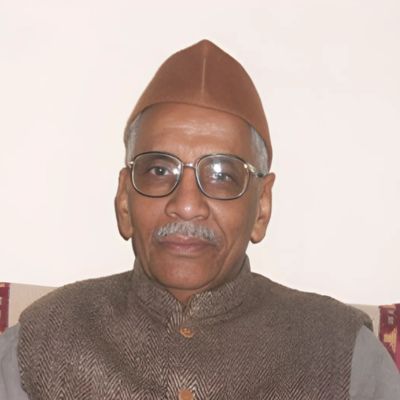
Navjivan Rastogi
Image: Academia.edu
Navjivan Rastogi was born in 1938. He is a veteran Sanskrit scholar and retired professor at Lucknow University. He earned a PhD specialising in Kashmir Shaivism and went on to head Lucknow University’s Sanskrit department until his retirement.
Rastogi is known for his scholarly publications on Shaiva philosophy, including an acclaimed book on Abhinavagupta’s tantric thought. In 2024, he was awarded the Padma Shri for his lifetime of contribution to Sanskrit literature and education.
P Parameswaran
Image: Hinduism Today
P Parameswaran was born in 1927. He was a Hindu thinker and RSS pracharak from Kerala. He founded the Bharatiya Vichara Kendram in 1982 and later served as its director, promoting Indian philosophical and cultural ideas.
He was a prolific writer and orator. He wrote on several topics, including spiritual and social issues. One of his noted works is a study of Sri Narayana Guru. He is well-regarded across ideological lines in Kerala. In 2018, the Government of India honoured him with the Padma Vibhushan for his contributions to literature and education.
KK Muhammed
Image: Wiki
Karingamannu Kuzhiyil (KK) Muhammed is a distinguished Indian archaeologist and former director in the Archaeological Survey of India (ASI). In the 1970s, he led the ASI team that first found temple remnants beneath the disputed structure, then known as the Babri Masjid, in Ayodhya. The discovery later became historically significant.
He also helped restore numerous monuments. In recognition of his archaeological work, particularly at Ayodhya, KK Muhammed was awarded the Padma Shri in 2019.
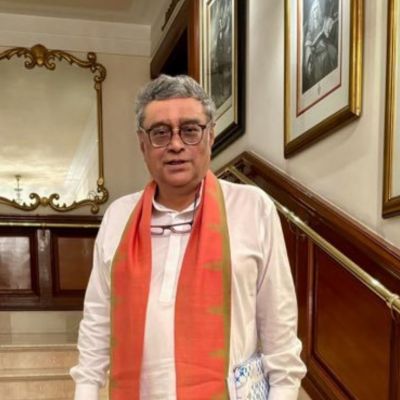
Swapan Dasgupta
Image: X
Swapan Dasgupta was born in 1955. He is an Indian journalist, columnist, and politician. For decades, he wrote opinion columns in leading English newspapers, often expressing Hindu nationalist views. He served as a member of the Rajya Sabha (nominated) and has held academic posts as a political commentator. In 2015, Dasgupta was awarded the Padma Bhushan for his contributions to literature and public affairs.
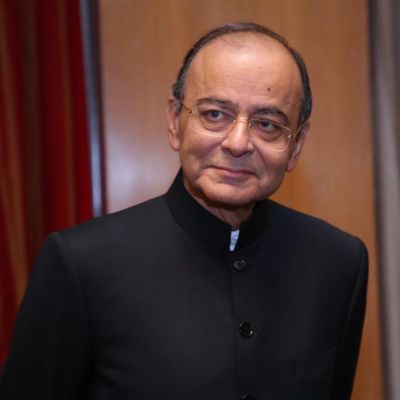
Arun Jaitley
Image: Live law
Arun Jaitley was born in 1952. He was a distinguished Indian politician and lawyer. He served as a senior leader of the BJP. Jaitley held several key portfolios in the Indian government, including Finance, Defence, Corporate Affairs, Commerce and Industry, and Law and Justice.
He played a crucial role in the implementation of the Goods and Services Tax (GST), a significant reform in India’s taxation system. He was also instrumental in the demonetisation initiative of 2016 and the introduction of the Insolvency and Bankruptcy Code.
Jaitley was elected to the Rajya Sabha in 2000 and served as the Leader of the Opposition before becoming the Leader of the House. In 2020, he was posthumously awarded the Padma Vibhushan in recognition of his exceptional service to public affairs.
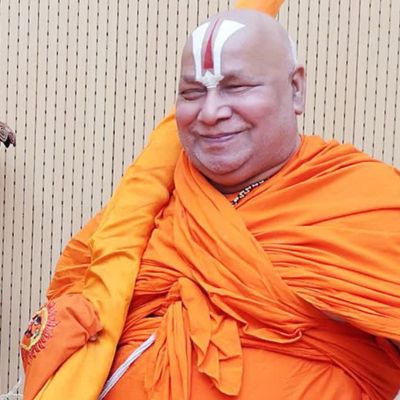
Jagadguru Swami Rambhadracharya
Image: ETV Bharat
Born in 1950, Jagadguru Swami Rambhadracharya is a Hindu spiritual leader, educator, and Sanskrit scholar. Blind since childhood, he overcame adversity to master fourteen languages and has authored around 75 books and numerous poems in Sanskrit and other Indian languages.
He founded a university for disabled students in Chitrakoot and became the lifelong head (Jagadguru) of the Ramananda order. He is a widely respected teacher of Hindu scriptures, and his testimony in the Ram Janmabhoomi case provided historic evidence of the temple in the court.
Rambhadracharya was awarded the Padma Vibhushan in 2015.
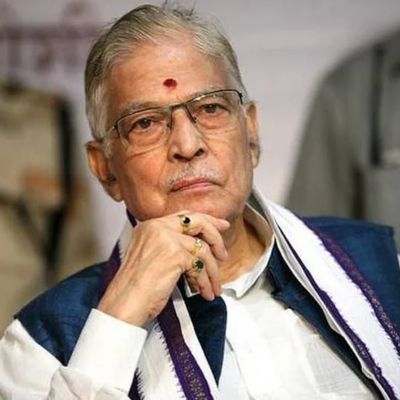
Murli Manohar Joshi
Image: The Outlook
Murli Manohar Joshi was born in 1934. He is a senior BJP leader and former cabinet minister. He is one of the founding members of the BJP and headed the party in the early 1990s. Joshi is an academic by training and served as a physics professor at Allahabad University. He served in Prime Minister Vajpayee’s government as Human Resource Development and Science & Technology Minister from 1998 to 2004.
In 2017, Joshi was awarded the Padma Vibhushan in recognition of his long service in education and public life.
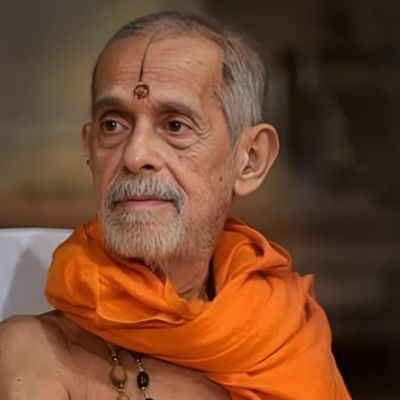
Vishwesha Teertha Swami
Image: Chennai Online
Vishwesha Teertha was born in 1931. He was the pontiff (Seer) of the Pejawar Matha, one of the major Dvaita Vedanta monasteries in Karnataka. He was a vocal proponent of Hindu traditions. He was also known for social outreach; for instance, he broke caste taboos by visiting Dalit colonies and even organised Iftar meals for Muslims in a temple setting.
He played a crucial role in state politics as a spiritual advisor, including during the Ayodhya movement. After his passing in 2019, the Government of India awarded him the Padma Vibhushan in 2020 for his lifetime of spiritual service.
Manohar Joshi
Image: Wiki
Manohar Gajanan Joshi was born in 1937. He was a prominent leader of the Shiv Sena party in Maharashtra. He became the first Chief Minister of Maharashtra from Shiv Sena between 1995 and 1999. Later, he served as Speaker of the Lok Sabha. He was also active in journalism and theatre in Mumbai. After his passing in 2024, he was posthumously awarded the Padma Vibhushan in 2025, recognising his decades of public service.
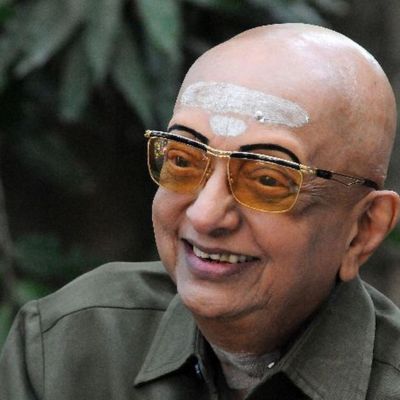
Cho Ramaswamy
Image: The Hindu
Cho Ramaswamy was born in 1934. He was a well-known Tamil writer, actor, and political satirist. He founded the Tamil magazine Thuglak in 1970 and used sharp wit and interviews to critique politicians. Cho was nominated to the Rajya Sabha in 1999 and served till 2005 for his contributions to literature and public life.
He was a leading figure in Chennai’s cultural scene and was also active as a screenwriter and stage performer. In 2017, he was posthumously awarded the Padma Bhushan for his lifetime work in journalism, literature, and the arts.
Rewarding the deserving
Since PM Modi assumed office in 2014, the recognition system in India has undergone a significant transformation. There was a time when Padma awards had become a way to “honour” the loyalists. However, the approach has changed to celebrate those who actively promote India’s civilisational heritage. The same has happened with the nominations to the Rajya Sabha and appointments to different offices.
The recognition now often extends beyond political or bureaucratic achievements to those who are champions of India’s cultural, spiritual, and ideological identity. This shift can be seen in the increasing nominations to key positions like the Rajya Sabha, where figures promoting the values of Indian heritage are now receiving greater recognition.
One of the most notable changes has been the growing emphasis on individuals connected to the RSS or associated ideologies. Figures like Meenakshi Jain and C. Sadanandan Master, who were recently nominated to the Rajya Sabha, reflect this changing focus.
Their contributions in preserving India’s cultural identity and their ideological alignment with nationalistic causes have earned them prestigious recognitions. It is a deliberate move to honour individuals who are seen as preserving India’s traditional values, rather than simply acknowledging political service.
Furthermore, the changing nature of recognition under PM Modi’s leadership is also apparent in the rise of figures like Sadhvi Rithambara, Swami Rambhadracharya, and others, who have been recognised for their efforts to strengthen India’s spiritual and cultural foundation. This reflects a broader ideological turn in India’s national honours, where the focus has gradually shifted to honouring individuals who are shaping the cultural and spiritual narrative of the country. The increasing recognition of these figures is an acknowledgment of their significant role in redefining the nation’s identity on the global stage.
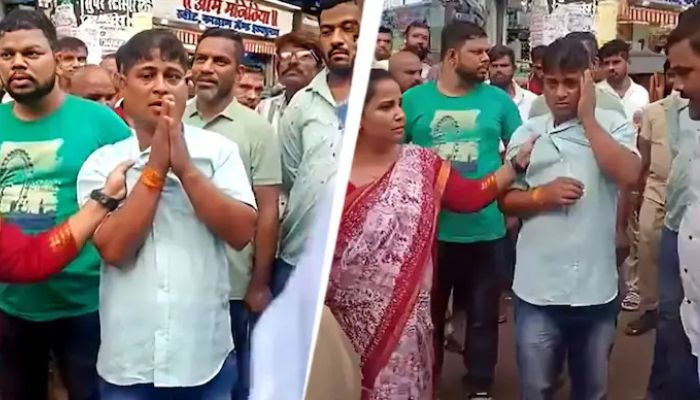
Another case of violence over linguistic politics came to light from Virar, Palghar district, Maharashtra. A migrant auto-rickshaw driver was brutally beaten in full public display by the supporters of Uddhav Shiv Sena (UBT) and Maharashtra Navnirman Sena (MNS) after a prior confrontation video over the use of the Marathi language had gone viral on social media.
The incident stems from an earlier confrontation, between Bhavesh Padolia, a migrant from Uttar Pradesh, and an auto-rickshaw driver who is also a migrant, at Virar station. In a video, the driver is saying “Main Hindi Bolunga” (“I will speak Hindi”) when asked about not speaking Marathi in public. According to Mr. Padolia, he just asked the driver why he was not speaking Marathi, to which he answered that he would rather speak in Hindi and Bhojpuri.
On Saturday (12 July 2025), near Virar railway station, the rickshaw driver was tracked down and confronted by the members of Shiv Sena (UBT) and MNS. Visuals from the scene show that the driver was slapped multiple times, including by women members of the groups. After the physical assault, the driver was forced to apologise to Padolia, his sister, and the people of Maharashtra, for what the attackers claimed was an insult to the Marathi language and cultural icons.
Uday Jadhav, the Virar city chief of Shiv Sena (UBT) who was present at the scene during the assault, defended the actions by saying “If anyone dares to insult the Marathi language, Maharashtra, or Marathi people, they will get a reply in the true Shiv Sena style. We will not sit silent”. He also said, “The driver had the audacity to speak ill of Maharashtra and Marathi manoos. He was taught a befitting lesson. We made him apologise to the people of the state and to those he had offended”.
Despite the public nature of the assault and the video circulating widely on social media, the Palghar district police has not registered any complaint yet. Police officials told news agency PTI. “We have seen the viral video and are verifying the facts, but as of now, no complaint has been received from either party”.
Tensions over the language issue have spilled
The incident is the latest in a series of attacks motivated by linguistic politics in Maharashtra. On 1st July, in Bhayander, Thane district. MNS members assaulted a food vender for not speaking in Marathi. After widespread critrisism, Seven MNS workes were later got arrested.
In Mira Road, Mumbai, the owner of the Jodhpur Sweet Shop, Babulal Choudhary was slapped and threatened by seven MNS workers. His employee, Bagharam, a resident of Rajasthan, spoke to the MNS workers in Hindi. The MNS workers demanded that both Choudhary and Bagharam speak in Marathi. However, Choudhary reportedly said that all languages are spoken in the state. The MNS workers allegedly assaulted them and also made a video of the incident.
On Friday (11th July), angry parents and locals in Roing of Arunachal Pradesh stormed the local police station and lynched a 20-year-old construction worker named Riazul Karim.
A resident of Assam’s Bongaigaon district, Karim had molested at least seven girls, aged 5 to 7, staying at the hostel of the Mount Carmel School.
The child molester was detained by police on Thursday (10th July), but tensions erupted over the next day.
Parents and locals dragged him out of the station and beat him severely. Even after police took him to a hospital, the angry locals thrashed him again, leading to his death.
“The body was handed over to the contractor today after post-mortem and other necessary formalities. It was later sent to Assam with a police escort,” the SP said.
A case has been filed at Roing Police Station under Section 329(4)/75(2) of the Bharatiya Nyaya Sanhita(BNS) and Sections 10 and 12 of the POCSO Act, and the investigation is ongoing.
School shut down temporarily
Mount Carmel School in Roing of Arunachal Pradesh has been shut down temporarily by the Lower Dibang Valley district administration after serious allegations of sexual assault involving several young girls at the school’s hostel.
The decision comes as a response to growing concerns about the safety of students, and parents have been asked to take their wards out of the school and enrol them in nearby government or recognised private schools.
Authorities are taking this seriously. Superintendent of Police Ringu Ngupok said they’re planning tough action against the school’s management. For now, the school will shut down as investigations continue.
Curfew remains in force in Roing, though no further untoward incidents have been reported, the SP added.
To maintain law and order, the administration has deployed four additional companies of security forces, including the IRBn, ITBP, and CRPF. Inspector General of Police P.N. Khirmey is currently stationed in Roing to monitor the situation.