Home Blog Page 4801

Anti-India bias in reporting on Indian economy is destroying the credibility of the New York Times (and others)

Everything is wrong with the Indian economy. The New York Times certainly thinks so. See this article complete with the picture of manual labourers working the ground with the most primitive tools in India. In the foreground, a sad-looking man carries what appears to be construction material on his head.

Look more carefully. I’m sure the New York Times has managed to squeeze in the image of a snake charmer somewhere, along with that of an overcrowded train with passengers hanging from the sides and sitting on the roof.

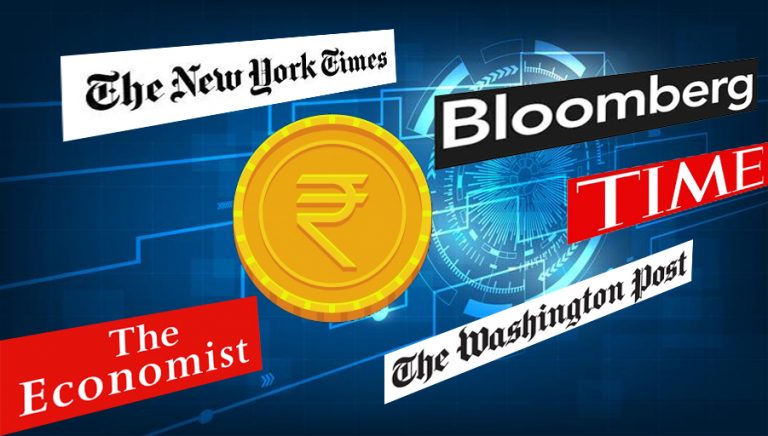
There has been a flood of articles in such years, with outlets such as The Economist, Bloomberg, Washington Post and others falling over each other to describe India’s doom. Look here, some guy called Andy Mukherjee is losing hope in India. And Bloomberg thinks he is important enough that we all need to know about his mood swings.

Too late to the party, Andy. Collectively, The Economist, The Washington Post, TIME Magazine and all their peers have produced a glut of such articles already. You might as well have written about how you are just hearing about the so called Y2K crisis.

These articles have been music to the ears of the opposition parties in India. A salve on their wounds, now that they appear to be almost completely out of the business of winning elections. If they can’t wean people away from Modi, they can at least snarl at him like so many racoons. Look, the world has lost all hope in India. Who will invest in India anyway, amid all the “rising hate”?

The concerns are not altogether misplaced. Unfavorable headlines in global news outlets can be a hurdle for attracting investment. And bad headlines abroad are an embarrassment for Indians at home. A bit of inferiority complex. Along with good old “log kya kahenge?”

The thing is; it’s not working. The data doesn’t stack up. This is not a lament about how our economy is doing great and how big global media is being mean to us. I’m turning the spotlight around. I am challenging this big global media. Has your negative coverage managed to impact investment in India? Don’t give me ‘mahaul.’ Give me data. What do the numbers say?

How did that happen? You told us that India’s economy was over. Especially after those horrific Q1 numbers. But how did real investors perceive the same numbers? They saw it as an opportunity to invest. A 140% surge in FDI, on a year on year basis, surely cannot be taken lightly. If you put Q1 and Q2 together, the FDI is still up by a rosy 15% on Y-o-Y basis (Apr-Sep, 2020). When the lockdown happened, you in the global media told us that India’s fate was sealed forever. However, investors seem to have taken a different view. They saw it as a pause, after which India would come roaring back. In other words, it seems investors believed the government’s version and not the global media version.

So what happened? Did investors not read your newspapers? Did they not listen to the mood swings of your columnists? You folks have been crying about India’s economy for over two years now. Are investors not reading this. Or have they stopped taking you seriously?

In case you don’t know, FDI in India was up 16% in 2019. For comparison, FDI growth in the US and China for 2019 was 0% each. The EU experienced a 15% contraction and the UK a 6% contraction. Let me repeat. This was 2019. So two back to back years of global media saying that it’s all over for the Indian economy. Two back to back years of investors giving these outlets the royal snub.

For a while now, the global media and its expert columnists have excelled in telling unpleasant truths to India. Let me point the finger the other way and tell them an unpleasant truth. Investors have stopped taking you seriously. Yes indeed.

Right now, India’s BSE Sensex has zoomed passed the 45,000 mark. Foreign portfolio investments are at historic levels. Okay, we have all heard the excuse that stock markets can be disconnected from the real economy. Still, it is mysterious that people would take such a big risk and invest in what is the world’s worst economy according to you.

Okay, so why did Brazil and Russia, two of India’s BRIC peers, see their currencies collapse by 33% and 25% respectively since the beginning of this year? The Indian Rupee only depreciated by 3-4% during the same period. So there is faith in our markets and in our currency. Apparently, both are disconnected from economic reality.

Okay, so what else is disconnected from economic reality? Not just foreign portfolio investments, but actual FDI coming in for the long haul? They are disconnected too?

So who is connected to the economic reality? Just your columnists? Or are there some numbers to back up the ‘mahaul‘ that the world is no longer investing in India? Face it, global media. Foreign investors don’t take you seriously.

I will tell you how it happened. Look at this headline from mid 2019 when the Indian stock market was undergoing a crash.

Look who likes to connect the stock markets to the real economy and Modi’s leadership – when the market is crashing, that is. The market zoomed again by the end of that year 2019. Then came the Coronavirus. The markets have recovered again and zoomed to historic levels. Did you see global media put out screaming headlines, this time in praise of “Narendra Modi’s India”?

Of course not. And that’s how you folks lost credibility with investors. If you think foreign investors have not noticed the bias, you and your columnists are even more clueless than I imagined.

The same goes with Coronavirus. Here is how it was reported when the going was bad.

But soon after, India stabilized. And then steadily brought things under control. At the same time, case numbers and fatalities began soaring in Europe. But India’s recovery was not rewarded with favorable headlines. Nor were European countries taunted for their failures the way India was.

Perhaps the NYT thinks nobody noticed the bias. Unfortunately for them, that’s impossible. Investors need to keep track of every dollar and every penny. Just because the NYT decided to go silent when India’s case numbers declined does not mean global investors stopped keeping track of events. They noticed. And they also noticed the convenient silence of the New York Times.

The next time the New York Times reports on India, they will be taken even less seriously. Anti-India bias has cost global media its credibility.

Let us zoom out and look at the big picture here. In 2011, at the beginning of the decade, India’s economy was smallest among all BRIC countries. Both Brazil and Russia were ahead of us. And of course, China. In 2020, India’s GDP is *twice* the size of Brazil and 77% larger than Russia. Despite all the bad publicity.

What are the chances that global investors have not noticed? I would say zero.

And what are the chances that those same investors haven’t noticed the deliberate silence of global media on these cold hard facts, just because they favor India? Again, zero.

I suspect that we have reached an inflexion point regarding reporting on the Indian economy. News about anti-India bias in global media has spread. More of the same anti-India bias won’t cost India. It will cost global media their credibility. They can either mend their ways or continue on their downward spiral. Their choice.

Face it, global media. And suck on it.
Greek journalist’s investigative report shows how Turkey plans to send Syrian Jihadis to spread terrorism in Kashmir: Details

0

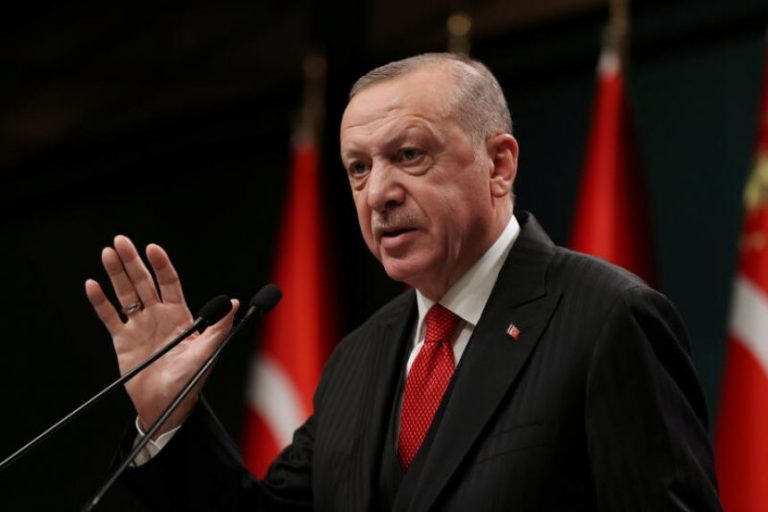
Turkey is planning to send Syrian Jihadists to fight in Kashmir, a Greek journalist has claimed. Andreas Mountzouralias has detailed the plans of Turkish President Erdogan in his report titled ‘Erdogan sends mercenaries to Kashmir’ on Pentapostagama. As per the report, it is part of Erdogan’s attempt to replace Saudi Arabia’s premier position in the Islamic world by extending his influence in South Asia.

The report also claimed that Pakistan and Turkey are in talks for a permanent presence of surface units and aircraft of the Pakistani Defense Ministry in the Turkish operation ‘Shield of the Mediterranean’, a plan to plunder Greece and conquer Greek lands. The report quoted local sources to claim that Abu Emsa, head of the brigade of Suleiman Shah, a gang that joined the Syrian National Army (SMO), recently told its members in Afrin that the Turkish state wishes to interfere in matters of Kashmir.

Abu Emsa also apparently told them that the recruits would receive $2000 for their participation. Özkan Torunlar, Turkish ambassador to India, meanwhile, denied the claims made in the report. He told India Today TV that “these reports are baseless and false”. Turkey has raked up the Kashmir issue and the abrogation of Article 370 in international platforms on several occasions. Erdogan said in the Pakistan parliament that Kashmir was an issue important to both Pakistan and Turkey.

Recently, it was revealed that senior members of Islamist organisation PFI had met an Al-Qaeda linked Turkish NGO, IHH, prior to the Lok Sabha elections. The Nordic Monitor says that IHH works with Turkish intelligence service MIT, led by Erdogan loyalist Hakan Fidan, an Islamist as well. It also said that the PFI was promoted by Turkic state-run media Anadolu as a civic and social group the members of which were abused by Indian police. The IHH was accused to have smuggled arms to Al-Qaeda affiliated Jihadists in Syria in January 2014.

TV advertisements for condoms, ‘love drugs’ look like porn films: Madras High Court orders TV channels not to telecast vulgar ads

0

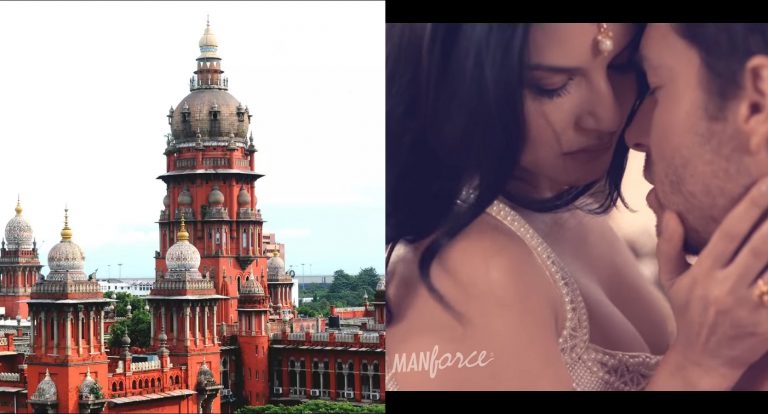
Coming down heavily on Television channels for telecasting obscene and vulgar advertisements on TV, the Madras High Court passed an interim order against the telecast of such content on TV channels. According to Live Law, Bench of Justices N Kirubkaran and B Pugalendhi, while hearing a Public Interest Litigation (PIL) filed by KS Sagadevaraja, expressed shock over the telecast of obscene advertisements that were being viewed by everyone irrespective of age.

“It is shocking to note that in the television, about 10 p.m., almost all the television channels are telecasting some advertisements, which exhibit obscenity to promote the sale of condoms, which in fact, are being viewed irrespective of the age and absolutely available in all television channels”, the court said.

Nudity would affect the minds of youngsters and children

The court said that some advertisements that appear like promoting aphrodisiac or ‘love drugs’, look like pornographic films. Talking about the late-night advertisements, the order said, “anybody who sees these programmes will be shocked by the pornographic content. Some advertisements though look like promotion “Aphrodisiac” popularly known as ”Love Drugs”, it looks like a porno film.”

In the petition, the petitioner had requested to pass an interim order in the nature of mandamus pending the disposal of the main petition. In its order dated November 11, 2020, the court said that the nudity exhibited in the advertisements was prohibited under section 16 of the Cable Television Network (Regulation) Act, 1995. The court said under the provisions of the Act the programmes telecast should offend the morality, decency and religious susceptibilities of subscribers.

The Court also said that that as per Rule 7(2) (vi), the Cable Operators shall ensure that the portrayal of the female form, in the programmes carried in cable service is tasteful and aesthetic and is within the well-established norms of good taste and decency.

Expressing concern over the content being telecast on Television, the court said that nudity was available on television in the name of doctor’s advice as well as advertisements and that it would affect the minds of youngsters and children. The court said this while referring to the advertisement of condoms and aphrodisiacs, inner wears etc.

In the interim order passed by the court in the “interest of justice”, the court sought an answer from the respondents on the censorship of the programmes telecast on satellite TV channels as contemplated under section 5A of the Cinematograph Act, 1952.

Read- Eros Now apologises for publishing vulgar Hinduphobic content on Navratri

Petitioner prayed for directions regarding telecast of programmes

The petitioner had prayed before the court to give directions to respondents viz. Secretary, Ministry of Broadcasting (MIB), Secretary, News and Film Technology and Film Law Department, Tamil Nadu, District Collector, Virudhunagar district and the Superintendent of Police, Virudhunagar district, to take effective measures including monitoring, prosecution and pre-censorship, etc. against television channels for telecasting vulgar content.

Zomato, MobiKwik and Congress extended tacit support to Khalistan sympathiser Diljit Dosanjh? Netizens seem to think so

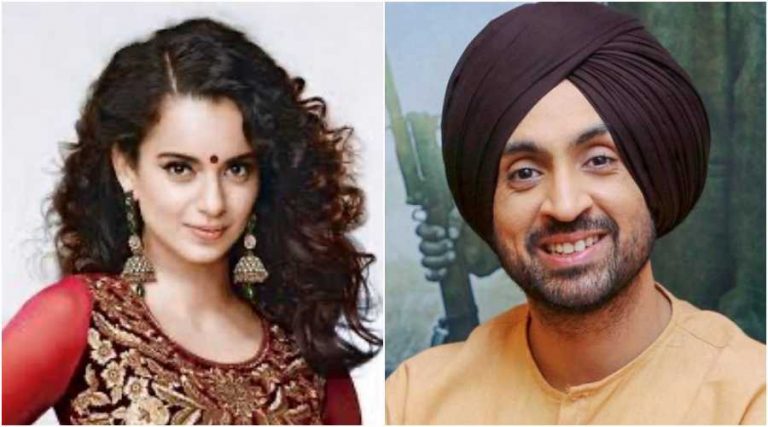
Amidst the renewed protests over the historic farm laws and the ongoing spat between actress Kangana Ranaut and Khalistani supporter Diljeet Dosanjh, the Congress party and several corporations such as Zomato and Mobikwik were seen sly tweeting in Punjabi. While netizens were expecting the Congress party to support the singer-turned-actor, Zomato and MobiKwik supporting the online war against Kangana drew sharp reactions from many social media users.

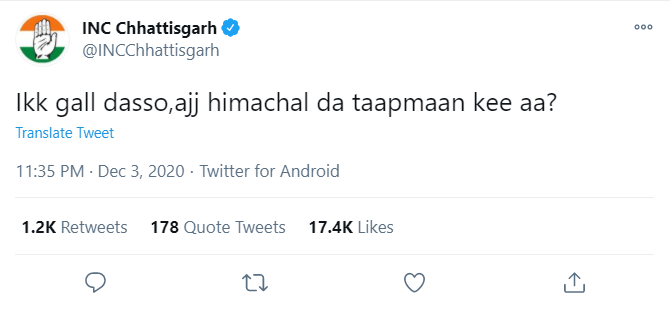
In a tweet on Thursday, the Chattisgarh unit of the Congress party took indirect potshots at actress Kangana Ranaut. The handle tweeted, “Tell us one thing, what is the temperature in Himachal Pradesh.”

Screengrab of the tweet by Chhattisgarh Congress

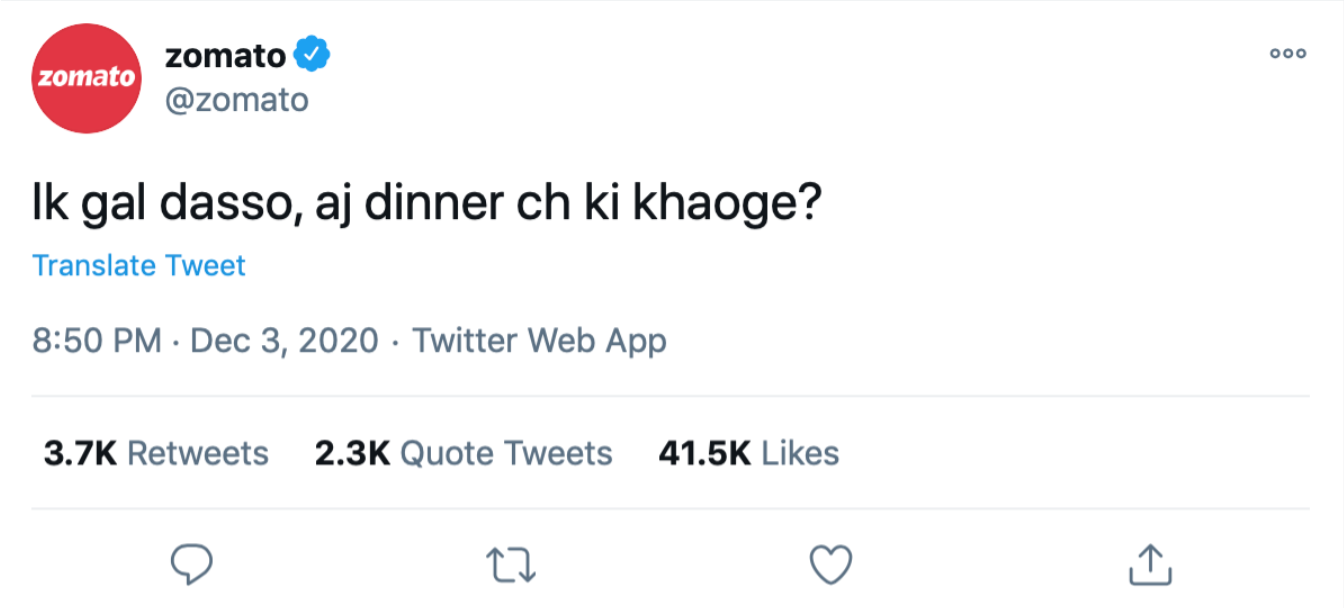
Imitating Diljeet Dosanjh, food delivery app Zomato tweeted in Punjabi, “Tell us one thing. What would you eat for dinner tonight?”

Screengrab of the tweet by Zomato

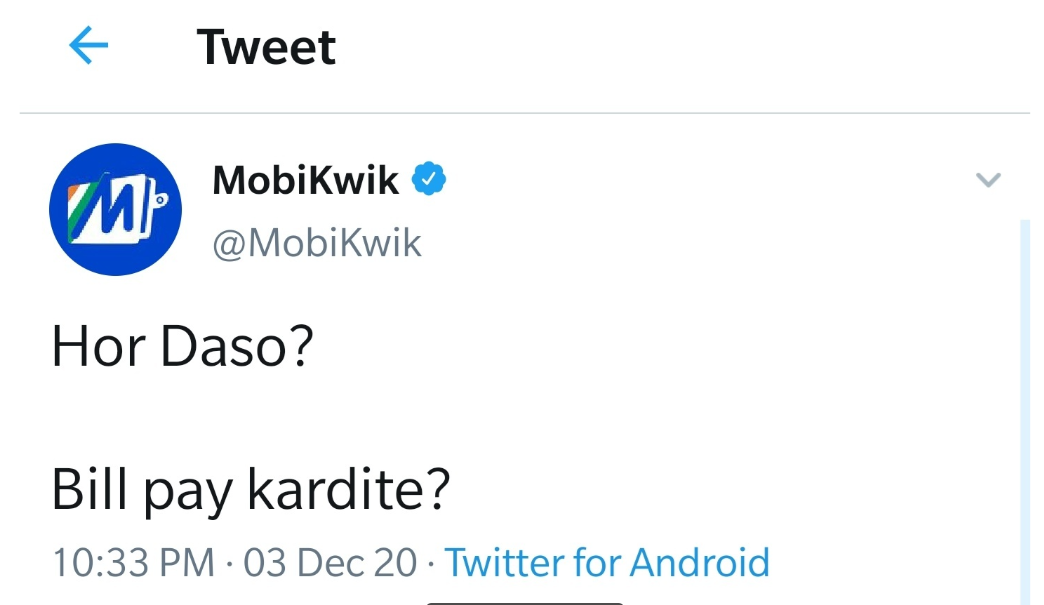
Mobile-based payment app, Mobikwik, too did not leave any opportunity in milking the situation. As Diljit’s tweets slandering Kangana Ranaut in punjabi had been hailed and rejoiced by the leftist mob, Mobikwik asked, “What else, have you paid your bills yet?”

Screengrab of the tweet by Mobikwik

While the Congress party, Zomato and Mobikwik can claim that their tweets had nothing to do with Diljit, the timing of the tweets fail to substantiate such a claim. Yesterday, Kangana Ranaut and Diljit Dosanjh had locked horns on social media platform Twitter. The spat had turned ugly with the political leanings of the actors being evident and Diljit getting support and encouragement from the leftist mob. Netizens were quick to call out the Congress party, Zomato and Mobikwik for siding with a Khalistan supporter and threatened to boycott them if they fail to do a course correction in future.

Netizens slam Congress for indulging in cheap online trolling

Slamming the Congress party over its tweet, Twitter user Deepa Sharma wrote, “I can say without any doubt- INC Chhattisgarh is a troll account for sure. Instead of working for people of #chattisgarh or try to uplift the party’s condition on ground in state you are after Kangana Team. What will you get by this? Kis teenager bevkuf ko de rakha hai ye handle? (Which foolish teenager is running this handle?)”

Another user, Deepak Joshi, pointed out that the jibe at Kangana Ranaut by Congress party was a reflection of why people have deserted the party. “Reason why INC India keep scoring moral victory after moral victory. When you start trolling normal citizen just because he/she supports your opponent you reduce party to a stupid joke,” he wrote.

Netizens slam Zomato for supporting Diljit Dosanjh

While mocking Zomato, Twitter user Sunil Teotia wrote, “Donate to Deepinder Goyal (founder of Zomato) so that he can fund Khalistan supporters… employed/ supported by his startup.”

While answering Zomato’s question, a user wrote, “Ask to Diljit. Tell us Pakistani. What will you have for dinner? Khalistan parantha or Khalistan biriyani.”

While uninstalling the food app, another man stated, “Let me tell you – I will get my dinner on my own but won’t allow businesses such as yours to profit even ₹2 from my money.”

Netizens trash MobiKwik for supporting Khalistanis

While replying to Mobikwik for supporting the Khalistani rhetoric of Diljit Dosanjh, one Twitter user Gareebo wrote, “Just like the fake farmers in the anti-farm law agitation, the handler of the Twitter account is also a fake Punjabi.”

Another user, Vivek informed Mobikwik that he had cleared his bills using the rival company, Freecharge. “You keep on appeasing the Khalistanis,” he wrote.

Another user, Curiosweety, tweeted, “Never used Mobikwik after initial first 2 times (much before #Demo) glad I abandoned it….won’t go back again . Yup I am Punjabi but I can see when you try to use identity to peddle your agenda. I won’t be used … and so won’t use”

The war of words between Diljit Dosanjh and Kangana Ranaut

The argument started when Dosanjh shared a video of the elder woman, Mahinder Kaur, who was allegedly misunderstood as one of the protesters from anti-CAA protests. Dosanjh’s tweet irked Kangana. She called him Karan Johar’s pet and said that she posted the tweet about the old lady Bilkis Bano who was part of anti-CAA protests and has now joined Farmers’ protests as well.

Angered by Ranaut’s reply, Dosanjh questioned her if she was a pet of everyone she has worked with. He added if that was true, the list of her owners would be very long. He alleged that Ranaut provoked people by spreading misinformation and play with their emotions. Ranaut called him a ‘chamcha’ and said she is not a pet like him. She said that she only posted about the old lady from the anti-CAA protests, and if anyone can prove otherwise, she will apologise.

Diljit Dosanjh and his support for Khalistan

In June 2020, a demand for an FIR against Diljit Dosanjh was raised after he was seen supporting Gurpatwant Pannu’s and Sikhs for Justice (SFJ) demand for Khalistan. Ludhiana MP Ravneet Singh Bittu had urged Chief Minister Captain Amarinder Singh to order that FIR’s be filed in every police station of the state against singer Diljit Dosanjh and two others.

In a thread of Tweets, Bittu had also condemned the three for supporting the separatist organisation, allegedly funded and aided by Pakistan’s Inter-Services Intelligence (ISI). Ravneet Singh Bittu had then referred to a letter written by Sikhs for Justice’s head Gurpatwant Pannu to China stating that they “empathize” with China and “condemn” India for the violent face-off. Dosanjh was also criticised for his association with ISI-backed Rehan Siddiqui.

Tamil Nadu: Three idols stolen from Amman temple in Chennai

0

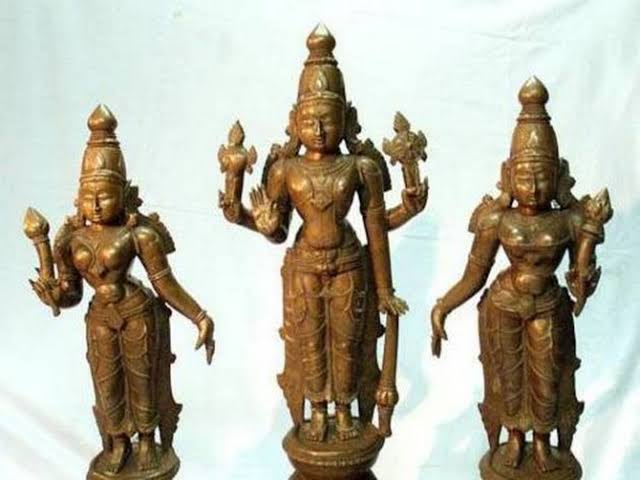
In yet another heinous act, unidentified thieves have stolen the idols of Chamundi, Durga and Brahmaki from the Gengayamman temple in Thiruporur near Chennai on Thursday.

According to the reports, the incident came to light on Thursday morning when the temple priest visited the temple and found out that the idols were missing. The temple is located on the Old Mahabalipuram Road (OMR) in Thiruporur on the outskirts of Chennai.

The priest said that the three different idols about one and a half feet high were placed in three different shrines have been looted. The temple priest said that these idols are of the deities Chamundi, Durga and Brahmaki.

Following this, the temple priest immediately informed the local police. The police have now begun an investigation into the case and have started inquiring about the missing idols.

‘Taarak Mehta Ka Ooltah Chashmah’ writer commits suicide, family claims he was being blackmailed, say they are being threatened

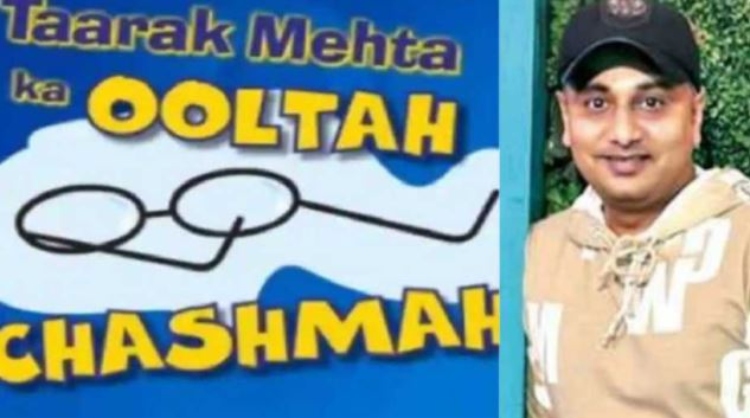
Soon after the news of the untimely death of actor Sushant Singh Rajput’s death hit the headlines, there has been an exhaustive list of Television and Bollywood celebs who have died after allegedly committing suicide. In yet another such case, one of the writers of the popular Sony Television’s comedy series Taarak Mehta ka Ooltah Chashmah died of suicide on November 27. The police have registered a case of accidental death after Abhishek Makwana (37) was found hanging at his Kandivali residence in north Mumbai.

A suicide note was reportedly recovered by the cops in which Makwana mentioned the financial crisis he was going through over the past couple of months as a reason for his suicide.

The family of the writer has, however, claimed that Abhishek Makwana had been a victim of cyber fraud and blackmail. The family said that even after the writer’s death, they have been receiving threat calls. They are continually being pressurised to pay back the loan amount taken by Abhishek. His brother, Jenis, reportedly said that he became aware of these issues after Abhishek’s death when he began receiving phone calls.

He said: “I checked my brother’s mails because ever since he passed away, I got multiple phone calls from different numbers demanding to be paid back loans he owed someone. One call was a number registered in Bangladesh, one in Myanmar and others were from different states of India.”

“From what I understood from the email records, my brother first took a small loan from one of the ‘easy loan’ apps that charge a very high rate of interest. I looked at the transactions between them and my brother closely after that. I noticed that they kept sending small amounts despite my brother not applying for the loans. Their interest rates are as high as 30%,” Jenis added.

Jenis told reporters that the loan sharks became all the more abusive when he informed them of his brother’s death and that he and his family are not in a position to discuss the issues right away.

Meanwhile, the police have launched a probe and have approached the bank for transaction details to learn more on the fraud allegations. A police officer investigating the case was quoted saying: “Right now, there is no solid evidence of the fraud or that the company was harassing the deceased. As and when we establish anything, we will proceed with the necessary action against the company.”

The comedy series Taarak Mehta ka Ooltah Chashmah first aired on 28 July, 2008 in Sony Pictures Network India’s channel, Sab TV. Recently the sitcom hit the milestone of 3000 episodes.

A new low, even for Editors Guild, as they issue statement against media orgs exposing how Khalistanis have hijacked farmers protest

0

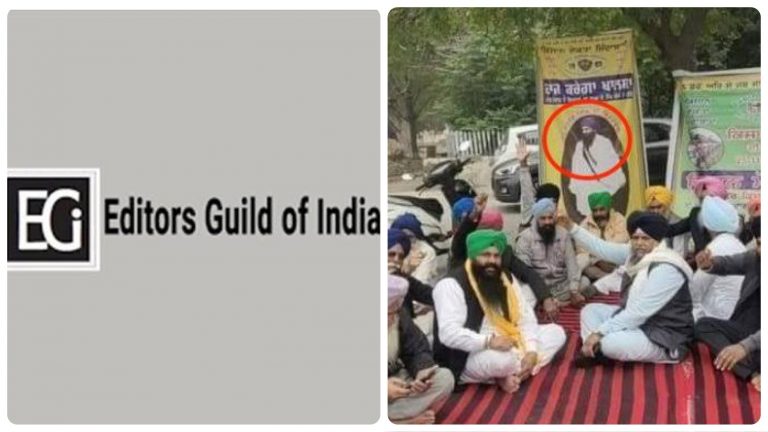
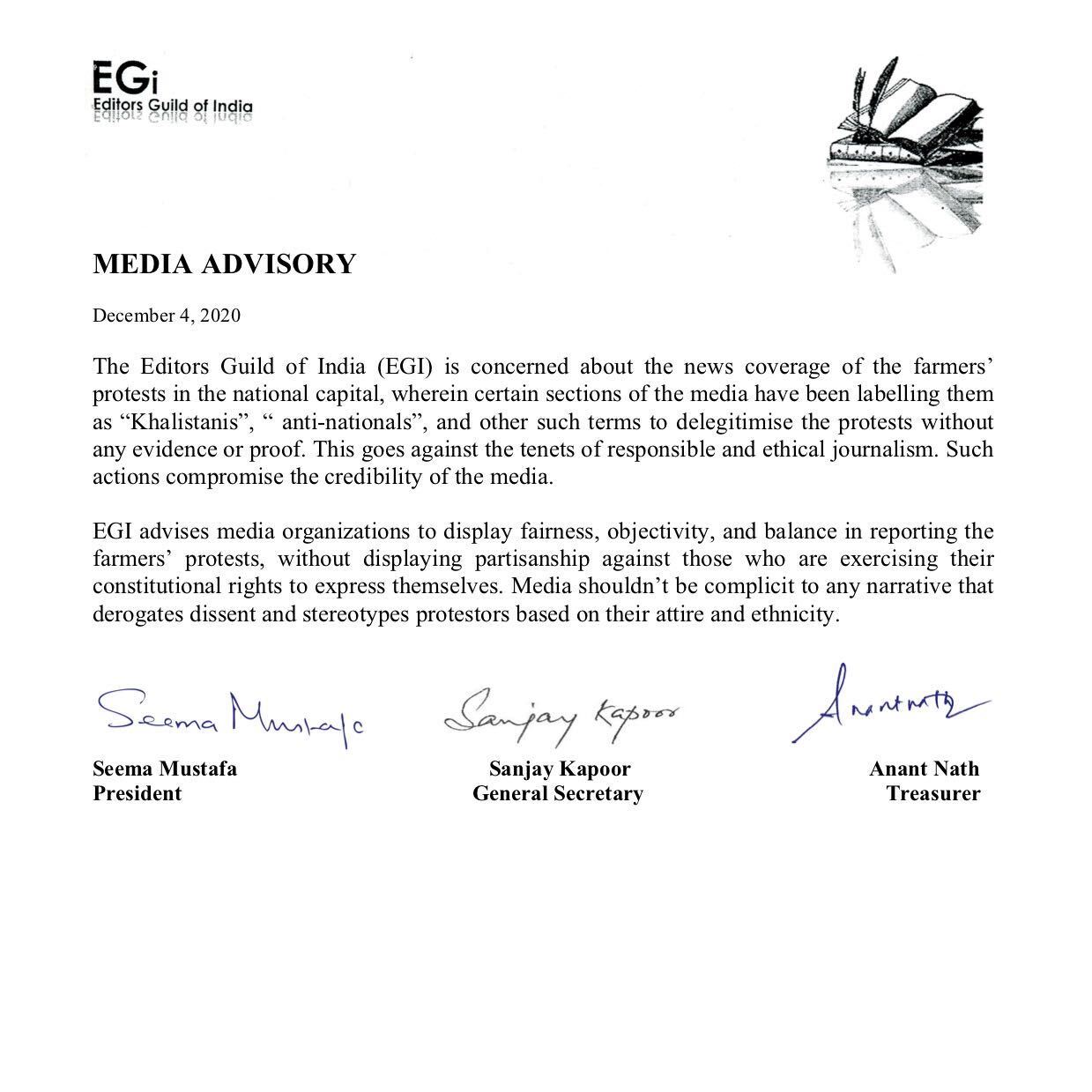
In an attempt to cover-up the participation of the pro-Khalistani elements in the ongoing farmers’ protest, the Editors Guild of India today issued an advisory criticising the media organisations for using labels such as “Khalistanis” and “anti-national” for describing the involvement of Khalistani supporters in the farmers’ protest.

In its issued media advisory, the Editors Guild of India has expressed its concern about the news coverage of the farmers’ protest in the national capital, stating that certain sections of the media have been labelling them as “Khalistanis”, “anti-national”, and other such terms to discredit the protests without any evidence or proof.

“This goes against the tenets of responsible and ethical journalism. Such actions compromise the credibility of the media,” the advisory said.

Editors Guild of India issues media advisory for exposing the participation of Khalistani elements in farmers’ protest

“EGI advises media organizations to display fairness, objectivity, and balance in reporting the farmers’ protests, without displaying partisanship against those who are exercising their constitutional rights to express themselves. Media shouldn’t be complicit to any narrative that derogates dissent and stereotypes protestors based on their attire and ethnicity,” the statement further added.

It is pertinent to note that the advisory was issued by the Editors Guild of India after several media organisation brought to fore the participation of pro-Khalistani supporters in the farmers’ protests. Despite their reports confirming that the protests were indeed hijacked by Khalistani supporters and sympathisers, the Editors Guild of India, perversely and counterintuitive, went ahead and attempted to whitewash their involvement, alleging that exposing Khalistani elements who have hijacked the farmer protest is akin to displaying ‘partisanship’.

Multiple reports confirm the involvement of Khalistanis in the farmers’ protest

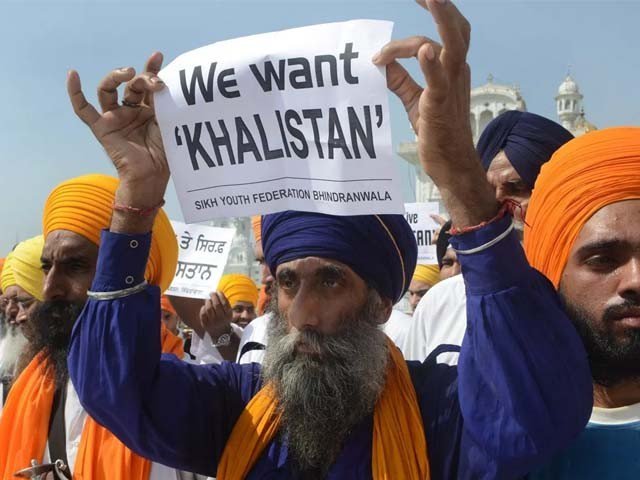
There have been several instances when demonstrators participating in the farmers’ protests have displayed their Khalistani proclivities. One of them was Punjabi actor Deep Sidhu, who had become the face of the farmers’ protest. Sidhu unabashedly hailed Khalistani terrorists Jarnail Singh Bhindranwale as a revolutionary fighter who fought for a strong federal structure. This was exposed in his interview with Barkha Dutt, who had self-admittedly provided him with a platform to come clean on the allegations of him being a Khalistani supporter.

However, the Punjabi actor refused to condemn Bhindranwale as a terrorist and went on to claim that the media during that time weaved a narrative and falsely portrayed him as a terrorist. He also alleged that about 80-90 per cent people in Punjab still do not consider Jarnail Singh Bhindranwale as a terrorist.

Sidhu was not the only Khalistani supporter who was associated with the farmers’ protests. On many instances during the protests, the demonstrators were seen raising pro-Khalistani slogans and holding posters of Jarnail Singh Bhindranwale. In one of the videos from the protests that had gone viral, protesters were seen gloating over the death of the former Indian PM Indira Gandhi and threatened PM Modi with a similar fate if their demands were not fulfilled.

Even as Khalistanis took charge of the ongoing farmers’ protests, the principal opposition party, Congress, fuelled the protests, hiding behind the veil of ‘farmer’ protests. Punjab CM and senior Congress leader Amarinder Singh has been standing in support of the protesters even as they are seen bragging about Indira Gandhi’s assassination and dishing out similar threats to PM Modi.

First arrest under UP’s new law against Grooming Jihad, Uwais Ahmed was absconding fearing ‘encounter’

0

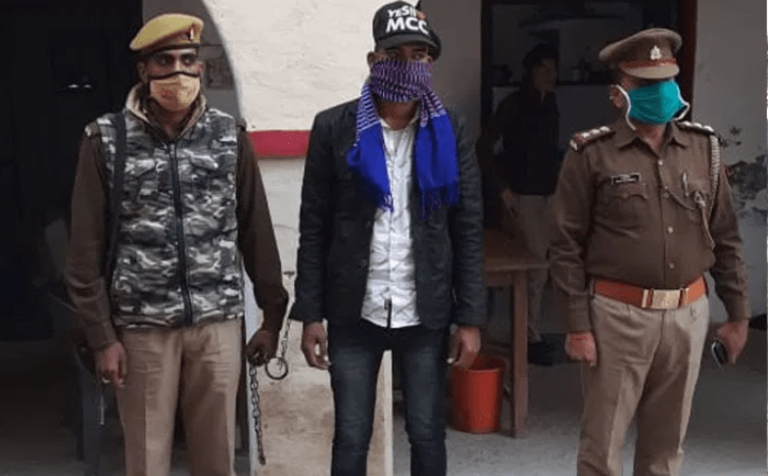
In a first, the Uttar Pradesh police have arrested Uwais Ahmed, the accused who was absconding ever-since a case was registered against him, for trying to forcibly convert a Hindu girl to Islam. This is the first arrest made by the UP government in the newly promulgated law against Grooming Jihad (Love Jihad). This is the first Grooming Jihad case, under the new anti-conversion law, registered by the Uttar Pradesh police on November 28.

Bareilly police took to its official Twitter handle to give details of the arrest. Uwais has been absconding since November 29.

Ahmed was arrested from the Richha railway gate in the Bahedi area on Wednesday. He was produced before a local court and was sent to 14 days judicial custody,” Deputy Inspector General (DIG) of Police, Bareilly, Rajesh Kumar Pandey said.

Additional Superintendent of Police (Rural) Sansar Singh said on December 3: “A young woman living in Sharif Nagar falling under the Deorania Thana limits had alleged that the accused was harassing her for the last three years and has been pressurizing her to convert to Islam”.

According to reports, the accused has been hiding for many days. He has now confessed that he had been absconding since he feared arrest and believed that he would be killed in a police encounter. Speaking on the same, Additional Superintendent of Police (Rural) Sansar Singh said:  “This may have been his perception, but the police never intended to do so as he is not a history-sheeter.” He further said, ‘We were just looking for him and for this many teams were also deployed in neighbouring districts.

Speaking to reporters, the accused said that he had been arrested under the new anti-conversion law. He claimed that he was innocent and had nothing to do with the victim. He said that he had got married a year ago.

First case registered in the newly promulgated law against Grooming Jihad (Love Jihad)

A case was registered against Ahmed after victim’s father one Tikaram, living in Bareilly district of Uttar Pradesh, lodged a complaint with the Deorania police on November 28. The accused was booked under IPC sections 503 and 504 and Section 3/5 of the Uttar Pradesh Prohibition of Unlawful Conversion of Religion Ordinance, 2020. Ever since the case was lodged against him, Ahmed had been absconding.

As per reports, the accused tried to lure the victim. Ahmed began to persuade her to convert to Islam. When she refused, he began to pressurise the victim and her family. Besides intimidation, he had also threatened to kill the victim and her family for refusal to give in to his demands for conversion. The Deorania police had been making all possible efforts to nab the accused.

According to the complaint, Tikaram’s daughter and Ahmed studied together in Class 12. Three years ago, the accused started pressuring her to undergo religious conversion and perform ‘nikah‘ (marriage) with him. But when the woman opposed, he threatened to kidnap her, Tikaram has said in his complaint. The complainant’s daughter married someone else in June. However, Ahmed continued to harass her and her family members and threatened them after they refused to yield to his demands.

Yogi Adityanath govt brings in law against Grooming Jihad

This arrest came days after the Yogi Aditynath government cleared the draft ordinance against unlawful religious conversions, the Uttar Pradesh Governor Anandiben Patel also gave her assent to the ordinance last week. Soon after the approval by the Governor, the ordinance has come into force in the state.

Provisions of the new law

The new anti-conversion law is aimed at preventing forced conversions under the pretext of love and marriage. “There were more than 100 incidents reported in which forceful religious conversion was being done. Also, it was reported that religious conversions were going on in the state using deceitful means. So to make a law on this becomes an important matter of policy now,” UP Cabinet Minister Siddharth Nath Singh had earlier remarked.

Under the new law, a jail term of 1-5 years is awarded to the accused (extended to 3-10 years in case of SC/STs) and a fine of ₹15,000 (₹25,000 in case of SC/STs). Moreover, the offender’s proven guilty for mass conversion will attract a jail term of 10 years.

Khalistanis hijacking farmer protests are aimed at breaking Hindu-Sikh unity: Here is a brief history of tensions in Punjab

The events currently underway in Delhi could very quickly escalate into something much more devastating. Passions have been running high and quite clearly, the protests that began with the newly passed farm laws are no longer limited to it. Somewhere down the line, the protests have transformed into an orgy of ethnic supremacy and a vicious cycle of identarian politics is currently underway. The ‘Khalistan’ bogey has indeed reared its ugly head.

To be fair, the problem began with extremely problematic statements by ‘farmers’ in these protests which triggered a reaction from others on social media. Consequently, Sikhs in western countries, with questionable ideological fealties, chimed in to rouse passions in India. These were individuals who have openly espoused the idea of Khalistan in the past and their rhetoric amidst the current spate of protests coloured them in extremely communal light.

And then came Deep Sidhu and set the cat among the pigeons. After a video of his went viral where he could be seen sitting at the protests and saying that they could have geopolitical ramifications, hinting at Khalistan, he was invited by Barkha Dutt for an interview where he hailed Khalistani terrorist Jarnail Singh Bhindranwale as a revolutionary fighting for an empowered federal structure.

Such an embrace of Khalistani rhetoric by the public faces of the farmer protests had the inevitable consequence of enticing a reaction from others on social media. The extent of support that Khalistanis enjoy among Sikhs began to be discussed and it was pointed out that Hindus were massacred by Khalistanis long before Operation Bluestar, a chapter of the history of Independent India that has largely been ignored thus far.

All of this points towards the fact that there is a necessity of addressing the matter of Hindu-Sikh relations as they stand and what it once was. It cannot be denied that Sikhism has as its source the same fountain that has given rise to the diverse set of traditions and practices that dominate the Indian subcontinent.

There is much that Hindus and Sikhs share in common but it is also true that there have been times when horrible crimes have been committed against Hindus by Khalistanis. Under these circumstances, it is imperative to address the issue with a level head to deescalate tensions. At the onset itself, it needs to be stated that the protests were begun by individuals and organisations who wished to protect their commercial interests.

However, as such things eventually turn out, Khalistanis soon entered the fray and hijacked the protests to steer them towards their own end. But it cannot be denied that the protests did begin as an attempt by a group to protect their commercial interests and not to further their identarian objectives.

Commercial interests cannot be and should not be allowed to dictate terms between two communities that share so much in common. For that reason alone, there is a need to understand the historical context of the tensions between the two communities so that saner heads can prevail and deescalate the rising passions.

The internal power struggle between Sikhs

The idea of Khalistan, a separate religious country for Sikhs, did not arise in a vacuum. It was the logical consequence of a series of transformations that have occurred within Sikh society itself. The transformation came to a conclusion with the end of the Battle for the Gurudwaras in the 1920s which had a profound impact on Hindu-Sikh relations.

The Battle for the Gurudwaras was waged between the Udasi sect and the Akalis in the late 19th and early 20th century. Traditionally, the Gurudwaras were controlled by Udasi mahants. The Udasi sect was founded by Guru Nanak’s son and it advocated a syncretic culture between Guru Nanak’s teaching and Hindu beliefs.

But a distinct Sikh identity grew in late 19th and early 20th century, led by movements such as Singh Sabha and later the Akali movement. The split was formalised when the British Colonial Government passed the Sikh Gurudwaras Act in 1925, which effectively gave control of all Gurudwaras to the Akalis. Subsequently, Udasis were expelled from mainstream Sikh identity.

This irreparably diluted the Hindu-Sikh relationship. However, it did not vitiate the relationship and both the communities continued to have brotherly bonds. As India moved towards partition, influential Sikh leadership could have demanded a three way partition too – for Hindus, Muslims, and Sikhs, but major Sikh and Punjabi leaders chose to stay with India. During the partition riots, Hindus and Sikhs fought and suffered together.

The immediate years after Independence

One of the reasons why Sikhs didn’t care about Khalistan in 1947 itself were assurances by Congress leaders, especially Nehru himself, who said that Punjabi identity and culture will be safe and preserved in independent India. Sikh leadership assumed that this means that a Punjabi speaking Sikh majority state will be created. However, Nehru continued to delay creation of such state even though he himself favoured creation of states on linguistic lines.

East Punjab (West Punjab had gone to Pakistan) continued to be how it was under the British and it was technically not a Sikh majority or Punjabi speaking region because it included Haryana and parts of Himachal Pradesh, where Hindus were in majority and they spoke Hindi. Punjab state as we know it today – Sikh majority and Punjabi speaking – came into existence in 1966, 2 years after Nehru’s death and 19 years after independence.

While Nehru was in power, numerous attempts and demands were rejected. On one occasion, Golden Temple was raided too during protests for the creation of the linguistic state of Punjab. This resulted in resentment among many Sikhs quite early. Though not as serious as Operation Bluestar, this was seen as Sikhs not being given their due by Nehru who had promised so.

Thus, quite clearly, the Sikh leaders have plenty of reasons to feel betrayed due to the conduct of the Congress party under Jawaharlal Nehru at the time. It is undeniable that Nehru made a promise and then backed away from it for whatever reason, which provided a fertile ground for radicalism to take root and thrive. Nehru had committed a series of follies during his rule but this was arguably his most expensive mistake.

Hindu-Sikh tensions since Jawaharlal Nehru

After Punjab state was formed, one would assume things would return to normalcy, but Congress and SAD continued their sectarian politics. Congress tried to appease a section of Punjabi Hindus who wanted to continue choosing and affirming Hindi as their mother-tongue and not Punjabi, while SAD took a more and more Sikh centric stand.

Anandpur Sahib Resolution in 1973 after SAD lost 1972 Punjab elections became one of the pivots on which a renewed assertive Sikh identity politics emerged. And this is where modern Khalistani elements tried to enter mainstream Sikh politics. The resolution included demands such as ‘maintaining the realization of the Panth’s independent entity and creation of such an environment where Sikh sentiment can find its full expression’ and ‘The propagation of religion and Sikh tenets and condemnation of atheism’.

However, it was denied that resolution carried the demands of a separate Sikh state or even an autonomous Sikh State within the Indian Union. The Rise of Bhindranwale was facilitated by political parties as both SAD and Congress tried to use him for their own means. In 1982, when his terrorist inclinations were well known, the SAD and Bhidranwale together launched the ‘Dharma Yudh Morcha’.

During his speeches, Bhindranwale spoke of both ‘internal threats’ to the Sikh religion, that is sects that preached in contradiction to the Sikh orthodoxy, and external threats, that is Hindus, who were seen as enemies not loyal to Punjab or Sikhs. The former became evident during the clash with Nirankaris in 1978 which led to bloodshed.

Sikhs who didn’t agree with the Khalistani agenda also suffered and they were killed as well. Giani Partap Singh, former leader of the Akal Takht, Niranjan Singh, the Granthi of Gurudwara Toot Sahib, Granthi Jarnail Singh and Granthi Surat Singh were some of the prominent Sikhs who were murdered for opposing Bhindranwale.

Then came Operation Bluestar and the subsequent assassination of Indira Gandhi. On the directions of Prime Minister Indira Gandhi, the Indian Military entered the Golden Temple to flush out the terrorists. The subsequent assassination of Indira Gandhi led to an anti-Sikh massacre by the Congress party which has since then been twisted by Khalistanis to project it as a case of Hindu persecution of Sikhs, which it was not.

By mid-1990s, the Khalistani menace had been tamed with significant contribution from IPS KPS Gill who led a stellar effort to take down the terrorists. He was by all accounts a hero and is recognised as such by people across the board. Since then, however, the focal point of the Khalistani movement shifted to the West.

The BJP-SAD alliance

BJP-SAD alliance was one of the steps towards patching Hindu-Sikh relationship under militancy and it worked well. It was an alliance between the party of Hindutva and a Sikh-centric party. Therefore, beyond the realms of politics alone, it also reflected a patch-up between the Hindu and Sikh communities.

Since the split between the BJP and SAD, it was suspected by many that it could portend dangerous times for the state and the country as a whole. With the current farmer protests, Khalistanis feel that the situation is rife to re-enter mainstream politics by using farmers protests like they had used Anandpur Sahib Resolution given that the BJP-SAD alliance no longer stands.

Perhaps it is a matter of coincidence or a pattern but the rise of Khalistani forces the first time occurred after the SAD suffered electoral defeats. This time, too, Khalistani forces have reared their ugly head after the SAD suffered a defeat in elections. And that is why everyone needs to be cautious.

‘You shot a bullet in Delhi, we made MP and Shajapur Shaheen Bagh’: MP HC gives bail to one Anwar, orders counselling as a condition

0

On the 26th of November, the Madhya Pradesh High Court granted bail to an accused named Anwar, who had been arrested earlier for posting provocative messages on WhatsApp, against the Citizenship Amendment Act (CAA) and National Registry of Citizens (NRC).

A bench of Justice Virendra Singh said while granting him bail that the accused, Anwar, would have to meet Advocate and Social Worker Rashmi Pandey in the 1st week of February, March and April 2021. During the meeting, he is to receive counselling by Pandey and strictly follow the instructions given by her.

The court has ordered that if by the end of the counselling session, an adverse report is submitted by Social Worker Rashmi Pandey, then the bail extended to him would be cancelled by the court.

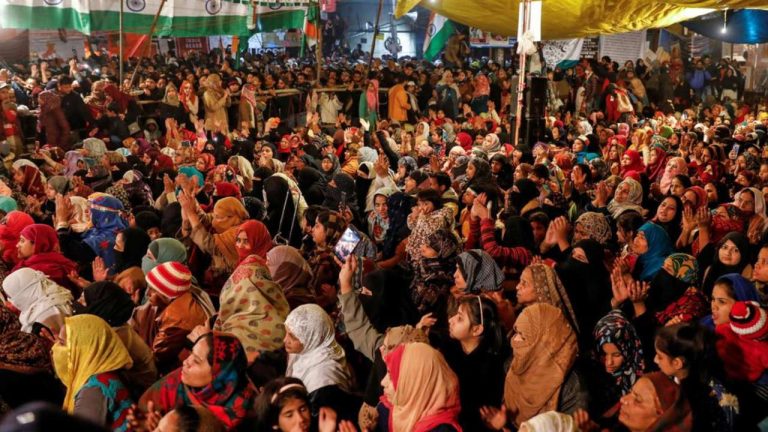
A case was registered against the accused Anwar for his WhatsApp status that read, “You shot a bullet in Delhi, we made MP and Shajapur Shaheen Bagh (NO CAA NRC).” He was arrested on July 2, 2020 and has been in detention since then. 

The state had argued that the WhatsApp status was prejudicial to maintaining peace and harmony in the society and was religiously charged.

In July, a case was registered against Anwar under Sections 505 (2) and 188 of the Indian Penal Code. Thereafter, he was arrested and a chargesheet was also filed by the police in the case after due investigation.

The High Court granted bail to the accused after he promised before the Court that he will not commit any such act that would affect national identity and integrity and will submit an undertaking regarding this before the subordinate court.

The anti-Hindu Delhi Riots that followed the protests against CAA and NRC

On the 24th and 25th of February, the national capital saw massive riots that were planned and executed by Islamists and the Left organisations, targeting Hindus.

It is important to note here that former AAP councillor Tahir Hussain is accused of being the mastermind behind the entire Anti-Hindu riots and Anti-CAA riots in the national capital. He has been charge-sheeted and accused of murder and orchestrating the riots. He has been accused of leading a mob to godown and setting it on fire. 

The Delhi Police charge-sheet also states that the IB officer Ankit Sharma was specifically targeted by the mob led by AAP leader Tahir Hussain. He is also accused of masterminding the Delhi riots and funding the violence in Chand Bagh. AAP MLA Amanatullah Khan has consistently defended Hussain and alleged that he is being ‘targeted’’ for being a Muslim. Khan himself is also accused of inciting the violence in Delhi on 15th December 2019 amid the anti-CAA protests.