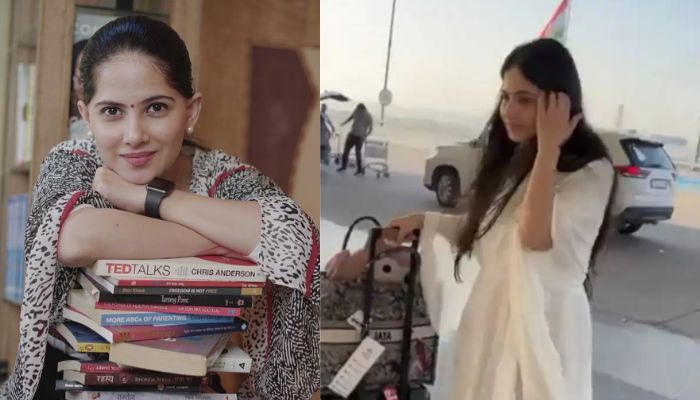
A video showing spiritual orator and motivational speaker Jaya Kishori carrying a custom Dior “Book Tote” at an airport recently went viral. In no time, netizens started raising several questions including her stand on material possessions and alleged use of leather in making the Dior bag.
Addressing the controversy around using leather bags, Jaya Kishori said, “The bag is a customised piece. There is no leather in it, and the customization means it can be made according to personal wishes. My name is also engraved on it. I have never used leather, nor will I ever. Those who have come to my ‘Katha’ know very well that I never say that everything is ‘moh maya’, don’t earn money or renounce everything.”
#WATCH | Kolkata: On the controversy over carrying an expensive handbag, Spiritual orator Jaya Kishori says, "The bag is a customised bag. There is no leather in it and customised means that you can get it made as per your wish. That is why my name is also written on it. I have… pic.twitter.com/TCRlumJ2R4
Speaking about the social media criticism and questions being raised over her credibility as a spiritual orator since spiritual leaders usually encourage detachment from material possessions, Jaya Kishori said, “I am a normal girl, I live in a normal house, I live with my family… I tell the same thing to the youth that you should work hard, earn money, give yourself a good life, give your family a good life, and fulfill your dreams.”
Kishori responded to the torrent of social media posts condemning her by saying, “I have not renounced anything, so how can I advise you to do so? I’ve been clear from the beginning that I’m not a saint, sadhu, or sadhvi.”
Before the Dior bag controversy, a video of Jaya Kishori saying that she likes to possess the latest models of Apple iPhone, had also triggered similar criticism around spiritual orators preaching detachment from the material world to their followers while enjoying the same in their personal lives. Notably, Kishori has a large following on social media, having over 12.3 million Instagram followers alone.
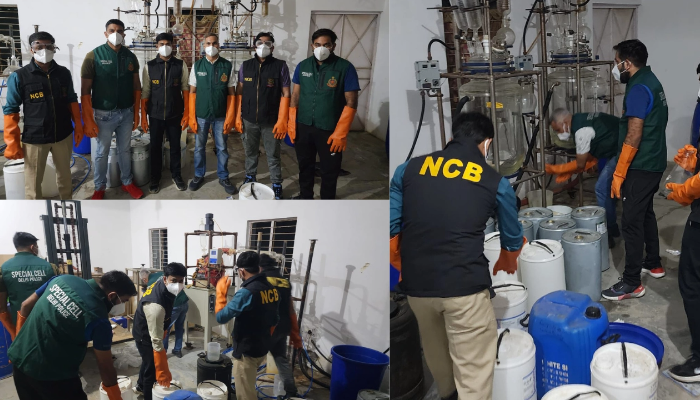
The Delhi police special cell and the Narcotics Control Bureau (NCB) have worked together to bust a large narcotics cartel in Greater Noida, Uttar Pradesh. The authorities confiscated around 95 kg of both liquid and solid methamphetamine valued at hundreds of crores, as well as arrested four people.
The operation was prompted by a tip that a laboratory was being set up in the National Capital Region (NCR) to produce synthetic narcotics, such as methamphetamine, for domestic use and export to other nations. The drugs were found on 25th October when detectives searched a factory in the Kasana Industrial Area of the Gautam Buddha Nagar district.
According to officials, this case also involves members of the Mexican drug cartel known as CJNG (De Jalisco Nueva Generacion), which is among the most wanted list of the United States Drugs Enforcement Administration (DEA). A Delhi-based businessman and a Tihar Jail warden, who were both inside the plant during the search, were key players in setting up the illicit operation, according to the preliminary investigation.
The businessman reportedly imported the equipment and obtained the chemicals needed to manufacture methamphetamine from multiple sources. He had previously been arrested in an NDPS case by the Department of Revenue Intelligence (DRI) and had been imprisoned in Tihar jail. He met the warden, who later became his collaborator.
In addition to them, a pharmacist from Mumbai was hired to produce the drug and a Delhi-based member of a Mexican gang evaluated the drug’s quality. According to the information, on 27th October, all four individuals were brought before a magistrate after being taken into custody by the NCB. The accused have been placed under police detention for a period of three days. As a follow-up measure, a key syndicate member and close associate of a Delhi-based businessman was arrested in Delhi’s Rajouri Garden neighbourhood and will be presented to the relevant court.
Acetone, sodium hydroxide, methylene chloride, premium quality ethanol, toluene, red phosphorous, ethyl acetate, and other chemicals were discovered by officials within the laboratory. Furthermore, they discovered foreign equipment utilized in the production of the drugs. The agencies are currently looking into all of the links and individuals connected to the four people who were arrested. Additionally, their assets and financial history from illegal narcotics trafficking are being investigated. It is believed that the drug mafia is increasingly establishing these covert labs in industrial districts due to the low cost of producing synthetic narcotics like methamphetamine and mephedrone in these areas.
They do this to stay under the radar and prevent local law enforcement authorities from receiving excessive alerts due to the movement of equipment and materials, laboratory waste, and hazardous fumes released from chimneys during chemical processing.
The situation in Bahraich, Uttar Pradesh, which has been tense since the murder of Hindu devotee Ram Gopal Mishra by an Islamist mob on 13th October, is stabilising. However, police are still stationed on roads leading to the home of the victim. The state government has issued demolition notices for several houses where residents were involved in the violence against Durga Puja Visarjan, and in shops located in Maharajganj Bazaar, but these orders have been stayed by the court.
The OpIndia team visited these shops and houses where the notices were posted. Inside, numerous posters displayed religious messages on the walls. Local Hindus describe this market as the centre of Islamic activities in the area, stating they have seen unknown and suspicious outsiders, including Maulanas and Maulvis, visiting Maharajganj Bazaar.
Shops in Mosque Campus Displaying ‘Sher-e-Khuda Ali Maula’
Some of the shops that received notices are located within the mosque campus, accessible through a small gate with shops on both sides, including bike repair, medical, and grocery stores. Most of these shops are currently vacant.
Source: OpIndia Hindi
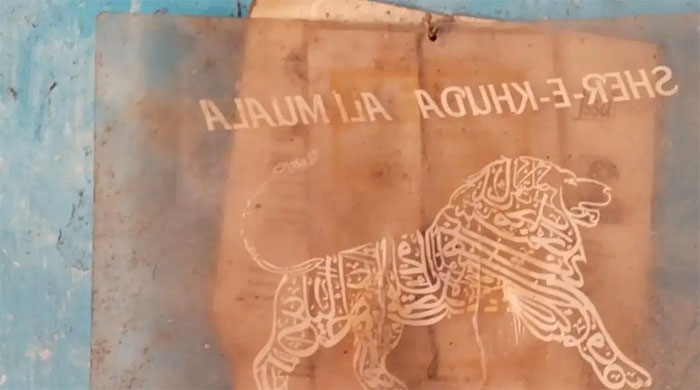
In one shop, Arabic words were stylised to resemble a lion’s face, with the phrase “Sher-e-Khuda Ali Maula” (“Lion of Allah Ali Maula”) in Arabic. Below this, there was additional Arabic text, though its translation remains unclear. This shop belonged to a man named Meraj, son of Mukarram Ali.
Signs of Jannati Auratein
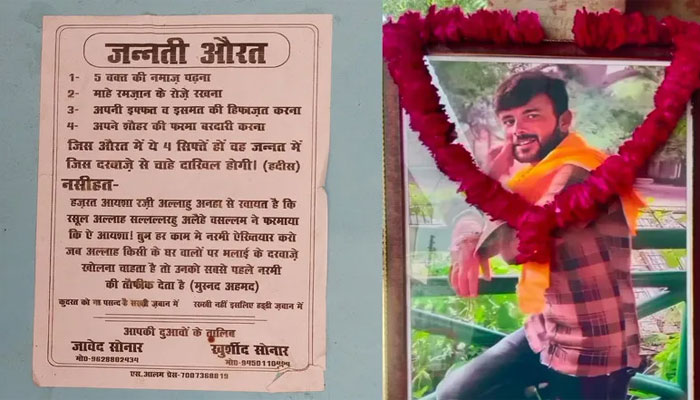
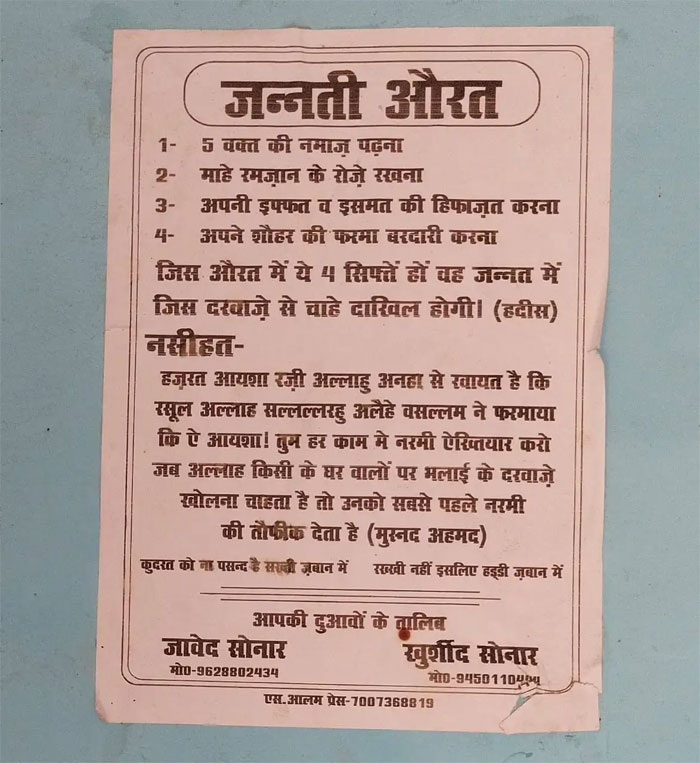
In another property that received a government notice, a poster outlined qualities for women who, according to Islam, are destined for heaven. The poster, printed by S. Alam’s printing press and endorsed by Khurshid and Javed Sonal, states that women following these principles may enter heaven through any gate.
Source: OpIndia Hindi
According to the poster, only Muslim women who pray five times daily, fast during Ramadan, safeguard their chastity and modesty, and obey their husbands can attain heaven. The poster cites Musnad Ahmed for guidance and includes a poetic line: “Nature dislikes harshness in speech, which is why the tongue has no bone.” The house also promoted an event, “Urs Hashmati and Razvi,” led by “Akram Bhai,” scheduled for 9th September last year in Bareilly and Pilibhit, with bus departure times listed.
Advice for Sunni, Hanafi, and Barelvi Muslims
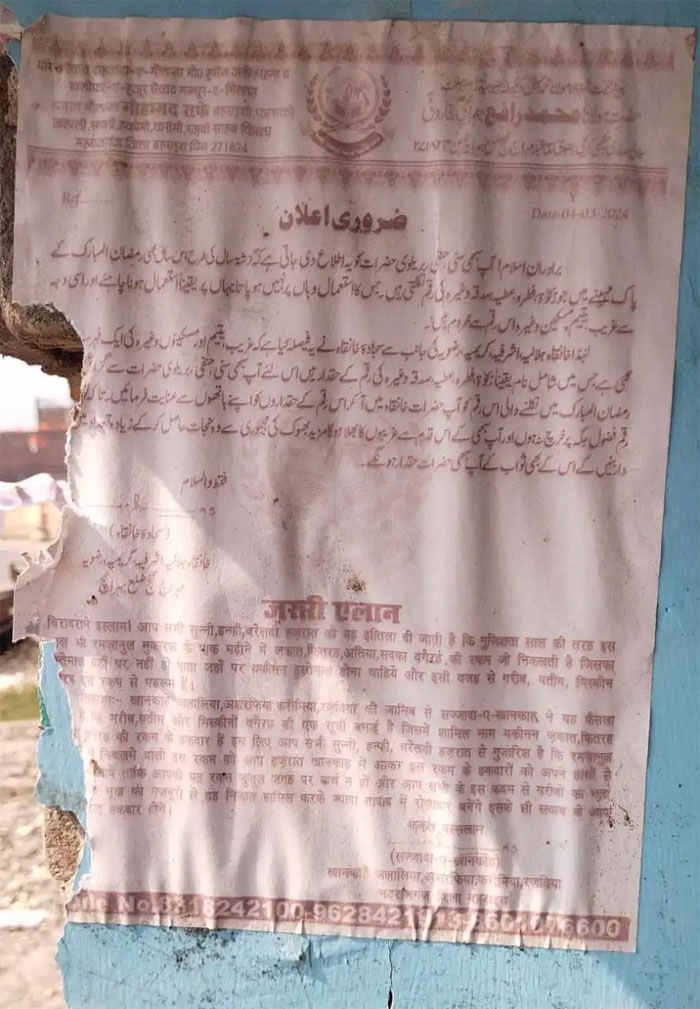
In other houses, posters issued by Maulana Rafi Mohammed Bahraichi provided advice to Sunni, Hanafi, and Barelvi Muslims while dismissing the Deobandi ideology. Labelled as an essential announcement, the poster warned that funds collected through zakat, fitrah, atiyah, and sadqah are not being used properly.
Source: OpIndia Hindi
The poster appeals for zakat and similar donations to be directed to a place named Hazrat Khanqah, located in Jalaliya Ashrafiya Karimiyya Razviya in Maharajganj Bazaar, and includes several contact numbers. A religious book is printed as a logo at the top, though the printing press name is absent.
Maharajganj as the Centre of Islamic Activities
OpIndia spoke to Maruti Nandan Tripathi, an eyewitness to the violence, who described Maharajganj Bazaar as the hub of Islamic activities in the surrounding area. From here, gatherings, Urs events, speeches, and processions within a 10-kilometre radius are coordinated.
According to Tripathi, details such as the number of participants, music for DJs, and other arrangements are decided in Maharajganj. Other Hindu victims also noted that unknown Maulvis and Maulanas frequently visit Maharajganj.
This report was first published in OpIndia Hindi. It can be checked here.
Neutrality is one of the basic principles of journalism. Especially true for publications in countries that issue sermons to everyone in the world on principles of democracy and freedom of speech. The second-largest democracy, the United States, however, is witnessing its liberals going bonkers against billionaire Jeff Bezos-owned The Washington Post, which has traditionally been endorsing the Democrat candidates in presidential elections but decided to discontinue this tradition and stay neutral this time.
The anger over Jeff Bezos’s decision to block an endorsement of the presidential candidate Kamala Harris has reached its pinnacle with more than 2 lakh people cancelling their online subscription to The Washington Post. This number accounts for about 8% of the paper’s paid circulation of approximately 2.5 million subscribers, including print.
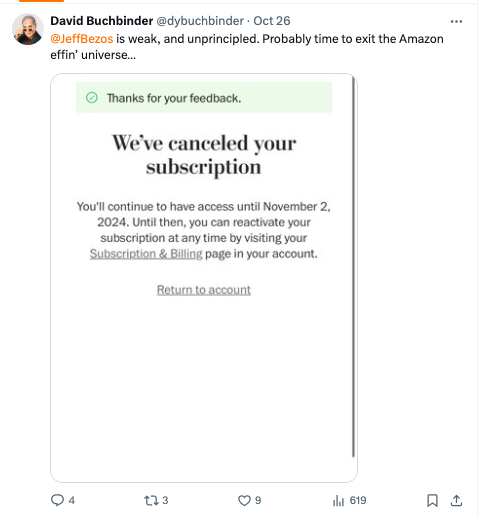
An X user David Buchbinder cancelled his WaPo subscription and said: “@JeffBezos is weak, and unprincipled. Probably time to exit the Amazon effin’ universe…”
Another Democrat supporter said: “Bezos made a huge mistake morally. Financially it’s doubtful that he will suffer. But he is deplorable none the less.”
— Nicolette Resisting Trump Since 2015? (@IVLoveForever) October 26, 2024
Renowned author Stephan King also announced the cancellation of his WaPo subscription as he said: “After 5 years, I have canceled my subscription to the Washington Post.”
After 5 years, I have canceled my subscription to the Washington Post.
Besides, the mass subscription cancellation, several journalists at The Washington Post have also registered their ‘protest’ against the paper’s sudden decision to shun its pro-democrat bias. David E. Hoffman, a Pulitzer Prize-winning contributing editor, and Molly Roberts, an editorial writer who covers technology and society, have resigned from the newspaper’s editorial board.
In a letter to David Shipley, editorial page editor, Hoffman said: “Under our watch at The Post, no one would be lost in silence. Until Friday, I assumed we would apply the same values and principles to an editorial endorsement of Vice President Kamala Harris. I believe we face a very real threat of autocracy in the candidacy of Donald Trump. I find it untenable and unconscionable that we have lost our voice at this perilous moment.”
Meanwhile, Molly Roberts took to X to express here resentment over Jeff Bezos’s decision and said: “To be clear, the decision not to endorse the election was not the editorial board’s. It was (you can read the reporting) Jeff Bezos’s. By registering my dissent, I don’t intent to impugn the conduct of my colleagues, all of whom were put in nearly impossible positions.”
“…because the imperative to endorse Kamala Harris over Donald Trump is about as morally clear as it gets. Worse, our silence is exactly what Donald Trump wants: for the media, for us, to keep quiet,” Roberts added in her statement.
The sheer discontent of these ‘journalists’ over their publication though suddenly but finally waking up to uphold journalistic ethics and shun bias, demonstrates how The Washington Post has over the years been a propaganda machine for the Democrats, all while pretending to be progressive and liberal.
Meanwhile, over a dozen of WaPo columnists including Eugene Robinson have issued a joint statement loathing WaPo discontinuing presidential candidate endorsement not only for this but all future presidential elections. They called the decision a “terrible mistake”.
“…It represents an abandonment of the fundamental editorial convictions of the newspaper that we love. This is a moment for the institution to be making clear its commitment to democratic values, the rule of law and international alliances, and the threat that Donald Trump poses to them — the precise points The Post made in endorsing Trump’s opponents in 2016 and 2020. There is no contradiction between The Post’s important role as an independent newspaper and its practice of making political endorsements, both as a matter of guidance to readers and as a statement of core beliefs. That has never been more true than in the current campaign. An independent newspaper might someday choose to back away from making presidential endorsements. But this isn’t the right moment, when one candidate is advocating positions that directly threaten freedom of the press and the values of the Constitution,” the statement reads.
A noticeable aspect in the meltdown of The Washington Post ‘journalists’ is how blatantly the WaPo reporters and columnists are exposing their lack of journalistic ethics in the garb of taking a stand for ‘democratic values’, ‘moral’ imperative, and serving the self-proclaimed ‘higher purpose’ of stopping Republican presidential candidate Donald Trump. Journalists are expected to stick to the principles of objectivity and impartiality as well as hold all governments accountable for their actions and policies rather than advocating for politicians or their parties. However, these WaPo ‘journalists’ prioritising political allegiance over journalistic integrity demonstrates that under the pretext of being an ‘independent’ news outlet, WaPo has been running as no less than a propaganda arsenal of the Democratic Party.
OpIndia has time and again exposed The Washington Post’s biased reportage, particularly, in the Indian context. While the outraged WaPo journalists are talking about preserving democratic values, the publication was recently accused of colluding with the Liberal Party government in Canada to further its mendacious anti-India narrative. While there are numerous incidents wherein WaPo indulged in biased reporting and peddling propaganda, the very fact that it platforms Rana Ayyub, a donation fraud accused and a known anti-Modi detractor, makes it clear why the credibility of The Washington Post has tanked.
Jeff Bezos defends decision to discontinue presidential endorsements amidst depleting subscriber base and staff resignations
Amidst the continuous fall in subscription count of The Washington Post, Amazon founder and WaPo owner Jeff Bezos penned an opinion piece defending his decision to go neutral in this and future presidential elections in the US. In the article titled The hard truth: Americans don’t trust the news media, Bezos argued that endorsements have no practical impact and that doing so adds only to the perception that the US’s mainstream media is unreliable.
Admitting that the credibility of WaPo and the legacy media in general is continuously falling, Bezos said that a “victim mentality” will not help. “We must be accurate, and we must be believed to be accurate. It’s a bitter pill to swallow, but we are failing on the second requirement. Most people believe the media is biased. Anyone who doesn’t see this is paying scant attention to reality, and those who fight reality lose. Reality is an undefeated champion. It would be easy to blame others for our long and continuing fall in credibility (and, therefore, decline in impact), but a victim mentality will not help. Complaining is not a strategy. We must work harder to control what we can control to increase our credibility.”
Addressing the questions over the timing of the decision to stop presidential endorsements altogether, Bezos said, “By itself, declining to endorse presidential candidates is not enough to move us very far up the trust scale, but it’s a meaningful step in the right direction. I wish we had made the change earlier than we did, in a moment further from the election and the emotions around it. That was inadequate planning, and not some intentional strategy.”
He further clarified that “no quid pro quo of any kind is at work here. Neither campaign nor candidate was consulted or informed at any level or in any way about this decision.”
Bezos added that David Limp, the CEO of one of his companies Blue Origin met Donald Trump on the day of the announcement of blocking Kamala Harris’s endorsement, however, the meeting with Trump was quickly scheduled one and no one including Limp and Bezos knew about it, he added.
Democracy dies in darkness when newspapers stop being stooges of Democrats?
While Jeff Bezos has finally decided not to leave The Washington Post on “autopilot” mode and let it fade into irrelevance, all these years on autopilot mode, WaPo has lost credibility by roping in absolutely biased propagandists masquerading as journalists, the so-called American right-wing has already lost any faith left in the legacy media including WaPo, the publication is now facing wrath of its own loyal support base for finally deciding not to be a democrat/liberal mouthpiece but actually become unbiased and credible news outlet.
Liberals, not just in the US, but across the world share this trait, they talk about democratic values and press freedom, liberty and whatnot but only till they control the things, do they reveal their true ‘fascist’ character in the face of slight deviance by anyone from their established and control ‘system’. Only liberals and wokes can loathe the media for being unbiased or at least trying to become impartial. For this lot, fearless reporting, bringing out the truth and holding government leaders accountable etc is only commendable when the media is questioning and targeting the ‘right-wing’ or the conservatives, however, even the quest to take a neutral stand and not even going explicitly against the liberals triggers massive outrage and hatred against anyone including one of their own.
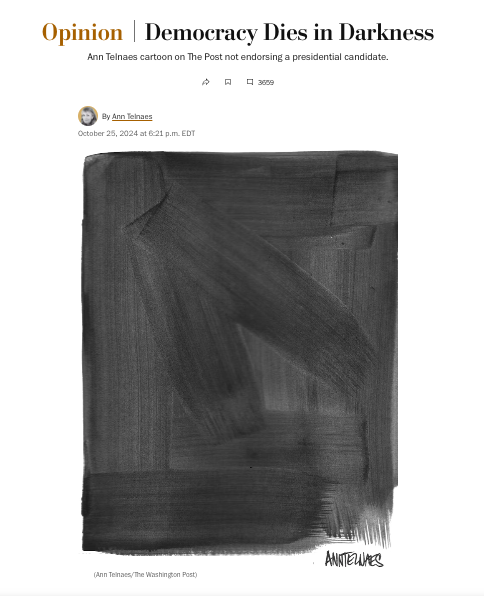
Even WaPo’s cartoon team (no pun intended) is mocking Bezos’s decision to restore neutrality in the newspaper as its illustrator Ann Telnaes created a gloomy, formless graphic that is evidently designed to mock the “Democracy Dies in Darkness” slogan that the outlet adopted during Bezos’s ownership. Clearly, democracy dies in darkness when a newspaper deviates from being a supporter of a liberal party but democracy thrives when the same news outlet endorses the democrat leader and eulogies to the Democratic Party.
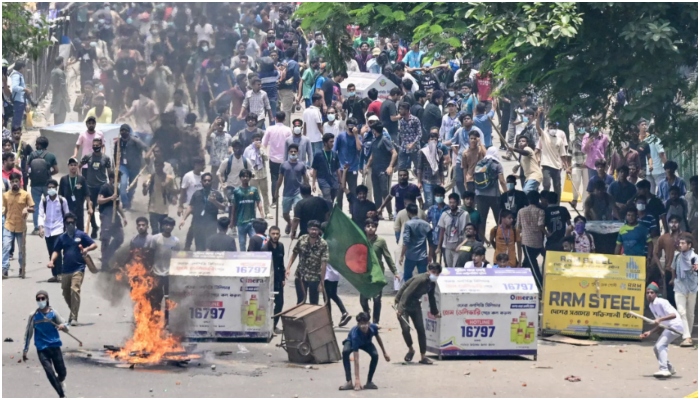
In a concerning update to the protests that happened in Bangladesh leading to the fall of the Sheikh Hasina government, the current interim government has provided broad immunity to supposed ‘student protests’ who unleashed mayhem.
As per the reports, the new government has issued an order exempting ‘demonstrators’ from punishment for acts committed between July 15th and August 8th.
This move has created controversy, with many believing it undermines responsibility for violent acts executed during the period of instability.
There have also been calls for clarification on the scope of the immunity ruling, with fears that it may shield persons involved in major crimes.
Hundreds were killed in the ‘student-led’ movement that deposed Bangladesh’s leader Sheikh Hasina, but those affected by the violence fear that the new authorities’ pledge of justice will not include them.
“A new journey toward a nondiscriminatory Bangladesh has begun with the fall of an autocratic and fascist government. Students and citizens who put forth all efforts to make this uprising successful will not face prosecution, arrest, or harassment for their acts between July 15 and August 8,” the official statement by the Home Ministry read.
It is important to note that the minority community in Bangladesh consisting of the Hindus, Muslim Ahmadiya Sufi sect, Buddhists, and Christians have faced brutal attacks after the fall of the Sheikh Hasina government.
On 5th August, former Prime Minister of Bangladesh, Sheikh Hasina, resigned from her post and fled the country amidst violent protests that were allegedly led by the students.
Following her exit, the Bangladeshi Army took over and soon an interim government under Muhammed Yunus took charge of the country. Meanwhile, Bangladeshi Hindus started to get targeted by Islamists across the country.
Initially, the Bangladeshi daily The Daily Star reported that Hindus were attacked in at least 27 districts spread to 40+ districts over time.
OpIndia has been consistently reporting attacks on Hindus in Bangladesh despite the vicious propaganda to prove that Hindus have been safe in the neighbouring country.
Notably, attacks on Hindus in Bangladesh were not uncommon and there have been several reports where Hindus, their temples, and shops have been targeted in the country.
Islamists burnt Hindu homes, they targeted Hindu temples across the country. The Islamists also targeted Hindu women and murdered minority community people after the fall of the Hasina-led government.
Initially, 54 such targeted attacks were reported. Later several such attacks on minorities at the hands of Islamists continued to happen. Details of these attacks can be read here.
— Voice of Bangladeshi Hindus ?? (@VHindus71) August 5, 2024
Notably, Muslim Ahmadiya Sufi sects were also targeted, their people were attacked and their homes were burned to ashes. While these attacks happened, the police there blamed the ‘student’ protestors and forced more than 700 people to go into hiding to save their lives. The political turmoil in Bangladesh also cost the lives of around 46 officers who were lynched by the Islamist mob. Despite this, the police instead of taking action against the protestors became busy investigating the old regime, and dozens of Hasina’s allies have to date been arrested. An arrest warrant against Hasina has also been issued while the woman continues to stay in hiding.
Recently, Muhammad Yunus, the Chief Advisor to the interim government in Bangladesh talked about the onslaught against the Hindus in Bangladesh and said that the events were ‘exaggerated’. Yunus said that the violence against Hindu minorities was not communal, but a ‘result of Hindus becoming synonymous with the deposed Awami League in the eyes of the attackers.’
Yunus further tried to contextualize the Islamist violence against the Hindu minority saying that he had told Prime Minister Narendra Modi that there were several ‘dimensions’ to the issue. “I have said this to Modi also that this is exaggerated. This issue has several dimensions. When the country went through an upheaval following the atrocities by (Sheikh) Hasina and the Awami League, those who were with them also faced attacks,” Yunus was quoted as saying.
Here's what Muhammad Yunus, the head of Bangladesh's interim government, told PTI on Hasina fleeing to India and other related topics, including India-Bangladesh ties. (n/7)#MuhammadYunusSpeaksToPTIpic.twitter.com/ooJLNkDQAl
He completely whitewashed the attacks on Hindus and further advised the latter to not identify themselves as Hindus but as Bangladeshis to stay safe. What protection would a leader give to the persecuted Bangladeshi Hindus when he is advising them to hide their religious identity and simply identify as Bangladeshi citizens? Why can’t Hindus of Bangladesh identify themselves as Hindu citizens of Bangladesh, still be safe, and lead a dignified life, if at all the ongoing anti-Hindu violence is ‘political’ in nature and not communal?
Instead of acting tough on the Islamists, Yunus wants Hindus to disassociate themselves from their Hindu religious identity. By downplaying the religious motivation behind the anti-Hindu violence and calling such incidents ‘exaggerated’, Yunus blatantly supports the violence while pretending to be a ‘savior’.
Muhammad Yunus should answer if the violence against Hindus was politically driven why were Hindu temples attacked, why the idols of Hindu deities smashed, and why Jamat-e-Islami prepared a list of Hindu houses to single them out and attack. While it is true that several Muslim leaders of the Awami League were also attacked and lynched, the Islamists did not destroy any mosques as ‘political revenge’, why only temples? Notably, some Sufi dargahs were said to have been vandalised, however, it also proves the point that the violent mob was driven by Islamic extremism which is fundamentally intolerant towards any perceived form of idol worship.
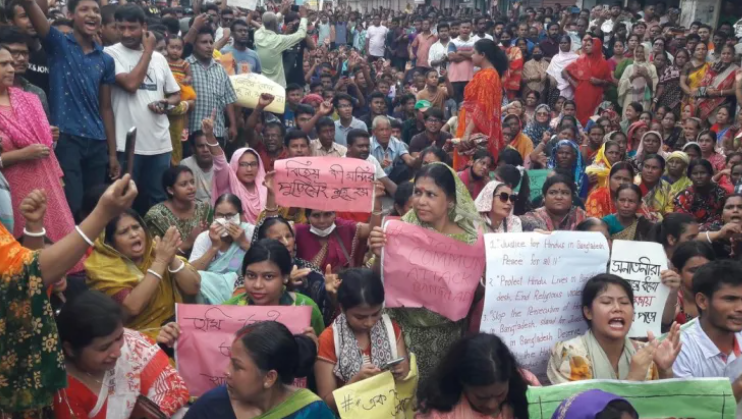
Reportedly, following the attacks, Hindus came down to the streets to protest against the atrocities. Protests erupted in Shahbag in Dhaka, Shariatpur, Chittagong, Barishal, Dinajpur, Mymensingh, and other places, demanding protection of religious minorities in the country that is soon becoming an Islamic fundamentalist state under the interim govt.
Protests by Bangladeshi Hindus
The Hindus demanded the formation of a ministry for minority communities, the establishment of a minority protection commission, formation and implementation of strict laws to prevent all kinds of attacks on minorities. The protesting Hindus also called for allocating 10 percent of seats in the national parliament for minorities.
Hindus in Bangladesh have not only been attacked after Hasina’s government fall but minorities have been targeted for decades. Recently, the Hindus were also targeted during the Durga Puja celebrations. Several Hindu idols were vandalized, and processions were attacked leading to a rise in communal tensions in the country.
The current interim government is just pretending to be standing behind the minorities, but in reality, it supports activities that result in massive suffering of the minority communities in Bangladesh. The current decision by the state to not penalize the protestors by granting an immunity shield to the protest participants is just another instance that exposes the interim government against the Hindus.
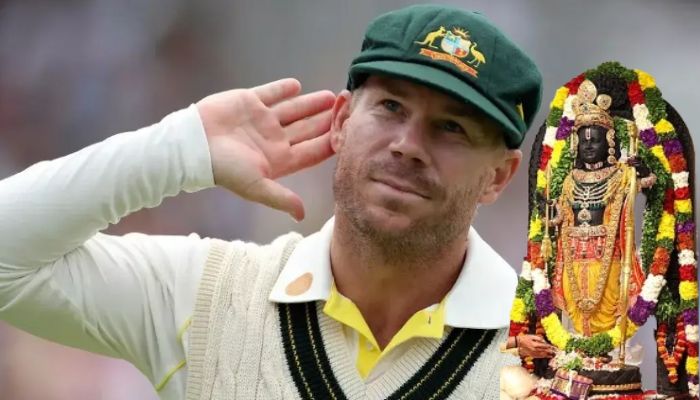
Former Australian captain Tim Paine revealed that former opener David Warner was not serious and barely joking as he offered to come out of retirement from international cricket to help Australia end their hunt for an opener ahead of the highly-anticipated Border-Gavaskar Trophy series against India.
Days back, Warner had offered to come back to the international cricket if Australia could not find the right opening partner for Usman Khawaja due to Steve Smith sliding down to number four after mixed performances as an opener and all-rounder Cameron Green being out of the Test summer due to a back injury. But Paine, now speaking to SEN, suggested that Warner was just joking around and even had remarked “I got them good” in a conversation with the former Aussie wicketkeeper.
“He was not dead serious, that is Davey. How do I know? Because I spoke to him, that is how. Is that good enough for the people?,” said Paine to SEN.
“He said, ‘I got them good, haha’. Of course, that’s Davey’s thing. People say, ‘You’re not serious’, I am dead serious, but he is not (about returning to cricket),” he concluded.
Warner retired from international cricket after Australia’s Super Eight exit in the ICC T20 World Cup tournament this year in West Indies and USA.
In 112 Tests for Australia, Warner scored 8,786 runs at an average of 44.59, with 26 centuries and 37 fifties in 205 innings. His best score is 335*. He is the fifth-highest run-getter for Australia in Tests.
Playing 161 ODIs, Warner scored 6,932 runs at an average of 45.30 and a strike rate of above 97, making 22 centuries and 33 fifties in 159 innings. His best score is 179. He is the sixth-highest run-getter in ODIs for Australia.
Warner is Australia’s highest run-getter in T20Is, scoring 3,277 runs in 110 matches at an average of 33.43 and a strike rate of 142.47. He scored a century and 28 fifties, with the best score of 100*.
With 18,995 runs in 383 games, 49 centuries, 98 fifties, two ICC Cricket World Cup titles, one ICC T20 World Cup and ICC World Test Championship title each, Warner retired this year as Australia’s second-highest run-getter and one of the greatest all-format openers of all time.
Warner is a part of the teams which won the 2015 and 2023 ICC Cricket World Cup, the 2021 ICC T20 World Cup and the ICC World Test Championship 2023, making him a multi-time world champion.
Coming to the Border-Gavaskar Trophy, the first Test will take place at Perth from November 22 onwards.
(This news report is published from a syndicated feed. Except for the headline, the content has not been written or edited by OpIndia staff)
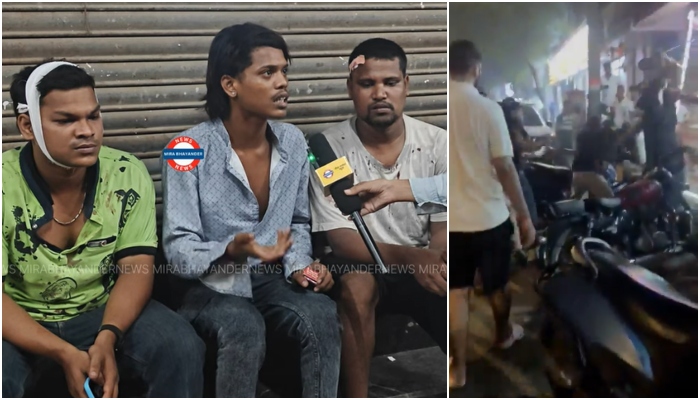
On 27th October, communal tensions erupted in the Mira Bhayander region of Mumbai as a group of persons allegedly belonging to the specific community attacked Hindus for bursting firecrackers while celebrating the Hindu festival of Diwali. The accused persons allegedly attacked around 10-12 Hindus with sharp weapons resulting in serious injuries.
The video of the incident is making rounds on social media in which more than a dozen of the alleged accused persons can be seen attacking the Hindus for bursting firecrackers and celebrating Diwali. Thane Police has taken cognizance of the incident confirming that the attack happened. However, no details about the accused persons or action taken against them could be obtained on contact.
In another video specifically obtained by OpIndia, one of the victims narrated the entire incident and claimed that the attackers belonged to the Muslim community. The victim said that the Muslims attacked using sharp weapons as they saw Hindus bursting firecrackers and celebrating Diwali.
Pls contact to Mira Bhayandar Vasai Virar police commissionerate control room for further action. You can contact them on 022-29452135 Whatsapp no 8657936942 this helpline no. regarding this.
— Thane City Police -ठाणे शहर पोलीस (@ThaneCityPolice) October 29, 2024
The victim also stated that the Muslims brutally abused the Hindus before assaulting them resulting in severe injuries. The video of the persons allegedly belonging to the specific community attacking the Hindus is making rounds on social media.
Further while talking to the local news media, three victims who could be seen seriously injured stated that one of the accused named Imran led the attack and also abused them. “I was bursting a firecracker on the road when one of the Muslims got offended and asked me to stop the activity. Later he, whom I don’t identify began abusing me claiming that firecrackers were hurting him. I politely asked him to stop abusing but then he began beating me. He called some of his associates including his brother Imran who began brutally assaulting me. Then I called my friends and brother for help but they too were brutally beaten,” the victim could be heard saying.
As per the Hindu victims, the accused persons used ice-breaker weapons and glass bottles to attack them. Around 5 victims had to be immediately shifted to the hospital and were released after proper treatment. Meanwhile, several Hindus gathered at the spot and at the Navghar Police Station to protest against the incident. The Hindus raised slogans and demanded strict punishment against the accused persons. However, the police are believed to have filed a complaint in the case, which was not accessible during this report’s writing given the case’s sensitivity.
The victim while talking to the local media stated that they had called the police for help when they were being attacked at the hands of alleged Muslims. But the police reached the spot after the brutal attack stopped. Later the police detained several Hindus and took them to the police station. After verifying the statements and injuries, a written complaint was filed.
OpIndia contacted the Navghar Police Station to seek crucial details in the case but the calls remained unanswered. However, the Thane Police and the Mira Bhayander Vasai-Virar Commissionerate confirmed the incident and stated that the complaint in the case had been registered. Further details in the case remain awaited. The report will be updated once more details are obtained.
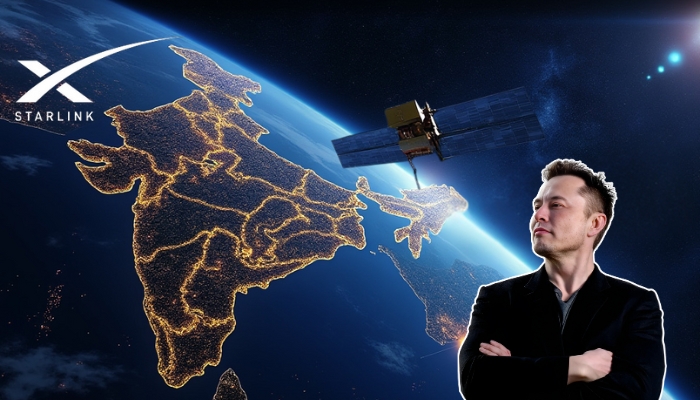
Elon Musk’s satellite internet service, Starlink, is trying to launch in India. However, the Starlink’s India entry has raised a set of complex geopolitical, technological, and economic questions for the telecommunications sector in the country. Recently, the Government of India decided to offer spectrum allocation via an administrative pathway instead of opting for an auction.
The decision came after Elon Musk raised objections over the auction format. The government’s decision was met with mixed reactions from local operators, with some expressing displeasure over it. The emergence of Starlink in India may have a transformative impact on connectivity, especially in remote and rural regions. However, there are concerns that it could disrupt the existing telco landscape of the country.
Furthermore, there are speculations that Starlink’s pricing may not be affordable to the majority of consumers. If this is the case, the initiative may be limited to a select group of people who can pay a higher price for internet in India. Currently, high-speed internet with a minimum speed of 100 Mbps is available for only Rs 600 excluding taxes in India. Anything higher may not attract consumers to Starlink unless no other connectivity option is available.
What is Starlink?
Starlink is a satellite internet constellation operated by SpaceX, a company owned by Elon Musk. Starlink is different from conventional broadband, which relies on underground cables and cell towers. Starlink uses low Earth orbit (LEO) satellites to provide high-speed internet directly from space. According to its website, each LEO satellite orbits closer to Earth, offering faster speeds and lower latency than traditional geostationary satellites used in earlier satellite broadband models. Starlink’s technology aims to serve hard-to-reach or underserved areas, potentially providing reliable internet on a remote island, a mountain, or even while travelling at high altitudes.
To access the internet using Starlink, consumers will need to buy a basic kit that includes a satellite dish and router. Once installed, the dish will connect to the Starlink satellite network and distribute the internet through the Wi-Fi router.
Impact on India’s existing internet services
Fundamentally, Starlink’s entry into the Indian telecom sector with its high-speed satellite internet has the potential to reshape the dynamics of internet services in the country. Major telecom providers, including Reliance Jio and Bharti Airtel, have heavily invested in 5G infrastructure and are pushing fixed wireless access (FWA) services across cities and towns. According to Indian telecom companies, satellite internet, which also provides broadband services, should be subject to the same spectrum allocation process as terrestrial broadband.
In the current system in India, terrestrial broadband providers pay substantial amounts in competitive auctions for spectrum rights. The expected cost would be significantly lower if Starlink receives spectrum allocation via an administrative route. Indian telecom sector players have raised concerns that Starlink may acquire spectrum at a lower cost, leading to lower service prices compared to current offerings, thereby raising fears of a non-level playing field.
Examples from African countries like Kenya should be considered in India’s context, where Starlink’s low-cost services pressured local telecom firms, sparking demands for foreign satellite providers to partner with local operators. Indian telecom leaders such as Sunil Mittal of Bharti Airtel and Mukesh Ambani of Reliance Jio have formed a rare alliance on this issue, both advocating for an auction-based approach to satellite spectrum allocation.
Notably, the economic stakes are very high for telecom companies, which have collectively paid over Rs 4.8 trillion for terrestrial spectrum over the past decade. These funds have helped extend 5G services nationwide. These operators contend that Starlink could threaten revenue, particularly in urban markets where Jio and Airtel see growth opportunities through FWA, powered by 5G.
A global satellite spectrum dilemma – Brazil and the ‘administrative’ allocation debate
It should be noted that the administrative allocation approach, particularly for shared spectrum over 7-8 GHz, is largely a standard worldwide practice. Several countries, including the United States, Mexico, and Brazil, have experimented with auctioning satellite spectrum. However, they found it difficult to price and implement an auction model for non-terrestrial allocations. Brazil’s experience sheds light on the risks of regulatory conflict in the satellite internet sector.
In Brazil, Musk’s Starlink project became embroiled in conflict with President Lula da Silva’s government regarding Starlink’s role in providing internet for remote regions within the Amazon, where the service was accused of facilitating illegal mining activities by its users. This controversy highlighted the potential socio-political and environmental consequences of high-reach satellite internet, underscoring the challenges of managing foreign-owned, high-capacity internet providers within national borders.
The competitive landscape – India’s need for Starlink or local innovation?
While it is essential to consider what Starlink has to offer and its potential impact on the Indian telecom industry, the crucial question remains: does India need Starlink, or can local providers bridge the connectivity gap? In recent years, the digital divide has significantly narrowed. Over 96% of India’s villages are already covered by 4G or 5G mobile broadband services, with the remaining unconnected areas targeted for coverage through public funding and state-led initiatives. This achievement reflects the role of India’s Universal Service Obligation (USO) fund and government efforts to bring mobile internet to even the remotest parts of the country.
However, as many industry experts have observed, India’s connectivity issue is no longer a matter of geographical reach but of affordability and digital literacy. While urban India races toward 5G adoption, rural regions lag in device access, digital literacy, and use cases, which arguably pose more significant barriers to internet penetration than coverage alone.
Despite the gaps within the telecom sector, domestic providers in India, led by Jio and Airtel, have already amassed over three million fixed wireless access (FWA) subscribers across nearly 1,700 cities, a number expected to grow to 85-100 million by 2030.
The road ahead – balancing innovation, competition, and sovereignty
The ability of Musk’s Starlink to service the vast and varied geography of India appears advantageous. However, the decision to use an administrative allocation method for spectrum raises broader questions about balancing foreign competition with national interests. India has specific security concerns over data sovereignty and network control, prompting mandates for local data termination and strict KYC regulations for Starlink users. The telecom ministry’s current guidelines stipulate that data from Starlink’s satellites over Indian airspace must terminate in India, not on foreign shores, to prevent potential security risks.
Notably, the Ministry of Home Affairs is vetting the security issues that have delayed the decision to grant in-principle approval for Starlink to start its operations in India. The final licensing decision is expected soon, but it has been in “expecting soon” mode for a couple of years now.
If Starlink is permitted to launch, Musk’s promise of a high-speed satellite network could offer connectivity solutions in under-served regions. However, pricing challenges remain. Historically, Starlink’s monthly subscription costs and equipment fees have been far higher than those of Jio and Airtel. Recent reductions in Starlink’s prices in other countries, such as Kenya, indicate Musk’s awareness of the need for affordability in emerging markets. Attention will be on Starlink’s pricing to see if Musk truly intends to serve the unserved and marginalised, or if the company will target those who can afford to pay a premium for a monthly Starlink subscription.
Conclusion
The potential entry of Starlink into the Indian telecom market could be a pivotal moment in the geopolitics of digital connectivity. On one hand, Indian telecom companies have raised concerns about Starlink’s entry, citing fairness in spectrum allocation. On the other, the government seems to lean towards global norms of administrative allocation, citing shared high-frequency bands as impractical for auction-based pricing.
In the coming months, it will be determined if Elon Musk-owned Starlink will be able to enter India under competitive terms, potentially redefining rural and urban internet landscapes and testing India’s resolve in navigating the geopolitics of tech infrastructure and data sovereignty.
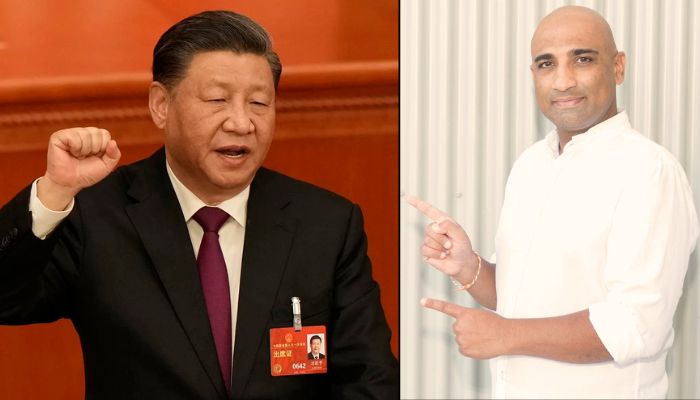
Amid ongoing diplomatic tension between India and Canada, a prominent ‘Liberal Party’ MP named Parm Bains has been publicly exposed as a Chinese Communist Party (CCP) collaborator.
Popular Canadian investigative journalist Sam Cooper made the revelations during a press conference on Monday (28th October).
He informed that journalists associated with a group dubbed ‘Canada Committee 100 Society’ had supported Parm Bains’s candidature for the 2021 federal elections.
Liberal MPs Parm Bains and Mary Ng, Liberal senator Yuen Pau Woo and Conservative Senator Victor Oh re named as collaborators with CCP-linked front groups by journalist Sam Copper. #ForeignInterference
“Bains had told these journalists he opposed Kenny Chiu’s foreign agent registry bill, describing it as an exclusionary policy,” Sam Cooper emphasised.
The ‘Canada Committee 100 Society’ is closely connected to the Chinese United Front Overseas Leaders Group, the Chinese government’s arm for overseas influence.
Liberal senator Yuen Pau Woo had a private meeting with members of the group (a recording of which was accessed by Sam Cooper) in 2020. Woo made it clear that he was against targeting Chinese groups peddling influence and interfering in Canadian elections.
Multiple Liberal Party leaders working as Chinese Communist Party collaborators
“He repeatedly filed submissions undermining Canadian intelligence and using Chinese intelligence talking points,” Sam Cooper pointed out.
“My confidence that he appeared to act for Beijing was bolstered by information from a person (Confidential Source 1), who confirmed that Senator Wu, appointed by Justin Trudeau, was under CSIS investigation,” he added.
The investigative journalist also informed that a staffer of Liberal Party MP Mary Ng met a ‘Chinese intelligence actor’ named Zhou Wei, a Toronto consulate diplomat.
Sam Cooper stated, “According to one source, we believe Zhou Wei worked with political staffers to provide information on meetings of elected officials and their whereabouts. We know staff have direction to report privately to the consulate on Mary Ng.”
Parm Bains alleged foreign interference by India in Canada
Liberal Party MP from Steveston—Richmond East constituency, Parm Bains, has been outed as a collaborator of the Chinese Communist Party along with 2 other party leaders.
Just a week ago, he was seen accusing Indian diplomats (without any hard evidence) of carrying out ‘foreign interference’ in Canada.
Bains claimed, “Last Monday, the RCMP made public their findings that the Indian government diplomats have been engaged in serious criminal activities in Canada.”
Through Canada’s national taskforce and other investigative efforts, the RCMP has obtained evidence that demonstrates Indian agents and government officials supported:
He further alleged, “They are covert, deceptive, illegal, and threaten all levels of government – the private sector, academia, diaspora communities, and the general public.”
Up to 30 arrests have already been made, and our public safety agencies will not stop working. We will not be intimidated, we will not be harassed, and we will have justice and answers for the flagrant disregard of Canadians, as well as international law,” the Liberal Party MP continued his rant.
Previously, he had claimed that a former Indian army official expressed ‘interest’ in spending $100 million to elect a Conservative government.
While Parm Bains had accused India of foreign interference, it is he who has been working for Chinese interests as an MP in Canada.
Chinese interference in Canadian elections
On November 7, 2022, Canadian media outlet Global News published an article alleging that the Canadian Security Intelligence Service (CSIS) had briefed Justin Trudeau about covert funding to 11 federal candidates in the 2019 elections.
“The Chinese Communist Party…is using all elements of state power to carry out activities that are a direct threat to our national security and sovereignty,” CSIS told Global News.
The news outlet further informed that the candidates who received funding from CCP belonged to both the ruling Liberal Party and the Opposition Conservative Party.
Screengrab of the article by Global News
Earlier in 2011, a Conservative MP named Bob Dechert came under the scanner over his relationship with a Xinhua News reporter, Shi Rong. A former Chinese spy Li Fengzhi informed that the “act of striking up a relationship with an elected official fits the modus operandi of Chinese spies”.
It is also believed that the interference of the Chinese deep State in the federal elections of 2021 led to the defeat of the Conservative camp. An analysis by Rapid Response Mechanism Canada found that CCP supporters floated conspiracy theories that Canada would cut all ties to China if Conservatives are elected to power.
In this way, it deterred several Canadians from voting for the party. Moreover, Conservative candidate Kenny Chiu, who had been critical of China’s policies and proposed a Foreign Influence Registry Act (to publicly identify those acting on foreign interests), became the target of a disinformation campaign.
After losing to Liberal Parm Bains by almost 3,000 votes, his defeat has 'raised the question of whether proxies for the People’s Republic government managed to influence the election,' writes @tomblackwellNPhttps://t.co/54RWSBpkyX
CCP bots created a narrative on Chinese social media platforms, namely, Weibo and WeChat, that Chiu is supposedly against China. This cost him his MP seat as half of the electorates in his constituency comprised of Chinese Canadians.
According to The Diplomat, the ‘China factor’ contributed to the defeat of the Conservative Party leader Chiu against Parm Bains. The Libera
“While the three major political parties mentioned standing up against authoritarianism and China in their campaign platforms, the Conservatives had more proposals against China,” The Diplomatreported.
“Those messages did not work well among suburban voters, particularly among voters of Chinese descent,” the news outlet added while highlighting plans of Conservative leader Erin O’Toole to sanction Chinese President, the chairman of the Standing Committee of the National Party Congress among many others.
This led to the loss of Conservatives in the Richmond Centre and Markham Unionville electoral districts, where people of Chinese descent constitute 60% of the population. Parm Bains, however, claims that he won ‘fair and square’ without the help of the CCP intelligentsia.
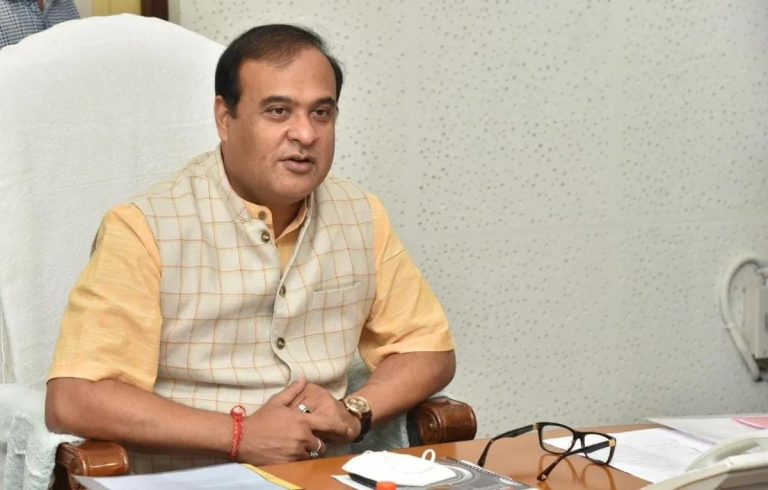
Assam CM and BJP co-in-charge of the Jharkhand election, Himanta Biswa Sarma on Monday accused the Hemant Soren led state government of letting “intruders” enter the state and said that the main priority is to throw out infiltrators from Santhal Paragana.
He stated that in the Santhal Pargana, the tribal population is decreasing and the Muslim population is increasing.
“…I ignite fire against infiltrators. Lord Hanuman had also set fire in Lanka. We have to set fire against infiltrators and make Jharkhand a golden land. In Santhal Pargana, the tribal population is decreasing and the Muslim population is increasing. Not every Muslim is an infiltrator but how is the population of Muslims increasing every 5 years? Is a family giving birth to 10-12 children? If families are not giving birth to so many children, then definitely people are coming from outside. This is simple mathematics. We will win the elections but that is not the main priority, it is to throw out infiltrators from Santhal Paragana and justice for women…,” he said.
Earlier, BJP MP Nishikant Dubey alleged that that neither the Congress nor the Jharkhand Mukti Morcha are concerned about the tribals due to vote bank politics.
He also said that Bangladeshi infiltrators are behind the 11 per cent rise in the Muslim population in Santhal Pargana and added that the Bharatiya Janata Party will not sit peacefully until Bangladeshi infiltrators are sent back.
Speaking to ANI, Nishikant Dubey said, “In 1951, the population of Muslims was 9 per cent, today it is 24 per cent. Throughout the country, Muslims have increased by 4 per cent and in our Santhal Pargana, it has increased by 15 per cent, these 11 per cent are Bangladeshi infiltrators and the government of Jharkhand is accepting this. Due to vote-bank politics, neither the Congress nor the Jharkhand Mukti Morcha are concerned about the tribals. Until Bangladeshi infiltrators are sent back, the Bharatiya Janata Party will not sit peacefully, this is not the issue of the election, this is the national issue.”
Elections are being held on 81 seats of the Jharkhand assembly in two phases on November 13 and November 20. A total of 2.60 crore voters are eligible to cast votes in Jharkhand and there are 1.31 crore male and 1.29 crore female voters. The state has 11.84 lakh first-time voters and there are 66.84 lakh young voters.
(This news report is published from a syndicated feed. Except for the headline, the content has not been written or edited by OpIndia staff)