Home Blog Page 45

When politics enters the home: How student protests are driving a wedge between Gen Z and their parents

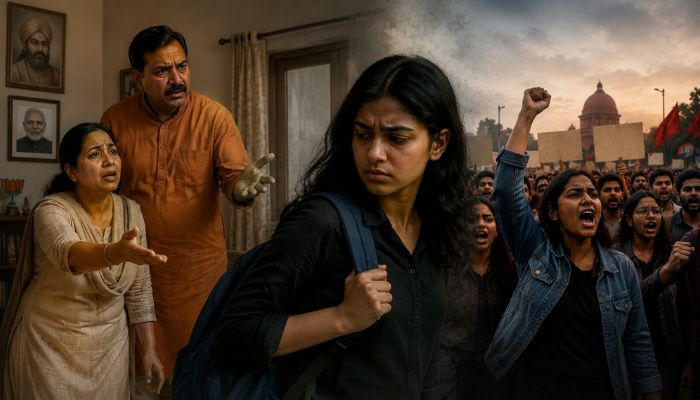
The recent wave of claimed student demonstrations sparked by the Cockroach Janata Party (CJP) at New Delhi’s Jantar Mantar exposed a deep, festering tear in the fabric of Indian households. Across cities and towns, political ideology is no longer just something discussed during election cycles; it has turned into a wall between parents and their children. The protests became a boiling point, showing how radicalisation, digital activism, and ideological clashes have created violent anger in young Gen Z minds, leaving many kids walking away from their homes and hating their parents over political views.

Take the case of 19-year-old Kunal Choudhary from Ludhiana. When he left home to join the protests, he knew he was burning his bridges behind him. Choudhary was raised in a hardcore Bharatiya Janata Party (BJP) and Rashtriya Swayamsevak Sangh (RSS) family, and was an active RSS worker himself. Yet, standing at Jantar Mantar, he severed all ties with his past. 

His father, Jeevan Choudhary, a businessman who built his life around RSS values, watched his son broadcast a viral video criticising the ruling party. “They don’t teach you anything useful. They only tell you how to hate Muslims and Dalits,” Kunal openly said about his family’s ideological background. 

The rift widened so much that even after the protests were called off on 25th July, Kunal refused to return home. Living in a local gurdwara, relying on communal kitchens, and working odd jobs, he admitted that the difference between his worldview and his family’s was simply too vast to bridge.

A similar story plays out with 24-year-old Priya Singh. Her father, a 55-year-old security firm employee, holds a firm loyalty to the BJP. When Priya made up her mind to join the Jantar Mantar demonstrations, her father warned her. Forced to hide her identity, Priya covered her face during the protests so her family wouldn’t spot her in news photos or online clips. 

When she confronted her father over videos showing police action against violent protesters during the protests, he defended the police, claiming that they were right to act against the protesters to control the violence. The hostility at home had started earlier, when Priya secretly cleared the entrance exam for Jamia Millia Islamia without informing her family. Her father accused the institution of trying to convert her. 

Today, Priya lives a double life, saying, “Now, when I come home, I don’t mention anything about my friends or classes to my family. I don’t even take calls from friends at home.

Flaunting conflict: The Gen Z trend of villainising parents 

What makes this generational split unique today is how young left-liberal activists actively take pride in fighting with their elders. Confronting parents over their political views, recording these intense arguments, and broadcasting family clashes on social media has become a badge of honour among Gen Z youth. 

Parents who support the BJP or Prime Minister Modi are routinely villainised online by their own children as “brainwashed” or “bigoted.” Instead of seeking common ground or keeping family bonds intact, youth activism encourages teenagers and young adults to publicly shame their parents’ conservative beliefs to prove their own ideological purity.

The CJP protests, heavily organised and steered by left-liberal student fronts, highlighted this reality. For hundreds of young demonstrators, travelling to Jantar Mantar was as much about rebelling against their conservative households as it was about demanding exam reforms. The protest grounds became a stage where young people flexed their rebellions on Instagram and X, posting stories about fighting with their parents, leaving home, or disobeying family orders just to stand on the front lines. The emotional fallout on families was brushed aside, framed instead as a victory for personal liberation and online engagement.

Glorifying disownment: The case of AISA’s Neha Bora

International media outlet Al Jazeera have played a key role in romanticising these family breaks, turning political hostility against one’s own parents into a heroic act. A primary example of this glorified hostility is Neha Bora, the 29-year-old national president of the All India Students’ Association (AISA). 

During an interview with journalist Barkha Dutt, Bora spoke openly about her complete ideological detachment from her parents, a serving Army officer father and a homemaker mother, both of whom support the BJP. Media coverage frequently portrays her open defiance and contempt for her family’s background not as a tragedy of broken personal relationships, but as an inspirational act of political courage.

Bora, a doctoral student at Jawaharlal Nehru University (JNU), has become one of the most visible faces of left-wing student politics in India. As the national leader of AISA, she regularly uses student-centric issues, such as national exam leaks, as a doorway to push radical leftist agendas. 

Under her leadership, AISA launched campaigns like “Cockroaches on the streets” and joined the CJP protests, where activists quickly shifted slogans from exam irregularities to demands for “Azadi” and political rhetoric. In public statements, Bora has actively whitewashed anti-terror charges against figures like Umar Khalid and Sharjeel Imam, calling them “ordinary students” subjected to political prosecution, while ignoring court observations regarding their roles in the 2020 anti-Hindu Delhi riots. 

Beyond student rights, her digital footprint shows an explicit anti-Brahmin stance masked under the term ‘Brahmanvaad’, opposition to broad Hindu consolidation efforts claiming it frightens minorities, and active support for a free Palestine while downplaying domestic radicalisation threats.

The Leftist playbook: Destroying the family to rebuild the state

This growing drive among young activists to reject their parents is not an accidental byproduct of modern politics; it is a core structural strategy of classic communist and radical leftist theory. To bring about a total political and social revolution, radical ideologies have historically viewed the traditional nuclear family as an obstacle that must be dismantled. The family unit acts as a natural buffer, teaching children heritage, traditional values, authority, and unconditional personal loyalty.

By pushing young individuals to view their parents not as caretakers, but as symbols of “oppressive structures” or “reactionary politics,” far-left ideologies break these foundational emotional bonds. Once a young person is alienated from their home, the party or ideological collective steps in to replace the family, becoming their primary source of identity and belonging. 

The recent wave of youth protests shows this playbook in action: kids are encouraged to sacrifice their education, leave their homes, cut off their parents, and find a new “family” among fellow communist and leftist activists on the streets. In the pursuit of ideological victories, the very foundation of the home is being systematically burned down.
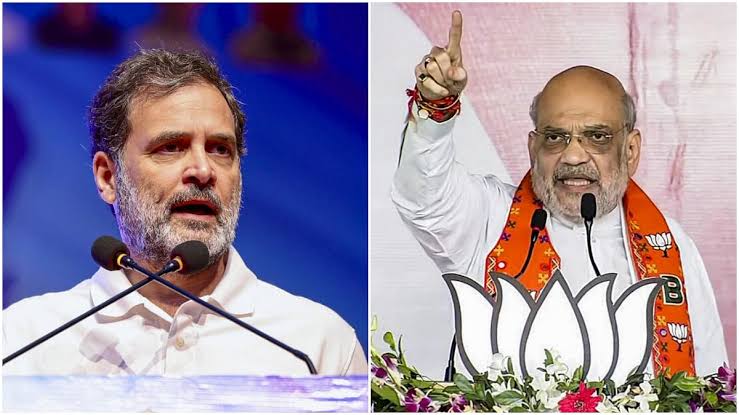
Congress chooses political theatre over students’ interests: Rahul Gandhi turns down Amit Shah’s 24-hour challenge on student protests

Union Home Minister Amit Shah on Wednesday threw down the gauntlet to the Opposition amid the continuing parliamentary deadlock over alleged police excesses against student protesters, offering to sit through an extended debate and answer every question raised by MPs.

Shah said he was ready to remain in Parliament from 3 pm on Wednesday until 3 pm the following day, listen to the Opposition’s concerns and respond point-by-point. His challenge came as opposition parties continued to demand that he personally address the alleged police action during a July 20 student march over the NEET paper leak issue.

The Home Minister also pushed back against repeated Opposition claims that he had been “missing” from Parliament.

“Terms like ‘laapata’ and ‘bhaag gaye’ are increasingly being heard in India’s public and parliamentary life,” Shah said, arguing that he had been attending Parliament regularly but that repeated disruptions had prevented meaningful proceedings.

Shah said the government had already accepted the Opposition’s demand for a detailed discussion and maintained that there was no reason for the standoff to continue.

Parliamentary Affairs Minister Kiren Rijiju had also made it clear that the government was prepared for a comprehensive debate on the student protests, Shah pointed out. According to the Home Minister, the Opposition had initially sought a discussion, but was now refusing to allow one to take place.

Shah then put the ball firmly in the Opposition’s court.

He asked opposition parties to submit a letter to the Speaker by 2 pm, following which the discussion could begin at 3 pm. He offered to remain in the House until 3 pm the next day to hear the entire debate and respond to every issue raised.

“I will sit in the House; I will listen to everyone and respond to every point. The government has nothing to hide,” Shah said.

He even offered to allow the discussion to continue late into the night and suggested that Question Hour could be suspended if the Speaker permitted it, underscoring his claim that the government was ready for an exhaustive debate.

Shah argued that the Opposition’s demand for a standalone statement from him was not an adequate way to deal with an issue of such seriousness.

“There are established rules and procedures for parliamentary discussions,” he said, stressing that serious allegations should be subjected to a detailed debate rather than being reduced to a one-sided statement.

The Home Minister also said the discussion could cover not only the allegations against the government but also why the Opposition had repeatedly prevented the matter from being debated in the first place.

“The NDA government under Modi ji’s leadership is ready to discuss anything; they just need to let Parliament function,” Shah said.

Rahul Gandhi rejects Shah’s offer

Leader of Opposition in the Lok Sabha Rahul Gandhi, however, rejected Shah’s proposal, insisting that the Opposition wanted answers about the alleged police action rather than what he described as a lecture from the Home Minister.

Rahul questioned who had ordered the alleged use of force against the protesting students and directly sought to know whether Shah had authorised the action.

“Did Home Minister Shah give orders to shoot our children or not? If he did, he is culpable and if he did not, he is incompetent,” Rahul said.

He further alleged that Shah had avoided appearing in the House for nearly three weeks and accused the Home Minister of lacking the courage to face the Opposition.

Rahul later amplified his attack on X, writing that when a person lacks the courage to speak the truth, “silence speaks for him”, and alleging that Shah’s silence amounted to a confession.

The Congress leader’s response effectively rejected Shah’s proposed format for the debate, keeping the confrontation between the government and the Opposition alive. But the dismissal also represents the growing number of instances when the opposition has scooted away after shooting salvos at the Centre. Be it vote chori allegations or the recent students’ protests, where the Opposition, particularly the Congress party, is milking political mileage out of it instead of seeking a permanent solution.

Opposition continues protests

The INDIA bloc has been demanding Shah’s presence in Parliament and a statement over the alleged police excesses against students. The confrontation has also spilled beyond the issue of the student protests.

Earlier on Wednesday, opposition MPs, including Congress president Mallikarjun Kharge and Congress general secretary Priyanka Gandhi Vadra, staged a protest in the Parliament House Complex over allegations concerning donations at the Ram temple in Ayodhya as well as the alleged police action against students.

Priyanka Gandhi also questioned the government over allegations of lathi-charge, pellet-gun use and the deployment of force against protesters.

The Opposition has maintained that the allegations warrant direct accountability from the Union Home Minister, while the government has repeatedly argued that it is ready for a detailed discussion but wants parliamentary proceedings to be allowed to function.

Government challenges Opposition to debate

The latest confrontation follows remarks by Parliamentary Affairs Minister Kiren Rijiju on Monday, when he said the government was prepared for a “full and detailed discussion” on the student movement and related events.

Rijiju, however, urged opposition MPs not to disrupt proceedings while Shah was responding to the debate.

The government has therefore attempted to frame the dispute as a choice between discussion and disruption: it says it is willing to face questions, but the Opposition must first allow Parliament to function.

Shah’s latest offer raises the stakes further. By volunteering to remain in the House for 24 hours and answer every point raised by the Opposition, the Home Minister has effectively challenged Congress and the INDIA bloc to take up the debate on the floor of Parliament rather than continue with protests and demands for a standalone statement.

The Opposition, meanwhile, appears unwilling to accept the government’s proposed terms and continues to insist that Shah must first directly answer allegations surrounding the police action.

With both sides refusing to back down, the political question now is straightforward: does the Opposition want an extended debate with the Home Minister answering questions on the record, or does it want to continue demanding a statement on its own terms?

Shah’s offer has certainly shifted the political pressure. If Congress believes it has unanswered questions, it now has an opportunity to put them before the Home Minister in Parliament and seek answers point-by-point. If it refuses, the government is likely to use that refusal to reinforce its charge that the Opposition is more interested in creating an uproar than allowing a substantive debate.

What is Himachal Pradesh’s new Widow and Orphan Cess? After ‘Khatakhat’ destroys the economy, Congress govt is inventing unique cesses

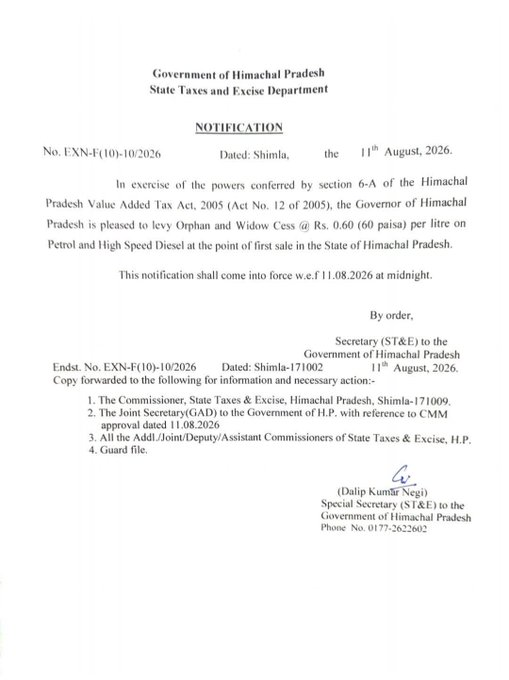
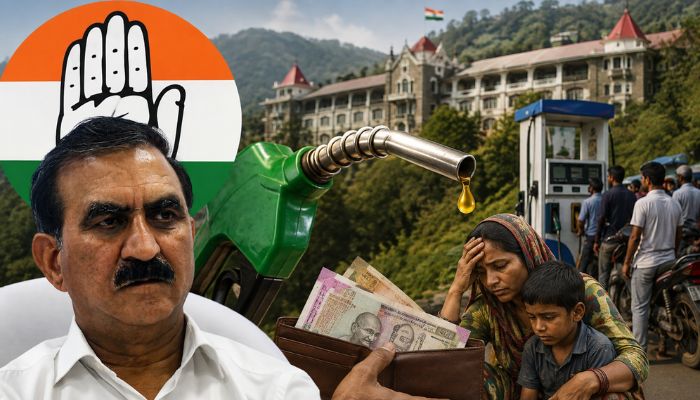
The Himachal government, ruled by the Congress, has imposed a new Widow and Orphan Cess of 60 paise per litre on petrol and high-speed diesel, adding another charge to fuel prices in the state. The new cess came into force from midnight on 11th August after the State Taxes and Excise Department issued a notification on Tuesday.

The notification was issued under Section 6-A of the Himachal Pradesh Value Added Tax Act, 2005, and has the approval of the Council of Ministers. The cess will be collected at the first point of sale of petrol and high-speed diesel in Himachal Pradesh.

Source: AIR News

In simple terms, people buying petrol and diesel in the state will now pay an additional 60 paise for every litre. The money is meant for welfare measures related to widows and orphaned children. But the decision comes at a time when the financial condition of the Himachal Pradesh government has already been a major political issue.

The new levy also raises a bigger question: why is a government facing such serious financial pressure repeatedly looking for new ways to collect more money from ordinary people?

What is the widow and orphan cess?

The legal basis for imposing a widow and orphan cess was provided earlier this year when the Himachal Pradesh Legislative Assembly passed the Himachal Pradesh Value Added Tax (Amendment) Bill, 2026 during the Budget Session.

The amendment gave the state government the power to impose a Widow and Orphan Cess of up to ₹5 per litre on petrol and high-speed diesel. The Bill was passed by voice vote, giving the government the legal authority to introduce the additional levy.

The government has now decided to use that power, although it has fixed the cess at 60 paise per litre, much below the maximum limit of ₹5 allowed under the amended law.

The cess will be charged at the initial sale of fuel in the state. This means the levy is collected before the fuel reaches later stages of sale. The State Taxes and Excise Department has circulated the notification to the Commissioner, State Taxes and Excise, senior departmental officers and other concerned authorities for implementation.

The stated purpose is to generate money for welfare measures for widows and orphaned children. However, for people already paying high fuel prices and grappling with rising household expenses, another charge on petrol and diesel means another increase in their daily expenses.

Meanwhile, the BJP has raised some questions about the new cess. BJP’s Amit Malviya published an X post on 11th August, in which he said, “The Orphan and Widow Cess sounds like a noble cause, but in the absence of data on the likely beneficiaries and the proposed payouts against the collections through the cess, it is nothing more than another attempt to fleece the people of Himachal and upset their household budgets. Congress has run the worst possible government in Himachal Pradesh. The people will completely smash Congress out of power in 2027.”

A new cess in a state already struggling for money

Himachal Pradesh has been dealing with a serious financial crisis under the Congress government led by Chief Minister Sukhvinder Singh Sukhu, which came to power in December 2022.

The Congress had entered the election with a long list of welfare promises. These included free electricity, monthly financial assistance for women, restoration of the Old Pension Scheme, government jobs and several subsidy-based schemes.

The problem for the government has been that such promises require a steady flow of money. When revenue does not grow fast enough while expenditure continues to rise, the gap has to be filled through borrowing, higher charges, reduced subsidies or new taxes and cess.

That is the situation Himachal Pradesh has increasingly found itself in.

The latest 60-paise fuel cess therefore cannot be looked at in isolation. It comes after a series of decisions taken by the state government to increase revenue and control spending. The government has been under pressure to meet its regular financial commitments while also trying to continue with welfare schemes.

Salary and pension bills add to the pressure

One of the biggest challenges before the Himachal government has been its large salary and pension bill.

The state has monthly commitments of around ₹2,000 crore towards salaries and pensions alone. At one stage, delays in salary and pension payments affected a large number of government employees and retired employees, leading to a major political controversy.

The government also had to rely on additional borrowing to meet its expenditure requirements.

This is where the Congress government’s earlier welfare promises have become a difficult issue. Schemes announced during the election may create expectations among voters, but maintaining them requires money every month. When the state’s own revenue is not enough, the government has to find money from somewhere else.

More taxes, higher charges and fewer benefits

The government has already taken several steps to increase revenue.

The Assembly approved changes that introduced measures such as an environmental cess and milk cess. The government also reduced some subsidy benefits and increased certain user charges.

Changes in electricity benefits, higher diesel prices and increased water charges in rural areas have also become part of the wider debate over the state’s finances.

The government has even explored other possible sources of revenue, including discussions about regulated cannabis cultivation for industrial and medicinal purposes.

Taken together, these steps show the extent of the financial pressure facing the state. Instead of having enough room to comfortably fund its promises, the government has increasingly had to look for additional sources of revenue.

The new petrol and diesel cess adds another item to this list.

Even temple funds were brought into the welfare debate

The financial pressure has also reached temple trusts. The Congress government in Himachal Pradesh called on temple trusts to contribute funds towards welfare schemes. A notification encouraged temple trusts to provide money for programmes including the Mukhyamantri Sukh-Aashray Yojana and Mukhyamantri Sukh Shiksha Yojana.

The move became controversial because temple trusts and their funds are connected with religious institutions, while the government is responsible for arranging money for its welfare programmes through the state budget.

The fact that the government has had to look at temple trust funds, introduce new charges and reduce some benefits shows how tight the state’s finances have become.

Another burden on the people

Against this background, the 60-paise cess on petrol and diesel looks like another attempt to raise money from the public.

Sixty paise per litre may appear small when looked at separately. But petrol and diesel are used across the economy. Fuel is needed for private vehicles, public transport, goods vehicles, agriculture and businesses. Any increase in fuel costs can therefore have an indirect effect on transportation and other expenses.

The Congress government has kept the new cess far below the ₹5-per-litre ceiling provided by the amended law. Yet the basic issue remains that people are being asked to pay another charge at a time when the state government is already struggling with its finances.

The government may present the cess as a measure for widows and orphaned children, but the wider financial story is difficult to ignore. Himachal Pradesh needs money to meet salaries, pensions, welfare commitments and other regular expenses, while its revenue position remains under pressure.

The latest fuel cess is thus another sign of how the state’s financial problems are translating into measures that ultimately affect ordinary people.

For a government that came to power promising extensive welfare support, the growing list of new charges, higher costs, reduced benefits and borrowing has created a very different picture on the ground. Instead of having enough money to comfortably deliver its promises, the Congress government is increasingly looking towards additional collections from citizens.

And now, petrol and diesel buyers in Himachal Pradesh will pay 60 paise more per litre, with the government saying the money will be used for widows and orphaned children. The immediate burden, however, will be borne by the people buying fuel in the state.

Anti-Hindu propagandist Prakash Raj claims his name was deleted from the electoral roll during SIR; Bengaluru civic body debunks his lies

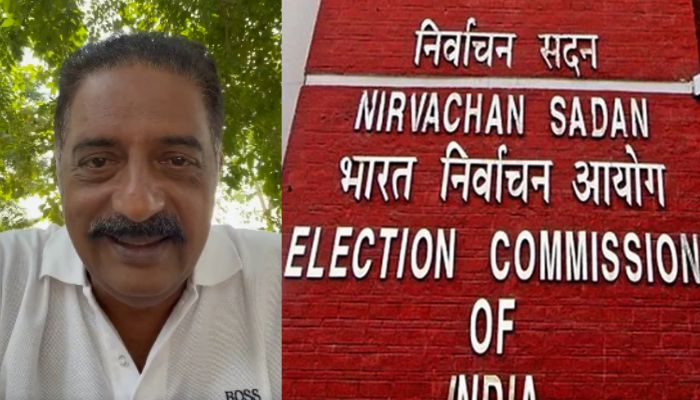
The anti-BJP cabal has consistently been peddling false and alarmist narratives about the Special Intensive Revision (SIR) of electoral rolls. In a latest such bid, actor and Sanatan Dharma hater Prakash Raj has claimed that his name has been arbitrarily removed from the electoral rolls in Bengaluru during the ongoing SIR of voter lists.

Taking to X on 11th August, Prakash Raj published a 95-second video message in which he claimed that he was among the “65 lakh” voters whose names have been deleted from the voter list during SIR.

Prakash Raj claimed that he was surprised by the deletion of his name, saying that he has very long ties with the constituency.

“Dear friends, saathiyon, I want to share a joke with you. I am one of the 65 lakh voters whose vote right has been deleted from the Bangalore constituency after SIR. Nice joke, no? I was born in this constituency. I lived in this constituency. I had my schooling, college, theatre. And for your kind information, I was an MP candidate of this constituency too,” Raj said.

Prakash Raj insinuated that he has been “denied” the right to vote though SIR at the behest of the BJP-led Central government.

“Well, the joke is nice. Game on. Let me see what is the process I have to go through is. Kya kya kaagaz dikhana padega to get back my voter ID? Well, game on. But one little word, my friend: you can use your powers to deny few of the citizens the right to vote who may not elect you. But can you stop us, my dear friend, from our power of bringing you down? Just asking. Bye,” the anti-Hindu propagandist added.

“Fraand,you may chose n deny voting rights of few citizens who may not elect you back to thrown.. but can you stop us from eventually bringing you down from your thrown #justasking,” the caption of Raj’s post reads.

Predictably, the anti-BJP cabal amplified Prakash Raj’s voter ID deletion claim to further intensify attacks on the Central government and lend credence to outrageous lies that somehow the BJP and the Election Commission have colluded to disenfranchise Muslims and others with a demonstrated pattern of voting against the BJP.

However, the claim made by Prakash Raj that his name was arbitrarily deleted from the Bengaluru electoral roll during the SIR exercise does not hold up against official verification.

Bengaluru civic body refutes the ‘voter name deleted during SIR’ claim by Prakash Raj

The Election Commission of India (ECI) is conducting a Special Intensive Revision of electoral rolls in Karnataka. Reports say that around 1.09 voters, making up to about 19.66% of the state’s total, were flagged under the Absent, Shifted, Deceased, Duplicate/Already Enrolled, or Other category, or the ASDDO category.

However, being flagged under the ASDDO category neither means an automatic nor final deletion. There are provisions for affected voters to submit claims or objections, update details via Form 6, or get verification scrutinised before the draft and final rolls are published.

The ECI will publish the draft roll later in August 2026, while the final electoral roll will be published later in the year.

Meanwhile, Bengaluru Central City Corporation / Additional District Election Officer (and Commissioner) Jagadish G has issued a response debunking Prakash Raj’s claims of forced disenfranchisement.

The official stated that as of 16th June 2026, when the electoral data was frozen for SIR, Prakash Raj’s name remained actively registered in the 163-Shanthinagar Assembly constituency. The official also mentioned specifics, saying that his name was registered in the roll with Serial No. 970, Part No.1.

Moreover, a house-to-house verification by a Booth Level Officer (BLO) at the registered address, No. 266, Garden Apartment, Vithal Mallya Road, revealed that Prakash Raj had permanently shifted. The failed politician, who unsuccessfully contested the 2019 Lok Sabha election from Bengaluru Central, had not resided at the inspected address for about four years.

“During the house-to-house verification conducted by the Booth Level Officer (BLO) of the concerned party, it was found that Mr Prakash Raj had permanently shifted from the registered address at No. 266, Garden Apartment,” Jagadish G said in a statement.

These facts were confirmed by the property manager, neighbours, and the flat owner residing there. Following the verification, a Mahazar or spot verification report was prepared.

Since Prakash Raj had permanently shifted elsewhere, his status was marked “Shifted” in accordance with the Election Commission guidelines. The ECI officials, thus, did not arbitrarily or out of any political bias strike the name of Prakash Raj from the electoral roll.

“Based on their statements, a mahazar (spot inspection report) was drawn, and the voter status was officially marked as ‘Shifted’. This action was executed strictly adhering to the due process of law and the statutory guidelines laid down by the Election Commission of India,” Jagadish added.

In fact, the Additional District Election Officer also stated that he spoke to Prakash Raj by phone, and the actor himself confirmed that he no longer resided at that address. The call was made on 11th August 2026, at 5.30 pm.

Raj also stated that he now resides at a different location still within the same Shanthinagar constituency. The ECI officials said that Prakash Raj can file Form 6 through the BLO to update or register at his current address.

The civic body confirmed that the claims made by Prakash Raj in his social media post were “verified and found not true.”

However, instead of ensuring his own details are updated, Prakash Raj created a hue and cry and cast aspersions on the integrity of the Election Commission.

The Sanatan Dharma eradication enthusiast used a non-issue to lend credence to his and the anti-BJP cabal’s continued efforts to peddle the ‘SIR is backdoor NRC’ bogey.

Interestingly, while Prakash Raj audaciously insinuated that somehow the ECI is ‘compromised’ and targeting Modi detractors, the actor-activist has been under the scanner for allegedly possessing four voter ID cards.

Prakash Raj faces allegations of possessing four voter ID cards

In late June 2026, a non-bailable warrant was issued against him by a Bengaluru court in connection with allegations that he has voter identity cards in several states. In 2019, advocate Dileep Kumar filed a complaint at the Halasuru Gate Police Station, which charged that Raj possessed voter ID cards in four states, including Karnataka, Tamil Nadu and Telangana.

Raj received summonses from the court twice. The actor was instructed in both summonses to appear in court on designated dates. However, he failed to comply both times.  The court took note of his absence on both occasions and his continued disregard for the court summons.

The complainant had alleged that Prakash Raj’s name appeared on multiple electoral rolls across Karnataka, Tamil Nadu and Telangana. In addition to Bengaluru’s Shanthinagar, Raj’s name allegedly appeared on voter rolls in Velachery in Chennai, and Serilingampally in Telangana. He was accused of violating the Representation of the People Act provisions that prohibit voter registration in more than one place.

Alchemy of superalloys and single-crystal blades: How India is mastering the metallurgical hellscape of aero engines

0

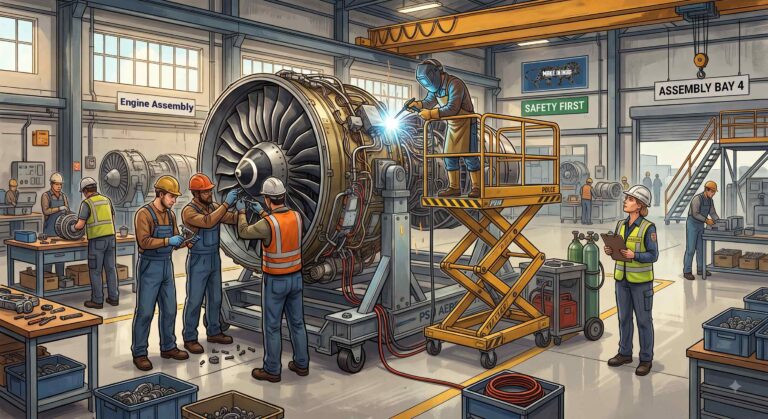
The third instalment in the series on aero engines sheds light on one of the most formidable bottlenecks in aviation technology: the physical science of jet engine survival. It highlights India’s remarkable journey towards self-reliance in mastering the “metallurgical hellscape” of aero engine manufacturing. For decades, this domain was an impenetrable barrier, fiercely guarded by a handful of Western and Russian manufacturers.

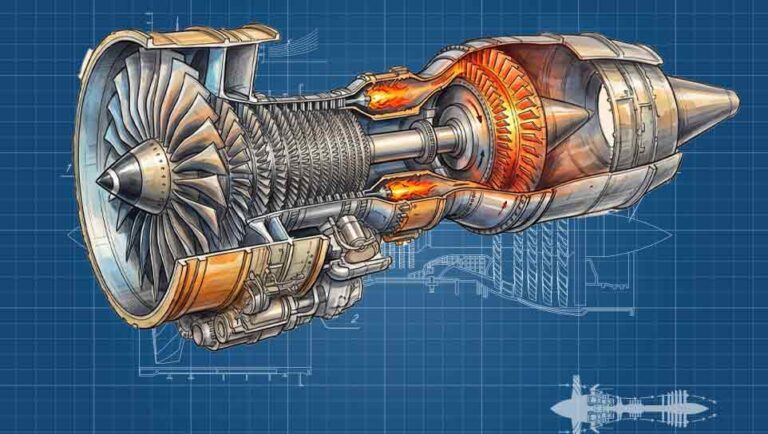
Building a modern jet engine is widely considered the apex of human engineering. The core challenge lies inside the combustion chamber and the subsequent high-pressure turbine. Here, gases explode at temperatures soaring beyond 1,700°C—heat ferocious enough to liquefy the metals designed to contain it. Coupled with extreme centrifugal forces from components spinning at tens of thousands of revolutions per minute, the operating conditions are incredibly hostile. Standard aviation steel or titanium simply wilt under such immense stress.

To counter this inferno, engineers rely on complex nickel-based superalloys containing exotic elements like chromium, cobalt, titanium, and rhenium. These alloys retain immense structural strength near their melting points. However, even the best polycrystalline superalloys eventually fail because standard metallurgy creates microscopic grain boundaries as liquid metal cools. These boundaries act as critical weak points under high-temperature stress and high-G combat manoeuvres.

The ultimate solution, described as an engineering feat bordering on alchemy, is the single-crystal turbine blade. Through a painstakingly classified vacuum investment casting process, molten superalloys are cooled meticulously to solidify into one continuous, perfect metallic crystal. Lacking any weak grain boundaries, these single-crystal blades can withstand unimaginable centrifugal forces.

Furthermore, because exhaust gases still exceed the melting point of these crystalline structures, the blades must be manufactured hollow. They feature a complex labyrinth of internal cooling channels. Cooler air bypassed from the compressor weeps out through laser-drilled pores on the surface, creating a microscopic protective film of cold air so the metal never touches the roaring flames.

India’s foray into mastering this intricate dance of vacuum casting, exotic metallurgy, and laser drilling is a monumental engineering triumph. It marks a crucial milestone in the country’s pursuit of self-reliance, ensuring its future aerospace platforms are powered by indigenous technological prowess.


You can read the full article in Chapter 1 Magazine.

Private thrust: How Indian start-ups are building aero-engines from scratch

India’s aerospace propulsion sector is currently experiencing a major transformation that is reshaping the country’s defence manufacturing landscape. If the state-owned behemoths represent the heavy industry of this revolution, India’s private sector is its agile, disruptive vanguard. Historically, the development of aero-engines was exclusively the domain of state-owned entities and government laboratories.

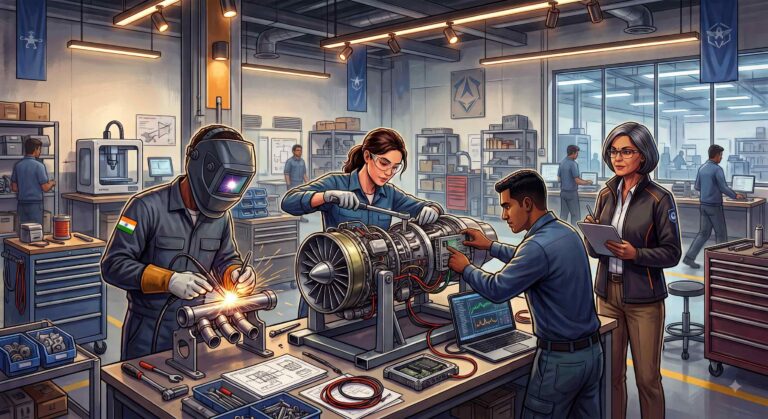
However, a quiet but powerful revolution is underway as private conglomerates and deep-tech startups bypass bureaucratic inertia to aggressively enter the field. No longer functioning merely as component vendors, these private companies have evolved into primary designers, innovators, and prime contractors. They are now actively designing, testing, and manufacturing complete jet engines from scratch. Their primary focus lies in dominating the micro and small-thrust engine categories, a strategic move essential for powering India’s rapidly expanding fleets of unmanned aerial vehicles and advanced missile systems.

A leading example of this private-sector vanguard is Paninian, a defence technology firm developing the Yantur family of indigenous aero-engines. Their portfolio includes compact turbojets specifically engineered to power autonomous aerial targets and decoy systems used for realistic air defence training. More significantly, the company is advancing a privately developed turbofan engine program intended for long-range, autonomous land-attack cruise missiles.

Another landmark achievement highlights the successful synergy between state research and private manufacturing. Azad Engineering recently collaborated with the government’s Gas Turbine Research Establishment to produce the country’s first fully indigenous, expendable turbojet engine. While the state agency provided the foundational laboratory design, Azad Engineering managed the comprehensive manufacturing, assembly, and integration.

Similarly, several private sector companies, both established platers and startups, are successfully developing engines for missiles, jet-powered loitering munitions, drones and UAVs, small aircrafts, etc. Ultimately, these private-sector advancements are rapidly accelerating national self-reliance in critical aerospace propulsion technologies.

The tale of India’s aero-engine sector is no longer one of delays and dependencies; it is a tale of an aerospace superpower finally taking flight on its own terms. India’s private sector has proven it can design, iterate, and assemble complex propulsion systems. 


You can read the full article in Chapter 1 Magazine.

Global trade choke points and the need for new routes: India, Central Asia and the INSTC

Global trade increasingly depends on a small number of maritime chokepoints that can be disrupted by war, sanctions or regional tensions. The Strait of Hormuz, Bosporus, Suez Canal, Bab-el-Mandeb and other passages illustrate how quickly instability can affect energy supplies, freight costs and shipping schedules. This has pushed major economies to search for alternative routes that reduce dependence on vulnerable sea lanes.

Russia recently proposed exploring a rail link towards the Indian Ocean through Central Asia, potentially involving Kazakhstan, Turkmenistan, Iran, Afghanistan and Pakistan. The idea remains a proposal rather than an approved direct railway, but reflects Moscow’s effort to create more dependable links with India as bilateral trade reached $68.7 billion in 2024-25.

For India, the broader opportunity lies in the International North-South Transport Corridor, or INSTC. Launched through an agreement between India, Iran and Russia in 2000, the 7,200-kilometre multimodal network combines sea, road and rail routes connecting India with Iran, the Caspian region, Russia, Central Asia and Europe. Its Central, Western and Eastern corridors provide different pathways into Eurasia, with the Eastern Corridor particularly relevant for India’s engagement with Central Asia.

The corridor could address a long-standing geographical constraint. Partition severed India’s direct land access to Afghanistan and Central Asia, while Pakistan has repeatedly denied overland transit. INSTC provides an alternative through Iranian ports and Eurasian rail networks. Compared with the traditional Suez route, the corridor is projected to reduce distance by around 40%, cut transit time from 40-45 days to roughly 18-25 days and lower freight and operational costs by about 30-40%.

Its strategic importance extends beyond Russia. India’s trade with the five Central Asian republics remained only around $1.7-2 billion in 2023, compared with more than $100 billion between Central Asia and China. Better connectivity could expand Indian access to these resource-rich markets while complementing Chabahar Port, the Ashgabat Agreement and India’s wider Central Asia policy.

India and Russia are simultaneously developing other options, including the Chennai-Vladivostok Eastern Maritime Corridor and cooperation around the Northern Sea Route. Together, these initiatives reflect a broader shift in global trade strategy: traditional routes will remain important, but countries increasingly want multiple corridors so that a crisis at one chokepoint cannot disrupt entire supply chains.

Read the full article on Chapter One Magazine.

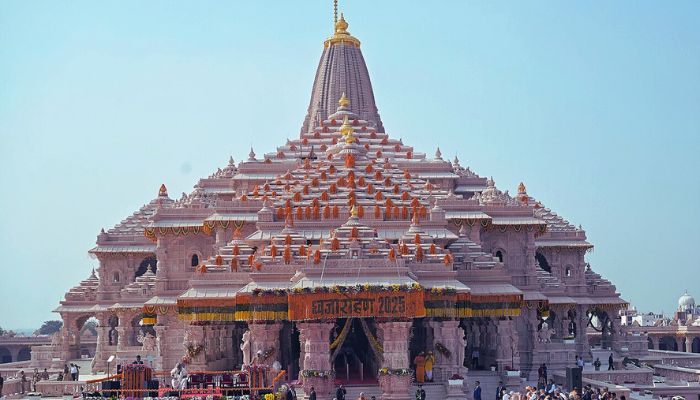
Ram Mandir donations external audit confirms Rs 3,300 crore fully accounted for

The Ram Mandir’s donation management system in Ayodhya has been under scrutiny ever since allegations of donation theft surfaced in June 2026. Amidst the criticism, speculation, and politics surrounding the alleged ‘Chanda Chori’, an external audit has found that Rs 3,300 crore of the donations made by devotees for Ram Mandir construction are fully accounted for.

Amidst allegations of embezzlement of Ram Mandir donations by counting staff, independent third-party auditors, M/S V Sankar Aiyer & Co., audited and confirmed that the entire Rs 3,300 crore collected via public contributions for Ram Mandir is accounted for and these funds have not been embezzled or stolen.

The audited Rs 3,300 crore donations include Rs 1,800 crore for temple construction and Rs 400 crore for land acquisition. There were zero cash transactions relating to these funds and required transfers were conducted under strict financial and banking protocols.

Reports say contrary to allegations peddled by the Opposition and a section of media regarding Ram Mandir land acquisition, 100% of payments for contiguous temple land were completed through direct bank-to-bank transfers from authorised accounts. The land acquisition procedure did not involve any cash transactions. Sources suggest that the higher acquisition costs reflected prevailing post-verdict market rates and the settlement of commercial structures.

The Vishwa Hindu Parishad has confirmed that the Rs 3,300 crore donations collected for the construction of the Ayodhya Ram Mandir were deposited in a separate account in the State Bank of India (SBI).

From Rs 200 crore, Rs 2000 crore to Rs 20,000 crore, the Opposition kept conveniently raising the Ram Mandir donation theft amount as they sharpened attacks on the Yogi government

The external audit confirming that there was no large-scale theft of donations or a massive ‘scam’ is nothing short of a blow to Opposition parties using the embezzlement of funds by some counting staff members to attack the BJP government in Uttar Pradesh.

The allegations of ‘chadhava chori’ or the ‘chadhava scam’ at the Ayodhya Ram Mandir were first highlighted by local media.

The matter gained political traction on 7th June 2026 after Samajwadi Party supremo and former Uttar Pradesh Chief Minister Akhilesh Yadav cited media reports of crores in unaccounted donations and called for judicial intervention. Alarming claims emerged about alleged discrepancies in donation collections, sudden wealth accumulation by several low-paid counting staff, and possible missing funds.

In no time, Samajwadi Party and other Opposition parties floated a Rs 200 crore figure to magnify the donation theft issue. A few days later, claims were floated that the donation scam is worth Rs 2,000.

In July this year, Samajwadi Party leader Ramgopal Yadav claimed that a huge scam about donations and valuables worth around Rs 20,000 crore has taken place in the Ram Mandir project. Yadav had also claimed that funds and precious items donated by devotees to the temple went unaccounted for. The Samajwadi Party leader further alleged that some “big names” were involved in the alleged irregularities.

“It is a Rs 20,000 crore scam with big names involved in it. People donated crores of Rupees, gold and diamonds, but today no one knows what happened,” Yadav said on 1st July.

However, the recently conducted independent audit confirms that not Rs 20,000 crore but the donations collected for Ram Mandir construction were Rs 3,300, and this figure stands fully accounted for.

Even the outrageous Ram Mandir donation theft that has actually occurred is not as big as the Opposition has claimed. The theft occurred only in cash sorting and was carried out by counting staff hired from an external agency; the Opposition’s politics targeted temple priests, the BJP government, Hindus, and their intellect for placing trust in the temple Trust.

A preliminary report submitted before the court by the Uttar Pradesh Police Special Investigation Team (SIT) formed at the request of the Shri Ram Janmabhoomi Teerth Kshetra Trust indicated systemic failures and the role of the counting staff in donation theft.

The report revealed that approximately 70 suspicious incidents of alleged pilferage were captured on CCTV between around 27th April and 5th June 2026. 

Some of the counting staff members were also seen repeatedly concealing wads of cash in pockets, socks, underclothing, and even in the attached bathroom. 

The SIT report hinted at serious lapses in the security protocol. It found absence of proper frisking at entry and exit of the counting area, substandard control over personal belongings, combined counting of cash from multiple donation boxes (Daan Patra, Hundi), exploitation of CCTV blind spots, and inadequate monitoring. 

The CCTV video footage showed that some of the key employees counting the money were secretly hiding the bundles of notes and loose notes inside their clothes, pockets and shoes, while some other employees were helping them in this work by providing cover. 

Six external employees working for Sainik Security Services (SSS) were identified through CCTV footage and were arrested by the police.

The SIT report emphasised that the continuous embezzlement of donated cash was not a mere oversight, but rather the result of deliberate and gross negligence of security regulations.   

The report also mentions that the theft of donations took place under the watch of Subhash Srivastava, the in-charge of the counting room. 

The SIT probe has found six employees directly involved in this theft, which include Avinash Shukla, Anukalp Mishra, Lavkush Mishra, Manish Kumar Yadav, Karunesh Pandey and Ramshankar Mishra. 

These individuals were appointed by the SBI through a private agency; however, their appointments were made on the recommendations of some temple Trust officials.

In mid-July, around 30 more employees involved in counting cash offerings came under the scanner. The probe in the donation theft case remains on.

Ever since the alleged donation theft was reported, the Opposition parties have not only attacked the Chief Minister Yogi Adityanath-led government in Uttar Pradesh, but also resorted to blatant Hinduphobia.

In late July, anti-BJP MP Pappu Yadav cosplayed a greedy priest and staged a nukkad Natak-style skit in the Parliament premises, enacting the Ayodhya Ram Mandir donation theft. Pappu Yadav dressed up as a Hindu priest in saffron robes, Rudraksh mala, Tripund, and saffron headgear, collected ‘donations’ from Congress MPs Rahul Gandhi, Mallikarjun Kharge, and Priyanka Gandhi Vadra and ran away. Gandhi and other opposition leaders then symbolically mob lynched him.

Awadhesh Prasad, the Samajwadi Party MP from Faizabad, the constituency that includes Ayodhya, was also a part of this blatant mockery of Hindu priests. The whole idea of the skit was to convey it to the public that it is the BJP-backed Hindu priests of the Ayodhya Ram Mandir who stole the temple donations. Such blatant Hinduphobic lies were peddled even as the SIT report nor any subsequent investigation findings indicated any role of temple priests.

While the Ram Mandir donations became a subject of politics and Hinduphobia, it now emerges that the core donation of Rs 3,300 crore remains safe and fully accounted for. In fact, the ongoing probe into the donation theft indicates the ‘Chanda Chori’ was a petty but preventable theft. It was not a scam as massive as Rs 20,000 crore.

Apparently, the public separated the facts from the Opposition’s politically beneficial fiction, as evident from there being no dip in donations to the Ayodhya Ram Mandir, with Hundi collections remaining steady with a Rs 5 crore monthly average for the first quarter of FY 2026-27.

Air India pilot fails second drug test: What happened onboard the Phuket-Delhi flight and what it means

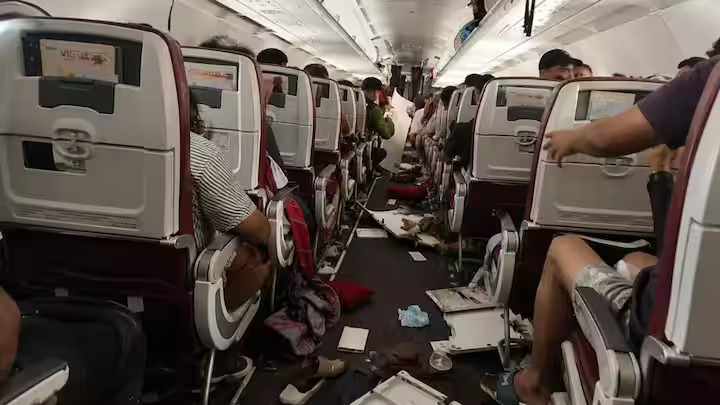
The investigation into the serious mid-air incident involving an Air India flight from Phuket to Delhi has taken a major turn, with the Pilot-in-Command reportedly failing a second, confirmatory drug test. The development comes days after the aircraft experienced a sudden loss of altitude during the flight, leaving several passengers and crew members injured and prompting a wider investigation by India’s aviation authorities.

The captain had initially returned a non-negative result during post-flight screening for psychoactive substances. Since preliminary screening tests can require further laboratory confirmation, the pilot’s sample was subsequently subjected to confirmatory analysis. That second test has now reportedly returned positive. The latest development significantly raises the regulatory and safety concerns surrounding the incident.

Confirmatory test raises fresh questions

The initial drug screening had prompted the Directorate General of Civil Aviation (DGCA) to take both pilots off the flying roster while the matter was investigated. At that stage, authorities had stressed that the preliminary result required confirmatory testing before any definitive conclusion could be drawn.

The second test is significant because it is intended to establish whether the initial screening result can be corroborated through further laboratory analysis. According to a report published on Tuesday, the confirmatory test of the Pilot-in-Command has now returned positive, with the substance identified as marijuana. However, the precise details of the test and the regulatory findings are yet to be fully disclosed by the authorities.

The development does not, by itself, establish that the pilot was intoxicated or impaired while operating the aircraft. A positive toxicology result can establish the presence of a substance or its metabolites, while determining whether a pilot was actually impaired at a particular point in time requires a broader assessment. Nevertheless, the result represents a serious regulatory issue because flight crew are subject to strict rules governing psychoactive substances and fitness to operate an aircraft.

The incident has therefore raised questions about whether the pilot complied with the applicable aviation safety requirements and whether any substance detected in the sample could have had a bearing on his fitness to fly.

Pilot faces removal from flying duties

Following the initial non-negative test, the DGCA had already taken both pilots off the roster pending the outcome of the investigation. The confirmatory positive result is expected to further strengthen the regulatory action against the Pilot-in-Command.

Under aviation safety protocols, pilots who test positive for prohibited psychoactive substances can face suspension of their flying privileges and further medical and regulatory evaluation. Depending on the circumstances and the applicable findings, rehabilitation or de-addiction measures can also form part of the process before a pilot is considered for a return to flying duties.

The captain is therefore unlikely to resume operational flying while the regulatory process is underway. The final consequences for his licence and employment will, however, depend on the findings of the DGCA investigation and the applicable rules.

Air India and aviation authorities under scrutiny

The development has considerably heightened scrutiny of Air India’s safety protocols. The incident is already being treated as a serious aviation occurrence, with the Aircraft Accident Investigation Bureau (AAIB) tasked with examining what happened aboard the aircraft.

The Ministry of Civil Aviation and the DGCA have maintained that passenger safety remains their highest priority. The ministry has also indicated that there will be no compromise on safety standards as the investigation proceeds.

Air India, meanwhile, has been drawn into a high-level review of the incident. The airline’s CEO has been summoned for meetings with senior officials from the Ministry of Civil Aviation and the DGCA amid the continuing investigation. The airline had earlier said that it was aware that the post-flight screening had been conducted but that the test results had not initially been shared with it. (NDTV)

The scrutiny is particularly significant because the drug-test issue is only one component of a broader investigation into the flight.

Technical failure also being investigated

While the pilot’s confirmatory test has added a new dimension to the case, investigators are also examining whether technical problems contributed to the aircraft’s sudden loss of altitude.

Reports have pointed to possible multiple hydraulic-system failures on the Airbus aircraft, with the investigation looking into whether technical malfunctions played a role in the incident. This is important because the drug-test findings should not automatically be treated as an explanation for the aircraft’s behaviour. Investigators will have to establish the precise sequence of events using aircraft data, cockpit information, maintenance records and other evidence. (Outlook India)

French aviation investigators and Airbus representatives are also expected to assist with the probe. Their involvement could help investigators determine whether any aircraft-system malfunction, including possible hydraulic problems, contributed to the incident.

The AAIB’s investigation will therefore have to establish whether the event was primarily caused by technical failures, crew-related factors, environmental conditions, or a combination of circumstances.

Incident involved sudden altitude loss

The Air India flight, operating from Phuket to Delhi, encountered a severe mid-air event during its journey and reportedly lost around 300 feet of altitude. Several passengers and crew members were injured in the incident, triggering immediate regulatory scrutiny.

The aircraft subsequently landed safely in Delhi. The DGCA classified the occurrence as a serious incident and initiated regulatory action, while the AAIB was tasked with conducting the detailed investigation.

The investigation is now taking place on two parallel tracks: one examining the conduct and fitness of the flight crew, and the other examining the aircraft and operational circumstances surrounding the sudden altitude change.

What happens next?

The DGCA is expected to provide further clarity on the confirmatory test, including the substance detected and the regulatory action that will follow. Authorities will also have to determine whether the test result has any connection with the events that occurred during the flight.

At the same time, investigators will continue examining the aircraft’s technical systems, flight-data records and other evidence to determine what caused the sudden loss of altitude. Airbus and French aviation experts are expected to assist in this aspect of the investigation.

For now, the positive confirmatory test places the Pilot-in-Command under serious regulatory scrutiny. However, the final findings on the Phuket-Delhi incident will depend on the outcome of the complete investigation, including the technical evidence and the assessment of the pilot’s medical and regulatory status.

The case has consequently emerged as a significant aviation-safety test for both Air India and India’s aviation regulator, with the authorities under pressure to establish exactly what happened aboard the aircraft and ensure that appropriate accountability follows.

Beyond Kaveri: The tale of India’s aero-engine renaissance

The narrative surrounding India’s aero-engine development is frequently overshadowed by the challenges faced during the Kaveri engine program. Often cited as a symbol of the nation’s struggles in high-performance aerospace propulsion, the Kaveri project’s delays and thrust deficiencies led to its removal from the Light Combat Aircraft program, specifically the Tejas fighter jet. However, this narrow focus masks a broader and more successful reality: India is undergoing a significant renaissance in propulsion technology, steadily expanding its capabilities across a diverse range of aerospace platforms, including helicopters, unmanned systems, cruise missiles, and advanced fighter jets.

Initially conceived to provide self-reliance for India’s indigenous fighter jet, the Kaveri project encountered substantial hurdles. Development was hampered by international sanctions that restricted access to critical materials and testing facilities. Additionally, the project struggled with complex engineering issues, such as high-temperature metallurgy, turbine blade durability, and suboptimal thrust-to-weight ratios. Consequently, the engine failed to meet the demanding performance targets required for modern fighter aircraft, forcing planners to opt for a proven foreign alternative.

Despite this setback, the Kaveri endeavour was far from a wasted effort. Extensive research, rigorous testing, and successive prototype iterations cultivated invaluable design expertise, advanced manufacturing knowledge, and a highly skilled workforce. This hard-won foundation is now driving an entirely new era of indigenous engine development.

A prominent development is the creation of the Dry Kaveri, a derivative engine designed without an afterburner. By resolving the legacy core issues of its predecessor, this engine has achieved stable performance. It is now specifically optimised for uncrewed warfare and has been selected to power India’s stealth unmanned combat aerial vehicles. For these stealth drones, which prioritise internal payload capacity, low radar cross-sections, and extended range over supersonic speed, the Dry Kaveri is an ideal fit, and series production has already commenced.

Simultaneously, engineers are developing modernised afterburning variants. These upgraded engines feature redesigned afterburner modules and enhanced core capabilities aimed at significantly boosting wet thrust. To improve the overall thrust-to-weight ratio, these newer models incorporate lightweighting measures, such as titanium alloy components and specialised crystal turbine blades. Looking ahead, flight trials on modified aircraft frames are planned, positioning these advanced engines as viable indigenous options for future fighter jet variants. Ultimately, the lessons learned from early struggles have catalysed a robust, diversified aerospace propulsion ecosystem in India.


You can read the full article in Chapter 1 Magazine.