Home Blog Page 3516

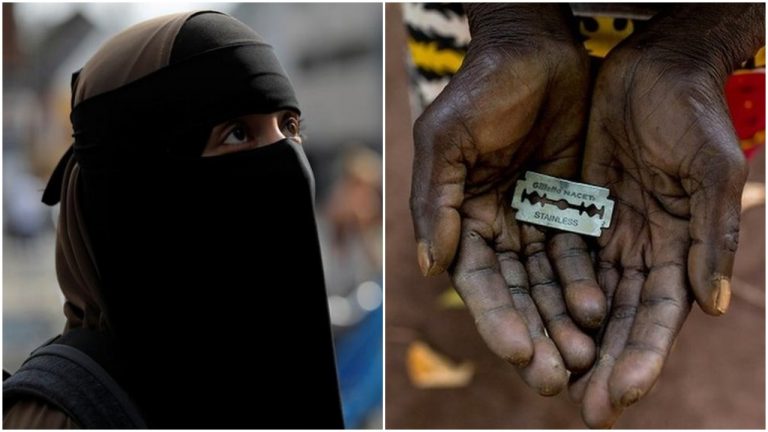
The Burqa over barbarism and trauma: Millions of Muslim women at risk due to Female Genital Mutilation, no Islamic organisation protests for their rights

Over the last few weeks, the Islamists worldwide have descended on social media platforms to cuss Indians after one of the state governments asked the students to adhere to the secular ideals of the country and not to wear religious attire such as hijab or burqa inside educational institutions. Islamists are demanding that Muslim women be allowed to wear hijab and burqa in schools and colleges violative of the dress code of the institutions.

The Islamists argue that the enforcement of constitutional values is incompatible with the Islamic laws, thus insisting on wearing their religious attire such as hijab or burqa inside secular educational institutions. The Islamists and their strategic allies, i.e., the left-liberal establishment, have been claiming that the hijab represents the choice for Muslim women, and hence the state must permit the Muslim women to wear whatever they wish to.

Amidst all these noises around the Islamic clothing – hijab, the real issues concerning Muslim women that mandates a serious discussion have found no takers in the Islamic-liberal circles. One such issue involving a global movement is to end the savagery that continues in the form of Female Genital Mutilation. In fact, the progressive Islamic society should take up the matter of FGM, making it a choice-based practice and ending the trauma and humiliation Muslim women face.

As the FGM issue has no takers in the left-liberal establishment, the Muslim women themselves have come forward in the last few weeks to recount how they are being subjected to the practices of FGM without their consent. One such story is spine chilling.

GIRDLE – an organisation that runs a field awareness programme on the atrocities committed against innocent Muslim women in the name of Female Genital Mutilation (FGM) practise has shared a story of Hibaaq, a Muslim woman from Jowhar in Somalia.

Hiqaab narrates how she had to face trauma after she was forcibly subjected to FGM by the community at an early age, including infibulation, a more drastic part of the process.

For starters, Female Genital Mutilation is a traditional practice that involves altering or removing the female genitalia for cultural reasons. FGM is mainly carried out on young girls between the age of 7 to 15. It involves removing and damaging healthy and normal female genital tissue and interferes with the natural functions of girls’ and women’s bodies. The practice is recognised internationally as a violation of human rights and the health and integrity of girls and women.

The practise is mostly carried out by traditional practitioners, mostly in Islamic societies and also sometimes in orthodox Christianity. The practice has no health benefits for girls and women.

The infibulation includes another step in the mutilation, where the vulva is sutured or stitched together after removal of the external genitalia, which makes this practice most horrific for women. After sewing together the entire labia majora, only a small hole is left for urination and menstruation, and it is impossible to have intercourse without opening the vagina first. As per ritual, the husband cuts it open on the first night of the marriage, or sometimes a circumciser does the job. Female infibulation is known as Type III FGM, and it is practised in Northeastern African countries.

As per Hiqaab, just like several Somalian girls, she had undergone Type III FGM when she was eight years old, which means her external genitalia was cut and the vulva was sewn together. As she remained in the condition for a long time, her skin had joined together, like how the skin gets joined after an injury or surgery, closing the genitalia almost permanently, except for the small hole. After her marriage, when she and her husband tried to open it, they were unsuccessful and she was bleeding from the process.

“When I got married, we tried for five days to get me opened, but the blood just poured out, and in my pain, I wrestled with my husband out of bed! We visited a doctor, who said that along the years after my infibulation, the skin had grown together to partially cover the small hole left for me to pee and menstruate!” Hiqaab penned the terror she had to face after being subjected to FGM at an early age.

Due to the underlying complications, Hiqaab says, she consulted a doctor, who called it “as spontaneous adhesion” and advised her of having surgery to open her genitals so that she could continue to perform intercourse with her husband without pain.

What followed was worse. Hiqaab’s husband refused, saying, “I will be the one to open her up; no one else. It’s a shame for me not to be the one to open her up”. For Hiqaab’s husband, it was a matter of prestige as he yelled, “how would I be seen as a man among my family and friends!”

Hiqaab says she disagreed with him, but he threatened her, saying that he would divorce her if he did not consummate the marriage by “personally opening me up”. As a result, she conceded and allowed her husband to forcefully open her without surgery. This resulted in months of pain and agony for her, she said.

“Out of shame for my family’s name, we went back home. I cannot describe the amount of pain he did. I was passing urine uncontrollably for two months!”

The young Muslim girl’s story on the barbaric practice of Female Genital Mutilation has now ignited a stirring debate on social media on why such archaic practices still exist in Abrahamic cultures.

Well, this is just one story.

GIRDLE has put out several such stories on its platform revealing the horrors and trauma Muslim women faces in the form of forceful practises of FGM. The ordeal is not just limited to Hiqaab, Rahma, and a few others alone. According to WHO’s estimate, more than 200 million girls and women alive today have been subjected to FGM in more than 30 countries in Africa, the Middle East and Asia.

Each year, around 4 million girls worldwide are at risk of undergoing female genital mutilation, with most girls cut before the age of fifteen.


The consequences of FGM are terrible on women’s health. It can cause severe bleeding and urinary related issues and lead to cysts, infections, complications in childbirth, and sometimes even death.

The economic costs of treating health complications arising from FGM have been estimated at $1.4 billion for 2018. If the barbaric practice remains, the health cost is expected to rise to $2.3 billion by 2047.

In fact, the World Health Organization (WHO) is opposed to all types of FGM and intends to end all forms of Female Genital Mutilation by 2030.

Amidst all the unimportant debates surrounding the hijab and burqa, the Islamists have actually remained tight-lipped on the FGM practice. In fact, some of the radical Islamic organisations worldwide and in India have been vocal about preserving such practices. Strangely, the Islamic organisations that back pro-hijab movements have never shown any such eagerness to liberate Muslim women by ending such practices.

There is hardly any global movement led by Muslims in support of their women’s bodily rights. But, when it is about hijab or burqa, the Islamic organisations puts out the ‘choice’ trope to defend the patriarchal attire. The FGM debate has exposed the dubiousness of both Islamists and the left-liberal establishment over their differential treatment of two similar issues that concern Muslim women.

The issue has also raised pertinent points on why have these societies turned a blind eye towards such a heinous practice and instead defended the patriarchal symbols such as hijab or burqa that has turned Muslim women into perpetual prisoners.
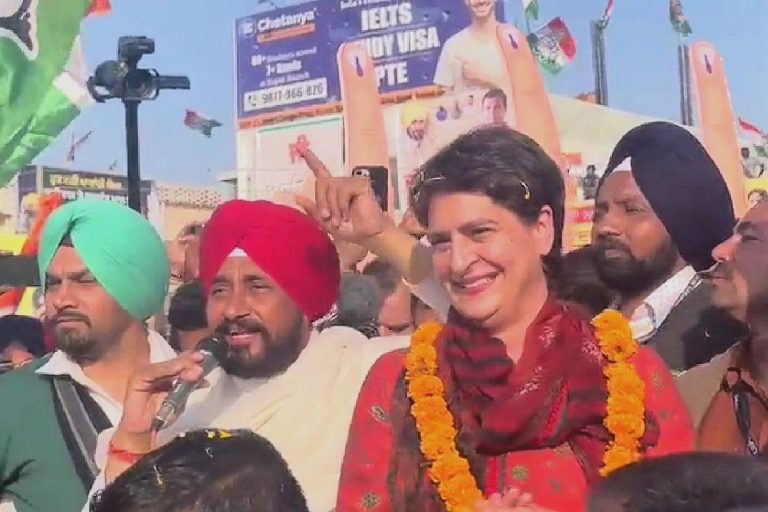

Punjab CM Channi and Priyanka Gandhi activate damage control mode after they were caught spreading hate against UP-Bihar people

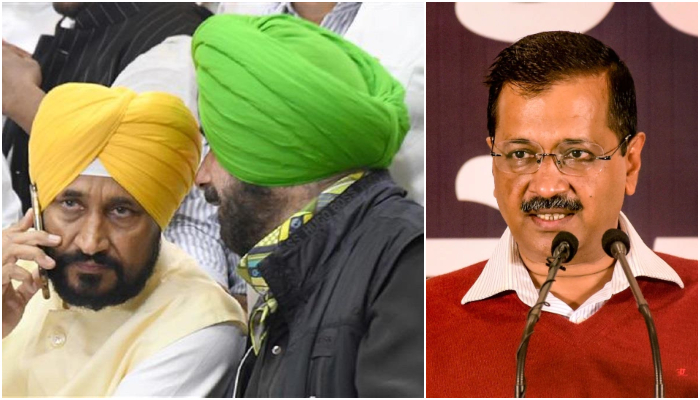
After Punjab CM Charanjit Singh Channi’s recent hateful remarks against the people of UP and Bihar working in Punjab saw wide criticism and questions were raised on Priyanka Gandhi cheering for those remarks, the Congress has activated damage control mode.

Channi has now claimed that the remark was directed at Arvind Kejriwal, not the people of Uttar Pradesh and Bihar. He said that his remark was ‘misinterpreted’ by rival party leaders and that he did not disparage migrants. The Punjab CM has perhaps forgotten that he was seen on camera spreading hatred against the people of UP and Bihar, and no ‘misinterpretation’ has happened.

“My statement was about people like Kejriwal and Sanjay Singh who come to Punjab as outsiders and create disturbance in the state,” Channi said in a video message. “My statement yesterday (Wednesday) was taken out of context. I believe, everyone who has entered Punjab, has worked hard and has taken the state on the path of development. We heartily love all of them who have made Punjab better,” he added.

Interestingly, Priyanka Gandhi, who was yesterday seen laughing and cheering on Channi’s statement propagating hate against the people of UP and Bihar, has also come out in defence of her party leader saying that the Punjab CM’s ‘UP-Bihar ke bhaiya’ comment was misconstrued.

All that the CM said was that Punjab should be run by Punjabis, she said, adding, “His statement was misconstrued. I don’t think anyone from UP is interested in coming to Punjab and ruling.”

During an electoral rally in Ropar on February 15, the Punjab chief minister warned residents not to let ‘bhaiyas’ from Uttar Pradesh and Bihar enter the state. Interestingly, while he was propagating hate against the people of UP and Bihar, Priyanka Gandhi, general secretary of Congress and in-charge of UP Congress, cheered and clapped on his statement.

Opposition parties tears into Punjab CM Charanjit Singh Channi and Priyanka Gandhi for the hateful remarks against UP, Bihar people

Since the video has gone viral, Punjab CM Charanjit Singh Channi has been receiving a barrage of criticism from opposing party leaders and even social media users. Priyanka Gandhi Vadra has also come under the fire for supporting Channi’s contentious remark against the people of UP and Bihar.

Prime Minister Narendra Modi slammed Punjab Chief Minister Charanjit Singh Channi for his contentious remark, as well as Congress leader Priyanka Gandhi Vadra, claiming that “the boss family from Delhi was clapping.”

“What the Congress Chief Minister said here the entire country has seen. The family from Delhi is his maalik (boss), that maalik was standing next to him, clapping,” PM Modi said at a rally in Punjab ahead of the Sunday election in the state.

“Day after her brother sermonized us on diversity and ‘spirit of India’, albeit brazenly ignoring North East, Smt Priyanka Gandhi is seen cheering Punjab CM Sri Charanjit S Channi on his despicable comments against people of Bihar and UP! Hypocrisy & politics of tukde tukde at best!” Himanta Biswa Sarma had tweeted lambasting Priyanka Gandhi over her complicity in Punjab chief minister Charanjit Singh Channi’s ‘bhaiyas from UP, Bihar’ comment.

“Do they know how much is the contribution of people of Bihar in Punjab and how many are living (there)?… I am stunned how people make such statements”, Bihar CM Nitish Kumar said, as he expressed his disappointment over Channi’s remarks.

“It’s a shameful statement. I condemn this. Wherever the people of Bihar & UP went, they made a place for themselves with hard work & contributed to the growth of their state”, said Bihar Minister Sanjay Jha, adding that the “Situation of ‘Congress mukt (India)’ will persist if they speak such language & do such politics. They have lost Punjab, there’s no chance for them”.

Furthermore, AAP chief Arvind Kejriwal had also slammed Channi for his ‘shameful’ comment. “It is a very shameful remark to make in a united country like India. They have also called me kala, kala several times. Passing remarks on any community or state or group is deplorable,” he had said yesterday at a press conference in Punjab’s Jalandhar.

The Punjab Chief Minister’s ill-timed comment could be a stumbling block for the Congress party, which is frantically trying to keep its Punjab seat in the upcoming elections on February 20. Voting will be held in a single phase. The results will be announced on March 10 with four other states that are Uttar Pradesh, Goa, Manipur and Uttarakhand.

‘Fallacious and completely inaccurate’: Govt dismisses media reports claiming COVID-19 mortality in India higher than official counts

The Indian government has on February 17, Thursday released a statement that strongly rejected some media reports claiming a “significant undercounting” of actual COVID-19 deaths in the first two waves.

The statement by the government of India said reports with claims that Covid-19 mortalities in India were much higher than the official count are “fallacious and completely inaccurate.”

“There have been some media reports based on a published research paper alleging that mortality due to Covid-19 in India is much higher than the official count and that actual numbers have been undercounted…these reports are fallacious and completely inaccurate. They are not based on facts and are speculative in nature,” the statement read.

It informed that India has a robust system of birth and death reporting which is carried out regularly from the Gram Panchayat level to the District-level and State-level.

Debunking the fake news, the Centre further said that the report alleges that between 3.2 million and 3.7 million individuals died in the country from Covid-19 by early November 2021, compared to official figures of 4.6 lakh in November 2021.

The government cleared that it has been pressing states to update their mortality estimates in the event that specific deaths are not reported in a timely manner at the field level, and is thus committed to obtaining the most accurate picture of pandemic-related deaths. Furthermore, it has asked States and Union Territories to register fatalities correctly in compliance with the statutory guidelines through various formal notifications, multiple video conferences, and the deployment of numerous Central teams. The Union Health Ministry has also repeatedly underlined the importance of a comprehensive reporting framework for daily monitoring of district-level cases and deaths. “Therefore, to project that COVID deaths have been under-reported is without basis and devoid of justification,” the government said in its statement.

The govt dismissed media reports based on a published ‘research paper’ that claimed that “Experts believe India’s civil registration system is vulnerable to gaps. The current civil registration system has little interoperability with health information systems, there is potential for gaps in recording of deaths.” It clarified that the Union Government has followed a transparent approach regarding COVID data management and a robust system of recording all COVID-19 related deaths already exists.

The Indian Council of Medical Research (ICMR) has produced ‘Guidance for accurate recording of COVID-19 related deaths in India’ to ensure that all deaths are recorded correctly using the ICD-10 codes suggested by the World Health Organization (WHO). Since the commencement of the pandemic, the date of cases and deaths related to COVID19 has been made public, and all states, including districts, have released regular bulletins with full details on a daily basis, which are also made public, said the government of India.

The statement added that the Supreme Court of India is keeping a close eye on the entire process, as a result, there’s a far lower chance of COVID deaths being underreported in the country. “Hence, the conclusion that the “undercount” is due to reluctance or inability of families and local authorities is fallacious and far from the truth,” the statement added.

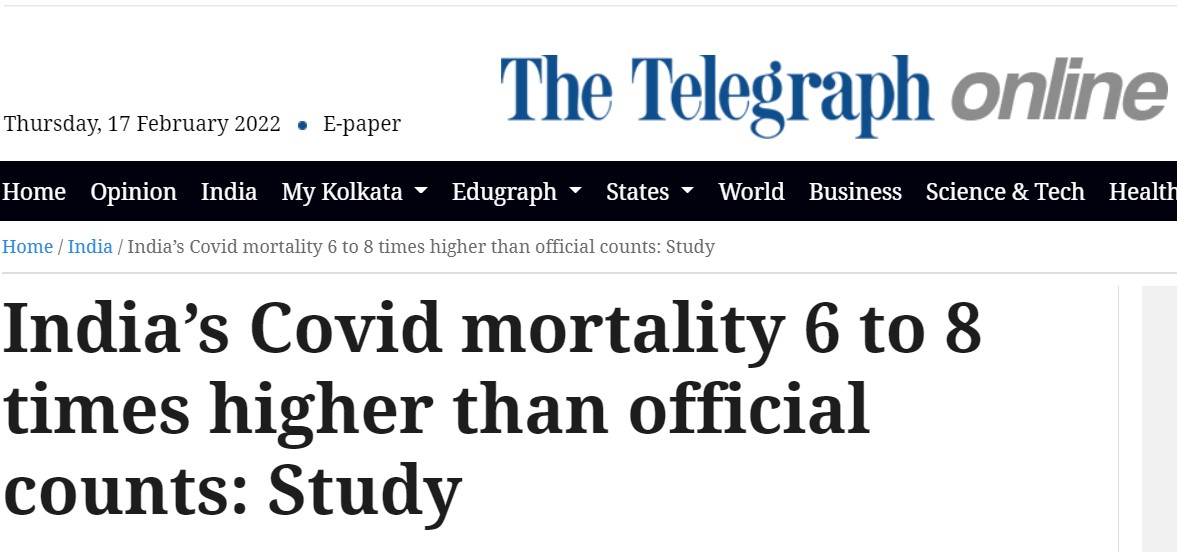
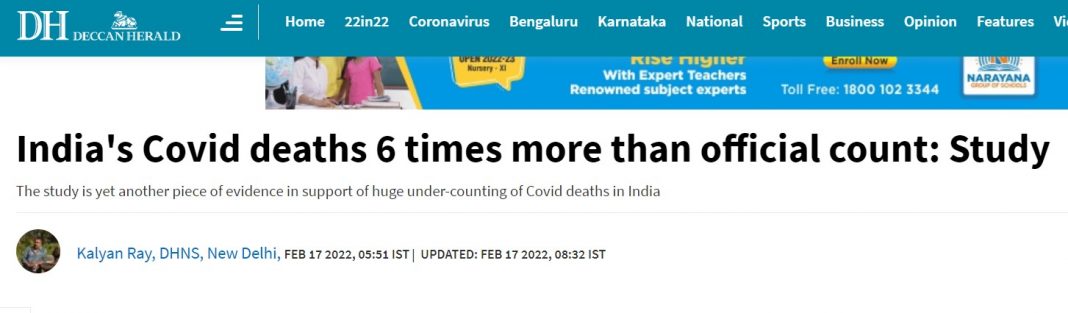
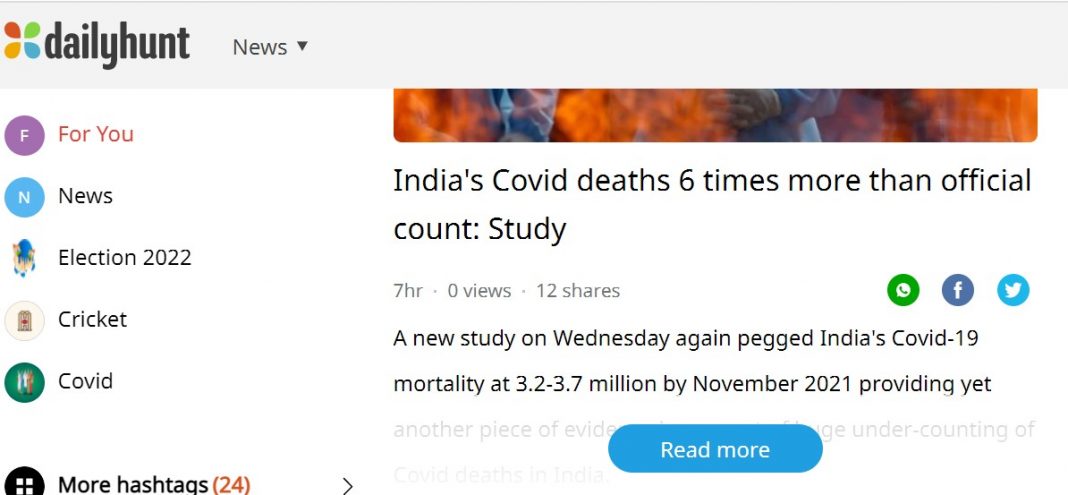
It may be noted that many media houses reported today that India’s Covid mortality is 6 to 8 times higher than official counts.

Report published by The Telegraph on February 17, 2022
Report by Deccan Herald published on February 17, 2022
Report by Daily Hunt published on February 17, 2022

These media reports have been based on an article written by Christophe Guilmoto, a researcher at Centre de Sciences Humaines for a journal PLOS ONE. The author claimed that India had 3.2–3.7 million Covid related deaths between March 2020 and early November 2021, a level that is roughly 7–8 times greater than the official figures.

Interestingly, the paper says that their claim of the number of deaths is based on ‘models’ and estimates, not actual data. Meaning the 3.2 -3.7 million figure is ‘speculation’, not based on actual data.

Leftist and international media’s use of Covid-19 to demonise the Indian govt becomes a pattern

This is, however, not the first time liberal and foreign media outlets have tried to spread false information to undermine India’s fight against the Covid pandemic. In January this year too, there were some media reports claiming a “significant undercounting” of actual COVID-19 deaths in the first two waves. Then too, the govt of India had released a statement clarifying the reports as being false.

Moreover, the PIB said that there is an incentive in India to report coronavirus deaths as they are entitled to monetary compensation. “Hence, the likelihood of underreporting is less,” the government said.

The government’s response was to a news report published in the journal Science which estimated that India’s true death toll between 1 June 2020, and 1 June 2021, could be between 3.1 million and 3.4 million. It said that the data was collected by three different sources and involved a survey of 137,289 adults.

In May last year, The New York Times had also used arbitrarily chosen random numbers to claim that India’s actual Covid-19 infection and deaths are much more. OpIndia had then reported how the entire analysis done in the article was based on ‘estimates’ based on randomly selected numbers, and how it did not explain why and how those estimates were made.

AAP IT Cell member shares fake tweets of Punjab CM Charanjit Singh Channi and Navjot Singh Sidhu two days before Punjab polls

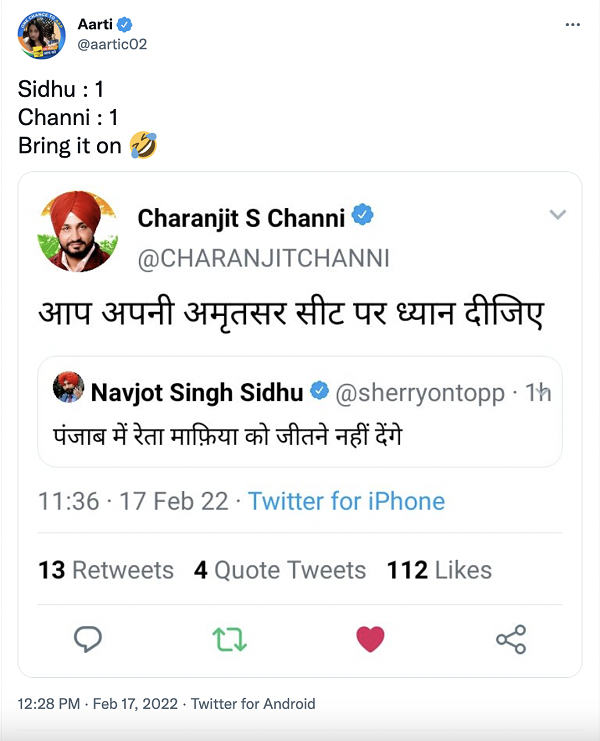
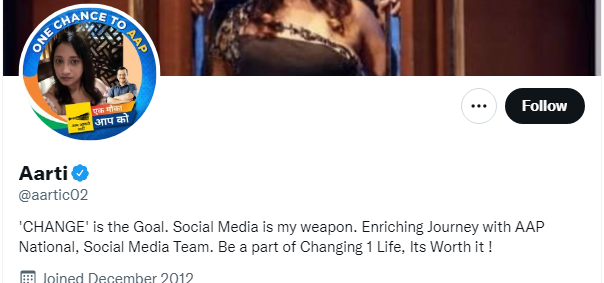
Trolling the Congress party and its ongoing internal rift in the state of Punjab, an AAP IT Cell member on Wednesday posted a morphed image of a fake conversation between CM Charanjit Singh Channi and Congress Punjab President Navjot Singh Sidhu, two days ahead of the polls.

The post portrayed a scorecard with equal points given to both, CM Channi and Sidhul, for their so-called satire in dialogues. “Sidhu-1, Channi-1, Bring it on”, the tweet by AAP IT Cell member Aarti read. The post attached an image showcasing a Twitter response of CM Charanjit Singh Channi to a tweet by Navjot Singh Sidhu targeting Channi.

Screenshot of the tweet

According to the image, Navjot Singh Sidhu tweeted, “Won’t allow Reta Mafia to win over Punjab” to which CM Channi responded saying, “You first concentrate on your Amritsar seat”. The post was a deliberate attempt to hit out at the Congress’ internal rift ahead of the Punjab Assembly Polls.

Pertinently, it was found that the claimed twitter conversation was fake and that such conversation never took place between Channi and Sidhu. Neither CM Channi nor party’s Punjab president Sidhu tweeted remarks targeting each other today. However, the AAP IT Cell member later mentioned that it was a joke and was to be taken in a funny way. This is after one of the Twitter users asked whether it was a satire to which Aarti replied ‘yes’.

Many of the AAP supporters also reported the tweet as fake and trolled Aarti for making the use of fake, photo-shopped images for the purpose of campaign. One of the users said, “This is fake. We AAPians should not support fake”. The other one mocked her for forgetting to add AM/PM to the time of the fake tweets, giving clear evidence that the tweets are fake. “You have forgotten to put AM in hurry. Never mind, such minor mistakes keep happening in Photoshop’s internship”, he said.

It is important to note that the Congress party in Punjab is facing an internal rift involving CM Channi and Sidhu after the family of the Congress President claimed that a ‘dishonest man’ was being made the face of Congress party’s chief ministerial candidate for the upcoming assembly elections in Punjab. While the family did not mention the context of who the ‘dishonest man’ was, it was seemingly hinting towards Charanjit Singh Channi. Sidhu had even said that only after winning 60 MLAs will everyone know who becomes the new CM of the state.

Reports mention that Navjot Singh Sidhu is all set to fight elections this time from the Amritsar East seat with Shiromani Akali Dal leader and former minister Bikram Majithia contesting on the other side. It was Navjot Singh Sidhu who had challenged Bikram Majithia to leave the Majitha seat in first place and contest from Amritsar East. However, CM Channi has plans to campaign for Sidhu in Amritsar seat today.

The fake tweet campaign also comes a couple of days after CM Channi slammed Delhi CM Arvind Kejriwal for lying in the midst of elections. He compared Kejriwal to the Britishers and said that AAP has come to loot Punjab. “Arvind Kejriwal is a liar. He tried leveling several allegations against me, but none were true. They complained to the Governor, he ordered an inquiry. Truth prevails,” Channi was quoted while hitting at Kejriwal for targeting him in a case pertaining to illegal mining.

The 2022 Legislative Assembly elections will be held in Punjab on February 20 to elect the 117 members of the 16th Assembly of the Punjab Legislative Assembly. The votes will be counted and the results will be declared on March 10.

‘Brides of Quran’: The horrifying and abusive practice in Pakistan that denies Muslim women the right to property

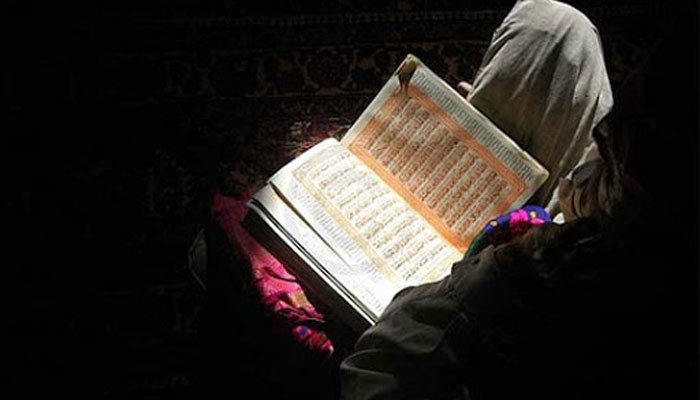
Haq Bakshish, which literally means giving away one’s rights, is a horrific practice popular among family members of the Sayyid or Syed caste, who consider themselves the descendants of the prophet Mohammad. The male members of these families marry off their girl child to Holy Quran in order to take control of the property that legally belongs to the girl and would get transferred to her after marriage.

The members of the Sayyid caste claim they are forbidden to marry outside their caste to preserve the ‘purity’ of their family blood. The male members of the family marry the girls to Holy Quran, alleging they could not find a suitable match in the tribe. They further allege letting the girl marry a person from ‘lower caste’ would not be possible as no one from the lower caste could match their status.

The family members do not ask if the girl wants to marry Holy Quran. It is decided by the male members. The girls are just informed that for the rest of their lives, they cannot think about getting married to someone else. The sons of the family get the right to control the property of the girls who got married to the Quran.

As per Pakistani law, Haq Bakshish is a banned practice. However, as per the social activists working in the field, it is not possible for the government to know about cases of Haq Bakshish as these matters are kept inside the family. According to a 2007 paper by Asharq Al-Awsat, there were at least 10,000 brides of the Quran in Sindh and other regions where the practice was popular.

DW published a video story of a bride of the Quran named Moomal (changed name) recently. She told DW there were no celebrations on the day she was declared a bride of the Quran. She was given a new dress to wear. “My father placed Quran in my hands and said, ‘we are marrying you with the Quran. Take an oath you will never think about anyone else or getting married again.

The report said her father did not marry her outside her tribe, but allegedly there were no suitable matches from inside the conservative Sayyid tribe. Most of the time, Moomal stays at home and do household chores. She said, “I never go out as I stay most of the time in ‘parda’. I do not know what is happening outside. I stay at home and do household chores. Even if a woman from outside comes to our home, I do not talk, I stay confined.”

According to rights activists, this practice, which has been deemed illegal by Pakistani law, is used to stop the redistribution of property and land among daughters and sisters. DW quoted a social worker Shazia Jahangir Abbasi saying, “The male members of the family know if the girl gets married outside the family, they have to give a share from the property that is lawfully hers. Thus they declare her ‘bibi’, which means married to the Quran. The woman accepts the fate to save the honour of the father, brothers and the family.”

In most cases, the women are just slaves of the family. They are kept confined, made to do household chores and serve the family without getting anything in return.

The New Humanitarian, in 2007, had published a story of one 25-year-old Fareeba who was married to the Quran. Her then-seven-year-old sister Zubaida told her story to the IRIN. She was confused to see all the typical functions of the wedding, the guests and other arrangements but there was no groom. Zubaida, who was 33 when she narrated the story, said, “It was extremely odd – and, of course, very tragic. Fareeba, who was a very pretty girl and was then around 25 years old, was dressed as a typical bride, with red, sequined clothes, jewellery and ‘mehndi’ [henna] patterns on her hands and feet – but overall, this she was draped in an enveloping dark ‘chador’ [veil]. There was music and lots of guests – but no groom.”

According to a documentary on the matter by Purisrar Dunya, the girl is not consulted before marrying her off to Quran. The family takes the decision, and the girl has to oblige. It does not matter how much she dislikes the practice, it becomes her fate for the rest of her life. The family members write a few verses of the Quran on paper and tie them to the waist of the girl. She is then told Quran is her husband. In a follow-up ceremony, the right to control her share of the property is transferred to her brothers.

Property rights under Islam in Pakistan

In Pakistan, the inheritance of the property is decided based on the sections and sub-sections of Islamic caste or tribe to which the family belongs, such as Cutchi Memon, Khoja, Sunni or Shia. In general, the share of a male relative is twice the share of a female relative. However, in the majority of the cases, the inheritance rights are not properly distributed. In a small number of cases, the women approach courts, but the snail speed of the legal system takes years and sometimes decades to solve the dispute.

Pune: FIR filed against Shiv Sena leader Raghunath Kuchik for rape and forced abortion

On February 17, Thursday, an FIR has been registered against Shiv Sena leader Raghunath Kuchik for sexual exploitation, cheating and criminal intimidation of a woman.

The FIR has been registered in Shivajinagar Police Station in Pune. The minister has been charged under IPC sections 376 (punishment for rape) and 313 (causing miscarriage without woman’s consent). The FIR was registered after the police received a complaint of rape and forceful abortion last night.

Indian Express reported that Section 506 (criminal intimidation) of the Indian Penal Code (IPC) has also been included in the FIR filed against the Shiv Sena leader.

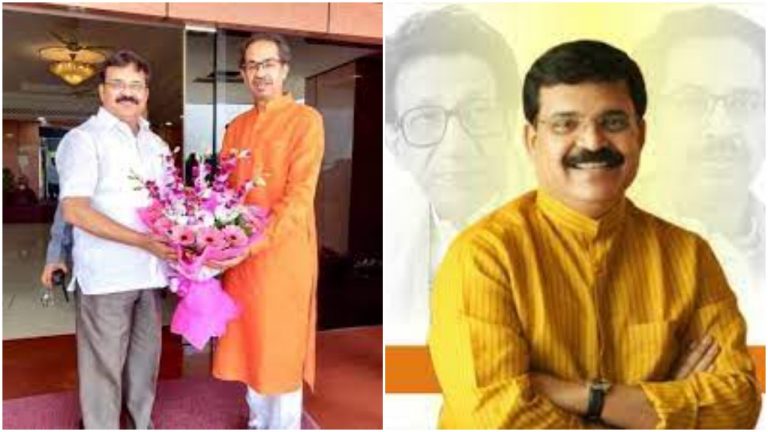
Kuchik’s profile on Twitter describes him as the Deputy Leader of Shiv Sena, General Secretary of Bharatiya Kamgar Sena (Shiv Sena backed trade union) and Chairman of the Minimum Wages Advisory Committee (MWAC) of the State Government, which is a position equivalent to Minister of State rank.

According to local newspapers, the complainant told the police that Kuchik promised to marry her and coaxed her into a sexual relationship. After she became pregnant, the Shiv Sena leader forced her to undergo an abortion. He allegedly threatened her with dire circumstances if she did not comply with his orders.

The 24-year-old victim further claimed that between November 6, 2020, and February 10, 2022, the Shiv Sena leader took her to expensive hotels in areas like Pune and Goa and had sex with her under the false pretext of marriage. Raghunath Kuchik threatened to kill the victim if she did not have the child aborted once she became pregnant, as per the complaint.

The victim approached the Shivajinagar Police Station with a complaint against the Shiv Sena leader on Wednesday, February 16. Based on her complaint the police filed an FIR.

Indian Express quoted senior inspector Anita More as saying, “He (Kuchik) has been booked on the charges of raping the woman on the false promise of marriage and later terminating her pregnancy against her consent.”

“The teams are being dispatched for his arrest,” More reportedly added when questioned whether Kuchik will be placed under arrest.

However, when OpIndia attempted to contact the Shivajinagar police station for additional information on the incident, the officials declined to speak.

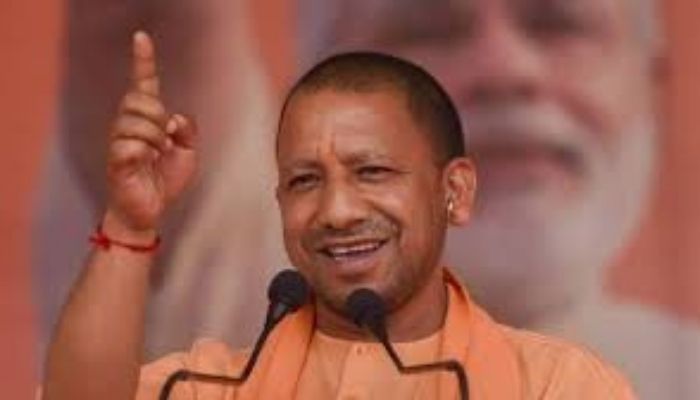
‘Everyone can wear what they want, but must abide by dress code at places that have the rule’: Yogi Adityanath on the hijab row

Uttar Pradesh CM Yogi Adityanath has asserted his stand on the ongoing Karnataka hijab row. In an interview with India Today TV on 17th February 2022, he said, “No woman wears hijab by choice. Yes, everyone has the freedom to wear as per his choice, but the places having uniform dress codes must abide by the discipline.”

The Karnataka hijab row had an impact on the Uttar Pradesh election campaigns when AIMIM leader Asaduddin Owaisi had said that a day will come when a hijab-wearing lady will lead this country. Replying to this jibe, Yogi Adityanath had recently said in an interview that those who dream of Gajwa-e-Hind must understand that it will never happen till the doomsday and India will follow the constitution, not the sharia law.

In the latest interview with India Today TV, Yogi Adityanath was asked about this. In response to the question, he said “No woman wears hijab by choice. Did the women accept the custom of triple talaq by choice? At least ask those girls about the pains they are going through. I had organized a get-together of the victims of the triple talaq. I had met with them. I have seen the tears in the eyes of those women and their parents and siblings.”

He further said “When those women were sharing their painful experience from the dais, their parents and siblings and other relatives sitting in front were shading tears. There was a woman from Jaunpur. She was a victim of the triple talaq. She had come there to thank the government. She thanked PM Modi for setting the women free from this bad custom of the triple talaq. Later, when I asked if anyone else wants to share his or her thoughts, two more girls shared their experience. These girls were younger sisters of that victim woman and they had not married looking at the hardships faced by their elder sister in her married life. Does any daughter support this bad tradition of the triple talaq?”

Putting forth his view on the current hijab row, Yogi Adityanath further said, “Personal choices of attire can be limited up to their homes, personal works in public places, like while going into market places, etc. I wear this attire in my residence as well as in my workplace, but I don’t force it on my officials. I never ask my office staff to wear this. Should I ask everyone in my office to wear Bhagwa? Do I ask every member of my party to do so? I can’t ask them to do so. Everyone must have the freedom to wear as per their choice. And if it is an institute, it must have its own discipline to abide by. If a policeman argues that I belong to a certain caste or religion and therefore why must I wear the uniform; your forces are finished.”

When asked about the Gajwa-e-Hind remark, Yogi Adityanath said “We are not afraid. Because everyone in the state knows very well that any rioter will think ten times before committing such a crime as he knows for sure, what consequences he would face in case he attempts any riotous crime. Posters will be displayed on every circle on the road. On the third day, notice for seizure will be out. Everything earned and accumulated by his ancestors will be seized for once and all.”

He further added, “The government will then teach the rioter very well how a riot is executed. People in the state know that this is possible only in the double-engine government. Now the question remains, what do you tell to those who dream of a Talibani rule here, those who make riots a normal in the state, those who keep half of the population deprived of their basic rights? There can be only one answer to such people that their dream of Gajwa-e-Hind will not realize till doomsday. India will follow the constitution and not the sharia law.”

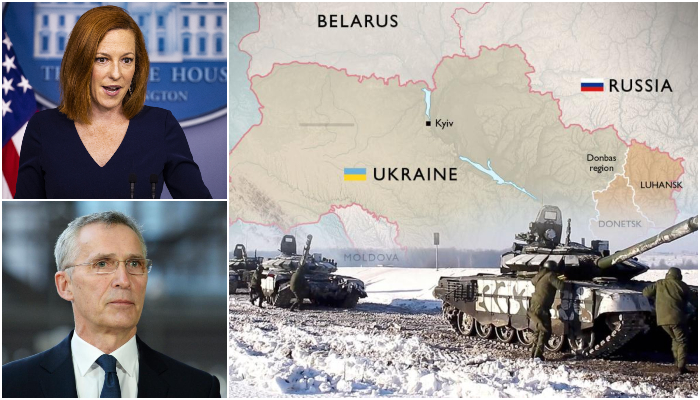
The US, NATO label Russian claim of withdrawing troop from Ukraine border as false, say more troops added instead

0

On Wednesday, the United States and NATO have refused to accept the Russian claims of moving troops away from the border with Ukraine and said that Russia can invade Ukraine at any point in time. “Window of Russian invasion still remains open”, said White House Press Secretary Jen Psaki.

Not taking the Russian claims of de-escalation at face value, the US official added that there has always been a difference between what Russia says and what it does. “In recent days, Russia has added 7000 extra troops to the border. Now around 150000 troops remain amassed in a threatening way at the border”, she said.

This is a day after Russia announced the end of the military drill near the Ukraine border in the Crimea peninsula and released a video of a train carrying military equipment across the Crimean Bridge. It declared that its military troops had begun returning back to their bases. Earlier in the day, Russia also mocked western media outlets for creating tensions in the entire world by speculating the dates of war between Russia and Ukraine.

The US in its statement reiterated that Russia had raised false flags by announcing de-escalation. It called the video posted by Russia fake and said that everyone should keep their eyes open. “We are seeking verifiable reduction of troops. We will know when we actually see it”, she added. When asked about the cyberattack in Ukraine that took down the govt websites, Psaki said that the US would continue the diplomacy as it was not immediately clear who was responsible.

Ukraine’s Defence Ministry, two national banks and armed forces faced a major cyberattack on Wednesday that disrupted the working of majorly important govt websites. “Russian responses to US security concerns have not yet been received but still we’ll continue the diplomacy”, she affirmed.

NATO’s secretary-general, Jens Stoltenberg also said that there is no evidence of de-escalation and that Russia is increasing the number of troops at the border. He added that threat from Russia had become a new normal. Jens Stoltenberg further described it as the most serious security crisis in Europe since the end of the Cold War.

Meanwhile, Ukrainian President Volodymyr Zelensky backed NATO and informed BBC that no troop withdrawal was seen. As Ukraine marked the day of unity on Wednesday, President Zelensky declared the patriotic holiday in response to US intelligence reports that Russia could attack Ukraine on the same day.

Russia has constantly been saying that it had no intentions to invade Russia. Though Russia and Ukraine have deep cultural and historic ties, and both are a part of the former Soviet Union, Russia has asked in writing from the West to cease its expansion towards the east and never allow Ukraine to join NATO as it sees the union as a threat.

Republic Day riots accused Deep Sidhu’s girlfriend says ‘I am dead inside’, was with him in car when he was killed in road accident

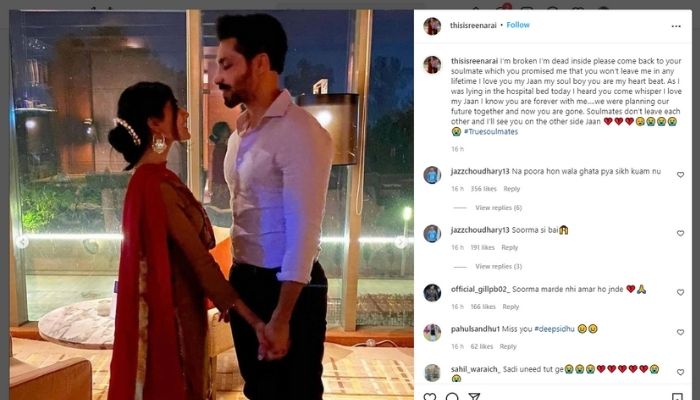
Punjabi Actor Deep Sidhu who was accused in the 26 January riots of 2021 died in a road accident on February 15 on a highway near Delhi. His girlfriend Reena Rai who was with him while the accident happened, was saved because of airbags. A day after the actor died, Reena took on Instagram to write an emotional note to Sidhu, who left her all of a sudden.

On Wednesday, While sharing her pictures with Deep Sidhu, Reena wrote on Instagram, “I’m broken, I’m dead inside. Please come back to your soulmate, which you promised me that you won’t leave me in any lifetime.” According to Reena’s post, she was in the hospital while writing the heartfelt note to Deep Sidhu on Ithe social media platform.

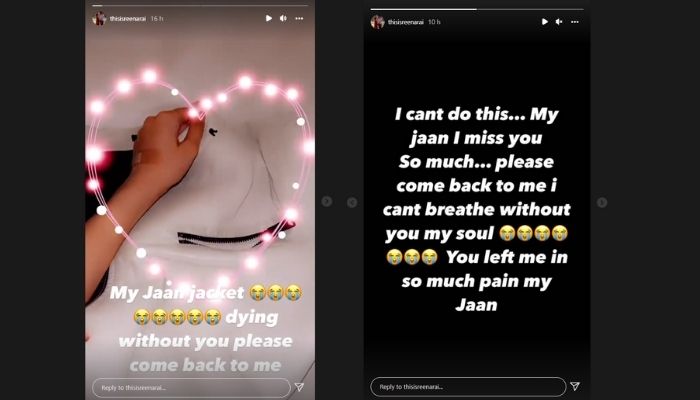
Reena was also seen posting two stories dedicated to her late boyfriend, in one of which she was seen sobbing while holding Deep Sidhu’s jacket.

stories posted by Reena Rai on Instagram

According to India Today, the couple had been together for over two years from now. Reena, who is also an actor was travelling with Sidhu from Delhi to Bathinda on February 15. She was saved in the accident had narrated the incident to the Police. Apparently, she was sleeping in the car when the accident took place. After calling some friends, she managed to take Deep Sidhu to a hospital, but he was declared dead.

It is believed that the couple was returning from Delhi on February 15, after spending Valentine’s Day together – the pictures of which were shared by Reena on Instagram.

MoS Rajeev Chandrasekhar calls for a ‘New Digital Law’ to replace the outdated IT Act 2000

0

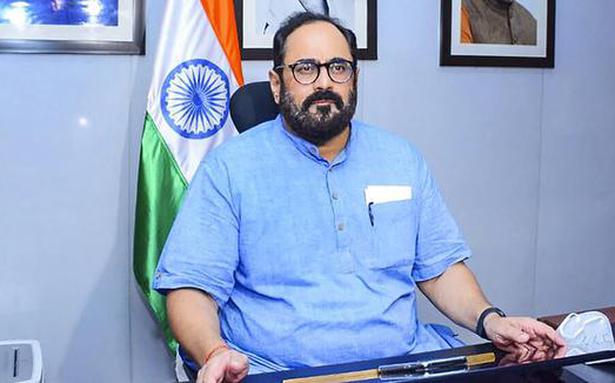
Rajeev Chandrasekhar, Minister of State for Electronics and IT, has on Wednesday called for a “new digital law” to replace the 20-year-old “outdated” Information Technology Act of 2000. Speaking at Nasscom’s annual event India Leadership Forum 2022, Chandrashekhar said, “a new digital law that takes into account aspects like citizens’ right to privacy, is needed to keep pace with the time.”

He also stated that the planned new digital law would serve as a model for future internet jurisprudence.

He was referencing the Data Protection Bill, which has been stuck in limbo for three years. He also mentioned that the bill may take longer to form because the administration does not want to rush it. 

PM Modi has advised the ministry to have as much consultation as possible and the bill is being referred to the ministry. Chandrashekhar added, “We will continue this conversation for a little bit longer in my opinion. I don’t want to rush into something and then go back with more amendments. The world needs to get a signal that India’s cyberspace is safe, trusted, open and accountable and most importantly very predictable in terms of what the jurisprudence around it is.”

According to him, India is the world’s most connected market. “Even if you include China, we are still one of the world’s largest markets and one of the most connected democracies. We have much to teach the rest of the world about how to manage digitalisation, boost digital adoption, inclusiveness, and access for everyone, while also ensuring that the internet is secure, trustworthy, open, and responsible,” he stated

The Joint Parliamentary Committee had eventually tabled its long-awaited report on the Personal Data Protection Bill, 2019, in December 2021.

“Any new law should not be rigid and too focused on the present. Rather, it should be flexible and open to wide interpretation, given the evolving nature of the technology space,” Chandrasekhar added, with a word of caution.

He also stated that the new rules should not place an undue burden on startups and that the restrictions should be flexible.

Chandrasekhar also took aim at social media behemoths, calling for a concerted international effort to hold companies like Facebook and Google accountable.

He was quoted by Financial Express as saying, “If we are to bring some sanity and some consistency in the way big tech platforms should be accountable to communities and society at large, countries will have to come together and cooperate. Often this attempt to regulate or even to create some sort of sanity and rules and accountability is spun as a challenge to free speech.” 

He also added, “While digitising our democracy is important, keeping our democracy safe and ensuring technology is deployed in a trusted manner and in an accountable manner is equally important.”

India bans 54 more Chinese apps, total reaches to 321

The minister’s statement over data privacy comes on the heels of the Center’s recent decision to ban 54 more Chinese-made apps and games.

On February 14, the government of India issued an order to ban another 54 mobile apps linked to China under the emergency provision envisaged in Section 69(A) of the IT Act. As per reports, the Ministry of Home Affairs had sent a request to the Union Ministry of Electronics and Information Technology to block the apps.

On June 29, 2020, the central government had announced a ban on 59 Chinese apps, including the very popular short-video app TikTok. Later on August 10, another set of 47 apps was banned that were either related to or clones of the previously banned apps. On September 1, 2020, another 118 apps were blocked, followed by 43 apps on November 19, making it a total of 267 apps. Tiktok and PubG were the most popular apps that were banned by the Government of India for their links to China.