Home Blog Page 395

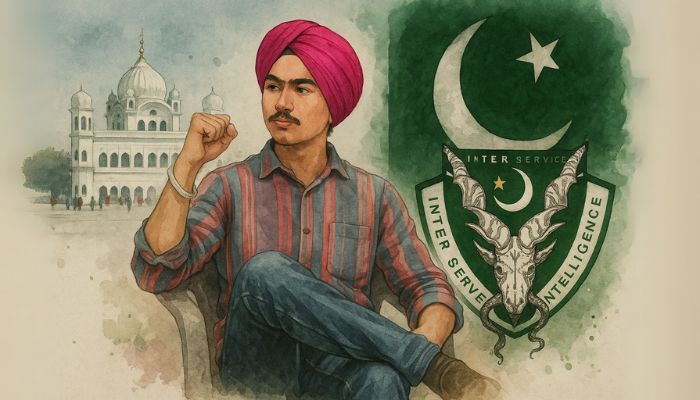
Pakistan’s old playbook finds a new corridor: Why India must recalibrate its approach to Kartarpur and thwart ISI’s nefarious agenda

The Kartarpur Corridor was opened as a symbol of hope. It is a narrow but significant bridge between India and its hostile neighbour, Pakistan. Kartarpur Corridor is a spiritual lifeline that connects Indian Sikh devotees to one of their holiest sites, Kartarpur Sahib Gurdwara, where Guru Nanak Dev Ji spent the final 18 years of his life. As the Gurdwara is now in Pakistan after the partition, the corridor was opened as a goodwill gesture for the Sikh community living in India.

However, in less than five years since its inauguration in 2019, reports have emerged that Pakistan has been misusing it. Earlier, there were reports that Pakistan used the site to spread propaganda that India tried to attack the Gurdwara during the 1971 war. Furthermore, other reports suggested that Pakistani authorities approached Sikh devotees for business propositions without India’s permission.

As if that was not enough for Pakistan, the enemy nation started using the corridor to lure Indians to spy for Pakistan in exchange for money etc. The recent arrest of Devendra Singh Dhillon, a 25-year-old Masters student from Patiala’s Khalsa College, should serve as an eye-opener for the authorities on the Indian side. The arrest has emerged as a festering concern that New Delhi can no longer afford to ignore.

Apart from Dhillon, other influencers have also been arrested for spying against India and sending sensitive information to Pakistan. Such incidents have thrown light on how Pakistan may be using the corridor not for faith, but for fuelling anti-India operations, including Khalistani propaganda and espionage recruitment.

A corridor of devotion, or deception?

Devendra’s arrest is not an isolated case but part of a troubling pattern. He was picked by the police on 12th May from Kaithal, Haryana for uploading firearm photos on Facebook. Initially, police thought he was just another misled youth flexing for social media clout. However, the details that emerged during questioning shook the investigating officers.

Media reports suggest that in November last year, Dhillon had travelled to Pakistan via the Kartarpur Corridor. It was meant to be a religious pilgrimage but it allegedly became the entry point for deeper, more sinister interactions. He reportedly came in contact with Pakistan’s notorious Inter-Services Intelligence (ISI) agency’s officers. They lured him into sharing sensitive information with them, including images of the Patiala military cantonment.

If a political science postgraduate student could be roped into such a high-stakes espionage network, imagine how dangerous this trend can, or might have already, become. It cannot be treated as an isolated case.

According to Kaithal SP Aastha Modi, Pakistan’s handlers had spent considerable money on Dhillon. His phone was confiscated by the police and bank accounts are under probe to trace the money trail. The implications are clear. The Kartarpur Corridor has become a soft entry point for ISI recruitments and subversive activities under the garb of faith tourism.

Faith without vigilance is a national risk

When the Kartarpur Corridor was opened in 2019, India showed magnanimity. Despite the fact that Pakistan has a history of sponsoring cross-border terrorism and has been persistent with the anti-India rhetoric, New Delhi allowed thousands of its citizens to access the holy site of Guru Nanak Dev Ji’s final resting place in Narowal district. The decision was made in good faith, literally and figuratively.

However, that very faith is now being exploited. The Pakistani establishment has long played host to Khalistani terrorists. Notorious Khalistani terrorists Gopal Singh Chawla, Jagtar Singh Tara, Gajinder Singh and many others have found asylum in Pakistan. Pakistan supported Sikh insurgency in Indian Punjab during the 1980s and often glorifies Khalistani terrorist Jarnail Singh Bhindranwale. Furthermore, Khalistani terrorist Hardeep Singh Nijjar had also gone to Pakistan to meet Tara.

It is evident that Pakistan sees Sikhs as soft targets. Now, the suspicion is that their new approach involves subtle indoctrination, honey-trapping, and direct ISI contact during Kartarpur visits. These attempts don’t rely on coercion. They rely on emotional manipulation, religious sentiments, and targeted selection of vulnerable visitors.

Is New Delhi doing enough?

It is high time that the Government of India asks itself if the security protocols surrounding Kartarpur visits are stringent enough. Are background checks thorough? Are returning pilgrims being adequately monitored for potential contact with foreign handlers? Are we tracking their financial footprints post-visit? More importantly, has there been any dialogue with the Pakistani side regarding rising misuse?

There are so many questions we must ask and Prime Minister Narendra Modi-led Government of India must answer.

Faith is personal, espionage is not

The case of Devendra Singh Dhillon and Jyoti Malhotra, among others, is a chilling reminder that Pakistan is not looking for trained spies. It is looking for malleable minds. The Kartarpur Corridor, with its sacred aura, provides a near-perfect cover. And while the spiritual ties must not be broken, India cannot afford to be naïve.

It is time for the Central government to rethink the framework around Kartarpur travel. Biometric profiling, stricter pilgrim guidelines, and post-return debriefings are not just prudent, they are necessary. Post-pilgrimage monitoring for a specific time must be added to the list as well. It is evident that behind a faithful visitor, there may be someone being quietly cultivated to serve another nation’s dark ambitions.

Kartarpur Corridor is a necessity but that does not mean we leave our doors unmanned.

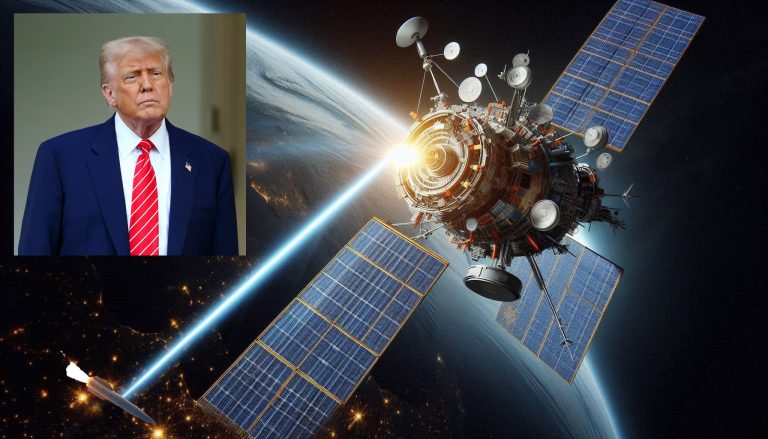
What is Golden Dome: Donald Trump’s proposed $175 Billion Missile Defense System for US with weapons to be placed in Space

On 20th May, President Donald Trump announced his intention to start construction of a new and advanced missile defence shield named “Golden Dome”, that would be able to intercept threats from space. He estimated the project would cost about $175 billion and be operational in three years. He vowed that the ambitious venture would be accomplished by 2029, the conclusion of his second tenure.

The system is intended to destroy “hypersonic missiles, ballistic missiles, and advanced cruise missiles,” and he claimed to have “officially selected an architecture” for the same. It will integrate new technologies with current defence infrastructure to protect the United States from foreign missile threats, including those launched from space.

Trump initially launched the program in January with the goal of thwarting Russian and Chinese threats. Its goal is to establish a network of satellites, perhaps hundreds, that can follow, identify and intercept incoming missiles.

During a White House press conference, he announced that US Space Force General Michael Guetlein is going to serve as the principal program manager for what is considered to be the cornerstone of his military strategy. The president informed that $25 billion will be allocated in the budget for the following year to start construction.

President Trump said, “Once fully constructed, Golden Dome will be capable of intercepting missiles even if they are launched from other sides of the world and even if they are launched from space, and we will have the best system ever built.” The initiative, he maintained, is the realisation of his long-standing campaign promise to create a cutting-edge shield that can intercept missiles at any stage of flight.

Trump announced that Golden Dome will “protect our homeland.” He added that Canada indicated its intention to be involved in it. He even referred to former President Ronald Reagan’s space-based missile defense system nicknamed as “Star Wars,” which the latter had suggested many years ago.

On the campaign trail, Trump started advocating for a US missile defense system modeled after Israel’s Iron Dome a year ago after witnessing the country deflect over 300 missiles and drones during Iran’s attacks, during the 2024 spring. He emphasised that the project is “very important for the success and even survival” of the United States.

Golden Dome and its significance

There will be both space-based and ground-based components in the Golden Dome. The system will be built to combat threats at four critical stages: early-stage interception, midcourse engagement, pre-launch detection and destruction as well as final-phase interception as missiles approach their targets. This implies that it will be able to track, destroy and intercept missiles from space or the ground as soon as they are launched.

Notably, hypersonic missiles are hard to track with traditional radar systems due to their great speed and low altitude during the glide phase, making them challenging to intercept from the ground or the sea. These challenges are better met by space-based tracking and interception systems, which provide benefits in detection and targeting, especially during the boost phase when the trajectory of hypersonic missiles is more predictable.

The Golden Dome’s design will work with current ground-based defense capabilities, according to Pentagon chied Pete Hegseth, and will shield “the homeland from cruise missiles, ballistic missiles, hypersonic missiles, drones, whether they’re conventional or nuclear.”

Pentagon planners have been developing various versions of the program for several months. These include “medium,” “high” and “extra high” in terms of cost and involve space-based interceptors. The cost and capability of these also vary on the quantity of sensors and satellites. A US planning official reportedly detailed persisting discussions around procurement requirements and system complexity.

Space-based interceptors would be bought for the first time, reported the Associated Press. This month, the Congressional Budget Office projected that the Golden Dome’s space-based elements alone might cost up to $542 billion over the course of the next 20 years. Trump’s proposed tax relief bill seeks an initial $25 billion for the program. It is currently pending in Congress.

The Pentagon has long warned that new countermeasures are required because Chinese and Russian missiles have become exceedingly sophisticated. Those innovative missiles would be stopped early or mid-flight by Golden Dome’s added satellites and interceptors which account for the majority of the program’s expenditure.

US Space Force Chief General Chance Saltzman told lawmakers that the space-based weapons planned for Golden Dome “represent new and growing requirements for missions that have never before been accomplished by military space organizations.” Russia and China have launched offensive weapons into space, including satellites that can take down vital American satellites, leaving the United States open to assault.

Golden Dome’s requirements continue to be developed by the Pentagon. According to the US official, the Pentagon and US Northern Command are currently working on what is referred to as an initial capabilities document. Northern Command which is in charge of homeland defense, determines what it needs the system to achieve.

Trump promised that all of the Golden Dome’s manufacturing will take place in the United States, with important sites located in Georgia, Alaska, Florida and Indiana. He pointed out that the US version would be much enlarged to protect against long-range missile threats from enemies like China, Russia, Iran and North Korea, drawing inspiration from Israel’s Iron Dome.

The Iron Dome air defense system began operating in 2011 and has already intercepted thousands of short-range rockets and other projectiles launched by Hamas and other adversaries of the Jewish state.

He stressed that the complete system would be produced indigenously. Potential candidates for important positions include large contractors like Raytheon, L3Harris Technologies and Lockheed Martin. It is anticipated that the Pentagon would start testing a number of elements, including satellites, sensors and interceptors. These technologies will be purchased for the larger Golden Dome network after they have been verified.

Weaponised satellites in space

Putting missile-sensing and missile-destroying satellites in orbit above the planet is a major component of the Trump proposal. Thousands of tiny satellites that might strike a missile just seconds after it departs from its submarine or silo would be part of the system. A few years ago, such a huge satellite network would have been unimaginable but now it appears to be at least theoretically feasible.

SpaceX of Elon Musk has begun deploying a network of internet-transmitting satellites called Starlink using inexpensive rockets. According to SpaceX, the Starlink system presently consists of about 7,000 satellites in orbit, which is similar to most estimates of the number of satellites needed for a limited space-based missile defense capacity.

Interestingly, the billionaire is the head of the newly formed United States Department of Government Efficiency (DOGE) and has an advisory role in the Trump administration. He is known for having a close relationship with the president as well. Alongside Palantir and Anduril, SpaceX has become a leading contender to construct important components of the system.

Tom Karako, director of the missile defense project at the Center for Strategic and International Studies highlighted, “The entire Golden Dome effort is long overdue.” He acknowledged that intercepting incoming missiles from space is a very diffcult task. Nevertheless, he asserted that the next major conflict will probably take place in part above Earth’s atmosphere.

He believes that Golden Dome’s capabilities will give the United States a strong defense that might be used for anti-satellite warfare if necessary. He added, “There’s a need to contend with a whole lot of things that are in space and going through space.”

Golden Dome and Ronald Reagan’s Star Wars

For many years, US politicians have dreamed of space-based missile defense. Plans for a system to intercept missiles from the Soviet Union were announced by President Ronald Reagan in 1983. The Strategic Defense Initiative (SDI), a bold attempt to defend the United States against nuclear assault with space-based lasers and interceptors was revealed by him.

The idea of a defensive shield that could identify and eliminate incoming missiles at every stage of flight seemed clear even though the technology was not yet available. “I know this is a formidable task, one that may not be accomplished before the end of this century. It will take years, probably decades of effort on many fronts,” Reagan declared at the time.

Its detractors called it “Star Wars,” claiming it was more science fiction than practical defense. However, it impacted US-Soviet armament negotiations and defined the strategic discussion of the 1980s. During the 1980s, the estimated cost of SDI varied between $60 billion and $100 billion. Ultimately, the Soviet Union fell apart before the vision could come to pass. Trump’s Golden Dome now reflects that same goal.

According to reports, Reagan’s determination on preserving SDI caused important weapons talks with Soviet leader Mikhail Gorbachev to stall. Golden Dome and SDI both represent crucial moments when American presidents put out ambitious military technology plans that went beyond what was feasible at the time. If it ever takes off, Golden Dome, like Star Wars before it, has the potential to change American perceptions of global arms control, military space policy and nuclear deterrence.

“Ronald Reagan (40th US President) wanted it many years ago, but they didn’t have the technology. It’s something we’re going to have. We’re going to have it at the highest level. We will truly be completing the job President Reagan started 40 years ago,” Trump boasted. He asserted that the technology of the system is “about as close to perfect as you can have,” despite the fact that some of its parts have not been tested.

Trump’s long-aspired dream

Trump supported the establishment of the US Space Force during his first term in office. On 20th December 2019, this new branch of the military was formally created. The Space Force was intended as a reaction to China and Russia’s expanding space military prowess.

Now, Golden Dome will be the first US defence system to be deployed in space. “I promised the American people that I would build a cutting-edge missile defence shield to protect our homeland from the threat of foreign missile attack,” Trump outlined.

Military officials stated last year that they had not indicated a need for such a shield to protect the United States as they cited already-existing missile defense systems. However, Trump’s remarks about constructing “the greatest dome of them all” were well received by the audience at his rallies. Afterward, Republicans made the development of a missile shield part of their party platform in advance of the 2024 elections.

Trump issued an executive order in January urging US secretary of defense, Peter Hegseth to fulfill it and wrote, “The threat of attack by ballistic, hypersonic, and cruise missiles, and other advanced aerial attacks, remains the most catastrophic threat facing the United States,” on the 27th Januray order.

Sean Parnell, chief Pentagon spokesman and Hegseth’s senior adviser mentioned, “The Defense Department has gathered the brightest minds and best technical talent available to review a full range of options that considers current US missile defense technology and cutting-edge innovation to rapidly develop and field a dependable umbrella of protection for our homeland.”

Notably, the true test of the system will be whether its futuristic promises can withstand political scrutiny and technological reality, much like SDI did in the 1980s.


Allahabad HC says mass religious conversions threaten public order and police have power to file criminal proceedings, refuses to quash FIR in Jaunpur case

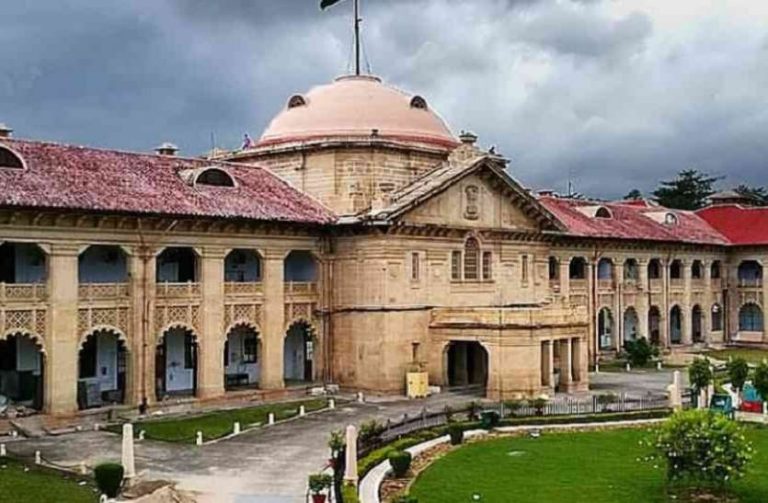
A bench of Justice Vinod Diwakar of Allahabad High Court recently refused to quash an FIR against four people accused under the Uttar Pradesh Prohibition of Unlawful Religious Conversion Act, 2021. As per the complaint filed against the accused, they tried to convert people to Christianity by offering money and free medical care. The HC rejected the plea seeking quashing of the FIR citing that the charges were serious and valid enough for police investigation.

Accused were proselytising in a church

A case was filed against the four accused including a woman in 2023 at the Kerakat Police Station in Jaunpur, UP under Uttar Pradesh Prohibition of Unlawful Religious Conversion Act, 2021, read with Sections 419, 420, 508 of the Indian Penal Code. Police detained the accused after they were caught proselytising a group of villagers at a church in Vikrampur village. When the police entered the church, they saw that a man speaking on a mincrophone was trying to convince the people gathered there to adopt the religion of Jesus Christ.

On seeing the police, the people along with the organisers of the event began to flee. The police seized material relating to religious conversion from the church, including several copies of the Bible, hundreds of pamphlets, envelopes and some musical instruments.

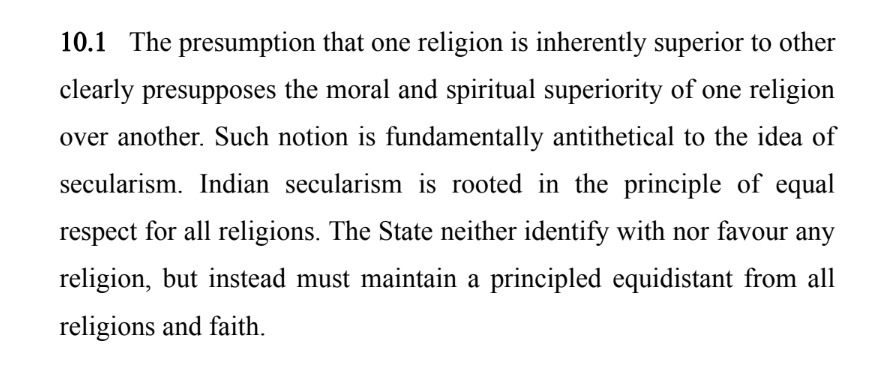
Presuming spiritual superiority of one religion over another goes against secularism: HC

In its order dated May 7, 2025, the High Court observed that presuming moral and spiritual superiority of one religion over another goes against the idea of secularism.

Exerpt from the order of the High Court

Explaining the intent behind the enactment of the Uttar Pradesh Prohibition of Unlawful Religious Conversion Act, 2021, the Court noted that the object of the legislation is to prevent the religious conversion carried out by adopting infair means. It added that the law sought to prevent exploitation and manipulation that could destabilise social harmony.

Excerpt from the order of the High Court

The state cannot be a silent spectator says the HC

The High Court justified State intervention in cases of involuntary religious conversions stating that the State cannot be a silent spectator when weaker sections of the society are being targeted for religious conversion. “…unlawful conversion is not only an offence against an individual and their relatives, but also the State- particularly in cases of mass conversion of socially and economically deprived section of the society- when such conversions are carried out through misrepresentation, force, undue influence, coercion, allurement, fraudulent means, the threat to the societal fabric individuals or communal well-being becomes even more grave. In such circumstances, the State cannot remain a silent spectator,” the court said.

The Expression “aggrieved person” not limited to victim

In this case, the FIR was filed by the Station House Officer (SHO) against the accused. The main issue before the High Court was whether the registration of impuged FIR was the SHO rendered the entire criminal proceedings void ab initio in the light of the use of the words “any aggrieved person” under section 4 of the Act. Addressing the issue, the High Court adopted a broad interpretation for the epression “any aggrieved person” saying that interpreting the words broadly serves the purpose of the Act by expanding the category of individuals who can initiate legal action.

“Applying the principle of purposive interpretation, the undefined term “any aggrieved person” under the unamended Section 4 of the Act, 2021 cannot be interpreted in isolation. Given the statutory context and intent of the enactment, the expression must be construed broadly to include the Station House Officer (S.H.O.), who is legally mandated to maintain public order and is competent under Section 173 of BNSS, 2023 to register FIR for cognizable offences,” the court said.

Religious belief and expression should be volunatry: HC

The High Court emphasised that the right to profess, practise, and propagate religion granted under the Constitution is guided by the word “freely” which underscored the volunatry nature of the religious belief. “The court also held, “India’s constitutional framework guarantees the right to religious freedom under Article 25 of the Constitution of India. This Article confers upon every person the fundamental right to freely profess, practise, and propagate religion, subject to public order, morality, and health. The use of the word “freely” in Article 25 underscores the voluntary nature of religious belief and expression,” the High Court explained.

Dismissing the plea, the High Court said that if the applicant did not cooperate with the trial, then the trial court may proceed as per law.

Chhattisgarh HC revokes maintenance granted to woman, says ex-husband need not pay maintenance if divorce granted on grounds of wife’s adultery

In a recent ruling, the Chhattisgarh High Court stated that a wife living with a man after leaving her husband is not entitled to maintenance from the husband. The court said this while dismissing a review petition filed by a woman seeking higher maintenance from her ex-husband. The high court on 9th May, not only denied the petitioner’s demand for higher maintenance but also quashed the one previously granted by the family court.

The decision came on review petitions filed by a computer operator from Raipur and his wife who in their respective pleas challenged a family court order passed in 2024, which stated that the ex-husband will provide Rs 4,000 monthly maintenance to his ex-wife.

However, the man challenged the court order arguing that his now-divorced wife was found doing adultery with his younger brother and the same was proven before the lower court. The man thus argued that a wife living in adultery cannot claim maintenance. He also told the court that his financial condition was not taken into consideration while pronouncing the verdict in ex-wife’s favour.

Meanwhile, the woman in her plea sought to increase the maintenance amount to Rs 20,000 per month.

The duo got married in July 2019, however, the woman claimed that soon after their marriage, the husband began inflicting mental torture and questioned her character. She further alleged that her in-laws used to torment her for not providing meals for the family on time.

Meanwhile, the man accused his wife of lying about his income as the woman claimed that her ex-husband earns Rs 1 lakh a month from various sources, Rs 25,000 from his job, Rs 35,000 in rent, and Rs 40,000 from farming. However, the man told the court that he only earns Rs 17,131 and had no other source of income.

The woman’s counsel argued that there is a difference between “living in adultery” and “once lived in adultery” or “Once established physical relation with someone twice or thrice”. The woman also contended that having an extra-marital affair and living an adulterous life are two different things.

However, the man argued that in 2023, the family court granted divorce to the duo under the Hindu Marriage Act on the grounds of adultery. The man’s counsel argued that under Section 125(4) of the Code of Criminal Procedure, a woman is not entitled to receive interim maintenance from her husband if she was living in adultery, refuses to live with her husband without a sufficient reason, or if they are living separately by mutual consent.

After hearing the arguments of both sides, Justice Arvind Kumar Verma set aside the family court order and said: “The decree for divorce granted by the family court in favour of the husband is sufficient proof that the wife was living in adultery. Once such a decree is in force, it is not possible for this court to take a different view contrary to the decree granted by the civil court.”

“Therefore, this court is of the considered view that the decree granted by the family court clearly goes to prove that the wife is living in adultery and thus, the wife suffers from the disqualification to claim maintenance from the petitioner (husband),” the court added.

Earlier Karnataka HC denied maintenance to wife as she stayed in adultery

Back in October 2023, the Karnataka High Court heard a similar case wherein a wife had challenged the order of the Sessions Judge which had set aside order of granting maintenance to the wife under section 12 of the Protection of Women from Domestic Violence Act, 2005. The bench of Justice Rajendra Badamikar rejected the wife’s petition stating that when a wife is living in adultery, the question of maintenance claims does not arise.

The woman had challenged an earlier the court order wherein she was granted Rs 1500 maintenance and Rs 5,000 compensation. However, the husband challenged this order and the sessions judge eventually set aside the magistrate’s order.

It must be recalled that back in 2018, a five-judge bench of Supreme Court of India declared section 497 of the Indian Penal Code unconstitutional, calling it “manifestly arbitrary”. Section 497 was widely considered a lopsided law, as it is gender biased. Under this law, on one hand, only married men can be prosecuted for adultery, not a married woman. On the other hand, this section applies only if a man has sex with a married woman without the consent of that woman’s husband. This implies that the husband has ownership over his woman who can permit her to have a physical relationship with another man.

Court has clarified that adultery will be a valid ground for divorce.

MP High Court said that living in adultery does not disentitle wife from claiming maintenance

In April 2024, the Madhya Pradesh High Court while hearing a plea seeking reduction of maintenance award on grounds of adultery after divorce, said that “a stray act of adultery on the part of the wife does not amount to adultery” and therefore does not disentitle a wife from claiming maintenance from her husband.

“The expression “living in adultery” connotes a course of adulterous conduct more or less continuous and not occasional,” Justice Prem Narayan Singh had said.

Haryana: Police detains 29 illegal Bangladeshis including 8 children, families were working as labourers in a brick kiln

In the aftermath of Operation Sindoor, Indian authorities have intensified action against illegal immigrants living in the country.

In a recent action against illegal immigrants, the Haryana police detained 29 Bangladeshi nationals, including women and children residing illegally in India. As per reports, Bangladeshi nationals have been working at the Kharkiya brick kiln in Kalanaur, Rohtak.

Noor Islam entered India 22 years ago, has a wife and three children

One Bangladeshi national, Noor Islam, revealed during interrogation that he has been living illegally in India for 22 years. He said that he paid ₹15,000 to the contractor who helped him cross the border and enter India. He worked at brick kilns in Ghaziabad, Sonipat, and Noida. He later brought his wife Hunnara Begum along with him. He had three children, one of whom lives in Bangladesh.

Another Bangladeshi national Musharraf said that last year he paid ₹25,000 to an agent to enter India illegally. Hafizul, one of the Bangladeshi nationals said that he enterd India through Balaghat border area at night.

Investigation revealed that the contractors made fake Aadhar cards for the arrested Bangladeshi. They made groups of 5 to 10 Bangladeshi nationals and facilitated their entry via West Bengal.

Bhiwani police and CID have been conducting a major search operation for the last four days to trace the infiltrators. 
Kalanaur police station in-charge Satpal said that the 29 arrested people will be sent to Rohtak Civil Lines.

‘Doctor Death’: Serial killer who fed victims to crocodiles arrested again, was granted parole in 2023 despite violating and absconding in 2020

On 20th May, Delhi Police’s Crime Branch arrested serial killer Devendra Kumar Sharma, infamously known as Doctor Death, from an ashram in Rajasthan’s Dausa district. Sharma, who has been accused of killing over 100 men, primarily taxi drivers, used to dump the bodies of his victims into crocodile-infested canals. He was also accused of running an illegal kidney transplant racket. When Delhi Police arrested him, he was living under a false identity, dressed as a spiritual guru. The arrest concluded an almost year-long manhunt that spanned cities including Delhi, Aligarh, Jaipur, Agra, and Prayagraj.

Sharma, once a certified Bachelor of Ayurvedic Medicine and Surgery (BAMS), became the infamous ‘Doctor Death’ after it was revealed that he murdered dozens of taxi drivers and threw their bodies for crocodiles to feast on. After years of legal battles, which are still going on, he has been, so far, sentenced to life in seven different murder cases and received the death penalty in one. His criminal saga has another grotesque turn, absconding under parole, twice. The recent arrest of Sharma is the second time of jumping parole.

Sharma’s arrest was publicly confirmed on Tuesday by Deputy Commissioner of Police (Crime Branch) Aditya Gautam.

From failed gas agency to blood-soaked crimes

67-year-old Sharma hails from Pureni village in Aligarh, Uttar Pradesh. He completed his Ayurvedic studies in Bihar in 1984, following which he set up a small clinic in Dausa, Rajasthan under the name of ‘Janata Clinic’ and practised medicine for over a decade. During that period, he lost ₹11 lakh, leading to a financial debacle after he became a victim of a gas dealership fraud. Being a victim reportedly changed his life.

By 1995, Sharma had turned to crime. He was also accused of running a gruesome kidney transplant racket. Between 1998 and 2004, he collaborated with a doctor named Amit to conduct more than 125 illegal kidney transplants, mainly exploiting poor individuals from Bihar, Bengal, and Nepal. Reportedly, he lured them in with promises of cash. However, for Sharma, it was not enough.

A murderous modus operandi

Around the late 1990s, Sharma formed a gang and evolved into a full-fledged serial killer. His modus operandi can send chills down the spine. He and his associates would pose as passengers and hire taxis for outstation trips. Once en route or at the destination, they would direct the unsuspecting driver to a secluded area where he would be brutally beaten to death. The vehicle would then be sold in the grey market, while the victim’s body would be dumped into the Hazara Canal in Kasganj, a waterway infested with crocodiles. The canal became the dumping ground as the crocodiles would erase, or eat, all the evidence.

By his confession to the police, he stopped counting after 50 murders. The total toll, according to the investigators, could be well over 100. One senior officer remarked, “He enjoyed the bloodshed,” explaining the remorseless nature of the crimes he had committed.

Arrested, sentenced… and released on parole

Sharma was first arrested in 2004 for his role in the kidney racket and the serial killings. He was sentenced to life imprisonment in seven different murder cases across Delhi, Rajasthan, and Haryana. In 2008, a Gurugram court sentenced him to death for the brutal murder of a taxi driver named Naresh Verma. In another case, he was awarded the death sentence for the murder of taxi driver Kamal Singh, who was killed in 2002. Despite such a horrific criminal record, Sharma was granted parole not once, but twice.

In 2020, he was released on a 20-day parole but failed to return. He remained on the run for seven months before being tracked down in Delhi. Not learning from the past experience, in June 2023, authorities granted him another two-month parole in a separate case registered at Sarita Vihar police station. He was scheduled to surrender on 3rd August 2023, but once again, he vanished.

A manhunt across states, a fugitive disguised as baba

After Sharma went underground for the second time, Delhi Police’s Crime Branch launched an elaborate manhunt. Teams were dispatched to Aligarh, Jaipur, Agra, Delhi, and Prayagraj to trace his movements. After six months of combing records, talking to contacts, and monitoring suspicious locations, police finally received a lead that pointed them to Dausa, Rajasthan.

Sharma was found living under a new identity. He had turned into a “spiritual guru”, drawing no suspicion from the locals. After confirming his identity, the police arrested him and brought him back to Delhi. This was the second time in just three years that the police had to spend months locating and arresting a man who had already been convicted of multiple murders and awarded the death penalty.

Acquitted in two cases over lack of admissible evidence

While Sharma remains convicted in several murders, he has also managed to walk free in two separate high-profile cases owing to technical lapses and lack of conclusive evidence.

In the 2012 judgment related to the murder of Kamal Singh, the Punjab and Haryana High Court acquitted Sharma, ruling that there was no dead body, no forensic link, and no conclusive circumstantial chain. The case rested heavily on disclosure statements and recoveries, which the Court found unreliable and contradicted by the brother of the deceased, who had turned hostile.

In another 2012 case involving the murder of Bhagirath alias Lala, the same court found that the vehicle recovered could not be linked to the original stolen vehicle. No independent witnesses were present during the alleged recovery of the deceased’s personal items. Again, the Court ruled that circumstantial evidence did not form a complete chain, and acquitted Sharma and two others.

Both judgements serve as a grim reminder of how India’s legal system, when burdened by investigative lapses and uncorroborated statements, can fail to uphold even the most straightforward cases against a known serial killer.

‘I was told to send visuals of Sirsa airbase in exchange for lakhs of rupees’, says Md Tarif who was arrested on charges of spying for Pakistan

A man named Mohammad Tarif, who is accused of spying on behalf of Pakistan, was recenty arrested by Haryana Police in a major counterintelligence operation in the Nuh area of Haryana. He is from the village of Kangarka under the jurisdiction of the Taoru police station.

Taoru police have registered a case against three individuals, including two staff members of the Pakistani Embassy, and have launched an investigation. The police are interrogating the offender and have recovered a mobile phone from him.

After being arrested, Tarif confessed that he had visited Pakistan several times and interacted with Pakistani officials, including providing them with SIM cards. Additionally, he admitted to talking to a Pakistani official who sought confidential information from him in exchange for money.

“I went to the Pakistan Embassy in 2018 for my Visa. A Pakistani officer interviewed me. He took my number and said he would tell other details on Phone. He called me after three-four days and said, if you want a visa, give me two new Sims. I bought two new Sims from Nuh, and then I went to that Pakistan Embassy and met that officer. He issued me the Visa after I gave him the Sims,” he stated in a video.

The perpetrator mentioned, “Then I left for Pakistan. When I returned from Pakistan, he again called me. He said that send some people who need a Pakistani Visa then we will distribute the money among us. Then I referred 8-10 people to him for visas. We shared the money among us.”

“He called me in 2024 and said, you have work here; come to the Pakistan embassy. He then introduced me to another officer named Jafar and said I may get transfer soon so get in touch with him. Then Jafar took my number and contacted me after a few days. He also asked me to get two new Sims. Then he called me and said, you have to do something for us and we’ll pay you in lakhs. He asked me to go to Sirsa airbase and click pictures and videos and send them to them,” he disclosed.

Nuh Police have registered charges under the Indian Penal Code, the Official Secrets Act, 1923, and sections related to sedition against the Mohammad Tarif, Pakistani national Asif Baloch, posted at the Pakistan High Commission, and Jafar. The arrested accused has been presented before the court and remanded to police custody for further interrogation.

OpIndia previously reported that multiple individuals, including the well-known YouTuber Jyoti Malhotra, have been arrested on charges of espionage for Pakistan amid the strained relationship between the two neighbouring countries following the Pahalgam terror attack which led to Operation Sindoor.

(With inputs from ANI)

MP: Mother of three children Nilofer Asif poses as Shreya to lure Hindu man into marrying her, pressured to convert to Islam

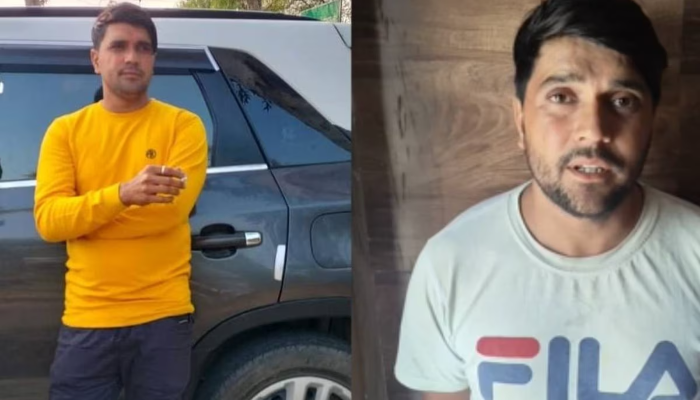
In Madhya Pradesh’s Bhopal, a case of grooming jihad (also called love jihad) has surfaced wherein a Hindu man approached the police, alleging coercion for marriage and conversion to Islam by a Muslim woman named Nilofer Asif who posed as a Hindu woman named Shreya.

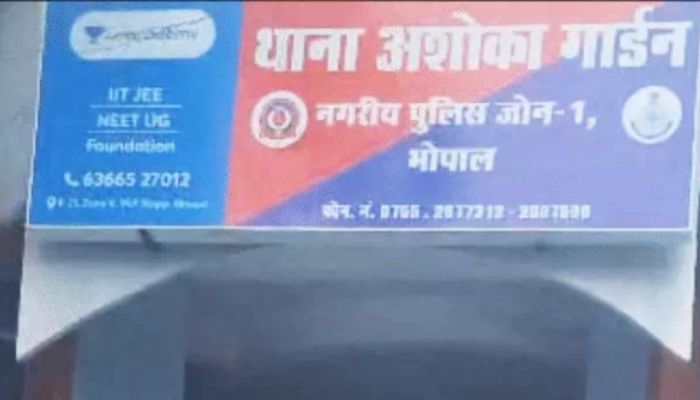
On Monday (19th May), Shekhar Silawat approached the Ashoka Garden with a written complaint alleging that he was in acquaintance with a woman named Shreya in 2021. The woman resided in the same building where the complainant resided.

The two soon became friends and entered into a relationship, however, things started turning bitter after three years of  relationship as Nilofer Asif pretending to be Shreya, allegedly started harassing Shekhar mentally, pressurising him to marry her.

Shekhar alleged that Shreya used to threaten to commit suicide if he refused to marry her and naming him in her suicide note. Though terrified, Shekhar reportedly told Shreya that his parents are not consenting to their union.

However, on 6th May 2025, Shreya allegedly convinced Shekhar to marry her at an Arya Samaj temple in Rattibad area and inform his parents about the same later. The complainant claims that he was afraid of Shreya’s harassment and somehow agreed to marry her.

It was only after their marriage that Shekhar came to know the truth of Shreya’s religious identity. He found out that Shreya in reality is a Muslim woman named Nilofer Asif. Moreover, Nilofer is a divorcee and has three children.

The complainant alleged that after learning about Nilofer’s true identity, he distanced himself from her. However, on 18th May 2025, around 10 male acquaintances of Nilofer allegedly barged into Shekhar’s house and abducted him and his brother.

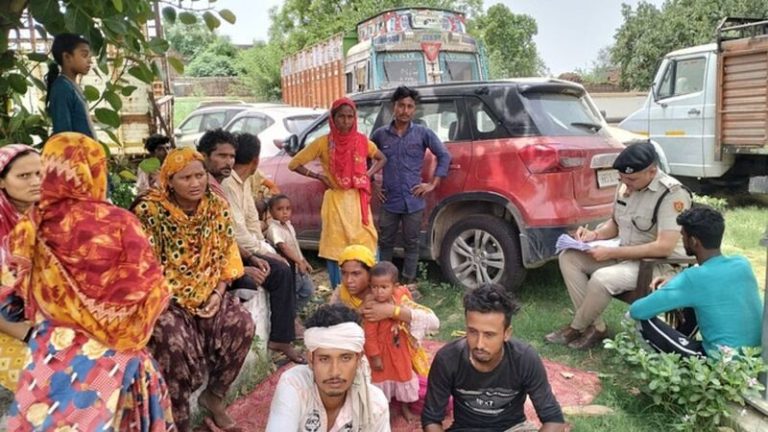
The abductors took Shekhar to the Bhanpur village where they assaulted him and pressured him to take responsibility of Nilofer and her three children. Moreover, they also coerced the Hindu man to convert to Islam.

So far, no FIR has been lodged in the case. However, as per Ashoka Garden police station in-charge Hemant Shrivastava, an investigation into the matter is underway and further action will be taken accordingly.

TMC Councillor led mob in anti-Hindu carnage as police stood down: Calcutta HC probe in Murshidabad violence reveals

A report submitted by a fact-finding committee constituted by the Calcutta High Court has implicated a leader of the ruling Trinamool Congress (TMC) in the communal violence that erupted in Murshidabad last month. The report states that the violence, which coincided with the passage of the Waqf Amendment Bill, was targeted at members of the Hindu community and resulted in extensive damage to life and property.

The committee, comprising members of the National Human Rights Commission (NHRC), the West Bengal State Legal Services Authority, and the Judicial Services, conducted field visits to affected areas, including Betbona, Samserganj, Hizaltala, and Shiulitala. The findings were presented before a division bench of the Calcutta High Court.

Key Findings

  1. Involvement of Political Figures:
    The report identifies local TMC councillor Mehboob Alam as having led a group of miscreants involved in the attack. It also names Amirul Islam, who allegedly directed the mob to properties that had not yet been attacked, prompting further arson.
  2. Police Inaction:
    The local police are reported to have been “completely inactive and absent” during the violence. Calls for help from the villagers of Betbona reportedly went unanswered. The incident occurred within a 300-metre radius of the local police station, yet no intervention was made.
    Additionally, a Member of the Legislative Assembly (MLA) was allegedly present during the attacks but did not attempt to prevent or stop the violence.
  3. Extent of Damage:
    According to the report:
    • 113 homes in Betbona village were severely damaged and rendered uninhabitable.
    • Water connections were deliberately severed to prevent residents from extinguishing fires.
    • Victims, particularly women, have taken refuge with relatives due to fear and lack of shelter.
  4. Casualties and Communal Targeting:
    On April 12, a Hindu man and his son were killed by their Muslim neighbours, the report noted. The violence that followed led to the destruction of several businesses and places of worship.
  5. Looting and Arson of Commercial Properties:
    • Twenty-nine shops were affected in Ghoshpara.
    • A mall-style shopping complex was looted and shut down.
    • Grocery stores, hardware shops, textile outlets, and temples were destroyed.

The report concludes that the violence was organized and communal in nature, with clear political involvement and failure of law enforcement to protect citizens. The findings are likely to intensify the political debate in the state and raise serious concerns regarding the state’s response to communal unrest and the politicization of local governance structures.

The High Court is expected to deliberate further on the report’s findings and may consider directing the state government to take appropriate action against those named.

What is the JN.1 variant of coronavirus that is sparking concerns about the return of covid-19, and is it dangerous? All you need to know

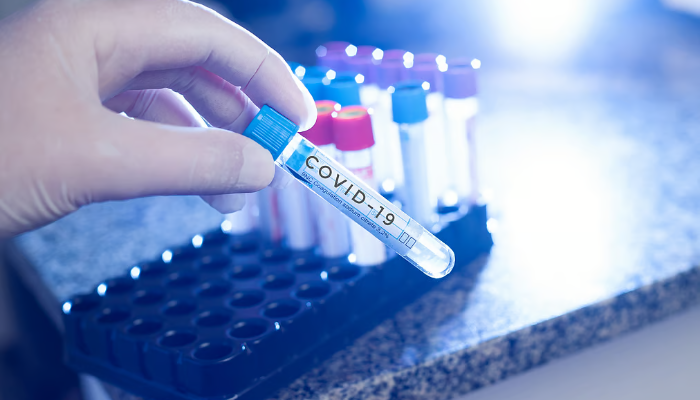
A new variant of coronavirus has insidiously spread throughout Asia, including China, Singapore, Hong Kong, Thailand and India. 257 active infections were reported nationwide, indicating a small rise in cases in India, according to data from the Ministry of Health and Family Welfare (MoHFW). Infections in Singapore rose from 11,100 cases in the final week of April to over 14,000 cases in early May 2025.

New Omicron sub-variants, especially JN.1 and its descendants like LF.7 and NB.1.8, are the primary cause of the surge. With 69 cases since 12th May, Kerala has seen the highest number of new infections followed by Tamil Nadu with 34 and Maharashtra with 44. Karnataka recorded 8, Gujarat 6, Delhi 3 while Haryana, Rajasthan and Sikkim each witnessed one new case.

Two recent Covid-19-related deaths were reported at King Edward Memorial (KEM) Hospital in Mumbai. Both patients had severe medical issues, according to the doctors. One was a 54-year-old cancer patient and the other was a 14-year-old with nephrotic syndrome-related renal failure. Health professionals have frequently expressed concern that India might observe a rise in cases as a result of the population’s declining immunity.

The LF.7 and NB.1.8 variants, which are sub-lineages of the larger JN.1 variant, have been connected to the raise in cases in Singapore and Hong Kong. However, the existence and dissemination of JN.1 strains in India have not yet been verified by health authorities.

“A new wave of Covid-19, circulating in southeast Asia with its epicentre in Singapore, has been in the news for the last few days. Along with Singapore, Hong Kong and Bangkok are also reporting a sudden rise in cases Such a peak can be due to the waning population immunity, non-compliance with the annual vaccination protocol, and the emergence of new sub-variants,” stated Dr Subhashree Samantaray, associate consultant, infectious diseases, Manipal Hospital Bhubaneswar, reported Hindustan Times.

What is JN.1

The JN.1 strain is closely related to BA.2.86 (commonly known as “Pirola”), a lineage of the Omicron variant, according to Yale Medicine. “A difference between BA.2.86 and JN.1 is that the latter has one mutation in its spike protein, a single change that may or may not alter any of the traits that characterise the virus, although preliminary research shows that it may provide extra immune evasion,” revealed Yale Medicine.

“It has acquired the ability to transmit efficiently through an additional one or two mutations,” as per Johns Hopkins Medicine. The World Health Organization (WHO) designated JN.1 as a Variant of Interest in December 2023 after it was first discovered in August 2023. It possesses roughly 30 mutations that enable it to evade our immune systems. This variat could spread more effectively than its predecessors because it has even evolved with more mutations.

However, among the SARS-CoV-2 variants that were in circulation in 2023, the BA.2.86 coronavirus variant never emerged as dominant. Now, JN.1 altered to propagate more effectively despite its parent’s immune evasion. Doctors maintain it’s not necessarily more severe, despite being genetically intelligent. However, it is challenging because it can avoid immunity.

 Dr Sandeep Budhiraja, Group Medical Director, Max Healthcare & Senior Director, Institute of Internal Medicine informed, “The current JN.1 variant is not more severe than past variants but is more transmissible. That’s why it’s causing concern across Asia.”

JN.1 in India and its symptoms

The current wave is unusual, especially during the summer when respiratory diseases typically decline, according to Dr Diksha Goyal, Senior Consultant, Internal Medicine, Marengo Asia Hospitals, Gurugram. The increase is probably due to declining immunity because most people have not had booster injections recently and were vaccinated a long time ago.

“This unusual summer wave is being linked to waning immunity, since many people haven’t received booster doses in over a year,” she stated. “Covid-19 hasn’t disappeared. It’s become endemic and will likely cause periodic spikes. What’s important is to monitor these carefully, especially through genomic surveillance,” Dr Sandeep Budhiraja disclosed.

The majority of JN.1 cases are minor and its symptoms are akin to those of earlier Covid-19 variants. Common signs and symptoms include: a sore throat, blocked or runny nose, dry cough, fever and chills, headache, muscle aches, fatigue or exhaustion, nausea or diarrhoea and loss of smell or taste (less common now).

According to Johns Hopkins, there are indications that JN.1 might be causing more diarrhea than earlier strains. “There’s nothing unusual about the symptoms. It behaves like earlier Omicron strains. But people with weaker immune systems may experience more fatigue,” Dr Sandeep Budhiraja outlined.

The majority of cases, according to doctors, are moderate and manageable at home. Nonetheless, high-risk groups, including the elderly, those with heart disease or diabetes and individuals using immunosuppressants should exercise special caution. “Most patients recover well, but we are seeing more moderate cases in high-risk groups,” Dr Diksha Goyal expressed.

How does JN.1 spread, its testing and precautions

Doctors stated that JN.1 spreads more effectively than its parent strains. Its modifications let it to evade some immune reactions and adhere to human cells more readily. The virus spreads similarly to previous Covid variations:

  • Droplets in the air from sneezing, coughing or talking.
  • Close proximity in congested or inadequately ventilated indoor environments.
  • Surface contamination (less frequent but still possible).

Dr Niranjan Patil, AVP at Metropolis Healthcare explained, “Standard real-time reverse transcription polymerase chain reaction (RT-PCR) tests are used for diagnosis. If a sample tests positive, it is then sent for genomic sequencing to identify the specific variant, such as JN.1.” The primary options for testing are:

  • RT-PCR (gold standard, accurate, but takes 24–48 hours) is one of the primary testing options.
  • Rapid Antigen Tests (RATs): less sensitive but faster
  • Multiplex PCR techniques that detect Covid and other respiratory viruses (e.g., BioFire, QIAstat)

Most labs charge between ₹500 and ₹800 for RT-PCR, according to government capping. The cost of multiplex tests is higher.

Dr Sandeep Budhiraja clarified, “Updated Covid-19 boosters provide significant protection against symptomatic JN.1 infections. They also significantly reduce the risk of severe disease and hospitalisation.” Although there are currently no vaccines that are specific to JN.1, health professionals strongly advise booster doses, particularly for individuals who belong to vulnerable populations.

Doctors advise wearing masks, particularly when in a high-risk group or in congested indoor environments. Precautionary actions consist of:

  • When in public indoor areas, wear a mask that fits properly.
  • Wash hands often.
  • Stay away from crowded areas if feeling sick.
  • Get dose of booster if haven’t already.
  • If tested positive, remain at home and isolate.

Physicians have advocated for improved reporting and increased international cooperation in order to stay ahead of future waves and prevent another worldwide epidemic. “Genomic surveillance helps identify emerging variants and track their spread. It is also crucial for updating treatment guidelines and vaccine strategies,” mentioned Dr Sandeep Budhiraja.

In India, the situation is still under control. On 19th May, the Director General of Health Services (DGHS) presided over a review meeting of specialists from the Indian Council of Medical Research (ICMR), the Emergency Medical Relief (EMR) division, the Disaster Management Cell, the National Center for Disease Control (NCDC) and central government hospitals.

The Health Ministry is nonetheless “vigilant and proactive in monitoring the situation closely,” according to a source who spoke to PTI and the right procedures are in place to protect public health.