

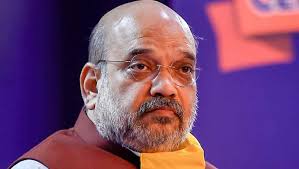
Union Home Minister Amit Shah was admitted to AIIMS Delhi on Tuesday early morning at 2:30 AM after he complained of breathing distress. Some reports suggest that he was suffering from respiratory problems.
The team of doctors who are monitoring Amit Shah is led by Dr Randeep Guleria. The hospital, as of now, has not specified any specific reason as to why he has been admitted. He was currently under home isolation since he had been infected with the Chinese virus earlier in the month.
Home Minister Amit Shah has been admitted to AIIMS(All India Institute of Medical Sciences) for post COVID care. He is comfortable & is continuing his work from hospital: AIIMS, Delhi
— ANI (@ANI) August 18, 2020
He was discharged from Medanta Hospital,Gurugram on 14 Aug, after testing negative for #COVID19 pic.twitter.com/Im85xpAii9
Twelve days after testing positive the Home Minister had on August 14, tested negative for the Wuhan Coronavirus. He had taken to Twitter to confirm that he had tested negative for the pathogen.
He said, “I thank God and I express my heartfelt gratitude to all those who have blessed me and my family by wishing me well. I will stay in home isolation for a few more days on the advice of doctors.”
The former BJP President was diagnosed with coronavirus on August 2 and was admitted to Gurugram’s Medanta Hospital following the advice of doctors.


