Home Blog Page 470

Growing number of foreigners missing in China, rights group raises alarm

0

An increasing number of foreign nationals have gone “missing” in China in recent years, with many later discovered to be in detention by the authorities, prompting a rights organization to publish a guide for families facing similar circumstances, as reported by Radio Free Asia (RFA).

The detention of individuals such as US citizens, Taiwanese citizens, Hong Kong residents, Japanese nationals, and Australians has garnered international attention recently, but these cases represent only a small fraction of the problem, according to Safeguard Defenders, a rights group based in Spain, as referenced by RFA.

“Since Xi Jinping assumed leadership in 2012, the nation has gradually become more closed off to outsiders,” the organization noted in its newly released guide for families of foreigners who have gone missing in China, as quoted by RFA.

“It has also grown bolder in arresting foreigners for politically charged reasons, including instances of hostage diplomacy, where Beijing seeks to exert pressure or impose sanctions on a foreign government,” the handbook stated as reported by RFA.

Such arrests and disappearances can leave family members “feeling powerless in the face of the country’s obscure legal system,” it explained, providing a range of practical advice for those coping with a loved one’s disappearance in China, as cited by RFA.

“This handbook offers practical insights and accurately reflects the reality in China, including the lack of rule of law or an independent judicial system,” Safeguard Defenders Advocacy Director Laura Harth told RFA.

Enghebatu Togochog, who leads the Southern Mongolian Human Rights Information Center based in New York, expressed that Chinese state security officials have little hesitation in detaining and questioning foreign nationals, according to RFA.

“When the Chinese authorities decide to imprison you, no guidance or instructional manual can prevent them from carrying out that decision,” he remarked as quoted by RFA. 

(This news report is published from a syndicated feed. Except for the headline, the content has not been written or edited by OpIndia staff)

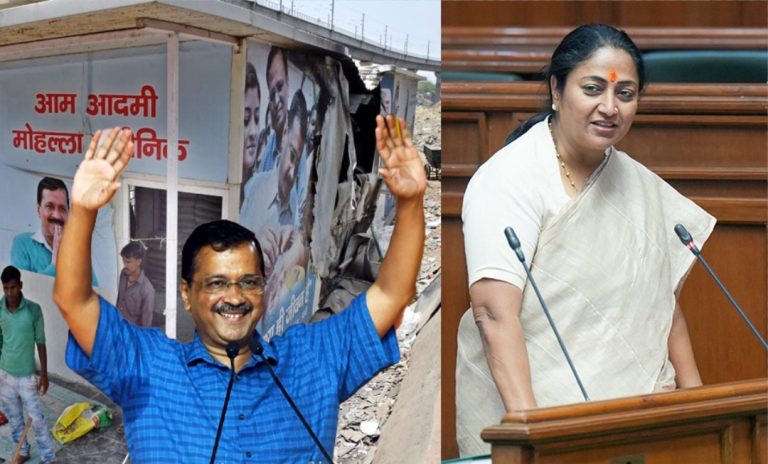
CAG report exposes AAP government’s mismanagement during COVID-19 pandemic in Delhi

The CAG audit report on the health infrastructure presented in the Delhi Assembly on Friday (28th February) exposed the mismanagement of the previous Aam Aadmi Party government in Delhi during the COVID-19 pandemic. The report claimed that the AAP government ‘grossly mismanaged’ the pandemic in the national capital.

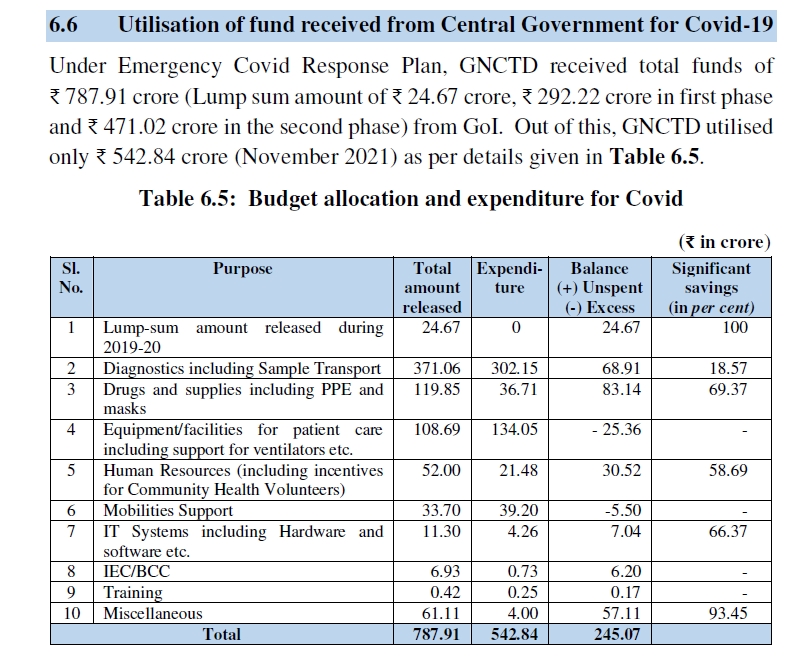
As per the audit report, the Delhi government led by Arvind Kejriwal did not make full use of the COVID fund allotted by the central government. Out of a total of ₹787.91 crore, only ₹584.84 crore was used. The CAG report states that “There was under-utilization of budget (₹ 245.11 crore out of ₹ 787.91 crore) provided under India Covid-19 Emergency Response and Health preparedness package.”

Also, ₹30.52 crore meant for healthcare workers and ₹83.14 crore allotted for essential drugs and PPE kits remained unused. The audit report also exposed the reality of Delhi’s Mohalla clinics which were once hailed as a revolutionary step towards accessible healthcare.

The report stated that the Delhi health department delayed releasing funds for Covid-19 vaccinations provided by the central govt, only a small portion of the same was used. While the union health ministry granted ₹9.60 crore to the Delhi State Health Society, as much as ₹7.93 crore remain unspent.

Speaking in the Assembly on the CAG report, BJP MLA Ajay Mahawar cornered the previous AAP government over the handling of the COVID situation. He alleged that even after the COVID pandemic, several people lost their lives in the hospitals in Delhi due to malfunctioning machinery. “You must remember that several children including newborn children and children up to five years of age lost their lives after being administered the wrong medicines in a Mohalla clinic. We have raised a demand for the investigation of the deaths of the children,” said Mahawar. Accusing the AAP government of mismanagement and corruption, Mahawar declared it a total failure on the healthcare front in the national capital.

BJP MLA from Rajouri Garden assembly constituency, Majinder Singh Sirsa alleged that Arvind Kejriwal misused the funds allotted for hospitals and health services. “…How he (Kejriwal) looted Delhi in the name of hospitals and health services…How there was no power supply in Mohalla clinics…The pages of the CAG report will say that Arvind Kejriwal is ‘Kattar Beimaan'”, said Sirsa.

Notably, during the COVID-19 pandemic, Arvind Kejriwal blamed the mismanagement of the whole situation on the central government. He accused the Centre of not providing enough assistance to Delhi to fight the pandemic.

How the Yunus regime is downplaying the role of India in the 1971 Bangladesh Liberation War, removing the legacy of Sheikh Mujibur Rehman

The Muhammad Yunus-led interim government in Bangladesh is distorting the history of the country’s freedom movement and downplaying the critical role played by India in ensuring the former’s Independence from Pakistan.

According to a report by The Indian Express, the National Curriculum and Textbook Board (NCTB) is leaving no stone unturned in undermining the contribution of India in the 1971 Bangladesh Liberation War.

In these changes lie an underlying theme — of playing down the Indian leadership’s contribution to the Bangladesh Liberation War in which the combined forces of Indian Army and the Bangladesh freedom fighters had defeated Pakistan’s armed forces in December 1971, leading to the creation of the nation,” the newspaper stated.

Under the watch of the Yunus regime, changes have been made to 441 books used by primary, secondary and higher secondary school students.

According to The Indian Express, two photographs of former Indian Prime Minister Indira Gandhi with Bangladesh’s founding father Sheikh Mujibur Rahman have been dropped from the Std VI English book. Both the pictures were from 1972.

In one photograph, Indira Gandhi was seen sharing the stage with Sheikh Mujibur Rahman at a Kolkata rally, while in another photograph, the Indian Prime Minister was being received by the founding father of Bangladesh at the Dhaka airport.

NCTB Chairperson A K M Reazul Hassan rationalised the decision that the photographs were part of the 2023-2024 curriculum, which has now been nullified.

Although India was the first country to recognise Bangladesh as a free nation, it will soon be changed to Bhutan in textbooks under the Yunus regime.

NCTB Chairperson A K M Reazul Hassan told The Indian Express,The old books state that India was the first to recognise Bangladesh (as an independent nation) on December 6, 1971. However, we were told that Bhutan was the first to recognise Bangladesh on December 3, 1971. Since we were short on time, we could not rectify this. We will fix this next year.

Only the event of the surrender of the Pakistan army to Indian forces has been retained in the textbooks. Even the ‘national flag’ and ‘national song’ of Bangladesh have been removed from the front page of textbooks, given that they are perceived as ‘imposition by India.’

Hostile attitude of Muhammad Yunus regime towards India

The interim government had been maintaining a hostile attitude with India after it took the reins of Bangladesh following the undemocratic ouster of Sheikh Hasina.

In October 2024, a top adviser in Bangladesh’s interim government issued a “threat” to the government of India, stating that if India tried to refuse the extradition of ousted former Prime Minister Sheikh Hasina, the country would launch a “strong protest.” Law adviser Asif Nazrul cited provisions of the extradition treaty and claimed that India is bound to follow it.

A Bangladeshi Islamist identified as Sarjis Alam, who rose to prominence during the ‘student protests’ and the undemocratic ouster of Sheikh Hasina, issued veiled threats to PM Modi on Vijay Diwas (16th December 2024).

During his speech, Alam was heard saying, “I want to let Mr Modi know that is not Gujarat. This is Bangladesh.” He was jeered on by his radical supporters.

“Aggressive communalism does not thrive here… You cannot come to power here by spreading rumours and killing people,” he claimed.

According to media reports, the Islamist had additionally threatened to ‘gouge the eyes out’ of anyone who raises his eyebrows at Bangladesh.

Earlier, Sarjis Alam had repeatedly threatened India and demanded the handover of former Prime Minister Sheikh Hasina. Owing to his anti-Indian rhetoric, the Islamist was made the chief organiser of the Jatiyo Nagorik Committee.

Around the same time, Mahfuz Alam, who serves as an ‘adviser’ to the Muhammad Yunus-led interim government of Bangladesh, threatened to capture India.

The Islamist posted a map of Bangladesh, which spread deep into the Indian States of West Bengal, Assam and Tripura. Mahfuz Alam later realised that his open admission of the sinister territorial expansion of Bangladesh could lead to diplomatic issues.

Within 2 hours of sharing his fantasy of annexing India, he quietly deleted his tweet. Mahfuz Alam had previously served as a ‘special assistant’ to Muhammad Yunus.

In January this year, Border Guard Bangladesh (BGB) commander Lt. Col Golam Kibria issued threats to India’s Border Security Force (BSF).

“I am standing here with all the forces. You (villagers) do not need to come here. I am alone enough to cut down BSF to size. Was I able to make you understand?” he was heard saying in a viral video.

The BGB commander declared that he would call upon the villagers to ambush the BSF when the need arose. “When it becomes necessary, I will give a call to villagers to come with me and cut down BSF to size,” he threatened.

Conscious distortion of the history of Bangladesh

In January 2025, the Yunus regime introduced new textbooks for primary and secondary students, which falsely claimed that the first declaration of independence of Bangladesh was made by Ziaur Rehman.

Sheikh Mujibur Rehman, the founding father of Bangladesh, was arrested by the Pakistan army on 26th March 1971. Before his arrest, he declared the independence of Bangladesh through a wireless message. The message read [pdf] –

“This may be my last message, from today Bangladesh is independent. I call upon the people of Bangladesh wherever you might be and with whatever you have, to resist the army of occupation to the last. Your fight must go on until the last soldier of the Pakistan occupation army is expelled from the soil of Bangladesh and final victory is achieved.

This very message is a part of the 6th Schedule of the Constitution of Bangladesh. The declaration of Independence by Sheikh Mujibur Rehman was broadcast twice on 26th March 1971.

The original message was broadcast in the morning by an unidentified wireless station while another broadcast was made by the ‘Swadhin Bangla Betar Kendra’ (Free Bengal Wireless Station).

Both the broadcasts were intercepted and monitored in Shillong and Calcutta. They were reported by The Statesman, The Times of India, The Los Angeles Times and others.

Despite this, the National Curriculum and Textbook Board (NCTB) under the Yunus government is falsely attributing the first declaration of Independence to Ziaur Rehman.

In fact, there is no evidence that he made any such announcement on 26th March 1971. It is however documented that Ziaur Rehman made a second declaration of independence from Kalurghat (located north of Chittagong city) a day later.

On 27th March 1971, he had announced on radio, “I, Major Ziaur Rahman on behalf of Bangabandhu Sheikh Mujibur Rahman, hereby declare that the independent People’s Republic of Bangladesh has been established. I have taken command as the temporary Head of the Republic. I call upon all Bangalis to rise against the attack by the West Pakistani Army. We shall fight to the last to free our Motherland. By the grace of Allah, victory is ours.

It is thus evident that Sheikh Mujibur Rehman made the first declaration of Independence of Bangladesh on 26th March 1971 and the message was reiterated by Ziaur Rehman on the following day at the former’s behest.

As such, the changes made in the academic curriculum are based on lies and distortion.

Ziaur Rehman, who was in the Army at the time of Bangladesh’s independence, went on to lay the foundation of the Bangladesh Nationalist Party (BNP). He also became the 6th Prime Minister of Bangladesh.

Unlike Sheikh Mujibur Rehman who kept the Bengali identity at the forefront of his secular politics in Bangladesh, Ziaur Rehman promoted a ‘Bangladeshi identity’ based on Islam.

His majoritarian form of Islamic nationalism had no place for Hindus and other religious minorities in the story of Bangladesh.

A ‘Minorities at Risk’ report by UNHCR makes it crystal clear –

The founder of Bangladesh, Sheikh Mujibur Rahman, enshrined secularism in the country’s first constitution. But in 1977, the country’s military ruler, Ziaur Rahman, removed this principle as Bangladesh turned toward the Middle East for political, economic, and cultural reasons.

After his death, Ziaur Rehman’s wife Begum Khaleda Zia became the chairperson of BNP. Under her Prime Ministership, there was severe mushrooming of radical Islamic outfits in Bangladesh, increased infiltration in India’s North-east region and systematic persecution of the Hindu community.

Ziaur Rehman and his family thus represent the ideology of radical Islamism in Bangladesh, which is premised on anti-Hindu and anti-India sentiment.

The appropriation of Ziaur Rehman by Muhammad Yunus and his attempt at trivialising the contribution of Bangabandhu is thus strategic and aligns with his broader interests.

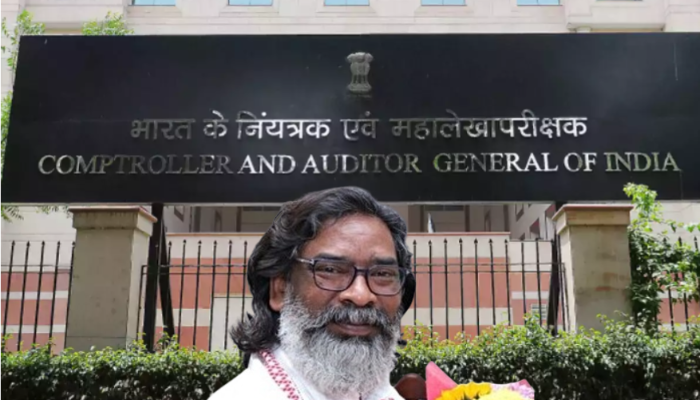
Jharkhand: CAG report suspects irregularities as no utilisation certification submitted for ₹19,125 crore, highlights crippling health infrastructure

On 27th February, a performance audit report by the CAG (Comptroller and Auditor General of India) on the health infrastructure was presented in the Jharkhand Assembly. It expressed the possibility of irregularities in the departments due to non-submission of utilization certificates. According to the remarks on the financial accounts, 5209 utilization certificates were not submitted by the bodies and authorities of the state government against the amount of ₹19,125.88 crore provided by the departments as grants-in-aid, during the year 2023-24.

An objection has been raised in the CAG report that no information was given regarding the purpose for which this amount was utilized. Furthermore, 42158 utility certificates were issued for a total of ₹114035.62 crore, however, the certificates were pending till 31st March 2024. According to the report, a high number of outstanding utility certificates raises the likelihood of fund irregularities and misuse.

The CAG disclosed that during the financial year 2023-24, eight departments of the state withdrew ₹26.22 crore from government accounts against 30 short contingency bills. Nine short contingency bills worth ₹13.32 crore were taken out in March 2024 alone. Twenty-five contingency invoices containing ₹21.54 crore of the amount withdrawn were not submitted by the end of the fiscal year. The report demonstrated that 18,011 short contingency bills were not deposited through which a total amount of ₹4,891.72 crore was withdrawn.

According to the report, the Jharkhand government recorded expenditures of ₹4,536.39 crore in the capital component of the budget rather than the revenue section during the same fiscal year. It was established with the intention of spending money. It was stated that revenue and capital expenditures were either less than or greater than ₹4,536.39 crore. Of this sum, ₹4,433.60 crore was allocated for capital asset creation grants, ₹36.27 crore for scholarships, cash reliefs, ₹50 crore for assistance aid, ₹16.52 crore for maintenance and repair.

Severe staffing shortages across healthcare facilities

As of March 2022, CAG discovered that 2,210 medical officer and specialist positions remained unfilled in the state out of 3,634 authorized spots or around 61% of the total. Additionally, there were 864 vacant seats against the approved positions of 1,080 paramedics and 3,033 seats against 5,872 sanctioned slots of staff nurses. Six of the 24 districts, Dhanbad, Dumka, Gumla, Garhwa, Seraikela-Kharsawan and Simdega were selected for detailed investigation as the main sampling units.

Performance audits were conducted on two of the six medical colleges, two Ayush (Ayurveda, Yoga, and Naturopathy, Unani, Siddha and Homoeopathy) educational institutions, five of the twenty-three district hospitals, fourteen of the 188 community health centers, thirteen of the 330 primary health facilities, twenty-five of the 1,755 health and wellness centers, eleven private hospitals and six district joint Ayush dispensaries. The audit found that district hospitals, community health centers and basic healthcare institutions were lacking in medical officers, specialists, staff nurses, and paramedics. There was a 21 to 80% shortfall of medical specialists, a 14 to 76% lack of staff nurses and a 50 to 100% shortage of paramedics, respectively.

It was discovered that there were no better OPD (Out Patient Department) facilities in any of the districts whose hospitals were picked as samples. District, community, and primary health centers did not offer inpatient treatments, particularly for ENT (ear, nose and throat), psychiatry, orthopedics, pediatrics, general surgery and general medicine IPD (Inpatient Department) services in Community health centers (CHCs). Medical colleges also have a severe lack of teaching and non-teaching staff, according to the CAG assessment.

As of July 2022, 286 (45%) of the 641 teaching and non-teaching staff positions that had been approved for six medical schools and hospitals were unfilled. According to the report, the state government should address the lack of medical officers, specialists, staff nurses and paramedics in all healthcare establishments as well as implement all the recommendations of the MCI (Medical Council of India) working groups to address the shortage of teaching staff.

Gaps in healthcare services and drug availability

Gaps in the provision of diagnostic, obstetric, mobile medical and other associated services along with out-and-in-patient services, were also uncovered by the inquiry. It showed that the sampled community health centers, district hospitals, and medical colleges and hospitals had a 65-95% deficit of necessary medications, during 2020–21 and 2021–22. CAG mentioned that out of the 22 mobile medical units available till March 2022, only 11 were active.

Female doctors and radiographers were not available in the MMUs to provide ANC (Antenatal care) and infant vaccination. 19 to 33 per cent of the essential materials were also missing there. CAG revealed that the JMHIDPCL (Jharkhand Medical And Health Infrastructure Development Procurement Corporation Limited) used just ₹279.39 crore or 20% of the available amount on purchasing medications and equipment between 2016 to 2022, in contrast to the available sum of ₹1395.67 crore. The remainder was stored in the ledger accounts or returned.

The government agency did not purchase 77 to 88 per cent of the medicines due to which a 66-94% shortage of medicines transpired in the testing centers chosen as samples. Moreover, the equipment shortfall was as high as 48 to 67 per cent even in OTs (Operating theaters).

Congress govt in Himachal Pradesh now eyes temple money to fund welfare schemes, after bankrupting state with freebies

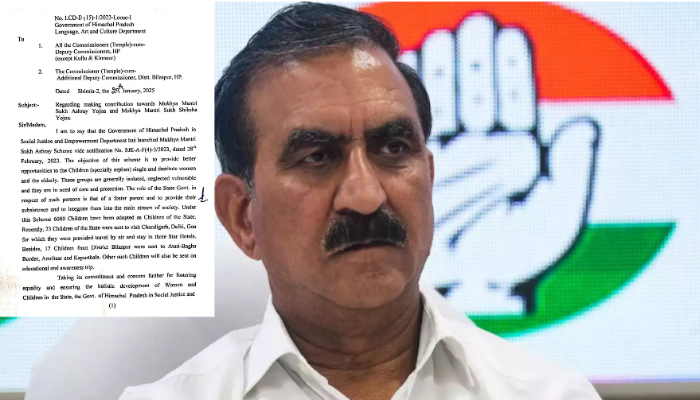
The Congress government’s freebie program has yet again backfired in Himachal Pradesh. On 29th January, a notification outlining the guidelines for temple trusts to contribute funds to the cash-strapped administration’s initiatives has now surfaced recently. Temples have been reportedly urged by the government to contribute to the Mukhyamantri Sukh-Aashray Yojana and Mukhyamantri Sukh Shiksha Yojna.

The official notice directed, “The various temple trusts functioning under the Himachal Pradesh Hindu Public Religious Institutions Charitable Endowments Act, 1984 keep making contributions for charitable activities and welfare scheme run by the state government. While making such charitable contribution the temple trusts may make contribution towards the Mukhya Mantri Sukh Ashray Yojna/Kosh as well as Mukhya Mantri Sukh Shiksha Yojna/Kosh with a view to provide fund for the above mentioned welfare schemes.”

It then listed the rules for the same and highlighted, “Every such proposal should first be passed by the trust in its meeting. Section 17 of the act ibid (same act) provides incurring expenditure on such activities, therefore, the provisions of section 17 and 17 (a) to (d) may strictly be adhered to. In all above cases the prior approval of the Chief Commissioner Temple must be taken by sending a case through Additional Chief Commissioner (Temple)-cum-Director, Language, Art & Culture.”

According to the notification, the Mukhya Mantri Sukh Ashray Scheme was introduced by the Himachal Pradesh government’s Social Justice and Empowerment Department on 28th February 2023 to offer better opportunities to older people, single and impoverished women and children, especially orphans. “These groups are generally isolated, neglected vulnerable and they are in need of care and protection. The role of the state government in respect of such persons is that of a foster parent and to provide their subsistence and to integrate them into the main stream of society,” it read.

The letter also alleged that 6,000 kids have been adopted as “children of the state” under this scheme and recently 23 of them flied to Chandigarh, Delhi and Goa and stayed in three Star Hotels there. Additionally, 17 children from the Bilaspur district were taken to Amritsar, Kapurthala and the Atari-Bagha Border. “Other such children will also be sent on educational and awareness trip,” it conveyed.

The notice claimed, “Taking its commitment and concern further for fostering equality and ensuring the holistic development of Women and Children in the state, the government of Himachal Pradesh in Social Justice and Empower Department has notified Mukhya Mantri Sukh Shiksha Yojna vide notification no. SJE-A-F(4)-1/2024, dated 03-09-2024.”

It added that the program’s primary goals are to strengthen family-level child protection, prevent child abuse, trafficking, teen marriages, drug abuse and other forms of child exploitation as well as to create an environment that is sensitive, supportive and aids vulnerable women and children in the state become self-sufficient. It also aims to create an environment that allows vulnerable women and children to live with dignity by addressing their nutritional, health and educational needs.

BJP hits out at Congress government

Meanwhile, the Bharatiya Janata Party has responded to the government’s claim that it complied with the legal provisions by accusing Congress of disparaging Sanatan Dharma while also requesting donations from temples for the initiatives.

“On one hand, the Sukhu government opposes Sanatan Dharma, keeps giving anti-Hindu statements and on the other hand, it wants to run the government’s flagship schemes by taking money from temples. The government is demanding money from temples, and pressure is being put on officials to send the money to the government. The Bharatiya Janata Party opposes this decision of the government” BJP leader Jairam Thakur charged.

He added, “A secretary of the Himachal Pradesh government department has written a letter to the deputy commissioner that the money in temple trusts should be deposited in the government treasury so that they can spend that money to run government schemes. This is sad and unfortunate. No government has ever taken money from temples and trusts to spend it on government schemes.”

“They have not only given orders to take money from temple trusts, they are also taking follow-ups. This decision should be opposed. The people who are in the temple, the trusts and committees, should also protest. The Vidhan Sabha session is also going to start on the 10th and we will strongly oppose this inside and outside the Vidhan Sabha,” the MLA assured.

Himachal Pradesh’s economic doom under Congress-rule

Notably, the Himachal Pradesh government recently planned to lease the century-old Hotel Wildflower Hall and approved the hiring of a consulting firm to facilitate the leasing of the property in a cabinet meeting to help in revenue generation for the state facing fiscal constraints. In November 2024, the state chose to address the state’s developmental needs by issuing an additional Rs 500 crore loan, which was part of its Rs 6,300 crore borrowing ceiling that was scheduled to expire in December.

The Himachal Pradesh government’s severe financial crisis prevented it from paying its employees and pensioners in last August which affected 391,000 individuals. The Himachal Pradesh Vidhan Sabha approved an amendment bill in September 2024 to impose a milk tax of 10 paise per unit and an environment tax on energy use that varied from 2 paise to Rs 6 per unit. The average citizen was already burdened by the administration’s decision to remove 125 units of free power, hike the price of diesel by Rs 7 per litre and break its election commitment to give customers 300 units of free power.

Additionally, the Sukhu government raised the cost of tap water in rural areas from Rs 10 to Rs 100. On the other hand, its decision to impose a cess on hydro projects in order to raise an estimated Rs 4,000 crore was seen as regressive. The government even contemplated legalizing the cultivation of cannabis for medical and industrial purposes in an attempt to address its economic woes.

Interestingly, OpIndia already forewarned in 2023 that the government would encounter massive challenges if the Old Pension Scheme, a key part of the election manifesto of the Congress party, was reinstated. On 1st April 2024, OPS was phased out and the National Pension Scheme (NPS) took its place. The pension in the OPS was equal to half of the government employee’s last drawn salary. The NPS, on the other hand, was a contributory pension plan.

According to estimates, Himachal Pradesh’s debt to gross state product ratio was 43% during the preceding fiscal year. It was already comparable to a state like Punjab, which had switched to the previous pension plan and was at 53%. Its budget deficit was already at almost 5%, far greater than the prudential threshold of 3%. However, the Congress party’s petty goal of snatching the state from the saffron party only served to exacerbate its economic difficulties. Similar to Karnataka, general public and now even Hindu temples are forced to cope with the party’s myopic ans self-serving decisions.

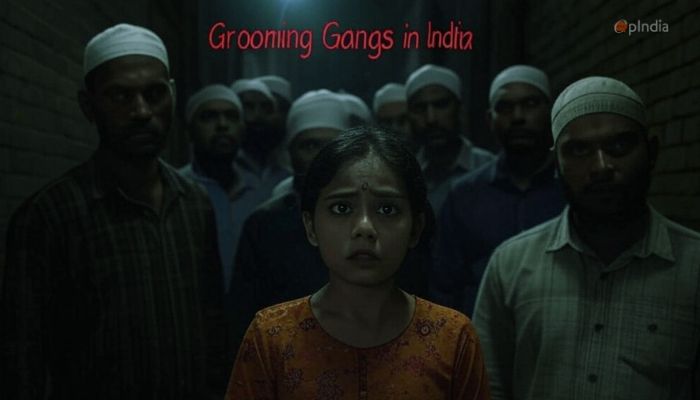
From Beawar to Ajmer: The chilling pattern of Grooming Gangs in India—targeting, sexual exploitation, and forced conversions of Hindu girls by organised Islamist networks

The term “Grooming gangs” evokes chilling parallels across many countries, most notably the infamous rape jihad cases in the United Kingdom wherein, for nearly four decades, gangs predominantly comprising Pakistani Muslim men systematically groomed, blackmailed, raped and tortured White Christian and other non-Muslim girls. In India, the disturbing case of sexual exploitation of minor Hindu girls by a Muslim grooming gang in Rajasthan’s Beawar district has refreshed the unhealed wounds of the 1992 Ajmer Scandal.

Muslim grooming gang in Beawar trapped, threatened, raped, blackmailed and pushed Hindu girls to convert to Islam

On 17th of February 2025, the Beawar police busted a gang of illiterate Muslim youths Rehan Mohammad (20), Sohail Mansuri (19), Lukman (20), Arman Pathan (19), Sahil Qureshi (19), and two minors who were trapping Hindu girls, raping them, and forcing them to convert to Islam. These rape jihadis were teaching Hindu girls about namaz, roza, and reciting the Kalma (Islamic declaration of faith). Furthermore, they were pressuring the girls to wear burqas, perform namaz, observe Roza (fast) and brainwash them for conversion to Islam. The accused rape jihadis have been booked under the POCSO Act alongside other relevant provisions.

As per a victim’s testimony, these rape jihadis used to follow Hindu girls studying class 10th at a school in Beawar’s Bijainagar. After coming in contact with the girls over mobile phone they would sexually assault the girls, take explicit pictures and videos of the crime and then use it to further abuse them. The accused would give small mobile phones to the victims.

One of the accused Sohail Mansuri, gave a victim a small mobile phone to communicate with him. He constantly threatened her. Following his insistence, she introduced her friends to Sohail’s friends, namely Riyan, Javed, and Arman. Sohail tormented the Hindu girl into wearing a burqa and taught her about Ramadan and fasting. He reportedly brainwashed her into observing fasts. He cut her hand with a blade and pressured her to recite the Kalma.

The victims said that the men would come in new vehicles, including Bullet motorcycles and other cars, to take them away. One of the victims said, “They once told me that a Brahmin girl would fetch ₹20 lakh if sold, and you (a Dalit) would get ₹10 lakh.” The girls said in their statements that they were continuously blackmailed with obscene photos and videos and forced to bring in other girls.

The case unravelled after a mobile phone was found with one of the girls. When the family called one of the Muslim men, he responded with abuses and threats. The victim’s family rushed to the police station and filed a complaint about the matter, after which the case unfolded layer by layer. The police found that it was not just one victim but multiple girls who had fallen prey. Several Muslim men were involved. They also extorted money from the girls and forced them to steal cash from their homes.

One of the victims from Beawar disclosed that the ‘Muslim gang’ used to pressurise her to go to the local maulvis and mosques. The police has arrested former councillor Hakim Qureshi in Bijaynagar on 23rd February in the case, demonstrating the involvement of several Muslim groups in this gang.

So far 8 accused have been arrested, while three minors have been taken into custody. While the police is investigating the matter, tensions prevail in Beawar as the local Hindu community is outraged over the incident.

The 1992 Ajmer Scandal

The Beawar case inevitably recalls the 1992 Ajmer sex scandal, one of India’s most infamous grooming gang cases. Over several years, a group led by Farooq Chishti and Nafees Chishti who were members of the Khadim families of the Ajmer Sharif Dargah, preyed on 100s of school and college-going Hindu girls aged 11-20. The Khadims claim to be the descendants of Khwaja Moinuddin Chishti. The rape jihadis, some of whom were Youth Congress leaders took the victims to remote farmhouses under false pretences, raped them and photographed them to further blackmail and exploit them. The Muslim groomers used the explicit images of their victims to blackmail the girls into bringing in more girls, creating a self-perpetuating cycle of abuse.

It all started with Farooq Chishti grooming a female student of Sophia Senior Secondary School and raping her. He took objectionable photographs of the minor and threatened her to introduce other girls to him. Later, those girls were raped and blackmailed as well. Farooq Chishti was the president of the Ajmer Youth Congress while two other accused, Nafis Chishti and Anwar Chishti were the vice-president and joint secretary respectively of the city Congress unit. In this case, some of the accused were the Chishti Khadims (caretakers) of the Ajmer Dargah.

The horrific sex scandal broke in April 1992 when a local newspaper Dainik Navjyoti published a story, sparking protests. The report written by journalist Santosh Gupta revealed that hundreds of schoolgirls were sexually exploited by the accused. They recorded the sexual assaults and used them to blackmail the girls to bring more girls to them. Daughters of big leaders in Ajmer also became victims of the scandal and the story was published with the title “Daughters of big leaders are victims of blackmail’. As the scandal was exposed, the perpetrators tried to erase evidence.

While the details of how the grooming gang targeted, raped and blackmailed victims came out in public after the Dainik Navjyoti report, justice remained slow and incomplete. It also emerged that the police, CID and the government were aware of the scandal since a year before the report was published, however, no concrete action was taken and investigations were deliberately stalled since many of the perpetrators belonged to the family of Khadims. The police had stalled the case because the local politicians warned action against the accused would lead to massive communal tension.  

Digvijay Singh who was the home minister of Rajasthan at that time had seen the obscene photographs 90 days before the report of the scandal came out. After the matter came to light, the police initially attempted to downplay the matter sparking widespread protests. During that period, Inspector General of Police, Omendra Bhardwaj, claimed in a press conference that the scandal was “not as big as publicised”. He also raised questions about the characters of the four girls whose photos were used to blackmail them. He claimed that their character was “suspicious”.

An FIR was registered and during the investigation, it emerged that many of the victims had committed suicide, some refused to come forward, and only a few victims gave statements and continued to fight the case. In 1998, the rights of the accused were sent to life imprisonment. However, four of them were acquitted by the Rajasthan High Court in 2001. In 2003, the other four accused’s sentence was reduced to 10 years. Out of 250 reported victims, only 12 filed complaints. It took the Indian Judicial System 32 years to punish the remaining six culprits as in August 2024, Nafees Chishti, Naseem alias Tarzan, Salim Chishti, Iqbal Bhati, Sohil Gani, and Syed Zameer Hussain were convicted and sentenced to life in jail by a district court.

The love jihad factory in Kerala’s Malappuram: Journey of Hindu girls from building careers to vanishing behind Burqas

Back in 2020, the Syro Malabar Church, The Kerala Catholic Bishops’ Council and many Christian organisations voiced their concerns over the growing number of Love Jihad cases in Kerala. The Christian organisations echoed the concerns raised by Hindu organisations which alleged that there are forces active in Kerala that are targeting young women, brainwashing them in the name of ‘religious studies’, forcefully converting them to Islam and then shipping them off to serve for ISIS as sex slaves. Back then, Fr Varghese Vallikkatt, the spokesperson for the Kerala Catholic Bishops Council(KCBC), had stated that the government ignoring the cases of Love Jihad and not taking action, is nothing but a ‘silent sanction’.

In 2016, cases of systematic love jihad were reported in the media. In July 2016, Mini Vijayan, a military official alleged that her daughter Aparna, had been forcefully converted to Islam. Aparna was traced to Sathyasarani, or the Markazul Hidaya Educational and Charitable Trust in Malappuram. Aparna later appeared before the court and claimed to have converted to Islam and that she did not wish to go back to her mother. It turned out that Aparna had married an auto-driver named Aashiq from Malappuram. Investigations revealed that the literature from fugitive Islamic hate preacher Zakir Naik’s Islamic Research Foundation was widely used to brainwash and radicalise Hindu girls.

In another case involving a Hindu girl named Nimisha, in 2011 Kerala police arrested two persons named Sheena Farzana and Naser, two alleged ‘handlers’ who were recruiting young girls in Kerala to go and ‘work’ for ISIS in Yemen. They were both from Sathyasarani, an organisation run by the now-outlawed Islamist jihadist outfit PFI. Investigations led to the discovery of several other targeted conversions. Nimisha alongside 21 other Hindu girls converted to Islam and married Muslim men who were recruited by the Islamic terrorist group ISIS.

In 2017, when NIA started probing the ISIS link and Love Jihad cases, they found that two Hindu girls, Athira and Akhila (who later became Hadiya) were lured by the same woman, a PFI worker named Sainaba. All these cases had links with the Sathyasarani Trust or the Markazul Hidaya in Malappuram. Documents were found during a raid indicating that around 60 to 70 Hindu and Christian girls were at the Markazul Hidaya for ‘religious studies’ (conversion studies). Many such organisations are operating in Kerala backed with heavy funding. The vote bank politics and the fear of offending the perennially offended coupled with other factors have caused sluggish probes in these cases.

Another such case was reported by a Christian mother from Kerala named Cynthia who said that her daughter Tabitha, who was studying in a gulf nation, had suddenly left after declaring that she wanted to embrace Islam. She eventually established a Bahrain-based Islamic organisation called Discover Islam Society. During a meeting with her mother, a Hijab-clad Tabitha told her mother that she could not live with people who are not Muslims.

Back in 2016, it was reported that between 2011 and 2015, 5,975 people in the state had converted to Islam, of these 1410 converted in 2015 alone.

The Islamo-leftist ecosystem and the so-called ‘secular’ political parties have long been trivialising the menace of love jihad/rape jihad/grooming jihad as a ‘hoax’, ‘fiction’, and ‘BJP-RSS conspiracy theory’ despite there being ample evidence and thousands of cases across the country. Back in 2023, a major controversy erupted when the film The Kerala Story showed how Hindu girls are targeted, brainwashed, sexually abused, threatened and coerced into conversion to Islam and subsequently forced into terror and other illegal activities, the same ecosystem was outraged.

An organisation named Arsha Vidya Samajam has been working for many years in the direction of rescuing the girls who are tapped in ‘Love Jihad’ and bringing them back to their roots, also giving them respect in society and strengthening them mentally.

Rape, threats, forced conversions to Islam and perpetual abuse by rape jihadis in Uttar Pradesh: Locations change modus remains the same

Western Uttar Pradesh has been a hotbed of grooming jihad and other Islamist crimes. In 2020, the Kanpur Police formed a Special Investigation Team after several cases of forced conversions of Hindu women to Islam on the pretext of marriage reported from the city, especially from Kanpur’s Juhi Colony.

In November 2020, the SIT submitted its report to the Kanpur range inspector general, after probing 14 cases lodged in the police stations across the Kanpur district over the last year. Out of 14 cases, the SIT probed 11 criminal cases. In one case, one Fateh Khan pretended to be Aryan Mehrotra to trap a 14-year-old Hindu girl in Kanpur’s Gopal Nagar. The Muslim perpetrator befriended the minor Hindu girl, raped and assaulted her and threatened to harm her parents. The SIT report also revealed that Fateh Khan pressured the victim to convert to Islam and got her Aadhar card made in the name of Mariyam Fatima. The rape jihadi was booked under the POCSO Act alongside other relevant provisions.

In another case, a Muslim man named Mohammed Ubais aka Babu posed as a Hindu to entrap a 16-year-old minor Hindu girl. Ubais with the help of his sister Mahi Hayat Khan. The accused along with his sister tried to brainwash and pressurise the minor victim to adopt Islam. The girl was rescued by her mother and the accused was sent to jail.

Similar cases involving Muslim perpetrators targeting Hindu girls from Naubasta, Govindnagar, Babu Purwa, Chakeri, and Juhi Colony were detailed in the SIT report. In most of these cases, a common modus operandi was found. The Muslim perpetrators would make contact with gullible Hindu girls, befriend them, ensnare them into their love trap, sexually exploit them, record obscene videos and take pictures, threaten and blackmail them, and force them into converting to Islam.

In all 11 cases the SIT probed, they found certain transgressions based on which the accused were arrested and sent to jail. Pertinently, in 7 of these 11 cases, the victims were minors.

Back in 2020, it was reported that a Hindu girl named Shalini Yadav who went missing was found after two months, however, she had converted to Islam and became Fiza Fatima. Shalini Yadav (Fiza Fatima) uploaded a video on Facebook, eloping from her house and telling the story of converting to Islam and getting married to Mohammad Faisal. Shalini’s brother, however, called this a case of love jihad and alleged that a grooming gang was active in the Juhi Colony.

In 2020, it was reported that in just two months, 5 girls ran away from their homes in the Kanpur area with Muslim men. Other than Shalini Yadav, two sisters, residents of Awas Vikas, Kalyanpur fled with accused Shahrukh and another Muslim youth– both residents of Juhi Colony. Similarly, a girl and her younger sister, both residents of Panki Ratanpur Colony – accused Mohammad Mohsin, the case came to light when the younger sister understood the game plan of the Muslim perpetrators.

Grooming Jihad: From United Kingdom to India

The when and how of some of the major grooming gang cases have been discussed, however, the rampancy of such cases warrants a discussion on the “why” of this menace. While the Beawar case, the 1992 Ajmer scandal, the love jihad cases in Kerala and those in Uttar Pradesh involved a pattern, organised gang of rape jihadis targeting Hindu girls for sexual abuse and conversion to Islam, OpIndia on a near-daily basis reports cases of grooming jihad from across the country, which may not essentially involve gangs. Besides, the Hinduphobia Tracker offers an extensive database of rape jihad cases alongside other forms of crimes against Hindus.

In the year 2023 alone we reported over 153 cases of love jihad. Gang or no gang, there is a recurring pattern of Muslim men deliberately targeting gullible Hindu and other non-Muslim girls, exploiting their vulnerability to sexually exploit them and coerce them into converting to Islam.  

While the Christian missionaries and Pentecostal pastors harvest souls for Christianity by offering financial inducements, giving food grains, and promising to ‘miraculously’ heal diseases, Islamic rape jihadis rely on feigning love, sexual exploitation, coercion and brainwashing to convert their Hindu targets to Islam.

Be it the grooming gang cases in UK’s Rotherham and Telford or those reported in India’s Beawar, Ajmer or Kerala, the striking similarity lies in the modus operandi that transcends geography wherein predators exploit trust through gifts, flattery, or social media, then escalate to sexual abuse and blackmail, and forcing the victims to entrap others, with an additional layer of forced conversion to Islam in the cases in India. Beyond the depravity, this desperation to sexually exploit girls belonging to Hindu and other religions specifically stems from the Islamic disdain for Kafirs.

To the grooming/rape jihadis Hindu and other non-Muslim girls are objects of pleasure, the jihadis see their violation as a conquest of non-Muslims and assertion of Islamic dominance over the infidels. This perverted Jihadist mindset frames sexual exploitation as a tool to humiliate non-Muslims and establish their supposed ‘supremacy’. The horrific cases in Beawar and Ajmer echo this religious chauvinism. Systematic failures coupled with apathy towards victims and misplaced sympathy for perpetrators (as seen in the case of UK grooming gangs), fear of Islamist backlash and political shielding—perpetuate this grooming jihad horror, demanding not just justice for the victims but also a confrontation with its root causes.


Allahabad HC orders cleaning of Sambhal Mosque after ASI rejected request for whitewashing before Ramazan

0

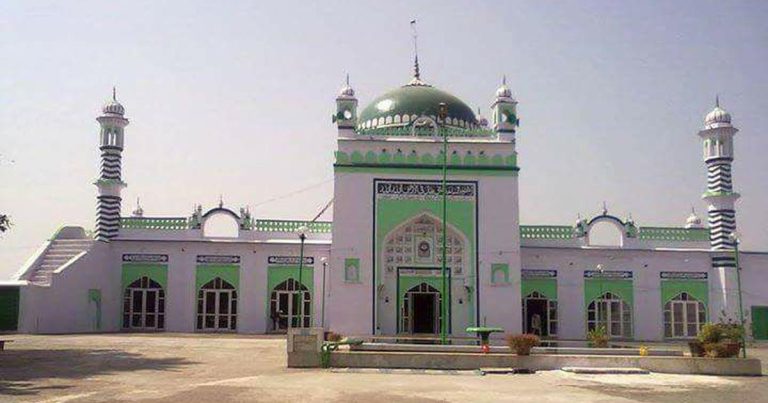
The Allahabad High Court has ordered cleaning of Sambhal Mosque premises ahead of Ramzan as Archaeological Survey of India (ASI) said whitewashing is not needed, Masjid Committee is set to file objections.

Advocate ASI Sambhal Vishnu Kumar Sharma said, “Jama Masjid Committee had given a request to ASI for whitewashing of Sambhal Mosque which was rejected by ASI. ASI said that when the case is sub judice then the permission cannot be given for whitewashing. Masjid Committee then went to High Court. HC formed an investigating committee. HC said that cleaning activity can be carried out. Further orders will be based on ASI report.”

Sambhal SP KK Bishnoi said that people are engrossed in festivities.

He said, “Peace is there in the city. Proper deployment of police personnel, PAC is there. It is the duty of police to fully implement the Court’s order on the ground, and we will do that. Police are alert ahead of Friday prayers. “

Security has been heightened in the Shahi Jama Masjid area of Sambhal after the Allahabad High Court directed a three-member committee to oversee the mosque’s painting ahead of Ramzan, officials said on Thursday.

Justice Rohit Ranjan Agarwal mandated a panel consisting of officials from the Archaeological Survey of India (ASI), a scientific expert, and a local administration representative to ensure the work was conducted without causing structural damage to the mosque.

Sambhal ASP Shrish Chandra told ANI that heavy security arrangements have been put in place around the site. “Tight security arrangements have been made around the disputed site. An adequate police force has been deployed… Peace will be maintained… Surveillance is being conducted through CCTV and drones,” he said.

Samajwadi Party (SP) spokesperson Ameeque Jamei assured that peace would prevail in Sambhal.

“During Diwali, houses across the country are cleaned and painted. Similarly, ahead of Ramzan, mosques are also cleaned and painted. I believe the ASI should extend its full support instead of getting involved in politics. Those attempting to disrupt the unity of Sambhal will not succeed. Sambhal will remain united,” he told ANI.

Earlier in the month, the Uttar Pradesh police’s SIT filed a chargesheet of over 4,000 pages in six of the 12 cases in the November 24 Sambhal violence that erupted during the ASI’s examination of the Mughal-era mosque.


(This news report is published from a syndicated feed. Except for the headline, the content has not been written or edited by OpIndia staff)

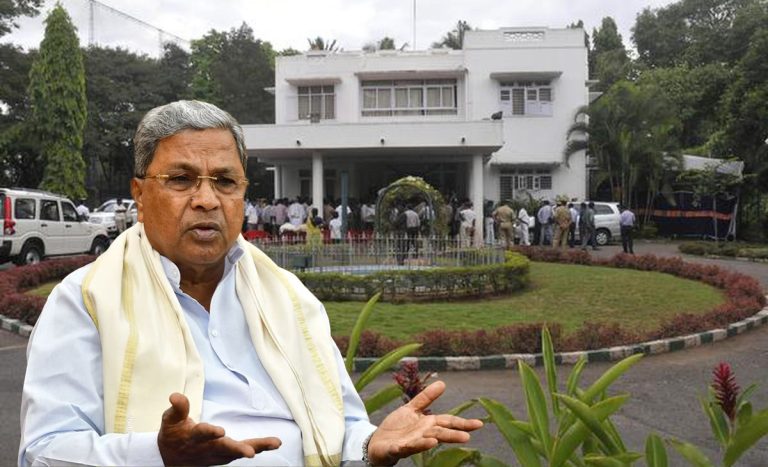
Karnataka: ₹2.6 crore to be spent on renovation of CM Siddaramaiah’s official bungalow, BJP calls it another Sheesh Mahal

0

Karnataka Chief Minister Siddaramaiah is set to renovate his official residence on the lines of former Delhi Chief Minister Arvind Kejriwal’s Sheeshmahal by using Rs 2.6 crore of public money. The Karnataka Finance Department issued a notification on February 10 informing that the state Public Works Department (PWD) will be undertaking several works at the CM residence, including the construction of a helper’s room, storage, supply of kitchen items like utensils and crockery and electrical improvements, etc.

A special exemption was granted to the PWD for renovation

As per a report in Times of India, improvements worth Rs 1.7 crore, including internal wiring, lighting points, water points, water heaters, etc. will be carried out at ‘Kaveri’, the official residence of the Chief Minister. Around Rs 89 lakh will reportedly be spent on electrification and air conditioning. An amount of Rs 16 lakh will be spent on the installation of CCTV cameras, air conditioners and other electrical appliances, and Rs 45 lakh will be spent on the renovation of the chamber of the Deputy CM’s Secretary.

Notably, the PWD has been allowed to carry out the renovation work directly without issuing tenders. An exemption under section 4(g) of the Karnataka Transparency in Public Procurement (KTPP) Act has been granted to the PWD. Last month, on January 29, a similar exemption was reportedly provided to the PWD for electrical work and furniture installation at the official residence of Deputy Chief Minister D K Shivkumar.

BJP criticises the expenditure of public money

This has attracted widespread criticism, with the BJP terming the expenditure as outrageous. BJP MLA from Chikpet Uday Garudachar described the expenditure as ‘atrocious’. “Isn’t it atrocious? Something that shouldn’t be done is being done by the Chief Minister himself. My appeal is that, let us first ensure all the other things are done. Once those needs are met, he can focus on renovating his house or whatever else he wants”, said Garudachar. “People are struggling for money. There’s hardly any left,” he added.

The renovation of the CM house using public money at a time when the state is facing a financial crunch has raised questions at the Congress government in Karnataka. Last year in July, Basavaraj Rayareddy, Karnataka Chief Minister Siddaramaiah’s financial advisor, said that the state lacks funds for development projects due to guarantee schemes. The crisis arose as enormous amounts of funds had to be set aside for Congress’s freebies.

No ICU and equipment in hospitals, non-functional mohalla clinics, only 4% of promised rooms added, and others: CAG report exposes the reality of Delhi’s health infrastructure

The Comptroller Auditor General (CAG) audit report tabled in the Delhi Assembly on 25th February laid bare Delhi’s healthcare infrastructure. Delhi Chief Minister Rekha Gupta tabled the report in the Assembly which revealed all the discrepancies in the healthcare system of the national capital.

Delhi’s poor health infrastructure and the reality of Mohalla clinics

The audit report exposed the reality of Delhi’s Mohalla clinics which were once hailed as a revolutionary step towards accessible healthcare. Some of the findings of the audit report regarding the healthcare infrastructure in the national capital are –

  • Delhi’s healthcare infrastructure suffered from a range of problems, including financial mismanagement, negligence and lack of accountability in the last six years. It also highlighted an acute shortage of medical equipment and healthcare staff and the underutilization of emergency funds. The doctors at the Mohalla clinics spent less than a minute on consultations with patients.
  • About 70% of the patients who visited the Mohalla clinics between October 2022 and March 2023 received consultations for less than a minute. Around 18% of the Mohalla clinics assessed were found non-operational for periods ranging from 15 days to 2 years. Out of the 74 clinics reviewed, none was found to have maintained the full stock of 165 drugs listed in the Essential Drugs list.
  • Several hospitals in Delhi were reportedly found to be lacking critical medical services. Out of 27 hospitals in the city, 14 do not have ICU facilities, and 16 do not have blood banks. 12 of the hospitals were found operating without ambulance services. The AYUSH dispensaries in Delhi also lacked essential facilities like toilets, power backups, and check-up tables. Many hospitals reportedly face staff shortages, with a 21 % shortage of nurses, a 38% shortage of paramedics and around 50-60% shortage of doctors.
  • The CAG report revealed that critical hospital infrastructure like operation theatres, ICU beds and private rooms were not at all utilised at Rajiv Gandhi Janakpuri Super Speciality Hospitals. Besides, the trauma centre did not have doctors for emergency care.
  • Under-utilisation of Covid emergency funds was also highlighted in the report. Out of Rs 787.91 crore allocated for the COVID-19 response, only Rs 582.84 crore were utilised. Rs 30.52 crore meant for healthcare workers and Rs 83.14 crore allotted for essential drugs and PPE kits remained unused.
    • The previous AAP government failed to expand bed capacities in hospitals. Out of the promised 32,000 hospital beds, only 1,357 (4.24%) were added. Moreover, several hospital projects were delayed in the national capital, resulting in cost overruns amounting to Rs 383.52 crore. This included hospitals like Indira Gandhi Hospital, Burari Hospital and MA Dental Ph-II.
    • Hospitals have long surgery waiting periods, for example, Lok Nayak Hospital has 2-3 months waiting for general surgeries and 6-8 months waiting for burn and plastic surgeries. The CNBC hospital has a 12-month wait for pediatric surgeries.

Massive losses incurred due to the Liquor Excise Policy

The infamous Liquor Excise Policy 2-21-22 introduced by the previous AAP government which led to the arrest of former CM Arvind Kejriwal and Deputy CM Manish Sisodia was also exposed by the CAG audit report. As per the CAG audit report released on 11th January 2025, the Delhi government incurred a loss of Rs 2,002 crore in the formulation and implementation of the policy.

  1. The audit report revealed that the group of ministers responsible for overseeing the policy did not consider the recommendations of the Expert Committee without offering any justification. The infirmities pointed out by the Committee in the policy were ignored. “…cases of related business entities holding licenses across the supply chain and skewed distribution pattern highlighted the risk of exclusivity arrangements and brand pushing…Some retailers retained licenses till the expiry of the policy period, some surrendered the same before the policy period was over. As retail licensees were limited in numbers, it caused a disruption in supply because the policy did not contain any provision requiring the licensees to give advance notices before surrendering the license, “the report said.
  2. According to the audit report, a loss of another 941 crore was incurred by the government due to its decision to open liquor vends in non-conforming areas. “In spite of being aware that vends were required to be opened in non-conforming wards in order to achieve the objective of equitable distribution, the Department did not take timely action to work out modalities leading to non-achievement of the objective. It also resulted in loss of revenue of approximately Rs 941 crore due to exemptions which had to be given to the zonal licensees”, the report read. In addition, Rs 144 crore was reportedly lost due to an irregular grant of waiver to the licensees because of the COVID-19 pandemic-related closures.
  3. The report also highlighted that many liquor wholesalers did not submit mandatory quality tests verifying compliance with the norms of the Bureau of Indian Standards (BIS). Besides, the reports of quality, harmful ingredients, heavy metals, and methyl alcohol were not submitted by several brands.
  4. Financial irregularities were also found in the Excise Supply Chain Information Management System (ESCIMS). The report claimed that undue benefit of Rs 24.23 crore was given to the implementing agency. As per the contract, the implementing agency was entitled to payments only for barcode authenticated bottles at the Point of Sale (POS) during sales. However, it was found in audit that between December 2013 and November 2022, barcode authentication amounted to Rs 65.88 crore while the actual payment created was Rs 90.11 crore.

Two of the 14 CAG audit reports have been released by the Delhi government so far. Subsequently, the CAG audit reports will be examined by a Public Accounts Committee comprising MLAs from the BJP and the AAP. The committee will be empowered to call government officials and former ministers for questioning and submit its recommendations.

Insult to Hindu faith: UP Minister Nitin Agrawal slams opposition for questioning Maha Kumbh

0

Uttar Pradesh Minister and Bharatiya Janata Party (BJP) leader Nitin Agrawal on Friday criticised the opposition, particularly the Samajwadi Party (SP) and Congress, for questioning the recently concluded Mahakumbh, describing their comments as an “insult to Hindu faith and eternal traditions.”

“See, the opposition has consistently questioned the Maha Kumbh and made objectionable comments. This has been going on for forty-five days since our great festival began, and even before that, during the preparations. The Samajwadi Party and other opposition parties repeatedly raised doubts. However, under the guidance of the Honorable Prime Minister, the Honorable Chief Minister successfully conducted this grand event, setting a world record with over sixty-six Crores devotees taking a holy dip in the past forty-five days,” Nitin said.

He further emphasized that during the event’s conclusion, the Chief Minister expressed gratitude to everyone involved. “Despite this, if the Samajwadi Party still raises questions, it is nothing but an insult to eternal traditions and Hindu faith. The people of Uttar Pradesh will answer the way the Samajwadi Party continues to disrespect Sanatan Dharma in the 2027 general elections,” he added.

Targeting Congress, Nitin questioned the absence of its top leaders from the Maha Kumbh. “Rahul Gandhi and Sonia Gandhi did not visit Kumbh. If some of their party members did, was it just for show or photo ops? If they didn’t go at all, does it mean they oppose the Mahakumbh? The Congress party must answer the people of this country. By boycotting this grand festival, they have boycotted Hindus and Sanatan Dharma.

Meanwhile, on Thursday, Uttar Pradesh Chief Minister Yogi Adityanath praised the state police for their exceptional role in ensuring the smooth and successful organisation of the Maha Kumbh in Prayagraj.

UP CM Adityanath acknowledged the police’s dedication and teamwork, which enabled the safe and secure participation of over 66 crore devotees.

The Chief Minister also credited Prime Minister Narendra Modi’s vision for the event’s success, highlighting the use of technology and the state’s efforts to ensure a safe and organized experience.

Addressing the gathering, CM Yogi Adityanath commended the police force for managing the complexities of the Mahakumbh, a large-scale event that saw a huge influx of devotees.

“The police force and jawans played a pivotal role in the crowd management and overall success of the Mahakumbh. I congratulate them for their dedication,” he said.

CM Yogi emphasised that the event’s success was a result of PM Modi’s vision, which provided a framework for organising a “Divya Kumbh Bhavya Kumbh”

(This news report is published from a syndicated feed. Except for the headline, the content has not been written or edited by OpIndia staff)