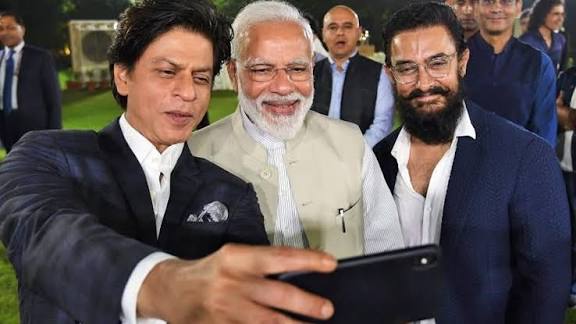
Prime Minister Narendra Modi’s 75th birthday on Tuesday turned into a day of prayers, rituals, and heartfelt wishes, resonating far beyond India’s borders. From Colombo to Varanasi, communities marked the milestone with devotion and celebration, while leaders, celebrities, and citizens across the globe sent their greetings.
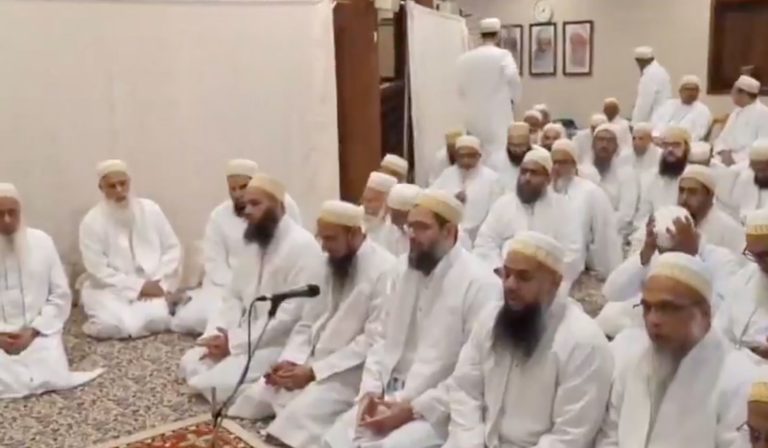
In Colombo, members of the Bohra Muslim community gathered at their mosque to offer special prayers for the Prime Minister. A video from the ceremony showed the faithful praying in unison for Modi’s good health, long life, and continued service to India. The gesture highlighted the community’s warmth and goodwill, transcending national boundaries.
Back home, Varanasi, PM Modi’s parliamentary constituency, witnessed a day of religious fervor and civic activity. At the sacred Dashashwamedh Ghat, City South MLA Dr. Neelkanth Tiwari led a grand ritual with 108 Vedic scholars from the Annapurna Rishikul Brahmacharya Ashram and Shastrarth Mahavidyalaya. Together, they performed a dugdhabhishek(milk offering) to the Ganga, chanting Vedic mantras for the Prime Minister’s long life and India’s prosperity. Later in the evening, a special Ganga aarti was scheduled at Namo Ghat, adding to the spiritual grandeur.
Celebrations also reached Jayapur village, the first adopted by PM Modi under the Sansad Adarsh Gram Yojana in 2014. Villagers paid homage by garlanding his portrait and cutting a cake at the panchayat bhawan, reflecting the local community’s deep connection with their representative.
The Varanasi Municipal Corporation marked the day with developmental initiatives worth ₹111 crore. According to Mayor Ashok Tiwari, these included road construction and repair spanning over 65 km, drainage projects across all Assembly segments, renovation of 75 wells, and the launch of a 30-bed shelter home. Other civic projects—such as pet dog registration and mobile animal capture vehicles—were also rolled out.
Seers at the Kashi Vishwanath Temple held elaborate ceremonies, including the sahastraarchan with 1,100 lotus flowers and a maharudrabhishek, praying for Modi’s health, unity in the nation, and global peace. Fruits were distributed across hospitals, orphanages, and old-age homes to spread joy among the underprivileged.
Meanwhile, greetings poured in from across the world. Several global leaders extended their best wishes to Modi, praising his leadership on the international stage. Bollywood icons including Shah Rukh Khan, Akshay Kumar, Anupam Kher, and Alia Bhatt joined in, posting warm tributes on social media. Sporting legends and cultural figures also celebrated the occasion, underlining the Prime Minister’s wide influence across diverse sections of society.
A case of illegal missionary activities has come to light in Saran, Bihar, where a Christian pastor reportedly lured people to convert to Christianity by offering them ‘magical water’ to solve all their problems.
As per reports, locals have accused the Christian pastor, named Paniya Baba, who is also known as Vaidyaji, of enticing people into converting to Christianity. The Christian pastor offered the locals ‘magical water’, claiming that it would cure them of all diseases. The pastor is said to be from Nepal.
Locals allege pastor getting funding for conversion
A local accused Paniya Baba of deceiving him. He said that he drank the magical water given by the pastor for seven days, but did not see any improvement in his health. Several people in the area have shared similar experiences of being deceived by Paniya Baba. Locals alleged that the pastor was part of a Christian conversion network and had been receiving funding for carrying out conversion activities.
Pastor claims to cure any disease within three months
Speaking to the media, Paniya Baba, whose real name is Vikas Choudhary, claimed that he can cure any disease, including cancer, with his magical water. The pastor added that his magical water, which has the blessings of Jesus Christ, can completely cure any person of any disease, in a period of 3 months. “Even if someone is on the verge of death or unable to walk, they will recover within three months by the grace of Lord Jesus,” he claimed.
The pastor denied the allegations of insulting Hindu gods and claimed that he respected all religions. He said that, being a Christian preacher, he has only been spreading the message of Jesus Christ. However, locals alleged that the pastor claimed that demons lived in temples.
What the police said
Saran Police said that since the allegations against the Christian pastor are of a serious nature, the Superintendent of Police (Rural) and the Sub-Divisional Officer, Madhaura, have been ordered to investigate the matter. According to police, a religious gathering was reportedly held last Wednesday (10th September) in Madarpur, Bheldi police station area, with the permission of the SDO. Police have issued orders to ban such gatherings with immediate effect.
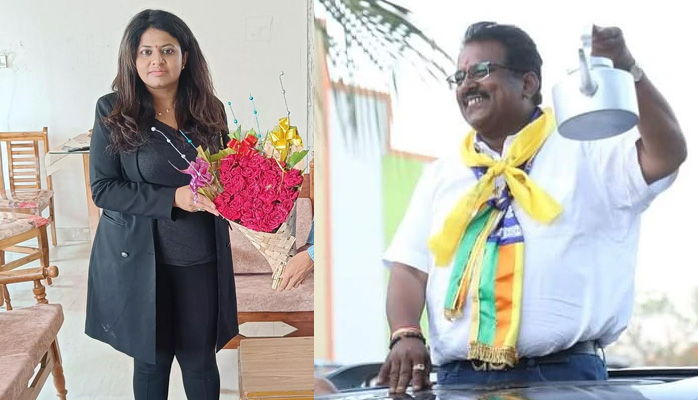
The family of former IAS probationer Puja Khedkar has once again landed in controversy, this time in a serious kidnapping case. Three days after police rescued a truck cleaner from the Khedkar family’s Pune bungalow, officials revealed that her parents and their bodyguard have gone missing. According to the Navi Mumbai police, all of their phones have been switched off since Sunday, 14th September, and there have been no online transactions linked to them in the last three days.
“We are trying to trace the family, but they have switched off all their devices and are off the grid. We are now scanning CCTV footage around the bungalow to check which vehicle was used to escape,” a police official said.
The Navi Mumbai police have booked Puja’s father, mother, and their bodyguard in connection with the kidnapping, while Pune police have filed a separate case for obstruction of duty after Puja’s mother stopped officers from entering their house.
The kidnapping fiasco: Minor incident turned into heated exchange
The series of events began on 13th September when a concrete mixer truck brushed against a Land Cruiser SUV on the Mulund-Airoli road in Navi Mumbai. The SUV, police later confirmed, belonged to the Khedkar family.
The minor incident soon turned into a heated altercation involving the truck driver, Chandrakumar Chavan, his 22-year-old cleaner, Prahlad Kumar, and the two men in the SUV. The two men were later identified as Puja’s father, Dilip Khedkar, a retired Maharashtra government official and political candidate, and his bodyguard, Praful Salunkhe.
According to the police complaint, the two men forcibly dragged Prahlad into their SUV, telling the driver they were taking him to the police station. But instead of doing so, they drove him all the way to Pune, to the family bungalow owned by Puja’s mother, Manorama.
When Prahlad stopped answering calls from his colleague Chavan and the truck owner. But there was no reply; a kidnapping case was registered at Rabale police station based on a complaint by Vilas Dherange, the truck owner.
Obstruction at Khedkar bungalow
Using technical surveillance, police tracked the SUV to Pune and rushed to the bungalow. But when they reached, they faced unexpected resistance.
According to the officers, Manorama Khedkar came out of the house when they rang the bell, but refused to open the gate. She assured them she would bring the accused to the police station by 3 pm, but later refused to cooperate. By the time police returned, the SUV involved in the crime had vanished.
“A Rabale (Navi Mumbai) police officer rang the bell and asked the watchman to call someone from the house. Manorama Khedkar came out but didn’t open the gate. Police explained the purpose of their visit and sought her cooperation in tracing the two individuals and the car involved in the abduction case. However, she refused to open the gate,” the officer said.
Officials said Manorama Khedkar had helped her husband and his bodyguard to escape from their family bungalow in Pune and set ferocious dogs on a police team that had gone to rescue Kumar.
“Since no one was present to open the main gate, police personnel jumped over the iron gate and entered the premises. However, Manorama Khedkar was not found inside,” said Uttam Bhajanawale, senior police inspector of Chatushringi police station.
Police have now filed an FIR against Manorama for obstructing officers and aiding the accused in fleeing. Similarly, Navi Mumbai Police filed a case against Dilip Khedkar and his bodyguard under relevant sections of the Bharatiya Nyay Sanhita (BNS) on charges of kidnapping. “We have launched a joint investigation, and the accused are likely to apply for anticipatory bail. Until then, they may try to remain underground,” a senior official said.
Puja Khedkar gained nationwide limelight in 2023
This appalling incident is merely the latest among a series of controversies involving the Khedkar family. Puja initially gained national attention in 2023, not for her accomplishments but for controversy surrounding her eligibility to join the Indian Administrative Service (IAS) after her UPSC exam in the year 2022.
As a probationary officer, Puja created outrage in Pune when she insisted on a separate cabin, personal staff, and even travelled in a private luxury car equipped with a beacon light, even though she was training. But the storm gained momentum only when questions were raised over how she had joined the civil services in the first place.
Probes showed that she had availed herself of benefits under the Other Backwards Classes (OBC) non-creamy layer quota as well as disability criteria. Critics accused her of presenting false facts to get a berth in the high-profile examination.
The matter snowballed soon after RTI activists and the media raised the huge wealth shown by her parents, which was much higher than the income threshold necessary for availing the OBC non-creamy layer quota.
Gun-wielding mother was seen threatening farmers
The scandal over Puja also focused unwelcome attention on her parents. Her mother, Manorama Khedkar, was shown brandishing a licensed pistol in an argument with farmers at Mulshi tehsil in Pune district in June 2023.
In the video, Manorama was accompanied by private bouncers and was seen threatening farmers during a land ownership row. Police later registered a case of rioting, intimidation, and violation of the Arms Act against her and several others, including Dilip.
Manorama was arrested in July 2023 from a lodge in Raigad district after evading the police for weeks. Authorities also initiated proceedings to review and possibly revoke her firearm license.
Dilip Khedkar under lens for wealth
Meanwhile, Puja’s father, Dilip Khedkar, who had served as a state government official, also faced scrutiny. He had contested elections unsuccessfully from Ahmednagar and declared assets worth around ₹40 crore in his poll affidavit.
This figure drew attention because the eligibility ceiling for non-creamy layer OBC quota is ₹8 lakh annual family income. Activists said that Dilip and his family owned far more wealth than what was permissible under the quota benefits his daughter claimed.
RTI activist Vijay Kumbhar pointed out that the family owned 110 acres of agricultural land, six commercial shops covering 1.6 lakh sq ft, seven flats, nearly a kilo of gold, diamonds, luxury cars, and even a gold watch worth ₹17 lakh. Puja herself, he claimed, owned property worth ₹17 crore.
The Anti-Corruption Bureau (ACB) also began probing allegations of unaccounted wealth against Dilip, with reports that an open inquiry was underway into his assets.
A family mired in scandals
The Khedkar series shows a picture of a family repeatedly in conflict with the law. From abuse of caste and disability pensions to purported harassment of farmers, suspicions about unexplained wealth, and now a kidnapping, the family has made controversy their middle name.
The most recent case, however, is most severe. Kidnapping a young cleaner of a truck after a small road accident, keeping him hidden in their bungalow, and thwarting police officials indicates a clear escalation. With police from Navi Mumbai and Pune working together, several FIRs filed, and the family now on the run, Puja and her parents are in the limelight once again.
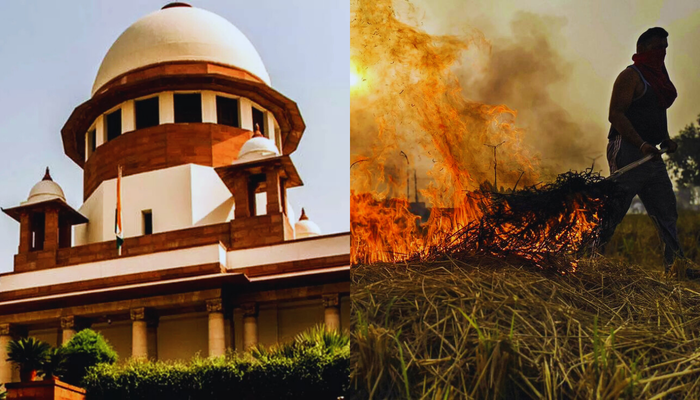
To reduce air pollution, the Supreme Court on Wednesday (17th September) suggested adopting penal measures against farmers in Punjab and Haryana practising stubble burning to reduce air pollution. The observation came during the hearing of proceedings initiated suo motu by the top court earlier this year over the failure of the National Capital Region (NCR) States to comply with the court’s direction to complete recruitment to the respective Pollution Control Boards and Committees.
A bench of Chief Justice of India BR Gavai and Justice Vinod Chandran said that stricter actions, including arrest, may be taken against erring farmers to deter them from burning stubble. CJI Gavai suggested that if some people engaging in stubble burning are jailed, it would send a message to others. “Why don’t you think of some penalty provisions? If some people are behind bars, it will send the correct message. Why don’t you think of some penalty provisions for the agriculturists? If you have a real intention of protecting the environment, then why shy away? I had read in newspapers that this (stubble left behind by crops) can also be used as biofuels. We cannot make this a five-yearly exercise,” the CJI said.
Clarifying that farmers are important for the country, CJI Gavai said that it did not mean that they would be allowed to burn stubble. “Farmers are special and we are eating because of them, but it does not mean that we cannot protect the environment,” he added.
The Apex Court took notice of activities contributing to air pollution in the Delhi NCR and surrounding states. Last year in October, the Court summoned the Chief Secretaries of the Punjab and Haryana governments and expressed strong disapproval for the lack of proper action against the problem of stubble burning. It also noted that the central government did not take any punitive action to curb stubble burning. The court directed the authorities to amend the existing laws and increase the penalty against stubble burning. Thereafter, the fines were increased.
Senior Advocate Rahul Mehra, appearing for the state of Punjab, informed the court that efforts are being made by the state government to reduce air pollution in the area. “It came down last year and will go further down now. In 3 years, a lot has been achieved…And we will achieve much more this year,” Mehra said.
However, amicus curiae Aparajita Singh countered by saying that little has been achieved in terms of reducing stubble burning despite government incentives and equipment for farmers to avoid stubble burning. Singh apprised the court that farmers revealed that they were asked to burn stubble in periods when satellites did not pass over their fields. “But farmers have the same story. Last time, farmers said that they were asked to burn at a time when the satellite does not pass over that area. I am sorry to say that since 2018, the Supreme Court has passed extensive orders, and they only plead helplessness before you,” Singh submitted.
Emphasising the need for stricter measures to discourage stubble burning, CJI Gavai said that the top court could pass necessary orders if the states were hesitant to act. “You take a call, otherwise we will issue a mandamus,” the CJI said. Responding to the statement, Senior Advocate Rahul Mehra reminded the court that small farmers or those tending to small farms may be affected by the orders. “Earlier arrests were made and actions were taken… but most of these are small farmers. Some are only tilling a small land, and if you pick them up and put them behind bars, then what happens to the dependents?” Mehra submitted. Explaining his suggestion, the CJI said that he meant the penal action as a deterrent and not as a routine. “Not as a routine but to send a message,” the CJI explained.
The hearing was adjourned after Additional Solicitor General Aishwarya Bhati requested the court to take up the case next week after some status reports are submitted before the court.
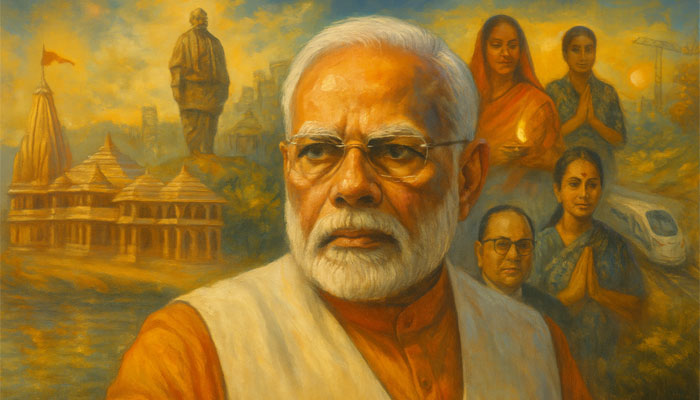
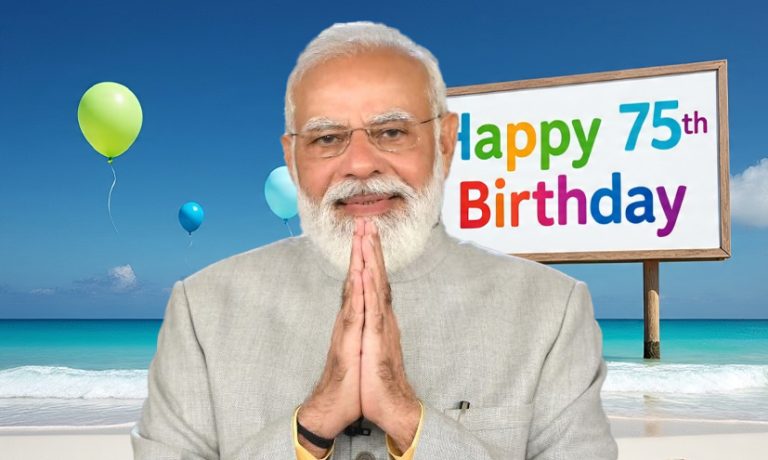
On 17th September, Prime Minister Narendra Modi marked his 75th birthday. On this day, the spotlight is firmly on the sweeping changes India has witnessed under his leadership. In the past decade, his government has been credited with strengthening national security, reviving cultural heritage, empowering marginalised communities, uplifting the middle class, and placing women at the centre of development. From safety and infrastructure to social equity and cultural pride, the Modi era has become synonymous with India’s transformative journey.
Strengthening India’s internal security
In the last ten years, PM Modi has transformed India’s internal security landscape. Before 2014, frequent terror attacks in cities like Delhi, Mumbai, Jaipur and elsewhere left citizens in constant fear. However, since the Modi government came to power, India has not witnessed major terrorist attacks like before. Furthermore, Left-Wing Extremism too has been curbed with over 500 Naxals eliminated in the past two years. By boosting infrastructure in border villages through the Vibrant Villages Programme and investing Rs 14 lakh crore in the Northeast, the government has reinforced national security from within.
2014 से पहले- घर से निकलते ही, कुछ दूर चलते ही मिलता था धमाका
मोदी सरकार में बदली स्थिति, 11 साल में नहीं हुआ कोई जिहादी हमला@pandeypuraan से जानिए, कैसे PM Modi@75 ने बदली आंतरिक सुरक्षा की तस्वीर pic.twitter.com/nda0IAdBhZ
Ramdhari Singh Dinkar had once said culture is man’s greatest treasure after food. Under PM Modi’s leadership in the past decade, India has seen major cultural revival. The Namami Gange mission symbolises both faith and environmental renewal. Grand projects like the Kashi Vishwanath and Ujjain Corridors, the restoration of Somnath temple, the construction of Bhavya Ram Mandir in Ayodhya, and the statue installations of Adi Shankaracharya and Sardar Patel reflect this resurgence. This is rightly being described as an era of cultural renaissance where temples, traditions and spiritual centres once again hold global recognition.
वॉर मेमोरियल से लेकर नमामि गंगे तक, सोमनाथ से लेकर राम मंदिर तक
For PM Modi, development means bringing the marginalised into the mainstream. Nearly 60% of his council of ministers hail from SC, ST and OBC communities, which indicates political inclusion. On the ground, initiatives such as Ayushman Bharat, with 34 crore cards issued, have provided crucial healthcare coverage to vulnerable groups. Schemes like Swachh Bharat, Ujjwala Yojana and Saubhagya have directly reached SC and ST households, providing toilets, gas connections and electricity. This focus has ensured that development is not just visible in infrastructure, but in social equity and empowerment.
सिर्फ चमकती मेट्रो-हाइवे नहीं विकास की तस्वीर… वंचितों का उत्थान है असल मकसद
स्टैंडअप योजना से लेकर गरीब कल्याण अन्न योजना तक, SC-ST उत्थान है मोदी सरकार का लक्ष्य @pandeypuraan से जानिए, PM Modi@75 में गरीबों के उत्थान पर कितना हुआ काम pic.twitter.com/XWk7RBqjEA
The Modi government has sought to ease the burden on India’s middle class. Tax relief on incomes up to Rs 12 lakh, reduced GST rates and affordable housing measures have made life easier. The creation of the SWAMIH Fund in 2019, the expansion of PM Awas Yojana, and the drastic reduction in internet data costs have all contributed to raising living standards. Digital infrastructure has connected 1.93 lakh gram panchayats, Ayushman Bharat has expanded medical access, and Udaan and Vande Bharat operations have supported connectivity and safety, both at home and abroad.
Dr BR Ambedkar had said the progress of a community is measured by the progress of its women, and Modi’s decade has given that philosophy practical meaning. NFHS-5 data shows real improvements in women’s health and security. Paid maternity leave has expanded, 3.18 crore Sukanya Samriddhi accounts have been opened, and the Ujjwala Yojana has empowered women with gas connections. Over 11.7 crore toilets and Saubhagya’s light connections have improved dignity and safety. Programmes like Lakhpati Didi now enable women to become economic drivers within their families and communities.
On his birthday, PM Modi’s tenure is being celebrated through the visible transformation of India. From securing the nation against terror and Naxalism, to reviving cultural heritage, empowering marginalised groups, supporting the middle class and prioritising women, the breadth of reform reflects a vision that is both inclusive and ambitious.
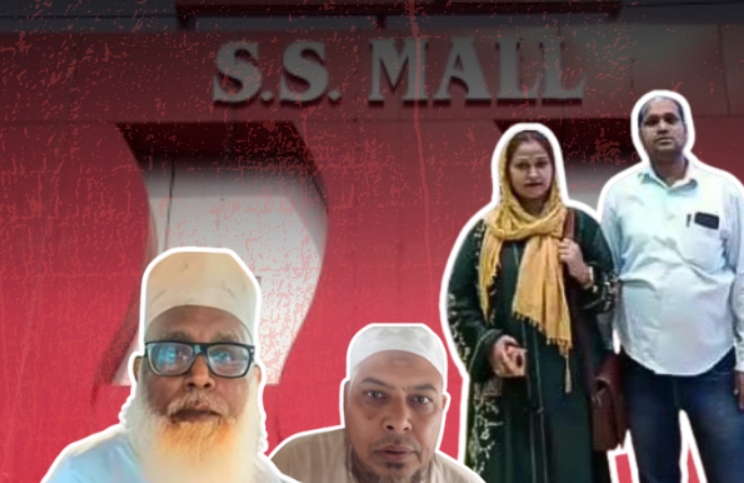
In Deoria, Uttar Pradesh, a Hindu woman named Sunita (name changed) was sexually harassed and blackmailed for forced religious conversion inside SS Mall, a shopping complex in the heart of the city. The crime was orchestrated by the mall owner, a Muslim man named Usman Ansari Ghani. Ghani specifically employed Hindu girls to sexually exploit them and ultimately blackmail them to give up their faith and convert to Islam. Usman Ansari was arrested while he was trying to flee to Dubai on September 15, 2025.
Sunita confirmed that Ghani’s wife, Tarannum and brother-in-law, Gauhar Ansari, were complicit in the crime. Together, they lured Hindu women with promises of steady jobs and good income. Once employed, the women were taken to two rooms on the upper floor of the mall. Here they were subjected to sexual harassment. Then they were pushed into prostitution and brainwashed to convert to Islam.
While documenting the Deoria case, Hinduphobia Tracker sensed deeper involvement beyond the immediate facts. It appeared to be part of a larger racket, similar to the Agra conversion racket and the Peer Chhangur network. It also follows the same pattern observed in the Islamic terrorist group Hizb-ut-Tahrir (HuT) module.
Hinduphobia Tracker has documented several incidents related to the Agra conversion racket and Peer Chhangur’s network, both of which reveal a clear pattern of systematic targeting of Hindus. These rackets did not operate randomly. It focused on vulnerable sections of Hindu society, including students, women, the poor, and socially disadvantaged communities. It used deception, inducements, and coercion to erode their faith. The methods were deliberate and structured, involving brainwashing sessions, financial lures, and emotional manipulation to sever Hindu individuals from their religious roots. By consistently preying on Hindus, these networks exposed their underlying hostility toward Hindu identity itself. It reduces conversion into a tool of subjugation and exploitation rather than a genuine belief. Together, the Agra racket, Peer Chhangur’s network and now the Deoria conversion racket demonstrate how such operations are not isolated incidents but part of a larger, organised campaign to weaken the Hindu community through targeted proselytisation.
Our team visited Deoria to meet Sunita and hear her account firsthand. What emerged was not a single incident but a pattern. Several other former employees of the mall also came forward, describing how Hindu women were routinely targeted. They revealed how Usman Ansari used his financial clout and influence to silence complaints and run what was effectively a religious conversion and sex racket.
The testimonies pointed to a disturbing modus operandi. Hindu girls were lured under the guise of jobs and pushed into prostitution. They were told to abandon their religion, adopt Islam, and serve the interests of Ghani and his associates. Those who resisted were blackmailed with explicit videos, threatened with violence, or harassed until they broke down.
To live in Deoria you need to convert to Islam and join the nexus: Hindu victim narrates her ordeal
Sunita’s testimony is harrowing. She revealed how her employers, Usman Ansari, his wife Tarannum Jahaan, and Tarannum’s brother Gauhar Ansari (also known as Gauhar Khan), systematically harassed her. They pressured her not only to convert to Islam but also to participate in a sex racket that specifically targeted Hindu girls.
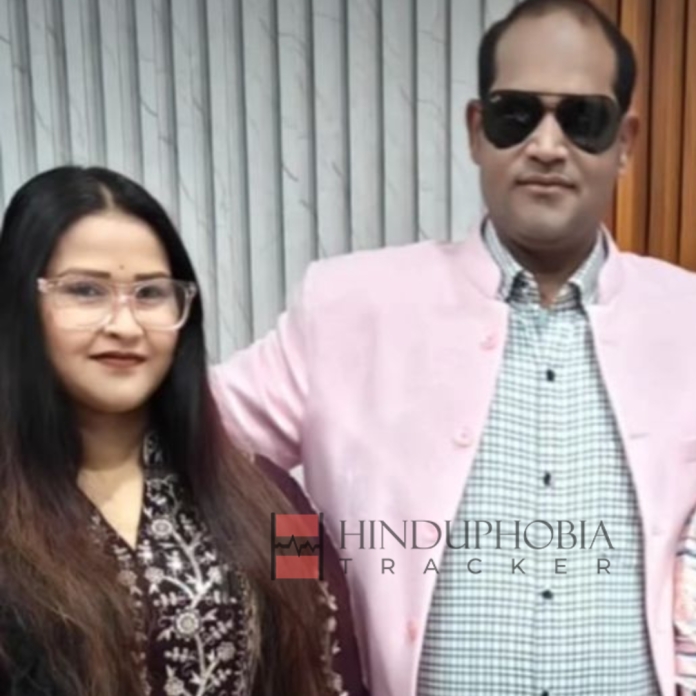
SS Mall owner Usman Ansari, his wife, Tarannum Jahaan
Behind the mall’s polished glass facade, two rooms on the upper floor were turned into sites of exploitation. Sunita explained how women were taken there under different pretexts and then subjected to harassment and abuse. The men would record videos of the assaults, which were later used as tools of blackmail. “One day, they took me to that room and asked me to join them. They ripped my clothes and sexually harassed me. Usman and Gauhar carried out the horrific assault, while Tarannum stood by and watched it all unfold. They recorded the video and threatened me with it,” Sunita narrated, her voice trembling.
The pressure was relentless. She was told repeatedly that she would only survive in Deoria if she converted to Islam and joined their network. Refusal, she said, brought threats, humiliation, and physical assault.
Sunita eventually left her job, unable to endure the torment. However, even after quitting, the harassment continued. “Even after I left the job, they kept pressuring me. They would call repeatedly and harass me,” she said, adding that the network’s control over her life did not end with her employment.
For 2 years, Sunita lived in fear. The pressure to withdraw from society, surrender her faith, and comply with her abusers was overwhelming. She finally decided to approach the police. But the path to justice was not easy.
She first went to the local police station in March 2025 and met the SHO, then the Circle Officer. Her complaint was brushed aside. She ran from one desk to another, narrating her story, but no one registered a case. According to her, the accused used their wealth and muscle power to block every attempt she made.
It was only when she approached senior officials, including the Superintendent of Police and local MLA Shalabh Mani Tripathi, that her voice began to be heard. She applied in March 2025, but the filing of the FIR was delayed for months. “They said I would be killed if I did not withdraw my case,” Sunita said, adding that she lived in constant dread during this period. Finally, on 7 September 2025, after sustained efforts and pressure from political representatives, an FIR was registered at Kotwali police station.
Former employees expose entrenched network, affirm Sunita’s ordeal is not an isolated case
The Hinduphobia Tracker team spoke with former SS Mall employees and local witnesses. They confirmed that Sunita’s ordeal was far from an isolated case. Multiple testimonies pointed to a recurring pattern where Usman Ghani and his accomplices trapped Hindu women and controlled staff through a calculated mix of money, false promises, and intimidation. These accounts expose how the mall operated like a closed system, with every detail tightly controlled to suppress the truth and prevent any evidence of exploitation from ever reaching the outside world.
Two former employees, Shah Alam and Ajay, who served as an accountant and a cashier at SS Mall and EG Mart (another departmental store owned by accused Usman Ghani), explained in detail how they were repeatedly instructed to tamper with the surveillance system. They recounted how Usman and his wife, Tarannum, routinely ordered the deletion of CCTV footage that captured Hindu women employees entering and leaving the two rooms from where the accused were running the prostitution racket. The instructions, they said, came without explanation and were presented as orders that could not be disobeyed.
“Every week, some portion of the footage had to be erased,” Ajay recounted. “We knew what was happening inside those rooms on the upper floors, but we were helpless. If we refused, we would not only lose our jobs, but we might also face retaliation.” His words underline how the staff were drawn into complicity, forced to look the other way to protect themselves and their families.
Shah Alam’s brother, Salman, who had previously worked at EG Mart, provided further testimony to the Hinduphobia Tracker team. He recounted that Hindu women employees were subjected to sexual exploitation and coerced religious conversions by the owner, Usman Ghani, and his brother, Sohail Ansari. Explaining his reasons for resigning, he stated:
“I left my job because the environment was not conducive. On the top floor of the mall, there were two private rooms where these activities took place. In the evenings, after the staff had left, a few Hindu women employees were detained and sent to those rooms, where certain traders would exploit them. The following morning, Usman Ansari would arrive at the mall and compel us to delete the CCTV footage. His brother, Sohail Ansari, was also complicit in the crime.”
Salman confirmed that he left his job in November 2024 because of these circumstances.
Hindu employees were isolated and forced to recite Kalma and Hadith
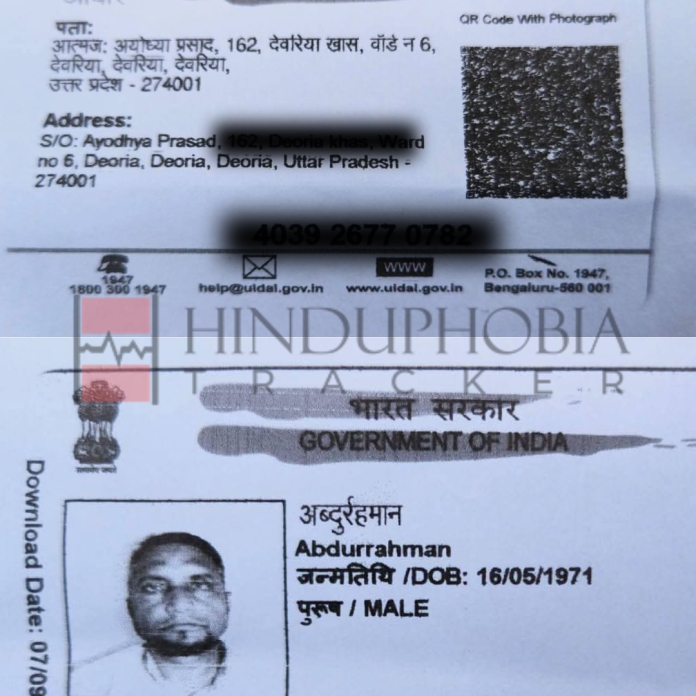
Another name that repeatedly emerged in the Deoria conversion network is Abdurrehman, the manager of EG Mart, a shopping complex in Deoria operated by Usman Ansari in collaboration with his brother Israfil Ansari. His story reflects how deeply these activities have fractured local society.
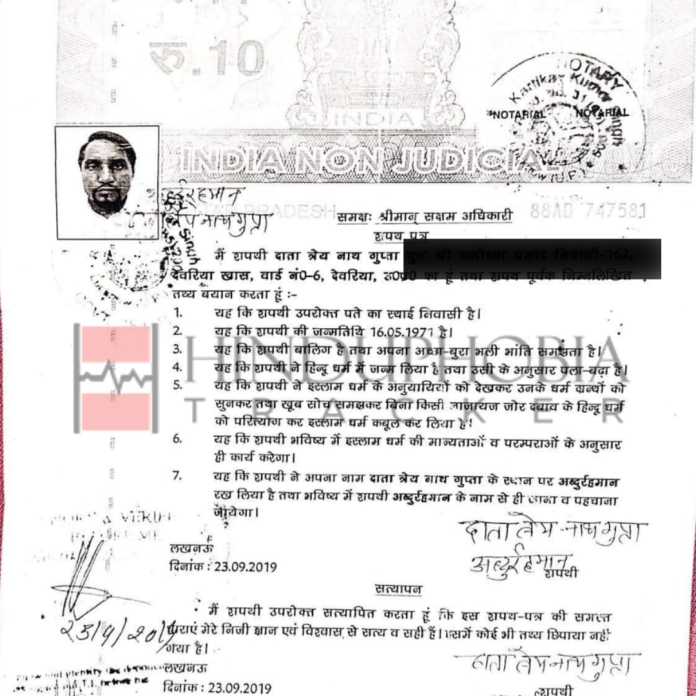
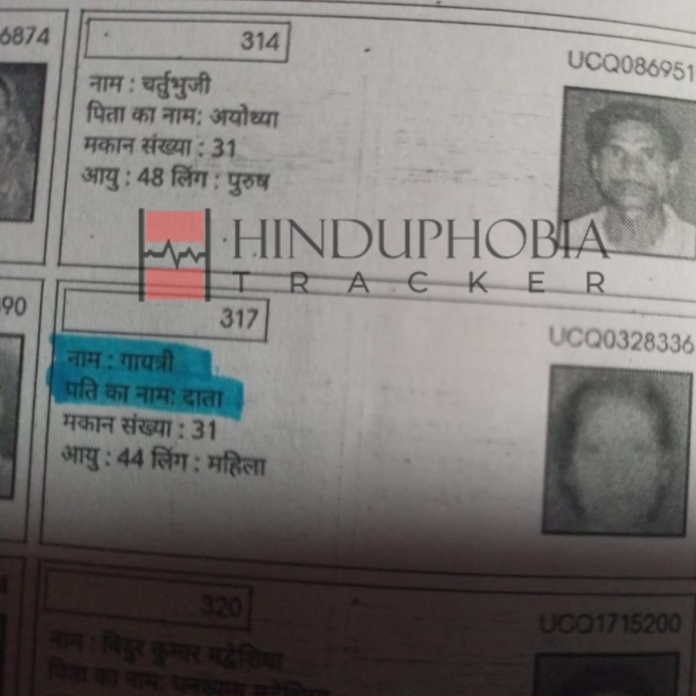
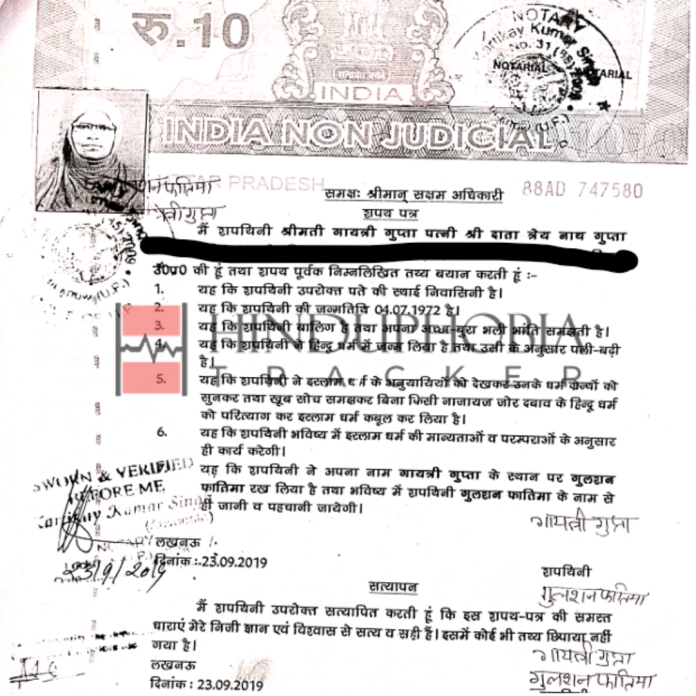
Abdurrehman was not always known by that name. He was born as Dattatreya Gupta and was married to a Hindu woman named Gayatri Devi. In 2019, both formally converted to Islam, taking the names Abdurrehman and Gulshan Fatima. According to relatives, however, the shift had begun years earlier.
Dattatreya Gupta aka Abdurrehman’s self-declaration affidavit of religious conversion
One relative, Veena Devi, recalled a confrontation in 2014, when she noticed Gayatri Gupta quietly performing namaz. “She told me Hindu gods were bad and that only Islam was pure. That was the moment I realised we were losing her. After that, she cut all ties with the family,” Veena said.
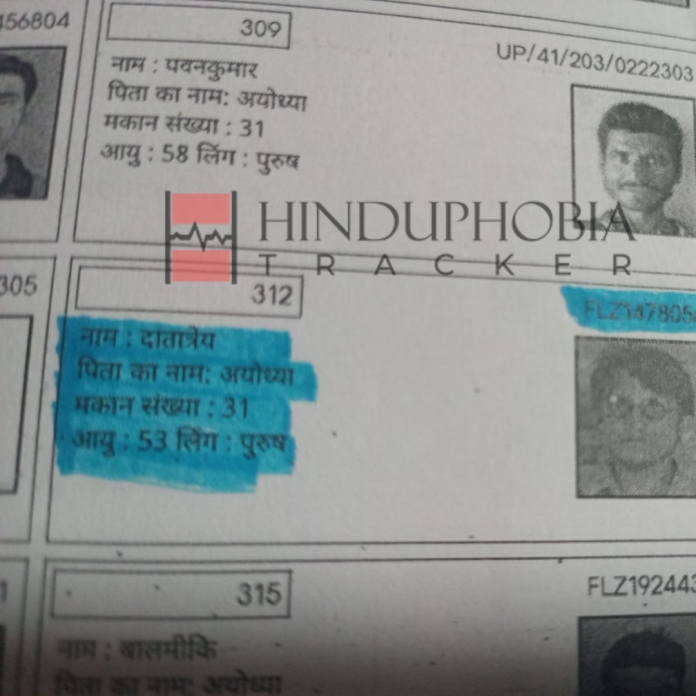
Dattatreya Gupta Electoral Roll
Abdurrehman began in a junior role but soon rose to become manager of EG Mart in Deoria. It was in this position, according to multiple testimonies, that he became an active participant in spreading Islamic practices among the mall’s largely Hindu workforce.
Dattatreya Gupta aka Abdurrehman’s Aadhar card
Salman further talked about the role of Abdurrehmen in the crime, “He would come every morning and call all the staff together, Hindus included. Then he would conduct Taleem and teach us the Kalma and Hadith,” Salman said. He explained that these gatherings usually took place in the saree section on the top floor, which was treated almost like a classroom.
Gayatri’s electoral roll
Abdurrehman’s wife, Gulshan, though not formally employed at the mall, also played a vital role. According to the ex-employee, Salman, she frequently visited the premises, taking Hindu women employees aside into separate rooms where she forced them to adopt Islamic practices. “Gulshan was not on the payroll, but she came often. She would isolate Hindu girls and give them lessons on how to follow Islamic ways,” Salman added.
Gayatri Gupta, aka Gulshan Fatima’s self-declaration affidavit of religious conversion
Together, the couple became instruments of the wider effort to influence, convert, and control Hindu employees in the establishments run by Usman Ansari.
How these ex-employees were targeted for opposing the racket
In time, suspicion grew that Shah Alam and Ajay might one day reveal the truth. In response, Usman and his associates devised a plot to discredit them. Both men, along with Shah Alam’s brother Salman, who was neither an employee of the mall nor present at the time, were falsely implicated in a fabricated theft case. They were taken into custody and publicly branded as criminals. According to the brothers, this was not a matter of misunderstanding but a deliberate attempt to silence them and ensure that no one questioned the activities of the mall’s owners.
The testimony they shared with our team was deeply unsettling. On the day of the supposed theft, Usman telephoned Shah Alam’s mother and sister, claiming that Shah Alam had suddenly fallen ill and needed urgent help. Alarmed, the family rushed to the mall. They took Salman along with them. Once inside, they were held hostage, while Usman deceitfully separated Salman and took him to his house. There, the deception turned into outright extortion. Salman was coerced into handing over ten lakh rupees, the family’s entire savings intended for purchasing a plot of land, and money from his bank account was forcibly transferred into the SS Mall account.
Not content with this, Usman filed a formal complaint accusing Shah Alam, Ajay, and Salman of bribery. The case was fabricated in such a way that it painted all three guilty, despite the absence of credible evidence. The three victims insisted that the complaint was fabricated from beginning to end, designed to silence them because they had witnessed too much.
This account, shared by the brothers and corroborated by others familiar with the events, exposes how financial muscle and coercion were systematically deployed not only to exploit vulnerable Hindu women but also to silence employees who might reveal the truth. It shows how fear and intimidation were built into the very functioning of the mall, creating an environment where the exploitation of Hindu women could continue unchecked.
It was always Hindu girls who were preyed upon, taught how to perform namaz, recite Kalma, and brainwashed against Hindu deities
During our ground reporting, Hinduphobia Tracker spoke to a former female employee, who agreed to share her experience only on condition of anonymity. Her words reinforced Sunita’s (name changed) testimony.
She confirmed that Usman and his aides specifically targeted Hindu women. “Eighty per cent of the women working in the mall were Hindus, and most of the men were Muslims,” she revealed. This underscores how systematic and deliberate the targeting was. The disproportionate presence of Hindu women and Muslim men was not a coincidence but a carefully engineered setup, ensuring that vulnerable Hindu women could be singled out, manipulated, and coerced under the pretext of employment. The Muslim men acted as tools in Usman’s larger plan, interacting directly with the Hindu women, building trust, and creating opportunities for manipulation and coercion, all while keeping Usman himself away from direct involvement. This pattern exposes the calculated nature of the exploitation, where religious identity played a central role in deciding who would be targeted.
“It was always Hindu girls,” she reiterated. “They would be taken on tours outside the district, promised luxury, and slowly brainwashed. Tarannum was central in this process. She would teach them how to perform namaz, how to recite the Kalma, and convince them that Hindu gods were false. She said only Islam was pure.”
Usman Ghani’s wife, Tarannum Jahaan
The former employee paused, her voice lowering. “I left before I got trapped fully, but many girls could not escape. They stayed because of money or because they were too scared to resist.”
Another victim’s father recounts ordeal: How Deoria conversion racket kingpin Gauhar Ansari deceived, trapped, and converted his Hindu daughter
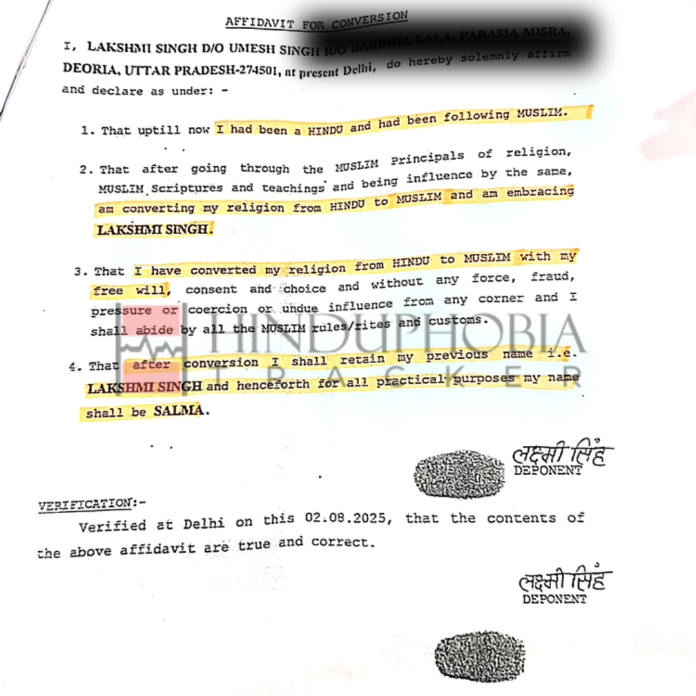
This wasn’t the first time Gauhar Ansari’s name had surfaced in such matters. In August 2025, he was arrested in connection with the forced conversion of Lakshmi Singh, a 19-year-old Hindu girl from Bardiha Lala village under Khukhundoo police station.
According to her father, Umesh Singh, Gauhar manipulated and lured Lakshmi away on 31 July 2025. She was taken to Delhi, where she was converted to Islam and renamed Salma. “My daughter was taken to Delhi by Gauhar. They converted her and renamed her Salma. She had dreams, but instead she was brainwashed,” Umesh told Hinduphobia Tracker’s team. “I filed the case of kidnapping, and Gauhar was finally arrested. But I know he wasn’t working alone. Usman was behind everything.”
Umesh Singh likened the conversion racket run by Usman Ansari to the notorious Chhangur Peer racket in Bareilly, noting the identical pattern of entrapment: “The formula is the same, lure, brainwash, convert, exploit.”
Police reports confirm that at first, the father filed a complaint, in which he accused Gauhar of kidnapping his daughter. After the complaint was lodged, both Gauhar and Lakshmi were traced and recovered. By this time, Gauhar had already married Lakshmi in a temple. Since Lakshmi was an adult, the court allowed her the right to decide her course of action. Lakshmi, completely brainwashed by Gauhar, decided to go with him.
Her father later filed another complaint, this time accusing Gauhar of forcefully converting his daughter to Islam. He stated that his daughter had been converted and married through deceit and inducement, and that her safety was at risk.
Inspector-in-charge of Khakhundoo, Kalyan Singh Sagar, confirmed that based on Umesh Singh’s complaint, a case was registered against six people, including Gauhar Ansari, for coercion, forced conversion, marriage, and issuing threats. The police investigation established that the accused had deliberately trapped the girl, misled her about his intentions, and pressured her into adopting Islam.
Lakshmi Singh’s Affidavit
Meanwhile, Lakshmi briefly appeared at the Superintendent of Police’s office to put forward her version, but she was advised to approach the local station first. Soon after, she levelled allegations against her father, complicating the case further. Despite the confusion, police maintained that the circumstances of her conversion and marriage pointed to deliberate manipulation and criminal intent.
Following the investigation, Gauhar Ansari was arrested and remains in jail. His case has become part of a broader pattern linking him with his brother-in-law, Usman Ansari Ghani, who has also been found running a larger network of religious conversions and sexual exploitation in Deoria.
Hindu employees made to wear green clothing
While speaking with former employees, the Hinduphobia Tracker team learned that staff at the mall were forced to wear green uniforms. To verify, the team visited the mall and observed firsthand that all the women employees were indeed dressed in green salwar kameez.
In Islamic tradition, the colour green holds deep religious and cultural significance. It is closely associated with the Prophet Muhammad, who is believed to have favoured green garments, and the Quran describes the people of paradise as being clothed in green silk, symbolising purity, eternity, and divine reward. Over centuries, green has become an emblem of Islamic identity and supremacy, prominently displayed in flags, shrines, and religious insignia.
Against this backdrop, the act of making Hindu employees wear green clothing cannot be dismissed as a simple choice of dress code. It was a deliberate imposition of an Islamic identity marker intended to undermine their Hindu identity. By compelling Hindus to wear a colour that represents Islam, the accused sought to assert religious dominance, subtly erasing Hindu distinctiveness while conditioning the employees to accept symbols of Islam as part of their daily lives. This forced association was both psychological and symbolic, reducing Hindu employees to instruments of religious subjugation and making it clear that their faith was to be sidelined under the shadow of Islamic supremacy.
Local MLA raises concern about the rapid demographic changes taking place in the districts of Uttar Pradesh along the Nepal border
Equally troubling was the institutional indifference that Sunita encountered after her ordeal began. Despite the gravity of her complaint, she found herself trapped in a cycle of apathy. For months, she went to the local police station, submitting applications, detailing the threats, coercion, and deception she had endured. Each time, her words were met with silence. The authorities neither registered her complaint nor offered any form of protection.
This inertia persisted until her family, exhausted yet determined, escalated the matter to higher officials. Only after repeated representations, relentless follow-ups, and mounting public pressure did the case finally move forward. It required the direct intervention of Deoria Sadar MLA Shalabh Mani Tripathi before the police were compelled to act. At last, an FIR was filed naming Usman, his wife Tarannum, and their associate Gauhar as principal offenders.
“The seriousness of this case cannot be overstated,” MLA Shalabh Mani Tripathi told Hinduphobia Tracker. “It carries multiple criminal dimensions and appears to be part of a larger network. The financial trajectory of Usman raises profound questions. Not long ago he was a slipper vendor at the local bus stand, yet today he has control of multiple malls. Such sudden wealth demands scrutiny. Where did the capital come from? Who is financing this expansion? These questions point towards external funding and an organised conspiracy, and they require a full and uncompromising investigation.”
“The situation is deeply alarming,” Shalabh Mani Tripathi further remarked. “Only recently, a series of reports by OpIndia highlighted the rapid demographic changes taking place in districts of Uttar Pradesh along the Nepal border. The proliferation of mosques, madrasas, and the sudden rise in Muslim settlements reveal a disturbing pattern that cannot be ignored. Deoria lies in proximity to that same border region, and it is imperative to examine whether this case is connected to the broader conspiracy unfolding there.”
It is important to mention here that from August 20 to 27, 2022, an OpIndia team visited several areas in Nepal bordering India to observe the ground situation. The reports written by OpIndia then provide several details that directly reinforce MLA Shalabh Mani Tripathi’s concerns.
It documented how villages along the Nepal–Uttar Pradesh border, such as Koilabas in Dang district, have seen a dramatic shift in their demographic and institutional profile. Hindu residents and shopkeepers have left in significant numbers, leaving behind abandoned houses marked with Hindu symbols, while Muslim shopkeepers and village heads now dominate the local economy and politics. The report notes that mosques and madrasas have multiplied rapidly, with estimates of over 150 madrasas and 200 mosques within a 15-kilometre stretch along the border. Many of these madrasas receive government grants, employ clerics from India, and attract Indian students with free food and lodging, pointing toward cross-border influences. Political representation has also tilted, with Muslims occupying key village head positions and even ministerial roles in Lumbini state. Markets are visibly marked with Islamic flags and Arabic inscriptions, while Hindu symbols have faded from public view. Local MPs cited by OpIndia had further stated that Nepal’s Muslim population has doubled in two decades, a shift far steeper than natural growth would suggest. Together, these findings substantiate Tripathi’s argument that what is unfolding in Deoria is not an isolated criminal case but potentially part of a wider, organised demographic and institutional transformation tied to cross-border patterns.
The Peer Chhangur-run Islamic conversion racket
The Chhangur Baba case exposed by the Uttar Pradesh ATS is one of the largest and most sinister Islamic conversion rackets in recent years. Jalaluddin alias Chhangur Baba was arrested in July 2025 for running a nationwide network backed by massive foreign funding of over Rs 500 crores, with money routed through more than 100 bank accounts in Nepal’s border districts. His entire family was involved in the operation, which incentivised Muslim men to lure Hindu women into relationships, sexually exploit them, and then forcibly convert them to Islam. A structured payout system existed- Rs 15–16 lakh for converting Brahmin, Sikh or Kshatriya women, Rs 10–12 lakh for OBCs, and Rs 8–10 lakh for others.
The racket relied heavily on deception, blackmail, and coercion. Muslim men used fake Hindu names to trap Hindu women, who were then converted and married off through Islamic nikaah ceremonies overseen by Chhangur. Victims’ abuse was filmed to ensure silence. Cases included a 15-year-old Hindu girl from Haryana who was sexually exploited, forced into Islamic practices, and blackmailed; a Hindu woman, Manvi Sharma, tricked by a Muslim posing as Rudra Sharma, forcibly converted in Kanpur under Chhangur’s supervision; and Hindu men like Sanchit and Harjeet, who were offered money, threatened, or tortured for refusing to convert. Even Hindu men were targeted with inducements like cash, houses, or jobs, and punished if they resisted.
At its core, the Chhangur Baba network weaponised money, sexual exploitation, and violence to erase Hindu identity. It combined foreign terror-linked funding with systematic grooming jihad, operating not as an isolated crime but as a deliberate anti-Hindu conspiracy designed to alter demographics and assert Islamic dominance.
How Usman’s network mirrors Peer Chhangur’s racket: Financial rise and systematic targeting of Hindus
The case of Usman’s sudden rise from a slipper vendor to the owner of multiple malls bears striking similarities to the infamous racket run by Peer Chhangur. Peer Chhangur’s network was exposed for systematically amassing wealth and influence by exploiting religious, social, and political fault lines, often under the guise of legitimate business. His operations were not just about individual profit but were tied to a larger racket, where financial power was used to alter the religious balance of entire regions. Much like Chhangur’s case, the allegations against Usman raise questions about the source of capital, the speed of his financial ascent, and the possibility of backing from external networks with vested interests in reshaping local demographics.
What makes the parallel even more compelling is that both cases demonstrate how seemingly minor figures with modest beginnings were able to leverage covert support and convert it into outsized social and economic dominance. Peer Chhangur’s racket showed how financial muscle was channelled toward creating religious and political clout, often at the expense of local Hindu communities. Usman’s trajectory appears to follow the same pattern.
In both cases, financial expansion was closely tied to the systematic targeting of Hindus, showing not just opportunism but a deliberate modus operandi. In the case of Peer Chhangur, testimonies and reports had shown how Hindu families were coerced or pressured into giving up their faith, land and property, through a mix of intimidation, debt traps, and orchestrated violence.
Similarly, in Usman’s case, the allegations go beyond mere sudden wealth. His businesses and networks have reportedly functioned by creating a hostile environment for Hindu employees, enforcing cultural impositions such as mandatory dress codes, and Islamic impositions.
The modus operandi in both rackets follows a strikingly similar blueprint. First, rapid financial rise built on suspicious external backing; second, targeting of Hindus through coercion, humiliation, or displacement; and third, channelling the gained assets and influence into strengthening religious and political dominance. In both instances, Hindus were not just incidental victims but the central focus of these schemes, which used economic power and intimidation to alter the social balance. This convergence of financial conspiracy with religiously motivated targeting is why the parallels between Peer Chhangur and Usman are so crucial. They show that these are not isolated cases but part of a recurring model of demographic and religious engineering.
Agra conversion racket and how it is similar in pattern to the Deoria conversion racket
The Agra conversion racket, uncovered under Yogi Adityanath’s Mission Asmita, was a large-scale, terror-linked religious conversion and radicalisation syndicate spanning at least six states. It primarily targeted vulnerable Hindu women and minors through deception, coercion, grooming, and “love jihad,” using tactics that investigators say mirrored those of ISIS. The network had deep foreign links, with funds routed through the dark web and financial trails traced to Canada, the US, London, Dubai, and Gulf countries.
The crackdown led to the arrest of ten accused from Delhi, Goa, West Bengal, Rajasthan, Uttarakhand, and Uttar Pradesh, many of whom were Hindu converts themselves. One of the radicalised women at the centre of the case had even uploaded a profile photo with an AK-47, symbolising her alignment with jihadi ideology. The probe revealed connections to banned outfits like PFI and SDPI, as well as to Pakistan’s ISI and local Christian missionary groups.
Investigators also linked the racket to Jalaluddin alias Chhangur Baba in Balrampur, who ran a parallel Rs 100 crore foreign-funded operation incentivising conversions, particularly of Hindu women. Together, these cases expose an organised, cross-border conspiracy to convert and radicalise Hindus, showing that this is not an isolated crime but a coordinated effort to uproot Hindus from their faith and impose Islamic supremacy.
The Agra religious conversion racket and the Deoria SS Mall case fit into the same larger pattern of organised Hinduphobia, where Hindus were deliberately profiled and targeted for conversion and exploitation. In Agra, the ATS and IB exposed a nationwide syndicate operating across six states, using ISIS-style tactics of grooming, coercion, and love jihad. Vulnerable Hindu women and minors were radicalised, brainwashed with promises of “jannat,” and pulled into a terror-linked network funded through the dark web and foreign sources. Similarly, in Deoria, Usman Ansari used his shopping malls as the front for a localised but equally insidious racket where Hindu women were offered jobs, sexually exploited, blackmailed, and pressured to abandon their faith. Both cases show that Hindus were not incidental victims but the primary targets, chosen because of their religious identity.
The parallels are striking: both rackets used deception and coercion as tools; both relied on psychological manipulation and religious indoctrination to sever Hindu identity; both deployed converted Hindus as active recruiters to expand their networks; and both drew strength from foreign or external funding sources. The Agra case was spread across multiple states with ties to terror outfits like PFI, SDPI, and even ISI, while the Deoria case functioned as a regional module using financial power and local influence to silence dissent. What connects them most strongly is intent: to weaken Hindu society through targeted exploitation of its most vulnerable, especially women, and to replace their cultural and religious identity with Islam. Taken together, Agra and Deoria reveal that these are not isolated incidents of crime but interconnected pieces of a much broader conspiracy of organised Hinduphobia.
Parallel between Usman Ansari’s network in Deoria and the modus operandi of Hizb-ut-Tahrir (HuT)
The forced conversion and exploitation racket run by Usman Ansari in Deoria also mirrors the strategy followed by Hizb-ut-Tahrir (HuT) in both method and intent. At its core, HuT recruits vulnerable individuals, often focusing on Hindus or non-Muslims, through deception, coercion, and ideological brainwashing. The Madhya Pradesh ATS found that HuT cadres lured Hindu youth, forced conversions through marriages, and secretly indoctrinated recruits into extremist ideology, with the ultimate aim of establishing a Sharia-based order. Usman’s mall racket in Deoria exhibits the same pattern. Hindu women were specifically targeted, promised jobs, lured into a trap, sexually exploited, and then pressured to convert to Islam. Just as HuT modules operated through secrecy, clandestine indoctrination sessions, and systematic targeting of Hindus, Usman and his associates ran their operations behind the façade of a shopping complex, using upper floors as hidden centres of coercion and brainwashing.
Another striking similarity lies in the broader objective. HuT seeks to dismantle democratic systems and replace them with an Islamic caliphate, while Usman’s racket, though smaller in scale, functioned with the same ideological foundation: erasing Hindu identity and asserting Islamic dominance. The imposition of green uniforms, enforced recitation of Kalma and Hadith, and the systematic humiliation of Hindu employees were not incidental. They were deliberate steps in a psychological and cultural subjugation process identical to HuT’s method of indoctrinating recruits. Both networks also relied on intimidation, blackmail, and financial power to silence dissent, ensuring that victims remained trapped and fearful. What emerges is a chilling parallel: Usman’s localised racket in Deoria is not just a criminal enterprise but a microcosm of the very strategy that international terror outfits like HuT deploy—deception, coercion, indoctrination, and systemic targeting of Hindus to build influence and alter demographics under the cover of legitimacy.
Why the Deoria conversion racket Usman Ansari’s case represents organised Hinduphobia, not an isolated crime
The case of Usman Ansari in Deoria clearly qualifies as a hate crime against Hindus and warrants inclusion in the Hinduphobia Tracker because the victims were deliberately targeted for their religious identity. Hindu women were lured with job promises, then sexually harassed, blackmailed, and pressured to abandon their faith by reciting the Kalma, performing namaz, and denouncing Hindu deities. This shows direct religious targeting and forced conversions.
Forcing Hindus to recite the Islamic Kalma or follow Islamic principles is not a neutral act of interfaith harmony; it is a deliberate imposition of the Islamic faith over their own Hindu beliefs. Such coercion and imposition infringe upon the rights of Hindus to freely practice their own faith and violate their cultural and religious identity. When Hindu individuals are subjected to such compulsion, it amounts to psychological and emotional harm, as they are compelled to participate in religious prayers that contradict their beliefs, causing confusion, distress, and a sense of alienation.
Furthermore, the perpetrators made derogatory remarks against Hindu deities. This goes beyond religious debate or proselytisation; it constitutes an act of incitement and insult directed at the core beliefs of the Hindu community. Such remarks are designed to demean and undermine the faith of Hindus, fostering an environment of hostility and disrespect.
Beyond sexual exploitation, Hindu employees were economically manipulated and silenced through intimidation and false charges, which reflects financial coercion rooted in religious bias. Symbolic acts of cultural subjugation, such as forcing Hindu staff to wear green uniforms and attend Islamic Taleem sessions, further demonstrate attempts to erase Hindu identity and impose Islamic practices. The sudden financial rise of Usman, coupled with systematic targeting of Hindus, mirrors broader organised conspiracies like those observed across the Nepal border and in the Peer Chhangur racket, showing a clear link between financial power and religious demographic engineering.
The Deoria conversion case underscores a calculated animosity and contempt toward the Hindu faith. The victims were not chosen randomly but specifically targeted for being Hindu, reflecting a mindset rooted in the drive to erase their religious identity. Hindu women were deceived with false promises of jobs, manipulated through financial dependence, coerced with threats and blackmail, and ultimately pressured to embrace Islam. Their exploitation was not merely sexual but part of a broader plan to brainwash and strip them of their Hindu identity. By religiously profiling Hindu women, luring them into vulnerability, and then using them as instruments for exploitation and forced conversion, the perpetrators demonstrated clear hatred for Hinduism and Hindus. This deliberate targeting makes the case a textbook example of an anti-Hindu hate crime and fully warrants its inclusion in the Hinduphobia Tracker.
Why the Hinduphobia Tracker records these cases under ‘Predatory Proselytisation’
Cases like the Usman Ansari racket in Deoria, the Chhangur Baba network in Balrampur, and the Agra conversion syndicate are recorded under the Hinduphobia Tracker’s subcategory of Predatory Proselytisation because they fit the defining features of this pattern: organised, systematic targeting of Hindus through deception, coercion, and exploitation with the explicit goal of religious conversion.
In each of these cases, Hindus were not targeted randomly but were profiled for their vulnerability and specifically chosen because of their faith. In Deoria, Usman Ansari lured Hindu women with job offers, sexually exploited them, and then blackmailed them into abandoning their religion, while also forcing Hindu staff to adopt Islamic practices like namaz and green uniforms. In Balrampur, Chhangur Baba ran a nationwide network backed by foreign funding, offering financial incentives to Muslim men for trapping Hindu women into relationships, coercing them into conversion, and even setting fixed “rates” based on caste. In Agra, Abdul Rehman’s syndicate targeted Hindu girls and youth online, grooming and radicalising them with promises of “jannat” and recycling converts into recruiters for further expansion, with links to terror funding and ISIS-style tactics.
What unites these cases under predatory proselytisation is the use of manipulation, grooming, sexual exploitation, blackmail, financial inducements, and fear as tools to push conversions. Unlike voluntary change of faith, these were not acts of free will but predatory schemes that stripped Hindus of their identity under duress. The predatory nature lies in exploiting the victim’s economic vulnerability, emotional needs, or social frustrations, then weaponising these against them to break their resistance.
By recording such cases under this subcategory, the Hinduphobia Tracker highlights that these are not isolated crimes but part of an organised Hinduphobic strategy where conversion is pursued not through dialogue or conviction but through deception, coercion, and exploitation.
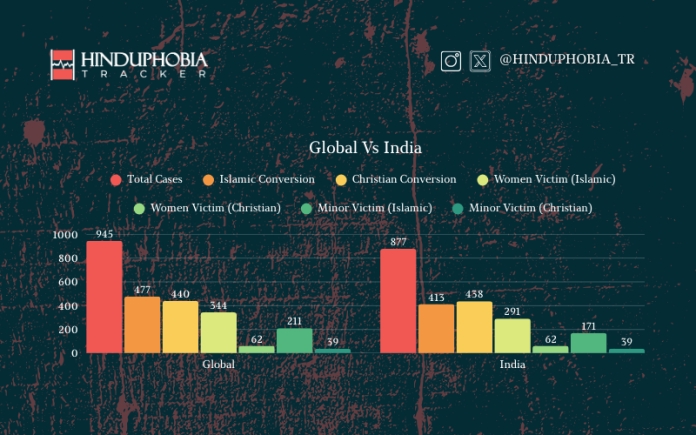
The Hinduphobia Tracker has documented 945 global incidents of Predatory Proselytisation, of which 477 (50.48 per cent) cases involved conversion to Islam and 440 (46.56 per cent) cases involved conversion to Christianity. This data reflects incidents documented from its inception until 15 September 2025.
In India alone, out of 877 documented incidents, 413 (47.9 per cent) cases involved Muslim conversions and 438 (49.94 per cent) involved Christian conversions. The number of women victims in India amounts to 359, out of which 291 (81.05 per cent) involved Muslim conversion and 62 (17.27 per cent) involved Christian conversion. Similarly, the number of minors who have been targeted stands at 217 of all victims, of which 171 (78.80 per cent) were targeted for Muslim conversion and 39 (17.97 per cent) for conversion to Christianity.
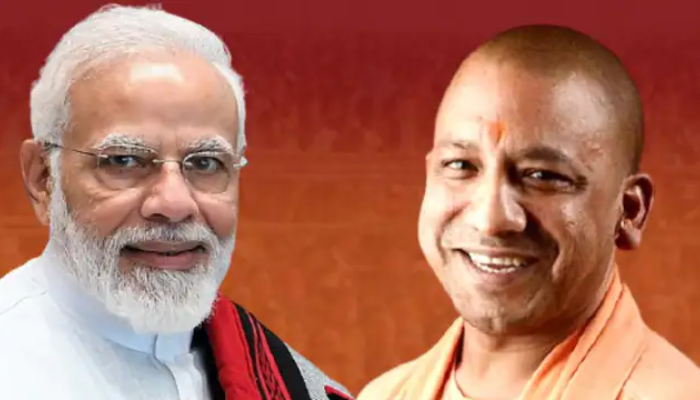
UP CM Yogi Adityanath has announced that all Anganwadi workers will be provided with smartphones, and will also get a pay rise to honour their work. On the occasion of PM Modi’s birthday and launching the ‘Swasth Nari, Sashakt Parivar Abhiyaan’, CM Yogi announced the directive to the Women and Child Development Department to provide smartphones to Anganwadi workers, aiming to enhance their capabilities and increase their honorarium.
Mentioning that Anganwadi centres are crucial for early childhood care and education in rural areas, CM Yogi stated that Anganwadi workers will also be provided training at regular intervals to enhance their skill and capabilities.
CM Yogi was speaking at the Atal Bihari Vajpayee Scientific Convention Centre in Lucknow. He inaugurated the 20,324 health camps across the 75 districts of UP.
महिला एवं बाल विकास विभाग से कहूंगा कि,
आंगनबाड़ी बहनों को स्मार्टफोन दे दें, जिससे हम इनका मानदेय बढ़ाने का काम कर सकें… pic.twitter.com/N5DJWlacpj
Over 2 lakh Anganwadi workers in UP will benefit from the initiative by CM Yogi. He stated that when the intentions of an administration are clear and honest, the results are swift and effective.
CM Yogi also greeted many children, performed their ‘Annaprashan’ sanskar, which is a traditional ceremony of introducing solid, whole foods to infants at the age of 6 months. He also gifted toys to children. He gifted fruits and other items to pregnant women.
CM Yogi highlighted that under the leadership of PM Modi, a special emphasis has been laid on women’s health and maternal health in the nation, with the added aim of making women self-dependent and empowered. He added that with the help of 1.89 lakh Anganwadi centres and over 10 lakh self-help groups, over 1 crore women in the state have been empowered to be economically independent. 41 medical colleges have been opened in the state of UP.
On September 17, 2025, Prime Minister Narendra Modi celebrated his 75th birthday, receiving an outpouring of warm wishes from world leaders. One of the first world leaders to wish Narendra Modi was U.S. president Donald Trump, who called Modi on phone last night, marking the first direct conversation between the two leaders after Trump launched tariff assault on India. Trump praised Modi’s initiatives in resolving the Russia-Ukraine conflict.
After that, leaders of several nations started a new trend, by issuing video messages to wish Prime Minister Narendra Modi on his birthday, underscoring Modi’s global stature and the strengthening of India’s diplomatic ties.
Here are some of such messages issued by heads of states and governments across the world.
Israeli Prime Minister Benjamin Netanyahu released a heartfelt video message wishing Prime Minister Modi a happy birthday, addressing him as “my good friend Narendra.” He praised Modi’s accomplishments for India and emphasized the growing friendship and partnership between the two nations in defense and technology sectors. Netanyahu’s message reflects the deep strategic ties established since full diplomatic relations in 1992.
#WATCH | On PM Modi's 75th birthday, Israel's Prime Minister Benjamin Netanyahu says, "Prime Minister Modi, my good friend Narendra, I want to wish you a happy birthday. You've accomplished so much for India in your life, and we have together accomplished a great deal in the… pic.twitter.com/QOyLoBfY3U
Australian Prime Minister Anthony Albanese extended warm wishes in a video, praising Modi’s leadership in fostering QUAD cooperation and economic ties between Australia and India. He called Modi “a true friend to Australia,” underscoring the collaborative efforts on regional security and trade.
New Zealand Prime Minister Christopher Luxon praised Modi’s commitment to climate action and bilateral trade in a concise video. He said, “A moment to reflect on the wisdom of your leadership—happy birthday, Prime Minister!” focusing on sustainable development partnerships.
Bhutan’s Prime Minister Tshering Tobgay highlighted the “unbreakable bond” between India and Bhutan in his video tribute, thanking Modi for unwavering support in Bhutan’s development projects. He said, “Your vision inspires us all—happy 75th!” reflecting the close neighborly relations.
#WATCH | On PM Modi's 75th birthday, Bhutan PM Tshering Tobgay says, "Our national servicemen and women, and all the people of Bhutan offer warmest wishes on your 75th birth anniversary. On this happy occasion, we pray for your good health, happiness and long life." pic.twitter.com/qkHqU3fKtg
Myanmar’s military leader and acting president Aung Hlaing launded PM Modi for elevating India to unprecedented height of global stature, and for building a more united India.
On the special occasion of Prime Minister @narendramodi 's 75th birthday, Acting President of Myanmar H. E. Senior General Min Aung Hlaing extends his warm wishes to him. He praised India’s growing global stature under PM Modi’s visionary leadership, paving the way for India’s… pic.twitter.com/eSX2ZJgyQW
He also appreciated PM Modi and the people of India’s support during Myanmar’s political transitions and the relief efforts during natural disasters.
Guyana’s President Irfaan Ali focused on energy cooperation and solidarity in the Global South through his video greeting. He noted, “Your global vision strengthens us all—happy 75th birthday!” underscoring oil and gas collaborations and shared development goals.
Former UK Prime Minister Rishi Sunak shared a video recalling their shared moments, including the 2023 G20 summit, and wished Modi on his 75th birthday. He said, “You’ve always been a good friend to me and to Britain,” celebrating the robust UK-India ties in trade and innovation.
#WATCH | On PM Modi's 75th birthday, Former Prime Minister of the United Kingdom, Rishi Sunak says, "It is a great pleasure to wish Prime Minister Modi a happy 75th birthday. In these uncertain times, we all need good friends, and Modi Ji has always been a good friend to me and… pic.twitter.com/5HhePwv2kd
Microsoft founder Bill Gates also released a video with a birthday wish for PM Narendra Modi. He said, “Together, we are supporting progress towards Viksit Bharat and sharing lessons and innovations for the countries in the Global South. Once again, my warmest wishes to you on this milestone occasion.”
#WATCH | On PM Modi's 75th birthday, Bill Gates, founder of the Bill and Melinda Gates Foundation & former CEO of Microsoft, says, "Prime Minister Modi, my best wishes to you on your 75th birthday. I wish you good health and continued strength as you lead India's fantastic… pic.twitter.com/GovgBdykmX
Reliance Industries Chairperson Mukesh Ambani also issued a video message wishing PM Modi on his birthday, calling it a festive day for 1.45 billion Indians. He said, “It is not a coincidence that Modi ji’s Amrit Mahotsav is coming in Bharat’s Amrit Kal.”
#WATCH | "It is my deepest wish that Modi ji should continue to serve India when independent India turns 100…", says Chairman & Managing Director of Reliance Industries Limited, Mukesh Ambani, on PM Modi's 75th birthday
Similarly, several celebrities also issued similar video messages, including Shahrukh Khan, Aamir Khan, Alia Bhatt, and many others.
In addition to videos, several prominent leaders extended greetings via official statements, letters, or phone calls.
Russian Preident Vladimir Putin Sent a heartfelt message saying, “Through your leadership at the head of government, you have earned the high respect of your compatriots and enormous prestige on the global stage. Under your leadership, India has achieved impressive achievements in the social, economic, scientific, and technical fields. You are making a significant personal contribution to strengthening the privileged strategic partnership between our countries and to developing mutually beneficial Russian-Indian cooperation in various areas.”
Russian President Vladimir Putin wished a happy 75th birthday to Prime Minister Narendra Modi pic.twitter.com/plmknDNKWM
Putin further added, “I cherish our good and friendly relations. And we will, of course, continue our constructive dialogue and joint work on pressing issues on the bilateral, regional, and international agendas. I sincerely wish you good health, happiness, prosperity, and continued success.”
Italian Prime Minister Giorgia Meloni posted on X, “Happy 75th birthday to the Indian Prime Minister @narendramodi. His strength, his determination, and his ability to lead millions of people are a source of inspiration. With friendship and esteem, I wish him health and energy to continue leading India toward a bright future and to further strengthen the relations between our Nations”
Buon 75° compleanno al Primo Ministro indiano @narendramodi. La sua forza, la sua determinazione e la sua capacità di guidare milioni di persone sono fonte di ispirazione. Con amicizia e stima gli auguro salute ed energia per continuare a guidare l’India verso un futuro luminoso… pic.twitter.com/OqXr1GFlc0
Sri Lankan President Anura Kumara Disanayaka wished Prime Minister Shri Narendra Modi on his 75th birthday, hailing his leadership and the growing India–Sri Lanka partnership.
Domestically, President Draupadi Murmu and prominent BJP leaders extended birthday wishes to PM Modi. The BJP launched “Sewa Pakhwada” with community service initiatives like blood donation camps in his honour.
The National Investigation Agency (NIA) has initiated an investigation into the Bathinda twin blasts that took place on 10th September at Jeeda village. Initially, Bathinda police started a probe in the matter and it was revealed that the accused, 19-year-old law student Gurpreet Singh, was a radicalised follower of Pakistan-based terrorist Masood Azhar, chief of the banned terrorist outfit Jaish-e-Mohammed. Bathinda police informed central agencies including the Intelligence Bureau and NIA about the matter, following which the NIA started the investigation.
Earlier this week, a deputy superintendent of police-level officer from the NIA’s Chandigarh office inspected the site. Senior Superintendent of Police (SSP) Amneet Kondal confirmed that the NIA had also briefly questioned the accused at AIIMS Bathinda, who is undergoing treatment for his injuries. Notably, the accused has not been formally arrested by the investigating agencies as he is still in hospital. His questioning will be resumed once he recovers, to uncover the full extent of his connections with extremist networks.
The twin blasts and their impact
On the morning of 10th September, Gurpreet Singh was seriously injured when explosives he was assembling inside his house detonated. The explosion caused significant damage to the property and led to his right hand being amputated. Later in the day, at around 4 PM, when his father tried to clean the room where the incident took place, a second explosion occurred and he sustained severe injuries. The police learnt of the incident only the next day after being alerted by the hospital treating Jagtar Singh.
Images of the room where blast happened. Source: Jagran
Furthermore, three minor blasts were reported on 14th September during operations by bomb disposal teams, who had to deploy robots to clear the site. Reports suggest that the chemicals Gurpreet was using were extremely unstable, causing blasts if moved from their place. The house has since been sealed and nearby residents were evacuated.
Masood Azhar connection and radicalisation angle
Investigators have confirmed that Gurpreet was deeply influenced by terrorist propaganda linked to Masood Azhar and JeM. His phone contained videos of Islamic radicals, detailed searches on assembling explosives, and contact numbers tied to senior Pakistani terrorists. He had also used a fake online ID to follow extremist content.
According to investigating officers, Gurpreet ordered explosive-making material online and was learning the process via videos. Intelligence inputs further indicate that he had booked train and bus tickets for travel to Jammu, which raised concerns that he intended to transport his crude explosives for a larger operation before the accidental blast cut his plan short.
SSP Kondal said in a statement that the accused had a history of psychiatric treatment at PGIMER Chandigarh, which his family had discontinued two years ago. Doctors had previously recommended constant supervision, but his condition was allegedly neglected.
What the FIR records
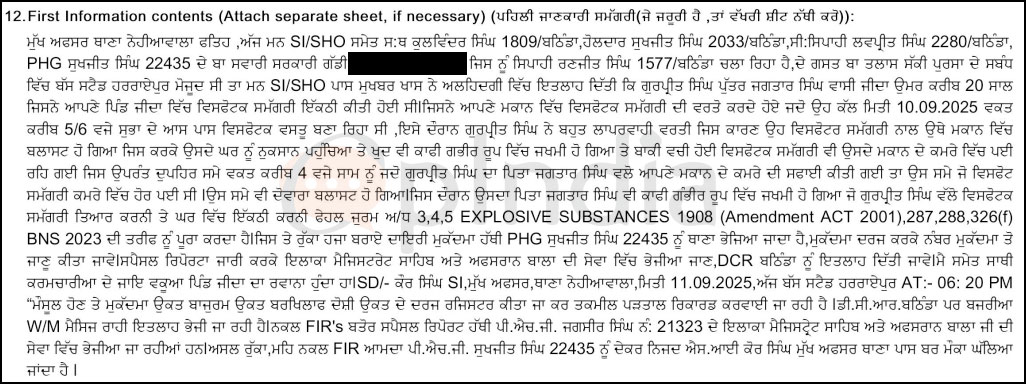
According to the FIR copy accessed by OpIndia, the police received specific information on 10th September while on patrol that Gurpreet Singh had collected explosive materials in his house. At around 5-6 AM, he triggered an explosion through negligence while attempting to make an explosive device, injuring himself and damaging his home. Later that day, at around 4 PM, his father was also injured in a second explosion while cleaning the site.
Source: Punjab Police
The FIR has been registered under Sections 3, 4, 5 of the Explosive Substances Act, 1908 (Amendment Act 2001), and Sections 287, 288, 326(f) of the Bharatiya Nyaya Sanhita (BNS), 2023. As the FIR was registered on the same day, it did not initially include the terrorist conspiracy angle. Central agencies were later alerted after evidence of radicalisation and extremist links surfaced.
Authorities remain cautious
The SSP has stated that bomb disposal teams were still clearing the house before declaring it safe. Forensic findings on both the chemical residues and digital evidence from Gurpreet’s phone are awaited.
Prime Minister Narendra Modi celebrated his 75th birthday today amid a wave of warm greetings from across the globe, with Bollywood celebrities leading the tributes on social media. The outpouring of affection highlighted Modi’s enduring popularity, as stars from the Hindi film industry shared heartfelt messages praising his leadership, vision, and tireless energy. Social media platforms, particularly X (formerly Twitter), buzzed with videos and posts, reflecting the PM’s close connect with the entertainment world.
The celebrations come as Modi turns 75, a significant milestone marked by national events including the BJP’s ‘Sewa Pakhwada’ initiative focused on service and development projects. Bollywood’s A-listers, known for their massive fan followings, used the occasion to extend personal wishes, emphasizing themes of health, progress, and inspiration.
Shah Rukh Khan, the Bollywood actor with over 44 million followers on X, shared a touching video message, lauding Modi’s journey from humble beginnings to global stature.
In the clip, Khan said, “Today, on the occasion of PM Modi’s 75th birthday, I extend my best wishes to him. Your journey from a small city to the global stage has been very inspiring. In this story, I can see your discipline, your hard work, and your dedication towards your country. Your energy at the age of 75 even beats young people like us. I pray that you always stay healthy and happy.” The message resonated widely, underscoring Khan’s admiration for Modi’s vitality.
#WATCH | On PM Modi's 75th birthday, Superstar Shah Rukh Khan says, "Today, on the occasion of PM Modi's 75th birthday, I extend my best wishes to him. Your journey from a small city to the global stage has been very inspiring. Your discipline, hard work and dedication towards… pic.twitter.com/p8wRc2pDzz
Alia Bhatt, the young superstar riding high on recent blockbusters, posted a video wishing Modi continued success in nation-building. “Wishing you a very happy birthday, Prime Minister Narendra Modi ji. May your leadership continue to shape the future of our great nation and lead us towards even more progress,” she said, highlighting his role in India’s advancement.
#WATCH | On PM Modi's 75th birthday, Actor Alia Bhatt says, "Wishing you a very happy birthday, Prime Minister Narendra Modi ji. May your leadership continue to shape the future of our great nation and lead us towards even more progress…" pic.twitter.com/KO0uatLcku
Veteran actor Anupam Kher, a vocal supporter of national causes, extended his greetings on X, praising Modi’s transformative impact. “Happy 75th Birthday to our visionary leader @narendramodi ji! Your dedication to India’s progress inspires us all. Wishing you robust health and endless energy to guide Bharat to new heights. #HappyBirthdayModi,” Kher wrote, accompanied by a photo of the PM. His post, from his account with over 20 million followers, emphasized Modi’s role in fostering unity and development.
आदरणीय प्रधानमंत्री श्री नरेंद्र मोदी जी! आपको आपके जन्मदिन की हार्दिक शुभकामनाएँ एवं बहुत बहुत बधाई! प्रभु आपको लंबी एवं स्वस्थ आयु प्रदान करे! आप आने वाले बहुत सालों तक ऐसी ही उदारता, दृढ़ता, कुशलता, एकाग्रता, और निस्वार्थ भावना से देश का नेतृत्व करें। मेरी माँ भी आपको ढेर सारा… pic.twitter.com/GwrIdAaq4A
Akshay Kumar, known for his patriotic roles, shared a concise yet warm tweet: “Happy Birthday PM @narendramodi ji! At 75, your passion for India’s growth is unmatched. Wishing you great health and many more years of leading us forward. Jai Hind!” The message, posted early in the day, aligned with Kumar’s frequent endorsements of national initiatives, drawing thousands of likes and retweets.
75वें जन्मदिन पर हार्दिक शुभकामनाएँ, @narendramodi जी ?? मेरी दिल से ये प्रार्थना है कि आपको लंबी उम्र और अच्छा स्वास्थ्य मिले… आप भारत को नई ऊँचाइयों तक ले जाते रहें। Happy Birthday, Captain ? ??❤️
— Jolly Mishra – Asli Jolly from Kanpur (@akshaykumar) September 17, 2025
Aamir Khan, another Bollywood stalwart, also joined the chorus with a video tribute. “Wishing you a very happy birthday, sir. Your contributions to India’s development will always be remembered. On this joyous occasion, we pray for your long life and that you continue to guide our nation,” he said, focusing on Modi’s legacy in elevating India’s global standing.
#WATCH | Wishing PM Modi on his 75th birthday today, Actor Aamir Khan says, "Wishing you a very happy birthday, sir. Your contributions towards the development of India will always be remembered. On this joyous occasion, we pray for your long life and also that you continue to… pic.twitter.com/NlX2hbfc4w
Ajay Devgn, the action icon, shared a heartfelt video message recalling his admiration for Modi’s leadership. “Sir, your leadership has ignited hope and pride in every Indian. On your special day, we pray for your long life, good health and everlasting inspiration for the nation. Happy Birthday, Modiji ?? #JaiHind @narendramodi,” Devgn posted, emphasizing the PM’s role in fostering national pride. The video, shared early morning, garnered significant engagement from his 45 million followers.
Sir, your leadership has ignited hope and pride in every Indian. On your special day, we pray for your long life, good health and everlasting inspiration for the nation. Happy Birthday, Modiji ?? #JaiHind@narendramodipic.twitter.com/RUNV8YQpzC
The celebrity wishes were part of a broader trend, with other stars like Vicky Kaushal and Sunny Deol also posting messages. Kaushal wished for “boundless energy” to propel India forward. The flood of wishes from Bollywood further underscored the Prime Minister’s enduring popularity beyond the political spectrum.