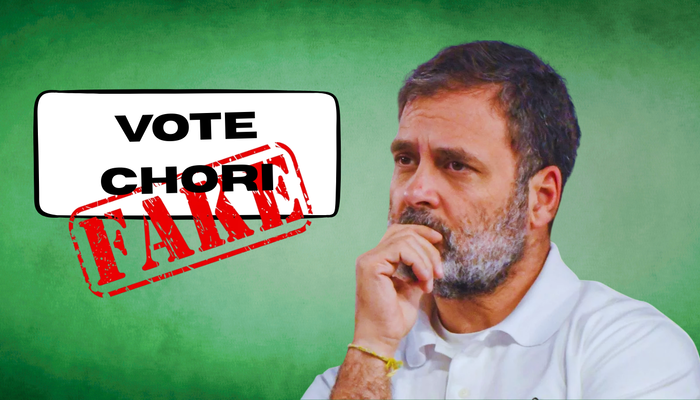
On 30th August, the ECI disclosed the number of applications of claims and objections filed by various political parties between 1st and 30th August, in relation to the draft roll prepared by the commission after revising electoral data during the SIR. The draft roll was published by the commission on 1st August, as the SIR has entered its concluding phase. The period for raising claims and objections ends on 1st September. The latest figures published by the Election Commission of India (ECI) regarding the Specific Intensive Revision (SIR) in Bihar have laid bare the opposition’s false ‘Vote Chori’ propaganda.
Interestingly, the numbers do not match the zeal displayed by the opposition in running a propaganda of ‘vote chori’ against the Election Commission (EC) and accusing it of rigging the electoral roll in the poll-bound state of Bihar. The entire opposition, led by Congress leader Rahul Gandhi, has been calling the SIR in Bihar a conspiracy of the BJP and the ECI to disenfranchise ‘lakhs’ of voters. However, the total applications raising objections regarding the draft roll published by the ECI after revising the electoral data are only 128. Notably, out of these 128 applications, 118 are filed by the CPI(ML)(L), including only 15 applications for the inclusion of eligible voters and the remaining 103 for the exclusion of ineligible voters. The rest of the applications, that is, 10, are filed by the Rashtriya Janata Dal (RJD) for the inclusion of eligible voters.
Rahul Gandhi’s party did not raise a single objection regarding the draft roll
The Congress Party did not file even a single application raising any objections regarding the draft roll prepared during the SIR. Notably, Congress has been spearheading the mud-slinging campaign against the Election Commission. The draft roll was shared by the ECI with all 12 political parties recognised in Bihar. And yet, only two parties filed applications raising objections regarding the draft roll.
Besides, a total of 2,27,636 claims and objections received by the commission directly through voters, only 29,872 were regarding the addition of eligible voters; the remaining 1,97,764 were for the exclusion of ineligible voters. A total of 7.24 crore voters are included in the draft rolls by the election body after undertaking a humongous task of revising the voter list in Bihar under the SIR, which commenced on 24th June 2025.
Opposition ran a baseless and malicious campaign against the EC
Ever since the beginning of the SIR, which is a routine exercise undertaken by the Election Commission to update the voter list, the INDI Alliance parties have been running a malicious campaign against the commission, which is merely fulfilling its constitutional mandate. The malicious campaign was kick-started by Congress scion Rahul Gandhi, who levelled baseless accusations of vote theft and voter list rigging in a press conference held earlier this month. He even threatened the election officials with ‘consequences’ once his party comes to power.
Gandhi’s allegations were refuted by the Election Commission of India in a point-by-point manner. The commission urged Gandhi to submit his allegations enclosed in a written declaration, as required by the rules, and tender an apology for levelling false accusations against the commission. Interestingly, Gandhi did neither.
The opposition also has to face embarrassment in the Supreme Court after their request to stay the SIR in Bihar was declined by the court. The Apex Court acknowledged that the ECI was constitutionally empowered to conduct the SIR and that it was a routine exercise needed to update the electoral roll for fair and transparent elections.
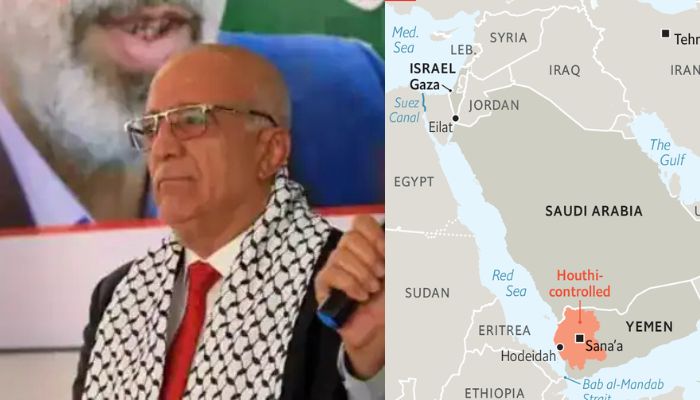
On 28th August, Houthi rebel-held government’s Prime Minister Ahmed al-Rahawi was killed in an Israeli missile strike in Yemen’s capital Sanaa. Houthi confirmed the death on 30th August. In an earlier statement, Houthis said that some ministers were assassinated and top officials were wounded in the air strike.
The group stated that al-Rahawi and his fellow officials were at a normal government seminar when the air strike occurred. The gathering was taking place in a Beit Baws villa, an old village on the outskirts of southern Sanaa.
Meanwhile, rebel-controlled television was airing a speech by Abdul-Malik al-Houthi, the reclusive group leader, who was reading out reports on the Gaza conflict and threatening revenge against Israel.
Tribal leaders told the Associated Press that senior Houthi officials had gathered to watch al-Houthi’s pre-recorded speech when the strike hit. They confirmed the location of the attack but spoke on condition of anonymity, fearing backlash from the rebels.
Al-Rahawi was just a year-old Prime Minister and was appointed in August 2024. He is the highest-ranking Houthi official to be executed since the US and Israel launched their concerted campaign of air and sea attacks on the rebels. Al-Rahawi was close to former Yemeni president Ali Abdullah Saleh before aligning with the Houthis in 2014 when they overran Sanaa and much of northern Yemen.
Last week, al-Rahawi had vowed to stand against Israeli strikes after an attack on an oil facility and power plant under rebel control. “Yemen endures a lot for the victory of the Palestinian people,” he said, underscoring his loyalty to the larger cause of fighting Israel.
Houthi threats after the strike
Mahdi al-Mashat, head of the Houthis’ supreme political council, vowed revenge after confirming the death of al-Rahawi. “We promise God, the Yemeni people, and the families of the martyrs that we will take revenge,” he declared. He went further, warning foreign companies to pull out of Israel “before it’s too late.”
For Israel, the strike marked a significant tactical victory. Defence Minister Israel Katz described it as “a crushing blow” to the Houthis, adding that “this is only the beginning.” The raid was one in a series aimed at taking out the top leaders of the Houthis, including their chief of staff and defence minister, Israeli officials said.
Ahmed Nagi, a Crisis Group senior analyst, stated that the murder of the Houthi prime minister was a “serious setback” for the rebels. It is, in his view, an indication that Israel has changed course from attacking infrastructure to attacking the Houthis’ command structure directly, which is riskier for the leadership of the group.
Houthis’ role in the regional conflict
The Houthis, who are aligned with Iran, have escalated their activities since the Israel-Hamas war broke out in October 2023. In their own words, they say their fight is in “solidarity with Palestinians.” In the past two years, they have fired missiles and drones at Israel as well as at merchant vessels in the Red Sea, interdicting one of the globe’s busiest trade corridors. Almost $1 trillion in goods travels via the Red Sea annually, making it an important international shipping artery.
On 22nd August, just days before the airstrike that killed al-Rahawi, the Houthis launched a ballistic missile armed with cluster munitions toward Israel. It was the first of its kind since 2023, according to the Israeli military.
The US and Israel have jointly carried out a series of retaliatory strikes against Houthi targets in Yemen, often hitting missile launch sites, drone facilities, and naval assets. However, Thursday’s strike was different; it went after the political and military leadership directly.
Israel’s wider conflicts: Hamas, Houthis, and beyond
The strike on al-Rahawi is only one piece of Israel’s wider war across the Middle East. The country is not only fighting Hamas in Gaza but also dealing with Iranian-backed militias in Yemen, Lebanon and Syria.
The war with Hamas erupted after the terror group launched its brutal attacks on Israel in October 2023. They took credit for missile and drone strikes on Israel’s southern city of Eilat, as well as for repeated attacks on merchant ships in the Red Sea. Their engagement expanded the security front of Israel, making it confront threats from both the north and the south at the same time.
At the same time, in Lebanon, Hezbollah is continuing to launch rockets into Israeli cities, making the northern border unstable. Pro-Iranian militias have also been busy inside Syria, although Israel has reacted by launching routine air strikes against arms warehouses and smuggling corridors.
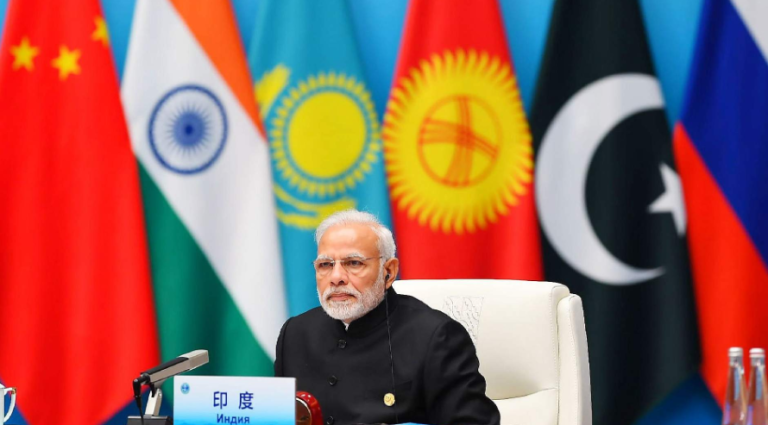
Read about India’s evolving role within the Shanghai Cooperation Organization (SCO) under Prime Minister Narendra Modi’s leadership. India has transitioned from an observer to an active member of SCO, promoting a multi-faceted agenda beyond traditional security concerns, which is aligned with Modi’s “SECURE” framework. There are opportunities as well as challenges India faces in the SCO.
Redefining relations with Central Asia: India’s transformative role in the SCO under PM Modi – a comprehensive article that covers all these aspects.
PM MODI joins the leaders of SCO member states, 2022
INTRODUCTION
The Shanghai Cooperation Organization (SCO) is now a critical pillar of Eurasian diplomacy, with an agenda and reach that extend far beyond its roots as a regional security union. The SCO, founded in 2001 and currently including eight member states including heavyweights such as China, Russia, and India is positioned at the intersection of Asia’s most pressing economic, political, and strategic concerns.
As the organization’s annual summit takes place in Tianjin, China, from August 31 to September 1, 2025, global attention focuses not only on the deliberations, but also on the high-stakes context that shapes them: a world economy rattled by renewed US tariff escalations under President Trump, intensifying regional rivalries, and a charged broader debate on the future of multilateralism.
Prime Minister Narendra Modi’s involvement takes on significant importance in this context. Modi’s visit, which will be his first to China in seven years, demonstrates India’s renewed dedication to Eurasian cooperation at a time when trade disputes and disruptions to global supply networks threaten the foundation of international alliances.
Expanding the scope of the SCO has been made possible in large part by Modi’s leadership, which is marked by diplomatic ingenuity and an ambitious agenda. India has transformed the organization into a platform for security and comprehensive, people-centered collaboration under his leadership by supporting programs in digital inclusiveness, entrepreneurship, traditional medicine, youth and cultural exchanges, and the preservation of Buddhist legacy.
Despite these aspects, some analysts have gone so far as to say that India need to think about leaving the SCO since it is a Chinese-dominated organization and its membership serves no strategic, political, or economic goals. This is a terribly ill-advised and shortsighted way to think.
This paper examines how PM Modi has helped the SCO move toward multifaceted involvement while also changing India’s place within the group. The SECURE framework, which he has promoted at past summits, is at the heart of this story. It is a holistic vision that combines security, economic growth, connectivity, cultural rapport, environmental sustainability, and educational exchange as the cornerstones of regional peace and prosperity.
This paper will analyze PM Modi’s tactics, the relevance of his ambitions in a changing global order, and the opportunities they present for India’s future as a defining power in Eurasian affairs by placing India as a major architect of the SCO’s expanded mandate.
OVERVIEW OF SHANGHAI COOPERATION ORGANIZATION
The SCO is a regional multilateral organization that prioritizes economic growth and security. It was founded in 2001 by Russia and China. China’s top concern following the dissolution of the Soviet Union in 1991 was the safety and stability of its western border, which had always been at risk. China was eager to resume the delayed negotiations to settle the long-standing border dispute that former Soviet leader Mikhail Gorbachev had started in 1986. The lengthy border talks between China and the four Soviet Union successor states Russia, Kazakhstan, Kyrgyzstan, and Tajikistan that shared boundaries came to an end in 1996.
In order to maintain the momentum of friendship in the post-settlement era, China took the initiative and joined forces with Russia to form the “Shanghai Five” in 1996. Therefore, the idea behind the Shanghai Five was to maintain peace and stability along the vast border between these five nations. In 2000, the Dushanbe summit decided to turn the Shanghai Five into a regional association. In 2001, it was succeeded by SCO.[1]
The Shanghai Cooperation Organization Charter was signed in 2002 at a meeting of the Council of Heads of State in St. Petersburg, and it went into effect on September 19, 2003. It is a statute that establishes the organization’s goals, ideals, structure, and primary areas of activity.[2]
The primary goals of the SCO are to foster mutual trust and good neighbourly relations among member states; to enable effective cooperation in a wide range of fields such as politics, economics, science, technology, and culture; to jointly safeguard regional peace, security, and stability; and to promote a democratic, fair, and rational international order.[3]
With well-structured layers of dialogue mechanisms ranging from annual summit meetings between heads of state and parliament to numerous ministerial-level meetings covering defense, foreign affairs, internal security, economic development, and finance, the organization has progressively institutionalized over the past 20 years. The SCO consists of two permanent bodies: the Secretariat, based in Beijing since 2004, and the Regional Anti-Terrorism Structure (RATS), formed in Tashkent in 2005. The SCO promotes economic and energy cooperation among its member states.
The Regional Anti-Terrorist Structure (RATS) of the SCO was established in 2004 and operates out of Tashkent, Uzbekistan. Information sharing and operation coordination pertaining to terrorist training facilities and funding sources are part of RATS’s duties. RATS is currently attempting to bring all of the member nations’ anti-terrorist laws into uniformity. RATS submits its reports to the UN and other international bodies.[4]
INDIA AND SHANGHAI COOPERATION ORGANISATION
India was admitted to the Shanghai Cooperation Organization as an observer at the 2005 Astana Summit. Since then, India actively participated in SCO operations as an observer, often represented by its foreign minister. India sees the SCO as a valuable venue to address its concerns in the Eurasian region, particularly regarding security and economics. India expressed a strong desire to become a full member and participate effectively since its inception.
Prior to Narendra Modi’s election in 2014, India had mostly served as an observer in the Shanghai Cooperation Organization (SCO) since 2005. During this period, India’s involvement with the SCO was cautious and restricted.
In September 2014, during the SCO Heads of State Summit in Dushanbe, Tajikistan, India formally applied for full membership in the SCO.[5] India’s External Affairs Minister Sushma Swaraj stated, “We have given new energy and momentum to our ties with our immediate and extended neighbourhood.” Our administration is committed to increasing involvement with the SCO and making a more meaningful contribution to its activities. She stated, “We have submitted a formal application for full membership in the SCO to the current chair.” We aim to establish a new engagement with the SCO region, using our historical ties while preparing for the difficulties of the 21st century.[6]
Central Asian Republics supported India’s membership in the Shanghai Cooperation Organization. India was considered as a soft balancer against big powers China and Russia, strengthening their multi-vector foreign strategies.[7]
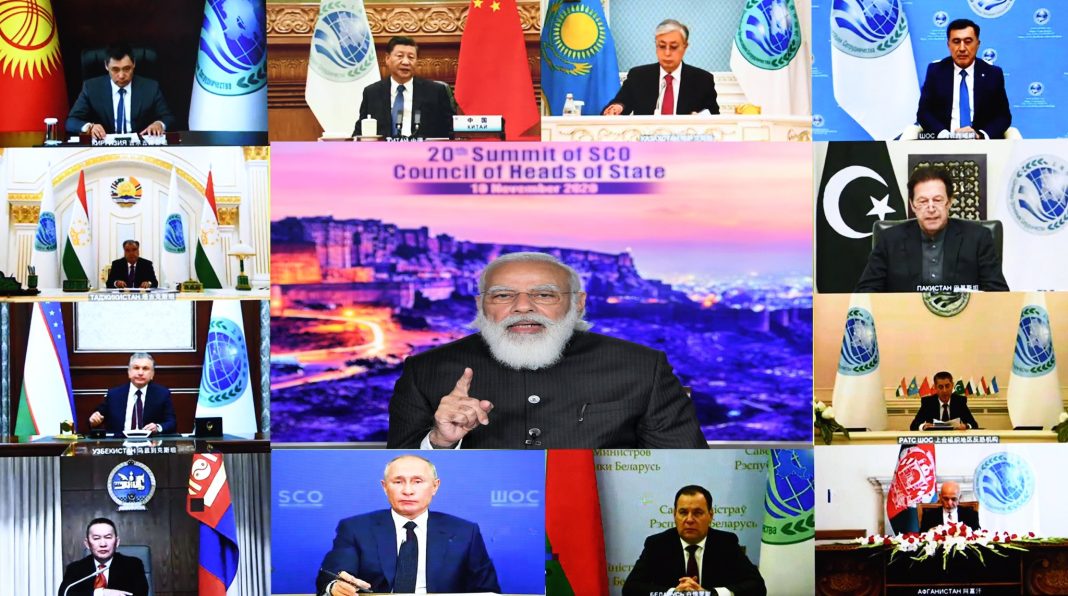
20th Summit of SCO Council of Heads of State held virtually, 2020
INDIA’S STRATEGIC LEVERAGE IN SCO: THE ROLE OF CENTRAL ASIAN REPUBLICS
One of the primary goals of the SCO was to offer a framework for close cooperation with newly established Central Asian states to ensure peace and security in the dangerous region, including resolving boundary issues and countering transnational terrorist and separatist groups. As a result, Article 1 of the SCO Charter, which outlines the organization’s primary “goals and tasks,” exhorts member nations to “jointly counteract” the three evils of “extremism, terrorism, and separatism in all their manifestations.”
India’s reputation as a stable democracy and its proficiency in counterterrorism are major contributors to its strategic influence in Central Asia. This view is further supported by the SCO’s development as a security mechanism. The group “has expanded its agenda from border security to encompass terrorism, extremism, separatism, and drug trafficking,” as Aris (2009) describes.
In order to strengthen India’s reputation as a frontline state against terrorism, New Delhi can coordinate intelligence, training, and operational procedures with CARs through the SCO’s Regional Anti-Terrorist Structure (RATS).[8]
In addition to acknowledging its growing geopolitical influence, India’s full membership in June 2016 provided a direct path to further relations with the Central Asian Republics (CARs) Kazakhstan, Kyrgyzstan, Tajikistan, Turkmenistan, and Uzbekistan.[9]
Central Asia’s geopolitical location as Eurasia’s heartland, its resource-rich character, and the tense security situation in Afghanistan following the return of the Taliban have all put the region at the forefront of the SCO’s attention. Russia’s conflict with Ukraine has also created a vacuum, resulting in fierce competition among major external parties, including China and other states. Central Asian republics, in turn, have attempted to deter external power play by utilizing their ‘Multi-Vector’ foreign strategies. This has created opportunities and difficulties for India.
Russia and China have generally led the SCO, using it to consolidate their power in Central Asia. However, India’s membership provides a third pillar, reducing the organization’s bipolarity and increasing its multipolarity. Renowned research analyst Poonam Mann writing in Air Power Journal states that, “India can be welcomed as the third pillar of the SCO” because its membership offers the Central Asian republics with “a soft balancer against the two leading powers”.[10] As a result, India’s strategic influence comes from both its independent weight and its contribution to the CARs’ increased autonomy in forming their multifaceted foreign policy.
CENTRAL ASIA AS INDIA’S EXTENDED NEIGHBORHOOD
India has always made it clear that the CARs are part of its “extended neighbourhood”.[11] Geographical obstacles and Pakistan’s blocking of transit routes have kept India’s influence in the area small despite strong civilizational and cultural ties that date back to ancient trade routes, Buddhism, and Persian cultural interactions.
“India’s transit to the region lies through Pakistan and Afghanistan, thus limiting India’s reach in a pure physical sense,” Mann notes as a significant limitation.[12] Therefore, both innovative connection initiatives and more robust global participation are needed to overcome this obstacle.
Due to insufficient and sporadic communication between India’s senior leadership and Central Asia, India has not been able to deepen its connection with these nations. The ability for India’s prime minister, ministers, and senior officials to interact with the presidents and counterpart ministers and officials of the four Central Asian nations (Kazakhstan, Kyrgyzstan, Tajikistan, and Uzbekistan) is perhaps the biggest benefit of the SCO for India.
Central Asia’s strategic importance is derived from its massive energy reserves and mineral wealth. Kazakhstan, Turkmenistan, and Uzbekistan collectively own some of the world’s largest oil and natural gas deposits, while Kazakhstan controls roughly a quarter of worldwide uranium reserves.[13] These resources are critical for India’s energy-intensive economy.
The CARs also serve as a strategic link between South Asia, Eurasia, and Europe, making them critical to India’s connectivity efforts. If a feasible method of transporting these minerals from the region to India can be established, these nations can successfully help meet India’s energy security needs. Due to the unfavorable security conditions in both Afghanistan and Pakistan, the TAPI (Turkmenistan, Afghanistan, Pakistan, India) gas pipeline project has been ongoing for many years but has not advanced much. India has been trying for years to develop connection through the International North-South Transport Corridor and the Chabahar seaport in Iran to address the lack of border continuity. While development on both projects has been gradual, recent years have seen greater activity and significant forward momentum.[14]
Relationships between India and the Central Asian Republics are not just strategic, they are also advantageous to both parties. The CARs desire diversification of alliances to safeguard their sovereignty, whereas India needs dependable allies in energy, security, and diplomacy. Both face the common challenges of violent extremism, transnational criminality, and geopolitical fragility under the shadow of greater powers. Through the SCO, India may formalize these alignments into a cooperative framework.
CONSTRAINTS ON INDIA’S INFLUENCE
Notwithstanding these advantages, India does not have total influence. “China and Russia retain the ability to block initiatives that do not serve their interests” in the SCO, which is still a consensus-driven institution. Therefore, institutional inertia and the veto power of larger countries may limit India’s actions. Furthermore, India’s aspirations are complicated by its lack of direct geographic access to Central Asia. Implementation is frequently slowed by regional instability, even if Iran’s Chabahar port and the INSTC provide partial solutions.
India’s aim is further complicated by Pakistan’s membership in the SCO. “India and Pakistan’s simultaneous entry into the SCO created an inherent contradiction,” as Mann observes.[15] This dynamic frequently hinders agreement on delicate matters, weakening the organization’s capacity for decisive action. India must therefore acknowledge the structural constraints of the SCO framework and strike a balance between assertiveness and pragmatism.
Thus, the future of India’s Eurasian strategy will be determined not just by bilateral initiatives with the CARs, but also by how successfully it navigates the SCO’s institutional dynamics. This balancing act contains both the potential and the hazard of India’s Central Asian commitment.
PM MODI’S STRATEGIC VISION FOR SCO
Since India’s full membership in the Shanghai Cooperation Organisation (SCO), in 2017, Prime Minister Narendra Modi has outlined a strategic vision that has steadily changed the organization’s agenda and expanded its scope to address modern regional and global concerns. PM Modi’s strategy is best characterized by the acronym “SECURE,” which was introduced at the 2018 SCO Summit in Qingdao, China. This vision is based on six pillars: Security, Economic development, Connectivity, Unity, Respect for sovereignty and territorial integrity, and Environmental protection, all of which reflect India’s holistic priorities within the SCO framework.[16]
India actively took part in SCO events from 2017 to 2020, encouraging further technology cooperation and economic integration. India positioned itself as a leader in tech-driven multilateralism inside the SCO by advocating for enhanced transit regimes, deeper commercial ties, and increased collaboration on digital technologies, such as artificial intelligence.
India demonstrated its capacity to lead SCO activities in the face of the worldwide pandemic in 2020 by hosting the SCO Council of Heads of Government meeting virtually. In order to build stronger people-to-people ties, Modi’s government broadened the agenda during this time by promoting collaboration in new areas like startups, innovation, traditional medicine, youth empowerment, digital inclusion, and cultural exchanges.[17]
India assumed the SCO rotating leadership in 2023, hosting the Council of Heads of State summit virtually in July. Under its leadership, India established five new cooperation pillars that represent contemporary concerns and aspirations: innovation and entrepreneurship, youth empowerment, traditional medicinal systems, digital inclusiveness, and common Buddhist heritage.[18] These activities emphasized India’s desire for a more people-centered, modern SCO. Furthermore, the addition of new members such as Iran and Belarus during this time period indicated a significant increase in the organization’s geographical and strategic impact, indicating India’s involvement in extending the multilateral structure.
India continuously emphasized the value of upholding territorial integrity and sovereignty throughout this time, which is essential for fostering confidence among SCO members. By promoting SCO-wide commitments to climate action, sustainable development, the advancement of renewable energy, and the decarbonization of the transportation sector, Modi also raised awareness of environmental issues.[19]
THE SECURE FRAMEWORK AS A CENTRAL ORGANIZING IDEA
Prime Minister Narendra Modi introduced and championed the SECURE framework, which provides a strategic and comprehensive vision for the future of the Shanghai Cooperation Organization (SCO). It aims to go beyond traditional security paradigms and construct a multidimensional cooperation model that incorporates economic development, connectivity, cultural diplomacy, environmental sustainability, and education alongside traditional security concerns.
WHAT IS SECURE FRAMEWORK?
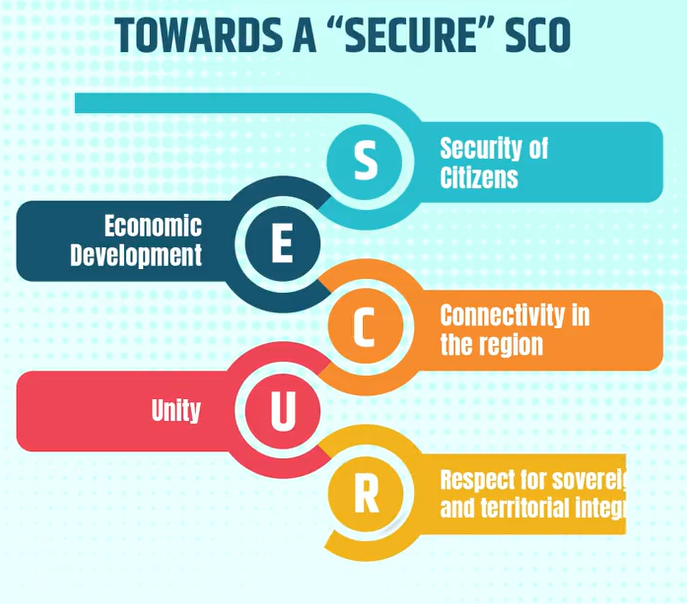
Prime Minister Modi unveiled the acronym ‘SECURE’ at the 2018 SCO meeting in Qingdao, China, and explained the semantic importance of each letter in the phrase. The speaker emphasized the importance of the six elements: S for citizen security, E for economic growth, C for regional interconnectivity, U for unity, R for respect for sovereignty and integrity, and E for environmental preservation.
At a recent SCO meeting, Union Defence Minister Rajnath Singh emphasized the importance of Prime Minister Narendra Modi’s ‘SECURE’ project, which demonstrates India’s commitment to strengthening the region’s overall welfare and inclusion.[20] Minister Rajnath Singh went on to clarify that each alphabet in the word ‘SECURE’ represents India’s unshakable commitment to specific facets of regional development. To begin, the letter ‘S’ stands for Security of Citizens, emphasizing India’s commitment to the safety and well-being of people living in the SCO region. The letter ‘E’ denotes economic development for all, emphasizing India’s commitment to promoting inclusive growth and prosperity for all member states. ‘C’ stands for Connecting the Region, underlining the need of improving connectivity through many means such as infrastructure development and digital connectivity. The letter ‘U’ stands for Uniting the People, indicating India’s desire to foster people-to-people relations and cultural cooperation among SCO member countries. SECURE is a shorthand for the main ideas that underpin the SCO’s changing agenda under Modi’s direction.[21]
PM MODI’S ADVOCACY AND PROMOTION OF SECURE IN SCO FORUMS
Prime Minister Modi has continuously underlined the SECURE framework at numerous SCO conferences and talks. His talks emphasize that a single focus on security is insufficient to handle the region’s difficulties, and that comprehensive collaboration across economic, cultural, and environmental domains is required for long-term peace and prosperity.
For example, throughout the SCO summit cycles chaired by India and at global forums, Modi emphasized the importance of integrating innovation and startup ecosystems into the SCO agenda, as well as supporting the use of digital tools to improve regional connectivity and inclusivity. He has also highlighted traditional medicine collaboration, youth participation, cultural linkage, and a focus on Buddhist legacy as distinct soft power characteristics that correspond with SECURE’s cultural and educational goals.[22]
IMPACT OF SECURE ON SCO’s POLICIES AND PROJECTS
India’s efforts to establish the SCO Working Group on Traditional Medicine and a new Task Force on Startups and Innovation to exchange experiences with SCO member nations would contribute to the development of economic cooperation within the SCO region, which will benefit common people in real-world ways.[23]
The SCO’s actions have expanded beyond its initial remit of counterterrorism and regional security since its inception, led by the SECURE framework. The framework has provided coherence to numerous efforts:
SCO STARTUP FORUM
The SCO Startup Forum provides a forum for stakeholders in the startup ecosystems of all SCO Member States to engage and collaborate. The entrepreneurship initiatives seek to empower local startup communities in the SCO Member States. The SCO Startup Forum seeks to foster multilateral cooperation and engagement for startups among SCO Member States. This participation will strengthen the local startup ecosystems in the SCO Member States.
The engagement aims to achieve the following goals:
(i). Best practices are shared to encourage innovation and entrepreneurship and create knowledge-exchange networks. (ii). Bringing in corporates and investors to collaborate closely with startups and give local business owners access to markets and much-needed support, expanding company scaling prospects by offering social innovation solutions and supplying governments with a wealth of creative alternatives. (iii). Establishing transparent procurement channels to facilitate matching in order to get creative solutions from startups (iv). Facilitating programs for cross-border incubation and acceleration that will allow businesses to investigate global markets and receive targeted mentoring.
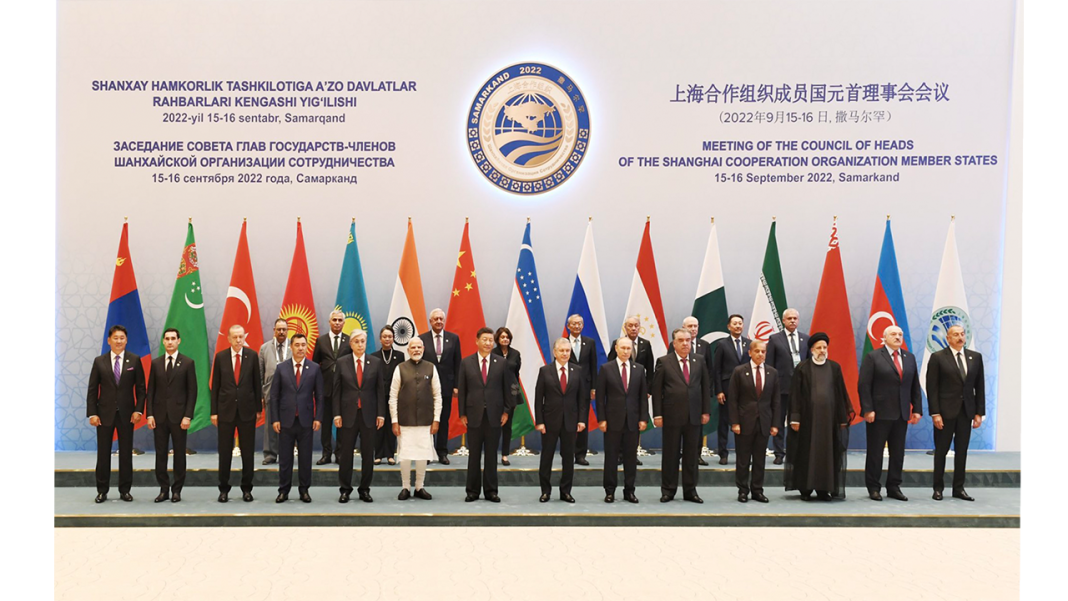
At the 2022 SCO Heads of State Summit in Samarkand, Uzbekistan, member states agreed to establish a Special Working Group for Startups and Innovation (SWG). Given the importance of innovation and entrepreneurship in growing and diversifying an economy, India launched this initiative in 2020 to establish a new pillar of cooperation among SCO Member States. The SWG was established with the goal of encouraging collaboration among SCO Member States in order to benefit the startup environment while also accelerating regional economic development. After several rounds of meetings led by the Department for Promotion of Industry and Internal Trade (DPIIT), Government of India, the Member States resolved to ratify and adopt the SWG Regulations, which will be headed permanently by India in SCO.[24]
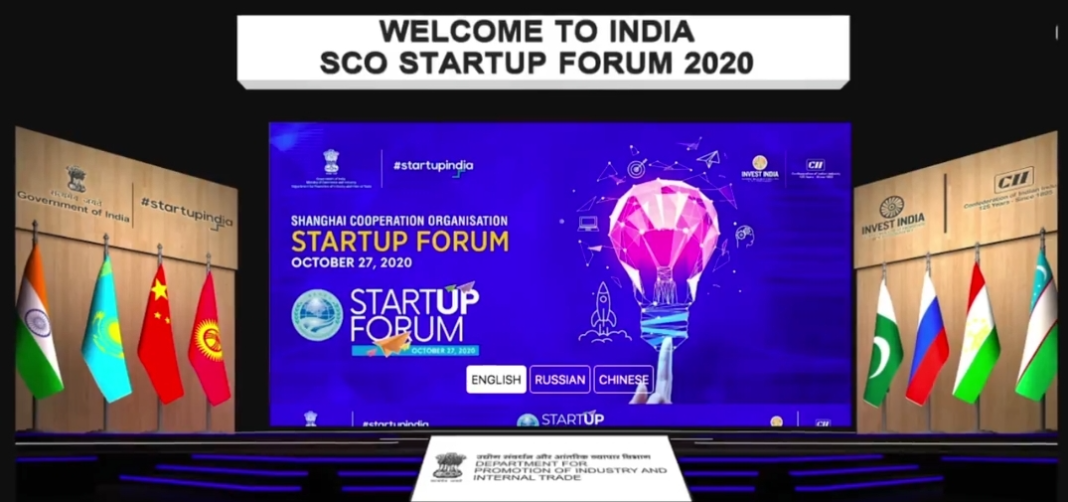
Since 2020, DPIIT has organized a number of programs for the SCO Member States’ startup ecosystems, such as three SCO Startup Forums. India seized the chance to broaden the innovative footprint by spearheading these engagements, tying the entire ecosystem together and encouraging other SCO Member States to launch like initiatives.
SCO AND COOPERATION ON TRADITIONAL MEDICINE
Under the auspices of the Ministry of Ayush and India’s SCO presidency, the B2B Conference and Expo and National Arogya Summit, which took place in Guwahati in 2023, successfully brought together 25 SCO nations to promote traditional medicine in order to help with economic development, environmental protection, and the attainment of the SCO nations’ goal of health security. During India’s SCO Presidency, the Ministry of Ayush organized a virtual conference of traditional medicine experts and practitioners, as well as the First Expert Working Group (EWG) on Traditional Medicine, which approved the EWG’s Draft Regulations on Traditional Medicine.[25]
SCO YOUNG SCIENTIST CONCLAVE
The plan to regularly organize youth events (forums, contests, etc.) was endorsed by the fifth session of the Heads of Ministries and Departments of Science and Technology of the SCO Member States, who acknowledged the immense talent among SCO youth and approved India’s request to host the SCO forum for young scientists and innovators on its territory. India hosted the second SCO Young Scientists Conclave from October 10-14, 2022, in a hybrid format with a preference for in-person attendance.[26]
SCO PEOPLE TO PEOPLE TIES
Engagement on a cultural and interpersonal level is one of the cornerstones of India’s connection with the area. Indian filmmakers, poets, and writers are well-known throughout the region. The cultural affinities, shared understandings, and preferences of people from India and Central Asia might strengthen their bonds. Aspects of Buddhism, Jainism, Sufism, and a rich literary legacy connect Central Asian nations and India together in shared cultural perspectives. Telemedicine, healthcare, and India’s technical cooperation program have all directly benefited and gained popularity among the region’s common people.
In the spirit of cultural-humanitarian cooperation, India hosted the first-ever SCO virtual 3D digital exhibition on shared Buddhist heritage in 2020. The National Museum of New Delhi, in active collaboration with SCO member countries, created a one-of-a-kind digital exhibition on shared Buddhist legacy that featured exquisite and rare treasures. The exhibition also revealed numerous Buddhist art traditions that cross national borders, rendering similar subjects that invite comparisons between regional aesthetics while identifying characteristics distinct to each area.[27]
IMPLICATIONS AND FUTURE TRAJECTORY
The Shanghai Cooperation Organization (SCO) and regional cooperation in Eurasia will be profoundly and extensively impacted by Prime Minister Narendra Modi’s agenda for the organization. In a conference that has traditionally been controlled by China and Russia, Modi has cleverly positioned India as an agenda-setter and an active member by leading the SECURE framework. His insistence on multifaceted collaboration has already started to expand the SCO’s purview from a military security-focused framework to a more comprehensive one that encompasses technical innovation, cultural interaction, economic development, and environmental sustainability.
One of the most significant ramifications of Modi’s approach is that the SCO’s identity will shift from a primarily security-oriented organization to a more balanced and versatile one. With India encouraging innovation through startup forums and digital inclusion, SCO members are encouraged to look for new opportunities for economic growth and youth empowerment, moving beyond the old state-centric security paradigm. Regional collaboration in traditional medicine, the preservation and promotion of Buddhist legacy, increasing cultural and youth exchanges, and a renewed emphasis on education and interpersonal contact all contribute to this transition. The end effect is a more dynamic and integrated Eurasian society, where soft power measures supplement hard security aims, paving the road for greater mutual trust and sustained growth. [28]
OPPORTUNITIES FOR INDIA
COUNTER TERRORISM AND SECURITY COOPERATION
One of the most critical opportunities is to strengthen counterterrorism cooperation. The SCO’s Regional Anti-Terrorist Structure (RATS) provides India with essential intelligence-sharing and collaborative operational capabilities. The research states that “India’s participation in RATS has enabled it to plug into the wider Eurasian counter-terrorism network, thereby strengthening its capacity to anticipate and neutralize cross-border threats”.[29]
This platform enables India to address its long-standing concerns about state-sponsored terrorism in Pakistan and radical spillovers from Afghanistan within a multilateral context.
Disrupting terrorist networks in and around Afghanistan is a critical strategic task that both India and the SCO are interested in. India is a significant contributor to Afghanistan’s aid and rehabilitation efforts. A special working group on Afghanistan has also been established by the SCO, and SCO member states are actively engaged in the country’s development of roads, power, and other energy-related initiatives. This area of agreement may present SCO and India with a favorable chance to establish shared strategies and discuss solutions to issues like drug trafficking, terrorism, and the Taliban’s comeback.[30]
ENERGY AND CONNECTIVITY GAIN
India also receives institutional support from the SCO to meet its energy and connectivity requirements. India’s expanding economy depends on the hydrocarbons of Central Asia, and the SCO framework enables organized collaboration. India’s admission into the SCO “occurred with renewed discussions on energy cooperation, positioning New Delhi as a credible partner in diversifying regional energy flows,” according to the report.[31] Under the SCO umbrella, connectivity initiatives like the International North-South Transport Corridor (INSTC) and investments in Chabahar port, in addition to energy, receive more regional legitimacy.
Increasing contact in SCO with Russia and Kazakhstan, two significant global energy producers outside OPEC, could help India achieve energy security.[32]
DIPLOMATIC LEVERAGE AND MULTIPOLARITY
India’s membership in the SCO enables it to diplomatically counteract China’s or Russia’s overbearing domination in Eurasia. The paper makes clear that “India’s constructive engagement is welcomed by the Central Asian republics, who see New Delhi as a benign actor compared to the overbearing influence of Moscow and Beijing”.[33] This establishes India as a crucial pole in a multipolar order, enhancing its reputation as a stabilizing and respectable regional force.
TECHNOLOGY AND GOVERNANCE
Looking ahead, India has the potential to grow its impact in specific sectors such as digital governance and fintech. The research makes the case that “India’s digital initiatives, including its fintech and e-governance models, could serve as templates for Central Asian republics seeking modernization support”.[34] By exploiting its technological resources, India may strengthen its soft power while simultaneously establishing new types of collaboration inside the SCO.
CHALLENGES FOR INDIA
PAKISTAN FACTOR AND INSTITUTIONAL PARALYSIS
A major challenge remains Pakistan’s disruptive presence in the SCO. Despite giving New Delhi a place to voice worries about terrorism, “the India-Pakistan rivalry occasionally paralyzes the SCO’s consensus-driven mechanisms, limiting New Delhi’s ability to push ambitious initiatives.” This dynamic threatens to dilute India’s goal, particularly when Pakistan employs obstructionist measures.
RUSSIA-CHINA DOMINANCE
The SCO is still controlled by China and Russia, whose strategic interests frequently take precedence over others’, notwithstanding India’s rising prominence. “China and Russia retain the ability to block initiatives that do not serve their interests,” the report cautions. This implies that if India’s plans for energy diversification or connection clash with those of Beijing or Moscow, they may encounter resistance.
GEOGRAPHIC CONSTRAINTS AND BRI DISAGREEMENTS
Geography also restricts India’s reach. Without direct land access to Central Asia, New Delhi must rely on third-country transit routes via Iran or the INSTC. Any disruptions to these channels reduce India’s presence in Eurasia. Furthermore, India’s objection to China’s Belt and Road Initiative (BRI) confines it to the SCO’s economic objective. This research warns that “India’s cautious approach towards the BRI isolates it within the SCO’s economic agenda, where China continues to set the terms”. This structural restriction limits India’s ability to shape large-scale connectivity debates.
CONCLUSION
India’s participation in the Shanghai Cooperation Organization (SCO) has gradually changed from serving as a token of its outreach to the Eurasian region to becoming a useful tool for furthering its strategic objectives. India has used the SCO over the years to improve connectivity initiatives, energy security, counterterrorism collaboration, and diplomatic relations with the Central Asian Republics (CARs). India has strengthened its national security infrastructure against terrorism and extremism by gaining access to intelligence networks throughout Eurasia through programs under the Regional Anti-Terrorist Structure (RATS).
Economically, India’s membership has created prospects for energy diplomacy and trade corridors. Central Asia, with proven reserves of over 33 billion barrels of oil and over 350 trillion cubic feet of natural gas, is critical to India’s long-term energy diversification (BP Statistical Review, 2021). India’s efforts to connect via the International North-South Transport Corridor (INSTC) and investments in Chabahar port are consistent with the SCO’s economic strategy, notwithstanding its refusal to support the Belt and Road Initiative (BRI), which generates structural divergence.
The SCO provides India with a diplomatic platform to counterbalance China’s and Russia’s increasing hegemony in Eurasia. India is increasingly seen as a benign and stabilizing partner by the Central Asian Republics, many of which are looking for alternatives to their over-reliance on Beijing or Moscow (Aris, 2009). This impression is further reinforced by India’s democratic credentials and emphasis on developmental cooperation.
However, there are still major obstacles to overcome. Pakistan’s membership in the SCO frequently causes problems, especially when terrorism is brought up. Similarly, India’s capacity to advance bold ideas is constrained by China’s hegemony within the group and the consensus-based decision-making process. India’s expansion is further limited by its geographic location, since it depends on precarious routes through Iran and Afghanistan in lieu of direct borders with Central Asia. This vulnerability was shown by the fall of Kabul in 2021, when the SCO itself found it difficult to develop a cohesive Afghan strategy.
Looking ahead, India’s SCO significance and future direction will be determined by its ability to effectively convert chances into actual rewards. India must increase its niche contributions in sectors where it has demonstrable comparative advantages, such as digital governance, fintech, medicines, and capacity building. Similarly, continued investments in energy diplomacy and connectivity will determine whether India can establish itself as a key Eurasian stakeholder rather than a peripheral player.
In summary, India’s strategic calculation has benefited greatly from the SCO, which has given it influence and visibility in Eurasia during a period of shifting global alignments. The ability of India to maintain regional peace, manage great-power rivalries, and increase its strategic presence in the resource-rich and geopolitically sensitive heartland of Eurasia will ultimately determine its future in the SCO.
References
[1]Sajjanhar, A. (2022). India and Shanghai Cooperation Organization: A Vital Partnership. Indian Foreign Affairs Journal, 17(3/4), 190–204. https://www.jstor.org/stable/48772509
[4]Kundu, N. D. (2009). Shanghai Cooperation Organisation: Significance for India. Indian Foreign Affairs Journal, 4(3), 91–101. http://www.jstor.org/stable/45340804
[7]Kumari, K. (n.d.). India in SCO: India will be of great significance to the regional security (Exclusive). Armedia. https://armedia.am/eng/print/30675/
[13]Sultan, A. M. A. (2020). The importance of the Central Asian region in energy security at the global level: A review. Public Administration, 98(4), 1093–1107. https://doi.org/10.1002/pa.2427
[14]Sajjanhar, A. (2022). India and Shanghai Cooperation Organization: A Vital Partnership. Indian Foreign Affairs Journal, 17(3/4), 190–204. https://www.jstor.org/stable/48772509
[23]Indian Council of World Affairs. (2023). Towards a secure Shanghai Cooperation Organization: Views of SCO resident researchers at ICWA. Indian Council of World Affairs. https://icwa.in/pdfs/TowardsSecureSCOWeb.pdf
[24]Department for Promotion of Industry and Internal Trade, Government of India. (n.d.). Shanghai Cooperation Organisation (SCO) – Startup and innovation initiatives. Startup India. Retrieved August 21, 2025, from https://www.startupindia.gov.in/sih/en/sco.html
[29]Indian Council of World Affairs. (2023). Towards a secure Shanghai Cooperation Organization: Views of SCO resident researchers. Indian Council of World Affairs. https://icwa.in/pdfs/TowardsSecureSCOWeb.pdf
[30]Kundu, N. D. (2009). Shanghai Cooperation Organisation: Significance for India. Indian Foreign Affairs Journal, 4(3), 91–101. http://www.jstor.org/stable/45340804
[31]Indian Council of World Affairs. (2023). Towards a secure Shanghai Cooperation Organization: Views of SCO resident researchers. Indian Council of World Affairs. https://icwa.in/pdfs/TowardsSecureSCOWeb.pdf
[32]Kundu, N. D. (2009). Shanghai Cooperation Organisation: Significance for India. Indian Foreign Affairs Journal, 4(3), 91–101. http://www.jstor.org/stable/45340804
[33]Indian Council of World Affairs. (2023). Towards a secure Shanghai Cooperation Organization: Views of SCO resident researchers. Indian Council of World Affairs. https://icwa.in/pdfs/TowardsSecureSCOWeb.pdf
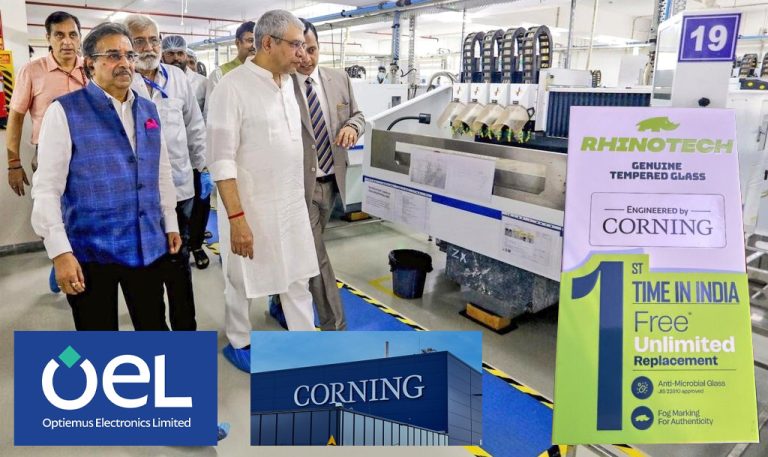
Union Minister of Electronics and Information Technology Ashwini Vaishnaw on Saturday inaugurated India’s first Tempered Glass Manufacturing Facility for Mobile Devices at Noida. The facility has been set up by Optiemus Electronics in collaboration with Corning Incorporated, USA, and will produce high-quality tempered glass under the globally recognised brand “Engineered by Corning”. The products will be supplied to both domestic and international markets.
Corning has formed a joint venture with Optiemus worth ₹1000 crore for the project to make cover glass for smartphones. Optiemus Infra will import glass sheets into India for tempered glass and they will be processed as per Corning’s techniques and mandates. The finished product will be sold in the country under the Rhinotech brand. The screen protectors will carry the ‘Engineered by Corning’ trademark.
With an initial investment of ₹70 crore, the facility in Noida will feature a state-of-the-art infrastructure that will enable a complete transformation of raw material into excellent quality tempered glass. Phase 1 will have an installed capacity of 25 million units per annum, generating direct employment for over 600 people. In phase 2, it will scale up capacity to 200 million units per annum for local and global markets, with an additional investment of ₹ 800 crore, creating over 4,500 direct job opportunities.
The facility boasts comprehensive manufacturing capabilities, including scribing, shaping/chamfering, polishing, dual-stage rinsing, chemical tempering, coating, printing, and lamination. Each stage is conducted under stringent quality inspections, bringing standardized, high-quality tempered glass to Indian consumers for the first time in India.
Speaking on the occasion, Minister Ashwini Vaishnaw said that tempered glass is an important accessory for mobile phones and its indigenous manufacturing is a major step forward in the success of Make in India and the vision of Prime Minister Narendra Modi. He added that step by step, India will manufacture each and every component used in mobile phones, including chips, cover glasses, laptop and server components, thereby positioning the country as a global player in electronics manufacturing.
The Minister also informed that a Made in India chip is expected to roll out soon, marking another milestone in the country’s journey towards self-reliance.
Vaishnaw underlined that in the past 11 years, electronics manufacturing in India has grown six times to reach a production value of ₹11.5 lakh crore, with exports of over ₹3 lakh crore and direct and indirect employment for 2.5 million people. He said that the overall electronics ecosystem in the country is developing rapidly and value addition is being enhanced step by step.
For Tempered Glass, it is estimated that the domestic market is more than 500 million pieces with a retail value of approximately ₹ 20,000 crore, showcasing a large-scale opportunity in the country. The global market is worth over USD 60 billion.
On the occasion, Ashok Kumar Gupta, Chairman, Optiemus Infracom Limited said, “This is a landmark moment for the Indian electronics manufacturing industry and the Make in India vision. Despite being one of the world’s largest mobile phone markets, India has relied on imports for tempered glass. With this initiative, we are looking at building global-scale capabilities to support the Indian and international markets with the best quality products. Our aspiration is that every Indian mobile phone user must use a Make in India tempered glass with BIS certification and fog marking to protect their screen.”
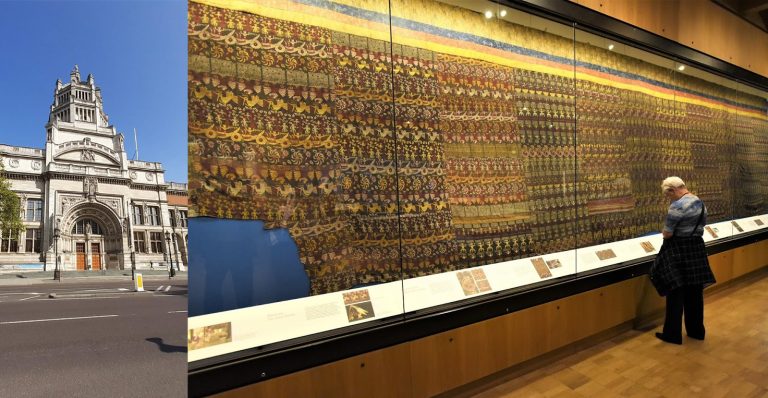
After relentless efforts by the Assam government, a Museum in London has agreed to send the 16th century Vrindavani Vastra that originated in Assam, to be displayed in Assam. Chief Minister Himanta Biswa Sarma announced in a press conference on 30 August that the Victoria and Albert Museum has written to the state government indicating intention to loan the fabric to India, provided the government can fulfil the conditions for the arrangement.
Vrindavani Vastra is a large piece of Muga silk fabric woven by Assamese weavers led by Mathuradas Burha Aata, the first Satradhikar (chief) of Barpeta Satra in Barpeta. The fabric depicts the life of Lord Krishna during his childhood days in Vrindavan. The designs woven onto the fabric were guided by Srimanta Sankardeva, the saint-scholar who introduced Vaishnavism and the Bhakti movement in Assam in 16th century.
The Vastra was woven between 1567 and 1569 to be gifted to Koch King Nara Narayan, the last ruler of the undivided Koch dynasty. Notably, Nara Narayan had sheltered Sankardeva after the Vaishnav saint was targeted by the Ahom kingdom on the instigation of Brahmin priests in the state.
A large piece of the Vastra is currently owned by the Victoria and Albert Museum in London, while another piece is owned by Musee Guimet (the Guimet Museum) in Paris. However, the Vastra was not directly picked by the Europeans from Assam. It was first taken to Bhutan from Cooch Behar, and then to Tibet, from where European merchants took it to Europe.
During that period, several more similar clothes were woven, and many of them are currently preserved at various museums across the world. One such piece is present at the Philadelphia Museum of Art, while another piece was put up for auction by the auction house of Christie’s in New York. However, the pieces kept at London and Paris are considered to be made under the guidance of Sankardeva himself, while others were woven later.
The Vrindavani Vastra at Victoria and Albert Museum was displayed for public viewing, but now it has been removed to a restricted area. This has been done to protect the aging delicate fabric. Now, one needs to take prior appointment to view the fabric by contacting the museum beforehand. The over 450 years old fabric needs to be kept in 24×7 climate-controlled environment to prevent in any damage.
Assam government has been attempting to arrange displays of these two pieces of fabric in Assam, but has not been successful so far. Assam’s hot and humid climate has been a major concern for the museum for its display in the state, as any contact with moisture will cause great damage to the fabric.
But now, after renewed efforts by the Himanta Biswa Sarma government, the museum in London has said that they are willing it to send it to Assam for a period of 18 months, after which it will have to be returned. However, the museum has set certain conditions, and if they are fulfilled to their satisfaction, the fabric will be sent to Assam in the year 2027.
The museum said that transfer will take place through JSW Foundation, an organisation specialising in preservation of arts and crafts. The foundation is run by JSW Group of the Jindal family.
The Victoria and Albert Museum will also arrange for digital live view of the Vastra in Assam from this year itself. The museum said that a new museum will have to be built in Assam to house the Vastra. It will have to be built as per their specifications, so that it is fit to keep the Vastra for 18 months. Representatives of the museum London visited two existing museums in Guwahati, the Sankardev Kalakshetra Museum and the Assam State Museum, and concluded that both are not suitable to protect the delicate fabric.
If a suitable museum is built, they will send the fabric to India to be displayed in Guwahati and Mumbai, the UK museum said in their letter to Assam CM. They said, “we are actively working towards the loan of the textile to both CSMVS (Chhatrapati Shivaji Maharaj Vastu Sangrahalaya) in Mumbai and to Assam in 2027”.
Another condition is that the Union government of India will have to give a sovereign guarantee that the Vrindavani Vastra will be return to London after the contacted period of 18 months. The President of India will have to sign that guarantee.
Apart from these specific conditions, standards rules for touring exhibitions of museum artifacts will also apply to the arrangement.
To fulfil the condition of new museum, Assam government has allocated a plot of land belonging to Sericulture Department in Khanapara, near the Guwahati Science Museum. The museum will be built by JSW Group their own cost, as part of their CSR activity, and will gift it to Assam government.
The CM added that the state government is collaborating with Indian High Commissioner to UK for smooth transfer of the Vastra.
CM Himanta Biswa Sarma said that if this effort is successful, they will next attempt to bring the Vastra kept in Paris. He said that the Victoria and Albert Museum invited him to visit London in September for further discussions on the issue. However, due to BTAD elections, he will be visiting in October or November.
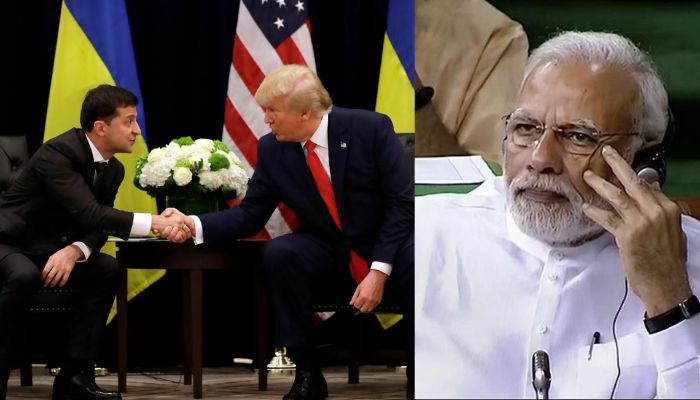
At a time when the United States has slapped steep tariffs on Indian goods for continuing to import Russian oil, Ukraine has quietly emerged as one of the biggest beneficiaries of India’s energy trade.
In July 2025, India became Ukraine’s top diesel supplier, even surpassing European nations. According to NaftoRynok, a Ukrainian oil market analytics firm, Indian diesel accounted for 15.5% of Ukraine’s total imports that month. Daily shipments averaged about 2,700 tons, making it one of India’s highest monthly export figures of the year.
From January to July 2025, India’s share in Ukraine’s diesel supply rose to 10.2%, a dramatic increase compared to just 1.9% during the same period last year. The fuel reaches Ukraine through multiple routes, including shipments via Romania along the Danube and through Turkey’s OPET terminal.
For Kyiv, this supply line is nothing short of critical. With its war machinery heavily dependent on fuel, India’s refined diesel, some of it sourced from Russian-origin crude, has helped Ukraine keep its economy running and its armed forces moving.
Other suppliers such as Slovakia, Greece, Turkey, and Lithuania also contributed, but India stood out for its rapid growth in exports. Ironically, while Washington punishes India for buying oil from Russia, it is Indian refiners who are quietly powering Ukraine’s wartime economy.
Trump’s aide blames India, calls it “Modi’s war”
Despite these realities, the Trump administration has chosen to come down hard on India. In July, President Donald Trump imposed 50% tariffs on Indian goods, first a 25% levy, later doubled, directly linking the move to New Delhi’s continued purchase of discounted Russian crude.
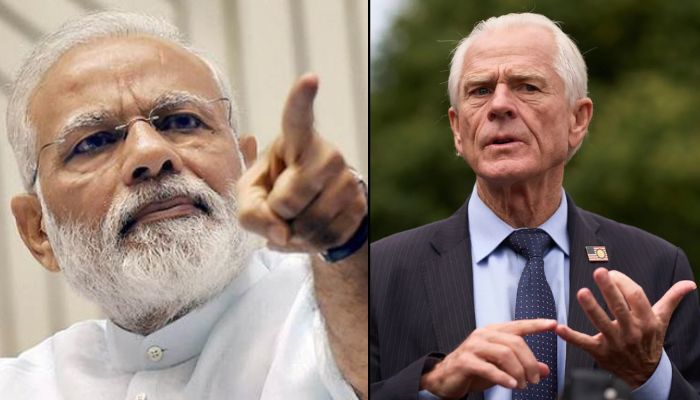
Senior Trump advisers have made sharp remarks about India’s position. Peter Navarro, the president’s trade adviser, went so far as to say the Ukraine conflict was “Modi’s war.” In an interview with Bloomberg Television’s Balance of Power, Navarro accused Prime Minister Narendra Modi of prolonging the war by refusing to cut ties with Moscow’s energy exports.
When the anchor reminded him that the war was started by Russia, Navarro doubled down: “No, I mean Modi’s war!” He described India’s energy purchases as “arrogant” and demanded that India behave “responsibly” as the world’s largest democracy.
“Everyone in America loses because India buys oil from Russia,” Navarro claimed, even suggesting that U.S. taxpayers were indirectly funding the conflict. His comments reflect the growing frustration within some U.S. political circles about India’s refusal to join Western sanctions.
Kevin Hassett, another top Trump-era economic adviser, echoed Navarro’s warning, saying that India’s position could damage relations with Washington. “If the Indians don’t budge, then President Trump is not going to either,” Hassett remarked, hinting that Trump might harden his stance even further.
This is not the first time Trump’s team has targeted India. His press secretary, Karoline Leavitt, earlier admitted that the tariffs on Indian exports were intended to squeeze Moscow, with the hope that it would, in turn, pressure Russia to stop the war.
The rhetoric has grown more intense, but New Delhi has always stood firm over its oil imports, emphasising that India’s first need is to find cheap energy for its 1.4 billion people.
India’s role in keeping global prices stable
Beyond the politics, there is another side to the story that rarely makes headlines. Analysts and industry insiders argue that India’s decision to keep buying Russian oil has actually prevented a global energy crisis.
According to estimates cited by Reuters, India has saved over $17 billion since 2022 by purchasing cheaper Russian crude. More importantly, its imports have played a stabilising role in the global market. Sources familiar with the situation cautioned that if India had entirely discontinued imports of Russian oil, global crude prices would have soared to $200 per barrel, almost three times the present rate.
That level of spike would have caused a global energy shock, driving up prices for consumers all over the world from Europe to Asia to America. Instead, India’s presence as a reliable buyer of Russian oil has helped balance supply and demand, keeping markets calmer than they might otherwise have been.
Even U.S. officials have acknowledged this reality. Treasury Secretary Janet Yellen previously praised India’s role, suggesting that its approach had actually been beneficial in keeping global fuel prices manageable.
India is caught in a delicate situation. On the one hand, it is increasingly being put under pressure by the U.S. and its Western allies to abandon energy relations with Russia. On the other hand, it has stabilised international markets through its actions, as well as making supplies cheaper for its own people.
The irony remains hard to ignore. While the Trump administration accuses India of prolonging the Ukraine war by buying Russian crude, it is Indian-refined diesel that is keeping Ukraine’s tanks, trucks, and tractors moving. Without India’s role in the energy chain, both Kyiv’s war effort and global oil markets would be under far greater strain.
Peter Navarro, the senior counsellor for trade and manufacturing to US President Donald Trump, has yet again stirred the hornet’s nest.
After calling the Russia-Ukraine conflict ‘Modi’s war‘, he has written a 9-tweet thread on Thursday (28th August) justifying a whopping 50% tariffs on most US imports from India.
Navarro claimed, “This isn’t just about India’s unfair trade—it’s about cutting off the financial lifeline India has extended to Putin’s war machine.”
It must be mentioned that Russia is both the second-largest crude oil producer and exporter in the world. After the outbreak of the Russia-Ukraine conflict, crude oil prices rocketed to $137 per barrel.
India, which has about 1.4 billion people, had to secure its energy needs. There are no sanctions on Russian oil by the United States, G7 countries and the European Union (EU), unlike Iranian oil and Venezuelan oil.
Only a price cap was imposed on Russian oil and petroleum prices to prevent ‘war profiteering’ while not disrupting global supplies.
India thus did not violate any international norms through its purchase of Russian oil, as it adhered to the price cap.
In the absence of India’s purchase of Russian oil, global crude oil prices could become $200 per barrel. This steep hike in fuel prices would affect all nations, not just India.
The Modi government’s decision helped keep global crude oil prices stable and balanced. And this fact has been acknowledged by at least 3 US officials, including US Treasury Secretary Janet Yellen, Ambassador Eric Garcetti and diplomat Geoffrey Pyatt.
1/ President Trump’s 50% tariffs on Indian imports are now in effect.
This isn’t just about India’s unfair trade—it’s about cutting off the financial lifeline India has extended to Putin’s war machine. ? pic.twitter.com/bwLaL9dBTv
In another tweet, Peter Navarro alleged, “India uses our dollars to buy discounted Russian crude.”
In reality, India purchases Russian crude oil from third countries, where transactions are carried out not in US dollars but other currencies like the United Arab Emirates Dirham (AED).
At the same time, the United States has never previously objected to the purchase of Russian oil by India, as it prevented crude oil prices from shooting up to $200 per barrel.
If the US wanted countries to stop purchasing Russian oil, it could have imposed sanctions on Russian crude oil like it did in cases of Venezuela and Iran.
But this did not stop Peter Navarro from claiming, “Indian refiners, with their silent Russian partners, refine and flip the black-market oil for big profits on the international market – while Russia pockets hard currency to fund its war on Ukraine.”
The categorisation of Russian crude oil as ‘black market oil’ is false because its purchase is not restricted by sanctions (besides a price cap). India adheres to all international frameworks and does not purchase LNG and LPG from sanctioned projects in Russia.
3/ Indian refiners, with their silent Russian partners, refine and flip the black-market oil for big profits on the international market – while Russia pockets hard currency to fund its war on Ukraine. pic.twitter.com/TOOMFfFSYD
The senior counsellor for trade and manufacturing to US President Donald Trump claimed that India’s import of Russian oil is not driven by ‘domestic demand’ but illicit profiteering.
There is no evidence for this claim. India has to fend for its 1.4 billion people and mitigate domestic demand. After the outbreak of the Russia-Ukraine war, there was a massive jump in crude oil prices.
Oil Public Service Undertakings (PSUs) in India purchased Russian oil and suffered cumulative losses of $2.5 billion between April 2022 and January 2023 to ensure that domestic fuel prices remain stable.
The Modi government framed rules that mandated private refineries to sell at least 50% of their exported volume of petrol back into the domestic market. A similar 30% cap was levied on the export of diesel.
At the same time, an export tax was imposed to prevent massive profiteering. These strategic decisions helped in stabilising fuel prices not just in India but in the world.
It must be mentioned that around that time, OPEC+ countries had cut down on crude oil production by 5.86 million barrels per day. Without India’s timely intervention and key decisions, fuel prices could have spiralled out of control.
In one of his tweets, Peter Navarro claimed, “India’s Big Oil lobby has turned the largest democracy in the world into a massive refining hub and oil money laundromat for the Kremlin.”
The fact of the matter is that India has been the 4th largest refiner and exporter of petroleum products not since 2022 but for several decades. India exports petroleum products to 150 nations.
Importantly, most of the crude oil purchased from Russia at ‘discounted prices’ was consumed domestically after being processed in one of the country’s 23 refineries.
While it is true that Europe, Africa, and Asia purchased refined crude oil and fuels from India, they did so of their own accord as part of being in a global supply chain. The transactions between nations thus cannot be classified as ‘laundering.’
5/ India’s Big Oil lobby has turned the largest democracy in the world into a massive refining hub and oil money laundromat for the Kremlin.
Indian refiners buy cheap Russian oil, process it, and export fuels to Europe, Africa, and Asia—shielded from sanctions under the pretense… pic.twitter.com/rGbWGbqqrT
In another tweet, Peter Navarro claimed, “India now exports over 1 million barrels a day in refined petroleum—more than half the volume of Russian crude it imports.“
Russian oil comprises about 30-35% of the total oil import of India. And 70% of all refined petroleum products are utilised to meet domestic demand. Hence, claims by the senior counsellor for trade and manufacturing to US President Donald Trump are highly exaggerated.
Having said that, resale or export of refined Russian crude oil and petroleum products was never under the ‘price cap’ imposition. It was recently in July 2025 that a few restrictions were introduced on products refined from Russian crude oil.
European Union’s total import of petroleum products from India has increased to 221 Million Metric Tonnes (MMT) in the Financial year 2024-2025. The EU could have suspended the import of fuel refined from Russian crude, but it did not. France, Netherlands and Belgium remain the top importers of petroleum products from India.
Peter Navarro raked up the issue of ‘trade deficit’ in the hopes of winning brownie points on social media through anti-India rhetoric.
He brazened out, “We run a $50-billion trade deficit with India—and they’re using our dollars to buy Russian oil. They make a killing and Ukrainians die.“
The fact is US runs larger trade deficit with European Union, Mexico and even ‘arch rival’ China. As stated earlier, India does not use USD to purchase Russian oil (as it is procured by refineries from third countries).
Ironically, the United States purchases enriched uranium from Russia and by the dubious argument of Peter Navarro, the country is funding Putin’s war chest.
Coincidentally, the current US imports from Russia stand at a whopping $3 billion in 2024. In August this year, Russian President Vladimir Putin claimed that the country’s bilateral trade with the US has increased by 20%.
7/ While the United States pays to arm Ukraine, India bankrolls Russia even as it slaps some of the world’s highest tariffs on U.S. goods, which in turn punishes American exporters.
We run a $50-billion trade deficit with India—and they’re using our dollars to buy Russian oil.… pic.twitter.com/X2AK5u8z33
In one tweet, Peter Navarro accused India of ‘strategic freeloading.’ He claimed, “India continues to buy Russian weapons—while demanding that U.S. firms transfer sensitive military tech and build plants in India.”
India, being a sovereign country, can choose to purchase weapons from any partner nation. Russia has been a reliable ally of India and thus remains the top supplier of arms and ammunition.
India also procures weapons from nations like France, Israel and the United States. India is the only major power in Asia that can counter the threat of China militarily.
India and the US are part of QUAD and Indo-Pacific defence cooperation. Given that nothing is free in diplomacy and trade, there is no concept of ‘strategic freeloading’ in India-US bilateral ties.
9/ The Biden admin largely looked the other way at this madness.
President Trump is confronting it.
A 50% tariff—25% for unfair trade and 25% for national security—is a direct response.
If India, the world's largest democracy, wants to be treated like a strategic partner of… pic.twitter.com/XAt6aa4JLA
The senior counsellor for trade and manufacturing to US President Donald Trump has justifed the steep 50% tariffs imposed on US imports from India.
He alleged, “The road to peace in Ukraine runs through New Delhi.” The truth is that India has consistently called for peace between Ukraine and Russia.
Prime Minister Narendra Modi has himself said in an interview, “I have a close relationship with Russia and Ukraine alike,” he said. “I can sit with President Putin and say that this is not the time for war. And I can also tell President Zelensky, in a friendly way, that brother, regardless of how many people stand with you in the world, there will never be a resolution on the battlefield.”
India and the government at its helm have always advocated for peace and diplomacy. The irony is that US which purchases urnaium from Russia is levying 50% tariffs on India for procuring crude oil from the same country and keeping global markets stable.
This is nothing but a concerted attempt by the Trump administration to scapegoat India under false pretence.
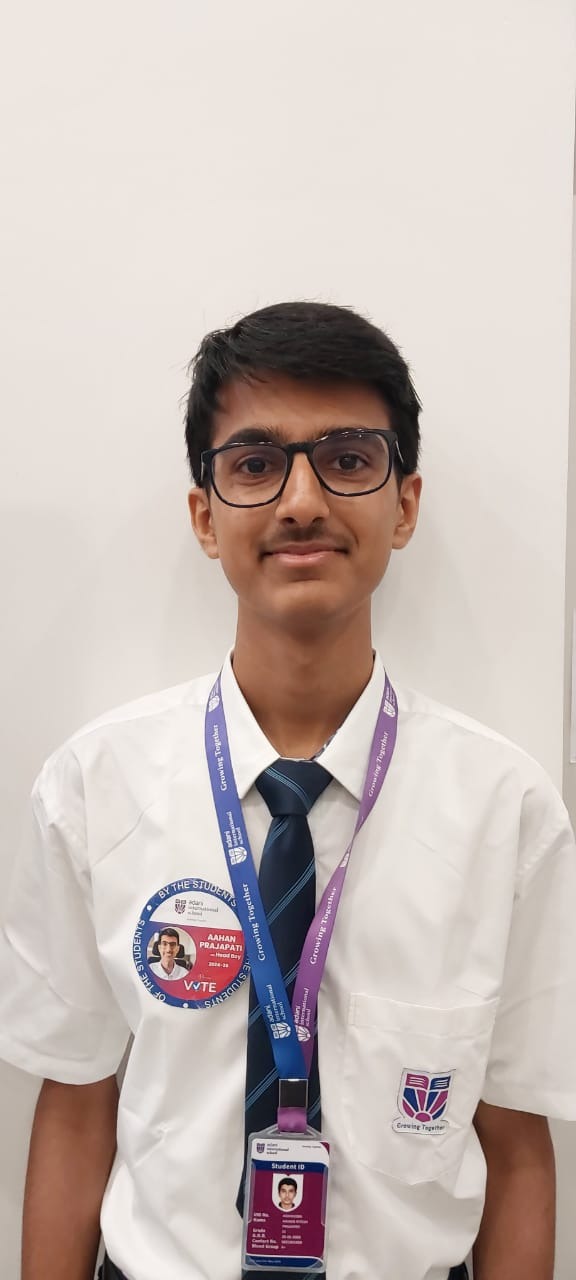
What began as a personal struggle has blossomed into a global movement for inclusivity in education. Guided by the vision of Ms Namrata Adani, Promoter of Adani International School, 17-year-old student Aahan Ritesh Prajapati has transformed his battle with red-green colour blindness into a pioneering mission that is changing classrooms for thousands of children.
For Aahan, colours in textbooks and classrooms were never just tools of learning—they were barriers. Struggling to interpret maps, periodic tables, and diagrams, he could have resigned to a life defined by limitation. Instead, he chose resilience. Harnessing his passion for technology, Aahan developed a machine-learning model with 99.7 per cent accuracy, capable of modifying educational diagrams and maps for colour-blind students.
This groundbreaking innovation earned him the Crest Gold Award (UK) and recognition at international academic forums, including the Indo-French Conference on AI and Healthcare at IIT-Delhi. His research is also set to be published in the International Journal of High School Research, New York.
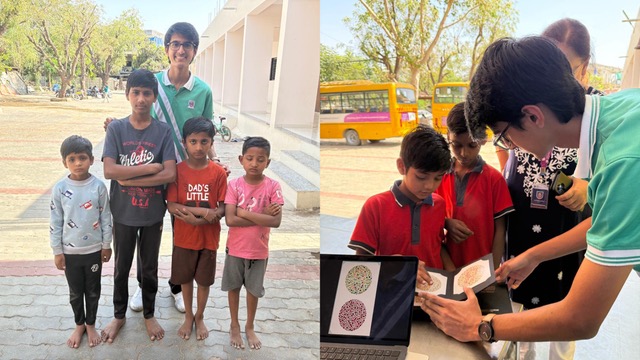
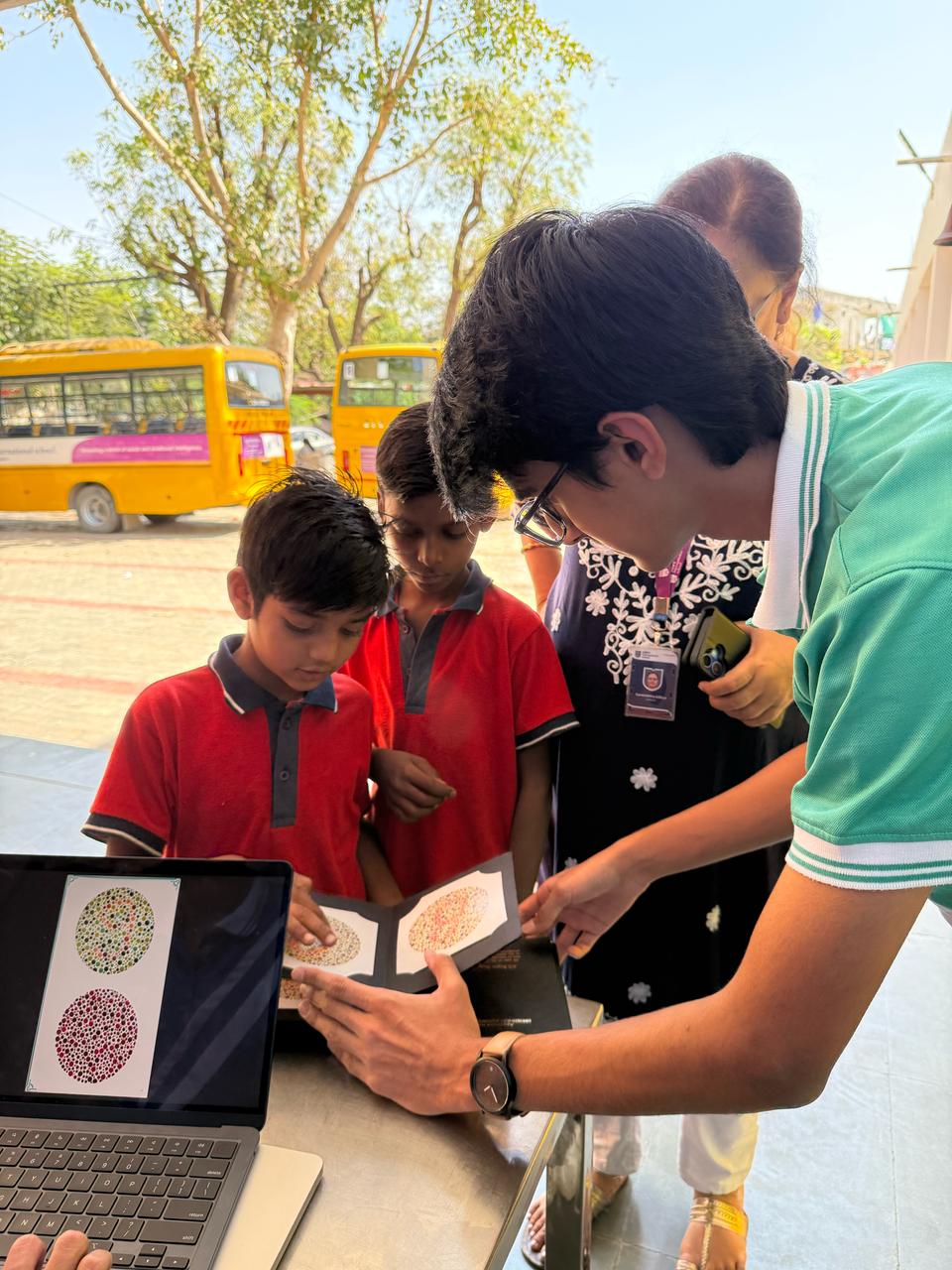
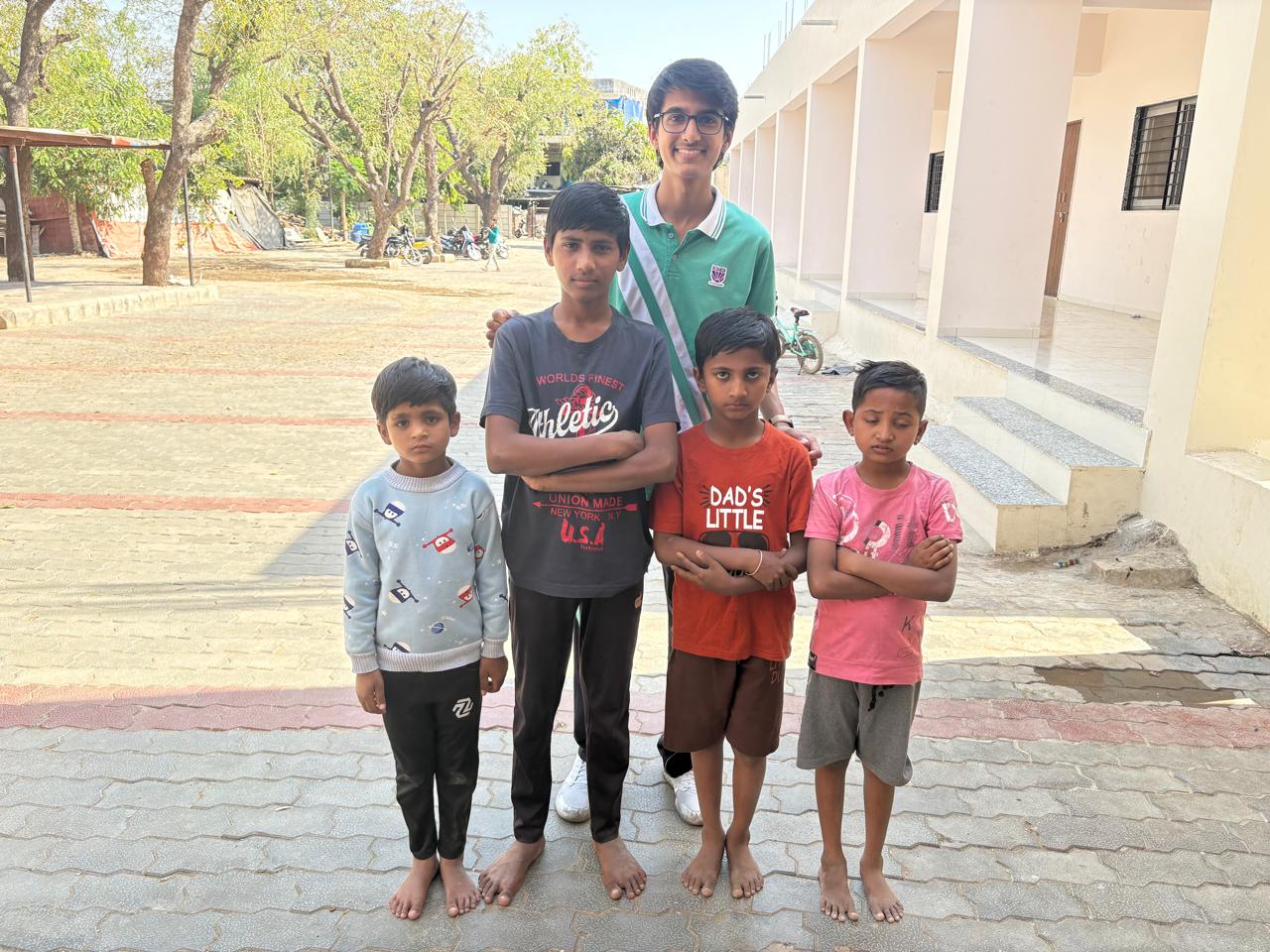
Yet, beyond awards lies Aahan’s deeper mission: empathy-driven impact. Supported by the Dr Shivani Bhatt Charitable Foundation, he spearheaded colour blindness screening camps across four districts of Gujarat. More than 10,000 students were tested, with 131 discovering, often for the first time, that they too were colour blind. For many, including an aspiring Army cadet, this revelation was transformative, helping them understand lifelong academic struggles.
Aahan’s efforts extend beyond technology. He has designed bilingual awareness leaflets, inclusive stationery, and teacher-friendly guides—tools that empower educators to make classrooms more accessible.
Reflecting on his journey, Aahan says with humility: “If even one child can understand better because of my work, I consider it a success.”
Ms Namrata Adani credits the school’s nurturing ecosystem for fostering such breakthroughs. “At our school, children are not defined by limitations, but empowered by possibilities. Education must go beyond textbooks—it must shape compassionate leaders who can touch lives,” she affirms.
From one student’s challenge has grown a movement of courage and inclusivity. At Adani International School, this transformation is not an isolated story but a testament to its ethos—where obstacles are turned into opportunities, empathy fuels innovation, and students are encouraged to dream not just for themselves, but for the world.
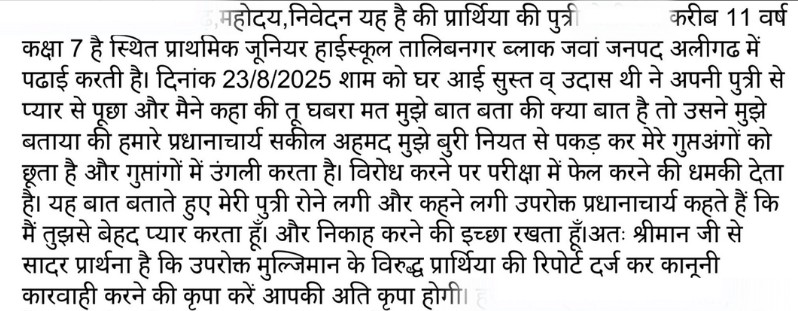
Shakeel Ahmed, the principal of a government school in Aligarh, Uttar Pradesh, has been arrested for his despicable sexual exploitation of an 11-year-old Hindu girl. Shakeel started pressuring this girl, who was studying in the 7th grade of his school, to marry him. He used to molest her and touch her private parts and whenever the girl protested, he threatened to fail her.
This case is from the Primary Junior High School located in Talibnagar of Jawan Block of Aligarh. Shakeel Ahmed, the principal of this school, always kept an evil eye on his girl students.
What is the entire matter
On the evening of August 23, the girl returned home from school sad and upset. When the mother went to the scared girl and asked her about her well-being, she broke down and shared her ordeal while crying. The mother was shocked to hear what her daughter shared with her.
According to the copy of the FIR available with OpIndia, the girl told her mother, “The school principal Shakeel Ahmed has bad intentions and touches my private parts. He also puts his finger in my private parts. When I oppose him, he threatens me and says that if I tell anything to anyone, he will fail me in the exam.”
The girl further said that middle-aged Shakeel Ahmed used to talk sweetly to her to trap her in his net. It is mentioned in the FIR that the girl told her mother, “The principal says that he loves me very much and wants to marry me.” The girl’s mother went to the local police station and lodged an FIR against Shakeel Ahmed.
The victim’s mother has also lodged a complaint with the District Magistrate and SSP in this matter. Further, the villagers, angry with this incident, have also protested at the local police station.
Police arrested the accused Shakeel
Apart from the police, the girl’s mother had also complained about this matter to the Basic Shiksha Adhikari (BSA). After which, the Block Education Officer investigated the matter.
BSA Dr. Rakesh Kumar Singh has suspended Shakeel after finding him guilty in the investigation. Rakesh Kumar said that after suspension, a detailed investigation is being conducted against the accused and action to dismiss the accused will also be initiated.
This thinking of middle-aged lustful beasts like Shakeel is the biggest stigma in front of the society. A wolf like Shakeel hiding in human form needs to be given the most cruel punishment. It is also necessary to see where such thinking of such people comes from and it needs to be destroyed from the root.
US President Donald Trump’s tariff policy, which was recently declared illegal by a US federal appeals court, has been receiving backlash not only from other countries but also from within the US. While Trump’s reciprocal tariffs have been facing criticism from trade experts since the beginning, his act of selectively targeting India with double tariffs has further downgraded his international as well as domestic standing. Several former US officials and economic experts have criticised Trump’s decision to levy stringent tariffs on India and alienate it.
Trump’s tariffs a result of his bitterness for not being allowed to mediate between India and Pakistan
A recently released report by the US multinational investment bank and financial services company, Jeffries, said that Trump’s punitive tariffs on India resulted from the loudmouth US President’s “personal pique” at not being allowed to mediate the India-Pakistan conflict in May this year. The report added that Trump “hoped to intervene” in the military conflict between the two countries that went on for four days. This revelation is a rebuttal of Trump’s claims of having played a key role in mediating a peace deal between India and Pakistan. Trump blatantly kept repeating his false claims despite India’s outright denial of the US involvement in the ceasefire with Pakistan and affirmation that the ceasefire understanding was reached bilaterally.
“Tariffs (on India) are primarily the consequence of the American president’s ‘personal pique’ that he was not allowed to play a role in seeking to end the long-running acrimony between India and Pakistan,” the report stated. “India has never accepted third-party intervention in its relations with Pakistan, and this remains a ‘red line’ despite the economic costs of depriving the 47th American president of one of his opportunities to win the Nobel Peace Prize,” the report added.
American global brand is in the toilet: former US security advisor
Condemning US tariffs on India, former US National Security Advisor (NSA) Jake Sullivan said that the US tariffs on India have damaged America’s global standing and have pushed India towards China. “The American brand globally is in the toilet. Look at India. Trump has executed a massive trade offensive against them. Now, India is thinking, shit, we have to go sit down with China to hedge against America,” Sullivan said without mincing words on The Bulwark Podcast with Tim Miller. He added that the decision has projected the US as “a big disruptor” rather than a reliable partner, while allowing China to gain influence in the region.
Great nations do not give ultimatums all the time: John Kerry
Similar opinions were echoed by former US diplomat John Kerry, who described Trump’s stance against India “as a little bit too much ordering, pressuring, and pushing around”. Taking a jibe at Trump’s popular slogan “Make America Great Again”, Kerry said that great nations “do not necessarily exhibit greatness by giving people ultimatums all the time”.
Trump’s tariffs show a lack of strategic thinking: John Bolton
Earlier, John Bolton, who was the National Security Advisor to the first Trump administration, slammed Trump for his national security and foreign policies and for pushing India closer to Russia and China, setting back the India-US diplomatic ties. Supporting India’s stand on the tariff and Russian oil issue. Bolton described Trump’s decision to impose tariffs on India as a “lack of strategic thinking and priorities”. He added that the decision goes against the US interests.
Trump unsuccessfully trying to armtwist India: Jeffrey Sachs
American Economist Jeffrey Sachs said that with his tariffs, Trump is trying to “armtwist” India without realising the futility of his move and that he would end up isolating the US from the world economy and would make the US industry less competitive. Apart from that, Sachs warned India against the “US friendship”, reminding it how the country has historically used its friendship to serve its own selfish interests, even if it comes at the cost of its “friends”.
Trump’s approval rating sinks
Apparently, the people of the US, whose interests Trump claims to protect with his policies, have also expressed dissatisfaction over his decisions regarding the economy, tariffs, and immigration. Trump’s approval rating, which is an indicator of how Americans view his performance, hit a record low in his second term. In a 5-day survey conducted by Quinnipiac University Poll, 55% of the US voters disapproved of his handling of the job. His net negative 18-point approval rating is his lowest since January 2021. Trump’s approval rating has been on a downward spiral since the beginning of his second term, showing an increasing dissatisfaction among Americans about his policies.
From imposing reciprocal tariffs on its trade partners to baselessly boasting about having mediated global conflicts, Trump’s second term has been full of many decisions, which have projected him as a ‘global bully’ rather than a ‘global peacemaker’, a title he covets to cement his candidacy for the Nobel Peace Prize.
By selectively taxing India for purchasing Russian oil while China continues to be the world’s biggest importer of Russian oil, Trump has undone the decades of diplomatic collaboration between the two countries. The decision has put the India-US trade relations on hold. Trump, who secured favourable trade deals from several countries by misusing his tariffs, hoped that India, like Japan and the European Union, would also give in to his pressure tactics and would agree to trade concessions. However, to the disappointment of Trump, India stood its ground and resisted the US’s trade colonialism. His tariffs reflect his mounting frustration over India’s clear refusal to credit him for the ceasefire with Pakistan, coupled with India’s continued purchase of Russian oil.
While Trump’s trade policy has resulted in a growing anti-US sentiment in India, he is also facing scrutiny in his own country. Trump’s overemphasis on economic priorities and his coercive tactics against India are being viewed by Americans as having an adverse effect on the country’s interests in the Indo-Pacific region. The US has long used India to counterbalance the Chinese influence in the Indo-Pacific region. But his tariff policy has prompted the rekindling of India-China ties and has further strengthened India-Russia relations. This, in turn, has bolstered the BRICS group, to the displeasure of the US President, who has been openly targeting the multilateral forum. Trump threatened to target BRICS “very, very hard” and impose additional 10% tariffs on nations aligning with the group.