A court in Gonda, Uttar Pradesh, ordered the UP police on Monday (11th August) to register an FIR against Union Minister of State for External Affairs, Kirti Vardhan Singh and his associate Rajesh Singh in connection with an alleged land dispute.
As per reports, the order was passed by Special Judge of the MP-MLA Court (Civil Judge, Senior Division) Apeksha Singh. The judge directed the Mankapur police station to lodge an FIR against Kirti Vardhan Singh, Rajesh Singh, Pinku Singh, Sahdev Yadav and Kanti Singh.
The order came after complainant, Ajay Singh, a resident of Bhitoura in the Mankapur area, approached the court under Section 173(4) of the Bharatiya Nagarik Suraksha Sanhita, 2023, to initiate legal proceedings against the minister and others. In his complaint, Singh reportedly alleged that land registered in the name of his wife, Manisha Singh, was fraudulently transferred in favour of Mithlesh Rastogi and Kanti Singh by influencing and luring the original seller, Bitten Devi, into executing a backdated sale deed using a three-year-old stamp paper.
He further alleged that an inquiry ordered by the superintendent of police based on his complaint confirmed his allegations. A case was reportedly registered in 2024 on the instructions of the superintendent of police against the seller and the buyers, but a final report was filed closing the case.
Ajay Singh said that he objected to the closure of the case in March 2025, after which the court set aside the final report of the police and ordered further investigation, which is still underway. According to Singh, in the meantime, Rajesh Singh lodged a false case against him and his wife in 2024. He accused Rajesh Singh of misusing his political influence to harass him and his wife.
As per the allegations, Rajesh Singh got a case filed against Ajay Singh and his wife under the provisions of the SC ST Act and the BNS through his driver Rinku Singh to force them to settle the case.
Ajay Singh alleged that the accused had been threatening to kill him and his family if he did not agree to settle the case. He claimed that no action was taken by the police against the accused despite his repeated complaints, which is why he approached the court.
Adani Digital Labs (ADL), the technology arm of Adani Airport Holdings Limited, has announced a suite of innovative initiatives aimed at redefining how passengers experience travel across Adani-managed airports in India. These moves, blending technology and customer-centric design, are set to enhance convenience, comfort, and engagement, strengthening Adani Airports’ leadership in digital innovation within the aviation sector.
Spearheading the initiative, Ms. Srushti Adani, Director of Adani Digital Labs, said, “The new ADL aims to infuse energy, diverse ideas, and unparalleled expertise into its operations. This marks the first phase of a broader strategy to deliver an exclusive digital-first experience to passengers. Our goal is to reduce travel-related anxiety, offering up-to-the-minute information, exciting rewards, and tiered lounge services—going beyond standard offerings to create a personalised digital journey.”
Marking a significant milestone, ADL inaugurated a new 150-seater office in Ahmedabad. From here, the team will design solutions to address common passenger challenges, including tight schedules, lack of awareness about amenities, and long queues. At the core of this transformation is the Adani OneApp, a unified platform bringing all airport services together—turning travel from a transactional necessity into a seamless, personalised experience.
Key features include:
Adani Rewards – India’s first airport-exclusive loyalty programme, integrating F&B, retail, parking, duty-free, and meet & greet services, offering unmatched value and flexibility.
Seamless Lounge Access – Pre-book lounges, check card eligibility, and enter without queues.
Comprehensive Shopping Options – Browse and order from extensive F&B, duty-free, and retail catalogues, with services like Delivery at Gate and Multi-Cart Orders.
Smart Parking with Park & Fly – Hassle-free booking and management of parking facilities.
Real-Time Travel Assistance – Live flight status, instant alerts, and high-speed Wi-Fi access.
By integrating these offerings into a single digital ecosystem, Adani Digital Labs aims to make the airport journey smoother, faster, and more enjoyable for every traveller. With this launch, ADL reinforces its commitment to setting new benchmarks in airport hospitality and digital innovation, putting the passenger experience at the heart of its transformation strategy.
The Bharatiya Janata Party (BJP) has hit back at Congress leader Rahul Gandhi’s “vote chori” (vote theft) allegations, producing what it calls extensive evidence of irregularities in constituencies where key INDI alliance leaders, including Rahul himself, emerged victorious.
According to the BJP, the opposition’s outcry over alleged rigging in BJP-won seats is not only baseless but hypocritical, as multiple Lok Sabha constituencies held by INDI bloc leaders show patterns of mass voter list manipulation, ranging from duplicate entries to fake addresses, manipulated ages, and concentrated bulk additions.
Speaking at a Press Conference, Union Minister for Information and Broadcasting Anurag Thakur came down hard on the Congress party, calling Rahul Gandhi the “Propaganda King” and “LoB — Leader Opposing Bharat.” Thakur said that despite being admonished by the Supreme Court, the Gandhi scion “keeps peddling lies” and holds the record for 90 election defeats under his leadership, with even Congress leaders questioning his credibility.
He accused the Congress of repeatedly blaming Electronic Voting Machines (EVMs), the Election Commission, and democratic institutions instead of engaging in honest introspection. Thakur further alleged that the party is making “false claims” in coordination with opposition allies ahead of the Bihar polls, attempting to discredit the electoral process.
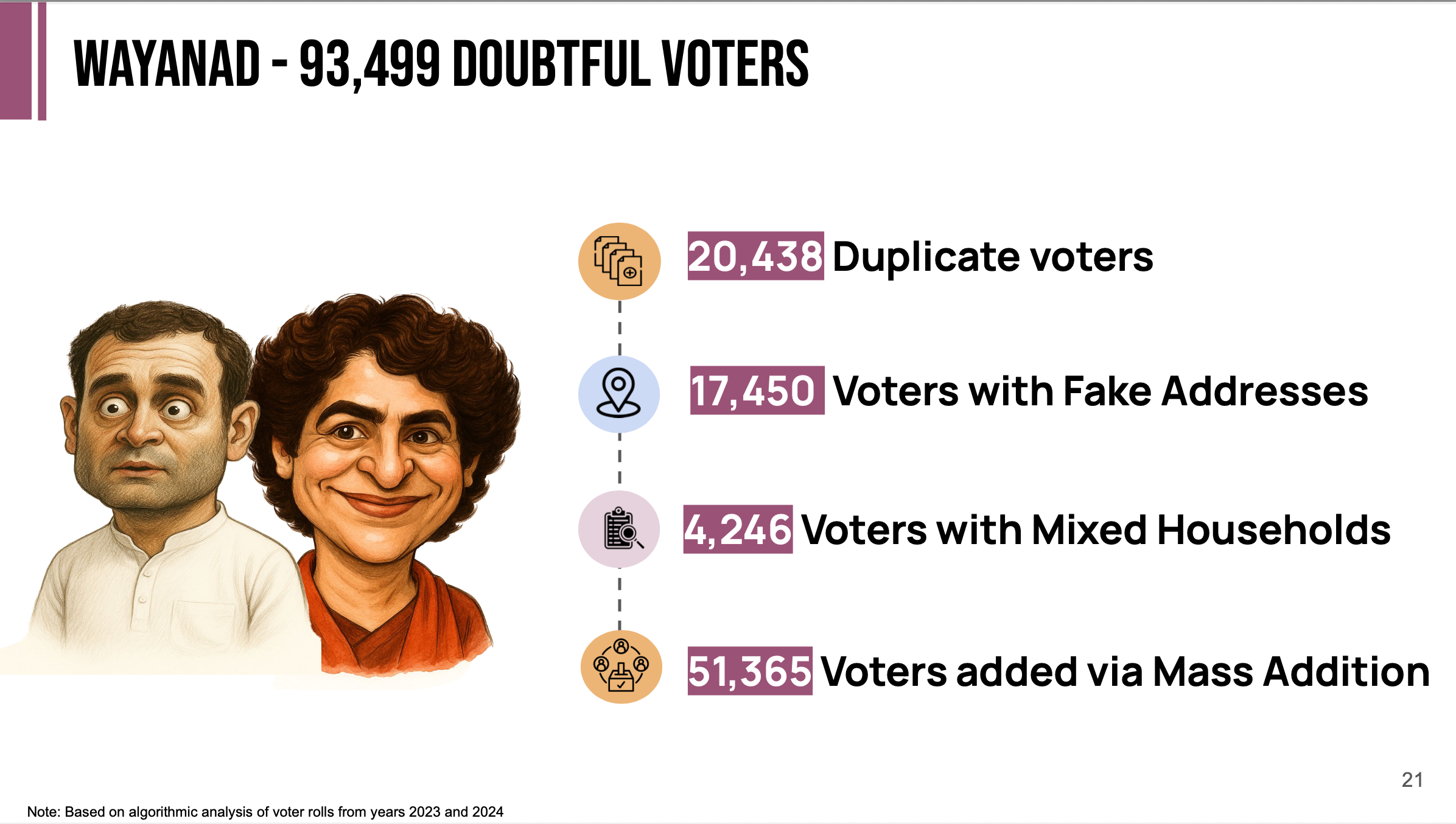
Wayanad: Rahul Gandhi’s seat
BJP’s analysis claims that Wayanad has 93,499 “doubtful voters”, broken down into 20,438 duplicate entries, 17,450 fake addresses, 4,246 “mixed households” (multiple religious communities registered at the same small address), and a staggering 51,365 voters allegedly added in bulk. The BJP also flagged bizarre cases of centenarians — voters aged 99, 101, and 102 — being added for the first time in 2024, calling it a clear sign of manipulated rolls.
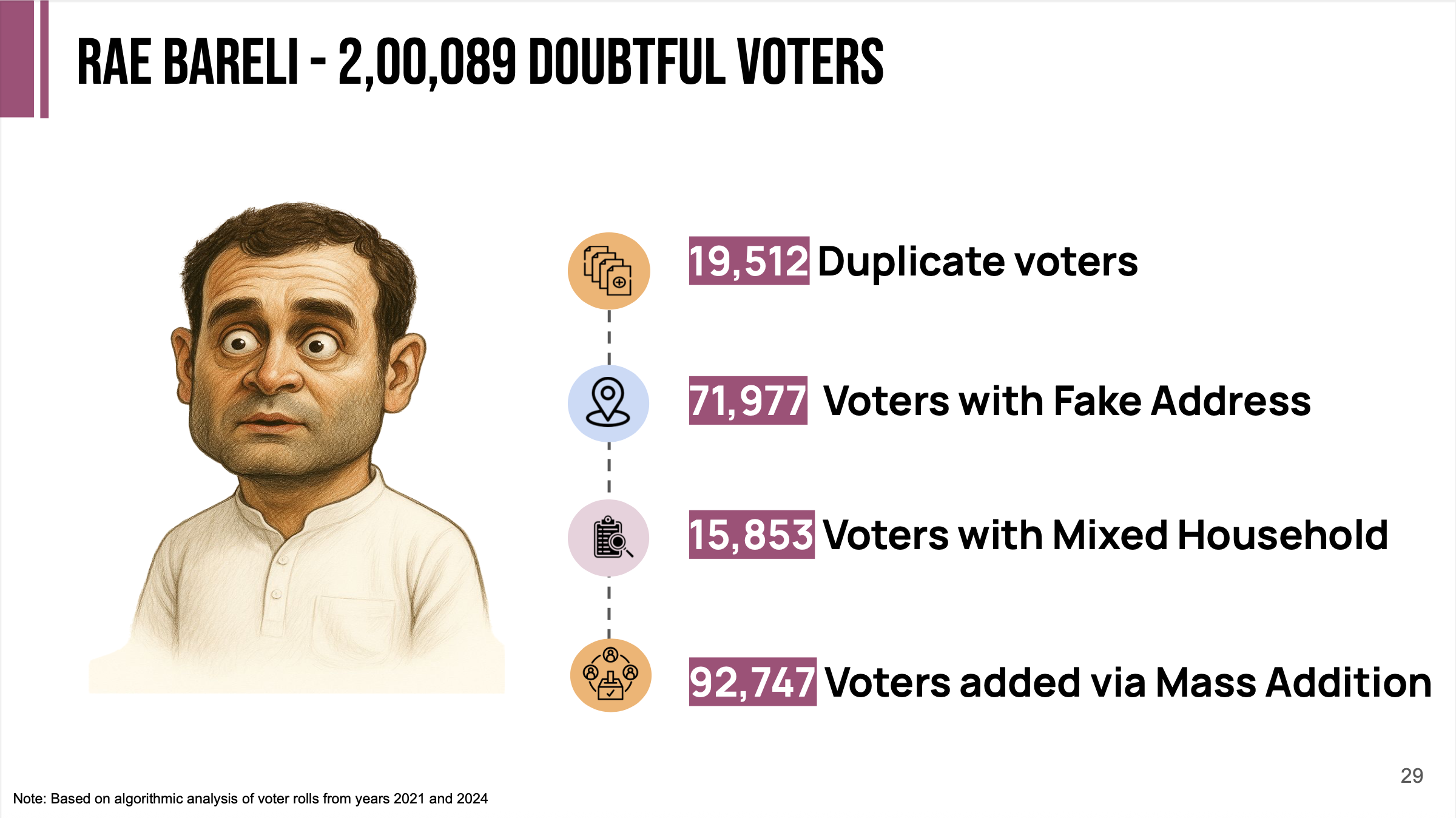
Rae Bareli: Priyanka Gandhi’s stronghold
The report alleges 2,00,089 suspicious entries in Rae Bareli, including 19,512 duplicates, 71,977 fake addresses, 15,853 mixed households, and 92,747 bulk additions. The data even pointed to over 52,000 fake birth certificates linked to bogus voter addresses, questioning whether Rae Bareli’s consistent Congress victories were sustained by legitimate votes or by a “padded” electorate.
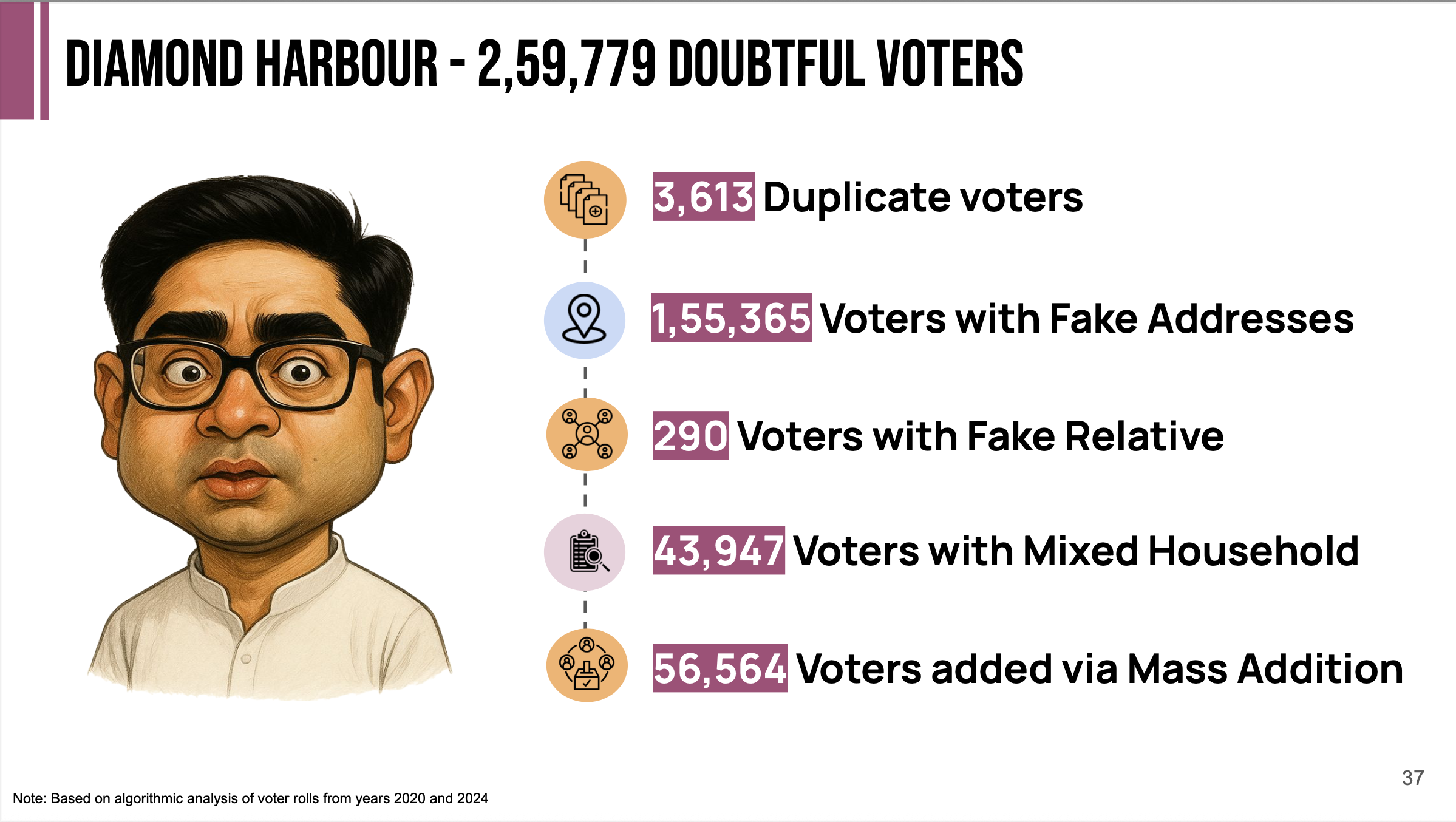
Diamond Harbour: Abhishek Banerjee’s seat
The TMC bastion has 2,59,779 doubtful voters — 3,613 duplicates, 1,55,365 fake addresses, 290 fake relatives, 43,947 mixed households, and 56,564 mass additions, the report added. Many of these alleged irregularities were concentrated in booths where the TMC scored overwhelming margins.
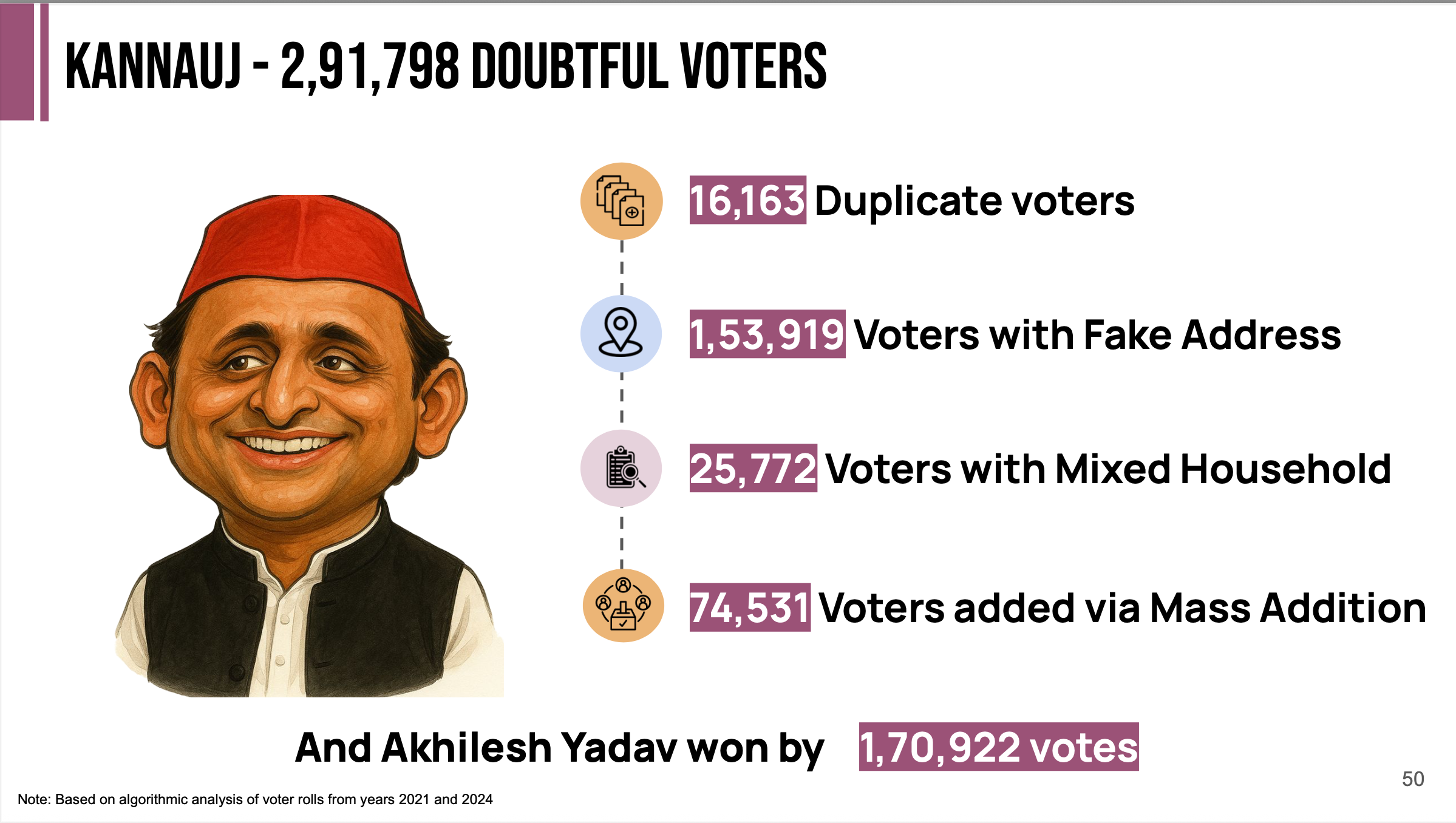
Kannauj: Akhilesh Yadav’s seat
According to EC’s figures cited by the BJP, Kannauj has 2,91,798 doubtful voters, nearly double the winning margin of Akhilesh Yadav. This includes 16,163 duplicates, 1,53,919 fake addresses, 25,772 mixed households, and 74,531 mass additions, with some voters suspiciously registered as being over 100 years old.
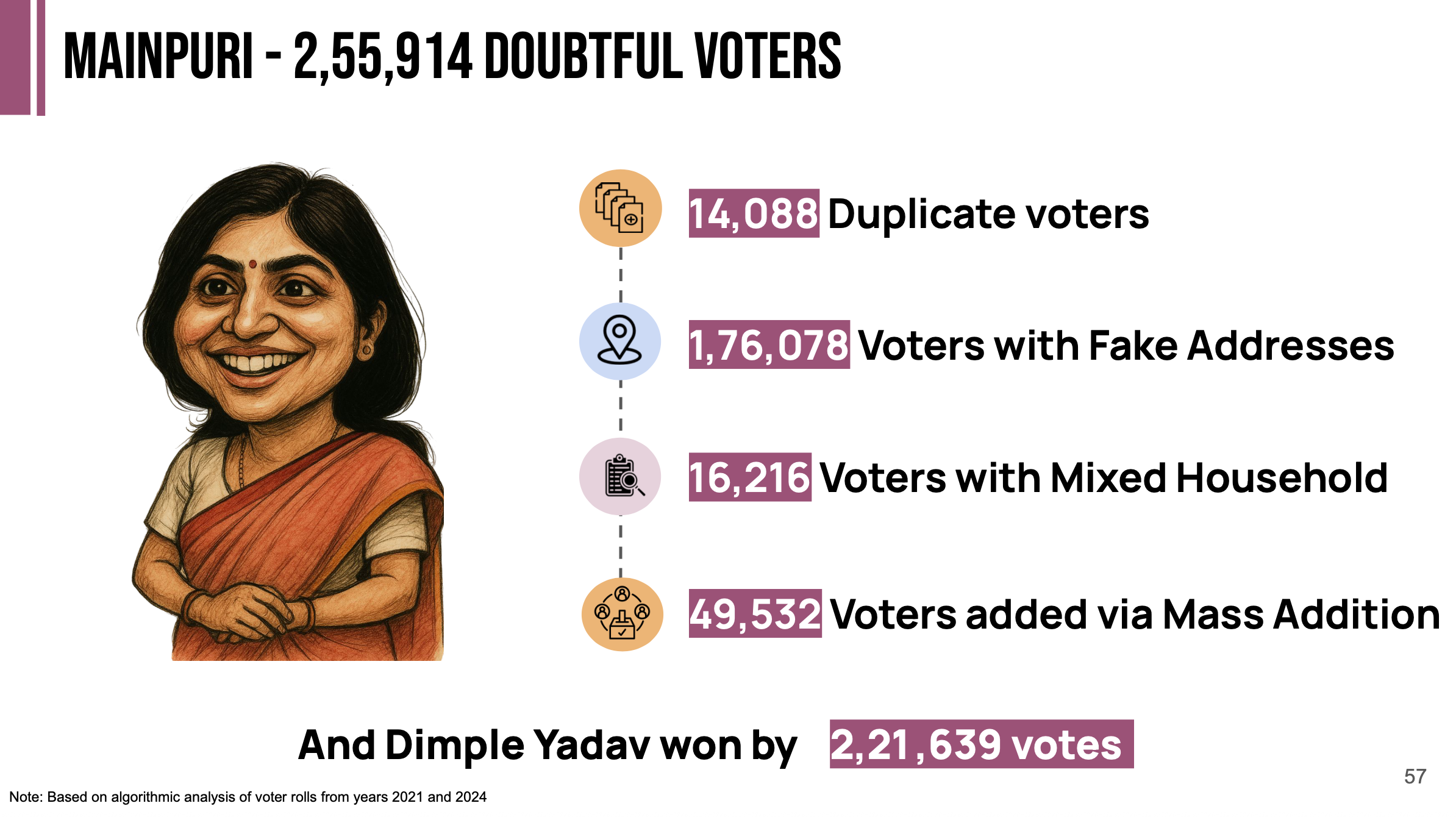
Mainpuri: Dimple Yadav’s seat
The Election Commission’s data shows 2,55,914 doubtful voters in Mainpuri: 14,088 duplicates, 1,76,078 fake addresses, 16,216 mixed households, and 49,532 bulk additions. Many entries allegedly involved multiple religious identities at the same residence.
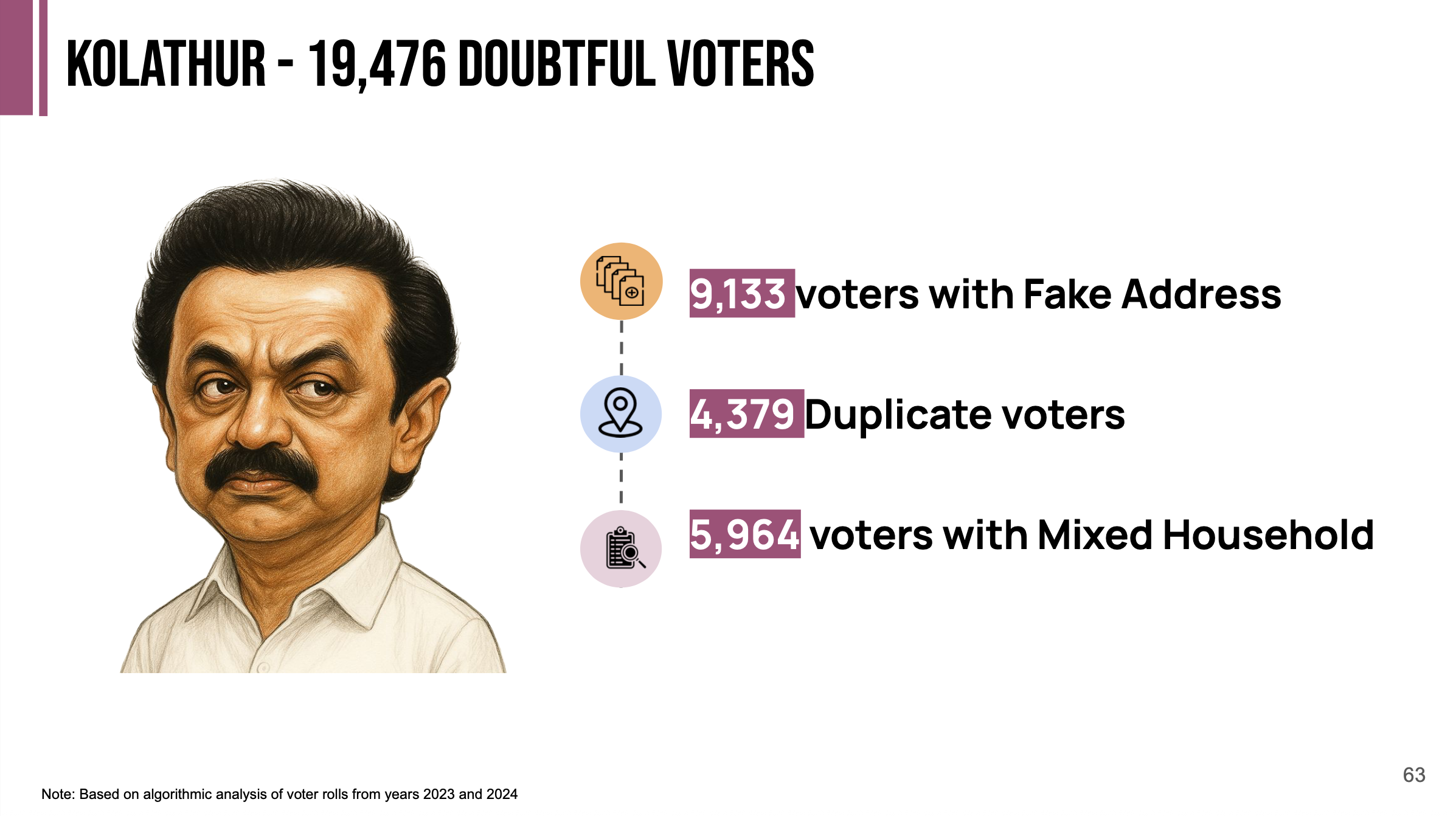
Kolathur: MK Stalin’s Assembly segment
In Tamil Nadu, Kolathur, CM Stalin’s home constituency, was flagged for 19,476 doubtful voters, including 4,379 duplicates, 9,133 fake addresses, and 5,964 mixed households. Several voters were allegedly registered multiple times with different EPIC numbers.
The BJP contends that these examples expose the opposition’s double standards, attacking the BJP for supposed “vote theft” while benefitting from inflated and manipulated electoral rolls themselves. It also accused the Congress and its allies of opposing the Special Intensive Revision (SIR) process, which the Election Commission uses to clean up such anomalies, stating that the poll body’s exercise threatened their “ghuspaithiya vote bank.”
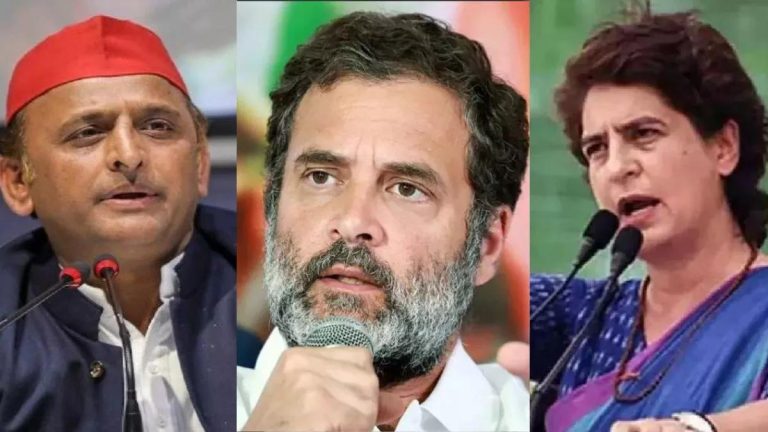
BJP leaders challenged Rahul, Priyanka, Akhilesh, Stalin, Abhishek Banerjee, and Dimple Yadav to declare whether they would resign if these alleged “vote chori” patterns in their own constituencies were proven.
Framing the matter as both an electoral integrity and national security issue, the BJP said that the real theft is not in BJP strongholds, but in the deliberate padding of voter rolls in opposition bastions, a tactic it claims has been perfected over decades. The response came days after Rahul Gandhi proclaimed “massive voter fraud” and other charges in a press conference, several of which fell flat after closer scrutiny.
The veterinary wing of the Municipal Corporation of Delhi (MCD) has begun a phase-wise crackdown on stray dogs following the orders from the Supreme Court of India to remove all dogs from the streets in a phased manner. The court, in its order on 11th August, directed the authorities to start removing dogs with 5,000 in the next eight weeks.
The action against stray dogs has started in Shahdara and Bhajanpura, with the focus on high-risk zones. Around 700 dogs have been removed from streets around the Red Fort area ahead of Independence Day. Officials said that the drive will expand to other parts of the city after 15th August.
Shelters and helpline planned
Mayor Raja Iqbal Singh confirmed that the work to identify unutilised community halls and other buildings for dog shelters in each zone has commenced. Until the shelters are operational, aggressive and diseased dogs will be shifted to existing sterilisation centre facilities. The authorities are also launching a dedicated helpline for stray dog complaints within two days as ordered by the apex court. As of now, residents can use the 311 app.
Notably, on 12th August, a high-level meeting chaired by MCD commissioner Ashwani Kumar discussed a detailed action plan. Another meeting was scheduled for 13th August. A sub-committee led by deputy standing committee chairman Sundar Singh is identifying priority areas, feeding points, and issues with ABC units. Members have directed that at least 1,000 dogs per zone have to be caught each month, starting with aggressive dogs.
Long-term solutions and public involvement
Former MCD veterinary director Ravinder Sharma suggested using available land in Tehkhand and Masoodpur, and even community halls in Dwarka, to build multistorey shelters. Unlike animal birth control centres, permanent shelters require larger kennel space.
While dog lovers are claiming Supreme Court orders are not in line with the laws in place, those who have suffered because of the uncontrolled stray dog population and dog bites are happy with the decision.
OpIndia is doing a series on Stray Dog Menace in India which can be checked here.
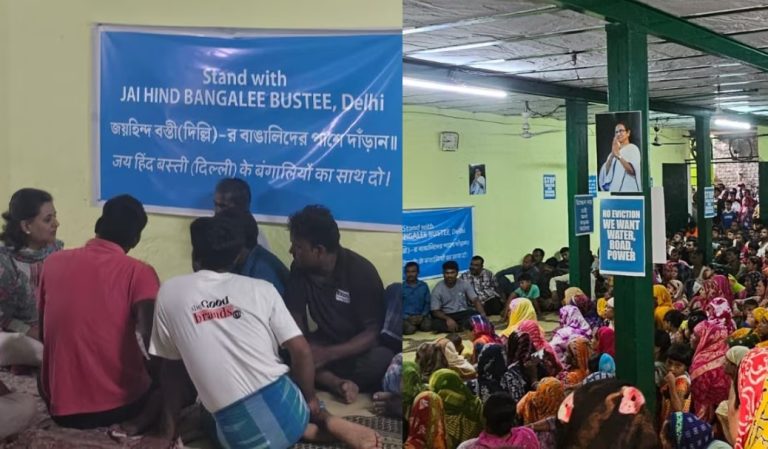
Days after West Bengal Chief Minister Mamata Banerjee alleged that that Bengali-speaking citizens were being harassed and evicted from Jai Hind Colony in BJP-ruled Delhi’s Vasant Kunj, it has emerged that the no such eviction order was issued by the government. This revelation was made by Nityanand Rai, the Minister of State for Ministry of Home Affairs, in response to an unstarred question asked by Trinamool Congress MP June Maliah.
The TMC MP had raised five questions pertaining to the alleged eviction of Bengali-speaking Indian citizens. “(a) whether the Government has received complaints regarding the disconnection of electricity and water supply in Jai Hind Colony and Vasant kunj, New Delhi; (b) if so, under what legal provisions or notifications these actions are being carried out; (c) the number of families affected by the eviction drive in that area; (d) whether the Government has verified the citizenship or legal residency status of the evicted persons; and (e) whether any compensation or relocation plan has been initiated for the affected families, if so, the details thereof?” the TMC MP asked.
Responding to this earlier this month, Minister Rai stated that the Delhi government has not not carried out any eviction drive nor have they received any written complaints regarding the disconnection of electricity and water supply in Jai Hind Colony, Vasant Kunj, New Delhi. The minister, however, added that one complaint was made on social media platform X on 10th July 2025.
“(a) to (e): The Government of National Capital Territory of Delhi, has informed that they have not carried out any eviction drive nor have they received any written complaints regarding the disconnection of electricity and water supply in Jai Hind Colony, Vasant Kunj, New Delhi except one post on social media platform ‘X’ on 10.07.2025. Jai Hind Colony Vasant Kunj is a J.J. cluster, and no piped water network exists in this cluster. Water is supplied to the residents of this cluster through tankers daily as a routine, which is still continuing. It has also been informed that 2 (two) electricity connections were disconnected on 08.07.2025 in compliance of the Hon’ble Civil Court’s judgement dated 14.05.2024 (Civil Suit No. 56914/2016),” Minister Rai responded in a written reply on 5th August.
Before this, TMC MP June Maliah had asked in the Lok Sabha whether the Government is aware of the ongoing eviction drive and has received complaints regarding the disconnection of electricity and water supply in Jai Hind Colony. She also sought the details thereof along with the legal provisions or notifications under which these actions are being carried out. In addition, the TMC leader also inquired about the number of families affected by the eviction drive in that area; (d) whether the Government has verified the citizenship or legal residency status of the evicted persons and if so, the details thereof and whether any compensation or relocation plan has been initiated for the affected families and if so, she sought details of the same.
Responding to this on 31st July 2025, Minister of State in the Ministry of Housing and Urban Affairs, Tokharam Sahu stated that the Delhi Development Authority have not carried out any eviction drive nor received any complaints regarding the disconnection of electricity and water supply in Jai Hind Colony, Vasant Kunj, New Delhi.
Thus, the question of legal provisions for carrying out eviction proceedings, number of evicted families and compensation to them, does not arise.
“(a) to (e) Action is taken by the land owning agencies from time to time to get the encroachments cleared/demolished from their land. As informed by Delhi Development Authority, they have not carried out any eviction drive nor received any complaints regarding the disconnection of electricity and water supply in Jai Hind Colony, Vasant Kunj, New Delhi. In view thereof, the question of legal provisions for carrying out eviction proceedings and the question of number of evicted families, compensation to them or relocation plan for them does not arise,” the Minister stated in response to the TMC MP’s unstarred question.
He continued, “Also, as informed by Delhi Jal Board, they have not received any written complaint regarding disconnection of water supply in Jai Hind Colony, Vasant Kunj, New Delhi except one post on social media platform ‘X’ on 10.07.2025. In addition to this Department of Power (Government of National Capital Territory of Delhi) has informed that 2 (two) electricity connections were disconnected on 08.07.2025 in compliance to the Hon’ble Civil Court’s judgement dated 14.05.2024 (Civil Suit No. 56914/2016).”
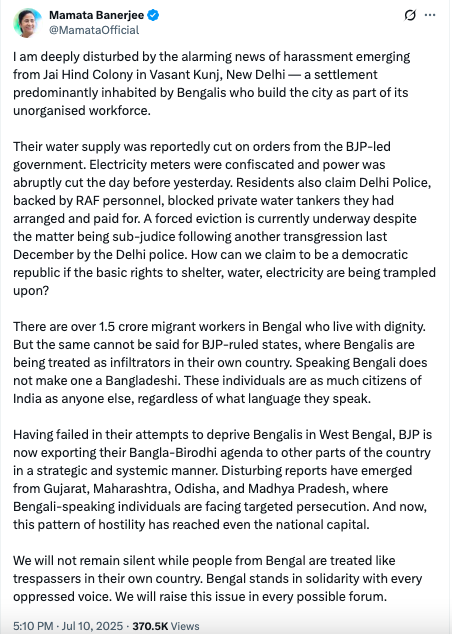
It must be recalled that in July this year, CM Mamata Banerjee had launched a scathing attack on the BJP alleging that it is targetting and harrassing Bengali-speaking Indian citizens in the name of cracking down against illegal Bangladeshi and Rohingya immigrants.
“Water supply was reportedly cut off, electricity meters confiscated, and power abruptly cut the day before yesterday,” Mamata Banerjee wrote on X.
Dubbing the alleged eviction of Bengalis from Jai Hind Colony, the West Bengal Chief Minister labelled the BJP as “Bangla-Birodhi (anti-Bengali).
“Bengalis are being treated as infiltrators in BJP-ruled states. Speaking Bengali does not make one Bangladesh” she claimed.
On 13th August, BJP leader Amit Malviya slammed CM Banerjee for making misleading claims about the alleged eviction drive in Jai Hind Colony. He said that TMC MP June Maliah herself exposed Mamata Banerjee’s “lies”. He said that only two electricity connections were cut, that too on court orders.
TMC MP busts West Bengal Chief Minister Mamata Banerjee’s lies.
In the Lok Sabha, June Maliah asked about “evictions” in Jai Hind Colony, Vasant Kunj.
The truth, as revealed in the official Government reply, is crystal clear:
“TMC MP busts West Bengal Chief Minister Mamata Banerjee’s lies. In the Lok Sabha, June Maliah asked about “evictions” in Jai Hind Colony, Vasant Kunj. The truth, as revealed in the official Government reply, is crystal clear: No eviction drive took place. No water supply cut — not a single complaint to the Delhi Jal Board, except one social media post. Only two electricity connections were disconnected — and that too on the orders of the Hon’ble Civil Court (dated 14.05.2024). Once again, the false propaganda of the TMC has been exposed in Parliament — through their own question! Bengalis are not being targeted, as falsely alleged by Mamata Banerjee to hide her misgovernance. Facts speak louder than their lies,” Malviya wrote.
On 12th July, the Central Bureau of Investigation (CBI) arrested two more people alongside additional director Swasthya Bhawan, Central Government Health Scheme (CGHS) in Meerut of Uttar Pradesh for seeking a payment of ₹50 lakh from a hospital in exchange for not being removed from a government program. The accused have been identified as additional director Ajay Kumar, office superintendent Lavesh Solanki and an associate Raees Ahmad.
The action was taken after a complaint was registered by Director Operations (Group) of a private Hospital in Meerut which prompted the agency to file the case. The complainant operates several medical facilities in and around the region. They stated that the CGHS team conducted a surprise inspection of two of its hospitals on 8th July.
Afterward, official notices were then sent to both hospitals, pointing out trivial flaws in an attempt to exploit the advantage. The perpetrators reportedly requested a bribe of Rs.50 lakh in order to prevent the hospitals from being de-empaneled from the list of institutions that were empanelled by the CGHS.
The public officers demanded that the payment should be delivered as soon as possible to stop the hospitals from being de-empanelled. On 12th August the additional director accepted to receive a partial amount of Rs. 5 lakh as a first installment of bribery, following negotiations.
However, the CBI set up a trap and apprehended the two public servants and a private individual along with the paid sum after which raids were executed at the residential properties.
How the case unfolded
Jain Medicare Hospital of Dr Ashish Jain, an ophthalmologist based in Noida is managed by Vishal Salonia. The latter is also in charge of Highfield Specialty Hospital situated at Pepla Idrishpur on Bhola Road as well as JMC Medicity Specialty Hospital, located on Rohta Road.
According to him, the CGHS office is housed within the health building in Surajkund where the accused were stationed. On 8th July, the two officials conducted inspections at JMC Medicity Hospital and Highfield Specialty Hospital. They identified several issues in both facilities, leading the CGHS panel to issue formal notices for suspension.
Rs 50 lakhs were demanded to maintain the status of the hospital and warned that failure to comply will result in being de-empaneled. Subsequently, Salonia reached out to Kumar and Solanki at the CGHS office. However, they threatened that if the money was not delivered promptly, the same would also happen to Highfield Specialty Hospital.
Salonia recorded the conversation reached out to the CBI’s Delhi office. A CBI team, accompanied by him, performed a reconnaissance of the CGHS office. A case was then filed under the Prevention of Corruption Act against Kumar and Solanki based on Salonia’s complaint, following the collection of all pertinent evidence. They used to obtain the money through their personal employee, Ahmed and the three were enetually nabbed by the agency.
Amid the high tariffs imposed by US President Donald Trump on Indian goods, India’s current account deficit (CAD) is expected to remain under 1 per cent during the current financial year. According to a recent report by CareEdge Ratings, the CAD as a percentage of GDP is projected at 0.9 per cent in FY26.
The current account deficit (CAD) is an economic indicator that shows a country’s total imports of goods, services, and transfers compared to its total exports and transfers to other countries.
The rating agency said India’s domestic-driven economy, with a relatively low share of goods exports to the US, around 2% of GDP, will provide some cushion against the tariff impact. Exports to US in the first quarter of FY26, which accounts for 19.8 per cent of total exports, grew sharply by 22 per cent year-on-year. Exports to China also registered strong growth of 17.8 per cent.
The strong performance in exports to the US was mainly driven by electronic goods, which is exempted from tariffs and accounts for 30 per cent share in India’s total exports to the US.
The report attributed this growth partly to front-loading of exports and the continuation of tariff exemptions for key sectors such as pharmaceuticals and electronics which are exempted from US tariffs. However, the higher tariff rates compared to other economies have increased pressure on India to negotiate a trade deal with the US.
The report noted that while talks could be initiated, India is likely to remain cautious in opening up sensitive sectors such as agriculture and dairy. This means negotiations may take longer to conclude. Currently, key sectors like pharmaceuticals and select electronics remain on the exemption list, but the possibility of tariffs being extended to these products still exists. Sectors such as gems and jewellery, which fall under discretionary spending, could be affected by reciprocal tariffs.
The report also pointed out that some of India’s competitors in the US market, such as Vietnam and Indonesia, may benefit from comparatively lower US tariffs, particularly in categories like footwear, textiles, and leather.
India’s exports to Asia and Europe, which together account for 62 per cent of the country’s total exports, saw a year-on-year decline in the first quarter of FY26.
However, despite the challenges from higher US tariffs, the report outlined that these factors should help India keep its current account deficit within manageable levels this year.
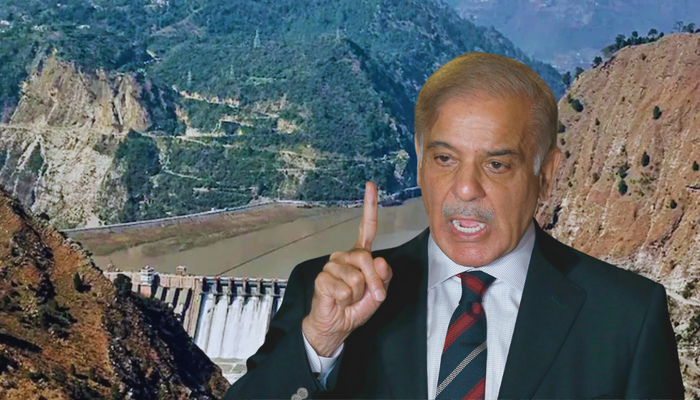
After Pakistan’s military chief Field Marshal Asim Munir’s recent nuclear threats to India, Pakistan’s Prime Minister Shehbaz Sharif has also threatened India with consequences if it stops the water of the Indus River.
Speaking at an event in Islamabad on Tuesday (August 12th), Sharif warned India against attempting to stop the water of the Indus River. He claimed that India is not capable of snatching even a drop of “Pakistan’s water”. “I want to tell the enemy today that if you threaten to hold our water, then keep this in mind that you cannot snatch even one drop of Pakistan,” Sharif said. “If you attempt such an act, you will be again taught such a lesson that you will be left holding your ears,” he added.
#BREAKING: Pakistan Prime Minister Shehbaz Sharif warns India of serious consequences if India stops Indus Water Treaty. Says, he won’t let India take even a drop of Pakistan’s share of water. This is 4th threat from Pak in 48 hours after Asim Munir, Bilawal Bhutto, Khawaja Asif. pic.twitter.com/ER1uojwHoi
Sharif’s remarks were made in the context of India’s decision to hold the Indus Water Treaty in abeyance after the April 22 Pahalgam terror attack carried out by Pakistan-backed terrorists, who killed 26 Hindu tourists after ascertaining their religion.
Bilawal Bhutto Zardari’s empty rant
Sharif’s threats came a day after Pakistan’s former foreign minister Bilawal Bhutto-Zardari termed the treaty’s suspension by India as an attack on the Indus Valley Civilisation, claiming that Pakistan would not back down if India forced it into a war.
Munir’s issued nuclear threats to India
Earlier on 9th August, Pakistan’s military chief, Field Marshal Asim Munir, gave a nuclear threat against India during a dinner in Florida, United States. “We are a nuclear nation; if we think we are going down, we’ll take half the world down with us,” Munir warned during dinner hosted by businessman Adhnan Asad, who is the honorary consul of Pakistan in Tampa.
Commenting on the suspension of the Indus Water Treaty by India, Munir said that if India builds a dam on the Indus River, Pakistan will blow it up by firing missiles. “We will wait for India to build a dam, and when it does, we will destroy it with 10 missiles.” Munir asserted that Pakistan had “no shortage of missiles” and claimed the Indus River was “not the Indians’ family property.”
Pakistan’s politicians and military officials have been indulging in an endless tirade against India, after India destroyed terror camps in Pakistan’s territory under its Operation Sindoor. In a display of its zero-tolerance policy on terrorism, India took strong diplomatic as well as military measures, which rattled Pakistan, which has been denying its well-known links with terrorist groups.
Last month Union Home Minister Amit Shah affirmed that the Indus Water Treaty will remain in abeyance. “…it will never be restored. International treaties can’t be annulled unilaterally but we had the right to put it in abeyance, which we have done. The treaty preamble mentions that it was for peace and progress of the two countries but once that has been violated, there is nothing left to protect,” Shah said.
Kim Keon Hee, the wife of former president of South Korea Yoon Suk Yeol, has been arrested on multiple corruption charges, marking a remarkable moment in the country’s history where a former president and the former first lady are both behind bars.
A Seoul Central District Court approved Kim Keon Hee’s arrest on Tuesday, 12th August (local time) saying there was a risk she might destroy evidence. The charges against Keon Hee include violations of capital market and financial investment laws, as well as political funds laws. She denies the charges.
South Korea's former first lady, Kim Keon Hee, was arrested after a court issued a warrant to arrest her following accusations of graft that she denies, a special prosecutor leading a wide-reaching probe said https://t.co/hzEZ98bGMEpic.twitter.com/N2TjDXS1Zo
According to investigators, Kim earned over 800 million won (£428,000) between 2009 and 2012 by manipulating the share prices of Deutsch Motors, a local BMW dealership, with the help of others.
She is also accused of taking over 270 million won worth of illegal political support through free opinion polling services, allegedly used to influence candidate selections for the conservative People Power Party in the 2022 byelections.
The third charge says that she accepted luxury gifts including Chanel handbags and expensive jewellery from the Unification Church through a shaman intermediary. In return, she helped the church secure favourable treatment for development projects in Cambodia.
Keon Hee was questioned for more than seven hours last week before prosecutors sought the arrest warrant. During her four-and-a-half-hour court hearing, she denied all charges and complained that issues from before her marriage were being dragged into the case. She will be held at the Nambu detention centre in south-west Seoul, separate from her husband.
Kim, once thought to be highly influential behind the scenes during her husband’s presidency, was already no stranger to controversy.
Her term in the Blue House was clouded by scandals including the so-called “Dior bag” affair and recent revelations that both her master’s and doctoral degrees were revoked over plagiarism.
Meanwhile, her husband, former president Yoon Suk Yeol, has been in custody since July over a separate case his failed attempt to impose martial law in December last year. That move, which he reversed just six hours later under intense political pressure, threw the country into a constitutional crisis and was condemned as a direct attack on democracy.
Yoon was first detained in January while still in office on charges of leading an insurrection, becoming the first sitting South Korean president to be arrested. Although a court later released him in March on technical grounds, the Constitutional Court removed him from office in April, calling his actions “a grave betrayal of the people’s trust.”
Prosecutors now accuse Yoon of abusing power and obstructing official duties. They say he declared martial law to break the political deadlock caused by the opposition’s control of parliament and to prevent his impeachment.
He is accused of deploying troops to block lawmakers from entering the national assembly building to overturn the decree and of giving orders to “break down the doors” of parliament and “drag people out, even if it takes firing guns.” Yoon’s lawyers deny he ordered the use of firearms.
He is also accused of trying to have key opposition figures, including now-President Lee Jae Myung, arrested first, hiding secure phone records from after martial law ended, and obstructing warrants issued by the Corruption Investigation Office.
Yoon’s lawyers argue the investigation is politically motivated, rushed, and flawed. They say most suspects are already detained, all evidence is secured, and there’s no real risk of evidence being destroyed.
With Kim Keon Hee’s arrest, both she and Yoon now face criminal trials that could reshape how South Koreans view presidential power and the people who hold it.
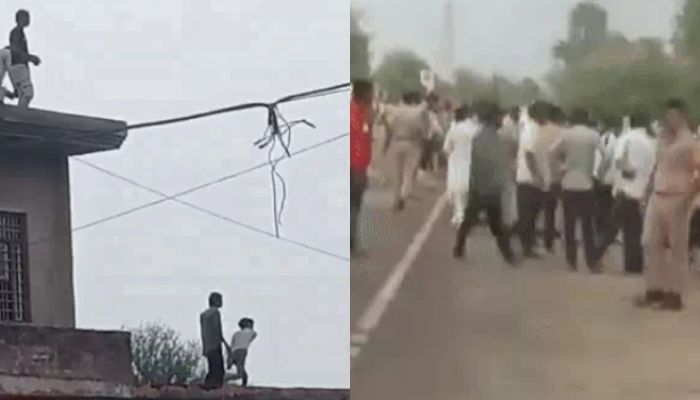
In Harayan’s Nuh district, a Muslim mob allegedly gathered after announcements were made from a mosque in the Firozpur Jhirka area after a dispute between a Muslim youth and a Hindu youth, Samay Singh Saini, over parking escalated into violence on 12th August. Stones and glass bottles were pelted from rooftops, a bike and several shops were torched by the rioting mob.
The clash began in Mudaka village near Firozpur Jhirka. Village Sarpanch Ramsingh Saini said a boy named Isra (some reports say son of Isra) parked his vehicle on a road leading to the village. A local Hindu youth, Samay Singh Saini, asked him to move it, but the Muslim youth refused, leading to an argument between the two.
Following this, the Muslim youths allegedly hit Samay Singh on the head with a glass bottle from his vehicle. In no time, people threw stones and set fire to a bike and shops. Reports say that stone pelting continued for around one and half hours. The communal violence left around 10 people injured.
In his complaint to the police, Samay Singh Saini of Mundaka village said that I run a tent shop near the Rajasthan border to support my family. There was a turban ceremony of my grandfather, for which we were returning to the village with tent material in a tractor at around 4:30 pm on Tuesday evening. On the road to Mundaka village, we found a truck blocking the road, in which two youths, Nassi and Lukman, were drinking alcohol. On being asked to move the truck, Nassi got furious and said that the road is not your father’s. After this, he attacked me on the head with a beer bottle.
The Hindu complainant further reportedly said, “The accused also called Ramzan, Muharkhon, Rustam, Shamsher, Haroon, Subban, Ismail, Arshad, Kalu, Zubair, Yunus, Islam, Juhrudin, Umar, Sakrulla, Sahun, Karim, Safi, Subba, Yakub and Junaid from their village Hajipur (Alwar, Rajasthan). All were armed with sticks. Hearing the noise, my brothers Chunni, Gopal and Bir Singh also reached to rescue, but the accused attacked them too, in which all were seriously injured.”
Samay Singh Saini also alleged that after the fight, the Muslim accused made an announcement from the mosque, after which the villagers gathered at the spot. They attacked by hurling stones and glass bottles from the roofs of shops and houses.
He added that the accused persons have been harbouring animosity against Hindus since the 2023 Nuh violence where Muslim mobs attacked a Hindu procession.
In a statement, the Nuh Police said, “As soon as the information was received, a team from the local police station and the in-charge reached the spot. The police took charge and controlled the situation. After the fight, there was a slight obstruction in the traffic, which the police handled.”
Superintendent of Police, Nuh, Rajesh Kumar, said that two police companies were deployed to bring the situation under control, adding that a case would be registered based on the complaint of those injured. He further informed that two people have been taken into custody and raids are on nab the rest.