Friday, April 3, 2026
Home Blog Page 314

Questions raised on Turkish company Çelebi handling high security areas and cargo at multiple Indian airports after Operation Sindoor

An anti-Turkey sentiment has been building in India in the aftermath of the recent military hostilities between India and Pakistan, in which Turkey openly supported Pakistan and provided military assistance to it.

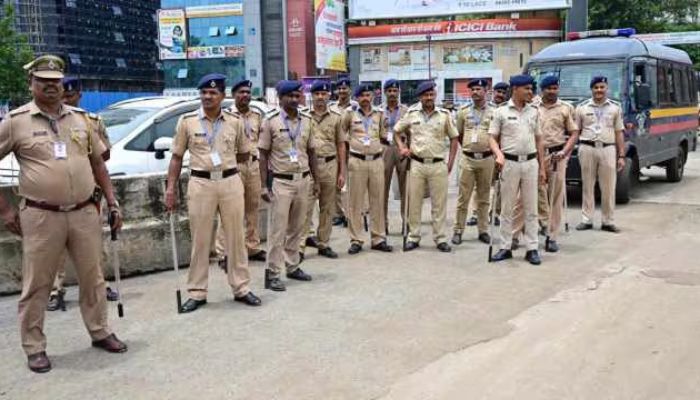
After the boycott of Turkish products by Indian vendors and the mass cancellation of trips to Turkey by Indian tourists, now a Turkish joint-venture company, Çelebi Aviation, that handles high-security tasks at eight Indian airports, including Delhi, Mumbai and Chennai, is facing the heat.

The Turkish company is likely to come under the scanner as the Indian government is reportedly reviewing its financial relations, which are directly linked to national security, as per reports.

On Tuesday (13th May), Shiv Sena leader Murji Patel reportedly led a delegation to Mumbai International Airport Limited (MIAL), urging that their association with Celebi NAS Airport Services should be terminated. Celebi entered the Indian landscape in 2008 through a joint venture at the Mumbai International Airport, where it provided ground handling services. In a year, Celebi officially registered its operations in India under two entities- Celebi Airport Services India for ground handling and Celebi Delhi Cargo Terminal Management India for cargo services at New Delhi International Airport.

Celebi manages around 58,000 flights and 5,40,000 tons of cargo in India annually. The company has access to the most sensitive areas of the airport since it manages practically everything from passenger services and load control to flight operations and ramp services. It also handles general aviation services, cargo and postal services, warehouses and bridge operations. Though the company is registered in India and its staff members undergo background checks, its Turkish roots and the extent of its hold on Indian airports and the associated possibility of a national security threat have become a cause of concern for India in light of Turkey’s role in the India-Pakistan military conflict.

Erdogan’s daughter partially owns Celebi

Furthermore, part of the company is reportedly owned by Sumeyye Erdogan, the daughter of Turkey’s President Recep Tayyip Erdogan. Sumeyye Erdogan is married to Selçuk Bayraktar, whose company produces Bayraktar drones, which were used by Pakistan against India in the latest military confrontations. Celebi Delhi Cargo Terminal Management India at New Delhi International Airport reportedly overlooks the VVIP technical area where electronic intelligence aircraft are stationed. Besides, the Prime Minister’s VIP aircraft also reportedly comes into its vicinity.

Celebi granted security clearance under the UPA after the 26/11 attacks

According to Aviation consultant Sanjay Lazar, Celebi was given security clearance after the 26/11 Mumbai terror attacks under the UPA government. “The Turks were granted security clearance, ironically at the peak of post 26-11 events, when the UPA govt was in power. Many Aviation trade unions affiliated to the Shiv Sena, under late Balasaheb Thackerayji, had vigorously opposed the entry of Celebi Nas as ground handlers at airports across India, being sensitive in nature. We even had morchas, etc, at CSMIA back then. The then UPA Govt & their famous Aviation Minister ignored all the protests & allowed them in as one of the listed operators at Mumbai airport. Since then, whenever the issue has surfaced due to India-Turkey problems, they have tried to cover up their Turkish ownership by talking about the parent being owned by Private equity companies,” Lazar wrote on X.

Under the leadership of President Recep Tayyip Erdogan, Turkey’s relations with India have spiralled down. Even though India provided relief material, personnel assistance and medical supplies to Turkey under Operation Dost after a massive earthquake ravaged the country in 2023, it chose to side with Pakistan against India during the recent military hostilities between the two countries by providing drones and personnel. Not just Turkish drones, but Turkish personnel were also present on Pakistani soil, providing technical help, during Pakistan’s drone attacks against India between May 7 and 10.

Celebi Aviation Holdings reportedly conducts 25% of its business with Indian airlines and the remaining 75% with foreign airlines. The company has been attempting to expand its operations in India; as a result, in 2016, it expressed interest in acquiring Air India’s ground handling unit, the Air India Airport Services Limited (AIASL).

Nearly a century after Hitler and his Nazi Party started dehumanizing Jews by comparing them to rats, BBC presenter Gary Lineker does the same, deletes Instagram post after outrage

Back in the 1930s, when Hitler and his National Socialist German Workers’ Party (or Nazi Party in short) were gaining power in Germany, their focus turned towards their favourite target- the Jews. Hitler and his Nazi Party started dehumanising the Jews by comparing them to Rats, lice, cockroaches, foxes and vultures among other animals.

This propaganda against Jews in the years leading up to the second World War helped Hitler carry out the holocaust during the war, as most of the population didn’t even consider Jews humans at that point.

One of the cartoons from Nazi era comparing Jews to rats

After Hitler’s defeat, Jews breathed a sigh of relief that antisemitism may be coming to an end, alas, how wrong were they who thought that. Even in 2025, antisemitism and Jew hatred is alive and well. We saw it in Ivy League US universities after Hamas attacked Israel and killed over 1300 people, and we are seeing it now with BBC presenters.

Gary Lineker, former England footballer and one of the highest paid BBC employee (some reports say highest), shared a video through his Instagram account where Jews were again compared to rats. BBC, the self-proclaimed neutral voice, which doesn’t even call terrorists terrorists because they have to be ‘neutral’, has no problem with its presenters calling Jews rats.

Lineker, who has played for Leicester City, Everton, Barcelona, and Tottenham, is the 4th highest goal scorer for England after Harry Kane, Wayne Rooney, and Sir Bobby Charlton, though he is more famous for taking a shit on the ground during a World Cup game in 1990. He was also asked to step down from his duties with BBC for 3 days in 2023 after his criticism of Britain’s immigration policy.

The video shared by Gary Lineker was by the ‘Palestine Lobby’ account, which featured Palestinian-Canadian lawyer Diana Buttu, and is captioned “Zionism explained in less than two minutes”. In it, Buttu describes Zionism as a system that privileges one group over another and denies Palestinians equal rights, and compared Jews to rats.

Lineker has always been a supporter of Hamas and anti-Israel, but his Jew hatred is something nobody saw coming.

Pro-Israeli groups have called for Lineker’s removal following his blatant display of antisemitism but BBC is yet to react. Notably, Lineker is anyway set to leave BBC after the 2026 Football World Cup, as announced by him.

After the outrage, Gary Lineker issued an unreserved apology for amplifying antisemitic material. He said that he would never knowingly share anything antisemitic and he had deleted the Instagram post as soon as he became aware of the issue.

Notably, even BBC’s Director General Tim Davie had expressed his anger at Lineker’s post. Davie said, “The BBC’s reputation is held by everyone and when someone makes a mistake, it costs us. I think we absolutely need people to be exemplars of the BBC’s values and follow our social media policy. Simple as that.”

Surprisingly, for a person who has a lot to say about Israel-Hamas war, he didn’t know how Jews were dehumanised before they found a home in Israel. Yeah, we believe you Gary.

Aurangzeb Ahmed, the ‘centre of gravity’, and Pakistan’s flight from reality: How PAF officer became the meme face of military collapse

When history books are written about Operation Sindoor, they will likely devote a chapter to Pakistan’s military humiliation, another to India’s strategic audacity, another one to homegrown defence systems that added edge to India’s combat capabilities, and perhaps an appendix just to catalogue the nonsense spewed by Director General Public Relations of the Pakistan Air Force, Aurangzeb Ahmed. After all, it’s not every day that a man attempts to reframe total defeat as “tactical brilliance” using phrases like “centre of gravity” with the fervor of a juvenile who just discovered Clausewitz.

But let’s begin with the facts—those stubborn things that tend to ruin press conferences in Rawalpindi.

On May 7, 2025, India launched Operation Sindoor, a precision military campaign that destroyed nine terror launchpads deep within Pakistani territory and subsequently, 11 Pakistan Air Force (PAF) airbases. It wasn’t just a retaliatory strike—it was a rewriting of the Indo-Pak playbook. For decades, New Delhi had exercised restraint in the face of Pakistani provocation. Not anymore. Operation Sindoor marked a seismic shift: from strategic patience to surgical escalation.

The Indian Air Force (IAF) didn’t just strike—it walked through Pakistan’s air defences like a knife through butter. In what is now officially confirmed by the Indian government, the IAF successfully jammed and bypassed the Chinese-supplied JY-27A and HQ-9 air defence systems deployed across key Pakistani installations. This wasn’t just a tactical win—it was a geopolitical humiliation. Beijing, whose military hardware is often touted in Islamabad as a shield of divine proportions, watched in silence as its technology was rendered useless by Indian counter-electronic warfare systems and superior aviation strategy.

But the story doesn’t end with destruction—it truly begins with denial.

Leaning on Pakistan’s national struggle with English to cover up military’s glaring failures

Enter Aurangzeb Ahmed, PAF’s new poster boy for post-defeat spin. Faced with a military reality that couldn’t be dressed up, Ahmed reached for buzzwords. At a press conference, he claimed—without evidence—that Pakistan had struck back by hitting Indian jets, liberally throwing in “centre of gravity” phrase to mask Pakistan airforce’s utter failure to stop decimation of terror camps entrenched deep into their territory and convince an audience and millions of Pakistanis watching him comfortable with jihadi doctrines but not with English vocabulary. 

And whose “centre of gravity” was Ahmed referring to? Apparently, India’s Rafale jets, which he claimed had been targeted while they dropped their payload to wreak havoc on terror hubs across Pakistan and Pakistan-occupied Kashmir. No satellite images. No wreckage. No proof. Just vibes.

And it didn’t stop there.

A few days later, in what can only be described as a TED Talk for the terminally confused, Ahmed doubled down. He claimed Pakistan had “taken out” the S-400 air defence system stationed at India’s Adampur air base—perhaps the most ludicrous lie in the entire charade. Unfortunately for him, reality arrived with camera crews. Prime Minister Narendra Modi visited the Adampur base just a couple of days later and got himself photographed standing right in front of the very-much-functional S-400 unit. It was an image tailor-made to haunt Ahmed’s PowerPoint slides.

To his credit, Aurangzeb Ahmed seemed painfully aware of what Pakistan is truly grappling with—beyond hunger, inflation, and the delusion of strategic parity with an economically stronger, militarily superior India. It’s the national struggle with English comprehension, a predictable outcome in a country where a vast population is raised on jihadi pamphlets rather than textbooks, courtesy of a madrassa network where even child abuse scandals like Bacha Bazi are disturbingly normalized.

For a vast number of Pakistanis, English remains an uphill battle—thanks to an education system dominated by Urdu-medium madrassas that prioritize dogma over critical thinking. The result? A population ill-equipped to recognize when someone with a better command of English, like Aurangzeb Ahmed, strings together empty jargon—such as “centre of gravity”—to pass off gibberish as strategic brilliance.

Exploiting Pakistan’s widespread struggle with English, Ahmed casually dropped the term “centre of gravity” to cloak his drivel in a veneer of intellectualism—hoping that jargon would pass for substance and his audience wouldn’t dare question what sounded vaguely militaristic terminology.

Aurangzeb Ahmed’s baffling use of ‘centre of gravity’ turns him into a social media meme

On social media, the mockery was swift, surgical, and unforgiving. X (formerly Twitter) exploded with memes and satire. Social media user @being_humor, known for his hot takes on political developments in the country and geopolitics, shared a raft of memes mocking Aurangzeb Ahmed and his tendency to meaninglessly use ‘centre of gravity’ to muddle painful facts gnawing at him. 

“PAF Aurangzeb gets another medal for successfully saying “ Centre of Gravity,” he tweeted, along with a picture of Aurangzeb Ahmed receiving an award.

In a video of Ahmed going viral on X, the PAF officer could be seen explaining how “targeting S-400 is easy but difficult to identify and locate S-400 system.” And why was it difficult to identify S-400 air defence system? Ahmed’s profoundly baffling response is because it has got “centre of gravity.” Apparently, in his version of military science, radar signatures and satellite imaging take a backseat to abstract metaphors.

Joining the chorus of mockery was popular tech influencer @technicalguruji, a.k.a. Gaurav Chaudhary. In a viral video taking a witty jab at PAF officer Aurangzeb Ahmed, Chaudhary quipped, “Why are flat-earthers suddenly experts on ‘centre of gravity’?” His dig was aimed squarely at the hardcore Islamist fringe—those who still cling to the belief that the Earth is flat, yet somehow speak with authority on complex military concepts.

Using word salad to mask a generational humiliation

But beneath the humor lies a serious truth: Pakistan’s military establishment, long used to the comfort of impunity and international indulgence, is now grappling with something it hasn’t seen in decades—an India willing to escalate. And Operation Sindoor wasn’t an anomaly; it was doctrine in action. Indian defence officials have made it clear that future provocations will be met with overwhelming force, with no geographical sanctuary assured to Pakistan’s terror infrastructure.

The message is stark: terrorism will no longer be answered with dossiers and statements, but with payloads and precision.

What’s equally significant is the silence from China. Despite its defence partnership with Pakistan and its strategic interest in the region, Beijing has offered no statement defending the performance of its air defence systems, perhaps because even it knows the embarrassment is too obvious to manage. The IAF’s jamming of Chinese radar and tracking systems exposed their vulnerabilities—not just to India, but to every nation considering Beijing’s military exports.

In contrast, the Indian government’s communication has been minimal but pointed. No boasting. No gloating. Just facts, delivered with chilling precision, just like their military payloads. 

While Ahmed scribbled military fiction at the podium, India released photographs of devastation caused by its precision airstrikes to friendly foreign missions and media, quietly shutting down any attempt by Pakistan to manufacture sympathy.

Back in Pakistan, the consequences of the defeat are already visible. PAF morale is in tatters, public trust in military leadership has taken a hit, and social media censorship is at an all-time high. Still, Ahmed persists, perhaps because denial is the last refuge of a regime that cannot afford introspection.

What remains most absurd, though, is how Pakistan thought it could outmaneuver an India that no longer plays by the old rules. The days of the “nuclear umbrella” shielding proxy war are over. The myth of parity has been shattered. And all that’s left is Aurangzeb Ahmed, spinning “centre of gravity” theories while standing in the smoking crater of his own credibility.

In the end, Ahmed didn’t just lose a war of words. He lost the luxury of being taken seriously. And that’s a serious setback for a military personnel whose force had endured one of its biggest losses in 5 decades. 

And that is something no press conference can fix.

Historic success in the resolve of a ‘Naxal-free India’: 31 Naxalites killed in the biggest-ever operation against Naxalism at Karreguttalu Hill on Chhattisgarh-Telangana border

Achieving a historic success in the resolve of a ‘Naxal-free India,’ the security forces have killed 31 Naxalites in the biggest-ever operation against Naxalism, on the Karreguttalu Hill (KGH) at the Chhattisgarh-Telangana border.

Union Home Minister and Minister of Cooperation Amit Shah said in a post on X, that the Karreguttalu Hill, which was once ruled by red terror, now proudly hoists the tricolour. Karreguttalu Hill was the Unified Headquarters of major Naxal organizations like the PLGA Battalion 1, DKSZC, TSC, and CRC, where Naxal training, as well as the creation of strategies and weapons, used to take place.

Amit Shah said that our security forces completed this biggest anti-Naxal operation in just 21 days, and it is a matter of immense pleasure that there were no casualties among the security forces during this operation. The Home Minister congratulated the CRPF, STF, and DRG personnel who bravely faced the Naxalites in the bad weather and rugged hilly region and said that the entire country is proud of them.

He stated that under the leadership of Prime Minister Narendra Modi, we are determined to eliminate Naxalism from the roots. He reassured the citizens of the country that India will be Naxal-free by March 31, 2026.

In Bijapur, Chhattisgarh, Gyanendra Pratap Singh, Director General of the Central Reserve Police Force (CRPF), Arun Dev Gautam, Director General of Police, Chhattisgarh, and ADG (Anti-Naxal Operations), Chhattisgarh, provided detailed information about this operation in a joint press conference. The Chhattisgarh Police and Central Armed Police Forces (CAPFs) recovered the bodies of 31 uniformed Naxalites, including 16 female Naxalites in uniform, and 35 weapons after 21 encounters that took place over 21 days on the Karreguttalu Hill (KGH), which was considered an impregnable stronghold of Naxalites on the Chhattisgarh-Telangana border.

So far, 28 Naxalites have been identified, with a total reward of Rs. 1 crore 72 lakh announced for them. The anti-Naxal operation, which took place from April 21, 2025, to May 11, 2025, indicates that the bodies recovered from the encounter site might belong to cadres of the banned, illegal, and most powerful armed Naxal organization, the PLGA Battalion, CRC Company, and the Telangana State Committee.

The border areas of Sukma and Bijapur, which are the strongholds of Naxalites, including the most powerful armed organizations like the PLGA Battalion, CRC Company, and the Telangana State Committee, have been home to several top cadres. In this area, under challenging circumstances, the security forces established numerous new security camps, which increased their dominance. As a result, the Naxalites formed a Unified Command and took refuge in the Karreguttalu Hill (KGH), considered impregnable, located at the border of Bijapur, Chhattisgarh, and Mulugu, Telangana.

KGH is an extremely difficult hilly region, approximately 60 km long and 5 to 20 km wide, with a very tough and challenging geographical terrain. Over the past two and a half years, the Naxalites established their base in this area, where around 300-350 armed cadres, including the technical department (TD Unit) of the PLGA Battalion and other important organizations, took refuge. Based on the inputs received, a comprehensive and well-coordinated plan was prepared, and on April 21, 2025, the Chhattisgarh Police and Central Armed Police Forces launched a large-scale joint operation.

In this operation at KGH, a multi-agency special team was formed for collection, collation and analysis of technical, human intelligence and field inputs received from various intelligence agencies. Using the gathered intelligence, the team conducted meticulous planning of the operation, including determining the strength of deployed forces, scheduling continuous mobilization and arranging timely replacements.

The intelligence inputs were continuously analyzed and relayed in real time to field commanders, which enabled security forces to locate Naxalite operatives, their hideouts and arms caches while also helping to prevent casualties from improvised explosive devices (IEDs) on several occasions. Acting on this intelligence, the security forces successfully recovered a substantial quantity of IEDs, BGL shells and other explosive materials. This operation stands as the largest, most comprehensive and well-coordinated anti-Naxal campaign to date — a notable example of seamless cooperation between various state and central agencies operating in unison on a unified platform.

So far, a total of 214 Naxal hideouts and bunkers have been destroyed in this operation and a total of 450 IEDs, 818 BGL shells, 899 bundles of Codex, detonators and a huge amount of explosive material have been recovered during the search. In addition, nearly 12,000 kilograms of food supplies have also been recovered. Analysis of the information obtained during this historic 21-day-long anti-Naxal operation suggests that several senior Naxal cadres were either killed or seriously injured during the operation. However, due to the difficult geographical conditions, the security forces have not yet been able to recover the bodies of all the injured or killed Naxalites.

A large number of forces, equipment, and other logistics were mobilized in a professional manner for the implementation of the action plan of this historic operation. In the joint briefing, the forces were primarily warned about the tough and challenging terrain of KGH, hundreds of caves for hiding, ambush points, and the dangers of IEDs. Detailed information about their area of operation was provided to the security forces to ensure there was no confusion.

As part of the operation, the security forces also destroyed four Naxal technical units that were being used for the production of BGL shells, homemade weapons, IEDs, and other deadly weapons. During the operation, a large quantity of ration supplies, medicines, and daily-use items were also recovered from various Naxal hideouts and bunkers.

During this significant operation, a total of 18 personnel from Commando Battalion for Resolute Action (CoBRA), Special Task Force (STF) and District Reserve Guards (DRG) were injured in various IED explosions. All the injured personnel are now out of danger and are receiving the best possible treatment at various hospitals. The conditions at Karreguttalu Hill are extremely difficult, and with daytime temperatures exceeding 45 degrees Celsius, many soldiers suffered from dehydration. Despite this, there was no decrease in the morale of the soldiers, and they continued the operation against the Naxalites with full courage and enthusiasm. This operation is an excellent example of coordination between various state and central agencies, and the Modi government’s ‘whole-of-government’ approach. The objective of the campaign was to reduce the armed capabilities of the Naxalites, neutralize armed squads, drive Naxal elements out of inaccessible areas and dismantle the brutal Naxalite organization, the PLGA battalion.

Under the direction of Union Home Minister Amit Shah, anti-Naxal operations are being conducted in Chhattisgarh by the security forces under a Joint Action Plan. The key components of this campaign are – filling security gaps by establishing new security camps, effective implementation of development schemes in Naxal-affected districts for the holistic development of the region, so that local citizens can benefit, and effective action by security forces against the Naxalites’ hard-core cadre and their entire ecosystem. As a result of the implementation of this action plan, security forces have inflicted heavy damage on the Naxalites’ core cadre and ecosystem, leading to a significant reduction in the area under Naxalite influence.

It is noteworthy that building on the success of the anti-Naxal operations in 2024, the security forces have neutralized 197 hardcore Naxalites in the last 4 months as part of the ongoing anti-Naxal operations in 2025. In 2014, 35 districts were most affected by Naxalism, and by 2025, this number has reduced to only 6. Similarly, the number of Naxal-affected districts has decreased from 126 to just 18. In 2014, 1080 Naxal incidents were recorded in 330 police stations across 76 districts, whereas in 2024, only 374 incidents were recorded in 151 police stations across 42 districts. In 2014, 88 security personnel were martyred in Naxal violence, which decreased to 19 in 2024. The number of Naxalites killed in encounters has increased from 63 to 2089. In 2024, 928 Naxalites surrendered, and so far, 718 have surrendered in the first four months of 2025. From 2019 to 2025, the central forces, in collaboration with state police, have established a total of 320 camps in Naxal-affected states, including 68 night-landing helipads. The number of fortified police stations, which was 66 in 2014, has now increased to 555.

The long-term results of this extensive operation against the Naxalites are being observed, such as the division of large and armed Naxal units into several smaller units. The security forces’ hold on these areas has strengthened, and they are continuously advancing in the National Park area under Bijapur district and the Maad region under Narayanpur district.

Union Cabinet approves a new semiconductor manufacturing plant by HCL and Foxconn at Jewar in Uttar Pradesh, the sixth unit in the country to make wafers and chips

In a significant stride for India’s semiconductor ambitions, the government has approved a new semiconductor manufacturing unit with a financial outlay of Rs3,706 crore.

This facility will be established near Uttar Pradesh’s Jewar Airport through a joint venture between the HCL Group and Taiwanese electronics giant Foxconn. The sixth unit is expected to generate employment for around 2,000 people and will help significantly in strengthening India’s semiconductor ecosystem.

The unit at Jewar will have 20,000 wafers per month capacity, and the chips 36 million (3.6 crore) per month, the minister said.

This project aligns with the goals of the India Semiconductor Mission, which aims to incentivize the development of a comprehensive semiconductor ecosystem within the country. The mission supports various facets of semiconductor manufacturing, including fabs for silicon, displays, compound semiconductors, as well as packaging and design. The Union Cabinet has committed a total of Rs76,000 crore for the development of a sustainable semiconductor and display ecosystem in 2021.

The HCL-Foxconn venture is the latest addition to India’s burgeoning semiconductor landscape. Previously, five other significant projects have been approved.

Micron Technology is setting up a Rs22,516 crore unit in Sanand, Gujarat, in June 2023, providing 50 per cent fiscal support on pari-passu basis.

Tata Electronics Private Limited (TEPL) and Powerchip are collaborating on a Rs91,000 crore fab in Dholera, with production expected to commence by 2026. Tata Electronics is also establishing a Rs27,000 crore assembly and test facility in Assam, slated to be operational by mid-2025.

A joint venture between CG Power, Renesas, and Stars Microelectronics is developing an OSAT facility in Sanand, with pilot production expected by July 2025.

Lastly, Kaynes Semicon received approval for a Rs3,300 crore chip unit, also in Sanand.

This series of approvals underscores the Indian government’s proactive approach to fostering a robust and self-reliant semiconductor industry, attracting substantial domestic and international investment and paving the way for technological advancement and economic growth.


(This news report is published from a syndicated feed. Except for the headline, the content has not been written or edited by OpIndia staff)

India’s ‘Operation Sindoor’ was not just military supremacy, but a geopolitical shockwave: A clear message that India won’t just retaliate, it will escalate and devastate

On 22nd April, Pakistan-sponsored terrorists stained the Bairan Valley of Pahalgam with the blood of the innocents and killed 26 Hindu tourists as well as injured many others. This incident led to a tectonic shift in India’s approach towards its longstanding enemy. India initially imposed penalties on Pakistan by suspending the Indus Water Treaty, revoking their visas, halting trade, and prohibiting their media and social media, among other measures. However, this merely marked the onset of adverse times for the Islamic Republic.

On the 7th of May, in the early hours, India penetrated deep into Pakistan, executing precision strikes at nine locations to eradicate the terror infrastructure under “Operation Sindoor” which culminated in the destruction of the bases of terrorist groups including Lashkar-e-Taiba (LeT) and Jaish-e-Mohammed (JeM). A disgraced Pakistan, retaliated by killing innocents and attacking the civilian areas of border regions and gurdwaras and temples, particularly in Jammu and Kashmir.

However, India’s superior weaponry thwarted their sinister plans. Moreover, the country took further decisive action and hit their critical military installations and inflicted considerable damage. In light of significant losses, the Director General of Military Operations (DGMO) of Pakistan reached out to his Indian counterpart to propose a ceasefire in the afternoon of 10th May.

Predictably, it took a few hours for the Pakistan Army to breach the fragile agreement through cross-border and Line of Control firing, accompanied by nighttime drone incursions. Nonetheless, their fresh endeavor was similarly met with the earlier consequence of failure.

Terror assaults to be treated as acts of war

On 10th May, India stated that it would now consider any act of terrorism against the country to be a “act of war” and would respond appropriately, marking a significant change to its security strategy. According to sources, the decision drastically lowers the bar to launch a full-scale military defense against terror assaults conspired and carried out from the other side of the border.

While India took military action in response to terrorist incidents in Uri in 2016, Pulwama in 2019, and most recently in Pahalgam, the pivotal decision formalizes this new security approach into a doctrine.

“In Balakot, India first exercised the right to strike at terror centres inside Pakistan. It took that forward after Pahalgam. The principle that a country sponsoring terrorism cannot hide behind territorial sovereignty has been established in international practice since 9/11. India now wants to assert this right even at the risk of wider conflagration,”  Dilip Sinha, India’s former permanent representative to the United Nations in Geneva informed, reported “The Times of India.”

The move is perceived as a message to Pakistan, a nation associated with several terrorist organizations that target Indians, as the government led by Prime Minister Narendra Modi aims to set clear guidelines against acts of terrorism and establish that it will take tough action against those responsible. Pakistan’s demands for evidence and international counsel for a joint investigation did not stop India from taking action in reply to the terror strikes in Pulwama and Pahalgam.

“This has now been elevated to the level of doctrine with India keeping for itself the right to decide which act of terror is to be considered an act of war. This puts us in the same league as the United States and Israel, which have reserved the right to unilaterally exercise military option against terrorists,” he added.

India’s new doctrine unequivocally stated that any attempt by Pakistan to attack the country through proxies (terrorists), which it employs as a tool of foreign policy, will be regarded as an act of war against the nation. Consequently, India reserved the right to respond to such aggression in a manner it deemed appropriate.

India’s “new normal”

On the other hand, Prime Minister Narendra Modi who maintained tactical silence during the operation, finally addressed the nation on the night of 12th May. He announced that the strong response from India would now be a “new normal” in the country’s national security doctrine. “Operation Sindoor has carved out a new benchmark in our fight against terrorism and has set up a new parameter and new normal,” he outlined.

PM Modi emphasized that this halt in the operation is not to be viewed as a conclusion. He restated in his 22-minute speech that India will continue to monitor Pakistan’s every move in the days ahead to make sure that its future acts are consistent with its commitments. “We have only paused our retaliatory military action against Pakistan’s terror and military sites. In the coming days, we will test Pakistan’s actions to see their attitude,” he mentioned.

He further declared, “India’s three forces, Air Force, Army and Navy along with our Border Security Force (BSF) and paramilitary forces, are constantly on alert. After the surgical strike and air strike, now Operation Sindoor is India’s policy against terrorism.” Nevertheless, the most notable aspect of his speech was when he pointed out three new normals that are now incorporated into India’s reaction to any Pakistani hostility.

Decisive retaliation on India’s terms: PM Modi stated, “First, if there is a terrorist attack on India, a fitting reply will be given. We will give a befitting response on our terms only. We will take strict action at every place from where the roots of terrorism emerge.”

He underlined that India will respond proportionately to any abrasive actions from Pakistan, retaliating on its own terms and focusing at the core of terrorism, subtly alluding to Pakistan. This effectively ruled out the option of a “limited war” that the two nations had been involved in for decades.

No tolerance for nuclear blackmail: He forewarned, “Secondly, India will not tolerate any nuclear blackmail. India will strike precisely and decisively at the terrorist hideouts developing under the cover of nuclear blackmail.”

Pakistan has a notorious habit to issue nuclear threats as a means of intimidating India and the international community after committing acts of terrorism. PM Modi not only exposed this deception but also asserted that such hollow threats will not prevent India from responding forcefully in the event of a violation.

No distinction between terrorists and their sponsors: He conveyed, “Thirdly, we will not differentiate between the government sponsoring terrorism and the masterminds of terrorism. During Operation Sindoor the world has again seen the ugly face of Pakistan, when top Pakistani army officers came to bid farewell to the slain terrorists. This is strong evidence of state-sponsored terrorism. We will continue to take decisive steps to protect India and our citizens from any threat.”

Pakistan’s connection with terrorists is well-documented. The nation has a history of celebrating acts of terrorism and has even glorified Osama bin Laden within its parliament, establishing itself as a breeding ground for terrorists for many decades, as repeatedly acknowledged by its politicians and army officials. This was evident when India neutralized over 100 terrorists during its operation, with their burial rites attended by senior Pakistani army officials. PM Modi called out the same, affirming that India will not differentiate between terrorist groups and their backers.

The nation’s premier asserted, “India’s stand is very clear, terror and talks cannot go together. Terror and trade cannot go together, water and blood cannot flow together.” He also indicated that any negotiations with hostile neighbour would be limited to the topics of terrorism and Pakistan-occupied Kashmir (PoK). He reiterated the strong message while interacting with the air warriors and soldiers at Adampur Air Force Station on 13th May.

India’s technological prowess, Pakistan’s failure

India’s military power, tactical skill and technological innovation were showcased to the world during “Operation Sindoor.” While Pakistani forces, launched drones, missiles and rockets against Indian civilians and military assets, India’s precision hits targeted terror camps specifically, the Indian Armed Forces used its integrated network of air defense systems to protect military bases and strategic assets.

India’s missiles successfully destroyed significant terrorist targets in Bahawalpur, Muridke, Muzaffarabad and Kotli while Pakistan’s expensive missile defense system remained inactive, ineffective and oblivious to the incoming threat.

The disparity in weaponry quality between the two nations was one of the most obvious outcomes of the conflict. India’s domestically produced armaments, along with Israeli weaponry and the S-400 system acquired from Russia, successfully thwarted Pakistan’s drone attacks, but their made in China systems were a failure as Indian drones and missiles entered Pakistan at will and struck their targets.

The Indian Armed Forces delivered a powerful response to the Pakistani assault by deploying India’s indigenous “Iron Dome,” the Akashteer Air Defence System (ADS), in conjunction with the S-400 Sudarshan Chakra ADS to thwart Pakistani attempts to target civilians. India’s integrated multi-layered air defense system successfully countered Turkish drones, Chinese missiles and potentially some Pakistani aircraft during the intense conflict.

According to officials, Pakistan used Chinese-manufactured PL-15 long range, air-to-air missiles, which are designed for beyond visual range engagements alongside Turkish-produced Byker Yiha kamikaze drones and Asisguard Songar drones, in addition to long-range rockets, loitering munitions and quadcopters.

The majority of incoming threats were neutralized by India’s air defense systems, with only a few managing to breach them and inflict minor harm. Notably, India deployed the BrahMos missile which marked its inaugural use in combat following successful tests conducted on 12th June 2001, amidst the conflict. It is recognized as one of the fastest supersonic cruise missiles globally.

Pakistan’s military inventory, which includes the highly publicized Fatah-II ballistic missile and the PL-15 missile proved ineffective as they were intercepted before reaching their targets. Its HQ-9 and HQ-16 air defense systems developed in China, designed to intercept aerial threats including fighter jets, cruise missiles, and drones spectacularly failed to foil Indian strikes.

China has also supplied JF-17 fighter jets to Pakistan. During a joint press conference conducted by the Indian armed forces, Air Force Director General of Operations AK Bharti stated that several Pakistani aircraft were shot down during the conflict. However, it is not yet confirmed whether those aircraft were F-16s or JF-17s. Furthermore, Pakistan utilized drones manufactured in China to his targets in India. Pakistan deployed Wing Loong and CH-II drones, however, India managed to shoot them down at the border.

The ineptness of Chinese air defense systems of Pakistan against precision and stealth assaults was clearly visible. Indian Scalp stealth cruise missiles and Hammer glide bombs were not intercepted by the HQ-16 or the HQ-9B. Due to their short detection ranges and vulnerability to jamming, these systems have trouble identifying low-altitude, terrain-hugging threats.

The air defense capabilities of Pakistan are characterized by insufficient redundancy and a lack of layered coordination, which have been exploited by Indian Sead (Suppression of Enemy Air Defenses) tactics through the targeting of radar nodes and effectively disabled the entire system.

Pakistan’s military installations including Rafiqui, Murid, Nur Khan, Rahim Yar Khan, Sukkur and Chunian air bases came under attack. The airfields at Skardu, Bholari, Jacobabad and Sargodha incurred extensive damage. Likewise, radar sites in Sialkot and Pasrur were struck. India’s strategic use of sophisticated electronic warfare strategies, such as decoys, signal suppression, and radar jamming, rendered Pakistan’s air defense system vulnerable.

“On 9th-10th May, India became the first country to strike 11 airbases of a nuclear-armed nation in a single operation, destroying 20 per cent of Pakistan’s air force assets. High casualties were inflicted at Bholari airbase, including the death of Squadron Leader Usman Yusuf (and four airme) and destruction of key fighter jets,” according to sources. Multiple PAF fighter aircraft were obliterated during the assault.

As a further humiliation to Pakistan, India took down its Airborne Warning and Control System (AWACS) aircraft, leading to a substantial disadvantage in the country’s aerial surveillance and battlefield coordination.

India destroys crucial assets in Pakistan as it hides behind lies and obnoxious remarks

India showed an unprecedented capability to strike targets deep within Pakistan, similar to Russia’s actions in Ukraine, while it was preoccupied with making a global mockery of itself. Khawaja Muhammad Asif, the defense minister of Pakistan, linked his nation’s claims of having downed five Indian fighter jets, including Rafales, in “Operation Sindoor” to “social media posts” during a CNN interview.

The Pakistani government declared that its forces intercepted and destroyed 25 drones sent by India to various locations, including Lahore, Karachi and Rawalpindi, however, the defence minister later contradicted the statement in a recent address to the National Assembly and remarked that the Pakistani forces refrained from intercepting the drones to prevent revealing the locations of military establishments.

Similar to its leaders, the true power brokers of Pakistan represented by its jihadi army also misrepresented facts during an official press conference, utilizing a doctored video of an Indian press briefing to promote a misleading narrative. Furthermore, aside from an inadequate PowerPoint presentation, they did not support their claims with significant evidence and opted instead for hateful rhetoric and lies during the press conference.

Pakistan even alleged the destruction of the S-400 and reported heavy damage to the Adampur Airbase in Punjab, a statement that Prime Minister Narendra Modi debunked with his visit to meet the troops there. The S-400 can also be seen in the images.

Furthermore, Shehzad Ghias Shaikh who is a popular comedian and podcast host in Pakistan, appeared on the Piers Morgan “Uncensored” show where he asserted that Osama bin Laden was attempting to evade detection by Pakistani intelligence. “If your intelligence didn’t know he was there, it must be de facto the worst intelligence in the history of military intelligence,” Morgan schooled him on-air.

Most importantly, as Pakistan focused on propaganda and orchestrated victory marches, its defense as well as radar systems seemed defenseless and resembled sitting ducks ready to be taken out by India. This situation is reminiscent of a similar incident that took place during the 2019 Balakote airstrike, when Pakistan was targeted shortly after its air force fan page posted, “Sleep tight because PAF is awake.”

From Manmohan to Modi: Major shift in India’s policy

Congress never intended to punish Pakistan, even in the face of numerous terror acts, particularly the Mumbai attacks (26/11) and innumerable assaults on Indian territory by Pakistani proxies. On 26th November 2008, ten terrorists from Pakistan seized control of Mumbai for several days, resulting in the deaths of 166 innocent individuals and over 300 injuries.

The United Progressive Alliance (UPA)-government, under the leadership of Prime Minister Manmohan Singh refrained from taking any significant military measures against Pakistan, the state that sponsors terrorism. There was silence rather than forceful military action. Candle marches took place. “Strong condemnation” was expressed. Additionally, under Manmohan Singh, the Indian government at the time sent dossiers to Islamabad, but no decisive steps were ever taken.

On the contrary, India led by Prime Minister Narendra Modi has launched strikes into Pakistan after every major terrorist incident with Pahalgam exemplifying this approach. Since the surgical strike in 2016, followed by the airstrike in 2019 and now “Operation Sindoor,” India has consistently raised the stakes of its retaliation, imparting a strong message to Pakistan on each occasion.

India has now proclaimed to the world that it is no longer a dormant giant, but rather a formidable force in manufacturing, military, and diplomacy that will not accept infringements on its sovereignty. This strategy was entirely absent during the Congress’s governance, which favored passive methods while civilians continued to fall victim to terrorism.

While the government maintained its claims regarding Pakistan’s diplomatic isolation and failed to take any military measures, the hostile nation grew bolder, attacking India through its terrorists, labeled as “non-state actors.” The reluctance of Congress was also affirmed by the former Air Chief Marshal Fali H. Major (Retd).

“Air Force was prepared with alternatives. I think it was the third or fourth day after the attack that we were called into the Prime Minister’s office, the three chiefs, and of course, many others who were involved in this. We were asked as to what kind of options we have to launch a retaliatory strike, a precision strike. And, we gave out our options that we will be ready to undertake the strike, if asked, in the next 18 to 24 hours. That’s it. There was no response from the then UPA government,” he expressed while talking to Times Now.

He welcomed the extradition of 26/11 conspirator Tahawwur Hussain Rana from the United States to India, however, added, “I’m disappointed about one thing that it’s a little too late because if we had hit those guys then probably this guy would have been history by now.”

The new India showcased its capacity and conviction

India has now declared that it is no longer a subdued giant, but a powerful entity making its presence felt across the globe. It has the potential to navigate the complexities of a multipolar world. Its superiority is already illustrated by its victory against Pakistan, which has also highlighted India’s achievements in indigenous weaponry. Nonetheless, a comparison between the two countries is not feasible.

While India ranks as the world’s fourth largest economy, Pakistan relies on International Monetary Fund (IMF) assistance and financial support from other nations. “Make in India” stands as a remarkable success, in contrast to Pakistan, whose weaponry is largely imported from China, Turkey or the United States. Moreover, the Indian Navy has already established its notable presence in the waters.

The Navy’s INS (Indian Naval Ship) Vikrant was reportedly instrumental in discouraging Pakistani aerial aspirations during the recent conflict, demonstrating a remarkable demonstration of maritime supremacy. The carrier battle group under the command of INS Vikrant moved swiftly and unopposed in the North Arabian Sea.

Its overwhelming presence prevented any significant aerial maneuvers. The strategic advantage that India’s domestic aircraft carrier offers the area is demonstrated by its operational dominance which strengthens deterrence and imposes control over vital maritime lanes. Furthermore, Vice Admiral A N Pramod also informed that the Navy was prepared to strike a number of Pakistani targets, including the port city of Karachi, both on land and at sea.

According to the unified action plan of the Indian defense forces, he stated the carrier battle group, surface forces, submarines and aviation assets of the Indian Navy were instantly deployed at sea with full combat readiness. He disclosed that during multiple firings in the Arabian Sea within 96 hours of the Pahalgam terror assault, the Navy evaluated and improved its processes and tactics at sea.

With complete preparedness and capability to strike specific targets at sea and on land, including Karachi, at any time selected by India, the naval forces remained stationed in the northern Arabian Sea in a decisive and deterrent posture.

Notably, Prime Minister Narendra Modi declared that India is becoming a major maritime power in the world when he dedicated three frontline naval combatants, INS (Indian Navy Ship) Surat, INS Nilgiri, and INS Vaghsheer to the country at the naval dockyard in Mumbai on 15th January. This defined a significant advancement in maritime security and defense manufacturing.

Over the last ten years, the Indian Navy has greatly enhanced its capabilities by adding 33 ships and seven submarines. Out of these 40 vessels, 39 were constructed in Indian shipyards, which include the INS Vikrant aircraft carrier and the nuclear submarines INS Arihant and INS Arighaat.

Conclusion

Unlike Pakistan, which is predominantly identified by its terrorist groups, India has recently risen to prominence as a global leader. It has successfully navigated a path of neutrality, avoiding alliances with specific nations, in contrast to many others. It participates in the QUAD (Quadrilateral Security Dialogue – Australia, India, Japan, and the United States) and I2U2 (India, Israel, the United Arab Emirates, and the United States). However, it also has a close partnership with Russia in both trade and defense.

India maintains a robust relationship with Israel while also fostering friendly ties with numerous Islamic nations. In fact, Prime Minister Narendra Modi has been awarded the highest civilian honors from eight Muslim-majority countries, including Saudi Arabia, Egypt, Kuwait, the United Arab Emirates, Bahrain, Afghanistan, the Maldives and Palestine.

India has demonstrated remarkable resilience during the Russia-Ukraine conflict despite pressure to sever ties with Russia. Nevertheless, it remained steadfast while advising both nations to settle the dispute through dialogue rather than warfare. The reality is that India has been instrumental in shaping world politics and played a key role in international relations under Prime Minister Narendra Modi via its impressive diplomacy which is particularly visible at the time of crisis.

For instance, during the Covid-19 pandemic, when the wealthy and strong western nations abandoned them to fend for themselves, India conducted Vaccine Maitri (Friendship) for poor and underdeveloped countries. India possesses the capacity to assist those in need, while also having the capability to unleash severe devastation on any forces that threaten its sovereignty and security.

The same message has been conveyed more clearly and loudly following “Operation Sindoor.” Now, regardless of whether adversaries or the global community approve, India’s action has profoundly altered the landscape of international politics, sending a clear message that it has firmly established itself as a dominant force in a multipolar world.

Pakistan’s Chinese-supplied air defence systems were jammed to complete the mission in 23 minutes: Read how Operation Sindoor marks the Rise of Aatmanirbhar Bharat

Operation Sindoor has emerged as a calibrated military response to an evolving pattern of asymmetric warfare, one that increasingly targets unarmed civilians along with military personnel. The terrorist attack on tourists in Pahalgam in April 2025 served as grim reminder of this shift. As per a report published on Press Information Buerau, India’s response was deliberate, precise, and strategic.

Without crossing the Line of Control or international boundary, Indian forces struck terrorist infrastructure and eliminated multiple threats. However, beyond tactical brilliance, what stood out was the seamless integration of indigenous hi-tech systems into national defence. Whether in drone warfare, layered air defence, or electronic warfare, Operation Sindoor marks a milestone in India’s journey towards technological self-reliance in military operations.

Air Defence Capabilities: Tech as the First Line of Protection

On the night of 07-08 May 2025, Pakistan attempted to engage a number of military targets in Northern and Western India including Awantipura, Srinagar, Jammu, Pathankot, Amritsar, Kapurthala, Jalandhar, Ludhiana, Adampur, Bhatinda, Chandigarh, Nal, Phalodi, Uttarlai, and Bhuj, using drones and missiles. These were neutralised by the Integrated Counter UAS (Unmanned Aerial Systems) Grid and Air Defence systems.

After that, on the morning of May 8, the Indian Armed Forces targeted Air Defence Radars and systems at a number of locations in Pakistan. An Air Defence system at Lahore was neutralised in this operation.

As per the details published now by the govt, not just the famed S-400 system, several other systems were also used to defend the country from Pakistani missiles, UAVs and drones. The systems used included Battle-proven Air Defence systems like the Pechora, OSA-AK and LLAD guns (Low-level air defence guns). Indigenous systems such as the Akash also demonstrated stellar performance.

AKASH is a Short Range Surface to Air Missile system to protect vulnerable areas and vulnerable points from air attacks. The AKASH Weapon System can simultaneously engage Multiple Targets in Group Mode or Autonomous Mode. It has built in Electronic Counter-Counter Measures (ECCM) features. The entire weapon system has been configured on mobile platforms.

India’s Air Defence Systems, combining assets from the Army, Navy, and primarily the Air Force, performed with exceptional synergy. These systems created an impenetrable wall, foiling multiple attempts by Pakistan to retaliate. The Integrated Air Command and Control System (IACCS) of the Indian Air Force brought all these elements together, providing the net-centric operational capability vital for modern warfare.

Offensive Actions with Pinpoint Accuracy

India’s offensive strikes targeted key Pakistani airbases- Noor Khan and Rahimyar Khan with surgical precision. Loitering munitions were used to devastating effect, each finding and destroying high-value targets, including enemy radar and missile systems.

Loitering munitions also known as “suicide drones” or “kamikaze drones”, are weapons systems that can hover or circle a target area, searching for a suitable target before attacking. Indian forces used Israeli Harop loitering munitions to destroy several Pakistani military bases.

Notably, all strikes were executed without loss of Indian assets, underscoring the effectiveness of our surveillance, planning, and delivery systems. The use of modern indigenous technology, from long-range drones to guided munitions, made these strikes highly effective and politically calibrated.

As per the statement, Indian Air Force bypassed and jammed Pakistan’s Chinese-supplied air defence systems, completing the mission in just 23 minutes, demonstrating India’s technological edge.

Evidence of Neutralized Threats

Operation Sindoor also produced concrete evidence of hostile technologies in Pakistan neutralized by Indian systems. These include:

  • Pieces of PL-15 missiles (of Chinese origin)
  • Turkish-origin UAVs, named “Yiha” or “YEEHAW”
  • Long-range rockets, quadcopters and commercial drones

These were recovered and identified, showing that despite Pakistan’s attempts to exploit advanced foreign-supplied weaponry, India’s indigenous air defence and electronic warfare networks remained superior.

Preparedness and Coordination

Lt Gen Rajiv Ghai, Director General Military Operations, highlighted the excellent performance of the mix of legacy and modern systems on 12 May during a press briefing on the Operation Sindoor.

Since precise strikes on terrorists were conducted without crossing the Line of Control or International Boundary, it was anticipated Pakistan’s response would come from across the border. Therefore, a unique blend of Counter Unmanned Aerial Systems, Electronic Warfare assets, and Air Defence Weapons from both Army and Air Force were deployed to counter the anticipated attack. Multiple layers of defence systems used included Counter Unmanned Aerial Systems, Shoulder-Fired Weapons, Legacy Air Defence Weapons and Modern Air Defence Weapon Systems.

This multi-tier defence prevented Pakistan Air Force attacks on Indian airfields and logistic installations during the night of May 9-10. These systems, built over the last decade with continuous government investment, proved to be force multipliers during the operation. They played a crucial role in ensuring that both civilian and military infrastructure across India remained largely unaffected during enemy retaliation attempts.

Role of ISRO satellites

At an event on May 11, ISRO Chairman V Narayanan mentioned that at least 10 satellites are continuously working round-the-clock for the strategic purpose to ensure the safety and security of the citizens of the country. To ensure the safety of the country, the nation has to serve through its satellites. It has to monitor its 7,000 km seashore areas. It has to monitor the entire Northern part continuously. Without satellite and drone technology, the country can’t achieve that.

The Business of Drone Power: A Rising Indigenous Industry

The Drone Federation India (DFI), is a premier industry body representing over 550 drone companies and 5500 drone pilots. DFI’s vision is to make India a global drone hub by 2030, and it promotes the design, development, manufacturing, adoption and export of Indian drone and counter-drone technology worldwide. DFI enables ease of doing business, promotes the adoption of drone technology, and hosts several programs like Bharat Drone Mahotsav. Some companies involved in the drone space are:

  • Alpha Design Technologies (Bengaluru): Partnered with Israel’s Elbit Systems to build SkyStriker.
  • Tata Advanced Systems offers a full range of integrated solutions across Defence & Security and has served as a trusted partner to India’s armed forces for over six decades
  • Paras Defence & Space Technologies operates within the Defence and Space segments, distinguished by Indigenously Designed Developed and Manufactured (IDDM) capabilities
  • IG Drones is a Drone Technology Company for manufacturing and R & D of Drones specialized in defence and other industry applications along with provider of drone related services like ​ drone surveying, mapping & inspection by industry experts. The company has partnered with Indian Army, Government of India , multiple State Governments, among others.

Drones at the Centre of Modern Warfare

The integration of drone warfare into India’s military doctrine owes its success to years of domestic R&D and policy reform. Since 2021, the ban on imported drones and the launch of the PLI (Production Linked Incentive) scheme have catalysed rapid innovation. The scheme of Production Linked Incentive for drones and drone components of Ministry of Civil Aviation was notified on 30th September, 2021 with a total incentive of Rs 120 crores spread over three Financial Years (FYs), FY 2021-22 to FY 2023-24.[10] The future lies in autonomous drones with AI-driven decision-making, and India is already laying the groundwork.

Defence exports crossed the record figure of about Rs 24,000 crore in Financial Year 2024-25. The aim is to increase the figure to Rs 50,000 crore by 2029, and make India a developed nation and the world’s largest defence exporter by 2047.

India has emerged as a major defence manufacturing hub, driven by the “Make in India” initiative and a strong push for self-reliance. In FY 2023–24, indigenous defence production reached a record ₹1.27 lakh crore, while exports soared to ₹23,622 crore in FY 2024–25, a 34-fold increase from 2013–14. Strategic reforms, private sector involvement, and robust R&D have led to the development of advanced military platforms like the Dhanush Artillery Gun System, Advanced Towed Artillery Gun System (ATAGS), Main Battle Tank (MBT) Arjun, Light Specialist Vehicles, High Mobility Vehicles, Light Combat Aircraft (LCA) Tejas, Advanced Light Helicopter (ALH), Light Utility Helicopter (LUH), Akash Missile System, Weapon Locating Radar, 3D Tactical Control Radar, and Software Defined Radio (SDR), as well as naval assets like destroyers, indigenous aircraft carriers, submarines, frigates, corvettes, fast patrol vessels, fast attack craft, and offshore patrol vessels.

The government has backed this growth with record procurement contracts, innovations under iDEX, drives like SRIJAN, and two Defence Industrial Corridors in Uttar Pradesh and Tamil Nadu. Key acquisitions such as LCH (Light Combat Helicopters) Prachand helicopters and the ATAGS (Approval for Advanced Towed Artillery Gun System) highlight the shift towards indigenous capability. With targets of ₹3 lakh crore in production and ₹50,000 crore in exports by 2029, India is firmly positioning itself as a self-reliant and globally competitive defence manufacturing power.

Conclusion:

Operation Sindoor is not just a story of tactical success. It is a validation of India’s defence indigenization policies. From air defence systems to drones, from counter-UAS capabilities to net-centric warfare platforms, indigenous technology has delivered when it mattered most. The fusion of private-sector innovation, public-sector execution, and military vision has enabled India to not only defend its people and territory but also assert its role as a hi-tech military power in the 21st century. In future conflicts, the battlefield will increasingly be shaped by technology. And India, as shown in Operation Sindoor, is ready, armed with its own innovations, backed by a determined state, and powered by the ingenuity of its people.

What really happened at Kirana Hills? As the US dodges questions about a potential nuclear leak, the quiet evacuation of nearby villages raises alarm in Pakistan

Social media has recently been abuzz with speculations about a possible nuclear leak in Pakistan’s nuclear facility, said to be located in Kirana Hills in the Sargodha district of Pakistan. Some videos purportedly showing empty houses in the villages around the Kirana Hills are going viral on the internet. People on social media are claiming that the Pakistan Army is evacuating the villages surrounding the Kirana Hills after a nuclear facility in the area was hit during military escalations between India and Pakistan.

In one of the videos, a man is showing missile explosions, claiming that two missiles hit the Kirana Hills amid the India-Pakistan military hostilities.

In another video, a man, without mentioning the name of the village, is showing empty village houses, claiming that all the people living in the houses in the vicinity of Kirana Hills have been driven out by the Pakistan Army.

There were also reports about a US Beechcraft B350 Aerial Measuring System (AMS) aircraft, part of a US Department of Energy fleet designed for detecting radioactive contamination in emergency scenarios, being spotted in Pakistan’s airspace, which further added to the speculations. There has been no word from Pakistan on the presence of these aircraft in its airspace. But, some flight tracking websites like Flightradar24 indicated some activity from an aircraft identified as N111SZ, a B350 AMS variant in Pakistan’s airspace. Some open-source intelligence (OSINT) analysts reportedly claimed that the aircraft was handed over to the Pakistan Army Aviation in 2010. Even if that is taken to be true, the aircraft’s original design being nuclear-focused still points to the possibility of a nuclear leak. Some unverified reports also claimed that an Egyptian aircraft carrying Boron, a substance used to suppress radioactive emissions, was seen arriving in and departing from Murree in Pakistan, sparking speculations about a nuclear leak.

Both India and Pakistan have rejected the claims about the latter’s nuclear establishment being hit during India’s missile attacks. India’s Director General of Air Operations, Air Marshal A.K. Bharti, said during a press briefing that India did not hit the Kirana Hills. “Thank you for telling us that Pakistan has stored its nuclear weapons at Kirana Hills, whatever is there. We have not hit Kirana Hills, whatever is there,” said Air Marshal Bharti, responding to a question. Pakistan’s DG ISPR, Sharif Ahmed Chaudhary, also dismissed the claims of Pakistan’s nuclear establishment being targeted by India. However, the speculations have raised the alarm about a potential nuclear fallout in the region.

US dodges questions about a nuclear leak in Kirana Hills

The speculations about a possible nuclear leak in the Kirana Hills were reinforced after the US Department of State Principal Deputy spokesperson, Tommy Pigott, evaded a question relating to the nuclear leak during a press briefing. When asked whether a US team was reviewing leaks of nuclear radiation in Pakistan, Pigott replied, “I have nothing to preview on that at this time.”

Operation Sindoor and India’s precision strikes at Pakistan’s airbases

After the ghastly April 22 Pagalgam terror attack in which Pakistan-backed Islamic terrorists brutally gunned down 26 Hindu tourists after verifying their religion, India, in retaliation, conducted precision attacks on terror infrastructure in Pakistan and PoK, which was codenamed ‘Operation Sindoor’. However, after Pakistan, rattled by India’s military action against terrorists, launched drone attacks on India’s western front, the latter responded by carrying out precision strikes at several locations inside Pakistan, including 11 Pakistan Air Force (PAF) bases located at Nur Khan, Rafiqui, Murid, Sukkur, Sialkot, Pasrur, Chunian, Skardu, Bholari, Jacobabad, and Sargodha, which is perilously close to the Kirana Hills where Pakistan’s nuclear strategic command is suspected to be located. India’s drone and missile attacks inflicted massive damage on Pakistan’s defence infrastructure.

Kirana Hills and Pakistan’s nuclear facility

Kirana Hills or the Black Mountains is an 80 km long hill range located in the Sargodha district of Pakistan. It is about 170 km away from the Indian border. The site has been the centre of several research projects during the British rule. Pakistan’s defence ministry took control of Kirana Hills around 1970. It is now a part of the Mushaf airbase, which houses Pakistan’s aircraft, including F-16 and JF-17. It is suspected that the site houses Pakistan’s nuclear facility. Pakistan is also said to have excavated the Kirana Hills in search of Uranium.

Reports suggest that Pakistan began using Kirana Hills for its nuclear mission around 1978-79. The site was reportedly also used for experiments before carrying out a nuclear explosion. A 2023 report by the Bulletin of the Atomic Scientists claims that the Kirana Hills is a subcritical nuclear test site used by Pakistan for developing its nuclear programme between 1983 and 1990. The site reportedly houses munitions storage areas, TEL (Transporter Erector Launcher) garages, and at least 10 underground storage facilities.

Adani Vidya Mandir Ahmedabad ranked among top schools in the country by the National Accreditation Board for Education and Training

0

Adani Vidya Mandir, Ahmedabad, has been ranked among top schools in the country, according to NABET score 2025 and the feat coincides with 100% pass rate in CBSE Grade XII, with all 95 candidates securing first division.

It’s a double bonanza for Adani Vidya Mandir Ahmedabad (AVMA), which has been transforming lives of academically gifted yet economically disadvantaged students since 2008.

Coinciding with the announcement of the Central Board of Secondary Education’s (CBSE) Grade XII results on May 13, AVMA has scored a commendable 232 out of 250, joining the league of top-tier schools in the country and topping the list among institutions for the underprivileged category, a release said.

This is as per the latest rating by the National Accreditation Board for Education and Training (NABET) under Quality Council of India (QCI).

Earlier in 2020, AVMA became the first cost-free school in the country to get accredited by NABET under QCI.

The latest accomplishment is in line with Adani Foundation’s mission to provide inclusive, high-quality education while fostering holistic development, the release said.

The CBSE Grade XII results are the icing on the NABET cake. AVMA recorded a stellar 100% pass rate, with all 95 candidates securing first division. Alvina Roy and Jay Bavaskar scored 97.6% each in Humanities and Science stream, respectively.

In February, AVMA was adjudged the ‘National Winner’ in the category of ‘School for Underprivileged/Right to Education (RTE) Implementation’ and received the ‘Samagra Shiksha Award’ from Minister of State for Education Dr Sukanata Majumdar.

AVMA integrates the Sustainable Development Goals (SDGs), which were adopted by the United Nations in 2015, into its curriculum, ensuring a global perspective in its pedagogical approach.

The school also collaborates with esteemed organisations such as United Nations International Children’s Emergency Fund (UNICEF), Gujarat Science Centre and National Institute of Education (NIE) Singapore, focusing on developing STEM (science, technology, engineering and mathematics) curricula tailored specifically to the Indian context over the past three years.

Among AVMA’s noteworthy recognitions are the International Green School Award by Green Mentors, presented at Cornell University, New York, USA; and its certification as a ‘Kindness School’ by Random Acts of Kindness. These accolades epitomise the school’s dedication to environmental stewardship and fostering kindness as integral aspects of education.

Adani Vidya Mandir schools serve over 3,000 students through four campuses: Ahmedabad and Bhadreshwar in Gujarat, Surguja in Chhattisgarh and Krishnapatnam in Andhra Pradesh.


(This news report is published from a syndicated feed. Except for the headline, the content has not been written or edited by OpIndia staff)

Chinese official media calls Pakistan’s fake claim of destroying India’s S-400 system in Adampur a ‘tech breakthrough’, day after PM Modi posed with the intact system at the base

Even after comprehensive proofs that Pakistan didn’t hit any air defence system in India, Pakistan and its defence supplier China continue to peddle the lie that an S-400 missile defence system was destroyed by Pakistan. On 14th May, Pakistan claimed that they used a Chinese hypersonic missile to destroy an Indian S-400 air defence system last week.

South China Morning Post quoted Chinese official news agency Xinhua saying that Pakistan’s air strike had destroyed India’s Russian-built air defence system in Punjab’s Adampur. Xinhua reportedly called it “the dawn of a new era in warfare”. As per the report, Pakistan executed the strike using hypersonic missiles launched from the Chinese fighter jet JF-17.

“Precision-guided munitions were used to neutralise the advanced air defence asset,” the Chinese state media quoted a Pakistani statement. Pakistan also released videos of two CM-400AKG missiles used for the mission. The missiles are made by China Aerospace Science and Industry Corporation, or CASIC. However, expectedly, there is no mention of any visual evidence of the so-called strike at Adampur air force base.

China Space News, another Chinese state-controlled media house co-sponsored by CASIC and China Aerospace Science and Technology Corporation, boasted about the capabilities of the missile, highlighting its so-called breakthrough in their guidance technology. As per the report, precision guidance was the key to “stand-off strikes” – attacks launched from beyond the reach of enemy defences such as the one that destroyed India’s air defence system.

“This breakthrough in precision guidance technology lays the foundation for beyond-visual-range strikes,” the report by China Space News said. It also highlighted the use of “man-in-the-loop” technology, where operators can adjust targets in real time as the missile nears impact – useful for hitting moving or suddenly detected targets.

Despite the boasting by Pakistan and China, the fact remains that no Chinese missile fired by Pakistan hit Adampur Air Base in Punjab. Prime Minister Narendra Modi visited the base on Tuesday, and no damage was seen in the visuals from the event.

Most importantly, the S-400 missile defence system was strategically placed to be seen in the background, and clear evidence that it was not hit by any missile. While Indian Air Force has said that there was limited damage to equipment and personnel at Indian Air Force stations at Udhampur, Pathankot, Adampur and Bhuj, it has denied the Pakistani claim of hitting the S-400 system.

Addressing a special press briefing on 10th May, Col Sofiya Qureshi had said that Pakistan’s claim of destroying S-400 air defence systems at Adampur, Suratgarh, and Sirsa Air Force Stations are false and baseless. She had added that “India strongly denies these false narratives”


(This news report is published from a syndicated feed. Except for the headline, the content has not been written or edited by OpIndia staff)