Home Blog Page 4201

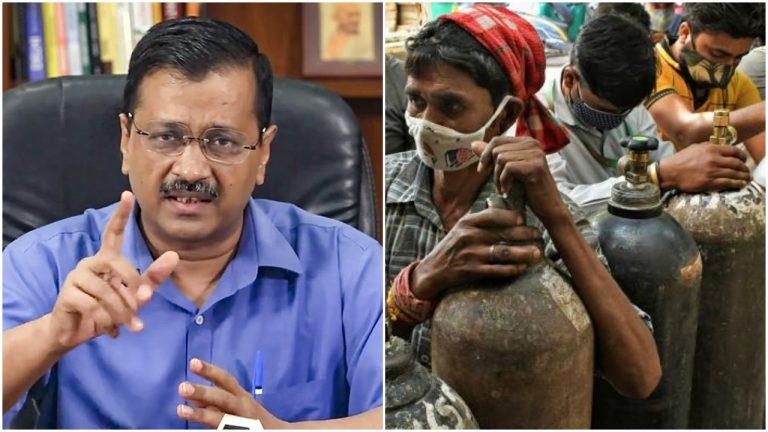
Wrong calculations, baseless claims, erroneous data: How Supreme Court appointed committee found flaws in Delhi’s high oxygen demand- Exclusive details

An Interim Report on the audit of medical oxygen demand and consumption in Delhi prepared by a Supreme Court-appointed committee has confirmed what was being suspected, that the Delhi govt was grossly overestimating its oxygen demand during the months of March and April. The sub-group constituted by the apex court to study the oxygen situation in Delhi has said that the state was demanding 4 times more oxygen than required, and had hampered the oxygen supply chain in the entire region.

Amid the high drama over oxygen supply in Delhi, the Supreme Court had formed a National Task Force on 8th May to streamline medical oxygen allocation across the country on a “scientific, rational and equitable basis”. A bench headed by Justice DY Chandrachud had constituted a 12 member National Task Force (NTF) on Friday to assess, recommend the need and distribution of oxygen for the entire country. Under this NTF, a 5-member sub-group was formed to assess the situation in the National Capital Territory (NCT) of Delhi, which included AIIMS Delhi director, Max Healthcare director, one official each from Delhi and Union govt, and a PESO official.

After conducting a series of meetings from 11th May to 21st May, and obtaining various documents from Delhi govt, Union govt, Hospitals, PESO and Oxygen suppliers, the sub-group has submitted its interim report.

Wrong calculations, errors, and baseless claims

The report states that while the Delhi govt had demanded 700 MT medical oxygen in its submission to the Supreme Court, there was no basis for such a demand. It says that the Delhi govt had wrongly calculated its oxygen demand, there were lots of error in its numbers and calculations, and it had highly overestimated its oxygen demand.

The Delhi govt was collecting data on ICU and non-ICU beds from hospitals and compiling them in a spreadsheet, but the committee found that there were discrepancies in the data sent by the hospitals. While the Delhi govt records show that 5500 ICU beds and 18000 non-ICU beds were functional in NCT, it didn’t match with the data sent by the hospitals. This had resulted in higher calculation of oxygen demand as the data sent by hospitals showed much higher number of beds, which was found to be wrong.

The committee found that there was gross discrepancy between the claimed actual oxygen consumption and the consumption calculated by formula for bed capacity. The report finds that while the Delhi govt had claimed an oxygen consumption of 1140 MT, it was about 4 times higher than the calculated quantity of 289 MT.

From the report

The committee found that four hospitals in NCT, Singhal Hospital, Aruna Asaf Ali Hospital, ESIC Model Hospital, and Liferay Hospital, had claimed extremely high oxygen consumption even though they had very few beds. The claims made by these 4 hospitals were clearly erroneous, and when the Committee revised the numbers for those hospitals by correcting the numbers, they found that the actual demand was much less.

The committee also found that while the Delhi govt had been claiming that their demand of high oxygen is based on a formula provided by the union govt, that was not the case, and Delhi’s oxygen demand would be much less based on that formula. This shows, the Arvind Kejriwal govt was lying about how it had arrived at its demand.

According to the committee report, the actual consumption for 183 hospitals according to the Delhi govt data was 1140 MT, but after correcting the wrong data of the four hospitals, it comes down to 209 MT only. Which means, the claimed consumption was four times of the actual consumption.

The oxygen consumption according to union govt formula should be 289 MT, and the same as per Delhi govt formula should be 391 MT. If one considers the GOI formula for total bed strength, it would be 415 MT on 3rd May, when the Delhi had the highest number of non-ICU and 5866 ICU beds. On the same day, the consumption according to the Delhi govt formula would be 568 MT.

This shows, even when the Delhi govt was demanding 700 MT and 976 MT of medical oxygen, the same would be 415 MT as per GOI formula and 568 MT on its own formula on the day it had highest number of beds reserved for Covid-19.

The SC appointed audit committee found various errors made by Delhi govt in estimating its oxygen demand. The Delhi govt assumed that all ‘Oxygen non-ICU beds’ require oxygen, but the real-life experience shows that, even if a patient occupies an oxygen bed, that patient may not need oxygen. Even after the oxygen requirement of a patient is over, the patient may continue on the same bed for various other treatments, and therefore assuming that all patients admitted on ‘oxygenated non-ICU COVID’ beds will need oxygen for calculating Liquid Oxygen Demand is wrong and leads to overestimation, the committee found. According to GOI formula, only around 50% of patients in non-ICU oxygenated beds use oxygen, but the Delhi govt had used 100% beds.

The Delhi Government had claimed that its formula for calculating oxygen requirement was based on ICMR Guidelines, but no such guidelines were presented before the audit committee.

The committee also found that one reason of error in data provided by the hospitals is that many of them didn’t understood it properly. Some hospitals had even could not differentiate between KL and MT, resulting in wrong estimates.

Even after the union govt had pointed out the errors in the data collected from hospitals, the same was not rectified. The report says it is still not clear on what basis had an allocation of 700MT been sought by Govt of Delhi in the Supreme Court of India when collated data had so many gross errors and it took an oxygen audit to point out the same.

PESO Report

The SC appointed committee also referred to a PESO report, which was earlier reported by OpIndia, where it was found that Delhi was unable to consume and store all the oxygen it was receiving. PESO had found that Liquid medical oxygen tanks in Delhi were filled to the capacity of 71% in the morning of 10th May 2021, and even if 700 MT of oxygen is supplied as per Delhi govt demand, they won’t be able to store it.

The PESO had found that the average daily consumption of liquid media oxygen in Delhi was 284 to 372 MTs, and there was no infrastructure for storing 700 MTs of LMO. Due to lack of storage facilities, tankers had to wait a long time to transfer the gas to storage tanks, which had impacted the media supply chain.

PESO had also found that Delhi was having surplus oxygen, which was affecting the LMO supplies to other states. As there were not enough capacity to store the received oxygen, the Delhi govt had asked the suppliers to stock the oxygen in their tanks, and had even returned some of the tankers to the suppliers.

The Petroleum and Explosives Safety Organization (PESO) had warned that this was a disaster in waiting, if the situation continues like this.

The PESO report said Actual requirement of Delhi is much less than what is demanded, and with Delhi receiving excess oxygen, other states like Rajasthan, UP, Haryana, HP, Uttarakhand, Punjab, and even J&K were suffering badly, as oxygen from those states were being diverted to Delhi on the orders of Delhi High Court. The report had said that Delhi was neither auditing its usage, nor assessing its realistic demand to enable central Government to reallocate supplies to other northern states in a fair manner.

The audit committee also said that while the Delhi govt had rebutted the PESO report, and had claimed to have enough storage capacity, the data provided by the Delhi govt was not consistent with the records the committee was having.

Comparison with Mumbai

The Supreme Court appointed committee also observed that with almost equal numbers of active Covid-19 cases in April, Mumbai was using much less oxygen compared to Delhi. An OpIndia report earlier had pointed out how Delhi’s Oxygen demand was almost four times the use of Mumbai, with almost similar number of cases. While Mumbai was using around 250 MT oxygen for around 90,000 active cases, Delhi was demanding 976 MT for the similar number of cases.

It is notable that while Delhi was demanding high amount of oxygen for several weeks from March to May, the demand had abruptly disappeared the day the Supreme Court had ordered audit of oxygen demand. During the hearing on oxygen supply at the Apex Court, the Delhi govt had been opposing oxygen audit, even while other places had benefited from such audits.

Based on the findings, the audit committee made interim recommendations for Delhi, and determined that the average daily requirement of oxygen in Delhi was around 400 MT in the third week of May.
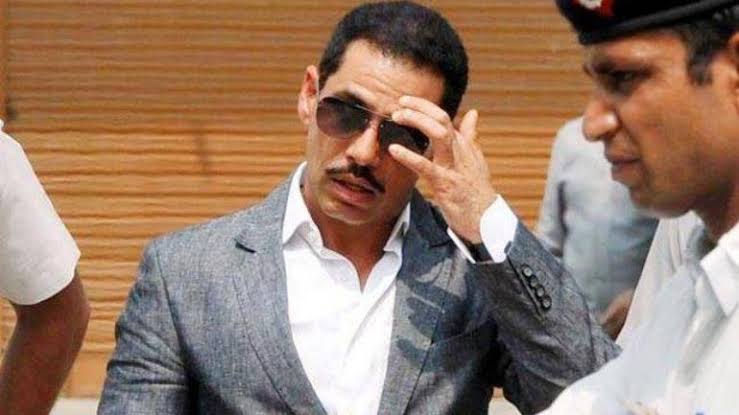
Sonia Gandhi’s son-in-law Robert Vadra challaned for ‘dangerous driving’ by Delhi Police: Read details

The son-in-law of Congress interim president Sonia Gandhi, Robert Vadra, was on Wednesday challaned by the Delhi Police for violating traffic rules and dangerous driving, the police said on Thursday.

Robert Vadra was reportedly challaned on Wednesday morning when he was on his way to his office with his security personnel. The incident took place near the Barapullah flyover when his car suddenly decelerated and was hit by another car from behind. According to the police, the car was being driven by his driver as Robert Vadra was on his way to his office in the Sukhdev Vihar area. 

“The vehicle of Robert Vadra was challaned under Section 184 of the Motor Vehicles Act (Dangerous driving). Vadra was going to his office on Wednesday morning with his security personnel. Suddenly his car was hit from behind after it decelerated,” said the police.

Coincidentally, a man was chased and challaned by the Delhi Police under same section of the Motor Vehicles Act 7 years ago after he mistakenly overtook Vadra’s car in South Delhi. After being caught, the man told police that he was not aware of the VIP movement taking place.

Even as third wave of Covid-19 looms, ‘farmers’ protest demanding Navi Mumbai International Airport be named after DB Patil, not Balasaheb Thackeray

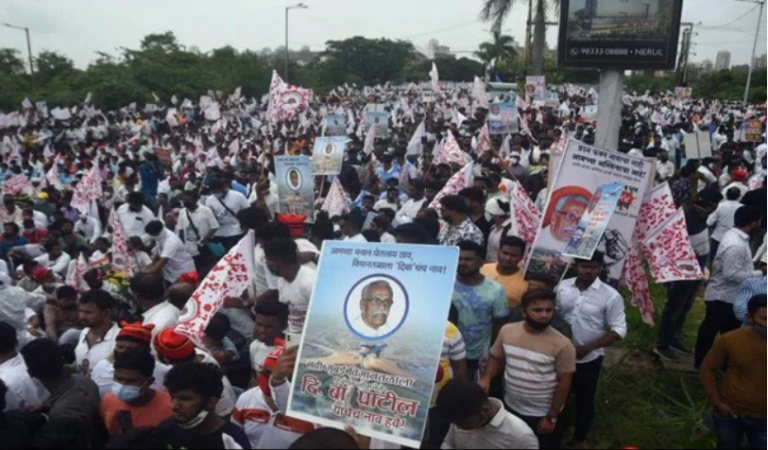
On Thursday (June 24), a large group of ‘farmer protestors’ took out a demonstration in the City and Industrial Development Corporation (CIDCO) over the naming of the newly constructed Navi Mumbai International Airport (NMIA). The development comes at a time when the Covid-19 task force in Maharashtra had warned of an upcoming third wave in the following 2-3 weeks’ time.

As per reports, the protestors had threatened to stall the construction of the project if the airport is not named after late socialist leader DB Patil. He is said to have fought for the rights of farmers in Thane and Palghar to ensure fair compensation by CIDCO. The farmers, under the banner of Navi Mumbai International Airport Namakaran Kruti Samiti, hit the streets to protest the naming of the airport after Shiv Sena leader Balashaeb Thackeray. The project will be operated by M/s Adani Airport Holdings Ltd (AAHL) and the construction work is set to commence from August 16.

A decision to rename the upcoming airport in Navi Mumbai after Balasaheb Thackeray was taken on June 10 by the Maharashtra government. After farmer protestors had expressed their unhappiness over the decision, a meeting was called by CM Udhhav Thackeray with the farmer representatives. However, the meeting failed to reach an agreement and the protestors threatened to gherao the CIDCO Bhavan in the Central Business District of Belapur on Tuesday (June 22).

As a precautionary measure, the state government deployed more than 500 officers, 5000 police personnel, and Reserve Police Force (RPF) teams en route to the CIDCO headquarters. The cops had to divert the traffic on arterial roads, keeping in mind the large-scale protest. According to the demonstrators, about 1 lac people had gathered for the cause. The movement is reportedly backed by local leaders, ex-MPs and ex-MLAs. However, the police managed to stop the crowd about 1 km away from the CIDCO headquarters.

Shiv Sena leader assures naming another project after DB Patil

Meanwhile, a delegation of farmer protestors had also met the Managing Director (MD) of CIDCO and submitted a memorandum demanding the changing of the Navi Mumbai Internation airport after DB Patil. While speaking about the demonstrations, Shiv Sena leader Eknath Shinde assured the farmers of naming another project after the socialist leader. He added, “We have a lot of respect for DB Patil. The chief minister has requested the action committee to recommend any other project (to be named after Patil). One meeting has taken place (with the committee) and one more will take place. A positive outcome is expected”

Navi Mumbai International Airport expected to be operational between 2023-2024

The Navi Mumbai International airport was expected to be operational before the 2019 Vidhan Sabha polls. However, the project could not be completed and missed several deadlines. It is now expected to be operational in 2023-2024. The airport, which is being built over 1160 hectares, was initially being constructed by M/s GVK Airport Developers Developers Limited and was later handed over to M/s Adani Airport Holdings Ltd (AAHL).

The decision was approved by the Airports Authority of India, Directorate of Civil Aviation, SEBI, CCI and CIDCO. It must be mentioned that Gautam Adani-run-AAHL has been operating several airports in the country including Mumbai, Navi Mumbai (under construction), Ahmedabad, Lucknow, and Bengaluru.

Third wave of Coronavirus in Maharashtra

In a bid to combat the impending third wave of Chinese coronavirus the Union Health Ministry on June 22 issued advisory to Maharashtra, Kerala and Madhya Pradesh on the new Delta Plus variant of the virus. The variant is currently a Variant of Concern (VOC). Union Health Secretary had communicated to these three states that the new variant had been found in genome sequenced samples from Ratnagiri and Jalgaon Districts of Maharashtra; Palakkad and Pathanamthitta Districts of Kerala; and Bhopal and Shivpuri Districts of Madhya Pradesh.

This was based on the recent findings of INSACOG, a consortium of 28 laboratories of Ministry of Health & Family Welfare, Dept. of Biotechnology, Indian Council of Medical Research (ICMR) and Council of Scientific and Industrial Research (CSIR). The covid-19 task force in Maharashtra had warned that the third wave could hit the state within 2-3 weeks.

Exclusive details from SC audit panel report: How AAP’s political drama kept loaded oxygen tankers waiting, created supply crunch for other states

The Supreme Court-appointed audit panel’s findings have stated that while the entire country was struggling for an adequate supply of medical oxygen during the peak of the second wave, Delhi’s AAP government led by Arvind Kejriwal had exaggerated its demand up to 4 times.

The constant appeals by Kejriwal, his ministers and their attempts to gather political mileage by claiming Delhi is not being allocated enough oxygen by the central government, had resulted in Delhi getting the bulk of the supplies, even much more than it actually needed. All this while, other states had to wait in line for the supply of LMO.

A study by PESO, mentioned in the audit panel report, had found that While states like Rajasthan, UP, Haryana, Uttarakhand and Punjab suffered a shortage of tankers and containers, 4 Delhi containers were parked at INOX Surajpur as the supply was excess and there was no place to store that much LMO.

It stated that the actual requirement for Delhi was much less than it was demanding.

PESO study in May regarding Delhi govt’s oxygen demand and actual scenario

As several Delhi hospitals had more oxygen than they actually needed, the overall speed of decantation increased, it kept increasing turnaround time for suppliers like RIL Jamnagar to get their containers back and refill them to send again.

The interim report also highlighted at that time that Delhi was neither auditing its actual usage, nor assessing its realistic demand so as to allow the central government to reallocate to other states in Northern India that had actual need of LMO tankers in hospitals.

As per the audit panel’s report, the Petroleum and Oxygen Safety Organisation (PESO) study conducted between 5 May and 11 May had found that about 80% of Delhi’s major hospitals had a stock of LMO for over 12 hours. Average daily consumption was found to be between 282 MT to 372 MT and Delhi had no adequate storage facilities for 700 Mts of LMO that was demanded at that time.

It is notable here that after the Arvind Kejriwal-led government had claimed LMO shortage, a bench headed by Justice DY Chandrachud had directed the Union government to maintain the supply of 700 MT of oxygen to Delhi even as the centre had presented a calculation devised by experts to fix the requirement at 415 MT of LMO.

The report also notes that since May 9, the Kejriwal government was trying to get alternate storage space in neighbouring states as they had run out of storage space for LMO. They had even lifted lesser amount of LMO (150 MT) than was allocated to them from Air Liquide company because of lack of storage facilities. They had even asked the company to store LMO for them in their plants at Panipat and Roorkee.

Not just that, the AAP government had caused plants like Linde and JSW Jharsuguda in Odisha to hold their tankers and delay supply to other states because they (Delhi govt) had not lifted the available and allocated tankers or had returned tankers due to non-availability of storage space in hospitals. Goel Gases had informed that as Delhi hospitals are full of required oxygen and have no additional storage space available, their tankers are waiting longer, resulting in shortage of supply to other states.

Delhi government had created a massive hue and cry, alleging the central government’s negligence and had even blamed other states for holding up Delhi’s oxygen. Kejriwal had even gone so far as to brazenly break protocol and televise video footage from a confidential meeting of CMs with the PM where he was seen pleading that Delhi needed oxygen badly. So much was the Delhi government’s political and media noise that the Supreme Court had to intervene.

Delhi govt exaggerated its oxygen demand by 4 times while other states were suffering: SC appointed audit panel finds

The audit team appointed by the Supreme Court has found out that the Arvind Kejriwal-led Delhi government exaggerated the oxygen requirement in the national capital by more than four times during the April 25-May 10 peak period of the Covid-19 second wave, reports Times of India.

According to the reports, the Supreme Court-appointed oxygen audit team has exposed the Delhi government’s claims of oxygen shortage in the national capital, saying that the Delhi government had exaggerated the oxygen requirement in Delhi by more than four times during the second wave of the pandemic even as the country was facing it tough to source liquid medical oxygen (LMO).

The audit committee also informed the Supreme Court that the supply of excess oxygen to the national capital could have caused supply constraints shortage for at least 12 states who needed it.

“There was a gross discrepancy (about four times). The actual oxygen consumption claimed by the Delhi government (1,140MT) was about four times higher than the calculated consumption as per the formula based on bed capacity (289 MT),” the SC-appointed oxygen audit committee said in its report.

On May 8, the Supreme Court has ordered the 12-member National Task Force it had constituted to form sub-committees for each state to carry out an audit to determine the Oxygen supplies allocated by the Union Government for each state and Union Territory.

In its submission to the sub-group, the Petroleum and Oxygen Safety Organisation (PESO) had stated that “National Capital Territory of Delhi (NCTD) had surplus oxygen, which is affecting liquid medical oxygen (LMO) supply to other states” and apprehended that the situation could lead to a national crisis.

Delhi govt had claimed oxygen shortage

Earlier, the Petroleum & Explosives Safety Organisation (PESO) under the government of India had conducted a similar study, in which it had revealed that Delhi was actually getting more oxygen than it needed.

It is important to note that many hospitals in Delhi had run out of oxygen supply with some facilities claiming critical Covid-19 patients had died due to a shortage in oxygen supply during April-May. This had triggered a war of words between the Kejriwal government and Centre over the supply of LMO to the national capital.

After the Arvind Kejriwal-led government had claimed LMO shortage, a bench headed by Justice DY Chandrachud had directed the Union government to maintain the supply of 700 MT of oxygen to Delhi even as the centre had presented a calculation devised by experts to fix the requirement at 415 MT of LMO.

However, days after the Supreme Court had decided to set up a panel to carry out an audit of supply, distribution and utilisation of oxygen supply in the national capital, the Delhi government had taken an u-turn about the deficit of medical oxygen saying that they have access supply of oxygen and could even supply the surplus oxygen to the states who need it.

FIR filed against ‘The Wire’ in Barabanki mosque demolition case, had spread fake news about police throwing Quran and Hadiths in the drain


The Uttar Pradesh police have registered an FIR against the far-left propaganda portal – The Wire, for spreading animosity and disturbing communal harmony in the society by propagating misinformation through a video documentary in connection with the Barabanki illegal mosque demolition case.

On Thursday, the Barabanki police said that they have registered a case against the portal and three journalists of The Wire – Seraj Ali, Mohammad Anees and Mukul S Chauhan — and another person identified as Mohammad Naeem for publishing false propaganda over the recent demolition of an illegal mosque in the Barabanki district.

Interestingly, Indian Express and The Scroll identify Mohammad Anees as a The Wire journalist, however, the FIR itself identifies him as a local. Mohammad Anees in the video itself is shown as a local who is making claims about the mosque demolition.

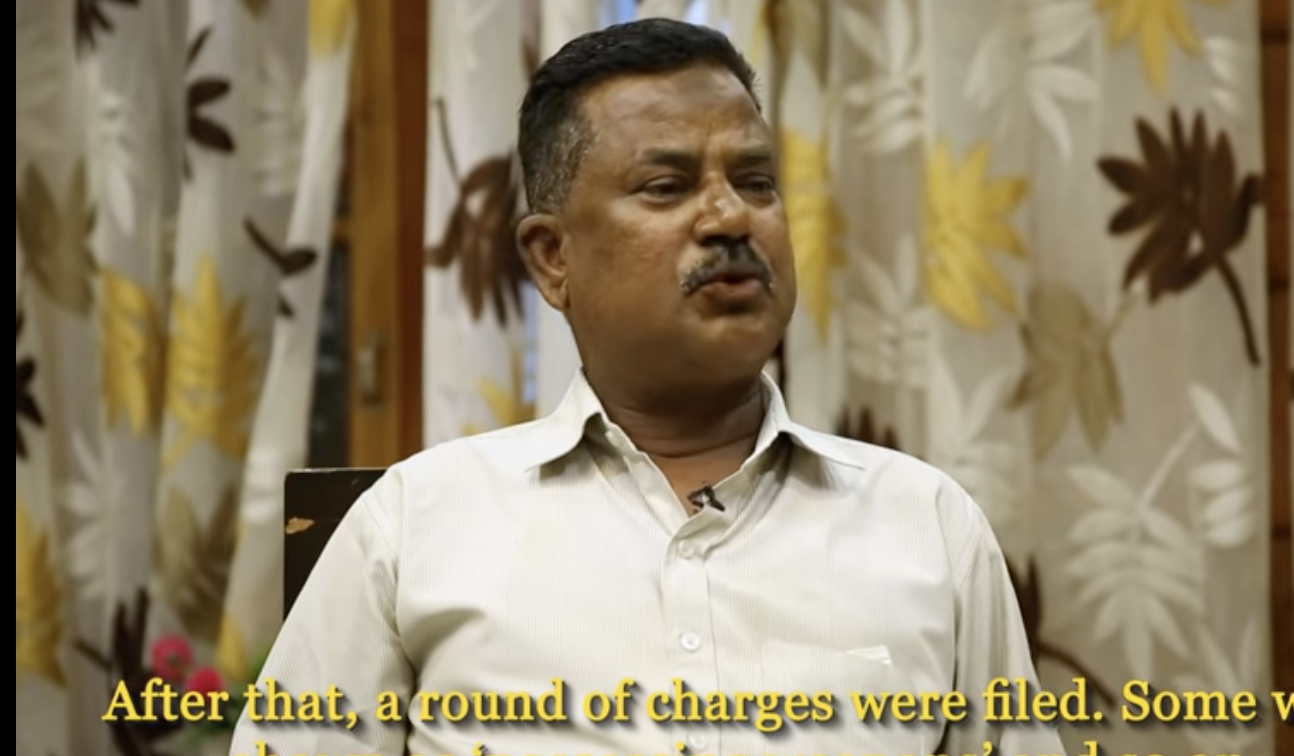
Mohammad Anees in The Wire video

The case was filed under Sections 153 (wantonly giving provocation with intent to cause riot), 153-A (promoting enmity between different groups), 505 (1) (b) (intent to cause or likely to cause fear or alarm among the public), 120 B (criminal conspiracy) and 34 (criminal act done by several persons in furtherance of common intention) of the Indian Penal Code.

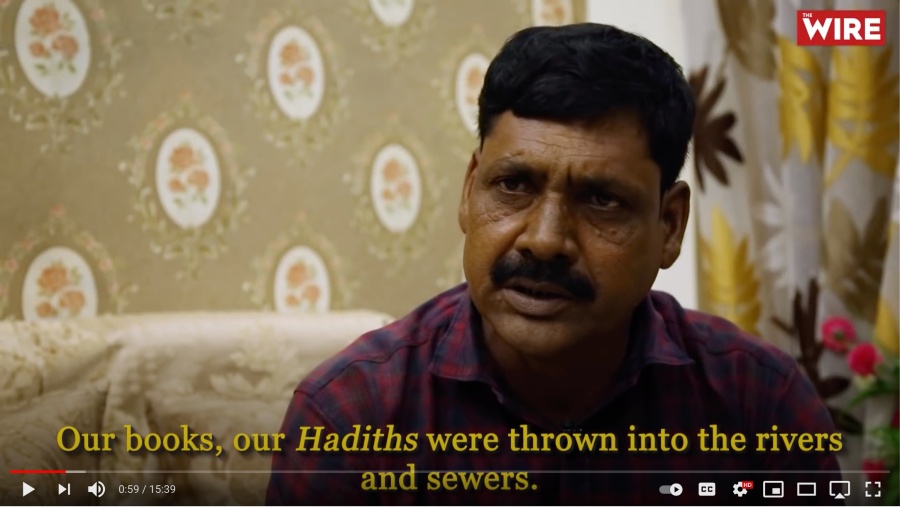
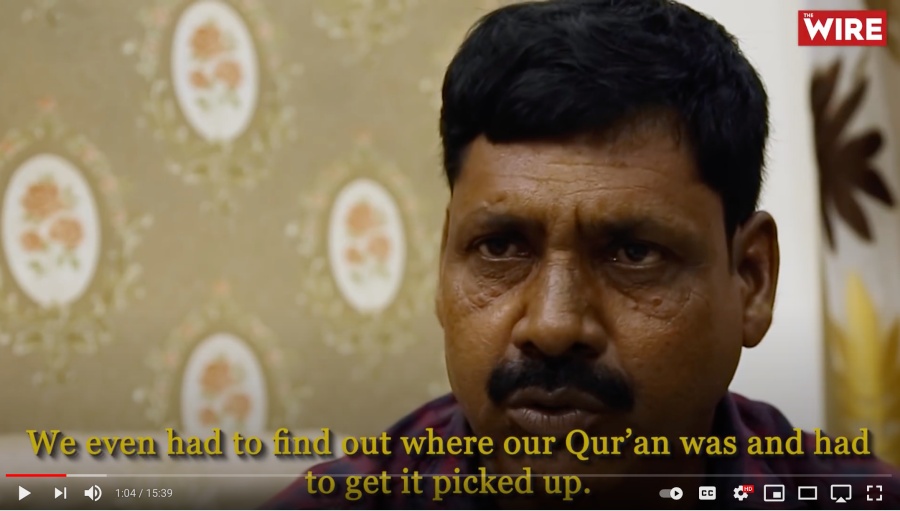
In The Wire video documentary dated 23rd June, the portal had claimed that the district administration had illegally demolished the 100-year-old mosque in the city. The Wire had interviewed a few Muslims, who claimed that they were the members of the mosque’s committee. They had proceeded to claim that the members had proof that the structure was legal.

In its documentary, the Wire had stated that the Muslims in the area had protested against the demolition of the mosque and stated that the police officials had quelled by resorting to a lathi charge. The Wire had claimed that the Barabanki police specifically targeted the Muslim community and had thrown away their religious scriptures into the drain.

Refuting such allegations made by the Wire, the Barabanki police clarified that the claims made by The Wire were false. It further stated that The Wire was trying to stoke communal violence by propagating misinformation about the demolition of the illegal mosque at the site.

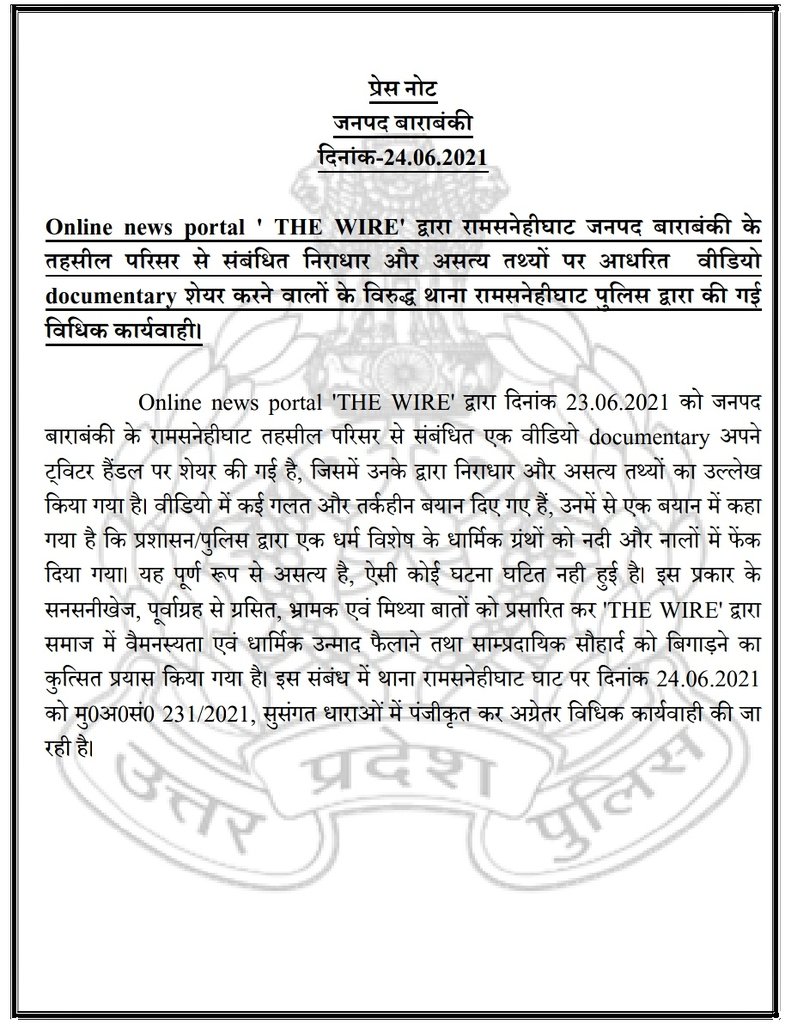
Image Source: Barabanki Police

“On June 23, the online news portal, The Wire, shared a video documentary about the Ramsnehi Ghat Tehsil premises on their Twitter handle. In the documentary, they have shown false and baseless information. The video contains several wrongs and baseless statements, including the one which says that the administration and police threw religious scriptures in drain and river. This is false. Nothing of this sort happened. With misinformation like this, The Wire is trying to spread animosity in society and disturbing communal harmony,” Barabanki District Magistrate Adarsh Singh said in a statement on Thursday night.

Superintendent of Police (Barabanki) Yamuna Prasad said that an individual called Mohammad Naeem was the person in the documentary who made the “false claims about religious books being thrown in the river and drain”.

Here are the visuals from The Wire video documentary. The individual, Mohammad Anees had claimed that their Qurans and Hadiths were thrown in the sewer.

Screengrab from The Wire video

A complaint has been registered by a police officer, based on which an FIR has been lodged. Further action is underway,” the officer added.

Barabanki mosque demolition:

A controversy had erupted after the administration in Uttar Pradesh’s Barabanki district pulled down a 100-year-old illegally constructed ‘mosque’ in the area. On May 17, following the SDM’s instructions, the illegal structure was demolished.

The officials confirmed an illegal residential structure situated inside the ‘tehsil’ premises in the Ram Sanehi Ghat area in the district. As per officials, a notice was served on the people who had been residing there, asking them to produce documents supporting their claim, but they fled after the notice was served.

However, the local Muslim organisations and opposition began to outrage claiming that the ‘mosque’ was legal. The UP Sunni Central Waqf Board had termed the district administration’s action illegal and moved the Allahabad High Court against it.

In a setback to Muslim organisations, the Lucknow Bench of the Allahabad High Court had disposed of a petition filed in this connection on April 2, which proved that the construction was illegal. It is pertinent to note that The Wire had spread misinformation about the case after the High Court had disposed the petition filed in this case.

‘Badly Photoshopped?’ Photographs of Captain Amarinder Singh meeting officers of Sikh Regiment raise questions

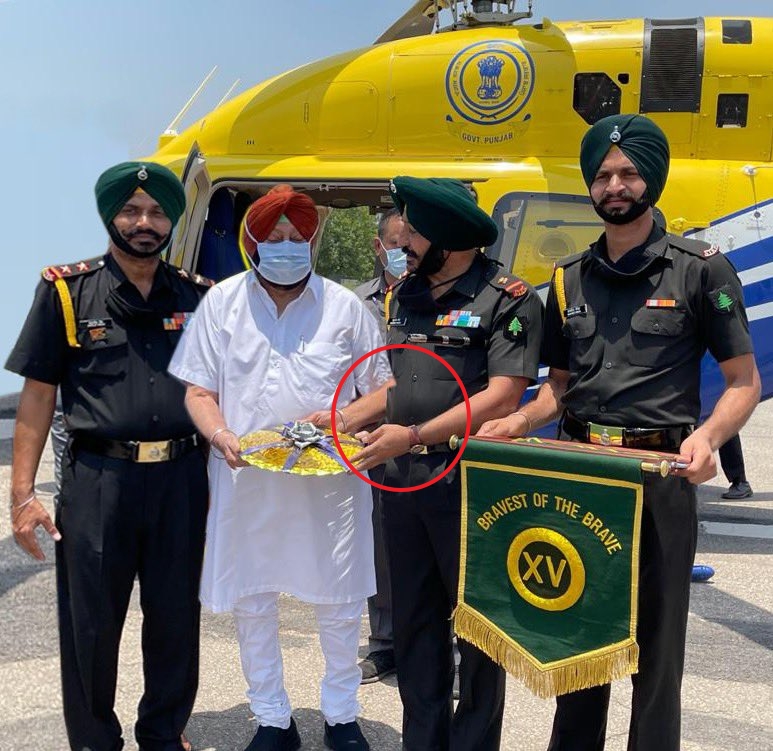
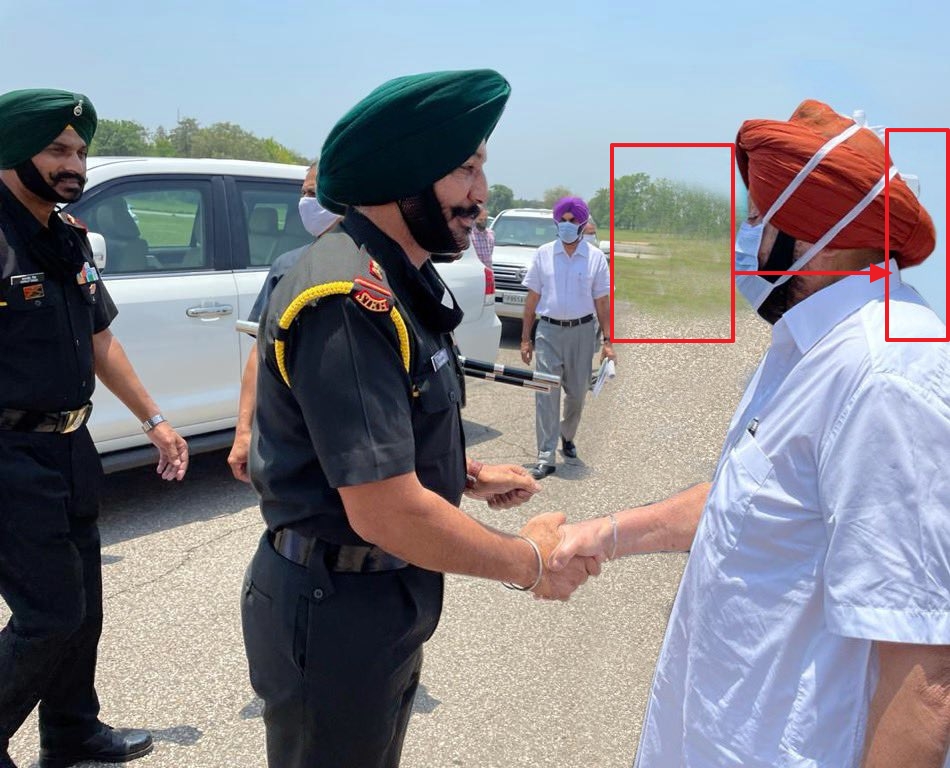
On June 23, Punjab Chief Minister and Congress leader informed on Twitter that he had recently met the officers of Sikh Regiment, where he had served before joining politics. Although he didn’t mention the date and location of the meeting, he shared three photographs in Tweet, which showed that he met the army officers at a helipad.

However, now the photographs posted by Amarinder Singh have raised questions, as several netizens have pointed out that they look like badly edited. The visible edits made in the images create the impression that the photo of the CM was inserted in photos of the army officers.

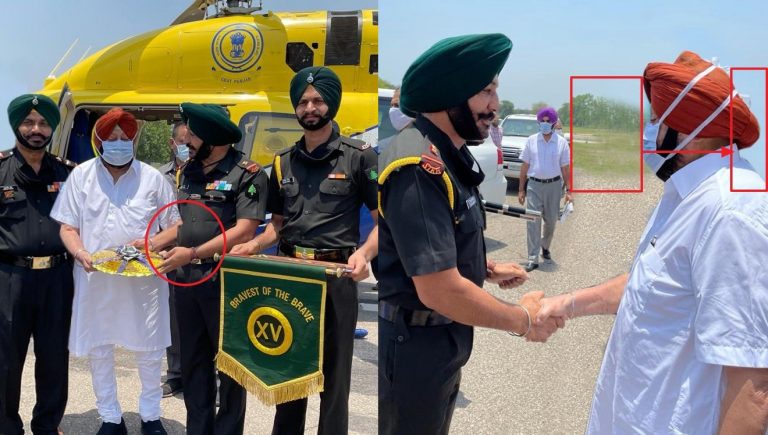
In the first image, the CM is standing with three army officers in front of a Punjab govt helicopter. However, if one observes the photo carefully, it seems that his left elbow has some parts missing, with the shirt of the officer standing next to him visible where the CM’s elbow should have been. The edges on the body of the CM are blurry, compared to the officers in the photo, suggesting that a digital eraser was used to remove the background from the original photo, and in the process, part of his elbow also got removed by mistake.

Sign of editing in Amarinder Singh’s photo

The second image shows Captain Amarinder Singh extending his hand to a Sikh Regiment officer. But in this photo also, the edges of his body do not look natural, as they look blurry compared to others in the photo. There is a thin grey line next to his kurta, indicating that the background was removed from his photo to paste his image with the army officers.

Sign of editing in Amarinder Singh’s photo

In the third photo, the CM is shaking hands with an officer, and this photo also carries signs of modification. While there is green grass next to the helipad, and a line of trees behind the grassland, they disappear abruptly behind Amarinder Singh’s head. On the right side of the photo, one can see a clear blue sky directly behind him. But if one sees the rest of the photograph, the patch of grassland and the trees behind it should have been there on that side of the photo also. In front of Singh’s face also, the top of the treeline appears blurry. This indicates that that the image was digitally edited and the editors failed to recreate the background correctly.

Several Twitter uses pointed out these anomalies in the photographs posted by Captain Amarinder Singh, questioning whether the CM had posted photoshopped images.

There seem to a consensus on Twitter that the photos are Photoshopped, as almost all replies to the tweet sayi the same. Making the matter more complicated, there is no media or social media report about the Punjab CM meeting Sikh Regiment officers recently.

It is not sure why the Punjab CM posted seemingly fake or edited images of his meeting with army officers. Did he actually not met the officers and his image was inserted in the photos, or he had met but the photos needed digital modifications for some reason, it will not be known unless the CM or his office issues a clarification on the issue.

Want to remove ‘Dilli ki Duri’ and ‘Dil Ki Duri’, delimitation must be completed before assembly polls: Says PM Modi in meeting with Kashmir leaders

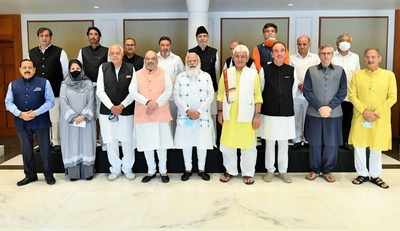
In the first since the scrapping of Article 370 giving a special status of Jammu and Kashmir and its bifurcation into two Union Territories- Jammu and Kashmir, and Ladakh, in 2019, Prime Minister Narendra Modi chaired a little over three-hour meeting with 14 top Jammu and Kashmir political leaders at his residence on Thursday. The meeting which the leaders of the Gupkar alliance termed as “cordial” and “positive”, was held to chalk out the future course of action in the union territory. 

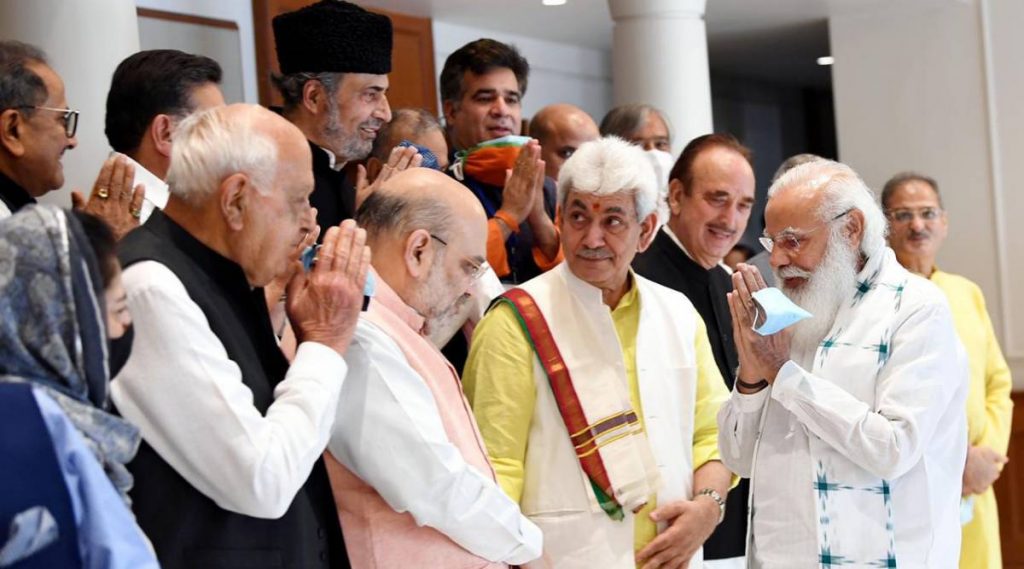
Prime Minister Narendra Modi, accompanied by Union Home Minister Amit Shah, National Security Advisor Ajit Doval and Lieutenant Governor of Jammu and Kashmir Manoj Sinha, received the leaders from eight parties, including Peoples Democratic Party (PDP) and the National Conference (NC), as well as those from Bharatiya Janata Party (BJP) and the Congress, among others.

PM Modi with Jammu and Kashmir leaders before meeting (source: The Indian Express)

According to government sources, the main focus of the meeting was to strengthen the democratic process. PM Modi said that the government is fully committed to the democratic process in Jammu and Kashmir. He stressed that holding assembly elections just like the successful conduct of District Development Council elections is a priority.

“Today’s meeting with political leaders from Jammu and Kashmir is an important step in the ongoing efforts towards a developed and progressive J&K, where all-round growth is furthered”, Tweeted PM Modi after the meeting.

Modi reportedly asked all the leaders to actively participate in the delimitation process. He assured that this is the roadmap towards elections. PM also said that the central government is committed to the restoration of statehood, a demand which was unanimously raised by all the leader present in the meeting.

“Our priority is to strengthen grassroots democracy in J&K. Delimitation has to happen at a quick pace so that polls can happen and J&K gets an elected Government that gives strength to J&K’s development trajectory”, wrote PM Modi in a Tweet.

PM Modi is also reported to have said that there would be political differences but everyone should work in the national interest to benefit the people of the region, furthering that even one death in the valley pains him. He said that it was their collective duty to protect the younger generation.

PM reportedly said in the meeting that he wants to remove ‘Dilli ki Duri’ as well as ‘Dil Ki Duri’, stressing the need to strengthen democracy at the grassroots and work together with the people of Jammu and Kashmir to ensure their upliftment.

PM expressed happiness on the commitment to Constitution and Democracy espoused by all participants as well as satisfaction with the acceleration of development in region. He said that the speed at which development work is being carried out in the valley, it is creating new hope and aspirations among the people.

‘The meeting was held in a very cordial manner, we came out quite positive that hopefully there will be some delivery for the people of Jammu and Kashmir’, said People’s Conference leader Sajjad Lone after meeting the PM.

Meanwhile, talking to reporters after the meeting, Congress leader Ghulam Nabi Azad said that the Home Minister said the government is committed to granting statehood to Jammu and Kashmir. “It was a good meeting, a good initiative. The Prime Minister heard all leaders. In response to them, he said, “let us move ahead,” said Ghulam Ahmad Mir, Congress on PM Modi-J&K leaders meeting.

Azad added that the Congress party made 5 main demands in the meeting, i.e., granting of statehood, conducting Assembly elections to restore democracy, rehabilitation of Kashmiri Pandits in Jammu and Kashmir, immediate release of all political detainees and protection of land rights of the people of the region.

While the leaders from Jammu and Kashmir are demanding restoration of Article 370, it is believed that the matter was not discussed in the meeting.

PM Modi tweeted after the meeting: “Our democracy’s biggest strength is the ability to sit across a table and exchange views. I told the leaders of J&K that it is the people, specially the youth who have to provide political leadership to J&K, and ensure their aspirations are duly fulfilled”.

Following the meeting, home minister Amit Shah also Tweeted: “Today’s meeting on Jammu and Kashmir was conducted in a very cordial environment. Everyone expressed their commitment to democracy and the constitution. It was stressed to strengthen the democratic process in Jammu and Kashmir.”

“We are committed to ensure all round development of J&K. The future of Jammu and Kashmir was discussed and the delimitation exercise and peaceful elections are important milestones in restoring statehood as promised in parliament”, he wrote in his subsequent Tweet.

Union minister Dr Jitendra Singh also issued a statement regarding the meeting, saying that the PM listened to everyone very seriously, and all the leaders placed their views in the meeting. The PM said that the process of elections to panchayats and other local bodies in the UT have already being concluded, and the next step in the process, the assembly elections, must be done. But for that, the delimitation process must be completed as soon as possible, the PM emphasised.

Shabana Azmi says alcohol delivery shop duped her, how she could have avoided the mess by just searching the number on Truecaller

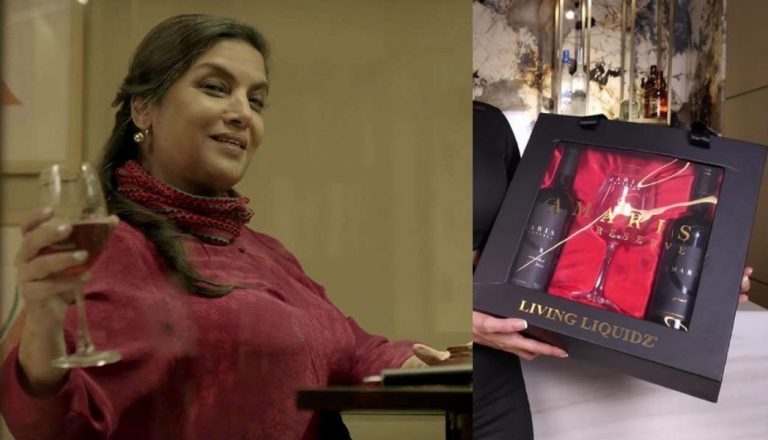
Bollywood actor Shabana Azmi on Thursday accused an alcohol delivery platform of allegedly duping her. Narrating how she became victim to an online payment scam on her official Twitter account, she warned her followers to beware of such fraudsters.

The actor Tweeted that she had ordered alcohol online from Living Liquidz, a Mumbai based alcohol delivery platform. However, despite paying the amount upfront, the ordered item was not delivered. “BEWARE I have been cheated by them. #Living Liquidz I paid upfront and when the ordered item didnt turn up they stopped picking up my calls!”, the actor wrote sharing the details of her monetary transaction with the alcohol delivery portal.

Replying to Shabana Azmi’s tweet, many Twitter users informed her that most of the numbers on Google are fake.

Bollywood actor Shabana Azmi urges Mumbai police and cyber cell to take action

In her subsequent Tweet, the actor clarified that she was actually duped by fraudsters and she didn’t make the payment to the platform. She tweeted, “finally traced the owners of @living_liquidz & it turns out that the people who cheated me are fraudsters who have nothing to do with Living Liquidz!”. Tagging Mumbai police and cybercrime cell in her Tweet, she urged that immediate action should be taken “to stop these crooks from using names of legitimate businesses & scamming us”.

What appears from her Tweets is that no formal complaint has been lodged in the matter yet.

It may be noted that in Islam, alcoholic beverages are considered haram, i.e., they are prohibited to be consumed by Muslims. 

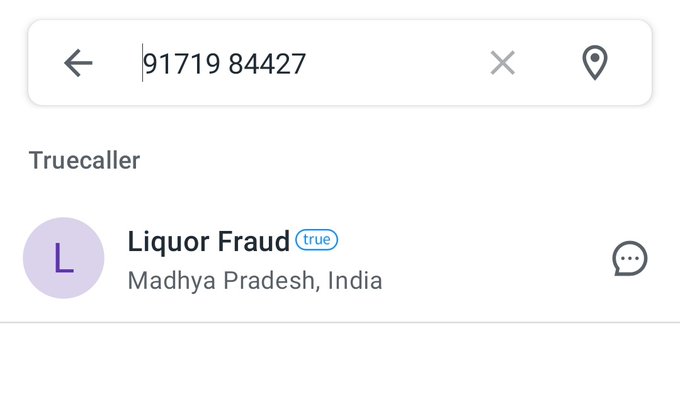
Phone number of the person who cheated Azmi is listed as “Liquor Fraud”

Azmi had provided details of the phone number and PayTM account where she had sent money. A cursory search for that number in Truecaller app shows that that number is listed as ‘Liquor Fraud”.

Truecaller search for number

As it is, it seems the phone number has already been flagged by several people for fraud and has been added in Truecaller as ‘liquor fraud’. Had Shabana Azmi just checked the phone number before paying for liquor delivery, she would have been saved from fraud.

Also, it is not understood why a prominent and aware personality like Shabana Azmi, who is a social activist, would not use the legitimate payment gateway of an online platform and instead transfer money to unknown people via PayTM for liquor delivery.

Bareilly Dargah Aala Hazrat opposes alcohol-based sanitisers

In fact, last year, when India was battling the first wave of Covid-19 outbreak, a prominent Islamic cleric at Dargah Aala Hazrat in Bareilly had asked all its followers and mosque heads to avoid using alcohol-based sanitisers.

Mufti Nashtar Farooqi of Sunni Markaz Darul Ifta, Dargah Aala Hazrat, said: “Alcohol is prohibited in Islam. Muslims should not use alcohol-based sanitizers. A mosque will become impure if alcohol-based sanitiser is used for cleaning the premises. We cannot make God’s home impure. Namaaz cannot be offered at an impure place. If the mosque is made impure knowingly, it will be a sin. I have appealed to Imams of mosques and mosques committees to refrain from using an alcohol-based sanitizer.”

Despite the commonly known fact that alcohol-based sanitisers do not mean it contains liquor, the cleric, being rigid in his beliefs, advised Muslims to refrain from using sanitisers instead of properly wash their hands and mosque campus with soap, detergent powder and shampoo.

Fatehpur: Teacher says conversion racket leaders regularly visit her school to convert Hindus, made the school teach Namaz to non-Muslim toddlers

The Uttar Pradesh police’s Anti-Terrorism Squad on Monday this week busted a country-wide religious conversion racket and arrested Mufti Qazi Jahangir Qasmi and Mohammad Umar Gautam.

Amidst all the startling revelations made in the case, it was revealed how the entire religious conversion racket was funded by some foreign organisations, Pakistan’s ISI and other Arab countries. It was brought to the fore how the duo had hatched a plan to first convert the hearing and speech impaired children into Islam and then use them as human bombs.

In fact, many victims’ families have come forward to narrate how they fell prey to this mass religious conversion racket. The father of a victim named Manu Yadav had alleged that he received a threat call on his son’s mobile number from Pakistan asking him not to cause hindrance in the conversion of his son.

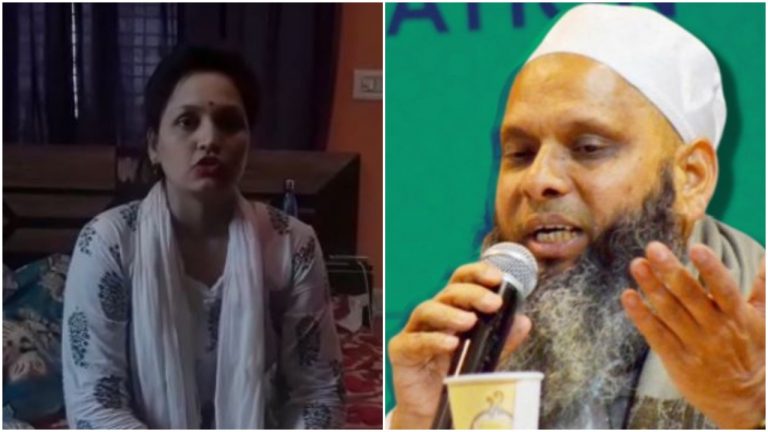
Now, in another shocking revelation, a lady teacher named Kalpana Singh from Nurul Huda English Medium in Fatehpur, Uttar Pradesh, has revealed how Umar Gautam had visited the school she taught in with 20-25 other Maulanas in the year 2020, to brainwash them to adopt Islam.

Umar Gautam lured Fatehpur teacher promising financial support

Kalpana Singh, a resident of Bakarganj village in Airayan Block in Fatehpur district, Uttar Pradesh, claimed that the clerics lured students and the staff for conversion by promising financial support. Umar Gautam and his accomplice assured them that they would pull them out of poverty if they converted to Islam.

She revealed how Umar Gautam had pressurised her to convert to Islam by assuring her a better life after conversion. Umar Gautam had told non-Muslims like Kalpana that, unlike their Hindu religion, in Islam, financial support is provided to all the needy and destitute. He tried to convince Kalpana that all her financial woes would be taken care of if she agrees to get converted to Islam.

School management pressurised to teach young children Urdu and Arabic

The female teacher also disclosed how Umar Gautam, the prime accused in the Pakistan funded conversion racket, pressurised the school management to teach young students Urdu and Arabic in class. The school, in turn, started teaching Urdu and Arabic to children of lower and upper kindergarten classes, said Kalpana Singh. She names a teacher in the kindergarten classes who started teaching Namaz, in the pretext of teaching it to the Muslim students of the class. Kalpana said that since the non-Muslim students use to be present when the Namaz was being taught, they too started picking it up in bits and pieces and reciting it at home. Due to this, the parents of these children started complaining, recollected Kalpana Singh.

Based on the parent’s complaints, Kalpana Singh brought up the issue in front of the school management, requesting them to stop teaching Urdu and Arabic in the classes. But the school, in turn, threatened Kalpana and accused her of discriminating between Muslim and non-Muslim children. The management ultimately expelled her from her job.

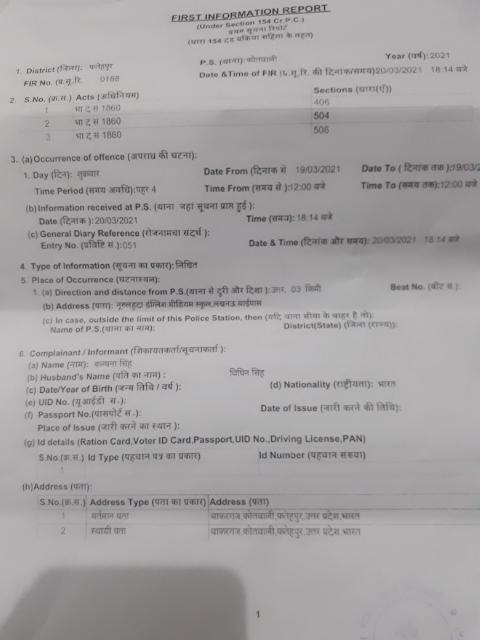
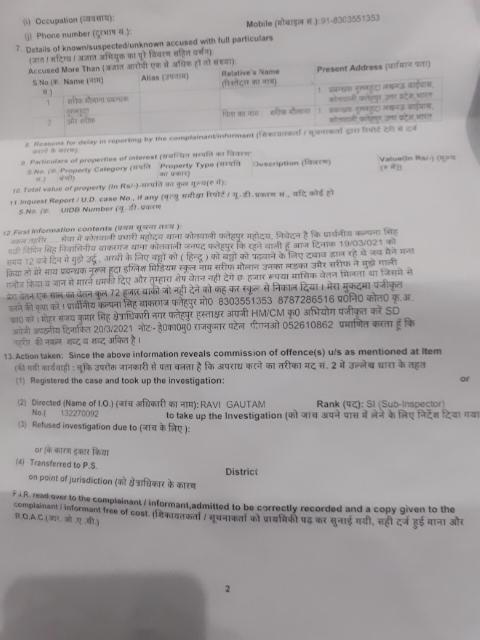
After she was thrown out by the school management, Kalpana stated she filed a complaint in Fatehpur’s Sadar Kotwali against the manager of the school- Sharif Maulana and his son Umar Sharif, under IPC Sections 406, 504 and 506, however, the police took no action against the school management and with time the matter was swept under the carpet.

FIR registered against the school management based on Kalpana Singh’s complaint

Kalpana Singh is one of the many who have been victims of this country-wide religious conversion racket spearheaded by Mohammad Umar Gautam. Since the Uttar Pradesh police’s Anti-Terrorism Squad busted a religious country-wide conversion racket this week, more and more victim’s families are coming out to share their plight. 

As more and more revelations by the kin of the victims emerge, few aspects such as promising job and marriage to convert and the involvement of a foreign hand remain constant. 

According to information available so far, the two prime accused, Mufti Qazi Jahangir Qasmi and Mohammad Umar Gautam and their organisation have been booked under Sections 420, 120 B, 153A, 153B, 295 and 511 of the Indian Penal Code and Section 3/5 the Uttar Pradesh Prohibition of Unlawful Conversion of Religion Ordinance-2020.

Md Umar and Jahangir Qasmi wanted to use converted, brainwashed differently-abled children as human bombs

The rampant racket of converting people into the fold of Islam came to light after a deaf and dumb son of a couple in Kalyanpur, Kanpur, was converted and sent to South India. Since then, thousands of cases of forcible conversions to Islam by the two accused have surfaced. The two reportedly made false promises of jobs and money in lieu of conversion.

Old videos surface in which Umar Gautam boasts of converting several people worldwide

Meanwhile, two old videos of Umar Gautam have surfaced before the UP Anti-Terrorism Squad (ATS), in which he openly boasts about converting several people to Islam. Along with the videos, the ATS is also probing his organisation Islamic Dawah Centre (IDC) and its link with Pakistan’s ISI.

Umar Gautam and his aide Jahangir Alam, both residents of Jamia Nagar in New Delhi, will be interrogated further about their claims in the videos and conversion programmes conducted by them and their links with Pakistan’s ISI during their seven-day custody remand that began on Wednesday (June 23).