Home Blog Page 4313

Tours and travels operators in Mumbai issuing fake COVID-19 negative reports for Rs 300: Report reveals

As Maharashtra prepares for another wave of crippling lockdown, with the coronavirus cases in the state rising at an alarming rate, an investigation by Mid-Day found out that there are many tours and travel operators in Mumbai helping people who want to escape out of the state with a bogus RTPCR test result.

In sting operations carried out at Ghatkopar’s Gopal Bhuvan stop and at Borivli’s SGNP bus stop, Mid-Day found that tours and travel agents are issuing fraudulent COVID-19 negative test reports for as low as Rs 300-Rs 500 for people wanting to travel to Gujarat and Rajasthan.

With the resurgence of the coronavirus outbreak in the country, many states, including Gujarat and Rajasthan, have made it compulsory for people to carry a negative RTPCR test result on arrival. However, the tours and travel operators in Mumbai found a unique way of bypassing this regulation by issuing bogus negative RTPCR test results to the travellers travelling out of Maharashtra.

A tour bus operator was busted by the Crime Branch in Mira Road on Tuesday morning for providing passengers with fake COVID-19 certificates. However, the report published by Mid-Day alleges that the businesses of other travel agents remained unaffected.

While the workers on the buses claimed that the test reports are required only at checkpoints while crossing over from Maharashtra to Gujarat, the driver of a bus going to Udaipur said that if the security is too tight, they would make arrangements to help people with fake reports cross the checkpoints in a vehicle with a local number plate. Assuming that local vehicles have residents from the area, the authorities do not check them. The passengers board the bus again after crossing the checkpoint.

The tour operators at Borivali were confident of themselves and said that they would take the responsibility if things went awry, the report said. They assured that their fake certificates were more powerful than the genuine certificates as they had arrangements in place with the cops posted on state borders who allow them to jump lines while those adhering to rules have to wait several hours in the queue, as per the Mid-Day report.

The report carried transcript of a conversation between the mid-day reporter and a certain Ramesh bhai of Maruti Nandan travel in Ghatkopar. During the conversation, when probed if he could a fake negative RTPCR test, Ramesh Bhai responds in affirmative, stating that he could get a report which would be enough for the passenger to cross the border. He asks Rs 500 from the reporter to get the report.

In its investigation, Mid-Day also came across Manik and Sanket of Sanket Travels, Rohit Jaiswal of Falcon Bus line and London Pari bus’s cleaner Rathod and driver, who all admit to providing forged RTPCR test reports for passengers to help them cross border checkpoints.

Mira Road police seize a bus with fake COVID-19 negative certificates, 38 booked

The Mira Road police yesterday caught a bus ferrying passengers to Surat with bogus COVID-19 test reports. 38 people, including the bus owner, two drivers, a cleaner and two agents were booked for violating rules.

The police claimed that as the coronavirus outbreak is becoming severe in Maharashtra, too many people are trying to leave Mumbai. The tours and travel operators are using this catastrophe as an opportunity to line their pockets, the police said. They are resorting to all kinds of unethical practices to make money, the police added.

“We recovered fake RT-PCR reports issued by three laboratories from 20 passengers. The remaining 12 travellers said they had been charged Rs 300 Rs 500 in the name of fake certificates but were issued nothing,” said a police officer.

However, despite the crackdown by the police against a Pawan Travels bus, Mid-Day correspondents found that few agents booking tickets for Gujarat and Rajasthan at the Borivali East near SGNP were offering fake COVID-19 test certificates for Rs 500 per person.

BMC officials at Mumbai airport took bribes from international passengers to allow escape from mandatory quarantine

Earlier last week, another investigative report published by Mid-Day revealed how the BMC officials at the Mumbai airport were helping people flying from abroad escape the mandatory quarantine period.

For as much as Rs 10,000 to Rs 12,000, a handful of civic officials at the Mumbai international airport were reported to have allowed passengers from abroad to escape the compulsory seven-day institutional quarantine. The investigation by Mid-Day brought to fore shocking lapses by BMC officials deployed at the airport, whose job is to ensure passengers from the UK, Europe, Middle East and South Africa undergo the mandatory 7-day institutional quarantine. These were amongst nations that reported new fast-spreading variants of the coronavirus.

The news daily found that an elaborate arrangement was in place for passengers travelling from foreign countries to slip away from the airport without undergoing mandatory quarantine. In its investigation, the newspaper discovered that far from ensuring that passengers were sent to mandatory quarantine, the BMC officials at the airport actively helped them to escape.

Maha COVID-19 crisis: Hospital beds and ventilators running short, scarcity in oxygen and Remdesivir supply, and inordinate delays in testing

Maharashtra is in throes of a resurgent coronavirus outbreak that is on the brink of overwhelming the state’s health care system. The state on Tuesday reported 60,212 fresh coronavirus positive cases, taking the total tally to 35,19,208 while 281 fatalities pushed the death toll to 58,526. The state alone accounts for almost 44% of the total active COVID-19 cases in the country.

In the view of alarming rise in the coronavirus outbreak, Maharashtra chief minister Uddhav Thackeray on Tuesday convened a press conference and announced a 15-day long statewide curfew starting from 8 pm on April 14.

Patients struggle to get beds and ventilators as the coronavirus outbreak overwhelms hospitals in Maharashtra

The situation in Maharashtra is particularly dire, with cities across the length and breadth of the state reporting an upsurge in coronavirus cases. Hospitals throughout the states have been swamped with COVID-19 patients as the state government scrambles to get private institutes and other medical centres to admit coronavirus patients.

In Mumbai, the capital of Maharashtra and India’s financial nerve-centre, hospitals are on the verge of buckling under the pressure as new infections rise at an alarming rate. About 7,873 new cases were reported from Mumbai on Tuesday. Chaos has swept the hospitals in Mumbai as the hospital authorities are forced to send patients and their relatives back because there are no vacant beds left. Similarly, such grim situation at the hospitals pervades the rest of Maharashtra.

In Nagpur, the winter capital of Maharashtra, there has been an acute shortage of isolation beds, ICU beds and ventilators. About 6,826 people tested positive in the city on Tuesday. With a population of over 30 lakhs, only 33 isolation beds and 2 ICU beds are vacant as of April 13 in over more than 127 hospitals(government and private), including Covid Community Centres.

Likewise, the coronavirus outbreak situation in Pune, another major city in Maharashtra, is similarly bad. Pune on Tuesday reported 5,214 cases. Patients in the city are forced to run pillar to post in their search for the availability of vacant beds at the city’s numerous medical facilities.

Dire Oxygen shortage in Maharashtra

The surge in coronavirus caseloads in Maharashtra also meant that the state is facing acute shortages in the availability of supplemental oxygen. Maharashtra CM Uddhav Thackeray yesterday pointed out the scarcity of oxygen during his address to the state.

Besides requesting neighbouring states to provide Maharashtra with surplus oxygen, Thackeray also asked IAF assistance from PM Modi to airlift oxygen from other states.

Earlier yesterday, 19 patients in Thane’s Vasai allegedly died because of shortages in supplemental oxygen. The relatives of the deceased and local authorities alleged that the coronavirus patients who were admitted to the hospitals succumbed due to the alleged scarcity of oxygen. Today it was reported that the state will receive 100 MT oxygen from the Jamnagar plant of Reliance in Gujarat.

Apart from oxygen, the state is also facing shortage of Remdesivir, the drug used in treatment of COVID-19 patients. The shortage has resulted in black marketing of the drug for easy and quick profit. On 12th April, Maharashtra health minister Rajesh Tope said that companies manufacturing anti-viral drug Remdesivir should double the production and decrease its MRPs to Rs 1200- Rs1300.

Testing backlog across Maharashtra as COVID-19 cases rise at a frightening pace

Even testing capabilities are under tremendous strain due to the inexorable rise in number of coronavirus cases. Many testing centers have been witnessing serpentine queues as people suspicious of being infected are lining up to get themselves tested.

This has naturally created a backlog in testing at several laboratories across the state. The spike in Covid-19 cases precipitated by the second wave of the coronavirus pandemic and state guidelines mandating negative RT-PCR tests for those working in public transportation, home delivery services, film shoots, roadside eateries, and other categories have likely played a crucial role in exacerbating the testing backlog in the state.

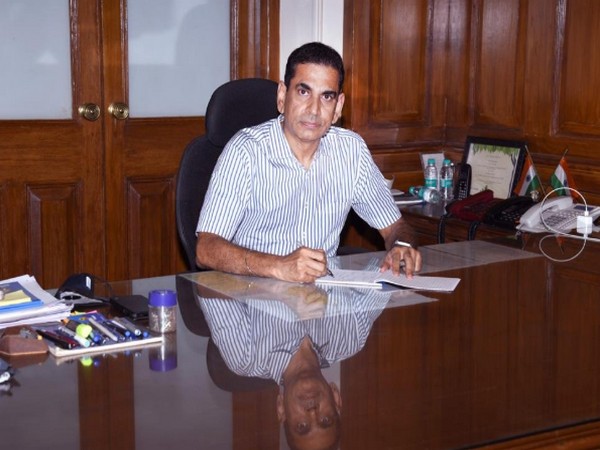
Acknowledging the delay, Mumbai’s Municipal Commissioner Iqbal Singh Chahal on Monday this week asked all the laboratories to issue reports to the municipal body within 24 hours.

Another reason that may have contributed to this worsening testing backlog is the BMC’s decision of making negative RTPCR test mandatory for entry in the malls. Even as the cases were on the rise, the BMC allowed malls to operate, allowing entry only to those who carry a negative RTPCR test with them. This move seems to have backfired as testing laboratories across the city were swamped with people waiting to get their tests done.

The surge in testing across Mumbai can also be attributed to the positivity rate of infections reported in the city. In the week between April 5 to 11, the positivity rate in the city was hovering around 22 per cent, a 4 percentage point increase from the week before. As cases in Mumbai climb, more people are coming out to test themselves for an infection that has now become pervasive in Mumbai.

In their defence, the testing laboratories claim that they are already working at a stretched out capacity. Labs equipped to handle 2000-3000 cases a day have suddenly found themselves tasked with testing 15,000 to 17,000 samples a day. While they are building the capacity to cater to the growing requirement of testing, the inexplicable surge has undoubtedly contributed to the testing backlog.

The situation is not very different in Nagpur. The Nagpur Municipal Corporation on Sunday announced that there won’t be any RTPCR test conducted at any of the public testing or swab collection centres run by the municipal corporation. In the statement, the NMC said due to the increasing Covid cases, and a rush at testing centres, all the four public labs at IGGMCH, AIIMS, GMCH and Nagpur University have a huge backlog of results.

Instead, the NMC said only antigen test will be conducted at these centres. However, antigen tests are not the most reliable test for determining COVID infection and are known for giving false negatives and false positives.

Some private testing laboratories that are still conducting RTPCR tests are taking inordinate time to process the results. The results, which were earlier given in hours after the test, are now taking days for getting processed. This has naturally created a sense of fear and panic among people, who realise that such long delays could prove fatal.

“They are giving us results on the third or fourth day after the testing. We don’t get a bed in hospitals unless we furnish a positive report. Moreover, there is a shortage of beds and ventilators. Who is supposed to be responsible if the delay of 4 days cost us our lives?” a visibly anxious citizen asked while standing in a queue outside a testing centre in Nagpur.

For others who are travelling to other states, the delay in the testing results does not comply with the guidelines mandated by the governments.

“I have to travel to Gujarat on an urgent basis. The state of Gujarat has mandated negative RT-PCR test done within 72 hours before arrival. However, the testing centre says they can provide us with the result only on the 4th day. How am I expected to furnish the test result then?” a woman outside a testing centre in Nagpur asked.

More tests needed in the state

It is ironical that while that the labs in Maharashtra are already working beyond capacity, the state needs to increase testing by several folds to control the pandemic. At present the test positive rate in the state is more than 25%, which is almost double the national rate of around 13%. As the state is seeing high positive rates among the tested, it means it is not testing enough, and a large number of people are roaming around in public without getting tested, who may have the infection and spreading the same.

From reports of shortages to black-marketing, is Remdesivir really the ‘miracle drug’ to cure Covid?

In the last month, India went from reporting around 25,000+ Covid-19 cases to 1,85,000+ cases. The beds are filling up quickly, and though India has done exponentially well in the first wave, the second wave is testing not only the governments and health system but the public in general too.

Though the so-called intellectuals and elite are pushing for another lockdown, India cannot afford another nationwide lockdown. Hence, the union and state governments are pushing for micro containment zones, night curfews, tracing and vaccination.

Amidst the increasing numbers, the demand for the ‘miracle drug’ Remdesivir has increased by several folds. While the manufacturers like Cipla have already announced that they are increasing the production, more manufacturers are getting permission to manufacture the drug to meet the demand in the market. To understand why there is so much demand and if it is actually a miracle drug against Covid-19, it is important to understand what this drug is, how it works, when it was tested for Covid-19, what experts say and why there is a need to control the panic caused by its ‘shortage’.

What is Remdesivir?

Remdesivir is an antiviral medication that was created by an American organisation Gilead Sciences. It was developed in collaboration with the U.S. Centers for Disease Control and Prevention (CDC) and the US Army Medical Research Institute of Infectious Diseases (USAMRIID). The aim was to identify therapeutic agents for treating RNA-based viruses that can result in a global pandemic. initially, it was tested against hepatitis C and a cold-like virus called respiratory syncytial virus (RSV). The drug was not effective in either cases. However, it showed promising results against other viruses. During the Ebola virus outbreak in 2014, the assembled library for the drug Remdesivir was utilised to identify and prioritise compounds with efficacy against the Ebola virus. Further studies in cells and animals suggested that it was effective against viruses in the coronavirus family, such as Middle East Respiratory Syndrome (MERS) and Severe Acute Respiratory Syndrome (SARS).

How Remdesivir works?

The drug belongs to a class of antiviral drugs that defeat the infection by posing as legitimate chemical building blocks of a DNA or RNA sequence. They get themselves stitched into the nascent strand and mess up the whole replication process of the virus. In short, Remdesivir poisons the viral replication process. The interesting part of the whole process is that it does not mess up with the human cells’ own polymerases. Though Remdesivir is much better than many other antiviral medicines available in the market, according to experts, it is far from perfect.

When was Remdesivir first tested against Covid-19?

In May 2020, the US Food and Drug Administration (FDA) issued an emergency use authorisation for Remdesivir for the treatment of Covid-19 in adults and children hospitalised with severe disease. In India, the Drug Controller General of India (DCGI) gave permission for the trial of Remdesivir in May 2020. On June 4, DCGI had approved the use of Remdesivir lyophilised powder for emergency use in patients hospitalised with severe COVID-19.

What are experts’ views about Remdesivir?

Though the drug has shown promising results against severe Covid-19 infection, the experts believe that it is far from being the perfect cure. According to the results of a study published by the National Institute of Health, the final results showed that the treatment using Remdesivir was beneficial. The patients who received the drug were quicker to recover. The study also found that there was an improvement in mortality rates for those receiving supplemental oxygen.

The study suggested that the use of Remdesivir may prevent patients from progressing to more severe respiratory disease. Dr John Beigel of NIAID said, “Our findings show that Remdesivir is a beneficial treatment for patients with COVID-19. It may also help to conserve scarce health care resources, such as ventilators, during this pandemic.” However, the study added that the drug alone was not sufficient treatment for all patients.

WHO had warned against usage of Remdesivir

In November 2020, World Health Organization (WHO) recommended against the use of Remdesivir in Covid-19 patients stating that there was no evidence that the drug can improve survival. Recently, while talking to India Today, Dr Soumya Swaminathan, Chief Scientist at WHO and its Technical Lead on COVID, Dr Maria Van Kerkhove, recommended against it. Swaminathan said, “Based on available evidence, there were about five trials… which essentially showed that Remdesivir given to hospitalised patients, didn’t reduce mortality, it didn’t reduce the duration of hospitalisation, and it didn’t affect the progression of the disease”.

She further added that there is a silver lining with the use of the drug, though. She said, “there are smaller studies that have shown, in some small subgroups, perhaps some marginal benefits, like some patients who need low flow oxygen, the NIH trial showed that there was perhaps a marginal mortality benefit, but that is a very small subgroup of patients.” As WHO is still waiting for the results of more studies, it is not recommending the use of Remdesivir in Covid-19 patients.

Why is there a shortage of Remdesivir in India?

Several factors have caused the shortage of Remdesivir. The first being the suddenly increased number of Covid-19 cases in the country, especially in Maharashtra. The state alone has reported over 60,000 cases in a single day on April 13. The other states like Uttar Pradesh, Chhattisgarh, Gujarat, Kerala, Tamil Nadu, Rajasthan, Karnataka and others are reporting a large number of cases that have suddenly increased the demand for the drug in these states.

As a result, black marketers and hoarders saw an opportunity and started using the spike in cases as a way of earning illegitimate money. On April 9, Mumbai Crime Branch recovered 272 injections of the drug in a shop in Andheri. The drug should cost between Rs.1,000/- to Rs.2,000 as per the price set by the governments and manufacturers, in black, the same drug goes for Rs.7,000/- and above. Some reports suggest the price is even higher in some cases. According to a report in Money Control, in a letter to the DCGI, LocalCircles said that many posts and comments received from various cities of India have quoted the drug was being sold for as high as Rs 50,000 that was over ten times the retail price of the drug.

What are the governments and manufacturers doing about the shortage?

To control the panic that has built up around the availability of the drug, the union government and state government have capped the price of the drug in the market. On April 11, the government of India banned the export of Remdesivir from ensuring the availability of the drug. On March 24, Zydus Cadila, one of the manufacturers, dropped the price of the drug to Rs.899/- per injection. On April 8, the Maharashtra government capped the price between Rs.1,100/- to Rs.1,400/-. On April 9, Nagpur collector issued an order capping the price of the drug to 10% above MRP.

The leaders are working on the local level as well to ensure the drug is available in the market. On April 11, Union minister Nitin Gadkari requested Sun Pharma to arrange 10,000 injections for Nagpur. On April 13, Cipla announced that it would double the production of Remdesivir to meet the demand in the market. On the same day, Dr Reddy’s Laboratories (DRL) got permission to produce the drug. On April 14, UP CM Yogi Adityanath directed the health department to urgently acquire the drug from Ahmedabad. The government of India has issued an order that suggests Remdesivir should only be used for the patients on oxygen.

Though the governments and manufacturers are doing their best to ensure the drug is available in the market, it is essential for the public not to create a panic. The law enforcement agencies must speed up the process to track hoarders and take strict action against them as per the law.

It is also very important to take the precautions as suggested by the Health Ministry and avoid going out unless it is necessary.

What would Dr. Ambedkar say about Hindu and Muslim societies today?

In 1980, the government of Indira Gandhi decided to bestow the Bharat Ratna on Mother Teresa for her contributions to India. About ten years after that, when the Congress lost power briefly, the Janata Dal government decided to recognize a certain social reformer from Maharashtra who had been dead for 34 years. His name was Dr. Bhimrao Ramji Ambedkar. You may have heard of him.

In modern India, his likeness is everywhere. Blue coat, round-frame glasses, with one hand raised in the air, while holding the constitution with the other. But, let us dig deeper. Here is how he saw himself in relation to Hinduism.

Though, I was born a Hindu, I solemnly assure you that I will not die as a Hindu

Wow, that’s harsh. And here he is, comparing Hinduism to the ideals of the enlightenment as captured in the slogan of the French Revolution.

Hinduism is a menace to liberty, equality and fraternity.

Again, ouch. But, you don’t think that someone of Dr. Ambedkar’s caliber would limit his musings only to Hinduism, would you? So let us find out what he had to say about the concept of brotherhood in Islam.

The brotherhood of Islam is not the universal brotherhood of man. It is brotherhood of Muslims for Muslims only. There is a fraternity, but its benefit is confined to those within that corporation.

And here he is, speaking on how a might Muslim might see his place in India.

the allegiance of a Muslim does not rest on his domicile in the country which is his but on the faith to which he belongs. ….   In other words, Islam can never allow a true Muslim to adopt India as his motherland and regard a Hindu as his kith and kin.

We have already learned something important about Dr. Ambedkar. He did not believe in appeasing anyone. Even more than that, he did not sugarcoat his words.

Now, the first set of his quotes, on Hinduism, are what you would find in any discourse on social “science” in India. These would be required reading before class, the topic of discussion during the lecture and also the subject of the homework assignment. However, the second set of his quotes, on Islam, are not so easily available. You can only find them in dark corners of the internet, banished from textbooks, classroom discussions, acknowledged only in embarrassed whispers. These quotes had all but vanished from academic discourse before the “internet Hindus” brought them back to life. Sometimes, a bit of Whatsapp education can really unravel stuff they don’t teach you in regular classes.

In fact, there is a particularly craven piece of writing by Anand Teltumbde in Scroll where he argues that Ambedkar considered Islam as the religion of choice for Dalits before he decided against it. The following extract from his article is both sad and funny.

he appeared to be extolling Islam and thereby gave an impression that Islam might be his choice for conversion, he ended his speech with the famous exhortation of the Buddha in the Mahaparinibbana Sutta – “Appo deepo bhava” (Be your own light). It was not surprising that he ultimately chose Buddhism, ignoring his own rationale that the religious conversion of Dalits should serve their need of existential utility.”

I can understand the author’s bitter disappointment here, as well as his emotional outburst. But don’t you think it is a bit much to accuse Dr. Ambedkar of “ignoring his own rationale”? In fact, Ambedkar explained his reasons for choosing Buddhism over any other religion, in these words:

I will choose only the least harmful way for the country. And that is the greatest benefit I am conferring on the country by embracing Buddhism; for Buddhism is a part and parcel of Bharatiya culture. I have taken care that my conversion will not harm the tradition of the culture and history of this land.”

Sharp and clear. Dear Anand Teltumbde, you may now cry a river.

Anyway, that was just an example of how modern liberal intellectuals force themselves to think. Let us address the bigger question. What would Dr. Ambedkar say about Hindu society and about Muslim society today?

Dr. Ambedkar spoke of the annihilation of caste. He wrote a book about it. Have we, in modern India, managed to annihilate caste? No, we have not. Have we Hindus managed to mitigate some of the worst atrocities of the caste system and taken several steps towards a more just society? Undoubtedly, yes. The system of caste based reservation in government jobs, college admissions and in elections in India is the most comprehensive social justice program implemented anywhere in the world. And the real churning in Hindu society is much bigger than what has been enforced by law.

There is no better way to see this evolution than in the politics. Few people today would realize that the “Pandit” in “Pandit Nehru” had nothing to do with a perception of him being a learned individual. Rather, it was a caste honorific commonly applied to Brahmins at the time. Those days are clearly behind us. Even though the Congress party has stressed Rahul Gandhi’s “janeudhari” status, I think any attempt to label him as “Pandit Rahul Gandhi” would be universally mocked.

Put your finger on 1947 and trace the political history of India since then. The political emancipation of Dalits does not begin until the late 1980s. Until then, we have an India consolidated under the hereditary Brahmin leadership of the Congress. This leadership is modern in speech and feudal in spirit, passing seamlessly from father to daughter to son. Then, the fabric begins to tear and two distinct strands emerge. One is Mandal, which treats social justice issue as the main issue of identity. The other is Hindutva, the so called ‘Kamandal,’ whose priorities lie with building a united Hindu voting bloc.

In the stale air of social science classrooms, these two forces are still at war today. Outside, the war has ended long ago. India now has an OBC Prime Minister, who happens to represent in particular the ancient city of Varanasi. Across India, caste based parties are either losing relevance or reinventing themselves around other issues. The downfall of the BSP is the biggest example of this phenomenon. The Mandal parties, instead of opposing the Mandir, have all made peace with it. They know which way people are going. Even the cheerleaders of the RJD in recent Bihar elections noted the absence of caste in the election. Tejashwi Yadav did not even mention it himself. When caste stops being an issue in Bihar, what is left?

Indeed, the BJP, once labeled an upper caste party, now challenges Indian liberalism in the latter’s fortress of Bengal. The mainstay of the BJP is not the upper caste vote, but Dalits and tribals across the state. The politics reflects the change in fundamentals of Hindu society. Do you think Dr. Ambedkar would not have noticed this if he were around today?

Of course, it is not just Hindu society that can evolve. The Muslim society can evolve as well. But, has it?

At the time when the Hindu code bill was introduced, it faced opposition from conservative elements. But the fact is that the bill did pass and was implemented. Over the years, Hindu personal law has been modernized further and further. With possible exception of some obscure provisions, we have now achieved a law that treats everyone equally. This would not have been possible without change in Hindu society itself.

Did Muslim personal law keep up? Not at all. Even today, a Muslim woman’s inheritance is only half that of a man. Muslim women have virtually no rights on divorce. Their minimum age for marriage is still not fixed by law and Muslim girls as young as 13 or 14 can be legally married. In fact, until the anti-Triple Talaq Bill was passed in 2019, I wonder if there is a single example of Muslim personal law being modernized since 1947. And when the first reform was passed in 2019, it was done by the BJP, which gets a very tiny fraction of Muslim votes. So, where is the impetus within Muslim society for progressive change?

Indeed, Dr. Ambedkar recognized this distinction himself when he wrote thus:

The existence of these evils among the Muslims is distressing enough. But far more distressing is the fact that there is no organized movement of social reform among the Musalmans of India on a scale sufficient to bring about their eradication. The Hindus have their social evils. But there is this relieving feature about them—namely, that some of them are conscious of their existence and a few of them are actively agitating for their removal. The Muslims, on the other hand, do not realize that they are evils and consequently do not agitate for their removal. Indeed, they oppose any change in their existing practices.

When Dr. Ambedkar wrote these lines, a “few” Hindus were agitating for social reform. They faced opposition, but ultimately people listened to their ideas. The values of the few became those of the many and ultimately, universal values. Even relatively innocuous cultural practices such as sindoor or kanyadaan are now being seriously challenged in contemporary society, on grounds that they may be based in regressive thought. Is there a similar challenge to the idea behind the burqa? Instead, we have utter surrender, where the allegedly enlightened are trying to claim the burqa as the epitome of feminism.

And what about the prejudices prevalent in Muslim society against non-Muslims, especially those who worship idols? Dr. Ambedkar had also referred to this, remember?

The realist must take note of the fact that the Musalmans look upon the Hindus as Kaffirs, who deserves more to be exterminated than protected. The realist must take note of the fact that while the Musalman accepts the European as his superior, he looks upon the Hindu as his inferior.

How far have we come in getting rid of this prejudice? Well, last time I checked, Indian liberals were using destruction of idols as a metaphor for fighting evil and singing “Bas naam rahega … ka.” Suffice to say, therefore, that we have not come very far.

What do you think Dr. Ambedkar would say today about the relative performance of Hindu and Muslim society in the years since 1947? Can you be as frank and clear in stating your thoughts as he was? Close your eyes, picture yourself putting your hand on the Constitution and then speak. No vague justifications. No excuses. Tell me the truth.

Indonesia: Man almost marries the wrong woman after Google Maps guides him to the wrong location

In an extremely bizarre situation, an Indonesian man almost married the wrong woman after being led to the wrong location by the navigational app Google Maps.

According to a local Indonesian news portal, two ceremonies were to be organized in the same village on the same day, a wedding and an engagement, which was the root cause of this unique mix-up.

According to the 27-year old bride Ulfa, at first, she was unaware the man and his entourage had entered the wrong house, as she was occupied with a make-up artist. This led to the unsuspecting family of the bride exchanging wedding gifts with the man and his entourage.

A video of the even has gone viral on social media, where the groom’s side can be returning from the wrong bride Ulfa’s house in a very awkward position, with the gifts and other items they had carried for the ceremony.

Luckily, one member of the group from the groom’s side realized that they had entered the wrong house.

“They said they were led to the house by Google Maps,” said Ulfa, adding that before leaving, the man and his entourage sincerely apologized for the confusion.

Coincidentally, Ulfa’s actual fiancé and his entourage were late to the ceremony as they had to stop and look for a toilet.

“I was shocked when I saw the man’s group as I did not know any of them,” Ulfa said, clarifying that her fiance was from the Kendal Regency in Central Java while the man was from Pemalang.

In a show of kindness, Ulfa’s family later led the lost man and his entourage to the right house.

Covid panic: Govt cancels Class 10 Board exams, students to be given marks as per Board criteria

Education Minister Ramesh Pokhriyal Nishank has just announced the cancellation of CBSE Class 10 board exams this year and the postponement of Class 12 exams till May 30. As per reports, Class 10 students will be promoted on the basis of an internal assessment. Nishank also informed that the board will issue a revised schedule for Class 12th board exams on June 1, 2021.

The decision was taken in a high-level meeting chaired by Prime Minister Narendra Modi today in the presence of Education Minister Ramesh Pokhriyal, Education Secretary, and other government officials.

Class 10 students to be awarded marks as per criteria decided by the Board: Education Minister

In a series of tweets, Education Minister Nishank informed that the results of Class Xth Board will be prepared on the basis of an objective criterion to be developed by the Board. Any candidate who is not satisfied with the marks allocated to him/her on this basis will be given an opportunity to sit in an exam as and when the conditions are conducive to hold the exams.

Tweet by Nishank

The Education Minister informed that for the class 12th Board exams, the government will review the situation on June 1 and details will be shared accordingly. He added that students will be notified at least 15 days ahead of the exam dates.

China plans to build a super dam on the Brahmaputra river, rises security and environmental concerns in Tibet and India

China is planning to build a super dam on the Brahmaputra River in Tibet which will dwarf the Three Gorges Dam, the largest hydroelectric power project in the world. The dam is expected to produce triple the amount of electricity that the Three Gorges Dam produces at 300 billion kilowatts. This potential project has raised serious political concerns for India, on top of the grave environmental concerns.

The proposed structure will be laid over the Brahmaputra River, just before the river leaves the Himalayas and enters India, at a height of 4900 feet, across the world’s deepest and longest canyon. It is located close to the Indo-Tibet border at Arunachal Pradesh.

The proposed project is mentioned in China’s 14th Five-Year Plan, which was released in March at an annual congress of China’s top leaders and lawmakers. However, the plan does not have any details attached to it yet, including timeframe or budget.

The Brahmaputra River is known as the Yarlung Tsangpo in Tibet. The river already has two other projects built on it, with six more either in the planning stages or under construction. However, the super dam, which would be the largest hydroelectric power plant in the world when constructed, would be a much more massive project in scale.

The Project’s history

In October 2020, the local Tibetan government under China signed a “strategic cooperation agreement” with PowerChina, a specialized construction company with regard to hydroelectric projects.

After a month, the head of PowerChina, Yan Zhiyong, partially revealed the project ‘Medog Dam’ to the youth wing of China’s ruling party, the Communist Youth League.

Sharing his enthusiasm about “the world’s richest region in terms of hydroelectric resources”, Yan Zhiyong explained that the super dam would draw its electric power from the huge drop of the river at this particular section.

Serious concerns raised regarding the project

The proposed project has raised some serious political concerns for India, with analysts noting that the Chinese Communist Party is in a prime position to control the water supply of much of the Indian subcontinent.

Brahma Chellaney, an acknowledged geo-strategist writes, “Water wars are a key component of such warfare because they allow China to leverage its upstream Tibet-centred power over the most essential natural resource.”

The Brahmaputra mega-dam, which is to be built in a seismically active area vulnerable to earthquakes, will be a “ticking water bomb” for communities residing downstream, warns Chellaney.

“The expanding water war is clearly part of China’s integrated, multidimensional strategy against India, which seeks to employ all available means short of open war. Its unconventional war is profoundly impacting every core Indian interest,” Mr. Chellaney wrote.

There are also grave environmental concerns associated with this project, partly because of the legacy of the Three Gorges Dam which displaced 1.4 million inhabitants upstream.

“Building a dam the size of the super-dam is likely a really bad idea for many reasons,” said Brian Eyler, a program director at the Stimson Center, a U.S. think tank.

In addition to being known for its seismic activity, the area also contains unique biodiversity which would be severely threatened by the project. The dam would block the migration of fish and sediment flow which makes the soil fertile during seasonal floods downstream, Eyler said.

Tempa Gyaltsen Zamlha, an environmental policy expert at the Tibet Policy Institute, noted, “We have a very rich Tibetan cultural heritage in those areas, and any dam construction would cause ecological destruction, submergence of parts of that region.”

“Many local residents would be forced to leave their ancestral homes,” he said, adding that the project will encourage migration of Han Chinese workers that “gradually becomes a permanent settlement”, further eroding the historic and ethnic demography of Tibet.

In reaction to this super dam idea, India has floated the prospect of building another dam downstream on the Brahmaputra River in order tp shore up its own water reserves.

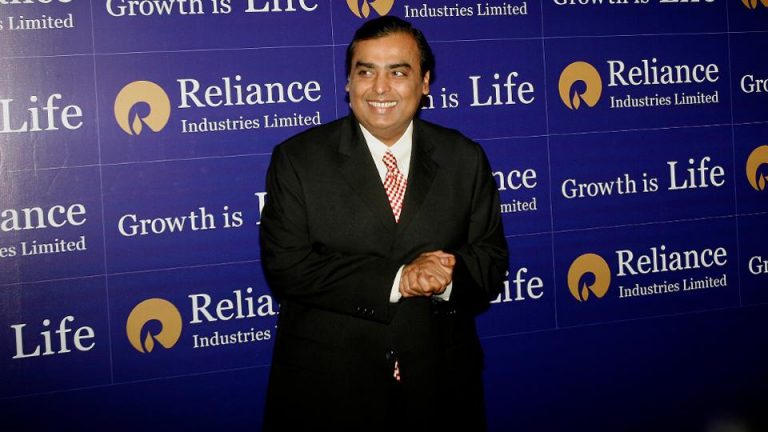
COVID-19 outbreak: Maharashtra to get 100 MT oxygen from Ambani owned Reliance’s Jamnagar plant

Amidst rampaging coronavirus outbreak in Maharashtra and worsening shortages of hospital beds and medical supplies including oxygen, the state is all set to receive 100 metric tonnes of oxygen from the Reliance Industries’ Jamnagar plant in Gujarat, urban development minister Eknath Shinde said on Tuesday.

The announcement was made by Shinde following a review meeting at the Linde plant in Taloja in Navi Mumbai over the growing demand of oxygen in the metropolitan region and neighbouring Pune.

The Mukesh Ambani controlled Jamnagar refinery in Gujarat has large air separation units for the production of gaseous oxygen. The plant requires massive streams of oxygen for its petroleum coke and coal gasification facilities.

Maharashtra is facing an acute shortage of oxygen because of the rising number of COVID-19 cases. Many people who are severely affected by the coronavirus have dangerously low levels of oxygen and are required to administer with supplemental oxygen.

“The rate of oxygen consumption in the state is increasing as mentioned by chief minister Uddhav Thackeray. We have now made some temporary arrangements wherein we will get 100 MT of oxygen from the Reliance plant in Gujarat,” said Shinde.

Parallelly, a network of nitrogen supplying tankers is used to pick up the slack to ensure there is no logistical issue. All the tankers will be granted sufficient police protection and provided with priority on the roads, Shinde said.

The urban development minister also said that all district collectors have been asked to analyse demand and ensure adequate supply of oxygen based on their requirements.

Besides, instructions are also issued to the administration to make sure that private establishments that supply oxygen to hospitals are asked to augment their capacities in the coming days. In addition, all tankers used to plying nitrogen will be used to transport oxygen from the plants to the hospitals.

Uddhav Thackeray requests PM Modi to provide Air Force assistance to airlift oxygen from neighbouring states

Shinde’s comment came on the day when Maharashtra chief minister Uddhav Thackeray appealed to Prime Minister Modi to help the state in tackling the growing coronavirus crisis that has overwhelmed the state’s healthcare system and depleted its oxygen reserves for the treatment of people acutely afflicted with COVID-19.

In his press conference on Tuesday, Thackeray declared the imposition of stricter COVID rules to contain the spread of the virus. He also requested the Centre to provide Air Force assistance for the supply of oxygen. During the address, he said, I will speak to the Prime Minister to request him to provide us IAF assistance in the supply of oxygen for medical use from nearby states.

Bangladesh: Hindu homes and temple attacked in Satkhira district over harassment of minor girl

Multiple Hindu homes and a temple were attacked by assailants on Tuesday night in Fultala village of Satkhria district in Bangladesh. Several Hindu homes were looted and three idols of a local village temple were desecrated.

Pintu Baulia, one of the victims, said that assailants ambushed their village at around 8 pm on Tuesday and ransacked the entire village. “They vandalized idols at the local temple, looted our homes and injured at least 10 members of my community,” he added.

Desecrated idols at a local temple in Fultala village. Image Source: Dhaka Tribune

The attack was a result of a dispute between Pallab Mandal, son of Shripad Mandal of Uttar Kadamtala village who occasionally harassed the daughter of Jatin Baulia, an eighth-grade schoolgirl at a local School. This issue resulted in a dispute between the two parties, leading to the attack on Tuesday night.

Govinda Baulia, the brother of the victim’s father said the assailants broke into his home and even tried to abduct his niece. “Eight to ten members of my family, including my brother Jatin Baulia, were injured in the attack,” he informed.

Photographs posted by Dhaka Tribune showed that the idol at the local temple in the Fultala village was beheaded during the attack.

Police officials from Shyamnagar police station visited the spot following the incident.

Officer-in-Charge (OC) Nazmul Huda of Shyamnagar police station informed, “The situation is under control. The assistant superintendent of police (Kaliganj circle) has visited the spot. We are making all necessary arrangements to bring those involved in the attack under the law as soon as possible.”

Hindu village attacked over a Facebook post

Earlier, over 80 houses of Hindus in the village of Sunamganj, Bangladesh were attacked and vandalized by the supporters of Islamist group Hefazat-e-Islam in March over an alleged Facebook video.

A young Hindu man from Noagaon, Shalla Upazila was enraged by the Joint-Secretary General of Islamist group Hefazat-e-Islam Mamunul Haque’s speech and made a Facebook post criticizing it.

Upon discovering the post, Hefazat leaders staged a protest and vandalized over 80 houses of the village. Some villagers had to the flee their homes fearing for life.

The Hindu boy was instead taken into custody by the police for ‘insulting’ Mawlana Mamunul Haque on Facebook.

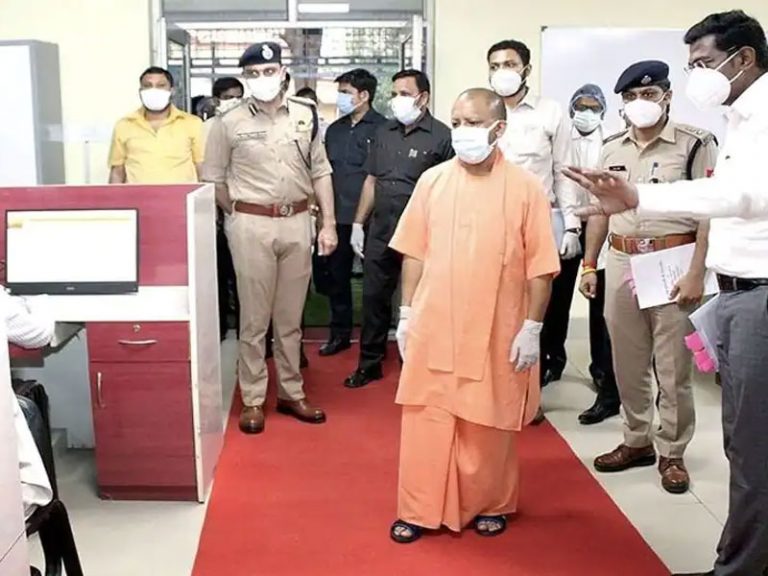
Uttar Pradesh: Chief Minister Yogi Adityanath tests positive for coronavirus

Uttar Pradesh Chief Minister Yogi Adityanath tests positive for Chinese coronavirus.

Taking to Twitter, he informed that after noticing initial symptoms, he got himself tested and the tests came back positive. He is currently in self-isolation and undergoing treatment. “State administration work is going on as usual. I urge everyone who came in contact with me to get tested,” he said.

He had earlier isolated himself after coming in contact with Covid-19 positive officers with the CMO. Recently, he had taken first dose of coronavirus vaccine.