Home Blog Page 4312

Talent agencies advise Bollywood celebs not to post vacation pics, amplify COVID SOS posts to build brand: Report

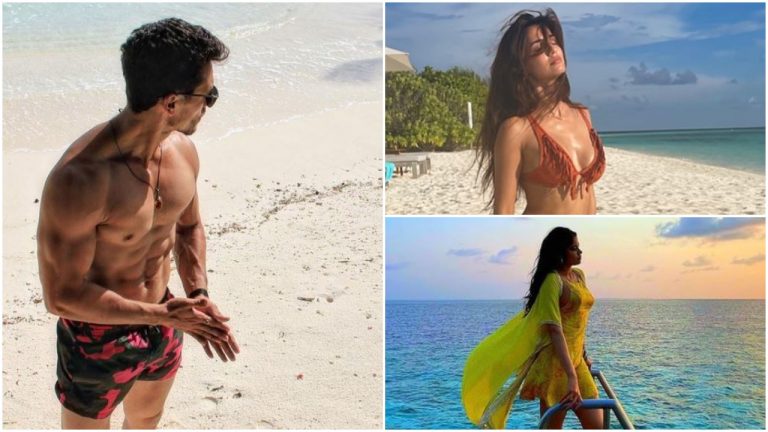
While India is braving a new wave of Covid-19 and the general public struggles to arrange for basic medical facilities for their loved ones, Bollywood celebrities, including big names like Ranbir Kapoor, Alia Bhatt, Tiger Shroff, Disha Patani, Jhanvi Kapoor and many others have been jetting off to exotic locations in these challenging times. Saif Ali Khan’s daughter Sara Ali Khan, his son Ibrahim Ali Khan and her mom Amrita Singh also made a trip to the Maldives recently.

These celebrities have, on many occasions, taken to their social media accounts to post their vacation pictures.

Posting lifestyle posts on social media during these testing times affecting brand image, talent managers warn Bollywood celebrities

Now, according to a report by the Mint, many talent agencies and managers have asked these celebrities to stop rubbing their privilege in people’s faces in such testing times, as it may impact their brand image.

According to the report by Mint, many brand experts have opined that while celebrities are always under the scanner, a sensitive persona presented in the current situation would go a long way for them. It would impact how brands view them, which in turn would help them in sealing endorsements and public appearance deals.

Celebrities busy donating, amplifying SOS messages on social media

Therefore, to change the perspective of the critics who have openly called out celebrities for displaying such insensitivities even as the society around us continues to suffer due to the sudden surge in coronavirus cases, talent agencies have been advising a number of Bollywood celebrities to either donate money for medical equipment, food packets or relief work or amplifying SOS calls on social media, the Mint report said.

While Alia Bhatt has partnered with journalist Faye D’Souza to put out information, Bhumi Pednekar and Taapsee Pannu are coordinating help on Twitter.

Farhan Akhtar’s Excel Entertainment has opened its direct messages on Twitter out to the public.

Commenting on this situation, Karthik Nagarajan, chief content officer at media agency Wavemaker India said: “There is a definite correlation between celebrities showing the decency of respecting sentiments around them and how that impacts the positivity they generate, now more than ever before, which could play a huge role in brand endorsements.”

Atul Kasbekar, producer, veteran fashion photographer and founder of celebrity management company Bling! Entertainment Solutions said stars flaunting their lifestyles during the current crisis would be terribly insensitive and downright stupid. “It’s common sense to be prudent; otherwise it could be a solid dent to their image and can turn against them. We’re definitely telling people to tone it down and keep it low-key,” Kasbekar added.

It is pertinent to note here that recently not only regular internet users but even several big names have squinting their eyebrows at the news of celebrities taking international trips and enjoying luxury resorts during pandemic times. 

Veteran actor Annu Kapoor had in April taken to Twitter to criticise celebrities for posting pictures from their vacations. Shobhaa De and Shruti Haasan have also slammed celebs for enjoying holidays in exotic locales while the common man suffers.

“I humbly appeal to rich and famous from all walks of life and media not to post their pictures vacationing at exotic locations while the most of the world suffers with pandemic. Kisi ko jalaa ke majloomon ki baddua kyun lena (Why should you attract curse of the downtrodden by making them jealous)?” Tweeted Annu Kapoor.

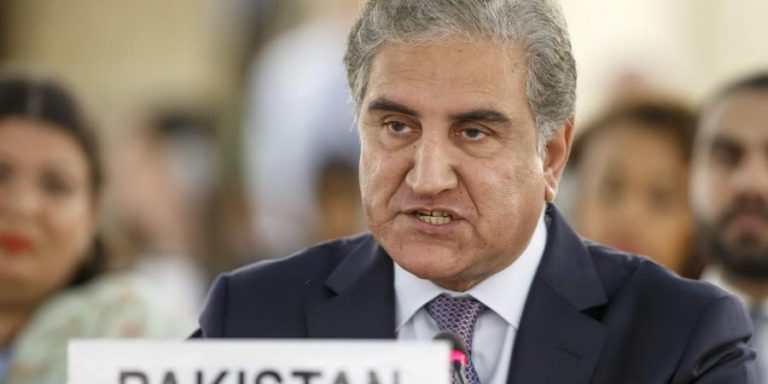
Pakistan Foreign Minister Shah Mahmood Qureshi backtracks after saying ‘Article 370 is India’s internal matter’

Days after calling the decision of the Indian government to abrogate Article 370 as India’s internal matter, Pakistani Foreign Minister Shah Mahmood Qureshi took a U-turn. In a tweet on Monday (April 10), he claimed that the Union territory of Jammu and Kashmir is an ‘internationally recognised dispute’ and as such cannot constitute India’s internal matter.

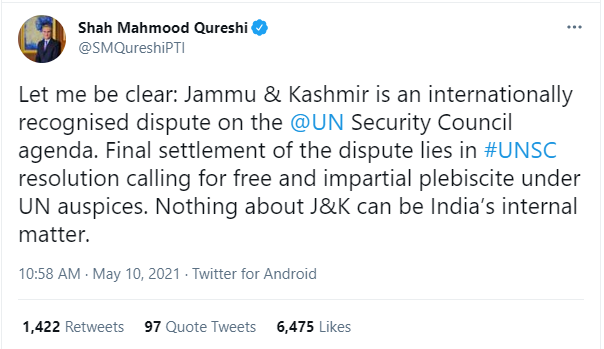
Shah Mahmood Qureshi wrote, ” Let me be clear: Jammu & Kashmir is an internationally recognised dispute on the UN Security Council agenda. (The) final settlement of the dispute lies in UNSC resolution calling for (a) free and impartial plebiscite under UN auspices. Nothing about J&K can be India’s internal matter.” However, just a few days ago, Shah Mahmood Qureshi had conceded that Article 370 was India’s internal matter.

Screengrab of the tweet by Shah Mahmood Qureshi

In an exclusive interview with Samaa TV on May 6, the Pakistani Foreign Minister had stated, “Article 370 is their andhruni mamla (internal matter). The people of Kashmir are frustrated (supposedly) for breaking the promises made to them. We have seen the matter is still pending before the Supreme Court of India. People in India have challenged its constitutional validity.”

It is notable here that the primary requirement for the UNSC resolution calling for a plebiscite in Jammu and Kashmir means the entire Jammu and Kashmir, including the PoK and Gilgit Baltistan. For a plebiscite to happen, Pakistan has to vacate the areas currently under its illegal occupation.

U-turn of Imran Khan and Pakistani government on resuming trade ties with India

Interestingly, the U-turn by the Pakistani Foreign Minister is truly characteristic of the government of Pakistan. It is imperative to note here that Pakistan, in August 2019, had unilaterally cut off trade ties with India unilaterally after India abrogated Article 370 to remove all riders for Jammu & Kashmir being an integral part of India. Almost two years after abruptly snapping ties with India, reports emerged about Islamabad resuming trade ties with New Delhi.

The Pakistan’s cabinet committee on economic affairs took a decision on importing sugar and cotton from India. However, the Pakistani government later took a U-turn. While explaining the rationale behind the decision, Pakistan NSA Moeed Yusuf had said that Imran Khan as Commerce Minister approved a limited resumption of trade ties with India on March 26 but as a Prime Minister he opposed it.

“He may be the same persons but wears two different hats,” was the bizarre reasoning given by the Pakistani NSA when asked about Imran Khan’s flip flop on trade with India. Speaking to a Pakistani news anchor, Yusuf termed Imran Khan’s decision as an example of the “strengthening of institutions.” This outlandish statement came on the heels of Imran Khan’s refusal of an official proposal of the Pakistan government to allow imports of cotton and sugar from India to control prices and cope with a shortage in the country.

The Liberal ‘Ummah’: How the community stays quiet when one of them is a rapist

‘Ummah’ is an Arabic word for ‘community’, usually referring to single group of people which shares common religious beliefs. The Muslim community often refer to the Ummah to allude to a universal brotherhood between Muslims. Muslims globally, refer to the Ummah to say that globally, it is their religious identity that comes first, not that of the nation they belong to.

The ‘liberals’ in India too have their own ummah, so to speak, as they have common beliefs in terms of ideology. For the ‘liberals’ in India, anything that does not fit their view, is a ‘bigoted’ view point and anyone who does not agree with them is a ‘Sanghi’. Much like non-Muslims are considered Kafirs by the staunchest supporters of Ummah.

As per ‘liberals’, the ‘Sanghis’ are busy planning genocide against minorities and have zero respect for women. They also like to identify themselves as feminists and ones who are ‘fighting for equality’ and ‘against injustice’. Much like every criticism of radical Islamism is charted to Islamophobia by the Ummah, any criticism of the Liberal Ummah is charted to bigotry, democracy dying, anti-woman, Hindu patriarchy, so on and so forth.

So, when one reads about allegations of heinous crimes such as rapes, one would assume that the victim will have the ‘liberals’ as their natural ally.

However, here is what actually happens.

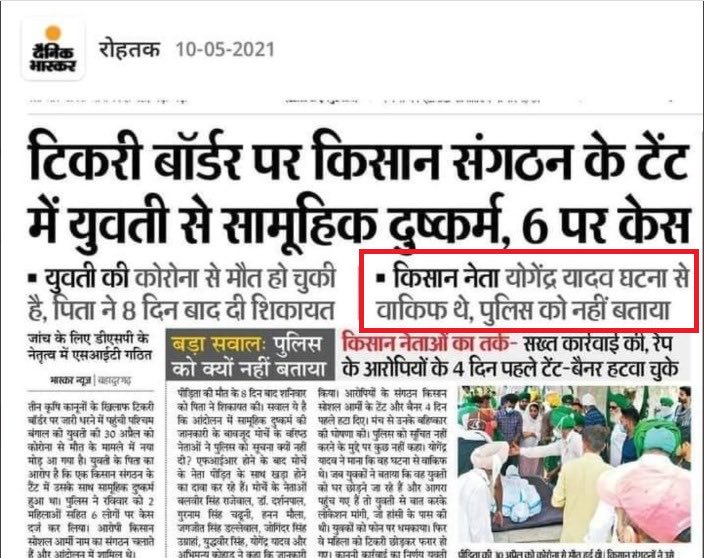
Yogendra Yadav was aware of rape of a girl at Tikri border, report says

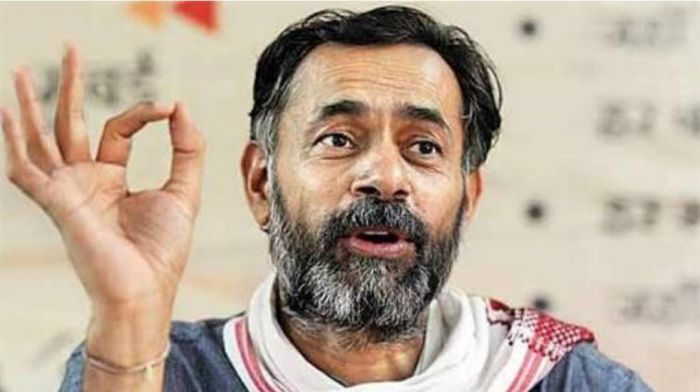
Two Aam Aadmi Party leaders were accused of raping a woman who used to attend the so-called farmers protests at Tikri border in Delhi. As per Dainik Bhaskar report, the victim’s father said that former AAP leader Yogendra Yadav, who is a ‘farmer protestor’ these days, knew about the allegations of rape but did nothing. The victim tested positive for COVID and succumbed to the virus.

So a leader knew that a woman has accused some men of raping her but he chose to stay quiet.

Here is another one who did so.

Aam Aadmi Party volunteer had alleged party workers of sexually abusing her. She said she let Arvind Kejriwal, the party chief and Delhi Chief Minister know about it.

The volunteer then committed suicide. In the above video you can hear the victim narrate that when she informed Arvind Kejriwal about the sexual abuse, she was asked to ‘compromise’.

Arvind Kejriwal told a victim of sexual abuse to ‘compromise’. Not that he stands by her, not that he will ensure justice to her but ‘compromise kar lo‘.

You know how the ‘comedians’ in India like to believe they are the most liberal and feminist of the lot and are all about equality and how they spout gyaan on consent? Well, a lot of women accused a lot of these comedians of sexual abuse in 2018 during the #MeToo wave. Know what some women revealed? All India Bakchod’s Tanmay Bhat knew about sexual misconduct of one of their collaborators but did nothing.

What is it about the so-called liberals who are otherwise champions of women’s rights suddenly go silent when someone they know is accused of rape? Where does the ‘believe her’ go? From Tehelka’s Tarun Tejpal to former TERI (The Energy and Resource Institute) chief R K Pachauri, the ‘liberals’ have downplayed the molestation charges and tried to silence those who spoke up.

At a time when it takes tremendous courage for victims to speak up on sexual abuse, why are the ‘liberals’ always around to silence a victim?

It is the community. Which is why when women put out a list of academics and accused them of using their position of power to abuse women, the apostles of feminism shamed the women for releasing list on social media instead of ‘following due process’.

In 2017, a damning list of academics in Indian institutes was put up on Facebook by a student, where she had accused the professors mentioned in the list of engaging in sexual harassment. At that time, the champions of naming and shaming sexual harassers, the Leftists cabal had taken it upon themselves to prove how this naming and shaming was ‘blackening faces’ and they were uneasy with the name and shame list.

They released a statement statement which was signed by 12 self proclaimed feminists including Ayesha Kidwai, the Leftist professor from JNU, who believes she is a parallel judiciary by leading a public inquiry against the Vice-Chancellor of JNU, Nivedita Menon, who believes Kashmir is not an integral part of India, Vrinda Grover, the advocate who rallied to save Yakub Memon and Kavita Krishnan, pro-Naxal ideologue activist who tried to pass off Diwali as a non-religious festival.

You see, this is how the liberal ‘ummah’ works. They will look out for each other even if it goes against everything they claim they stand for. Just like the Ummah launched a ‘hug a Muslim’ campaign after Tablighi Jamaat spread Coronavirus, just like the Ummah started a ‘I am a Khan and I am not a terrorist’ or a allied campaign after every terrrorist attack, just like victims speaking up after beat down and labelled Islamophobes, the ‘liberals’ will whitewash these crimes too. No woman will be allowed to speak up. They will term this crime a figment of the ‘Sanghi imagination’, because just as Muslims can do no wrong as long as the Ummah prevails, their allies, the liberals, can do no wrong as long as the establishment plays Nero’s Guest.

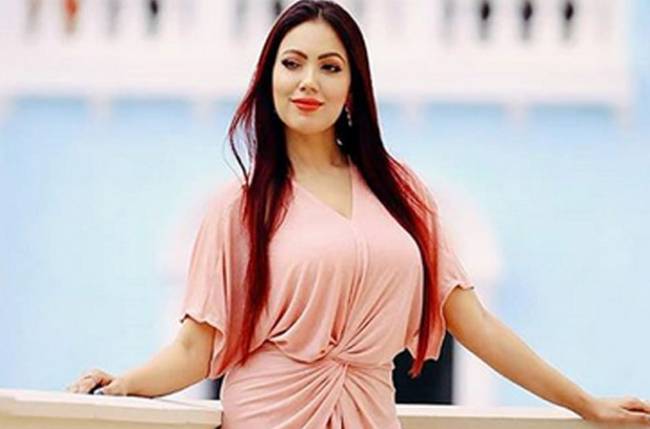
As Netizens trend #ArrestMunmunDutta, the actor apologises, says she was misinformed and did not intend to use casteist slur: Details

Actor Munmun Dutta, most famously known for playing the character of ‘Babita Ji in ‘Taarak Mehta ka Ooltah Chasmah‘, today posted a statement on Twitter, apologising for the improper usage of a word (bh*ngi) in one of her videos that had kicked up a controversy. 

“This is in reference to a video that I posted yesterday wherein one word used by me has been misinterpreted. It was never said with the intent of insult, intimidate, humiliate, or hurt anyone’s feelings,” the actor said in the statement.

Earlier yesterday, Dutta found herself at the receiving end of online criticism after netizens questioned her for using a casteist slur in one of the YouTube videos uploaded by her. In the video, Ms Dutta talked about her YouTube debut and the use of makeup for looking presentable in the videos. At this point, she used a word that sparked outrage among the social media users, with many accusing her of using a casteist slur.

Soon thereafter, social media users started trending #ArrestMunmunDutta on Twitter and demanded SC/ST Act be slapped against her. Heeding to the online backlash, Ms Dutta immediately removed the concerned part from her video.

In the statement released by her, Ms Dutta said because of the language barrier, she was genuinely misinformed about the meaning and the connotation of the word. However, once she was made aware of its meaning, she straight away removed the controversial part from her video.

“I have the utmost respect for every single person from every caste, creed, or gender and acknowledge their immense contribution to our society or nation,” she said.

Expressing regret for her inadvertent error, she tendered her apology to every single person who has been unintentionally hurt by the usage of the word.

The statement from Ms Dutta comes on the heels of criticism by social media users who accused the ‘Taarak Mehta ka Ooltah Chasmah’ fame actor of using casteist slurs in her video.

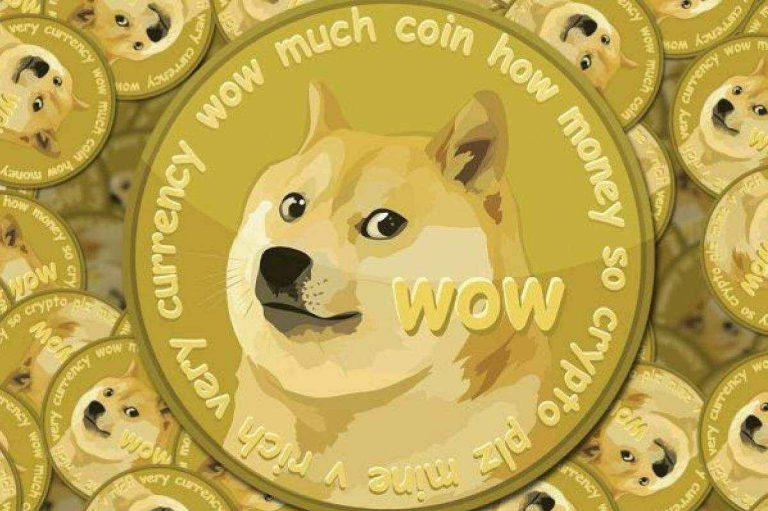
Dogecoin: All you need to know about the cryptocurrency based on a meme

With its ever-growing rise in popularity, including a mention from billionaire Elon Musk on the hit American TV show Saturday Night Live, Dogecoin has exploded into the culture. The meme-based cryptocurrency started out in 2013 as a joke. However, it has since established itself as a popular cryptocurrency, soaring to an all-time high last week. As of May 7, dogecoin was up more than 26,000% in the last six months, outpacing percentage gains of other cryptocurrencies like Bitcoin and Ethereum.

In 2013, software engineers Billy Markus and Jackson Palmer launched the satirical cryptocurrency as a way to make fun of bitcoin and the many other cryptocurrencies boasting grand plans to take over the world. They called it dogecoin – pronounced “doje coin” with a soft “g” sound – after the popular “doge” shiba inu meme.

According to researchers, the appeal of Dogecoin lies in its honesty. “The appeal of dogecoin has always been its honesty,” researchers explained in a note to clients dated May 4. “Unlike many other cryptocurrency projects…there’s no grand vision, no pronouncements about how dogecoin will change the world.”

Additionally, while bitcoin has a capped supply of 21 million coins, there is no limit to the number of dogecoins that can be created. 

“One of the value propositions of bitcoin is digital scarcity; that there will only be 21 million,” said Mati Greenspan, portfolio manager and founder of Quantum Economics. “There is no such hard cap [with dogecoin], and it has a really crazy inflation schedule.”

Celebrity endorsements of Dogecoin

Tesla owner and billionaire Elon Musk has been talking about Dogecoin since at least 2019, describing the cryptocurrency as his “fav cryptocurrency” and calling it “pretty cool”. However, he is not the only celebrity to push the animal-branded token. NBA team Dallas Mavericks owner and billionaire Mark Cuban has come out in support of Dogecoin. On April 26, Cuban announced that his basketball team was on track to complete more than 6,000 dogecoin transactions by the end of April.

“Doge is the one coin that people actually use for transactions,” Cuban said when asked by a user why he was backing dogecoin. “People spend their Doge and that means more businesses will start taking it.”

Celebrities like Snoop Dogg and musician Gene Simmons have all publicly rallied behind dogecoin. However, there is more to Dogecoin’s incredible rally and record-breaking surge. There is an enduring anti-establishment sentiment after the economic devastation caused by the COVID-19 lockdowns, which is luring investors to invest in Dogecoin.

“Dogecoin is like this kind of big F-U to the system,” said Avi Felman, Head of Trading at BlockTower Capital. “It’s like, ‘Yeah, this thing can have value, too. And I’m just going to buy it because I’m going to buy it.’”

“Elon is basically pushing up this message of, ‘Why can’t dogecoin have value?’” said Felman. “It’s part of the GameStop boom. People like these narratives. They like these stories. They like these jokes. And dogecoin just captured the mind and imagination of every single retail investor.”

The latest with Dogecoin

Dogecoin investors were in for a wild ride this weekend. The cryptocurrency hit its record-high ahead of Elon Musk’s Saturday Night Live appearance. However, the value of Dogecoin took a sharp downward turn after Musk called it “hustle” during his appearance on Saturday Night Live.

Dogecoin was quoted as low as $0.47 on crypto exchange Binance, down 28% from levels around $0.65 before the show. However, after the show, Elon Musk announced that his rocket company SpaceX will now accept the meme-inspired cryptocurrency dogecoin as payment.

Musk tweeted that “SpaceX launching satellite Doge-1 to the moon next year Mission paid for in Doge 1st crypto in space 1st meme in space”.

“This mission will demonstrate the application of cryptocurrency beyond Earth orbit and set the foundation for interplanetary commerce”, said SpaceX Vice President of Commercial Sales Tom Ochinero in the statement released by Geometric Energy.

On crypto data tracker CoinGecko.com, dogecoin jumped more than 800% over the last month and is now the fourth-largest digital currency, with a market capitalization of $73 billion. It hit a record high Thursday last week above $0.73.

“I basically started trading Dogecoin cause it was trending, but now I find it useful to keep small amounts in case I need the USDT [another cryptocurrency] equivalent to make up when I’m buying bigger assets. For example, if there’s a deficiency of 2 or 3 USDT, I can’t buy because of the minimum limits on online crypto exchanges.”, a small scale Indian cryptocurrency investor told OpIndia.

Dogecoin is a volatile cryptocurrency, and investing in it comes with risks, therefore investor discretion is advised. Novice crypto investors can also be scammed online in lieu of a promise to double or triple their money in a short span of time. Exercise caution and invest wisely.

How the Army rose to the occasion to help the nation fight COVID-19, but once the crisis is over, a Herculean task awaits the govt

The Delhi High Court, on the 7th of May, turned down the plea of the Delhi government asking the army to set up field hospitals in the city. The Court stated, “It (spread of coronavirus) could completely paralyse them from doing their real job that they are required to do, and we should not forget it has not been even a year since the time that we have had a problem”.

The army is currently running three major hospitals in Delhi, two of them dedicated to COVID-19. The central government stated in the court that a nodal officer has been nominated to coordinate with the Delhi government with regard to the installation of cryogenic storage tanks and their transportation within the national capital. Does the state government bureaucracy lack the capability to even manage logistics within its own state?

The army also announced the setting up of a ‘COVID management cell’ to ensure better coordination in extending support to civil authorities across the country. An army spokesperson stated, “to coordinate multiple facets of staffing and logistics support, an exclusive COVID management cell under a director-general rank officer has been established, which reports directly to the Vice Chief of Army Staff. This will bring greater efficiency in coordinating real-time responses to address the exponential rise in COVID cases across the country”. A similar cell has been established by the air force to coordinate the distribution of all the relief aid coming from abroad.

As the Chinese virus spreads across India, local medical facilities are coming under immense pressure. Hospitals are overflowing and support systems like oxygen, ventilators and critical medicines remain in shortfall. There are daily reports of the arrest of people involved in hoarding essential medical stores, which state governments have been unable to stop. Every frontline medical worker is stretched to limits, however, like true soldiers, they fight on regardless of the risk to their own lives. 

The air force and navy remain overstretched in the transportation of medical stores from across the globe and within India. There are daily reports of the movement of critical items by naval vessels and air force transport fleet. The air force has also dedicated transport aircraft for emergent movement of equipment and medical supplies within the country. In cities where repair of critical equipment, including oxygen generating plants, are needed, army technicians’ step in.   

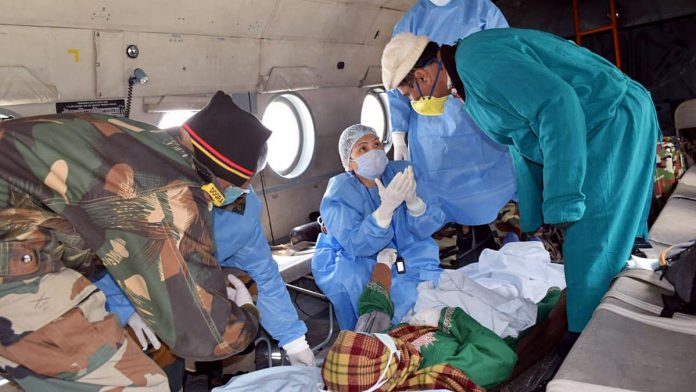
The armed forces and its medical fraternity are currently the largest contributors in the battle against COVID. Apart from supplementing state medical support systems, they are involved in establishing as also running additional medical facilities established by other organizations, including the DRDO. The DRDO is establishing temporary hospitals in multiple cities. It has limited its role to establishing hospitals, not running them. The state government looks to the centre for staff to run these facilities and the centre pushes the Ministry of Defence. Ultimately, the overstretched armed forces medical fraternity is roped in. 

The staff needed for these facilities are immense. The Sardar Vallabh Bhai Patel facility near Delhi airport alone requires over 120 doctors, 50 nurses and far more paramedical and support staff, while the Lucknow and Varanasi facilities require over 60 doctors, apart from other support staff. Many more such facilities are under construction. The staff for running these facilities are largely provided by the army. This has resulted in the army pulling out medical staff from HQs and training establishments, impacting daily functioning. As per reports, the armed forces were never taken on board at the planning stage but pushed on the pretext of there being no option. These new facilities could have been constructed near existing hospitals to save on the employment of dedicated manpower. 

Employing the armed forces when all else fails is not new, nor will the armed forces ever back down, despite all difficulties. However, what is surprising is the complete failure of the government bureaucracy in handling this crisis. It needed a ‘whole of government’ approach, which was evidently missing. The mass of IAS secretaries in Delhi should have coordinated with every central agency and evolved a cohesive plan, which they failed to do. This has led to the government reacting, with no clear end-state.

This is evident from the fact that the second wave has no daily central briefing in Delhi, a hallmark of the first wave. In addition, the political class and state government versus centre blame game only make matters worse. The period between the two waves should have been utilized to build medical facilities and enhance the ability of other organizations to join the battle. Nothing was done. It is easy to blame the polity, however, advice flows from the bureaucracy. The overpaid bureaucracy slept, failed to devise a strategy and advised politicians at the helm. The end result was inducting the instrument of last resort. 

While the government has repeatedly invoked the Disaster Management Act, the latest being at end of April, the National Disaster Relief Force, founded solely for ‘disaster response related duties,’ is missing. It claims to have considerable experience in CBRN (chemical, biological, radiological and nuclear) emergencies. Every battalion includes engineers, technicians, medical staff and paramedics. It could have contributed to resurrecting and maintaining oxygen plants that were non-functional or providing technical support to new hospitals but is invisible. The railways, on the other hand, is boosting bed capacity by converting coaches into isolation centres, run by their own doctors. 

The bureaucracy, which failed to even prepare an effective plan, let alone facilities and rightly advice the polity, on countering the second wave, are those enjoying the highest salary and benefits, including NFU, as compared to those currently inducted to fight the battle. The armed forces are denied similar allowances on flimsy grounds, compelling them to fight their case in court. The nation should be asking why does our overpaid bureaucracy fail us every time.    

The armed forces have rushed in to support the nation, but as soon as the crisis ends, obtaining clearances for rapid deployment, expenditure incurred, hiring of retired medical staff, as also medical equipment procured, will be a herculean task. The same bureaucracy, which failed in determining a strategy and evolving a whole of government approach, leading to the armed forces being rushed in, will place stumbling blocks and make them run from pillar to post prior to releasing funds. This has always happened and will continue to happen. This is Indian bureaucracy at its best.

There is no doubt that the arrival of the armed forces in the battle enhances national morale, as it remains the most trusted organ of the state. However, the failure of the bureaucracy and lack of involvement of other crucial agencies needs an analysis. A whole government approach has ended up as an almost solo armed forces approach. This is evident from the words of the PM, ‘Jal, Thal and Nabh, our armed forces have left no stone unturned in strengthening the fight against COVID.’ 

(The article has been written by Major General Harsha Kakar who superannuated from the army in 2015. A prolific writer, he writes for a variety of newspapers and magazines on national security and international relations. He blogs at www.harshakakararticles.com and can be contacted at @kakar_harsha).


How Rajdeep Sardesai, a self-declared vulture, defended UAPA accused Natasha Narwal who is under trial for Delhi anti-Hindu riots

A day after the father of an accused in the Delhi riots case passed away due to Coronavirus-related complications, senior ‘journalist’ Rajdeep Sardesai tried to whitewash her crimes. The accused in the said case is a Pinjra Tod activist named Natasha Narwal, whose father Mahavir Narwal died on Sunday. Reportedly, he was a scientist and a member of the Communist Party.

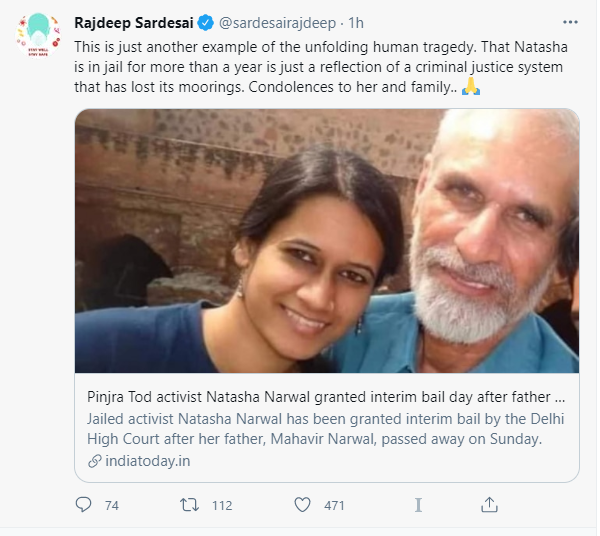
The man leading the lobby happened to be India Today journalist Rajdeep Sardesai, On Monday (May 10), he tweeted, “This is just another example of the unfolding human tragedy. That Natasha is in jail for more than a year is just a reflection of a criminal justice system that has lost its moorings. Condolences to her and family,” he concluded.

Screengrab of the tweet by Rajdeep Sardesai

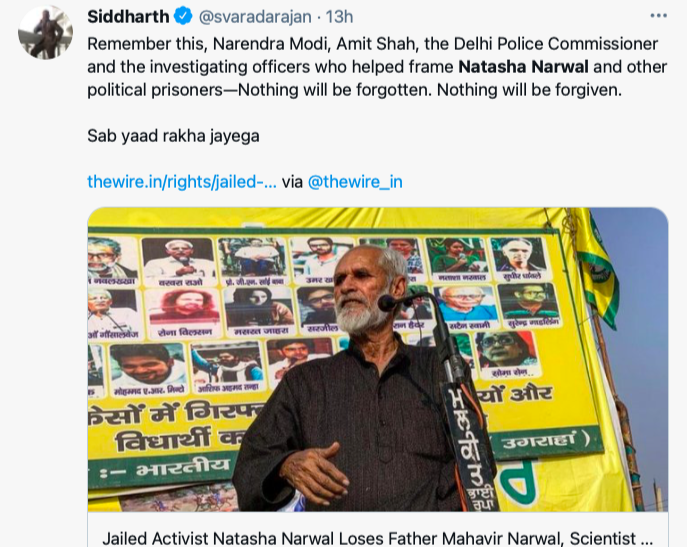
Leftist propaganda site The Wire’s Sidharth Varadrajan too used Narwal’s father death to claim innocence of the UAPA accused, threatening the Delhi Police, PM Modi and Home Minister Amit Shah that “nothing will be forgotten”.

Tweet by The Wire’s S Varadrajan

On Monday, Natasha Narwal was granted interim bail of 3 weeks on a personal bond of ₹50,000. She received her bail, a day after her father succumbed to Coronavirus infection. Citing sources, India Today had alleged, “Mahavir Narwal was not able to speak to his daughter who is in jail. His son, Aakash, who is also Covid-19 positive, was there with him in Rohtak.”

Since then, the left-liberal journalists and activists such as Rajdeep Sardesai have been using the death of Mahavir Narwarl to stir sympathy, make a strong emotional appeal and whitewash the crimes of his daughter Natasha.

The role of Natasha Narwal in Anti-CAA protests and Delhi riots

On May 23, the Special cell of Delhi police had arrested Natasha Narwal. She, along with co-accused Devangna Kalita, was one of the founding members of far-Left group Pinjra Tod, which was established in 2015. Pinjra Tod was started primarily in opposition to hostel curfews at Delhi’s colleges and universities. Natasha Narwal was also a columnist with several Left-leaning online portals in the past and harboured deep-seated Hindu hatred in all her articles.

The accused was a part of the Delhi Protest Support Group (DPSG) which controlled all Anti-CAA protests. The Special Public Prosecutor Amit Prasad had told the Court last year that Narwal was responsible for orchestrating Anti-CAA protests in Seelampur. He emphasised that her intention was not to protest against the humanitarian act but to engage in the blockade, and ‘chakka jam’, which later culminated into unprecedented violence.

He added that she was a part of a meeting on February 16 and February 17 during which the Anti-CAA conspiracy was hatched. Prasad pointed out that the Whatsapp chats revealed their nefarious agenda of inciting violence. On January 28, a Delhi Court has rejected the bail plea of Natasha Narwal. The court observed that intentionally blocking roads leading to disruption of essential services, attack on police personnel, and eventually culminating in riots fell within the scope of the anti-terror law called the Unlawful Activities Prevention Act (UAPA).

The court said, “[The conspiracy led] to the February incident with the focus being targeted blocking of roads at mixed population areas and creating panic and attack on police personnel with facade of women protesters in front and leading to riots would be covered by the definition of a terrorist act.” Additional Judge Amitabh Rawat said that there was sufficient incriminating evidence against Natasha, and there were reasonable grounds to believe that the accusations against her are prima facia true.

The whitewashing of the Delhi riots by the Left ecosystem

The national capital was engulfed by horrific anti-Hindu riots in the last week of February last year. The riots broke out on February 24 following prolonged violent protests against the Citizenship Amendment Act (CAA). The chargesheets filed by the Delhi Police and the Special Cell investigating the case detail a malicious plan to instigate Muslims against Hindus that resulted in the outbreak of riots.

Around 53 people reportedly died in the riots including an IB officer named Ankit Sharma and a migrant worker from Uttarakhand named Dilbar Negi. More than 200 people were reported to have been injured in the riots. Public and private property worth crores including shops were set on fire during the riots. Delhi police special cell has filed multiple chargesheets in the Delhi riots case which is still being investigated.

The list of alleged key conspirators in the riots have names like former AAP councillor Tahir Hussain and former student union leaders Umar Khalid and Sharjeel Imam. Several far-left protestors including Natasha Narwal, Devangana Kalita and former Congress leader Ishrat Jahan have also been named in connection with the anti-Hindu Delhi riots.

It is pertinent to note here that several media outlets and journalists – from NDTV to propaganda outlets like The Quint had propagated that the charge sheet filed by the Delhi police probing the anti-Hindu riots had termed Kapil Mishra as a ‘whistleblower’. However, we had reported how these claims were unwarranted and a futile attempt to shift the real focus from the perpetrators of the crime. OpIndia published a report on the chronology of events that took place since December 2019, leading to the anti-Hindu riots in February 2020. It is available as an ebook on Kindle. You can check it here.

Suvendu Adhikari appointed leader of opposition in Bengal Assembly: What it means for the future of BJP in the state

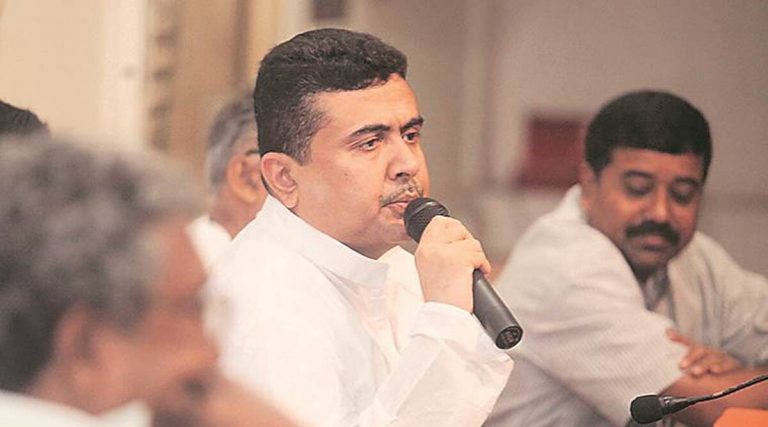
Suvendu Adhikari has been appointed the leader of the opposition in West Bengal. The BJP MLA from Bengal defeated Chief Minister Mamata Banerjee from Nandigram in the hotly contested assembly elections in the state. He had only recently joined the BJP from the Trinamool Congress in December last year.

The appointment of Suvendu Adhikari as the leader of the opposition in the West Bengal Assembly will have deep ramifications for the future of the party in the state. It will significantly strengthen the BJP in areas where they have been lacking so far.

Local Face

One of the most prominent factors believed to have affected BJP’s fortunes in the state is the lack of local leaders who could match Banerjee’s stature in Bengal politics. While the BJP did have popular leaders, it did not have any that came close to matching Banerjee’s stature.

With the elevation of Suvendu Adhikari to the position, that is set to change. He defeated Mamata Banerjee in his bastion and managed to hold his ground in an election that saw the Trinamool Congress sweep the entire state.

Furthermore, with Adhikari, the BJP has someone that understands the street politics of Bengal and how the game is played. His victory from Nandigram was also significant for the party as the party now had a strong base outside of North Bengal going forward.

In a time of deep crisis, it was one of the few bright spots for the party and Adhikari could serve as a leader the party workers could rally around.

Reduced influence of Central BJP leaders

A prominent grouse that has surfaced in the aftermath of the BJP’s defeat is the fact that the party’s campaign had too much of an influence from the central leadership of the party. Observers appointed by the central leadership of the party have come under criticism for not enough awareness about the realities of Bengal politics.

Tathagata Roy, former Governor of Tripura and Meghalaya, had directly blamed Kailash Vijarvargiya and Dilip Ghosh among others for sullying the reputation of the central leadership of the party. He had hurled the choicest insults at them and held them responsible for the party’s insipid performance.

With Adhikari at the helm, that is set to change. While it is likely that Dilip Ghosh will continue to remain as the state party president, the Ghosh-Adhikari duo could function as the ‘double-engine’ of the party in Bengal.

Giantslayer

Suvendu Adhikari has significantly augmented his stature in Bengal politics after defeating Mamata Banerjee in Nandigram. The tag of ‘Giantslayer’ will stick with him going forward. His work for the next five years is cut out.

Adhikari must expand his base from Medinipur and develop a pan-Bengal appeal through extensive campaigning. He has many thing working for him. He is a mass leader, has a strong base and now has a larger than life image.

But that means that certain things will change within the BJP as well. There was the impression that too many people within the party were trying too many things and too many cooks spoilt the broth. Adhikari, an iron fisted leader, will look to straighten things out.

While it is far far too early to say whether Adhikari will prove to be another Himanta Biswa Sarma for the BJP, it has to be conceded that he has all the right credentials to emerge as one.

BJP has taken the right inputs

The decision shows that the central leadership of the party has taken the right inputs. It was a bold decision to appoint Adhikari the leader of the opposition in the Assembly considering other leaders who have been in the BJP much longer.

But it also has to be admitted that the BJP did not really have a choice in the matter. Suvendu Adhikari is the most prominent leader among its elected representatives and has to be given his due. Going forward, the Bengal unit of the party will see a much reduced influence from observers appointed by the center and the state party unit will have much greater leeway to pursue avenues it deems fit.

Bengal Governor gives sanction to CBI for the prosecution of 4 former TMC ministers in Narada sting operation case

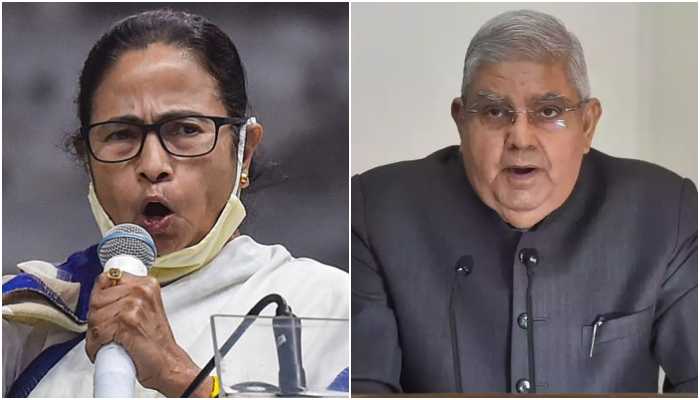
West Bengal governor Jagdeep Dhankar has on Sunday accorded sanction to the CBI, for the prosecution of West Bengal politicians Firhad Hakim, Subrata Mukherjee, Madan Mitra and Sovan Chatterjee (who had left the Trinamool and joined the BJP but has dissociated himself from the BJP too) in the Narada sting operation case.

Interestingly, all four ministers were a part of Mamata Banerjee’s cabinet when their name appeared in the Narada sting tapes scandal in 2014.

A statement issued by the officer on special duty (communication), Raj Bhavan said that the sanction for prosecution of the four leaders was accorded by the WB Governor after the CBI had made a request for the same. The central agency also made available entire documentation relevant to the case to Dhankar, who then invoked his powers under Article 163 and 164 of the Constitution, being the competent authority to accord such sanction.

Speaking about the decision, a Raj Bhavan official said on Sunday: “Honourable governor is the competent authority to accord sanction in terms of law as he happens to be the appointing authority for such ministers in terms of Article 164 of the Constitution.” 

Dhankar’s decision comes hours after Subrata Mukherjee, Madan Mitra, and Firhad Hakim have been re-elected as MLAs in the recently concluded state Assembly elections. Hakim and Subrata Mukherjee are to be sworn in Mamata Banerjee’s cabinet on Monday as their names feature in the list of 43 names of ministers released by TMC.

What was the Narada sting operation case

The Narada sting operation case, as the name suggests, was a series of sting operations conducted by Narada news portal chief Mathew Samuel in West Bengal to expose the corrupt practices of ministers in the Mamata Banerjee government.

The tapes of the sting operation were shot over a period of two years beginning in the year 2014. The sting was earlier to be published in Tehelka magazine. It was carried out by Matthew Samuel who later quit Tehelka and launched his own TV channel in West Bengal.

The tapes of the sting operation was made public before the 2016 assembly elections in West Bengal.

In the tapes, a host of top Trinamool leaders were seen accepting bribes for helping the company.

Besides these four leaders, there was a host of other Trinamool Congress leaders, namely, former Kolkata Municipal Corporation deputy mayor Iqbal Ahmed, Trinamool MPs Aparupa Poddar, Saugata Roy, Kakoli Ghosh Dastidar, Prasun Banerjee and Sultan Ahmed (he passed away in 2017), former minister Madan Mitra, and Sujay Bhadra and Karan Sharma (close aides of Mamata Banerjee’s nephew Abhishek), Mukul Roy and Suvendu Adhikari (both with the BJP now), who were named in the scam.

The accused initially had disputed the contents of the tapes but when the Central Forensic Laboratory confirmed the authenticity of the tape, the Trinamool leaders said that they had taken the money for charitable purposes and for the party’s coffers.

The Calcutta High Court had ordered a CBI probe into the sting operation in March, 2017.

Gujarat: Extensive campaign launched to test, trace and isolate people in villages to arrest spread of coronavirus pandemic

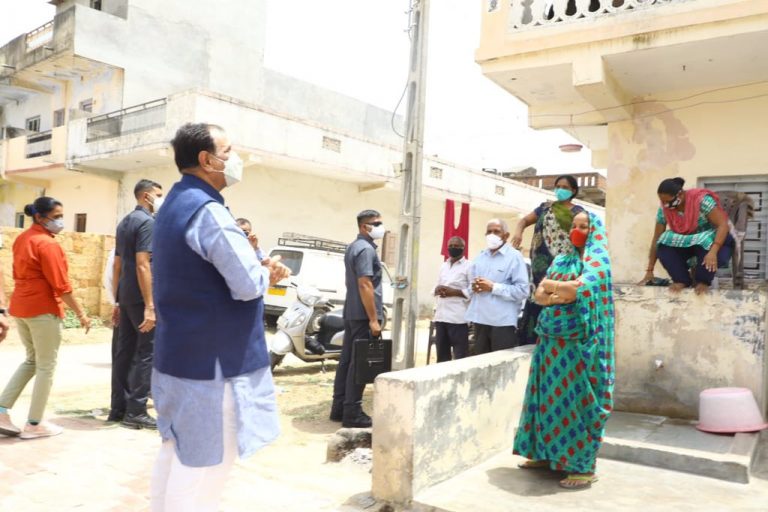
The Gujarat state government has recently launched the ‘Maru Gaam Corona Mukt Gaam‘ (My village, Corona free village) campaign in a bid to check the Chinese coronavirus pandemic in villages. Speaking at Chekhla village in Sanand Taluka in Ahmedabad district, Gujarat CM Vijay Rupani said that the second wave of the coronavirus pandemic much more severe, fast spreading and fatal and often affecting the entire family. “There is need to be all the more alert,” he said.

He urged people to follow all protocol to combat the pandemic but also appealed to people at large not to panic. He informed that the state government has formed ‘Gram Yoddha Committee’ in over 16,000 villages across Gujarat and undertaken individual surveillance of about 50 lakh people. This led to identifying 5,000 people with COVID-like symptoms who are currently in isolation.

As of now, 1.4 lakh tests are being conducted in the state and requires about 1,000 MT of medical oxygen. The number of beds in the state has been increased from 45,000 on March 15 to one lakh now. As per Rupani, the state government has ordered all necessary medicines and injections for Mucormycosis at Ahmedabad, Vadodara, Surat and Rajkot for which separate wards have been created. 

He informed that adequate assistance is being given by the Centre to fight the pandemic. He reiterated that adequate arrangement for oxygen and bed requirement is in place and people need not panic. He urged people to get themselves tested if they notice symptoms and get themselves admitted to community COVID facilities in case of need.

Coronavirus cases in Gujarat

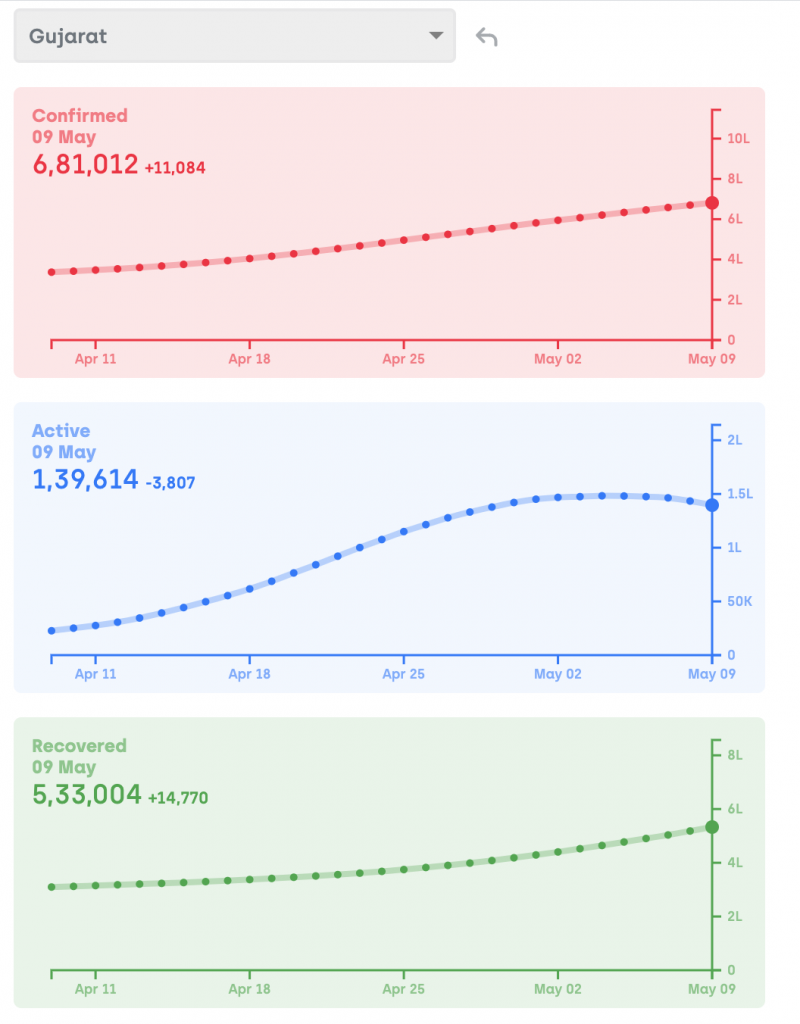
Gujarat is currently 11th worst affected state in India in terms of total Coronavirus cases. As of now, the state has registered 6,81,012 cases of which 1,39,614 are active cases. 8,394 people have lost their lives in Gujarat due to the pandemic. Gujarat is currently one of the few states in India which has not gone for a full lockdown. There are strict restrictions and non-essential shops have been closed since a few days which has let do a decrease in active cases in past few days.

Coronavirus cases in Gujarat, latest trends

As can be seen, the number of active cases have been on a slight bend and things are looking promising and hopefully the worst is behind us.