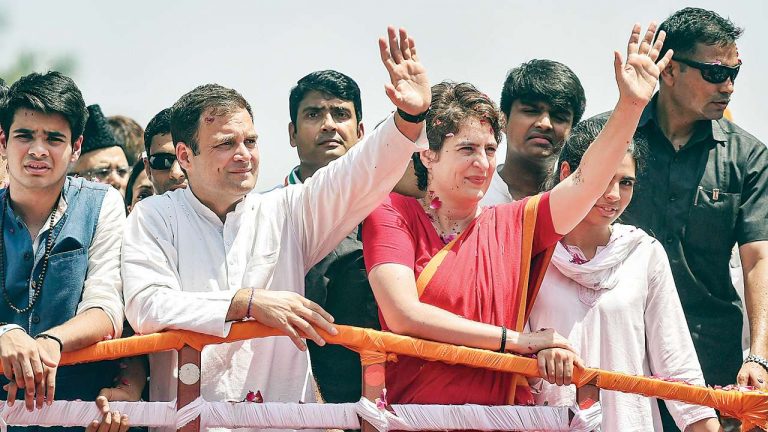
Congress General Secretary Priyanka Gandhi Vadra was slammed on Sunday for wishing only people of poll-bound Wayanad and Kerala on Easter. Priyanka is the sister of Wayanad MP and senior Congress leader Rahul Gandhi and daughter of Congress President Sonia Gandhi.
In a video message shared by Congress’ Twitter account, Priyanka expressed her inability to attend the Easter celebrations in Wayanad in person along with her brother. However, her message for Easter was addressed only to the people of Wayanad and Kerala. Kerala goes to polls for state assembly elections on 6th April, 2021.
Soon she was questioned by netizens on why she has extended greetings for Easter only to people of Kerala. Christians live across India and this wishes only for people of one state irked netizens.
Why only Wayanad… sirf wahi Christian hai kya bharat me ???
Ahead of 2019 general elections, fearing defeat from the ‘family seat’ of Amethi against BJP’s Smriti Irani, Rahul Gandhi chose to fight from a second ‘safe seat’ Wayanad, Kerala. Hindus are in a minority in Wayanad where Muslims form about 56% of the population.
On Friday, Canadian Prime Minister Justin Trudeau stirred the hornet’s nest after failing to acknowledge the Christian festival of Easter in his message to his countrymen.
In a tweet, Trudeau referred to Easter Holidays as ‘long weekend’. He wrote, “It’s the start of a long weekend, and I know that means you’d normally be getting together with your entire family for a few days of fun. But with the number of COVID-19 cases rising across the country, we’re all going to have to do things differently again this year.”
It’s the start of a long weekend, and I know that means you’d normally be getting together with your entire family for a few days of fun. But with the number of COVID-19 cases rising across the country, we’re all going to have to do things differently again this year.
The Canadian Prime Minister also asked citizens to remain cautious and creative. “That means we’ll have to get creative and find new ways to connect with our families and friends, and it means we’ll need to keep following public health guidelines. If we all do that – and I know we’ve got what it takes – next year’s celebrations will look a whole lot brighter,” he continued.
In the meantime, with new restrictions coming into place in various parts of the country, know that we’re going to continue to be here for you – and that there are programs available to help you and your business. For more information on them, click here: https://t.co/J06RXLw7tc
Trudeau further announced, “In the meantime, with new restrictions coming into place in various parts of the country, know that we’re going to continue to be here for you – and that there are programs available to help you and your business.”
Netizens slam Justin Trudeau for his double standards
His ‘holiday message’ did not go down well with fellow Canadians, who pointed out that his greetings resembled a ‘public health advisory’ and failed to acknowledge the Easter festival. Netizens also pointed out that Trudeau had been pro-active while wishing people during the Islamic festival of Ramzan but indifferent in the case of Easter.
While emphasising on Trudeau’s hypocrisy, one Twitter user wrote, “I’m so disappointed that our Canadian PM acknowledges other religious holidays and chooses to be politically correct about Christian ones. It is Easter weekend, the biggest Christian observance. Easter is not just a long weekend, please get on board with inclusiveness.”
I’m so disappointed that our Canadian PM acknowledges other religious holidays and chooses to be politically correct about Christian ones. It is Easter weekend, the biggest Christian observance. Easter is not just a long weekend, please get on board with inclusiveness.
Another Twitter user slammed the ‘wokeness’ of the Canadian Prime Minister. “This is Easter, you preening woke. Acknowledge it for its religious meaning, as you do for all other religions. Or perhaps Christians do not deserve the same treatment?” he asked.
This is Easter, you preening woke. Aknowledge it for its religious meaning, as you do for all other religions. Or perhaps Christians do not deserve the same treatment?
Rebel News Editor Ezra Levant tweeted, “You may think it’s Easter. Justin Trudeau calls it a “long weekend”. There’s no holiday for other religions too obscure for him to mention by name. But he’s always had an anti-Christian streak. Like his father.”
You may think it’s Easter. Justin Trudeau calls it a “long weekend”. There’s no holiday for other religions too obscure for him to mention by name. But he’s always had an anti-Christian streak. Like his father. https://t.co/MqSTJ8Pcqd
Entrepreneur Steve Kent accused Justin Trudeau of not being ‘inclusive.’ He wrote, “Thanks. For me it’s about inclusion. Trudeau doesn’t post messages about Christian holidays even though he posts about many others. And I think it’s okay to call it what it is — Easter. That’s appropriate, too.”
Thanks. For me it’s about inclusion. Trudeau doesn’t post messages about Christian holidays even though he posts about many others. And I think it’s okay to call it what it is — Easter. That’s appropriate, too.
Twitter users also pointed out his double speak on other festivals. A screenshot, dating back to April 23 last year, shows Trudeau wishing Muslims ‘Ramzan Mubarak’ without being preachy and patronising. However, this wasn’t the case with regards to Easter holidays. “Apparently, if you say Happy Easter, you are an Islamophobe. Right, Trudeau?”, inquired one Dawn Miller.
Having said that, some Twitter users pointed out that Friday (April 2 ) was observed as ‘Good Friday’ (the day Jesus Christ was crucified) and that Easter will be observed on Sunday (April 4). They argued that the Canadian Prime Minister did not ‘necessarily’ avoid the mention of the word ‘Easter’ and that he would wish his countrymen about the same today.
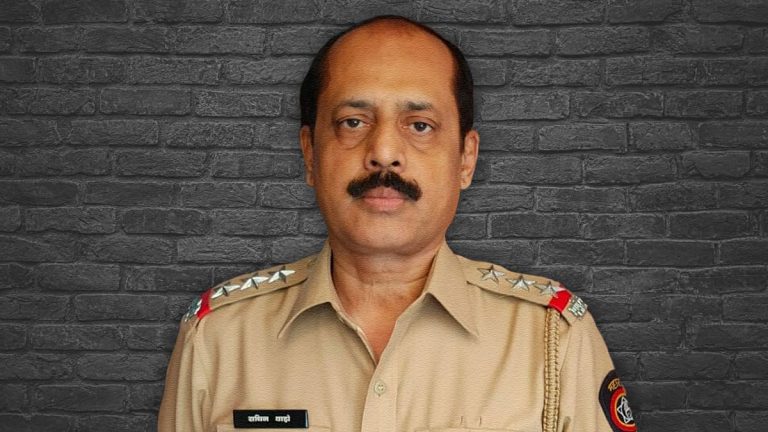
The investigation led by National Investigation Agency (NIA) into Sachin Vaze’s involvement in Antilia bomb-scare and Mansukh Hiren’s death has led to the revelation of some shocking facts. Sachin Vaze who has been in NIA’s custody for interrogation has revealed that he was planning a “fake encounter” to cover up the bomb-scare case, as per Lokmat report.
As per the NIA investigation, Vaze had planned to encounter two men and put the blame on them for planting the bomb in a green Scorpio outside industrialist Mukesh Ambani’s residence, to dismiss the entire case.
In a new plot hinting at Vaze’s involvement in Mansukh Hiren’s death, Sachin Vaze on the 4th of March had reportedly traveled to Thane from Byculla where he called Mansukh Hiren and gave his custody to eight odd men. From there Vaze went back to Mumbai to raid Gypsy Bar. Since he did not have the necessary permission to raid the bar, he filed a report stating no irregularities were found. However, this was a ploy to prove that he was in Mumbai at the time of Mansukh Hiren’s death, the report says.
The ATS and the NIA have also collected CCTV evidence of the sequence of actions of the accused. The footage revealed that a Scorpio and an Innova had stopped on Carmichael Road at midnight before proceeding to Mukesh Ambani’s residence. The driver left the Scorpio there, sat in an Innova and left the spot. After a few hours, the accused reached the spot again, checked the Scorpio carefully and returned. This vehicle’s travel in Mumbai and Thane has been captured and traced to establish the sequence.
Mystery woman informs about the hawala scam
Meanwhile, NIA has also been interrogating the women who frequented Sachin Vaze during his stay at a 5-star luxury hotel, in Mumbai. The woman, identified as Meena George is said to be the one who managed the share of money collected by Vaze from various bars, hookah parlors, clubs and restaurants in Mumbai.
In a shocking revelation, the woman has confessed to sending some of this share of money to Gulf countries through hawala.
Meena George, originally from Gujarat, had been staying in Mira Road, Mumbai however the flat has been shut for the past few days, revealed another Lokmat report.
Money withdrawn from Sachin Vaze’s account after his arrest
According to Anil Singh, a lawyer representing NIA, Rs 26 lakh was withdrawn from an account belonging to Sachin Vaze while he was in NIA’s custody. The account balance now stands at Rs 5,000.
The lawyer informed that an inquiry into the transactions is underway. However, Vaze’s lawyer have denied the allegations claiming that the account from which Rs 26 lakh was withdrawn is a Joint Bank Account and does not belong to Vaze alone.
Eighth car used by Sachin Vaze seized
The NIA on Saturday seized a Mercedes, the eighth car used by Sachin Vaze. The agency is now trying to establish whether this car has any links with the Sachin Vaze and Mansukh Hiren’s death case. Parallelly, the search is still on for two other cars- an Audi and Eco supposedly linked to Mansukh Hiren’s death case.
A CCTV footage recovered from Bandra-Worli Sea Link on March 3 has revealed that Sachin Vaze had traveled in an Audi with suspended cop Vinayak Shinde who was seen driving the car.
Custody extended till April 07
The special court on Saturday has extended Sachin Vaze’s custody till April 7. Arguing for extending Sachin Vaze’s custody, the NIA told the court that Vaze is being investigated not just under the Unlawful Activities (Prevention) Act (APA) but also other cases against him.
In a rarest of the rare occurrences, a baby in Iraq is born with three penises. The baby is believed to be first human ever to be born like this. This condition is known as triphallia. Apparently, having more than one penis is not a new phenomena. Diphallia, where a child is born with two penises, is a documented occurrence and takes place in around one in 5-6 million live births. However, this three-month old child has three penises.
As per doctors, however, only one of the three could be his ‘true penis’. The other two penises will be supernumerary and do not possess urethrae. Hence, they could not function as normal penises. The two extra penises were removed surgically without any adverse effects.
As per reports, there does not seem to be any particular cause for this condition. The child was neither exposed to drugs in womb nor is there any family history of genetic aberrations.
The Kurd baby from Duhok was brought to hospital due to swelling in scrotum. However, the doctors observed that there were two extra penises. One 2-centimeter (0.8-inch) penis sprouting near the root of his primary penis, and another one-centimeter-long schlong situated under his sack.
Indian boy first to have three penises
In 2015, a baby born in Jaunpur, Uttar Pradesh, had three penises, of which two had erectile tissue. His anus was also absent. After his birth, the doctors created an incision on lower left side of his stomach to let the excreta pass. While he was one of the first cases with three penises, he was not documented in a medical journal.
Subsequently, doctors in Mumbai removed the rudimentary penis and joined the two functional penis by wrapping skin around them. An anal path was also created through his rectum to facilitate passage of excreta. Once the anal path healed, the stomach incision was closed.
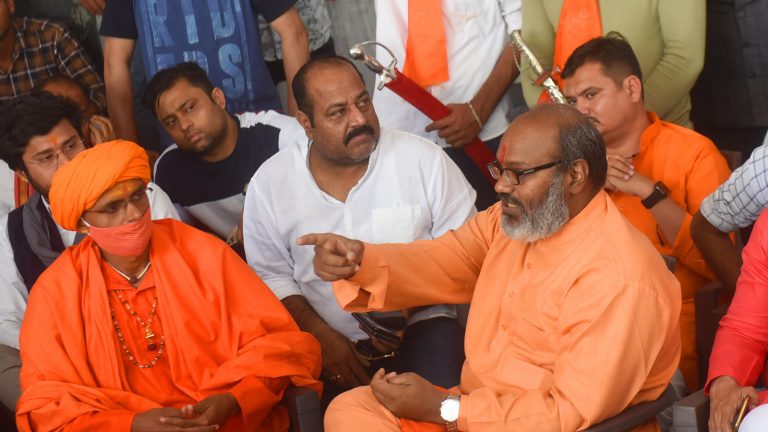
Delhi Police has registered an FIR against Yati Narsinghanand Saraswati for allegedly hurting religious sentiments of Muslims through comments against prophet Muhammad during a press conference in Delhi, Indian Express journalist Mahender Singh Manral has reported.
Taking cognizance of a video circulating on social media in the matter of a conference took place in press club, a case FIR No. 57/21 u/s 153-A/ 295-A-IPC has been registered at PS Parliament Street and investigation taken up. – said Delhi Police Spokesperson Chinmoy Biswal.
— Mahender Singh Manral (@mahendermanral) April 3, 2021
The FIR was registered against Yati Narsinghanand Saraswati under sections 153-A and 295-A of the Indian Penal Code at the Parliament Street Police Station.
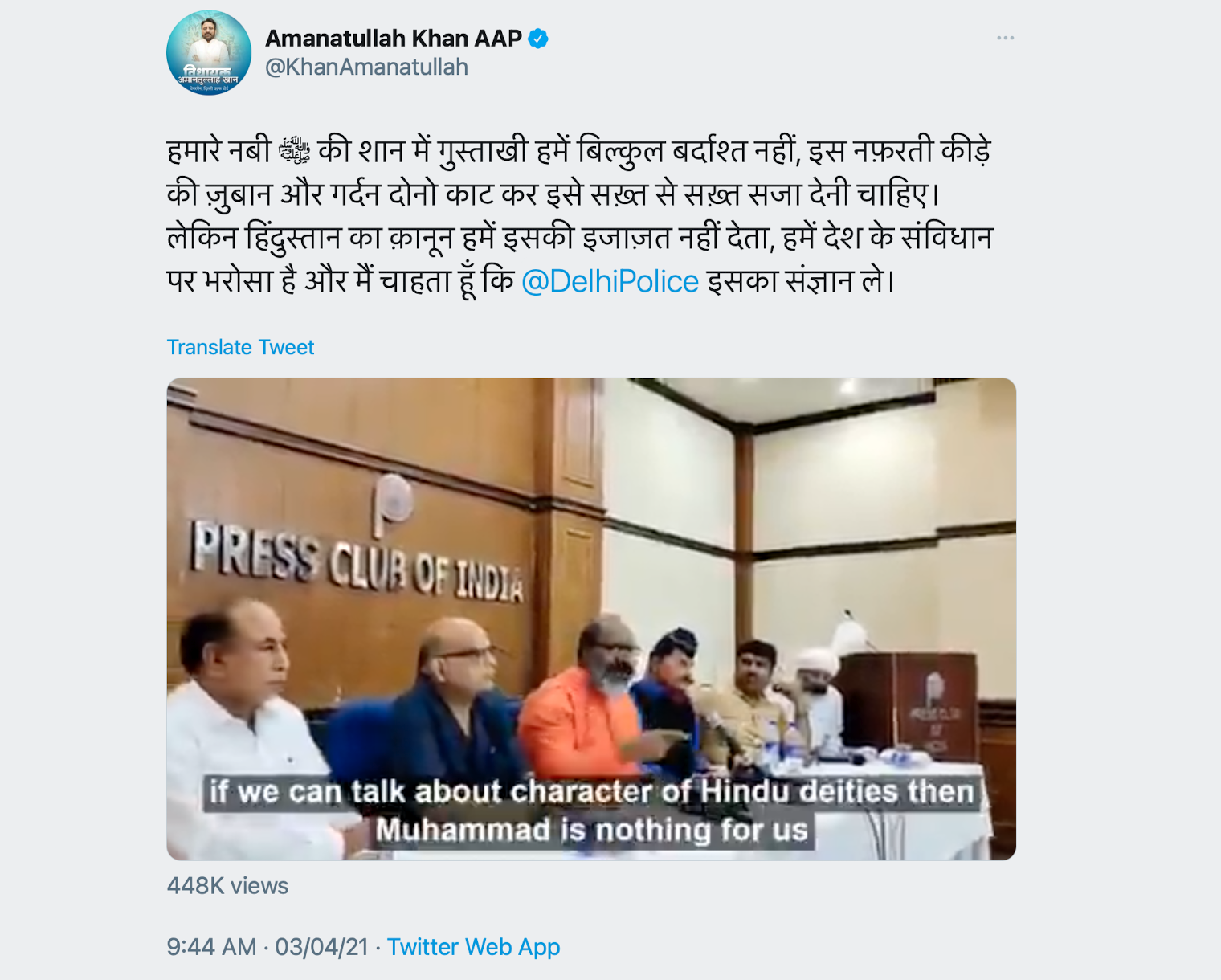
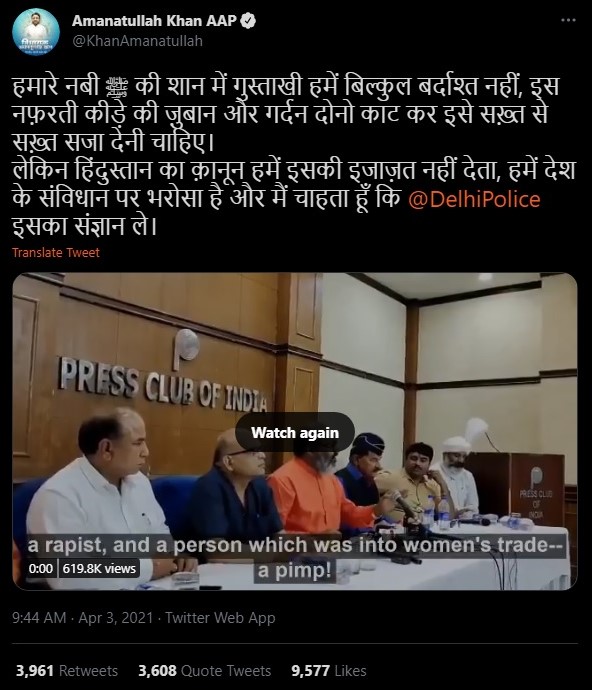
Comments made by Yati Narisinghanand Saraswati at a press conference in Delhi had gone viral on social media. AAP MLA Amanatullah Khan had also issued a death threat calling for his beheading for the same. It is not clear whether a case has been registered against Amanatullah Khan for the same.
In a tweet, Khan said, “We can not tolerate such impertinence for our beloved Prophet Muhammad. This hateful insect should be awarded the most severe punishment by slitting his tongue and neck. But the law of the land does not permit us to do this, we have faith in the Indian constitution, and I want Delhi Police to take note of this.” He had also filed a complaint against Yati Narsinghanand Saraswati at the Jamia Nagar Police Station.
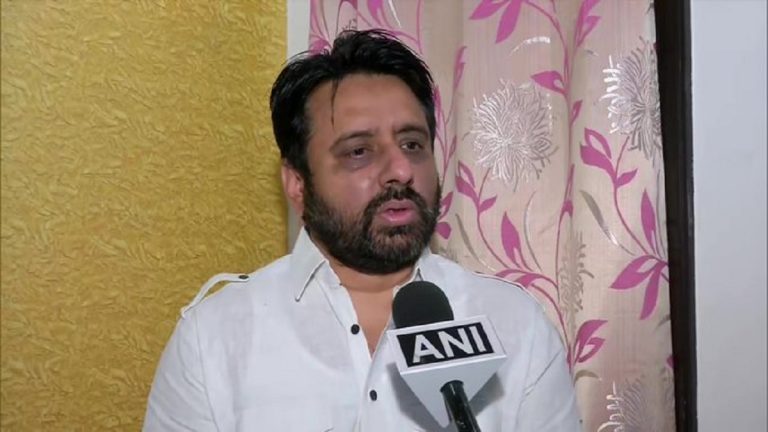
AAP MLA Amanatullah Khan on Saturday called for the beheading of the Dasna Devi Temple head priest Yati Narsinghanand Saraswati for his critical remarks on Prophet Muhammad.
In a tweet, Khan said, “We can not tolerate such impertinence for our beloved Prophet Muhammad. This hateful insect should be awarded the most severe punishment by slitting his tongue and neck. But the law of the land does not permit us to do this, we have faith in the Indian constitution, and I want Delhi Police to take note of this.”
Source: Twitter
Yati Narsinghanand Saraswati was speaking at an event held at the Press Club of India where he urged Hindus to be fearless in highlighting the characteristics of Prophet Muhammad.
“If Islam’s reality, for which Maulana says, ‘If you speak about Muhammad, we will behead you’, Hindus should get rid of this fear. We are Hindus. If we can about the characteristics of Lord Ram, and other Hindu deities, then Muhammad is nothing for us. Why could not we speak about Muhammad and speak truth?” Yati Narsinghanand Saraswati exclaimed.
In essence, Narsinghanand Saraswati was urging Hindus to shun the fear of reprisal from Muslim radicals and speak about the characteristic traits of Prophet Muhammad, just like the way they do for Hindu Gods. However, Saraswati’s exhortation to speak up the truth did not sit well with Islamists like AAP MLA Amanatullah Khan, who was quick to call for the decapitation of the Hindu priest for speaking against the Islamic prophet.
History of how Islamists have been using intimidation and violence to prevent discussions on Islam and Prophet Muhammad
Khan’s call for killing and decapitating Yati Narsinghanand Saraswati for expressing his views against Prophet Muhammad is not a spur of the moment indignation. It holds a historical context. For centuries now, Islamists have been using threats and violence to force dissenters into silence. The picture becomes stark when the history of India is taken into account.
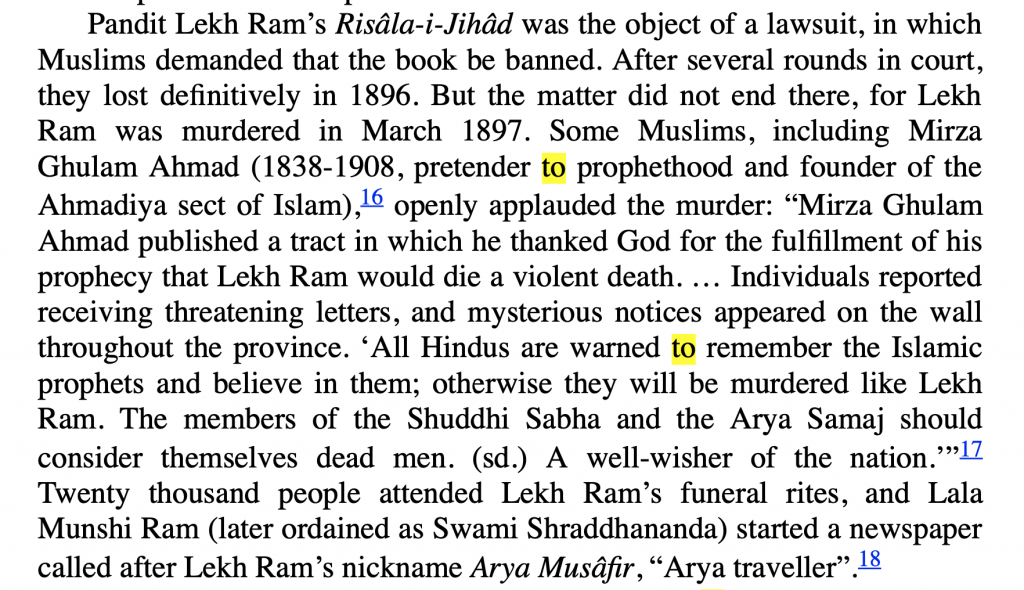
This has been comprehensively captured by author Koenraad Elst in his seminal book “Decolonising the Hindu Mind” wherein he lists several historical incidents when Islamists have resorted to violence and intimidation to silence critics of Islam.
In 1892, Pandit Lekh Ram wrote: “Risala-i-Jihad ya ni Din-i-Muhammadi ki bunyad” (Treatise on Holy War, or the Basis of the Mohammedan religion). It catalogued the violence of the Muslim conquests and listed cases of forced conversions. The aim of the author was to present the readers with an objective analysis of the historical events and urge converted Muslims to reconvert back to the Vedic way of worship.
Excerpt from Koenraad Elst’s ‘Decoding the Hindu Mind’
However, the author faced fierce pushback from the rabid Islamists for acquainting Muslims with the blood-stained legacy of Islam and persuading them to reconvert to Hinduism. Risal-i-Jihad was an object of the lawsuit, in which the Muslims demanded the book be banned. However, after several rounds in the court, they lost the case in 1896.
But the matter did not end there. Lekh was murdered in March 1897, simply for cataloguing the horrors meted out by Muslim rulers in India and its indigenous population. In fact, prominent Muslims, including Mirza Ghulam Ahmad, the founder of the Ahmadiya sect of Islam, openly applauded the murder.
The book also claimed that Hindus started receiving threat letters. Mysterious notices were put up across the province warning Hindus to revere all Islamic prophets and believe in them, failing which they were threatened with the same fate as meted out to Pandit Lekh.
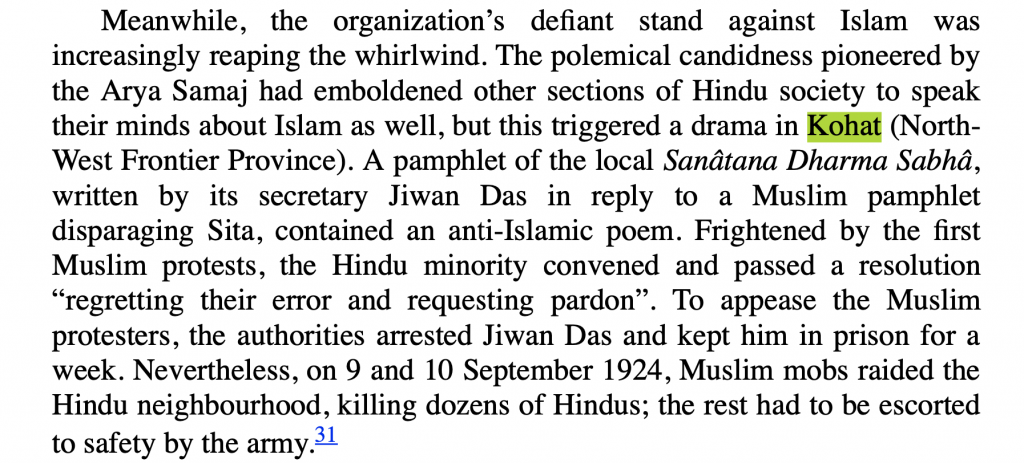
In another instance mentioned in the book, Hindus in Kohat (North-West Frontier Province) had to bear the brunt of Muslim rage for a pamphlet of the local Sanatana Dharma Sabha, written by its secretary Jiwan Das, in reply to a Muslim pamphlet insulting Sita.
The Sanatana Dharma Sabha pamphlet contained an anti-Islamic poem that raised the hackles of the Islamists and sparked widespread protests. Frightened by the demonstrations, the minority Hindu community passed a resolution, “regretting their error and requesting pardon”.
However, the Muslim protesters were not satisfied by the resolution. In a bid to pacify them, the authorities arrested Jiwan Das and kept him in jail for a week. But this too did not quell the raging indignation among Muslims. Finally, on 9 and 10 September 1924, the Muslim mob raided the Hindu neighbourhood and killed dozens of Hindus.
Excerpt from Koenraad Elst’s ‘Decoding the Hindu Mind’
Even the activists of The Arya Samaj, a Hindu reform movement, could not escape the wrath of Islamic radicals. The most outstanding Arya Samaji of the twentieth century, Swami Shraddhananda, as the book claims, was also a victim of violence normalised by Islamists in the name of blasphemy.
Shraddhananda was killed by one Abdul Rashid on 23 December 1926 as he was lying sick in bed. Another prominent Arya Samaj activist Lala Nanakchand was killed following Shraddhananda’s murder. Next, Mahashay Raj Pal, a signatory of the pamphlet Rangila Rasul, which contained tales about Muhammad’s sex life, was hacked to death by one Ilamdin in April 1929.
Abdul Rashid was subsequently caught by the British authorities for murdering Swami Shraddhananda. When he was hanged for Swami’s murder, Muslim clerics all over the country held prayers for his “martyred soul”.
Excerpt from Koenraad Elst’s ‘Decoding the Hindu Mind’
Not only Islamists were responsible for perpetuating a culture of violence and threat, but even prominent Muslim leaders and religious clerics obliquely extended their support to these criminal murders. This uncomfortable fact was voiced by none other than the chief architect of the Indian Constitution—Dr BR Ambedkar.
“The leading Muslims, however, never condemned these criminals. On the contrary, they were hailed as religious martyrs,” Ambedkar said.
In 1933, another Arya Samaji Nathuramal Sharma was dragged to court for publishing a pamphlet that was similar in nature to the one published by Lekh Ram. However, this time around, Sharma lost the case. In September 1934, when Sharma went to court to plead against sentence, he was murdered by one Abdul Qayum.
Qayum was passionately defended by his lawyer Barkat Ali, who argued in court that Qayum was not guilty of the murder of Nathuramal because his act was justifiable by the law of the Koran.
Fast forward to the twenty-first century, the methods of Islamists into silencing the critiques of Islam have not seen much of a change. In fact, their resolve to extinguish dissenters have grown stronger, and their ways to achieve that has become more gory and gruesome.
The Islamists of 21st century persist with the tradition of violence and intimidation to browbeat dissenters into silence
Recently, a French teacher Samuel Paty was beheaded because he had allegedly reproduced the caricatures of Prophet Muhammad first published in satirical magazine Charlie Hebdo in 2005.
An Islamist, aggrieved by the fact that Paty had the temerity of showing pictures of Prophet Muhammad, killed the French national. It was only later revealed that Paty was killed based on a lie concocted by a 13-year-old girl wanting to escape her father’s ire.
Back in India, the founder of the Hindu Samaj Party Kamlesh Tiwari was murdered by Islamists in broad daylight. In October 2019, Tiwari was shot and his throat was slit for making unflattering remarks on Prophet Muhammad.
In 2015, Tiwari had commented on Prophet Muhammad’s sexuality, drawing the ire of rabid Muslims. He was subsequent arrested by the then Akhilesh Yadav government. Muslim groups in Deoband, Saharanpur and West Bengal had launched massive riots and protests demanding Tiwari’s death.
Tiwari had remained in jail or over a year after the National Security Act was slapped on him. In September 2016, the Allahabad HC had finally quashed the NSA charges against him and he was released later.
For Islamists, having an open discussion of the teachings of Islam or the characteristics of Prophet Muhammad is a strict no-go zone. Radical Islamists and their allies in the form of left-leaning liberals have upheld Islam, and public scrutiny of the Islamic religious texts has attracted both—intellectual opposition as well as crude one—in the form of violence and intimidation.
Anyone who speaks against Islam or broaches the topic of Prophet Muhammad has to face severe backlash from the liberal intelligentsia, who are quick to ostracise such individuals and brand them Islamophobic bigots. Their counterparts, in the form of Islamists, then dish out threats against them and some of them are even killed so as to discourage others and instill fear among them to speak on Islam.
For Islamists, any criticism of Islam, even a well-meaning assessment intended to bring about a positive impact, is considered as anathema and blasphemous. Their parochial brains regard Islam as a hermetic faith, whose teachings are infallible and which cannot be subjected to any public scrutiny. For them, Islam is inviolable, their Prophet is unimpeachable. Therefore, people who do not conform to this worldview are considered fair game by Islamists to threaten, intimidate and even kill.
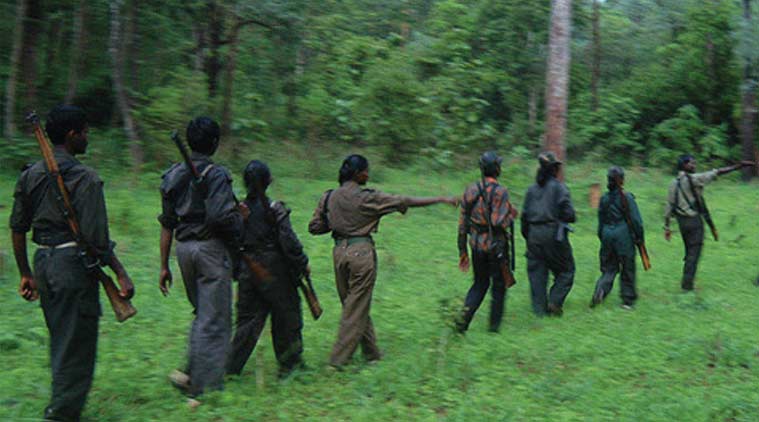
5 security personnel were killed and 12 others were injured after a fierce encounter with Maoists in Bijapur district of Bastar division, Chhattisgarh.
A joint team of security forces was on an Anti-Maoist operation after receiving specific inputs about the presence of a large number of ultras in the region when the encounter between the two sides broke out.
#Chhattisgarh: Additional forces have been rushed to the spot. Two helicopters and nine ambulances have been sent to Bijapur district head quarters. pic.twitter.com/vGjIPqfaFA
— All India Radio News (@airnewsalerts) April 3, 2021
According to reports, additional forces have been rushed to the spot. Besides, two helicopters and nine ambulances have also been scrambled to Bijapur headquarters.
As per sources quoted by India Today, a joint party of the Central Reserve Police Force and the DRG was attacked upon by Maoists, following which an encounter started.
“Five security personnel died in the line of duty,” said Director General of Chhattisgarh Anti-Naxal Operations Ashok Juneja. “Maoists have also been killed; they have suffered substantial loss,” Chhattisgarh Director General of Police DM Awasthi said.
The encounter broke out in the Tarrem area of the district when the security personnel were carrying out anti-Maoist operations. The team of security personnel comprised of officials from the Central Reserve Police Force’s Commando Battalion for Resolute Action unit, the District Reserve Guard and the Special Task Force.
Earlier this week, the Indo-Tibetan Border Police arrested 3 Maoists for planting explosives to target forces in Chhattisgarh’s Sukma district. Chhattisgarh is one of the Naxal-prone states in the country and there have been many incidents in the past when Maoists, taking the cover of dense forests in the state, have attacked the security personnel.
In March this year, Maoists had bumped off a Zila Panchayat member in the Bijapur district of Chhattisgarh. Hours before the incident, Naxals had torched about 11 vehicles in the Dhanora area of Chhattisgarh’s Kondagaon district.
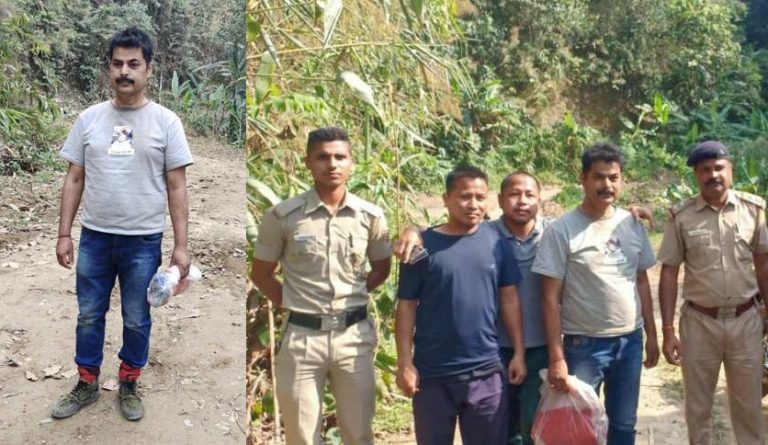
After more than three months, separatist group United Liberation Front of Asom -Independent [ULFA(I)] has released one of the two officials of Quippo Oil and Gas Infrastructure Limited. The banned outfit released Pranab Kumar Gogoi, an employee of the Delhi based private petrochemical company.
Gogoi and another Quippo employee Ram Kumar were abducted by ULFA(I) with the assistance of the Nationalist Socialist Council of Nagaland (NSCN) on December 21 last year from the company’s Kumchaikha hydrocarbon drilling site in Arunachal Pradesh’s Changlang district, and had demanded ransom against their release. Pranab Kumar Gogoi is drilling superintendent and he is from Sivasagar district in Assam, while Ram Kumar is a radio operator and is from Bihar.
According to reports, Gogoi was released near Longvi village of Arunachal Pradesh’s Changlang district at about 12:30 pm on Saturday. Superintendent of Changlang Police Mihin Gambo confirmed that Gogoi has been released and said, “A team of Arunachal police, which had gone deep inside the jungles, has rescued Pranab Kumar Gogoi. We are interrogating him.”
Gogoi had crossed the Indo-Myanmar border on foot, where a border patrol party of Indian Riffles intercepted him. They handed over him to Arunachal Pradesh. “Individual was identified as Pranab Kumar Gogoi, an employee of Quippo Oil and Gas Infra Ltd, who was earlier kidnapped from Inau, Arunachal Pradesh on Dec 21, 20, by ULFA(I). The individual has been handed over to Arunachal Pradesh Police at Longvi, Arunachal Pradesh,” a statement issued by the Assam Rifles said.
The other abductee Ram Kumar is also expected to be released soon, as the outfit had announced that both will be released soon. It is not known if any ransom money was paid to secure the release.
After kidnapping the duo from the drilling site near Arunachal border, ULFA(I) had reportedly demanded a ransom of ₹20 crore. In January this year, a video was released by the outfit where the abducted employees of the company had appealed to their employer and the state governments of Assam and Bihar to secure their release. “Because of the differences with our company, ULFA(I) and NSCN have kept us here for a month. Even after a month, the company has not taken any steps to secure my release. So, I request the company to talk to the two organisations for my release,” they had said in the video.
ULFA(I) Commander in chief Paresh Baruah had said the abducted persons will be harmed if the farm does not pay the outfit its “due share”, as the company is exploiting natural resources in the North Eastern region including Assam. He had also warned that Gogoi and Kumar will be victims if the security forces try any attempt to rescue them, and the company will be responsible for consequences.
The outfit had also ‘banned’ Quippo in the ‘entire south Asia region’, and demanded that the company stop its operations in the region. They had also asked the employs to cease work and pressurise the Oil India Corporation authorities for their alternate employment. ULFA(I) had warned that if the workers of the company continue their operations, they themselves, Quippo, Oil India Limited, Assam and Arunachal government will be responsible for the consequences.
Initially the outfit had taken a very hard stand on the issue, and threatened on February 19 that the two abducted persons will be given ‘ultimate punishment’, indicating they will execute them. This ultimatum had come after no solution was arrived at in the negations by 16th February 16th, the deadline issued by the outfit earlier.
However, the outfit had a change of heart after that, and on 21st February Baruah had told a reporter over phone that he has halted his plan to grant ‘ultimate punishment’ to the hostages. He had also said that a final decision will be taken on the Quippo employees after discussion with NSCN. Later in the first week of March, ULFA(I) had announced that they released the Quippo employees ‘very soon’.
AAP MLA Amanatullah Khan called for the beheading of Yati Narsinghanand Saraswati in a tweet on Saturday. Despite the passage of ten hours since the tweet was made and multiple citizens highlighting the matter, Twitter is yet to remove the death threat from its platform.
Amanatullah Khan said, “This insult to our prophet is not tolerable to us at all. The tongue and head of this hateful insect should be cut off as punishment. However, Indian laws do not permit this.” The tweet has received over 4000 retweets and 3500 quoted tweets.
The screenshot was captured at 7.45 pm IST
Twitter has boasted a lot regarding its stern stance against incitement to violence on its platform. But on this occasion, they appear unwilling to remove a death threat by an elected representative in India. It calls into question the platform’s own resolve towards combating incitement to violence online.
The tweet by Amanatullah Khan was pointed out to Twitter by multiple accounts with huge followers on the platform. Therefore, they cannot say that it was not brought to their attention or that it escaped their notice. Twitter has still not removed the death threat.
It’s such a shame that open threat for beheading can be given on @Twitter & @TwitterSafety neither took down d Tweet nor suspended the a/c. But they will lock & suspend a/c for raising atrocities against Hindus.
Multiple people on the platform have uploaded screenshots confirming that they have reported the death threat tweet. However, at the time of writing this report, the tweet was still available on platform.
Twitter has cited its no-tolerance policy towards incitement to violence when it suspended Donald Trump from the platform despite the fact that nowhere did Trump explicitly call for violence. With regards to India, however, Twitter has adopted a hypocritical approach as was evident during the ‘farmer protests’ when it refused to take down tweets that peddled fake news and endangered the law and order situation in India.
The Indian media has provided extremely fawning coverage of Kamala Harris ever since she announced her run for the presidency. The fawning coverage continued when Joe Biden declared her as his Vice Presidential nominee and the coverage scaled new heights after Joe Biden won the elections and Kamala Harris became the Vice President of the United States of America.
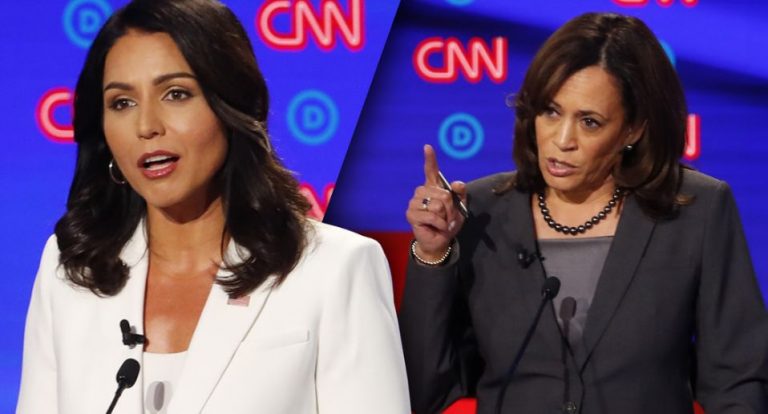
Nevertheless, people in India have not really been half as enthusiastic about Harris as the media. While Indian media went all in for her, Indians on the internet have been quite cautious about her. On the other hand, there is one female American politician who does not receive as much coverage in Indian media but is vastly more popular than Harris in the Indian sections of social media. We are referring, of course, to Tulsi Gabbard.
Tulsi Gabbard is a former US Congresswoman from Hawaii. She became the first Hindu to get elected to the US House of Representatives and was the first Hindu to run for the presidency of the United States of America. She practices progressive politics and is a member of the Democrat party. She served in the US Congress until January 2021 after he decided not to contest for reelection.
There is some personal rivalry between the two as it is widely believed that Kamala Harris failed in her presidential bid due to the intervention of Tulsi Gabbard during the Democratic presidential debates. The former Congresswoman from Hawaii slammed Kamala Harris for her duplicity with regards to prison reform and marijuana legalisation.
One of the foremost reasons for her popularity among Indians is her warm regards for India. Unlike other progressive members of her party, Tulsi Gabbard has been positive in her views regarding India and has unequivocally taken India’s side on contentious matters such as Article 370.
After Article 370 was revoked, she was one of the few Democrats who were outspoken in their support for India’s decision. Gabbard has also been extremely critical of Pakistan and has regularly called them out for providing a safe haven to terrorists. At the same time, she has advocated for better ties between the USA and India to confront and combat shared threats and collaborate on mutual interests.
There is another much stronger reason for Gabbard’s popularity. Her Hindu identity does endear her to Indians at large, the overwhelming majority of whom are Hindus. When she says ‘Jai Shri Krishna’ or wishes people on the occasion of Gaura Purnima, it makes her more relatable to Indians, which is natural.
Tulsi Gabbard, unfortunately, has been targeted a lot for her Hindu identity. Her Hindu identity was enough to brand her a ‘Hindutva fascist’ by Hinduphobic bigots. One of the reasons cited was that she shares a warm relationship with Prime Minister Modi and therefore, she was accused of being an ‘RSS plant’.
Such accusations are little disguised efforts at character assassination by vested interests as cordial relationships between political leaders of two countries are completely natural. Former US President Barack Obama shared a good relationship with Narendra Modi, as did Donald Trump. And now, Joe Bide, too, is on good terms with the Indian Prime Minister.
We have evidence now that the propaganda campaign to malign Tulsi Gabbard, a veteran of the Iraq War, was launched by Pakistan-backed Khalistanis. It was part of a larger effort to target Hindus in the United States of America.
It would have been very easy for her to be apologetic about her Hindu identity, and hardly anyone could have blamed her for it, but she decided instead to go on the offensive and call out the pervasive Hinduphobia that is so dominant in public discourse. She condemned politicians and the media for not only refusing to condemn it but fomenting it in the first place.
During her campaign, when an attempt was made to corner her about the Gujarat riots, which had absolutely nothing to do with her, she took the opportunity to educate the person about her misguided efforts. She had said, “Again, back up your claims with evidence. The contributions that I get for my campaign come from American citizens. What you are doing right now is levelling criticism against American citizens who just happen to be Hindus and who are involved in our democratic process.”
Tulsi Gabbard again earned great appreciation from Indians on Friday when she spoke out in favour of the persecuted Bengali Hindus in Bangladesh. She condemned the Pakistsani Army’s genocide of Bengali Hindus in the 1970s, one of the darkest phases of the 20th century that has largely been forgotten, partly due to the secularist conspiracy to cover up the mass murder.
The then Indian Government under the Congress party was itself responsible for it as they feared highlighting the genocide of Bengali Hindus would vitiate communal harmony in India.
“As a member of Congress, I introduced a resolution that called for the protection of Hindus and religious minorities in Bangladesh. People who continue to be targeted and persecuted to this day. The height of this persecution actually began 50 years ago, when the Pakistani army systematically murdered, raped and drove from their homes, millions of Bengali Hindus because of their religion and ethnicity,” Tulsi Gabbard said in a video message published on Friday.
She continued, “March 25th, 1971 was the beginning of a systematic targeting of Hindus in Bangladesh by the Pakistani military. It began in Hindu neighbourhoods and villages, first at Jagannath Hall, which was a Hindu dormitory in Dhaka University, where five to ten thousand people were killed on that first night alone. This genocidal campaign continued for 10 months, resulting in two to three million people killed. Hundreds of thousands of women and girls raped and more than 10 million forced to flee their homes.”
Kamala Harris, on the other hand, despite her Indian heritage has largely been silent on matters related to India. While she has certainly been far better than her progressive counterparts in the Democratic Party since she was elected, prior to that, she did make some rather problematic comments.
She said during one of her interviews, ‘We have to remind Kashmiris that they are not alone in the world. We are keeping track of the situation. There is a need to intervene if the situation demands.’ Furthermore, despite her Indian heritage, she has far lesser of a cultural affinity with Indian than Tulsi Gabbard.
Nevertheless, it does say a lot about Indian media that it has gone gaga over Harris while ignoring an American politician who has been more of a friend to India than Kamala Harris has ever been.