Home Blog Page 4225

Why ‘cow urine’ jibes can’t be defended, whether from the ‘OSD to a BJP CM’ or Mamata’s trolls

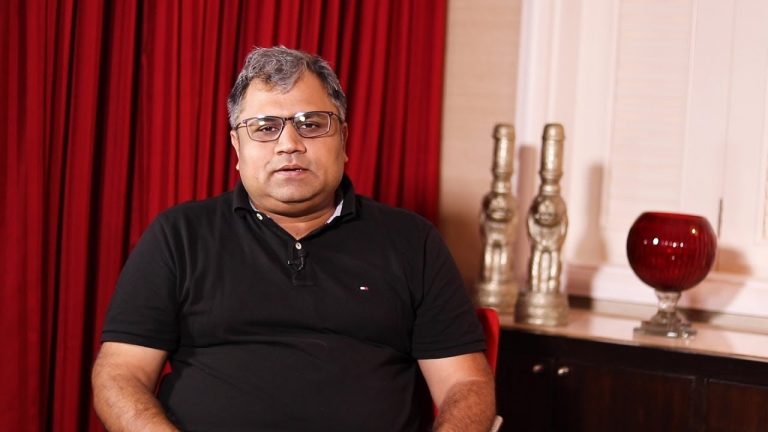
Tushar Panchal was appointed as an officer on special duty to the Chief Minister of Madhya Pradesh, Shivraj Singh Chauhan, on Monday. The appointment of Tushar Panchal to the position has attracted a lot of criticism from online supporters of the BJP for previous posts he has made on social media.

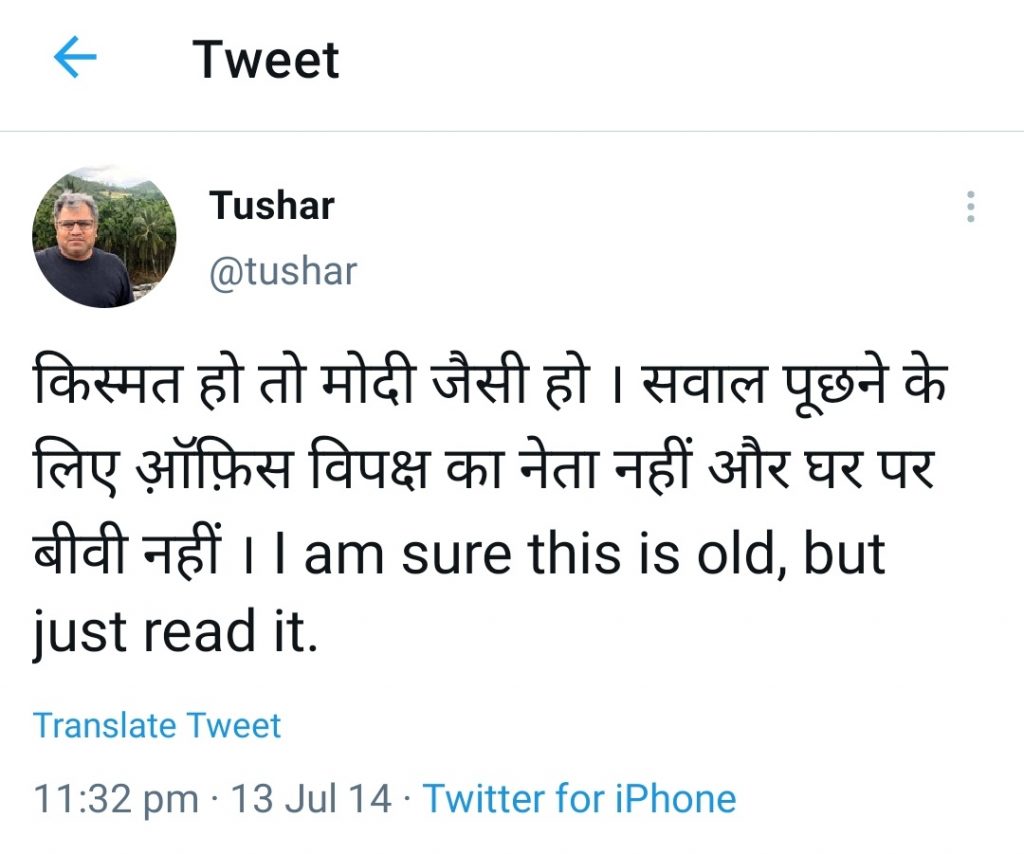
Some office bearers of the party have also expressed their anguish over the same. Screenshots of his tweets have gone viral where Panchal can be seen making the cow urine jibe (Gaumutra).

Source: Social media

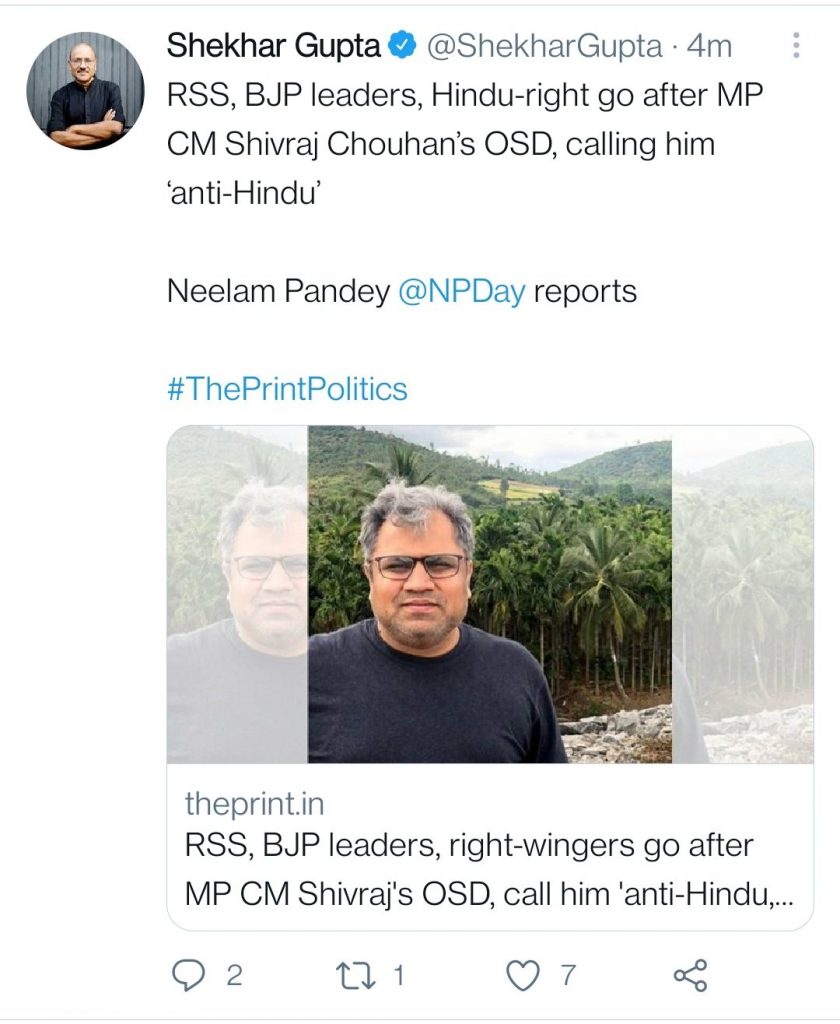
Following the outburst from online supporters of the party, Panchal has found support from an unlikely source, Shekhar Gupta’s ThePrint. While some may interpret it as a positive development for the OSD, it is unlikely to go down well with the supporters of the party.

Source: Social media

The Congress party has gone off the tangent in its attempt to gain some mileage from the controversy. The party claims that Shivraj Singh Chauhan has opened a front against Prime Minister Modi by appointing an officer with a known anti-Modi bias.

Not considering the politics of it, the cow urine jibe is simply indefensible. It is one of the non-negotiables in the Hindutva side and with good reason. Over time it has emerged as the favourite insult of liberals to paint Hindus in negative light.

Most infamously, it was used by the Pulwama suicide bomber to justify his morbid hatred for the Hindu community. Liberals even then have not seen any reason for course correction but have only normalised its usage further.

The Gaumutra jibe has emerged as the favourite slur for anti-Hindu bigots. It has been observed, and can be concluded beyond any reasonable doubt, that only those who bear the most animosity towards Hindu concerns use the slur. Furthermore, the Hindu reverence for the cow is mocked so that abuse of Hindu Gods can also be normalised.

The cow urine slur is only one step away from abusing Hindu Gods, as has been observed in recent times. And worse, it has been used by actual terrorists to justify their bigotry. Thus, there cannot be place for a person who uses such slurs in any sensible government.

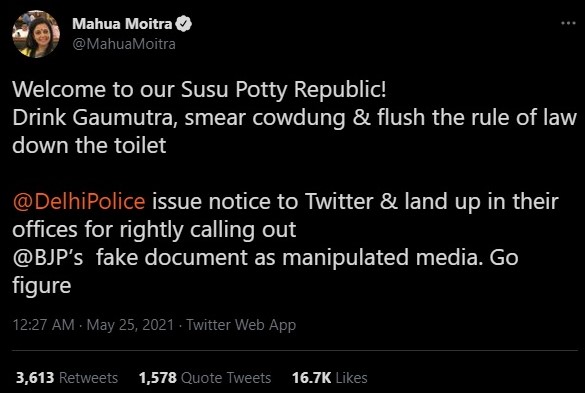
Tushar Panchal, unfortunately, is not the only who has become accustomed to using such slurs. Mahua Moitra, one of the most prominent leaders of the Trinamool Congress, has been liberally using the slur.

Mahua Moitra uses the Gaumutra jibe

Panchal making the Gaumutra jibe is indefensible for the same reason that it is indefensible for anyone to try to justify Mahua Moitra’s antics. Using such slurs should not be acceptable in any decent society and in a country where Hindus are in the overwhelming majority, such slurs should have consequences.

The objective of the slur is to paint Hindus as a backward less-than-human community over whom liberals have a God-given right to lord over. The objective is to dehumanise Hindus so that injustices against them can be whitewashed and justified. How could a person who holds such views ever serve the public in an adequate manner in a country with a Hindu-majority?

Panchal has since then announced that he has communicated to Shivraj Singh Chauhan that he will not serve in the role he was offered. All things considered, it was the correct decision given the circumstances.

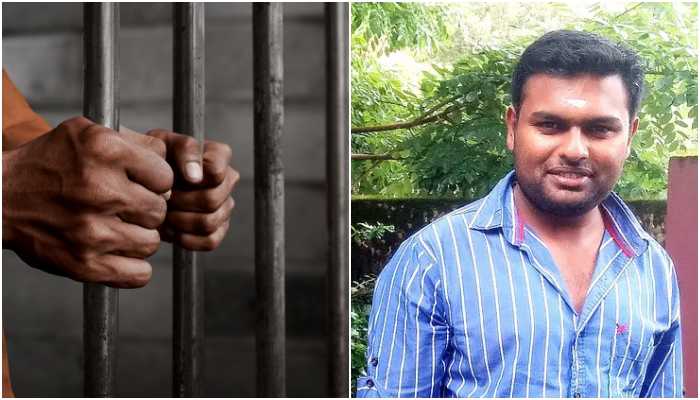
Kerala’s Vishnu Dev Radhakrishnan has been jailed in Saudi Arabia on ‘blasphemy’ charges, his family pleads for help

On the fateful day of June 7, 2018, a 28-year-old Indian man named Vishnu Dev Radhakrishnan was arrested by the police in Saudi Arabia on charges of blasphemy. Vishnu Dev, a native of Alappuzha in Kerala, had been residing in the Gulf nation for 6 years then. He was working at Saudi Aramco’s subsidiary, Nasser S Al-Hajri Corporation, as an engineer.

And then he became the first Indian to be tried under the draconian blasphemy laws of Saudi Arabia. In a tweet posted on Monday, Vishnu’s father and a retired Indian Air Force officer Radhakrishnan Nair V wrote, “Tomorrow is the day remembered with utter sadness and worry, the day my innocent son was arrested by the Saudi police on 8 .6. 18 and since then I and wife along with his younger sister are praying for his release.#savevishnudev.”

The background of the Case

In 2018, Vishnu Dev had befriended a Muslim girl on the micro-blogging platform on Twitter. She was a resident of London in the United Kingdom. During their conversation on Twitter, the Muslim girl made objectionable remarks against Lord Shiva. An enraged Vishnu Dev then tweeted against Prophet Muhammad. He also asked as to why schools in Yemen were bombed if Allah was merciful. Given that bombings in Yemen were conducted on the behest of the Saudi regime, the government clamped down on him hard.

Vishnu Dev’s father recounted, “The tweets went through Aramco’s server. Vishnu told me that the officials at Aramco might have taken the screenshots of his conversation with the woman and given it to the police.” About 15 days before his arrest, the Indian man was quizzed by the security officials at Aramco. The company officials had detained him at the office for 15 days and said that he would be deported back to India. Instead of letting him contact the Indian embassy, Vishnu Dev was handed over to the police.

On June 7, 2018, he was arrested by the police on the grounds of ‘misusing social media’ and for hurting the religious and national sentiments of the Gulf nation (for his remarks on Prophet Muhammad). On September 13 that year, he was sentenced to 5 years imprisonment in Khobar jail and penalised a sum of 1,50,000 Riyal (₹29.12 lacs). Later on January 24, 2019, he was sentenced to 10 years in prison and an additional penalty.

Vishnu Dev escaped beheading due to his Indian nationality

While speaking about his case, a Malayali social organisation Navayugam informed that Vishnu Dev was fortunate to escape beheading and other draconian forms of punishment due to his nationality. “Any posts against their religion is a big crime in Saudi Arabia. While the lower court gave him five years imprisonment, the prosecution went for an appeal at the higher court, stating that the punishment is less. So after the trial in the higher court, his sentence was increased to 10 years,” a member of the organisation said.

He further added, “His company did not take any responsibility for his actions. Also, the Indian Embassy ignored his case and did not give him any help. As per Saudi Law, he has to spend 10 years in prison, pay the fine and then they will deport him to India.” The ex-Indian Airforce officer lamented how he failed to ensure his son’s return to India. He informed that he had reached out to the Indian embassy in Saudi Arabia, late Sushma Swaraj, and even Congress MP Shashi Tharoor.

Blasphemy accused Indian man turned down offers to convert to Islam

According to Radhakrishnan, some Indian Muslims took screenshots of Vishnu Dev’s tweets and complained about him to the Saudi authorities. Interestingly, he informed that prisoners from Kerala lodged in the same jail had tried to proselytise and convert him to Islam. “Some Malayali Muslims tried to convert him to Islam. They told him that if he does so, his sentence might be reduced. But my son is mentally strong. He told them he would rather serve 10 years than change his religion,” he emphasised.

Retired IAF officer runs pillar to post for his son’s repatriation

Despite hundreds of emails, and tweets, Vishnu Dev’s case did not move forward. ‘Although the Indian Embassy said a social worker in Dammam is in constant touch with my son, there have been no productive measures yet. Even after the recent sentencing, there has been no response from them,” Radhakrishnan said. He added that his son did not deny the charges and had apologised for the same.

“He told me that he made a mistake and tweeted those lines as a retaliation to the woman’s statements, which abused his god. He said that he apologises to all Muslims in the world for his mistake…Anybody in our neighbourhood in Kerala would vouch for my son. Even if I raise my voice against someone, he would not like it. That is Vishnu Dev. This arrest will affect his sister’s future alliances for marriage,” Radhakrishnan concluded. It has been exactly 3 years since the fateful day and there are still no signs of justice.

With just 2 per cent active cases ratio, read about the Gujarat Model no one wants to talk about

Gujarat is among the few Indian states that have charted a remarkable recovery since the onset of the ferocious second wave of the coronavirus outbreak. It has significantly succeeded in tamping down the total infections, positivity rate as well as daily fatalities caused by the resurgent coronavirus pandemic.

Gujarat’s recovery has been particularly impressive, given the prevalence of the outbreak in the state in early April. As of 7 June 2021, there are only 16,162 active COVID-19 cases in Gujarat, with an active ratio of 2 per cent. The recovery ratio is hovering at a staggering 96.8 per cent, with 7,90,906 people already cured of the virus. The test positivity rate has also seen a drop to 1.4 per cent, which is notably low compared to other states in the country.

Source: covid19india.org

At the start of the second wave of the coronavirus outbreak, perpetual naysayers, who allow their hatred for PM Modi to take leave of their good senses, had dismissed the notion that India will witness a V-shape recovery, a belief that revival will be quick and dramatic. If the latest coronavirus statistics are to be considered, they prove beyond any smidgen of doubt that India is on the road to recovery, and Gujarat is a shining testimony of that assertion.

The graph of active cases in the state shows an inverted V curve, which illustrates that the worst of the second wave is over and the cases are close to pre-April levels.

images via Covid19india.org

In addition to this, Gujarat has also been among the states that have been spearheading India’s ambitious vaccination drive.

For weeks, leaders of Maharashtra tooted their own horns on being a state that has carried out the highest number of COVID-19 vaccination.

As Maha Vikas Aghadi leaders and their lackeys in the media were busy prematurely trumpeting their success, the Gujarat administration was occupied with formulating and implementing structural changes in the state’s health policy to boost the vaccination. As a result, Gujarat swiftly vaulted to among top positions in terms of states with the highest percentage of their population administered both doses. About 6.4 per cent of Gujarat’s total population is fully vaccinated, as compared to 4 per cent of Maharashtra.

The prejudicial coverage of Gujarat’s coronavirus outbreak by usual suspects

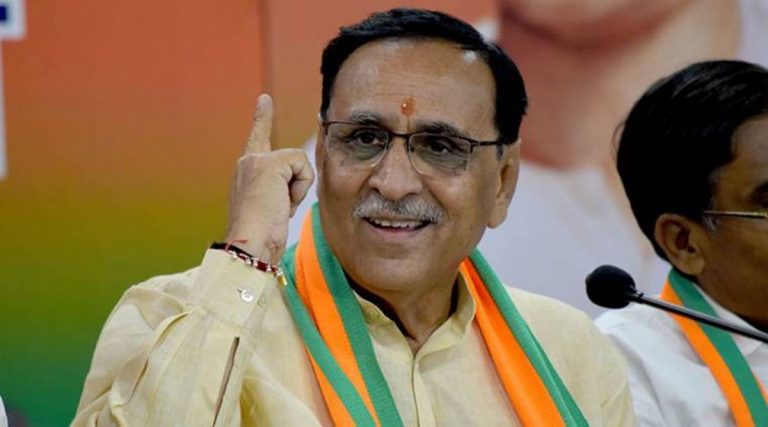
This dramatic recovery of Gujarat, which was once in the throes of the devastating grip of the coronavirus outbreak, could be attributed to the critical and timely decisions taken by the Vijay Rupani-led BJP government in the state to curb the infection and instituting prophylactic measures to combat the rapid spread of the virus. However, as has been the case with the BJP-led governments, their achievements are understated and their shortcomings are exaggerated by the mainstream media outlets, who harbour visceral hatred for the BJP and its top brass.

Since the start of the second wave of the coronavirus outbreak, Gujarat had been the focal point of attention for several mainstream media outlets, along with the opposition political parties, who spent inordinate time to obsess over the government’s handling of the coronavirus outbreak and undermine the BJP rule in the state. Even though non-BJP states such as Maharashtra, West Bengal, Delhi and other states were recording an unprecedented test positivity rate, Gujarat, Uttar Pradesh and other BJP-ruled states were placed on the front burner and subjected to intense scrutiny.

The undue attention was also accorded to Gujarat because of the fact that it is the home state of PM Modi and Home Minister Amit Shah. By showing the state it in a poor light, and casting aspersions on its health infrastructure, the mainstream media organisation tried to settle their scores with the two leaders and undermine the Gujarat Model, a template that seemingly catapulted Narendra Modi from regional politics to the national centre stage.

Countless articles vilifying Gujarat and its health infrastructure were published in print media organisations that have long sought an opportunity to belittle the Gujarat Model. Even media channels and journalists, who had had a difficult time coming to grips with the reality of the country being led by PM Modi, exploited the opportunity to criticise the BJP government in Gujarat. When the deaths reported due to COVID-19 seemed to be less than what they had expected, they started pointing out the funeral pyres burning across Gujarat, to allege that the state government has been economical with the truth about the actual number of COVID-related casualties.

Social media websites were rife with images from hospitals across Gujarat, alleging that patients are being asked to wait outside in the ambulances because of the shortages of beds and equipment in hospitals and COVID care centres. Reports of shortages of remdesivir and other key antiviral drugs were flashed ad nauseam in the media to raise questions on the Gujarat Model.

A highly motivated article was published in a Gujarati vernacular newspaper, accusing the government of massively underreporting the number of deaths due to coronavirus. The newspaper had used the statistics of death certificates to allege that the BJP government in Gujarat had reported almost one-third of the total deaths occurred during the second wave of the pandemic. However, it was later proved that the Gujarat government’s statistics on the death certificate was not a reliable indicator to arrive at the actual number of deaths that happened in the state. OpIndia had published an article countering why death stats from March to May in Gujarat do not prove allegations of massive undercounting of Covid deaths.

Contrary to what these eternal detractors would have us believe, Gujarat quickly emerged out of the pandemic even as states such as Maharashtra continue to reel under the debilitating effects of the second wave of the coronavirus outbreak. It is, therefore, important to highlight the measures adopted by Gujarat, that have enabled the state to script such an impressive revival.

Gujarat Model that helped the state script a dramatic recovery following the second wave of coronavirus outbreak

To start with, Gujarat never imposed a complete lockdown in the second wave. With the population of the state already suffering from the economic fallout of the first wave of the coronavirus outbreak, the Vijay Rupani government in Gujarat decided to tackle the outbreak in a more calibrated manner, rather than going with a blanket ban approach that was espoused by states such as Maharashtra and Delhi. As a result, the economic activity continued unabated, with strict coronavirus guidelines in place.

Instead of imposing statewide lockdown and imperilling the livelihood of the poor, the Rupani government employed the strategy of instituting micro-containment zones in areas where the number of COVID-19 cases crossed a certain threshold. Residential complexes and gated communities were declared micro containment zones if the number of active coronavirus cases crossed a pre-decided number. This strategy provided a reasonable balance between keeping the economy open and locking only those areas that witnessed a surge in coronavirus cases.

Even though Gujarat never went under complete lockdown, the economic activities had taken a hit following the coronavirus outbreak. On Monday this week, in a sensitive gesture, chief minister Vijay Rupani announced waiving-off property tax as well as fixed charge in electricity bills of hotels, resorts, restaurants and water parks affected by the corona pandemic for one year i.e, from April 1, 2021, to March 31, 2022, in the State. With this announcement, Gujarat became one of the few states to help businesses tide over the economic crunch following the pandemic.

How Gujarat used business conglomerates and temples to suppress the COVID-19 outbreak

During the start of the second wave of the coronavirus outbreak, supplies of medicinal oxygen was an issue plaguing not just Gujarat but several other states in the country. Realising that the second wave of COVID-19 caused severe respiratory illness, the state government ramped up the oxygen plants at war footing, rapidly expanding the production to not just meet the state’s requirements but to export it to neighbouring states as well. Maharashtra was one of the key beneficiaries of this initiative as oxygen manufactured in facilities in Gujarat was airlifted to tackle the grim coronavirus situation in the state.

Help was sought from those who were willing to assist the state government in blunting the new surge of the coronavirus outbreak. The private sector, which is known for its efficiency, was roped in by the Vijay Rupani government to provide a helping hand to the state government in bringing the infection under control. The Reliance Industries, headed by Mukesh Ambani, rose to the occasion and employed its Jamnagar facility to manufacture oxygen. At one point, Reliance became the largest producer of medicinal oxygen, producing roughly 11 per cent of the country’s total oxygen production.

The organisation has diverted its resources to quickly ramp up the production of medicinal oxygen from 0 to 1000 MT per day free of charge. According to RIL, it is catering to the needs of over 1 lakh people every day on an average with its production capacity of 1000 MT daily. Earlier in April, Reliance had started to send oxygen to Maharashtra free of cost from its Gujarat refinery. Maharashtra was then facing an acute shortage of oxygen because of the rising number of COVID-19 cases. The company was diverting some oxygen meant for its petroleum coke gasification units after making it suitable for medical use.

Besides, the company also airlifted at least 24 ISO containers for transporting Oxygen, creating an additional 500 MT of transportation capacity for India. Reliance also came up with a 1,000-bed hospital with uninterrupted oxygen supply facility in Gujarat’s Jamnagar.

The Gujarat government also sought help from another business magnate, the chairman of the Adani Group, Gautam Adani, in the fight against the pandemic. Adani run school in Ahmedabad was converted into a COVID care centre. Through this facility, the Adani Foundation provided patients with beds, nutritious food and medical care.

It had also put to use its global business relations and logistical prowess for sourcing and importing vital essentials like over 40 ISO cryogenic containers for oxygen supply, 20 oxygen plants each capable of supporting over 100 oxygen beds hospital, 120 oxygen concentrators and 5000 oxygen cylinders from Singapore, Saudi Arabia, Thailand and Dubai.

While the senior Congress leader Rahul Gandhi keeps abusing and criticising them, these business tycoons extended their help to Gujarat and the entire country when it was overwhelmed with the sudden surge of the second wave of the coronavirus outbreak.

Even temples in Gujarat extended help to the Gujarat government in their fight against the pandemic. Shri Somnath Temple Trust donated Rs 50 lakh for setting up an oxygen plant in Prabhas Patan based community health centre. The plant reportedly offered about 51 oxygen cylinders daily. The trust had also given up its Lilavati Bhavan to the government to run as a COVID care facility. As per several reports, the trust is also running a kitchen and tiffin service to help the needy during the pandemic.

Another temple, BAPS Swaminarayan Temple of Vadodara stepped in to help the Gujarat government to combat the coronavirus outbreak. It converted its Yagnapurush Sabhagruh to a Covid-19 facility, which was equipped with 500 beds, oxygen facilities like liquid oxygen tanks and piped oxygen lines, ICU beds, and ventilators to treat infected patients.  

A holistic approach to tackle the coronavirus surge, which involved the state government’s measures to stop the spread of the virus, services of big corporates and temples in the state, meant that Gujarat could quickly recover from the virus COVID-19 induced hardships and sufferings. However, with their perennial hatred for PM Modi, one cannot expect the so-called doyens of mainstream media organisations to acknowledge the success of the Gujarat Model in suppressing the pandemic that wreaked havoc in Maharashtra, Delhi, Rajasthan and other states.

Here’s why rumours of a conflict between Yogi Adityanath and Narendra Modi are only figments of imagination

A new narrative has recently started gaining momentum in Uttar Pradesh. Certain media houses are furthering the idea of a supposed conflict between Prime Minister Narendra Modi and Chief Minister Yogi Adityanath. There does not appear to be any credible reason to suggest such a thing but that does not appear to have stopped media houses from flying kites.

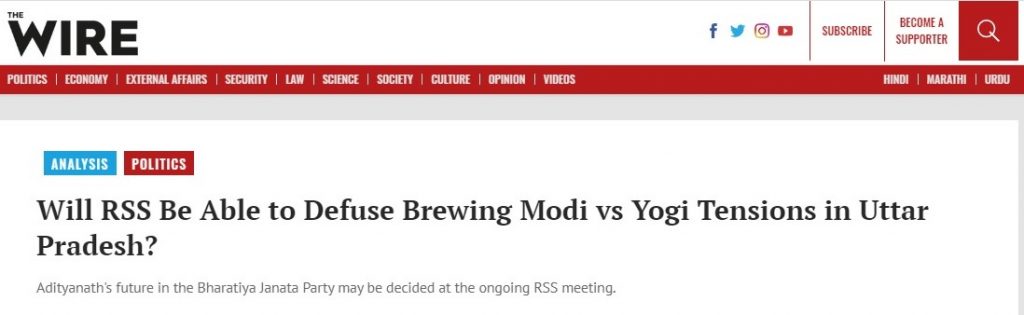
Along expected lines, at the forefront of it is The Wire. On the 4th of June, one journalist named Sharat Pradhan wrote an article for the outlet. The headline of the article read, “Will RSS Be Able to Defuse Brewing Modi vs Yogi Tensions in Uttar Pradesh?”

The headline of The Wire article

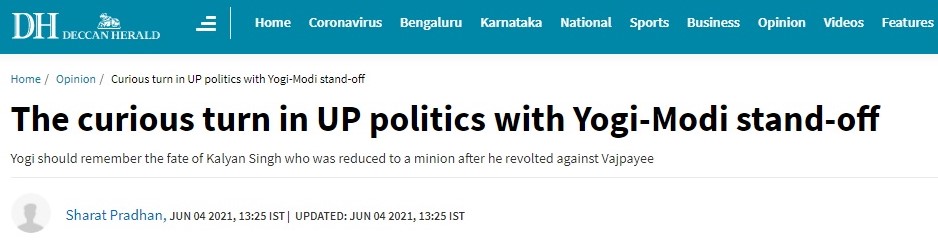
On the same date, another article was published on Deccan Herald by the same journalist. The headline of this article read, “The curious turn in UP politics with Yogi-Modi stand-off”. The article said, “Yogi should remember the fate of Kalyan Singh who was reduced to a minion after he revolted against Vajpayee”.

Article on Deccan Herald

Sharat Pradhan does not provide any evidence to back his claims. He relies on “speculations” alone to make such far-reaching proclamations.

Previous articles by Sharat Pradhan

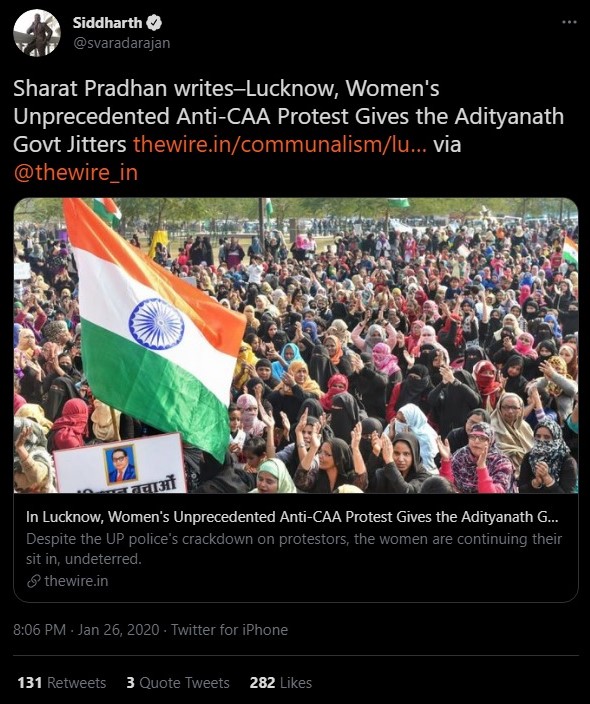
Previous reports authored by Sharat Prdhan makes his biases abundantly clear. In one such report, he opined that the anti-CAA protests by women in Lucknow has given Yogi Adityanath the jitters. Since then, it has become evident that his handling of the protests has augmented his stature immensely across the country.

Article for The Wire by Sharat Pradhan

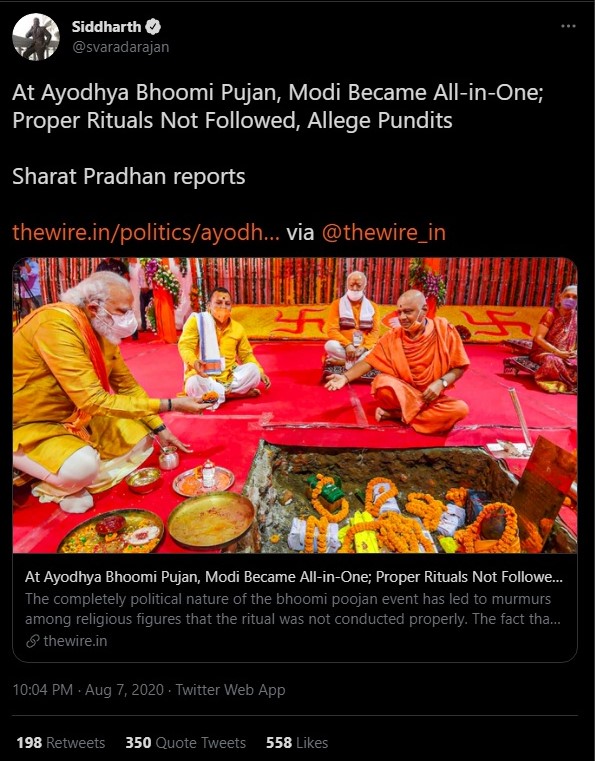
Not just Yogi but Sharat Pradhan is not too fond of Prime Minister Modi either.

Report by Sharat Pradhan

Apart from these two reports, Sharat Pradhan has authored numerous other articles that make his bias against the Chief Minister of Uttar Pradesh and Prime Minister of India abundantly clear.

Why rumours of a conflict between Yogi and Modi are most likely false

Apart from the biased source of the rumour, there are multiple reasons why a conflict between Yogi Adityanath and Narendra Modi does not appear likely. We should remember the circumstances in which Yogi Adityanath was appointed the Chief Minister of Uttar Pradesh.

In 2017, Yogi’s sphere of influence was limited to a very specific region of Uttar Pradesh, Purvanchal. At the time, he was still considered a fringe figure in national politics and he was not even considered a frontrunner for the job.

There were other names such as Manoj Sinha and Keshav Maurya who were widely speculated to receive the nod should the BJP win the state elections. During the campaign, Narendra Modi campaigned hard and the party went into the elections without a Chief Ministerial candidate.

But during the campaign, Yogi Adityanath received significant space in the media and he gave lots of interviews where he was his usual politically incorrect self. It was not until hours before the decision was announced that the media got a whiff that he was to be appointed the Chief Minister of Uttar Pradesh.

Needless to say, the appointment could not have been possible without the explicit support of the Prime Minister and then BJP chief Amit Shah considering Yogi’s stature in state politics at the time.

Yogi Adityanath has grown into the job

It was only after Yogi became Chief Minister that his popularity has increased manifolds. His great administrative skills combined with his unapologetic stance towards Hindutva made him one of the most popular figures in the party.

But this would not have been possible without the support of the Central Government. There is no indication that the Union Government has ever tried to undermine his authority. On the contrary, the centre appears to have trusted him with the responsibility of managing the state and aided his efforts whenever necessary.

Numerous infrastructure projects are underway in the state with cooperation between the centre and state. Simultaneously, Yogi’s vision for Ayodhya has the endorsement of the central government and the state government has received significant funds from the centre towards that end.

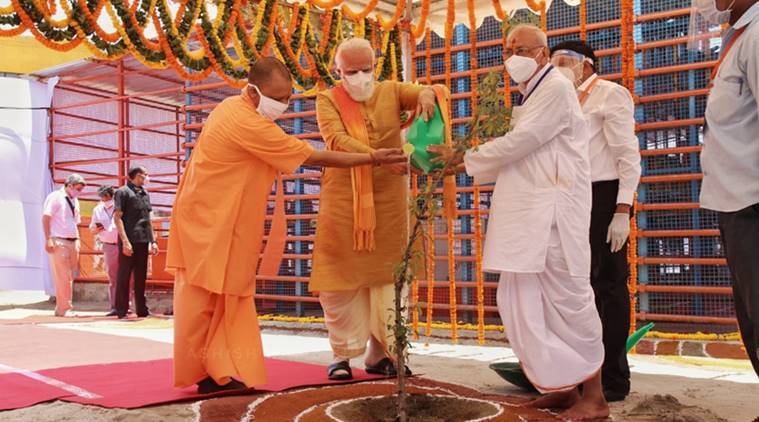
Most significantly, when Narendra Modi performed the Bhoomi Pujan for the Bhavya Ram Mandir at Ayodhya, Yogi Adityanath was present by his side. It was one of the most momentous occasions for the country as a whole and certainly, the greatest moment for the Hindutva movement thus far.

And the ceremony saw the attendance of both the Prime Minister of India and the Chief Minister of Uttar Pradesh. Unfortunately, Amit Shah could not attend the ceremony at the time as he was infected with the novel Coronavirus.

Thus, there is no indication at all that Prime Minister Modi ever tried to undermine Yogi’s authority.

Narendra Modi admires Yogi’s Guru Mahant Avaidyanath

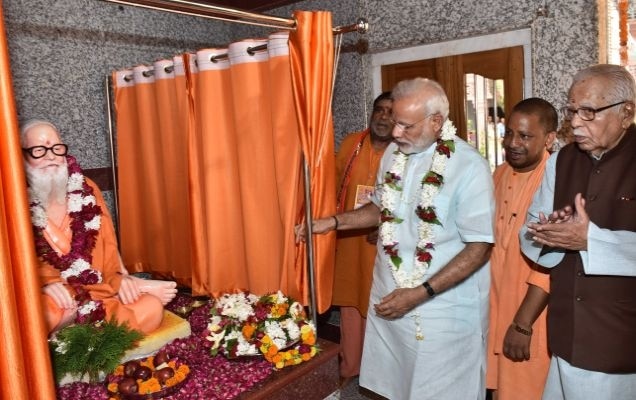
The Prime Minister’s relationship with Yogi Adityanath goes much farther back than the Uttar Pradesh Assembly Elections in 2017. In fact, in July 2016, Narendra Modi unveiled the statue of the late Mahant Avaidyanath in Gorakhpur. He mentioned that his association with the former Mahant of Gorakhnath Math goes back to the time he was not active in politics.

Prime Minister Modi had said at the time, “Be it the freedom struggle of India or the significant task of social reconstruction post-independence, Mahant Avaidyanath ji played an active role during both phases. He had added an another dimension to his life by his vision to ignite the social consciousness through pilgrimage centres remaining within the democratic purviews and then provided common people the benefits of a transformed situation. This vision is being successfully kept up with and carried forward even today by his disciple Yogi Adityanath ji.”

Narendra Modi unveils statue of Mahant Avaidyanath

Mahant Avaidyanath is Yogi’s Guru and the latter was chosen to lead the Gorakhnath Temple by the late Guru himself. The Gorakhnath Math has also played a very critical role in the reclamation of the Ram Janambhoomi, a fact that the Prime Minister is no doubt aware of.

Three generations of the Gorakhnath Math, Mahant Digvijaynath, Mahant Avaidyanath and now, Yogi Adityanath, have contributed immensely towards the construction of the Bhavya Ram Mandir at Ayodhya. It is with good reason that Yogi said that building the Ram Mandir was his life’s mission.

Caste Equations in Uttar Pradesh

People who believe that there is a dispute brewing between Yogi and Modi often tend to negate the latter’s support for the former’s elevation to the seat of Chief Minister of UP by saying that local caste factors and Yogi’s own influence forced the central leadership’s hand.

But as we are well aware, at the time, Yogi’s sphere of influence was limited to Purvanchal. As for local caste factors, it is indeed true that they are likely to have influenced the decision. Yogi is a monk and a monk has no caste. Therefore, it helps the BJP transcend caste barriers in the state.

It is also for this reason that Yogi’s detractors emphasise the name he had during his pre-monk life. Ajay Singh Bisht, they continue to call him, but there are not many takers for their agenda because the ordinary Hindu is well aware that monks in saffron garb have no caste.

Concerted campaign against Yogi Adityanath

Soon after he became Chief Minister, there was a concerted campaign by the media, local, national and international, to malign Yogi’s image. He was branded the ‘firebrand Hindu cleric’ and a ‘Hindu Supremacist Monk’ and the ‘Warrior Priest’ by the media. And through it all, Yogi stuck to his guns and has emerged much more popular.

There were also times when Uttar Pradesh was in a state of crisis but Yogi continued to receive backing from the centre. The Kaafil Khan episode, and on numerous other occasions, Yogi’s administrative abilities were questioned severely. There were other times when supporters themselves questioned whether the decision to appoint Yogi was the correct one at the time.

Even during the second wave of the Covid-19 pandemic, things looked extremely bad for Uttar Pradesh for a while but soon enough, Yogi emerged only stronger. And through it all, he received all the support from the centre, a fact that he has openly and publicly acknowledged.

There is no evidence at all to suggest that relations between the two have soured in recent times. Yogi Adityanath does not hesitate one bit to express his gratitude toward the centre and Prime Minister Modi, on more than one occasion, has appreciated Yogi’s stellar performance as Chief Minister.

The only bit that detractors have latched on to is the fact that Narendra Modi apparently did not wish Yogi on his birthday. One has to recognise the fact that we are speaking of the Prime Minister of the largest democracy and Chief Minister of the most populous state in India here, not hormonal teenagers in love.

There are much more significant ways to express unhappiness by either side than a damned birthday wish. Also, Yogi Adityanath is a monk. Birthdates are unlikely to hold the same significance for him as the Prime Minister surely knows.

The rumours are further settled by the fact that the BJP has already announced that they will go into the next elections with Yogi as their Chief Ministerial candidate. If nothing else could convince detractors, this decision definitely should.

Viral video shows Agra hospital owner admitting he switched off oxygen of critical patients, probe ordered

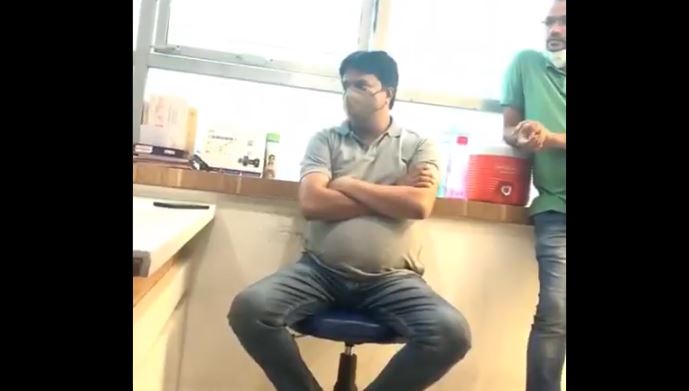
District authorities in Agra have launched an investigation after an old video of the proprietor of a private hospital admitting to having snapped the oxygen supply to critical patients, both in the Covid and non-Covid wards on the 26th of April went viral on social media on May 7.

In the video tweeted by Livehindustan on May 7, the owner of Paras Hospital Dr Arinjay Jain is heard telling some people that he has asked the hospital authorities to conduct an experiment or a “mock drill” to ascertain which patient is in actual need of oxygen, since there is an acute shortage of oxygen and the patients’ family members are not ready to discharge their patients despite multiple requests.

“I decided to perform an experiment/mock drill since we were experiencing a severe oxygen shortage and Modinagar had run out of it. People were refusing to release their patients despite repeated requests. So on April 26, at 7 am, we cut off the oxygen supply for five minutes.

Soon after, 22 patients’ bodies turned blue and they began gasping for air, indicating that they would not live if oxygen was not available. Then we ask the remaining 74 patients’ families to arrange their own oxygen cylinders”, Arinjay Jain, owner of Paras Hospital, who is not visible in the purported video can be heard saying.

When asked, the chief medical officer of the Agra district, Dr RC Pandey, said that they have taken cognisance of the video and a committee has been constituted to investigate the issue.

Speaking about the incident that transpired on April 26 in the Paras Hospital in Agra, District magistrate Prabhu N Singh denied that 22 patients died that day. He said that on April 26 and 27, seven patients died in Paras Hospital. “There was an oxygen shortage on these days, but it was augmented by diverting supply from Mathura refinery,” Singh said.

He was further quoted by ANI as saying: “There were 22 critical patients admitted in the hospital but have no details of their death. We’ll look into the video surfaced about their death”.

UP Health Minister Jai Pratap Singh also confirmed receiving the complaint that there were issues with providing oxygen at Paras Hospital. “Inquiry is underway, will let you know once the investigation is completed”, said the state health minister.

Multiple complaints against Paras Hospital

The state health minister confirmed that they had received various complaints against the same hospital when the country was grappling with the first wave of the covid-19 outbreak last year. Then the state administration had sealed the hospital in question for quite a few months, he added. Jai Pratap Singh also added that the state administration would look into the video and take necessary action against the hospital if the video is confirmed to be genuine.

Meanwhile, after the video went viral, Jain defended himself by claiming that his remarks had been taken out of context. “We were trying to identify the critical patients so that we could give them better treatment. He told TOI that four Covid-19 patients died on April 26 and three on April 27. He said he “did not have the exact data” when asked if 22 patients died in the hospital owing to the mock drill.

Kamala Harris tells migrants ‘do not come’ during talks in Guatemala, reiterates they will be turned away. Watch

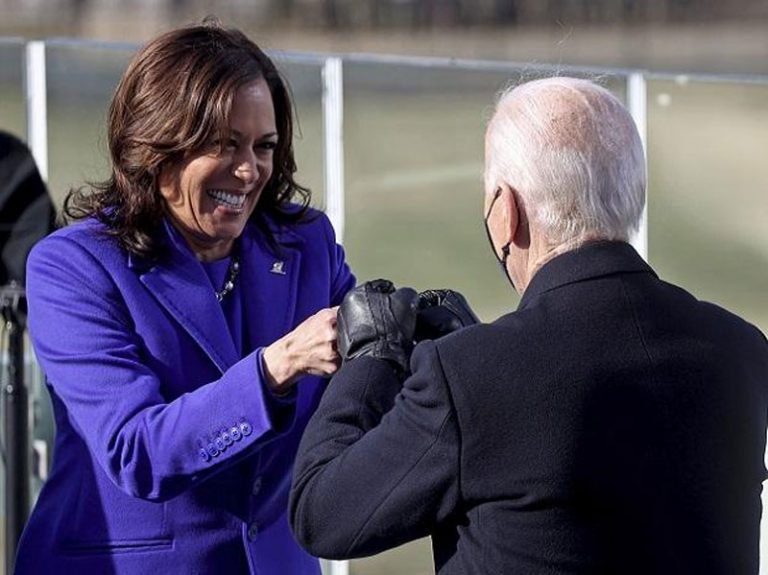
On June 7 (local time), Kamala Harris, Vice President of the United States of America, told Guatemalan migrants not to come to the US. Harris was on her first foreign trip as the VP. She said, “I want to be clear to folks in this region who are thinking about making that dangerous trek to the United States-Mexico border: Do not come. Do not come.”

She further added that the United States would continue to enforce its laws and secure the borders. Notably, former President Trump was criticized extensively on multiple occasions for his policies against illegal immigrants.

Migrants have to find a legal way to enter the US

Harris echoed the stand of President Joe Biden’s administration that the migrants have to look for a legal pathway to come to the US. Otherwise, they would be turned away if they cross the border illegally. Earlier, it was reported that the Biden administration is looking to overhaul the existing immigration programs to make the process easier and cheaper. Interestingly, since Biden took office, a record number of migrants have arrived at the US border, including hundreds of unaccompanied migrants.

There were claims that the increase in the number of migrants on the border is linked to the “nice guy” image of President Biden. However, Biden refuted the claims and claimed that the surge is because of the weather and natural disasters in South America. He also blamed former President Trump for the limited legal pathways for legal immigration in the US. He said, “He dismantled all the elements that exist to deal with what had been a problem, and has been continuing to be a problem for a long time. What we’re doing now is attempting to rebuild the system that can accommodate what is happening today.”

Harris blamed corruption for migration

During her trip, Harris blamed corruption in South America for the migration of the people to the US. She announced that the US would create a task force that would work with the local prosecutors to embed a “sense of hope” in the locals so that they do not flee their homeland. She said, “We are creating this task force to address corruption, to address human smuggling, doing the work to make sure certain progress be made if we are going to attract investment.” The task force would comprise officials from the Departments of Justice, Treasury and State.

Harris further added that people flee their homeland to save themselves from some sort of harm. She said, “Most people don’t want to leave where their grandmother lives. When they do, it’s because they are fleeing some type of harm, or because to stay means they cannot provide for their essential needs and the needs of their family.”

Not just numbers: In just one month, over two dozen BJP workers have been killed in Bengal. Read about them here

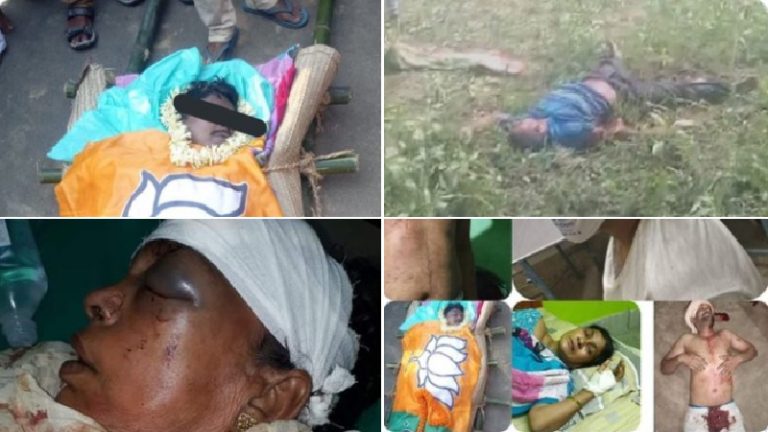
Following the West Bengal assembly elections, the political violence against BJP workers and supporters has continued unabated, this despite a landslide victory by the ruling TMC. Several BJP karyakartas are reported to have been brutally murdered in the post poll violence that the state witnessed after the results of the state’s Vidhan Sabha was declared.

The BJP has alleged that the number of party workers killed since the announcement of poll results on May 2 is over two dozen. Below we have listed the names of at least 24 such individuals who have had to bear the brunt of believing in a political ideology and voting for the Bharatiya Janata Party in the state.

TMC miscreants bomb and kill BJP activist Jayprakash Yadav on June 6

A Tweet by BJP Bengal claims that TMC miscreants bombed and killed BJP activist Jayprakash Yadav in Barrackpore. Many false cases had been filed against him because he supported BJP.

According to reports the miscreants, who as per BJP were TMC goons, threw at least four bombs, of which two hit Yadav, a resident of Muktarpur, and killed him on the spot around 2.30 pm.

BJP MP Singh, who rushed to the spot after the purported incident said: “Yadav became a target because he was an active BJP worker and had played an instrumental role in the BJP’s victory in Bhatpara during the Assembly polls. It was a planned attack to eliminate him, and so the criminals hurled bombs at him, targeting his head from close range.”

“Such a daring attack in broad daylight speaks volumes about the law and order in Bengal,” Singh added.

He went on to say that he had complained to his party’s leadership as well as Bengal Governor Jagdeep Dhankhar.

Anil Barman found mysteriously hanging from a tree in Cooch Behar on May 30

On Sunday, the body of a BJP worker was found mysteriously hanging from a tree in Sitai in Adabari in the Cooch Behar district of West Bengal.

As per reports, the deceased was identified as one Anil Barman. His dead body was spotted by locals in a garden, which is located near his residence. The BJP accused the ruling Trinamool Congress dispensation of murdering its party worker. The party informed that Anil Barman was on the hitlist of the TMC during the time of elections. It also claimed that the TMC hoodlums had earlier vandalised the deceased’s house.

BJP booth president Raja Samonto was brutally beaten on May 29

A BJP booth president, Raja Samonto was brutally beaten to death at Sadhurghat village in South 24 Parganas’ Diamond Harbour.

BJP worker Dhiren Barman murdered

Suvendu Adhikari, the leader of the opposition in West Bengal, had taken to Twitter to inform how a BJP supporter Dhiren Barman (34) belonging to SC Rajbangshi of Sitalkuchi Assembly was brutally murdered by TMC goons. Condemning the attack on BJP workers, Adhikari criticised Mamata Banerjee for providing tactical support to the TMC goons.

BJP activist Prosenjit Das commits suicide due to physical and mental torture inflicted on him by TMC goons

BJP State President Dilip Ghosh had taken to Twitter to share the news of the untimely death of a young party worker named Prosenjit Das. It was alleged that Das, a resident of Harijan Palli in the Gopalpur area in Rajarhat, could not bear the physical and mental torture being inflicted on him by TMC goons and decided to end his life.

Ghosh had Tweeted that Das was rendered homeless for a long time after the state Assembly election. His family alleged that TMC goons had beaten him twice and threatened him with dire consequence. Mentally traumatised, Das could not handle the pressure and decided to commit suicide.

The mother of the deceased BJP worker said that the local councillor, Shampa Chakraborty, instead of penalising the accused, rebuked them for not being able to take care of their son.

BJP worker Nirmal Mandal allegedly beaten to death

TV9 journalist Anindya had taken to Twitter to inform that a BJP worker named Nirmal Mandal was allegedly beaten to death by his political opponents, in Sonarpur North Assembly constituency”.

BJP worker Ghanshyam Rana first shot then brutally stabbed outside his own house

Another incidence of the brutal attack on a BJP worker that occurred after the polls in Khanakul in Arambagh town, Hooghly, Ghanshyam Rana, was first shot then brutally stabbed outside his own house. Rana was rushed to the hospital in extremely critical condition. According to BJP, TMC goons were behind the tragedy. However, as usual, the Trinamool Congress party denied any involvement in the incident.

Keya Ghosh, the vice-president of BJP Mahila Morcha in West Bengal, had taken to Twitter to share the news.

Arindam Midya hanged to death by TMC goons

According to a Tweet by BJP activist Devdutta Maji, a youth named Arindam Midya was hanged to death by Islamist supporters of West Bengal’s ruling dispensation. Midya was a resident of Panchkoli village falling in the Falta assembly constituency in Diamond Harbour.

BJP worker named Dharma Mandal was mercilessly attacked by the TMC goons

The brazen political genocide in West Bengal, inflicted by TMC goons, has continued uninterrupted since May 2nd, despite Mamata Banerjee and her camp’s efforts to deny and push it under the rug. On May 14, in another such incident, a BJP worker named Dharma Mandal was mercilessly attacked by the TMC goons at his own house in Nadia district of West Bengal. 

He was hospitalised after being critically injured by the TMC cadres but succumbed to his injuries in a Kolkata hospital on May 16.

Manoj Jaiswal found murdered, BJP accuses TMC

On the same day, TV9 journalist Anindya had reported that another BJP activist named Manoj Jaiswal of Nalhati Assembly Constituency under Bhirbhum district was found murdered. The BJP alleged that their cadre was murdered by the TMC goons.

Twin murder of BJP supporters in West Bengal

The West Bengal unit of the BJP had accused Trinamool Congress goons of murdering two of its karyakartas in Uttar Lakshmipur, Malda. According to BJP Bengal, the deceased has been identified as Manoj Mandal and Chaitanya Mandal. The gruesome image shared by the BJP shows that the two workers were hanged from a tree, tied together with a rope.

Despite the widespread violence, senior TMC leaders denied it, accusing the BJP of spreading falsehoods. Mamata Banerjee, however, eventually acknowledged the violence and promised compensation to the victims’ families.

BJP worker Arup Ruidas killed and hanged from a tree

In yet another case of political killings, a BJP worker named Arup Ruidas was killed and hanged from a tree in Bankura district. According to the reports, Arup Ruidas, who was a booth agent from the Indus Assembly of West Bengal had allegedly been murdered by TMC workers.

Avijit Sarkar lynched to death by the TMC miscreants

The West Bengal Vidhan Sabha elections results were declared on May 2. Hours later, Trinamool Congress party hoodlums went berserk and unleashed mayhem on the BJP workers and supporters. Several political killing were reported on May 3. A BJP worker named Avijit Sarkar was lynched to death by the TMC miscreants. Opindia had learnt that Avijit Sarkar was beaten to death after uploading the two testimonials on Facebook where he narrated the harrowing tale of violence that he was subjected to by the TMC goons. 

In one of the videos, a teary-eyed Avijit Sarkar narrated how the TMC goons vandalised his house and thrashed his puppies to death. All this happened in the presence of Kolkata police, who did nothing except standing there like mute spectators.

BJP worker Debabrata Maity brutally killed in the post-poll violence in West Bengal

On the same day, OpIndia reported how another BJP worker named Debabrata Maity was brutally killed in the post-poll violence. Maity, who hailed from Nandigram was rushed to the hospital in critical condition, after being attacked by Trinamool Congress hoodlums, where he succumbed to his injuries.

BJP MLA from Nandigram, Suvendu Adhikari had stated: “Shri Debabrata Maity was a Voter in my constituency #Nandigram. Was. I’m in disbelief even using the word. Is this the consequence of exercising one’s franchise? He was killed for the crime of using his Constitutional right to vote. Numbed beyond words at this senseless violence.”

In yet another incident, one Biswajit Mahesh, a Shakti Kendra Pramukh in Ghatal Organisational District was brutally murdered by the TMC goons. Journalist Navneet Mishra had taken to Twitter on May 6 to share the news.

Gaurav Sarkar killed by TMC hoodlums

Similarly, a BJP worker named Gaurav Sarkar from Bolpur, in Birbhum district in West Bengal, also fell prey to the post-poll violence in the state.

BJP karyakarta Manik Mondal killed in Sitalkuchi Legislative Assembly in West Bengal

The same day, TV9 journalist Anindya took to Twitter to inform that BJP lost 6 cadres within 24 hours in post result violence. He also shared the gory visual of one Manik Mondal, who had also, like many of his fellow BJP karyakarta’s, fallen prey to the Trinamool Congress worker’s angst in the Sitalkuchi Legislative Assembly of Cooch Behar district.

80-year-old mother of BJP worker killed while trying to save her son from TMC goons

In another incident, an eighty-year-old lady namely Sova Rani Mondal, mother of Jagaddal BJP worker Kamal Mondal, was killed while trying to save her son from the bloodthirsty TMC cadres. In what transpired, the TMC goons were beating up Kamal Mandal and his wife for being affiliated to the BJP when his mother intervened to save her son. She was injured in the ensuing scuffle and later succumbed to her injuries.

BJP Karyakarta Uttam Ghosh murdered in post-poll violence in West Bengal

One Uttam Ghosh, a BJP Karyakarta was murdered by TMC workers at midnight of May 2 at Gangnapur, Ranaghat. ABP News journalist Vikas Bhadauria had shared the news on the microblogging site.

BJP worker Horom Adhikari brutally murdered in West Bengal post-poll violence

Horom Adhikari worked for the BJP in West Bengal. He was employed in the South 24 Parganas district of Sonarpur Dakshin. He was brutally murdered, yet the news of his murder did not make it to the mainstream media or social media platforms.

BJP’s Momik Moitra was brutally killed by TMC goons after the counting of votes

A BJP karyakarta named Momik Moitra was brutally killed by TMC goons after the counting of votes on May 2. The purported incident occurred in the Sitalkuchi Legislative Assembly of Cooch Behar district where a mob had attacked the Central Industrial Security Force (CISF) during the fourth phase of elections in West Bengal after TMC supremo Mamata Banerjee asked her followers to gherao the central forces.

BJP supporters namely Chandan Roy and Haradhon Ray were murdered by TMC workers

BJP supporters namely Chandan Roy and Haradhon Ray were murdered by TMC workers at Chooch Behar at Dinhata respectively after the poll results were announced in the state of West Bengal on May 2.

BJP worker Mintu Burman beaten to death by TMC goons in West Bengal

A BJP worker named Mintu Burman was reportedly beaten to death by TMC goons in Cooch Behar. Mintu Burman was hurriedly taken to the hospital, where he died during treatment.

Besides unleashing political violence, the TMC goons have allegedly burnt down BJP party offices to ashes at various locations. After horrifying videos of women being attacked and assaulted by the TMC goons surfaced on social media, the Chairperson of NCW Rekha Sharma reached the state of West Bengal to take stock of the situation and provide relief to the affected. A CRPF unit was sent to BJP’s Purbasthali Uttar candidate Dr. Gobardhan Das’s village after he was trapped inside his home along with his family members including the elderly as TMC hoodlums hurled bombs.

Earlier this week, BJP spokesperson Sambit Patra took to Twitter to share a pamphlet allegedly issued by the Trinamool Congress, wherein it warned shopkeepers against selling anything to 18 BJP workers. The contentious circular was allegedly issued by TMC’s 176 and 179 booth committees in Mahisda village in Keshpur in Paschim Medinipur district of West Bengal.


Uttar Pradesh: CM Yogi Adityanath sets up special ‘pink booths’ to encourage Covid vaccination among women

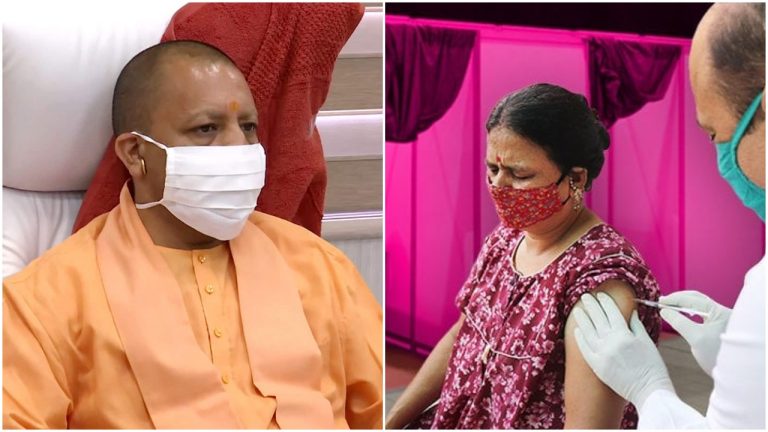
The government of Uttar Pradesh, under the leadership of CM Yogi Adityanath, has set up special “pink booths” to encourage women in the state to be vaccinated against Covid-19. These booths have become operational in all 75 districts of the state from June 7 (Monday).

The move was taken during a review meeting on Sunday, chaired by Chief Minister Yogi Adityanath.

Uttar Pradesh Chief Minister Yogi Adityanath tweeted about the state government’s initiative on Monday: “To ensure the safety of the women against the covid-19 pandemic, the UP government from June 7 is starting ‘women special’ vaccination booth in all the districts. All mothers and sisters should get the ‘tika jeet ka’ vaccine as soon as possible.”

The state administration has ordered that at least two women-only special booths be established in each district for targeted immunity-booster drives. Women between the ages of 18 and 44 will be served in one booth, while those over 45 will be served in the other.

The Uttar Pradesh government has directed that these camps be set up in district women’s hospitals or district joint hospitals. According to government orders, such camps can also be set up in different tehsils.

The Uttar Pradesh CM Yogi Adityanath has been in the forefront of the battle against the Wuhan coronavirus. He has taken various measures to tackle the crisis in his state. On June 4, Yogi Adityanath instructed the state officials to triple the state’s daily Covid-19 vaccination rate in a month.

In the beginning of the month, the state of Uttar Pradesh, under the supervision of CM Yogi Adityanath, embarked on a massive Covid vaccination drive starting June 1 (Tuesday). The drive, which has been coined as ‘Mission June’ by the CM, intends to inoculate 90 lakhs to 1 crore beneficiaries across 75 districts of the state in the month of June.

Meanwhile, Uttar Pradesh has reached the milestone of administering over 2 crore Covid-19 vaccine doses (2,02,34,598 to be precise) in the state. It has vaccinated over 30 lakh people between the ages of 18 and 44, the highest in the country for this age group.

Twitter user’s account locked for calling Khalistani terrorist Jarnail Singh Bhindranwale a terrorist

Twitter known for its left-leaning bias has locked the account of a Twitter user who called out Khalistani terrorist Jarnail Singh Bhindranwale and Golden Temple’s stand to support the same.

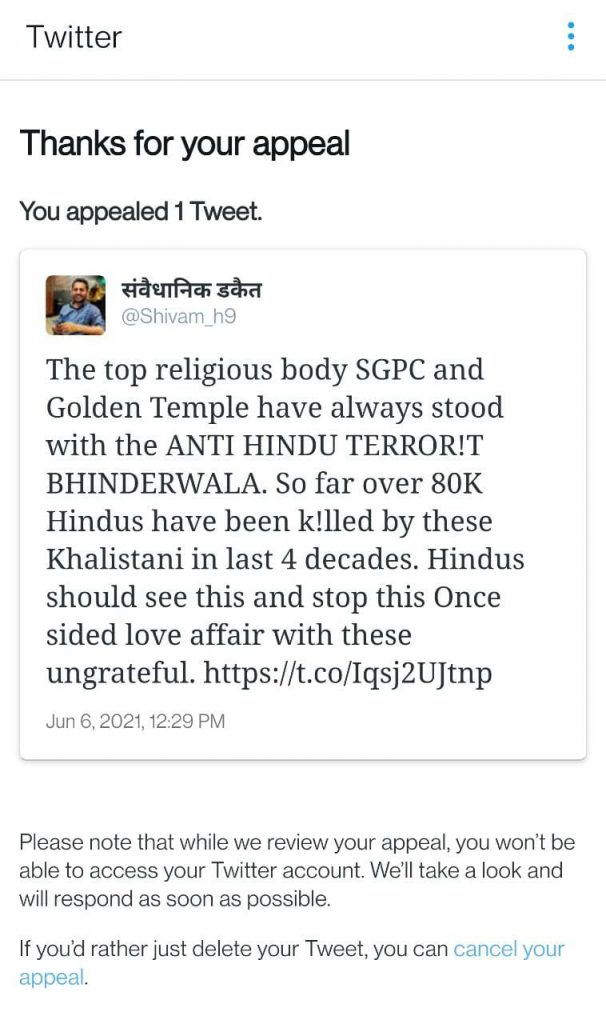
Twitter handle by the name Shivam_h9 in a Tweet had said, “The top religious body of SGPC and Golden Temple have always stood with the ANTI HINDU TERROR!ST BHINDERWALA. So far over 80k Hindus have been k!lled by these Khalistani in last 4 decades. Hindus should see this and stop this Once sided love affair with these ungrateful.”

Screenshot of Twitter user’s Tweet

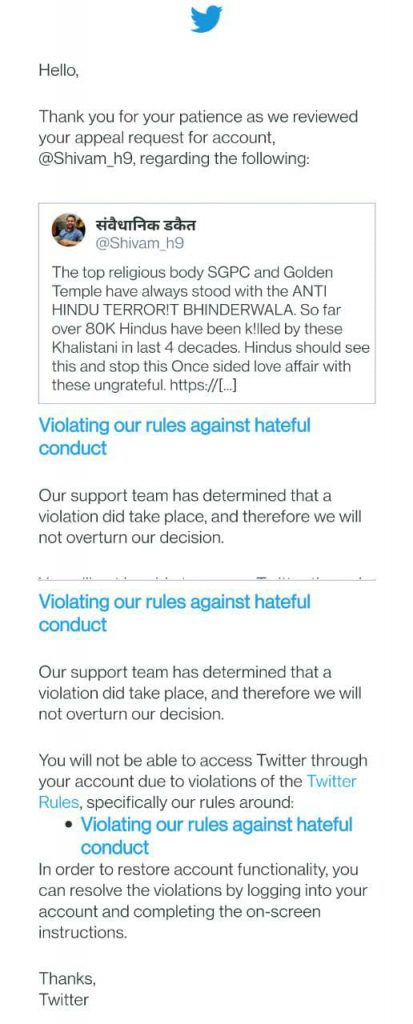
Twitter immediately locked the user’s account and when appealed denied restoring the account for ‘violating rules against hateful conduct.’

Screenshot of Twitter’s response

The Tweet was presumably made after the acting Jathedar of Akal Takht defended the separatist slogans chanted on the 37th anniversary of Operation Bluestar in the premises of the Golden Temple. Akal Takht priest had said that chanting such separatist slogans helps those affected ‘release their pain’.

However, it is imperative to note that several Tweets hailing the Khalistani terrorist or Tweets from January when a global ecosystem trended ‘Modi Planning Farmer’s Genocide’ continue to sit on the platform. 

Hateful accounts restored within few hours

The Ministry of Electronics and Information Technology (MEITY) in January had blocked around 250 Tweets/Twitter accounts which were using #ModiPlanningFarmerGenocide hashtag and making fake, intimidatory and provocative Tweets.

However, these accounts were restored within a short span, thereby going against the Government of India’s orders.

Several accounts and Tweets still exist on the platform promoting the hashtag and trend.

Several accounts supporting the Farmers Protest were made only in December 2020.

Twitter seeks more time for compliance

On the other hand, Twitter continues to dodge compliance with the new guidelines laid out for the social media platforms by The Ministry of Electronics and Information Technology (MEITY).

After wasting three months given by the government to abide by the new rules, Twitter has asked for more time. Expressing its intent to comply with the rules, Twitter says they have been unable to do so because of the pandemic.

The response from Twitter came after the government of India issued a strong-worded final notice to the company last week regarding its non-compliance with the new rules.

“We have assured the Government of India that Twitter is making every effort to comply with the new guidelines, and an overview on our progress has been duly shared. We will continue our constructive dialogue with the Indian Government,” informed a Twitter spokesperson.

Saudi Arabia bars entry of international travellers who have received Chinese vaccine against Covid: Details

Amidst the Coronavirus pandemic, the Kingdom of Saudi Arabia has barred the entry of individuals inoculated with Chinese vaccines, into the country. This has created fresh trouble for Pakistan, as most of its citizens had received the Chinese Sinovac and Sinopharm vaccines.

On Sunday (June 6), the Foreign Ministry of Pakistan pleaded with Saudi Arabia to reconsider its decision and include Chinese vaccines in its list of approved vaccines.

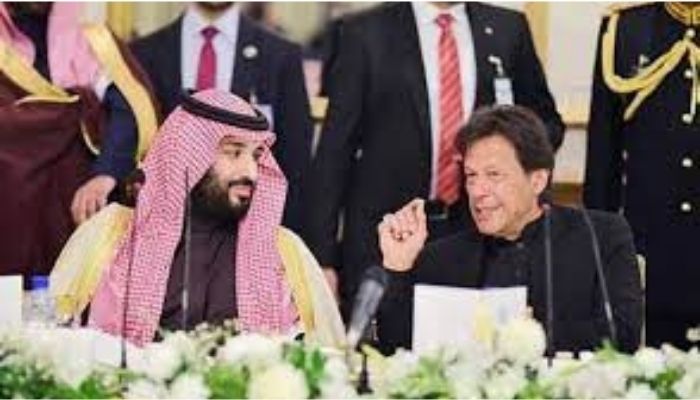
Pakistani Interior Minister Sheikh Rashid Ahmed told the media that Imran Khan will take up the matter directly with the Saudi Arabian government. He emphasized that PM Imran was in talks with the leaders of the respective countries over the issue of Chinese vaccines. Ahmed further alleged, “(The PM) has also told the cabinet that he is in touch with the (Middle Eastern) countries concerned in this regard. Sinopharm is a great vaccine and I salute the Chinese’ cooperation in this regard.”

Earlier, Asad Umar, the Minister for Planning, Development, and Special Initiatives had said that those Pakistanis who need to travel to Saudi Arabia for Haj, work, or education within a month will be administered Pfizer vaccines on priority. He had also claimed that the non-acceptance of Chinese vaccination certificates will lead to a global issue.

Umar said, “If every country makes it mandatory for visitors to be inoculated by their choice of vaccine [brands], the entire world would suffer.” While batting for Chinese vaccines, he also said that the Chinese vaccines were the most exported ones.

Saudi Arabia refuses to recognise Chineses vaccination certificates

The Gulf nation updated its travel restrictions last month to include Pfizer, AstraZeneca, Moderna, and Johnson & Johnson in its list of approved vaccines. Saudi Arabia had however left out foreign visitors inoculated with Chinese vaccines.

Despite recognition of two Chinese vaccines by the World Health Organisation, the Gulf nation continues to not recognise these Chinese vaccines. Besides Pakistan, Malaysia has also raised similar concerns. While speaking about the matter, Science Minister Khairy Jamaluddin said, “If they have registered or have been jabbed with Sinovac, then we will discuss this matter with the Saudi Arabia government to accord leeway to them.” China has so far distributed 115 million vaccine doses to about 60 countries, such as Brazil, Pakistan, Turkey, Malaysia, and so on.