Home Blog Page 4271

While attacking Baba Ramdev, IMA admits India has done better than ‘highly advanced developed countries’ in dealing with Covid-19

Ever since yoga guru Baba Ramdev made controversial remarks against the modern allopathic medicine system, the Indian Medical Association has launched a full-fledged attack on him. On Saturday, the association had released a statement demanding action against Ramdev for his comments. The IMA had said that govt should either accept his views and abolish the modern medical system or prosecute him and book him under the Epidemic Diseases Act.

However, while launching the scathing attack against the founder of Patanjali, the IMA also ended up praising the Indian healthcare system for its handling of the Covid-19 crisis. Refuting the allegations of Ramdev that ‘Allopathy is stupid and bankrupt science which failed to combat the pandemic in the country’, IMA said that the country has actually done better than even developed countries with highly advanced medical facilities. The IMA said that “millions of people struggling hard to survive and breathe with COVID-19 pneumonia and associated complications were nurtured, cared and resuscitated to have a normal life by burning midnight oil and altruistic care by these dedicated doctors and their team.”

The statement issued by the association then said, “what the highly advanced developed countries could not achieve, in India, Indian hospitals and modern medical doctors could achieve to contain the COVID-19 mortality around one percent, amidst lack of adequate infrastructure, materials, and manpower by their sheer dedication and the commitment of consecrating their life and skills to alleviate the sufferings of humanity.”

While the IMA has been critical of the govt over various aspects related to Covid-19, the organisation also accepted that the official death figures released by the govt are correct. By saying that the allopathic doctors in the country have been able to “contain the COVID-19 mortality around one percent”, the IMA essentially refuted the claims by left-liberal media and opposition parties that Covid-19 deaths in the country are highly under-reported.

According to Govt of India data, 3 lakh people have died of Covid-19 in India, among the 2.34 crore people infected by the virus. This means the IMA is saying that the Covid-19 death numbers released by the govt are correct.

Milind Deora credits Congress party for hard work of industrialists and private individuals usually hated by Rahul Gandhi

On Sunday, Congress leader and former Lok Sabha MP Milind Deora took to Twitter to put out a bizarre tweet that has now become an object of ridicule on social media platforms.

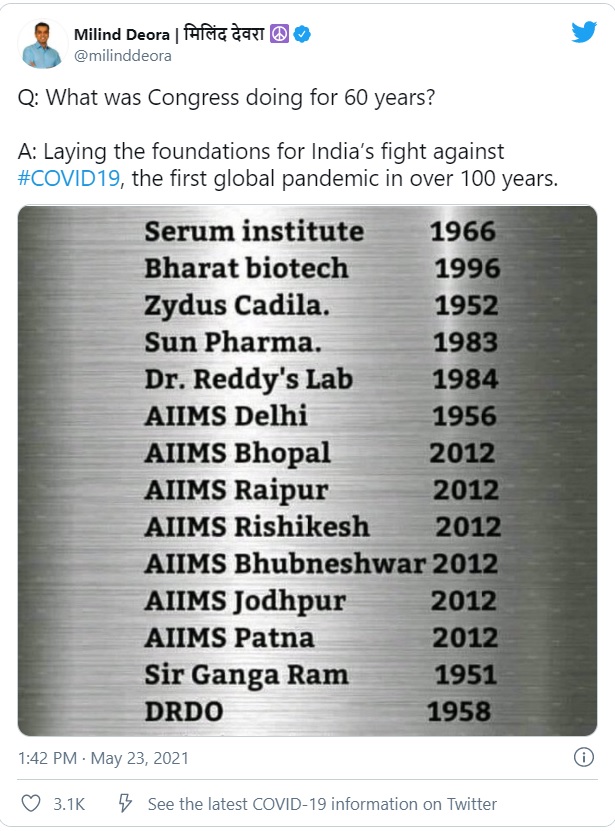
Milind Deora, the former Lok Sabha MP from Mumbai South, tweeted a list of institutions, comprising pharma companies, hospitals and defence research institutes, to make a stunning claim that the Congress party had a role in building the institutions that were mentioned in his list.

“What was Congress doing for 60 years?” Milind Deora asked a question, to which he himself responded by answering, “Laying the foundations for India’s fight against #COVID19, the first global pandemic in over 100 years.”

Attached to his tweet was a list of institutions, which according to him, were built on the mercy of the Congress party. As per Deora, the Congress party had laid the foundation for all these organisations. The Congress leader listed 5 Indian pharmaceutical companies in the private sector, 8 hospitals, and one laboratory, claiming that the Congress party was behind the establishment of them.

However, in the long list, the number of institutions set up by a Congress govt is minuscule, with a majority of them are the results of efforts of either private entrepreneurs or BJP governments. This means Milind Deora is crediting Congress party for organisations started by industrialists and BJP govt.

Here is the list of organisations that were mentioned in Milind Deora’s list: Let us examine whether these institutions have any links to the Congress party:

Serum Institute:

Serum Institute of India Pvt. Ltd, which is the world’s largest vaccine manufacturer by the number of doses produced and sold globally, was founded in 1966 by Dr Cyrus Poonawalla to manufacture life-saving immuno-biologicals, which were in shortage in the country and imported at high prices.

Presently, Adar Poonawalla, the son of Cyrus Poonawalla, is the Chairman and Managing Director of the Pune-based the Serum Institute of India. As far as today, neither Adar nor Cryus Poonawalla has officially joined the Congress party. Hence, it is wrong to claim that the Congress party has any links to the above organisation.

Bharat Biotech:

Bharat Biotech, the Indian biotechnology company headquartered in Hyderabad, known for producing one of the world’s most effective and cheapest vaccines, was founded in 1996 by the husband-wife duo Dr Krishna M. Ella and Suchitra Ella. The couple returned from the US to set up a company dedicated to creating innovative vaccines and bio-therapeutics.

Bharat Biotech’s Covid-19 ‘Covaxin’ is one of the two Covid-19 vaccines that are currently being administered in the country.

There are no factual records to suggest that the Congress party has any commercial or intellectual connections with the Bharat Biotech. Hench, Milind Deora’s claim that the Congress party had laid the foundation for this company is an outright lie.

Zydus Cadila:

Cadila, a leading Indian Pharmaceutical company, was founded by Mr Ramanbhai B. Patel, a first-generation entrepreneur, in 1952. In 1995, the group was restructured to name Zydila Cadila Healthcare after their merger with the Zydus group.

Pharma major Zydus Cadila is presently conducting clinical trials of its Covid-19 vaccine candidate ZyCoV-D, which is expected to hit markets soon.

As we looked into the company’s history, the pharma giant has no prior connection whatsoever with the Congress party.

Sun Pharma:

Sun Pharmaceutical Industries Limited, one of the country’s major pharmaceutical company headquartered in Mumbai, was founded by Dilip Shanghvi in 1983 in Vapi, Gujarat. In 2014, the company acquired Ranbaxy to become the largest Indian pharma company in the US and the 5th largest speciality generic company globally.

Yet again, neither Congress party nor the Nehru-Gandhi family has any links with the pharma major.

Dr Reddy’s Lab:

Dr Reddy’s Laboratories, which manufactures and markets a wide range of pharmaceuticals in India and overseas, was founded by Kallam Anji Reddy in Hyderabad in 1984.

2-deoxy-D-glucose or 2-DG is an oral anti-Covid-19 drug developed by the Institute of Nuclear Medicine and Allied Sciences (INMAS), a lab of the Defence Research and Development Organisation (DRDO), in collaboration with Dr Reddy’s Laboratory. The drug is expected to help hospitalised Covid-19 patients and reduce their supplemental oxygen dependence. 

The Congress party has role in the inception or the management of Dr. Reddy’s Laboratories.

All the above institutions mentioned by the Congress leader are built by private capital and intellect. Congress party has no claim whatsoever on these private enterprises.

AIIMS hospitals:

Milind Deora claimed that 7 AIIMSs were set up by Congress, which included the original AIIMS Delhi and six others established much later. While the Congress leader thinks its an achievement, actually it shows how the Congress govts ignore the healthcare sector for half a century. Because, while the AIIMS Delhi was set up in 1956, all the others mentioned in the list were established in 2012 or later. This means, there was only one AIIMS for half a century, most of which was under the rule of the Congress party.

Moreover, other than AIIMS Delhi, Congress can’t claim credit for the other 6 AIIMSs, as they were announced by the Atal Bihari Vajpayee-led BJP government. In 2003, the National Democratic Alliance government had announced the Pradhan Mantri Swasthya Suraksha Yojana scheme with the primary objective of “correcting the imbalances of availability of affordable/reliable tertiary level healthcare in the country”.

On August 15, 2003, Atal Bihari Vajpayee, in his Independence Day speech, said, “I know what people in under-developed states have to suffer due to the lack of good hospital services there. Therefore, under the Pradhan Mantri Swasthya Suraksha Yojana, six new hospitals with modern facilities, like those available at AIIMS in Delhi, will be established in backward states in the next three years.”

The setting up of six new AIIMS was announced and sanctioned during the NDA government’s time. The budgetary allocations to construct the AIIMS at the six places – Bhopal, Bhubaneswar, Jodhpur, Patna, Raipur and Rishikesh, were made under the PMSSY scheme during the Atal Bihari Vajpayee-led government.

As these mega projects have long gestation periods, the construction of AIIMS at six different places was only completed in 2012, which coincidentally was under the UPA rule.

For some reason, Milind Deora didn’t mention AIIMS Raebareli, which was both planned and established during UPA 2 govt.

Ganga Ram hospital:

According to the Ganga Ram hospital website, the hospital was founded initially in 1921 at Lahore by Sir Ganga Ram (1851-1927), a civil engineer and leading philanthropist of his times. After the partition in 1947, the new premises of the hospital was established in New Delhi on a plot of land of approximately 11 acres.

Only, the foundation stone of the new premises was laid by the then Prime Minister of India Jawahar Lal Nehru in April 1951 and was also inaugurated by him on 13 April 1954. Nehru laying the foundation stone for a new premises does not give Congress party any right to claim on Ganga Ram hospital.

Hence, out of the entire list of organisations mentioned by Congress leader Milind Deora in his tweet, claiming to be the achievements of the Congress party, only two institutions have some association with the Congress party – AIIMS Delhi and the Defence Research and Development Organisation (DRDO).

All India Institute of Medical Sciences, Delhi, widely known as AIIMS Delhi, is an Autonomous Medical University located in New Delhi. The foundation stone of AIIMS Delhi was laid in 1952 by the then Prime Minister Jawaharlal Nehru. As Jawaharlal Nehru is one of the most cherished Congress party leaders, though not for the rest of the country, the Congress party can have a moral claim for building AIIMS Delhi.

Likewise, the DRDO was established in 1958 by amalgamating the Defence Science Organisation and some of the technical development establishments during the Nehru-led government. A separate Department of Defence Research and Development was formed in 1980, during Indira Gandhi’s rule. So, Milind Deora is, in fact, right when he says the Congress party had laid the foundation for the DRDO and AIIMS Delhi.

One has remind them that both AIIMS Delhi and DRDO were built on taxpayers money and not on the funds provided by the Congress party.

But, it is extremely unethical and dishonest on the part of the Congress leaders like Milind Deora to appropriate institutions built by individuals with all their years of hard work and dedication. Similarly, it is shameful to claim that Congress laid the foundations for the six AIIMS hospitals that were announced and sanctioned under the NDA rule in 2003.

Milind Deora wants Congress party to appropriate achievements of Indian industry

It looks like the Congress ‘youth’ leader Milind Deora wants to unethically appropriate all the achievements of India Inc to the Congress party. The appropriation of success of Indian industry by the Congress party leader Milind Deora comes at a time when Deora’s boss Rahul Gandhi spews venom against the very same hardworking, job-creating Indian industrialists.

While Rahul Gandhi foul-mouths the Indian capitalists, who have built resilient industries across different sectors despite facing several hardships under the Congress rule, the likes of Milind Deora tries to steal away all the credit from these organisations, which have guided the country into self-sufficiency in several sectors.


Congress, Trinamool and 10 other opposition parties extend support to ‘farmer protests’ on May 26, compromise country’s fight against Covid-19

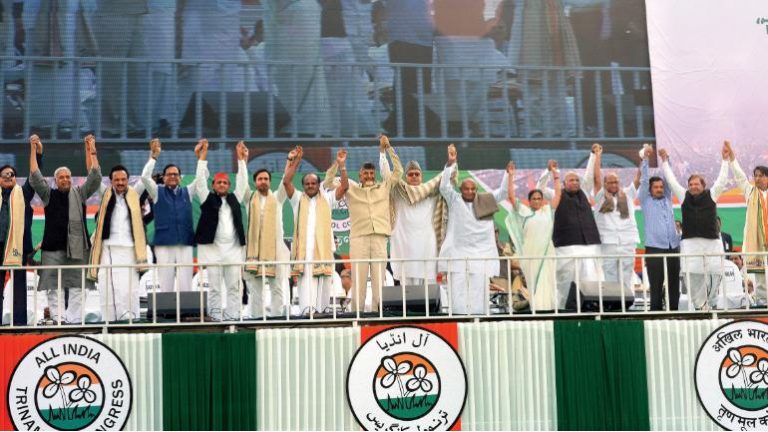
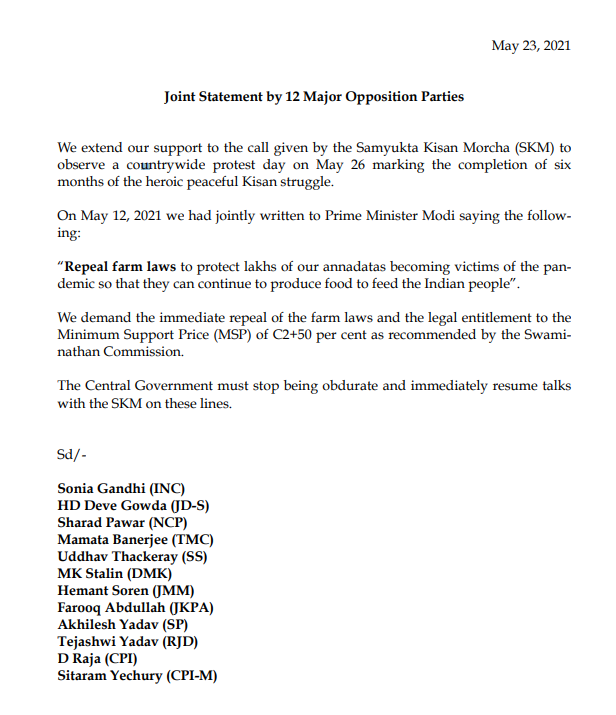
Twelve opposition parties have decided to extend their support to the Samyukta Kisan Morcha (SKM) on May 26 to mark the completion of six months of protests against the farm laws. The anti-farm law protesters intend to mark May 26 as a ‘Black Day’.

In a joint statement, the leaders of the parties said, “We extend our support to the call given by Samyukta Kisan Morcha (SKM) to observe a countrywide protest day on May 26 marking the completion of six months of the heroic peaceful Kisan struggle.”

Source: ANI/Twitter

The letter was signed by Sonia Gandhi from the Congress party, HD Deve Gowda from the JDS in Karnataka, Sharad Pawar from the NCP in Maharashtra, Mamata Banerjee from the Trinamool Congress in West Bengal, Uddhav Thackeray from the Shiv Sena in Maharashtra, MK Stalin from the DMK in Tamil Nadu, Hemant Soren from the JMM in Jharkhand, Farooq Abdullah from the JKPA in Jammu & Kashmir, Akhilesh Yadav from the Samajwadi Party in Uttar Pradesh, Tejashwi Yadav from the RJD in Bihar, D Raha from the CPI and Sitaram Yehcury from the CPI(M).

The support for the ‘farmer protests’ comes at a time when the country is still battling the Coronavirus pandemic. The protests have been linked to the severity of the second wave of the Covid-19 pandemic. A Congress Minister from Punjab had admitted that the protests are to be blamed for the Covid-19 crisis in the state. Evidence also suggests the protests have contributed to the crisis in Delhi, Haryana and Punjab.

Meanwhile, more protesters are pouring in at the Delhi-Haryana border, in contravention of all lockdown norms and Covid-19 protocols. With opposition parties lending their support to the protests, they are contributing directly to the Covid-19 crisis in the country.

Opposition parties had also blamed the Kumbh Mela for the Covid-19 pandemic. However, it appears that they will not abandon playing petty politics over the Covid-19 crisis as they have continued to do so all this while.

Bangladesh lifts restriction on travel to Israel, drops ‘except Israel’ from passports amidst Israel-Palestine conflict

Amidst the ongoing conflict between Palestine and Israel, Bangladesh has announced that its passport will no longer be invalid in the Jewish nation. The historic decision, taken on Saturday (May 22), thus lifts the decades-long ban on Bangladeshi citizens from travelling to Israel.

The Bangladeshi passport earlier carried a text which goes as “this passport is valid for all countries of the world except Israel.” Now, the Sheikh Hasina government has decided to do away with the old system. The government will issue new passports soon, where the words ‘except Israel’ will be dropped. This means, now the passport will say The Bangladeshi passport earlier carried a text which goes as “valid for all countries of the world except Israel.” At present this change will apply only for e-passports. The printed Machine Readable Passports will be changed gradually.

Home Minister Asaduzzaman Khan Kamal says they are bringing the changes to ensure that the passports meet the “international standards”. He further said, “No country uses the words anymore, not even the Arab nations…You must have diplomatic relations (for travel). And many people cannot travel to a country if they are refused visa even though diplomatic relations are there.”

Currernt passport of Bangladesh

Khan clarified that its Middle East policy will not change with the new development. It must be mentioned that the Bangladesh government has sided with Palestine and condemned the ‘actions’ of the Israeli Defense Forces (IDF). Permanent Representative of Bangladesh to the United Nation dubbed Israel’s military intervention as “abhorrent acts of violence against innocent civilians of Palestine, including women and children.”

Israel welcomes move by Bangladesh government

While welcoming the decision, Gilad Cohen tweeted, “Great news! Bangladesh has removed travel ban to Israel. This is a welcome step & I call on the Bangladeshi government to move forward and establish diplomatic ties with Israel so both our peoples could benefit & prosper.” Cohen is the Israeli Deputy Director-General for Asia and the Pacific.

Earlier, several Bangladeshi citizens had been imprisoned for travelling to Israel. One of the infamous cases was that of Salah Uddin Shoaib Choudhury, ex-Weekly Blitz editor. He was handed an extended jail term for trying to travel to Israel to attend a conference. It is believed that the new decision by the Bangladeshi government may help establish economic ties with Israel.

Questions linger over the possibility of the establishment of diplomatic ties

Even though the Bangladesh govt have removed the ‘except Israel’ words from the passport, both the nations still don’t have diplomatic relations. Bangladesh has not officially recognised Israel yet, while Palestine has an embassy in Dhaka.

While speaking on the development to BDNews24, former diplomat M. Humayun Kabir said, “It will depend on our political decision. We are always vocal about (the rights of) the Palestinians. But we will have to recognise Jerusalem as the capital of Israel if we want to establish relations with that country. Will we do that? Will it be politically prudent for us?”

He added, “Secondly, will it be ethically right for us to establish relations with Israel when Israel has created an intolerable situation by evicting Palestinians, carrying out military operations on them, and refusing the idea of two states? We must keep these things in mind while making decisions.” It must be noted that Bangladesh had resumed economic ties with Taiwan informally, after it had removed ‘except Israel’ from the passport.

Several Islamic nations have the same policy

Although Bangladesh has removed the text ‘not valid for Israel’ from its passports, several Islamic nations still carry the practice, like Brunei, Iran , Iraq, and Pakistan. Moreover, several other countries do not allow entry of citizens of any other country if their passports show that they had travelled to Israel.

However, despite this ‘ban’ by the passport issuing nations, Israel allows entry of citizens from those countries, and many such people visit Israel from third countries. To facilitate this, Israel does not stamp their passports at the time of entry and exit. Instead, Israeli immigration officials insert a separate sheet in the passport and put the stamp on that paper. At the time of exiting Israel, that sheet is discarded, thereby removing any official evidence that that person had visited Israel.

It is done for both the categories of countries, those who say their passports are not valid for Israel, and those who don’t allow entry of people who had visited Israel. This means that citizens of those countries are able to travel to Israel, if they travel to a third country having diplomatic relations with Israel and obtain a visa.

Some countries also two passports to their citizens to avoid this issue, so that their citizens can use one passport to travel to Israel and the other to Islamic nations that don’t allow persons with Israeli travel history.

After fanning vaccine hesitancy, The Print blames Telegram, Instagram and Central Govt for growth of anti-vaxxer groups

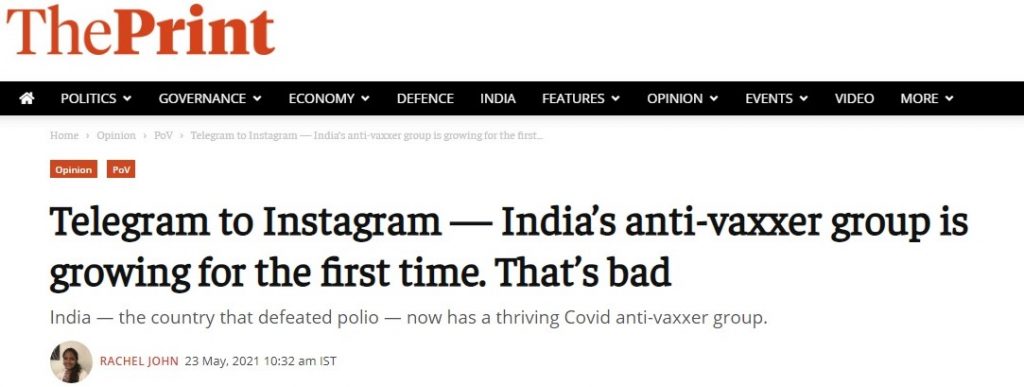
ThePrint is now blaming groups on Telegram and Instagram for spreading anti-vaxxer rumours among people, after fanning vaccine hesitancy relentlessly for months. Not merely that, after suggesting that vaccinating the whole population could cause great harm, it is now blaming the government for not doing enough to push back against anti-vaccine propaganda.

Rachel John wrote in her article for ThePrint, “With no good rebuttal offered by the government, which at this point is too busy saving face, India could be looking at widespread vaccine distrust. Something that it just cannot afford. Science is our greatest hope against this pandemic.”

ThePrint headline

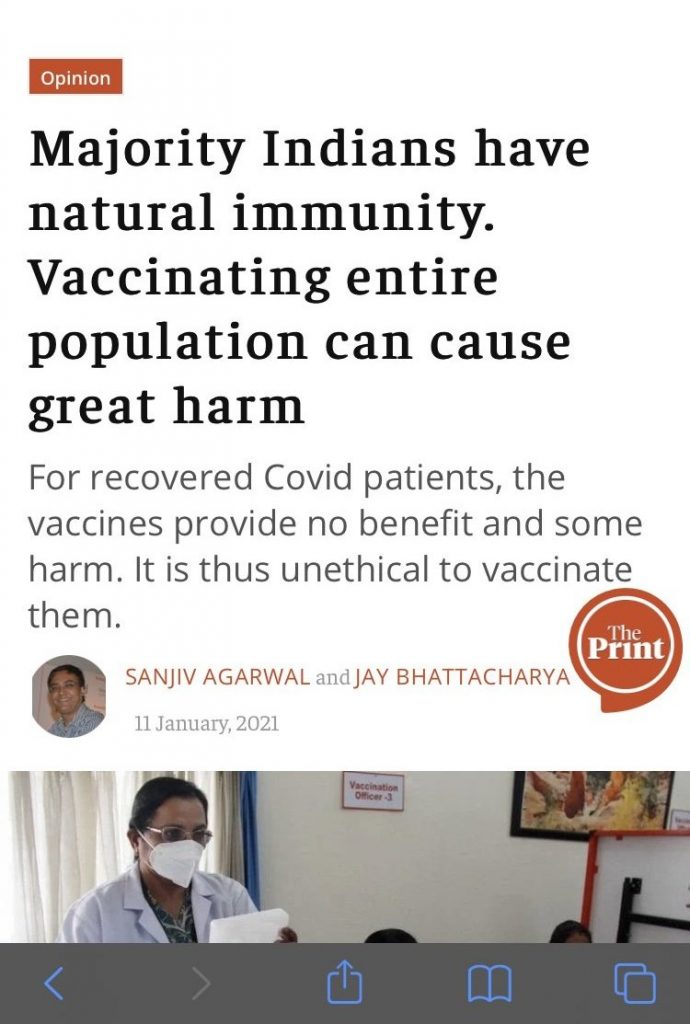
In January, ThePrint was singing a completely different tune. It published an article with the headline, “Majority Indians have natural immunity. Vaccinating entire population can cause great harm”.

Image Source: @YearOfRat/Twitter

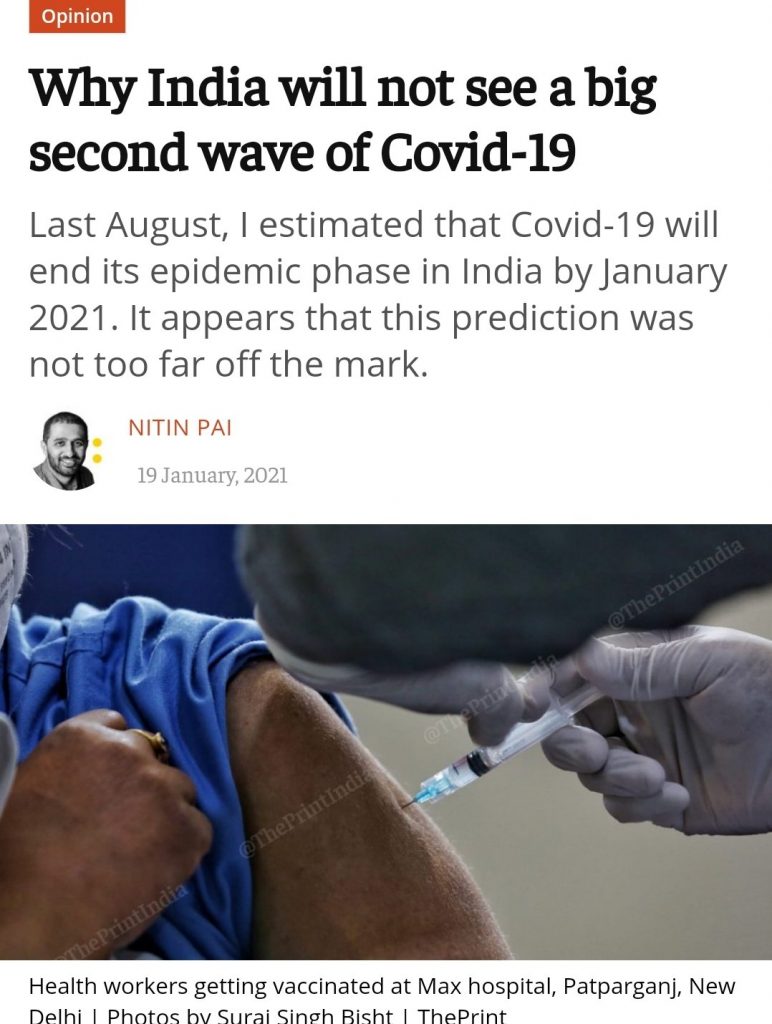
By the 19th of January, ThePrint had published an article which argued why India will not see a big second wave of the Coronavirus pandemic.

Image Source: @YearOfRat/Twitter

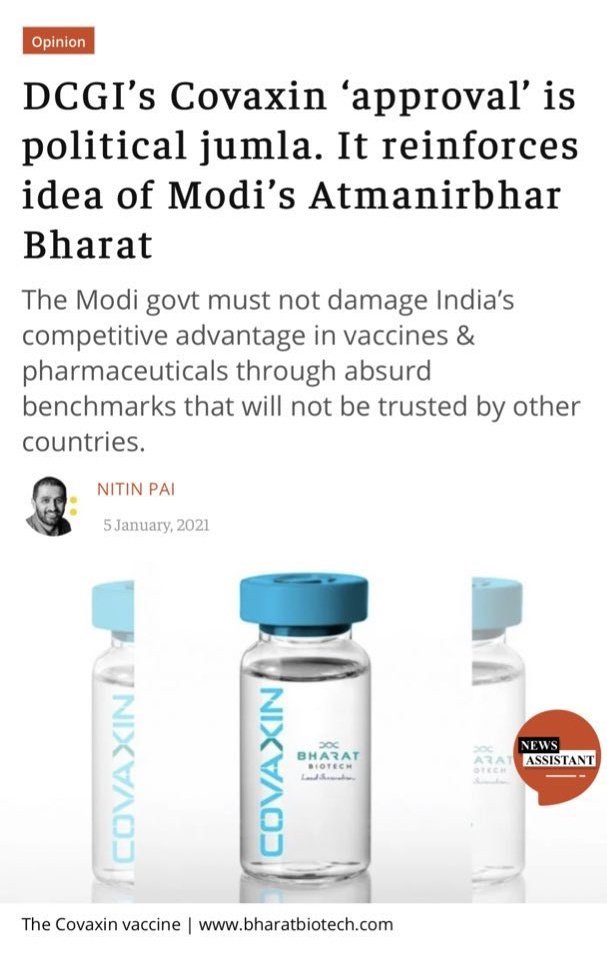
Earlier in the same month, another article called DCGI’s approval for Covaxin a “political jumla”.

Image Source: @YearOfRat/Twitter

Shivam Vij, a columnist for the portal, put out a misleading half-truth about Covaxin when he posted a tweet saying two weeks after taking the vaccine, Anil Vij tested positive for the Coronavirus. The likes of Shivam Vij were indirectly hinting that it was the vaccine approved by the Modi government for carrying out Phase 3 that resulted in the transmission of the virus to the Haryana Minister.

Thus, after fueling vaccine hesitancy themselves, ThePrint is pointing fingers at others. As Tywin Lannister remarked in the Game of Thrones, “Men love to blame demons when their grand plans unravel.” It appears to be the same case here as well

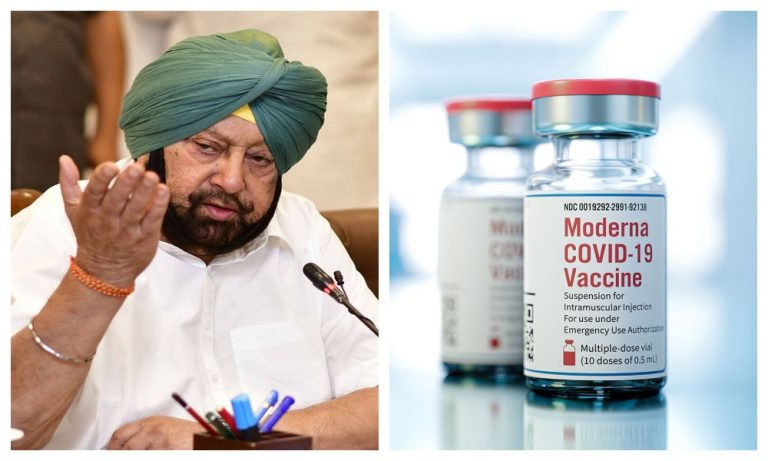
Moderna refuses to send COVID vaccines directly to Punjab govt, says will deal only with Centre

Moderna, the US-based manufacturer of Chinese coronavirus vaccine, today refused to entertain Punjab Government’s offer to supply vaccine to the state citing policy decision. Punjab government had earlier reached out to global vaccine manufacturers including Sputnik, Pfizer, Moderna and Johnson & Johnson to procure vaccines.

However, of these, only Moderna has replied and rejected Punjab Government’s offer. Moderna said that as per its company policy, it will only deal with the Government of India. As per a statement issued by Punjab government, Moderna said that it will deal with only central government and not state governments or private individuals for vaccine procurement.

Moderna is one of the top leading pharma companies, whose vaccines are administered in North America and Europe.

Punjab state government is yet to hear back from other vaccine manufacturers.

Punjab has till now recorded 5,33,973 total coronavirus cases, of which 61,203 are active cases. Over 13,000 have lost their lives to COVID in Punjab. Earlier this year, ahead of second wave, it was reported that about 80% of samples in Punjab had the highly infectious UK-variant of the Chinese coronavirus. As per reports, the UK strain was first found mostly amongst the NRIs who had returned from the UK. Many of these had joined the arhatiya protest at Delhi border which is believed to have furthered the infection in national capital.

Child rights body writes to Chattisgarh Chief Secretary demanding FIR and disciplinary action against IAS officer Ranbir Sharma

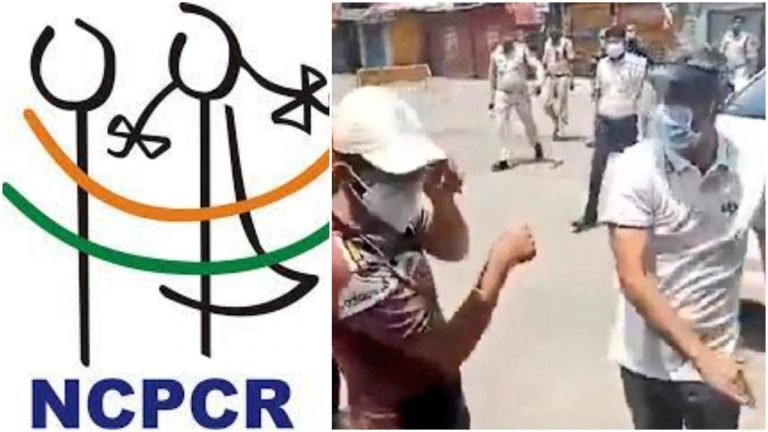
Hours after Surajpur Collector IAS Ranbir Sharma was seen physically assaulting a child in Surajpur, the National Commission for Protection of Child Rights(NCPCR) has sent a notice to Chhattisgarh Chief Secretary Amitabh Jain demanding FIR and suitable disciplinary action against the IAS officer.

In the letter written to the Chief Secretary of the Chhattisgarh government, the NCPCR has said that they have received a complaint against Surajpur District Collector Ranbir Sharma. In the video, the Chhattisgarh IAS officer Ranbir Sharma was seen slapping a minor boy and smashing his phone on the ground for violating Covid-19 protocols, the letter said.  

According to journalist Aditya Raj Kaul, the commission said that it has also received another complaint where the same officer was seen assaulting another 13-year-old boy, who had gone out during the lockdown to buy essential medicines for his father.

The commission noted that such act of physically assaulting a child and causing extreme mental harassment by a government officer is punishable under various provisions of Juvenile Justice Act, 2015 and various sections under IPC. In the letter, the NCPCR chief that the commission has taken the matter into cognizance and has urged the Superintendent of Police, Surajpur, Chhattisgarh to conduct an immediate inquiry against the officer and submit an action report taken to the commission within 48 hours.

“Keeping in view the seriousness and sensitivity of the matter, the Commission is of the view that suitable disciplinary action against the officer should be initiated under relevant Departmental Act and Rules for such inaction, irresponsible behaviour and violations of Juvenile Justice Act, 2005 and IPC,” read the NCPCR letter to Chhattisgarh Chief Secretary.

AS officer Ranbir Sharma misbehaved with the boy

On Saturday, a series of video went viral on social media, in which IAS officer Ranbir Sharma was seen slapping a boy in Surajpur, Chattisgarh. In the video, the boy was seen showing some paper to the officer and something on his mobile phone. The officer snatched the phone from the boy’s hand and smashed it on the ground. 

He then slapped the boy and instructed the police personnel posted at the site to hit him with sticks. Sharma was heard instructing, “maaro ise (hit him)”. Later, it was revealed that the IAS officer had thrashed another 13-year-old boy for being outside his residence during the lockdown.

The videos went viral on the internet create a major outrage against the IAS officer. Several people demanded strict action against the IAS officer for misusing his power and attacking a minor boy.

Shortly after the video went viral, Sharma released an apology video claiming that the boy was misbehaving with the police and also lied when caught flouting the Covid-19 lockdown protocol. Chhattisgarh Chief Minister Bhupesh Baghel on Sunday took to Twitter to inform that he has instructed Ranbir Sharma be removed from his post. Reportedly he has been transferred to the state secretariate as a joint secretary.

Bhupesh Baghel said that such an act of misbehaving with someone is unacceptable and instructions have been given to remove him with immediate effect.

Project to translate Fatawa Alamgiri raises more than half of targeted funds, this is why organisers think it is important

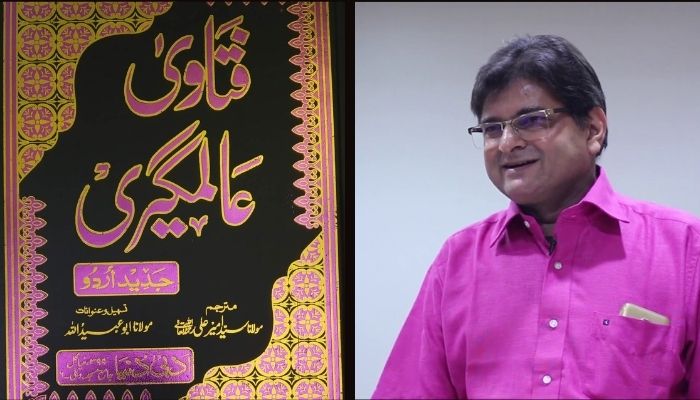
The Jaipur Dialogues (JD), a content creation and media services company, has taken up the Herculean task of translating the Mughal era book Fatawa Alamgiri. The book was originally written in Arabic in the 17th century under the patronage of the Mughal tyrant Aurangzeb. It contains Quranic verses, supplemented by Hadiths and served as the principal law of the Mughal Empire and now that of Indian Muslims

On Saturday, JD tweeted, “The foremost doctrine ‘Fatawa Alamgiri’ that governs the lives of Muslims in India, is only available in Urdu. We’ve taken up the project for its translation and have already completed 64% of it’s funding. Be the change. Contribute for your civilization.”

Jaipur Dialogues’ founder explains the significance of Fatawa Alamgiri

But a question remains unanswered as to why the Hindu society should be concerned about the translation of a 17th-century Islamic text. To shed light on the book and its significance, Jaipur Dialogues Founder and Chairman Sanjay Dixit spoke to Opindia. During the exclusive conversation, he said, “Not long ago, Asaduddin Owaisi was asked why Indians Muslims always looked to foreign books, and whether there was anything Indian in Islam. Owaisi countered by saying that they have the Fatawa Alamgiri.”

The retired IAS officer emphasised, “This is a massive compilation of Indian Muslim practices and commandments on them. It was compiled during Aurangzeb’s rule in late 17th century under two Sufi scholars – Sheikh Nizam Burhanpuri, and Shah Abdul Rahim with more than 450 scholars participating. Fatawa Alamgiri was the Mohammedan Law during British times, and largely retains that standing even today. It is compulsory education in madrasa teaching.”

The importance of translating the 17th-century Islamic text

Sanjay Dixit highlighted that the Fatawa Alamgiri remains one of the only few contributions of Mughals in India, besides the graves, shrines, and palaces. He lamented that the Hindus in the country never cared to study what their Islamic counterparts think of them. “This translation project is an attempt to understand the mindset of the Islamic clerics who rule the minds of their followers through the instrument of Taqlid, i.e. monopoly in the use of aql/reason,” he concluded.

Although Fatawa Amagiri was translated to Urdu from Arabic by Kafilur Rahman Nishat Usmani for it to be easily understood by the Muslim population, its translation in Hindi will help the Hindu society understand the mindset and doctrines laid down by the 17th-century book. As espoused by Sanjay Dixit himself, the book still remains a guiding light for Indian Muslims in the 21st century.

Responding to queries about the English translation of the Fatawa available, such as this one on Amazon, Mr. Dixit said that only the book of Zakat was available in English, which Hindus can understand, but the complete Fatawa Alamgiri comprises several such books that have not yet been translated. That’s what his project aims to do. JD has estimated that the translation process will take 2-3 years and cost around ₹50,00,000.

No, farmer income will not ‘suffer’ with the new import policy of the govt for pulses: Here is why it is being implemented and what it is

After reports that farmers are worried about dip in their income due to the opening up of the import of pulses, the union government has clarified that the move is not likely to affect the farmers in India. Earlier this month, the Union Commerce Ministry had opened up the import of tur, moong and urad, changing the import policy from ‘restricted’ to ‘free’ category, to check the rising prices on the pulses. Free imports have been allowed till 30 November this year.

After the announcement of the policy change, the prices of the three pulses have started to fall. Following that, The Print published a report yesterday claiming that the farmers are worried about the falling prices and free import, as they think it will affect their income. Due to high demand and low production, the farmers were getting prices above the minimum support price (MSP). The report states that this will change after the import policy change, and due to not getting high prices, farmers may grow less pulses next session which can further aggravate the situation.

Farmer organisations and traders have also expressed concern over the move, saying that it can put a break on India’s efforts of achieving self-sufficiency in pulses, because fall in prices of pulses can encourage farmers to move to more remunerative crops. It may be noted that unlike in the case of food grains where farmers are assured of purchase by govt at MSP, farmers of pulses don’t have that option, and they often have to sale in the private market. Although the present prices are higher than MSP, they fear fall in prices will change that and they will have to suffer losses.

Bhartiya Kisan Sangh (BKS), the farmer’s wing of the Rashtriya Swayam Sewak Sangh (RSS), had also demanded that the govt should revert the decision to allow free import of the pulses. They said that it has sent a wrong message to the farming community ahead of the Kharif season. BKS BKS secretary general Badri Narayan Choudhary said that the farmers may think that they don’t need to sow the pulses this Kharif season as they may not get good prices due to the new session.

Govt assures farmer income will not be impacted

Following the concerns raised by the farming community, the ministry has clarified that the policy change was needed to stop the inflation in the prices of the three pulses, and it is not going to affect the farmers. Sources in the ministry said that the fact that the prices were above MSP shows that there is a shortfall in production. “At current level of annual domestic production and demand, imports are inevitable to meet the demand-supply gap,” an official in the ministry said.

The ministry says that for the last two years, pulses have been a consistent contributor to inflation. Availability of pulses at affordable price is crucial not only from the viewpoint of inflation and monetary policy, but also for food security, maintaining and improving nutrition intake and health, especially in children, the ministry source added.

Rising prices of the pulses prompted the govt to allow import

In view of this situation, import of tur, moong and urad have been allowed freely. The ministry says that even with this free import, it can’t impact the local production because the scale of production does not match. India is both the largest producer and consumer of pulses, and the production of popular pulses such as tur and urad overseas are can’t be compared with India’s production and consumption.

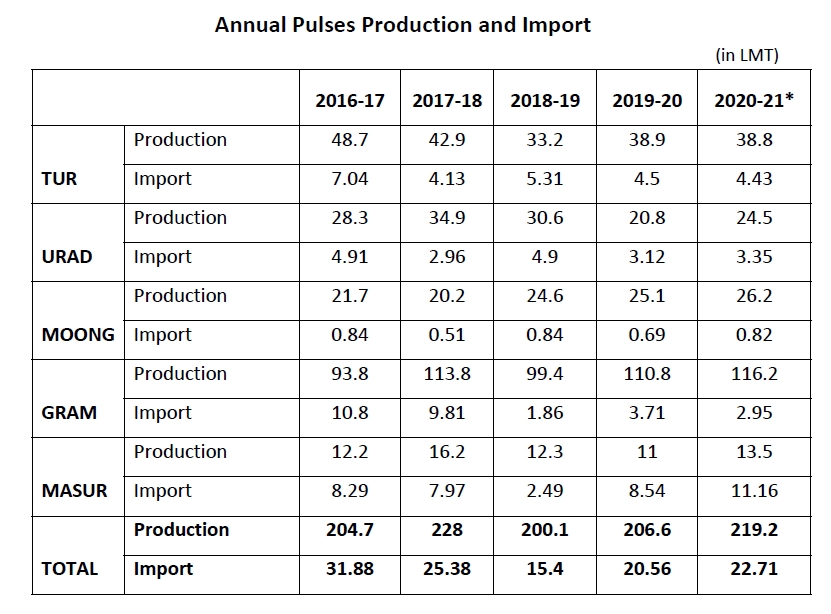
At present, the available international stock of tur is around 7 lakh metric tonnes and the same for urad is about 5 LMT, much less compared to Indian production. For the year 2021, India’s tur production is estimated at 38.8 LMT, while the same for urad is 24.5 LMT. The import of both the pulses were estimated at 4.43 LMT and 3.35 LMT. While Moong production was 26.2 LMT, its import was 0.82 LMT.

Annual Production and Import of Pulses

India’s domestic production is much more than what is available in the international market for import. Therefore, the imports will not impact the farmers much, it will only help in check the rising prices of the pulses.

According to govt sources, the current stock of the pulses in the country will last only for around three months, which will mean that the prices will soar soon if steps are not taken. It is notable that despite the large production, India needs to import every kind pulse except chana, which means govt does not have the flexibility of releasing the product from stock to prevent price rise, like it does with food grains.

Govt estimates that the kharif harvest of tur, urad and moong will start arriving in the market from December, as the sowing is also expected to get delayed due to Covid-19. Therefore, the govt has allowed free import of the three pulses upto November 30.

The govt further assures that the procurement of pulses by govt agencies in MSP will continue.

Inflation in pulses stop after policy change

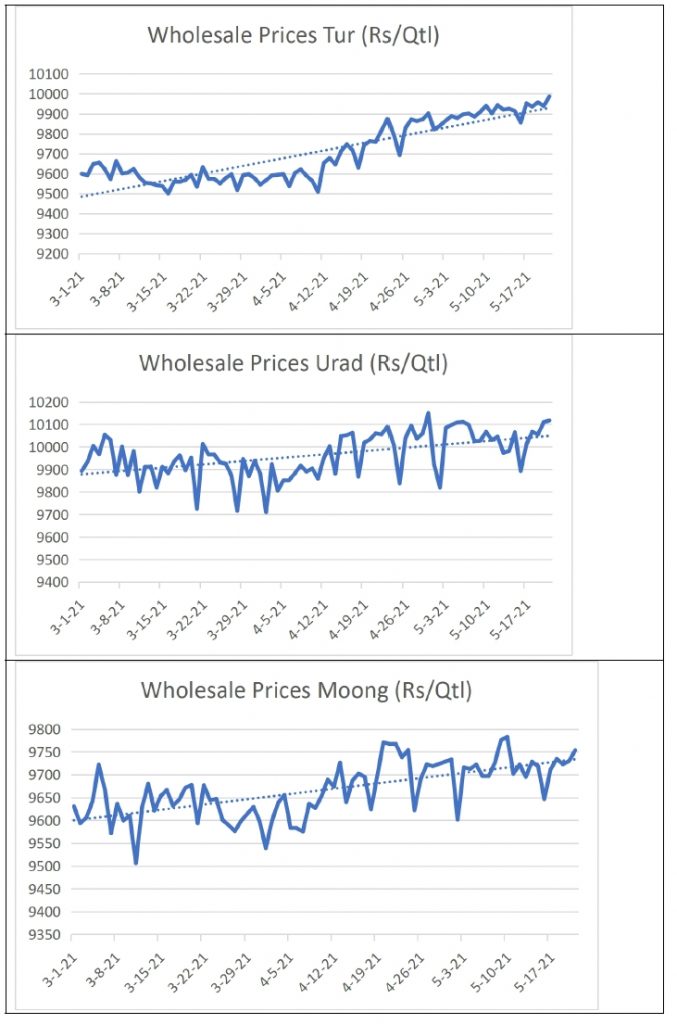
The timely intervention by the Modi government to prevent high inflation in the prices of pulses have already started showing results, as the wholesale prices of tur, moong and urad declined by 10-15% this week. Along with allowing import, the union govt has also asked the states to monitor the stock and prices of pulses under Essential Commodities Act, to control any sudden spike in prices.

More ‘farmers’ join protests in Tikri and Singhu borders to mark ‘Black Day’ as demonstrations spark Covid-19 surge

More anti-farm law protesters are joining the ongoing protest at the Delhi-Haryana protest site in Tikri to strengthen their campaign against the farm laws. This comes at a time when the country is still grappling with the devastating second wave of the Coronavirus pandemic.

The famer union leaders intend to carry people from one district every week in order to maintain the gathering at the protest site. Some reports suggest that the protesters will also reach the Singhu border to carry on with their protest.

According to reports, the protesters will mark the 26th of May as a ‘Black Day’. The date also marks the completion of six months of the protest. It is reported that many from Punjab are leaving to join the protests as well.

Earlier, Punjab Minister Tript Rajinder Singh Bajwa accepted in an interview that the rise in Covid-19 cases in Punjab is in fact linked to the farmer’s protest. The farmers are sent from villages in batches and are made to protest in shifts. This practice undeniably puts them at a greater risk of infecting not just themselves but even their family members back home upon their return.

An internal report of the Central Government also pointed towards a correlation between the rise in Covid-19 cases in Delhi, Haryana and Punjab to the anti-farm law protests.