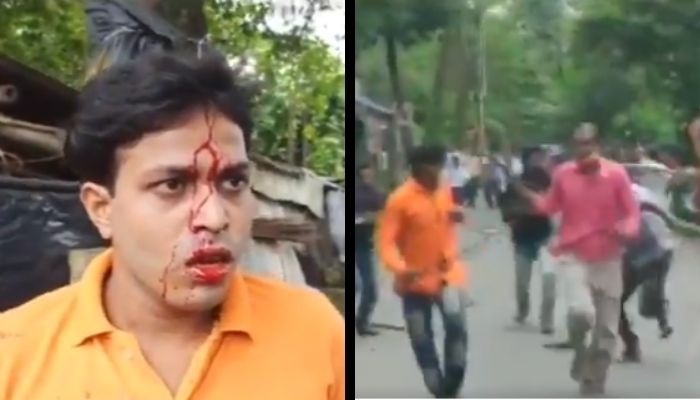
Days after the Trinamool Congress created an atmosphere of panic in the state of West Bengal over the implementation of the historic farm bills, the BJP took out rallies statewide to disseminate information about the provisions of the bill. On Saturday, one such BJP rally was attacked in Nodakhali village in Budge Budge area of South 24 Parganas allegedly by Trinamool Congress (TMC) workers.
The BJP workers began their rally from Block No-1 in Bawali in Budge Budge to Satyapirtala. When the procession passed through the Shakher Bazaar, the party members reportedly came under the attack of Trinamool Congress goons. Soon, scuffle broke out between the two groups, culminating in stone-pelting and bombing in the area. The clash left several people injured on both sides.
TMC has alleged that the BJP workers had made objectionable remarks against West Bengal Chief Minister Mamata Banerjee, resulting in provocation. They claimed that on being instructed to refrain from doing so, the BJP workers refused to stop and thereby leading to the violent clash.
#WATCH West Bengal: BJP workers, who were carrying out a march in support of Farm Laws yesterday in Nodakhali village of South 24 Parganas district, were attacked allegedly by TMC workers. Seven people arrested. (03.10.2020) pic.twitter.com/rpk3qsSyK8
The Mamata Banerjee-led Trinamool Congress has also alleged that the BJP workers had vandalised one of their party offices. On being informed about the incident, the cops rushed to the spot, pacified both sides and detained a few people. The video of the incident has gone viral on social media. TMC workers could be seen chasing BJP supporters with sticks.
State BJP chief condemns the hooliganism of TMC
When the incident took place, the State BJP President Dilip Ghosh was spearheading a rally in East Midnapore. While reacting strongly to the incident, he tweeted, “BJP workers and supporters attacked by TMC goons while taking part in a rally at Budge Budge in South 24 Parganas. Bombs and bullet shots were fired, karyakartas were beaten up, shops looted and Mahila karyakartas were molested. Where is democracy?”
BJP workers and supporters attacked by TMC goons while taking part in a rally at Budge Budge in South 24 Parganas . Bombs and bullet shots were fired, karyakartas were beaten up, shops looted and mahila karyakartas were molested. Where is democracy? pic.twitter.com/CFRu1yjgAD
He had also shared a video wherein a wounded BJP worker, soaked in blood, stated, “Amra BJP korle dosh? (Are we being punished for supporting BJP?)”
TMC protests against farm Bills with guns, DJs and dance
Social media is flooded with videos where TMC leaders and cadres are seen adopting innovative ways to raise their disapproval against the farm bills, in various parts of the state. In one such video, a TMC leader named Abdul Lalon was seen carrying a gun in one of the rallies organised by the Trinamool Congress against Farm Bills.
With the festive mood setting in due to the much-awaited Durga Puja round the corner, the TMC cadres were seen dancing and singing to the tunes of a DJ. Huge speakers are also seen tied on a cart with a female dancer seen perched on it, to shake a leg. This so-called protest rally was being carried out in Bhangar, South 24 Pargana district, West Bengal.
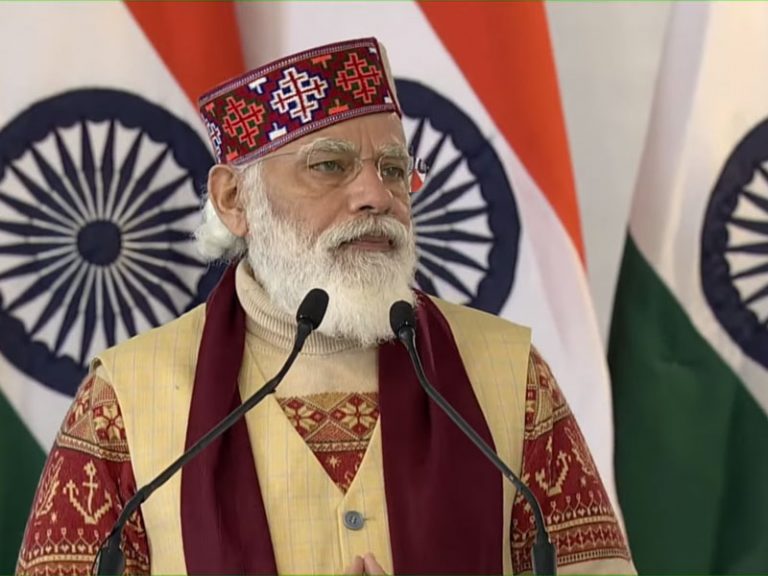
Prime Minister Narendra Modi inaugurated Atal Tunnel on Saturday in Manali. During his speech at Manali, a woman security personnel performing her duties close to the stage fainted. PM Modi immediately stopped his speech and asked the security personnel standing there to help her. He also asked his medical team to attend her.
This is not the first time PM Modi has stopped his speech to ensure medical assistance for someone. In January 2019 in Surat, PM Modi stopped his speech and asked for medical assistance for a cameraman who had fainted.
Atal Tunnel
Built by the Border Road Organization (BRO) that develops and maintains a network of roads across the Indian border, 9.02 KM long Atal Tunnel will reduce the time taken to travel from Manali to Leh by five hours. During snowfall, the Ladhak Valley cuts off from the rest of the country for six months. This tunnel will ensure connectivity all around the year.
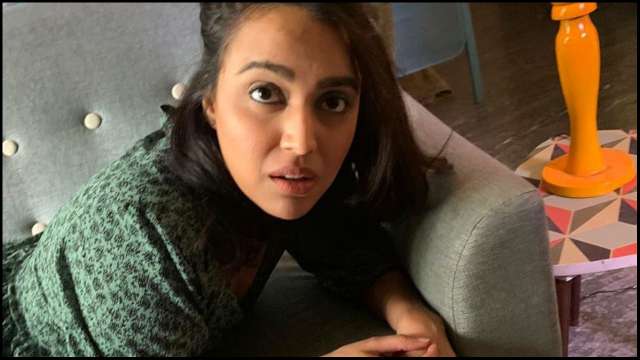
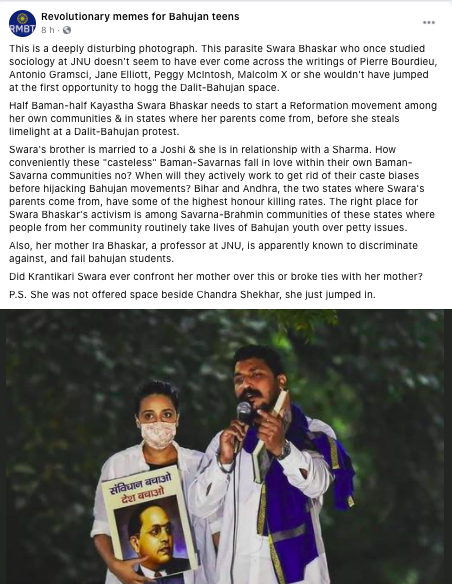
Bahujan support group on Facebook, “Revolutionary memes for Bahujan teens” which has over 32,000 likes, has accused Bollywood entertainer Swara Bhaskar of trying to hog limelight in the Hathras case.
Swara Bhaskar accused of being a ‘parasite’
The Chandrashekhar Azad fanpage, referring to Bhaskar as ‘parasite’ said that she once studied sociology at Jawaharlal Nehru University (JNU) but doesn’t seem to have read books and writings by Pierre Bourdieu, Antonio Gramsci, Jane Elliott, Peggy McIntosh, Malcolm X otherwise she wouldn’t have jumped at every opportunity to hog the limelight in the Dalit-Bahujan space.
Calling her half ‘Baman’ (Brahmin) and half Kayastha, the Bahujan support space suggested that she should start reformation movement from her own community and the states her parents come from, before hijacking Dalit-Bahujan space.
“Swara’s brother is married to a Joshi & she is in relationship with a Sharma. How conveniently these “casteless” Baman-Savarnas fall in love within their own Baman-Savarna communities no?,” the page said. The page further mentioned that her parents hail from Bihar and Andhra Pradesh, two of the states which top the list on honour killings.
The page further accused her mother, Ira Bhaskar, former member of Censor Board and a professor of film studies in JNU of discriminating against and fail Bahujan students. The page then revealed that in the above picture of Swara with Chandrashekhar, she was not invited to join him up there but she just jumped in, insinuating that she did it for the photos.
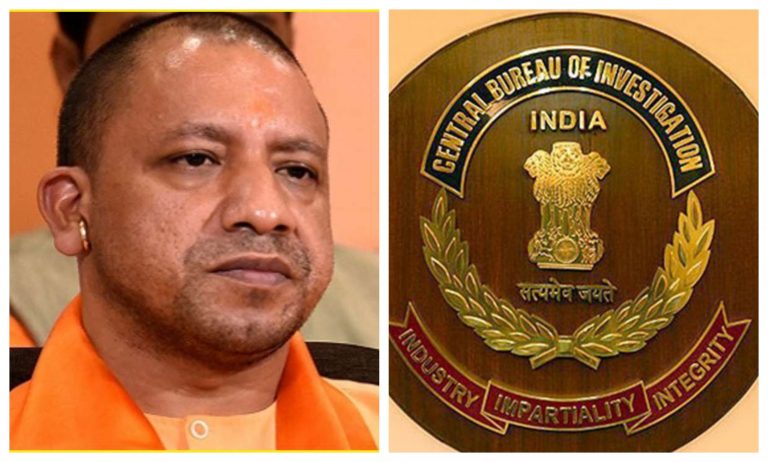
Chief Minister of Uttar Pradesh Yogi Adityanath has ordered a CBI probe into the Hathras case. The decision comes after demands have been made for a CBI enquiry into the matter. Earlier, he had ordered an SIT to be formed to investigate the crime. Since then, the matter has become extremely polarised and several new facets have emerged.
Chief Minister Yogi Adityanath orders Central Bureau of Investigation (CBI) probe into the #Hathras case: Chief Minister’s Office (CMO) (File pic) pic.twitter.com/VVvf2M6hRc
A lot of debate and political mudslinging has been happening around the Hathras case since the victim succumbed to her injuries in Delhi’s Safdarjung hospital on Tuesday morning. She was allegedly raped two weeks ago. The case attracted nationwide outrage when some reports claimed Hathras Police forcefully cremated the girl on Tuesday night without consent of the family members. The police had later stated that the victim’s father was present during the cremation.
Speaking to ANI, ADG Prashant Kumar had informed that the forensic reports that were awaited have also been received. ADG stated that the FSL report found no evidence of ‘rape’. He asserted that it was concluded that there was no sexual assault, and the cause of death was strangulation and injury to the spine.
The family of the accused has denied the charges and it is claimed that the accusations are false and motivated by an old family feud with the victim’s family. The Thakur community has also demanded that a fair trial be conducted into the matter and that the accused should be let off if they are found innocent after a fair investigation.
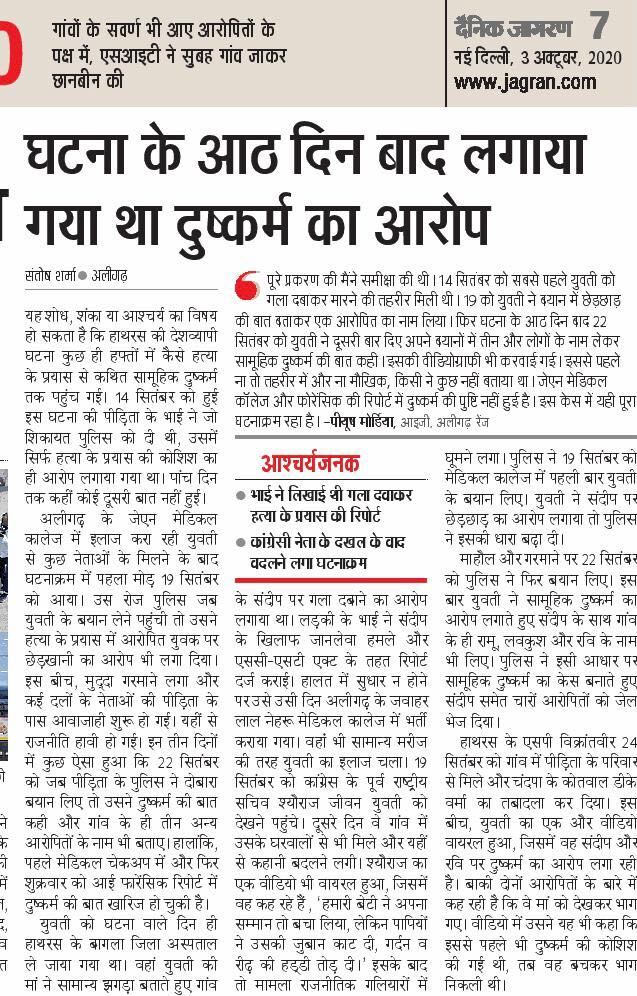
Meanwhile, a Jagran report says that the allegations of eve teasing were added on 19th September, five days after the crime, and rape was added, on the 22nd of September, after the matter was politicised and Congress leaders met the victim and her family. And the police consequently added relevant sections to the case and arrested the four accused.
A CBI probe has now been ordered by Yogi Adityanath to get to the truth of the whole series of events.
The Hathras incident has sent shockwaves across the country. While the investigation of the incident is yet to be completed, widespread protests have swept the country in the aftermath of the death of the 19-year-old victim, with people demanding exemplary action to be taken against the perpetrators.
Though the complete details of the case are yet to be unearthed, the brazen politicisation of the incident continues unabated as the opposition political parties view the turmoil as a providential instance to settle their past scores and rein in the BJP.
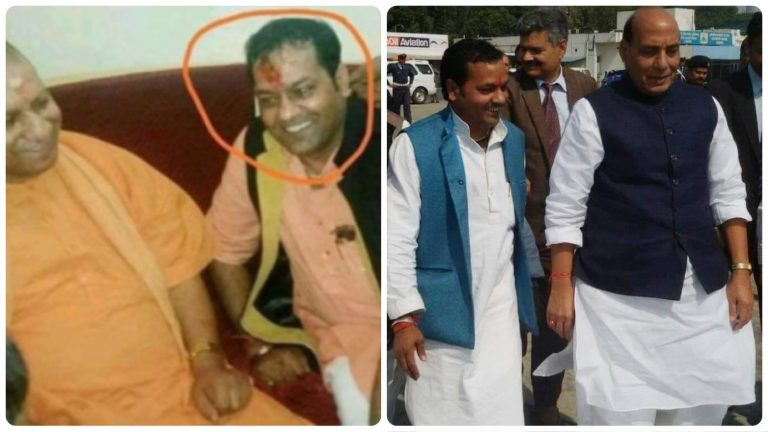
In yet another attempt to politicise the unfortunate death of Hathras victim and reap political mileage out of it, several images are being shared on social media sites with the claims that the father of one of the accused in the Hathras incident is a BJP leader, having proximity to senior leaders such as Rajnath Singh, UP CM Yogi Adityanath and others.
Opposition leaders share images to claim BJP leaders had an affinity with the father of an accuse in Hathras case
TMC leader Dr Kakoli G Dastidar shared several images of a man purported to be the father of one of the accused in the Hathras incident with top BJP leaders to allege that the the BJP stalwarts shared a “bonhomie” with the accused’s father and alleged that the BJP supported the assaulters of the 19-year-old girl.
Several other social media users were also seen circulating these images where a man seen along with UP CM Yogi Adityanath, PM Modi and Defence Minister Rajnath Singh is claimed to have been the father of one of the four accused arrested in the Hathras cas.
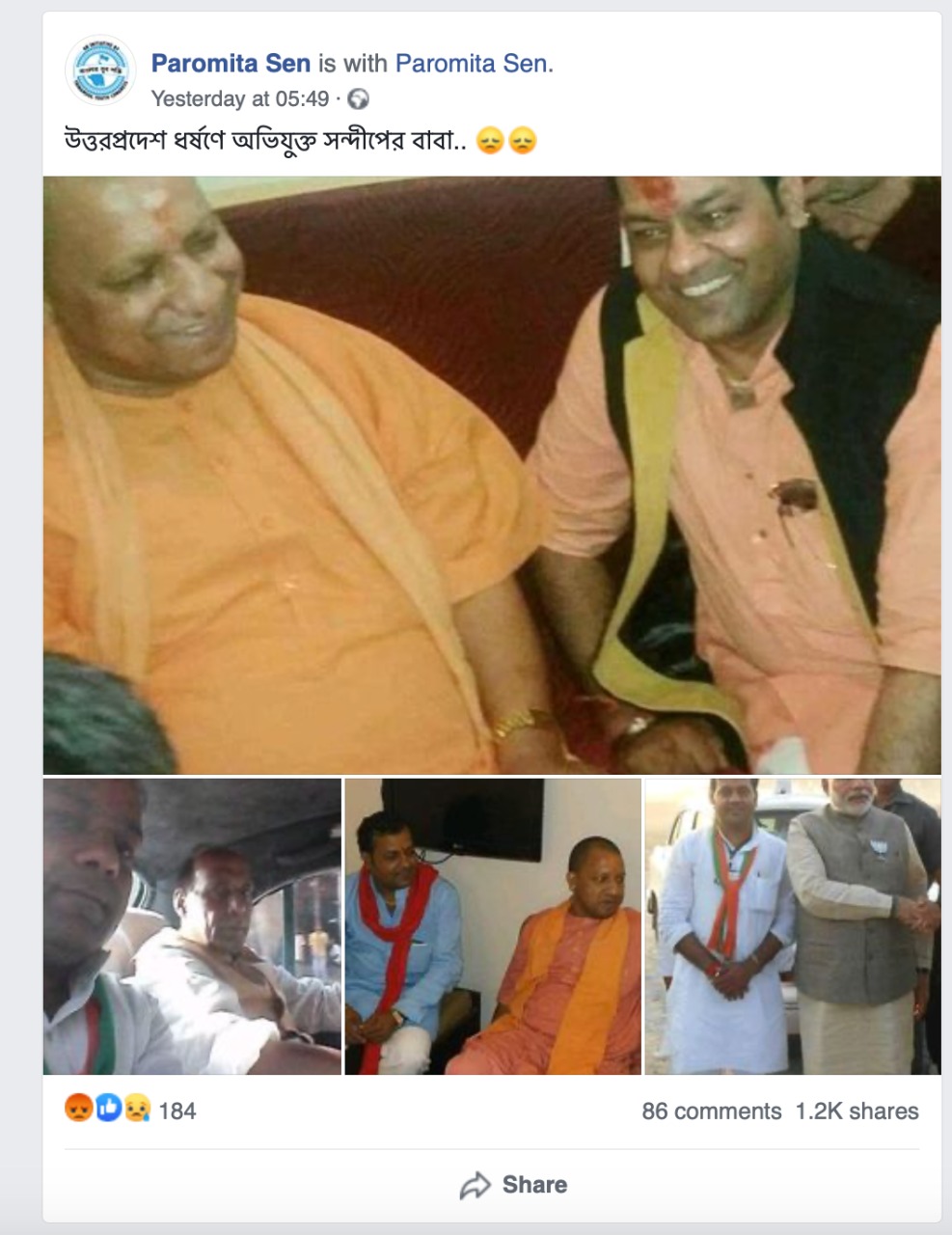
Another TMC leader, Paromita Sena, District general secretary of North 24 Parganas Trinamool Congress, also shared the pictures on Facebook to allege that a man alleged to be an accused’s father has close ties with senior BJP leadership.
Facebook post by Paromita Sen
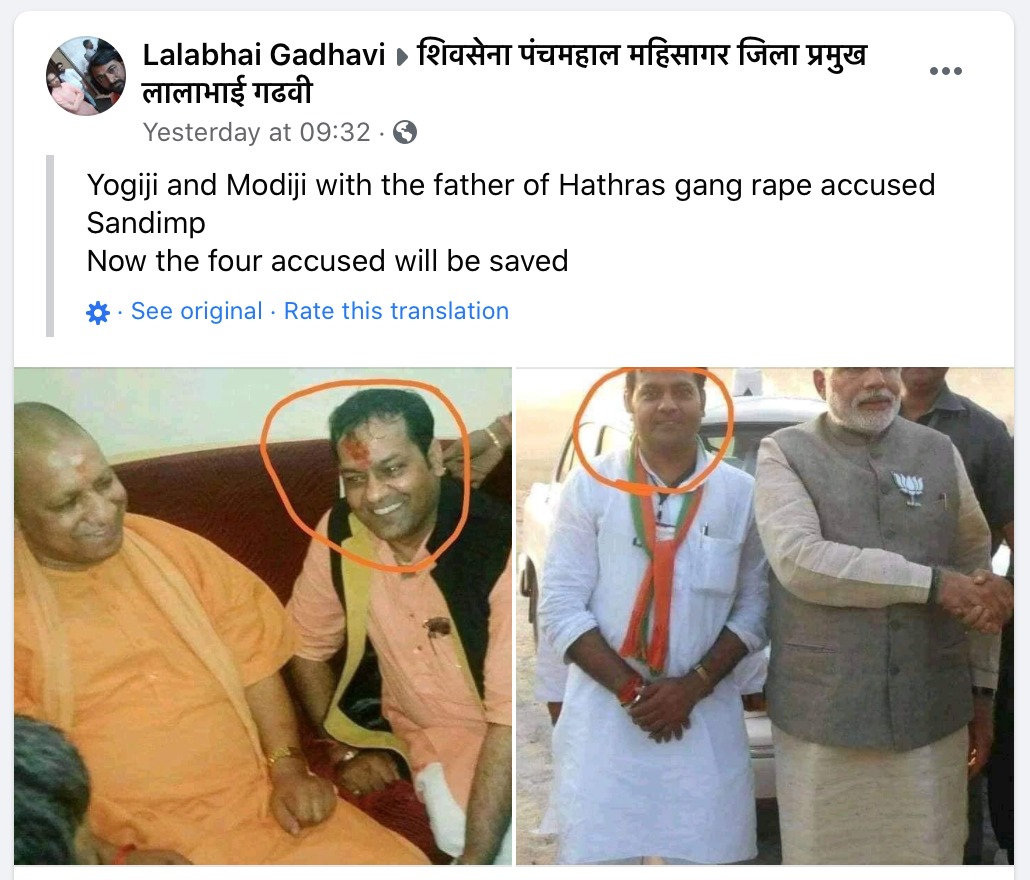
Shiv Sena functionary Lalabhai Gadhavi also uploaded the pictures saying ‘Yogi ji and Modi ji seen with the father of an accuse arrested in the Hathras incident”.
Shiv Sena functionary Lalabhai Gadhavi shares pictures of a man alleged to be father of an accuse arrested in Hathras case
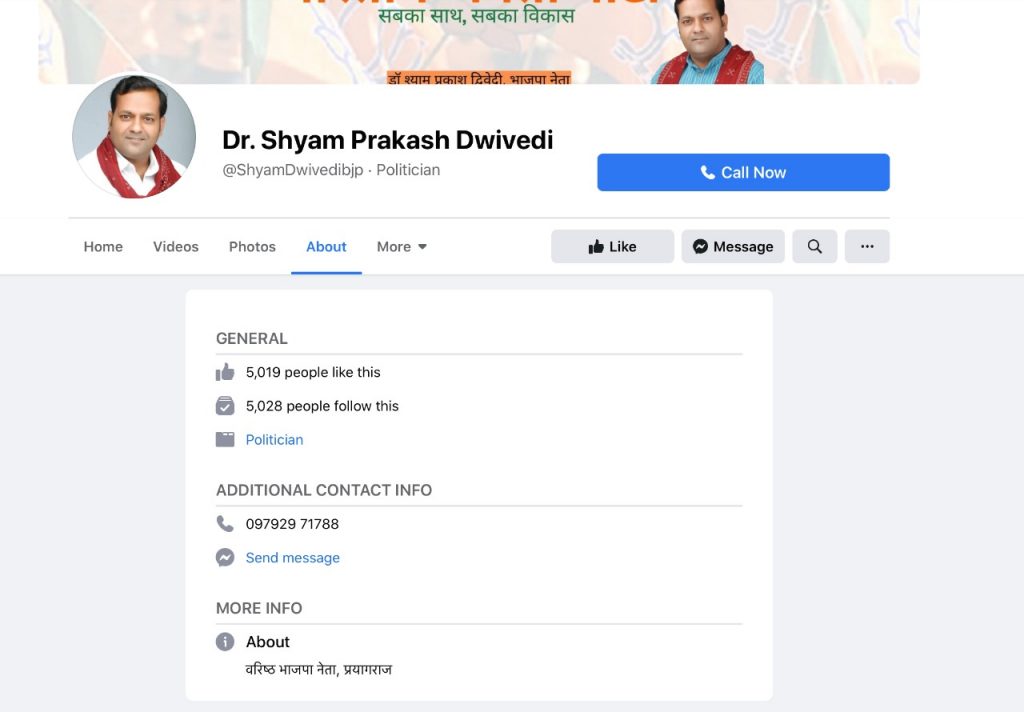
The image is that of a BJP leader Dr Shyam Prakash Dwivedi from Prayagraj
While the opposition political leaders would have us believe that the father of one of the accused in the Hathras incident is connected with the BJP, the reverse search of the images shared by them reveals that they are the pictures of a BJP leader Dr Shyam Prakash Dwivedi from Prayagraj.
Facebook profile of Shyam Prakash Dwivedi
The Facebook account of Dr Shyam Prakash Dwivedi has several photos of him with the top BJP brass. Dwivedi is the regional vice president of BJP Yuva Morcha’s Kashi division and a senior leader from Pragyaraj.
Thus the claim that BJP top leaders, including PM Modi and Yogi Adityanath, shared a close relationship with the Hathras accused Sandeep’s father is patently false and malicious. The images that are being shared to allege the same is of the BJP functionary Dr Shyam Prakash Dwivedi from Uttar Pradesh’s Prayagraj.
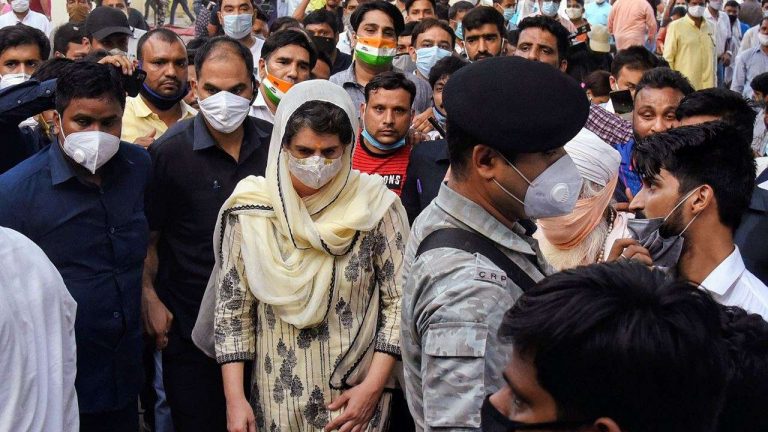
Ever since the unfortunate Hathras case has come to the fore, Congress party led by the brother-sister duo of Rahul Gandhi and Priyanka Gandhi Vadra has been brazenly politicising the brutal incident. After the Thursday stunt, Rahul Gandhi and Priyanka Gandhi made an attempt, yet again, on Saturday to reach Hathras. Along with the two leaders, scores of Congress leaders are travelling to Hathras to express ‘solidarity’ with the victims kin. One of such leaders was MP Shashi Tharoor, but on excitement, he ended up acknowledging that the party is just using the opportunity play politics.
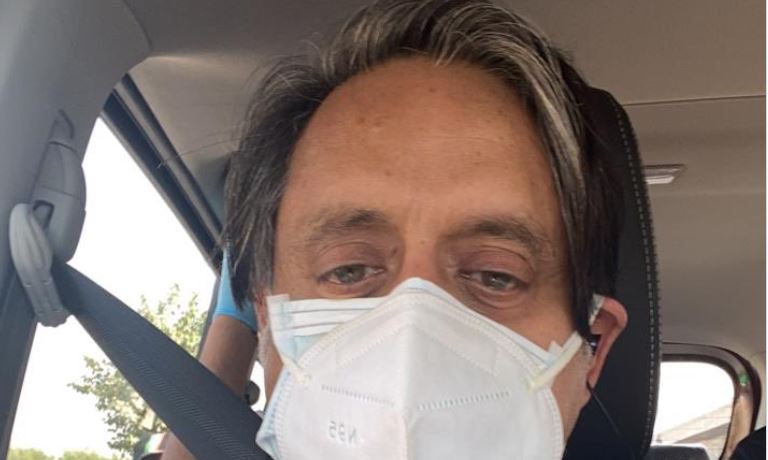
On his way, while speaking to media, Congress senior leader Shashi Tharoor inadvertently admited that his party is indeed doing politics over the Hathras incident. While responding to the charges that the party was playing politics, the senior leader said: ‘Is it prohibited to do politics in a democracy?, after that he added, “yahi mauka hai” [(this is the opportunity (to do politics)]. Sadly, the senior Congress leader’s accidental admission might puncture holes in the Congress party’s agenda of using the incident to score political brownie points.
When the journalist reminds Tharoor that the Pandemic Act is in place and that his party leaders are flouting the pandemic guidelines, the Congress leader ignores answering the question. Instead, Tharoor says that in a democratic country people are free to go where ever and express solidarity.
While Shashi Tharoor says party highly disturbed, Rahul and Priyanka Gandhi seen laughing and making merry on their way to Hathras
While Shashi Tharoor speaks on how his party is extremely disturbed by the atrocities on the Hathras victim and wants to express its solidarity with the grieving family, earlier in the day, a video had gone viral in which the Gandhi scions- Rahul Gandhi and Priyanka Vadra were seen laughing and having fun while visiting the family which has only recently lost their daughter.
ANI has credited Congress as the source of the video, thus, it appears the party itself does not see anything wrong with making merry on the face of such a tragedy. This seems to be in stark contrast to the statements made by Congress leader Shashi Tharoor whose heart seems to be bleeding for the Hathras victim and her family.
Congress and its friendly media brazenly uses the Hathras incident to peddle their agenda
The Hathras incident sent a shockwave across the nation, providing an opportunity to galvanise the opposition political parties, including Congress. The parties showed a remarkable alacrity in exploiting the incident to mount an attack and settle their scores against the Yogi Adityanath government in the state. Scores of politicians tried to politicise the unfortunate death of the girl by marching to the village despite Section 144 in place.
Former Congress President Rahul Gandhi tried to revive his dwindling political fortunes by stoking the protest against the UP government. In his march to Hathras, Gandhi even pulled off a dramatic fall to reap political mileage and garner sympathy from the public. Meanwhile, Congress friendly media has also been aiding their effort as is evident from other leaked conversations accessed by OpIndia.
In Begusarai in Bihar, Bajrang Dal workers Pankaj Singh and Vikas Bharti would not have even imagined that helping a helpless and vulnerable victim of alleged love jihad will bring them on the verge of mob lynching. They had received a distress call from a Hindu woman on October 2, 2020 early in the morning who was pleading for help in a nervous voice.
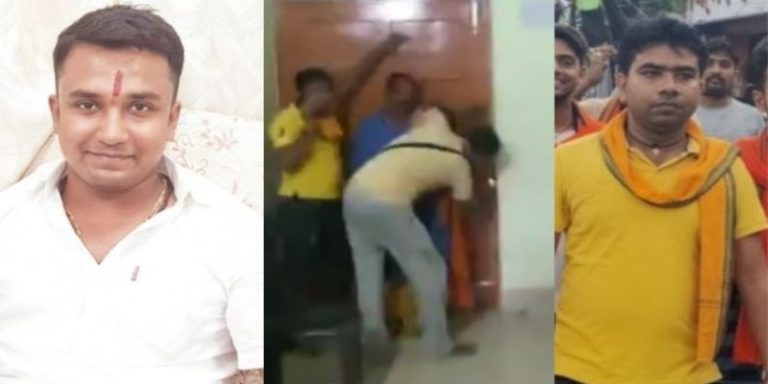
The woman told them that her husband Aftab Alam is brutally beating her and asked them to save her. After listening to the woman’s plight, Bajrang Dal State Co-convener Shubham Bharadwaj left all his work and travelled 8-9 km to the woman Pokhariya at a small distance from Nawab Chowk around 10 a.m. He was accompanied by Bajrang Dal Department Coordinator Pankaj Singh and Vishwa Hindu District Minister Vikas Bharti.
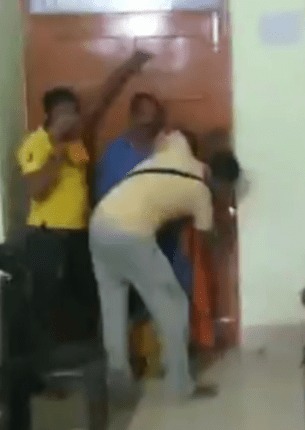
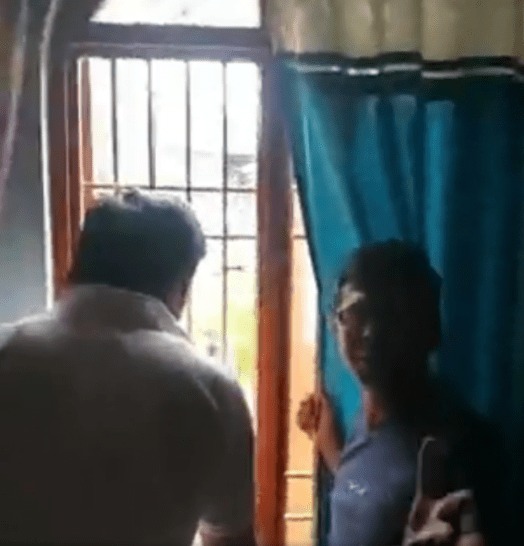
All three were enraged at Aftab after they saw the woman’s condition. They started questioning Aftab about the assault on his wife. Meanwhile Shubham came live on Facebook and started and exposing Aftab’s reality. It must have only some time after the Facebook live stream ended that suddenly a mob of around 300-400 people gathered outside the house. The people in the mob were from a particular community. Some of them were carrying pistols in their hands. Some carried sharp weapons used for slaughtering goats. These people were calling Shubham Bharadwaj and were saying that they will kill him.
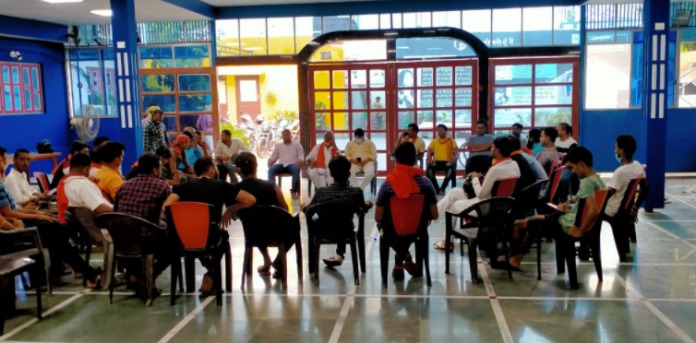
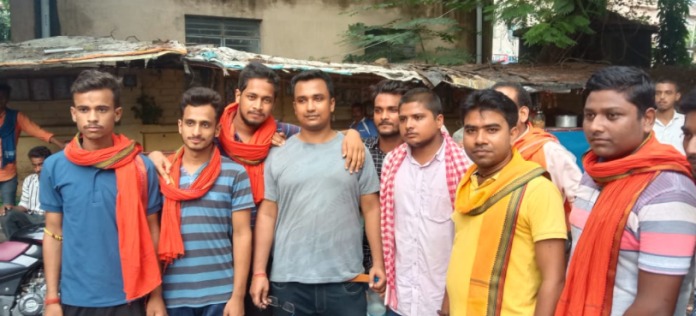
Picture from the meeting of Bajrang Dal workers after the incident.
Shubham Bharadwaj came live on Facebook twice regarding the incident. He informed during the live session that the planning of their murder is going on. A mob of hundreds of people is outside the house and these three people were somehow saving their lives by tightly locking the door.
“Never seen such a situation before”: Shubham Bharadwaj after being rescued
OpIndia tried to talk to Shubham Bharadwaj on receiving the information about the incident. Thanking Lord Shiva, Shubham told OpIndia that they were given a boon of life yesterday. He had not seen such a situation in his life before. There were mobs of Muslims everywhere calling for Shubham and asking him to come down once. The mob was so violent that they even smashed the iron gate and were trying to somehow get inside.
जो लोग ‘लव जिहाद’ के कोढ़ से लड़ रहे हैं, हिन्दू बच्चियों को बचा रहे हैं, उन पर इस तरह से हमले हो रहे हैं! शुभम आप लगे रहिए, हम आपके साथ हैं। हर उस लड़की पर हुए अत्याचार और हर अपराधी की क्रूरता हम रिपोर्ट करते रहेंगे। https://t.co/lsc046UXM5
He told us that at the time of the incident, Pankaj Singh, father of the women and 1-2 other people were also present with him. All of them pushed the door shut to prevent the mob from entering. But the mob was continuously trying to get inside and they were attacking the door with a hammer.
Shubham and his companions who had gone there for helping the women were looking at their death. But, he called the police again and some time later came live on Facebook to inform people what the majority community in the Nawab Chowk area is up to.
Screenshot taken from Facebook live.
He makes a guess that perhaps Aftab Alam had already told the mob that he would beat his wife and she would call them for help and then this would happen. He said that during the anti-CAA and anti-NRC protests, a call was made from Nawab Chowk for his lynching and yesterday this happened.
Shubham Bharadwaj (Grey T shirt) and Pankaj Singh (Yellow T shirt) after having a close shave with death.
He tells that Lord Shiva protected him and SHO Amarendra Jha reached on time. Dispersing the mob, the police rescued everyone stuck in the house and arrested Aftab on the spot. After the incident, Shubham is suffering from high fever today. Perhaps the picture of the mob is flashing before his eyes. He was not the only one terrified by the mob, even the woman kept repeating, “They will kill us, brother….What do we do now…what do we do?”.
Shubham said that he was provided security earlier. But since he organised a protest to demand justice for a woman belonging to a deprived community, his security was withdrawn. He later wrote many letters to the administration demanding security but no action has been taken as yet. He says no matter what he will continue fulfilling his duties in this direction.
“People in the mob were carrying pistols and tools used for slaughtering goats”: Bajrang Dal Department Coordinator Pankaj Singh
Pankaj Singh, who was present with Shubham during the incident, describes Nawab Chowk in Begusarai as Karachi in Pakistan. He says that people to the ‘particular community’ live in this area and the area is quite sensitive. According to him, Shubham Bhardwaj had told him about the case over phone. After this he and VHP District Minister Vikas Bharti reached the woman’s house.
According to Pankaj, they has informed the police before reaching there and the police had told them that they had taken cognisance of the matter, and a team was teaching there. However, the police did not reach at the site even after the Bajrang Dal workers had reached. Pankaj tells that when Shubham came live on Facebook and informed people about the acts of Aftab then the mob came to know that they were there and all them gathered there with weapons. They were shocked to see us at the house. They has pre-planned it.
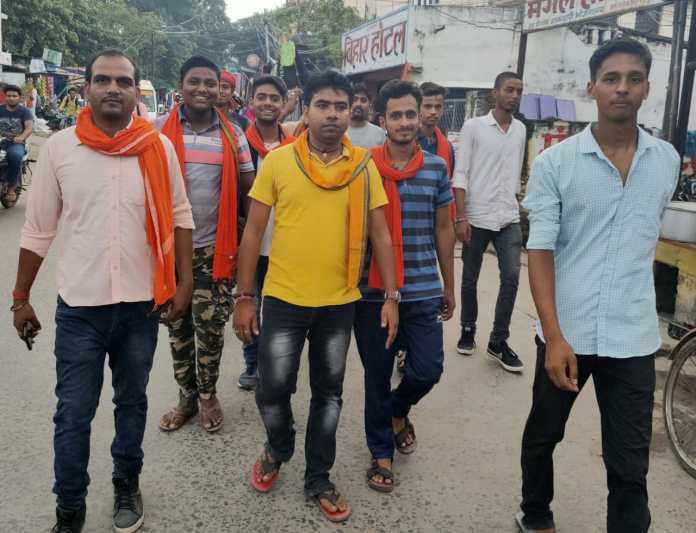
Department Coordinator Pankaj Singh with wokrers.
Talking about the threats that Shubham Bharadwaj had received during the protests against CAA-NRC, he tells, “Threating with mob-lynching has been going on for a long time but yesterday these people got an opportunity when we came live on Facebook. They thought that we are alone in the area, and so they mobbed us. Some people in the mob were carrying sharp tools used for slaughtering goats. Some had pistols. We called the administration in panic. We thought when the police did not arrive in the last 2 hours how will they arrive now. Therefore, we called our fellow workers and some people reached after Facebook live. On the other hand, administration also prepped up. Consequently, the police that did not arrive in past 2 hours, was there within 7-8 minutes with full force”.
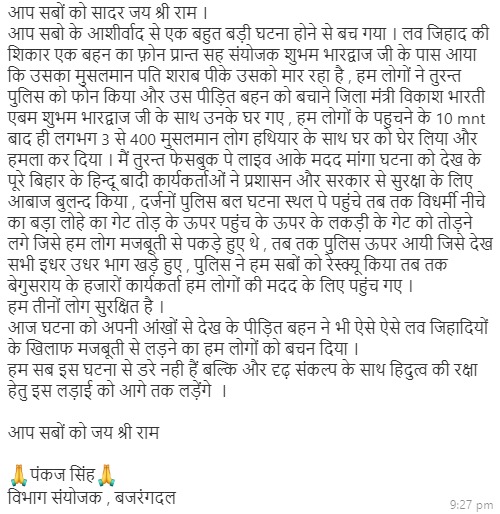
Information shared by Pankaj Singh
He says, “The mob had smashed the iron gate in the meantime and after climbing upstairs was saying that none should escape alive from here”. However, the mob dispersed after the police arrived and rescued the people in the house. Police said to them, “This was a matter between husband and wife. You should not have interfered”. Pankaj asks, “If a victim of love jihad asks us for help what will we do? wait? We had already informed the police”.
Pankaj says had hundreds of people not reached there through Facebook live and had the police not reached on time we would be gone. According to Pankaj, “The mob and their voices kept haunting me during the whole night yesterday. It has been so many years working in the organisation but I never saw such a situation before. We have many people, but it was for the first that we found ourselves surrounded by a mob. If we would have tried to ma a video of the mob, they would killed us after breaking the door”.
“We would have been lynched by the mob yesterday”: Victim Hindu woman
The victim talked to OpIndia regarding the incident. She said that it can be rightly said that they got a new life yesterday. Had the mob entered the house, it would not have spared Shubham Bharadwaj, her and even her two daughters. All would have been killed. She tells that yesterday morning around 7-8 a.m. Aftab was hurling filthy abuses at her. He was accompanied by a friend of his.
Thereafter, both of them started beating her in the house. Aftab was trying to strangulate her and his friend was threatening to shoot her with a pistol. Somehow she saved herself and called the police. But when the police did not arrive on time, she asked Shubham Bharadwaj for help. Thereafter, Shubham reached there with his friends.
She tells that the situation outside heated up after Shubham and his friends reached there. Voices could be heard saying, ‘Shubham, come out, we will not spare you today’. The people in the mob were flaunting pistols. Seeing the situation getting worse, they called the police and said, “Sir, please save us. We will not be able to survive now”. Thereafter police reached there while earlier police kept saying that they could not locate the house.
The havoc played by the violent mob gathered to lynch Bajrang Dal workers, smashed the iron door
According to the victim Hindu woman, the mob belonging to the ‘particular community’ broke the doors and locks etc. in her house. They had planned that they would break the door and kill the people inside. She tells that after seeing the mob, Aftab was encouraged and was repeatedly saying, “Get inside…get inside…climb up the house…kill everyone”. She tells that the doors in her house have cracks. They have been broken.
She says, “We would have been lynched by the mob yesterday. That was the moment”. According to her, her daughter thought that everyone had gone mad. The innocent child could not understand that if the door had been broken, all would have been killed.
Aftab who provoked the mob from inside the house.
The victim shared the video of her house after the attack. In the video, the broken iron gate can be seen clearly. Pieces of bricks and stones can be seen lying everywhere. The things in the house are lying scattered. Marks and cracks on the wooden door caused by the attack are clearly visible in the video.
After being rescued by the police she has filed a case in the police station and Aftab has been arrested.
What is the whole matter relating to Aftab Alam and the Hindu woman?
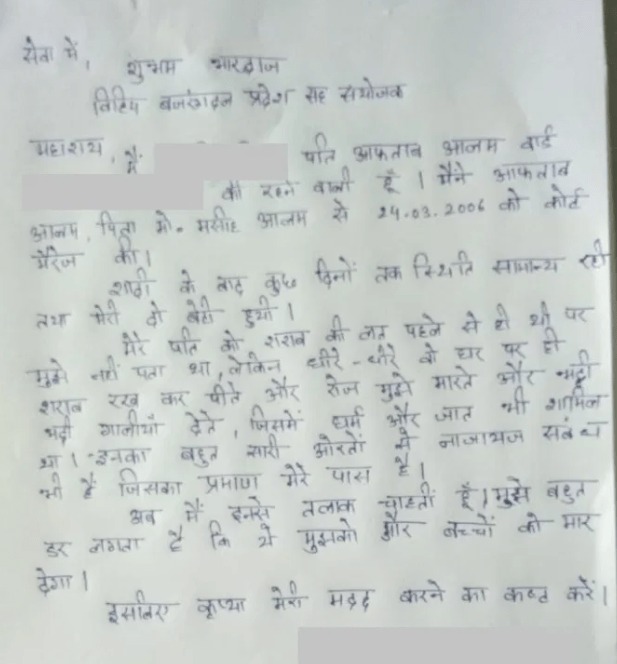
Few day ago in Begusarai district, a Hindu woman Puja (name changed) had written to Bajrang Dal State Co-convener Shubham asking for help. She told in her letter she wanted a divorce from Aftab. She also wrote that before marriage she did not know that Aftab has alcohol addiction, but when she started living with him she gradually came to know about it.
Complaint received by Bajrang Dal
The woman said that her husband used to assault and abuse her after getting drunk. Therefore, she was now worried for her life and did not want to live with Aftab. But, her husband was refusing to divorce her. The victim gave evidence to Bajrang Dal which show that the accused had relations with other women.
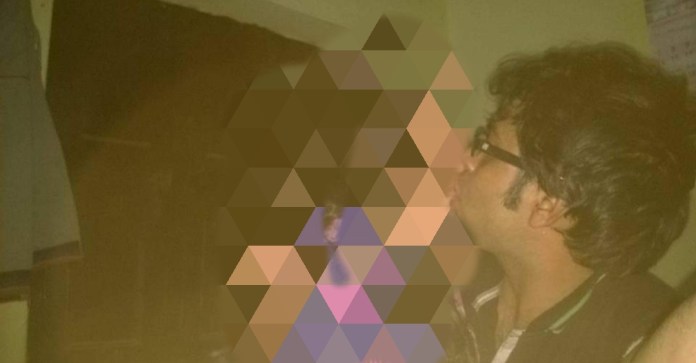
Aftab Alam with another woman.
After coming to know about the incident, Bajrang Dal has been continuously showing support with the woman on social media. Regarding this, Aftab once called Shubham but Shubham rebuked him and disconnected the phone. Meanwhile, Aftab once abused the victim in the house and even attacked her on Friday with the intention of killing her.
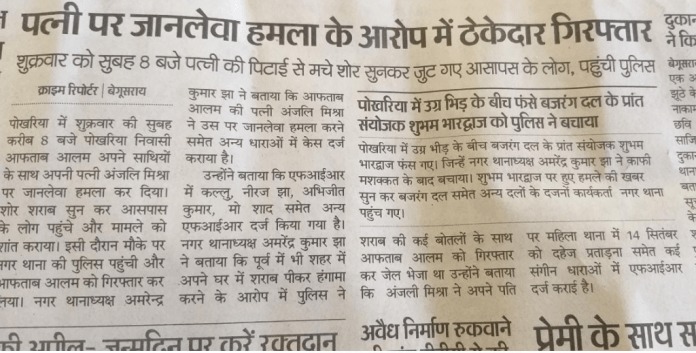
It is informed that the police has confirmed that a case has been registered regarding the incident on Friday. According to media reports, SHO Aamrendra Kumar Jha said that Aftab Alam has been booked under various sections including the offence of attacking his wife with intention to kill. Jha also told that Aftab was also arrested earlier with bottles of liquor for creating nuisance after getting drunk. On September 14, his wife had filed a case against him under serious provisions.
A video has gone viral on social media where members of the Thakur community in Uttar Pradesh can be heard expressing their anguish over the arrest of the accused in the Hathras case while claiming that the accused are being falsely implicated in a rape case. The gathering was organised on Friday by the Savarna Samaj of more than two dozen villages.
हाथरस मामले में ठाकुर समाज की भी पंचायत हुई है. पंचायत में FSL रिपोर्ट का ज़िक्र करते हुए कहा गया कि रेप नहीं हुआ है, हमारे बच्चों को फंसाया जा रहा है. pic.twitter.com/MUkpK6RzOM
“The FSL report says there was no rape but politicians and the media claim there was rape,” one of the voices can be heard saying. The apparent leader of the gathering says that an impartial investigation should be conducted and if any of the accused is found not-guilty, then they should be let off without bail. He also bemoans the fact that the reputation of the community has been tarnished.
The person also says that no one should create a nuisance and should not resort to any hooliganism. The person emphasised that no political party should come among them. He says that everyone has spat upon their kids and their community and their sentiments have been hurt because of it. “Only oppose the political parties, the rest will sort itself out,” he says.
The panchayat also affirmed their support for a Narco test. Meanwhile, a Jagran report claims that the Hathras Case was initially related to an attempt to murder. It says that initially, the brother of the accused had only filed a case related to attempt to murder and rape was not alleged in the initial complaint.
Jagran Report
The report says that for five days, no other complaint was made. The report says that the first twist in the tale came after some politicians met the victim on the 19th of September. It was then that the victim added eve teasing to the list of complaint. Then, on the 22nd of September, rape was added to the allegations and three more names were added to the list of accused. It is reported that a senior Congress leader met the victim on the 19th of September.
It is pertinent to note that medical examination has ruled out rape. Furthermore, the Jagran report says that Shyoraj Jeevan, the former state secretary of the Congress party, met the family of the victim as well after meeting the victim herself following which the narrative started changing. A statement by the Congress leader was also reported to have been going viral which says, ‘Our daughter has saved her honour but the sinners have cut her tongue, broken her spine.’
The report says that the allegations of eve teasing and rape was added after the matter was politicised. And the police consequently added relevant sections to the case and arrested the four accused. Meanwhile, the family of the accused have denied the charges. They have claimed that the accusations are false and motivated by an old family feud with the victim’s family.
A lot of debate and political mudslinging has been happening around the Hathras case since the victim succumbed to her injuries in Delhi’s Safdarjung hospital on Tuesday morning. She was allegedly raped two weeks ago. The case attracted nationwide outrage when some reports claimed Hathras Police forcefully cremated the girl on Tuesday night without consent of the family members. The police had later stated that the victim’s father was present during the cremation.
Speaking to ANI, ADG Prashant Kumar had informed that the forensic reports that were awaited have also been received. ADG stated that the FSL report found no evidence of ‘rape’. He asserted that it was concluded that there was no sexual assault, and the cause of death was strangulation and injury to the spine.
Hours after it was reported that a panel of AIIMS doctors has ‘ruled out’ the murder angle in the unnatural death of actor Sushant Singh Rajput, Times Now took a veiled dig at Republic TV. Reportedly, one Dr Sudhir Gupta has examined the post-mortem and viscera reports of the deceased actor and stated that it was a case of suicide.
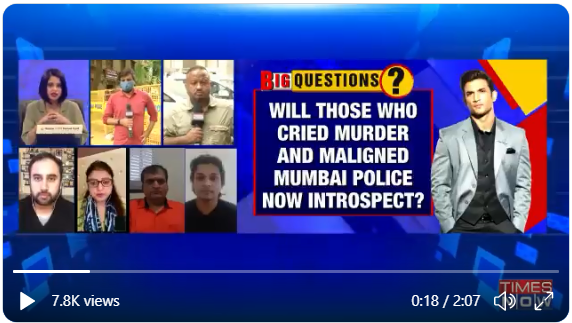
During a news debate on Times Now over the sensational development in the Sushant Singh Rajput case, the news channel put out several ‘big questions’ for its viewers. One of them was, “Will those who cried murder and maligned Mumbai police now introspect?” the question read. Although not named, the channel’s question was directed at its rival Republic TV, which has been consistently covering the Sushant Singh Rajput case. Times Now directed Republic TV to ‘introspect’ for dismissing the ‘suicide angle’ and peddling the ‘murder theory’.
Screengrab of the Times debate
The channel also questioned whether the report vindicated the Mumbai Police stand that it was a case of suicide. They also wondered whether now the Shiv Sena govt will be proven right in their claim of political conspiracy behind probes by central agencies in the Sushant Singh Rajput death case. They also asked whether the agencies have any other proof other than circumstantial evidence.
No organic poison found in Sushant Singh Rajput’s body, claims AIIMS report ruling out the murder angle, according to sources. CBI yet to issue a statement.
It may be noted that CBI has not announced anything about the forensic report by the AIIMS team, and the Times Now report was based on ‘sources’.
Times Now nails ‘suicide theory’ based on unseen videos
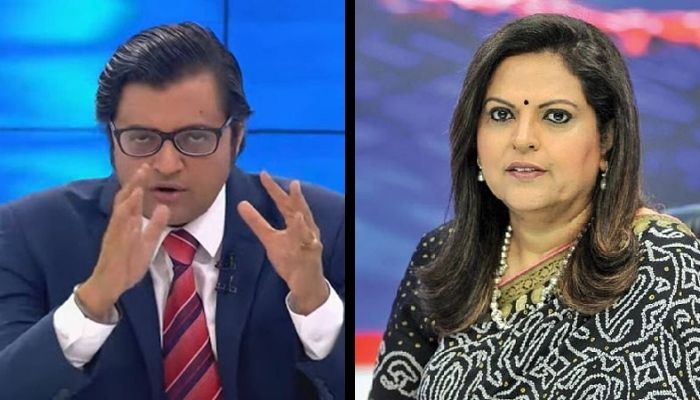
However, a closer look at the coverage of Times Now in Sushant’s death case shows a different story. On August 14, the news channel tweeted four videos of the deceased actor, which showed Sushant in a jovial mood. The videos dated back to January this year when the actor had gone to meet his family. Keeping the videos at the epicentre of her argument, journalist Navika Kumar insinuated that the ‘happy’ actor could not have committed suicide.
Claiming that the suicide theory was fabricated, Navika claimed that the never-seen-before videos allegedly pointed towards a murder angle.
Times Now discovers ‘Dubai mafia angle’ in Sushant Singh Rajput case
Just 8 days after hinting at a ‘potential’ murder case, Times Now broke an ‘exclusive’ story about the possible hand of Dubai-based mafia in the death of Sushant Singh case. Until then, the news channel would put the word ‘alleged’ before the word ‘murder’. While framing it as a question, Times Now asked, “Dubai mafia behind Sushant’s murder?” It also opened the telephone lines for viewers to share their thoughts and opinions on the possible correlation between the mafia groups and his ‘murder’.
Since then, the channel has been aggressively pursuing the ‘murder’ angle. The message that Sushant Singh Rajput was perhaps ‘killed’ was conveyed to viewers through their regular ‘exclusive’ stories. As recently as September 29, Times Now highlighted how the panel of AIIMS doctors, investigating the case, found that ‘homicide’ angle could not be ruled out on the basis of forensics. Journalist Rahul Shivshankar further claimed that the AIIMS report was in line with the CBI probe. The channel also ran a headline that read, “302 case (IPC Section for murder) only a matter of time.”
Video Courtesy: Times Now
On October 1, Times Now again peddled the ‘murder theory’ by claiming that the central investigative agency may soon invoke the ‘murder charge’. The report read, “In a fresh development in the Sushant Singh Rajput’s death case, the Central Bureau of Investigation (CBI) has reportedly indicated that it may invoke Section 302 of IPC (murder) in connection with the actor’s death.”
Screengrab of the Times Now article
Before explaining to readers about the provisions of IPC Section 302, the report emphasised, “The AIIMS report has ruled out the theory that the late actor was poisoned before his death. As the probe agency may invoke Section 302, it is bound to give a new twist to the case.”
It is therefore surprising to see Times Now taking a U-turn on its earlier news coverage and engage in virtue-signalling to its rival Republic Tv. In the age of social media, news channels should be aware that it is no longer possible to fool the masses with sanctimonious assertions and bias. The clearly visible hypocrisy and veiled attacks against a rival channel only highlight their own frustrations and shows that they are not actually concerned about journalistic standards and media morality.
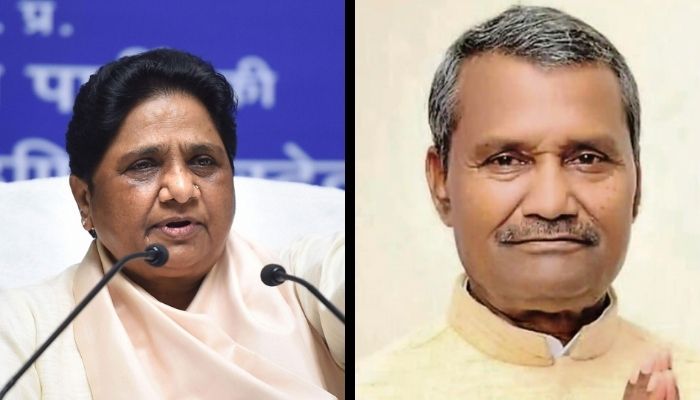
Days after the Opposition resorted to the politicisation of the death of a 19-year-old girl in Hathras in UP, BJP leader and Cabinet Minister in the Yogi Adityanath government, Ramapati Shastri, accused the opposition leaders of trying to provoke a caste riot in the area.
While speaking to ANI on Saturday, he stated, “The Opposition has taken an irresponsible stand in the Hathras case. They don’t want the truth to surface…They want to provoke caste-based riots in the area. Mayawati, a former Chief Minister must have understood the gravity of the situation. She has insulted the victim by making an insensitive statement on social media. The medical report has not confirmed the allegation of a gang rape… ”
He informed, “UP CM has already constituted an SIT in the case. The investigation has been initiated based on the preliminary report. The steps taken by the government will help bring the truth to light.”
The BJP leader questioned, “Why is the Opposition against narco and polygraph test? The tweets and audiotapes posted by them point towards a conspiracy to incite riots under the garb of demanding justice in the Hathras case.” He added that CM Yogi Adityanath has made strict laws for crimes against women in Uttar Pradesh. “This will help the Courts to deliver justice to the victim within a stipulated time…The Chief Minister has also announced a compensation of ₹25 lacs for the victim’s family,” he informed.
Politicisation of Hathras case
Ever since Thursday, Congress and other political parties have been using the Hathras case to further their narrative and gain a stronghold in Uttar Pradesh on anti-upper caste sentiment. Congress leaders including Rahul Gandhi and Priyanka Gandhi are making an attempt, yet again, today to reach Hathras to supposedly express solidarity with the victim’s family. This is despite the fact that the duo along with 200 other Congress workers was earlier stopped on Greater Noida expressway near Pari Chowk. Meanwhile, Samajwadi Party leader Akhilesh Yadav has decided to reach Hathras on October 4, after returning to Delhi from London in the United Kingdom.