After reopening the investigation into the brutal murder of Kashmiri Hindu woman Sarla Bhatt by the Jammu and Kashmir Liberation Front (JKLF) terrorists, the J&K State Investigation Agency (SIA) raided multiple locations linked to JKLF terrorists in Srinagar on Tuesday (12th August).
As part of the investigation, the SIA raided 8 locations, including the house of JKLF terrorists Yasin Malik, who was convicted of criminal conspiracy and waging war against India, and properties linked to terrorists Javed Nalka, Peer Noor ul Haq Shah, Abdul Hamid Sheikh, Bashir Ahmad Gojri, Feroz Ahmad Khan & Ghulam Mohammad Taploo.
#BREAKING: After 35 years J&K Police SIA reopens rape and murder case of Kashmiri Hindu nurse Sarla Bhat in Kashmir.
SIA raids underway at 8 locations in central Kashmir's Srinagar. House of Jailed JKLF terrorist Yasin Malik, Javed Nalka. Peer Noor ul Haq Shah, Abdul Hamid… pic.twitter.com/D3vvR3pIGC
Sarla Bhatt was a 27-year-old Kashmiri Hindu woman from Anantnag, who used to work as a nurse at the Sher-i-Kashmir Institute of Medical Sciences (SKIMS) in Srinagar. She was abducted by the JKLF terrorists from Habba Khatoon Hostel in April 1990. Later on, her bullet-ridden body was found lying in Umar Colony, Mallabagh, downtown Srinagar. A note was also reportedly found lying near her body, branding her as a ‘police informer’. According to media reports, her body bore signs of extreme torture before her killing. A case was registered at Nigeen Police Station; however, no progress was made in the case for over three decades before SIA took over the investigation.
The incident occurred at the peak of Islamic terrorism in J&K. Her murder was one of the first cases of killings of Kashmiri Hindus by Jihadists, which kick-started the mass exodus of Hindus from the valley in the 1990s. Before her, Islamic terrorists killed several Kashmiri Pandits, including Girja Tickoo, who worked as a laboratory assistant in a university in the Kashmir Valley, Pandit Tika Lal Taploo, who was an advocate and senior BJP leader, and Pandit Neelkanth Ganjoo, who was a former judge.
The forced exodus of Kashmiri Hindus that started in January 1990 was not a sudden event. The exodus was the culmination of a longstanding intention to purge the Valley of its Hindu population, planned and executed by radical Islamic elements. The terrifying slogan, “Raliv, Galiv ya Chaaliv” (convert, leave, or perish), echoed in the Valley’s air for years to drive out Kashmiri Hindus. Lakhs of Kashmiri Pandits, who had to flee from their homes, leaving everything behind, to save their lives and the honour of their women. Justice still evades them.
Amid growing criticism on social media over ethanol blending with petrol, the Centre on Tuesday issued a detailed rebuttal, underscoring its environmental, economic, and strategic benefits. It reaffirmed that biofuels and natural gas serve as “bridge fuels” in India’s journey towards its Nationally Determined Contribution (NDC) goal of Net Zero emissions by 2070.
Cutting emissions, boosting rural economy
Quoting a NITI Aayog study, the government highlighted that greenhouse gas emissions from sugarcane-based ethanol are 65% lower, and from maize-based ethanol 50% lower, compared to petrol. Beyond environmental gains, the programme has transformed rural livelihoods—eliminating sugarcane arrears, making maize cultivation more viable, and raising farmer incomes, especially in distressed regions like Vidarbha.
Between Ethanol Supply Year (ESY) 2014-15 and July 2025 (ESY 2024-25), ethanol blending saved over ₹1.44 lakh crore in foreign exchange, substituted 245 lakh metric tonnes of crude oil, and cut CO₂ emissions equivalent to planting 30 crore trees. This year alone, at 20% blending, farmers are expected to earn ₹40,000 crore, with forex savings of around ₹43,000 crore.
Performance and efficiency
Addressing concerns over mileage and performance, the Centre cited studies by IOCL, ARAI, and SIAM that show E20 fuel offers better acceleration, improved ride quality, and around 30% lower carbon emissions than E10. Ethanol’s higher octane rating and better heat of vaporisation enhance engine performance, particularly in urban conditions. Regular petrol’s octane rating has already improved from 88 (pre-BS VI) to 95 with E20 blending, reducing knocking and improving efficiency.
Global practices and standards
Rejecting calls to revert to unblended petrol, the government pointed to Brazil’s success with E27 fuels and stressed that Bureau of Indian Standards (BIS) and Automotive Industry Standards ensure E20’s safety. Older vehicles may require minor rubber part replacements, but most models since 2009 are E20-compatible.
Costs and future roadmap
While ethanol is currently costlier than refined petrol, averaging ₹71.32/litre in ESY 2024-25, the government stressed the mandate’s importance for energy security and farmer welfare. Claims about E20 impacting insurance coverage were dismissed as baseless, with insurance companies issuing clarifications.
Decisions on moving beyond E20 will be taken post-October 2026, after stakeholder consultations and an Inter-Ministerial Committee review. The Centre reaffirmed its commitment to cleaner, sustainable fuel options with minimal disruption to consumers.
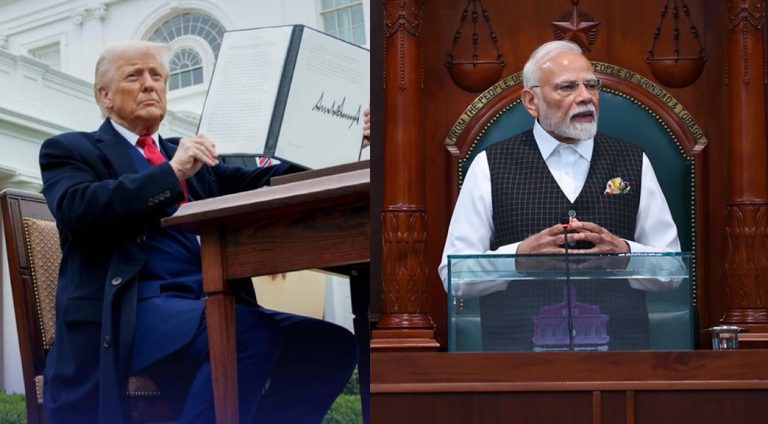
There are no permanent enemies and no permanent friends in geopolitics. The only permanent friend is self-interest. From Syria to Pakistan, US President Donald Trump is demonstrating that self-interest is paramount even if it comes at the cost of mollycoddling Islamic jihadist terrorists and their enablers.
In May 2025, Trump held a meeting with Ahmed Hussain al-Sharaa, the interim president of Syria, who just months back had a $10 million bounty on his head by the US government. Trump heaped praises on the former terrorist, who once admitted to having celebrated the 9/11 Islamic terror attack that killed thousands.
When asked how he finds the new Syrian President, Trump said, “Young, attractive guy. Tough guy. Strong past. Very strong past. Fighter.”
JUST IN:
???? President Trump speaking about Syria’s new President Al-Sharaa, who was ISIS commander and had $10 milion bounty on his head:
"Young, attractive guy, tough guy. Strong past, very strong past — fighter. He's got a real shot at holding it together." pic.twitter.com/UHKQ6S0u2P
In Afghanistan, former US President Joe Biden received all the global condemnation and domestic backlash for withdrawing US forces in 2021. However, it was Trump’s 2020 Doha Agreement that laid the ground for the eventual historic visuals of the US literally fleeing Afghanistan and leaving it in the hands of Taliban terrorists.
Basically, the USA spent 20 years, over 2 trillion dollars, and hundreds of lives in Afghanistan fighting the Taliban. But they left in 2021 after signing a deal with them and handing over their military assets worth billions to the very same forces they spent 20 years fighting.
2️⃣AFGHANISTAN
Invading in late 2001 together with a NATO+ coalition, the US thought a ‘liberal interventionism at gunpoint’ approach would turn Afghanistan into a compliant client.
Instead, they spent 20 years and $2T to replace the Taliban… with the Taliban. pic.twitter.com/SljWokFhd8
Now, Trump wants to restore the US military presence in Afghanistan, although it remains to be seen how successful he will be in doing so.
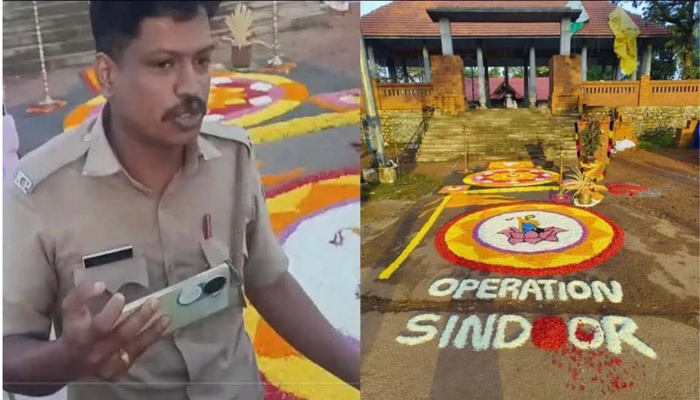
After elevating a former ISIS terrorist to power in Syria and leaving Afghanistan to the Taliban, Trump has declared ‘friendship’ with the Pakistan Army, the biggest Islamic terrorist group in the region. Only a month after India inflicted a humiliating defeat on Pakistani Forces during Operation Sindoor in the aftermath of Pakistan-sponsored Pahalgam Islamic terror attack, Pakistan’s Field Marshal Asim Munir had lunch with Trump at the White House.
While the meeting came days after Indo-Pak conflict, it was more about Iran-Israel conflict than about India.
Historically, the United States has always used Pakistan in the region to achieve its goals, a fact which has been acknowledged by the leaders of the Islamic Republic. Pakistan was used by the US for years for its strategic operations in Afghanistan and others parts of the region.
Recently, the de facto leader of Pakistan visited the US again. Munir attended the farewell program for the outgoing Commander United States Central Command (Centcom). Trump’s backing has either emboldened Munir, or he is being actively encouraged by Washington to issue nuclear and dam-bombing threats to India.
Pakistani Field Marshal Munir in US, meets Centcom military leadership, and attends Kurilla farewell.
At a private dinner in Tampa, Florida, on 10th August, the uniformed madrasa-bred jihadi who effectively controls Islamabad’s foreign and security policy, used a Mercedes-versus-dump-truck analogy to paint Pakistan as a “spoiler” power capable of inflicting damage on a far stronger neighbour. “India is shining Mercedes coming on a highway like Ferrari [sic], but we are a dump truck full of gravel. If the truck hits the car, who is going to be the loser?”
He also claimed that if India builds a dam on the Indus River, Pakistan will hit the dam with 10 missiles and destroy it. Munir also threatened Indian industrialist-billionaire Mukesh Ambani by invoking Quranic verses. “Ek tweet karwaya tha with Surah Fil and a picture of [industrialist] Mukesh Ambani to show them what we will do the next time,” he bragged.
The timing of Asim Munir’s nuclear threat is crucial. Firstly, the threat was made from US soil. Munir not only tried to play to Islamic terrorists in Pakistan, citing Islamic verses to gloat about imaginary wins and powers, but he again used the nuclear threat as a blackmail, declarimg that Pakistan will ‘take half the world down with it’, like an average suicide bomber.
Also, Munir’s nuclear threat made from US soil against India came on the day the US dropped the atomic bomb on Japan’s Nagasaki 80 years ago.
While India issued a strong statement against Munir’s nuclear threat and reiterated that New Delhi will never be threatened by such blackmail, the US government and the legacy media have maintained a deliberate silence, fuelling speculations that these threats are not a mere expression of Munir’s anti-India and anti-Hindu mindset, but a calculated move encouraged by the US.
Besides issuing self-humiliating nuclear threats and targeting Mukesh Ambani, Munir also reiterated his “Kashmir is our jugular vein” remark, which he made days prior to the Pahalgam attack. “Kashmir is “not an internal matter of India but an incomplete international agenda. As the Quaid-e-Azam had said, Kashmir is the ‘jugular vein’ of Pakistan.”
Munir also thanked Trump for his imaginary role in ending the Indo-Pak conflict. Asim Munir’s Trump flattery didn’t go unrewarded. The Trump administration has designated the Balochistan Liberation Army (BLA) and its Majeed Brigade a ‘Foreign Terrorist Organisation’. This not only lends renewed credence to Pakistan Army’s apocryphal narrative that Baloch freedom fighters are ‘terrorists’ but equates Baloch independence struggle with Islamic terrorism carried out by Pakistan Army-backed Jihadist groups like Lashkar-e-Taiba, Jaish-e-Mohammad, LeT offshoot and perpetrator of Pahalgam—The Resistance Front. Not to forget, the US had earlier designated TRF as a foreign terrorist organisation.
On 11th August, the US Department of State designated The Balochistan Liberation Army (BLA) and its alias, The Majeed Brigade, as a Foreign Terrorist Organisation (FTO). The executive order added the Majeed Brigade as an alias to BLA’s previous Specially Designated Global Terrorist (SDGT) designation.
Baloch rebels have been fighting against Pakistani govt’s exploitation, and Chinese projects in their soil
Over the years, the BLA struck Pakistani military and Chinese personnel along with projects linked to Beijing’s investments in the province as they exploit the Baloch resources. The Baloch people, who are among the most marginalised communities in Pakistan, accuse the Pakistani government and China of exploiting the resources without providing any benefit to the locals.
US President Donald Trump recently unveiled a new trade agreement with Islamabad to jointly develop Pakistan’s alleged “massive oil reserves”. The announcement came just hours after he slapped the first round of 25% tariff and additional penalties on Indian imports. Interestingly, Trump claimed that someday Pakistan might be selling oil to India.
In a post on social media platform Truth Social, Trump said, “We have just concluded a Deal with the Country of Pakistan, whereby Pakistan and the United States will work together on developing their massive Oil Reserves… Who knows, maybe they’ll be selling Oil to India some day!”
Given that most of Pakistan’s known oil and much of its gas, as well as prospective reserves, lie in Balochistan, the move stirred political conversations about what role Washington could play in the resource-rich but politically restive province already being exploited by Pakistan and China.
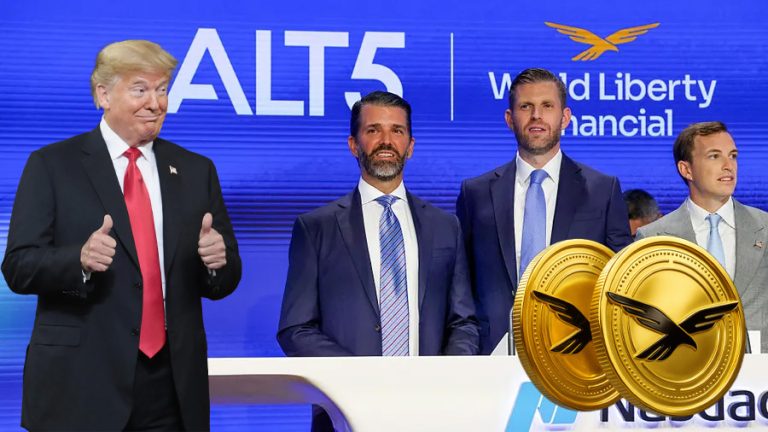
After a US-based company where Trump’s kin has 60% stakes signed a crypto deal with Pakistan, Trump is eyeing Balochistan’s untapped treasure of natural resources. While China’s bid to do the same has not played out very well, as Baloch freedom fighters continue to attack Chinese engineers and other officials working on CPEC and Pakistan Army personnel on a regular basis, the US wants to tap oil in Pakistan. Not to forget, years back, Pakistan had given the same oil reserves ‘Lahori Churan’ to the US, and ultimately, nothing was found after a continuous search for oil and gas reserves.
Pakistani Army has been training, harbouring and engaging Islamic terrorists for decades
Since Pakistan’s very creation in 1947, the Pakistan Army has essentially fostered, trained and funded Islamic Jihadi terrorists as its proxies against India and Afghanistan. The US also has a disgraceful history of backing these very Jihadi terrorists. However, Pakistan, which claimed to be an ally of the US against terrorism while the US was searching for Bin Laden in the hills of Afghanistan, was caught red-handed double-dealing.
Laden, the mastermind of the 9/11 attack, was found near Abbottabad in 2011, near Pakistan’s military premises, right under their noses.
Be it Pakistan’s monetary, logistical and ideological support to Jihadist groups in Kashmir in the 1980s, Kashmiri Pandit killings and exodus, the Doda massacre, and more, the Pakistani military has been funding and training the Islamic terrorists under different front names for decades. The military officers provide funding, training and actively protect the Islamic jihadis on their soil, while the civilian government machinery helps hide the terrorist organisation’s money trails and laundering fronts behind the garb of charity and religious organisations. The India and Hindu-hating Pakistan ‘Aand’ Forces have fought four conventional wars against India and lost all, knowing that they do not stand a chance against Indian forces.
Pakistan Army supports Islamic terror groups like JeM, LeT, Hizbul Mujahideen, and provides safe haven to UN-designated terrorists like Syed Salauddin, Masood Azhar, Hafiz Saeed, and countless others. As seen in May this year, Pakistani forces also attend the funerals of these terrorists when India eliminates them. It, however, is not surprising for India, since the Pakistan Armed Forces’ current head of PR wing, Ahmed Sharif Chaudhary, is the son of a UN-designated terrorist.
While the US, especially Trump, who has a penchant for changing his opinions about terrorists and countries using Jihadi terrorism as state policy, has forgotten Pakistan’s Osama Bin Laden betrayal and dollar-squeezing tactics in Afghanistan, India will never forget that Pakistan has bled innocent Indians.
It must be recalled that in 2018, Trump had posted on X that the US was “foolish” to give Pakistan billions of dollars in aid. “The United States has foolishly given Pakistan more than 33 billion dollars in aid over the last 15 years, and they have given us nothing but lies & deceit, thinking of our leaders as fools. They give safe haven to the terrorists we hunt in Afghanistan, with little help. No more!”
The United States has foolishly given Pakistan more than 33 billion dollars in aid over the last 15 years, and they have given us nothing but lies & deceit, thinking of our leaders as fools. They give safe haven to the terrorists we hunt in Afghanistan, with little help. No more!
However, a year before, Trump had thanked Pakistan and expressed enthusiasm over bettering ties with Islamabad. Clearly, Trump’s stance on Pakistan, its terrorism and betrayals is as fickle as his promise of releasing the Epstein Files.
While the Trump administration declared the Balochistan Liberation Army and Majeed Brigade as terrorist organisations, it did not question the Pakistan Army’s brutalities against the Baloch people. Trump did not question why over 1,00,000 people have no access to clean drinking water in the Gwadar region, why Baloch children are stopped from learning Balochi language, why Urdu is imposed on them, why the Sui gas field in Balochistan supplies much of Pakistan’s energy needs, yet Balochistan itself has limited access to it. Probably, Donald Trump and Asim Munir’s greed for exploiting Balochistan’s natural resources trumps the injustice faced by the Baloch people and the BLA’s strive to break free from Pakistan’s oppressive regime.
After years of fostering jihadi terrorists in PoK and other regions of Pakistan, bolstering terror outfits like Tehreek-e-Taliban Pakistan (TTP) and oppressing Baloch people, carrying out forced disappearances, and arresting Baloch leaders like Mahrang Baloch and many others, the Pakistani military has found a new opportunity to exploit and oppress the Baloch people further, and the US government has probably found a new geography to continue their perpetual wars that benefit their military industries.
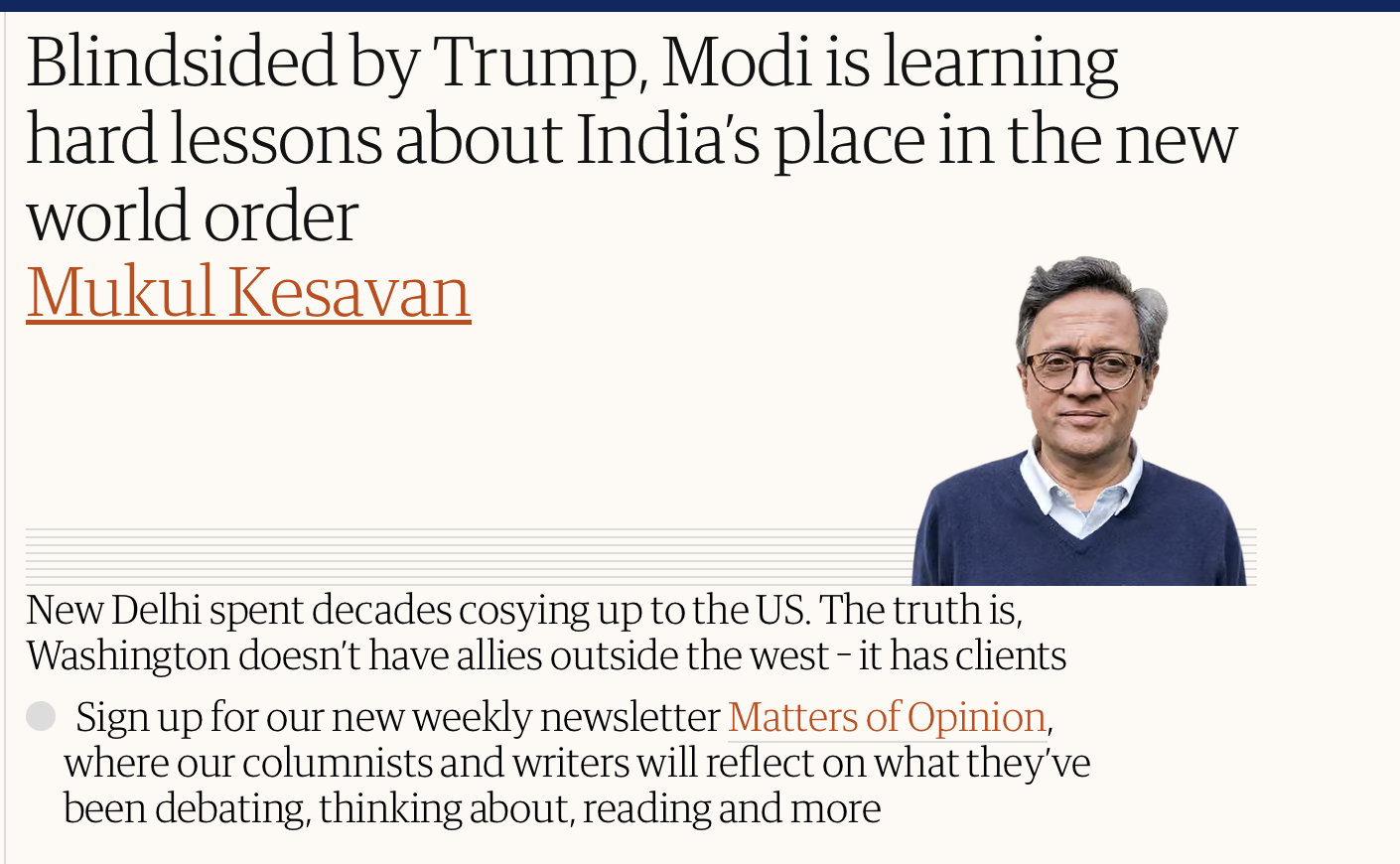
Asim Munir is basically a Masood Azhar or Hafiz Saeed in a military suit. No wonder Trump is upset with India, since he prefers conflict-infested vassals like Pakistan over equal partners like India, since throwing bones at a pet is far easier than maintaining a mutually respectful relationship with a resolute, free and proud elephant.
On 11th August (local time), the United States once again placed the Balochistan Liberation Army (BLA) on its list of Specially Designated Global Terrorists (SDGTs). With this move, the US blocked any assets the group may hold under the jurisdiction of the United States and prohibited US citizens from engaging with it. The decision came in the wake of Pakistan Army chief Gen Asim Munir’s visit to the US, a visit that saw the general, dubbed by his critics as ‘Maulana’ Asim Munir, make chilling nuclear threats during a private event on American soil.
The nuclear sabre did not rattle the US as it should have. Instead, it was followed by renewed strategic warmth and even reports of a potential US–Pakistan oil deal involving Balochistan’s resources. According to Baloch activists, such deals are nothing short of legitimising theft.
As a matter of fact, OpIndia spoke to Mir Yar Baloch, a prominent Baloch activist, who minced no words in condemning both the BLA designation and Washington’s courting of Pakistan’s military establishment. Speaking to OpIndia, he said, “If you wish to purchase something from a marketplace, you do not negotiate with the thief clutching stolen goods; you speak to the rightful owner,” and stressed that Balochistan is “a nation in its own right” with sovereign authority over its oil, gas, and rare earth minerals.
‘The US is negotiating with a thief, not the owner’
Mir Yar Baloch said the US decision to entertain a resource deal with Pakistan over Balochistan’s oil was nothing short of a diplomatic disgrace. He emphasised, “Balochistan is not a province to be claimed, it is a nation in its own right,” and added that Pakistan’s presence in the region was “nothing less than an illegal occupation” with “no legitimate documentation, no lawful right, and no moral standing” to control its land and resources.
Drawing a sharp analogy, he said, “If you wish to purchase something from a marketplace, you do not negotiate with the thief clutching stolen goods; you speak to the rightful owner. Pakistan is not a stakeholder; it is a trespasser, a looter, a dacoit whose only claim is force and fraud.”
For him, Washington’s conduct was not only about bad judgement but also about moral failure. He accused the US of allowing ISI-linked, pro-Pakistan networks to grow “alarmingly strong” in its capital, blinding policymakers to what he called “the undeniable truth: Pakistan’s military and ISI are steeped in the blood of American citizens, their record drenched in decades of terrorism.”
He warned that deals struck with Islamabad over Balochistan’s oil and gas only serve to entrench the military establishment’s power while dispossessing the rightful custodians of their land. He said that the issue was not merely about resource exploitation but about the US legitimising a regime whose chief stands on American soil threatening the world with nuclear annihilation. He said, “Our call is simple: distinguish between those who fight for freedom and those who leverage weapons of mass destruction to maintain power.”
‘A betrayal of truth’ – Washington brands freedom fighters as terrorists
Speaking on the US decision to once again designate the Balochistan Liberation Army (BLA) as a terrorist group, Mir Yar Baloch called it a “betrayal of justice and truth.” He argued that the BLA’s fighters “do not target innocents, they do not wage war on civilians, and they do not sow chaos for extremist ideology or greed.” Instead, he described them as men and women fighting “for survival, dignity, and liberation from an oppressive occupier.”
He contrasted this with what he called the “real architects of terror”, that is, Pakistan’s military and the ISI, who for decades have unleashed violence far beyond Balochistan’s borders through a network of extremist proxies. He said, “This is state-manufactured terror at its ugliest, a machinery of blood and deceit.”
He further cited Ukrainian President Volodymyr Zelenskyy’s statement that Pakistani nationals had been found fighting for Russia in Ukraine and said the revelation was “proof that Pakistan’s terrorism is not a regional menace, it is a global threat.”
Citing Ukrainian President Volodymyr Zelenskyy’s statement that Pakistani nationals had been found fighting for Russia in Ukraine, Mir Yar Baloch said the revelation was “proof that Pakistan’s terrorism is not a regional menace, it is a global threat.”
“If America truly seeks justice and security, it must have the moral courage to name the real threat — Pakistan’s military apparatus, a global terrorist army masquerading as a sovereign state,” he said. “Anything less is a betrayal not only to the victims of their crimes, but to the very principles the United States claims to defend,” Mir Yar Baloch added.
‘Theft dressed as statecraft’ – A warning to the US and the world
Mir Yar Baloch urged that the United States and other global powers must recognise Balochistan’s legitimate representatives rather than dealing through Islamabad. He said the fighters in the independence movement are “the future national army, defenders of borders, guardians of the skies, and protectors of the seas”. He argued that these fighters stand as the shield between Balochistan and those who seek to plunder it.
He further accused Pakistan’s military of surviving on “deception, manipulation, and bloodshed,” and added that its history “reeks of atrocities and broken promises” while its present policies are “woven from lies” and its future doctrine is “a blueprint for instability and global insecurity.”
While highlighting Islamabad’s duplicity, he said, “Pakistan calls China its ‘iron brother,’ yet in the same breath, it courts Washington with deals over Balochistan’s stolen oil. This duplicity is not diplomacy, it is theft dressed as statecraft.”
He warned that without Balochistan’s stolen resources, Pakistan would be “nothing more than an irrelevant, artificial buffer zone” which is alive only to serve the shifting interests of global powers. He argued that the solution was clear, that is, “Engage directly with the rightful custodians of this land if you truly seek peace, stability, and cooperation in South and Central Asia.”
‘A historic opportunity’ – Urged India to recognise Balochistan’s sovereignty
Turning to India, Mir Yar Baloch said New Delhi now has a “unique and historic opportunity” to safeguard its own strategic interests while aligning with the truth of Balochistan’s sovereignty. He reminded that the Baloch people declared independence on 11th August 1947, before the creation of Pakistan, and have “never relinquished” their sovereign rights.
He described the events of 27th March 1948, when Mohammad Ali Jinnah unilaterally annexed Balochistan, as a “blatant violation” of treaties, principles of territorial integrity, and international law. “This act of aggression was never legitimised by the Baloch people. We remain a free nation under occupation,” he said.
He urged India to incorporate Balochistan into its foreign policy not as interference but as “an acknowledgment of historical truth and international law.” He proposed a 50 to 100-year strategic plan between India and a future independent Balochistan to create a stable, democratic, and strategically vital state in the region.
Mir Yar Baloch argued that a secular, democratic Balochistan could act as a “bridge for peace” and enable maritime and overland trade corridors benefiting a wider region. However, he warned that “continuing to empower Pakistan will only deepen instability” and allow the ISI’s entrenched extremist networks to keep posing a threat to neighbours and global security alike.
“Engaging with Balochistan is not merely solidarity; it is a strategic investment in a stable, cooperative, and peaceful South and Central Asia,” he concluded.
Washington’s moral failure and the cost of legitimising occupation
Mir Yar Baloch’s words reflect a scathing indictment of Washington’s willingness to court Pakistan’s military establishment, which is led by a man who issues nuclear threats on American soil while branding those resisting illegal occupation as terrorists. For him, this is not merely hypocrisy, it is the legitimisation of theft and the endorsement of a regime whose record is, in his words, “drenched in decades of terrorism.”
From his standpoint, Balochistan’s cause is anchored in history, law, and the right to self-determination. Yet, by cutting oil deals with Islamabad and ignoring Pakistan’s nuclear sabre rattling, the US is signalling that strategic convenience trumps moral clarity.
In his telling, the choice is clear. The world can either engage directly with the rightful custodians of Balochistan, a nation in its own right, or keep empowering what he calls “a global terrorist army masquerading as a sovereign state,” with all the instability that follows.
In yet another attempt to undermine the credibility of India’s democratic institutions, the Congress social media ecosystem has revived a debunked 2023 propaganda narrative targeting the Election Commission of India (ECI).
This time, pro-Congress influencers and trolls including self-proclaimed “journalist” Punya Prasun Bajpai, and known Congress amplifiers Arpit Sharma and Neha Singh Rathore have been circulating an old voter list from Varanasi Municipal Corporation elections with the claim that a man named Ramkamal Das has 40–50 “sons” listed as voters at the same address.
The posts, riddled with sarcasm and insinuations, are aimed at lending credence to Rahul Gandhi’s unsubstantiated “vote chori” allegations. The intention is clear: paint the ECI as complicit in facilitating fake voters, thereby discrediting the institution ahead of political battles.
The claim
The viral posts allege that a person named Ramkamal Das in Varanasi is the father of dozens of voters, all adult men, some with implausible age gaps implying large-scale voter list fraud. Bajpai mockingly wrote about a father with a 28-year-old youngest son and a 72-year-old eldest son. Sharma pushed the claim further, pairing it with unrelated Bihar voter age anomalies to hint at “cheating.” Rathore joined in, claiming Ramkamal Das lives with “43 sons.”
The truth
The voter list in question is not from the ECI’s electoral roll for Lok Sabha or Assembly elections. It is from the 2023 Varanasi Municipal Corporation elections — Ward No. 51, Bhelupur. The list shows multiple voters with Ramkamal Das recorded as their father.
Here’s the factual background deliberately omitted by the propagandists:
Swami Ramkamal Das Vedanti is the Mahant (head priest) of Ram Janki Math in Khojwa, Varanasi. His ashram follows the Guru–Shishya tradition, in which disciples regard their spiritual Guru as their “father” and often officially record his name in place of their biological father’s. In 2023, a total of 48 disciples of Swami Ramkamal Das, all genuine individuals, were registered as voters at the Math’s address. This practice is well-known in religious circles and is entirely legal.
On 12 March 2025, the Chief Electoral Officer (CEO) of Uttar Pradesh reiterated that the list belonged to an urban local body election roll, not the ECI’s general electoral roll. The CEO clarified:
“In the case of a religious Math/Ashram, the persons or sanyasis residing in it are identified by the name of their Guru instead of their father. Many sanyasis residing in an ashram may also be of the same age.”
The 2023 Fact Check
When the same list went viral in May 2023, several media outlets fact-checked the claim. Reports quoted the Math’s manager, Rambharat Shastri, explaining that disciples adopt new names upon initiation and record the Guru’s name as their father in official documents. Earlier, 150 disciples had done so; the number has since reduced to 48.
Jagran’s May 5, 2023 report confirmed the list was genuine and that all voters were real individuals residing at the Math. Even political rivals who initially raised objections dropped the matter once the facts emerged.
Media stunt designed to lend credence to Gandhi’s baseless voter fraud conspiracy
The revival of this debunked claim serves a calculated political purpose. It is designed to reinforce Rahul Gandhi’s baseless “vote chori” narrative by manufacturing examples of alleged voter fraud, thereby lending false credibility to his accusations. At the same time, it aims to erode public trust in the Election Commission, which has repeatedly been targeted by Congress and its allies whenever electoral outcomes have not gone in their favour. By exploiting cultural traditions such as the Guru–Shishya practice, which may be unfamiliar to urban online audiences, the campaign creates viral outrage, making perfectly legitimate voter entries appear suspicious and fuelling a perception of systemic malpractice.
Rahul Gandhi’s ‘vote chori’ propaganda busted again
The claim that Ramkamal Das has dozens of fake “sons” registered as voters is misleading. The names belong to real disciples of Swami Ramkamal Das Vedanti, the Mahant of Ram Janki Math, recorded under the Guru–Shishya tradition in the municipal electoral roll of 2023, not the ECI’s official rolls for general elections.
This recycled propaganda is a textbook example of how half-truths are weaponised by the Congress social media ecosystem to attack institutions and manufacture mistrust for political gain. The facts remain unchanged since 2023: there was no voter list fraud in this case only deliberate distortion for optics.
On 11th August, the I.N.D.I. Alliance marched to the Election Commission of India’s (ECI) New Delhi headquarters, marching against the Special Intensive Revision (SIR) of the Bihar electoral registers and at the same time claiming ‘vote chori’ and voter list discrepancies. They claimed that the drive would result in disenfranchisement and charged that was an attempt by the Bharatiya Janata Party (BJP) led-government to steal votes.
The Mahagathbandhan in Bihar has been on the edge since the campaign began to eradicate fraudulent voters and update the voter list prior to the forthcoming state elections. Senior leaders such as Tejashwi Yadav have been throwing outrageous allegations against the EC, in support of the bogus voters and have even threatened to boycott the polls.
However, members from all political parties have been included throughout the entire process to ensure transparency. Hence, as the top opposition leadership engaged in unfounded accusations and political dramatics while disregarding the truth, their Booth Level Agents (BLAs) exposed the propaganda of their own leaders.
What did the BLAs say
The Navada district representative of the Rashtriya Janata Dal (RJD) stated that the complete voter list has been reviewed in a timely manner and provided to them. “The authorities have also given the names of voters who have been removed for various reasons, including relocation or name duplication. These names will be forwarded to the Panchayat and booth heads,” he expressed.
“The Booth Level Officers (BLOs) and Booth Level Assistants (BLAs) will decide on the subsequent actions. Any mistakes discovered will be corrected during the objection window which is open from 1st August to 1st September. We feel comfortable. There are no issues in our area. No political parties have troubled the authorities during this exercise,” the RJD member voiced and thanked the district administration for the smooth execution of the program.
Listen to what @RJDforIndia’s Navada district official is saying about the #SIR process being carried out in Bihar. There is no tampering, no deletion of names as being propagated by the Opposition. @ECISVEEP (3). pic.twitter.com/qSSqmN5o64
According to Om Prakash Sharma, the Congress district president of Gopalganj, a copy of the voter list for the region, released by the authorities, has been distributed to the political parties, including the names of those who have been excluded from the list. “We are allotted a month to contest or amend any inaccuracies related to the removed names.” he added.
Listen to Om Prakash Sharma district president Gopalganj district @INCIndia says #SIR process is going on smoothly and they have been provided with the list of those whose names have been omitted from the electoral list. @ECISVEEP (5). Don’t fall to rumours. pic.twitter.com/szo5Pnct0h
Akhilesh Kumar, the Congress district president of Purnia, announced that a meeting was held with the district administration concerning the voter list. The lists have been provided to us, and we have been instructed to assist in including individuals whose names were omitted and to verify whether those who have relocated or passed away is indeed accurate.
“We will assist the BLOs through our BLAs. The updated list has also been provided to all political parties. We are pleased with the performance of the district administration. We will support them to the best of our ability, and the authorities are doing an excellent job, without a doubt,” he pointed out.
Multiple videos exist featuring the BLAs of the opposition parties who expressed their confidence in the process and commended the administration for carrying out the revision transparently, ensuring the involvement of every stakeholder.
EC counters the opposition’s propaganda
As the BLAs dismantled the narrative propagated by their senior leaders, the Election Commission similarly debunked the Mahagathbandhan’s lies with evidence, statistics and testimonies from the BLAs regarding the SIR exercise in Bihar.
The commission had earlier explained how the entire drive was implemented with the complete involvement of all political parties and the actions taken to ensure utmost transparency and rectify any errors. Nevertheless, it had to reiterate the same points as the opposition started to circulate misinformation concerning the campaign.
Rahul Gandhi alleged “voter theft” while sharing images of the protest by the opposition MPs on social media. However, the Election Commission swiftly responded with multiple links demonstrating that the entire process was conducted with great transparency.
It mentioned that meetings with BLAs were conducted before, during and following the publication of the electorate roll draft. The ECI outlined that while senior leaders persist in their allegations, no political party has actually filed any complaints or objections in relation to the draft rolls till now, illustrating that the protests are merely for political purposes without any factual basis.
The misleading claims of the grand old party were similarly invalidated as the Election Commission posted the links, which even featured several statements from the BLAs of opposition parties, asserting that the drive had been conducted in a transparent manner with their full involvement while simultaneously addressing their grievances.
The RJD accused the Election Commission of adopting an anti-democratic position and has alleged that it has conspired to undermine the voting rights of the impoverished, marginalized, Dalit and minority communities in Bihar under the guise of SIR.
Nevertheless, the commission repeated that the utmost level of transparency was guaranteed throughout the process, which involved members of political parties. Likewise, it highlighted that BLAs from each party were included, regular meetings were held with them, they were kept informed as well as played a vital role at every stage of the process. The authorities also provided them with voter lists concerning their respective areas, including the revised ones.
The EC’s SIR program has revealed a significant number of fraudulent voters in Bihar. It uncovered around 65 lakh non-existent voters who were then purged from the electoral rolls. The names that have been deleted are mostly those of people who have passed away or who were not found at their registered addresses.
However, the widespread removal of names in some districts, especially in Kishanganj which is predominantly Muslim, has been surprising. A record 1.45 lakh names have been deleted from the list there. This represents an incredible 11.8% of all voters in the district. In an election where even a 4-5% margin can make a difference, it can easily swing the outcome.
The opposition in the state has been mobilizing since the initiative was announced. A significant number of these counterfeit voters are their supporters. Importantly, numerous foreign illegals including Bangladeshis were also identified with Aadhaar cards and other documents during the operation.
Now, a similar drive is set to occur in West Bengal which has alarmed the All India Trinamool Congress and its supremo, Chief Minister Mamata Banerjee who has been an outspoken advocate for Bangladeshi infiltrators. Consequently, the entire opposition has come together to contest the SIR drive which contrary to the accusations, supports democracy by prioritizing legitimate voters and removing the deceased, emigrated or fake ones.
Notably, the researchers who had warned about around 70 lakh fake voters in Bihar, an estimate that was found nearly correct, have now in another study highlighted that around 1 crore excess voters in may be existing in the electoral roll for West Bengal in 2024.
The ‘conversion gang’ operating out of Agra came to notice after two real sisters went missing from the city. The conversion gang was busted under ‘Operation Asmita’ of Uttar Pradesh Police, as part of which, UP Police went to 6 states and raided 9 places simultaneously and rescued 7 girls.
To get every information related to this case and the ongoing operation, OpIndia met Police Commissioner Deepak Kumar. The Police Commissioner made many shocking revelations during the meeting regarding the entire Operation Asmita and the conversion gangs.
According to Police Commissioner Deepak Kumar, Agra Police had received a written complaint about the sudden disappearance of two real sisters from Sadar police station area on March 24. On the complaint of the victim’s father, a missing report was registered at Sadar police station and investigation was initiated.
During the initial investigation, the police did not find any clue in the missing case because both the sisters had neither a mobile nor any electronic device. Despite every effort, the police were unable to trace the location of the girls and the case was stuck. 41 days passed by and the police couldn’t crack the case until they saw an Instagram post.
Police got shocked after seeing AK-47 on Instagram profile
One day, suddenly, the victim’s father expressed doubt about the name of a girl named Saima in front of the police and the police started the investigation by increasing the sections in the missing report. During the investigation, the display pic with AK-47 on the Instagram profile of the younger sister shocked the Agra police. The investigation of the case was now progressing rapidly.
The cyber cell and surveillance unit, which were investigating the case thoroughly, got a major breakthrough. Both the sisters who suddenly disappeared had become victims of a massive conversion gang. After this, considering the seriousness of the case, Agra Police handed over the investigation to Cyber Crime and ATS. Meanwhile, information was received from the third sister about the micro blogging site on which both the sisters used to connect often.
On this blog, Agra police found a page named ‘Reverty’ and the location was Kolkata. Agra police then got the information that this location is being used to communicate with four countries, America, Canada, Dubai and London, and from this location, money transactions have been done through banks in 15 states of the country. This fact helped Agra police crack the case.
When a woman sub-inspector joined the ‘Reverty’ group
The biggest challenge for the police now was to bring back the two sisters as well as expose the conversion gang. A woman sub-inspector then undertook the task. After receiving information about a social media account from the third sister of the two missing sisters, the woman police officer joins a ‘reversionary’ group of the gang and then gathered a lot of information by talking to the members personally.
Commissioner Deepak Kumar formed a team under the leadership of IPS Aditya. Being a 100 percent Muslim area, a special team was immediately sent to Kolkata. Here the team hid their identity and did a recce of the area for about 5 days and then DGP Rajiv Krishna and Police Commissioner Deepak Kumar formed 11 teams to carry out Operation Asmita.
Operation Asmita was kept confidential
About 45 policemen included in the team were given special training. The operation was kept so confidential that apart from one or two officers, no one knew how big a conversion gang they were going to break. No team knew what the other teams are doing. During the entire operation, a hired taxi was used instead of any government vehicle.
In a short time, both the missing sisters were recovered from the Muslim area under Operation Asmita. However, during this time the Agra Police also had to face opposition from the local people. The Agra Police Commissioner said that this is the first time that the UP Police has raided so many places simultaneously.
Under ‘Operation Asmita’, and during the raids conducted at 9 places in different parts of the country, 7 girls were rescued safely from the clutches of the gang. Further, in this case, 14 accused associated with the gang have been arrested and sent to jail. Books like ‘Islam and Bahujan Samaj’, ‘Dharam Parivartan’ and ‘Aapki Amanat Aapki Seva’ have been recovered from the accused. Along with this, many videos dividing the Hindu society have also been found from their mobile phones.
As the Congress leader Rahul Gandhi, joined by the entire opposition, has intensified his usual attacks on the Election Commission of India (ECI) by levelling unfounded allegations of election rigging, he has, unsurprisingly, found support from foreign media. Several foreign media outlets, including The Washington Post, The New York Times, and Al Jazeera, published misleading pieces that promoted Gandhi’s baseless allegations against the ECI.
INDI Alliance leaders created a ruckus outside the Parliament building on Monday (11th August) by starting a protest march from the Parliament to the ECI headquarters. However, several opposition leaders, including Rahul Gandhi and his sister Priyanka Gandhi, were briefly detained by the Delhi Police. The Police said that the INDI Alliance did not obtain permission before conducting the protest march. As a result, a scuffle broke out between the opposition leaders and the police personnel, who were trying to control the situation. Visuals from the protest march showed opposition leaders fighting with police personnel, who were trying to maintain law and order. Some leaders, like TMC MP Mahua Moitra and Samajwadi Party Supremo, Akhilesh Yadav, climbed over the police barricades.
Reporting about the protest march taken out by the INDI Alliance against the ECI on Monday, The New York Times wrote in their headline, “Indian Lawmakers detained for Protesting Election Irregularities”, in an attempt to lend credence to the opposition’s allegations of election rigging.
Screenshot from the New York Times Website
Similarly,the Washington Postslyly termed the routine Special Intensive Revision (SIR) exercise conducted by the ECI in Bihar as a “controversial electoral roll revision”.
Screenshot from the Washington Post website.
Al Jazeera also highlighted the allegations of the INDI Alliance leaders in their coverage of the protest.
Screenshot from the Al Jazeera website.
Joining the chorus,the Australian Broadcasting Corporation also described the electoral roll revision in Bihar as “controversial”
Screenshot from the Australian Broadcasting Corporation website.
On August 7, 2025, Rahul Gandhi held a press conference in Delhi, wherein he accused the ECI of colluding with the BJP. Blaming the election body and the ruling BJP for the Congress Party’s election defeat, Gandhi alleged that the 2024 Lok Sabha elections were “choreographed”.
Fake voters in Rahul Gandhi’s own constituency
To support his allegations, Gandhi presented lengthy documents, which he claimed were the electoral roll of Karnataka. He claimed that his party conducted an “internal survey” on polling in the Mahadevapura Assembly in Karnataka, and alleged “vote chori” (vote theft) of 100,250 votes. According to Gandhi, since Congress won only 9 seats in Karnataka instead of the expected 16 seats, it could only have been possible because of vote theft. He alleged his party analysed several such unexpected losses and found out that there was vote chori as well. Gandhi even threatened the ECI officials with “consequences” after his party comes to power, despite such massive election rigging.
Notably, in his press conference, Gandhi accused the Election Commission of creating fake voters, citing anomalies such as “House Number 0” entries in voter lists. But some media reports later revealed that the same pattern existed in Rahul Gandhi’s own constituency, Rae Bareli, Uttar Pradesh. The voter list in Rae Bareli also had a large number of entries with “House Number 0” and even clusters of dozens of voters registered at the same address.
Rahul Gandhi opposes SIR, which is an excercise to update voter list
The entire INDI Alliance, including the Congress Party, vehemently opposed the electoral roll revision in Bihar and even made a failed attempt to stop the revision by approaching the Supreme Court. While refusing to stop the electoral revision, the Supreme Court said that an electoral revision is a routine exercise, which the Election Commission is empowered to conduct.
Interestingly, the Election Commission has been asking Rahul Gandhi to submit his allegations on oath under a declaration, so that an investigation can be initiated. However, Gandhi evaded the declaration, claiming that as a politician, his words should be taken as an oath. On one hand, Rahul Gandhi alleges that there are fake and duplicate voters added in the electoral rolls, and on the other hand, he opposes an electoral roll revision, which is conducted to update voter lists by eliminating fake or ineligible voters. The SIR conducted by the ECI in Bihar revealed major discrepancies in the voter list. The commission found that around 18 lakh enrolled voters were deceased, 26 lakh shifted, and 7 lakh names were duplicates.
India has witnessed a dramatic shift in intra-household resource allocation, leading to a significant reduction in poverty among children and adult females between 2011-12 and 2023-24. In a groundbreaking study published in the Economic & Political Weekly on 9th August 2025, economists Shamika Ravi and Mudit Kapoor analyzed various factors which have led to a remarkable decline in poverty rates for children and women.
The EPW article headlined “Intra-household Resource Allocation and Changes in Child and Gender Poverty between 2011–12 and 2023–24”states that while most poverty estimates based on household consumption surveys assume equal distribution of resources among household member, this study relaxed this assumption by using household expenditure data on privately assignable items to estimate resources allocated to children (0–14 years), adult females, and adult males (15–79 years).
#NewPublication 'Intra-household Resource Allocation and Changes in Child and Gender Poverty between 2011–12 and 2023–24' (with @muditkapoor). The paper computes the comprehensive evolution of poverty outcomes: (i) Poverty rate (ii) Poverty gap (iii) Poverty upliftment The… pic.twitter.com/E51Lhe40BZ
Historically, gender imbalance and bias has been observed in household consumption surveys. The EPW paper points out that if resource allocation within the household is skewed, there is always a possibility that some household members are poor while others are not.
Given the focus of the Modi government on inclusive and women-led development, the paper authored by Shamika Ravi and Mudit Kapoor, delves in to the changes in intra-house allocations, particularly towards women and children, and their impact on the changing nature of the poverty distribution among men, women, and children.
Notably, the study, relies on the data of Household Consumption Expenditure Survey (HCES) for 2011-12 and 2023-24, conducted by the Ministry of Statistics and Programme Implementation (MoSPI).
The researchers employed a sophisticated econometric model, building on prior work by Dunbar et al. (2013) and Calvi (2020), to estimate resource shares “using Engel curves and non-linear regression techniques.”
Share of adult females in household resources increased drastically in over a decade
While analysing the coefficient on the estimates of adult females’ share in household resources, a measure of their bargaining power, the research found that the share of household resources to adult females was positively associated with the number of adult females, higher the fraction of female children (for households with children) if the leading woman in the household was eligible for inheritance in ancestral property, if the household belonged to either Scheduled Caste (SC), Scheduled Tribe (ST) or Other backward Classes (OBC), and if there was a college-educated female or male member in the household.
It was also found that the resource share of adult females was negatively associated with the number of adult males and the presence of widows in the household with children.
“Interestingly, for 2011–12, adult females in Hindu, Buddhist, Jain, and Sikh households were negatively impacted compared to those who did not belong to these religions. However, in 2023–24, the reverse was true. Compared to the urban areas, adult females in rural areas had a lower share of household resources,” the research paper reads.
The paper states that in contrast to the western states, adult females in northern, eastern, and southern states had lower share in household resources. Meanwhile, adult females in the north-eastern region had a higher share of household resources.
Analysing the share of adult females in household resources across the average age of adult women (15 to 79 years) in the household, the authors found that the estimated share of adult females in household resources varies significantly across age and also if the households had children (0 to 14 years).
For the years 2011-12, the estimated share of adult females in household resources is typically below the equality line, only for urban households without children, in the average age group of 20 to 30 years and for urban households with children, in the average age group of 45 to 55 years, it is slightly above the equality line (50%), as seen in the point density graphs. The equality line here indicates equal resource distribution.
Source: Economic&Political Weekly
These density graphs visualise the data with a smoothed-trend line (bold in greyscale, red online), to highlight the relationship between resource shares and age, with pale-yellow (or darker greyscale) areas indicating higher data point concentrations, the report mentions.
The 2011-12 data indicates a generally much-lower household resource share for adult females across all age groups with or without children. The graphs show that the share is slightly above the equality line, for urban households with children in the 45-55 age group. These numbers indicate limited instances where women received a higher-than-equal share.
A similar trend is seen in the case of households without children. The household resource share of adult females is below the equality line for most age groups, except for urban households in the age range of 20-30. In this age range, adult female household resource share marginally exceeds equality. The figures for 2011-12 indicate that adult females generally had lower bargaining power compared to adult males, with “resource allocation skewed against them.”
In contrast, the adult female household resource shares after over a decade, 2023-24, witnessed a notable shift. In house with children, adult females in 2023-24 received a higher-than-equal share of household resources, reflecting a remarkable increase in their bargaining power relative to adult males.
Meanwhile, in household without children, this trend is even more pronounced in rural and urban areas. The density graphs indicate that for rural households, the smoothed-trend line is above the equality line for adult females aged 15–55 years. For urban households, it extends to ages 15–65 years, indicating a broader age range where women command a higher household resource share compared to 2011–12.
The consistent elevation smoothed trend line across age groups by 2023-24 reflects a more uniform improvement in resource allocation to women, especially in. households with children. In fact, presence of children seems to influence resource allocation dynamics. In 2023-24, households with children registered a more notable pivot toward higher female household resource shares. It can interpreted as increased prioritisation of resources toward family units where women have a central role. These positive numbers reflect a broader societal and policy-driven empowerment of women.
27 crore people lifted out of poverty between 2011-12 and 2023-24
In the next section, the paper focuses on poverty across the states and union territories. “We present three sets of results: (i) poverty rate, which measures the proportion of poor people; (ii) poverty gap, which measures for a poor person the difference between the poverty line and the expenditure as a percentage of the poverty line, a measure of poverty intensity; (iii) poverty upliftment, which measure the absolute number of people that have been lifted out of poverty between 2011–12 and 2023–24,” the report reads.
“We provide estimates of poverty rate, poverty intensity, and poverty upliftment, (i) when household resources are assumed to be equally distributed among household members, rural and urban poverty line for each state/union territory for 2023–24,” it adds.
The analysis, based on Rangarajan poverty line, estimates that more than 27 crore people were lifted out of poverty over the last decade, with 15.6 crore children and 12.3 crore adult females accounting for the majority. However, the number of poor adult males surged by nearly 0.36 crore due to slower poverty reduction relative to population increase.
Bihar and West Bengal registered a remarkable decline in poverty
For poverty rates where the researchers assumed the household resources are equally distributed, it was found that at all-India levels, poverty rates have declined from 29.5% in 2011–12 to 4% in 2023–24.
The EPW report highlights that in the eastern region of Bihar, pverty declined from 41.3% in 2011–12 to 4.4%, while in West Bengal, the poverty rate was lower at 30.4% in 2011–12 as compared to Bihar, and it declined to 6% in 2023–24 which was higher than what was observed for Bihar. In Uttar Pradesh, the poverty rate fell from 40% in 2011–12 to 3.5% in 2023–24.
“However, when we account for intra-household allocation of resources, which allows for household resources to be unequally distributed across members, we found that poverty rates in 2011–12 and 2023–24 were typically higher than when we assumed equal sharing of household resources,” the report reads.
Despite the unequal sharing of household resources, the researchers Professor Shamika Ravi and Mudit Kapoor point out that poverty rates have declined between 2011–12 and 2023–24. For example, at the all-India levels, the poverty rate in 2011–12 was 34.7%, while in 2023–24, it was 10.5%, a decline of almost 15 percentage points. The decrease in poverty rate was observed across all the states.
The report also highlights the inequality in poverty rates across children, adult females, and adult males. In 2011–12, the overall poverty with unequal sharing of households was 34.7%; however, for children, it was 58.3%; for adult females, it was 33.3%; and for adult males, it was the lowest at 15.1%. This pattern was seen across all states of India except for the north-east states. In northeast states, poverty among adult males was higher than poverty among adult females and children. In Rajasthan, the overall poverty with unequal shares in household resources was 31.2%; however, for children, it was 57.8%; for adult females, it was 28.9%, while for adult males it was 5.5%, the report estimates.
“By 2023–24, we see a remarkable decline in poverty among adult females and children,” the paper states.
The key findings of the research show that in 2011–12, poverty rates were starkly unequal: 58.3% for children, 33.3% for adult females, and 15.1% for adult males. However, by 2023–24, these figures slumped significantly to 17.8% for children and 2.2% for adult females.
Meanwhile, adult male poverty marginally declined to 13.5%. This significant shift reflects a reallocation of household resources toward women and children, attributed to enhanced female bargaining power.
“Based on these results, it could be argued that the substantial decline in poverty between 2011–12 and 2023–24 is primarily driven by poverty reduction among adult females and children,” the report states.
The authors of this EPW paper, however, noticed some variations across states. In Chhattisgarh, a substantial decline in poverty rate among adult females from 50.7% to 4.3% between 2011–12 and 2023–24. However, it reduced marginally for children, from 68.2% to 54.7%, and for adult males, it marginally increased from 25.1% to 25.5% during the same period.
In Uttar Pradesh, during the same period, poverty among children declined from 72.2% to 11.1%; for adult females, it decreased from 42.4% to 2.3%; for adult males, it increased marginally from 13.3% to 13.6%.
“For adult males between 2011–12 and 2023–24, we observed a significant decline in poverty rates in Odisha from 24.1% to 13.7%, Tamil Nadu from 13.9% to 2.8%, and Tripura from 51.1% to 25.1%,” the report reads.
In the National Service Scheme (NSS) regions, with equal sharing of household resources, a significant decline in poverty across all areas was noted. Across most of the NSS regions, poverty rates among children were the highest in 2011–12, followed by poverty rates among adult females, while it was typically lower for adult males.
However, the report found that by 2023-24, poverty among children and adult females declined sharply, although poverty in the eastern states of Chhattisgarh, Jharkhand, Bihar, Odisha, and West Bengal remains high. “We also observed a significantly higher poverty level among adult males in north-east states, Chhattisgarh, Jharkhand, and parts of Bihar, Madhya Pradesh (MP), Maharashtra, and West Bengal,” the research paper states.
Poverty gap comes down from 18.4% in 2011-12 to 10.2% in 2023-24, Bihar’s adult female poverty gap dropped to unbelievable low
In its analysis of poverty gap, which is a measure of the shortfall of expenditure below poverty line, the study found that it was higher when accounting for unequal household resource allocation compared to equal sharing assumptions.
In 2011–12, with equal sharing of household resources, the research estimated the poverty gap at the all-India level to be an average of 18.4%, but 35.6% for children, 21.5% for adult females, and 13.5% for adult males (unequal sharing).
By 2023-24, however, the gap reduced to 10.2% (equal sharing), 17.9% for children and 6.4% for adult females, while adult males witnessed a slight increase to 15.1%.
The researchers observed variations in these numbers across states, with most notable variation being in Bihar, where adult female poverty gap dropped from 23.4% to 4.8%.
The study found that for adult females across all the NSS regions, poverty has reduced significantly between 2011–12 and 2023–24. It also observed that children’s poverty gaps were considerably higher in the eastern states of Chhattisgarh, Jharkhand, Bihar, Odisha, and West Bengal than in other NSS regions.
In north-east states, poverty gap for adult males “worsened”. In regions of Bihar, West Bengal, Chhattisgarh, Jharkhand, Gujarat, MP, Maharashtra and Odisha the numbers increased.
Poverty upliftment tells a success story, though challenges remain
The study proceeds to analysing poverty upliftment. The researchers define poverty upliftment as “Poverty Upliftment 2011–12 to 2023–24=Poverty Rate2011–12×Population2011–Poverty rate2023–24×Projected Population2021.”
The research estimates that between 2011-12 and 2023-24, 27.58 crore people were lifted out of poverty in Indian households with unequal resource allocation, compared to 30.24 crore assuming equal sharing.
Researchers point out that this upliftment is driven by 15.61 crore children and 12.32 crore adult females, although the number of poor adult males increased by 0.35 crore due to slower poverty reduction relative to population growth.
The study highlight various across state including, Uttar Pradesh where 6.47 crore people (mostly women and children) were pulled out of poverty, Rajasthan, where .44 crore, with 1.08 crore children and 0.54 crore women, with Chhattisgarh registering marginal child poverty reduction, Madhya Pradesh 2,38,10,548, Bihar 2,63,43,197, West Bengal 1,68,92,626.
“When resources are equally shared, our estimates of poverty rates, which are based on the Rangarajan poverty line, indicate that 30,24,63,543 people were lifted out of poverty between 2011–12 and 2023–24. However, when we account for the unequal allocation of household resources, which typically results in higher poverty rates, 27,57,58,449 people were lifted out of poverty,” the report reads.
“We also observe that, with unequal resource allocation across the household, the entire poverty upliftment is on the account of children and adult females. We estimated that 15,61,53,865 children and 12,32,20,396 adult females, were lifted out of poverty from 2011–12 to 2023–24. However, for adult males, the absolute number of poor has increased by 36,15,812. This is primarily because the reduction in poverty rates among adult males has been lower than the population growth of adult males during the same period,” it adds.
By 2023-24, however, there has been a significant shift in household resources away from adult males to adult females and children, as a result of which children’s poverty rate fell to 12.6% and that of adult females declined to 2.8%; however, for men, it increased to 10.9%. As a result, Rajasthan witnessed a poverty upliftment for 1,07,89,197 children and 53,98,621 adult females, while for adult males, it increased by 18,27,592.
“This example illustrates that a large part of poverty upliftment is perhaps an outcome of improvements in the bargaining position of women, which has resulted in significantly higher allocation of household resources towards women and children and away from men,” the study notes.
The study broadly attributes Modi government’s initiatives like the Pradhan Mantri Awas Yojana and MUDRA Scheme, Lakhpati Didi Yojana, as these initiatives have prioritised women’s financial independence and property co-ownership. In April this year, as MUDRA Yojana completed 10 years, OpIndia reported that under this scheme, 52 crore loan account openings were facilitated, with nearly 70% beneficiaries being women.
“These programmes highlight the intention of the government to empower women. Prime Minister Modi, repeatedly in his vision for India to become a developed nation by 2047, has emphasised the role of women in leading this development effort,” the study highlights.
In conclusion, the authors of the EPW study summed up the transformational impact of Modi era. It points out that across rural and urban areas in most states and union territories, on average, the resource share of adult females was significantly lower than that of adult males in 2011–12.
By 2023–24, the situation had “reversed” as across all states and UTs, on average, the estimated resource share of adult females was greater than that of adult males. This dramatic shift in women’s bargaining power has resulted in the massive decline in poverty between 2011–12 and 2023–24 is concentrated in adult females and children, with a modest decline for adult males.
“Our estimates reveal that, on average, adult female poverty is lower than adult male poverty across all states and union territories in 2023–24, while in 2011–12, it was the opposite. These results are evidence of significant gains in women’s empowerment in the last decade,” the research paper concludes.
On 11th August (local time), the United States placed the Balochistan Liberation Army (BLA) and Majeet Brigade on its list of Specially Designated Global Terrorists (SDGTs) under an Executive Order. This action, which mirrors the 2019 decision, blocks any assets the group may have under the jurisdiction of the United States and restricts American citizens or entities from conducting transactions with it.
The BLA operates in the Balochistan province of Pakistan. It has long described its activities as part of the Baloch struggle for self-determination. Over the years, the BLA struck Pakistani military and Chinese personnel along with projects linked to Beijing’s investments in the province as they exploit the Baloch resources. The Baloch people, who are among the most marginalised communities in Pakistan, accuse the Pakistani government and China of exploiting the resources without providing any benefit to the locals. Majeet Brigade is fidayeen unit of BLA and was behind recent train hijack.
The BLA has initiated military action in several regions including Gwadar, Karachi and other parts of Balochistan. These military campaigns have been deemed by the group as resistance against external control and economic marginalisation.
Baloch groups have objected to the US designation of the BLA as a terror outfit, stressing that the BLA is not a terrorist organisation. They argue that Balochistan is a nation that has endured 78 years of state violence, economic exploitation, and even radioactive poisoning from Pakistan’s nuclear tests. They have accused Islamabad of weaponising extremist proxies such as IS-Khurasan to crush peaceful political voices. They also note that the Baloch have historically shown goodwill towards the United States and have never targeted American forces or interests, even during the Soviet war in Afghanistan or the post-9/11 NATO operations.
12 August, 2025 #RepublicOfBalochistan : The Baloch are not terrorists. They are a nation that has endured 78 long years of state terrorism, economic plunder, radioactive poisoning from Pakistan’s nuclear tests, foreign invasion, and brutal occupation by the extremist and… pic.twitter.com/yLrvCdiIuH
US President Donald Trump recently unveiled a new trade agreement with Islamabad to jointly develop Pakistan’s “massive oil reserves”. The announcement came just hours after he slapped the first round of 25% tariff and additional penalties on Indian imports. Interestingly, Trump claimed that someday Pakistan might be selling oil to India.
In a post on social media platform Truth Social, Trump said, “We have just concluded a Deal with the Country of Pakistan, whereby Pakistan and the United States will work together on developing their massive Oil Reserves… Who knows, maybe they’ll be selling Oil to India some day!”
Source: Truth Social
While there were no timelines or corporate partners mentioned in the post, the statement hinted at a potential deepening of US involvement in Pakistan’s energy sector. Given that most of Pakistan’s known oil and much of its gas, as well as prospective reserves, lie in Balochistan, the move stirred political conversations about what role Washington could play in the resource-rich but politically restive province already being exploited by Pakistan and China.
Balochistan’s vast and largely untapped resource wealth
Balochistan is often described as the most resource-rich province in Pakistan. However, it remains the most underdeveloped region. The rugged terrains of Balochistan hold a vast variety of minerals and energy reserves. If properly harnessed, these reserves could transform not only the economy of the province but also Pakistan’s industrial and energy landscape.
The extensive list of reserves includes coal, chromite, barites, sulfur, marble, iron ore, quartzite, and limestone along with world-class copper and gold deposits. The Chaghi district alone hosts sulfur at Koh-e-Sultan, vast marble stretches near the Iranian border, high-grade onyx, and an estimated 30 million tons of iron ore. Khuzdar boasts the country’s largest barytes reserve at over 2 million tons, while Muslimbagh and Lasbela’s chromite mines account for over 80 percent of Pakistan’s total production.
The energy resources of Balochistan are equally significant. The Sui Gas Field, which was discovered in 1952, still produces around 300 MMSCFD of natural gas. The Saindak Copper-Gold mines yield over seven tons of processed metal annually while the Reko Diq deposit has an estimate of 5.9 billion tons of ore containing copper and over 41 million ounces of gold.
Beyond fossil fuels and minerals, the province holds immense renewable energy potential. With some of Pakistan’s highest levels of solar radiation and strong wind corridors, Balochistan could, in theory, become a hub for clean energy generation.
However, actions of the Pakistani government have always been against the people of Balochistan. The resistance in the region is caused by the discriminatory behaviour of the Pakistani government towards the people of Balochistan.
The Baloch struggle for freedom
Recently, amid the backdrop of military tensions between India and Pakistan following the Pahalgam terrorist attack, the Baloch Liberation Army (BLA) reiterated its call for independence from Islamabad and urged the United Nations to recognise what it terms the Democratic Republic of Balochistan. The province is home to the Baloch ethnic group for centuries and has endured a long history of armed resistance against central rule.
Historically, Balochistan was an independent entity under the Khan of Kalat. When the British withdrew from India in 1947, a Standstill Agreement was signed on 11th August which recognised Kalat as an independent state under British supervision. However, in March 1948, Pakistan coerced the Khan of Kalat into signing an instrument of accession which was against his will and the wishes of the Baloch people. The forced merger marked the beginning of a turbulent relationship with the Pakistani state.
Since 1948, Balochistan has witnessed five major insurgencies which happened in 1948, 1958, 1962, 1973-77 and the ongoing conflict that began in the early 2000s. The grievances have remained consistent including political marginalisation, resource exploitation, and a systematic campaign of violent suppression.
Under the infamous ‘Kill and Dump’ policy, which began in 2009, countless Baloch activists, leaders, and sympathisers have been abducted, tortured, and killed. Today, the BLA remains at the forefront of the movement, continuing its struggle despite relentless attempts by the Pakistani regime to crush it.
Pakistan blames India for Baloch rebels; India pushes back, as Trump’s tilt could amplify Islamabad’s line
For years, Islamabad has framed the Baloch insurgency as an Indian project. The pattern continued this summer. After a deadly school bus blast in Khuzdar in May 2025, Pakistani officials publicly claimed an Indian hand. New Delhi, however, rejected the claims as “baseless” and an attempt to “hoodwink the world”.
Army Chief of Pakistan, Asim Munir, has repeatedly pointed to India’s RAW as the driver of violence in Balochistan, even as attacks on rails, convoys and outposts have intensified. Indian media and analysts have noted the familiar script and India has dismissed the charges as diversionary rhetoric.
The blame against India is not new. In June 2020, then-Prime Minister of Pakistan, Imran Khan, accused India of orchestrating the Karachi Stock Exchange attack soon after officials said it bore the hallmarks of BLA operations. Pakistani police also floated an Indian link while probing the 2018 assault on the Chinese consulate in Karachi. India condemned those attacks and denied any involvement.
Even routine security steps are narrated through that prism. On 8th August 2025, Islamabad suspended mobile data across Balochistan and officials again cited BLA activity and Indian backing.
Why this matters now? Washington has just tightened the screws on the BLA and moved it onto the Foreign Terrorist Organisation list and updated aliases. It has strengthened Pakistan’s talking points on the international platform. At the same time, Trump has touted a US-Pakistan push to tap “massive” Pakistan oil reserves, a political signal that could see him echo parts of Islamabad’s narrative as the energy angle intersects with security messaging around Balochistan.
The combination of fresh US terror designations and Trump’s oil overtures risks giving Islamabad more airtime to sell its India-centric story abroad.
Could Balochistan become the next US “war front”?
As the US increasingly deepens its engagement with Pakistan, especially via an oil and energy agreement that touches on Balochistan, it is worth pondering if this volatile region could emerge as a new battlefield in Washington’s global strategy following Ukraine, Iran, Iraq and Syria.
India has repeatedly rejected Pakistan’s narrative regarding Baloch unrest. However, the evolving US-Pakistan relations may unwittingly legitimise Islamabad’s framing. American involvement in Balochistan’s resource sector will not stabilise the region but risks exacerbating tension and militarisation. There is a possibility that US involvement will amplify violence, worsen militarisation, and fuel the ongoing repression of the Baloch people.
Meanwhile, Baloch voices themselves are pushing back. Mir Yar Baloch, a prominent leader in the region, recently wrote to Trump and said that Pakistan had deliberately misrepresented the location of valuable oil, gas and mineral reserves. He argued that it lies in the “Republic of Balochistan” and not Pakistan proper. He warned that the resource deal could mistakenly empower Pakistan’s intelligence apparatus.
Your recognition of the vast oil and mineral reserves in the region is indeed accurate. However, with due respect, it is imperative to inform your administration that you have been gravely misled by the… pic.twitter.com/bAMPOYisYK
Trump’s energy overtures should be seen as a strategic lever against India, and of course, China, which is already present in the region exploiting the resources. There is a possibility that future US policy could become entangled in Balochistan’s insurgency, making it another geopolitical flashpoint. Just as Washington has been drawn into theatres as varied as Eastern Europe and the Middle East, Balochistan may yet become the next frontier, unless its people’s own aspirations are acknowledged and represented.