Home Blog Page 58

Delhi’s pollution crisis is alarming: Here is how we can fix it at a personal and govt level

Not only Delhiwallahs but the entire nation is fed up with stories of Delhi’s pollution crisis, which is a cyclical disorder. It is a number that stares you in the face, and even 450 has stopped exciting us.

Day after day, year on year, the problem repeats itself. For the whole year, it hovers around from poor to severe. Delhiites have now developed lungs of stainless steel. Governments come and go, debates continue on TV, anchors and participants shout their lungs out (steel lungs). You know nothing will happen, and yet you debate- it is a form of catharsis where you feel good by abusing somebody and everybody.

No solution, as people do not know the problem

If the doctor cannot diagnose the disease, he cannot start any treatment. In this case, the doctor knows the problem, but the patient does not stop ‘indulging’. A patient with severe acidity is prescribed an antacid and also advised to abstain from alcohol and spicy food. The patient keeps popping antacid tablets every day, but also has chaat papadi and chola bhatura- ‘kya karen control he nahi hota’.

The problem of pollution and its causes are crystal clear. A report by IIT Delhi (Centre of Excellence for Research on Clean Air (CERCA), IIT Delhi) says that 53% of the problem is polluting vehicle emissions. The contributors to PM2.5 (the most harmful fine particles) vary by season, but a clear picture exists. This was the end of 2020, but nothing has been done so far. You keep giving antacid and the patient still eats spicy food- you can’t blame the doctor!

Transport vehicles cause 53% of pollution.  And then there is a compounding effect of Secondary aerosols, which are tiny particles or liquid droplets that are not emitted directly from an exhaust pipe. Instead, they “grow” in the air through chemical reactions between gases already present in the atmosphere.

This is like “atmospheric bakery.” Secondary aerosols are formed when invisible “ingredient” gases react with sunlight and moisture to create new solid or liquid particles. And this accounts for 30% of the problem. Industry and power plants are 10- 15 %. Road and construction dust accounts for only 2 to 5 per cent. Therefore, 80% of the problem is due to vehicles and the additional baking effect.

Dilli ‘car bazar’

The Delhi-NCR region has a huge vehicle count, with roughly 3.3 crore registered vehicles (cars, buses, trucks) as of mid-2025.  Delhi alone had over 1.2 crore vehicles, including around 35 lakh private cars, accounting for 1/3rd of the fleet. Can you reduce this number? No way. We are a democracy and not Singapore (Singocracy).

Studies suggest that long-term exposure can reduce a Delhi resident’s lifespan by up to 11.9 years.

Systematic migration- take a chill pill

It is hardly possible to build anything if frustration, bitterness and a mood of helplessness prevail.” – Lech Walesa  

Decongestion is the only answer.  Good sense is now prevailing on those who can take the call of abandoning Delhi/NCR.

There is a growing trend of people permanently leaving Delhi due to its toxic air quality. This phenomenon has led to a tribe called ’smog escapees’—residents who feel forced to relocate/escape to protect their long-term health.

One study found that nearly 35% of Delhi-NCR residents are considering moving out specifically due to deteriorating air quality. Some more aggressive reports suggest that up to 80% of families have discussed or considered relocation as a serious option. 

A November 2025 survey by Smytten PulseAI  (they enable businesses to decode evolving consumer behaviour, measure campaign impacts).  Out of 4,000 residents, we found that 34.6% (roughly 1 in 3) are actively considering moving out of the region due to toxic air.

To add to it, there are security issues, attitude problem ‘tu janta hai mera baap kaun hai’ type swag. People carry a baseball bat in their cars for security, road rage, traffic jams, extreme cold, extreme heat and Demographic dandruff – Delhi, Haryana, Punjab and Uttar Pradesh. It is a molten pot.

A “reverse migration” is occurring among those who have the financial and professional flexibility to leave this toxic region.

Today, there is an infra push towards smaller towns. Connectivity- physical and digital are moving at breakneck speed.

For those who can, this is a great way to help yourself and help the city. You can sell a property in Gurugram and buy something at a fraction of the cost in a smaller town with a hefty bank balance too.

The people leaving are typically young professionals with remote-work capabilities, families with young children, and retirees. They are moving to cities with cleaner ai,r like Kochi, Goa, Jamshedpur, and various hill towns and tier two cities.

The rise of remote work has made it possible for “white-collar” workers to keep their Delhi-level salaries while living in environmentally safer regions

Those who are stuck

The majority of Delhi’s population—daily wage earners, street vendors, and industrial workers—cannot afford to leave. This is their bread and butter. They remain “trapped” in the hazardous environment.

For those who leave, the decision is rarely about lifestyle and almost always about survival and the health of their children and elders.

Personal decision

It is a decision by the family- of course, job hopping takes place. Professionals do relocate if they get a ‘better job’. Money may not be the only consideration- a better life, a more relaxed lifestyle, better health and work-life balance are important too. One has to do a SWOT and take a call- but it is worth considering.

Do not ask what Delhi can do for you, ask what you can do for Delhi.

I am a hardcore Delhiite but took a conscious decision to settle down in Pune, and that is the best decision of my life. Smaller towns definitely have a slower pace and a better quality of life. What is the point of struggling in a city where you can neither breathe nor can you travel in comfort?

Some have their relatives in Delhi, but just count how many times you visited someone or they visited you in the last six months. You can count on your fingertips.

If you love Delhi so much, then be an NRD (Non-resident Delhiite)! Come twice a year, poop off your money, meet everyone as if you are coming from abroad- get gifts- diili walas love gifts.

Yes, if your business is such that it keeps you anchored- so be it.

“If what you’ve done over the past 5 years hasn’t worked for you, then change what you’re doing, or the next 5 years will be the same”

Government can do its bit

Some governments make the city less “comfortable” to encourage a natural exit:

  • ​Congestion Pricing: Charging high fees to drive in the city centre (like in London or Singapore).
  • ​Strict Zoning: Limiting the height of new buildings or increasing “green space” requirements, which naturally caps density.
  • ​Higher Property Taxes: Implementing higher taxes on urban real estate compared to rural holdings.

You can offer cash to help with the move

  • ​Relocation Grants: Countries like Japan have offered families up to 1 million yen per child to move out of Tokyo to rural areas.
  • ​Remote Work Stipends: In the U.S., states like Vermont and cities like Tulsa, Oklahoma, offer grants (often $10,000+) to remote workers who relocate there.
  • ​Property for “Peanuts”: Towns in Italy and Spain famously sell abandoned homes for €1 on the condition that the buyer renovates the property and lives there for a set period.
  • Payroll Tax Breaks: Incentivising companies to hire employees who live in designated “underpopulated” zones.
  • ​Startup Subsidies: Providing grants specifically for entrepreneurs who launch businesses in rural or tier-2 cities.

Saffron-clad Yogi Adityanath follows the lead of PM Modi, sets out abroad to bring global investments to Uttar Pradesh: Read the significance of this cultural diplomacy

Uttar Pradesh Chief Minister Yogi Adityanath is set to begin a five-day visit to Singapore and Japan from Sunday, 22nd February. The visit is aimed at attracting global investment, building stronger international partnerships, and presenting Uttar Pradesh as a fast-growing economic powerhouse. At the same time, the tour is also being seen as a moment of cultural diplomacy.

The Chief Minister has a clear target to help make Uttar Pradesh a $1 trillion economy between 2027 and 2030. Over the past eight years, the state has seen rapid infrastructure growth, including expressways, airports, defence corridors, and industrial hubs. Now, the focus is on bringing in more foreign companies and advanced technology to speed up development.

Walking the path shown by PM Modi

Political observers say this outreach reminds many of the approach taken by Narendra Modi during his time as Gujarat Chief Minister from 2001 to 2014. Through global visits and the Vibrant Gujarat summit, Modi invited international investors and helped Gujarat attract major foreign companies.

Japanese automobile giants like Suzuki, Honda, and Toyota expanded their presence in Gujarat during that period. Singapore’s urban planning ideas were also studied and adapted. Modi had once said he travelled abroad as the face of Gujarat to bring investment back home.

Now, Yogi Adityanath appears to be applying a similar strategy for Uttar Pradesh, meeting global investors directly and presenting the state as a ready destination for manufacturing, technology, and infrastructure.

Singapore leg: smart cities and urban growth

The Chief Minister will arrive in Singapore on the evening of 22nd February and stay until 24th February. During this phase, the focus will be on smart city development, urban transport systems, water management, and skill training.

Investor roadshows are scheduled, where Uttar Pradesh will be showcased as an investment-friendly state. Meetings are expected with business groups such as the Singapore Chamber of Commerce and Industry (SICCI) and India’s FICCI. MoUs may be signed to boost cooperation in infrastructure, logistics, housing, and digital services.

He will also meet members of the Indian community in Singapore, especially those with roots in Uttar Pradesh. Officials believe the diaspora can act as a bridge between global companies and opportunities back home.

Singapore is widely respected for its clean cities, modern housing systems, and efficient public services. Uttar Pradesh aims to learn from these models to strengthen its own urban planning.

Japan visit: technology, manufacturing and maglev ride

From 24th February to 27th February, Yogi Adityanath will be in Japan, visiting Tokyo, Yamanashi, Osaka, and Kyoto.

A major business conference titled “Japan–Uttar Pradesh Partnership for Manufacturing, Mobility, and Technology” will be held at Tokyo’s Imperial Hotel. Leaders from the automobile, electric vehicle, electronics, railway, chemical, and logistics sectors are expected to attend.

Japan has been one of India’s strongest development partners. Uttar Pradesh already has an MoU with Yamanashi Prefecture. Discussions are likely to cover industrial cooperation, technology transfer, Buddhist tourism, yoga, and Ayurveda.

One of the most talked-about parts of the tour will be the Chief Minister’s 100-kilometre trial ride on Japan’s high-speed Maglev train. This train runs at nearly 600 kilometres per hour using magnetic levitation technology, without touching the tracks. Since Uttar Pradesh is exploring advanced transport solutions, this experience is expected to help in understanding high-speed rail possibilities.

Plan for ‘Japan City’ and ‘Singapore City’ in UP

A key outcome of the visit could be progress on plans to build ‘Japan City’ and ‘Singapore City’ in Greater Noida under the Yamuna Expressway Industrial Development Authority (YEIDA).

Japan City is proposed on 500 acres in Sector 5A, while Singapore City will be developed on 500 acres in Sector 7. According to the plan, 70 % of the land will be used for industrial purposes, 12 % for residential areas, 13 % for commercial use, and 5 % for institutions.

These projects will follow the EPC mode for development. The cities are expected to reflect planning standards inspired by Japan and Singapore. Companies from both countries may be offered land to set up factories and offices. If implemented successfully, the projects could generate large employment opportunities and significantly boost industrial output in the state.

Saffron robes and cultural message

Another major talking point is that Yogi Adityanath will wear his traditional saffron kurta-chola throughout the visit. As the head priest of the Nath sect, saffron is his regular attire. However, this will be the first time an Indian constitutional office-holder travels abroad on an official visit in saffron robes.

Supporters say this reflects confidence in India’s cultural identity. Saffron represents sacrifice and spirituality in Indian tradition and is closely linked with Hindu heritage.

Japan, known for its Buddhist temples and spiritual traditions, shares historical and cultural connections with India. Uttar Pradesh is home to key Buddhist sites such as Sarnath and Kushinagar. Talks during the visit may include strengthening the Buddhist circuit and increasing pilgrimage tourism between the two countries.

Reports suggest the Chief Minister may also visit a peaceful temple around 45 kilometres from Tokyo. Many believe such gestures will strengthen cultural bonds along with economic ties.

Big Picture: Development with Identity

The Yogi government says Uttar Pradesh has already made strong progress in infrastructure and ease of doing business. However, with a population of around 230 million, faster industrial growth is essential.

From Japan, the state hopes to attract investment in electric vehicles, semiconductors, advanced manufacturing, and high-speed rail systems. From Singapore, it aims to bring expertise in smart cities, water treatment, and logistics parks.

As Yogi Adityanath begins this overseas tour, attention will be on the agreements signed and investment commitments secured. If successful, the visit could mark a major step toward the $1 trillion goal.

At the same time, the image of a saffron-clad Chief Minister meeting global leaders may send another message that India is moving ahead in development while staying rooted in its cultural traditions.

Complete wipe out: As the March 31 deadline approaches, not only Naxals, their memorials too are being destroyed by security forces

In a fresh push towards the Centre’s target of a Naxal-free India by March 31, 2026, security forces demolished four Maoist memorials in Bijapur district of Chhattisgarh on Friday, 20th February. The memorials were located under the Farsegarh and Tarrem police station areas, both of which have witnessed intense anti-Maoist operations in recent years.

For more than four decades, the Bastar region of Chhattisgarh remained a stronghold of the Maoists. They held sway over vast stretches of territory and constructed hundreds of memorials that came to represent their influence and control in the area.

Inspector General of Police for Bastar region, Sundarraj P, said, “The removal of Maoist memorials and symbols is a conscious decision to end the ideological influence of Maoism and to strengthen the process of restoring normalcy in the region, reinforcing good governance, and integrating society into the mainstream. The demolition of memorials established by Maoists is a significant step toward eliminating their symbolic and psychological influence.”

“Earlier, such memorials were used by Maoists as instruments to maintain fear, dominance, and ideological control within local communities. Their removal sends a clear message that the legitimate authority of the state and the rule of law are being steadily reinforced in the region, and that Maoist influence is gradually weakening,” the IG said.

“Brick by brick, we would destroy the idea and its manifestation in each and every form,” G P Singh, Director General of the Central Reserve Police Force (CRPF), said in a social media post.

Earlier this month, the Central Reserve Police Force (CRPF) demolished a memorial of Ravula Srinivas alias Ramanna, a central committee member of the CPI (Maoist), in Gogunda village of Sukma district. Assistant Commandant of the 74th Battalion said the area had remained under Maoist influence for a long time and was earlier inaccessible to security forces. After a forward operating base was set up in November 2025, the forces moved in and razed the structure in a joint operation, calling it a step toward a “brighter future” for the younger generation.

Meanwhile, Union Home Minister Amit Shah on Monday, 16th February, again reiterated the Central government’s commitment to end Naxalism by March 31 this year, a decades-old menace that left hundreds of civilians and security forces dead. Shah’s assurance came while speaking at the 79th Foundation Day of Delhi Police, as the Centre’s deadline to eradicate Naxalism would expire in the next 44 days.

44 Naxal memorials razed in Gadchiroli

Just days earlier, on Wednesday, 18th February, a massive demolition drive was carried out in the Gadchiroli district of Maharashtra. The Gadchiroli Police and the CRPF jointly demolished 44 Naxal-built monuments spread across the district.

The drive included nearly 800 personnel from 18 teams, including the elite C-60 anti-Naxal force, the Bomb Detection and Disposal Squad, and the CRPF. The monuments were situated in forested zones, which are strongholds of the Left-wing terrorists, in 15 police posts and sub-posts in areas such as Pengunda, Kawande, and Tumarkothi.

Demolitions were conducted in Etapalli of Gadchiroli district, where 18 structures were torn down, 17 in Hedri, five in Bhamragad, and a few more in Jimlagatta, Dhanora, and Pendhari. Superintendent of Police Nilotpal stated that the demolition is a part of the efforts to destroy the infrastructure of the Maoist movement. He further stated that the Maoist activities in the region have significantly reduced due to continuous security operations.

The demolition drive is not only meant to destroy the infrastructure but also to convey a message that the government is in complete control. Gadchiroli, which was once one of the worst-hit districts in Maharashtra by Maoists, is now witnessing a gradual transition towards development and enhanced security.

Maharashtra Chief Minister Devendra Fadnavis congratulated the Gadchiroli police force on this success. He said the move goes beyond just tearing down physical structures and marks a clear triumph of democracy over the fear that had dominated people’s lives for years.

53 memorials demolished in 15 days

The demolition campaigns in Bijapur and Gadchiroli are a part of a larger, joint effort. In the last 15 days alone, the CRPF has destroyed 53 Naxal memorials in Sukma, Bijapur, and Bastar in Chhattisgarh.

This is in line with the directives of Union Home Minister Amit Shah in a review meeting on Left-Wing Extremism held in Raipur on 8th February. With the help of location mapping, often conducted with the assistance of local villagers, the security forces are working towards the destruction of all such infrastructure by the end of February. After this, plantation drives will be conducted to ensure that the land becomes a part of the surrounding forests, leaving no trace of Maoist activity.

The CRPF has played a central role in this campaign, maintaining a strong presence in interior villages through forward-operating bases. Among the memorials destroyed recently are those erected after the neutralisation of CPI (Maoist) general secretary Namballa Keshava Rao alias Basavaraju in Narayanpur in May 2025 and central committee member Ramachandra Pratap Reddy alias Chalapathi in Gariyaband in January 2025.

In the last three years, security forces have killed over 520 Maoists and destroyed more than 100 such memorials in Bastar alone. Between 2018 and 2023, around 60 memorials were destroyed. However, between 2023 and February 2026, the figure shot up to 113, indicating the intensified crackdown.

One of the tallest structures, a 64-foot memorial at Komatpalli village near the Telangana border, was destroyed in January 2025. The village had once witnessed massive Maoist rallies, including the ‘Shahidi Saptah’ rally in 2022, which was attended by senior Maoist leaders and members of Battalion 1 of the People’s Liberation Guerrilla Army. That area was once beyond the reach of security forces, a situation that has now completely changed.

Tallest maoist memorial (Image via TIE)

Why the demolitions matter

The removal of these Naxal memorials is both practical and symbolic. Practically, these structures served as rallying points and psychological markers of Naxal supremacy in remote regions. They reminded villagers of the insurgents’ power and often reinforced fear.

Demolishing them represents the dismantling of Naxal-Maoist ideology itself. When Home Minister Amit Shah set March 31, 2026, as the deadline to end Naxalism, it was presented not as a political slogan but as a firm timeline. The government’s message is that the insurgency has already weakened significantly, and what remains is the final phase of closure.

Naxalism had been India’s longest-running internal insurgency for almost five decades. It had spread across the region that was once known as the Red Corridor, covering several states. However, 2025 was a turning point in the history of Naxalism. Top Maoist leaders were eliminated, recruitment networks were busted, and hundreds of cadres surrendered. Entire districts fell out of Maoist hands.

Inspector General of Police for the Bastar range, Sundarraj P, said that removing these memorials helps restore normalcy and strengthen governance. Earlier, such structures were used to maintain dominance and ideological control. Their removal sends a clear signal that the rule of law is firmly back.

Operation Kagar and the centre’s initiative for a Naxal-free India

The demolition drives are part of a broader national strategy under Operation Kagar, launched in January 2024. Over the last decade, the central government has amped up operations in Naxal strongholds to entirely uproot the Maoist cadres. The government has adopted a two-pronged strategy of eliminating the Maoist cadres through military operations clubbed with development-oriented works such as expansion of roads, transport facilities, water, electricity and other welfare schemes of the government reaching the villagers.

As part of this strategy, the central government launched this operation in January 2024 to eradicate Naxalism in Chhattisgarh, Maharashtra (Gadchiroli), Odisha, Bihar, Jharkhand, Madhya Pradesh and Telangana. Under the operation, around 1 lakh para-military troops, including the Central Reserve Police Force (CRPF), its elite CoBRA units, District Reserve Guards DRG), and state police, equipped with modern technology, have been deployed in the left-wing terrorism affected areas to completely uproot the naxal terrorism from its last remaining strongholds.

The success of the centre’s anti-Naxal operation can be estimated from the fact that from 2015 to 2025, the number of Naxal-affected districts came down from 106 to 18. Out of these districts, 12 were considered the worst affected by Naxalism. However, this number further reduced to only 6 worst Naxal-affected districts, including Bijapur, Kanker, Narayanpur, and Sukma in Chhattisgarh, West Singhbhum in Jharkhand, and Gadhchiroli in Maharashtra.

On 19th February (Thursday), Bihar authorities announced that the state is now “Naxal-free” after the surrender of prominent Maoist Suresh Koda, also known as Mustakim, who had a reward of Rs 3 lakh. He surrendered himself to the Special Task Force (STF) of the Munger district police a day ago. It is pertinent to note that the number of districts affected by left-wing extremists (LWE) has also decreased to seven, as per a recent analysis of the affected region. 

Last month, the Centre released a detailed 10-point plan to ensure that areas cleared of Left-Wing Extremism remain peaceful. The plan is meant for the post-Left-Wing Extremism phase and focuses on stabilising districts that have lived through years of violence. It aligns with the development-oriented part of the Centre’s two-pronged strategy for eliminating Naxalism.

Read how the Rs 100 crore GUDS initiative and AI integration are transforming government services into a “single window” reality

Gujarat has taken a major step towards fully digital governance with the launch of the ‘Gujarat Unified Digital Stack’ (GUDS). This large-scale digital public infrastructure project aims to connect all government departments, services and citizen data on a single secure platform.

This ambitious project was formally announced by Chief Minister Bhupendra Patel on 11th December, 2025. To bring the project into action, the state government has set aside ₹100 crore in the 2026-27 budget presented in the Gujarat Assembly on 18th February, 2026, by Gujarat Finance Minister Kanubhai Desai.

With this initiative, Gujarat is not only aiming to become a ‘Digital State’ under the broader vision of Digital India, but also as a state that wants to build a strong foundation for what it calls “data-driven governance.” The initiative is quite simple: instead of citizens running from one department to another with documents in hand, the system will function in the background and provide services smoothly.

What is the Gujarat Unified Digital Stack?

The Gujarat Unified Digital Stack is not just another government website or mobile app. It is a full digital ecosystem designed to connect data and processes of all state departments, autonomous bodies and public services through one secure digital infrastructure. In simple words, it is like a digital backbone on which all government services will be built and connected.

Today, services such as ration cards, land records, scholarships, health cards and many other schemes run on different systems. These systems do not talk to each other. GUDS aims to bring them together so that information shared with one department can be securely used by another, with the citizen’s consent.

This stack-based model follows the concept of layered technology. In the tech world, a ‘stack’ means layers placed one above another, each doing a specific job. GUDS has three main layers: the Identity Layer, the Payment and Transaction Layer, and the Data Exchange Layer.

The Identity Layer verifies who the citizen is. This could be through Aadhaar authentication or the state’s Single Sign-On (SSO) ID. The Payment and Transaction Layer manages payments of government fees and handles Direct Benefit Transfers (DBT) for subsidies and welfare schemes. The most important part is the Data Exchange Layer. This layer acts like a digital pipeline that connects different departments and allows them to share verified information securely.

From silos to ‘Unified’ governance

Until now, government departments worked in what experts call “silos.” This means each department kept its own data and systems separate. If a person submitted income details to the Revenue Department, the Education Department would not automatically know about it. Citizens had to submit the same documents again and again. Now with GUDS,  the following changes will come:

  • Integration of data: The government plans to create a “Single Source of Truth” database for citizens. Once information such as date of birth, address, income or caste certificate is verified, it can be reused by other departments.
  • Once-Only Principle: Citizens will provide their information to the government only once, and after that, it will be reused wherever required, with their approval.
  • seamless experience: When someone logs into the portal, they will not even realise that data is being fetched from multiple departments at the back end. Everything will appear as a single, smooth service.

Built on open standards and APIs

One of the key features of GUDS is that it is built on open standards. This means the system is not locked into a single vendor or software. It works through APIs, or Application Programming Interfaces, which allow systems to communicate securely with each other.

The idea is similar to UPI in banking, where money can be sent from any bank to any other bank instantly. In the same way, one department can request verified data from another department through secure APIs. This makes the system flexible and scalable. If there are 100 services today and 1,000 services need to be added tomorrow, the framework can handle the expansion.

The architecture is modular and based on microservices. Each service is designed as a separate module, which makes it easier to upgrade or modify without disturbing the entire system. When new government schemes or rules are introduced, updates can be made quickly instead of spending months rewriting software.

The four core technology layers

The technology architecture of GUDS is divided into four main components that work together.

Data Integration Layer

This is the heart of the system. At present, departments such as Revenue, Health, Education, Agriculture and Social Justice maintain separate databases. GUDS connects these databases using open APIs. The data exchange is real-time, event-driven and asynchronous. This means that when a citizen applies for a service, the system can instantly fetch verified data like identity, income, land records or educational certificates from relevant departments.

Identity and Verification layer

This layer is integrated with Aadhaar, DigiLocker and other state ID systems. Once a citizen’s identity is verified, a secure digital profile is created. This profile may include date of birth, residence, caste, income details, land records and education certificates. Data sharing is consent-based. A consent manager tool ensures that no information is shared without the citizen’s approval. The system uses standard protocols like OAuth 2.0 and OpenID Connect for secure authentication.

Security and Privacy

Data security is a top priority. The system uses end-to-end encryption through TLS 1.3 and stores data using AES-256 encryption. It also uses tokenisation to protect sensitive details. Every data access is logged, creating a full audit trail. The system follows the Digital Personal Data Protection Act and the IT Act. It adopts a Zero Trust Architecture, meaning no user or system is automatically trusted. Every request must be verified. If required, blockchain-based logging or data fusion centres may also be used.

Front-end delivery and user interface layer

This will act as the single window for citizens. It may be an upgraded Digital Gujarat portal or a new mobile app. The platform will be mobile-first and available in Gujarati, Hindi and English. It will use micro front-ends and Progressive Web App (PWA) technology so that it works even on slow internet connections. Features like grievance redressal, scheme eligibility checks and document verification will be integrated with tools from the Gujarat AI Stack.

AI tools for faster services

GUDS is closely linked with the Gujarat AI Stack. Several AI-based tools will make the system faster and more efficient.

The Scheme Eligibility Verification tool will automatically check which citizens are eligible for which government schemes. Earlier, this process was manual and time-consuming. Now, the system can verify eligibility within seconds.

The AI-based Grievance Classifier will read complaints submitted by citizens and automatically assign them to the concerned department. The government receives thousands of complaints daily, and sorting them manually takes time. This tool will make the process quicker.

There is also a Document Extractor tool. Often, citizens upload old or handwritten documents. Extracting information from these documents is difficult. The AI extractor scans and reads key details automatically, reducing errors and saving time.

How the system will work

To understand how GUDS works in practice, let’s look at the example of a student applying for a scholarship

  • The student logs in using Aadhaar OTP or DigiLocker.
  • The student gives consent by clicking a checkbox.
  • The system automatically fetches the income certificate from the Revenue Department database.
  • It fetches marksheets from the Education Board database.
  • If any document is not in the database, the AI Document Extractor scans it.
  • Within seconds, eligibility is checked.
  • If everything is correct, the application moves for approval.
  • Every step is logged digitally.
  • This eliminates delays, reduces manual work and prevents misuse.

All this data will be stored in a highly secure state data center, following the Gujarat Cloud Adoption Guidelines 2025. The system is cloud-based, making it scalable and capable of handling heavy traffic. The pilot phase will begin with a few departments before expanding across the state.

The project is being implemented by Gujarat Informatics Limited (GIL), and a Request for Proposal has been issued to select a Project Management Consultant for detailed design and rollout.

GUDS announcement and budget allocation

On 18th February, 2026, during the presentation of the state budget, ₹100 crore was allocated for GUDS. This fund will cover design, implementation, infrastructure and pilot projects. In addition, more than ₹850 crore has been set aside for AI and digital governance initiatives, including a Data Fusion Centre and a Centre of Excellence for AI in Policing.

Chief Minister Bhupendra Patel had earlier expressed his commitment to operationalize GUDS at the Regional AI Impact Conference held at Mahatma Mandir on December 11, 2025. The event was organized in partnership with the India AI Mission and the Government of Gujarat, where the Gujarat AI Stack was also launched.

What it means for citizens

For citizens, GUDS promises to change the way they interact with the government. Instead of visiting multiple offices like the Mamlatdar office, Panchayat or Municipal Corporation, people will be able to access services through one ID and one portal.

The once-only data submission will remove the need for repeated document photocopies. Machine-to-machine verification will reduce waiting times. Many services may be approved within hours instead of days.

The system also supports proactive governance. For example, when a person turns 18, the system can notify them about voter registration. When someone reaches pension age, the system can inform them about available schemes. The service will come to the citizen, rather than the citizen searching for it.

Reduced human intervention means fewer chances of corruption. Every application will leave a digital footprint, and citizens can track the status of their requests.

Online applications and digital verification will also help people in rural and tribal areas, where offices are far away. The Gujarat government has signed a Letter of Intent with Starlink to bring high-speed satellite internet to remote and border areas, ensuring digital services reach the last mile.

Benefits for the Government

For the government, GUDS will reduce repeated data checks and manual paperwork. Verified data can be reused, saving time and manpower. It will also cut costs linked to physical verification and duplicate processes.

Integrated data will provide real-time insights. This will help policymakers measure the performance of schemes, identify gaps and make quick decisions. It will reduce fake beneficiaries and duplicate entries, ensuring that welfare funds reach the right people directly.

National digital models like India Stack have already shown how such systems can save billions and improve efficiency. Gujarat’s model is designed along similar lines but tailored to local needs with stronger AI integration.

A step towards developed Gujarat 2047

The Gujarat Unified Digital Stack is more than a technology project. It represents a shift in how governance is delivered. With ₹100 crore allocated and strong political backing, the state government has made it clear that digital transformation is a priority.

By combining data science, AI and secure cloud infrastructure, Gujarat aims to make governance faster, more transparent and inclusive. For citizens, government services will move from office counters to smartphones.

Through GUDS, Gujarat is building a strong digital foundation to support its vision of “Developed Gujarat 2047.” If implemented as planned, the state could become a model not only for India but also for other regions looking to use technology to simplify governance and improve everyday life.

India AI Impact Summit: What are data centres and why tech giants like Google and Amazon are investing heavily to develop them in India

The fifth day of the India AI Impact Summit 2026 is underway on Friday, 20th February, at Bharat Mandapam, and the focus is clear: Artificial Intelligence cannot grow without a strong digital infrastructure. India today (20th February) signed the Pax Silica Declaration, formally joining the United States-led Pax Silica initiative.

The signing ceremony took place on the sidelines of the India AI Impact Summit 2026 in New Delhi, marking a crucial step in securing resilient global supply chains for artificial intelligence (AI), semiconductors, and critical minerals.

Policymakers, global technology CEOs, startup founders and researchers have gathered in New Delhi to discuss how AI will reshape economies in the coming decades. But beyond big speeches and futuristic promises, one theme keeps returning: India’s data centre market is booming, and the country is becoming a prime destination for investment in data centres. Data centres are no longer considered dull, boring infrastructure. At this summit, they are being talked about as the spine of India’s digital future.

PM Modi’s MANAV vision for AI

Prime Minister Narendra Modi has inaugurated the summit and shared what he called the MANAV Vision for AI. In his words, AI needs to be human-centric and needs to be driven by ethics. “AI must serve humanity,” he said, adding that India does not want technology that turns humans into data points.

Explaining the acronym MANAV, he said M stands for Moral and Ethical systems, A for Accountable governance, N for Accessible and Inclusive, A for Valid and Legitimate, and V for Value-driven innovation. He emphasised that AI must be inclusive, transparent and respectful of data sovereignty.

The Prime Minister also made it clear that India does not just want to consume AI products built elsewhere. He invited global companies to “design and develop in India,” saying the country has the talent, scale and policy clarity to become a global AI hub. But to achieve that, India must build world-class computing infrastructure within its borders.

OpenAI and Tata Group: Building AI-ready data centres

One of the biggest announcements at the summit came on Thursday, 19th February, from OpenAI, which has partnered with the Tata Group to build AI-ready data centre capacity in India.

The partnership will begin with 100 megawatts (MW) of AI-focused data centre capacity and aims to scale up to one gigawatt (GW) over time. This is not a small project. A gigawatt-scale AI data centre is considered massive by global standards. OpenAI will become the first client of Tata Consultancy Services’ HyperVault data centre division.

AI models like ChatGPT require enormous computing power. Running and training these models depends on clusters of high-end graphics processing units (GPUs). Hosting this computing power locally will reduce delays, improve performance and help companies comply with India’s data localisation and security rules.

OpenAI CEO Sam Altman has said India already has more than 100 million weekly ChatGPT users. By setting up local data centres, the company is clearly signalling that India is no longer just a user market, it is becoming a core infrastructure base.

The collaboration also includes rolling out ChatGPT Enterprise across Tata’s businesses, beginning with Tata Consultancy Services (TCS). TCS plans to utilise OpenAI’s Codex tools to create a standardised approach to AI-driven software development across its engineering teams.

N Chandrasekaran, chairman of Tata Sons, noted that the collaboration with OpenAI would be instrumental in establishing “state-of-the-art AI infrastructure in India” and enhancing the skill set of the country’s workforce for the AI landscape.

Google’s massive AI hub in Visakhapatnam

While OpenAI and Tata are building AI capacity, Google has already announced in October last year what it calls its biggest AI hub outside the United States.

The company is partnering with AdaniConneX and Airtel to develop the data centre and required infrastructure, including communications and green energy solutions. AdaniConneX is a 50:50 JV between Adani Enterprises and EdgeConneX. At a massive investment of $15 billion over five years, it will be Google’s largest-ever venture in India and one of its largest internationally outside the United States.

The campus of the new data centre will be established in Visakhapatnam in Andhra Pradesh, and will initially have a 1-gigawatt capacity, which will eventually be increased to several gigawatts, said Google Cloud CEO Thomas Kurian at an event held in New Delhi. The investment will be made over the course of five years from 2026 to 2030 as part of Google’s worldwide expansion of AI infrastructure. Apart from AdaniConneX, Airtel is another major collaborator in the project.

Apart from the purpose-built AI data centre infrastructure in Visakhapatnam, it will include development of new transmission lines, clean energy generation and innovative energy storage systems in Andhra Pradesh. This will not only support the data centre’s operations but also enhance the resilience and capacity of the electricity grid.

The project also includes the construction of a state-of-the-art Cable Landing Station (CLS) to host Google’s new international subsea cables that will join its extensive global terrestrial and subsea infrastructure. Airtel will also create a robust intra-city as well as inter-city fibre network as a part of this project.

“This would be the biggest AI hub that we are establishing anywhere in the world outside America”, Kurian stated, stating that the Visakhapatnam campus would be one of Google’s network of AI centres in 12 different countries.

The government of Andhra Pradesh had previously put the investment at approximately $10 billion, and stated the project would generate approximately 1.88 lakh (188,000) direct and indirect employment opportunities. The centre will combine cutting-edge AI systems, green energy inputs, and a greater fibre-optic backbone to enhance India’s expanding digital spine.

Talking about the project, Google and Alphabet CEO Sundar Pichai said, “This hub combines gigawatt-scale compute capacity, a new international subsea gateway, and large-scale energy infrastructure. Through it, we will bring our industry-leading technology to enterprises and users in India, accelerating AI innovation and driving growth across the country.” Pichai also mentioned that he spoke with PM Narendra Modi to share details of the plan.

“The Adani Group is proud to partner with Google on this historic project that will define the future of India’s digital landscape,” Gautam Adani said.

As per the company, the development of this AI hub and connectivity gateway will create a powerful engine for economic growth in Visakhapatnam, the state of Andhra Pradesh, and thereafter the entire nation by driving digital inclusivity and creating tens of thousands of jobs in technology, construction and clean energy.

India’s data centre market is booming 

India’s data centre market is growing at a rapid pace. It is valued at nearly $10 billion in 2025 and is expected to cross $21 billion by 2031. Installed capacity has already reached around 1.3 gigawatts, nearly triple what it was in 2020.

Cities like Mumbai, Navi Mumbai, Hyderabad, Chennai and Pune have become major hubs. Companies such as ST Telemedia Global Data Centres, NTT DATA, CtrlS, Equinix, Nxtra by Airtel and Sify Technologies are expanding aggressively.

The growth is not limited to big metros. Smaller cities are emerging as “edge” locations where data is stored closer to users to reduce delay. With 5G roll-out and rising video streaming, gaming and digital payments, demand for faster data processing is increasing.

Indian conglomerates are also making bold moves. The Adani Group has announced plans to invest up to $100 billion in data centres by 2035. Global cloud giants like Microsoft, Amazon and Google are investing billions to expand their AI and cloud infrastructure in India.

What exactly are data centres?

At its simplest, a data centre is a large facility filled with computers and networking equipment. It stores, processes and distributes digital information. Every time someone makes an online payment, watches a video, sends a message or runs a cloud-based application, a data centre is working in the background.

Earlier, data centres were just rooms with a few large computers. Today, they are massive campuses with thousands of servers connected to high-speed fibre networks. Modern data centres use both physical hardware and virtual technologies to manage workloads across cloud and on-premise systems.

They have four main components: 

  • IT equipment: Data centres host servers, storage devices, and network devices that handle data processing, storage, and transmission needs.
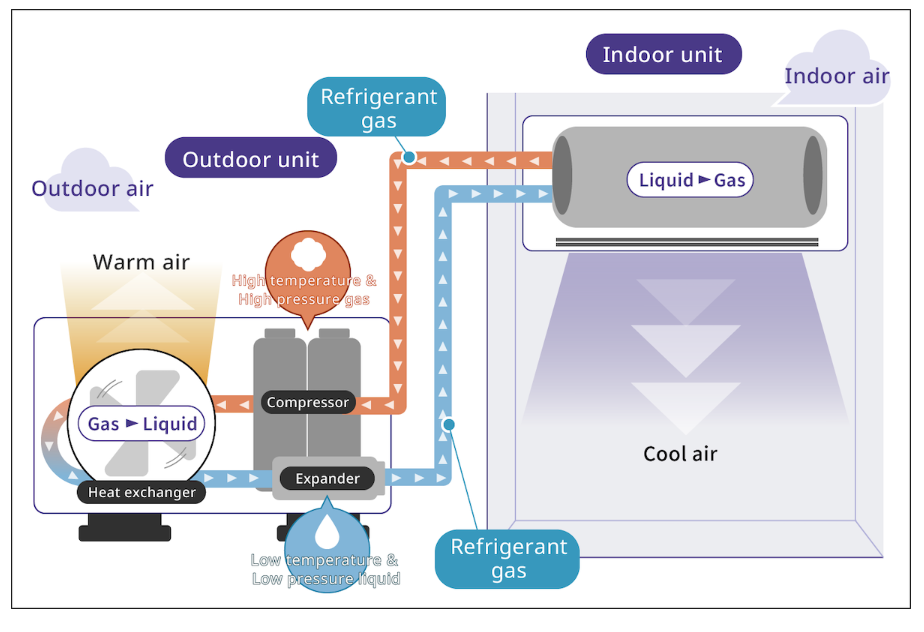
  • Infrastructure and utilities: Data centres are equipped with air-conditioning, redundant electricity systems, and electricity conditioning to ensure uninterrupted operations. Cooling systems and equipment to handle air quality and temperatures, such as air handlers, chillers, fans, sensors, and water pipes and tanks, ensure servers run efficiently.
  • Connectivity: Data centres are typically located near high-bandwidth fibre networks that enable low-cost, high-speed data exchange.
  • Physical security: Robust physical security measures, including fire suppression systems and restricted access, are typically implemented to protect the centre’s equipment and data. 

Why India is being chosen

Several factors are making India attractive for data centre investments.

  1. Data localisation rules under laws like the Digital Personal Data Protection (DPDP) Act of 2023 require certain data to be stored within the country. Financial regulators like the RBI have already mandated local storage for banking data.
  2. India produces a huge amount of digital data. It has one of the largest internet and mobile user bases in the world. Yet, until recently, it had only a small share of global data centre capacity. That gap is now being filled. This is driving operators to explore building smaller, modular data centres in Tier 2 and Tier 3 cities, creating a distributed national data infrastructure.
  3. Cost advantages matter. Electricity and construction costs are cheaper in dollar terms compared to many Western countries. Land costs are also relatively lower in certain states.
  4. India is a stable democracy with a large pool of technology talent. While there is still a shortage of specialised data centre engineers, the country has a strong base of IT professionals who can be trained. A modern data centre needs highly specialised mechanical and electrical engineers, heating, ventilation and air conditioning (HVAC) and cooling plant operators, cybersecurity experts in critical infrastructure, and data centre infrastructure management (DCIM) specialists. This skills gap is on both spectrums, that is, blue and white collar, which policymakers and operators need to bridge through public-private partnership agreements in professional training and university-level programmes.

States are competing to attract investment. Maharashtra offers lower electricity tariffs for data centres. Karnataka provides incentives for renewable-powered facilities. Tamil Nadu and Telangana are also promoting such investments.

When unveiling the budget earlier this month, Nirmala Sitharaman, the finance minister, announced that foreign owners of data centres located in the country will enjoy a tax holiday until 2047, the centenary of India’s independence and the target for the government’s goal of becoming a developed country. This long-term policy clarity gives investors confidence.

A generational opportunity

India’s data centre revolution is not just about buildings filled with servers. It is about building the digital plumbing of the country’s trillion-dollar digital economy.

However, challenges remain. Power reliability must improve. Water usage must be managed carefully. Skilled manpower must be trained. And regulatory clearances must become smoother through single-window systems.

If done right, the rapid build-out of data centres can secure India’s digital sovereignty, attract global capital and support AI innovation across sectors like healthcare, finance and education.

As the AI Impact Summit 2026 makes clear, the future of artificial intelligence in India will depend not just on algorithms and talent, but on the massive, humming, energy-hungry data centres that quietly power it all.

Communal incidents in 3 states: From attack on Shivaji Jayanti procession to vandalism in Durga Mandir, read how targeting of Hindus has become a ‘norm’ for Islamists

On Thursday (19th February), a Shivaji Jayanti event was interrupted after stones were thrown at the procession in Bagalkote, Karnataka. The devotees were passing through the vicinity of the Panka mosque in the old city during the occurrence, which transpired despite adequate force. A light lathi-charge was executed to disperse the mob and restore order.

“We were all present at the spot. The procession began around 3 to 3:30 pm yesterday. As it approached the mosque, two stones were thrown from a distance toward us,” informed Superintendent of Police Siddharth Goyal. He mentioned that one stone hit a constable and the other fell on his shoulder, based on initial reports and recordings analysed by the authorities. He added, “No one sustained any major injuries. After that, the procession continued smoothly, and the atmosphere remained peaceful.”

Security was significantly heightened throughout the old town after the brief disturbance. The authorities outlined that the procession was eventually permitted to return to its intended path. According to them, the situation remained under control and proper security measures had been put in place for the procession.

Goyal stated, “The area where the incident occurred has been covered with CCTV cameras. We had also recorded the procession. We are reviewing the video footage. Strict action will be taken against those involved in this.” Police are on high alert in troubled parts of the city to uphold communal harmony, although no official arrests were made public right away.

Now, section 163 of the Bharatiya Nyaya Sanhita has been invoked from the midnight of 19th to 24th February in some neighbourhoods of Bagalkote. Officials declared that the limitations forbid gatherings of more than four persons in public areas. Additionally, carrying lethal weapons, participating in activities that could jeopardise public safety and planning assemblies, celebrations or sit-ins without prior authorisation are also prohibited.

The move is intended to preserve law and order and counter any escalation. The leaders of Hindu organisations have also demanded strict action.

A similar escalation was narrowly averted when communal tensions flared in Amberpet of Hyderabad. However, the police swiftly managed to control the situation. A Shivaji Jayanti procession passed through a mosque while Ramazan prayers were being conducted after which an argument arose between the two sides regarding loud music and slogans.

The police rushed to the spot after the altercation and scattered the crowd as things normalised shortly thereafter. No injuries or acts of violence were reported but police have been stationed in the area as a precautionary measure. They have told the public to refrain from spreading rumours.

Attack on Durga Mandir in Jabalpur

On the other hand, a Durga Mandir was targeted by a Muslim throng in the Sihora tehsil of Jabalpur district in Madhya Pradesh. The temple and mosque are located across from each other at Azad Chowk in Sihora’s Ward Number 5. During the aarti, a group of Muslims also visited the mosque for namaz, sparking a disagreement that turned violent.

They started to attack the grille in front of the temple and shouted slogans. Stones were also pelted, creating a situation akin to a stampede. There were also reports of stones-throwing from an adjacent building’s rooftop. Many people escaped from the unexpected violence as officers from the Sihora police station arrived at the scene.

Tear gas shells were employed to deal with the deteriorating scenario. Officers from nearby locations were also summoned. However, order was reinstated owing to the immediate action after which more than 15 perpetrators were taken into custody. Further investigation into the matter is underway.

The onslaught on Hindus and their religion

Hindu processions, temples and places of worship have consistently been targeted by radical members of the Muslim community. Last month, 24 attacks were surfaced during the Saraswati Visarjan in India and Bangladesh, which has a long-standing history of Hindu persecution that has only grown worse over time. These instances are not limited to a specific area, state or festival but emerge whenever the community attempts to observe any special or religious occasion.

Islamists have not overlooked any chance to inflict chaos. Importantly, the list is extensive and not every violent episode comes to light, as many have gone unreported or unidentified, while Hindus suffer in silence in a “secular” democracy. The media has been inundated with accounts of stone pelting and assaults on devotees and religious processions from Durga Puja to Ram Navami and Hanuman Jayanti.

Moreover, parts predominantly inhabited by the second-largest community are designated as Muslim regions to serve as a justification for strikes against Hindus who dare to use them, specifically during religious occasions. The Garba celebrations are likewise not spared as they are especially utilised as hunting grounds to perpetrate love jihad during Navratri.

The tactics might change, but the objective to harm Hindus and their religious sentiments has been unwavering over the years. Hindu temples have endured similar experiences with even trivial or nonexistent issues being used to assert offence and then act on malicious intentions. If this proves difficult to execute, sacrilegious acts and attacks are performed by feigning mental illness.

Notably, any assertion of the Hindu faith has functioned as a tool to instigate these elements while simultaneously claiming victimhood and crying minority persecution in India. The truth is that the existence of Hindus, particularly as the largest community in India, enrages them and their “delicate sensibilities,” which cannot bear the presence of any religion other than their own.

This unwarranted aggression and bloodthirst are the reasons that Hindus have been on the verge of extinction in Islamic nations like Pakistan and Afghanistan with Bangladesh also following suit. The Muslim extremists aim to reproduce this in India and therefore seek every single opportunity to set their sinister scheme in motion.

The aforementioned three incidents are merely extensions of this strategy. Unfortunately, such attacks will not come to an end unless a coordinated approach is adopted to confront the Muslim fundamentalists and the principles of secularism are genuinely embraced, rather than catering to one community at the expense of another.

Mark Zuckerberg grilled over Meta targeting teens: As India weighs curbs on children’s social media use, read about the perils of allowing kids on the internet

On 18th February (Wednesday), Meta chief Mark Zuckerberg testified in a historic trial revolving around the addiction of popular social networking sites among kids and teenagers in Los Angeles, United States. The lawsuit commenced on 9th February in Los Angeles County Superior Court and focused on allegations against Google-owned YouTube and Meta, the parent company of Facebook and Instagram. It examined the tech giant’s awareness of the possible risks and whether it took adequate precautions.

A 20-year-old Californian named Kaley, also known as KGM, and her mother sued YouTube, TikTok, Snapchat and Meta in 2023, charging that they had designed their applications to encourage compulsive use, which resulted in her physical dysmorphia, anxiety and depression. According to her solicitors, she became obsessed with social media platforms as young as 6 and functions like auto-scrolling made her dependent on them.

The plaintiffs contended that the corporations intentionally created features that promoted obsessive use among minors, leading to long-term mental health damage. Zuckerberg, who was presented with many internal documents, seemed to find it difficult to shield his company against the critical charges as he maintained that the lawyers were “mischaracterising” him.

It was his debut appearance before a jury following years of growing criticism of Meta, which also owns WhatsApp. He responded to enquiries concerning the usage of Instagram by youth and his congressional testimony.

No negative consequence on mental health: Mark Zuckerberg

During questioning, the Meta chairman and chief executive officer (CEO) asserted to continue his earlier assertion that current research has not demonstrated social media’s adverse effect on mental health. Mark Lanier, the lead plaintiff’s advocate, challenged whether people use something more frequently if it’s addictive, to which he answered, “I’m not sure what to say to that. I don’t think that applies here.”

Meta consistently insists that it has taken steps to safeguard minors and prohibits users under the age of 13. However, Lanier produced internal emails, chats and findings in court that showed Zuckerberg and other Meta staff members talking about how teens and younger people use Facebook and Instagram. He highlighted that his client was on the app when she was a 9-year-old, prior to the implementation of the new limitations.

The 41-year-old accepted that Instagram’s age rules are hard for Meta to impose and added, “I always wish we would have gotten there sooner, but I think we’re in a better place.”

Lanier initially asked him whether a business should “prey upon” those from poor families or who are “less fortunate in educational opportunities,” implying that Kaley’s upbringing made it even more crucial that Meta protect vulnerable users. Zuckerberg replied, “I think a reasonable company should try to help the people who try to use its services.” 

Special focus on teenagers

It was unveiled that Zuckerberg and three senior Meta executives received an email criticising the company’s “unenforced” age restrictions in 2019. Former deputy prime minister of the United Kingdom, Nicholas William Clegg, who was Meta’s head of global affairs for a number of years pointed out that it was “difficult to claim we’re doing all we can” in the communication.

Lanier raised a 2019 study conducted by an outside firm on behalf of Instagram that disclosed that teenagers who employed the app felt “hooked despite how it makes them feel” and that they had “an addict’s narrative about their Instagram use.” The report mentioned, “It can make them feel good, it can make them feel bad, they wish they could spend less time caring about it.”

Zuckerberg declared that the same analysis also noted “positive” aspects of Instagram after he was inquired about it by Paul Schmidt, Meta’s attorney who presented it as a component of the corporation’s constant efforts to investigate the operation of its platforms and make improvements to them.

Furthermore, Lanier displayed intimations from Zuckerberg and other private correspondence in which employees talked explicitly about “teen usage” and how to boost it. A 2017 internal conversation had two junior workers complaining about Zuckerberg’s strategy to “go after under 13-year-olds.” It stated,”Yeah, it was gross the last time he mentioned it.”

He confronted the billionaire with internal documents from Instagram head Adam Mosseri in 2022 which revealed that the data indicated that the “primary goal” was to keep people, particularly teenagers, engaged on the platform. Lanier also included an email from Zuckerberg that outlined the aim of growing application utilisation by 12% over a three-year period and to see the “teen trend be reversed.”

Aim to boost user time

Lanier specifically grilled the Meta chief about a statement he made at an earlier congressional hearing, announcing that Instagram personnel aren’t given objectives to increase the amount of time spent on the platform. However, the internal records appeared to refute the latter’s statements.

Lanier highlighted an Instagram “milestones” document in 2022 which predicted that the average amount of time spent on the app would increase from 40 minutes in 2023 to 46 minutes in 2026. However, Zuckerberg retorted, “This is something we expect to see if we do good work,” he stated.

Lanier introduced a document in which Mosseri announced in an internal memo that the short-form video Reels had “driven time to all-time highs” and his own “stretch goal was to get on track to pass TikTok in terms of time spent.” However, Zuckerberg stated, “The way I read this, we try to increase the value of our services, but also try to measure progress against competitors like TikTok.”

Artificial beauty hack

People can alter photographs with Instagram’s beauty filters, mimicking plastic surgery or other alterations. Hence, Lanier argued that these could harm a teen’s perceptions of themselves and experts consulted by Meta reached that same conclusion. Zuckerberg asserted that in the interest of free speech, they chose to authorise the filters but not endorse them as it would have been “paternalistic” to refuse the tools.

Lanier showcased an email which was sent to Zuckerberg by an employee, a mother of two underage girls, who remarked that teenagers are under a lot of pressure, warning about the filters. She wrote, “I respect your call and I support it, but I want to say for the record, I don’t think it’s the right call.”

Luring tweens

According to internal documents, over 4 million children, almost one-third or 30% of all 10 to 12-year-olds in the nation were on Instagram in 2015. Instagram did not require new users to enter a date of birth until December 2019 and only asked them to confirm that they were above 13 years old. Instagram began requesting current users to enter their birthdate if they hadn’t already in August 2021.

Additionally, Lanier pulled out an internal document that stated, “We must bring them in as tweens if we want to win big with teens.” An executive’s email in 2017 likewise conveyed, “Mark has decided the top priority for the company is teens.” However, the latter expressed, “We changed that,” after agreeing that the firm had set those objectives in the past.

The company, in a different 2018 presentation, discussed how “tweens” were successfully retained on the platform despite assurances to the contrary.

Feeble defence in the face of compelling evidence

Zuckerberg accused Lanier of misrepresenting the tween document and stressed that teens accounted for “less than 1%” of the company’s advertisement income. He claimed that his business had “many conversations” about creating products that youngsters under 13 could use “in a regulated way.”

Zuckerberg then stated the Messenger Kids service offered by his conglomerate which he explained was “not very popular” but he uses it “with my own kids.” He added, “You’re mischaracterising what I’m saying. I’m not surprised that people internally were studying this.”

The frustrated tech mogul voiced, “I don’t see why this is so complicated,” insisting that the regulation forbids children below 13 and tries to identify those who have lied about their ages to get around the restrictions, amid an extensive exchange over verification policies.

Zuckerberg underlined that Meta would not have survived this long if they had simply concentrated on measures like time spent on its platforms and remarked that he has devoted years addressing “problematic use” of social media sites like Instagram “because it’s the right thing to do.”

Schmidt brought up the 2018 Instagram tools that let individuals set daily usage caps, configure time-spent alerts and disable notifications at night. However, Lanier referred to a Meta internal paper to illustrate that very few had chosen to apply them. For example, just 1.1% of teenagers used the daily limit.

A week prior to Zuckerberg’s hearing, Mosseri resisted the science of social media addiction by disputing that users might be “clinically addicted” during his testimony.

The trial is under close observation due to its impact on similar cases. The verdict could have a bearing on the hundreds of other cases filed by families who submitted that social media has caused harm or even death to their children. The suit also implicated TikTok and Snapchat, both of which reached a settlement just before the trial was about to start.

India considers to ban social media for adolescents below 16 years of age

Global concerns have been raised about the risks connected with Meta and the entire social media. Children under the age of 16 and 15 have been prohibited from using such platforms in countries like Australia and France, respectively. Similar rules are under consideration in Denmark, Malaysia and Spain.

On 17th February (Tuesday), Information Technology minister Ashwini Vaishnaw declared that India is also planning to follow suit. “This is something which has now been accepted by many countries that age-based regulation has to be there. It was part of our DPDP (Digital Personal Data Protection) Act,” he pointed out at the AI (Artificial Intelligence) Impact Summit.

The DPDP Act indirectly restricts the usage of social media platforms by minors because companies cannot collect their data or provide targeted adverts without parental consent. He added, “Right now we are in a conversation regarding deepfakes, age-based restrictions with the various social media platforms and what is the right way to go about this.”

The minister observed, “We need much stronger regulation on deepfakes. It’s a problem which is growing day by day. And certainly there is a need for protecting our children, protecting our society from these harms.” Last week, India strengthened regulations on artificial intelligence technology, mandating that social media companies prominently label AI content and remove it within three hours of an authority’s request.

The central government has also been directed by the Madras High Court to consider if passing a comparable bill is feasible. The January Economic Survey, which emphasised the financial and social consequences of young people’s compulsive screen use, provided proof in favour of age-based regulation of digital platforms. Stricter age verification procedures and age-appropriate default settings were suggested, especially for social media sites, gambling apps, autoplay functions and targeted advertising.

What is the way forward

The Union government is contemplating amending the Information Technology (Intermediary Guidelines and Digital Media Ethics Code) Rules to limit access to social media for people under the age of 16. “Certain accounts should be accessible but there are certain accounts that shouldn’t. We have to think judiciously whether kids should have access or not,” expressed an official.

The centre is examining the Australian model, but unlike the nation, it does not want a total prohibition for those under the age limit. Officials are contacting social media enterprises about stronger age verification systems and debating potential changes to digital laws. The move suggests that the online safety of children has turned into an essential policy issue for the Modi government.

Platforms are required by the DPDP Act to get verifiable parental consent before processing the personal information of users who are younger than 18. Thus, the companies already have some obligations under this law to protect the data of minors. Officials are presently debating whether age-based regulations could be strengthened further by amending the IT rules.

The purpose is to prevent children from being exposed to hazardous content, features that can be addictive or targeted advertising without the necessary protections. The authorities are looking into how platforms could set up tougher compliance procedures and age-appropriate defaults.

Furthermore, states such as Goa, Karnataka and Andhra Pradesh are also exploring methods to stop teens from using social media excessively. The policymakers are researching international models and strategies to lessen screen addiction, cyberbullying and exposure to objectionable material. These laws cannot be enacted by states but they can recommend them to the centre.

Why the mounting concern over social media usage among children

India has recently been shaken by the case of three sisters, Nishika (16), Prachi (14)and Pakhi (12), who jumped to their deaths. Their deaths uncovered the troubling situation that led them to develop an unhealthy attachment to Korean pop culture, entertainment and online communities.

They were unable to access the Korean platforms or apps on their mobile phone after their devices were sold which added to their distress and eventually claimed their lives. This is not the first instance where such devastating news has been associated with social media.

A 13-year-old boy passed away inexplicably after spending several hours playing an online game in the Indiranagar police station neighbourhood of Lucknow in October. “He used to play Free Fire every night till around 11 pm and got very angry if disturbed,” his sister Chandni narrated the tale of his addiction.

Vivek skipped work in the morning to play nonstop and she later discovered him unconscious, assuming he had dozed off while playing the video game. However, he didn’t react when she came back to wake him for lunch. He was taken to Lohia Hospital where doctors pronounced him dead.

Likewise, games including “The Blue Whale Challenge” which originated in Russia in 2013 and spread rapidly was reported to have taken many lives by pushing young players to inflict self-harm. While the claims are exaggerated, as is often the case with any online phenomenon, the reality cannot be dismissed that copycats did try to inflict maximum damage in their pursuit of followers, jeopardising children’s lives and frightening many impressionable minds.

The many perils of allowing kids on the internet

The risks are not confined solely to online games and they extend to applications utilised by children, the content they consume and even the individuals with whom they interact. The fixation with Instagram reels has resulted in fatal or life-altering injuries to adults who endangered their safety for social media recognition, making it quite clear how these features might be influencing the underage population.

Moreover, the advancement of AI has only exacerbated these fears, including the notoriety of deepfakes. Elon Musk’s X has also been harshly criticised for allegations involving deepfakes and the trafficking of child pornography on the platform.

Interestingly, popular American shows like “To Catch a Predator” demonstrated how predators utilise online platforms to lure children for perverted desires. Therefore, the threats have multiplied with the progression of the technology, highlighting the desperate need for tighter online regulations.

The toxic content ranging from betting applications to nudity has established a presence on different apps not only has a profound detrimental assault on the minds of kids but also drives them towards unrealistic body image expectations, disrupts their mental health, tarnishes the innocent element of their upbringing and effectively pollutes their childhood.

Parents in the US have regularly blamed Meta for hooking up young people to its apps and generating mental health problems that have resulted in eating disorders, anxiety, depression and self-harm. Tech policy and child safety groups have also made similar accusations. The US Surgeon General urged for warning labels to be incorporated into social media in 2024, noting that the platforms were linked to negative effects on the mental health of youngsters.

Zuckerberg has often been summoned before Congress in relation to the critical issue of child safety. He even had to stand and offer an apology to parents who mentioned social media played a role in their children’s deaths during a hearing in 2024. Meta has been sued by dozens of state solicitors general in the country on charges of child sexual exploitation and other matters.

Conclusion

The recent hearing in the United States, along with the collective actions of various countries to restrict children’s access to the internet and India’s initiative to introduce similar legislation, underscored the magnitude of the problem that has permeated all corners of the globe.

Social media companies, despite their assurances and commitments, have terribly failed to address these threats and have primarily focused on serving their own interests and maximising profits. Thus, governments appear to have taken it upon themselves to ensure the safety of children, which should be the foremost priority of any responsible state.

India AI Impact Summit 2026: Here are the key takeaways from the addresses of PM Modi and world leaders

Prime Minister Narendra Modi inaugurated the India AI Impact Summit 2026 at Bharat Mandapam today (19th February). The event was attended by leaders, policymakers, and top technology executives from across the world. In his address at the Summit, PM Modi said that India was not just a part of the AI revolution but a leading power in it. He said that India not only has a large tech talent pool within its large young population, but is also open to adapting emerging technologies at an unprecedented pace. PM Modi invited global AI technology executives to design and develop in India, highlighting that India has the talent, energy and policy clarity to be a leader in the AI domain.

Highlighting the vast potential of artificial intelligence, PM Modi asserted that AI must be guided by ethical principles and used for human welfare. “India’s approach is clear: Sarvajan Hitaya, Sarvajan Sukhaya, welfare for all, happiness for all. AI must not reduce human beings to mere data points. It must serve as an instrument of human welfare,” PM Modi said.

The Prime Minister called for the democratisation of AI, adding that it should act as a medium for inclusion and empowerment, especially for the Global South.

PM Modi’s MANAV Vision for AI

PM Modi presented his MANAV Vision for artificial intelligence. Elaborating on his vision, he said, “Today, I present India’s MANAV vision for AI. M stands for Moral and Ethical Systems. AI must be guided by ethical principles. A stands for Accountable Governance, with transparent rules, robust oversight, and respect for data sovereignty. N stands for Accessible and Inclusive. AI must act as a multiplier, not a monopoly. A stands for Valid and Legitimate. AI must be lawful and verifiable. V stands for value-driven innovation for humanity.”

He emphasised that with fast-evolving AI technologies, humans and AI will work and create together, and the transformation will be similar to the one that happened after the introduction of the internet. “When the internet began, few imagined the scale of employment and opportunity it would create. The same holds true for AI. The future of work will depend upon the decisions we take and the direction we choose,” he said. “We are entering an era in which humans and intelligent systems will create together, work together, and evolve together,” he added.

Need to make AI safe for children: PM Modi

PM Modi stressed the need to prioritise child safety and make AI a safe space for children. “We must place the highest priority on child safety. The AI space must be safe, responsible, and guided by human values,” the PM said, adding that some standards of safety must exist in the digital world to make it possible for people to distinguish between real and AI-generated.

French President Emmanuel Macron praises India’s digital progress

Speaking at the Summit, French President Emmanuel Macron praised India’s digital transformation and its leading role in technology governance. Greeting the gathering with a ‘Namaste’, Macron described India’s progress in AI as a global benchmark.

Macron lauded the scale of financial inclusion achieved by India with the help of technology. “10 years ago, a street vendor in Mumbai could not open a bank account. No address, no papers, no access and today the same vendor accepts payments on his phone,” he said.

“India built something that no other country in the world has built. A digital identity for 1.4 billion people. A payment system that now processes 20 billion transactions every month. A health infrastructure that has issued 500 million digital health IDs. Here are the results. They call it the India Stack Open Interoperable Sovereign,” Macron said, praising India’s Unified Payments Interface (UPI).

Internet and social media should be made safe spaces for children: Macron

The French President agreed with PM Modi on ensuring children’s safety in the AI space. He said that it is the responsibility of social media platforms, governments and regulators to protect children in the digital space. “There is no reason our children should be exposed online to what is legally forbidden in the real world. Our platforms, governments and regulators should be working together to make the Internet and social media a safe space,” Macron said.

He said that France has already taken steps in this direction and is working on banning children below 15 years of age from social media platforms. “This is why, in France, we are embarking on a process to ban social networks for children under 15 years old, and we are committed to this journey with a lot of several European countries being present here today. Greece, Spain. I know, Prime Minister Modi, you will join this club. This is great news that India will join such an approach in order to protect children and teenagers. We stand ready to take all necessary actions to ensure that our young citizens are truly safe, and we should engage with all willing partners to make this vision happen for all…” he said.

India and France share a common vision for AI: Macron

Macron pointed out that India and France have a common vision relating to AI, which intends to use the technology for protecting the planet and fostering prosperity for all. “Now, the point of this summit was not only to say, let’s do more; it was to say, let’s do better together. AI may be a powerful accelerator of productivity and a major shift for labour markets. This is why access to AI for all is critical. France and India share a common vision. A sovereign AIused to protect our planet and to foster prosperity for all…” Macron said.

“Last year, when France and India co-hosted the AI Action Summit in Paris, we set a global guiding principle for technologies that would transform our societies and our economies. We say that Artificial Intelligence will be an enabler for our humanity to innovate faster, to disrupt healthcare, energy, mobility, agriculture, and public services for the good of mankind. Both of us, we do believe in this revolution,” he added.

UN Secretary-General Antonio Guterres announced an independent international scientific panel on AI

Addressing the Summit, UN Secretary-General Antonio Guterres outlined the significance of India hosting the Summit, saying that the future of AI cannot be decided by a handful of countries or left to the whims of a few billionaires.

Guterres announced the appointment of a 40-member independent international scientific panel on AI and the launch of a UN-led Global Dialogue on AI governance, calling for guardrails to protect human rights, ensure accountability and prevent misuse.

AI must not replace but supplement human potential: Guterres

He said that AI must not be a substitute for human potential but should supplement it. “We must invest in workers, so AI augments human potential – not replaces it,” Gueterres said, calling for the need to eliminate fears around AI. “Real impact means technology that improves lives and protects the planet,” he added.

The UN Secretary-General said that many countries might not be a part of the AI revolution due to a lack of investment. To address this, he called for a Global Fund on AI, with a goal of $3 billion, “to build basic capacity everywhere: Skills, data, affordable computing power, and inclusive ecosystems.”

Google and Alphabet CEO Sundar Pichai calls India an emerging global AI hub

Google and Alphabet CEO Sundar Pichai hailed India as an emerging global AI centre and announced Google’s USD 15 billion investment plan to push AI infrastructural development in India. Pichai described AI as the biggest platform shift of our lifetime and emphasised the need to build it boldly, responsibly and together to ensure it benefits everyone.

Cannot allow digital divide to become AI divide: Pichai

Pichai cautioned against the existing digital divide transforming into an AI divide, and to prevent this, he recommended investing in compute infrastructure and connectivity. “We’re also building a vast network of subsea fibre optic cables, including four new systems between the US and India as part of our America-India Connect initiative announced yesterday. Responsibility also means navigating profound economic shifts. AI will undeniably reshape the workforce, automating some roles, evolving others, and creating entirely new careers. 20 years ago, the concept of a professional YouTube creator didn’t exist,” Pichai said.

Anthropic CEO Dario Amodei says India has a central role in shaping AI’s future

Anthropic CEO Dario Amodei said that India has a central role to play in shaping the future of AI. “India has an absolutely central role to play in these questions and challenges, both on the side of the opportunities and on the side of the risks,” he said.

He announced that Anthropic has opened an office in Bengaluru this week and that the company has partnered with major Indian enterprises, including Infosys.

Describing the potential of AI, Amodei said that it can cure diseases and lift billions out of poverty. “On the positive side, have the potential to cure diseases that have been incurable for thousands of years, to radically improve human health, and to lift billions out of poverty, including the global south, and create a better world for everyone,” Amodei said.

He also pointed out the risks associated with the AI technology, including the autonomous behaviour of AI models. “On the side of risks, I’m concerned about the autonomous behaviour of AI models, their potential for misuse by individuals and governments, and their potential for economic displacement. India has an absolutely central role to play in these questions and challenges, both on the side of the opportunities and on the side of the risks…” he added.

The Purvanchal Expressway turnaround under Yogi: How the UP govt saved Rs 3,400 crore by scrapping illegal tenders issued by Akhilesh Yadav’s SP

On Monday, 16th February, Uttar Pradesh Chief Minister Yogi Adityanath made strong remarks about the Purvanchal Expressway and the way its tender was handled under the previous Samajwadi Party (SP) government. Referring to the project, he said, “Today, we are going to discuss Tender Award, which is illegal in India. In any project, unless you get 80% of the land, you cannot proceed with the tender. But here, it is done illegally.”

He explained that the original Detailed Project Report (DPR) estimated the cost at ₹15,200 crore for a 390-kilometre expressway that was to be 110 metres wide. According to him, when the BJP government came to power in Uttar Pradesh, he reviewed the project in May and asked about its progress in March and again in May. “It was said that everything was zero,” he said. When he asked why, he was told that land for the project had not been acquired.

The CM said he was surprised that a tender had been issued even though there was no land. “If there were no land, then how did this tender happen? It is illegal. We got it cancelled,” he said. He added that his government believes projects should not be stopped just because they were started by another party, but there should be no corruption. “If it is in the development of the state, then we have to think beyond party lines,” he said.

The BJP Government revised the project

After cancelling the earlier tender, the BJP government decided to finish the land acquisition first. CM Yogi said they have expanded the width of the expressway from 110 meters to 120 meters. According to him, they did this with a view to the future, including the possibility of accommodating schemes such as the bullet train corridor between Delhi and Varanasi.

He said it took two years to acquire the land. When the fresh tender was floated in 2019, the cost again came to ₹15,200 crore, the same as the earlier DPR. “I was shocked,” Yogi said. He questioned why the cost had not changed at all. He then asked officials whether the technical and financial bids had been opened together. When told that they had been, he said that if they were handled separately, it would have been wrong, but together it was acceptable.

The Chief Minister then compared the earlier SP plan with what his government finally executed. He said that the SP government planned to construct the 110-meter-wide expressway at a cost of ₹15,200 crores. “After making it 10 meters wider, when the BJP government constructed the same expressway, it became ₹11,800 crores,” he said, wondering where the remaining amount of around ₹3400 crores would have come from in the previous plan. He said that the previous model of development was also incorrect and that there would have been misuse of public funds.

The Purvanchal Expressway, which is 341 kilometres long from Lucknow to Ghazipur, was opened on 16th November 2021 by Prime Minister Narendra Modi. The foundation stone was laid in July 2018 in Azamgarh. After its opening, the travel time from Ghazipur to Delhi has significantly reduced, and the journey can now be completed in 10 hours.

Akhilesh’s earlier false claims about the Purvanchal Expressway

The issue has also triggered a war of words between the BJP and Samajwadi Party chief Akhilesh Yadav. Akhilesh has earlier claimed that the Purvanchal Expressway was originally his government’s project and that the BJP is taking credit for it. However, the BJP argues that during the SP tenure, the project existed only on paper and that even land acquisition had not been completed.

The earlier DPR was faulty and had to be reworked. The route alignment was reportedly optimised, leading to savings of nearly ₹3,000 crore. Akhilesh was also accused of issuing a tender when less than 25% of the land had been acquired, which was against norms.

Akhilesh has raised questions about construction quality, median width, riding quality, service lanes, lighting and amenities. However, the BJP maintains that the Purvanchal Expressway meets Indian Road Congress (IRC) standards. The median width, soft shoulders, crash barriers and anti-glare screens have been designed to improve safety. The expressway has provisions for 16 amenity centres, including public convenience centres with refreshment facilities, and fuel stations are being allocated at multiple locations.

On riding quality, the government says third-party technical evaluations using laser profile meters have been conducted. To prevent soil erosion, geocell technology has been used instead of traditional methods. There are also 397 kilometres of service lanes across the 341-kilometre stretch, depending on local requirements.

The BJP has further pointed out that several reputed infrastructure companies, such as Gayatri Projects, APCO Infratech, GR Infra Projects, PNC Infratech and Oriental Structural Engineers were involved in the project through a transparent e-tendering process. Some of these companies had also worked on projects during the SP regime.

Yogi has also contrasted the Purvanchal Expressway with the Agra-Lucknow Expressway, which was inaugurated in 2016 during Akhilesh’s tenure. He said that the Agra-Lucknow Expressway was opened in haste when it was only around 80% complete and that many unfinished works were later completed by the BJP government after 2017.

Uttar Pradesh’s expanding expressway network.

CM Yogi has earlier highlighted how Uttar Pradesh’s infrastructure has expanded in recent years after inaugurating the 91.35-km Gorakhpur Link Expressway in June last year. He has repeatedly stated that the state is shifting from being labelled a “BIMARU” state to becoming an “expressway state.”

Uttar Pradesh had only the Yamuna Expressway and the Agra-Lucknow Expressway in 2017. Today, the state boasts several expressways, including the 340km-long Purvanchal Expressway, the 300km-long Bundelkhand Expressway, and the 91km-long Gorakhpur Link Expressway.

The Agra-Lucknow Express was also incomplete, and it was completed by the double-engine government (BJP in power at the Centre and in UP), he added.

The Gorakhpur Link Expressway, which connects Gorakhpur to the Purvanchal Expressway at Salarpur in Azamgarh. Constructed at a cost of ₹7,283 crores, the expressway passes through Gorakhpur, Sant Kabir Nagar, Ambedkar Nagar, and Azamgarh. According to the Chief Minister, this expressway will give a huge fillip to eastern Uttar Pradesh and will further connect the districts of Azamgarh and Ambedkar Nagar.

He has stated that Uttar Pradesh now holds a strong position in terms of India’s access-controlled expressway network and that several more expressways are under construction. The Ganga Expressway is soon to be opened in late March this year, further connecting the state.

The Purvanchal Expressway itself connects nine districts: Lucknow, Barabanki, Amethi, Sultanpur, Ayodhya, Ambedkar Nagar, Azamgarh, Mau and Ghazipur. An airstrip measuring 3.2 kilometres has also been constructed on the expressway for use in case of emergencies by the Indian Air Force. During the inauguration ceremony of the expressway, fighter jets such as the Rafale and Sukhoi performed landing and take-off exercises.

CM Yogi has also said that there is a direct correlation between infrastructure development and economic development. He claims that the development of expressways has led to increased investment, tourism, and industrialisation. He believes that with improved infrastructure, including roads, law and order, and a stable environment, Uttar Pradesh is poised to become a leading economic destination.

The Purvanchal Expressway remains one of the flagship infrastructure projects in the state. With more expressways under construction and new ones in the pipeline, the debate over development models is likely to remain at the centre of Uttar Pradesh’s political narrative.

India’s highways go green: NHAI launches Bee Corridors to support pollinators and boost rural economy

The National Highways Authority of India (NHAI) announced plans to establish specialised ‘Bee Corridors’ along the nation’s vascular system, its extensive highway network, marking a revolutionary step towards sustainable infrastructure. This project, unveiled on February 17, 2026, represents a shift from conventional decorative roadside planting to an ecological focus on plants that benefit pollinators like bees.

In order to combat diminishing bee numbers and improve biodiversity, NHAI plans to plant millions of bee-friendly trees and plants. This is a continuation of Prime Minister Narendra Modi’s long-standing push to promote beekeeping as a component of India’s ‘Sweet Revolution.’

The blueprint

The plan is to plant 40 lakh trees in fiscal year 2026-2027, with an astounding 60% of those trees dedicated to the Bee Corridor project, according to the Ministry of Road Transport and Highways (MoRTH).

Clusters of flowering trees will be strategically planted by the NHAI at intervals of 500 to 1 kilometre. The average habitat range of honeybees is used to determine this precise distance, which guarantees that they have stepping stones of nutrition as they go along their habitat. Neem, Karanj, Mahua, Palash (Flame of the Forest), Bottle Brush, Jamun, Siris, and other local, nectar-rich species are the ones in focus. 

Seasonal starvation, in which flowers only blossom in the spring, is a serious problem in many artificial landscapes. A variety of plants that flower at different times are guaranteed by the NHAI plan, ensuring a year-round supply of pollen and nectar.

The sweet revolution connection

We must examine the policy ecosystem from which this move originates in order to comprehend its significance. This endeavour is the infrastructural realisation of a vision that was launched nearly a decade ago. Speaking at a rally in Banaskantha, Gujarat, in 2016, Prime Minister Narendra Modi urged farmers to pursue apiculture, or beekeeping, in addition to agriculture, calling for a Sweet Revolution (Mithi Kranti). He famously said that a sweet revolution may change the rural economy in the same way that the white revolution changed the dairy industry.

The Khadi and Village Industries Commission (KVIC) launched the Honey Mission (2017), which to date has distributed 2,00,000 bee boxes to farmers and created jobs for tribals and unemployed youth.

In 2020, the government announced the National Beekeeping and Honey Mission, which aims to increase honey production, train producers, and connect them to markets. The outcomes have been spectacular. Honey output in India has increased from 70-75 thousand metric tonnes per year a decade ago to roughly 1.25 lakh metric tonnes by 2025, a 60% rise. This expansion propelled India to the world’s top honey producers and exporters, with efforts such as the Honey Mission training thousands of farmers and promoting rural livelihoods.

However, one key bottleneck remained, which is habitat loss. You can give a farmer a bee box, but you can’t force bees to make honey if there are no flowers around. Rapid urbanisation and monoculture farming (growing only one crop) have resulted in green deserts where bees suffer. The NHAI’s Bee Corridors fill this need. By converting thousands of km of roadway land into flowering zones, the government is effectively creating the feeding habitat needed to support the Sweet Revolution.

Environmental imperatives: Safeguarding biodiversity through bee corridors

Bees are keystone species in ecosystems and do more than solely produce honey. Bees and other insects pollinate 87 major food crops and 35% of the world’s agricultural area. Deteriorating bee numbers as a result of habitat fragmentation, pesticides, and climate change represent a serious concern in India, where more than half of the population works in agriculture. By establishing interconnected habitats that permit pollinators to travel freely, bee corridors combat this and lessen genetic bottlenecks and isolation. By drawing birds, butterflies, and other species, they promote biodiversity and healthier ecosystems. Environmentally, these corridors lessen the effects of climate change. Bees contribute to the preservation of plant diversity, which stabilises soils and sequesters carbon.

Furthermore, roadside plants in corridors can minimise pollution by filtering air and controlling precipitation, while also protecting from vehicle turbulence and pollutants. Such programs provide vital adaptation techniques in a warming world where bees’ viable ranges are decreasing, guaranteeing pollination services that support environmental stability and food security.

The economic multiplier: Boosting growth and livelihoods

Bee corridors have significant economic repercussions. In India, pollinators play an equally important role in agriculture as they do in the United States, where their annual contribution to the economy is estimated at $34 billion. For fruits, vegetables, and oilseeds, improved pollination can boost crop yields by 20-30%, which benefits farmers directly and lessens reliance on imports. Bee corridors will increase honey production, which is already a thriving industry and ties into PM Modi’s Sweet Revolution. As exports increase, beekeeper cooperatives benefit rural communities by generating jobs in marketing, processing, and training. By employing robust native plants, NHAI’s approach might help save highway maintenance costs while drawing ecotourists to pollinator-rich regions.

Pest control from diversified habitats and lower healthcare costs due to better air are two examples of broader economic benefits. India establishes itself as a pioneer in green growth by incorporating conservation into infrastructure, which may encourage funding for environmentally friendly initiatives.

Bee friendly corridors around the world

The idea of Linear Infrastructure Ecology has been successfully tested worldwide, despite this being the first for India. With its proposal, India joins progressive nations that incorporate nature into their infrastructure.

Since 2015, Oslo’s ‘Bee Highway’ has connected the northwest and southeast parts of the city with hives, flower stations, and green rooftops, giving urban bees safe paths to forage. Residents, businesses, and schools are all part of this 20-kilometre network, which is reversing pollinator reductions in a green metropolis. Launched in 2024, Australia’s 8-kilometre Melbourne Pollinator Corridor connects two major reserves via parks and roadside gardens, enhancing native bees, butterflies, and birds. It is community-driven and shows how focused planting may overcome urban limitations.

In the UK, England’s B Lines establishes a nationwide network of wildflower highways, and London’s 7-mile bee corridor in Brent borough grows wildflowers in parks to aid pollinators. Tallinn, Estonia, has a 13-kilometre pollinator highway on what was once an industrial area and is now home to 22 bee species and 42 butterfly species.

Texas and Minnesota are connected by the well known MonarchHighway (Interstate 35). Milkweed, the monarch butterfly’s host plant, is planted alongside the road to aid in the migration of the butterfly. In a similar vein, the Pollinator Highway act introduced by Senator Merkely aims to create bee habitats on the millions of acres of land that run alongside US interstates.

The road ahead

The Bee Corridors’ success will rely on how well the policy is implemented, even though it seems sound on paper.

Farmlands where chemical pesticides are widely utilised are traversed by highways. The bees might still die if the highway’s haven is encircled by toxic fields. It will be crucial to work with nearby farmers to promote organic or bee-friendly farming close to highways.

Ecological is not synonymous with maintenance-free. Highway verges are frequently overrun by invasive species. The NHAI will have to make sure that invading weeds don’t suffocate the native flowering plants.

High-speed vehicles have the potential to destroy pollinating insects. However, research from Europe indicates that bees prefer to remain in the floral zone rather than flying into traffic if the vegetation is dense and planted just off the tarmac.

Conclusion

The Bee Corridor project of the NHAI is a welcome example of Green Infrastructure. It recognises that a highway must be a living artery that sustains the land it crosses in the twenty-first century, not merely a piece of road built for speed. India is making a significant move by coordinating the vast resources of the Ministry of Road Transport with the Prime Minister’s vision of a Sweet Revolution. The idea of building over nature is giving way to building with nature. The development of India will be sweet, sustainable, and full of life if these corridors are successful.