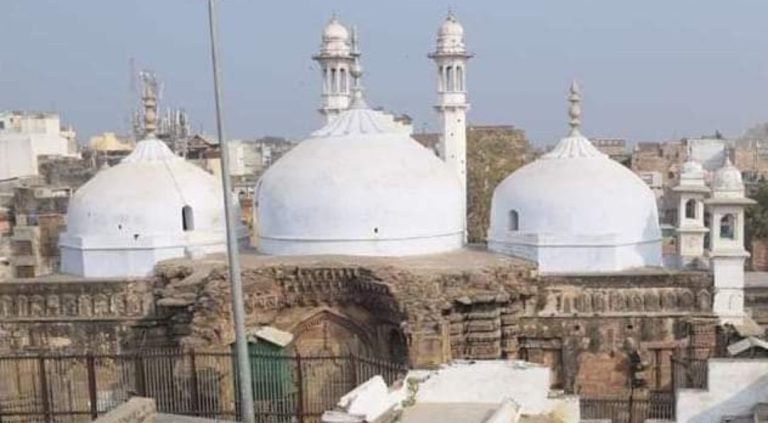
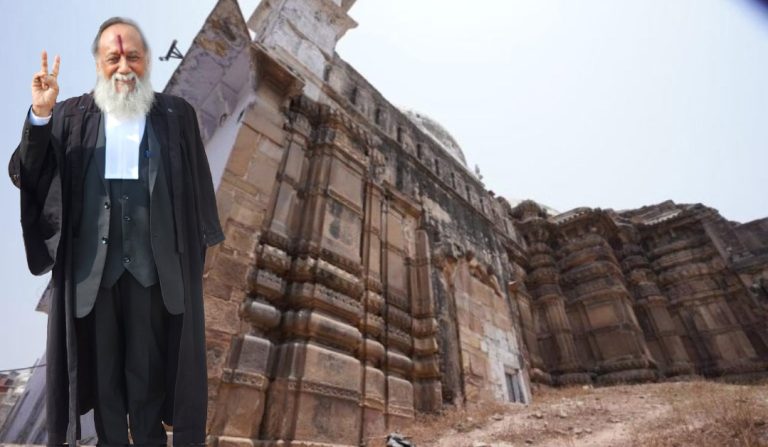
Security measures have been beefed up outside the Gyanvapi mosque, a day after the Archaeological Survey of India (ASI) report on the Gyanvapi mosque complex revealed there “existed a large Hindu temple prior to the construction of the existing structure”.
Following the release of a survey report by the Archeological Survey of India, confirming evidence of Hindu temples, today’s Jumma (prayers held by muslims on every friday) at the disputed Gyanvapi mosque holds a special importance. Consequently, stringent security measures were put in place to prevent any untoward incidents.
The media was intentionally kept at a distance from Gyanvapi, ensuring that the situation remained calm for the peaceful execution of the Friday prayer. The authorities were keen on avoiding any misinformation or unnecessary panic.
However, there was a conscious effort to manage any potential conflicts in the area.
Notably, The Archaeological Survey of India (ASI) report on the Gyanvapi mosque complex revealed that a pre-existing structure appeared to have been destroyed in the 17th century, and “part of it was modified and reused,” adding that based on scientific studies, it can be said that there “existed a large Hindu temple prior to the construction of the existing structure.”
“The Arabic-Persian inscription found inside a room mentions that the mosque was built in the 20th regnal year of Aurangzeb (1676-77 CE). Hence, the pre-existing structure appears to have been destroyed in the 17th century, during the reign of Aurangzeb, and part of it was modified and reused in the existing structure. Based on scientific studies/ survey carried out, study of architectural remains, exposed features and artefacts, inscriptions, art and sculptures, it can be said that there existed a Hindu temple prior to the construction of the existing structure,” the ASI said in its report.
“Based on the scientific studies and observations on central chamber and main entrance of the pre-existing structure in existing structure, western chamber and western wall, reuse of pillars and pilasters of pre-existing structure in the existing structure, inscriptions on the existing structure, Arabic and Persian inscription on the loose stone, sculptural remains in cellars, etc.,it can be said that there existed a large Hindu temple, prior to the construction of the existing structure,” the report further said.
The ASI survey was ordered by the district court after the Hindu petitioners claimed the 17th-century Gyanvapi mosque was constructed over a pre-existing temple.
(This news report is published from a syndicated feed. Except for the headline, the content has not been written or edited by OpIndia staff)
Left-Liberals and Islamists are falling short of excuses to reject the Archaeological Survey of India (ASI) survey report on the Gyanvapi structure. The report was made public on 25th January following an order by the Varanasi court on 24th January.
The report revealed a substantial Hindu temple structure at the Gyanvapi mosque complex. The report, shared by advocate Vishnu Shankar Jain representing the Hindu side, read, “The pillars and plasters used in the existing structure were studied systematically and scientifically. For the enlargement of the mosque and constructing sahn, parts of preexisting temple including pillar and plasters were reused with little modification.”
The report further states that the carvings on the pillars and stones make it clear that they were originally parts of a Hindu temple, which was demolished to construct the mosque. “Minute study of the pillars and pilasters in the corridor suggests that they were originally part of the pre-existing Hindu temple,” ASI says.
OpIndia has accessed relevant pages of the report, which states that it can be said that there existed a large Hindu temple, prior to the construction of the existing structure.
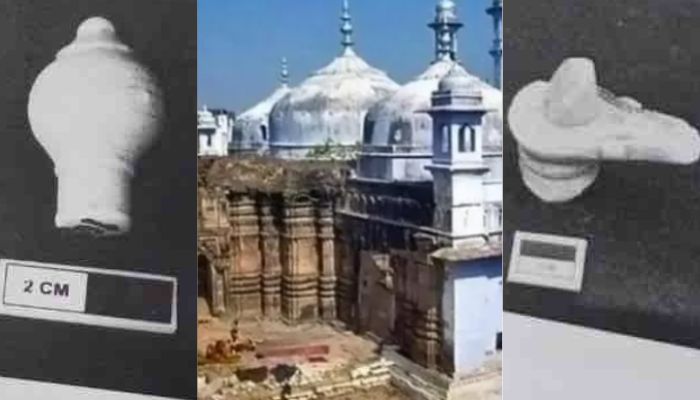
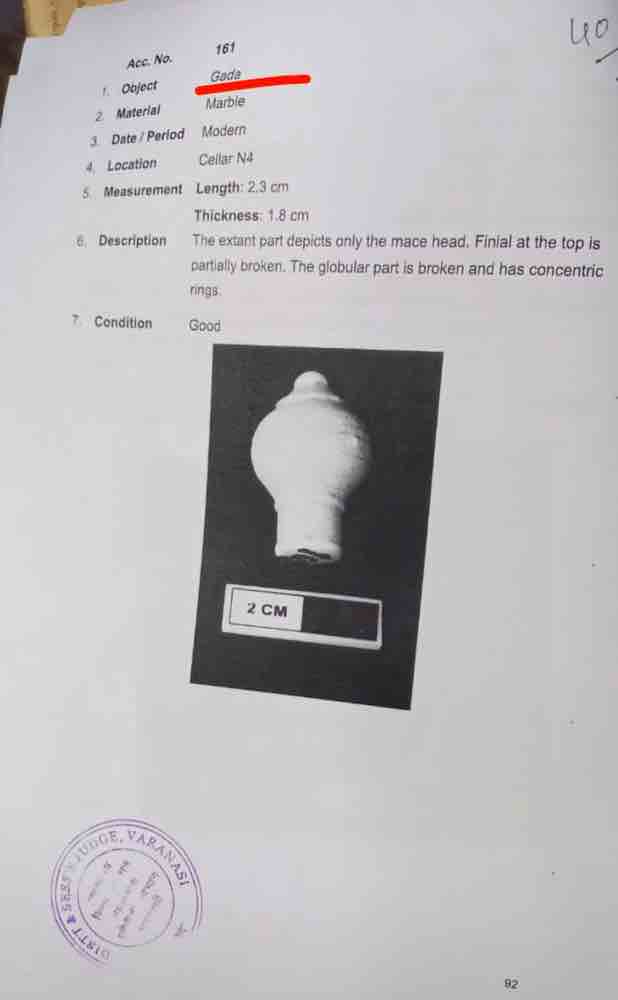
The findings include a Gada, a round-tiped mace, made up of marble. It was recovered from cellar no 4. Its length is 2.3 cm and thickness is 1.8 cm. The description in the ASI report reads, “The extant part depicts only the mace head. Finial at the top is partially broken. The globular part is broken and has concentric rings.”
Findings in the ASI report
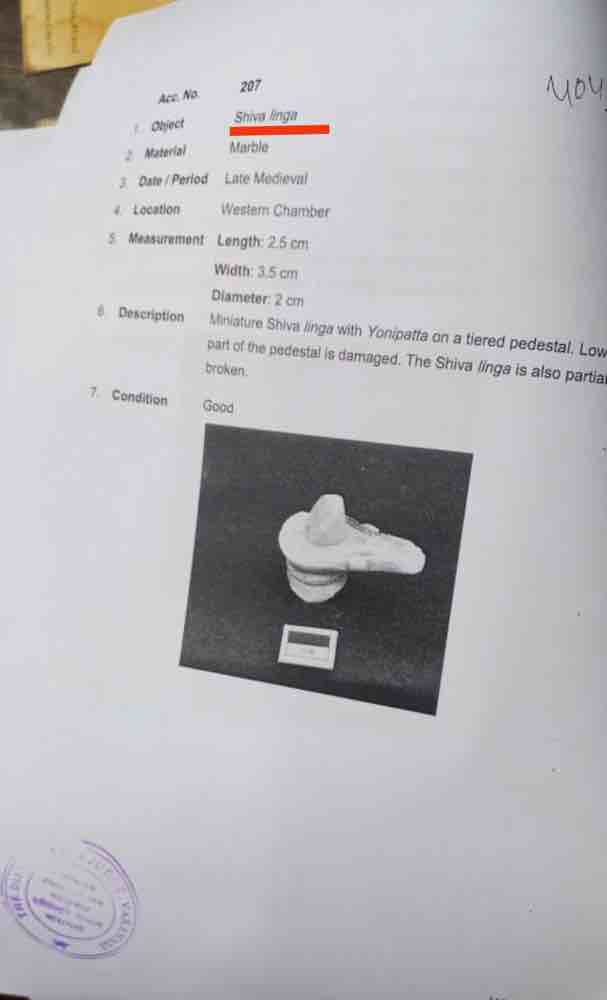
Another finding includes a Shiva Linga made up of marble. It is from the late medieval period and was found from the Western chamber. It measures 2.5 cm in length, 3.5 cm in width and 2 cm in diameter. The description reads, “Miniature Shiva Linga with Yonipatta on tiered pedestal. Lower part of the pedestal is damaged. The Shiva Linga is also partially broken.”
Findings in the ASI report
Several such findings were mentioned in the report. Notably, the court had asked ASI to give hard copies of the report to both the Hindu and Muslim sides.
However, despite clear findings, some have opposed the survey. Amongst them is AIMIM President Asaduddin Owaisi.
“This wouldn’t stand academic scrutiny before any set of professional archaeologists or historians. The report is based on conjecture and makes a mockery of scientific study. As a great scholar once said ‘ASI is the handmaiden of Hindutva’,” he wrote on X.
This wouldn’t stand academic scrutiny before any set of professional archaeologists or historians. The report is based on conjecture and makes a mockery of scientific study. As a great scholar once said “ASI is the handmaiden of Hindutva“ https://t.co/vE76X1uccM
Another X user, Samiullah Khan, an “Islamic scholar” and “Journalist” wrote, “We are rejecting the Archaeological Survey Report against GyanVapi Masjid, which says that Hindu temple existed before #GyanvapiMosque was constructed in the same place #Gyanvapi. We do not agree with this and will not leave our another mosque like Babri Masjid.”
. We are rejecting the Archaeological Survey Report against GyanVapi Masjid, which says that Hindu temple existed before #GyanvapiMosque was constructed in the same place #Gyanvapi, We do not agree with this and will not leave our another mosque like Babri Masjid. pic.twitter.com/lWbFSOGKHr
Congress spokesperson Lavanya Ballal Jain said, “The ASI must look for proof of Jain and Buddhist temples underneath the Hindu temples. It must look for proof of Jain Temples converted into Hindu temples. Meanwhile, the population needs to look for scientific temper it seems to have lost in the last decade.”
?The ASI must look for proof of Jain and Buddhist temples underneath the Hindu temples. ?It must look for proof of Jain Temples converted into Hindu temples.
?Meanwhile the population needs to look for scientific temper it seems to have lost in the last decade.#Jains…
Dr Ruchika Sharma, with her PhD in History from JNU, called the report conjectural. “‘Appears to have been destroyed in the 17th century’. Eh? Which method did the archaeologists undertake to arrive at this conclusion? That there was destruction and that too of 17th century? That too in a survey and not an excavation!! Sounds ridiculous and completely conjectural tbh.”
"Appears to have been destroyed in the 17th century". Eh? Which method did the archaeologists undertake to arrive at this conclusion? That there was destruction and that too of 17th century? That too in a *survey* and not an excavation!! Sounds ridiculous and completely… https://t.co/rH9T6Hg76C
She further alleged that Buddhist and Jain temples were converted into Hindu temples and should be surveyed too.
An X user named Swati K resorted to vulgar language saying, “GyanVapi Mosque ko Mosque rehne do. Sanghis ko vaise bhi Masjid aakar jai shree ram chillaney mei alag orgasm aata hai. Mandir mei jaake pooja karna unke liye zaroori nhi hai.”
GyanVapi Mosque ko Mosque rehne do. Sanghis ko vaise bhi Masjid aakar jai shree ram chillaney mei alag orgasm aata hai. Mandir mei jaake pooja karna unke liye zaroori nhi hai.
ASI report proves that critics like Owaisi are lying
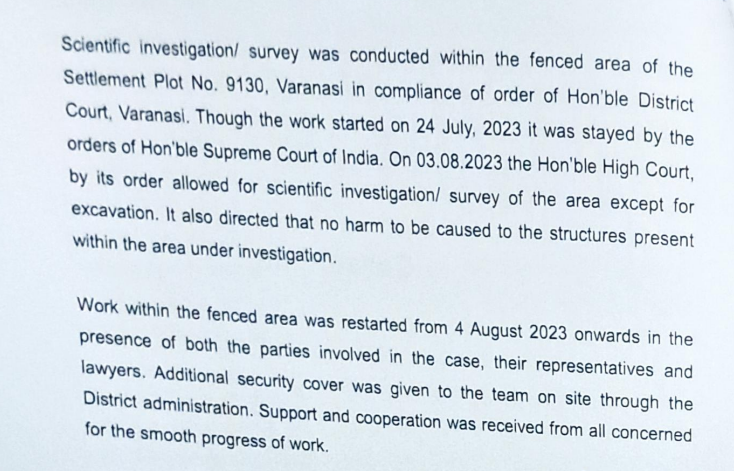
To begin with, the survey was conducted in compliance with the Varanasi district court order from 2022 which laid out the specifications of the kind of scientific investigation that was to be conducted and where.
Secondly, both parties, that is the Hindu and Muslim side, was involved in the case during the survey and, as per ASI, “support and cooperation was received from all concerned”.
Screenshot of the ASI survey report
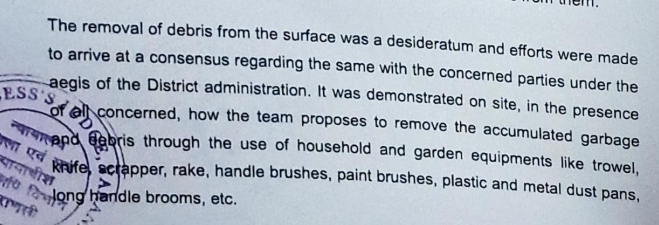
Right from the beginning of the survey to the removal of debris, the Muslim side was in agreement with the process followed by the ASI.
Screenshot of the ASI survey report
Notably, the Anjuman Intezamia Masaji Committee attempted to block the survey by challenging it twice with the Supreme Court and once with the Allahabad High Court.
However, when the petition was dismissed by the SC, they Muslim side had to comply with the survey order.
Despite a near conclusive nature of the ASI findings, Owaisi has said that the report won’t stand academic scrutiny. But the details of the report stated above prove that the Muslim side was very much a part of the survey and in hindsight, stands witness to the findings.
Hindu side to move SC seeking ASI survey in sealed area
Advocates Hari Shankar Jain and Vishnu Shankar Jain representing the Hindu side have said that they will be moving the apex court requesting an ASI survey in sealed area.
We will be moving to the Supreme Court, requesting that an ASI survey be carried out in the sealed area also… Several deities were found during the survey: @Vishnu_Jain1 tells @madhavgkpic.twitter.com/6Jv1i3dCrZ
Speaking to Times Now, advocate Vishnu Shankar Jain also cited the Islamic law to state how the disputed Gyanvapi structure violates the Muslim law itself.
Shoaib Malik, the ex-captain of Pakistan, is facing significant challenges as reports suggest that his contract with the Bangladesh Premier League (BPL) team Fortune Barishal has been terminated.
Although there is no official confirmation yet, the franchise did acknowledge on Thursday that Malik has departed to the UAE for personal reasons, leading to his absence for the remaining season. In response, the team has enlisted Malik’s former Pakistani teammate, Ahmed Shehzad, as his replacement in the squad.
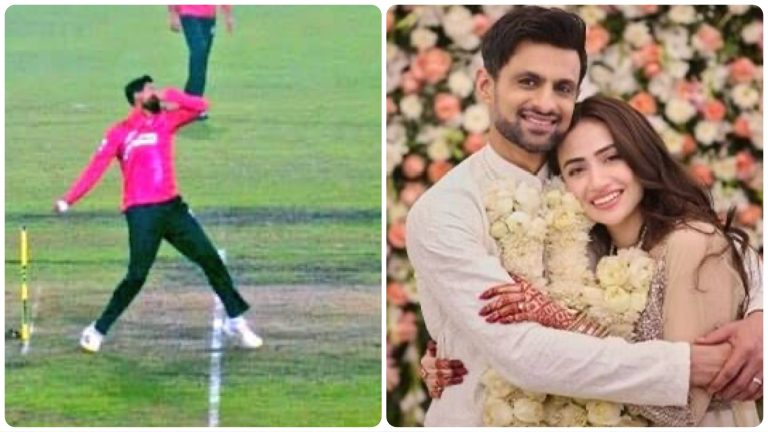
Controversy arose when Shoaib Malik bowled three no-balls in a single over during a match against the Khulna Tigers. Reports from Bangladesh suggest that Malik’s contract has been terminated over suspicions of match-fixing related to that specific over.
Nevertheless, neither the team nor any member of the Bangladesh Cricket Board (BCB) has officially validated the information. Currently, it appears to be nothing more than a rumour. The reported termination of Shoaib Malik’s contract by Fortune Barishal has created a buzz on the internet, with users claiming that the former Pakistani cricketer has been suspected of ‘match-fixing’.
? BREAKING: Fortune Barisal has terminated the contract of Shoaib Malik on the suspicion of "fixing". During a recent match, Malik, who is a spinner, bowled three no balls in one over. Mizanur Rahman, the team owner of Fortune Barishal, has confirmed the news. #BPL2024pic.twitter.com/wOh6yE6hoT
Recently, Shoaib Malik has been making headlines for his third marriagefollowing his divorce from Indian tennis star Sania Mirza.
Last week, Malik publicly announced his marriage to Pakistani actress Sana Javed by sharing their wedding photograph on the social media platform X, accompanied by the caption “And We created you in pairs.”
Speculation about issues between the 41-year-old Shoaib and Sania had been circulating since 2022, leading to a reported split. Over the past couple of years, they have seldom been seen together. Just a few days ago, Malik unfollowed the Indian star on Instagram.
Their five-year-old son, Izaan, resides with Sania. Sania’s father, Imran Mirza, informed PTI that his daughter initiated the divorce proceedings, describing it as a ‘khula,’ a term referring to the right of a Muslim woman to unilaterally divorce her husband.
Shoaib and Sania tied the knot in April 2010 in the Indian player’s hometown of Hyderabad, and they used to reside in Dubai.
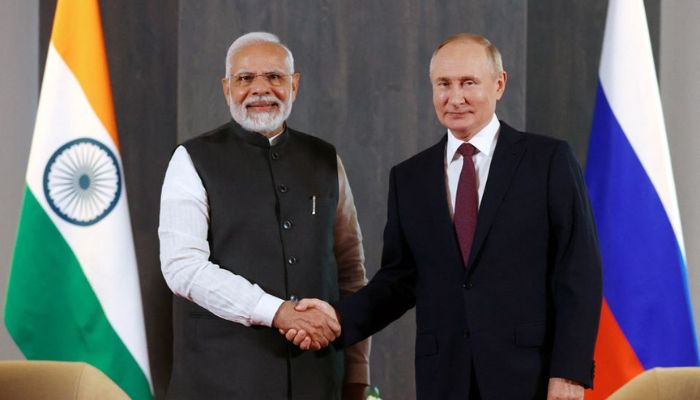
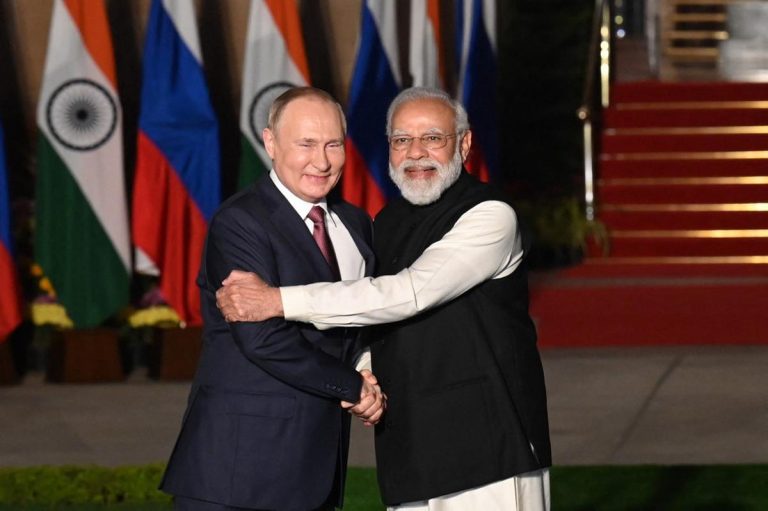
Russian President Vladimir Putin heaped praises on Prime Minister Narendra Modi’s leadership and credited India for pursuing an ‘independent’ foreign policy which is not easy in today’s world, Russia-based media network Russia Today (RT) reported.
He was interacting with university students in Kaliningrad Region on the occasion of ‘Russian Student Day’ on Thursday.
“India has one of the highest rates of economic development and growth in the world, and that too is due to the leadership qualities of incumbent Prime Minister. It was during his leadership that India reached such a pace,” Putin said during the interaction as per the translation by RT.
He further said that Russia can rely on India and its leadership because it is assured that New Delhi won’t play ‘games’ against them on the international stage.
“India is pursuing an independent foreign policy, which is not easy in today’s world. But, India with a population of 1.5 billion has the right to do so. And under the leadership of the Prime Minister, that right is being realised. This is not just statement, it is important from the point of organising joint work because it gives us the opportunity to forecast the actions of our partners in medium and long terms,” Putin said.
He added, “This is important in practical work. Can we rely on a country and its leadership to cooperate or will it take decisions that do not even correspond to its national interest. With India, such games don’t exist”.
The Russian President also lauded India’s ‘Make in India’ initiative and said that Russia is one of the highest investors in the country and is further looking forward to make huge investments there.
“India has made huge steps in development, under the leadership of Prime Minister Narendra Modi. His campaign ‘Make in India’ has been heard by many including Russia. And we are trying with our Indian friends to bring to life all these plans…the largest foreign investment in India has come from Russia. USD 23 billion was invested by our company Roseneft, acquisition of an oil refinery, a network of gas stations, a port and so on,” Putin said.
He also spoke about India’s diverse culture and the popularity of Indian movies in Russia.
“India is a great culture. It’s diverse and colourful. Russia is probably the few places around the world where Indian movies are broadcast on national television,” the Russian President added.
Recently, External Affairs Minister S Jaishankar was on a visit to Russia from December 25-29 last year, as a part of the ongoing high-level exchanges between the two sides.
During his visit, the EAM called on Russian President Vladimir Putin in Moscow and held discussions with several top leaders.
During the visit, India signed three documents relating to the Kudan Kulam Nuclear Power Plants, an MoU on cooperation in pharmaceuticals and healthcare and a Protocol on Foreign Office Consultation, the Ministry of External Affairs said.
(This news report is published from a syndicated feed. Except for the headline, the content has not been written or edited by OpIndia staff)
Reacting to the Archaeological Survey of India’s report on the Gyanvapi Case, Advocate Hari Shankar Jain on Friday asserted that report clearly stated that a temple “existed” at the site of Gyanvapi mosque and urged the government to declare it a “national monument.”
“The report clearly states that a temple existed at the site ( of Gyanvapi mosque). The Government of India should take further steps in this matter, declare it a national monument and handover the whole area to Hindus by passing a law. A trust like the one in Ayodhya should be made here also so that offering of prayers can begin,” Hari Shankar Jain told ANI on Friday.
Earlier on Thursday, the Archaeological Survey of India (ASI) report on the Gyanvapi mosque complex revealed that a pre-existing structure appeared to have been destroyed in the 17th century, and “part of it was modified and reused,” adding that based on scientific studies, it can be said that there “existed a large Hindu temple prior to the construction of the existing structure.”
The ASI also said the “western wall of the existing structure is the remaining part of a pre-existing Hindu temple”.
“The Arabic-Persian inscription found inside a room mentions that the mosque was built in the 20th regnal year of Aurangzeb (1676-77 CE). Hence, the pre-existing structure appears to have been destroyed in the 17th century, during the reign of Aurangzeb, and part of it was modified and reused in the existing structure. Based on scientific studies/survey carried out, study of architectural remains, exposed features and artefacts, inscriptions, art and sculptures, it can be said that there existed a Hindu temple prior to the construction of the existing structure,” the ASI said in its report.
“Based on the scientific studies and observations on central chamber and main entrance of the pre-existing structure in existing structure, western chamber and western wall, reuse of pillars and pilasters of pre-existing structure in the existing structure, inscriptions on the existing structure, Arabic and Persian inscription on the loose stone, sculptural remains in cellars, etc. it can be said that there existed a large Hindu temple, prior to the construction of the existing structure,” the report further said.
The ASI survey was ordered by the district court after the Hindu petitioners claimed the 17th-century mosque was constructed over a pre-existing temple.
“In compliance of the order of the District Court, Varanasi, dated July 21, 2023, affirmed by the High Court of Allahabad by order dated August 3, 2023, and the Supreme Court of India by order dated August 4, 2023, the Archaeological Survey of India (ASI) carried out a scientific investigation and survey in a 2150.5-square-meter area fenced with steel grills in and around the existing structure (excluding the areas sealed by the orders of the Supreme Court). All the objects which were noticed during the scientific investigation or survey in the complex were duly documented. These objects include inscriptions, sculptures, coins, architectural fragments, pottery, and objects of terracotta, stone, metal, and glass,” the report said.
The ASI further noted that during the present survey, a total of 34 inscriptions were recorded and 32 stampages were taken.
The ASI in its survey mentioned that pillars from earlier temples were reused while making cellars in the eastern part of the platform.
“A series of cellars were also constructed to the east to create additional space and a large platform in front of the mosque for accommodating a large number of people for prayers. Pillars from earlier temples were reused while making cellars in the eastern part of the platform. A pillar decorated with bells, niches for keeping lamps on all four sides, and bearing an inscription of Samvat 1669 is reused in cellar N2,” it said.
“Sculptures of Hindu deities and carved architectural members were found buried under the dumped soil in cellar S2,” it added.
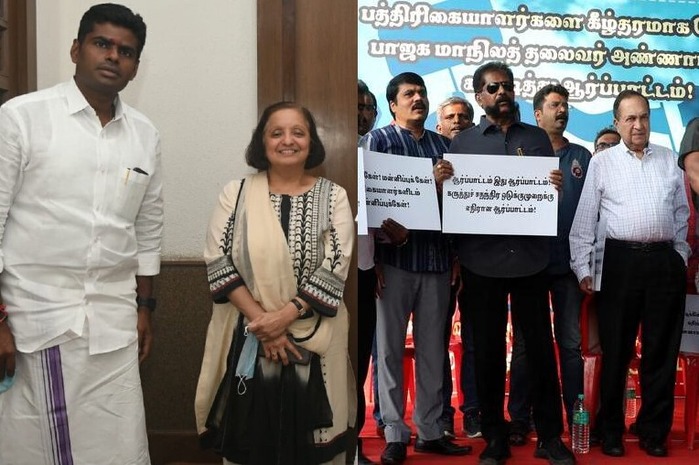
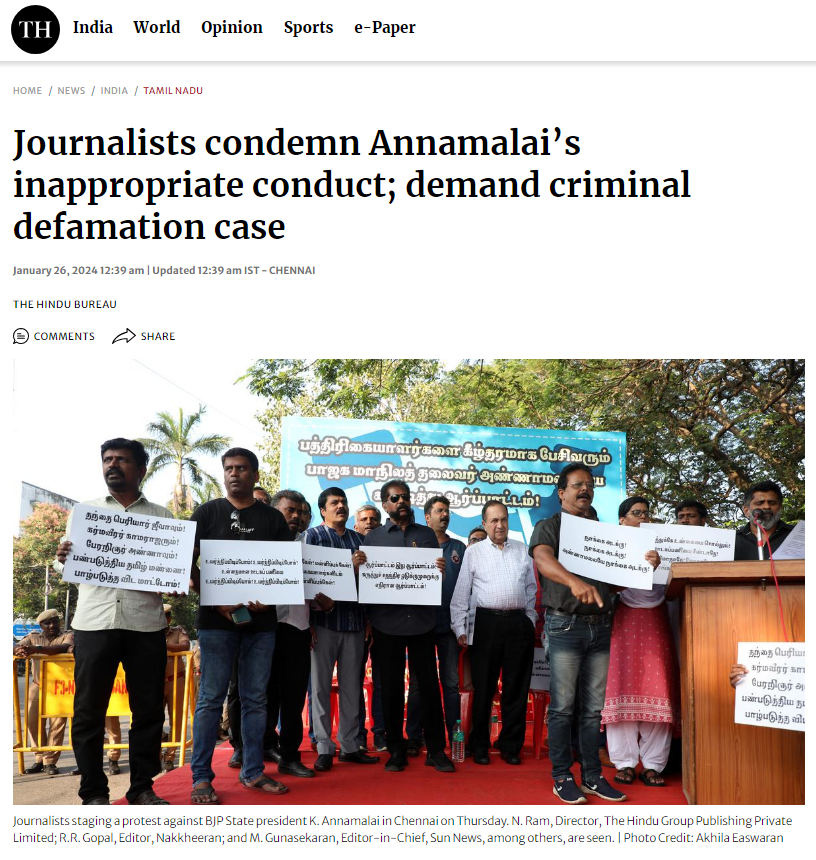
A major controversy has erupted in Tamil Nadu as some media outlets are calling for a “boycott” of K Annamalai, the state president of the Bhartiya Janata Party (BJP). The Hindu has been at the forefront of the ‘boycott’ and ‘blackout’ calls against the BJP leader over his alleged ‘derogatory’ comments against a senior journalist who recently interviewed state Sports Minister Udhayanidhi Stalin. On Thursday (January 25th), several senior journalists and office-bearers from journalist associations protested at Valluvar Kottam in Chennai. However, The Hindu’s former editor and major stakeholder Malini Parthasarathy has slammed the publication for passing off its biases and prejudices against the BJP leader as ‘news reports’.
Taking to X, Malini Parthasarathy shared a clip of The Hindu’s report titled: “Journalists condemn Annamalai’s inappropriate conduct; demand criminal defamationcase” and wrote, “As a major stakeholder @the_hindu, I am again compelled to call out the outrageous bias & prejudice that masquerade as news reports on our pages. The attack on the TN BJP chief @annamalai_k by a group of journalists in Chennai, especially the call to black out coverage of him, is totally unacceptable for any reputed news organisation.”
She further asserted that it would violate the right to freedom of expression if the publication obliges the boycott calls. Moreover, Parthasarathy called out the hypocrisy of the protesting journalists for not condemning the filing of an FIR by Madurai Police against the Editor and Publisher of Tamil daily, Dinamalar for their reportage on Ayodhya Ram Mandir.
As a major stakeholder @the_hindu , I am again compelled to call out the outrageous bias & prejudice that masquerade as news reports on our pages. The attack on the TN BJP chief @annamalai_k by a group of journalists in Chennai, especially the call to black out coverage of him,… pic.twitter.com/zGe8Quzvnv
“It will be a shocking violation of the right to freedom of expression if @the_hindu obeys this crude boycott call! The painful irony is that there’s no condemnation by the same journalists of the Madurai police booking the editor and publisher of @dinamalarweb for their report on the Ram Mandir. By no means is this a defence of the freedom of expression as claimed by these self-appointed guardians of a free press!” Malini Parthasarathy added.
FIR against Dinamalar editor over report that TN govt gave oral orders to ban special poojas or annadanams to celebrate Ayodhya Ram Mandir Pran Pratishtha
Madurai City Police recently filed a case of ‘promoting enmity between different groups’ against the Editor and Publisher of Tamil daily Dinamalar for publishing a news report alleging that oral orders had been issued not to allow special darshan and annadanam (alms-giving) in Hindu Religious and Charitable Endowments (HR and CE) temples on the day of the consecration ceremony on 22nd January. The FIR was registered in response to a complaint filed by the HRCE Department.
On 21st January, Union Finance Minister Nirmala Sitharaman had cited the Dinamalar report and slammed the Tamil Nadu government for ‘banning’ the live telecast of the Ram temple consecration ceremony, as well as prohibiting puja, bhajan, and annadanam at temples dedicated to Lord Ram.
TN govt has banned watching live telecast of #AyodhaRamMandir programmes of 22 Jan 24. In TN there are over 200 temples for Shri Ram. In HR&CE managed temples no puja/bhajan/prasadam/annadanam in the name of Shri Ram is allowed. Police are stopping privately held temples also… pic.twitter.com/G3tNuO97xS
Supreme Court pulls up DMK government over alleged oral orders banning live streaming and special poojas on Ram Mandir consecration day
On January 22, the Supreme Court directed the Tamil Nadu government not to reject requests for live broadcasting of Lord Ram Lalla’s consecration event in Ayodhya or to ban special pooja at the state’s temples. It is worth noting that the Tamil Nadu government informed the court that there is no prohibition on holding special poojas, annadhanams, or live streaming of the Ram Mandir Pran Pratishtha ceremony.
“We believe and trust that the authorities will act in accordance with the law and not on the basis of any oral instructions,” said a two-judge bench comprising Justices Sanjiv Khanna and Dipankar Datta.
The bench referred to the TN Police’s decision not to provide permission for annadaman in the Dindigul district in connection with the Pran Pratistha celebration as “atrocious” because Hindus constitute a minority in the area. It stated that the reasoning is “prima facie not justified and acceptable”.
“What kind of reasons are given for rejection? Can this be a reason that a particular community is in the minority, so you won’t allow the procession? Can a reason be given that Hindus are a minority at some place so you will not allow it? These reasons are atrocious. If this reason has to follow, no procession or ritual can happen across the state,” the Supreme Court bench remarked.
“First layer of DMK Onion is activated”: Annamalai hits back amidst ‘boycott’ calls
Notably, several journalists staged a protest at Valluvar Kottam in Chennai against BJP leader K Annamalai over his alleged derogatory remarks against News18 Tamil journalist Karthigai Selvan after the journalist, according to Annamalai, did not ask difficult questions to Udhayanidhi Stalin during the recent interview. Despite the demands for an apology, the BJP leader has not apologised.
During the protest on Thursday (25th January), N. Ram, Director of The Hindu Group Publishing Private Limited claimed that this was not the first time that the BJP leader has made demeaning remarks about a journalist and that journalist Karthigai Selvan should file a defamation case against Annamalai. He also proposed the BJP leader “not be given any publicity”. N Ram went on to say that the BJP State president “cannot go back to business as usual”.
The Hindu report on journalists’ protest against BJP leader K Annamalai
N Ram claimed that even though former Tamil Nadu Chief Ministers M Karunanidhi and Jayalalitha also had issues with the media at some point, however, they never made derogatory remarks about mediapersons. Nakkheeran Editor R.R. Gopal, Senior journalist A.S. Panneerselvan and Sun News Editor-in-Chief M. Gunasekaran also joined the protest against Annamalai.
In response to the journalists’ protest on Thursday, BJP’s firebrand leader Annamalai said that the ‘first layer of the DMK onion’ has been activated.
Taking to X on Thursday, Annamalai wrote, “The first layer of the DMK onion, as we popularly know it, is activated & I understand that they are assembling today to protest against me. Today’s protest is the 3rd such protest carried out by this group against me in the last year & I consider it a badge of honour.”
In addition, the BJP leader presented a few “samples” in which the protesting journalists “forgot” that they were not “DMK spokespersons.” Annamalai stated that he supports journalists exposing ‘uncomfortable truths’, but he despises journalists who act as propaganda machinery for the DMK government.
The first layer of the DMK onion, as we popularly know it, is activated & I understand that they are assembling today to protest against me.
Today’s protest is the 3rd such protest carried out by this group against me in the last year & I consider it a badge of honour.
“Here are a few samples where the 1st layer forgets that they are a journalist & behaves more like a DMK spokesperson. A few DMK underlings in the garb of journalists cannot decide & dictate the narratives in TN anymore. I stand shoulder-to-shoulder with Journalists who put their lives at risk to report the uncomfortable truth & at the same time, I despise those who act as propaganda machinery to please the ruling DMK Govt. They are a shame to their profession!” Annamalai added.
The ‘samples’ Annamalai shared include N Ram from The Hindudiscussing the Rafale agreement and mocking PM Modi’s decision to place the Sengol in the new Parliament building, and Aravindakshan from Sathiyam TV criticising Ilayaraja for applauding PM Modi following the opening of the Ram Mandir in Ayodhya.
Annamalai equated the DMK ecosystem to an onion, claiming that the first layer was comprised of academics and intellectuals, followed by an ‘attack layer’ that strikes people based on caste and religion. The third layer, he claimed, consists of the party’s regional leaders, whereas the fourth is the DMK family. He added that the final layer is ‘Gopalapuram’. Notably, former CM Karunanidhi’s residence is situated in Gopalapuram.
Malini Parthasarathy vs N Ram
It is pertinent to note that this is not the first time that Malini Parthasarathy has openly called out The Hindu for its anti-BJP biases. During the controversy around Sengol last year, As reported earlier, The Hindu had claimed in its report that the Union Government’s comments about Lord Mountbatten presenting ‘Sengol’ to the first Prime Minister Jawaharlal Nehru as a gesture of power transfer were untrue. The publication reported that it was simply a gift from saints to the first Prime Minister and that Nehru and others did not regard it as a symbol of a transfer of power. Gurumurthy rebutted The Hindu’s assertions, to which Malini responded that if his statements were proven true, The Hindu’s article would be amended accordingly. Back then, N Ran stood in support of the reporter who did the alleged “fact-check” for The Hindu.
Malini’s disagreements with others in The Hindu are widely known. She has frequently expressed her differences with others on ideological issues, including several with N Ram, her cousin and former Editor-in-Chief. In June last year, Parthasarathy resigned from the board of The Hindu Group Publishing Private Limited.
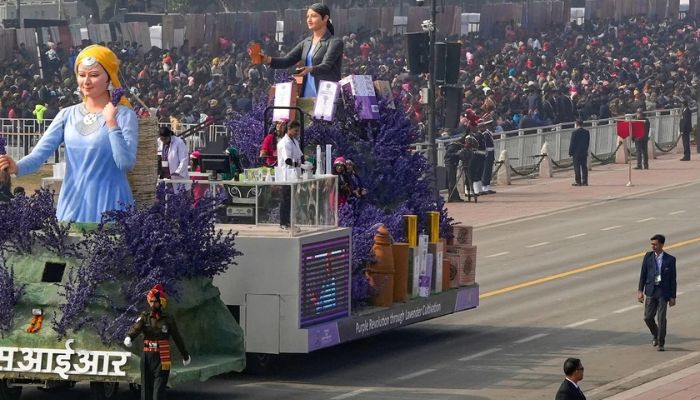
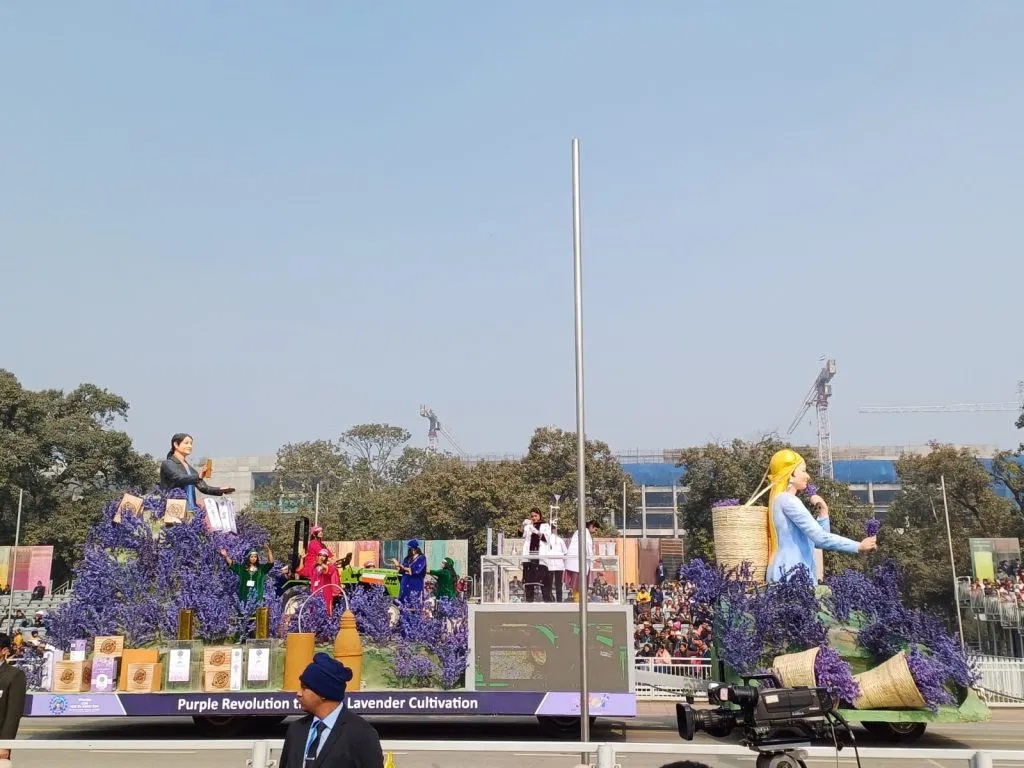
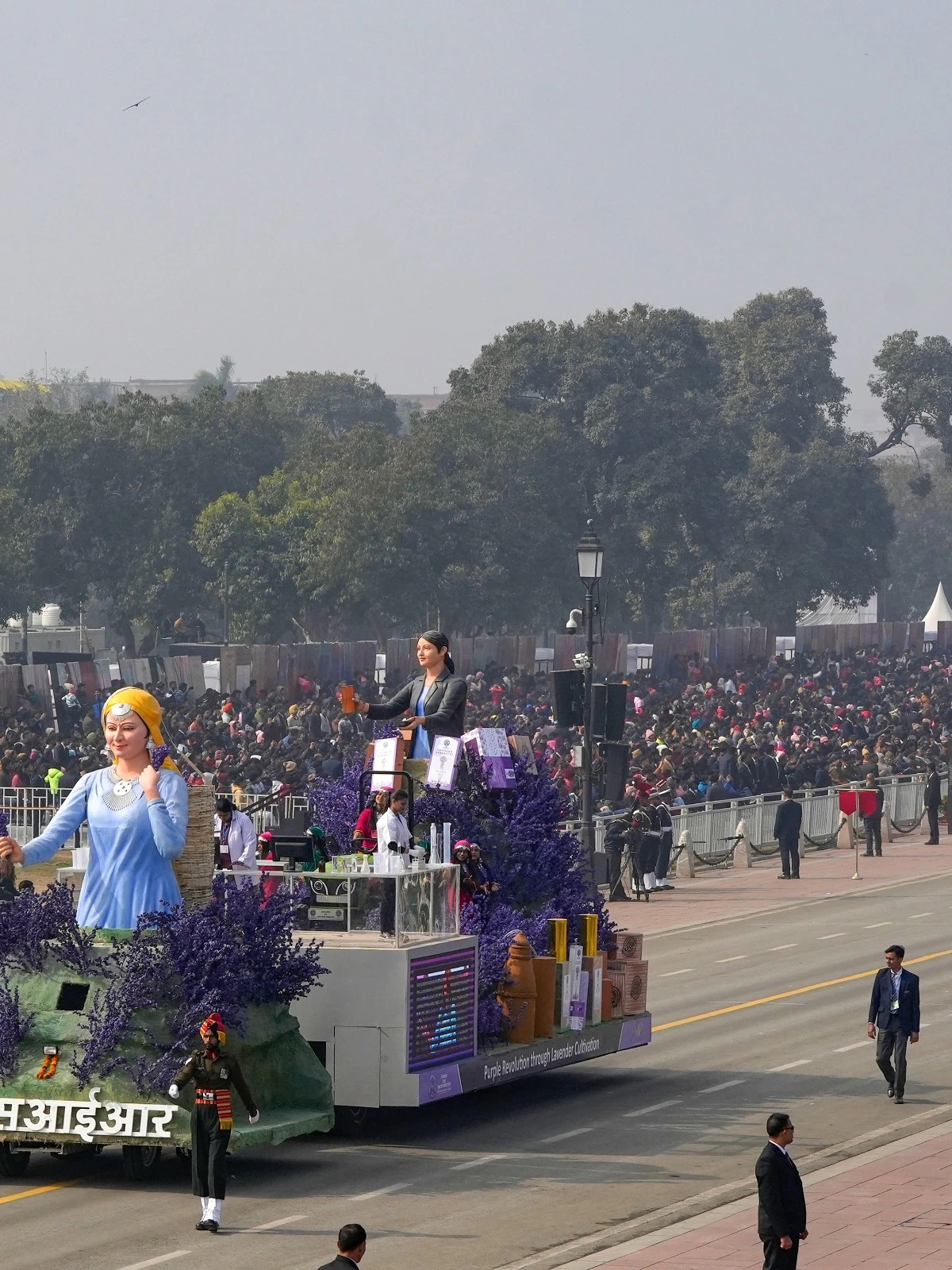
On Friday, the 26th of January, the Republic Day parade unfolded at Kartavya Path in New Delhi. Among the diverse tableau featured in the procession, one that stood out was the initiative of the Council of Scientific and Industrial Research (CSIR) known as the purple revolution. This noteworthy project is actively underway in the lavender fields of Bhaderwah in Jammu and Kashmir.
The captivating tableau, adorned with lavender flowers, unfolds the story of the CSIR-Indian Institute of Integrative Medicine in Jammu. It depicted the development of an exclusive lavender variety, its cultivation, and the subsequent processing for the production of essential oils, perfumes, and incense sticks. The purple revolution serves as a testament to India’s scientific prowess and the entrepreneurial spirit of the farmers in Bhaderwah and nearby areas, as they have transformed into successful entrepreneurs in recent years.
The CSIR Tableau shows the Purple Revolution. Image Source: News9live
Union Minister of Science and Technology, Jitendra Singh, frequently highlights the purple revolution as an exemplar of translating lavender innovation from the laboratory to the market. This initiative is instrumental in cultivating a new culture of agricultural startups in India, fostering growth and innovation in the sector.
On 20th January, Jitendra Singh posted from his X handle, “Purple Revolution in Bhaderwah of Jammu & Kashmir inspiring Agri StartUps across the country. The Himalayan States have huge StartUp potential waiting to be explored. Himachal Pradesh, Uttarakhand & regions of Northeast replicating the J&K’s Lavender success story. With PM Narendra Modi’s focused attention on these areas, StartUps from here can play a pivotal role in achieving the goal of Viksit Bharat in 2047.” The minister made these remarks while speaking at the UDAY StartUp Summit in Jammu.
In the picturesque landscapes of Jammu and Kashmir, a distinctive initiative named the ‘purple revolution’ took root in Bhaderwah town. It all began when local farmers decided to embark on the cultivation of lavender, a fragrant and colourful plant, on the region’s slopes. This revolutionary movement is gaining momentum, with scientists from the CSIR-Indian Institute of Integrative Medicine actively exploring the medicinal properties of lavender.
Bhaderwah is referred to as ‘Lavender Valley’ for its hills adorned with mesmerizing rows of vibrant purple flowers. Local farmers seized a groundbreaking opportunity that transformed their lives. According to the Director of the CSIR-IIIM Zabeer Ahmed, “Lavender oil already fetches farmers Rs 10000 per litre, but we are now focussing on some value-addition interventions and also studies on the waste of the oil extraction process.”
Since 2017, the local farmers have embraced the practice of lavender cultivation. This venture was set into motion with the initiation of the Aroma Mission by the Council of Scientific and Industrial Research, which seeks to unlock the remarkable potential of essential oils derived from aromatic plants.
Lavender oil, known for its calming effects and stress-relieving qualities, has gained widespread popularity. Its pleasing scent is now a common feature in perfumes and cosmetics, appealing to people globally. The CSIR-Indian Institute of Integrative Medicine, in partnership with the CSIR-Indian Institute of Chemical Technology in Hyderabad, is undertaking an intriguing investigation into the potential use of lavender oil for addressing sleep disorders.
The CSIR Tableau shows the Purple Revolution. Image Source: India Today
In the Lavender Valley of Bhaderwah, the farmers and scientists collaborate to explore the potential of this remarkable plant. Together, they work towards a promising future where lavender goes beyond its visual and aromatic appeal, offering healing and tranquillity to those who seek it. The residual substance left after the extraction of oil from lavender flowers through a unique steam distillation process is termed ‘marc.’ If the health benefits of this ‘marc’ are substantiated, it has the potential to become a lucrative source of income for the farmers.
According to Zabeer Ahmed, “We are trying to isolate and characterise what kind of molecules are present in the marc. Our scientists have isolated a couple of molecules. These molecules are new. We are doing bioactivity such as anti-cancer activity on these molecules. The kind of molecules we are getting from the marc, definitely some new finding may be there in the future.”
The steam distillation process also yields hydrosol, a fragrant lavender-infused water with various uses. This versatile substance is employed in making room sprays, bathroom fresheners, and invigorating body sprays. Additionally, dried lavender stalks are highly valued in the market for their enduring scent, lasting up to two years.
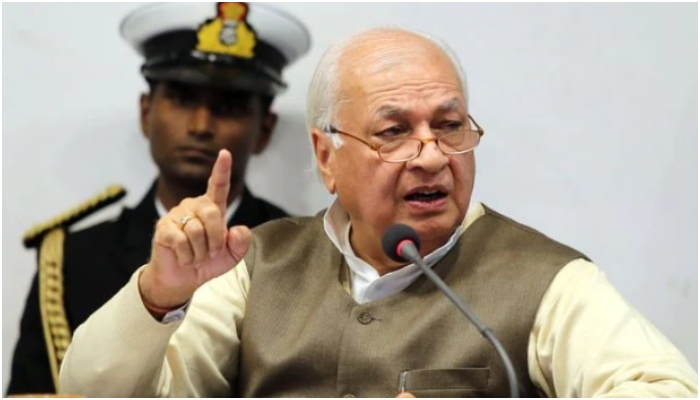
Kerala Governor Arif Mohammed Khan has filed a conflict of interest complaint against former Supreme Court judge Rohinton Fali Nariman, who had reprimanded him for “wholesale referral of bills to the President after sitting on 23 bills without a decision.”
At an education conference organized by The New Indian Express on Wednesday (24th January), Khan expressed disappointment with Nariman’s statements, saying, “The judge’s whole anger was directed at me. He repeatedly referred to the ‘Governor of Kerala’, while ignoring governors of Punjab and Tamil Nadu, who have similar cases pending against them.”
Khan said that Justice Nariman’s charges against him arose from the Kerala government’s approval of hefty legal fees for his father, eminent Supreme Court advocate Fali S Nariman, and his colleagues. Going on to explain the breakdown of fees paid to Fali Nariman and his junior associates, the Governor stated that the payments were made only for legal opinions during the time the state government and Khan were embroiled in a legal dispute.
“Father is receiving the money while the son is blasting the Governor. This relationship is problematic, especially when Nariman’s father and his team were paid a significant amount by the Kerala government. Would it be appropriate to pay Rs 40 lakh just for an opinion? Is this even consistent with the principles of natural justice?” he added.
A top CPI(M) leader in Kerala stated that the party did not wish to remark on the issue.
In December, when delivering the Bansari Sheth lecture in Mumbai, Justice (retd) Nariman stated, “I am waiting for the day when the Supreme Court will lay down that it is only independent functionaries who are supposed to fill these great offices. Not the kind of people that we find today, like we have in Kerala, for example. In Kerala, after sleeping over the Bills, they have been given to the President in wholesale by the Governor.”
Justice (retd) Nariman’s remarks come a month after the Kerala government filed a petition with the Supreme Court accusing Khan of withholding assent to bills passed by the Assembly. Khan was also reprimanded by the Supreme Court in the case. “What was the Governor doing for two years sitting on the Bills?” a Bench led by Chief Justice of India D Y Chandrachud inquired.
When asked about certain states moving bills to remove governors from the position of chancellor of state-run universities, Khan stated at the event that there was no need to change the current structure because it was “a very wise decision taken at that time.”
Khan and the Left-led Kerala government have clashed over several issues, including the chancellorship. On the most recent occasion, on Thursday, the Governor completed his policy address before the Budget Session in less than two minutes, skipping the whole text but the opening and last paragraphs.
Russian President Vladimir Putin heaped praises on Prime Minister Narendra Modi’s leadership and credited India for pursuing an ‘independent’ foreign policy which is not easy in today’s world, Russia-based media network Russia Today (RT) reported.
He was interacting with university students in Kaliningrad Region on the occasion of ‘Russian Student Day’ on Thursday.
“India has one of the highest rates of economic development and growth in the world, and that too is due to the leadership qualities of the incumbent Prime Minister. It was during his leadership that India reached such a pace,” Putin said during the interaction, as per the translation by RT.
He further said that Russia can rely on India and its leadership because it is assured that New Delhi won’t play ‘games’ against them internationally.
“India is pursuing an independent foreign policy, which is not easy in today’s world. But, India with a population of 1.5 billion has the right to do so. And under the leadership of the Prime Minister, that right is being realised. This is not just a statement, it is important from the point of organising joint work because it allows us to forecast the actions of our partners in medium and long terms,” Putin said.
He added, “This is important in practical work. Can we rely on a country and its leadership to cooperate or will it make decisions that do not even correspond to its national interest? With India, such games don’t exist”.
The Russian President also lauded India’s ‘Make in India’ initiative and said that Russia is one of the highest investors in the country and is further looking forward to making huge investments there.
“India has made huge steps in development, under the leadership of Prime Minister Narendra Modi. Many including Russia have heard his campaign ‘Make in India’. And we are trying with our Indian friends to bring to life all these plans…the largest foreign investment in India has come from Russia. USD 23 billion was invested by our company Roseneft, acquisition of an oil refinery, a network of gas stations, a port and so on,” Putin said.
He also spoke about India’s diverse culture and the popularity of Indian movies in Russia.
“India is a great culture. It’s diverse and colourful. Russia is probably the few places around the world where Indian movies are broadcast on national television,” the Russian President added.
Recently, External Affairs Minister S Jaishankar was on a visit to Russia from December 25-29 last year, as a part of the ongoing high-level exchanges between the two sides.
During his visit, the EAM called on Russian President Vladimir Putin in Moscow and discussed with several top leaders.
During the visit, India signed three documents relating to the Kudan Kulam Nuclear Power Plants, an MoU on cooperation in pharmaceuticals and healthcare and a Protocol on Foreign Office Consultation, the Ministry of External Affairs said.
(This news report is published from a syndicated feed. Except for the headline, the content has not been written or edited by OpIndia staff)
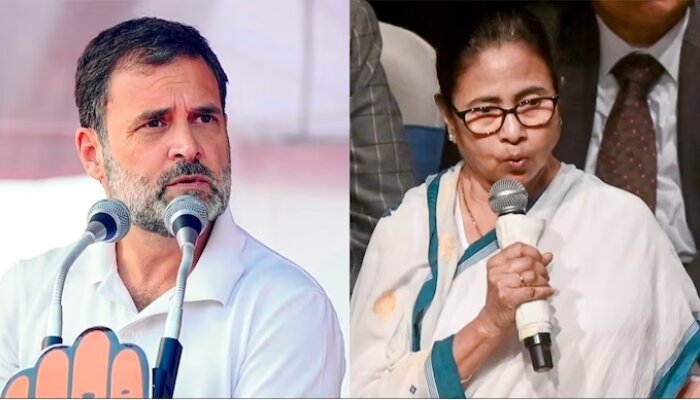
On its twelfth day, the ‘Bharat Jodo Nyay Yatra’ was halted upon its arrival from Assam to Bakshirhat in the Cooch Behar region of northern West Bengal. Rahul Gandhi reached here on the morning of 25th January with the yatra and then departed for Delhi in the evening on a two-day break. The yatra won’t move forward on the 26th and 27th of January and is scheduled to proceed through Siliguri on the 28th of January.
However, Chief Minister Mamata Banerjee’s government has denied them permission to enter the region. According to the administration, the decision was taken because an examination is set to take place on the same date.
The Congress had announced a full-day program for the ‘Bharat Jodo Nyay Yatra,’ but Rahul Gandhi left for Delhi after holding a small public meeting at Bakshirhat and a road show at the district headquarters. Speaking at these programs, he addressed ALL India Trinamool Congress (TMC) supremo’s declaration to fight the upcoming Lok Sabha election alone and claimed that the I.N.D.I. Alliance would come together to oppose the injustices committed by the Bharatiya Janata Party and Rashtriya Swayamsevak Sangh (RSS).
TMC will not be a part of Rahul Gandhi’s Yatra. ‘They did not have the courtesy to inform me’, says Mamata
The Assam Congress presented the yatra flag to West Bengal Congress head Adhir Ranjan Chowdhury amid the cheers of Congress workers. The districts of Birbhum, Uttar Dinajpur, Jalpaiguri, Darjeeling, Uttar Dinajpur, Malda, and Alipurduar will all be covered by the yatra. More importantly, the yatra has been rearranged to swiftly travel through the northern districts before entering neighboring Bihar on 29th January to ensure that it only stays in West Bengal for a short while.
The TMC has stated that the will not be a part of the Yatra in Bengal.
However, it is expected to return to the state the following week to visit the historic Congress strongholds of Malda and Murshidabad. The abrupt shift is believed to be a response from Rahul Gandhi and the Congress to Mamata Banerjee who decided to part ways with the opposition bloc. In addition to ruling out a seat-sharing agreement for the general election in April or May, she revealed that her party is reevaluating its membership in the alliance.
“They did not even bother to inform me that they would be coming to West Bengal as a matter of courtesy even though I am a part of the I.N.D.I.A. bloc. So there is no relation with me as far as Bengal is concerned,” the TMC chief had charged.
The reorganisation in the yatra is perceived as an effort to buy Rahul Gandhi and the party some time to resolve the various challenges with her. TMC severed ties with Congress as a result of state unit president Adhir Ranjan Chowdhury’s persistent criticism of the chief minister of West Bengal.
Interestingly, left-wing parties including the Communist Party of India (Marxist) which is part of the opposition coalition are going to join the yatra in West Bengal.
The division among the I.N.D.I. Alliance has notably widened and become more apparent since the start of the yatra. The first unexpected statement came from the TMC which stated that the party would contest the general election in West Bengal alone. Soon thereafter, Punjab Chief Minister Bhagwant Mann proclaimed that the Aam Aadmi Party would follow suit in Punjab. Rahul Gandhi and his ‘Bharat Jodo Nyay Yatra’ are travelling over 6700 kilometres from Mumbai to Manipur as part of the Bharat Jodo Nyay Yatra.