Pakistan and propaganda have become synonyms over the years. Since its inception, Pakistan has developed a habit of playing the victim card and, to some level, it has succeeded. After all, fake news travels faster than facts. A supposed dossier prepared by Pakistani authorities is now being widely circulated in several Pakistani Telegram groups and social media circles.
Notably, this dossier is not officially released yet in any international platform by the Pakistani military or the government, possibly to avoid international fact-checks, but reports say the document is being circulated internally to promote a false picture and further Pakistani narrative after India’s successful Operation Sindoor.
The tone and content, however, unmistakably reflect the narrative of Pakistan’s propaganda machinery, which has been working extensively, amplifying denial, pushing counter-accusations, and invoking calls for “neutral investigation” that never apply to its own terror proxies.
The dossier attempted to label the Pahalgam terrorist attack as a “false flag” operation by India. It went on to cite Leftist Indian journalists and “civil society” voices to discredit India’s account, much like the Hamas playbook of hiding behind civilian optics while justifying terror. It also reminds one of the Islamic State Khurasan Province’s media outreach programme, under which it publishes content, including the monthly magazine Voice of Khurasan.
Such dossiers, pamphlets, social media posts and other means of propaganda-filled content are often used by Islamic terrorist organisations as well as their funders, sympathisers or supporters to shift the narrative.
The false flag fantasy and TRF’s open confession
The dossier’s opening claim accused India of orchestrating a “false flag attack” in Pahalgam to serve internal political goals. However, it conveniently omitted the fact that the terrorists specifically targeted Hindu civilians and non-local tourists. The Resistance Front, a well-known proxy of the Pakistan-based terrorist organisation Lashkar-e-Taiba, claimed responsibility for the attack almost immediately.
India launched a military response against the terrorist camps in Pakistan-occupied Jammu and Kashmir and Pakistan only after confirmation through real-time intelligence, and the swiftness of the response was based on operational clarity, not theatrics.
Pakistan has an old habit of invoking “false flag” every time it finds itself diplomatically cornered. Be it Mumbai, Pulwama or now Pahalgam. Not to forget, the terrorists who were behind the 26/11 terrorist attack came wearing Hindu religious symbols like Kalawa. It was only because Ajmal Kasab was caught alive, thanks to ASI Tukaram Omble, that it was revealed he was an Islamic terrorist who came from Pakistan. It took Pakistan years to admit he was indeed a Pakistani.
Initially, Islamabad denied Kasab was a Pakistani, however, local media traced his house and even aired statements of his family members. It is only one example of how Pakistan has played innocent, attempted to malign the Hindu community and tried to target India on international platforms while sponsoring terrorism.
Precision strikes on terror hubs cannot be called aggression
Another narrative Pakistan tried to push via the dossier is that India launched “unprovoked aggression”. The claim wilfully ignored the fact that Indian targets were long-identified terror infrastructure hubs in Muridke, Bahawalpur and Muzaffarabad. These are not residential neighbourhoods but safe havens for terror outfits.
In fact, Pakistan tried to present an internationally designated terrorist, Hafiz Abdur Rauf, as an innocent preacher. While doing so, Pakistan’s DG ISPR made a blunder and showed his national ID, which matched the details in the US Treasury Department document declaring him a global terrorist.
Pakistan can call it aggression, but international norms recognise India’s right to pre-emptive self-defence under Article 51 of the UN Charter, something ironically used by the terror-sponsor Pakistan to target India. Precision strikes on active threats are not aggression. They are a necessity in a region where non-state actors operate freely under state protection.
Third-party probe talk from a habitual evader of FATF scrutiny
Pakistan called for a neutral third-party probe. Though it sounded like a good gesture, it would have sounded more convincing if it had not spent decades dodging global accountability mechanisms. The same Pakistan that was in FATF’s grey list for years and shielded 26/11 masterminds is now crying for transparency. Notably, the training camp of Ajmal Kasab and David Headley, terrorists behind 26/11 attack, was destroyed in Operation Sindoor. India has already shared credible intercepts and drone footage with its allies and showed relevant information during press conferences as well. No probe can be considered neutral if the accused has a proven history of hosting terror masterminds.
Blaming Indian media while ISPR runs CGI simulations
The dossier tried to blame Indian media for spreading “war hysteria”. However, it failed to acknowledge Pakistan’s Inter-Services Public Relations creating fantasy videos of shooting down Rafales and destroying S-400s. Indian media reports were based on intelligence inputs, TRF’s public statements and local ground reports.
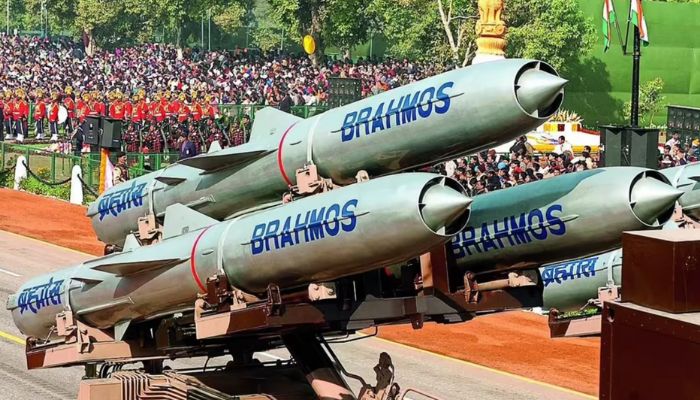
On the other hand, Pakistan has not provided a single satellite image with timestamped evidence to back its claims. What it offered instead were flashy infographics, an unverifiable image of damaged mosques and lofty claims of “destroying BrahMos sites” through long-range artillery.
While Indian media presented a clear image of what happened during the India-Pakistan conflict, it is necessary to point out that there is a large section that worked against India. The videos, social media posts and reports by such media outlets, journalists and influencers were used by Pakistani media, DG ISPR and even by the creators of this dossier to target India.
For example, former governor Satyapal Malik, Rahul Pandita, The Wire’s Karan Thapar, Ajay Shukla, Radha Kumar, Siddharth Varadarajan of The Wire, Sankey Upadhyay of The Red Mike and many others presented a picture of the Pahalgam terrorist attack and Operation Sindoor in a way that made India look like the villain. Their coverage, statements, videos and social media posts were extensively used by Pakistan against India.
Source: So-called dossier circulating in Pakistani Telegram Channels and WA
Glorifying Operation Bunyanum Marsoos while pretending restraint
In perhaps the most theatrical section, the dossier attempted to glorify Pakistan’s so-called “measured response” under Operation Bunyanum Marsoos. According to it, Pakistan’s military struck 26 Indian targets, downed drones, Rafales and MiGs. It also claimed that Pakistan took out BrahMos storages, all while avoiding civilian harm.
The absurdity of these claims is not lost on anyone. This narrative is not an assertion of restraint, it is a desperate attempt to equalise terror strikes on civilians with a military response against terror hubs.
Weaponising civilian optics with unverifiable mosque images
Pakistan’s standard tactic of embedding military assets in civilian zones comes back to bite them when strikes result in collateral damage. The dossier tried to portray damaged mosques and civilian deaths as evidence of India’s aggression. Yet none of the images provided carry timestamps, coordinates, or credible sources. India, meanwhile, has always maintained that it targets only verified terror hubs. The problem lies in Pakistan using religious places as operational bases for jihad. Not to forget, Pakistani officials from government and military attended funerals of terrorists.
Furthermore, when reports came out that ten family members of Jaish-e-Mohammad chief Masood Azhar were killed, an official statement came out vowing revenge.
Framing India as a serial violator to whitewash its own sins
The most ironic and final claim that the dossier made was accusing India of habitual violations of international law. Coming from a country that has long harboured Hafiz Saeed, Masood Azhar and other United Nations-sanctioned terrorists, this is rich.
India operates under global scrutiny and in accordance with international law. It is Pakistan that has repeatedly found itself isolated, whether on the FATF Grey List or in global forums that have had enough of its double games.
Pakistan’s so-called dossier is not a factual document but just a WhatsApp forward. It has been crafted to deflect, deny and defame. It is not for gaining credibility on international platforms but for internal consumption. Pakistan just wants to keep the façade of victimhood alive while denying the blood on its hands. If anything, it proves just how deeply the rot of propaganda runs in Pakistan’s state and semi-state apparatus.
The day was 20th May 2000. Terrorists belonging to the banned Christian Tripuri outfit, National Liberation Front of Tripura (NLFT), gunned down Bengali Hindu refugees in Bagber village of Tripura. The ‘Bagber Massacre’ remains one of the deadliest ethno-religious episode of violence in the Northeastern State in the 21st century.
Bagber, which is located in the West Tripura district, was the home to a Bengali Hindu refugee camp at that time (who had to flee their homes due to ongoing conflict in the region).
On 20th May 2000, at about 5pm, NLFT terrorists laid siege to the home of a local CPIM politician (the ruling party in Tripura at that time) named Ajay Ghose. They hurled grenades at his house.
A group of Bengali Hindus, who had sought refuge at the adjacent Niranjan Sardarapara School, heard loud explosions and began running for safety. The banned Christian terror outfit then trained its guns towards the fleeing refugees, killing 3 instantly in the targeted attack.
NLFT terrorists then made their way to the Niranjan Sardarapara School and shot 16 more Bengali Hindus dead and injuring several others. A total of 19 Hindu refugees were killed on that fateful day. According to reports, an additional 6 victims later succumbed to injuries, thereby taking the total death toll to 25.
“The rebels first lobbed grenades into the school premises and then opened indiscriminate fire from automatic weapons. The camp inmates first took shelter in the primary school after their houses were gutted. The rebels attacked them with sharp weapons. Nineteen Bengalis including 10 women died on the spot,” a report by The Hindustan Times read.
The names of 19 out of 25 victims are stated below:
Nabin Debnath
Monica Debnath
Nakul Debnath
Rakhi Debnath
Suklal Nama Das
Premoda Debnath
Nirmala Nama Das
Abala Debnath
Suniti Sarkar
Supriya Debnath
Usha Debnath
Goranga Das
Sikha Debnath
Laxmirani Sarkar
Kumkudini Debnath
Kamalarani Laskar
Birendra Debnath
Dhanibala Debnath
Surendra Debnath.
As per reports, violence also ensued on 21st May 2000, resulting in killings of more 10 victims at Ratiya, Teliamura and Chakmaghat (and taking total death toll to 45). An additional 100 cattle were also massacred by the Christian Tripuri terrorists.
The terror attack occured soon after the killing of 5 tribals in Teliamura by the banned Bengali terror outfit ‘United Bengali Liberation Front of Tripura.’
The aftermath of the Bagber Massacre
In the aftermath of the massacre, an estimated 30000 Bengali Hindus fled from the Tripura Tribal Area Autonomous District Council (TTAADC) areas. This was one of the sinister objectives of the NLFT behind the Bagber massacre.
One such Hindu victim named Shyam Lal Biswas narrated,”There is nothing left there. Our land is barren and there are no homes. What does the government want?”
Gauranga Das, speaking for displaced Hindus, stated, “The block development officer told me recently that I should try and convince some families to go back since this cant be a permanent solution. But our old homes have been taken over by the tribals. They live there. This is akin to pushing us back into the tigers lair.”
The ruling CPIM government had promised 24 tins and a meagre ₹2,000 cash to the displaced Bengali Hindu families to rebuild their homes in the new location.
Security lapses and political reactions
It is important to point out that a camp of Central Reserve Police Force (CRPF) personnel was stationed just outside the Bagber village but they did not intervene during the attack.
The terrorists, estimated to be 60 in number, only fled after jawans from the Tripura State Rifles (TSR) arrived at the scene.
Former Chief Minister of Tripura, Nripen Chakraborty, had lashed out at the then ruling CPIM government over the Bagbar massacre.
“Manik Sarkar (the then CM) has failed to handle the situation. There is no dearth of leaders in the CPM to replace him,” he had infamously remarked.
Prime Minister Atal Behari Vajpayee had assured to deploy Army battalions in terror-torn parts of Tripura in the aftermath of the massacre.
Ethno-religious tensions in Tripura and rise and fall of the NLFT
The ethno-religious tensions in Tripura have deep historical roots dating back decades.
The large-scale settlement of Bengalis in the Northeastern State, first through active encouragement by Tripuri rulers, followed by the Parition of 1947 and the 1971 Bangladesh Liberation War, had been a bone of contention in the State.
The relationship between the tribal communities (who were being rapidly converted to Christianity) and the Bengali Hinduss became strained in the 1980s, resulting in escalated conflicts, violence and massacres.
In the context of these events, the Christian Tripuri outfit of National Liberation Front of Tripura (NLFT) came into existence in March 1989. One of its primary objectives included ‘separation of Tripura’ from the Union of India .
“About 90 per cent of the top ranking NLFT cadres are Christians,” a report by South Asian Terrorism Portal noted. NLFT had the active backing of the Baptist Church of Tripura.
A report by the BBC stated, “The NLFT is accused of forcing Tripura’s indigenous tribes to become Christians and give up Hindu forms of worship in areas under their control. Last year, they issued a ban on the Hindu festivals of Durga Puja and Saraswati Puja. The NLFT manifesto says that they want to expand what they describe as the kingdom of God and Christ in Tripura. The Baptist Church in Tripura was set up by missionaries from New Zealand 60 years ago. It won only a few thousand converts until 1980 when in the aftermath, of the state’s worst ethnic riot, the number of conversions grew.“
The Chrisitian Tripuri terror outfit had the support of the Inter-Services Intelligence (ISI) of Pakistan and terror outfits in Bangladesh
“Outfits such as the NLFT are buying arms, ammunition and modern communication gadgets from South-east Asian countries such as Singapore and Thailand and collecting them in Bangkok before bringing them to Chittagong in Bangladesh. Cox’s Bazaar is one of the major illegal arms centres in Bangladesh. The consignments are loaded into either ships or trawlers in Chittagong, a border district of Bangladesh, and transported to Tripura. These consignments are offloaded in the districts of Dholai, South Tripura and North Tripura and they reach various parts of the North-East via land routes through dense ravines. Tripura is the corridor for pushing arms into the northeast,” former Finance Minister of Tripura Badal Chowdhury told The Frontline.
NLFT has been responsible for multiple attacks against Bengali Hindu communities in various parts of Tripura throughout the 1990s and early 2000s. It has involved in what can be best described as ‘Christian terrorism.’
NLFT was initially banned under the Unlawful Activities (Prevention) Act of 1967. It was finally disbanded in 2024 with the signing of the historic tripartitie ‘Tripura Peace Accord’ between Tripura government, Indian government and the NLFT.
The Bagber massacre was not an isolated incident. 16 unarmed Bengali Hindus were ruthlessly killed in the 2002 Singicherra massacre. The targeting of Bengali Hindus by the NLFT represents a troubling intersection of ethnic separatism and religious terrorism in the Northeastern State of Tripura.
Israel has been involved in a bloody conflict with Hamas in Gaza since the horrific terrorist attack on Israel on October 7, 2023. Following that, Israel also faced attacks from Hezbollah in Lebanon, and that conflict led to the displacement of thousands and thousands of people on both side of the border. However, one Israeli border remained fairly quiet during this period (well, as quiet a border as Israel can expect), the one with Syria. Much of the credit for keeping Israel safe from that side goes to one of the most famous spies in the world, and Mossad’s greatest ever spy. His name was Eli Cohen.
From Israel’s creation in 1948 till 1967, Syrian border was one of the biggest headaches for Israel, as Syrian forces rained mortar shells on Jewish settlements of Upper Galilee region from Syria occupied Golan Heights. The geographical advantage that Syria had meant Israelis living in the area were always under threat of Syrian fire. All that changed in 1967 after the six-day war when Israel occupied most of the Golan Heights, and seized full control of the region in 2024. A crucial role in Israel’s victory that led to them controlling Golan Heights was played by Eli Cohen, this is about the incredible life journey of that spy.
Early life in Egypt
Eli Cohen was born in Alexandria, Egypt, on December 6, 1924, to a family of Mizrahi Jews. His parents were originally from Aleppo in present day Syria. His father had emigrated to Egypt in 1914. Since his early years, Cohen was a firm believer in Zionism and wanted the establishment of a Jewish state.
Cohen was fluent in several languages, like Hebrew, Arabic, Spanish, French, and English. During his time in Egypt, he helped several Jews to escape Egypt and reach the newly created state of Israel.
His parents and his 3 brothers moved to Israel in 1949, however, he stayed behind to help the remaining Egyptian Jews in the country. He was also allegedly involved in ‘Operation Goshen’ by Israeli Defense Forces that led to the evacuation of several Egyptian Jews from the country. However, Egyptian authorities could never prove his involvement in that. He also allegedly was involved in Israel’s disastrous ‘Lavon Affair’ operation, but again, Egyptian authorities could never prove his involvement.
Throughout the 1950s, Eli Cohen was involved in raising support for Israel among the Jewish population of Egypt.
Move to Israel
Following the Suez crisis of 1956, Eli Cohen eventually moved to Israel. When Israel occupied the Sinai peninsula during the war, Eli Cohen was detained by the Egyptian authorities, and was expelled from Egypt along with the remainder of Alexandrian Jews at the end of the war. He arrived in Israel on February 8, 1957.
After arriving in Israel, Cohen started working as a translator in Military Intelligence, and later worked as an accountant. He applied for Israeli Intelligence Agency Mossad twice, but was rejected after they found during his evaluation that he has an exaggerated sense of self-importance and a lot of internal tension. They also concluded that he is likely to take unnecessary risks.
Eli Cohen married an Iraqi born Jew, Nadia Majald, on August 31, 1959. The couple went on to have 3 children together.
Nadia Cohen (Image Source: Reuters)
Meanwhile, in 1960, Mossad took another look at Eli Cohen’s file, having rejected him earlier, as the border with Syria was heating up. Cohen’s Syrian ancestry, and his proficiency in several languages made him perfect to enter Syria as a Mossad spy. And thus was born Kamel Amin Thaabet, the Syrian businessman.
Eli Cohen had to undergo an intensive 6 months training with Mossad first before he could be deployed in the field. During the training, Cohen was taught high-speed evasive driving techniques, Weapons proficiency, topography, map reading, sabotage, and, radio transmissions and cryptography.
Buenos Aires, Argentina
Since Cohen or Thaabet as he had become by then, couldn’t be directly sent to Syria without arousing suspicion, he was first sent to Buenos Aires in Argentina. The country had a thriving Syrian expatriate population, and was considered the right place for Cohen to develop relationships with Syrians.
At home, Cohen told his wife and family that he will be working for the Ministry of Defense of Israel, and will be away from home a lot, to try and explain his long disappearances that were inevitably going to take place now.
Eli Cohen was given a fake biography, Kamal Amin Thaabet was born in Beirut, Lebanon, to Syrian Muslim parents. His father’s name was Amin Thaabet, and his mother’s Sadia Ibrahim. According to his fictional biography, in 1948 their family moved to Argentina, where they opened a successful textile business. As per his fake identity, both his parents were dead and as an only child, he inherited the business.
Thaabet was also being asked to pretend to be a staunch Syrian nationalist who just wanted to return to his homeland of Syria.
Soon, the wealthy Thaabet became a regular feature on the social scene of Buenos Aires as the wealthy businessman who just desired to return to Syria. Cohen made contacts with politicians, diplomats and military officials working out of the Syrian Embassy in Buenos Aires. Among them was Amin al-Hafiz from the Ba’ath party, who would later go on to become the President of Syria. This contact was going to serve Cohen well during his spying operation in Damascus.
Move to Syria
Eli Cohen eventually moved to Syria in February 1962 under his alias Kamal Amin Thaabet. Once in Damascus, Cohen lived on Al Mahdi Ibn Barakeh Street in Abu Rummaneh, an area with several embassies and important government offices.
At that time, Ba’ath Party was slowly becoming more and more powerful in Syria, and expecting them to gain control of the country soon, Cohen developed good relationships with the Ba’ath leadership.
While in Damascus, Cohen held lavish parties at his home where influential Syrian ministers, businessmen, and military officials would come and enjoy themselves. Apparently, several of these parties descended into orgies. Intoxicated officials used to talk freely about classified information related to their work, and a sober Cohen would listen to all this carefully.
The Ba’ath Party seized power in Syria in 1963, and Cohen’s ‘trusted friend’ from Argentina, General Amin al Hafiz became the President of the country. This further entrenched Cohen into the corridors of power in Syria.
Cohen would regularly return to Israel via a circuitous route to be with his family, and also to relay important information about Syria to Israeli officials in person. Most of the information he was sharing via radio transmissions from Damascus.
Vital information that Eli Cohen shared that helped Israel
During his several years’ long stay in Syria, Eli Cohen helped Israel immensely by providing them classified information from Syria.
Syrian authorities had conceptualised a project to divert water from the headwaters of the Jordan away from Israel and deprive the Jewish nation of the much needed water. Through his Army contacts, Eli Cohen came to know about all the details of the project. Cohen informed Israeli forces that a channel was being dug in Syria to receive the diverted flow of the Baniyas River from Jordan. After receiving this information, Israeli Air Force Due bombed and destroyed all the equipment being used for this project thwarting Syrian plans.
However, the most significant information Eli Cohen provided Israel came from Golan Heights. He visited the heavily militarised area of Golan Heights, which was under Syrian control at the time, and observed the locations and the strength of the Syrian fortifications there. It is said that he also recommended planting trees next to each bunker in Golan Heights to provide some shade to the soldiers stationed there. However, that claim hasn’t been verified.
What is verified, however, is that, the information Eli Cohen gathered during his visit to Golan Heights, helped Israeli forces pinpoint the location of the Syrian bunkers in Golan Heights. This information helped Israel target these Syrian posts during the war of 1967 and destroy them, and take Golan Heights away from Syria, ensuring peace in Norther Israel along Syrian border.
Eli Cohen’s capture and subsequent execution
Because of the frequent leakage of Syria’s defense secrets to Israel, Syrian authorities had started suspecting that there is an Israeli spy in Damascus. They eventually caught Eli Cohen in his apartment in January 1965 while he was in the middle of trasmitting a message to Israel.
The reasons why Cohen eventually got outed and was captured vary. Some say he started transmitting radio messages to Israel too frequently, some say he was too careless and started messaging at a fixed time every time which helped Syrian authorities track him down.
However, David Barnea, the current head of Israeli agency Mossad shared in 2022 that Eli Cohen was captured “simply because his transmissions were intercepted and triangulated by the enemy.”
Notably, Syria had started using Soviet supplied tracking equipment at that time, and were assisted by Soviet experts. This expertise was used by the commander of Syrian Intelligence, Colonel Ahmed Suidani, who had always disliked Eli Cohen. So Cohen was most likely bested by the better technology of the time.
Several accounts say that Cohen was in line to become the next Deputy Minister of Defense of Syria at the time. Syrian authorities have denied it, understandably, following the embarrassment that an Israeli spy could rise so high in Damascus.
Arrest and execution
After Eli Cohen was arrested from his apartment red-handed, he was subjected to brutal torture by his Syrian captors. However, he didn’t reveal any information about Israel despite the inhuman torture.
Syria at least had the decency to pretend to have a trial for Cohen, where he was obviously found guilty and sentenced to death.
Cohen’s wife Nadia pleaded with several world leaders to save him, several leaders, including the Pope stepped in to try and save him, but Syria was too embarrassed that they let this spy climb so high in Syria, they couldn’t let this go. On May 18, 1965, the greatest Israeli Spy was hanged to death.
Eli Cohen Legacy
Eli Cohen may have died on that day in 1965, but his legacy will continue to inspire Israelis. Many streets and neighbourhoods have been named after Cohen in the Jewish country. He remains an inspiration for generations of Mossad agents, and is widely recognised as the greatest Mossad spy ever, and one of the greatest ever to have worked in the field.
Israel retrieves Eli Cohen’s items from Syria in a covert operation
60 years after Cohen’s hanging, Mossad brought back the official archive on Eli Cohen to Israel from Syria. As per statement by the Israeli PM’s office, thousands of findings that were held for decades by the Syrian security forces in a highly compartmentalized manner, were brought to Israel in a covert and complex Mossad operation. The statement added that the mission was completed in cooperation with an allied foreign intelligence service, without naming it.
This just emphasises that Israel never forgets its heroes, and was definitely not going to forget one of its greatest ones.
Netflix series ‘The Spy’ was based on Eli Cohen’s incredible career
In the Chandola area of Gujarat’s Ahmedabad, a mega demolition drive in ongoing to remove illegal encroachments. The phase 2 of the demolition drive started at around 6 am on 20th May 2025. All the illegal houses on the road from Suryanagar Police Post in Isanpur area towards Mira Cinema are being demolished. The scale of demolition in this phase is way higher compared to the bulldozer action started in the first phase.
Reports say that over 1.5 lakh square meters of land was cleared in the first phase, while now 2.5 lakh square meters of land will be levelled in the second phase. During this process, 60 JCBs, 40 cranes, 3000 policemen will be on the move. The AMC had warned people to vacate their homes by making announcements in this regard on the microphone in the entire area on Monday afternoon. In addition, people living there for a week were being warned to vacate their homes.
Ahmedabad Police says that of the 250 Bangladeshis arrested in 2025, 207 were from Chandola
In a media briefing, Ahmedabad City Police Commissioner GS Malik said that Chandola Lake had become a haven for Bangladeshi infiltrators for a long time and illegal activities had also started taking place. In 2025, 250 Bangladeshis were caught from Ahmedabad and out of them, 207 were caught from Chandola alone. Every year, around 10-20-40 Bangladeshis have been caught. He further said that a total of 3000 policemen including one Joint Commissioner, one Additional Commissioner, 6 DCPs and PIs etc. have been deployed for the second phase of action.
The officer added that apart from that, 25 SRPF companies are also with the police and that drones will also be used. Along with this, he said that in the previous action, about 1.5 lakh square meters of land was cleared and now the operation to clear 2.5 lakh square meters of land has been started.
Malik also stated that this demolition action will be carried out for about three-four days. However, even if the days increase, the authorities are fully prepared.
In the Fatehabad district of Haryana, a case of treason has been registered against Dr. Mushtaq Ahmed alias Dr. Taj Mohammad, for supporting Pakistan and posting an objectionable video against Prime Minister Narendra Modi. The accused was arrested by the police on 17th May.
The accused doctor had posted three morphed videos from his Facebook account on Wednesday (14th May) in which PM Modi was shown ‘admitting his mistake’ of attacking Pakistan, getting beaten up by Shahbaz Sharif and in one video as a child in Trump’s lap.
After the video went viral, BJP leaders lodged a complaint at the police station on Thursday, after which a case was registered under section 197 (1) (B) of the IPC. Initially, the doctor could not be arrested due to ill health, but on Saturday (17th May) the police arrested him and sent him to jail.
Accused Taj Mohammad will be produced in court, where the police will seek remand. The police will investigate bank accounts, call details and contacts. Following the instructions of Chief Minister Nayab Saini, sedition and Section 152 of the IPC were added to the case.
Defence expert Sanjeev Srivastava has highlighted the unmatched power of India’s BrahMos supersonic cruise missile, citing US defence expert John Spencer’s remarks that the missile’s capabilities surpass even China’s advanced air defence systems.
“US defence expert John Spencer stated that India’s BrahMos supersonic missile is so advanced that even China’s air defence systems have been unable to intercept it. He noted that this highlights India’s significant military edge, particularly in its operations against Pakistan, where the failure of Pakistan’s HQ-9B air defence system was exposed. Spencer added that India’s successful retaliatory strikes using BrahMos missiles demonstrated their effectiveness, generating global interest in the weapon. The India-Russia collaboration on the BrahMos missile has proven to be a major success, with the system now being exported to other countries as well,” he said.
India launched Operation Sindoor on May 7 and struck nine terror sites in Pakistan and Pakistan-Occupied-Kashmir in response to a ghastly terror attack in Jammu and Kashmir’s Pahalgam last month in which 26 people were killed.
The BrahMos missile system has solidified India’s position in defense diplomacy: Cruise Missile Triad that enables precision attacks against land and sea targets; Deterrent Capability, which strengthens India’s defense posture with its supersonic speed and range and Indo-Russian Collaboration showcasing successful bilateral cooperation in defense technology.
BrahMos boasts impressive capabilities like, reaching supersonic speeds, cruising close to Mach 3; can be launched from land, air, ships, and submarines; initial range of 290 km, with versions being developed for up to 800 km and advanced guidance and stealth technology for precise targeting.
The BrahMos has undergone significant upgrades, versions with increased range, such as BrahMos-ER, have been tested; BrahMos-II, with speeds of Mach 7-8, is under development and BrahMos-NG, with reduced size and radar cross-section, is being developed for enhanced capabilities.
Meanwhile, on India’s foreign policy and defence strategy, the Defence expert said that it is independent and not influenced by Western pressure, citing the government’s firm stand during the Russia-Ukraine conflict.
“India’s new government does not operate under the influence or pressure of Western nations. When the Russia-Ukraine war began, the United States and several other countries tried to persuade India to scale back its bilateral relations with Russia. However, India stood firm and maintained its independent stance. India’s diplomatic engagements and defence strategies are guided by national interests and remain free from external influence,” he said.
(This news report is published from a syndicated feed. Except for the headline, the content has not been written or edited by OpIndia staff)
Russia banned Amnesty International as an “undesirable organization”, citing concerns that the human rights group’s activities allegedly undermine national security, Al Jazeera reported.
In a statement, Russia’s prosecutor general alleged that Amnesty’s London office was a “centre for the preparation of global Russophobic projects” and accused it of advocating on behalf of Ukraine.
It also alleged the rights group is “doing everything possible to intensify the military confrontation in the region. They justify the crimes of Ukrainian neo-Nazis, call for an increase in their funding, and insist on the political and economic isolation of our country.”
According to Al Jazeera, there was no immediate comment from Amnesty.
The “undesirable” designation means the London-based rights group must stop all work in Russia. A 2015 law mandates penalties of up to five years in prison for Russian citizens involved with designated groups.
Organisations previously banned as undesirable include the international environmental organisation Greenpeace and US government-funded broadcaster Radio Free Europe/Radio Liberty.
Amnesty International is an international non-governmental organization focused on human rights, with its headquarters in the United Kingdom.
Meanwhile, Russia and Ukraine agreed to exchange 1,000 prisoners of war on Friday at Istanbul’s Dolmabahce Palace in Turkiye during their ceasfire talks, Al Jazeera reported.
Officials from both countries met for less than two hours in Turkiye for their first direct talks in more than three years, aimed at ending the war.
According to Chief Ukrainian Delegate, Rustem Umerov, both sides also discussed a ceasefire and a meeting between their heads of state.
Russian presidential aide Vladimir Medinsky, who headed Moscow’s delegation, confirmed that both sides agreed to provide each other with detailed ceasefire proposals and a meeting between their heads of state.
Russia has said it sees the talks as a continuation of the negotiations that took place in the early weeks of the war in 2022, which included demands on Ukraine to cut the size of its military.
(This news report is published from a syndicated feed. Except for the headline, the content has not been written or edited by OpIndia staff)
Over the past decade, India’s defence sector has transformed from a modest assembler of components to a globally competitive manufacturer of advanced weapon systems. Guided by the Make in India and Atmanirbhar Bharat initiatives, defence exports have surged from ₹686 crore in FY 2013–14 to ₹23,622 crore in FY 2024–25, a remarkable thirty-four-fold increase. This growth is a testament to technological advancements, policy support, robust R&D, and unprecedented private-sector participation. Today, India stands poised to not only secure its own borders with indigenously developed platforms but also offer comprehensive defence solutions to partner nations worldwide.
A Decade of Growth: India’s Defence Export Boom
India’s defence export trajectory over the last decade has been marked by relentless ambition and concrete results. Exports have skyrocketed from under ₹1,000 crore annually to over ₹23,000 crore, thanks to a combination of public and private efforts. Nearly 100 private firms, alongside defence public sector undertakings (DPSUs), now account for around 60% of these exports.
India’s defence exports have seen significant growth in recent years, showcasing the country’s evolving capabilities in manufacturing and supplying advanced military equipment. Among the most notable items being exported are high-end systems such as the BrahMos supersonic cruise missile, artillery guns, Dornier-228 aircraft, radars, Akash air defence missiles, Pinaka rocket systems, and armoured vehicles.
The major importing countries are the US (imports primarily consist of subsystems and components to global defence giants like Boeing and Lockheed Martin) France (possibly software and electronics). Armenia has been a major success story, over the past four years, Armenia has procured a variety of finished systems from India, including artillery guns, weapon-locating radars, missiles, rocket systems, bullet-proof vests, and night-vision equipment, ammunition and artillery shells and Akash-1S air defence system. Another success story has been the sale of three BrahMos anti-ship coastal missile batteries to Philippines.
This rapid rise in defence exports is the result of consistent policy initiatives, including streamlined procurement procedures, faster export clearances, and increased budgetary allocations for indigenous R&D. The Indian defence ecosystem has matured significantly, now capable of seamlessly handling design, development, production, and maintenance within the country. This progress has established India as a credible defence exporter, with Indian systems being deployed in over 85 countries spanning Asia, Africa, the Middle East, Latin America, and beyond.
One of the key elements in this growth story is product diversification. India now exports a wide range of defence equipment, including surface-to-air missiles, rocket artillery, offshore patrol vessels, and electronic warfare suites, all developed and tested domestically. This diverse portfolio has enabled India to meet the varied defence needs of global partners, solidifying its presence in the international arms market.
Economic and Strategic Payoffs of Defence Exports
Expanding defence exports not only bolsters foreign exchange reserves but also stimulates a virtuous cycle of economic and strategic benefits. Each successful contract boosts India’s macroeconomic stability by generating hard currency, reducing dependency on volatile commodity revenues. Furthermore, the defence manufacturing boom has created thousands of skilled jobs across the country, spanning manufacturing, testing, systems integration, and software development.
The rise in defence exports has also strengthened India’s MSME and startup ecosystem. Many small and medium enterprises, serving as second- and third-tier suppliers, have thrived alongside major contractors. Venture-backed startups are leading innovations in AI-driven radar systems, advanced materials, and networked command solutions. Increased private-sector involvement has brought agility and competitiveness to a domain once dominated by state entities, leading to faster production cycles and cost efficiencies.
On the diplomatic front, defence cooperation has become a cornerstone of India’s international strategy. As partner nations adopt Indian defence systems, bilateral ties deepen, reinforcing India’s image as a reliable and non-aligned ally. This integration of R&D, manufacturing, and global outreach aligns with Atmanirbhar Bharat’s vision, ensuring India remains both a self-sufficient defender and a trusted partner worldwide.
Proving Credibility: Combat Validation through Operation Sindoor
While in the last 10 years the defence exports have grown rapidly there is a huge scope to take this to new heights. In fact the exports targets for defence exports have been set to $6 billion by 2029. Achieving these will require India to be an active marketer for the prudence products.
The most challenging aspect of selling a product is establishing its credibility and quality perception. For weapons and weapon systems it becomes even more difficult as establishing their battle worthiness is extremely difficult. As such, defence procurement decisions are often guided by three critical dimensions: technical specifications, field trials, and the seller’s reputation. Historically, India faced challenges due to the lack of combat-proven systems. Buyers were hesitant to commit to platforms that had not been tested under real combat conditions. However, Operation Sindoor has changed this narrative by providing the much-needed battlefield validation.
During Operation Sindoor, India’s integrated air-defence network demonstrated its efficiency. Akash surface-to-air missiles, guided by advanced radar systems, successfully intercepted hostile drones and medium-range aircraft. The L-70 anti-aircraft guns complemented this by neutralizing low-altitude threats. Most impressively, the BrahMos cruise missile showcased its ability to evade Pakistan’s layered air defences and hit strategic airbases, demonstrating its capability to neutralize enemy air power.
This combat validation significantly boosted the credibility of Indian systems. Platforms like the Akash missile Brahmos missiles have emerged as reliable solutions for modern warfare, proving that Indian defence technology is not just theoretical but battle-hardened. By successfully transitioning its systems from mere technical specifications to proven experience attributes, India has bridged the trust gap with legacy exporters, making its defence products more attractive to international buyers.
Overcoming Challenges as a Late Entrant
Despite its progress, India still faces challenges as a relative newcomer in a field dominated by established defence exporters. Countries with long-standing defence manufacturing traditions enjoy significant advantages, including political networks, extensive marketing machinery, and an established track record. These incumbents, primarily from the West and Russia, leverage decades of experience and extensive diplomatic engagements to maintain their global dominance.
Operation Sindoor, however, demonstrated that Indian systems are not just affordable but also effective, even against technologically advanced adversaries. This success story needs to be strategically marketed to highlight the advantages of choosing Indian defence solutions, especially in terms of modularity, customization, and cost efficiency.
To capitalize on the momentum from Operation Sindoor, India should promote key systems like the Akash Missile System, SAMAR Air Defence Units, and the BrahMos Next Generation (NG) missile. Offering a multi-layered air defence umbrella, these systems are particularly attractive for countries looking to upgrade their aerial defence capabilities. Similarly, India’s diverse portfolio of combat-proven products—like the Pinaka rocket launcher, LCH Prachand, Zorawar tank, ATAGS artillery system, and UAVs—positions it well to meet the defence needs of emerging markets.
Winning the Sale: Effective Go-to-Market Strategies
To secure export contracts, India must demonstrate the robust performance of its systems through after-action reports and live-fire demonstrations. Sharing sanitized data on system efficiency, kill probabilities, and maintenance intervals will enhance credibility. Additionally, inviting foreign delegations to joint drills and combat simulations will provide firsthand exposure to Indian defence technologies.
Flexible financing options are equally important. Offering credit through the Export-Import Bank—such as low-interest loans, deferred payments, and lease-to-own schemes—will make purchases more feasible for budget-constrained buyers. Highlighting total cost of ownership, including lower maintenance costs and extended warranties, will further strengthen India’s position.
Providing end-to-end integration services will ensure customer satisfaction and long-term partnerships. These services should include site surveys, customized deployment solutions, comprehensive training programs, and regional support hubs for maintenance. Branding India as a reliable partner, emphasizing its non-aligned stance, and highlighting co-development opportunities will foster deeper diplomatic and defence ties.
Target Markets: Expanding the Global Reach
India’s ideal defence customers are nations facing regional threats or seeking to reduce reliance on traditional Western or Russian suppliers. Countries like Armenia, Philippines, Vietnam, Indonesia, Malaysia, Egypt, and Brazil are prime markets. These nations value cost-effective, proven solutions that balance against aggressive neighbours or internal security challenges.
Deepening engagements with these countries, especially those wary of Chinese expansionism or cross-border instability, will help India build enduring strategic partnerships. By actively participating in defence forums and exhibitions multilateral The Indian embassies might also need to step in with the military attaches needing to do some active selling for the products.
Sustaining Momentum: Future Pathways
To maintain its upward trajectory, India must prioritize next-generation research in areas like AI-driven combat systems, autonomous swarms, and cyber-defence, while also offering innovations and cost effectiveness in conventional weapons . Streamlining regulatory processes will also accelerate exports by reducing licensing delays. Additionally, expanding the after-sales ecosystem with advanced simulators, modular upgrades, and remote diagnostics will enhance customer satisfaction.
To strengthen India’s competitive edge, the government should establish dedicated market intelligence units to monitor global defence trends, emerging buyer requirements, and competitor strategies. By focusing on R&D, strategic diplomacy, regulatory efficiency, and private-sector innovation, India can consolidate its position as a global defence leader.
Conclusion: India’s Ascent to Global Defence Leadership
Operation Sindoor marked a turning point in India’s defence export journey, demonstrating that indigenous systems can hold their own against advanced adversaries. As India transitions from a late entrant to a trusted global exporter, the focus on modularity, financial flexibility, and integrated partnerships will be crucial.
By maintaining this momentum and seizing opportunities in emerging markets, India can realize its vision of doubling defence exports to $6 billion by 2029. This transformation reflects the spirit of Atmanirbhar Bharat, reinforcing India’s role as a builder, defender, and global partner in security.
It happens only in the Congress party that patriotism becomes almost a punishable offence, where leaders with stellar credentials and record of putting nation first are conveniently sidelined, humiliated, and antagonised just to appease the high command—the Gandhi family.
Shashi Tharoor, the silver-tongued former diplomat and Congress leader is now caught in the crosshairs of Congress’s unwarranted ire. His crime, Tharoor accepted the Modi government’s invitation to lead a multi-party delegation of MPs to articulate India’s anti-terror stance globally and apprise them about Operation Sindoor.
Gandhi family loyalists within the Congress party are fuming in anger over Tharoor being picked by the Central government to lead a multi-party delegation that would visit the United States, Panama, Guyana, Brazil and Colombia. The chagrin stems from the fact that Tharoor was not among the names recommended by the Congress party for the multi-party delegation; rather, the names of Anand Sharma, Gaurav Gogoi, Nasir Hussain, and Raja Brar were submitted.
Asserting that the Congress is “not going to change” the names of four MPs for the government’s proposed delegations to foreign countries to explain India’s stance on terrorism from Pakistan, Congress General Secretary Jairam Ramesh on Saturday said that this is “dishonest on the government’s part.”
Ramesh alleged that despite formally submitting four names on request, the government ignored most of them, undermining parliamentary conventions and trust between the Opposition and the ruling party.
“On May 16, Union Minister Kiren Rijiju reached out on behalf of the Central government to Congress President Mallikarjun Kharge and Lok Sabha Leader of Opposition Rahul Gandhi and requested four names from the party to join the multi-party parliamentary group. Responding promptly, Rahul Gandhi submitted a list comprising senior leaders Anand Sharma, Gaurav Gogoi, Nasir Hussain, and Raja Brar, before noon the same day,” he said, adding that the government picked only Anand Sharma among the names Congress recommended and claimed the Centre politicised the matter.
However, the Congress party should first answer why Shashi Tharoor, despite being a former diplomat and having expertise in foreign affairs, was snubbed by his own party. Picking Rahul Gandhi-loyalist Gaurav Gogoi over Tharoor? Is it justified? Although not close to the Gandhi family, Shashi Tharoor is not only a legislator with expertise in foreign affairs but also the chairman of the Parliamentary Standing Committee on External Affairs.
Despite the sidelining and humiliation directed his way by the Congress party, Shashi Tharoor did not cave in and stated that he will diligently fulfil his assigned responsibilities, emphasizing that while the party leadership is entitled to its opinions, his commitment remains steadfast. In contrast to Congress’s expectation of subservience, Tharoor decided to prioritise national interest and refused to be “insulted easily”.
Meanwhile, Kerala Congress has also distanced itself from the Thiruvananthapuram MP’s decision. Leader of the Opposition in Kerala, V D Satheesan, said Tharoor is a member of the Congress Working Committee (CWC), and leaders like him hold a lower position in the party hierarchy. “A CWC member holds a significant position. The central leadership of the party should express its opinion on the matter. Whatever their view, we will share it,” Satheesan said.
Kerala Congress leaders Satheesan and Muraleedharan framed Tharoor’s prompt acceptance of Centre’s call to lead the multi-party delegation as personal ambition and also downplayed Tharoor’s stature by suggesting that he should focus on his duties as an MP.
It must be noted that Tharoor has over the years been continuously targeted by Congress party’s Kerala unit. In April 2024, a group of Congress workers stopped party MP Shashi Tharoor during an election campaign in Balaramapuram in Thiruvananthapuram city of Kerala. They raised ‘go back’ and ‘no vote for you’ slogans against Tharoor.
In 2019, senior Congress leader K Muraleedharan mocked Shashi Tharoor and said that it is not “Oxford English” but “anti-Modi” stand that had helped the party-led front win the Thiruvananthapuram seat from which Tharoor contested. This verbal attack by Muraleedharan on his party colleague came days after Tharoor had said that he has always been a proponent of praising PM Modi for his right policy decisions. Tharoor had stated that lauding PM Modi for correct decisions will also add to the credibility of the opposition.
Prioritising the nation before the party and having independent opinions comes at a cost in Congress party
While the Congress party may not have directly accused Shashi Tharoor of tilting towards the Bharatiya Janata Party (BJP), the Communist Party CPI has called him “BJP sleeping cell”. Reports suggest that the Congress high command is mulling over expelling Tharoor from the party, although Congress has made no official statement in this regard. The question here arises – why the Congress party snubs its own leaders who do not operate essentially like the ‘Darbaris’ and prefer to have intellectual independence. Is it due to the fear that such strong leaders could overshadow the Gandhis or craft parallel power centres?
Tharoor’s acceptance of the Centre’s proposal for him to lead a multi-party delegation, without prior consultation (read permission) from the Congress party, is being projected by the party leadership as ‘disloyalty’ and independent of party discipline. Given Tharoor’s expertise and eloquence, it was quite obvious that he would be a part of a multi-party delegation to put forth India’s anti-terror narrative before the world.
However, people were surprised to find out that Congress did not submit Tharoor’s name despite his known credentials as a former UN diplomat and expertise in the task in question. It became evident that Tharoor’s intellectual independence does not sit well with the party high command, especially the Gandhis and only those closer to the party high command get priority. Congress’s approach, however, is not surprising since loyalty to the Gandhi family always takes precedence over merit when it comes to growth in the Congress party.
This internal discord and intolerance of merit has cost the Congress party many senior and strong leaders just because they had dared to defy Gandhi family and expressed independent opinions on various issues. Shashi Tharoor has in the recent years been constantly targeted, sidelined and insulted by his own party.
When Shashi Tharoor was cornered for contesting Congress president election against the Gandhi family loyalist
Back in October 2022, Congress MP Shashi Tharoor was asked to cancel his Uttar Pradesh visit to avoid ‘clashes’ with the supporters of Gandhi family loyalist Mallikarjun Kharge. It was widely reported how Tharoor faced opposition within the party for contesting Congress president ‘elections’ against the choice of the ‘establishment’—Kharge. Interestingly, Tharoor wanted to end the Congress party’s “high command” culture which obviously meant the end of Gandhi family supremacy. However, he could not defeat the Gandhi family loyalist.
In November 2022, Tharoor was denied a place on the star campaigners list for the assembly elections in Gujarat and Himachal Pradesh. Around the same time, the Kerala Congress had distanced itself from Tharoor and backed off from hosting an anti-RSS seminar where the Congress MP was invited as a guest in Kozhikode. Back then, it was reported that Congress leadership had given unofficial orders to the party’s local units not to host any of Shashi Tharoor’s programs.
In February this year, Shashi Tharoor expressed dissatisfaction over his role in the party. He met Rahul Gandhi to express discontent over being sidelined in the party and not being given opportunities to participate in major debates inside the Parliament. However, Tharoor was left disgruntled after Gandhi failed to address his concerns. Tharoor’s dissatisfaction also arose from his removal from the charge of the All India Professional Congress (AIPC), a body which he had established.
The Congress party has also been upset with Tharoor since he praised Prime Minister Modi’s US visit, deviating from the party’s official stance. “I think that’s a very good outcome because otherwise, the fear was that there might be some hasty decisions made in Washington, which would have affected our exports. This way, there is time to discuss and negotiate,” Tharoor said regarding PM Modi’s meeting with Trump. Clarifying his position, Tharoor later said he could not always speak in terms of party interest.
Captain Amarinder Singh’s acrimonious exit from Congress
Back in 2021, the then Punjab Chief Minister Amarinder Singh resigned from the Congress party after saying that he could not continue with the humiliation he was subjected to. Singh decided to quit Congress after the party called a meeting of the Congress legislative party in Punjab without informing him. Previously, the party had snubbed him by choosing Navjot Singh Sidhu as president of the Punjab Congress in July 2021, despite strong objections from Amarinder Singh.
Congress’s family-centric politics made Himanta Biswa Sarma leave the party
In September 2015, the Congress party lost a stellar leader from Assam when Himanta Biswa Sarma resigned from the Congress party saying that the “despotic family-centric” politics and “lack of democracy” in the party forced him to quit.
“From 2012, I observed that the situation was deteriorating and the party is losing respect due to the callous attitude of the state leadership. The third time victory had gone into the head, and arrogance started replacing compassion and dedication to work for the people. A sense of complacency and status quoism had engulfed the party leadership. A despotic family-centric politics constantly emboldened by a bunch of sycophants had never allowed a rational and neutral voice to reach to the Congress leadership in the state,” Sarma said while resigning from Congress.
In 2023, Himanta Biswa Sarma, who is now a BJP leader and popular CM of Assam, after delivering back-to-back election victories to the party, recalled a humiliating incident when Congress prince Rahul Gandhi made his party workers eat biscuits from the same plate as his pet dog. Responding to an X post highlighting a similar disturbing incident of Rahul Gandhi offering biscuits rejected by his dog to party workers, Himanta said that he is a proud Assamese and Indian adding that he was the only Congress leader who refused to eat the dog’s biscuit and resigned from Congress. The incident took place when Sarma met Rahul Gandhi in the run-up to the 2016 elections to discuss Assam’s problems.
Back in 2022, Sarma had in an interview said that he had “wasted 22 years of my life in the Congress”. Speaking about the difference between Congress and BJP, Sarma said, In the Congress, we used to worship a family. In BJP, we worship the country.”
Congress leaders get sidelined or dubbed as ‘Sanghi’ for having opinions differing from those of party high command
Interestingly, Telangana Chief Minister Revanth Reddy, though he remains in the Congress party, has on many occasions taken decisions which caused dismay to the party leadership. Be it calling Prime Minister Narendra Modi is “Bade Bhai” elder brother and praising “Gujarat Model” when Rahul Gandhi was repeatedly attacking PM Modi accusing him of complicity in businessman Gautam Adani’s alleged crony capitalism, signing MoU with Adani Group for development projects, not joining the divisive South Tax Movement started by Congress and allies to backing Centre and armed forces during Operation Sindoor, Reddy has many a times acted independently although not without upsetting party leadership and supporters who called him a “Sanghi agent”.
Similarly, Congress leader Sachin Pilot has also been sidelined by the Congress party due to his differences with Gandhi family loyalist and former Rajasthan Chief Minister Ashok Gehlot. Despite being called nikamma (useless), gaddar (traitor) and whatnot, Pilot remains in Congress, though ignored.
From Jyotiraditya Scindia, Milind Deora to Kapil Sibal, many Congress leaders who had potential to become big leaders in the party were sidelined, and had to eventually quit Congress since the party was evidently intolerant to those expressing opinions that do not always align with party high command’s line.
Ghulam Nabi Azad left Congress after spending over 50 years in the party as high command became tone-deaf to feedback and criticism
In August 2022, veteran Congress leader Ghulam Nabi Azad resigned from the Congress party after over 50 years of association. In his parting note, Ghulam Nabi Azad did not mince any words in holding the Congress high command accountable for the party’s downfall. He squarely blamed Congress scion Rahul Gandhi for single-handedly destroying the consultative mechanism within the party.
Azad’s discontentment with Congress became evident when he joined the G-23 rebel group in Jammu last year. He had also showered praise upon Prime Minister Narendra Modi, and hinted at the lack of ‘reality check’ within the Congress. After being unceremoniously ousted from the disciplinary committee and the party’s list of star campaigners before the 2022 Punjab elections, resignation was on the cards. The last nail in the coffin was perhaps his ‘downgrade’ appointment to 2 committees of the Jammu and Kashmir unit of the Congress.
For the Congress party, the Gandhi family and not nation comes first. Anyone defying this unannounced rule is either subjected to snubbing, humiliation and dubbed as ‘BJP agent’/Sanghi or outrightly expelled from the party. Apparently, the Gandhi family does not want to risk losing control by letting its senior party leaders exercise their intellectual freedom, especially as Congress continues to struggle electorally. The party leadership wants to rely on Rahul Gandhi’s ‘JanNayak’ image as well as divisive and populist promises, while seeing seasoned leaders like Shashi Tharoor as ‘too independent liabilities’ simply because they do not unquestionably align with the vision of the Gandhi family.
India, via “Operation Sindoor” has illustrated its formidable ability to penetrate deep into Pakistan, successfully eliminating both terrorist infrastructure and destroying military installations in retaliation of Pakistan’s attacks. While the armed forces have been delivering a powerful message to the terrorist state, a critical effort is underway to identify and nab internal foes.
A systematic nationwide crackdown on individuals engaged in espionage for Pakistani intelligence agencies is currently in progress, resulting in the apprehension of multiple individuals, including social media influencers and YouTubers.
Shehzad Wahab
On 18th May, the Anti-Terrorist Squad (ATS) of the Uttar Pradesh Police nabbed a man who was reportedly smuggling commodities across the India-Pakistan border and spying for Pakistan’s intelligence services. The accused was identified as Shehzad Wahab from Tanda in the Rampur district. The arrest was made following information that a local was implicated in illegal operations with the aid of Pakistan’s Inter-Services Intelligence (ISI). He was tracked and taken into custody in Moradabad.
Image via Moneycontrol
After compiling evidence, the ATS brought forth a case on actions that compromise the sovereignty, unity and integrity of India, among other issues. According to the police, they discovered that he had been traveling secretly to Pakistan for years, illegally smuggling clothing, cosmetics, spices and other goods across the border, throughout their investigation.
Shehzad had been monitored after reliable intelligence reports indicated he was involved in smuggling under the protection of Pakistan’s intelligence establishment. He worked for ISI during these visits and was in regular contact with several ISI agents and provided them with private and sensitive information pertaining to the security of India.
According to officials, Shehzad was aiding ISI operations in India in addition to disseminating intelligence. A later inquiry revealed that he had sent money to Islamabad’s agents working in India on their orders. Additionally, he is charged with recruiting and facilitating the transport of individuals from Rampur and other regions of Uttar Pradesh to Pakistan to enlist them for ISI-related activities.
Police stated that ISI agents helped in arranging these people’s visas and travel documents. Furthermore, it is reported that he purchased and provided Indian SIM cards to ISI agents which enabled communication for subversive objectives.
The ATS police station in Lucknow has filed a case against in accordance with sections 148 and 152 of the Bharatiya Nyaya Sanhita (BNS). Shehzad has been presented before a magistrate in Moradabad. He is currently under police remand as additional legal actions are ongoing.
Notably, multiple Pakistani spies in india have been exposed as tensions with Pakistan escalate in the wake of the Pahalgam terror attack and Operation Sindoor.
Sukhpreet Singh and Karanbir Singh
Two men have been taken into custody by the Gurdaspur police in Punjab for providing Pakistan’s Inter-Services Intelligence (ISI) with classified military intelligence pertaining to “Operation Sindoor.” Sukhpreet Singh and Karanbir Singh were reportedly involved in providing Islamabad with classified information, including troop movements and important strategic locations in Punjab, Himachal Pradesh and Jammu & Kashmir, the Punjab Police informed, citing reliable intelligence inputs received on 15th May.
In a significant counter-espionage operation, #Gurdaspur Police thwarts an attempt to compromise national security by apprehending two persons involved in leaking sensitive military information.
On 15th May 2025, credible intelligence inputs indicated that Sukhpreet Singh &…
— DGP Punjab Police (@DGPPunjabPolice) May 19, 2025
The intelligence inputs were validated by forensic analysis of their mobiles. Moreover, authorities found eight live .30 bore cartridges and three cell phones in their possession. According to preliminary findings, the accused had communicated vital information about the Indian Armed Forces and had direct contact with ISI handlers. A formal complaint has been filed at the Dorangala police station under the Official Secrets Act.
Mohammad Tarif
A resident of Kangarka village in Taoru tehsil of Mewat district, Mohammad Tarif, was arrested on the evening of 18th May as part of the ongoing investigation into the Pakistani spy network. He has been transmitting sensitive information concerning the Indian Army and defense strategies to Pakistan for a long time. He often asked others to secure visas to visit Pakistan.
His mobile device has also been confiscated. The investigation uncovered suspicious conversations. It was discovered that his mobile contained WhatsApp numbers from Pakistan. He attempted to delete some conversations from his mobile device upon noticing the police team. Additionally, some data appeared to have been erased.
The examination of Tarif’s mobile phone disclosed chats, images, videos and documentation of military operations that he had sent to a person in Pakistan. He maintained continuous contact with Pakistani numbers using two separate SIM cards.
Image via The Tribune
During interrogation, the perpetrator revealed that he had been sharing information regarding Indian military operations and intelligence with Asif Baloch, a staff member at the Pakistan High Commission in Delhi in exchange for money. After the latter was moved from the embassy, he met another employee named Jafar, in Delhi. Likewise, he disseminated the vital information to him as well.
Nuh police has registered a case under the relevant section of Indian Penal Code and Official Secrets Act against Mohammad Tarif and the two Pakistani High Commission officials at the Taoru Sadar police station.
“I went to the Pakistan Embassy in 2018 for my Visa. A Pakistani officer interviewed me. He took my number and said he would tell other details on Phone. He called me after three-four days and said, if you want a visa, give me two new Sims. I bought two new Sims from Nuh, and then I went to that Pakistan Embassy and met that officer. He issued me the Visa after I gave him the sims,” he professed in a video confession.
“Then I left for Pakistan. When I returned from Pakistan, he again called me. He said that send some people who need a Pakistani Visa then we will distribute the money among us. Then I referred 8-10 people to him for visas. We shared the money among us,” he added.
He further revealed, “He called me in 2024 and said, you have work here, come to the Pakistan embassy. He then introduced me to another officer named Jafar and said I may get transfer soon so get in touch with him. Then Jafar took my number and contacted me after a few days. He also asked me to get two new Sims. Then he called me and said, you have to do something for us and we’ll pay you in lakhs. He asked me to go to Sirsa airbase and click pictures and videos and send them to them.”
Armaan
On 17th May, Armaan (26), a Class XII dropout was apprehended from Firozpur Jhirka in the Nuh district on the night of 15th May. He lives in Rajaka village of the Nagina block. He regularly communicated with Pakistan via a staffer of its high commission in New Delhi about the Indian Army and the country’s military operations.
File Photo
“A man named Armaan was arrested on 16th May based on the intelligence that the Nagina police had. He was found to be passing sensitive information to the Pakistani side during the conflict between India and Pakistan. He is on remand, and we are collecting the information. We have the evidence, and we are furthering our investigation,” Nuh Deputy Superintendent of Police (DSP) Ajaib Singh declared.
The police stated that a tip from central investigative agencies led to his capture. He distributed the information through social media and WhatsApp for an extended period of time. “When his mobile phone was searched, conversations and photos and videos shared with Pakistani numbers were discovered,” they outlined.
Jyoti Malhotra
33-year-old Hisar-based travel blogger Jyoti Malhotra was taken into custody after she admitted to providing critical information to a Pakistani agent. She was charged under section 152 of the Bharatiya Nyaya Sanhita Act and sections 3 and 5 of the Official Secrets Act. Malhotra had been placed under police remand for five days.
According to the FIR (First Information Report), she met Ehsan-ur-Rahim, also known as Danish, a staff member at the Pakistan High Commission (PHC) in New Delhi, on her 2023 visit there. Danish has since been expelled by India. The government had deemed the Pakistani mission staffer “persona non grata for engaging in activities not in keeping with his official status in India,” according to a statement from the ministry of external affairs.
Image via News18 Hindi
The FIR read, “The woman revealed that she remained in touch with Ehsan-ur-Rahim alias Danish and during her Pakistan visit in 2023, she met Ali Ehwan, who ensured my staying and travelling in Pakistan. Ehwan introduced her to Pakistani security and intelligence officials, where she also met with Shakir and Rana Shahbaz.”
It added, “The vlogger had saved Shakir’s name with ‘Jatt Randhawa’ so that no one could create doubt on her. After returning from Pakistan in 2023, she remained in touch with all the operatives on encrypted platforms like WhatsApp, Telegram and Snapchat.” She made two trips to Pakistan in 2023.
She met several Pakistani Intelligence Operatives (PIOs) via Danish. She ran the YouTube channel ‘Travel with Jo’ and was actively utilized to promote a positive image of Pakistan on social media and disclosed sensitive information about places in India.
“Certainly, they were developing her as an asset. She was in touch with other YouTube influencers. They were also in touch with PIOs. This is also (a kind of) warfare, in which they try to push their narrative by recruiting influencers,” Hisar Superintendent of Police Shashank Kumar Sawan stated.
Devendra Singh Dhillon
26-year-old Devendra Singh Dhillon of Mastgarh Cheeka hamlet in Haryana’s Kaithal was caught on 12th May for providing sensitive intelligence to the Pakistani army and ISI during the recent India-Pakistan conflict. According to reports, he is a post graduate student of political science at Khalsa College in Patiala.
Image via @LokmatTimes_ngp/X
He entered Pakistan through the Kartarpur Corridor last November and started exchanging private information with Pakistan’s ISI officers, including pictures of Patiala’s military cantonment. He made contact with Pakistani intelligence officers during the visit and maintained that communication following his return.
The initial investigation was prompted by his Facebook activity, which featured images of illegal weapons. Pakistani operatives had made significant investments in him. The espionage and money trail is now being followed via forensic analysis of his bank and phone records.
Nauman Ilahi
A security guard was apprehended by the Panipat police on 10th May for disclosing private information to a handler headquartered in Pakistan. According to authorities, the man was identified as 24-year-old Nauman Ilahi, who was employed as a security guard at a nearby industrial facility in Kairana, Uttar Pradesh’s Shamli district.
Image via Anshul Saxena/Facebook
During questioning, it came to light that he had connections to people in Pakistan with whom he was exchanging critical and sensitive information. He used to provide pictures, videos, and maps of train stops. He charged between 4,000 and 5,000 rupees for each picture shared on social networking platforms like WhatsApp.
According to SP Gangaram Poonia, he did several jobs while residing in Panipat. He used to monitor all movements under the guise of these jobs and informed Islamabad about the same. His aunts reside in Pakistan, according to the investigation. He was also attempting to obtain a passport from Pakistan.
Raqeeb Khan
Raqeeb Khan (32) had been taken into custody by the Punjab Police from the Bathinda army base. He was employed there as a tailor. Pakistan-based phone numbers were discovered on his phone, leading to his detention on suspicion of espionage for Pakistan. He is a native of Roorkee in Uttarakhand and has been working in the region as a tailor for the army camp staff.
File Photo
Raqib’s mobile phone reportedly included sensitive photos and cantonment-related information. His device has been transferred for forensic examination by the police. He was placed under three days of police remand after being turned over to the Bhatinda police and appearing in a local court.
Guzala and Yameen Mohamad
The Punjab police arrested two individuals including a 31-year-old woman and seized an explosives cache close to the border as it busted espionage and arms smuggling operations associated with Pakistan. They have been identified as Guzala and Yameen Mohamad, both residents of Malerkotla.
They were arrested over supplying a handler stationed in Pakistan with confidential military intelligence, based on Punjab Director General of Police (DGP) Gaurav Yadav. According to Malerkotla Senior Superintendent of Police (SSP) Gagan Ajit Singh, she admitted to providing an official at Pakistan’s high commission in New Delhi information about military movements in return for Rs 30,000 transferred over UPI.
The man was arrested on the basis of her disclosures. They were in frequent contact with the handler and were involved in channelling funds to other local operatives as per his instructions. The authorities confiscated two cell phones from them. Police filed a complaint in accordance with the Official Secrets Act and BNS provisions. The FIR also included the Pakistani diplomat’s name.
Palak Sher Masih and Suraj Masih
Two individuals were arrested by the Punjab Police on 4th May for their role in providing Pakistani intelligence agents with private information and images of Army cantonment locations and Amritsar Air Bases. Suraj Masih and Palak Sher Masih were being directed by Harpreet Singh, also known as Happy or Pittu, who is presently incarcerated in Amritsar Central Jail, according to preliminary investigations.
Image via DGP Punjab Police/ Facebook
Officials stated that the accused compromised national security by exchanging strategic information and high-security images. Maninder Singh, the Senior Superintendent of Police (SSP), stated that they were in communication with the Pakistani intelligence operatives.
“They had one more partner, Harpreet, who brought them in touch with the ISI, and we will bring him from Amritsar Jail on a production warrant. One NDPS case was already registered against him,” he added. Their activity increased following the tragic Pahalgam attack in Jammu and Kashmir.
Mohammad Murtaza Ali
Mohammad Murtaza Ali, a suspected spy for Pakistan’s ISI intelligence organization was nabbed by Gujarat Police. He was captured during a raid in the Bhargav Camp neighborhood of Jalandhar. Three SIM cards and four cell phones had been confiscated from him. According to officials, he was staying in a rented home in Gandhi Nagar while surreptitiously conducting espionage missions.
Preliminary investigations indicated that he continued to watch Indian news channels and provided the ISI with sensitive information during the recent period of rising hostility between India and Pakistan when Pakistani citizens were prohibited from accessing Indian news websites and television channels. The culprit accomplished this via a mobile app that he had developed.
He shared updates from Indian news broadcasts with Pakistan’s intelligence officers using the app. According to investigators, he even sought huge amounts of money from ISI operatives to gain access to the app and the data it contained. He recently purchased a 25 marla plot where he was constructing an opulent residence at a cost of Rs 1.5 crore.
The police investigation into his bank account revealed a transaction of Rs 40 lakh occurring over the course of one month. He had been regularly providing the ISI with important information about news coverage and other internal events in India throughout the previous few weeks. The police transported him to Gujarat for additional questioning.
Odisha YouTuber under inquiry
Meanwhile, a 21-year-old YouTuber from is also being probed for working with Jyoti Malhotra. She came under scrutiny after it was revealed that, soon after the Malhotra’s visit to Puri Jagannath Temple on 21st September of last year, she had visited the Kartarpur Corridor, a border crossing that leads to Gurdwara Sri Darbar Sahib without a visa.
Jyoti Malhotra, who spent three days in Puri, met her while there, according to police sources. The young woman claimed that the two became friends online about eight months ago after they discovered a mutual passion for travel blogging. Puri Superintendent of Police (SP) Vinit Agrawal informed, “Haryana Police and other security agencies are in touch with us. We have questioned the YouTuber and shared details with them.”
The police are also attempting to ascertain “where she stayed, whom she contacted, and any possible suspicious activities” in addition to “examining the objective” of her trip to Puri. “We are in touch with various central agencies and the Haryana Police. We will share details with the media after field verification,” the official conveyed.
“My daughter came in contact with Jyoti Malhotra as both are YouTubers. As a friendship developed between them, she visited Puri. As it is a matter of the nation’s security, a proper investigation should be carried out. We will cooperate with the police. My daughter visited Kartarpur in Pakistan with another friend, not Jyoti Malhotra, three or four months ago for a pilgrimage. She has no involvement in anti-national activities and was unaware of her alleged espionage,” the Odisha YouTuber’s father maintained.
Conclusion
This list is certainly not exhaustive, as numerous additional names are expected to emerge as agencies work to uncover the Pakistani spy network in India, which presents a significant security risk to the nation, particularly in the current situation. A desperate Pakistan, following its humiliation at the hands of India, could likely attempt to orchestrate another cowardly attack akin to Pahalgam and the information provided by these moles could be utilized for this purpose. The recent initiative to identify and expose them is therefore crucial for the nation’s security and safety.