Home Blog Page 4463

Diary recovered from Sachin Vaze’s office, information of monetary transactions hint at money laundering: Reports

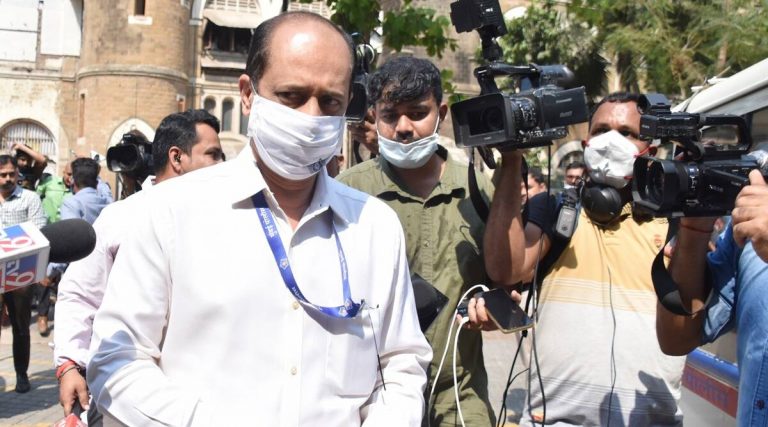
The National Investigation Agency (NIA) has recovered a diary from Sachin Vaze’s office which contains information on financial transactions, as per reports. The monetary transactions listed in the diary hint at the money laundering angle which is now to be investigated. The NIA is likely to approach ED to probe the financial transactions further.

As per a CNN News18 report, the diary allegedly has extortion details in code words from some famous pubs and clubs in Mumbai. However, Sachin Vaze has denied having any knowledge about the diary.

A letter written by former Commissioner of Mumbai Police Param Bir Singh to Chief Minister Uddhav Thackeray alleged that the state Home Minister Anil Deshmukh had asked controversial cop Sachin Vaze to collect Rs. 100 crore every month from bars, restaurants, and other establishments.

Yesterday, it was reported that Param Bir Singh has moved the Supreme Court demanding an investigation into the “various corrupt practices” of Maharashtra Home Minister Anil Deshmukh.

Param Bir Singh’s letter revealed that, “For achieving the aforesaid target, the Hon’ble Home Minister told Shri Sachin Vaze that there were about 1750 bars and restaurants and other establishments in Mumbai and if a sum of 2-3 lakhs was collected from each of them, a monthly collection of 40-50 crores was achievable.”

In a latest update, NIA carried out search operations in a hotel room of a 5-star in Mumbai booked by Sachin Vaze using a forged Aadhaar card with a fake name. It is interesting to note that Sachin Vaze stayed at Trident Nariman Point, Mumbai from February 16 to February 20. The dates coincide with when a team of police of which Sachin was a part of, raided various establishments in Mumbai at night for various violations of licence conditions like staying open at night beyond permitted hours, among other reasons.

From 2012 to 2021: 12 tragic tales of the Hindus facing systematic persecution at the hands of the radical Islamists in Bangladesh

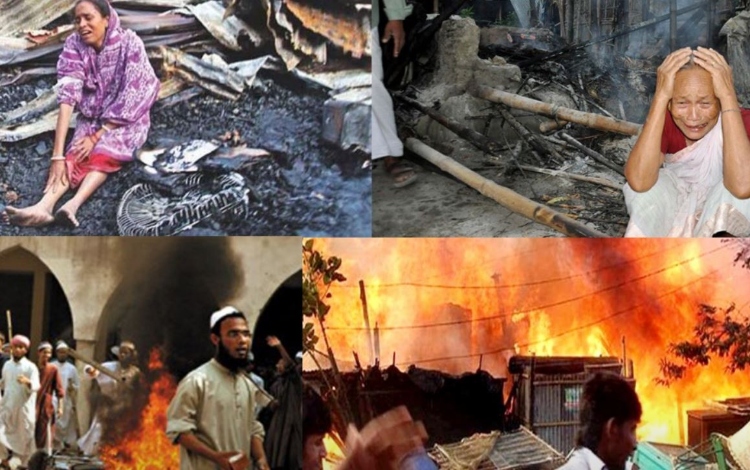
On March 18 we reported how hundreds of supporters of an extremist Islamist group attacked and vandalized about 80 houses of Hindus in the northeastern Sylhet division, Bangladesh. The brutal attack was planned after a young Hindu man criticized Joint-Secretary General Mawlana Mufti Mamunul Haque in a Facebook post.

A young Hindu man from Noagaon, Shalla Upazila was enraged by Mawlana Mamunul Haque’s speech and made a Facebook post criticizing it which he uploaded on Tuesday.

Upon discovering the post, Hefazat leaders staged a protest on March 16 (Tuesday) night alleging attempts to incite communal violence. Though the police had arrested the boy the same evening to bring the situation under control, yet several thousand members of Hefazat-e-Islam attacked the boy’s village with makeshift weapons on March 17 (Wednesday) morning.

Many local Hindus had to flee their homes fearing for life which gave the attackers an opportunity to ransack and loot their homes.

According to reports the fanatic mob used loudspeakers of local Mosques to incite violence and gather as many Islamist goons as they could. They incited the local Muslims to kill Hindus and rape Hindu women as a means to take vengeance for the Facebook status that criticized their leader. The followers of Hefazat-e-Islam reportedly entered the village, ransacked and looted many houses.

Though local reports suggest around 70 to 80 Hindus houses were vandalised, a local journalist claimed that at least 500 Hindu homes were vandalized and burned down. The Islamic extremists also vandalized eight temples. The attack was broadcasted on the Facebook live stream.

The next day (March 19, Friday) some miscreants attacked and damaged an idol of the Hindu goddess Kali at a temple in Bangladesh’s Uttargaon village of Thakurgaon’s Ranisankail Upazila.

Similar to Pakistan, Hindus in Bangladesh have also witnessed unbridled attacks. For decades, the Hindu community in Bangladesh have been facing systematic persecution at the hands of the radical Islamists in the country, so much so that around 11.3 million Hindus have left Bangladesh between 1964 and 2013 due to religious persecution and discrimination.

The tragic tale of the Hindus in Bangladesh which started with the 1947 genocide only to heighten during the Bangladesh Liberation War, when almost 3,000,000 Hindus were butchered in one of the biggest genocides of the century, continues until today.

In these years, umpteen number of Hindu shops have been looted, businessmen have been killed, land grabbed, temples demolished and idols vandalized. Hindu families have been forced to leave the country and girls and women have been abducted and raped.

This report throws light on 11 attacks, similar to the recent Shalla attack, on Hindus from 2012-2020. It is pertinent to note here that the following 11 cases are only a few of the thousand incidents which have occurred in the past few years. Surprisingly, in none of these incidents, trials have been carried out against the perpetrators. Instead, the Hindu victims have only been falsely accused of blasphemy and thrown behind bars.

Media too has always sugar-coated these incidents of atrocities against the Hindus orchestrated by fundamentalist groups by using the term ‘unknown miscreants’ to hide the attackers with radical Islamic intentions behind the attacks.

Jamaat-e-Islami Bangladesh burnt down shops and houses of Hindus in Hathazari in 2012

In 2012 and 2013, between February and November, at least 20 attacks were reported against the minority communities at Hathazari and Bashkhali in Chittagong, Kaliganj of Satkhira, Chirirbandar of Dinajpur, besides Ramu in Cox’s Bazar, Sathia of Pabna, Barisal and so on.

The assault started in Hathazari on 9 and 10 February 2012, when Islami Chhatra Shibir, the student wing of the Jamaat-e-Islami Bangladesh, members influenced local Muslims to attack, loot and plunder Hindu households. Eight temples, 12 shops and a number of houses were burnt down.

After the violence in Hathazari, police arrested the perpetrators but with the help of Hefajat leader Ahmed Shafi, they were let out on bail. Now, it’s been 9 years since the incident, but the Hindu victims have still not got any justice.

Fundamentalist outfit Jamaat-e-Islami behind the 2021 Fatehpur violence

The Hathazari incident was the starting point of religious terrorism against Hindus by the fundamentalist outfit Jamaat-e-Islami in Bangladesh.

In March and April, several Hindu and a few Muslim households (who had tried to help their Hindu neighbours)  at Fatepur and Chakdaha in Satkhira, were attacked. At least 12 houses were burned down to ashes and two villages were ransacked during the two-day long vandalism in the area.

On March 31, 2012, a local newspaper named Daily Drishtipat, backed by Islamist hardliners, had spread the rumour that a school play in the village had made indecent remarks about the Prophet. The local newspaper reportedly circulated complimentary copies of the paper to different houses, bazaars and mosques. Based on this rumour, Islamists attacked and looted Hindus, while the police kept looking on. The houses of almost 10 Hindu families were looted and set ablaze.

Initially, the mainstream Bangladeshi media maintained a stoic silence, completely ignoring the incident. Later, as the Hindu Students of Jagannath Hall of Dhaka University protested against the persecution, the Bangladeshi media highlighted this event.

2012 Chirirbandar violence was a fallout of an inflammatory speech given by a radical Muslim professor baying for the blood of Hindus

On 4 August 2012, a similar attack was carried out by the local fundamentalists on the vulnerable Hindus of Chirirbandar Upazila of Dinajpur District in the Division of Rangpur, Bangladesh. The Islamic extremists mercilessly burned down 50 Hindu households in an attack that was pre-planned.

The incident was a fallout of an inflammatory speech given by Professor Hamida Khatun of Chittagong Metropolitan College with the help of the Chirirbandar Upazila Parishad chairman and a Bangladesh Jamaat-e-Islami leader Aftab Ali Molla, to agitate the local Muslim against the Hindus of the area. The Muslims, in turn, hit the streets across the country in support of Jamaat-e-Islami’s and reduced houses of at least 50 Hindu families to ashes.

Islamists targetted Buddhist monasteries and Hindu temples during 2012 Ramu violence

In the same year on the midnight past 29 September, Islamic fanatics launched attacks on a predominantly Buddhist neighbourhood at Ramu in Cox’s Bazar in Bangladesh. The incident occurred after an image of the desecration of the Quran appeared on a fake Facebook account registered under a Buddhist youth Uttam Kumar Barua. Accusing the youth of insulting the Quran through his social media account, Islamists targetted Buddhist monasteries and Hindu temples.

The violence later spread to Ukhia Upazila in Cox’s Bazar District and Patiya Upazila in Chittagong District, where too Buddhist monasteries and Hindu temples were destroyed.

Reports suggests that the Buddhist youth was falsely defamed as the picture was not posted by him.

According to rough estimates, 25,000 Muslims participated in the violence directed at Buddhists in Ramu, Cox’s Bazar, Bangladesh.

2013 Bangladesh anti-Hindu violence

On 28 February 2013, the International Crimes Tribunal sentenced Delwar Hossain Sayeedi, the vice president of the Jamaat-e-Islami to death for war crimes committed during the 1971 Bangladesh Liberation War. Following the death sentence, radicals of Jamaat-e-Islami and its student wing Islami Chhatra Shibir attacked the minority Hindus in different parts of the country.

Over 100 people, including police personnel were killed and many Hindu properties were looted, damaged and burnt to ashes. Hindu temples were also desecrated and set on fire.

According to minority community leaders, more than 50 Hindu temples and 1,500 Hindu homes were destroyed in over 20 districts during the 2013 anti-Hindu violence in the country.

Muslim mob goes on a rampage vandalising 26 Hindu households during 2013 Sathia violence

On November 2, 2013, a Muslim mob had reportedly gone on a rampage vandalising a temple and 26 Hindu households in a Hindu dominated neighbourhood in a village in Bangladesh’s Pabna district. The incident occurred over a Facebook post malign the prophet. Accusing a class 10 Hindu boy of posting a blasphemous post, defaming Prophet Mohammad, the mob attacked Rajib Shah, son of Bablu Shah’s house. Babul was mercilessly hit and kicked upon. Later, more gangs joined in to attack the predominantly Hindu village and vandalised about 26 households.

2014 Bangladesh violence against minority Hindus

In 2014, major clashes had erupted in Bangladesh after Hindus refused to boycott the 10th general elections, which was already boycotted by the primary opposition party, Bangladesh Nationalist Party and its ally Jamaat-e-Islami. Soon after the voting ended in Bangladesh, the Hindus had to face the ire of the activist of the Bangladesh Nationalist Party and Jamaat-Shibir. Hindu houses have been looted, vandalized and burned in several places like Thakurgaon, Dinajpur, Rangpur, Bogra, Lalmonirhat, Rajshahi, Chittagong and Jessore.

Hundreds of minority Bengali Hindus were rendered homeless in this mayhem, where as several Hindu temple were also burnt, vandalized and looted.

Two dozen Hindu households and a temple vandalised during 2014 Homna violence over fake charges of blasphemy

A fanatic Muslim mob of nearly 3,000, led by teachers and students of eight madrasas in the Upazila, attacked over two dozen Hindu households and a temple in eastern Bangladesh after rumours spread that two Hindu youths defamed Prophet Muhammad on Facebook.

Villagers had then confirmed that a call was made from the loudspeakers of a Madrasa at Rampur village, near Baghsitarampur, to launch the assault on the Hindus. Before the attacks, leaflets were distributed for several days in the madrasas claiming that two Hindu youths had slandered the prophet in a Facebook post on April 27, 2014.

2016 Nasirnagar violence was yet another display of blatant intolerance by Muslims in Bangladesh

A similar incident transpired in Bangladesh’s Nasirnagar Upazila in October 2016. This time too, a frenzied Muslim mob launched a synchronized attack on the Hindus in Brahmanbaria’s Nasirnagar Upazila over an alleged Facebook post. More than 300 Hindu homes and at least 19 temples were reportedly looted. Moreover, 100 people including several temple devotees were left wounded in the attack which was triggered by an allegedly defamatory social media post by a Hindu fisherman against Islam.

Muslim mob turned violent and launched an arson attack on Hindu houses during 2017 Rangpur violence in Bangladesh

In yet another incident of violence against the vulnerable Hindus in neighbouring Bangladesh, at least 30 Hindu houses at Thakurpara village in Rangpur Sadar Upazila were looted vandalised and burnt to ashes on November 10, 2017. Several Hindus were injured in the incident where a Muslim mob turned violent and launched an arson attack on these Hindu houses.

A rumour had reportedly shaped and vented the anger of the Muslims in the neighbouring villages against the Hindu community. The rumour was that one Titu Roy, originally from Thakurpara but living in Narayanganj, had put up a Facebook post defaming Prophet Muhammad a few days prior to the incident.

The violence that ensued left one dead and several others injured as police had opened fire on attackers. Protestors also torched Titu’s house. An investigation by police, however, found no blasphemous posts made by Titu, but rather from a different account with a similar name.

Rumours about a blasphemous post against Islam triggered the 2019 Borhanuddin violence against Hindus in Bangladesh

Similarly, on October 23, 2019, four people were killed and hundreds more including 10 policemen injured in Borhanuddin, following clashes between police and local Muslims demonstrating for the punishment of a youth, Biplob Chandra Baidya, who had allegedly hurt their religious sentiment on a Facebook post. According to reports, 12 Hindu homes and one temple were vandalized. One Hindu home was also set ablaze. A motorcycle was also torched.

This started when rumours spread that the Hindu boy posted a blasphemous post against Islam on Facebook. However, it was later found to be posted by two Muslims.

Muslim mob attacks, burns houses of Hindus over a Facebook post about Charlie Hebdo cartoons in Muradnagar in Bangladesh

Last year on November 2, in yet another blatant display of fanaticism and bigotry, a group of radical Islamists attacked over 10 Hindu families at Korbanpur village under Muradnagar Upazila in the Comilla district of Bangladesh.

As per reports, the Hindu households were selectively vandalised and later set on fire after a man allegedly expressed solidarity with France and defended the Charlie Hebdo cartoons in Facebook comments. The man has been identified as one Shankar Debnath. The Islamist mob burnt down the office of the local Union Parishad Chairman Bankumar Shiv, his house, Shankar’s house and that of other Hindu families in the area.

The video of the incident had gone viral on social media, in which a violent Islamist mob, wearing skull caps and brandishing sticks, logs and stones, could be seen vandalising the houses of Hindu families. 

The Chinese Embassy in Paris calls French researcher ‘little rascal’, France summons envoy to protest

The foreign ministry of France has summoned China’s ambassador over several issues, including repeated threats and insults towards French lawmakers and a researcher. The Chinese embassy had called a Paris-based researcher Antoine Bondaz, “petite frappe”, which means little rascal or a thug in a tweet.

The Chinese Embassy had denounced Antoine Bondaz’s criticism of China’s pressure on French lawmakers over their upcoming visit to Taiwan.

Jean-Yves Le Drian, Foreign Minister of France, wrote on Twitter, “The words of the Chinese Embassy in France and the actions against European elected officials, researchers and diplomats are inadmissible. He further said that he has requested the Chinese ambassador to be summoned to remind him firmly of these messages.

The French Foreign Ministry also protested against the decision made by China to sanction several European nationals, including Raphael Glucksmann, a member of the European Parliament. The ministry said, “It is not by attacking academic freedom, freedom of expression and fundamental democratic freedoms that China will respond to the legitimate concerns of the European Union.”

Sanctions against Chinese officials

On March 22, The United States, the European Union, Britain and Canada imposed sanctions on Chinese officials. It was the first such coordinated Western action against China under the newly elected US President Joe Biden.

In a reply, China said that the sanctions were imposed as a retaliation to the sanctions imposed by the EU on senior Chinese officials on the pretext of human rights abuse in Xinjiang. The embassy also added that the EU sanctions were based on misinformation and lies. It claimed that the EU is interfering in the internal affairs of China. Further, the embassy said that the ambassador would go to the foreign ministry on March 23 to discuss the sanctions imposed on the EU and questions linked to Taiwan.

China’s mouthpiece Global Times defended the embassy over the derogatory comment

On March 22, in an op-ed, China’s mouthpiece news agency Global Times had defended the embassy over the derogatory tweet towards the researcher. It said that in China, people believe that they should never ask others to do something they don’t want, and Bondaz’s remarks would make anyone in China call him an “academic rascal”.

It further added that the continuous attack on China forced the Chinese embassy to respond. It said, “After facing so much nonsense, the Chinese Embassy responded in French on Twitter with “petite frappe,” which means “little rascal”, and then has been hit by more slanders and attacks.”

Niger terror attack: 137 people killed in a brutal attack by armed men in one of the deadliest violence

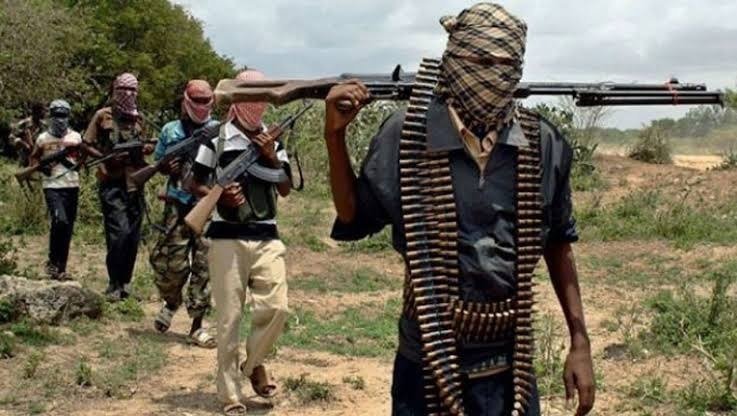
Over hundred people were killed in a horrific violence unleashed by some armed men in several villages in southwestern Niger located near the border with Mali. According to reports, the attackers, who came on motorbikes, raided the villages of Intazayene, Bakorat and Wistane on Sunday. As per the Niger government, the attackers killed 137 and left several injured. Initially, there were reports of around 58 people being killed in the attack.

Newly elected President of Niger faces the challenge of violence by armed groups

Government spokesman Zakaria Abdourahamane said that the ‘armed bandits’ have gone a step further in committing brutalities on civilians. “In treating civilian populations systematically as targets now, these armed bandits have a step further into horror brutality”, Abdourahamane was quoted as saying.

Niger, which has been ranked by the United Nations as the poorest country in the world, is reportedly struggling with armed campaigns that have been happening in Mali and Nigeria as well. The attacks leave several people dead and displaced. The attacks in Niger are posing a serious challenge before the newly elected president of the country Mohamad Bazoum. Bazoum, who was elected as the President last month and was confirmed by Niger’s apex court on Sunday, expressed condolence for the families of the victims on Twitter on Monday.

Around 66 people were killed in a brutal attack earlier in March

The villages that were attacked by armed men on Sunday are located in the Tahoua region that shares boundary with Tillaberi border area. Tillaberi border area is said to be the hotspot of conflict fueled by terrorist groups like Al Qaeda and ISIS troubling the western portion of the Sahel for around 10 years. Around 66 people were reportedly killed on March 15 in an attack by some armed men on a bus carrying shoppers from the market town of Banibangou. The killers then raided the village of Darey-Daye where the killed the locals and set the granaries on fire. The same day, about 33 Malian soldiers were reportedly killed in an attack claimed by ISIS in the tri-border area where the frontiers of Niger, Burking Faso and Mali converge. Bazoum who is a former interior minister has reportedly ordered reinforcements in the Tillaberi region following the March 15 massacre.

Niger is a member of the G5, a France-backed alliance of countries in the Sahel region. A contingent of 1,200 soldiers from the Chadian army has reportedly been deployed in the region under the G5 banner. In an attack that was carried out in two villages in Mangaize district of Tillaberi in January this year, around 100 people were killed. This is said to be to the worst massacre in the history of Niger. This was followed by killing of 89 army men in the same month in an attack on a military camp in Chinegodar.

The Tillaberi region reportedly has active jihad groups. However, the counter-terrorism measures against these groups have allegedly given rise to ethnic militias.

Jihad against an innocent Hindu girl transformed chemical engineer Deepak Tyagi into Yati Narsinghanand Saraswati: Here is his life story

The Dasna Devi Temple was recently under media glare over the temple authorities vocal stand against local Muslims trying to desecrate the shrine. While liberals created a hullabaloo over the incident of a Muslim boy getting slapped, it unwittingly brought to fore the lingering issues faced by the village’s Hindu community.

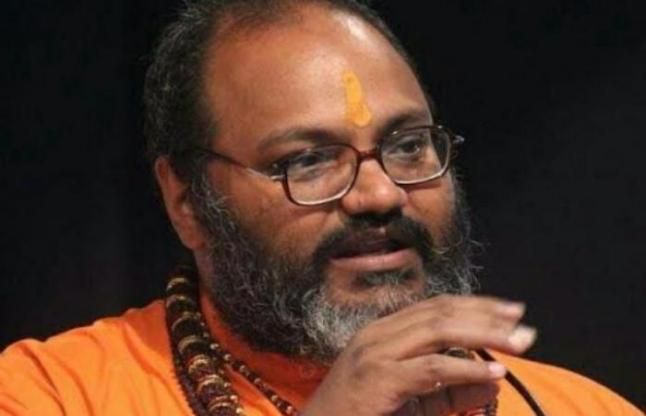
It was the abbot of the Dasna Devi Temple, Yati Narsinghanand Saraswati, whose vocal support to the temple’s rule of banning entry to Muslims caused a furore in the media. He recently penned an article on Samachar 24*7 in which he explained the incident that transformed him from a non-observant Hindu to a devout one and urged fellow Hindus to fight for the honours for their daughters and sisters.

In numerous media interviews and social media interactions, Narsinghanand Saraswati boldly voiced his stand and asserted that due to constant attempts of desecration, theft, robbery and molestation of female devotees inside the premises, the temple has taken an authoritative stand of not allowing entry to Muslims and he will maintain it.

Deepak Tyagi’s journey towards becoming Yati Narsinghanand Saraswati

Yati Narsinghanand Saraswati was not always a pious practising Hindu as we would imagine after he rose to prominence in the wake of the Dasna Devi temple controversy. There is a poignant backstory behind what inspired Yati Narsinghanand to shun the materialistic world and espouse a Hindu Sadhu’s life.

In the article, Yati Narsinghanand Saraswati recounted in detail what kindled a spiritual awakening in him and pushed him to become what he is today. Narsinghanand stated that it was the death of an innocent girl back in 1997 that had a profound effect on him and that completely upended his life.

Before renouncing the world and becoming a sanyasi (a Hindu religious saint), Yati Narsinghanand Saraswati was known as Deepak Tyagi. He was a chemical engineer and had completed his M.Tech from Moscow. Deepak had always yearned to do something big in his life, so after returning from Moscow, he felt he should be joining politics.

Yati Narsinghanand Saraswati writes that he was born in an upper-middle-class peasant family. His grandfather was a Congress official from Bulandshahr and his father was the national level leader of the Union Government Employees Union. Since he was born in a Tyagi family, which was well entrenched in politics, he made acquaintances and was soon elevated to the District head position of the Youth Brigade of the Samajwadi Party.

Narsinghanand asserted that his association with the Samajwadi Party, his grandfather being a Congress official and his education from abroad meant that he was never enamoured with the idea of Hindutva. Additionally, for him, religion was no less than superstition and hypocrisy. He also remembers that he had a sizeable number of Muslim friends because he was from Meerut, was associated with the Samajwadi Party and had completed his graduation from abroad.

However, his first brush with Hindutva came when he met one of the founding members of the BJP and the former BJP MP from Delhi, Baikunth Lal Sharma “Prem” Ji. Narsinghanand recalls that Sharma told him horrifying atrocities committed by Muslims that left him in utter disbelief. And a few days later, an incident occurred that irreversibly pushed Narsinghanand into the folds of Hindutva.

Jihad against Hindu girls pushed Deepak Tyagi to the Hindutva fold

According to the Dasna Devi Temple mahant, since he was a local leader, a girl from his community approached him and recounted how she was sexually abused by the Muslim boys in her college. As per Narsinghanand’s account, the girl had befriended a Muslim girl of her class, who had introduced her to a Muslim boy. Together, the girl and the boy had managed to click some objectionable pictures of the Hindu girl and forced her to have sexual relations with every Muslim boy in her college. Narsinghanand says she was not the only girl to be sexually exploited. There were at least 50 other Hindu girls in the college who were blackmailed into sexual exploitation by Muslim boys. The mahant said there were some Hindu boys also who colluded with the Muslims to blackmail the girls.

Narsinghanand was aghast to hear about the girl’s plight. When inquired what took her so long for her to complain about this atrocity, the girl said the Muslims who were involved in exploitation racket were regularly seen beside him. The girl said that it was because of people like him (Deepak Tyagi) that girls were being sexually exploited.

“She held me responsible for her exploitation. When I said that I was completely unaware of such happenings, she said it was impossible that I was not aware of these shenanigans. These Muslims send girls to others, they force them to eat meat, you must have also gotten something from them, the girl said. Her words had shaken me from the core,” Yati Narsinghanand Saraswati recalled in the article.

Remembering the girl’s anguish, Narsinghanand said, “The girl warned me that one day I will too have a daughter and she might also be exposed to the organised harassment and sexual exploitation by a section of Muslims.

When Narsinghanand asked her how is it an issue between Hindu and Muslims, she responded that it is a type of jihad waged by Muslims against the Hindus. Narsinghanand says it was for the first time that he had heard the word ‘jihad’. The girl then, Narsinghanand says, acquainted him with the definition of jihad.

“I held that girl’s hand in my hand and said that it is not necessary to have a daughter to understand the pain and the indignity she had been subjected to. The girl started crying loudly and slowly left my office. I was gutted from the inside. I sat their motionless, a complex set of emotions churning through my mind. This churning gave rise to new feelings and my life was changed forever. I started reading the books and the history of Islam. The more I read, the more I felt the anguish and pain suffered by that girl,” Narsinghanand wrote in his article.

However, when Narsinghanand decided to take the plunge and fight for the girl, she was dead. He says he is still haunted by the girl in his dreams. Even today, he says he acutely feels the pain suffered by that girl and her sobbing still resonates in his ears.

“I paid homage to her in the same way as a father and a brother would pay. I may not be her biological father but I do treat her as my daughter. For years, I kept this traumatic story suppressed in the deeper recesses of my heart. But, today it has become necessary to tell this tale to everyone,” Narsinghanand wrote.

Hindus need to acknowledge the dangers staring them in their faces: Yati Narsinghanand Saraswati

“She made me realised what Hindus have long forgotten. A daughter is not just a daughter of a man, she is the daughter of the entire community. I don’t know that has happened to our conscience that we don’t want to acknowledge the destruction staring us in our face,” he further added.

He said that despite being aware of the dangers facing the Hindu daughters, the conscience of Hindus is not awakened. Today, the number of such incidents have grown but we are hardly bothered about it, Narsinghanand lamented.

“I have no regrets about anything. Whatever I could do, I did and whatever I can do, I will do, as long as I am alive. I am just saddened that because of a few rotten apples, the entire Hindu community is let down and we couldn’t do enough about it,” he said.

Towards the end, Narsinghanand had harsh words for the Hindu community and its leaders who failed in protecting its daughter from the menace of Islamic jihad.

Concluding his article, Narsinghanand Saraswati writes that he wishes the Hindu community realises that it is high time they face the realities and stop this organised harassment of Hindu girls. He emphasised the importance of electing leaders who recognise these issues.

Sachin Vaze stayed in five-star hotel under fake Aadhaar: More revelations come to fore as one more luxury car gets seized

The Maharashtra mess gets messier as state’s Anti-Terrorism Squad has seized a Volvo car in connection with Mansukh Hiren’s death case, reports news agency ANI.

The car registered with Kalyan RTO belongs to a construction company in Navi Mumbai as reported by Times Now. It is suspected that the owner of the construction company is Sachin Vaze’s business partner and that this car might have played a crucial role in Mansukh Hiren’s death.

A team was sent to Daman to seize the car basis the revelation made during the interrogation of the two accused arrested The car has now been brought to the ATS office in Thane. It is told that the forensic team is awaited who investigate it further.

Latest update from NIA’s investigation:

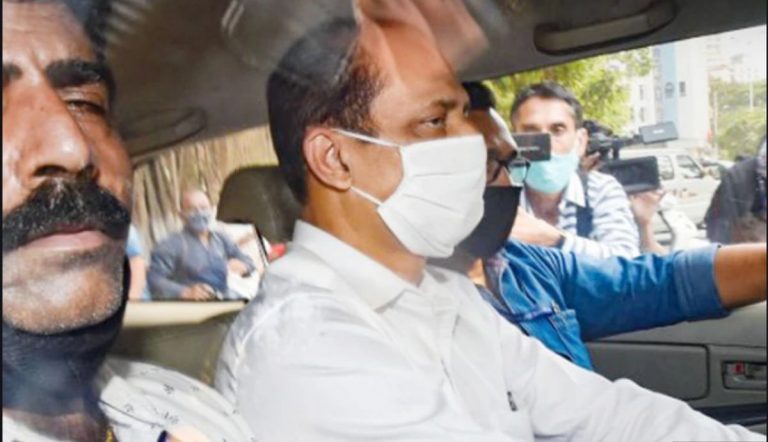
In a parallel investigation being conducted by NIA, it was revealed that Sachin Vaze stayed at a 5-star hotel in Mumbai using a forged Aadhaar card, as reported by Hindustan Times. It was reported that Sachin Vaze stayed at Trident, Nariman Point from February 16 to February 20. NIA conducted a search in the room where Sachin Vaze resided under a fictitious name and a forged Aadhaar card.

The NIA team has also seized some documents from the hotel room, however what the documents pertain to is not clear as yet. The team has also seized the CCTV footage to probe who all met Vaze when he was residing at the hotel.

The report also stated that those dates coincided with the time when Vaze was part of a team that raided various establishments in Mumbai at night for violations of licence conditions such as staying open at night beyond permitted hours, as per a Mumbai Police officer.

Other cars seized in ongoing investigation

NIA had seized two more luxury cars a black luxury SUV, Mercedes Benz ML 250 CDI and a high-end SUV, white Toyota Land Cruiser Prado in the Antilia bomb scare case.

The first car to be seized was the Scorpio car which was found parked near the residence of Mukesh Ambani filled with gelatin sticks. It was owned by Mansukh Hiren, but was being used by Mumbai Police cop Sachin Vaze for several months, before it was returned to Hiren just days before it was found with the explosives. Just few days after the bomb-laden Scorpio was discovered, Mansukh Hiren was found dead under mysterious circumstances.

The second car to be seized was an Innova, which was seen in CCTV footages trailing the Scorpio before it was parked near Antilia. Although Mumbai police ‘looking’ for the car for days before the case was transferred to NIA, the NIA had found it parked in the office of the Mumbai Police commissioner.

The third car was another Mercedes SUV, which was used by Sachin Vaze. NIA found incriminating evidence in the vehicle, including the number plate of the Scorpio car, more than Rs 5 lakh in cash and a currency counting machine. Reportedly, Sachin Vaze had used the Mercedes car for his personal use with a fake number plate. This Mercedes car also costs around Rs 55 lakh.

Apart from these, NIA is reportedly looking for two more cars linked to the case, one blue Mercedes car and a Skoda car. 

NHAI has suffered toll-revenue loss of Rs 814 crore in Punjab, Haryana and Rajasthan due to farmer protests: Nitin Gadkari

0

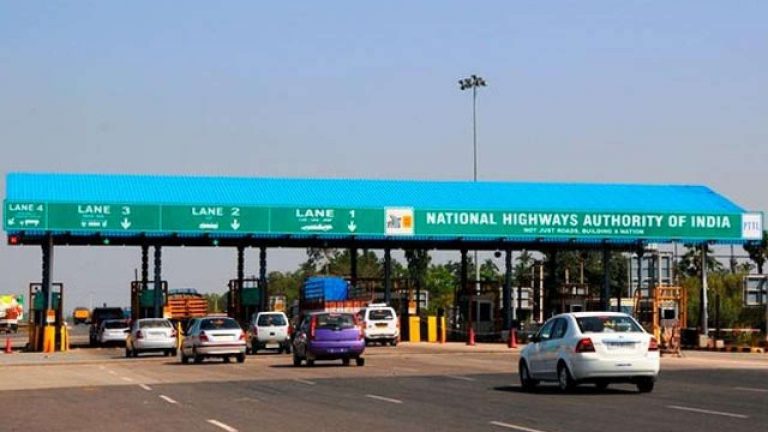
In a written reply to the Rajya Sabha, Nitin Gadkari, Union Minister for Roads, Transport, Highways and MSMEs informed that the National Highways Authority of India suffered a toll revenue loss of Rs 814.4 crore till March 16 as a result of farmers’ agitation in three states, as reported by The Economic Times.

Taking into account the heavy revenue loss, state administrations have been requested to reinitiate user fee collection at the tolls. The minister in the Parliament on Monday said, “loss of revenue due to farmers’ protest has primarily occurred in the States of Punjab and Haryana and at a few plazas in Rajasthan”.

Punjab witnessed the highest loss of Rs 487 crore, followed by Rs 326 crore in Haryana and Rs 1.40 crore in Rajasthan.

Nitin Gadkari further informed, “no loss of revenue is reported on account of farmers’ protest in other States”. Drawing the Punjab government’s attention to the matter, he added, “request has been made to Government of Punjab for urgent intervention for the smooth functioning of toll plazas in Punjab”.

Business loss of Rs 50,000 crores

The protest is on its 118th day and it is not just the NHAI that is suffering losses, but even the local businesses have been impacted by the agitation. We reported about the plea filed in Punjab and Haryana High Court to relocate the protestors at a legal protesting site. The protesting farmers have occupied warehouses in Patiala, resulting in a massive loss of business.

An Economic Times report stated citing the Confederation of All India Traders (CAIT) that the farmers’ agitation has caused a business loss of Rs 50,000 crore in Delhi-NCR by January.

Meanwhile, BKU leader Rakesh Tikait is trying to keep the agitation alive with his roadshows in different parts of the country. Moving South, farmer leaders Rakesh Tikait and Darshan Pal staged a demonstration against the Farm Bills in Bengaluru on Monday, reported Outlook. Elaborating on the plans, Rakesh Tikait informed that preparations were on to gather supporters from Haryana, Uttar Pradesh and Punjab to join a “Shaheed Diwas” programme, scheduled on March 23 to commemorate the death anniversary of Bhagat Singh, Rajguru and Sukhdev.

The next item on the list is to burn the copies of the three agricultural laws on March 28, on the occasion of Holi and on April 5, a call has been given to farmers to ghero offices of Food Corporation of India across the country from 11 am to 5 pm.

Maharashtra mayhem: Pawar asserts Deshmukh was in home isolation in Nagpur, latter fact-checks his boss

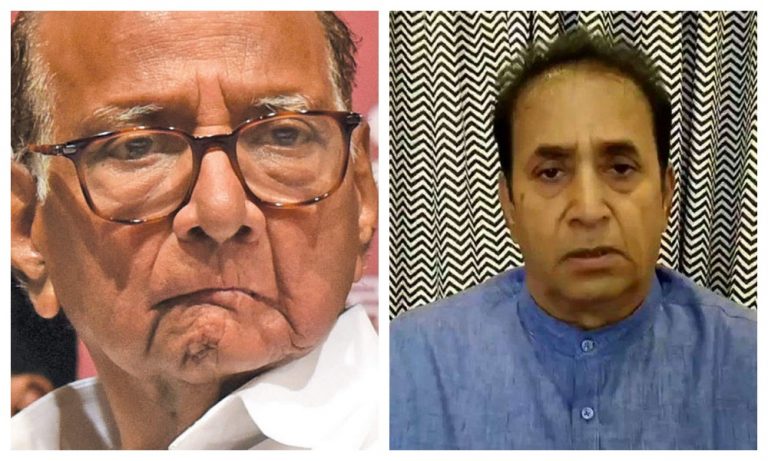
As NCP chief Sharad Pawar comes to rescue of Maharashtra Home Minister Anil Deshmukh, the chronology of events the duo put up in their defence don’t quite add up.

On Monday Sharad Pawar claimed and asserted that Deshmukh was in Nagpur from 15th February to 27th February.

Pawar was trying to refute former Mumbai CP Parambir Singh’s allegations that controversial cop Sachin Vaze had met Deshmukh in mid-February at his residence. Pawar asserted that since Deshmukh was in Nagpur, he could not meet Vaze in Mumbai at that time.

Except, just hours later he got fact-checked by none other than Deshmukh who revealed that he was indeed in Mumbai and had taken a private plane from Nagpur, even when he was to be on home quarantine.

He released the statement through a video on Twitter where he can be seen seen saying that he got discharged from the hospital on 15th of February in Nagpur and immediately left for Mumbai with required permissions to get into home quarantine as per government guidelines. He then claims he was in complete home quarantine since then till the 27th of February.

The video has several cuts and edits.

Vikas Bhadauria, journalist with ABP News, shared on his Twitter account that Deshmukh had travelled to Mumbai from Nagpur via private plane when he was supposed to be home quarantined at Nagpur. He shared a private plane’s travel document dated 15th February with Anil Deshmukh’s name.

As per the document, seven other people along with Deshmukh had travelled on the plane.

This document has raised multiple questions and has thrown NCP Chief Sharad Pawar and Home Minister Anil Deshmukh’s claims out of the window where they insisted Anil was in home quarantine from 15th of February to 27th of February. In a clarification released yesterday, Anil Deshmukh himself claimed that, “I was in home quarantine from February 15th to 27th. I stepped out of my house for the first time on February 28”.

With the travel document out, Anil Deshmukh has released another statement where he is seen saying that he had taken a letter from the hospital (Travel Letter For Traveling) to travel. The letter stated that Anil Deshmukh was fit for flying, as reported by TV9.

Pawar’s claims also got countered by Deshmukh’s old tweets from February where he had said he was in Mumbai. Anil Deshmukh’s Twitter timeline reveals that on 18th February, 2021 he and his wife Arti Deshmukh paid their last respects to police officer Sanjay Naranware who passed away in a tragic accident. As per his own admission, Deshmukh claimed he was on home quarantine from 15th February 2021 onward.

Sanjay worked as a security guard at Anil Deshmukh’s Nagpur residence. The February 18 tweet read, “with Sanjay’s departure, we have lost one of our family members. We also met his family& consoled them.”

Pawar has not yet given an updated and amended chronology of Deshmukh’s whereabouts to fit the narrative.

United Kingdom: Police cars set on fire, woman protestor defecates on feet of cops in Bristol as ‘kill the bill’ protests turn violent

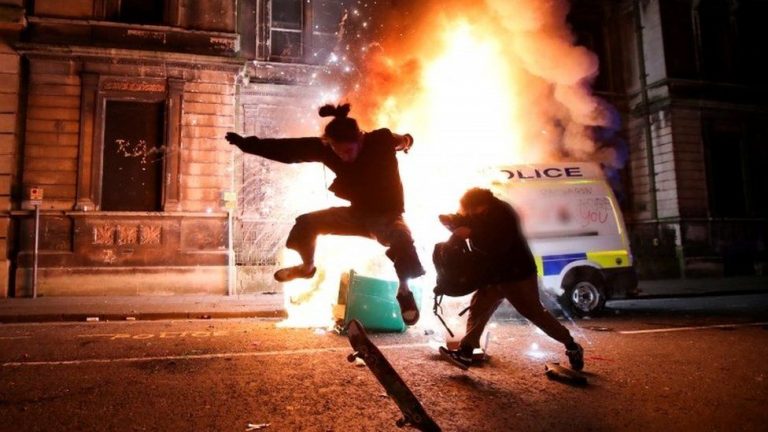
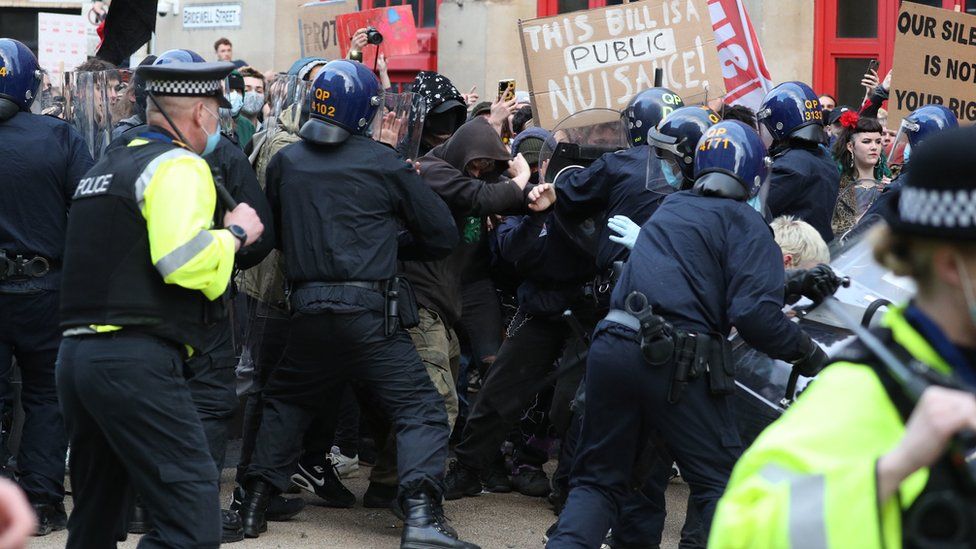
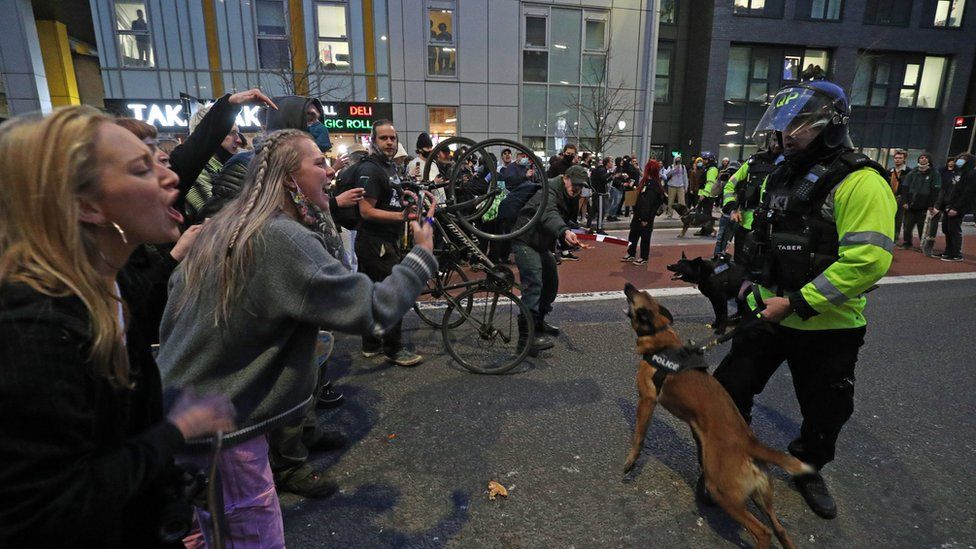
What started out as a peaceful protest on Sunday in Bristol, UK, soon turned into violent riots after protestors ‘who came for a fight with police’ torched unattended police vans and attacked a police station which left 20 police officers injured as per a report in the News Sky. A protestor even defecated on the feet of the police officers standing guard.

One can see the woman protestor relieving herself as the protesting crowd cheers on.

The ‘peaceful’ protest named ‘Kill the Bill’ was organized against the UK government’s Police, Crime, Sentencing and Courts Bill, that increases police powers to deal with non-violent demonstrations.

The Independent, a British online newspaper, has shared shocking visuals of the violent protest.

Ironically, with the protest turning violent, it gives government reasons to enforce the Bill strictly. The same was corresponded by the Mayor of Bristol, Marvin Rees, who said, “smashing buildings in our city centre, vandalising vehicles, attacking our police will do nothing to lessen the likelihood of the Bill going through. On the contrary, the lawlessness on show will be used as evidence and promote the need for the Bill” as published by BBC.

The violence garnered a strong reaction from Home Secretary Priti Patel, who in a statement said ‘thuggery and disorder’ will never be tolerated.

After a hundred protestors marched towards New Bridewell Police Station, police officers were targeted with missiles and firework, and had been verbally abused.

The protestors were seen with placards, saying: “Say no to UK police state” and “Freedom to protest is fundamental to democracy” and “Kill the Bill”.

The protest took place a day after anti-Lockdown protests in central London resulted in 33 arrests. Mass gatherings are currently prohibited under the coronavirus legislation.

Some more images from the protest.

Police in riot gear pushed back against the crowd of thousands in Bristol city centre. Image source: BBC

The cost of the damage and investigation into the riots is expected to reach £1m. Over 20 police officers are injured and one of them has also suffered a punctured lung.

Crowds had gathered for the Kill the Bill demonstration in opposition to the Police and Crime Bill. Image source: BBC

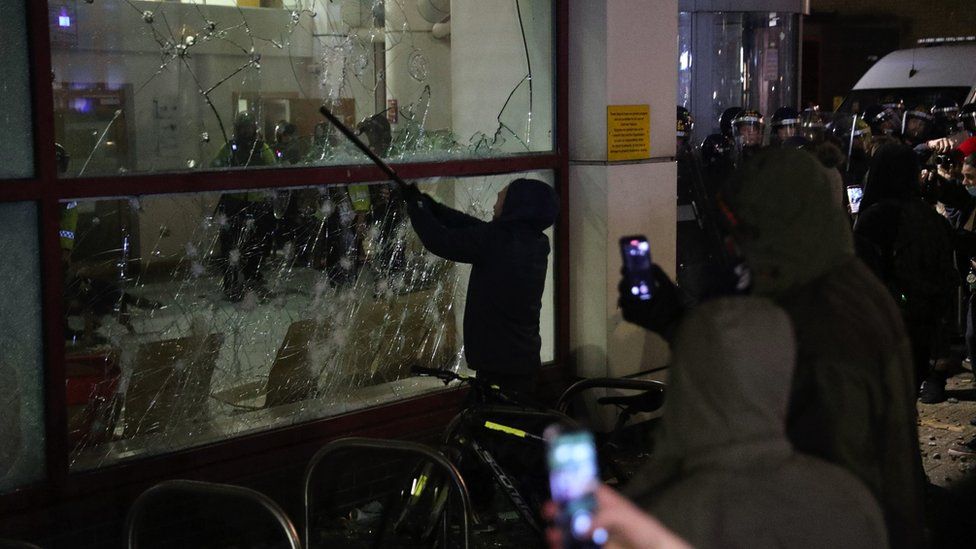
Missiles were launched at the police. At least twelve police vehicles were damaged and two were set on fire. One person reportedly even defecated at the foot of a police officer who was standing guard outside police station.

Rioters smashed the windows of the building. Image source: BBC

Bristol politicians and police chiefs have condemned the riots.

BJP’s V Muraleedharan slams Kerala CM for silence on election nomination fraud by CPIM backed candidate with Pakistani wife

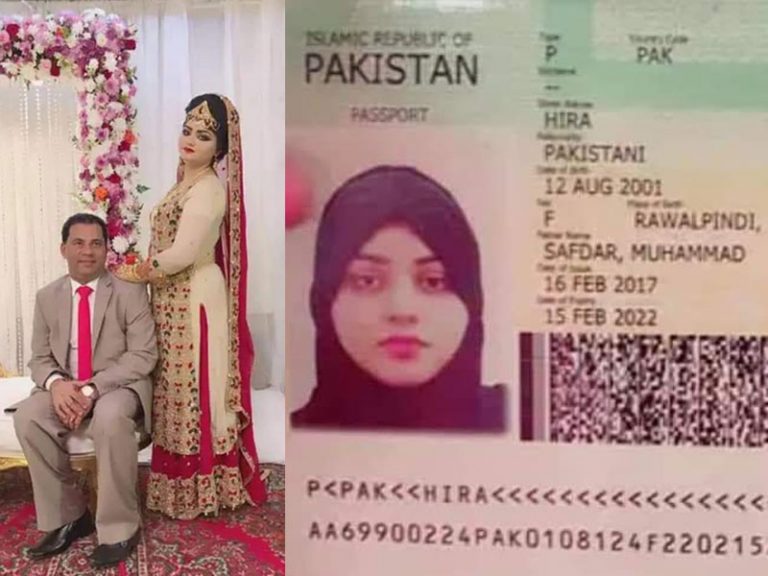
On March 22, Union Minister of State for External Affairs V Muraleedharan criticised Kerala’s Chief Minister Pinarayi Vijayan for keeping silent over election nomination fraud in Kondotty. As per reports, KT Sulaiman Haji, a CPI(M) backed candidate, failed to include details about his second wife from his election nomination for upcoming Kerala Assembly Polls. His second wife is a Pakistani national with whom he allegedly got married in Dubai.

According to a report published in Mathrubhumi, on March 20, the election commission kept aside the nomination of KT Sulaiman Haji as he did not include the details of his second wife in the declaration documents.

Muslim League leaders had filed a complaint against him, alleging he got married twice and his second wife lives abroad. They also submitted proof of their wedding that was held in Dubai. His second wife was identified as Hira Muhammed Safdar of Rawalpindi, Pakistan.

In a tweet, Muraleedharan wrote, “KTSulaiman Haji, a CPIM Kerala backed candidate in Kondotty has hidden the details of his 2nd wife, 19 years old Pakistani in his nomination. The so-called Liberal – Pinarayi Vijayan’s silence isn’t surprising.”

He further added that the people of Kerala need an explanation especially when the second wife is a foreign national.

The elections for 140 assembly seats in Kerala will be held on April 6. The results will be announced on May 2.